How to Make a Medieval Manuscript: An Introduction in 7 Videos

All of us came of age in the era of mass-mar­ket books, bun­dles of text on paper print­ed quick­ly, cheap­ly, and in large quan­ti­ties. Noth­ing about that would have been con­ceiv­able to the many vari­eties of arti­san involved in the cre­ation of just one man­u­script in the Mid­dle Ages. Even here in the 21st cen­tu­ry we mar­vel at the beau­ty of medieval man­u­scripts, but we should also mar­vel at the sheer amount of spe­cial­ized labor that went into mak­ing them.

We might best appre­ci­ate that labor by see­ing it per­formed up close before our eyes, and a new video series allows us to do just that. “The British Library has released a set of sev­en videos to look at the process of cre­at­ing medieval man­u­scripts,” says Medievalists.net.

“Patri­cia Lovett, a pro­fes­sion­al cal­lig­ra­ph­er and illu­mi­na­tor, hosts these 2–3 minute videos, which fol­low the process from the tools used to the tech­niques employed in design­ing an illu­mi­nat­ed page.”

Lovett cov­ers every step in the mak­ing of a medieval book: “how to make quill pens from bird feath­ers”; “the com­plex process behind mak­ing ink for writ­ing in man­u­scripts” (which involves wasps); “how ani­mal skins were select­ed and pre­pared for use in medieval man­u­scripts”; “the tools for rul­ing and line mark­ing in medieval books”; “the vari­ety of pig­ments that were in use in the Mid­dle Ages” to apply vivid col­or to the pages; “how medieval artists paint­ed the beau­ti­ful illus­tra­tions in their books”; and “the work behind paint­ing and embell­ish­ing man­u­scripts and repro­duc­ing a lav­ish­ly illu­mi­nat­ed page.”

“The word ‘man­u­script’ derives from the Latin for writ­ten (scrip­tus) by hand (manu),” writes Lovett and British Library illu­mi­nat­ed man­u­script cura­tor Kath­leen Doyle, and who among us will for­get that, after we’ve wit­nessed the care­ful man­u­al labor on dis­play in these videos? For fur­ther insight into the medieval man­u­script-mak­ing process, have a look at the Get­ty Muse­um’s series of videos on the sub­ject fea­tured last year here on Open Cul­ture.

We’ve also fea­tured the alche­my of the pig­ments used to col­or the pages of medieval man­u­scripts; the pages of a medieval monk’s sketch­book that shows what went into the designs for these man­u­scripts’ illu­mi­na­tion; and a look into the mak­ing of The Book of Kells, the Irish cul­tur­al trea­sure that stands as one of the very finest sur­viv­ing exam­ples of the illu­mi­nat­ed man­u­script form. (And since you’ll sure­ly get curi­ous about it soon­er or lat­er, we’ve also put up an expla­na­tion of why so many mar­gin­al draw­ings in medieval man­u­scripts include killer rab­bits.)

Just as the books we read today — whether the afore­men­tioned mass-mar­ket prod­ucts or the rel­a­tive­ly arti­sanal small-press cre­ations or even the e‑books — reveal impor­tant qual­i­ties about the world we live in, so medieval man­u­scripts have much to say about the beliefs, the tech­nol­o­gy, and soci­etal struc­tures of the times that pro­duced them. But for those who actu­al­ly devel­oped the skills for and ded­i­cat­ed the time and effort to that pro­duc­tion, these man­u­scripts also showed some­thing else. As Lovett and Doyle quote the 12th-cen­tu­ry scribe Ead­wine as pro­claim­ing about his Ead­wine Psalter, “The beau­ty of this book dis­plays my genius.”

via Medievalists.net

Relat­ed Con­tent:

How Illu­mi­nat­ed Medieval Man­u­scripts Were Made: A Step-by-Step Look at this Beau­ti­ful, Cen­turies-Old Craft

How the Bril­liant Col­ors of Medieval Illu­mi­nat­ed Man­u­scripts Were Made with Alche­my

Behold the Beau­ti­ful Pages from a Medieval Monk’s Sketch­book: A Win­dow Into How Illu­mi­nat­ed Man­u­scripts Were Made (1494)

The Medieval Mas­ter­piece, the Book of Kells, Is Now Dig­i­tized & Put Online

800 Illu­mi­nat­ed Medieval Man­u­scripts Are Now Online: Browse & Down­load Them Cour­tesy of the British Library and Bib­lio­thèque Nationale de France

Killer Rab­bits in Medieval Man­u­scripts: Why So Many Draw­ings in the Mar­gins Depict Bun­nies Going Bad

Based in Seoul, Col­in Mar­shall writes and broad­casts on cities, lan­guage, and cul­ture. His projects include the book The State­less City: a Walk through 21st-Cen­tu­ry Los Ange­les and the video series The City in Cin­e­ma. Fol­low him on Twit­ter at @colinmarshall or on Face­book.

Classic Children’s Books Now Digitized and Put Online: Revisit Vintage Works from the 19th & 20th Centuries

Children’s books are big busi­ness. And the mar­ket has nev­er been more com­pet­i­tive. Best­selling, char­ac­ter-dri­ven series spawn their own TV shows. Can­dy-col­ored read­ers fea­ture kids’ favorite com­ic and car­toon char­ac­ters. But kids’ books can also be fine art—a venue for well-writ­ten, fine­ly-illus­trat­ed lit­er­a­ture. And they are a seri­ous sub­ject of schol­ar­ship, offer­ing insights into the his­to­ries of book pub­lish­ing, edu­ca­tion, and the social roles chil­dren were taught to play through­out mod­ern his­to­ry.

Dig­i­tal archives of children’s books now make these his­to­ries wide­ly acces­si­ble and pre­serve some of the finest exam­ples of illus­trat­ed children’s lit­er­a­ture. The Library of Con­gress’ new dig­i­tal col­lec­tion, for exam­ple, includes the 1887 Com­plete Col­lec­tion of Pic­tures & Songs, illus­trat­ed by Eng­lish artist Ran­dolph Calde­cott, who would lend his name fifty years lat­er to the medal dis­tin­guish­ing the high­est qual­i­ty Amer­i­can pic­ture books.

The LoC’s col­lec­tion of 67 dig­i­tized kids’ books from the 19th and 20th cen­turies includes biogra­phies, non­fic­tion, quaint nurs­ery rhymes, the Gus­tave Doré-illus­trat­ed edi­tion of Edgar Allan Poe’s The Raven, and a num­ber of oth­er titles sure to charm grown-ups, if not, per­haps, many of today’s young read­ers.

But who knows, King Win­ter—an 1859 tale in verse of a pro­to-San­ta Claus fig­ure, in a book par­tial­ly shaped like the out­line of the title character’s head—might still cap­ti­vate. As might many oth­er titles of note.

A sly col­lec­tion of sto­ries from 1903 called The Book of the Cat, with “fac­sim­i­les of draw­ings in colour by Elis­a­beth F. Bon­sall”; a book of “Four & twen­ty mar­vel­lous tales” called The Won­der Clock, writ­ten and illus­trat­ed by Howard Pyle in 1888; and Edith Fran­cis Foster’s 1902 Jim­my Crow about a boy named Jack and his boy-sized crow Jim­my (who could deliv­er mes­sages to oth­er young fan­cy lads).

An 1896 book called Gob­olinks intro­duces a pop­u­lar inkblot game of the same name that pre­dates Her­mann Rorschach’s tests by a cou­ple decades. Oth­er high­lights include “exam­ples of the work of Amer­i­can illus­tra­tors such as W.W. Denslow, Peter Newell… Wal­ter Crane and Kate Green­away,” writes the Library on its blog. The dig­i­tized col­lec­tion debuted to mark the 100th anniver­sary of Children’s Book Week, cel­e­brat­ed dur­ing the last week of April in all 50 states in the U.S.

“It is remark­able,” says Lee Ann Pot­ter, direc­tor of the LoC’s Learn­ing and Inno­va­tion Office, “that when the first Children’s Book Week was cel­e­brat­ed, all of the books in the online col­lec­tion… already exist­ed.” Now they exist online, not only because of the tech­nol­o­gy to scan, upload, and share them, but “because care­ful stew­ards insured that these books have sur­vived.”

Dig­i­tal ver­sions of today’s kids books could mean that there is no need to care­ful­ly pre­serve paper copies for pos­ter­i­ty. But we can be grate­ful that archivists and librar­i­ans of the past saw fit to do so for this fas­ci­nat­ing col­lec­tion of children’s lit­er­a­ture. The theme of this year’s Children’s Book WeekRead Now, Read For­ev­er—“looks to the past, present, and most impor­tant, the future of children’s books.” Enter the Library of Con­gress dig­i­tal col­lec­tion of children’s books from over a cen­tu­ry ago (and see the oth­er siz­able online archives at the links below) to vis­it their past, and imag­ine how vast­ly dif­fer­ent their future might be.

Relat­ed Con­tent:

A Dig­i­tal Archive of 1,800+ Children’s Books from UCLA

Hayao Miyaza­ki Picks His 50 Favorite Children’s Books

Enter an Archive of 6,000 His­tor­i­cal Children’s Books, All Dig­i­tized and Free to Read Online

Grow­ing Up Sur­round­ed by Books Has a Last­ing Pos­i­tive Effect on the Brain, Says a New Sci­en­tif­ic Study

Josh Jones is a writer and musi­cian based in Wash­ing­ton, DC. Fol­low him at @jdmagness

Hear J.R.R. Tolkien Read from The Lord of the Rings and The Hobbit in Vintage Recordings from the Early 1950s

J.R.R. Tolkien was not a big fan of his fan­dom. He had seri­ous doubts about whether any of the mil­lions of read­ers who adored The Hob­bit and The Lord of the Rings tril­o­gy under­stood any­thing about what he was try­ing to do. But none of them can be blamed, since he didn’t at first set out to write fic­tion at all—at least not when it came to The Lord of the Rings. The books, he said, were “an attempt to cre­ate a world in which a form of lan­guage agree­able to my per­son­al aes­thet­ic might seem real.”

The most famous fan­ta­sy series of all time began its life as a lin­guis­tic exper­i­ment, in oth­er words. “The inven­tion of lan­guages is the foun­da­tion,” said Tolkien. “The ‘sto­ries’ were made rather to pro­vide a world for the lan­guages than the reverse.” Of course, Tolkien fans know quite a bit about how per­son­al his sto­ries became, even as they incor­po­rat­ed more and more myth­i­cal ele­ments. How could we pos­si­bly under­stand these sto­ries the way Tolkien did?

Authors do not get to choose their read­ers, nor can they direct the inter­pre­ta­tions of their work. Still Tolkien may have been more mis­un­der­stood than oth­ers, and maybe more enti­tled to com­plain. The schol­ar­ly work of philol­o­gists like himself—academics who stud­ied the roots of lan­guages and mythologies—had been man­gled and mis­used by the Nazis. The fact caused Tolkien to con­fess to his son “a burn­ing pri­vate grudge against that rud­dy lit­tle igno­ra­mus Adolf Hitler” for “ruin­ing, per­vert­ing, mis­ap­ply­ing, and mak­ing for ever accursed” the his­to­ry Tolkien had made his life’s work. (He also penned a scathing reply to a Ger­man pub­lish­er who asked him for proof of his “Aryan” descent.)

He would also have been appalled that not long after his death, Mid­dle Earth became a “mer­chan­dis­ing jug­ger­naut,” as one stu­dent of his effect on pop­u­lar cul­ture puts it. Tolkien had stren­u­ous­ly resist­ed efforts by Dis­ney to buy the rights to his fic­tion, object­ing to what he saw as vul­gar, mer­ce­nary com­mer­cial­ism. The hun­dreds of mil­lions of dol­lars poured into the Hob­bit and Lord of the Rings films, and the empire of games, action fig­ures, t‑shirts, etc., might have seemed to him the very image of pow­er-mad wiz­ard Saruman’s designs for world dom­i­na­tion.

This isn’t to say we should hear Tolkien scold­ing us as we pick up our box set of spe­cial edi­tion books, Blu-Rays, and LOTR tchotchkes. He was no stranger to mar­ket­ing. And he pro­duced the inspi­ra­tion for some of the most beloved adap­ta­tions with his own cov­er art designs and over a hun­dred draw­ings and paint­ings of Mid­dle Earth and its Eng­lish ref­er­ents. But per­haps it would repay fans of the many LOTR-themed con­sum­ables to attend to the cre­ator of the now-self-exis­tent world of Mid­dle Earth every now and then—to get clos­er, if not to Tolkien’s inten­tions, then at least to his mind and voice, both record­ed in his let­ters and his own read­ings from his work.

In the clips here, you can lis­ten to Tolkien him­self read from The Lord of the Rings and The Hob­bit, includ­ing a record­ing at the top of him read­ing one of the fan­ta­sy lan­guages he invent­ed, then cre­at­ed an entire world around, the Elvish tongue Quenya in the poem “Namarie.” Some of these YouTube clips have received their own cin­e­mat­ic treat­ment, in a YouTube sort of way, like the video below with a mon­tage of Tolkien-inspired media and a dra­mat­ic score. This may or may not be to your lik­ing, but the ori­gin sto­ry of the record­ing deserves a men­tion.

Shown a tape recorder by a friend, whom Tolkien had vis­it­ed to pick up a man­u­script of The Lord of the Rings, the author decid­ed to sit down and record him­self. Delight­ed with the results, he agreed to read from The Hob­bit. He liked the tech­nol­o­gy enough that he con­tin­ued to record him­self read­ing from his own work. Tolkien may not have desired to see his books turned into spec­ta­cles, but as we lis­ten to him read, it’s hard to see how any­one could resist the temp­ta­tion to put his mag­nif­i­cent descrip­tions on the big screen. Hear the sec­ond part of that Hob­bit read­ing here, and more Tolkien read­ings in the many links below.

Relat­ed Con­tent:

J.R.R. Tolkien, Using a Tape Recorder for the First Time, Reads from The Hob­bit for 30 Min­utes (1952)

Lis­ten to J.R.R. Tolkien Read Poems from The Fel­low­ship of the Ring, in Elvish and Eng­lish (1952)

J.R.R. Tolkien Reads From The Two Tow­ers, the Sec­ond Book of The Lord of the Rings Tril­o­gy

Hear J.R.R. Tolkien Read From The Lord of the Rings and The Hob­bit

J.R.R. Tolkien Expressed a “Heart­felt Loathing” for Walt Dis­ney and Refused to Let Dis­ney Stu­dios Adapt His Work

J.R.R. Tolkien Snubs a Ger­man Pub­lish­er Ask­ing for Proof of His “Aryan Descent” (1938)

Josh Jones is a writer and musi­cian based in Durham, NC. Fol­low him at @jdmagness

Street Art for Book Lovers: Dutch Artists Paint Massive Bookcase Mural on the Side of a Building

Book­cas­es are a great ice break­er for those who love to read.

What relief those shelves offer ill-at ease par­ty­go­ers… even when you don’t know a soul in the room, there’s always a chance you’ll bond with a fel­low guest over one of your hosts’ titles.

Occu­py your­self with a good browse whilst wait­ing for some­one to take the bait.

Now, with the aid of Dutch street artists Jan Is De Man and Deef Feed, some res­i­dents of Utrecht have turned their book­cas­es into street art, spark­ing con­ver­sa­tion in their cul­tur­al­ly diverse neigh­bor­hood.

De Man, whose close friends occu­py the ground floor of a build­ing on the cor­ner of Mimosas­traat and Ams­ter­dam, had ini­tial­ly planned to ren­der a giant smi­ley face on an exte­ri­or wall as a pub­lic morale boost­er, but the shape of the three-sto­ry struc­ture sug­gest­ed some­thing a bit more lit­er­ary.

The trompe-l’oeil Boekenkast (or book­case) took a week to cre­ate, and fea­tures titles in eight dif­fer­ent lan­guages.

Look close­ly and you’ll notice both artists’ names (and a smi­ley face) lurk­ing among the spines.

Design mags may make an impres­sion by order­ing books accord­ing to size and col­or, but this com­mu­nal 2‑D boekenkast looks to belong to an avid and omniv­o­rous read­er.

Some Eng­lish titles that caught our eye:

Sapi­ens

The Sub­tle Art of Not Giv­ing a F*ck

Kei­th Richards’ auto­bi­og­ra­phy Life

The Curi­ous Inci­dent of the Dog in the Night­time 

Pride and Prej­u­dice

The Lit­tle Prince

The World Accord­ing to Garp

Jumper

And a classy-look­ing hard­bound Play­boy col­lec­tion that may or may not exist in real life.

(Read­ers, can you spot the oth­er fakes?)

Boekenkast is the lat­est of a num­ber of glob­al book­shelf murals tempt­ing lit­er­ary pil­grims to take a self­ie on the way to the local indie book­shop.

via Bored Pan­da

Relat­ed Con­tent:

Japan­ese Artist Cre­ates Book­shelf Dio­ra­mas That Mag­i­cal­ly Trans­port You Into Tokyo’s Back Alleys

157 Ani­mat­ed Min­i­mal­ist Mid-Cen­tu­ry Book Cov­ers

David Bowie Songs Reimag­ined as Pulp Fic­tion Book Cov­ers: Space Odd­i­ty, Heroes, Life on Mars & More

Ayun Hal­l­i­day is an author, illus­tra­tor, the­ater mak­er and Chief Pri­ma­tol­o­gist of the East Vil­lage Inky zine.  Join her in New York City this May for the next install­ment of her book-based vari­ety show, Necro­mancers of the Pub­lic Domain. Fol­low her @AyunHalliday.
The Mueller Report Is #1, #2 and #3 on the Amazon Bestseller List: You Can Get It Free Online

Peruse the Ama­zon best­selling book list and you’ll find that the long-await­ed Mueller Report is not just the #1 best­seller. It’s also the #2 best­seller and the #3 best­seller. Col­lu­sion and obstruction–it’s the stuff that makes for good book sales, it appears.

You can pre-order the Mueller Report in book, ebook and even audio book for­mats via the links above. But if you want to down­load the report for free, and start read­ing it asap, sim­ply head to the Wash­ing­ton Post and New York Times. Or go straight to the source at the Jus­tice Depart­ment web site. Politi­co has a search­able PDF ver­sion here.

If you would like to sign up for Open Culture’s free email newslet­ter, please find it here. It’s a great way to see our new posts, all bun­dled in one email, each day.

If you would like to sup­port the mis­sion of Open Cul­ture, con­sid­er mak­ing a dona­tion to our site. It’s hard to rely 100% on ads, and your con­tri­bu­tions will help us con­tin­ue pro­vid­ing the best free cul­tur­al and edu­ca­tion­al mate­ri­als to learn­ers every­where. You can con­tribute through Pay­Pal, Patre­on, and Ven­mo (@openculture). Thanks!

by | Permalink | Make a Comment ( 2 ) |

A 16th Century “Database” of Every Book in the World Gets Unearthed: Discover the Libro de los Epítomes Assembled by Christopher Columbus’ Son

The 16th cen­tu­ry was a thrilling time for books, at least for those who could afford them: build­ing a respectable per­son­al library (even if it did­n’t include nov­el­ties like the books that open six dif­fer­ent ways and the wheels that made it pos­si­ble to rotate through many open books at once) took seri­ous resources. Her­nan­do Colón, the ille­git­i­mate son of Christo­pher Colum­bus, seems to have com­mand­ed such resources: as The Guardian’s Ali­son Flood writes, he “made it his life’s work to cre­ate the biggest library the world had ever known in the ear­ly part of the 16th cen­tu­ry. Run­ning to around 15,000 vol­umes, the library was put togeth­er dur­ing Colón’s exten­sive trav­els” and ulti­mate­ly con­tained every­thing from the works of Pla­to to posters pulled from tav­ern walls.

Alas, this ambi­tious library, meant to encom­pass all lan­guages, cul­tures, and forms of writ­ing, is now most­ly lost. “After Colón’s death in 1539, his mas­sive col­lec­tion ulti­mate­ly end­ed up in the Seville Cathe­dral, where neglect, sticky-fin­gered bib­lio­philes, and the occa­sion­al flood reduced the library to just 4,000 vol­umes over the cen­turies,” writes Smithsonian.com’s Jason Daley. But we now know what it con­tained, thanks to the dis­cov­ery just this year of the Libro de los Epí­tomes, or “Book of Epit­o­mes,” the library’s foot-thick cat­a­log that not only lists the vol­umes it con­tained but describes them as well. “Colón employed a team of writ­ers to read every book in the library and dis­till each into a lit­tle sum­ma­ry in Libro de los Epí­tomes,” Flood writes, “rang­ing from a cou­ple of lines long for very short texts to about 30 pages for the com­plete works of Pla­to.”

The Libro de los Epí­tomes turned up ear­li­er this year in anoth­er col­lec­tion, that of an Ice­landic schol­ar by the name of Árni Mag­nús­son who left his books to the Uni­ver­si­ty of Copen­hagen when he died in 1730. Few­er than 30 of the 3,000 texts in Mag­nús­son’s most­ly Ice­landic and oth­er Scan­di­na­vian-lan­guage col­lec­tion (detailed images of which you can see at Type­r­oom) are writ­ten in Span­ish, which per­haps explains why the Libro de los Epí­tomes went over­looked for more than 350 years. Redis­cov­ered, it now offers a wealth of infor­ma­tion on thou­sands and thou­sands of books from five-cen­turies ago, many of which have long since passed out of exis­tence.

Colón’s unique­ly exhaus­tive library cat­a­log opens a win­dow onto not just what 16th-cen­tu­ry Euro­peans were read­ing, but how they were read­ing — and how the very nature of read­ing was evolv­ing. “This was some­one who was, in a way, chang­ing the mod­el of what knowl­edge is,” Daley quotes Colón’s biog­ra­ph­er Edward Wil­son-Lee as observ­ing. “Instead of say­ing ‘knowl­edge is august, author­i­ta­tive things by some ven­er­a­ble old Roman and Greek peo­ple,’ he’s doing it induc­tive­ly: tak­ing every­thing that every­one knows and dis­till­ing it upwards from there.” The com­par­isons to “big data and Wikipedia and crowd­sourced infor­ma­tion” almost make them­selves, as do the ref­er­ences to a cer­tain 20th-cen­tu­ry Span­ish-lan­guage writer with an inter­est in his­to­ry, lan­guage, and knowl­edge as rep­re­sent­ed in books extant and oth­er­wise. If the Libro de los Epí­tomes did­n’t exist, Jorge Luis Borges would have had to invent it.

via the Guardian

Relat­ed Con­tent:

The Rise and Fall of the Great Library of Alexan­dria: An Ani­mat­ed Intro­duc­tion

What Does Jorge Luis Borges’ “Library of Babel” Look Like? An Accu­rate Illus­tra­tion Cre­at­ed with 3D Mod­el­ing Soft­ware

Vis­it The Online Library of Babel: New Web Site Turns Borges’ “Library of Babel” Into a Vir­tu­al Real­i­ty

A Medieval Book That Opens Six Dif­fer­ent Ways, Reveal­ing Six Dif­fer­ent Books in One

Behold the “Book Wheel”: The Renais­sance Inven­tion Cre­at­ed to Make Books Portable & Help Schol­ars Study (1588)

Watch Umber­to Eco Walk Through His Immense Pri­vate Library: It Goes On, and On, and On!

Based in Seoul, Col­in Mar­shall writes and broad­casts on cities, lan­guage, and cul­ture. His projects include the book The State­less City: a Walk through 21st-Cen­tu­ry Los Ange­les and the video series The City in Cin­e­ma. Fol­low him on Twit­ter at @colinmarshall or on Face­book.

Salvador Dalí’s Illustrations for The Bible (1963)

Some might have tak­en offense when Sal­vador Dalí began illus­trat­ing the Bible in 1963. The noto­ri­ous Sur­re­al­ist “went to jail for his art­works as a young man,” writes Jack­son Arn writes at Art­sy, but he “lived long enough to lend his leg­endary panache to Hol­ly­wood movies and Alka-Seltzer com­mer­cials.” Along the way, he gained a rep­u­ta­tion for hav­ing a rather vicious char­ac­ter. George Orwell, review­ing Dalí’s auto­bi­og­ra­phy, described him as “dis­gust­ing” for his fanat­i­cal harass­ment and abuse of oth­er peo­ple. But, Orwell went on, “Dalí is a draughts­man of very excep­tion­al gifts. He is also, to judge by the minute­ness and the sure­ness of his draw­ings, a very hard work­er…. He has fifty times more tal­ent than most of the peo­ple who would denounce his morals and jeer at his paint­ings.”

Dalí hard­ly need­ed the defense of his morals or his paint­ings, nor might he have want­ed it. That was the wrong sort of atten­tion. But maybe he him­self was sur­prised by a lat­er career turn as an illus­tra­tor of respectable “Great Books”—including not only Judeo-Chris­t­ian scrip­ture, but also Don Quixote, Mac­beth, The Divine Com­e­dy, Alice in Won­der­land, and much more.

The artist who seemed to have noth­ing but con­tempt for tra­di­tion­al canons approached these projects with the skill and pro­fes­sion­al­ism Orwell couldn’t help but admire, as well as sub­tleties and under­stat­ed tonal shifts we might not have asso­ci­at­ed with his work.

These are not his first reli­gious sub­jects; he had always ref­er­enced big scenes and broad themes in Catholi­cism. But the illus­tra­tions rep­re­sent a deep­er engage­ment with the pri­ma­ry text—105 paint­ings in all, each based on select pas­sages from the Latin Vul­gate Bible. Pub­lished by Riz­zoli in 1969, Bib­lia Sacra (The Sacred Bible) was com­mis­sioned by Dalí’s friend, Dr. Guiseppe Albare­to, a devout Catholic whose inten­tion “for this mas­sive under­tak­ing,” writes the Lock­port St. Gallery, “was to bring the artist back to his reli­gious roots.” What­ev­er effect that might have had, Dalí approach­es the project with the same dili­gence evi­dent in his oth­er illustrations—he takes artis­tic risks while mak­ing a sin­cere effort to stay close to the spir­it of the text. If he did this work for the mon­ey, he earned it.

Dalí’s illus­tra­tions “aren’t some kind of sub­ver­sive prank,” writes Arn. “The lumi­nous water­col­ors he pro­duced for the Bible are, in the main, earnest ren­der­ings of their sacred sub­jects.” Per­haps the book illus­tra­tions have attract­ed so lit­tle atten­tion from art his­to­ri­ans because they lack the sen­sa­tion­al­ism and out­rage Dalí aggres­sive­ly cul­ti­vat­ed in his pub­lic per­sona. Maybe these paint­ings, as Ger­man gal­lerist Hol­ger Kemp­kens puts it, show “some­thing of a spir­i­tu­al side of Dalí.” Or maybe they just add to a big­ger pic­ture that shows what he could do with nar­ra­tives not of his own mak­ing, but which he clear­ly respect­ed and found chal­leng­ing and stim­u­lat­ing. These qual­i­ties apply to many parts of the Bible as well as to great lit­er­ary epics, includ­ing those based on the Bible, like John Milton’s Par­adise Lost, which Dalí illus­trat­ed in a series of sur­pris­ing­ly spare, ele­gant etch­ings.

You can buy an orig­i­nal set of Dalí’s illus­trat­ed Bible in five vol­umes from The Lock­port Street Gallery (email for a price and con­di­tion report); buy a more afford­able book online that fea­tures and explores Dalí’s illus­tra­tions; or see all 105 of Dalí’s Bib­li­cal illus­tra­tions (and pur­chase some 1967 prints) at Art­sy.

via Art­sy

Relat­ed Con­tent:

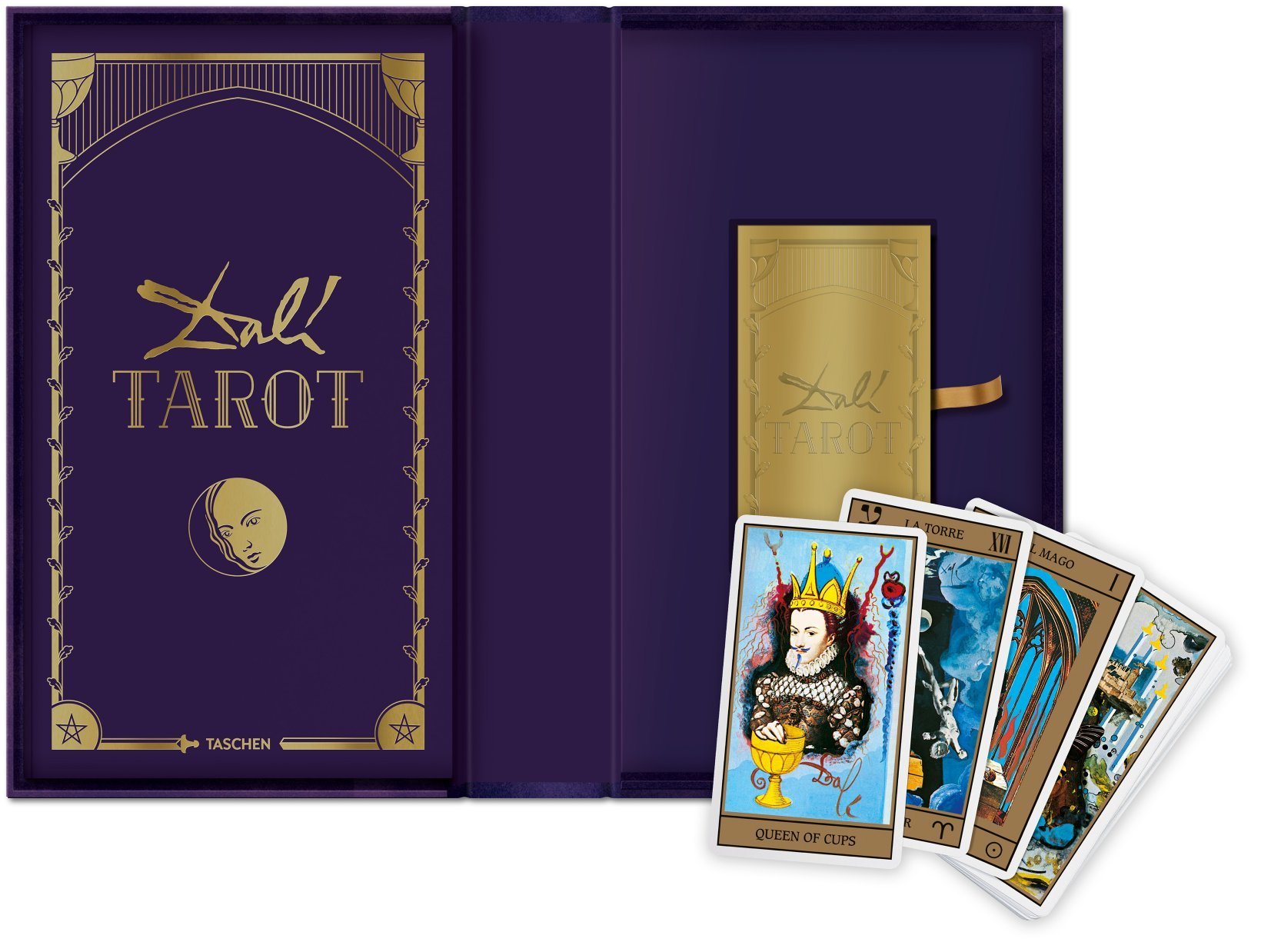
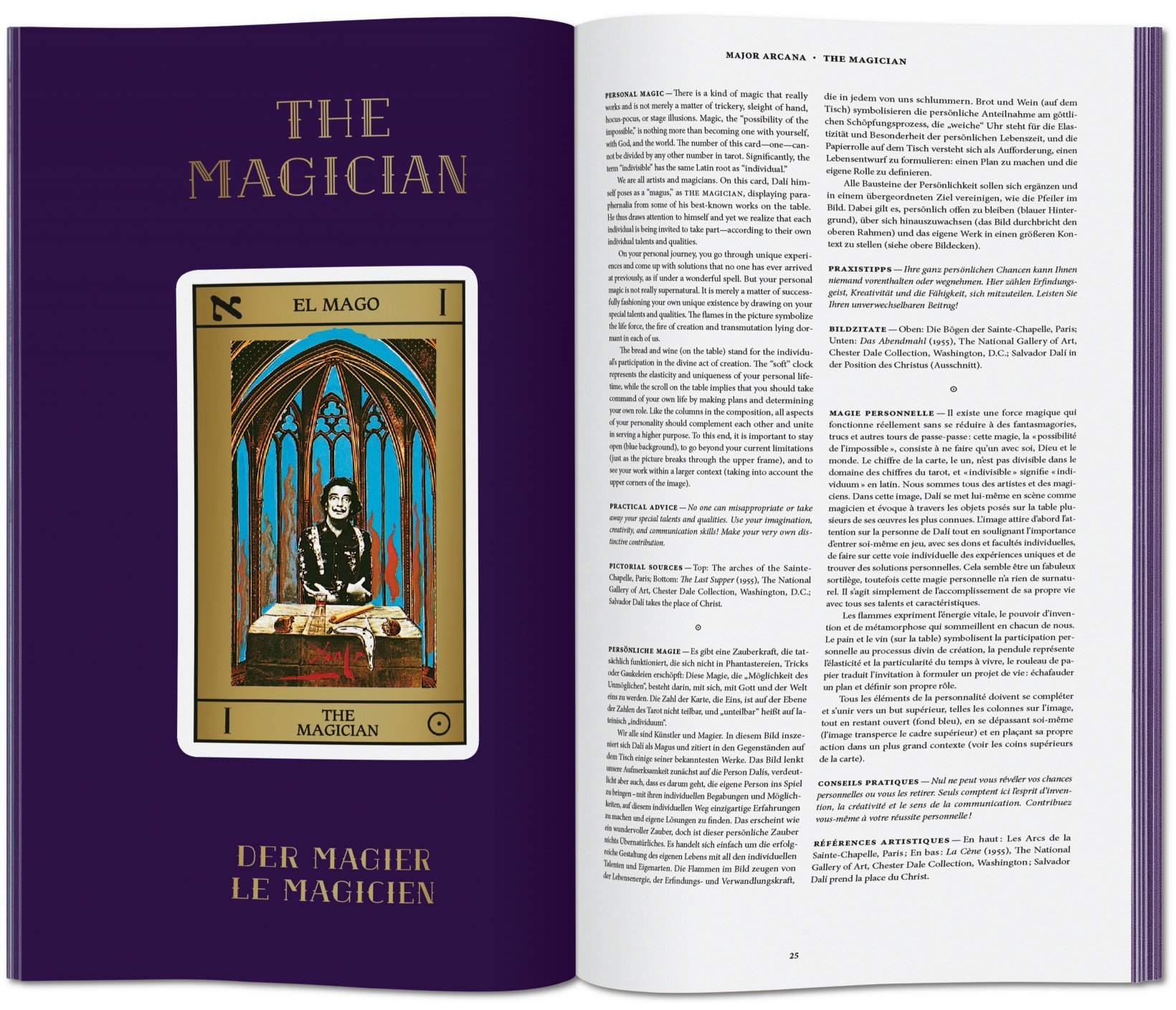
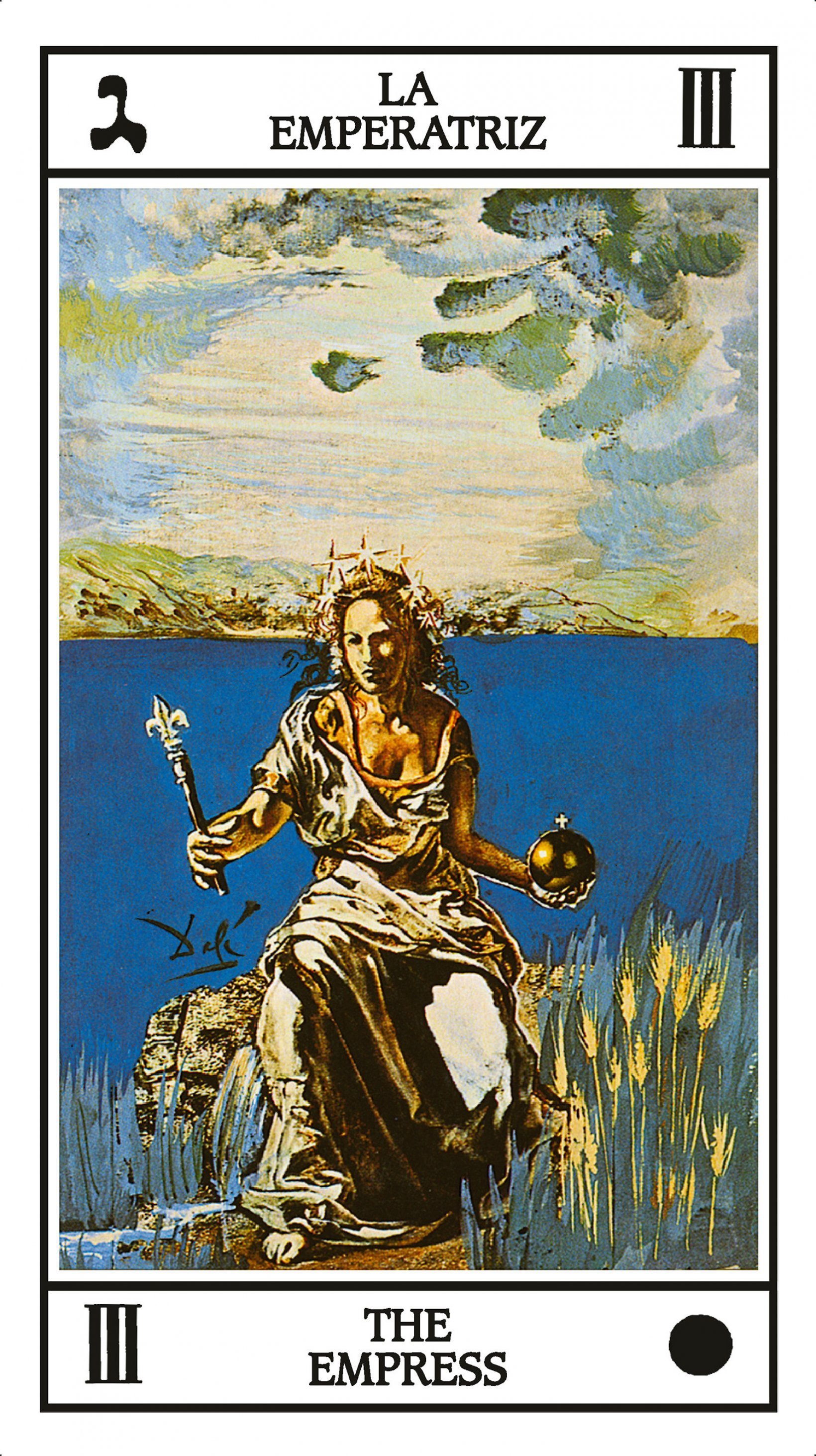
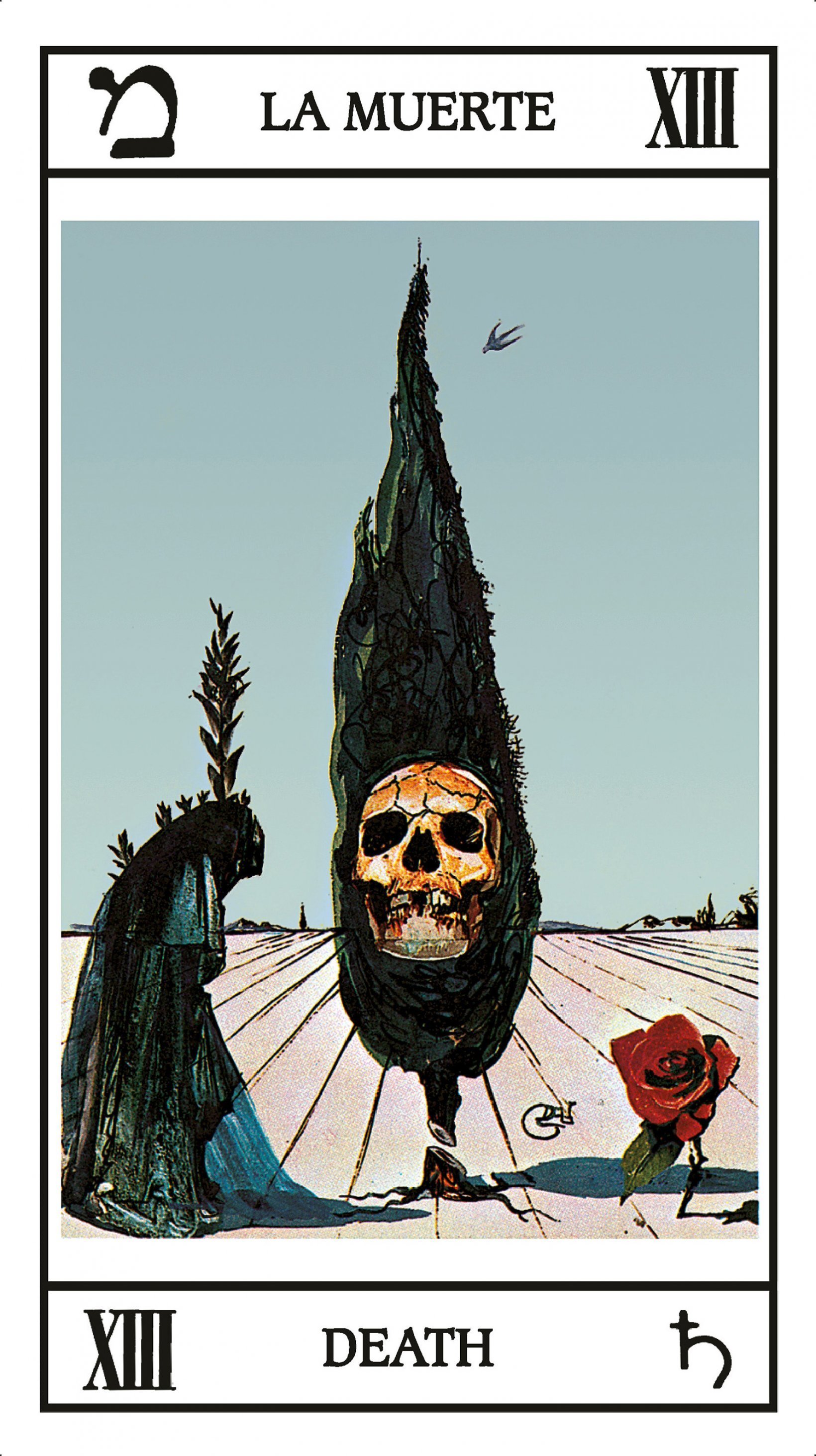
The Tarot Card Deck Designed by Sal­vador Dalí

Alice’s Adven­tures in Won­der­land, Illus­trat­ed by Sal­vador Dalí in 1969, Final­ly Gets Reis­sued

Sal­vador Dalí’s Haunt­ing 1975 Illus­tra­tions for Shakespeare’s Romeo and Juli­et

Josh Jones is a writer and musi­cian based in Durham, NC. Fol­low him at @jdmagness

700 Years of Persian Manuscripts Now Digitized and Available Online

Too often those in pow­er lump thou­sands of years of Mid­dle East­ern reli­gion and cul­ture into mono­lith­ic enti­ties to be feared or per­se­cut­ed. But at least one gov­ern­ment insti­tu­tion is doing exact­ly the oppo­site. For Nowruz, the Per­sian New Year, the Library of Con­gress has released a dig­i­tal col­lec­tion of its rare Per­sian-lan­guage man­u­scripts, an archive span­ning 700 years. This free resource opens win­dows on diverse reli­gious, nation­al, lin­guis­tic, and cul­tur­al tra­di­tions, most, but not all, Islam­ic, yet all dif­fer­ent from each oth­er in com­plex and strik­ing ways.

“We nowa­days are pro­grammed to think Per­sia equates with Iran, but when you look at this it is a mul­ti­re­gion­al col­lec­tion,” says a Library spe­cial­ist in its African and Mid­dle East­ern Divi­sion, Hirad Dinavari. “Many con­tributed to it. Some were Indi­an, some were Tur­kic, Cen­tral Asian.” The “deep, cos­mopoli­tan archive,” as Atlas Obscura’s Jonathan Carey writes, con­sists of a rel­a­tive­ly small num­ber of manuscripts—only 155. That may not seem par­tic­u­lar­ly sig­nif­i­cant giv­en the enor­mi­ty of some oth­er online col­lec­tions.

But its qual­i­ty and vari­ety mark it as espe­cial­ly valu­able, rep­re­sen­ta­tive of much larg­er bod­ies of work in the arts, sci­ences, reli­gion, and phi­los­o­phy, dat­ing back to the 13th cen­tu­ry and span­ning regions from India to Cen­tral Asia and the Cau­cus­es, “in addi­tion to the native Per­sian speak­ing lands of Iran, Afghanistan and Tajik­istan,” the LoC notes.

Promi­nent­ly rep­re­sent­ed are works like the epic poem of pre-Islam­ic Per­sia, the Shah­namah, “likened to the Ili­ad or the Odyssey,” writes Carey, as well as “writ­ten accounts of the life of Shah Jahan, the 17th-cen­tu­ry Mughal emper­or who over­saw con­struc­tion of the Taj Mahal.”

The Library points out the archive includes the “most beloved poems of the Per­sian poets Saa­di, Hafez, Rumi and Jami, along with the works of the poet Niza­mi Gan­javi.” Some read­ers might be sur­prised at the pic­to­r­i­al opu­lence of so many Islam­ic texts, with their col­or­ful, styl­ized bat­tle scenes and group­ings of human fig­ures.

Islam­ic art is typ­i­cal­ly thought of as icon­o­clas­tic, but as in Chris­t­ian Europe and North Amer­i­ca, cer­tain sects have fought oth­ers over this inter­pre­ta­tion (includ­ing over depic­tions of the Prophet Moham­mad). This is not to say that the icon­o­clasts deserve less atten­tion. Much medieval and ear­ly mod­ern Islam­ic art uses intri­cate pat­terns, designs, and cal­lig­ra­phy while scrupu­lous­ly avoid­ing like­ness­es of humans and ani­mals. It is deeply mov­ing in its own way, rig­or­ous­ly detailed and pas­sion­ate­ly exe­cut­ed, full of math­e­mat­i­cal and aes­thet­ic ideas about shape, pro­por­tion, col­or, and line that have inspired artists around the world for cen­turies.

The page from a lav­ish­ly illu­mi­nat­ed Qur’ān, above, cir­ca 1708, offers such an exam­ple, writ­ten in Ara­bic with an inter­lin­ear Per­sian trans­la­tion. There are reli­gious texts from oth­er faiths, like the Psalms in Hebrew with Per­sian trans­la­tion, there are sci­en­tif­ic texts and maps: the Rare Per­sian-Lan­guage Man­u­script Col­lec­tion cov­ers a lot of his­tor­i­cal ground, as has Per­sian lan­guage and cul­ture “from the 10th cen­tu­ry to the present,” the Library writes. Such a rich tra­di­tion deserves care­ful study and appre­ci­a­tion. Begin an edu­ca­tion in Per­sian man­u­script his­to­ry here.

via Atlas Obscu­ra

Relat­ed Con­tent:

15,000 Col­or­ful Images of Per­sian Man­u­scripts Now Online, Cour­tesy of the British Library

The Com­plex Geom­e­try of Islam­ic Art & Design: A Short Intro­duc­tion

800 Illu­mi­nat­ed Medieval Man­u­scripts Are Now Online: Browse & Down­load Them Cour­tesy of the British Library and Bib­lio­thèque Nationale de France

800+ Trea­sured Medieval Man­u­scripts to Be Dig­i­tized by Cam­bridge & Hei­del­berg Uni­ver­si­ties

Josh Jones is a writer and musi­cian based in Durham, NC. Fol­low him at @jdmagness

« Go BackMore in this category... »
Quantcast