Watch Author Chuck Palahniuk Read Fight Club 4 Kids

The first rule of Hors­ing Around Club is: You do not talk about Hors­ing Around Club.  ― Chuck Palah­niuk, Fight Club for Kids

Retool­ing a pop­u­lar show, film, or com­ic to fea­ture younger ver­sions of the char­ac­ters, their per­son­al­i­ties and rela­tion­ships vir­tu­al­ly unchanged, can be a seri­ous, if cyn­i­cal source of income for the orig­i­nal cre­ators.

The Mup­pets, Archie, Sher­lock Holmes, and James Bond have all giv­en birth to spin-off babies.

So why not author Chuck Palah­niuk?

Per­haps because spin-off babies are designed to gen­tly ensnare a new and younger audi­ence, and Palah­niuk, whose 2002 nov­el Lul­la­by hinged on a nurs­ery rhyme that kills chil­dren in their cribs, is unlike­ly to file down the dark, twist­ed edges that have won him a cult fol­low­ing.

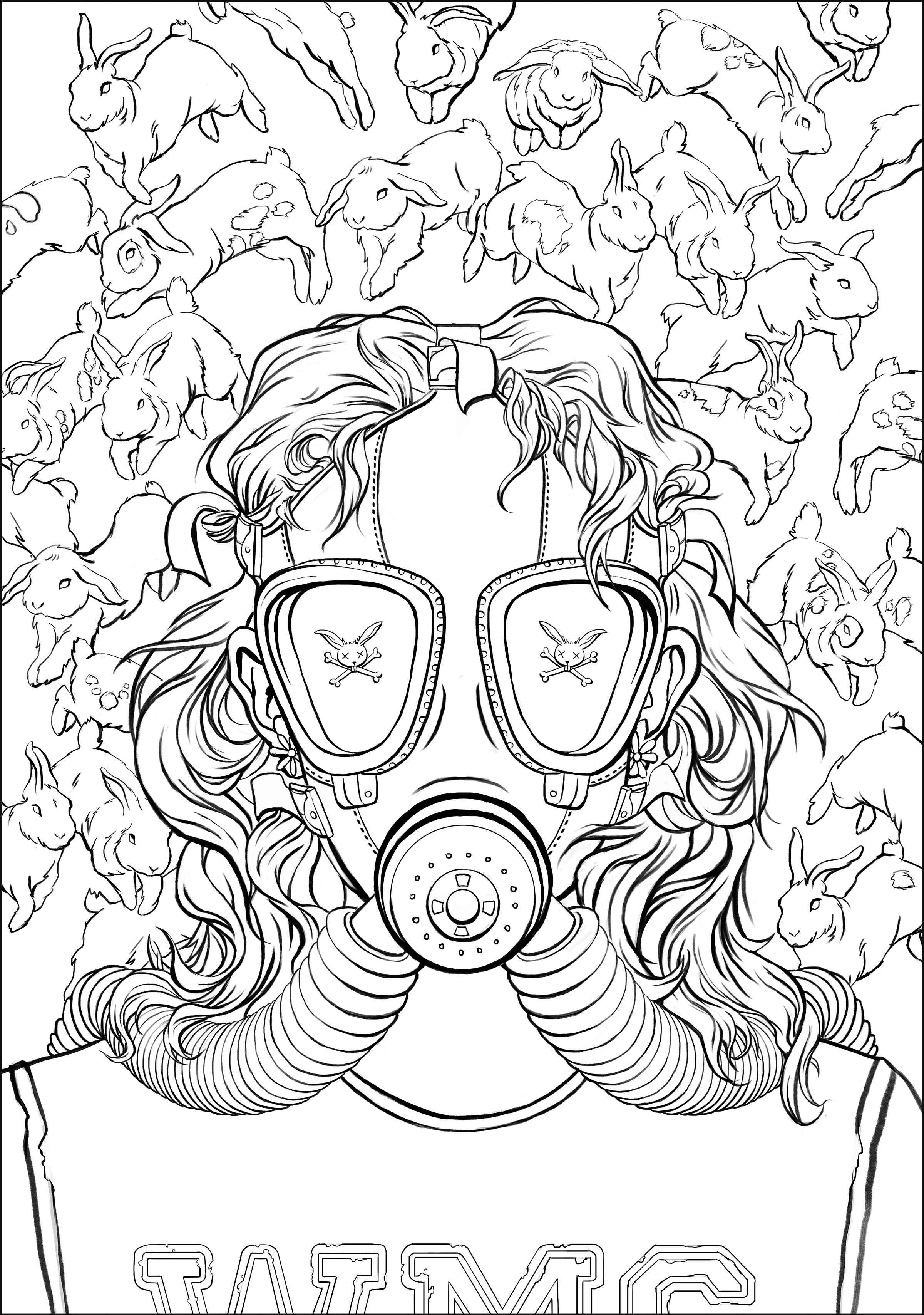
That said, his most recent title is for­mat­ted as a col­or­ing book, with anoth­er due to drop lat­er this fall.

The same spir­it of mis­chief dri­ves Fight Club for Kids, which mer­ci­ful­ly will not be hit­ting the children’s sec­tion of your local book­store in time for the upcom­ing hol­i­day sea­son (or ever).

Much like Tyler Dur­den, Palah­niuk’s most infa­mous cre­ation, this title is but a fig­ment, exist­ing only in the above video, where it is read by its puta­tive author.

If you think Samuel L. Jackson’s nar­ra­tion of Go the F**k to Sleep—which can actu­al­ly be pur­chased in book form—rep­re­sents the height of adult read­ers run­ning off the rails, you ain’t heard noth­ing yet:

The horse­play would go on until it was done

And every­one who did it would always have fun

Espe­cial­ly the Boy Who Had No Name

Who once just, like, beat this dude, who was actu­al­ly Jared Leto in the movie, which was so fuckin’ cool and intense, and he’s just pum­mel­ing this guy and of course, being Jared Leto, he was essen­tial­ly a mod­el, but when our guy is done with him, he’s just this pur­ple, bloat­ed, chewed up bub­blegum-look­ing moth­er­fuck­er cov­ered in blood, head to toe!

(The sec­ond rule of Hors­ing Around Club is: You DO NOT TALK ABOUT HORSING AROUND CLUB!)

Find more print­able Chuck Palah­niuk col­or­ing pages here.

via Mash­able

Relat­ed Con­tent:

Jane Austen’s Fight Club

What Are the Most Stolen Books? Book­store Lists Fea­ture Works by Muraka­mi, Bukows­ki, Bur­roughs, Von­negut, Ker­ouac & Palah­niuk

David Fos­ter Wallace’s Famous Com­mence­ment Speech “This is Water” Visu­al­ized in a Short Film

Ayun Hal­l­i­day is an author, illus­tra­tor, the­ater mak­er and Chief Pri­ma­tol­o­gist of the East Vil­lage Inky zine.  Fol­low her @AyunHalliday.

Watch Steve Martin Make His First TV Appearance: The Smothers Brothers Comedy Hour (1968)

“What if there were no punch lines?” asks Steve Mar­tin in his auto­bi­og­ra­phy Born Stand­ing Up. “What if there were no indi­ca­tors? What if I cre­at­ed ten­sion and nev­er released it? What if I head­ed for a cli­max, but all I deliv­ered was an anti­cli­max?” These ques­tions moti­vat­ed him to devel­op the dis­tinc­tive style of stand-up com­e­dy — in a sense, an anti-stand-up com­e­dy — that rock­et­ed him to super­star­dom in the 1970s. But before the world knew him as a ban­jo-play­ing fun­ny­man, Mar­tin worked for a cou­ple of his espe­cial­ly notable come­di­an-musi­cian elders: Tom and Dick Smoth­ers, bet­ter known as the Smoth­ers Broth­ers.

“We hap­pened to be walk­ing through the writer area of the show, and there he was, sit­ting at one of our writ­ers’ desks,” Tom says of Mar­tin on the 1968 broad­cast of The Smoth­ers Broth­ers Com­e­dy Hour above. “Lat­er we found out that he actu­al­ly was one of our writ­ers. Since he has­n’t been paid for his work, we thought we’d let him come out tonight and make a few dol­lars.”

So intro­duced, the 22-year-old Mar­tin begins his tele­vi­sion debut by re-intro­duc­ing him­self: “As Tom just said, I’m Steve Mar­tin, and I’ll be out here in a minute. While I’m wait­ing for me, I’d like to jump into kind of a socko-bof­fo com­e­dy rou­tine.” With his prop table ready, he then launch­es into “the fab­u­lous glove-into-dove trick.”

Though the stu­dio audi­ence may look pret­ty square by today’s stan­dards (or even those of the late 1960s), The Smoth­ers Broth­ers Com­e­dy Hour had already built a rep­u­ta­tion for push­ing the enve­lope of main­stream tele­vi­sion com­e­dy. Still, it’s safe to say that its audi­ence had nev­er seen any per­former – and cer­tain­ly not any prop com­ic — quite like Mar­tin before. In this short set, he per­forms a num­ber of delib­er­ate­ly botched or oth­er­wise askew mag­ic tricks, using his tone to gen­er­ate the humor. “If I kept deny­ing them the for­mal­i­ty of a punch line,” as he writes more than 40 years lat­er in Born Stand­ing Up, “the audi­ence would even­tu­al­ly pick their own place to laugh, essen­tial­ly out of des­per­a­tion. This type of laugh seemed stronger to me, as they would be laugh­ing at some­thing they chose, rather than being told exact­ly when to laugh.”

Watch­ing today, Mar­t­in’s fans will rec­og­nize his trade­mark sen­si­bil­i­ty more quick­ly than his appear­ance, since the clip pre­dates both the white suit and the white hair. Even then, he want­ed to per­form in a way that, in the words of The Guardian’s Rafael Behr, “would unnerve and alien­ate the audi­ence, but also, through self-dep­re­ca­tion, engage them in con­spir­a­cy against him­self.” Mar­tin seems to take a dim view of his own ear­ly tele­vi­sion work, hav­ing described him­self in a 1971 Vir­ginia Gra­ham Show appear­ance as “man­nered, slow and self-aware. I had absolute­ly no author­i­ty,” a qual­i­ty that he has since devel­oped in abun­dance, and of which “the art of hav­ing an act so bad it was good,” as Behr puts it, demands a sur­pris­ing amount.

Relat­ed Con­tent:

Steve Mar­tin Will Teach His First Online Course on Com­e­dy

Steve Mar­tin & Robin Williams Riff on Math, Physics, Ein­stein & Picas­so in a Heady Com­e­dy Rou­tine (2002)

Steve Mar­tin on the Leg­endary Blue­grass Musi­cian Earl Scrug­gs

Steve Mar­tin Writes a Hymn for Hymn-Less Athe­ists

Steve Mar­tin, “Home Crafts Expert,” Explains the Art of Paper Wadding, Endors­es Bob Ker­rey

Steve Mar­tin Releas­es Blue­grass Album/Animated Video

Based in Seoul, Col­in Mar­shall writes and broad­casts on cities and cul­ture. He’s at work on the book The State­less City: a Walk through 21st-Cen­tu­ry Los Ange­les, the video series The City in Cin­e­ma, the crowd­fund­ed jour­nal­ism project Where Is the City of the Future?, and the Los Ange­les Review of Books’ Korea Blog. Fol­low him on Twit­ter at @colinmarshall or on Face­book.

The 100 Funniest Films of All Time, According to 253 Film Critics from 52 Countries

Does com­e­dy come with an expi­ra­tion date? Schol­ars of the field both ama­teur and pro­fes­sion­al have long debat­ed the ques­tion, but only one aspect of the answer has become clear: the best com­e­dy films cer­tain­ly don’t. That notion man­i­fests in the vari­ety of cin­e­mat­ic eras rep­re­sent­ed in BBC Cul­ture’s recent poll of 177 film crit­ics to deter­mine the 100 great­est com­e­dy films of all time. Most of us have seen Harold Ramis’ Ground­hog Day at some point (and prob­a­bly at more than one point) over the past 24 years; few­er of us have seen the Marx Broth­ers’ pic­ture Duck Soup, but even those of us who con­sid­er our­selves far too cool and mod­ern to watch the Marx Broth­ers have to acknowl­edge its genius.

That top ten runs as fol­lows:

  1. Some Like It Hot (Bil­ly Wilder, 1959)
  2. Dr. Strangelove or: How I Learned to Stop Wor­ry­ing and Love the Bomb (Stan­ley Kubrick, 1964)
  3. Annie Hall (Woody Allen, 1977)
  4. Ground­hog Day (Harold Ramis, 1993)
  5. Duck Soup (Leo McCarey, 1933)
  6. Life of Bri­an (Ter­ry Jones, 1979)
  7. Air­plane! (Jim Abra­hams, David Zuck­er and Jer­ry Zuck­er, 1980)
  8. Play­time (Jacques Tati, 1967)
  9. This Is Spinal Tap (Rob Rein­er, 1984)
  10. The Gen­er­al (Clyde Bruck­man and Buster Keaton, 1926)

The BBC have pub­lished the top 100 results (the last spot being a tie between the late Jer­ry Lewis’ The Ladies Man and Mar­tin Scors­ese’s The King of Com­e­dy) on their site, accom­pa­nied by a full list of par­tic­i­pat­ing crit­ics and their votescrit­ics’ com­ments on the top 25, an essay on whether men and women find dif­fer­ent films fun­ny (most­ly not, but with cer­tain notable splits on movies like Clue­less and Ani­mal House), anoth­er on whether com­e­dy dif­fers from region to region, and anoth­er on why Some Like It Hot is num­ber one.

Though no enthu­si­ast of clas­sic Hol­ly­wood would ever deny Bil­ly Wilder’s gen­der-bend­ing 1959 farce any hon­or, it would­n’t have come out on top in a poll of Amer­i­can and Cana­di­an crit­ics alone: Stan­ley Kubrick­’s Dr. Strangelove wins that sce­nario hand­i­ly. “Intrigu­ing­ly, East­ern Euro­pean crit­ics were much more like­ly to vote for Dr Strangelove than West­ern Euro­pean crit­ics,” adds Chris­t­ian Blau­velt. “Per­haps the US and coun­tries that used to be behind the Iron Cur­tain appre­ci­ate Dr. Strangelove so much because it ruth­less­ly satiris­es the delu­sions of grandeur held by both sides. And per­haps Some Like It Hot is embraced more by Euro­peans than US crit­ics because, although it’s a Hol­ly­wood film, it has a con­ti­nen­tal flair and dis­tinct­ly Euro­pean atti­tude toward sex.”

Oth­er entries, such as Jacques Tati’s elab­o­rate moder­ni­ty-cri­tiquing 70-mil­lime­ter spec­ta­cle Play­time, have also been received dif­fer­ent­ly, to put it mild­ly, at dif­fer­ent times and in dif­fer­ent places. But if all com­e­dy ulti­mate­ly comes down to mak­ing us laugh, the only way to know your own posi­tion on the cul­tur­al comedic spec­trum is to sim­ply sit down and see what has that sin­gu­lar­ly enjoy­able effect on you. Why not start with Keaton’s The Gen­er­al, which hap­pens to be free to view online — and on some lev­el the pre­de­ces­sor of (and, in the eyes of may crit­ics, the supe­ri­or of) even the phys­i­cal come­dies that come out today?

Relat­ed Con­tent:

The Art of Mak­ing Intel­li­gent Com­e­dy Movies: 8 Take-Aways from the Films of Edgar Wright

The Gen­er­al, “Per­haps the Great­est Film Ever Made,” and 20 Oth­er Buster Keaton Clas­sics Free Online

The 10 Great­est Films of All Time Accord­ing to 358 Film­mak­ers

The 10 Great­est Films of All Time Accord­ing to 846 Film Crit­ics

1,150 Free Movies Online: Great Clas­sics, Indies, Noir, West­erns, etc.

Based in Seoul, Col­in Mar­shall writes and broad­casts on cities and cul­ture. He’s at work on the book The State­less City: a Walk through 21st-Cen­tu­ry Los Ange­les, the video series The City in Cin­e­ma, the crowd­fund­ed jour­nal­ism project Where Is the City of the Future?, and the Los Ange­les Review of Books’ Korea Blog. Fol­low him on Twit­ter at @colinmarshall or on Face­book.

Al Franken Provides Comic Relief at the Grateful Dead’s 1980 Halloween Concert: A Tribute to Our Favorite Deadhead Senator

Our illus­tri­ous Sen­a­tor from Min­neso­ta Al Franken has long been a Dead­head, or at least an ardent fan. He and com­e­dy part­ner Tom Davis were the first writ­ers hired by Sat­ur­day Night Live in 1975 and occa­sion­al­ly also per­formed rou­tines on the show. They were also Grate­ful Dead fans respon­si­ble for get­ting the band booked on SNL.

So by the time 1980 and the eight-night res­i­den­cy of the Grate­ful Dead at Radio City Music Hall rolled around, Franken and Davis were asked to host the final night, Hal­loween, for a show that was simul­cast on radio and closed cir­cuit tele­vi­sion to 14 movie the­aters around the coun­try. Their job? To help enter­tain view­ers and fill the two 40-minute breaks in the Dead­’s show.

For Radio City Music Hall, the event saved its finan­cial skin. Accord­ing to Rolling Stone, by the late ‘70s, “with New York City in fis­cal freefall, Radio City’s future was sud­den­ly shaky; movie atten­dance dropped, and plans to con­vert it into an office build­ing or park­ing lot loomed.”

The solu­tion was to book pop and rock acts. The first was Lin­da Ron­stadt. The sec­ond was the Dead, and soon Dead­heads descend­ed on Rock­e­feller cen­ter, buy­ing up 36,000 tick­ets.

Franken and Davis pre-taped many of the seg­ments, and the Dead loved mock­ing them­selves. There’s a Jer­ry Lewis Telethon par­o­dy for “Jerry’s Kids,” where Franken urges dona­tions for acid casu­al­ties; Bob Weir’s lux­u­ri­ous hair is admired; drugs and penis jokes abound; and at one point Davis “mis­tak­en­ly” drinks acid-dosed urine and trips out. (In real­i­ty, Davis actu­al­ly had dropped acid for the live por­tion.)

Radio City’s lawyers sued after the con­certs for dam­ag­ing its rep­u­ta­tion, but lat­er set­tled. A com­pi­la­tion video of the Hal­loween show and the pre­vi­ous night’s con­cert was released in 1981 as Dead Ahead, the source of these clips.

Tom Davis died in 2012 from throat and neck can­cer; and Al Franken rep­re­sents the cit­i­zens of Min­neso­ta, but did briefly take over SiriusXM’s Grate­ful Dead chan­nel in May of 2017 to host a full day of music and inter­views with Bob Weir, Bill Kreutz­mann and Mick­ey Hart, the sur­viv­ing mem­bers of the Dead (always an iron­ic turn of phrase).

Relat­ed Con­tent:

Sen­a­tor Al Franken Does a Pitch Per­fect Imi­ta­tion of Mick Jag­ger (1982)

Al Franken Effort­less­ly Draws the Map of Amer­i­ca

11,215 Free Grate­ful Dead Con­cert Record­ings in the Inter­net Archive

Bob Dylan and The Grate­ful Dead Rehearse Togeth­er in Sum­mer 1987. Lis­ten to 74 Tracks.

The Grate­ful Dead Play at the Egypt­ian Pyra­mids, in the Shad­ow of the Sphinx (1978)

Ted Mills is a free­lance writer on the arts who cur­rent­ly hosts the artist inter­view-based FunkZone Pod­cast and is the pro­duc­er of KCR­W’s Curi­ous Coast. You can also fol­low him on Twit­ter at @tedmills, read his oth­er arts writ­ing at tedmills.com and/or watch his films here.

The Comedic Legacies of Dick Gregory and Jerry Lewis (RIP): A Study in Contrasts

Two titans of com­e­dy passed away this week­end, but the deaths of Dick Gre­go­ry and Jer­ry Lewis have seemed like cul­tur­al foot­notes amidst some of the most anx­ious, angry few days in recent U.S. his­to­ry. Gre­go­ry and Lewis are stars of a bygone era, maybe two full gen­er­a­tions behind con­tem­po­rary pop­u­lar rel­e­vance. And yet, in many ways, the mid-20th cen­tu­ry world where both men got their start feels clos­er than ever.

Both Gre­go­ry and Lewis once wield­ed con­sid­er­able pow­er in the enter­tain­ment indus­try and in their oth­er cho­sen spheres of influence—the civ­il rights move­ment and char­i­ta­ble giv­ing, respec­tive­ly. In near­ly every oth­er respect, the two could not have been more dif­fer­ent.

Gre­go­ry broke into main­stream suc­cess with a new wave of black comics like Bill Cos­by and Richard Pry­or, and like Pry­or, he did so by telling painful truths about racism that many white Amer­i­cans laughed about but were unwill­ing to hon­est­ly con­front or change. You can hear an ear­ly exam­ple in the rou­tine above, from his 1962 album Dick Gre­go­ry Talks Turkey.

Gre­go­ry got his big break in 1961 when he seized the moment in a try­out at Hugh Hefner’s Chica­go Play­boy Club. As he lat­er told CBS Sun­day Morn­ing, “I pushed that white boy out of the way and ran up there…. Two hours lat­er, they called Hefn­er. And Hefn­er came by and they went out of their mind.” That same year, he made his first nation­al TV appear­ance. See it at 15:16 in the doc­u­men­tary Walk in My Shoes just above, which also fea­tures Mal­colm X and Con­gress for Racial Equal­i­ty (CORE) founder James Farmer.

In the playlist  below, you can hear three full Gre­go­ry com­e­dy record­ings, Liv­ing Black & White (1961), East & West (1961), and an inter­view album, Dick Gre­go­ry on Com­e­dy. Through­out his career, Gre­go­ry was an uncom­pro­mis­ing civ­il rights activist who was beat­en and arrest­ed in the six­ties at march­es and protests. He was at the 1963 March on Wash­ing­ton, faced down the Klan to help inte­grate restau­rants, and fast­ed to protest the Viet­nam War. In a review of his provoca­tive­ly-titled auto­bi­og­ra­phy, The New York Times described him as “a man who deeply wants a world with­out mal­ice and hate and is doing some­thing about it.”

He also did some­thing about it in com­e­dy. When Jack Paar’s pro­duc­er called him to appear on the show, Gre­go­ry hung up on him. Then Paar him­self called, and Gre­go­ry told him he wouldn’t come on unless he could sit on the couch, a priv­i­lege afford­ed white comics and denied their black coun­ter­parts. Paar agreed. “It was sit­ting on the couch,” he said, “that made my salary grow in three weeks from $250 work­ing sev­en days a week to $5,000 a night.” For the next sev­er­al decades, he lever­aged his wealth and fame for human­i­tar­i­an and civ­il rights caus­es, and even a run for may­or of Chica­go in 1967 and a pop­u­lar write-in pres­i­den­tial cam­paign in the 1968 elec­tion. He died at 84 a ven­er­at­ed elder states­man of stand-up com­e­dy and of the Civ­il Rights Move­ment.

Jer­ry Lewis’s lega­cy is much more com­pli­cat­ed, and serves in many ways as a “cau­tion­ary tale,” as Nick Gille­spie puts it, for the hubris of celebri­ty. Lewis broke through in the 50s as the ani­mat­ed, rub­bery com­ic foil to Dean Martin’s suave straight man in the huge­ly famous com­e­dy duo of Mar­tin & Lewis. See them above do a standup rou­tine in 1952 on their Col­gate Com­e­dy Hour, with an intro­duc­tion (and inter­ven­tion) from Bob Hope. The act was a phe­nom­e­non. “Com­ing from lit­er­al­ly nowhere,” writes Shawn Levy at The Guardian, “the pair rode a sky­rock­et­ing 10-year career that made them sta­ples of Amer­i­can show­biz for the rest of their lives…. They met when they were just two guys scuf­fling for a break in Times Square, and they helped forge a new brand of pop­u­lar enter­tain­ment suit­ed to the post­war mood.”

In the same year as the broad­cast fur­ther up, Lewis made his first appear­ance, with Mar­tin and Jack­ie Glea­son, on the Mus­cu­lar Dys­tro­phy Asso­ci­a­tions of Amer­i­ca (MDAA) telethon. Just above, see them do a bit while the famil­iar banks of oper­a­tors stand by behind them. Lewis began host­ing his own MDAA telethon in 1966 and did so until 2010, rais­ing bil­lions for the orga­ni­za­tion, which remem­bers him as a “Com­ic genius. Cul­tur­al icon. Human­i­tar­i­an.” Many dis­abil­i­ty activists feel oth­er­wise, includ­ing many for­mer “Jerry’s Kids,” his “pet name,” writes Gille­spie, for the poster chil­dren he recruit­ed to rep­re­sent the MD com­mu­ni­ty on the telethon and relat­ed advo­ca­cy mate­ri­als. “The telethon was wide­ly par­o­died,” and Lewis’s efforts have been seen by many activists and pro­tes­tors as self-serv­ing, per­pet­u­at­ing harm­ful, demean­ing atti­tudes and encour­ag­ing pity for MD suf­fer­ers rather than accep­tance and social equal­i­ty.

As a movie star, Lewis often played an all-Amer­i­can doo­fus whose phys­i­cal antics and stam­mer­ing, boy­ish per­sona endeared him to audi­ences (see above, for exam­ple, from 1952’s Sailor Beware). As a direc­tor, he made tight­ly chore­o­graphed mad­cap come­dies. He also trad­ed in offen­sive stereo­types, par­tic­i­pat­ing in an ugly Hol­ly­wood tra­di­tion that emerged from anti-Chi­nese big­otry of the 19th cen­tu­ry and anti-Japan­ese World War II pro­pa­gan­da. (Lewis was unflat­ter­ing­ly remem­bered in The Japan Times as the “king of low-brow com­e­dy… for­ev­er squeal­ing, gri­mac­ing and flail­ing his way” through var­i­ous roles.) He intro­duced Asian car­i­ca­tures into his act in the Mar­tin & Lewis days (see below) and reprised the shtick in his crit­i­cal­ly-loathed 1980 film Hard­ly Work­ing, in which, writes Paul Maco­v­az at Sens­es of Cin­e­ma, he “real­izes an offen­sive, pro­found­ly racist yel­low-face sashi­mi chef.”

“I imag­ine that most view­ers will be trou­bled by it,” Maco­v­az com­ments, “wrenched vis­cer­al­ly from their enjoy­ment of the Lewisian idiot and pressed squirm­ing into the overde­ter­mined con­cep­tu­al nar­ra­tive zone of Amer­i­can Ori­en­tal­ism.” Those view­ers who know anoth­er of Lewis’s lat­er-career dis­as­ters will rec­og­nize anoth­er awk­ward char­ac­ter in Hard­ly Work­ing, the sad-faced clown of 1972’s dis­as­trous The Day the Clown Died, a film so ill-advised and bad­ly exe­cut­ed that Lewis nev­er allowed it to be released. (Just below, see a short doc­u­men­tary on the abortive effort.)  In the movie, as com­e­dy writer Bruce Handy not­ed in a 1992 Spy mag­a­zine arti­cle, the come­di­an plays “an unhap­py Ger­man cir­cus clown… sent to a con­cen­tra­tion camp and forced to become a sort of geno­ci­dal Pied Piper, enter­tain­ing Jew­ish chil­dren as he leads them to the gas cham­bers.” Meant to be his first “seri­ous,” dra­mat­ic role, the large­ly unseen film now stands as an arche­typ­al epit­o­me of poor taste—an artis­tic fail­ure that Mel Brooks might have dreamed up as a sick joke.

As Gille­spie points out, Lewis’s last years saw him threat­en­ing to punch Lind­say Lohan and telling refugees to “stay where the hell they are.” Long past the time most peo­ple want­ed to hear them, he per­sist­ed in mak­ing “racist and misog­y­nis­tic jokes” and gave “the most painful­ly awk­ward inter­view of 2016” to the Hol­ly­wood Reporter. He became well-known for ver­bal­ly abus­ing his audi­ences. The run­ning joke that Lewis was beloved by the French, which “only made him less respectable in his home coun­try,” may have been run into the ground. But in the lat­ter half of his career, it sums up how much Amer­i­can comedians—even those like Steve Mar­tin, Robin Williams, Jim Car­rey, and Eddie Mur­phy, who were clear­ly influ­enced by his man­ic humor—were often unwill­ing to make too much of the debt. But look­ing back at his 1950s dada zani­ness and at films like The Nut­ty Pro­fes­sor, it’s impos­si­ble to deny his con­tri­bu­tions to 20th cen­tu­ry com­e­dy and even a cer­tain brand of absur­dist 21st cen­tu­ry humor.

Relat­ed Con­tent:

Hear 30 of the Great­est Standup Com­e­dy Albums: A Playlist Cho­sen by Open Cul­ture Read­ers

Chris Rock Cre­ates a List of His 13 Favorite Standup Com­e­dy Spe­cials

Bill Hicks’ 12 Prin­ci­ples of Com­e­dy

Josh Jones is a writer and musi­cian based in Durham, NC. Fol­low him at @jdmagness

Why Jim Carrey Needs to Paint: “Painting Frees Me, from the Past and Future, from Regret and Worry”

In his top-gross­ing come­dies, actor Jim Car­rey dis­played an antic qual­i­ty that seemed to rule over his per­son­al life as well. While oth­er stars used inter­views as oppor­tu­ni­ties to nor­malise them­selves to the civil­ians in the audi­ence, clown prince Car­rey was relent­less, an uncon­trol­lable fire hose of fun­ny faces and voic­es that felt not unlike demons.

All that out­put was exhaust­ing, and caused many to won­der if the man was capa­ble of calm­ing down long enough to receive any mean­ing­ful input.

His per­for­mances in films such as the Tru­man Show and Eter­nal Sun­shine of the Spot­less Mind sug­gest­ed that per­haps he was…

As did the rev­e­la­tion that he spent a lot of his child­hood in his bed­room draw­ing — the flip side to his crazy liv­ing room per­for­mances, staged, in part, to keep an emo­tion­al­ly trou­bled fam­i­ly from sink­ing any low­er. He also drew in school, aggra­vat­ing teach­ers with unau­tho­rised por­traits.

As Car­rey recalled in a 2011 inter­view:

After I became famous, my sixth-grade teacher sent me sketch­es she had con­fis­cat­ed. She kept them because she thought they were cute. She also knew how to har­ness the ener­gy. If I was qui­et, she would give me 15 min­utes at the end of class to per­form. Today, I’d be on Rital­in, and Ace Ven­tu­ra would have nev­er been made.

These days, the fun­ny man seems to have turned his back on per­form­ing in favor of a more con­tem­pla­tive visu­al arts prac­tice. His most recent act­ing cred­it is over a year old. As David Bushell’s doc­u­men­tary short, I Need­ed Col­or, above reveals, the quan­ti­ty of Carrey’s out­put is still impres­sive, but there’s a qual­i­ta­tive dif­fer­ence where the artist is con­cerned.

His face and body are calm, and the crazed imper­a­tive to enter­tain seems to have left him. Watch­ing him go about his work, one is remind­ed of car­toon­ist and edu­ca­tor Lyn­da Barry’s obser­va­tions about the neu­ro­log­i­cal con­nec­tion between the abil­i­ty to go down the rab­bit hole of art and a child’s men­tal health:

I think it’s what keeps us sane. I think about how, if I’m sit­ting here with a kid who’s four years old and I have all these mark­ers and I say, do you want to draw, and that kid’s too freaked out to draw, we’d be wor­ried about that kid a lit­tle bit, wouldn’t you? We’d be wor­ried about them emo­tion­al­ly. OK, on this side I have a 40-year-old, same sit­u­a­tion, she’s too scared to draw, but we’re not wor­ried about her. Why? Because there is a tac­it under­stand­ing that some­thing is going on when kids are play­ing or [draw­ing] that has some­thing to do with their men­tal health. All of us know that if a kid is not allowed to play till he’s 21, he’s going to be a nut. He’s going to be a psy­chopath, actu­al­ly. The brain stud­ies they’ve done of kids in deep play show that their brains are iden­ti­cal to an adult’s brain that is in cre­ative con­cen­tra­tion. We know that play is essen­tial for men­tal health. I would argue that so is draw­ing.

Art saves lives, right?

Carrey’s ear­li­er suc­cess affords him the lux­u­ry of time and mon­ey to immerse him­self in his new voca­tion with­out lim­it­ing him­self to any one style or medi­um. Giant paint­ings, tiny sculp­tures, works that involve black light, squeegees, or shred­ded can­vas stitched back togeth­er with wire are all crick­et.

Giv­en his movie star sta­tus, nasty reviews are to be expect­ed, but approval is no longer what Car­rey is seek­ing:

When I paint and sculpt it stops the world for me, as if all time has been sus­pend­ed. My spir­it is com­plete­ly engaged, my heart is engaged, and I feel com­plete­ly free. I think I just like cre­at­ing. All of it is a por­tal into present, into absolute, qui­et, gen­tle, still­ness. This involve­ment, this pres­ence, is free­dom from con­cern. That’s har­mo­ny with the uni­verse.

Those who can’t make it to Sig­na­ture Gal­leries in Las Vegas this Sep­tem­ber 23 for a $10,000 per cou­ple open­ing of Carrey’s paint­ings can take a gan­der at his work for free here.

Relat­ed Con­tent:

Behold The Paint­ings of David Bowie: Neo-Expres­sion­ist Self Por­traits, Illus­tra­tions of Iggy Pop, and Much More

Jim Car­rey Sings a Pret­ty Damn Good Cov­er of The Bea­t­les “I Am the Wal­rus”

Art Exhib­it on Bill Mur­ray Opens in the UK

Ayun Hal­l­i­day is an author, illus­tra­tor, the­ater mak­er and Chief Pri­ma­tol­o­gist of the East Vil­lage Inky zine.  Fol­low her @AyunHalliday.

Senator Al Franken Does a Pitch Perfect Imitation of Mick Jagger (1982)

If Sen­a­tor Al Franken won’t run for Pres­i­dent in 2020, per­haps he’d tem­per fans’ dis­ap­point­ment with a repeat of his ear­ly 80’s turn as Mick Jag­ger, above.

The per­for­mance took place at Stock­ton State, a pub­lic uni­ver­si­ty con­ve­nient­ly locat­ed in New Jersey–what the late Tom Davis, Franken’s long time Sat­ur­day Night Live writ­ing part­ner and Kei­th Richards to his Jag­ger called “the Blair Witch scrub forests twen­ty-five miles north of Atlantic City.”

Franken’s per­for­mance is an immer­sive tri­umph, espe­cial­ly for those who remem­ber his best known SNL char­ac­ter, the lisp­ing­ly upbeat Stu­art Smal­l­ey.

His Jag­ger is the oppo­site of Stuart–butch, preen­ing, ath­let­ic … a less than sober stu­dent fan in the Stock­ton State crowd might have drunk­en­ly won­dered if he or she had acci­den­tal­ly bought tick­ets to the Tat­too You tour. Those lips are pret­ty con­vinc­ing.

The cos­tum­ing is dead on too, and Franken did not take the route Chris Far­ley would lat­er take, lam­poon­ing the male strip­pers of Chip­pen­dales. He may not be Jag­ger-rangy, but he’s cer­tain­ly fit in an out­fit that leaves no room to hide.

As Davis recalled in his 2010 mem­oir, Thir­ty-Nine Years of Short-Term Mem­o­ry Loss: The Ear­ly Days of SNL from Some­one Who Was There:

As we start­ed “Under My Thumb,” Franken came run­ning out as Mick Jag­ger, wear­ing yel­low foot­ball pants and Capezios and was so good, it was scary. Unfor­tu­nate­ly, Franken and Davis at Stock­ton State nev­er sold very well… maybe it would be re-released if one of us became pres­i­dent, or shot a pres­i­dent.

Know­ing that Davis, who died five years ago, would like­ly nev­er have pre­dict­ed the out­come of the recent elec­tion, and that Sen­a­tor Franken, out­spo­ken as he is, is in no posi­tion to joke about the sec­ond option, we sug­gest truf­fling up a used copy, if you’d like to see more.

And for comparison’s sake, here are the orig­i­nals per­form­ing to an are­na-sized crowd in Ari­zona in 1981:

Relat­ed Con­tent:

Mick Jag­ger Defends the Rights of the Indi­vid­ual After His Leg­endary 1967 Drug Bust

When Bowie & Jagger’s “Danc­ing in the Street” Music Video Becomes a Silent Film: Can the Worst Music Video Ever Get Even Worse?

When William S. Bur­roughs Appeared on Sat­ur­day Night Live: His First TV Appear­ance (1981)

Ayun Hal­l­i­day is an author, illus­tra­tor, the­ater mak­er and Chief Pri­ma­tol­o­gist of the East Vil­lage Inky zine.  Fol­low her @AyunHalliday.

11,700 Free Photos from John Margolies’ Archive of Americana Architecture: Download, Use & Re-Mix

Many con­nois­seurs of archi­tec­ture are enthralled by the mod­ernist phi­los­o­phy of Le Cor­busier, Frank Lloyd Wright, and I M Pei, who shared a belief that form fol­lows func­tion, or, as Wright had it, that form and func­tion are one.

Oth­ers of us delight in gas sta­tions shaped like teapots and restau­rants shaped like fish or dough­nuts. If there’s a phi­los­o­phy behind these insis­tent­ly play­ful visions, it like­ly has some­thing to do with joy…and pulling in tourists.

Art his­to­ri­an John Mar­golies (1940–2016), respond­ing to the beau­ty of such quirky visions, scram­bled to pre­serve the evi­dence, trans­form­ing into a respect­ed, self-taught pho­tog­ra­ph­er in the process. A Guggen­heim Foun­da­tion grant and the finan­cial sup­port of archi­tect Philip John­son allowed him to log over four decades worth of trips on America’s blue high­ways, hop­ing to cap­ture his quar­ry before it dis­ap­peared for good.

Despite Johnson’s patron­age, and his own stints as an Archi­tec­tur­al Record edi­tor and Archi­tec­tur­al League of New York pro­gram direc­tor, he seemed to wel­come the ruf­fled min­i­mal­ist feath­ers his enthu­si­asm for mini golf cours­es, theme motels, and eye-catch­ing road­side attrac­tions occa­sioned.

On the oth­er hand, he resent­ed when his pas­sions were labelled as “kitsch,” a point that came across in a 1987 inter­view with the Cana­di­an Globe and Mail:

Peo­ple gen­er­al­ly have thought that what’s impor­tant are the large, unique archi­tec­tur­al mon­u­ments. They think Toronto’s City Hall is impor­tant, but not those won­der­ful gnome’s‑castle gas sta­tions in Toron­to, a Detroit influ­ence that crept across the bor­der and pol­lut­ed your won­der­ful­ly con­ser­v­a­tive envi­ron­ment.

As Mar­golies fore­saw, the type of com­mer­cial ver­nac­u­lar archi­tec­ture he’d loved since boyhood–the type that screams, “Look at me! Look at me”–has become very near­ly extinct.

And that is a max­i­mal shame.

Your chil­dren may not be able to vis­it an orange juice stand shaped like an orange or the Lean­ing Tow­er of Piz­za, but thanks to the Library of Con­gress, these locales can be pit­stops on any vir­tu­al fam­i­ly vaca­tion you might under­take this July.

The library has select­ed the John Mar­golies Road­side Amer­i­ca Pho­to­graph Archive as its July “free to use and reuse” col­lec­tion. So linger as long as you’d like and do with these 11,700+ images as you will–make post­cards, t‑shirts, sou­venir place­mats.

(Or eschew your com­put­er entirely–go on a real road trip, and con­tin­ue Mar­golies’ work!)

What­ev­er you decide to do with them, the archive’s home­page has tips for how to best search the 11,710 col­or slides con­tained there­in. Library staffers have sup­ple­ment­ed Mar­golies’ notes on each image with sub­ject and geo­graph­i­cal head­ings.

Begin your jour­ney through the Library of Con­gress’ John Mar­golies Road­side Amer­i­ca Pho­to­graph Archive here.

We’d love to see your vaca­tion snaps upon your return.

Relat­ed Con­tent:

Watch Stew­art Brand’s 6‑Part Series How Build­ings Learn, With Music by Bri­an Eno

Frank Lloyd Wright Designs an Urban Utopia: See His Hand-Drawn Sketch­es of Broad­acre City (1932)

A is for Archi­tec­ture: 1960 Doc­u­men­tary on Why We Build, from the Ancient Greeks to Mod­ern Times 

Watch 50+ Doc­u­men­taries on Famous Archi­tects & Build­ings: Bauhaus, Le Cor­busier, Hadid & Many More

Ayun Hal­l­i­day is an author, illus­tra­tor, the­ater mak­er and Chief Pri­ma­tol­o­gist of the East Vil­lage Inky zine.  Fol­low her @AyunHalliday.

« Go BackMore in this category... »
Quantcast