Watch Frank Zappa Play Michael Nesmith on The Monkees (1967)


In Decem­ber 1967, The Mon­kees blew their audi­ence’s minds by host­ing Frank Zap­pa, “par­tic­i­pant in and per­haps even leader of” the Moth­ers Of Inven­tion.

Or did they?

The tidal wave of affec­tion that com­pris­es twen­ty-first cen­tu­ry Mon­kees mania makes us for­get that chil­dren were the pri­ma­ry audi­ence for The Mon­kees’ tit­u­lar sit­com. (One might also say that The Mon­kees were the sitcom’s tit­u­lar band.)

But even if the kids at home weren’t suf­fi­cient­ly con­ver­sant in the musi­cal under­ground to iden­ti­fy the spe­cial guest star of the episode, “The Mon­kees Blow Their Minds,” we are.

It’s a joy to see Zap­pa and The Mon­kees’ supreme­ly laid back Michael Nesmith (he audi­tioned for the show with his laun­dry bag in tow) imper­son­at­ing each oth­er.

Zappa’s idea, appar­ent­ly. He’s in com­plete con­trol of the gim­mick from the get go, where­as Nesmith strug­gles to keep their names straight and his pros­thet­ic nose in place before get­ting up to speed.

It’s impor­tant to remem­ber that it’s not Frank, but Nesmith play­ing Frank who accus­es The Mon­kees’ music of being banal and insipid.

Zap­pa him­self was a great sup­port­er of The Mon­kees. “When peo­ple hat­ed us more than any­thing, he said kind things about us,” Nesmith recalled in Bar­ry Miles’ Zap­pa biog­ra­phy. Zap­pa attempt­ed to teach Nesmith how to play lead gui­tar, and offered drum­mer Micky Dolenz a post-Mon­kees gig with The Moth­ers of Inven­tion.

Their mutu­al warmth makes lines like “You’re the pop­u­lar musi­cian! I’m dirty gross and ugly” palat­able. It put me in mind of come­di­an Zach Gal­i­fi­anakis’ Between Two Ferns, and count­less oth­er loose­ly rehearsed web series.

After a cou­ple of min­utes, Nesmith gets his hat back to con­duct as Zap­pa smash­es up a car to the tune of the Moth­er’s Of Inven­tion’s “Moth­er Peo­ple.”

Watch the full episode here, or if pressed for time, per­haps just Zappa’s cameo in the Mon­kees’ movie Head, as a stu­dio lot bull wran­gler who coun­sels lead singer Davy Jones on his career.

Relat­ed Con­tent:

A Young Frank Zap­pa Turns the Bicy­cle into a Musi­cal Instru­ment on The Steve Allen Show (1963)

In One of his Final Inter­views, Frank Zap­pa Pro­nounces Him­self “Total­ly Unre­pen­tant”

Ayun Hal­l­i­day is an author, home­school­er, and Chief Pri­ma­tol­o­gist of the East Vil­lage Inky zine. Fol­low her @AyunHalliday


David Bowie & Brian Eno’s Collaboration on “Warszawa” Reimagined in a Comic Animation

If you want to talk about David Bowie, you’ll soon­er or lat­er have to talk about Bri­an Eno. That music pro­duc­er, visu­al artist, tech­no­log­i­cal tin­ker­er, and “drift­ing clar­i­fi­er” has­n’t had a hand in all the image-shift­ing rock star’s work, of course, but what col­lab­o­ra­tions they’ve done rank among the most endur­ing items in the Bowie cat­a­log. “I’m Afraid of Amer­i­cans,” which Eno co-wrote, remains a favorite of casu­al and die-hard fans alike; the 1995 Eno-pro­duced “cyber­noir” con­cept album 1.Outside seems to draw more acclaim now than it did on its release. But for the high­est mon­u­ment to the meet­ing of Bowie and Eno’s minds, look no fur­ther than Low, and Heroes, and Lodger, which the two craft­ed togeth­er in the late 1970s. These albums became infor­mal­ly known as the “Berlin tril­o­gy,” so named for one of the cities in which Bowie and Eno worked on them. Oh, to have been a fly on the wall dur­ing those ses­sions.

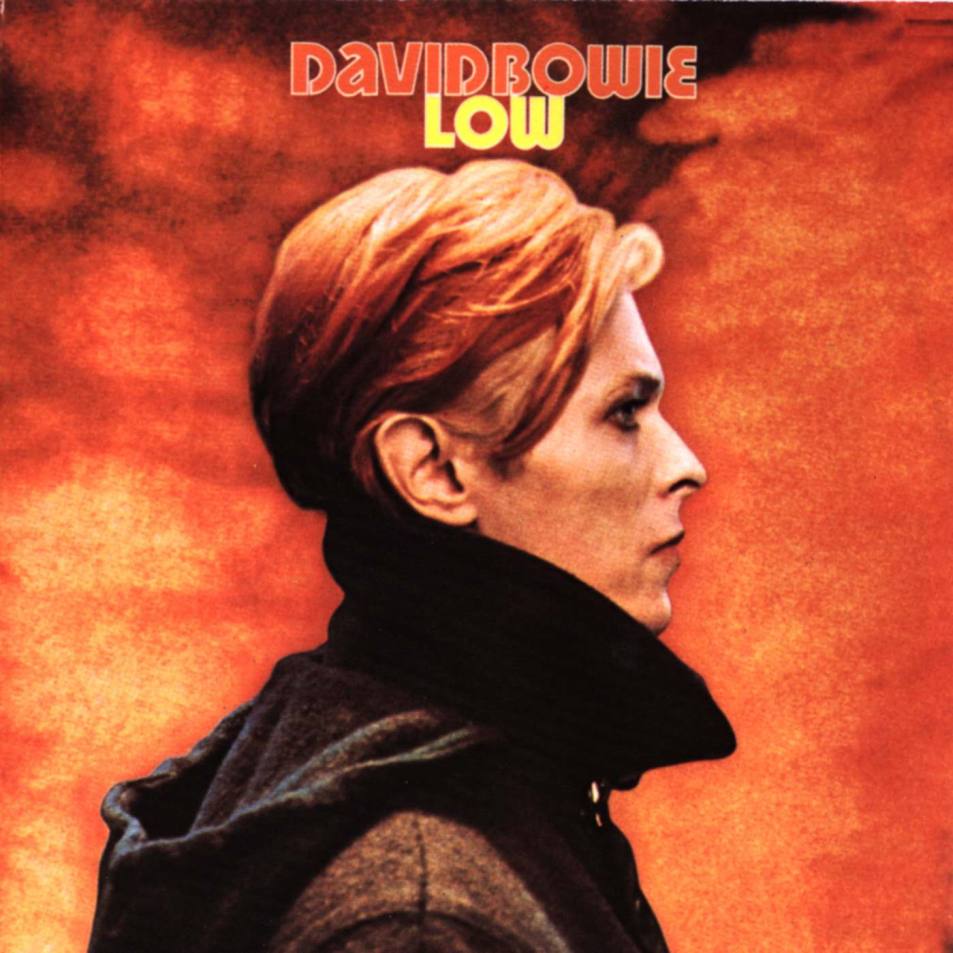
Ani­ma­tors the Broth­ers McLeod have giv­en us just that per­spec­tive in the car­toon above. It opens in Sep­tem­ber 1976 at the Château d’Hérou­ville, the “north­ern French­land” stu­dio which host­ed the bulk of Low’s record­ing ses­sions. These three and a half min­utes, in which Bowie, Eno, and pro­duc­er Tony Vis­con­ti lay down a cou­ple of takes for what will become “Warsza­wa,” one of the album’s most mem­o­rable tracks, come loaded with gags just for the Bowie-Eno enthu­si­ast. The car­toon Bowie (voiced uncan­ni­ly by come­di­an Adam Bux­ton) sports exact­ly the look he did in the Man Who Fell to Earth pub­lic­i­ty pho­to repur­posed for Low’s cov­er. Eno offers Bowie a piece of ambi­ent music, explain­ing that, if Bowie does­n’t like it, “I’ll use on one of my weird albums” (like Music for Bus Stops). Vis­con­ti con­stant­ly under­scores his doing, as a pro­duc­er, “more than peo­ple think.” And when Bowie and Eno find them­selves in need of some cre­ative inspi­ra­tion, where else would they turn than to the infal­li­ble advice of Oblique Strate­gies — even if it advis­es the use of “a made-up lan­guage that sounds kind of Ital­ian”?

via Bib­liok­lept

Relat­ed Con­tent:

David Bowie Releas­es Vin­tage Videos of His Great­est Hits from the 1970s and 1980s

David Bowie Recalls the Strange Expe­ri­ence of Invent­ing the Char­ac­ter Zig­gy Star­dust (1977)

Jump Start Your Cre­ative Process with Bri­an Eno’s “Oblique Strate­gies”

Bri­an Eno on Cre­at­ing Music and Art As Imag­i­nary Land­scapes (1989)

How David Byrne and Bri­an Eno Make Music Togeth­er: A Short Doc­u­men­tary

Col­in Mar­shall hosts and pro­duces Note­book on Cities and Cul­ture and writes essays on cities, lan­guage, Asia, and men’s style. He’s at work on a book about Los Ange­les, A Los Ange­les Primer. Fol­low him on Twit­ter at @colinmarshall or on Face­book.

20 Free Essays & Stories by David Sedaris: A Sampling of His Inimitable Humor

My first expo­sure to the writ­ing of David Sedaris came fif­teen years ago, at a read­ing he gave in Seat­tle. I could­n’t remem­ber laugh­ing at any­thing before quite so hard as I laughed at the sto­ries of the author and his fel­low French-learn­ers strug­gling for a grasp on the lan­guage. I fought hard­est for oxy­gen when he got to the part about his class­mates, a ver­i­ta­ble Unit­ed Nations of a group, strain­ing in this non-native lan­guage of theirs to dis­cuss var­i­ous hol­i­days. One par­tic­u­lar line has always stuck with me, after a Moroc­can stu­dent demands an expla­na­tion of East­er:

The Poles led the charge to the best of their abil­i­ty. “It is,” said one, “a par­ty for the lit­tle boy of God who call his self Jesus and… oh, shit.”

She fal­tered, and her fel­low coun­try­man came to her aid.

“He call his self Jesus, and then he be die one day on two… morsels of… lum­ber.”

The scene even­tu­al­ly end­ed up in print in “Jesus Shaves,” a sto­ry in Sedaris’ third col­lec­tion, Me Talk Pret­ty One Day. You can read it free online in a selec­tion of three of his pieces round­ed up by Esquire. Sedaris’ obser­va­tion­al humor does tend to come out in full force on hol­i­days (see also his read­ing of the Saint Nicholas-themed sto­ry “Six to Eight Black Men” on Dutch tele­vi­sion above), and indeed the hol­i­days pro­vid­ed him the mate­r­i­al that first launched him into the main­stream.

When Ira Glass, the soon-to-be mas­ter­mind of This Amer­i­can Life, hap­pened to hear him read­ing his diary aloud at a Chica­go club, Glass knew he sim­ply had to put this man on the radio. This led up to the big break of a Nation­al Pub­lic Radio broad­cast of “The San­ta­land Diaries,” Sedaris’ rich account of a sea­son spent as a Macy’s elf. You can still hear This Amer­i­can Life’s full broad­cast of it on the show’s site.

True Sedar­i­ans, of course, know him for not just his inim­itably askew per­spec­tive on the hol­i­days, but for his accounts of life in New York, Paris (the rea­son he enrolled in those French class­es in the first place), Nor­mandy, Lon­don, the Eng­lish coun­try­side, and grow­ing up amid his large Greek-Amer­i­can fam­i­ly. Many of Sedaris’ sto­ries — 20 in fact — have been col­lect­ed at the web site, The Elec­tric Type­writer, giv­ing you an overview of Sedaris’ world: his time in the elfin trench­es, his rare moments of ease among sib­lings and par­ents, his futile father-man­dat­ed gui­tar lessons, his less futile lan­guage lessons, his relin­quish­ment of his sig­na­ture smok­ing habit (the easy indul­gence of which took him, so he’d said at that Seat­tle read­ing, to France in the first place). Among the col­lect­ed sto­ries, you will find:

For the com­plete list, vis­it: 20 Great Essays and Short Sto­ries by David Sedaris. And, just to be clear, you can read these sto­ries, for free, online.

Note: If you would like to down­load a free audio­book nar­rat­ed by David Sedaris, you might want to check out Audi­ble’s 30 Day Free Tri­al. We have details on the pro­gram here. If you click this link, you will see the books nar­rat­ed by Sedaris. If one intrigues, click on the “Learn how to get this Free” link next to each book. 

Relat­ed Con­tent:

Be His Guest: David Sedaris at Home in Rur­al West Sus­sex, Eng­land

David Sedaris Reads You a Sto­ry By Miran­da July

David Sedaris and Ian Fal­con­er Intro­duce “Squir­rel Seeks Chip­munk”

David Sedaris Sings the Oscar May­er Theme Song in the Voice of Bil­lie Hol­i­day

Col­in Mar­shall hosts and pro­duces Note­book on Cities and Cul­ture and writes essays on cities, lan­guage, Asia, and men’s style. He’s at work on a book about Los Ange­les, A Los Ange­les Primer. Fol­low him on Twit­ter at @colinmarshall or on Face­book.

Joan Rivers (1933–2014) Describes on Louie Her Undying Commitment to Comedy

She didn’t earn the posthu­mous sobri­quet “Comedic Stilet­to” from The New York Times for noth­ing. “Raspy loud­mouth” come­di­an Joan Rivers inspired strong emo­tions and reli­able bursts of con­tro­ver­sy with her abra­sive, take-no-pris­on­ers style. Mas­ter­ing insult com­e­dy was a sur­vival skill for the com­ic who took as much as she dished out while com­ing up in the aggres­sive, most­ly male stand-up world. Before the late-night, fash­ion, and real­i­ty shows, auto­bi­og­ra­phy and doc­u­men­tary, and stints on QVC, Rivers carved paths, paved ways, blazed trails, and left oth­er pio­neer­ing marks for such mas­ters of the put-down as Roseanne Barr, Sarah Sil­ver­man, and oth­ers who—as a 1965 NYT review painful­ly put it—over­came “the hand­i­cap of a woman com­ic.” Ham-fist­ed jabs from the press aside, Rivers said many times she nev­er thought of her­self par­tic­u­lar­ly as a “woman com­ic,” and if that des­ig­na­tion ever sig­ni­fied a “hand­i­cap” or some sort of gim­mick it’s no won­der. She deserved bet­ter than to be patron­ized. Rivers was true to the craft, as every com­ic cur­rent­ly eulo­giz­ing her will tell you, and as she would tell us her­self, at every oppor­tu­ni­ty, but per­haps nev­er more earnest­ly than to Louis C.K. above in a clip from his show. C.K. is moved enough to put one of his sig­na­ture moves on her. Rivers’ response? “Nobody likes necrophil­i­acs.” She will haunt us from the grave with her mor­bid, scalpel-like one-lin­ers, may she rest in peace.

via @sheerly

Relat­ed Con­tent:

Robin Williams (1951–2014) Per­forms Unknown Shake­speare Play in 1970s Standup Rou­tine

Don Par­do (1918–2014), Voice of Sat­ur­day Night Live, Sug­gests Using Short Words

Josh Jones is a writer and musi­cian based in Durham, NC. Fol­low him at @jdmagness

Conspiracy Theory Rock: The Schoolhouse Rock Parody Saturday Night Live May Have Censored

You’ve prob­a­bly seen “Illu­sion of Choice,” a 2011 info­graph­ic detail­ing how six media con­glom­er­ates “con­trol a stag­ger­ing 90% of what we read, watch, or lis­ten to.” (The enti­ties named are GE, News Corp, Dis­ney, Via­com, Time Warn­er, and CBS.) Anoth­er “Illu­sion of Choice” info­graph­ic from last year doc­u­ments how “ten huge cor­po­ra­tions con­trol the pro­duc­tion of almost every­thing the aver­age per­son buys.” Are these webs of cor­po­rate con­nec­tion kooky con­spir­a­cy the­o­ries or gen­uine cause for alarm? Do the cor­re­la­tions between busi­ness enti­ties cause polit­i­cal cur­rents that under­mine democ­ra­cy and media inde­pen­dence? It’s not par­tic­u­lar­ly con­tro­ver­sial to think so giv­en the amount of mon­ey cor­po­ra­tions spend on lob­by­ing and polit­i­cal cam­paigns. It’s not even par­tic­u­lar­ly con­tro­ver­sial to say so, at least for those of us who aren’t employed by, say, Via­com, Time Warn­er, GE, etc.

But point­ing fin­gers at the cor­po­ra­toc­ra­cy may have not gone over so well for famed com­e­dy writer Robert Smigel in 1998 when his recur­ring ani­mat­ed “Sat­ur­day TV Fun­house” seg­ment pro­duced the “Con­spir­a­cy The­o­ry Rock” bit above for Sat­ur­day Night Live. A par­o­dy of the beloved School­house Rock edu­ca­tion­al ‘toons of the 70s, “Con­spir­a­cy The­o­ry Rock” fea­tures a disheveled gentleman—a stereo­type of the out­sider crackpot—leading a sing-along about the machi­na­tions of the “Media-opoly.” Fig­ured as greedy octopi (rem­i­nis­cent of Matt Taibbi’s “vam­pire squid”), the media giants here, includ­ing GE, West­ing­house, Fox, and Dis­ney, devour the small­er guys—the tra­di­tion­al networks—and “use them to say what­ev­er they please and put down the opin­ions of any­one who dis­agrees.” The seg­ment may have raised the ire of GE, who own NBC. It aired once with the orig­i­nal episode but was sub­se­quent­ly pulled from the show in syn­di­ca­tion, though it’s been includ­ed in sub­se­quent DVD com­pi­la­tions of “Sat­ur­day TV Fun­house.”

Now “Con­spir­a­cy The­o­ry Rock” is cir­cu­lat­ing online—ampli­fied by a Marc Maron tweet—as a “banned” clip, a mis­lead­ing descrip­tion that feeds right into the sto­ry of con­spir­a­cy. Edit­ing a sketch from a syn­di­cat­ed com­e­dy show, after all, is not tan­ta­mount to ban­ning it. While the short piece makes the usu­al com­pelling case against cor­po­rate rule, it does so in a tongue-in-cheek way that allows for the pos­si­bil­i­ty that some of these alle­ga­tions are ten­u­ous exag­ger­a­tions. Our unwashed pre­sen­ter, for exam­ple, ends the seg­ment mum­bling an inco­her­ent non sequitur about Lorne Michaels and Mar­i­on Bar­ry attend­ing the same high school. For his part, Michaels has said the seg­ment was cut because it “wasn’t fun­ny.” He’s got a point—it isn’t—but it’s hard to believe it didn’t raise oth­er objec­tions from net­work exec­u­tives. It wouldn’t be the first time the show has been accused of cen­sor­ing a polit­i­cal sketch.

Relat­ed Con­tent:

5 Musi­cal Guests Banned From Sat­ur­day Night Live: From Elvis Costel­lo to Frank Zap­pa

William S. Bur­roughs on Sat­ur­day Night Live, 1981: A Quick 100th Birth­day Cel­e­bra­tion

School­house Rock at 40: Revis­it a Col­lec­tion of Nos­tal­gia-Induc­ing Edu­ca­tion­al Videos

Josh Jones is a writer and musi­cian based in Durham, NC. Fol­low him at @jdmagness

Don Pardo (1918–2014), Voice of Saturday Night Live, Suggests Using Short Words

Don Par­do voiced the intro­duc­tions of Sat­ur­day Night Live for 38 sea­sons. He began call­ing out the names of the S.N.L. cast mem­bers dur­ing the first episode in Octo­ber, 1975, and (except for the 1981–82 sea­son) he kept call­ing out those names straight through last May. Chevy Chase, Gil­da Rad­ner, John Belushi, Bill Mur­ray, Eddie Mur­phy, Tina Fey — he called them all. Thanks to an imper­son­ator, you can hear a com­pi­la­tion of Par­do’s call for every cast mem­ber.

Don Par­do died yes­ter­day at 96 years of age. Ear­li­er in his career, he was the announc­er for a num­ber of Amer­i­can TV shows, includ­ing The Price Is Right, Jack­pot, and Jeop­ardy!. But his voice became part of the fab­ric of Amer­i­ca’s great­est com­e­dy show, Sat­ur­day Night Live. And he con­tin­ued voic­ing the intro long after his for­mal retire­ment from NBC in 2004. Not lack­ing ener­gy (watch him blow out his can­dles on his 90th birth­day), Par­do flew from Tuc­son to New York week­ly to get S.N.L. start­ed. Above, we have a short video that fea­tures Par­do, then 88, show­ing off, his sheer lin­guis­tic awe­some­ness.

Some­how, I’m now hop­ing that when­ev­er my day comes, Don Par­do’s voice will intro­duce me on the oth­er side.

Relat­ed Con­tent:

The Stunt That Got Elvis Costel­lo Banned From Sat­ur­day Night Live

William S. Bur­roughs on Sat­ur­day Night Live, 1981

Lorne Michaels Intro­duces Sat­ur­day Night Live and Its Bril­liant First Cast for the Very First Time (1975)

Philosophy Referee Hand Signals

philosophy ref signals

The next time you’re pre­sid­ing over an intense philo­soph­i­cal debate, feel free to use these hand sig­nals to ref­er­ee things. Devised by phi­los­o­phy prof Lan­don Schurtz, these hand sig­nals were jok­ing­ly meant to be used at APA (Amer­i­can Phi­los­o­phy Asso­ci­a­tion) con­fer­ences. Per­son­al­ly, I think they would have made a great addi­tion to the famous Mon­ty Python soc­cer match where the Ger­mans (Kant, Niet­zsche & Marx) played the indomitable Ancient Greeks (Aris­to­tle, Pla­to & Archimedes). Imag­ine Con­fu­cius, the ref­er­ee, whirling his hand in a cir­cle and penal­iz­ing Wittgen­stein for mak­ing a cir­cu­lar argu­ment. Price­less.

Relat­ed Con­tent:

The Mon­ty Python Phi­los­o­phy Foot­ball Match: The Greeks v. the Ger­mans

Mon­ty Python Sings “The Philosopher’s Song,” Reveal­ing the Drink­ing Habits of Great Euro­pean Thinkers

The Mod­ern-Day Philoso­phers Pod­cast: Where Come­di­ans Like Carl Rein­er & Artie Lange Dis­cuss Schopen­hauer & Mai­monides

Down­load 100 Free Phi­los­o­phy Cours­es and Start Liv­ing the Exam­ined Life

by | Permalink | Make a Comment ( 8 ) |

Robin Williams & Bobby McFerrin Sing Fun Cover of The Beatles’ “Come Together”

In 1998, leg­endary Bea­t­les’ pro­duc­er George Martin—all set to “hang up his ear­phones” and retire— brought togeth­er the most unusu­al assort­ment of peo­ple for In My Life, a trib­ute album com­posed entire­ly of Mar­tin-pro­duced Bea­t­les’ songs per­formed pri­mar­i­ly by actors and come­di­ans. Goldie Hawn gives a “gig­gly night­club chanteuse” read­ing of “A Hard Day’s Night,” Bil­ly Con­nol­ly does a slight­ly cracked ver­sion of “Being for the Ben­e­fit of Mr. Kite,” Jim Car­rey cov­ers “I Am the Wal­rus” (in a musi­cal per­for­mance sur­pris­ing­ly sub­dued next to, for exam­ple, his ren­di­tion of ”Some­body to Love”), and Sean Con­nery clos­es things out with a somber read­ing of “In My Life.”

But the album’s open­ing track is its best: Robin Williams and Bob­by McFerrin’s duet of “Come Togeth­er” redeems many of the record’s weak­est moments. Just above, hear the track over a fan-made slideshow of Williams high­lights. Williams and McFer­rin had teamed up before in the won­der­ful­ly sil­ly video for “Don’t Wor­ry Be Hap­py.” Here, with ample help from Martin’s lush pro­duc­tion, they man­age to evoke the slinky, seduc­tive weird­ness of the orig­i­nal song while simul­ta­ne­ous­ly hav­ing a goofy old time of it. Pop­mat­ters edi­tor Sarah Zup­ko, a self-con­fessed Beat­le­ma­ni­ac who oth­er­wise found the album a supreme dis­ap­point­ment, calls Williams’ “leer­ing” through the song “a hoot,” and I’m sure you’ll agree.

Just above, watch a one-hour BBC doc­u­men­tary on the mak­ing of In My Life. At 9:30, see Williams, Mar­tin, and McFer­rin in the hys­ter­i­cal record­ing ses­sions for their “Come Togeth­er” cov­er. Mar­tin admits that he asked Williams to join the project “with some trep­i­da­tion,” then real­ized that “it was with some trep­i­da­tion” that Williams accept­ed. It was Williams who sug­gest­ed “bring­ing along a mate,” McFer­rin, whom he calls “a one-man accom­pa­ni­ment.” Among many oth­er charms, the short doc fea­tures Mar­tin through­out explain­ing not only the process of record­ing In My Life, but also his mem­o­ries of the orig­i­nal record­ing ses­sions for these songs, clear­ly so dear to him and his proud­est lega­cy. But of course, giv­en our nation­al peri­od of mourn­ing for the warm, bril­liant­ly fun­ny, deeply humane, and trag­i­cal­ly sad Robin Williams, the real joy is see­ing him here in much hap­pi­er times, encour­ag­ing and prais­ing the tal­ents of oth­ers even as he shines so bright­ly along­side them.

Relat­ed Con­tent:

Robin Williams (1951–2014) Per­forms Unknown Shake­speare Play in 1970s Standup Rou­tine

Bob­by McFer­rin Shows the Pow­er of the Pen­ta­ton­ic Scale

George Mar­tin, Leg­endary Bea­t­les Pro­duc­er, Shows How to Mix the Per­fect Song Dry Mar­ti­ni

Jim Car­rey Sings a Pret­ty Damn Good Cov­er of The Bea­t­les “I Am the Wal­rus”

Josh Jones is a writer and musi­cian based in Durham, NC. Fol­low him at @jdmagness


« Go BackMore in this category... »
Quantcast