Abiding by the strong rules he established for the characters in the Looney Tunes stable was critical to his comic approach, as Jones explains in the above video essay, a bit of a departure for Tony Zhou’s celebrated cinema series, Every Frame a Picture. Rather than examine the framing and timing of “one of the all-time masters of visual comedy,” this time Zhou delves into the evolution of his subject’s artistic sensibilities.
Jones teased out the desires that became the primary engines for those characters’ physicality as well as their behavior. Daffy comes off as an unhinged lunatic in his early appearances. His comic potential grew once Jones reframed him as a conniver who’d do anything in pursuit of wealth and glory.
Once the characters’ motivations were clear, Jones could mess around with the ol’ one-two punch. It’s a classic comic structure, wherein reality wreaks havoc on the audience’s expectations about how things should unfold. Then again, a child can tell you what drives Jones’ creation, the passionate French skunk, Pepé Le Pew, as well as how those amorous ambitions of his are likely to work out. Funny! Dependably so!
Zhou also draws attention to the evolution of the characters’ expressions, from the antic to the economical. John Belushi was not the only comic genius to understand the power of a raised eyebrow.
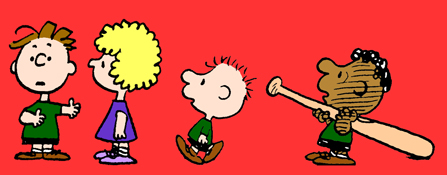
Like many children of the 70s, I was wild for Charles Schulz’s Peanuts, and had the merchandise to prove it. I was a Snoopy girl, for the most part, but not averse to receiving items featuring other characters—Linus, Schroeder, the caustic Lucy, PigPen, and, of course, Charlie Brown. My father was a sucker for the comparatively butch Peppermint Patty, and Marcie, the bespectacled hanger-on who referred to Patty as “Sir.”
But there was one character I don’t remember seeing on any Peanuts swag in 1970s Indiana…. Actually, that’s not accurate. I don’t remember any Shermy sweatshirts. Female second bananas like Violet, the original, i.e. non-Peppermint Patty, and Frieda were also underrepresented, despite the latter’s oft-mentioned naturally curly hair.
The character I’m thinking of never became a major player, but he was notable. Ground-breaking even. Can you guess?
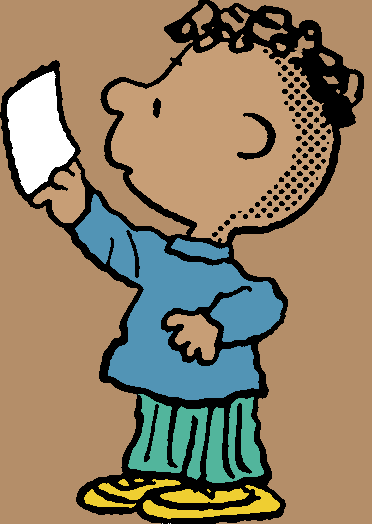
Thats right: Franklin, the only African-American member of the Peanuts gang.
(An African-American toddler, Milo, below, had a 17-strip run in 1977 when Charlie Brown had to skip town after exacting his revenge on the kite-eating tree… That’s it. Poor Franklin.)
Franklin owes his existence, in large part, to Harriet Glickman, a white teacher from LA, who found letter writing one of the few forms of activism in which a mother of three children—all squarely within the Peanuts demographic—could fully participate. Raised by liberal parents to consider herself a global citizen, and to speak out against injustice, she wrote the authors of several leading comic strips in the wake of Dr. Martin Luther King’s assassination in April, 1968. Would the creators of Peanuts and Mary Worth consider introducing a black character into the mix, as a first step on what Glickman foresaw as a “long and tortuous road” toward a future climate of “open friendship, trust and mobility” between the races?
Mary Worth’sAllen Saunders declined, apparently saying that he shared Glickman’s sentiments but feared the syndicate would drop his strip if he followed her suggestion.
Schulz didn’t exactly leap at the chance, either, saying that he was in the same boat as the other sympathetic cartoonists who’d begged off. What he feared wasn’t so much the syndicate’s response, as the suspicion that he might be seen as “patronizing our Negro friends.”
Glickman persisted, asking his permission to share his letter with some of her “Negro friends,” all parents. Perhaps they could offer some thoughts that might induce the cartoonist to say yes.
I’d like to express an opinion as a Negro father of two young boys. We have a situation in America in which racial enmity is constantly portrayed.
Like Glickman, he felt that a “casual day-to-day scene” featuring a non-white character would give his sons and other children of color a chance to see themselves reflected in the strip, while promoting “racial amity” to readers of all races.
Glickman expressed hope that Peanuts would eventually grow to include more than one black child:
Let them be as adorable as the others…but please…allow them a Lucy!
Within weeks of receiving Kelly’s letter, and just over two months into Glickman’s letter-writing campaign, Schulz reached a decision. He wrote Glickman that she should check the paper the week of July 29, 1968.
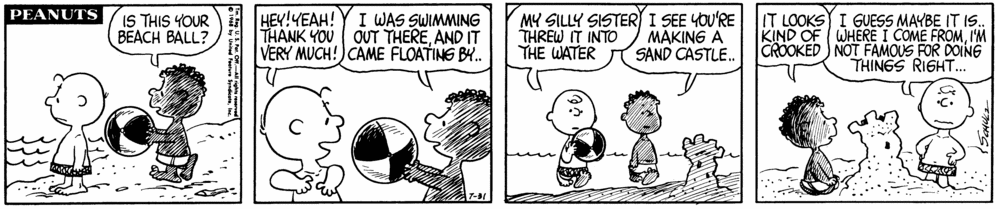
Franklin, his skin tone indicated by closely set diagonal lines, made his debut in a bathing suit, returning Charlie Brown’s runaway beach ball. The encounter took three days to play out, during which Franklin and Charlie Brown form an alliance of vacationing children whose usual playmates are elsewhere. It would seem that the major difference between them is that Franklin’s dad is in Vietnam. Obviously, a lot of thought went into their casual dialogue.
Benign as Franklin was, his presence sparked outrage. Some Southern readers cried foul when he showed up in the same classroom as Marcie and Peppermint Patty. Others felt Franklin wasn’t black enough.
Ultimately Franklin never achieved A‑list status, but he did resonate with certain readers, notably William Bell, a diversity officer working with the Cincinnati Police Department.
Visit Mashable to see reproductions of Glickman and Schulz’s correspondence. And watch the video above to hear more about her upbringing and another comic that featured black characters, Dateline: Danger!, a collaboration between Saunders’ son John and artist Al McWilliams.
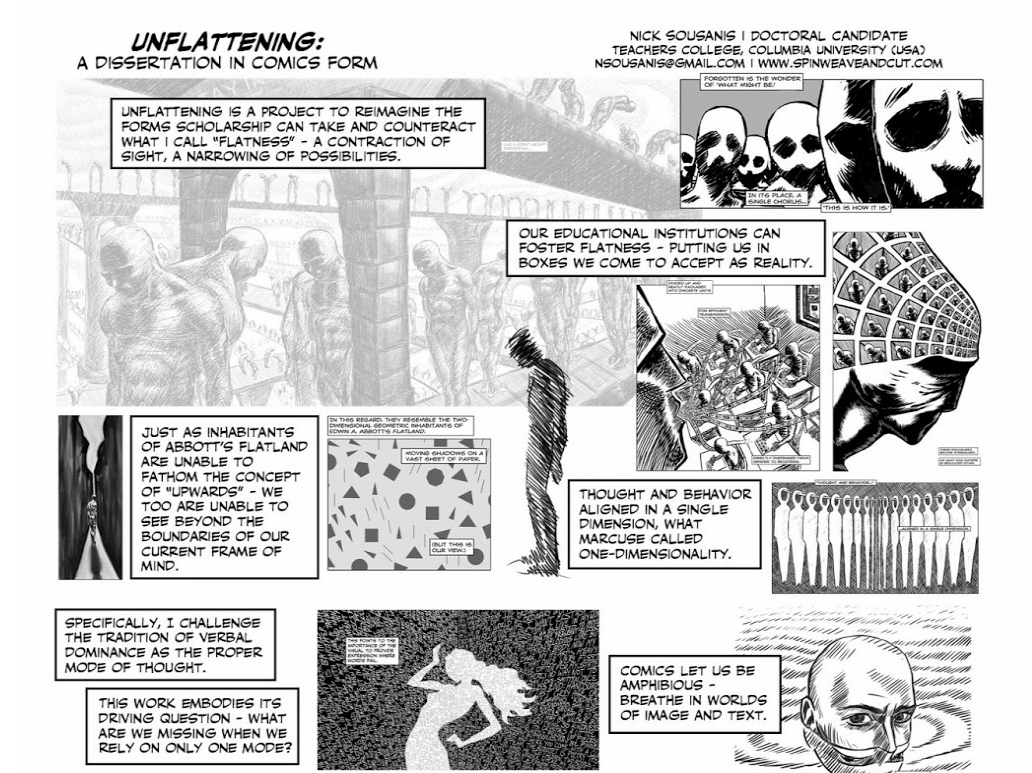
My circle of friends includes more than a few grad students, but few of them seem very happy, especially those who’ve already put every part of the process behind them except their dissertation. As they struggle to wrestle that daunting beast to the ground, I — as a non-academic — try to provide whatever perspective I can. To my mind, a dissertation, just like any other major task, demands that you break it down into small pieces and frame each piece in your mind just right, so I naturally think Nick Sousanis made the right choice by writing his dissertation, panel by panel, frame by frame, as a graphic novel.
Boing Boing’s Cory Doctorow recently wrote about Unflattening, Sousanis’ “graphic novel about the relationship between words and pictures in literature” that doubled as Sousanis’ dissertation in education at Columbia University. Doctorow quotes Comics Grid’s Matt Finch, who describes the work as one that “defies conventional forms of scholarly discourse to offer readers both a stunning work of graphic art and a serious inquiry into the ways humans construct knowledge.” Uniting the perspectives of “science, philosophy, art, literature, and mythology, it uses the collage-like capacity of comics to show that perception is always an active process of incorporating and reevaluating different vantage points.”
The University of the Arts’ most recent grads are lucky ducks to have had a speaker as engaging as cartoonist and educator Lynda Barry delivering their commencement’s keynote address.
Barry kept things lively by mixing in some tried and true material from other public appearances, including her Filipino grandmother’s belief in the aswang, a poem set to music (here “Cotton Song” by Harlem Renaissance poet, Jean Toomer) and the story of the collaborative cartoon, “Chicken Attack by Jack.”
This last anecdote contains a strong indictment of contemporary society’s screen addiction, and it is heartening to see the graduates—members of the last generation to pre-date the Internet—listening so attentively, no one texting or tweeting as the camera pans the crowd.
When Barry exhorted them to shout out the names of their three most inspiring teachers on the count of three, most did!
For me, this was the most thrilling moment, though I also appreciated the advice on the best time to schedule oral surgery, and a blissful untruth about Evergreen State College’s application process circa the mid-70s.
Not your typical commencement speech… those lucky, lucky ducks!
Readers, we invite you to get in the spirit and celebrate the Class of 2015 by “shouting” the names of your most inspirational teachers in the comment section below.
Yes. It’s a comedy about life’s tragedies, great and small.
Are cartoons inspired by Waiting for Godot funny?
…mostly not. Especially when they’re set in waiting rooms (or airport arrivals areas).
Godot’s a hard trope for a cartoonist on the prowl for something fresh. Dogs, psychiatrists, castaways on desert islands are more elastic subjects, universal, but capable of being spun any number of ways.
To wring a comic worthy ofTheNew Yorker out of Godot, you probably have to be an actual New Yorker cartoonist, like Roz Chast, whose instantly recognizable work can be seen above.
Not to imply that New Yorker cartoonists are the only source for inspired Godot-inspired comics– the late, great Hergé, creator of Tintin made one.
(Oh wait, that’s not Hergé, it’s Tom Gauld who illustrates the Guardian’s Saturday Review letters page, scoring major points by relocating the terminally upbeat boy detective so outside his comfort zone that even Snowy is a negative image.)
Cartoonist Richard Thompson summoned Godot for a strip within a strip installment of his popular syndicated Cul de Sac. (Click the image above to view it in a larger format.) Will readers get the reference? Alice, his preschool-aged heroine, seems to, astutely echoing critic Vivian Mercier’s assessment of Godot as a play where “nothing happens…twice”.
Man’s nature, man’s dignity, is that he acts, lives, loves, and finally destroys himself seeking to penetrate the mystery of existence, and unless we partake in some way, as some part of this human exploration… then we are no more than the pimps of society and the betrayers of our Self.
There is a David Bowie for every season. A Christmas David Bowie, a Halloween David Bowie, even a David Bowie Easter celebration. But much more than that, there may be a David Bowie for every Bowie fan, especially for artists influenced by his chameleonic career. See for yourself how a whopping 96 Bowie-loving artists—in this case mainly what Bowie himself calls the “World’s Best Comic Artists”—see the changling rock star/actor/space alien.
Collins’ impressive collection includes work from Michel Gondry (Eternal Sunshine of the Spotless Mind), whose contribution the editor calls “pretty goddamn wonderful if you ask me.” See it above. And below, Kate Beaton, creator of web comic Hark, A Vagrant, gives us Bowie as a dandy, a character with whom, writes Collins, she has a “rich history.”
Collins offers brief commentary beneath each image in the collection, which also gives us the strange interpretation below by Bowie-inspired underground comics legend Charles Burns; the intense and Archie-esque contributions further down by Brothers Jaime and Gilbert Hernandez, creators of the 80s New Wave classic comic Love and Rockets; and the outer space-proportioned Bowie at the bottom of the post, from vocalist Tunde Adebimpe of TV on the Radio, a band that has both covered and recorded with Bowie.
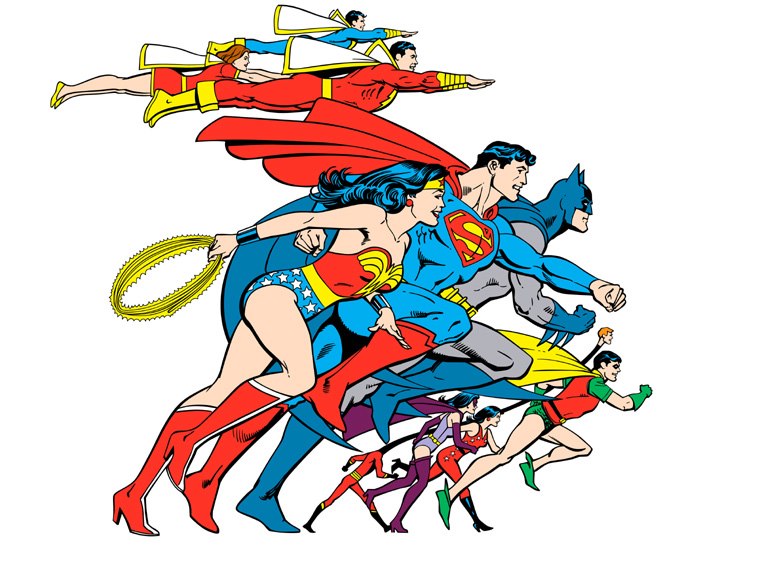
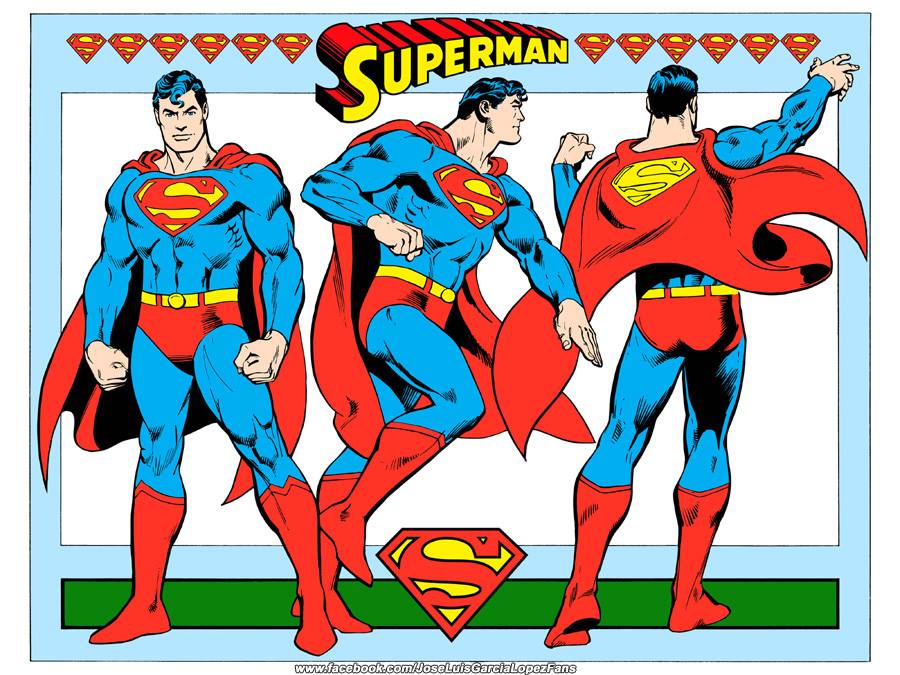
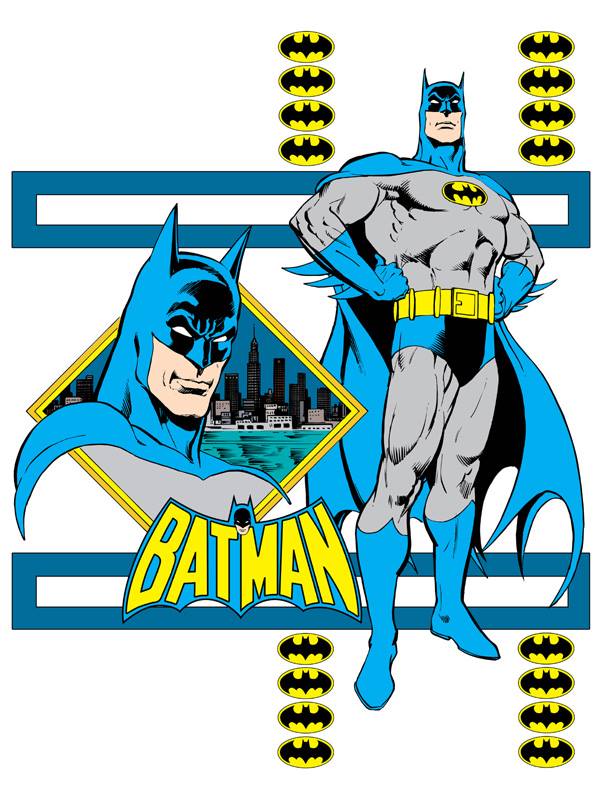
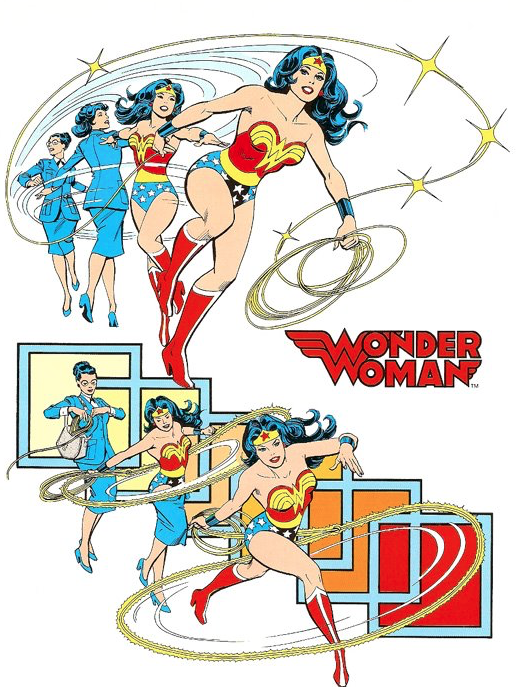
“Why did superheroes first arise in 1938 and experience what we refer to as their ‘Golden Age’ during World War II?” “How have comic books, published weekly since the mid-1930’s, mirrored a changing American society, reflecting our mores, slang, fads, biases and prejudices?” “Why was the comic book industry nearly shut down in the McCarthy Era of the 1950’s?” And “When and how did comic book artwork become accepted as a true American art form as indigenous to this country as jazz?”
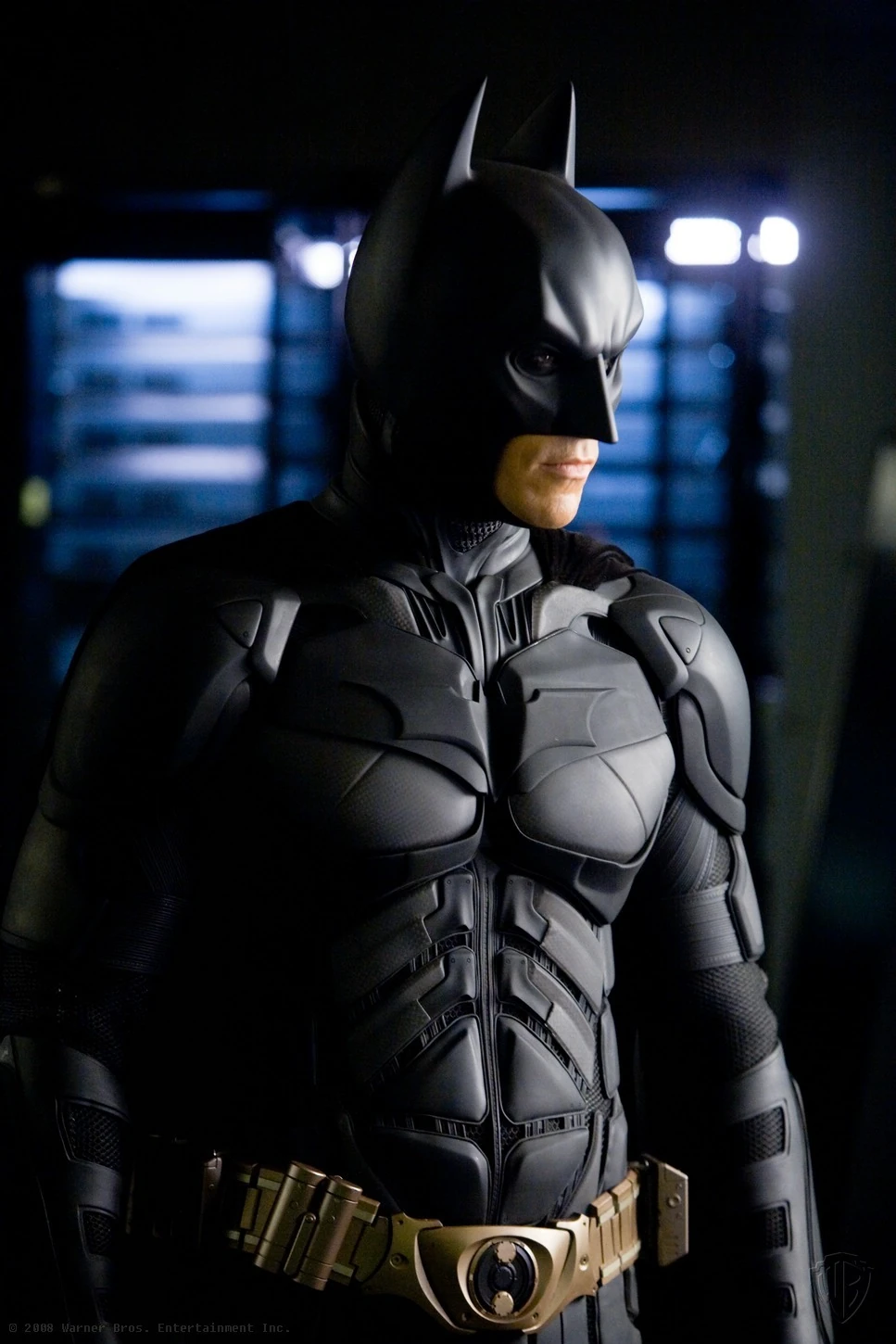
All of these questions … and more … will be explored in an upcoming MOOC (Massive Open Online Course) co-taught by the legendary comic book artist, Stan Lee. He will be joined by experts from the Smithsonian, and Michael Uslan, the producer of the Batman movies who’s also considered the first instructor to have taught an accredited course on comic book folklore at any university.
If you would like to sign up for Open Culture’s free email newsletter, please find it here. It’s a great way to see our new posts, all bundled in one email, each day.
If you would like to support the mission of Open Culture, consider making a donation to our site. It’s hard to rely 100% on ads, and your contributions will help us continue providing the best free cultural and educational materials to learners everywhere. You can contribute through PayPal, Patreon, and Venmo (@openculture). Thanks!
Since Charles Burns’ ‘70s-set sex-horror graphic novel Black Hole won a Harvey, Eisner, and an Ignatz Award in 2006, Hollywood has been toying with bringing the cartoonist’s dark visions to the screen. David Fincher was rumored to be developing Black Hole, until he picked up a copy of The Girl with the Dragon Tattoo instead.
But why wait to see Burns turned into a live-action film when the comic artist himself wrote and directed a segment for an animated French horror anthology called Peur(s) du noir/Fear(s) of the Dark in 2007.
The film never received American distribution, which is a shame, because this CG-animation brings Burns’ beautiful black and white brushwork to life, with a story of a college romance gone horribly, obsessively wrong. It’s close in subject matter to the “bug” at the center of Black Hole, but (maybe it’s the French dialog) with a nouvelle vague twist. There are creepy insects aplenty, too.
The film also contains animated horror tales directed by other cartoonists who might not be as familiar to American audiences: Blutch, Marie Caillou, Pierre di Sciullo, Lorenzo Mattotti, and Richard McGuire. Having seen the whole film, despite being hit-and-miss like all anthology features, it makes one wish there was more opportunities for comic artists to venture into film without having to compromise for live action, or exhaust an idea for a big budget.
Ted Mills is a freelance writer on the arts who currently hosts the FunkZone Podcast. You can also follow him on Twitter at @tedmills and/or watch his films here.
We're hoping to rely on loyal readers, rather than erratic ads. Please click the Donate button and support Open Culture. You can use Paypal, Venmo, Patreon, even Crypto! We thank you!
Open Culture scours the web for the best educational media. We find the free courses and audio books you need, the language lessons & educational videos you want, and plenty of enlightenment in between.