Now I Know My LSD ABCs: A Trippy Animation of the Alphabet

Many inter­ests have spurred cre­ative alpha­bet col­lec­tions: New York City. Geek­dom. Food snob­bery. Child­hood calami­ty. And now?

Actu­al­ly, LSD ABC, defies neat cat­e­go­riza­tion. Beyond the fact that they’re both spelled out using let­ters, what could Dim Sum pos­si­bly have in com­mon with VHS? Not much pri­or serv­ing as inspi­ra­tional prompts for graph­ic design­ers Lau­rent & Françoise (oth­er­wise known as Lau­ra Sicouri and Kadavre Exquis). Now they’re 1/13th of a delight­ful­ly twist­ed ani­mat­ed whole, one of those dead­line-free pet projects that goes on to spawn a lim­it­ed edi­tion vinyl album.

The duo is prone to fetishiz­ing the anachro­nis­tic tech­nolo­gies of the recent past, in a man­ner slight­ly more ele­gant than come­di­ans Tim Hei­deck­er and Eric Ware­heim. They toss in a foot sim­i­lar to the one Ter­ry Gilliam used to such effect on Mon­ty Python. H and S are sub­ject­ed to the sort of indig­ni­ties Wile E. Coy­ote used to suf­fer at the hands of the Road Run­ner. It’s all tied togeth­er with AT&T Lab’s decid­ed­ly unnat­ur­al-sound­ing Nat­ur­al Voice text-to-speech nar­ra­tion.

While it’s dif­fi­cult to pick a favorite from such a mind bend­ing array, I’m going to have to go with P…for Pet Piano, natch. You?

Relat­ed Con­tent:

Watch All of Ter­ry Gilliam’s Mon­ty Python Ani­ma­tions in a Row

Bauhaus, Mod­ernism & Oth­er Design Move­ments Explained by New Ani­mat­ed Video Series

Ayun Hal­l­i­day is stymied by the lack of Ys on cer­tain Euro­pean key­boards. Fol­low her @AyunHalliday

Better Living Through Buckminster Fuller’s Utopian Designs: Revisit the Dymaxion Car, House, and Map

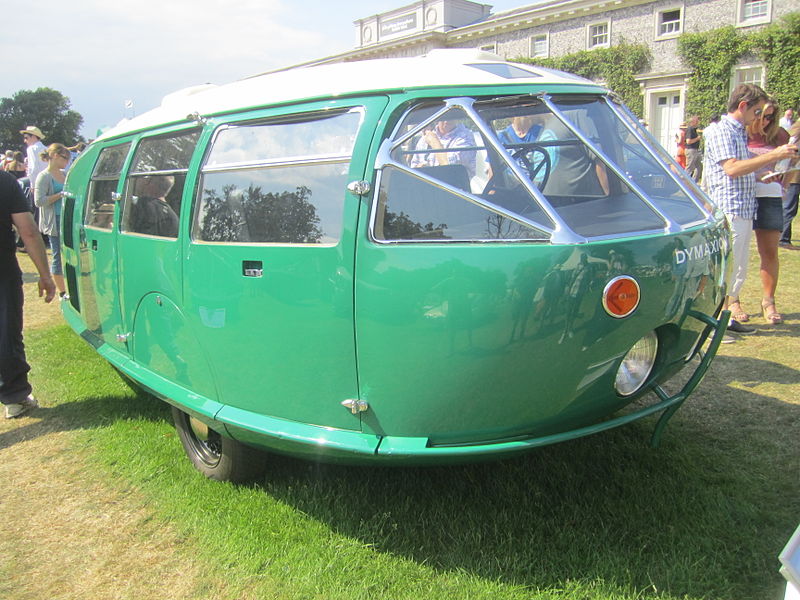
To those who haven’t delved deeply into his con­sid­er­able body of work, twen­ti­eth-cen­tu­ry archi­tect, inven­tor, and futur­ist Buck­min­ster Fuller seems to have left behind a sin­gle last­ing con­tri­bu­tion to the built envi­ron­ment: the geo­des­ic dome. This I remem­ber when­ev­er I pass by the Cin­era­ma Dome on Sun­set Boule­vard, a famous movie the­ater built accord­ing to Fuller’s sphere-inten­sive archi­tec­tur­al prin­ci­ples. But the fact that you don’t see many oth­er geo­des­ic domes these days — you nev­er did see many, I sup­pose â€” belies the abun­dant fruits of Fuller’s imag­i­na­tion and know-how. Vig­i­lant­ly mind­ful of human­i­ty’s poten­tial for a bet­ter tomor­row, he also designed a suite of seem­ing­ly Utopi­an, sur­pris­ing­ly inno­v­a­tive, and ulti­mate­ly unpop­u­lar tools for bet­ter liv­ing. He brand­ed them with a port­man­teau of dynam­icmax­i­mum, and ten­sion: “Dymax­ion” came to stand, or at least Fuller seemed to want it to stand, for unceas­ing ded­i­ca­tion to improv­ing our pat­terns of life.

To that end, he con­ceived of the Dymax­ion House, or “Dymax­ion Dwelling Machine,” a cheap­ly mass-pro­ducible, nat­u­ral­ly heat­ed and cooled, near­ly main­te­nance-free, eas­i­ly mod­i­fi­able, and, of course, round hous­ing solu­tion. The sat­is­fied res­i­dent of Fuller’s future would dri­ve to and from his Dymax­ion House, along with ten pas­sen­gers, in his aero­dy­nam­ic Dymax­ion Car, capa­ble of reach­ing 90 miles per hour at 30 miles to the gal­lon. And no mat­ter where he drove, he could find his way with the Dymax­ion Map (also known as the “Fuller Pro­jec­tion map”), the only flat whole-earth map with no visu­al dis­tor­tions in its rep­re­sen­ta­tion of what Fuller called Space­ship Earth. You can see the Dymax­ion Car in action, and hear Fuller talk about its devel­op­ment, in the video just above. A 1946 news­reel tour of the Dymax­ion House appears at the top of the post. If you now find your­self eager to live accord­ing to Buck­min­ster Fuller’s ideals, try keep­ing his ultra-detailed form of a diary, the Dymax­ion Chronofile, or tak­ing his peri­od­ic 30 minute Dymax­ion naps. I know I’d like to get a Dymax­ion bath­room installed.

Dynamaxion_1933

Relat­ed Con­tent:

Every­thing I Know: 42 Hours of Buck­min­ster Fuller’s Vision­ary Lec­tures Free Online (1975)

Col­in Mar­shall hosts and pro­duces Note­book on Cities and Cul­ture and writes essays on lit­er­a­ture, film, cities, Asia, and aes­thet­ics. He’s at work on a book about Los Ange­lesA Los Ange­les Primer. Fol­low him on Twit­ter at @colinmarshall.

A Beer Bottle Gets Turned Into a 19th Century Edison Cylinder and Plays Fine Music

The long and cozy rela­tion­ship between alco­hol and music is well-documented—in song. Did George Jones ever sing about any­thing else?

But until now there’s nev­er been so lit­er­al a part­ner­ship as the one between Beck’s beer and the New Zealand pop band Ghost Wave.

This spring, the band won a con­test at the heart of Beck’s adver­tis­ing cam­paign, “Music Inspires Art.” The prize: a Ghost Wave label on beer bot­tles through­out New Zealand. Last month came a sec­ond prize. In the spir­it of Thomas Edison’s famous record­ing cylin­ders, Beck’s pro­duced an old-school record­ing of a Ghost Wave track direct­ly onto a green glass bot­tle.

The audio qual­i­ty is sur­pris­ing­ly good. You’ve prob­a­bly heard the crack­ly record­ings of Tchaikovsky’s voice record­ed on an ear­ly Edi­son cylin­der. You may have even heard the (much more recent) sin­gle that Suzanne Vega pro­duced in cylin­der for­mat.

For the beer-bot­tle record­ing, Beck’s enlist­ed the help of Auck­land-based spe­cial effects firm Gyros Con­struc­tivists to build an indus­tri­al strength record-cut­ting lathe. The tech­nol­o­gy used for ear­li­er cylin­ders didn’t work because the Ghost Wave track, like most mod­ern music, fea­tures so much bass that the cut­ting tool kept hop­ping out of the groove. The Gyros lathe used a hard dri­ve record­ing head to cut into the glass.

The bot­tle track ulti­mate­ly played on a reverse-engi­neered cylin­der play­er, made with mod­ern mate­ri­als and fine-tuned with soft­ware to remove motor hum.

Edi­son invent­ed the phono­graph cylin­der in 1877. In an ear­ly record­ing, he cap­tured his own voice recit­ing a children’s nurs­ery rhyme. Edison’s ini­tial pro­to­type used tin­foil wrapped around a hand-cranked cylin­der, but that proved to be too del­i­cate for every­day use. He changed the mate­r­i­al to wax, which also wore out after repeat­ed use, and even­tu­al­ly replaced that with plas­tic cel­lu­loid.

Now what would George Jones have said about that?

Relat­ed Con­tent:

Thomas Edi­son Recites “Mary Had a Lit­tle Lamb” in Ear­ly Voice Record­ing

Thomas Edison’s 1889 Record­ing of Otto von Bis­mar­ck‎ Dis­cov­ered

Tchaikovsky’s Voice Cap­tured on an Edi­son Cylin­der (1890)

Kate Rix writes about dig­i­tal media and edu­ca­tion. Vis­it her web­site, , and fol­low her on Twit­ter, @mskaterix.

Bauhaus, Modernism & Other Design Movements Explained by New Animated Video Series

UK’s Open Uni­ver­si­ty has devel­oped a fun way to mar­ket their design cours­es: a series of six short ani­ma­tions called “Design in a Nut­shell” that briefly sur­vey impor­tant move­ments in the arts and architecture—from the late-nine­teenth cen­tu­ry Goth­ic Revival to late-twen­ti­eth cen­tu­ry Post­mo­d­er­mism. While the for­mer looked far into the past, seek­ing to pre­serve tra­di­tion, the lat­ter looked every­where, glee­ful­ly dis­man­tling, recy­cling, and recom­bin­ing frag­ment­ed and irrecov­er­able his­to­ries.

Between the two extremes, three inter-relat­ed post-WWI move­ments sought to make peace with the indus­tri­al present and design for a har­mo­nious future. The first one fea­tured, the Bauhaus move­ment (above)—founded in Weimar, Ger­many by Wal­ter Gropius in 1919—integrated the fine arts and indus­tri­al design into one school. Famous teach­ers includ­ed artists Paul Klee and Wass­i­ly Kandin­sky. Bauhaus designs per­me­ate the larg­er move­ment known as Mod­ernism.

The ani­ma­tion above gives us the briefest gist of Mod­ernism, a sweep­ing umbrel­la term for a host of rad­i­cal ‑isms in the arts, lit­er­a­ture, design, and architecture—impressionism, cubism, fau­vism, futur­ism, bru­tal­ism, sur­re­al­ism…. Euro­pean and Amer­i­can artists turned their back on the old-world past after the mass slaugh­ter of World War One. Not all Mod­ernists found solace in the break­down of the old order. Writ­ers like T.S. Eliot found much rea­son to despair. But design­ers like Eero Saari­nen and the hus­band and wife team Charles and Ray Eames embraced indus­tri­al tech­niques and mass pro­duc­tion to cre­ate for­ward-look­ing, min­i­mal­ist fur­ni­ture and build­ings that still define the way we live now.

The episode above, “Amer­i­can Indus­tri­al Design,” describes how indus­tri­al design­ers made inno­v­a­tive use of new mate­ri­als and pro­duc­tion meth­ods to cre­ate sleek, stream­lined prod­ucts that rein­vig­o­rat­ed the Amer­i­can mar­ket in the midst of the Great Depres­sion. Design­ers like Nor­man Bel Ged­des cre­at­ed a futur­is­tic land­scape that inspired faith in tech­no­log­i­cal progress, even as much of the coun­try still lived on strug­gling farms.

Bel Ged­des’ most notable achieve­ment was his design of the “Futu­ra­ma” ride (which gave the ani­mat­ed show its name) at the 1939–40 World’s Fair. Part of the Gen­er­al Motors exhib­it, “Futu­ra­ma” whisked rid­ers past detailed minia­tures of “the world of tomor­row.” The opti­mism of some Mod­ernist design­ers would be shat­tered by the tech­no­log­i­cal hor­rors of World War Two. But for a few brief decades, the future looked entire­ly man­age­able with the right designs, tech­niques, mate­ri­als, and savvy mar­ket­ing.

You can find all six videos appear­ing in the Design in a Nut­shell series on YouTube.

Relat­ed Con­tent:

The ABC of Archi­tects: An Ani­mat­ed Flip­book of Famous Archi­tects and Their Best-Known Build­ings

Charles & Ray Eames’ Icon­ic Film Pow­ers of Ten (1977) and the Less­er-Known Pro­to­type from 1968

Wass­i­ly Kandin­sky Caught in the Act of Cre­ation, 1926

Josh Jones is a writer and musi­cian based in Wash­ing­ton, DC. Fol­low him at @jdmagness

Punk Meets High Fashion in Metropolitan Museum of Art Exhibition PUNK: Chaos to Couture

What­ev­er else British punk rock gave pop cul­ture, it was always a rev­o­lu­tion in fash­ion, engi­neered by Sex Pis­tols sven­gali Mal­colm McLaren and his part­ner, design­er Vivi­enne West­wood. The two pio­neered punk’s S&M‑inspired look from their Chelsea bou­tique, SEX, a one­time record shop that mor­phed into the epi­cen­ter of Lon­don street fash­ion. McLaren passed away in 2010, but his for­mer part­ner West­wood is still designing—only now her work is haute cou­ture nos­tal­gia, its shock­ing sneer at uptight British cul­ture a muse­um piece. Her lat­est col­lec­tion, Chaos, revis­its many of the icon­ic designs of the mid-sev­en­ties made famous by the Sex Pis­tols, such as the “tits square” and “cow­boy square” t‑shirts and the ubiq­ui­tous safe­ty pin.

The name of Westwood’s retro lat­est work is reflect­ed in a cur­rent exhi­bi­tion at the Met­ro­pol­i­tan Muse­um of Art called PUNK: Chaos to Cou­ture, which began May 9th and runs until August 14th. In the video above, cura­tor Andrew Bolton dis­cuss­es the exhibition’s stag­ing of low and high cul­ture crossover. In the press mate­ri­als, Bolton is frank about the con­tra­dic­to­ry aims of punk and high fash­ion:

Since its ori­gins, punk has had an incen­di­ary influ­ence on fash­ion… Although punk’s democ­ra­cy stands in oppo­si­tion to fashion’s autoc­ra­cy, design­ers con­tin­ue to appro­pri­ate punk’s aes­thet­ic vocab­u­lary to cap­ture its youth­ful rebel­lious­ness and aggres­sive force­ful­ness.

This is not the first time Bolton has appro­pri­at­ed punk fash­ion for high art or worked with Vivi­enne West­wood. In 2006, Bolton curat­ed a Met exhib­it called Anglo­Ma­nia (cat­a­log here), which drew its name and inspi­ra­tion from anoth­er of Westwood’s col­lec­tions.

Relat­ed Con­tent:

Sex Pis­tols Front­man John­ny Rot­ten Weighs In On Lady Gaga, Paul McCart­ney, Madon­na & Katy Per­ry

Mal­colm McLaren: The Quest for Authen­tic Cre­ativ­i­ty

The His­to­ry of Punk Rock

Josh Jones is a writer and musi­cian based in Wash­ing­ton, DC. Fol­low him at @jdmagness

Eight Radiohead Albums Reimagined as Vintage Paperback Books

in rainbooks

Simon James, an artist liv­ing and work­ing in Lon­don, has a pen­chant for tak­ing albums and envi­sion­ing them as vin­tage Pen­guin & Pel­i­can-style books. So far, he has cov­ered The SmithsJoy Divi­sionNew OrderThe Cure and Kraftwerk. And now comes his favorite band, Radio­head. Here, he takes Pablo Hon­ey, The Bends, OK Com­put­er, Kid A, Amne­si­ac, Hail to the Thief, In Rain­bows and The King of Limbs and then turns each track, on each album, into its own nov­el. You can find the images on Etsy. Just fol­low the links above. Indi­vid­ual prints can also be pur­chased for $19.38.

If you would like to sign up for Open Culture’s free email newslet­ter, please find it here. It’s a great way to see our new posts, all bun­dled in one email, each day.

If you would like to sup­port the mis­sion of Open Cul­ture, con­sid­er mak­ing a dona­tion to our site. It’s hard to rely 100% on ads, and your con­tri­bu­tions will help us con­tin­ue pro­vid­ing the best free cul­tur­al and edu­ca­tion­al mate­ri­als to learn­ers every­where. You can con­tribute through Pay­Pal, Patre­on, and Ven­mo (@openculture). Thanks!

Relat­ed Con­tent:

Radiohead’s Thom Yorke Gives Teenage Girls Endear­ing Advice About Boys (And Much More)

A Mid­dle-East­ern Ver­sion of Radiohead’s 1997 Hit “Kar­ma Police”

Radio­head-Approved, Fan-Made Film of the Band at Rose­land for 2011′s The King of Limbs Tour

The Art of Data Visualization: How to Tell Complex Stories Through Smart Design

The vol­ume of data in our age is so vast that whole new research fields have blos­somed to devel­op bet­ter and more effi­cient ways of pre­sent­ing and orga­niz­ing infor­ma­tion. One such field is data visu­al­iza­tion, which can be trans­lat­ed in plain Eng­lish as visu­al rep­re­sen­ta­tions of infor­ma­tion.

The PBS “Off Book” series turned its atten­tion to data visu­al­iza­tion in a short video fea­tur­ing Edward Tufte, a sta­tis­ti­cian and pro­fes­sor emer­i­tus at Yale, along with three young design­ers on the fron­tiers of data visu­al­iza­tion. Titled “The Art of Data Visu­al­iza­tion,” the video does a good job of demon­strat­ing how good design—from sci­en­tif­ic visu­al­iza­tion to pop infographics—is more impor­tant than ever.

In much the same way that Mar­shall McLuhan spoke about prin­ci­ples of com­mu­ni­ca­tion, Tufte talks in the video about what makes for ele­gant and effec­tive design. One of his main points: Look after truth and good­ness, and beau­ty will look after her­self.

What does Tufte mean by this? That design is only as good as the infor­ma­tion at its core.

OffBookSCSHT1

For those of us who aren’t design­ers, it’s refresh­ing to con­sid­er the ele­ments of good visu­al sto­ry-telling. And that’s what the best design is, accord­ing to the experts in this video. Every data set, or big bunch of infor­ma­tion, has its own core con­cept, just as every sto­ry has a main char­ac­ter. The designer’s job is to find the hero in the data and then tell the visu­al sto­ry.

So much of the infor­ma­tion we encounter every day is hard to con­cep­tu­al­ize. It’s so big and com­pli­cat­ed that a visu­al ren­der­ing rep­re­sents it the best. That’s because human brains are wired to take in a lot of infor­ma­tion at once. Good design­ers know that deci­sion-mak­ing isn’t lin­ear. It’s a super-fast process of rec­og­niz­ing pat­terns and mak­ing sense of them.

OffBookSCSHT2

Infor­ma­tion may be more abun­dant but it isn’t new, and nei­ther is data visu­al­iza­tion. In the video, Tufte talks about stone maps carved by ear­ly humans and how those ancient graph­ics form the tem­plate for Google maps.

What comes across in PBS’s video is that data visu­al­iza­tion is an art, and the sim­pler the bet­ter. Tufte seems to argue that good data guides the design­er to do good work, which leads to the ques­tion: Is the medi­um no longer, as McLuhan famous­ly com­ment­ed, the mes­sage?

Relat­ed Con­tent:

In Under Three Min­utes, Hans Rosling Visu­al­izes the Incred­i­ble Progress of the “Devel­op­ing World”

An Ani­mat­ed Visu­al­iza­tion of Every Observed Mete­orite That Has Hit Earth Since 861 AD

Watch a Cool and Creepy Visu­al­iza­tion of U.S. Births & Deaths in Real-Time

Kate Rix writes about dig­i­tal media and edu­ca­tion. Vis­it her web­site. Fol­low her on Twit­ter @mskaterix

Celebrate Saul Bass’ 93rd Birthday with an Animated Google Doodle

When it comes to title design, no one did it bet­ter than Saul Bass (1920–1996). Dur­ing his long career in Hol­ly­wood, Bass designed sequences for Otto Preminger’s The Man with the Gold­en Arm, Scorsese’s Good­fel­las and Cape Fear, Kubrick’s Spar­ta­cusand sev­er­al clas­sic films by Alfred Hitch­cock. And that’s just begin­ning to scratch the sur­face. (You can delve into Bass’ oth­er cre­ative work via the links below.)

Today, Google is cel­e­brat­ing what would have been Bass’ 93rd birth­day with an ani­mat­ed doo­dle (above). Accord­ing to Metafil­ter, the doo­dle “pays homage to Bass’ visu­al work on Psy­choThe Man With The Gold­en ArmSpar­ta­cusWest Side Sto­ry,Ver­ti­goNorth by North­westAnato­my of a Mur­der, and Around the World in 80 Days.” It’s also set to Dave Brubeck­’s 1961 tune, “Unsquare Dance.”

Relat­ed Con­tent:

Saul Bass’ Advice for Design­ers: Learn to Draw, and Cre­ate Beau­ty Even If Nobody Else Cares

Saul Bass’ Oscar-Win­ning Ani­mat­ed Short Pon­ders Why Man Cre­ates

Saul Bass Gives Ma Bell a Com­plete Makeover, 1969

« Go BackMore in this category... »
Quantcast