Visit The Museum of Online Museums (MoOM): A Mega Collection of 220 Online Exhibitions

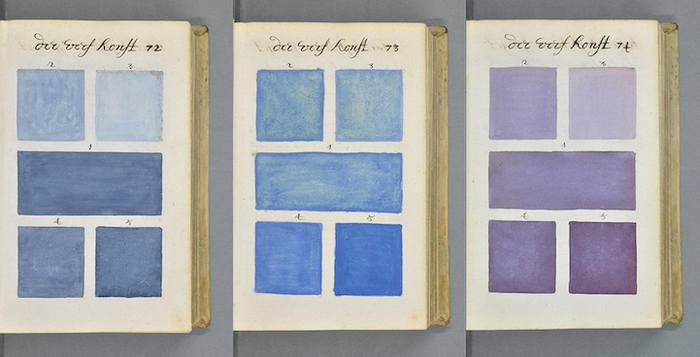
MOOM rijks

It is my habit, when trav­el looms, to case the Inter­net for obscure muse­ums my des­ti­na­tion might have to offer. Once loaded, I fix­ate. Chat me up about my itin­er­ary, and you will def­i­nite­ly come away with the impres­sion that these off­beat locales are the trip’s pri­ma­ry rai­son d’être.

It’s shock­ing how rarely I actu­al­ly make it to one of these off-the-beat­en path gems. Time flies and I rarely trav­el alone these days.

Take a recent fam­i­ly trip to Lon­don. Every time I brought up the Muse­um of Brands, my hus­band expressed reser­va­tions. “But what is it, exact­ly, oth­er than a bunch of old labels?” he’d press.

I hemmed and hawed, real­iz­ing on the cel­lu­lar lev­el that nei­ther he nor the kids could see the beau­ty in old labels. Dinosaurs, maybe. Ves­pas, no doubt. But old labels? This is how I found myself giv­ing the British Muse­um near­ly three times the Muse­um of Brand’s admis­sion charge to join a mighty throng of pen­sion­ers, squint­ing at a hand­ful of bor­ing but­ton frag­ments and a chunk of wood that no longer resem­bled a Viking Ship.

Next time, I swear…

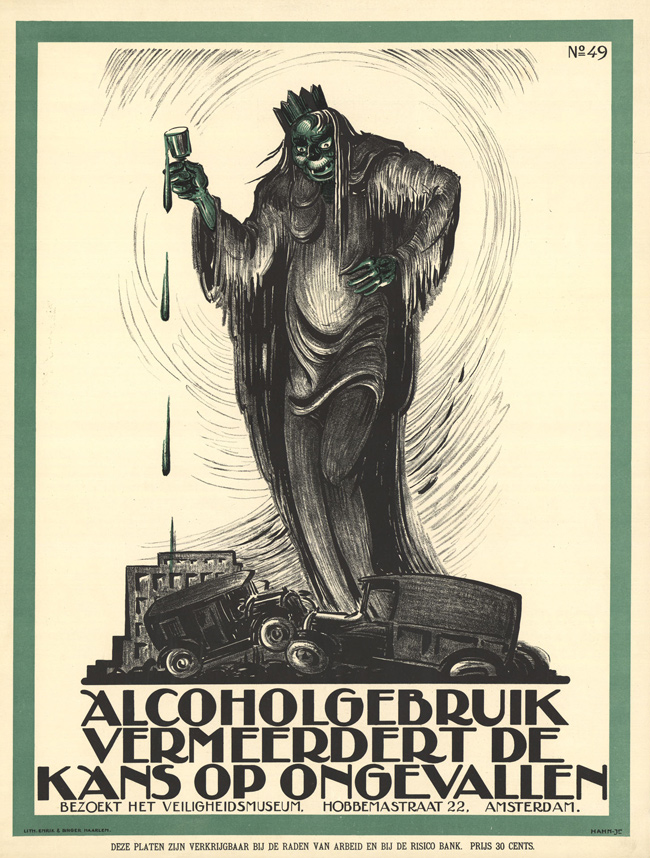
01-1926-Hahn--Albert-alcohol-increases-risk-of-accidents

How for­tu­nate for me and my ilk that Chica­go design firm Coudal Part­ners is com­mit­ted to labor­ing far out­side its expect­ed scope. In addi­tion to cham­pi­oning Stan­ley Kubrick and poet­ry, they’ve tak­en it upon them­selves to con­sol­i­date a panoply of dig­i­tal col­lec­tions into the Muse­um of Online Muse­ums. (The pre­ferred acronym is MoOM, FYI.)

Unlike that of cer­tain of my trav­el­ing com­pan­ions, Coudal Part­ners’ def­i­n­i­tion of what con­sti­tutes a muse­um is demo­c­ra­t­ic. Gen­er­ous, even. The Met­ro­pol­i­tan Muse­um of Art, the Rijksmu­se­um, and the Musée d’Or­say share space with such non-brick-and-mor­tar com­pan­ions as the Busy Beaver But­ton Muse­um, the Gro­cery List Col­lec­tion, and Toast­er Cen­tral.

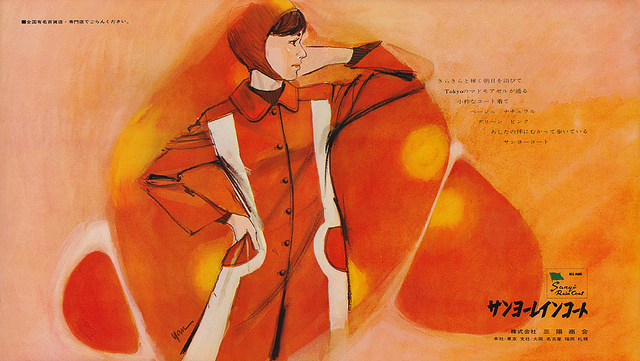
Raincoat

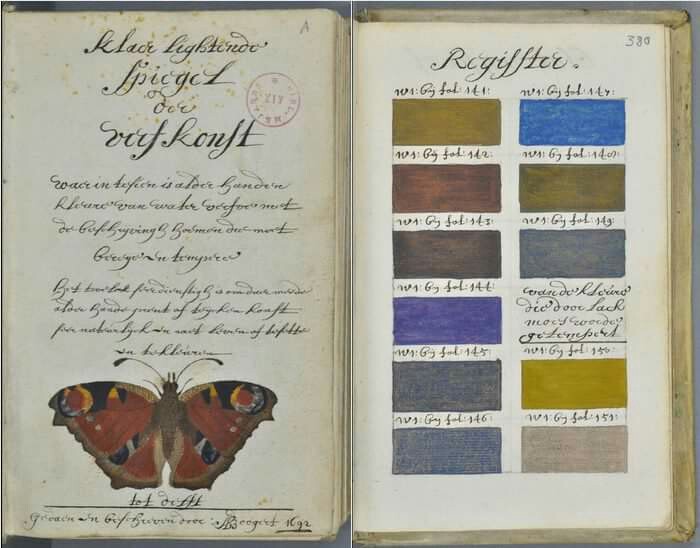
Like any major insti­tu­tion, MoOM touts their cur­rent exhi­bi­tions, a sea­son­al sam­pling of five. This spring brings togeth­er the Rijksmu­se­um’s Stu­dio Project, NASA’s Space Food Hall of Fame, a col­lec­tion of Dutch safe­ty posters from 50 Watts, 40 retro-groovy Japan­ese ads com­pli­ments of Voic­es of East Anglia, and a pho­to­graph­ic sur­vey of eggnog car­tons. (That last one real­ly deserves a brick and mor­tar home. Loca­tion is imma­te­r­i­al. I’d just like to fan­ta­size about vis­it­ing it some­day.)

egg nog

Mean­while, the talk of the town here in New York City is the reap­pear­ance of Mmu­se­umm, an eclec­tic, non-prof­it housed in a 60-square-foot Tribeca ele­va­tor shaft. MoOM, take note.

Find more online exhi­bi­tions at the Muse­um of Online Muse­ums.

Relat­ed Con­tent:

The Met­ro­pol­i­tan Muse­um of Art Puts 400,000 High-Res Images Online & Makes Them Free to Use

LA Coun­ty Muse­um Makes 20,000 Artis­tic Images Avail­able for Free Down­load

Down­load Over 250 Free Art Books From the Get­ty Muse­um

Ayun Hal­l­i­day wrote about her expe­ri­ences as a muse­um guard in her 3rd book, Job Hop­per. Fol­low her @AyunHalliday

“The Periodic Table of Storytelling” Reveals the Elements of Telling a Good Story

periodic table storytelling

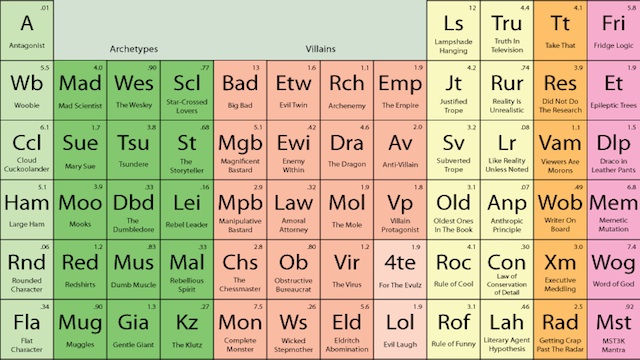
Dmitri Mendeleev might have designed the orig­i­nal peri­od­ic table – a graph­ic rep­re­sen­ta­tion of all the basic build­ing blocks of the uni­verse – but artist James Har­ris has done some­thing way cool with that tem­plate — the Peri­od­ic Table of Sto­ry­telling.

That’s right. Har­ris has tak­en all the tropes, arche­types and clichés found in movies (not to men­tion TV, com­ic books, lit­er­a­ture, video and even pro­fes­sion­al wrestling) and syn­the­sized them into an ele­gant­ly real­ized chart. Instead of group­ing the ele­ments by noble gas­es or met­als, Har­ris has orga­nized them by sto­ry ele­ments — struc­ture, plot devices, hero arche­types. Each ele­ment is linked to a vast wiki that gives def­i­n­i­tions and exam­ples. For instance, if you click on the ele­ment Chk, you’ll go to a page explain­ing the trope of Chekhov’s Gun. And if you click on Neo, you’ll go to the page for, of course, the Cho­sen One.

Below the chart, Har­ris has even cre­at­ed sto­ry mol­e­cules for a few spe­cif­ic movies. Ghost­busters, for exam­ple, is the com­bi­na­tion of an atom con­sist­ing of 5ma (Five Man Band) and Mad (Mad Sci­en­tist) and one con­sist­ing of Iac (Sealed Evil in a Can) and Hil (Hilar­i­ty Ensues).

So if you’re in film school or if you have a copy of Robert McKee’s Sto­ry on your book­shelf or if you’re one of the rough­ly three dozen peo­ple in the Los Ange­les cof­fee shop where I’m writ­ing this arti­cle who are bang­ing out screen­plays, you need to check this table out. But be warned: it will suck away a good chunk of your day.

via No Film School

Relat­ed Con­tent:

Pixar’s 22 Rules of Sto­ry­telling

Ira Glass, the Host of This Amer­i­can Life, Breaks Down the Fine Art of Sto­ry­telling

World’s Small­est Peri­od­ic Table on a Human Hair

“The Peri­od­ic Table Table” — All The Ele­ments in Hand-Carved Wood

Free Online Chem­istry Cours­es

Jonathan Crow is a Los Ange­les-based writer and film­mak­er whose work has appeared in Yahoo!, The Hol­ly­wood Reporter, and oth­er pub­li­ca­tions. You can fol­low him at @jonccrow.

Gaze at Global Movie Posters for Hitchcock’s Vertigo: U.S., Japan, Italy, Poland & Beyond

Vertigomovie_restoration

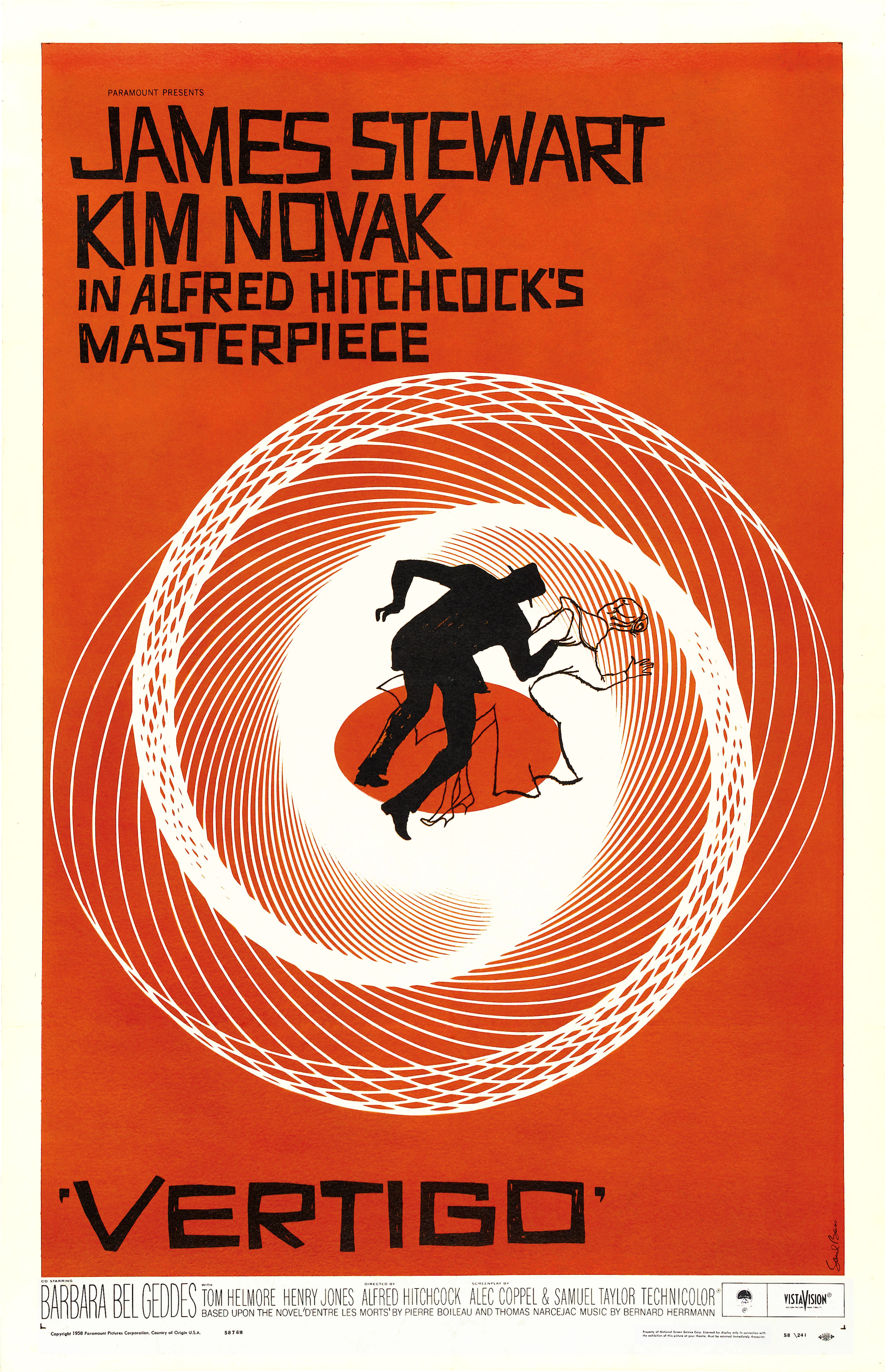
Alfred Hitch­cock’s Ver­ti­go might have been a crit­i­cal dis­ap­point­ment when it came out in 1958, but it def­i­nite­ly had one of the most eye-catch­ing poster designs in cin­e­ma his­to­ry.

The poster was designed by Saul Bass who also did the movie’s ground­break­ing title sequence. It fea­tures hand-drawn male and female fig­ures that are stand­ing before a mas­sive white spi­ral against a strik­ing orange back­ground. It might be one of the few movie posters out there that you can iden­ti­fy from 100 yards away.

Japan-Movie-Poster-Vertigo-1958

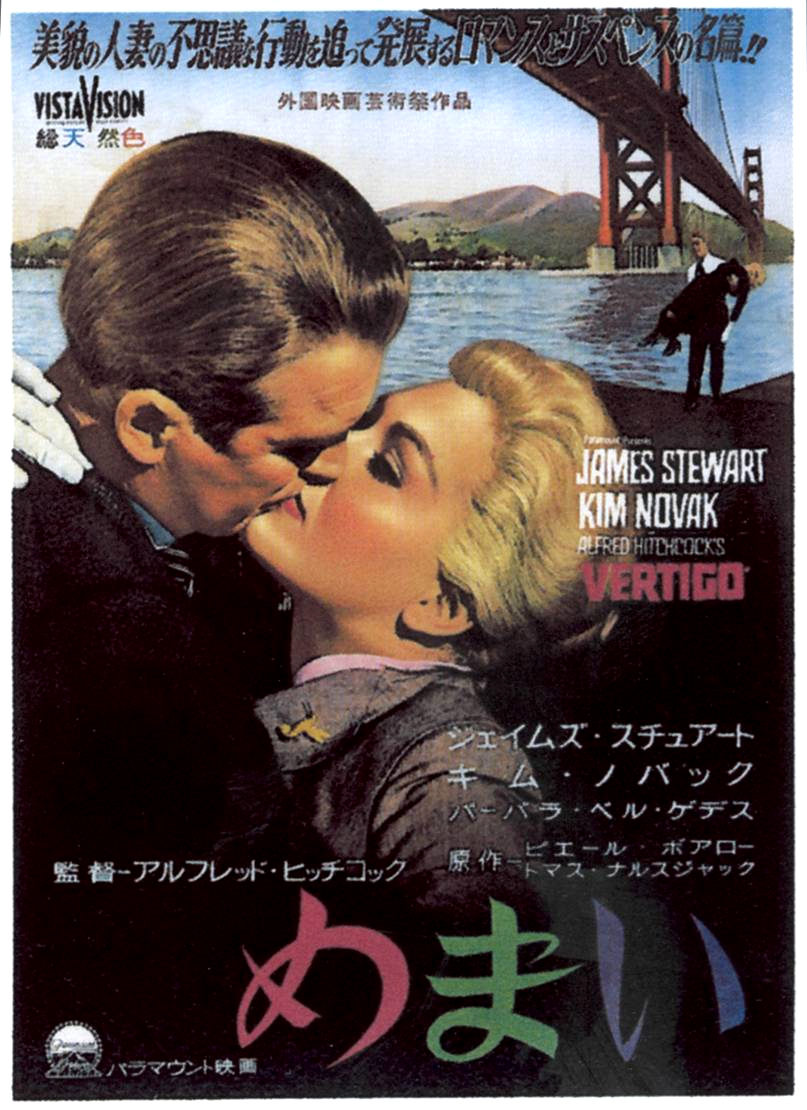
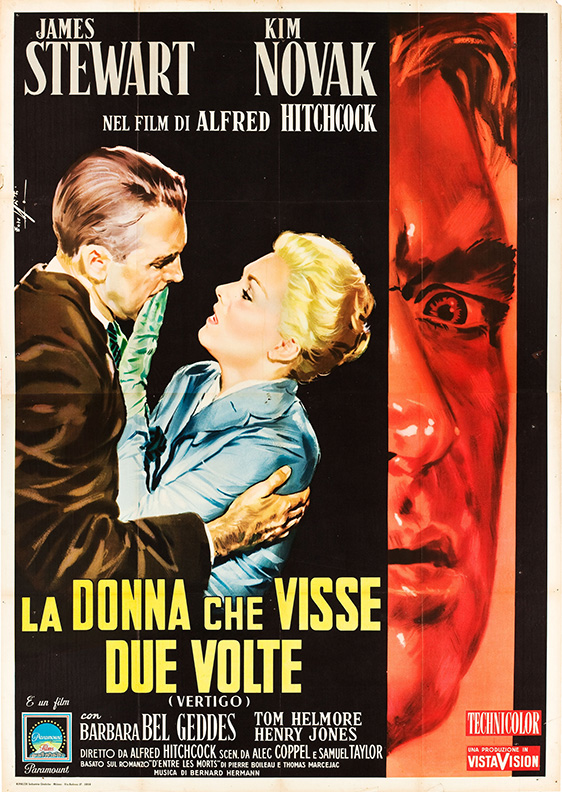
Ver­ti­go played around the world and, as you can see below, the movie’s poster changed great­ly to appeal to a local audi­ence. The dif­fer­ences are fas­ci­nat­ing.

Vertigo_Italy_4f_EnzoNistri

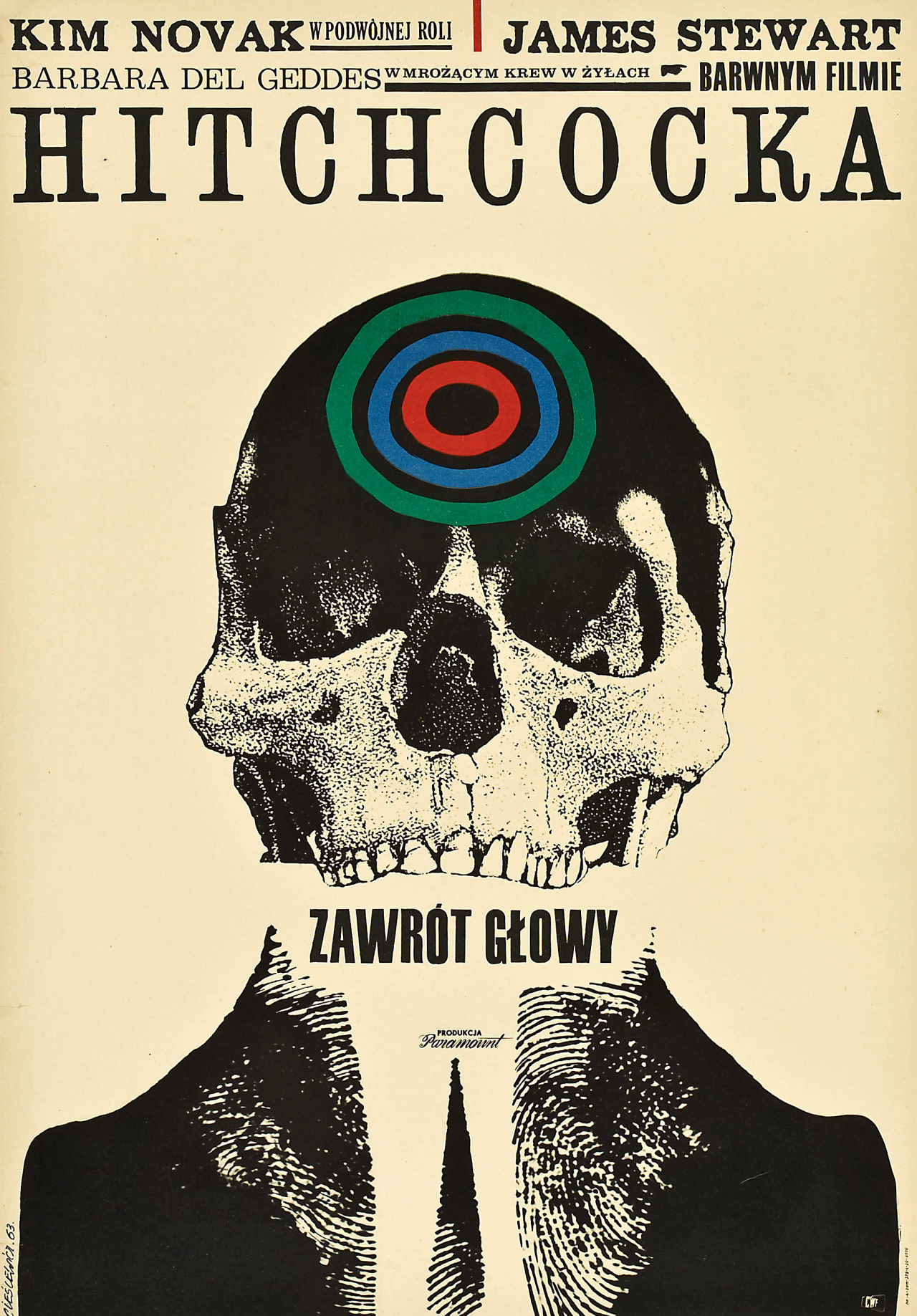
Eng­lish-speak­ing coun­tries tend­ed to keep Bass’s spi­ral while for­eign-lan­guage mar­kets large­ly did not. The Japan­ese poster plays up the roman­tic ele­ments of Ver­ti­go while the Ital­ian poster focus­es on the psy­cho­log­i­cal weird­ness of the movie. And the Pol­ish poster – which ditch­es all ref­er­ences to Saul Bass’s design and, real­ly, any­thing from the film itself – is pret­ty damned awe­some.

tumblr_mx1nuirpOe1qhsqm1o1_1280

Of course, in the years since Vertigo’s release, its rep­u­ta­tion has only grown. And in a 2012, Sight and Sound mag­a­zine put Ver­ti­go at the top of their list for Great­est Films of All Time, unseat­ing Cit­i­zen Kane. Maybe the poster had some­thing to do with that.

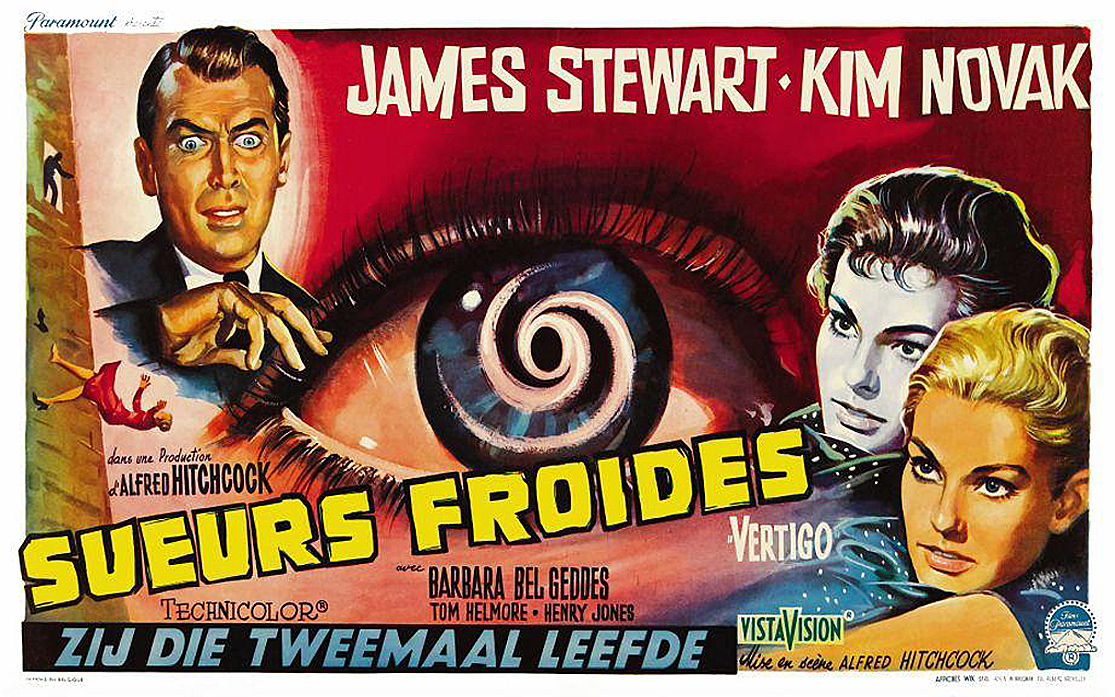
Bonus Poster from Bel­gium

Vertigo POSTER Alfred Hitchcock -MUST SEE- James Stewart Kim Novak BELGIAN Art

Relat­ed Con­tent:

Who Direct­ed the Psy­cho Show­er Scene?: Hitchcock’s Film & Saul Bass’ Sto­ry­boards Side by Side

Alfred Hitchcock’s Rules for Watch­ing Psy­cho (1960)

Hitch­cock (Antho­ny Hop­kins) Pitch­es Janet Leigh (Scar­lett Johans­son) on the Famous Show­er Scene

A Brief Visu­al Intro­duc­tion to Saul Bass’ Cel­e­brat­ed Title Designs

21 Free Hitch­cock Movies Online

Jonathan Crow is a Los Ange­les-based writer and film­mak­er whose work has appeared in Yahoo!, The Hol­ly­wood Reporter, and oth­er pub­li­ca­tions. You can fol­low him at @jonccrow.

Kurt Vonnegut Diagrams the Shape of All Stories in a Master’s Thesis Rejected by U. Chicago

“What has been my pret­ti­est con­tri­bu­tion to the cul­ture?” asked Kurt Von­negut in his auto­bi­og­ra­phy Palm Sun­day. His answer? His master’s the­sis in anthro­pol­o­gy for the Uni­ver­si­ty of Chica­go, “which was reject­ed because it was so sim­ple and looked like too much fun.” The ele­gant sim­plic­i­ty and play­ful­ness of Vonnegut’s idea is exact­ly its endur­ing appeal. The idea is so sim­ple, in fact, that Von­negut sums the whole thing up in one ele­gant sen­tence: “The fun­da­men­tal idea is that sto­ries have shapes which can be drawn on graph paper, and that the shape of a giv­en society’s sto­ries is at least as inter­est­ing as the shape of its pots or spear­heads.” In 2011, we fea­tured the video below of Von­negut explain­ing his the­o­ry, “The Shapes of Sto­ries.” We can add to the dry wit of his les­son the pic­to-info­graph­ic by graph­ic design­er Maya Eil­am above, which strik­ing­ly illus­trates, with exam­ples, the var­i­ous sto­ry shapes Von­negut described in his the­sis. (Read a con­densed ver­sion here.)

The pre­sen­ter who intro­duces Von­negut’s short lec­ture tells us that “his sin­gu­lar view of the world applies not just to his sto­ries and char­ac­ters but to some of his the­o­ries as well.” This I would affirm. When it comes to puz­zling out the import of a sto­ry I’ve just read, the last per­son I usu­al­ly turn to is the author. But when it comes to what fic­tion is and does in gen­er­al, I want to hear it from writ­ers of fic­tion. Some of the most endur­ing lit­er­ary fig­ures are expert writ­ers on writ­ing. Von­negut, a mas­ter com­mu­ni­ca­tor, ranks very high­ly among them. Does it do him a dis­ser­vice to con­dense his ideas into what look like high-res, low-read­abil­i­ty work­place safe­ty graph­ics? On the con­trary, I think.

Though the design may be a lit­tle slick for Von­negut’s unapolo­get­i­cal­ly indus­tri­al approach, he’d have appre­ci­at­ed the slight­ly corny, slight­ly macabre boil­er­plate iconog­ra­phy. His work turns a sus­pi­cious eye on over­com­pli­cat­ed pos­tur­ing and cham­pi­ons unsen­ti­men­tal, Mid­west­ern direct­ness. Vonnegut’s short, trade pub­li­ca­tion essay, “How to Write With Style,” is as suc­cinct and prac­ti­cal a state­ment on the sub­ject in exis­tence. One will encounter no more a ruth­less­ly effi­cient list than his “Eight Rules for Writ­ing Fic­tion.” But it’s in his “Shapes of Sto­ries” the­o­ry that I find the most insight into what fic­tion does, in bril­liant­ly sim­ple and fun­ny ways that any­one can appre­ci­ate.

Relat­ed Con­tent: 

The Shape of A Sto­ry: Writ­ing Tips from Kurt Von­negut

Kurt Von­negut: Where Do I Get My Ideas From? My Dis­gust with Civ­i­liza­tion

Kurt Vonnegut’s Eight Tips on How to Write a Good Short Sto­ry

Kurt Von­negut Reads from Slaugh­ter­house-Five

Josh Jones is a writer and musi­cian based in Durham, NC. Fol­low him at @jdmagness

David Bowie Appears in the “Director’s Cut” of a New Louis Vuitton Ad, Nods to Labyrinth

Look­ing like a haute cou­ture treat­ment of “As the World Falls Down” from Labyrinth, by way of Peter Jackson’s Beau­ti­ful Crea­tures, the “Director’s Cut” of this Louis Vuit­ton ad above, titled “L’Invitation au Voy­age,” is pret­ty stun­ning. Bowie lip syncs “I’d Rather be High,” a stand out from his lat­est, The Next Day, and looks near­ly as mag­net­ic as his Gob­lin King did almost thir­ty years ago. He’s def­i­nite­ly still got it on screen, mak­ing me pine for anoth­er Bowie-led fea­ture-length fan­ta­sy (but not a Labyrinth remake).

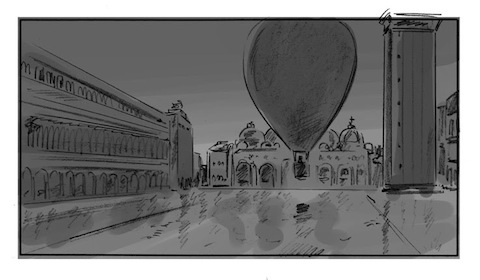
The mak­ing-of reel above might also be of inter­est, although at under two min­utes, the tech­no mon­tage doesn’t offer much insight into the elab­o­rate design of the short. Of more inter­est for fans of fash­ion, design, and film may be this blog post (in Chi­nese), which fea­tures some gor­geous pro­duc­tion stills and sto­ry­boards, like the one below. The short’s direc­tor, Romain Gavras, pre­vi­ous­ly made the video for Kanye West and Jay Z’s “No Church in the Wild,” so he’s def­i­nite­ly got an eye for spec­ta­cle.

VuittonStoryB

Relat­ed Con­tent:

Watch David Bowie’s New Video for ‘The Stars (Are Out Tonight)’ With Til­da Swin­ton

David Bowie’s Fash­ion­able Mug Shot From His 1976 Mar­i­jua­na Bust

Lis­ten to Fred­die Mer­cury and David Bowie on the Iso­lat­ed Vocal Track for the Queen Hit ‘Under Pres­sure,’ 1981

David Bowie Releas­es Vin­tage Videos of His Great­est Hits from the 1970s and 1980s

Josh Jones is a writer and musi­cian based in Durham, NC. Fol­low him at @jdmagness

Designers of the Invisible Bike Helmet Describe Their Revolutionary Product in Short Documentary

It’s been all over the news recent­ly: two Swedish design stu­dents, Anna Haupt and Terese Alstin, have cre­at­ed what they call an “invis­i­ble bike hel­met.” This descrip­tion is a lit­tle mis­lead­ing. The Hövd­ing, as it’s been brand­ed, is not invis­i­ble so much as it’s con­tained, in a puffy, high tech col­lar, as an airbag that deploys upon impact and pro­tects the wear­er from the typ­i­cal head trau­ma cyclists suf­fer in acci­dents.

Work­ing with a head trau­ma spe­cial­ist and stag­ing acci­dents to col­lect move­ment pat­terns, Haupt and Alstin defi­ant­ly took on what they saw as a male-dom­i­nat­ed design estab­lish­ment. “Easy,” they say, “it only took us sev­en years.” They raised ten mil­lion dol­lars and pushed for­ward with a cer­tain amount of Scan­di­na­vian brava­do. The short doc above opens with a few quotes from the pair. “We’re going to save the world,” they tell us, “it’s chick­en to be a real­ist.” Upon see­ing their design, they say, a pro­fes­sor remarked (in Eng­lish), “I have to sit down… you’re going to be mil­lion­aires.”

Haupt and Alstin’s bom­bast is seduc­tive, but the prod­uct may not live up to the hype quite yet. As Tech Crunch report­ed last year, “Hövd­ing costs $600 and only works once. There’s also been some com­plaints about the design and an ear­ly ver­sion had trou­ble with the zip­per.” Nonethe­less, it’s still an amaz­ing inven­tion that will only improve with future real world test­ing. At present, it could save the lives of those well-heeled cyclists who can’t stand to wear clunky, tra­di­tion­al bike hel­mets. In Europe, at least, where the hel­met is cur­rent­ly for sale and safe­ty approved.

The video above was made by direc­tor Fredrik Gert­ton, who has suc­cess­ful­ly Kick­start­ed an advo­ca­cy film he calls Bikes Vs. Cars that seems well worth a look for those con­cerned about the future of urban trans­porta­tion.

Relat­ed Con­tent:

Sci­ence Behind the Bike: Four Videos from the Open Uni­ver­si­ty on the Eve of the Tour de France

Brus­sels Express: The Per­ils of Cycling in Europe’s Most Con­gest­ed City

David Byrne: From Talk­ing Heads Front­man to Lead­ing Urban Cyclist

The Physics of the Bike

Josh Jones is a writer and musi­cian based in Durham, NC. Fol­low him at @jdmagness

Vintage Film Shows How the Oxford English Dictionary Was Made in 1925

There was lots of mon­ey to be made at the end of the 19th cen­tu­ry and Dud­ley Dock­er made his share of it. He was what they called a “baron of indus­try” at a time when man­u­fac­tur­ing was explod­ing in Britain. Dock­er made his for­tune in paint, motor­cy­cles, arms man­u­fac­tur­ing, rail­ways, and bank­ing. He was an indus­tri­al boost­er, act­ing as one of the three major financiers behind Ernest Shackleton’s Trans-Antarc­tic Expe­di­tion. In 1916, he found­ed a major asso­ci­a­tion of British indus­try to pro­mote busi­ness inter­ests.

A charm­ing result of that work is a recent­ly dig­i­tized film made in 1925 to demon­strate the work inside Oxford Uni­ver­si­ty Press. For book arts lovers, this is a fas­ci­nat­ing peek into the ear­ly days of mech­a­nized print­ing.

Above we watch a work­er use a mould to make lead type, hun­dreds of them, by pour­ing the molten lead in at the top, mak­ing a quick upward motion and releas­ing the quick­ly dried type. A sep­a­rate team of work­ers then sets up mono­type com­pos­ing machines, and we watch as men demon­strate their use.

The film fol­lows the process of print­ing a run of Oxford Eng­lish Dic­tio­nar­ies. Books were bound by gen­der-divid­ed teams: A room of women labored in the “girls” bindery sec­tion while men bound books in their own sep­a­rate room. We see the sewing, cut­ting and the fas­ci­nat­ing process of gild­ing the page edges.

In our dig­i­tal age, the old ana­log process­es take on a new, deep­er sig­nif­i­cance. This film presents a ter­rif­ic 18-minute tuto­r­i­al on one of the great­est achieve­ments of the mod­ern age: print­ing mass quan­ti­ties of bound books.

Relat­ed Con­tent:

The Mak­ing of a Stein­way Grand Piano, From Start to Fin­ish

How Walt Dis­ney Car­toons Are Made (1939)

Spike Jonze Presents a Stop Motion Film for Book Lovers

The His­to­ry of the Eng­lish Lan­guage in Ten Ani­mat­ed Min­utes

Kate Rix writes about edu­ca­tion and dig­i­tal media. Fol­low her on Twit­ter.

“Glory to the Conquerors of the Universe!”: Propaganda Posters from the Soviet Space Race (1958–1963)

conquer space

Walk­ing around L.A. just yes­ter­day, I noticed new ban­ners embla­zoned with illus­tra­tions tout­ing sub­way sta­tions now under con­struc­tion. In bold, bright col­ors, they deliv­er clear, ambi­tious imagery of a bright future ahead: ded­i­cat­ed builders, focused stu­dents, noble work­ing com­muters, surg­ing trains. Why, I thought, those look a bit like Sovi­et pro­pa­gan­da! I had no polit­i­cal com­par­isons in mind, only aes­thet­ic ones, and this Retro­naut post shows off many per­fect exam­ples of the Cold War-era Russ­ian posters the Los Ange­les Metro’s brought to my mind. They cap­ture the imag­i­na­tion by exud­ing even more intense sci­en­tif­ic, tech­no­log­i­cal, edu­ca­tion­al, and social opti­mism — and doing so in even more visu­al detail — than I’d remem­bered.

And boy, speak­ing of ambi­tion: “From student’s mod­els to space­ships!” “To the Sun! To the stars!” “Glo­ry to the con­querors of the uni­verse!” Chil­dren inclined to accept these glo­ri­ous slo­gans and the rap­tur­ous imagery they accom­pa­ny could not pos­si­bly fail to believe that, thor­ough­ly edu­cat­ed by their coun­try, their gen­er­a­tion would go on to ush­er in a new galaxy-span­ning order of peace, pros­per­i­ty, and social­ism. Yet we in the rest of the world now know of the bore­dom, cyn­i­cism, and oppres­sion that attend­ed many Sovi­et cit­i­zens’ every­day lives. A Cold War-spe­cial­ist col­lege his­to­ry pro­fes­sor of mine liked to tell a sto­ry about a trip to Moscow he took in the six­ties, on which he kept see­ing ado­les­cents with noth­ing more pro­duc­tive to do than open­ly chug­ging vod­ka on street cor­ners.  Yet, see­ing posters like these, you sim­ply want to believe, just like I want to believe in the exten­sion of Los Ange­les’ sub­way — which, at times, seems about as plau­si­ble as the con­quer­ing of out­er space.

“From student’s mod­els to space­ships!”

Soviet-Space-Propaganda-Posters-3

“Glo­ry to the work­ers of Sovi­et sci­ence and tech­nol­o­gy!”

Soviet-Space-Propaganda-Posters-9

“I am hap­py — this is my work join­ing the work of my repub­lic”

Soviet-Space-Propaganda-Posters-14

“In the 20th cen­tu­ry the rock­ets race to the stars”

Soviet-Space-Propaganda-Posters-15
Vis­it Retro­naut for many more space pro­pa­gan­da posters from the Sovi­et era.

Relat­ed Con­tent:

“First Orbit”: Cel­e­brat­ing 50th Anniver­sary of Yuri Gagaran’s Space Flight

How the CIA Secret­ly Fund­ed Abstract Expres­sion­ism Dur­ing the Cold War

How to Spot a Com­mu­nist Using Lit­er­ary Crit­i­cism: A 1955 Man­u­al from the U.S. Mil­i­tary

Col­in Mar­shall hosts and pro­duces Note­book on Cities and Cul­ture and writes essays on lit­er­a­ture, film, cities, Asia, and aes­thet­ics. He’s at work on a book about Los Ange­lesA Los Ange­les Primer. Fol­low him on Twit­ter at @colinmarshall.

« Go BackMore in this category... »
Quantcast