How a Word Enters the Dictionary: A Quick Primer

Giv­en that you’re read­ing this on the Inter­net, we pre­sume you’ll be able to define many of the over 800 words that were added to the Mer­ri­am-Web­ster dic­tio­nary in 2018:

bio­hack­ing

bougie

binge­able

guac

hangry

Lat­inx

mock­tail

zoo­dles

But what about some of the humdingers lex­i­cog­ra­ph­er Kory Stam­per, for­mer asso­ciate edi­tor for Mer­ri­am-Web­ster and author of Word by Word: The Secret Life of Dic­tio­nar­ies, unleash­es in the above video?

pre­scrip­tivism

descrip­tivism

sprachge­fühl

ety­mo­log­i­cal fal­li­cist

(Bonus: bird strike)

And here we thought we were flu­ent in our native tongue. Face palm, to use anoth­er newish entry and an exam­ple of descrip­tivism. (It’s when the dic­tio­nary fol­lows the culture’s lead, accord­ing nov­el­ty its due by offi­cial­ly rec­og­niz­ing words that have entered the par­lance, rather than pre­scrib­ing the way cit­i­zens should be speak­ing.)

To hear Stam­per tell it, dic­tio­nary writ­ing is a dream gig for read­ers as well as word lovers.

Part of every day is spent read­ing, flag­ging any unfa­mil­iar words that may pop up for fur­ther research.

Did teenage slang give rise to it?

Was it born of busi­ness trends or tech indus­try advances?

Stam­per is adamant that lan­guage is not fixed, but rather a liv­ing organ­ism. Words go in and out of fash­ion, and take on mean­ings beyond the ones they sport­ed when first includ­ed in the dic­tio­nary. (Have a look at “extra” to see some evo­lu­tion­ary effects of the Eng­lish lan­guage and back it up with a peek inside the Urban Dic­tio­nary.)

Before a word pass­es dic­tio­nary muster, it must meet three cri­te­ria: it must have crossed into wide­spread use, it seems like­ly to stick around for a while, and it must have some sort of sub­stan­tive mean­ing, as opposed to being known sole­ly for its length (“antidis­es­tab­lish­men­tar­i­an­ism”), or some oth­er struc­tur­al won­der.

“Iouea” con­tains all five reg­u­lar vow­els and no oth­er let­ters. The fact that it exists to describe a genus of sea sponges may seem some­what beside the point to all but marine biol­o­gists.

What new words will enter the lex­i­con in 2019?

Per­haps we should look to the past. We set Merriam-Webster’s Time Trav­el­er dial back 100 years to dis­cov­er the words that debuted in 1919. There’s an abun­dance of good­ies here, some of whose WWI-era con­text has already expand­ed to accom­mo­date mod­ern mean­ing (anti-stress, fan­boy, super­pimp, unbuffered). Read­ers, care to take a stab at fresh­en­ing up some oth­er can­di­dates:

apple-knock­er

buck­shee

cape­skin

culti­gen

game­tophore

inter­ro­gee

micromethod

neu­ro­pro­tec­tive

out­gas

pre­re­turn

putsch

sce­nar­ist

Relat­ed Con­tent: 

The Largest His­tor­i­cal Dic­tio­nary of Eng­lish Slang Now Free Online: Cov­ers 500 Years of the “Vul­gar Tongue”

“Lynchi­an,” “Kubrick­ian,” “Taran­ti­noesque” and 100+ Film Words Have Been Added to the Oxford Eng­lish Dic­tio­nary

Dic­tio­nary of the Old­est Writ­ten Language–It Took 90 Years to Com­plete, and It’s Now Free Online

Ayun Hal­l­i­day is an author, illus­tra­tor, the­ater mak­er and Chief Pri­ma­tol­o­gist of the East Vil­lage Inky zine.  See her onstage in New York City Jan­u­ary 14 as host of The­ater of the Apes book-based vari­ety show, Necro­mancers of the Pub­lic Domain. Fol­low her @AyunHalliday.

Why Is English So Hard to Learn?: The Ingenious Poem, “The Chaos,” Documents 800 Irregularities in English Spelling and Pronunciation

In 1920, Dutch writer and trav­el­er Ger­ard Nolst Tren­ité, also known as Chari­var­ius, pub­lished a text­book called Drop Your For­eign Accent: engelsche uit­spraakoe­fenin­gen. In the appen­dix, he includ­ed a poem titled “The Chaos,” a vir­tu­oso, tongue-twist­ing demon­stra­tion of some­where around 800 irreg­u­lar­i­ties in Eng­lish spelling and pro­nun­ci­a­tion. No one now remem­bers the text­book, and the poem might have dis­ap­peared too were it not for efforts of the Sim­pli­fied Spelling Soci­ety, which tracked frag­ments of it through “France, Cana­da, Den­mark, Ger­many, the Nether­lands, Por­tu­gal, Spain, Swe­den and Turkey.”

The poem’s his­to­ry, as told in the Jour­nal of the Sim­pli­fied Spelling Soci­ety (JSSS) in 1994, shows how it trav­eled around Europe, in pieces, con­found­ing and bedev­il­ing aspir­ing Eng­lish speak­ers. Full of homonyms, loan words, and words which—at one time—actually sound­ed the way they’re spelled, the poem’s fifty-eight stan­zas may be the most clever and com­pre­hen­sive “con­cor­dance of caco­graph­ic chaos,” as the JSSS puts it. Admired by lin­guists and his­to­ri­ans of Eng­lish, it has, since its 1994 repub­li­ca­tion, become some­thing of a cult hit for enthu­si­asts of lan­guage every­where.

You can read it here, hear it read above by YouTube’s Lindy­beige, and see a tran­scrip­tion into IPA, the inter­na­tion­al pho­net­ic alpha­bet. Though it’s pop­u­lar­ly rep­re­sent­ed as a kind of sort­ing mech­a­nism for “the Eng­lish-Speak­ing Elite,” that’s hard­ly accu­rate. Eng­lish once sound­ed like this and this, then like this, and now sounds com­plete­ly dif­fer­ent accord­ing to hun­dreds of region­al dialects and accents around the world. The soci­ety ges­tures toward this in their intro­duc­tion, writ­ing, “the selec­tion of exam­ples now appears some­what dat­ed, as do a few of their pro­nun­ci­a­tions. Indeed a few words may even be unknown to today’s read­ers.”

“How many will know what a ‘stud­ding-sail’ is, or that its nau­ti­cal pro­nun­ci­a­tion is ‘stun­sail’?,” asks the JSSS. It seems rea­son­able to won­der how many peo­ple ever did. In any case, Eng­lish, Lindy­beige writes, “is a rapid­ly-chang­ing lan­guage,” and one that has not made much pho­net­ic sense for sev­er­al cen­turies. This is exact­ly what has made it such a bear to learn to spell and pronounce—for both Eng­lish lan­guage learn­ers and native speak­ers. Try your hand at read­ing every word in “The Chaos,” prefer­ably in front of an audi­ence, and see how you do.

via Men­tal Floss/The Poke

Relat­ed Con­tent:

What Eng­lish Would Sound Like If It Was Pro­nounced Pho­net­i­cal­ly

Hear Beowulf Read In the Orig­i­nal Old Eng­lish: How Many Words Do You Rec­og­nize?

Hear What Shake­speare Sound­ed Like in the Orig­i­nal Pro­nun­ci­a­tion

Josh Jones is a writer and musi­cian based in Durham, NC. Fol­low him at @jdmagness

Napoleon’s English Lessons: How the Military Leader Studied English to Escape the Boredom of Life in Exile

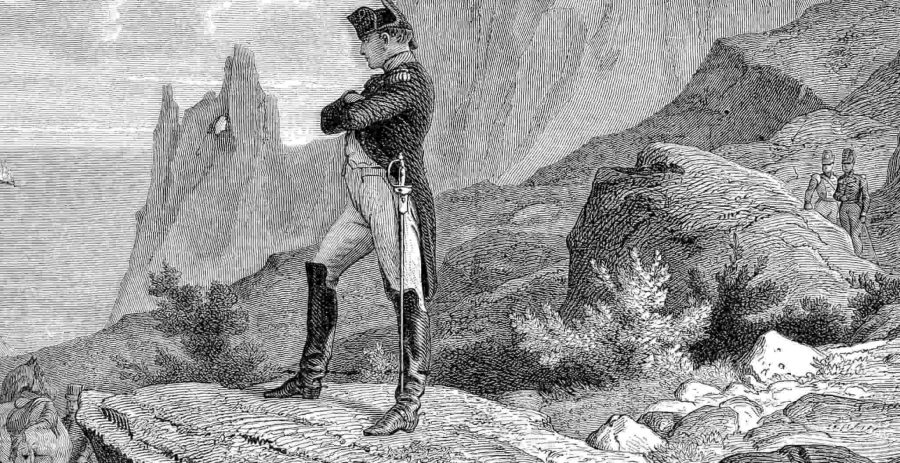
When we talk about coun­try club prison sen­tences, we tend to imag­ine a mar­gin­al amount of time spent on the inside, though the phrase sounds like an extend­ed vaca­tion. Napoleon Bona­parte—exiled to the island of St. Hele­na for his crimes against Europe—got the full treat­ment, what some might even call a sweet­heart deal. As the Pub­lic Domain Review notes, “the British had agreed to pro­vide Le Petit Capo­ral with plen­ti­ful wine, meat, and musi­cal instru­ments.” He was giv­en his own com­fort­able lodg­ings, a spa­cious coun­try house, though it’s said to have been draughty and full of rats.

On the oth­er hand, Napoleon had to foreswear “what he most craved—family, pow­er, Europe,” for a con­di­tion of extreme iso­la­tion. The loss weighed heav­i­ly. After spend­ing six years 1200 miles from shore, he died, some say of poi­son­ing, but oth­ers say of bore­dom. Of his few amuse­ments, con­vers­ing with Count Emmanuel de Las Cases—“historian and loy­al sup­port­er who had been allowed to voy­age with him to Saint Helena”—proved most stim­u­lat­ing. Pre­vent­ed from receiv­ing news­pa­pers in French, he longed to read the few he found in Eng­lish.

Las Cas­es endeav­ored to teach Napoleon the lan­guage of his jail­ers, and the for­mer Emper­or strug­gled might­i­ly to learn it. After three months on the island, he spent the fol­low­ing three study­ing every day, even­tu­al­ly pro­duc­ing trans­la­tions from his French like that below:

When will you be wise
Nev­er as long as j should be in this isle
But j shall become wise after hav­ing passed the line
When j shall land in France j shall be very con­tent…

My wife shall come near to me, my son shall be great and strong if he will be able to trink a bot­tle of wine at din­ner j shall [toast] with him… / The women believe they [are] ever pre­ty / The time has not wings / When you shall come, you shall see that j have ever loved you.

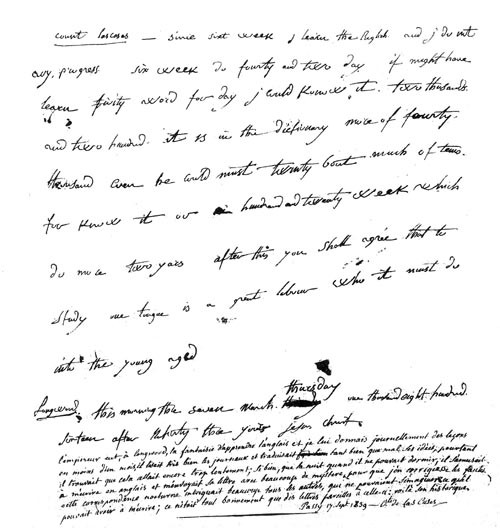
Eight pages in Napoleon’s own hand remain from his time as a stu­dent of Eng­lish on St. Hele­na in the first few months of 1816. They are “some of the most evoca­tive doc­u­ments we have from Napoleon’s time” on the island, the Fon­da­tion Napoleon writes, bear­ing “poignant wit­ness to the frus­tra­tion Napoleon felt in exile…. It is tempt­ing to read a refusal of exile in these sheets, both in the sen­tences them­selves, and in Napoleon’s insis­tent use of ‘j’ (as in the French ‘je’) rather than the Eng­lish ‘I.’”

In one let­ter that sur­vives from March 7, 1816 (see it scanned above), writ­ten for Las Cas­es to cor­rect the fol­low­ing day, Napoleon takes stock of his progress, or lack there­of.

Count las­cas­es — Since sixt week j learn the Englich and j do not any progress. Six week do four­ty and two day. If might have learn fiv­i­ty word four day I could know it two thu­sands and two hun­dred. It is in the dic­tio­nary more of four­ty thou­sand; even he could must twin­ty bout much of tems for know it our hun­dred and twen­ty week, which do more two yars. After this you shall agrée that to study one tongue is a great labour who it must do into the young aged.

Las Cas­es reports that his stu­dent “had an extra­or­di­nary intel­li­gence but a very bad mem­o­ry.” Gram­mar came much more eas­i­ly than vocab­u­lary. His frus­tra­tion over being “impris­oned in the mid­dle of this lan­guage” is record­ed in Las Cas­es’ Mémo­r­i­al de Sainte-Hélène, a record of his fif­teen months on the island with Napoleon. The book became “a pub­lish­ing sen­sa­tion” and would “do much,” the Pub­lic Domain Review writes, “to turn the per­cep­tion of Napoleon from a dic­ta­tor into a lib­er­a­tor.”

via Pub­lic Domain Review

Relat­ed Con­tent:

Napoleon’s Kin­dle: See the Minia­tur­ized Trav­el­ing Library He Took on Mil­i­tary Cam­paigns

Vin­tage Pho­tos of Vet­er­ans of the Napoleon­ic Wars, Tak­en Cir­ca 1858

Napoleon: The Great­est Movie Stan­ley Kubrick Nev­er Made

Josh Jones is a writer and musi­cian based in Durham, NC. Fol­low him at @jdmagness.

Movie Accent Expert Analyzes 31 Actors Playing Other Famous People: Jamie Foxx as Ray Charles, Natalie Portman as Jackie Kennedy, Cate Blanchett as Bob Dylan, and More

Well-known fig­ures’ voic­es are often as dis­tinc­tive as their thou­sand-watt smiles and influ­en­tial hair­dos.

While there is some evi­dence as to the accents and idio­syn­crat­ic speech pat­terns of such his­tor­i­cal heavy hit­ters as Thomas Edi­son, Flo­rence Nightin­gale, and Har­ry Hou­di­ni, tech­no­log­i­cal improve­ments have real­ly upped the ante for those charged with imper­son­at­ing real life peo­ple from the mid 20th-cen­tu­ry onward.

Natal­ie Port­man had to sus­tain her Jack­ie Kennedy imper­son­ation for an entire fea­ture-length biopic, a per­for­mance dialect coach Erik Singer gives high marks, above. Port­man, he explains, has tru­ly inter­nal­ized Jackie’s idi­olect, the indi­vid­ual quirks that add yet anoth­er lay­er to such sig­ni­fiers as class and region.

As evi­dence, he sub­mits a side-by-side com­par­i­son of the First Lady’s famous 1962 tele­vised tour of the White House ren­o­va­tions she had spear­head­ed, and Portman’s recre­ation there­of.

Port­man has done her home­work with regard to breath pat­tern, pitch, and the refine­ment that strikes most 21st cen­tu­ry ears as a bit stilt­ed and strange. Most impres­sive to Singer is the way Port­man trans­fers Kennedy’s odd­ly musi­cal elon­ga­tion of cer­tain syl­la­bles to oth­er words in the script. Tis no mere par­rot job.

Jamie Foxx’s Oscar-win­ning turn as Ray Charles suc­ceeds on copi­ous research and his abil­i­ty to inhab­it Charles’ habit­u­al smile. Obvi­ous­ly, the pos­ture in which an indi­vid­ual holds their mouth has a lot to do with the sound of their voice, and Foxx was blessed with plen­ty of source mate­r­i­al.

The 1982 epic Gand­hi pro­vid­ed the ver­sa­tile Ben Kings­ley with the oppor­tu­ni­ty to show­case not one, but two, idi­olects. The adult Gand­hi under­went a dra­mat­ic and well doc­u­ment­ed evo­lu­tion from the British accent he adopt­ed as a young law stu­dent in Lon­don to a proud­ly Indi­an voice bet­ter suit­ed to inspir­ing a nation to uni­fy against its British col­o­niz­ers.

It’s like­ly that many of us have nev­er con­sid­ered the speech-relat­ed build­ing blocks Singer scru­ti­nizes while ana­lyz­ing 29 oth­er per­for­mances for the WIRED video, above—epenthesis, tongue posi­tions, rel­a­tive degrees of emphat­ic mus­cu­lar­i­ty, and retroflex consonants—but it’s easy to see how they play a part.

Singer invites you to expand his research and teach­ing library by record­ing your­self speak­ing extem­po­ra­ne­ous­ly and read­ing from two sam­ple texts here. Pray that who­ev­er plays you in the biopic gets it right.

Relat­ed Con­tent:

Peter Sell­ers Gives a Quick Demon­stra­tion of British Accents

Why Do Peo­ple Talk Fun­ny in Old Movies?, or The Ori­gin of the Mid-Atlantic Accent

Watch Meryl Streep Have Fun with Accents: Bronx, Pol­ish, Irish, Aus­tralian, Yid­dish & More

Ayun Hal­l­i­day is an author, illus­tra­tor, the­ater mak­er and Chief Pri­ma­tol­o­gist of the East Vil­lage Inky zine.  See her onstage in New York City through Decem­ber 20th in the 10th anniver­sary pro­duc­tion of Greg Kotis’ apoc­a­lyp­tic hol­i­day tale, The Truth About San­ta, and the book-based vari­ety show, Necro­mancers of the Pub­lic Domain. Fol­low her @AyunHalliday.

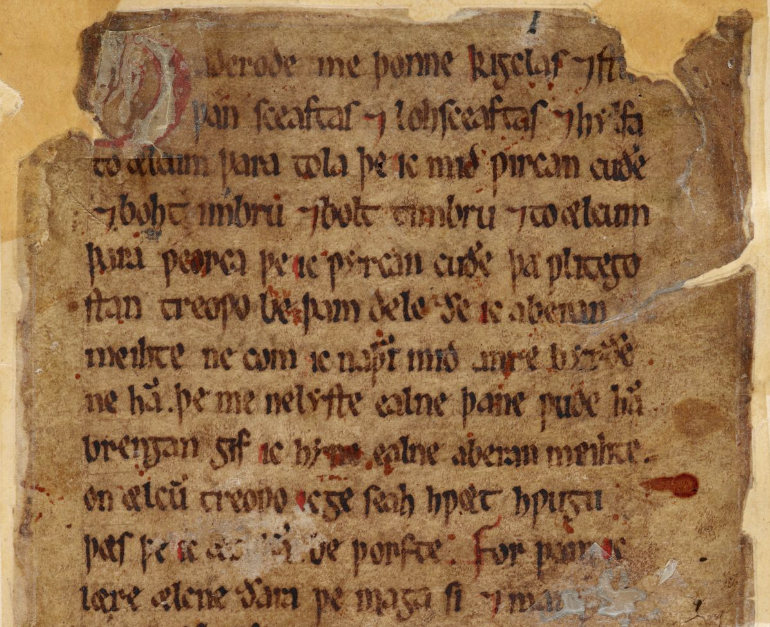
These Four Manuscripts Contain All of the Literature Written in Old English–and Beyond That, There’s Nothing More

Book his­to­ri­ans and rare man­u­script librar­i­ans do not have the most glam­orous jobs by the usu­al stan­dards. They deal with weath­ered, tat­tered, frag­men­tary scraps of text in archa­ic lan­guages and let­ter­ing. It’s work unlike­ly to receive the Hol­ly­wood (or Net­flix) treat­ment unless wiz­ards, witch­es, or occult detec­tives are involved. But the rel­a­tive obscu­ri­ty of these pro­fes­sions does not make the work any less valu­able. With­out ded­i­cat­ed archivists and preser­va­tion­ists, a slow col­lec­tive amne­sia, or worse, can set in.

One might call this atti­tude pre­cious. Spe­cial­ists are use­ful, art is great, but with sophis­ti­cat­ed machine learn­ing, we can make, store, and print copies of every his­tor­i­cal arti­fact in the world, along with all of the accu­mu­lat­ed knowl­edge about them. What need to dote on crum­bling man­u­scripts? Why the spe­cial sta­tus of the orig­i­nal? The ques­tion, tak­en up by Wal­ter Ben­jamin in his 1936 essay, “The Work of Art in the Age of Mechan­i­cal Repro­duc­tion,” comes down in part to some­thing he called “aura.”

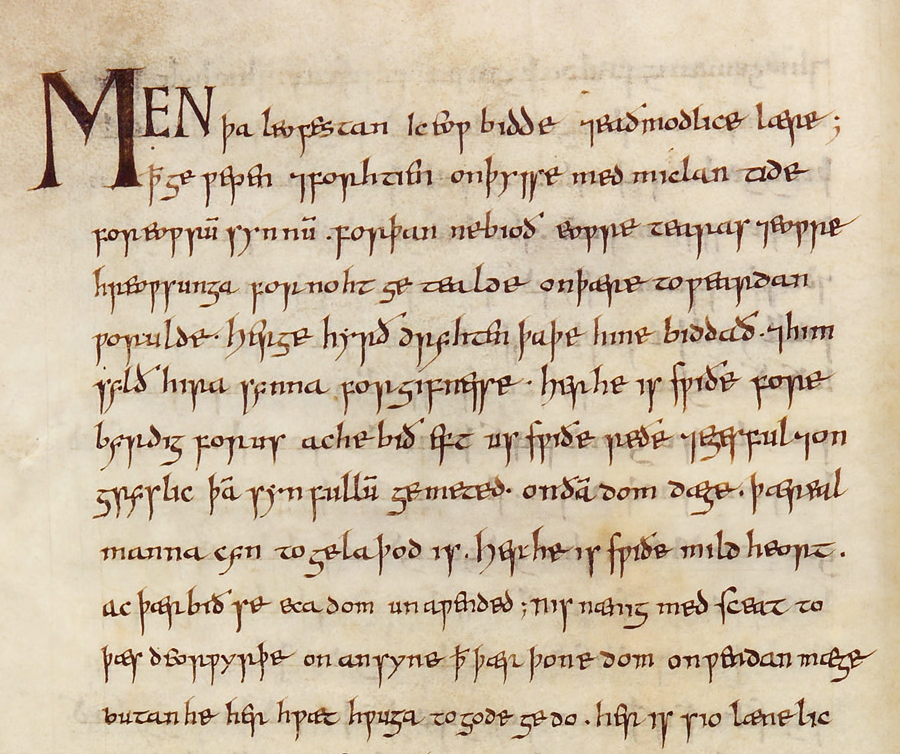
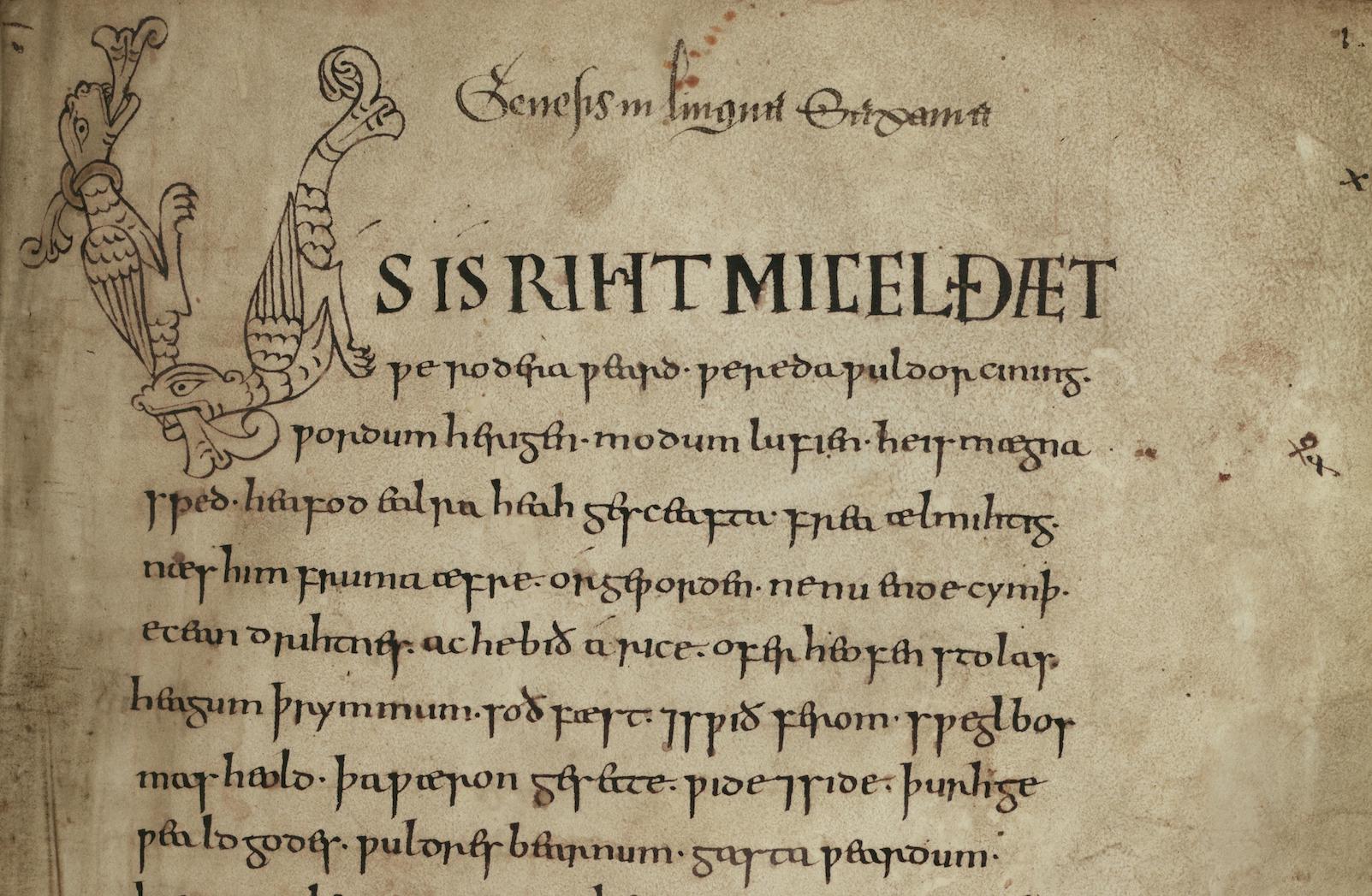
Take the case of four man­u­scripts, all of which recent­ly appeared togeth­er at the British Library’s exten­sive exhi­bi­tion Anglo-Sax­on King­doms: Art, Word, War: The Ver­cel­li Book, the Junius Man­u­script, the Exeter Book, and the Beowulf Man­u­script con­tain rid­dles, reli­gious texts, ele­gies, and the old­est man­u­script of the old­est known poem in Eng­lish. These rep­re­sent the sum total of extant orig­i­nal lit­er­ary man­u­scripts in Old Eng­lish, a tongue sev­er­al cen­turies dis­tant from our own but still embed­ded deep with­in the struc­ture of every mod­ern ver­sion of the lan­guage.

Each man­u­script has what, as Ben­jamin wrote, “even the most per­fect repro­duc­tion of a work of art is lack­ing… its pres­ence in time and space, its unique exis­tence at the place where it hap­pens to be.” Josephine Liv­ing­stone puts the mat­ter more plain­ly at The New Repub­lic.

Why are these four books so spe­cial? It has to do, I think, with the con­cept of the original—a con­cept we have almost entire­ly lost touch with. The Beowulf Man­u­script… is not mere­ly a rep­re­sen­ta­tion of a sto­ry; it is the sto­ry…. The man­u­scripts con­front us with a for­mer ver­sion of our lit­er­ary selves; iden­ti­ties that we bare­ly rec­og­nize, and which estrange us from our­selves.

We can repro­duce his­to­ry infi­nite­ly, but the only way to expe­ri­ence the hum­bling oth­er­world­li­ness that dwarfs our cramped ideas about it is through its phys­i­cal remain­ders. Liv­ing­stone doesn’t clar­i­fy whom she includes in the phrase “our lit­er­ary selves,” but we might as well say, at min­i­mum, this means every speak­er of Eng­lish and every­one who has read Eng­lish lit­er­a­ture in trans­la­tion or felt the influ­ence of Eng­lish words and phras­es in oth­er lan­guages.

We acquire the lan­guage we hear and read from lit­er­ary sources, how­ev­er remote; they are con­sti­tu­tive, the threads that weave togeth­er cul­tur­al nar­ra­tives into a larg­er pat­tern. The orig­i­nal work of art, Ben­jamin argued, like the rel­ic, has reli­gious sig­nif­i­cance. And where the rel­ic grounds the cult, art grounds mate­r­i­al cul­ture in such a way, he thought, that it repels fas­cis­m’s aes­thet­ic obses­sion with destruc­tion.

Orig­i­nal arti­facts “must restore the instinc­tu­al pow­er of the human bod­i­ly sens­es,” lit­er­ary schol­ar Susan Buck-Morss elab­o­rates, “for the sake of humanity’s self-preser­va­tion.” The state­ment may sound less grandiose in the con­text of Europe in 1936, or we might con­sid­er it just as rel­e­vant today (and expand it to include not only art but nature).

We can rely on the fact that, should the Beowulf Man­u­script be destroyed, Liv­ing­stone grants, “the poem would still sur­vive,” as would the image of the man­u­script in very fine detail. That is “the hope con­tained in Benjamin’s dirge.” But what is lost can nev­er appear in the world again. You can view most of these rare texts—The Ver­cel­li Book, the Junius Man­u­script, and the Beowulf Manuscript—in high res­o­lu­tion scans at the British and Bodleian Libraries.

The texts are a minus­cule sam­pling of the num­ber of cul­tur­al arti­facts around the world wor­thy of preser­va­tion, and pub­lic­i­ty. And they are a tiny sam­pling of the lit­er­ary pro­duc­tion of Old Eng­lish. But on them rests a great deal of our under­stand­ing about the lin­guis­tic ances­tors of the lan­guage, with more to learn, per­haps, as scan­ning tech­nol­o­gy becomes even more advanced, illu­mi­nat­ing rather than replac­ing the orig­i­nal.

via The New Repub­lic

Relat­ed Con­tent:

1,000-Year-Old Man­u­script of Beowulf Dig­i­tized and Now Online

Europe’s Old­est Intact Book Was Pre­served and Found in the Cof­fin of a Saint

One of the Best Pre­served Ancient Man­u­scripts of The Ili­ad Is Now Dig­i­tized: See the “Bankes Homer” Man­u­script in High Res­o­lu­tion (Cir­ca 150 C.E.)

Wikipedia Leads Effort to Cre­ate a Dig­i­tal Archive of 20 Mil­lion Arti­facts Lost in the Brazil­ian Muse­um Fire

Josh Jones is a writer and musi­cian based in Durham, NC. Fol­low him at @jdmagness

“Lynchian,” “Kubrickian,” “Tarantinoesque” and 100+ Film Words Have Been Added to the Oxford English Dictionary

Image via Oxford Eng­lish Dic­tio­nary

Get inter­est­ed enough in any­thing, and you soon dis­cov­er its lan­guage. Each sub­ject, pur­suit, and area of cul­ture has its own slang, its own jar­gon, even its own gram­mar: that goes as well for physics and fish­ing as it does for cook­ing and cin­e­ma. Though quite spe­cial­ized, the vast lex­i­con of that last has also con­tributed a great deal to Eng­lish as gen­er­al­ly used. The lat­est update to the ven­er­a­ble Oxford Eng­lish Dic­tio­nary has added more than 100 of these terms, from already well-known expres­sions like “edge-of-your-seat,” “not in Kansas any­more,” and “blink and you’ll miss it” to the less-com­mon likes of kai­ju (the Japan­ese bat­tling-mon­ster genre that gave us Godzil­la), and Foley (the art of adding inci­den­tal sounds to movies in post-pro­duc­tion), and gore­hound (an enthu­si­ast of the gorefest, a genre whose sen­si­bil­i­ty you can well imag­ine).

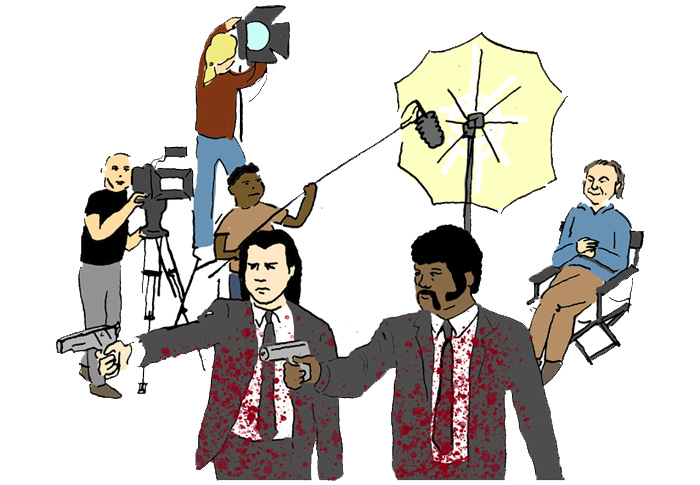
Many of the new entries have to do with par­tic­u­lar direc­tors and their styles. “The list runs through a range of gen­res and loca­tions, from the wide land­scapes of the Amer­i­can West evoked by For­dian to Swedish soul-search­ing with Bergmanesque,” writes the OED’s Craig Ley­land. The old­est, Keatonesque, “dates from 1921, near the start of an extra­or­di­nary run of suc­cess for the com­ic actor and film-mak­er, and typ­i­cal­ly refers to Keaton’s famous dead­pan expres­sion and pen­chant for phys­i­cal com­e­dy. The most recent is Taran­ti­noesque, first seen in 1994 – the year Pulp Fic­tion appeared in cin­e­mas,” which refers to qual­i­ties like “graph­ic and styl­ized vio­lence, cinelit­er­ate ref­er­ences, non-lin­ear sto­ry­lines, sharp dia­logue, and more – and is a reminder of the impact these films had on cin­e­ma in the 1990s.”

Oth­er auteur-spe­cif­ic addi­tions include Spiel­ber­gian (“fan­tas­ti­cal or human­ist themes or a sen­ti­men­tal feel”), Lynchi­an (“not­ed for jux­ta­pos­ing sur­re­al or sin­is­ter ele­ments with mun­dane, every­day envi­ron­ments”), and of course Kubrick­ian (“metic­u­lous per­fec­tion­ism, mas­tery of the tech­ni­cal aspects of film-mak­ing, and atmos­pher­ic visu­al style in films across a range of gen­res”). Sev­er­al terms denot­ing broad­er move­ments and styles have also made it in, includ­ing mum­blecore, “a style of low-bud­get film typ­i­cal­ly char­ac­ter­ized by nat­u­ral­is­tic and (appar­ent­ly) impro­vised per­for­mances and a reliance on dia­logue rather than plot or action” which emerged about a decade ago, and Ham­mer, denot­ing the hor­ror films made from the 1950s to the 70s by British pro­duc­tion com­pa­ny of that name, “still famous and loved for their lurid, melo­dra­mat­ic style.”

Mas­ter these words and you’ll sure­ly hold your own in casu­al cinephile con­ver­sa­tion. But you can only get so deep into talk­ing about movies if you can’t con­fi­dent­ly bring out terms like arc shotdiegetic, and mise-en-scène. As one of the most capa­cious art forms, cin­e­ma brings togeth­er a num­ber of lan­guages all at once, includ­ing the visu­al lan­guage as defined by direc­tors like Sovi­et mon­tage pio­neer Sergei Eisen­stein (he of Eisen­stein­ian) and the lan­guage the screen­play gives its char­ac­ters to speak (an espe­cial­ly dis­tinc­tive ele­ment in the case of film­mak­ers like Taran­ti­no). But those are essen­tial­ly soli­tary plea­sures, enjoyed in a dark­ened the­ater or liv­ing room. Isn’t one of the most endur­ing joys of film­go­ing talk­ing about the movies with oth­er peo­ple lat­er — and to sound as expert as pos­si­ble while doing so?

via OED/Indiewire

Relat­ed Con­tent:

What Makes a David Lynch Film Lynchi­an: A Video Essay

How the Sounds You Hear in Movies Are Real­ly Made: Dis­cov­er the Mag­ic of “Foley Artists”

Colum­bia U. Launch­es a Free Mul­ti­me­dia Glos­sary for Study­ing Cin­e­ma & Film­mak­ing

Vin­tage Film Shows How the Oxford Eng­lish Dic­tio­nary Was Made in 1925

Ter­ry Gilliam on the Dif­fer­ence Between Kubrick & Spiel­berg: Kubrick Makes You Think, Spiel­berg Wraps Every­thing Up with Neat Lit­tle Bows

Based in Seoul, Col­in Mar­shall writes and broad­casts on cities, lan­guage, and cul­ture. His projects include the book The State­less City: a Walk through 21st-Cen­tu­ry Los Ange­les and the video series The City in Cin­e­ma. Fol­low him on Twit­ter at @colinmarshall or on Face­book.

Why We Say “OK”: The History of the Most Widely Spoken Word in the World

Ok, not to be con­trary, but any­one else wor­ry that we may be get­ting punked here?

Is Cole­man Lown­des’ clever col­lage-style video on the ubiq­ui­ty and ori­gins of the word “ok” a bit too clever for its own good?

His asser­tion that the word “ok” was the inven­tion of wag­gish Boston­ian hip­sters in the late 1830s sounds like an Onion head­line.

It’s hard to believe that clever young adults once amused them­selves by bandy­ing about delib­er­ate­ly mis­spelled abbre­vi­a­tions.

Also does any­one else remem­ber hear­ing that “OK” could be traced to the 1840 reelec­tion cam­paign of Pres­i­dent Mar­tin “Old Kinder­hook” Van Buren?

Or folksinger Pete Seeger’s salute to the lin­guis­tic melt­ing pot, “All Mixed Up,” which per­pet­u­at­ed the notion of OK as a cor­rup­tion of the Choctaw word “okeh.”

Both of those expla­na­tions sound a lot more prob­a­ble than a jokey bas­tardiza­tion of “all cor­rect.”

Aka “oll kor­rect.”

As in OK, pal, what­ev­er you say.

(That was the wit­ti­est jape of the sea­son?)

Ety­mol­o­gist Dr. Allen Walk­er Read’s con­sid­er­able research sup­port­ed “ok” as the lone sur­vivor of 19th-cen­tu­ry smart set word­play, to the point where it was the lede in his obit­u­ary.

(The writer not­ed, as Lown­des does, how “ok” was among the first words out of astro­naut Buzz Aldrin’s mouth when he set foot on the moon.)

Oookay…

If you’d like to know more, you can always delve into Eng­lish pro­fes­sor Allan Met­calf”s book, OK: The Improb­a­ble Sto­ry of America’s Great­est Word, which cites the telegraph’s role in the pop­u­lar­iza­tion of everyone’s favorite neu­tral affir­ma­tive, as well as our pow­er­ful psy­cho­log­i­cal attrac­tion to the let­ter “k.”

(Kare for a Krispy Kreme with that Kool-Aid? … The answer is an emphat­ic yes, I mean, OK, in any lan­guage.)

Relat­ed Con­tent:

The Largest His­tor­i­cal Dic­tio­nary of Eng­lish Slang Now Free Online: Cov­ers 500 Years of the “Vul­gar Tongue”

Read A Clas­si­cal Dic­tio­nary of the Vul­gar Tongue, a Hilar­i­ous & Infor­ma­tive Col­lec­tion of Ear­ly Mod­ern Eng­lish Slang (1785)

The His­to­ry of the Eng­lish Lan­guage in Ten Ani­mat­ed Min­utes

Ayun Hal­l­i­day is an author, illus­tra­tor, the­ater mak­er and Chief Pri­ma­tol­o­gist of the East Vil­lage Inky zine.  Join her in NYC on Mon­day, Sep­tem­ber 24 for anoth­er month­ly install­ment of her book-based vari­ety show, Necro­mancers of the Pub­lic Domain. Fol­low her @AyunHalliday.

What English Would Sound Like If It Was Pronounced Phonetically

The Eng­lish lan­guage presents itself to stu­dents and non-native speak­ers as an almost cru­el­ly capri­cious enti­ty, its irreg­u­lar­i­ties of spelling and con­ju­ga­tion impos­si­ble to explain with­out an advanced degree. It wasn’t until grad­u­ate school that I came to under­stand how spellings like “rough” and “knight” sur­vived sev­er­al hun­dreds of years of lin­guis­tic change, and pre­served ves­tiges of pho­net­ic pro­nun­ci­a­tions that had long since dis­ap­peared in his­toric upheavals like the Great Vow­el Shift and sub­se­quent spelling wars.

The impor­ta­tion of huge num­bers of loan words from oth­er lan­guages, and expor­ta­tion of Eng­lish to the world, has made it a poly­glot tongue that con­tains a mul­ti­tude of spellings and pro­nun­ci­a­tions, to the con­ster­na­tion of every­one. Unlike French, which has a cen­tral­ized body that adju­di­cates lan­guage change, Eng­lish grows and evolves wild­ly. Dic­tio­nar­ies and lin­guis­tics depart­ments strug­gle to keep up.

One almost wants to apol­o­gize to non-native speak­ers for the fol­low­ing sen­tence: “Though I coughed rough­ly and hic­coughed through­out the lec­ture, I still thought I could plough through the rest of it.” As Aaron Alon, nar­ra­tor of the video above, points out, the “incred­i­ble incon­sis­ten­cy” of words with “ough” in them “can make Eng­lish incred­i­bly hard to mas­ter.” What if a gov­ern­ing body of Eng­lish lan­guage schol­ars, like the Académie française, came togeth­er to pre­scribe a pho­net­i­cal­ly con­sis­tent pro­nun­ci­a­tion?

For one thing, they would have to deal with the diver­si­ty of vow­el sounds—like the “a” in “father,” “ape,” and “apple.” As the video pro­ceeds, we hear these reg­u­lar­ized in the narrator’s speech. Stu­dents of the lan­guage’s his­to­ry might imme­di­ate­ly rec­og­nize some­thing like the sound of Shake­speare’s Ear­ly Mod­ern Eng­lish, which did have a more pho­net­i­cal­ly con­sis­tent pro­nun­ci­a­tion. Soon the sounds of Romance languages—French, Span­ish, Ital­ian, Romanian—and the accents speak­ers of those lan­guages bring to Eng­lish, start to emerge.

By the time Alon has reg­u­lar­ized the vow­el sounds, and launched into a recita­tion of Hamlet’s famous solil­o­quy, his pro­nun­ci­a­tion begins to sound like Chaucer’s Mid­dle Eng­lish, which you can hear pro­nounced above in a read­ing of The Can­ter­bury Tales. If we hear the accent this way, the exer­cise shows that Eng­lish once made far more pho­net­ic sense (and had a more pleas­ing musi­cal lilt) than it does today. Alter­nate­ly, we may hear, as Jason Kot­tke does, an accent that “sounds a lit­tle like Wern­er Her­zog doing an impres­sion of some­one from Wales doing an impres­sion of an Ital­ian who doesn’t speak Eng­lish that well.” Which, he writes, “makes sense because that’s pret­ty much how the lan­guage came togeth­er in the first place!” More or less….

via Kot­tke

Relat­ed Con­tent:

Where Did the Eng­lish Lan­guage Come From?: An Ani­mat­ed Intro­duc­tion

The His­to­ry of the Eng­lish Lan­guage in Ten Ani­mat­ed Min­utes

What Shakespeare’s Eng­lish Sound­ed Like, and How We Know It

Josh Jones is a writer and musi­cian based in Durham, NC. Fol­low him at @jdmagness

« Go BackMore in this category... »
Quantcast