Dr. Jane Goodall Is Now Teaching an Online Course on Conservation, Animal Intelligence & Activism

FYI: If you sign up for a Mas­ter­Class course by click­ing on the affil­i­ate links in this post, Open Cul­ture will receive a small fee that helps sup­port our oper­a­tion.

Back in June, we men­tioned that the great pri­ma­tol­o­gist and anthro­pol­o­gist Dr. Jane Goodall was gear­ing up to teach her first online course on envi­ron­men­tal con­ser­va­tion, ani­mal intel­li­gence, and activism. Now, it seemed worth giv­ing this quick update–Goodal­l’s course is ready to go. It fea­tures 29 lessons and costs $90. You can sign up and take the course through Mas­ter­Class here. (You can pur­chase an All-Access Annu­al Pass for every course in the Mas­ter­Class cat­a­log for $180.)

Above watch a trail­er that intro­duces the course. Below see her dis­cuss the course on the Tonight Show with Jim­my Fal­lon.

Oth­er cours­es cur­rent­ly offered by Mas­ter­class include:

Find more cours­es taught by star instruc­tors here.

Note: Mas­ter­Class is one of our part­ners. So if you sign up for a course, it ben­e­fits not just you and Mas­ter­Class. It ben­e­fits Open Cul­ture too. So con­sid­er it win-win-win.

If you would like to sign up for Open Culture’s free email newslet­ter, please find it here. It’s a great way to see our new posts, all bun­dled in one email, each day.

If you would like to sup­port the mis­sion of Open Cul­ture, con­sid­er mak­ing a dona­tion to our site. It’s hard to rely 100% on ads, and your con­tri­bu­tions will help us con­tin­ue pro­vid­ing the best free cul­tur­al and edu­ca­tion­al mate­ri­als to learn­ers every­where. You can con­tribute through Pay­Pal, Patre­on, and Ven­mo (@openculture). Thanks!

A Century of Global Warming Visualized in a 35 Second Video

Antti Lip­po­nen, a researcher at the Finnish Mete­o­ro­log­i­cal Insti­tute, gath­ered his­tor­i­cal data from NASA and pro­duced a short video effec­tive­ly show­ing that, from 1900 through 2016, the tem­per­a­ture has steadi­ly got­ten warmer world­wide. Each spoke of the wheel rep­re­sents one of 191 dif­fer­ent coun­tries. And the hot­ter the col­or (e.g. oranges and reds), the warmer the tem­per­a­ture. You can get a clos­er look at the his­tor­i­cal pro­gres­sion here. The mate­ri­als have been released under a Cre­ative Com­mons license on Flickr.

Note: If you want to bet­ter under­stand the sci­ence of Glob­al Warm­ing, we’d rec­om­mend watch­ing the lec­tures from this free Glob­al Warm­ing course from the Uni­ver­si­ty of Chica­go:

If you would like to sign up for Open Culture’s free email newslet­ter, please find it here. It’s a great way to see our new posts, all bun­dled in one email, each day.

If you would like to sup­port the mis­sion of Open Cul­ture, con­sid­er mak­ing a dona­tion to our site. It’s hard to rely 100% on ads, and your con­tri­bu­tions will help us con­tin­ue pro­vid­ing the best free cul­tur­al and edu­ca­tion­al mate­ri­als to learn­ers every­where. You can con­tribute through Pay­Pal, Patre­on, and Ven­mo (@openculture). Thanks!

via Yale Envi­ron­ment 360

Relat­ed Con­tent:

Glob­al Warm­ing: A Free Course from UChica­go Explains Cli­mate Change

Ani­ma­tions Show the Melt­ing Arc­tic Sea Ice, and What the Earth Would Look Like When All of the Ice Melts

Huge Hands Rise Out of Venice’s Waters to Sup­port the City Threat­ened by Cli­mate Change: A Poignant New Sculp­ture

132 Years of Glob­al Warm­ing Visu­al­ized in 26 Dra­mat­i­cal­ly Ani­mat­ed Sec­onds

Music for a String Quar­tet Made from Glob­al Warm­ing Data: Hear “Plan­e­tary Bands, Warm­ing World”

A Song of Our Warm­ing Plan­et: Cel­list Turns 130 Years of Cli­mate Change Data into Music

Frank Capra’s Sci­ence Film The Unchained God­dess Warns of Cli­mate Change in 1958

by | Permalink | Make a Comment ( 1 ) |

Dr. Jane Goodall Will Teach an Online Course About Conserving Our Environment

FYI: If you sign up for a Mas­ter­Class course by click­ing on the affil­i­ate links in this post, Open Cul­ture will receive a small fee that helps sup­port our oper­a­tion.

A quick heads up: The great pri­ma­tol­o­gist and anthro­pol­o­gist Dr. Jane Goodall–now 83 years old–will soon teach her first online course ever. Host­ed by Mas­ter­class, the course, con­sist­ing of 25 video lec­tures, will teach stu­dents how they can con­serve the envi­ron­ment. It will also share Goodal­l’s research on the behav­ioral pat­terns of chim­panzees and what they taught her about con­ser­va­tion. The course won’t get start­ed until this fall, but you can pre-enroll now. The cost is $90.

Oth­er cours­es cur­rent­ly offered by Mas­ter­class include:

Find more cours­es taught by star instruc­tors here.

If you would like to sign up for Open Culture’s free email newslet­ter, please find it here. It’s a great way to see our new posts, all bun­dled in one email, each day.

If you would like to sup­port the mis­sion of Open Cul­ture, con­sid­er mak­ing a dona­tion to our site. It’s hard to rely 100% on ads, and your con­tri­bu­tions will help us con­tin­ue pro­vid­ing the best free cul­tur­al and edu­ca­tion­al mate­ri­als to learn­ers every­where. You can con­tribute through Pay­Pal, Patre­on, and Ven­mo (@openculture). Thanks!

by | Permalink | Make a Comment ( 1 ) |

Buckminster Fuller Creates an Animated Visualization of Human Population Growth from 1000 B.C.E. to 1965

Sit back, relax, put on some music (I’ve found Chopin’s Noc­turne in B major well-suit­ed), and watch the video above, a silent data visu­al­iza­tion by vision­ary archi­tect and sys­tems the­o­rist Buck­min­ster Fuller, “the James Brown of indus­tri­al design.” The short film from 1965 com­bines two of Fuller’s lead­ing con­cerns: the expo­nen­tial spread of the human pop­u­la­tion over finite mass­es of land and the need to revise our glob­al per­spec­tive via the “Dymax­ion map,” in order “to visu­al­ize the whole plan­et with greater accu­ra­cy,” as the Buck­min­ster Fuller Insti­tute writes, so that “we humans will be bet­ter equipped to address chal­lenges as we face our com­mon future aboard Space­ship Earth.”

Though you may know it best as the name of a geo­des­ic sphere at Disney’s Epcot Cen­ter, the term Space­ship Earth orig­i­nal­ly came from Fuller, who used it to remind us of our inter­con­nect­ed­ness and inter­de­pen­dence as we share resources on the only vehi­cle we know of that can sus­tain us in the cos­mos.

“We are all astro­nauts,” he wrote in his 1969 Oper­at­ing Man­u­al for Space­ship Earth, and yet we refuse to see the long-term con­se­quences of our actions on our spe­cial­ized craft: “One of the rea­sons why we are strug­gling inad­e­quate­ly today,” Fuller argued in his intro­duc­tion, “is that we reck­on our costs on too short­sight­ed a basis and are lat­er over­whelmed with the unex­pect­ed costs brought about by our short­sight­ed­ness.”

Like all vision­ar­ies, Fuller thought in long spans of time, and he used his design skills to help oth­ers do so as well. His pop­u­la­tion visu­al­iza­tion doc­u­ments human growth from 1000 B.C.E. to Fuller’s present, at the time, of 1965. In the image above (see a larg­er ver­sion here), we have a graph­ic from that same year—made col­lab­o­ra­tive­ly with artist and soci­ol­o­gist John McHale—showing the “shrink­ing of our plan­et by man’s increased trav­el and com­mu­ni­ca­tion speeds around the globe.” (It must be near micro­scop­ic by now.) Fuller takes an even longer view, look­ing at “the con­flu­ence of com­mu­ni­ca­tion and trans­porta­tion tech­nolo­gies,” writes Rikke Schmidt Kjær­gaard, “from 500,000 B.C.E. to 1965.”

Here Fuller com­bines his pop­u­la­tion data with the tech­no­log­i­cal break­throughs of moder­ni­ty. Though he’s thought of in some quar­ters as a genius and in some as a kook, Fuller demon­strat­ed his tremen­dous fore­sight in seem­ing­ly innu­mer­able ways. But it was in the realm of design that he excelled in com­mu­ni­cat­ing what he saw. “Pio­neers of data visu­al­iza­tion,” Fuller and McHale were two of “the first to chart long-term trends of indus­tri­al­iza­tion and glob­al­iza­tion.” Instead of becom­ing alarmed and fear­ful of what the trends showed, Fuller got to work design­ing for the future, ful­ly aware, writes the Fuller Insti­tute that “the plan­et is a sys­tem, and a resilient one.”

Fuller thought like a rad­i­cal­ly inven­tive engi­neer, but he spoke and wrote like a peacenik prophet, writ­ing that a sys­tem of nar­row spe­cial­iza­tions ensures that skill sets “are not com­pre­hend­ed com­pre­hen­sive­ly… or they are real­ized only in neg­a­tive ways, in new weapon­ry or the indus­tri­al sup­port only of war far­ing.” We’ve seen this vision of soci­ety played out to a fright­en­ing extent. Fuller saw a way out, one in which every­one on the plan­et can live in com­fort and secu­ri­ty with­out con­sum­ing (then not renew­ing) the Earth’s resources. How can this be done? You’ll have to read Fuller’s work to find out. Mean­while, as his visu­al­iza­tions sug­gest, it’s best for us to take the long view—and give up on short-term rewards and profits—in our assess­ments of the state of Space­ship Earth.

Relat­ed Con­tent:

Buck­min­ster Fuller’s Map of the World: The Inno­va­tion that Rev­o­lu­tion­ized Map Design (1943)

200,000 Years of Stag­ger­ing Human Pop­u­la­tion Growth Shown in an Ani­mat­ed Map

The Life & Times of Buck­min­ster Fuller’s Geo­des­ic Dome: A Doc­u­men­tary

Josh Jones is a writer and musi­cian based in Durham, NC. Fol­low him at @jdmagness

Italian Pianist Ludovico Einaudi Plays a Grand Piano While Floating in the Middle of the Arctic Ocean

Above, watch Ital­ian pianist and com­pos­er Ludovi­co Ein­au­di per­form an orig­i­nal com­po­si­tion, “Ele­gy for the Arc­tic,” on a grand piano, float­ing right in the mid­dle of the Arc­tic Ocean. In one of his most chal­leng­ing per­for­mances, Ein­au­di played “Ele­gy for the Arc­tic” for the very first time–a piece ded­i­cat­ed to the preser­va­tion of the Arc­tic. The home of endan­gered wildlife, the region also helps reg­u­late our frag­ile cli­mate. And our future depends part­ly on whether we keep it intact.

To pull off this pro­duc­tion, a Green­peace ship trans­port­ed Ein­au­di and his grand piano to the seas north of Nor­way, and put them on a large plat­form. Says Green­peace:

The mas­sive ear­ly retreat of sea ice due to the effects of cli­mate change allowed the con­struc­tion of a 2.6 x 10 metre arti­fi­cial ice­berg, made from more than 300 tri­an­gles of wood attached togeth­er and weigh­ing a total of near­ly two tonnes. A grand piano was then placed on top of the plat­form.

You can see Ein­au­di per­form­ing right in front of a large glac­i­er, while ice sheets fall aways as he plays. It’s a sight to behold.

If you would like to help pro­tect the Arc­tic, you can donate to Green­peace here.

If you would like to sign up for Open Culture’s free email newslet­ter, please find it here. It’s a great way to see our new posts, all bun­dled in one email, each day.

If you would like to sup­port the mis­sion of Open Cul­ture, con­sid­er mak­ing a dona­tion to our site. It’s hard to rely 100% on ads, and your con­tri­bu­tions will help us con­tin­ue pro­vid­ing the best free cul­tur­al and edu­ca­tion­al mate­ri­als to learn­ers every­where. You can con­tribute through Pay­Pal, Patre­on, and Ven­mo (@openculture). Thanks!

Relat­ed Con­tent:

Glob­al Warm­ing: A Free Course from UChica­go Explains Cli­mate Change

A Beau­ti­ful Drone’s Eye View of Antarc­ti­ca

The Arc­tic Light

The Mak­ing of a Stein­way Grand Piano, From Start to Fin­ish

by | Permalink | Make a Comment ( 7 ) |

Prof. Brian Cox Has a Maddening Conversation with a Climate Science-Denying Politician

Accord­ing to NASA’s God­dard Insti­tute for Space Stud­ies, July 2016 was the warmest month ever record­ed. 2016 will like­ly be the warmest year on record. And the decades ahead will only get worse, much worse.

And yet, notes physi­cist Lawrence Krauss in The New York­er this week­end, we have the GOP’s Franken­stein try­ing to dem­a­gogue his way into the pres­i­den­cy by call­ing cli­mate sci­ence into ques­tion. Krauss writes:

In May, for instance, while speak­ing to an audi­ence of West Vir­ginia coal min­ers, Trump com­plained that reg­u­la­tions designed to pro­tect the ozone lay­er had com­pro­mised the qual­i­ty of his hair spray. Those reg­u­la­tions, he con­tin­ued, were mis­guid­ed, because hair spray is used main­ly indoors, and so can have no effect on the atmos­phere out­side.…

Often, Trump is sim­ply wrong about sci­ence, even though he should know bet­ter. Just as he was a per­sis­tent “birther” even after the evi­dence con­vinc­ing­ly showed that Pres­i­dent Oba­ma was born in the Unit­ed States, Trump now con­tin­ues to prop­a­gate the notion that vac­cines cause autism in spite of con­vinc­ing and wide­ly cit­ed evi­dence to the con­trary… In oth­er cas­es, Trump treats sci­en­tif­ic facts the way he treats oth­er facts—he ignores or dis­torts them when­ev­er it’s con­ve­nient. He has denied that cli­mate change is real, call­ing it pseu­do­science and advanc­ing a con­spir­a­cy the­o­ry that “the con­cept of glob­al warm­ing was cre­at­ed by and for the Chi­nese in order to make U.S. man­u­fac­tur­ing non­com­pet­i­tive.”

And way across the pond, we have anoth­er politi­cian, Aus­tralian Sen­a­tor Mal­colm Roberts, mak­ing his own kind of laugh­able claims. In a recent tele­vi­sion broad­cast, Roberts asks physi­cist Bri­an Cox for empir­i­cal proof that cli­mate change exists. Cox offers evi­dence gath­ered by NASA, to which Roberts responds, NASA’s “data has been cor­rupt­ed and manip­u­lat­ed.” Not good enough. If you reg­u­lar­ly read our site, you know that this is not the first time that NASA has been accused of manip­u­lat­ing data. Con­spir­a­cy the­o­rists have long accused NASA and Stan­ley Kubrick of fak­ing the moon land­ing in 1969. Roberts bris­tles at being asso­ci­at­ed with these loons. But frankly it’s an apt com­par­i­son. And if any­one should be both­ered by the com­par­i­son, it’s the moon land­ing con­spir­acists. How­ev­er strange their the­o­ries might be, no one doubts that they’re heart­felt, gen­uine, and seem­ing­ly free from the hint of polit­i­cal and finan­cial influ­ence.

In the mean­time, in a new video from NASA, you can see the Arc­tic ice lev­els retreat­ing to one of the low­est lev­els in record­ed his­to­ry. Call the video “cor­rupt­ed” and “manip­u­lat­ed” at your own per­il.

Relat­ed Con­tent:

Glob­al Warm­ing: A Free Course from UChica­go Explains Cli­mate Change

Michio Kaku & Noam Chom­sky School Moon Land­ing and 9/11 Con­spir­a­cy The­o­rists

Carl Sagan Presents His “Baloney Detec­tion Kit”: 8 Tools for Skep­ti­cal Think­ing

Richard Feyn­man Cre­ates a Sim­ple Method for Telling Sci­ence From Pseu­do­science (1966)

Sal­ly Ride Warns Against Glob­al Warm­ing; Won­ders If Tech­nol­o­gy Can Save Us From Our­selves

by | Permalink | Make a Comment ( 5 ) |

In 1988, Kurt Vonnegut Writes a Letter to People Living in 2088, Giving 7 Pieces of Advice

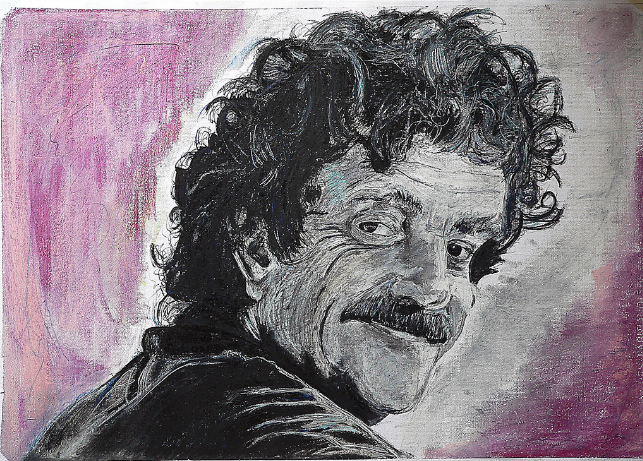
vonnegut drawing

Image by Daniele Prati, via Flickr Com­mons

The mind of Kurt Von­negut, like the pro­tag­o­nist of his best-known nov­el Slaugh­ter­house-Five, must have got “unstuck in time” some­where along the line. How else could he have man­aged to write his dis­tinc­tive brand of satir­i­cal but sin­cere fic­tion, hyper-aware of past, present, and future all at once? It must have made him a promis­ing con­trib­u­tor indeed for Volk­swa­gen’s 1988 Time mag­a­zine ad cam­paign, when the com­pa­ny “approached a num­ber of notable thinkers and asked them to write a let­ter to the future — some words of advice to those liv­ing in 2088, to be pre­cise.”

The beloved writer’s let­ter to the “Ladies & Gen­tle­men of A.D. 2088” begins as fol­lows:

It has been sug­gest­ed that you might wel­come words of wis­dom from the past, and that sev­er­al of us in the twen­ti­eth cen­tu­ry should send you some. Do you know this advice from Polo­nius in Shake­speare’s Ham­let: ‘This above all: to thine own self be true’? Or what about these instruc­tions from St. John the Divine: ‘Fear God, and give glo­ry to Him; for the hour of His judg­ment has come’? The best advice from my own era for you or for just about any­body any­time, I guess, is a prayer first used by alco­holics who hoped to nev­er take a drink again: ‘God grant me the seren­i­ty to accept the things I can­not change, courage to change the things I can, and wis­dom to know the dif­fer­ence.’

Our cen­tu­ry has­n’t been as free with words of wis­dom as some oth­ers, I think, because we were the first to get reli­able infor­ma­tion about the human sit­u­a­tion: how many of us there were, how much food we could raise or gath­er, how fast we were repro­duc­ing, what made us sick, what made us die, how much dam­age we were doing to the air and water and top­soil on which most life forms depend­ed, how vio­lent and heart­less nature can be, and on and on. Who could wax wise with so much bad news pour­ing in?

For me, the most par­a­lyz­ing news was that Nature was no con­ser­va­tion­ist. It need­ed no help from us in tak­ing the plan­et apart and putting it back togeth­er some dif­fer­ent way, not nec­es­sar­i­ly improv­ing it from the view­point of liv­ing things. It set fire to forests with light­ning bolts. It paved vast tracts of arable land with lava, which could no more sup­port life than big-city park­ing lots. It had in the past sent glac­i­ers down from the North Pole to grind up major por­tions of Asia, Europe, and North Amer­i­ca. Nor was there any rea­son to think that it would­n’t do that again some­day. At this very moment it is turn­ing African farms to deserts, and can be expect­ed to heave up tidal waves or show­er down white-hot boul­ders from out­er space at any time. It has not only exter­mi­nat­ed exquis­ite­ly evolved species in a twin­kling, but drained oceans and drowned con­ti­nents as well. If peo­ple think Nature is their friend, then they sure don’t need an ene­my.

You can read the whole thing at Let­ters of Note, where Von­negut goes on to give his own inter­pre­ta­tion of human­i­ty’s per­spec­tive at the time, when “we were see­ing our­selves as a new sort of glac­i­er, warm-blood­ed and clever, unstop­pable, about to gob­ble up every­thing and then make love — and then dou­ble in size again.” He puts the ques­tion to his future-inhab­it­ing read­ers direct­ly: “Is it pos­si­ble that we aimed rock­ets with hydro­gen bomb war­heads at each oth­er, all set to go, in order to take our minds off the deep­er problem—how cru­el­ly Nature can be expect­ed to treat us, Nature being Nature, in the by-and-by?”

Final­ly, Von­negut issues sev­en com­mand­ments — as much direct­ed to read­ers of the late 20th cen­tu­ry as to read­ers of the late 21st, or indeed to those of the ear­ly 21st in which you read this now — intend­ed to help human­i­ty avert what he sees as the utter cat­a­stro­phe loom­ing ahead:

  1. Reduce and sta­bi­lize your pop­u­la­tion.
  2. Stop poi­son­ing the air, the water, and the top­soil.
  3. Stop prepar­ing for war and start deal­ing with your real prob­lems.
  4. Teach your kids, and your­selves, too, while you’re at it, how to inhab­it a small plan­et with­out help­ing to kill it.
  5. Stop think­ing sci­ence can fix any­thing if you give it a tril­lion dol­lars.
  6. Stop think­ing your grand­chil­dren will be OK no mat­ter how waste­ful or destruc­tive you may be, since they can go to a nice new plan­et on a space­ship. That is real­ly mean, and stu­pid.
  7. And so on. Or else.

Volk­swa­gen had asked him to look one hun­dred years into the future. As of this writ­ing, 2088 lies less than 75 years ahead, and how many of us would agree that we’ve heed­ed most or even any of his pre­scrip­tions? Then again, Von­negut grants that pes­simism may have got the bet­ter of him; per­haps the future will bring with it a utopia after all, one where “nobody will have to leave home to go to work or school, or even stop watch­ing tele­vi­sion. Every­body will sit around all day punch­ing the keys of com­put­er ter­mi­nals con­nect­ed to every­thing there is, and sip orange drink through straws like the astro­nauts,” a com­i­cal­ly dystopi­an utopia, and not an entire­ly un-pre­scient one — a Von­negut­ian vision indeed.

via Let­ters of Note/Va Viper

Relat­ed Con­tent:

Hear Kurt Von­negut Read Slaugh­ter­house-Five, Cat’s Cra­dle & Oth­er Nov­els

22-Year-Old P.O.W. Kurt Von­negut Writes Home from World War II: “I’ll Be Damned If It Was Worth It”

Kurt Von­negut Maps Out the Uni­ver­sal Shapes of Our Favorite Sto­ries

Kurt Vonnegut’s 8 Tips on How to Write a Good Short Sto­ry

Kurt Von­negut Explains “How to Write With Style”

Kurt Von­negut Urges Young Peo­ple to Make Art and “Make Your Soul Grow”

Based in Seoul, Col­in Mar­shall writes and broad­casts on cities and cul­ture. He’s at work on a book about Los Ange­les, A Los Ange­les Primer, the video series The City in Cin­e­ma, the crowd­fund­ed jour­nal­ism project Where Is the City of the Future?, and the Los Ange­les Review of Books’ Korea Blog. Fol­low him on Twit­ter at @colinmarshall or on Face­book.

French Artist Creates Digital Street Art in the Sky

We humans are a quar­rel­some lot. But one thing that unites us is the time spent on our backs, gaz­ing at clouds for the plea­sure of iden­ti­fy­ing what­ev­er objects they may fleet­ing­ly resem­ble.

It’s a very relax­ing activ­i­ty.

I was sur­prised there’s an actu­al, med­ical name for it: parei­do­lia, defined by Mer­ri­am-Web­ster as “the ten­den­cy to per­ceive a spe­cif­ic, often mean­ing­ful, image in a ran­dom or ambigu­ous visu­al pat­tern.”

Thomas Lamadieu, the artist whose work is show­cased above, has a dif­fer­ent, but not whol­ly unre­lat­ed con­di­tion.

A pho­to post­ed by Art­zop® (@artzop) on

Most of us pre­fer to con­tem­plate the heav­ens in a bucol­ic set­ting. Lamadieu’s art com­pels him to look upwards from a more urban land­scape. The tops of the build­ings hem­ming him in sup­ply with irreg­u­lar­ly shaped frames, which he cap­tures using a fish eye lens. Lat­er, he fills them in with Microsoft Paint draw­ings, which fre­quent­ly fea­ture a beard­ed man whose t‑shirt is striped in sky blue. Neg­a­tive space, not Cray­ola, sup­plies the col­or here.

Think of it as street art in the sky.

Not every day can be a bril­liant azure, but it hard­ly mat­ters when even Lamadieu’s grayest views exhib­it a deter­mined play­ful­ness. It takes a very unique sort of eye to tease a pink nip­pled, stripe-limbed bun­ny from a steely UK sky.

Like many street artists, he takes a glob­al approach, trav­el­ing the world in search of giant unclaimed can­vas­es. His port­fo­lio con­tains vis­tas orig­i­nal­ly cap­tured in Hong Kong, South Korea, Ger­many, Spain, Aus­tria, Cana­da, Bel­gium, and the Unit­ed States, as well as his native France.

“The beard­ed man in my images stands for the sky itself,” he told The Inde­pen­dent, adding that his is a whol­ly sec­u­lar vision.

View a gallery of Lamadieu’s sky art here.

h/t to read­er Alan Gold­wass­er

Relat­ed Con­tent:

Google Puts Online 10,000 Works of Street Art from Across the Globe

The Cre­ativ­i­ty of Female Graf­fi­ti & Street Artists Will Be Cel­e­brat­ed in Street Hero­ines, a New Doc­u­men­tary

3D Street Art

Ayun Hal­l­i­day is an author, illus­tra­tor, and Chief Pri­ma­tol­o­gist of the East Vil­lage Inky zine. Fol­low her @AyunHalliday

« Go BackMore in this category... »
Quantcast