How Ladies & Gentlemen Got Dressed in the 18th Century: It Was a Pretty Involved Process

We can iden­ti­fy most of the last few cen­turies by their styles of clothes. But it’s one thing to know what peo­ple wore in his­to­ry and quite anoth­er to know how, exact­ly, they wore it. We’ve pre­vi­ous­ly fea­tured videos that accu­rate­ly re-enact the whole process of of how sol­diers and nurs­es dressed in World War I, and how women got dressed in the four­teenth and eigh­teenth cen­turies. Today we go back again to the eigh­teenth cen­tu­ry with two videos from Nation­al Muse­ums Liv­er­pool, one that shows us how Euro­pean gen­tle­men got dressed in those days, and anoth­er that shows us how ladies did.

One obvi­ous way in which dress­ing points to changes over the past few hun­dred years: both the gen­tle­man and the lady require the assis­tance of a ser­vant. The gen­tle­man begins his day wear­ing his long linen night­shirt and a wrap­per over it, Japan- and India-inspired gar­ments, the nar­ra­tor tells us, that “reflect British inter­ests abroad.”

To replace them comes first a volu­mi­nous, usu­al­ly ruf­fled shirt; over-the-knee stock­ings held in place with breech knee­bands; occa­sion-appro­pri­ate shoe buck­les and cuf­flinks; option­al linen under­draw­ers; many-but­toned and buck­led knee breech­es; a waist­coat (whose top few but­tons remain open to reveal the shirt’s ruf­fles); a linen cra­vat; a buck­led stock; a coat on top of the waist­coat; and of course, a fresh­ly-dust­ed wig.

Get­ting clothes on for a day in the eigh­teenth cen­tu­ry was even more com­pli­cat­ed for ladies than for gen­tle­men, as evi­denced by the fact that its video requires two addi­tion­al min­utes to show every step involved. We begin with the shift, an under­gar­ment worn with­out knick­ers. Like the gen­tle­man, the lady wears over-the-knee stock­ings, but she ties them with rib­bon garters (at least for days not involv­ing much danc­ing). Over that, “a knee-length white linen pet­ti­coat worn for warmth and mod­esty,” and over that, a stay made using whale baleen. Pock­ets were added in the form of bags worn at the hips, but bags known to get lost if their ties came undone — hence the nurs­ery rhyme “Lucy Lock­et lost her pock­et.”

Prop­er eigh­teenth-cen­tu­ry female dress also required pet­ti­coats of var­i­ous kinds, a ker­chief, a stom­ach­er (often high­ly dec­o­rat­ed), more pet­ti­coats, a gown, a linen apron (with a bib pinned into posi­tion, hence “pinafore”), a day cap, and then anoth­er apron that “serves no pur­pose oth­er than to indi­cate the fine sta­tus of the indi­vid­ual wear­ing it.” Con­spic­u­ous con­sump­tion mat­tered even back then, but so did the painstak­ing cre­ation of the ide­al female fig­ure, or at least the impres­sion there­of. Not only do these videos show us just the kind of cloth­ing that would have been worn for that pur­pose and how it would have been put on, they also show us high­ly plau­si­ble atti­tudes pro­ject­ed by dressed and dress­er alike: the for­mer one of faint­ly bored expec­ta­tion, and the lat­ter one of resigned indus­tri­ous­ness tinged with the sus­pi­cion that all this can’t last for­ev­er.

Relat­ed Con­tent:

Get­ting Dressed Dur­ing World War I: A Fas­ci­nat­ing Look at How Sol­diers, Nurs­ers & Oth­ers Dressed Dur­ing the Great War

How Women Got Dressed in the 14th & 18th Cen­turies: Watch the Very Painstak­ing Process Get Cin­e­mat­i­cal­ly Recre­at­ed

The Sights & Sounds of 18th Cen­tu­ry Paris Get Recre­at­ed with 3D Audio and Ani­ma­tion

The Dress­er: The Con­trap­tion That Makes Get­ting Dressed an Adven­ture

How to Make and Wear Medieval Armor: An In-Depth Primer

Based in Seoul, Col­in Mar­shall writes and broad­casts on cities, lan­guage, and cul­ture. His projects include the book The State­less City: a Walk through 21st-Cen­tu­ry Los Ange­les and the video series The City in Cin­e­ma. Fol­low him on Twit­ter at @colinmarshall, on Face­book, or on Insta­gram.

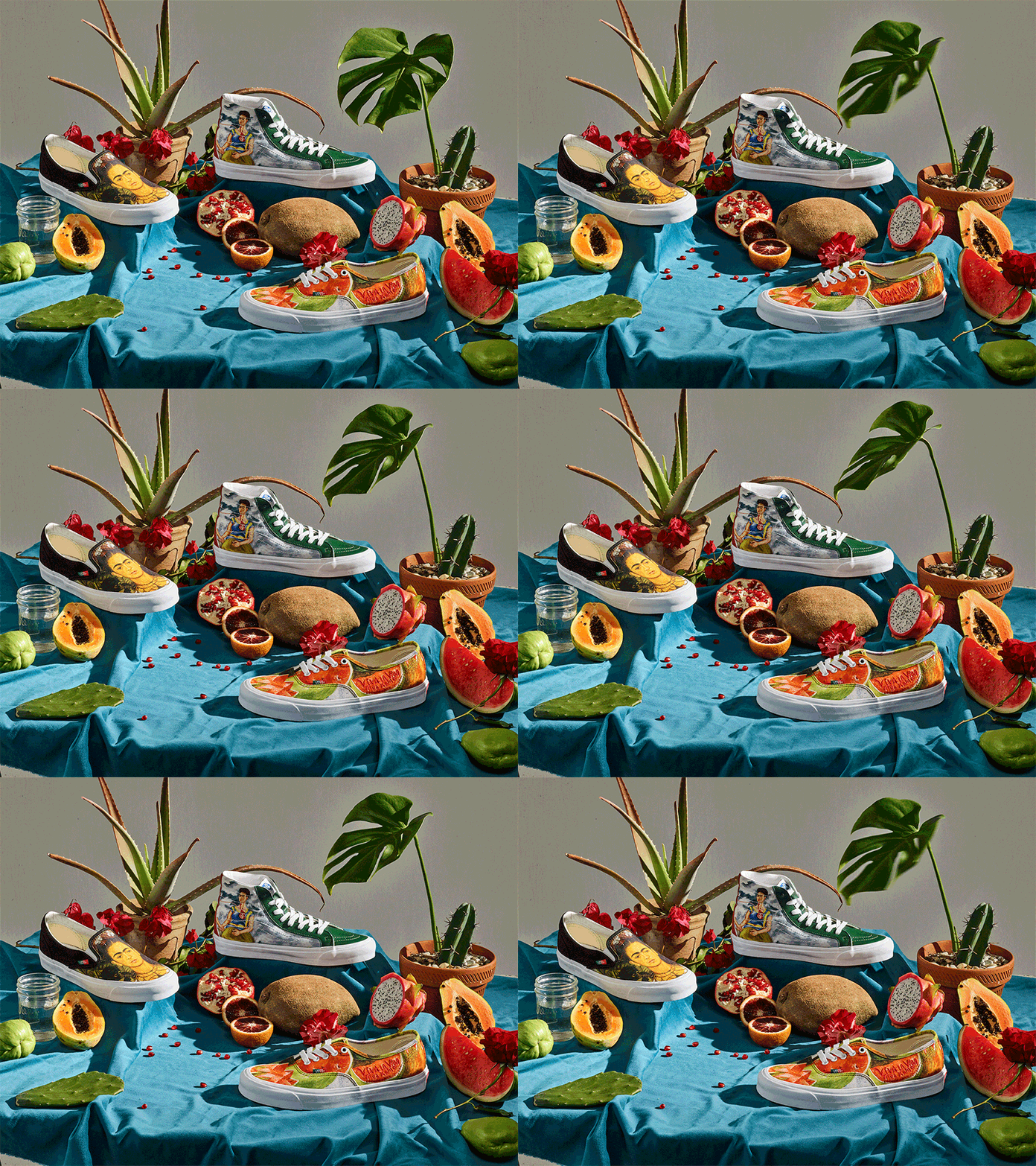
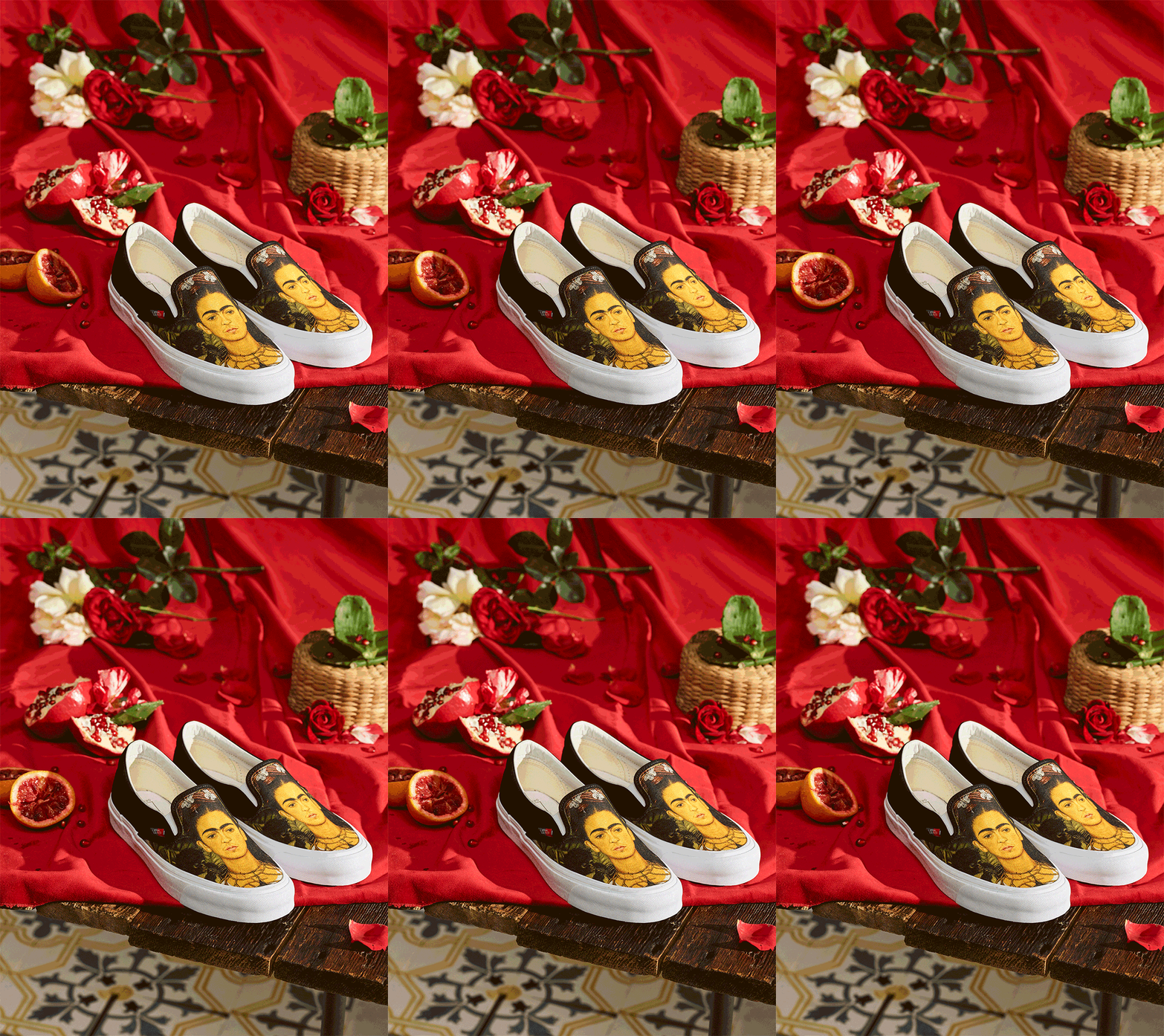
3 Iconic Paintings by Frida Kahlo Get Reborn as Vans Skate Shoes

Atten­tion Fri­da Kahlo tchotchke hounds.

You can scratch that itch, even if your sum­mer itin­er­ary doesn’t include Mex­i­co City (or Nashville, Ten­nessee, where the Frist Muse­um is host­ing Fri­da Kahlo, Diego Rivera, and Mex­i­can Mod­ernism from the Jacques and Natasha Gel­man Col­lec­tion through Sep­tem­ber 2).

Tak­ing its cue from Doc Marten’s Muse­um Col­lec­tion, Vans is releas­ing three shoes inspired by some of the painter’s most icon­ic works, 1939’s The Two Fridas, 1940’s Self-Por­trait with Thorn Neck­lace and Hum­ming­bird, and—for those who pre­fer a more sub­tly Fri­da-inspired shoe, 1954’s refresh­ing­ly fruity Viva la Vida.

Vans’ lim­it­ed edi­tion Fri­da Kahlo col­lec­tion hits the shelves June 29. Expect it to be snapped up quick­ly by the Waf­fle­heads, Vans’ ded­i­cat­ed group of col­lec­tors and cus­tomiz­ers, so don’t delay.

If this line doesn’t tick­le your fan­cy, there is of course an abun­dance of Fri­da Kahlo trib­ute footwear on Etsy, every­thing from huaraches and Con­verse All-Stars to socks and baby booties.

via Juxtapoz/MyMod­ern­Met

Relat­ed Con­tent:

A Brief Ani­mat­ed Intro­duc­tion to the Life and Work of Fri­da Kahlo

Dis­cov­er Fri­da Kahlo’s Wild­ly-Illus­trat­ed Diary: It Chron­i­cled the Last 10 Years of Her Life, and Then Got Locked Away for Decades

Vis­it the Largest Col­lec­tion of Fri­da Kahlo’s Work Ever Assem­bled: 800 Arti­facts from 33 Muse­ums, All Free Online

Ayun Hal­l­i­day is an author, illus­tra­tor, the­ater mak­er and Chief Pri­ma­tol­o­gist of the East Vil­lage Inky zine.  Fol­low her @AyunHalliday.

What is Camp? When the “Good Taste of Bad Taste” Becomes an Aesthetic

Even if you don’t care about high fash­ion or high soci­ety — to the extent that those two things have a place in the cur­rent cul­ture — you prob­a­bly glimpsed some of the cov­er­age of what atten­dees wore to the Met Gala ear­li­er this month. Or per­haps cov­er­age isn’t strong enough a word: what most of the many observers of the Met­ro­pol­i­tan Muse­um of Art’s Cos­tume Insti­tute annu­al fundrais­ing gala did cer­tain­ly qual­i­fied as analy­sis, and in not a few cas­es tipped over into exe­ge­sis. That enthu­si­asm was matched by the flam­boy­ance of the cloth­ing worn to the event — an event whose co-chairs includ­ed Lady Gaga, a suit­able fig­ure­head indeed for a par­ty that this year took on the theme of camp.

But what exact­ly is camp? You can get an in-depth look at how the world of fash­ion has inter­pret­ed that elab­o­rate and enter­tain­ing but nev­er­the­less elu­sive cul­tur­al con­cept in the Met’s show Camp: Notes on Fash­ion, which runs at the Met Fifth Avenue until ear­ly Sep­tem­ber.

“Susan Son­tag’s 1964 essay Notes on ‘Camp’ pro­vides the frame­work for the exhi­bi­tion,” says the Met’s web site, “which exam­ines how the ele­ments of irony, humor, par­o­dy, pas­tiche, arti­fice, the­atri­cal­i­ty, and exag­ger­a­tion are expressed in fash­ion.” But for a broad­er under­stand­ing of camp, you’ll want to go back to Son­tag’s and read all of the 58 the­ses it nailed to the door of the mid-1960s zeit­geist.

Accord­ing to Son­tag, camp is “not a nat­ur­al mode of sen­si­bil­i­ty” but a “love of the unnat­ur­al: of arti­fice and exag­ger­a­tion.” It offers a “way of see­ing the world as an aes­thet­ic phe­nom­e­non.” Most any­thing man­made can be camp, and Son­tag’s list of exam­ples include Tiffany lamps, “the Brown Der­by restau­rant on Sun­set Boule­vard in L.A.,” Aubrey Beard­s­ley draw­ings, and old Flash Gor­don comics. Ele­vat­ing style “at the expense of con­tent,” camp is suf­fused with “the love of the exag­ger­at­ed, the ‘off,’ of things-being-what-they-are-not.” Camp is not irony, but it “sees every­thing in quo­ta­tion marks.” The essen­tial ele­ment of camp is “seri­ous­ness, a seri­ous­ness that fails.” Camp “asserts that good taste is not sim­ply good taste; that there exists, indeed, a good taste of bad taste.”

“When Son­tag pub­lished ‘Notes on Camp,’ she was fas­ci­nat­ed by peo­ple who could look at cul­tur­al prod­ucts as fun and iron­ic,” says Son­tag biog­ra­ph­er Ben­jamin Moser in a recent Inter­view mag­a­zine sur­vey of the sub­ject. And though Son­tag’s essay remains the defin­i­tive state­ment on camp, not every­one has agreed on exact­ly what counts and does not count as camp in the 55 years since its pub­li­ca­tion in the Par­ti­san Review“Camp to me means over-the-top humor, usu­al­ly cou­pled with big dos­es of glam­our,” says fash­ion design­er Jere­my Scott in the same Inter­view arti­cle. “To be inter­est­ing, camp has to have some kind of polit­i­cal con­scious­ness and self-aware­ness about what it’s doing,” says film­mak­er Bruce Labruce, chal­leng­ing Son­tag’s descrip­tion of camp as apo­lit­i­cal.

And what will become of camp in the all-dig­i­tiz­ing 21st cen­tu­ry, when many eras increas­ing­ly coex­ist on the same cul­ture plane? Our time “has can­ni­bal­ized camp,” says cul­tur­al his­to­ry pro­fes­sor Fabio Cle­to, “but to say that it’s no longer camp because its aes­thet­ics have gone main­stream is an over­ly sim­plis­tic read­ing. Camp has always been mourn­ing its own death.” Even so, some of cam­p’s most high-pro­file cham­pi­ons have cast doubt on its via­bil­i­ty. The phrase “good taste of bad taste” brings no fig­ure to mind more quick­ly than Pink Flamin­gos and Hair­spray direc­tor John Waters (who speaks on the ori­gin of his good taste in bad taste in the Big Think video above). But even he speaks pes­simisti­cal­ly to Inter­view about cam­p’s future: “Camp? Noth­ing is so bad it’s good now that we have Trump as pres­i­dent. He even ruined that.”

Relat­ed Con­tent:

Why So Many Peo­ple Adore The Room, the Worst Movie Ever Made? A Video Explain­er

David Fos­ter Wal­lace on What’s Wrong with Post­mod­ernism: A Video Essay

The Star Wars Hol­i­day Spe­cial (1978): It’s Oh So Kitsch

Susan Sontag’s 50 Favorite Films (and Her Own Cin­e­mat­ic Cre­ations)

John Waters Talks About His Books and Role Mod­els in a Whim­si­cal Ani­mat­ed Video

Based in Seoul, Col­in Mar­shall writes and broad­casts on cities, lan­guage, and cul­ture. His projects include the book The State­less City: a Walk through 21st-Cen­tu­ry Los Ange­les and the video series The City in Cin­e­ma. Fol­low him on Twit­ter at @colinmarshall or on Face­book.

Fashion Designers in 1939 Predict How People Would Dress in the Year 2000

Some two decades before The Jet­sons brought their ani­mat­ed vision of the future to the small screen, the cin­emagazine Pathetone Week­ly ran a fea­turette in which the “most famous” fash­ion design­ers in the U.S. pre­dict­ed what the well-dressed woman would find her­self wear­ing in the year 2000.

Can­tilevered heels, mul­ti­func­tion­al gar­ments to go from office to evening wear in mere sec­onds, tech inte­gra­tions, dress­es made of alu­minum and trans­par­ent net…

As one com­menter on YouTube astute­ly observed, “Madon­na wore most of these before we even reached 2000.”

As is to be expect­ed, these futur­is­tic fash­ions exhib­it­ed the flat­ter­ing bias cut that we in 2019 asso­ciate with the peri­od in which they were envi­sioned.

Gise­le Bünd­chen, the top super­mod­el of 2000, could cer­tain­ly hold her own against her glam­orous 1939 coun­ter­parts, but the same can­not be said of the truck­er hats, low slung jeans, velour track suits and den­im every­thing that tru­ly defined the look of the mil­len­ni­um.

The biggest los­er of the year AD 2000, as envi­sioned by those famous design­ers of 1939, is the Amer­i­can male, whose drapey harem pants, Prince Valiant ‘do, and ill advised facial hair make George Jet­son look like like Clark Gable.

The poor guy does deserve some cool points for wear­ing a phone, though. (It’s like they had a crys­tal ball!)

And his radio may well pre­fig­ure the iPod, which made its debut in 2001.

Because pock­ets were pre­sumed to be going the way of the dodo (and skirts for women), a util­i­ty belt holds his keys, change, and “can­dy for cuties.”

This last item is sure­ly an unnec­es­sary bur­den, giv­en the nar­ra­tive empha­sis on the female cloth­ing designs’ man-catch­ing prowess.

(Imag­ine the 21st-cen­tu­ry fem­i­nine dis­ap­point­ment when their elec­tric head­lights revealed what they’d reeled in.)

Per­haps the most use­ful inno­va­tion to come from this exer­cise is the “elec­tric belt to adapt the body to cli­mac­tic changes.”

Don’t tell 1939, but I think we’re gonna need a big­ger belt.

As to the iden­ti­ties of the famous design­ers and the delight­ful­ly chat­ty (“Ooh, swish!”narrator), they seem to have been lost to the ages. Read­ers, if you have any intel, please advise.

Relat­ed Con­tent:

1930s Fash­ion Design­ers Pre­dict How Peo­ple Would Dress in the Year 2000

In 1964, Isaac Asi­mov Pre­dicts What the World Will Look Like Today: Self-Dri­ving Cars, Video Calls, Fake Meats & More

Watch Bauhaus World, a Free Doc­u­men­tary That Cel­e­brates the 100th Anniver­sary of Germany’s Leg­endary Art, Archi­tec­ture & Design School

Ayun Hal­l­i­day is an author, illus­tra­tor, the­ater mak­er and Chief Pri­ma­tol­o­gist of the East Vil­lage Inky zine.  Join her in New York City on April 15 for the next install­ment of her book-based vari­ety show, Necro­mancers of the Pub­lic Domain. Fol­low her @AyunHalliday.

The East German Secret Police’s Illustrated Guide for Identifying Youth Subcultures: Punks, Goths, Teds & More (1985)

Ask Ger­mans who lived under the Ger­man Demo­c­ra­t­ic Repub­lic what they feared most in those days, and they’ll like­ly say the agents of the Min­istry for State Secu­ri­ty, best known as the Stasi. Ask those same Ger­mans what they laughed at most in those days, and they may well give the same answer. As one of the most thor­ough­ly repres­sive secret police forces in human his­to­ry, the Stasi kept a close eye and a tight grip on East Ger­man soci­ety: as one oft-told joke goes, “Why do Stasi offi­cers make such good taxi dri­vers? You get in the car and they already know your name and where you live.” But this fear­some vig­i­lance went hand-in-hand with tech­no­log­i­cal lim­i­ta­tion as well as plain inep­ti­tude:  “How can you tell that the Stasi has bugged your apart­ment?” anoth­er joke asks. “There’s a new cab­i­net in it and a trail­er with a gen­er­a­tor in the street.”

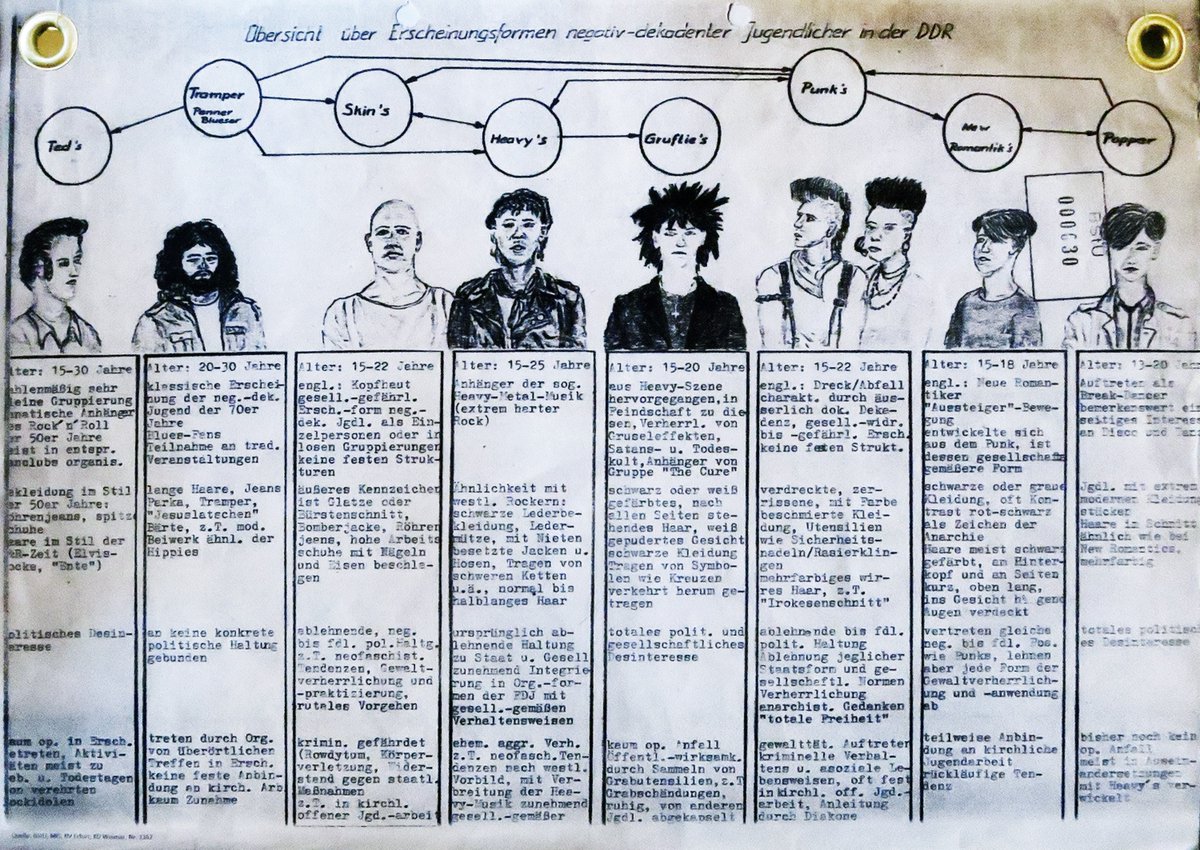
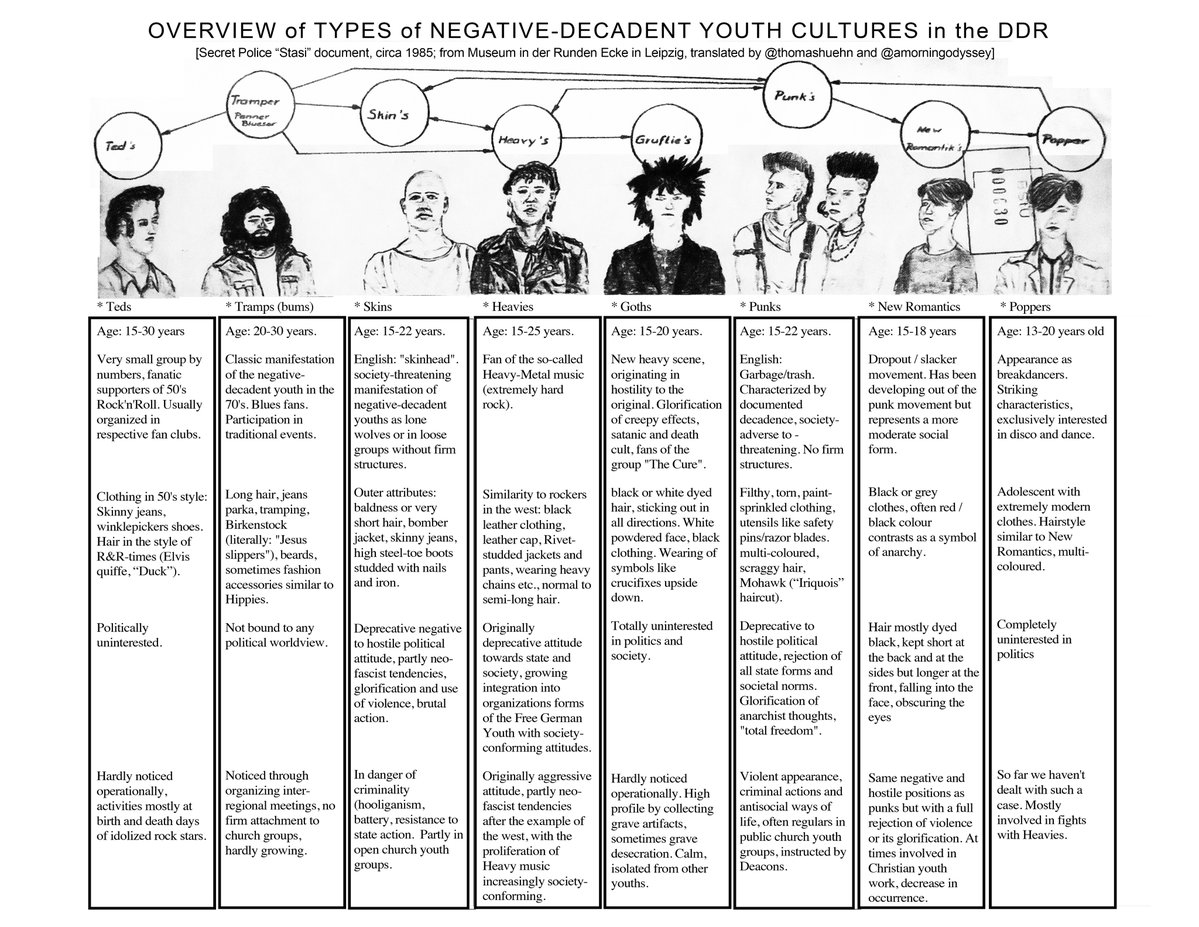
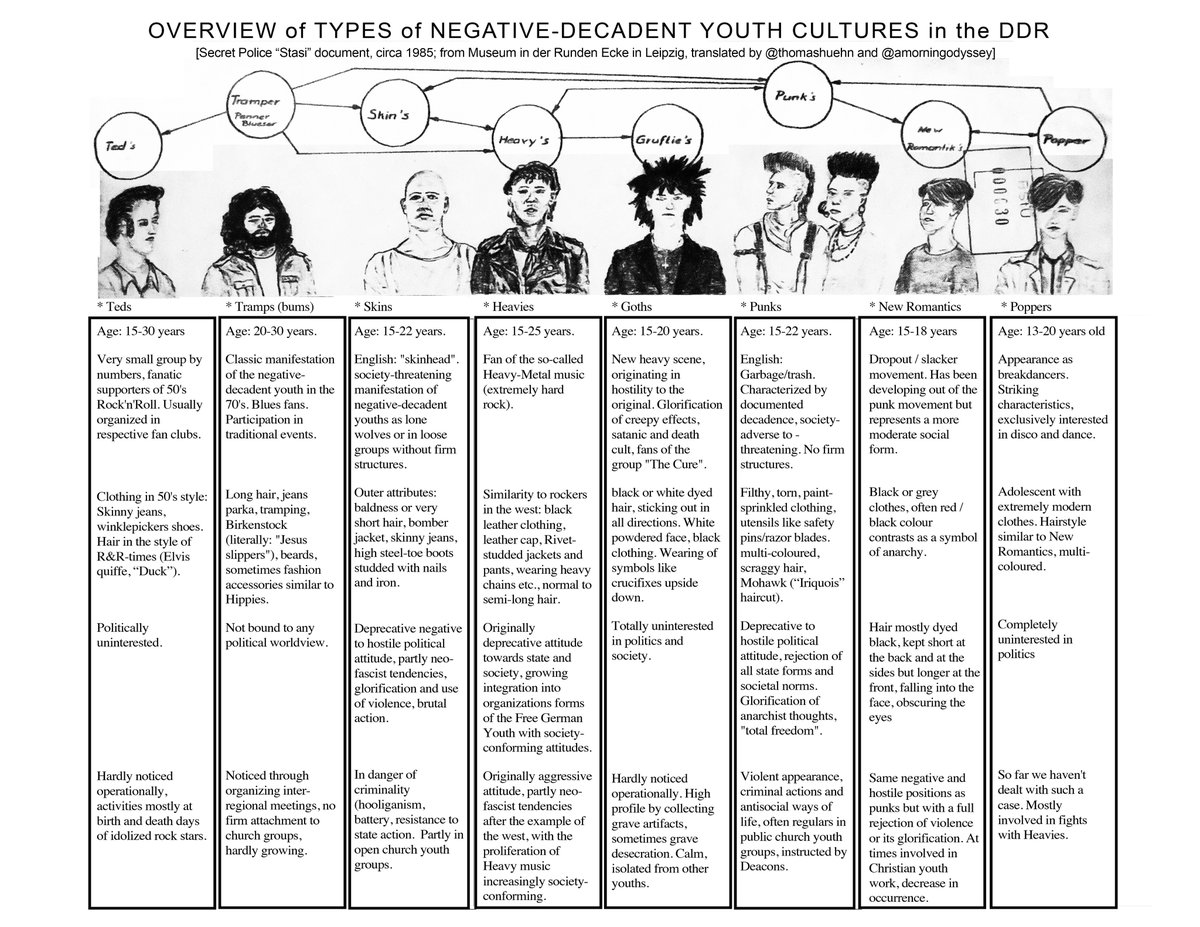
When the Stasi turned this kind of crude but intense scruti­ny to cer­tain aspects of life, the results almost sat­i­rized them­selves. Take, for instance, this cir­ca-1985 inter­nal guide used to iden­ti­fy the “types of neg­a­tive deca­dent youth cul­tures in the Ger­man Demo­c­ra­t­ic Repub­lic,” post­ed on Twit­ter by musi­cian and writer S. Alexan­der Reed and lat­er trans­lat­ed into Eng­lish by a few of his fol­low­ers.

The chart breaks down the sup­pos­ed­ly deca­dent youth cul­tures of mid-1980s East Ger­many into eight groups, describ­ing their inter­ests, appear­ance, polit­i­cal incli­na­tions, and activ­i­ties in the columns below. The rock-and-roll-ori­ent­ed “Teds,” dressed in a “50s style,” don’t seem to rouse them­selves for any­thing besides “birth and death days of idol­ized rock stars.” The “Tramps,” a “clas­sic man­i­fes­ta­tion of the neg­a­tive-deca­dent youth in the 70s,” adhere to the trends of a some­what more recent era.

The fans of “extreme­ly hard rock” known as “Heav­ies” once held a “dep­reca­tive atti­tude towards state and soci­ety,” but seemed at the time to become “increas­ing­ly soci­ety-con­form­ing.” Oth­er youth cul­tures con­sid­ered deca­dent by the Stasi bore labels that might still sound famil­iar across the world. The “Goths,” a “satan­ic and death cult,” are not­ed for their “glo­ri­fi­ca­tion of creepy effects” and for being “fans of the group The Cure.” Though they may have been “hard­ly noticed oper­a­tional­ly,” the “punks” pre­sent­ed a more clear and present threat, what with their “dep­reca­tive to hos­tile polit­i­cal atti­tude, rejec­tion of all state forms and soci­etal norms,” “anar­chist thoughts,” and belief in “total free­dom.”

You can see the chart in a larg­er size here, and if you’d like to exam­ine the real thing, you have only to vis­it Leipzig’s Muse­um in der Run­den Ecke (or view it online here). The doc­u­ment resides in its col­lec­tion of the tools of the Stasi trade, includ­ing, in the words of Atlas Obscu­ra, “old sur­veil­lance cam­eras, col­lec­tions of con­fis­cat­ed per­son­al let­ters, and crisp uni­forms let­ting vis­i­tors get a glimpse into the world of bru­tal state espi­onage.” Ger­mans who remem­ber all the pow­er the Stasi could poten­tial­ly wield over their lives — a pow­er, for all they knew, about to descend on them any moment — must still feel a chill upon see­ing one of those crisp uni­forms. Now we know that their wear­ers might, upon lay­ing eyes on Birken­stocks (“lit­er­al­ly: ‘Jesus slip­pers‘”), red and black worn togeth­er (“con­trasts as a sym­bol of anar­chy”), or a mohawk (or “Iriquois”) hair­cut, have felt appre­hen­sive them­selves.

Relat­ed Con­tent:

Bruce Spring­steen Plays East Berlin in 1988: I’m Not Here For Any Gov­ern­ment. I’ve Come to Play Rock

Sovi­ets Boot­legged West­ern Pop Music on Dis­card­ed X‑Rays: Hear Orig­i­nal Audio Sam­ples

How Jazz-Lov­ing Teenagers–the Swingjugend–Fought the Hitler Youth and Resist­ed Con­for­mi­ty in Nazi Ger­many

The Nazis’ 10 Con­trol-Freak Rules for Jazz Per­form­ers: A Strange List from World War II

The Nazis’ Philis­tine Grudge Against Abstract Art and The “Degen­er­ate Art Exhi­bi­tion” of 1937

1980s Met­al­head Kids Are All Right: New Study Sug­gests They Became Well-Adjust­ed Adults

Based in Seoul, Col­in Mar­shall writes and broad­casts on cities, lan­guage, and cul­ture. His projects include the book The State­less City: a Walk through 21st-Cen­tu­ry Los Ange­les and the video series The City in Cin­e­ma. Fol­low him on Twit­ter at @colinmarshall or on Face­book.

The Ancient Romans First Committed the Sartorial Crime of Wearing Socks with Sandals, Archaeological Evidence Suggests

Image via Wiki­me­dia Com­mons

Of all sar­to­r­i­al crimes, none require quite so much brazen­ness — or sim­ple obliv­i­ous­ness — as the wear­ing of socks with san­dals. But unlike most wide­ly dis­dained fash­ions, which usu­al­ly tend to have enjoyed their hey­day two or three decades ago, the socks-and-san­dals com­bi­na­tion has deep his­tor­i­cal roots. And those roots, so 21st-cen­tu­ry researchers have found out, go much deep­er than most of us may have expect­ed. “Evi­dence from an archae­o­log­i­cal dig has found,” wrote Tele­graph sci­ence cor­re­spon­dent Richard Alleyne in 2012, “that legion­naires wore socks with san­dals” — ancient Roman legion­naires, that is. “Rust on a nail from a Roman san­dal found in new­ly dis­cov­ered ruins in North York­shire appears to con­tain fibres which could sug­gest that a sock-type gar­ment was being worn.”

“You don’t imag­ine Romans in socks,” Alleyne quot­ed the archae­ol­o­gist head­ing the cul­tur­al her­itage team on site as say­ing,” but I am sure they would have been pret­ty keen to get hold of some as soon as autumn came along.”

As with any new dis­cov­ery about life in the past, this changes the way enthu­si­asts of the peri­od have gone about re-cre­at­ing their favorite ele­ments of it: take, for instance, her­itage edu­ca­tor and crafter Sal­ly Point­er. “Point­er has been enam­ored with the ancient world since she was a kid,” writes Atlas Obscu­ra’s Jes­si­ca Leigh Hes­ter, “when she cooked up plans for potions, devices, and craft projects — all with the goal of under­stand­ing how things came to be.”

Image by David Jack­son via Wiki­me­dia Com­mons

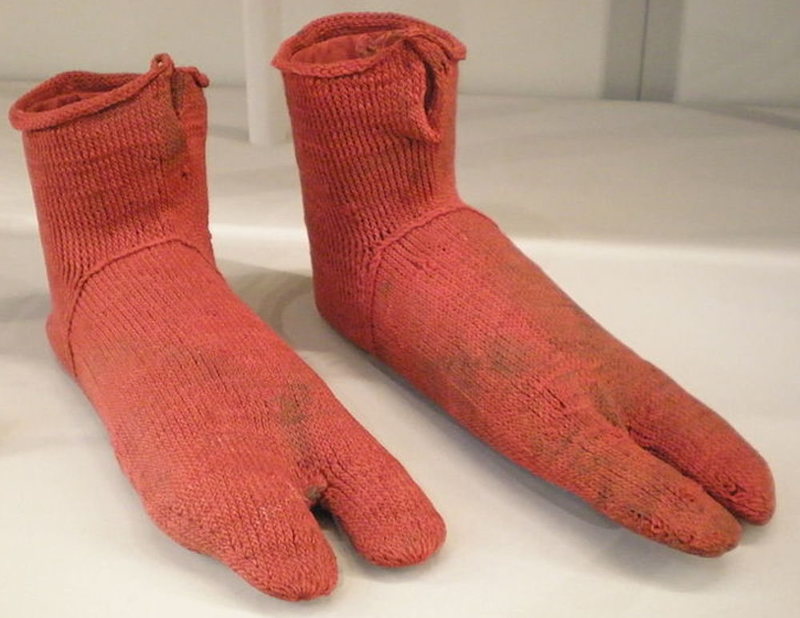
Look­ing to socks worn in ancient Egypt (see above), Point­er makes her own ver­sions of these “cheer­ful­ly striped” socks using a tech­nique called naal­bind­ing, “which is some­times con­sid­ered a pre­cur­sor to two-nee­dle knit­ting and involves loop­ing yarn on a sin­gle nee­dle,” and in this case mak­ing each sock­’s two toes sep­a­rate­ly and then join­ing them togeth­er. Should more evi­dence emerge about the tech­niques and styles of the socks Romans seem to have worn under their san­dals, Point­er and mak­ers like her will no doubt be the first to make use of them. But for now, we need only make one impor­tant revi­sion to the his­tor­i­cal record: “Britons may be famous for their lack of fash­ion sense and Ital­ians for their style,” as the sub-head­line of Alleyne’s piece puts it, “but it appears we may have inher­it­ed one of our biggest sar­to­r­i­al crimes from the Romans.”

via Tele­graph/Atlas Obscu­ra

Relat­ed Con­tent:

Styl­ish 2,000-Year-Old Roman Shoe Found in a Well

Rome Reborn: Take a Vir­tu­al Tour of Ancient Rome, Cir­ca 320 C.E.

Ani­ma­tion Gives You a Glimpse of What Life Was Like for Teenagers in Ancient Rome

The Ancient Egyp­tians Wore Fash­ion­able Striped Socks, New Pio­neer­ing Imag­ing Tech­nol­o­gy Imag­ing Reveals

How Women Got Dressed in the 14th & 18th Cen­turies: Watch the Very Painstak­ing Process Get Cin­e­mat­i­cal­ly Recre­at­ed

Get­ting Dressed Dur­ing World War I: A Fas­ci­nat­ing Look at How Sol­diers, Nurs­ers & Oth­ers Dressed Dur­ing the Great War

Based in Seoul, Col­in Mar­shall writes and broad­casts on cities, lan­guage, and cul­ture. His projects include the book The State­less City: a Walk through 21st-Cen­tu­ry Los Ange­les and the video series The City in Cin­e­ma. Fol­low him on Twit­ter at @colinmarshall or on Face­book.

The “David Bowie Is” Exhibition Is Now Available as an Augmented Reality Mobile App That’s Narrated by Gary Oldman: For David Bowie’s Birthday Today

Maybe it’s too soon to divide pop music his­to­ry into “Before David Bowie” and “After David Bowie,” but two years after Bowie’s death, it’s impos­si­ble to imag­ine pop music his­to­ry with­out him. Yet, if there ever did come a time when future gen­er­a­tions did not know who David Bowie is, they could do far worse than hear Gary Old­man tell the sto­ry. Luck­i­ly for them, and us, Old­man nar­rates the new David Bowie aug­ment­ed real­i­ty app, which launch­es today on what would have been the legend’s 72nd birth­day.

Bowie and Old­man were both born and raised in South Lon­don. They became friends in the 80s, starred togeth­er in Julian Schnabel’s 1996 film Basquiat, and col­lab­o­rat­ed on the 2013 video for “The Next Day,” in which Old­man plays a sleazy, duck­tailed priest. As much the con­sum­mate changeling in his medi­um as Bowie, Old­man brings a fel­low craftsman’s appre­ci­a­tion to his role as docent, with­out any sense of star-struck­ness. “I see him less as ‘David Bowie,’” he once remarked, “and more as Dave from Brix­ton and I’m Gary from New Cross.”

The app is based on the sen­sa­tion­al 2013 Vic­to­ria & Albert muse­um exhi­bi­tion David Bowie Is, which trav­eled the world for five years before end­ing at the Brook­lyn Muse­um this past sum­mer. Focused on “the colour­ful, the­atri­cal side of Bowie,” Tim Jonze writes at The Guardian, the show drew “a stag­ger­ing 2m vis­i­tors” with its stun­ning breadth of cos­tumes, props, sketch­es, lyrics sheets, film, and pho­tog­ra­phy. The dig­i­tal ver­sion intends, how­ev­er, not only to “recre­ate the expe­ri­ence of going to the exhi­bi­tion,” but “to bet­ter it.”

Learn how “Dave from Brix­ton” (or Davy Jones, before a Mon­kee of the same name came along) made “sketch­es propos­ing out­fits for his teenage band the Delta Lemons (brown waist­coats with jeans).” See how that young aspir­ing croon­er learned to love “hikinuki—the Japan­ese method of quick cos­tume change that he exper­i­ment­ed with dur­ing his Aladdin Sane shows at Radio City Music Hall.” The exhi­bi­tion bril­liant­ly ful­filled his own wish­es for his lega­cy. “As Bowie him­self puts it,” Jonze writes, “he didn’t want to be a radio, but a colour tele­vi­sion.”

Bowie prob­a­bly would have been pleased to have his friend Gary host­ing his vari­ety show. But does the AR app match, or bet­ter, the real thing? It’s “no match for see­ing the cos­tumes in real life,” or see­ing Bowie him­self in the flesh. But for the mil­lions of peo­ple who nev­er got the chance—a cat­e­go­ry that will soon include everyone—it may cur­rent­ly be the best way to expe­ri­ence the musician/actor/writer/one-man-zeitgeist’s career in three dimen­sions. See a pre­view of the app from Rolling Stone, above, and down­load the AR David Bowie Is for iPhone and Android via these links. The cost is $7.99.

Relat­ed Con­tent:

Stream David Bowie’s Com­plete Discog­ra­phy in a 19-Hour Playlist: From His Very First Record­ings to His Last

The Thin White Duke: A Close Study of David Bowie’s Dark­est Char­ac­ter

David Bowie Memo­ri­al­ized in Tra­di­tion­al Japan­ese Wood­block Prints

Josh Jones is a writer and musi­cian based in Durham, NC. Fol­low him at @jdmagness

Getting Dressed During World War I: A Fascinating Look at How Soldiers, Nursers & Others Dressed During the Great War

Not to dimin­ish the night­mare of mor­tars and shrap­nel, but as evi­denced by Crow’s Eye Pro­duc­tions’ peri­od accu­rate dress­ing video above, one of the great­est hor­rors of WWI was wet wool.

Decades before the inven­tion of Gore-Tex, Polar Fleece and oth­er high per­for­mance, all weath­er gear, British sol­diers relied on their woolies from head to toe.

An army of female knit­ters sent gloves, scarves, bal­a­clavas and oth­er such “com­forts” to the front, in addi­tion to seam­less socks designed to last their boys three whole march­ing days inside their ankle high leather boots.

Alas, no amount of wax­ing and oil­ing could keep the trench­es’ freez­ing cold pud­dles from seep­ing through those boots.

Nothing’s worse than the scent of three lay­ers of wet wool when you’re catch­ing your death in sod­den put­tees.

The reg­i­ments whose uni­form bot­toms con­sist­ed of kilts had it par­tic­u­lar­ly rough, as the wet mate­r­i­al would freeze, cut­ting across the wear­ers’ legs like knives.

Pre­vent­ed from join­ing the com­bat on the front­lines, British women helped out where they could, achiev­ing a more com­fort­able lev­el of dress than they’d known before the war.

Tor­so-smash­ing corsets were scrapped to pre­serve steel for the war effort, though deco­rum decreed that British Red Cross Soci­ety Vol­un­tary Aid Detach­ment nurs­es, such as Down­ton Abbey’s fic­tion­al Lady Sybil Craw­ley, main­tain a tidy fig­ure with lighter, front-fas­ten­ing corsets from hips to just below the bust.

Many of the upper class women swelling the vol­un­teer nurs­ing ranks were unac­cus­tomed to dress­ing in such util­i­tar­i­an fashion—cotton dress­es, black flat rub­ber-soled shoes, aprons and sleeve pro­tec­tors.

Their fig­ures found com­par­a­tive lib­er­a­tion, while their van­i­ty found hum­bler out­lets in dust­ing pow­der and the flat­ter­ing army-style pro­fes­sion­al nurs­ing veils they pre­ferred to The Handmaid’s Tale-ish Sis­ter Dora caps.

The greater phys­i­cal free­dom of the nurs­es’ uni­forms extend­ed to ordi­nary young women as well. Their underwear—a midriff bar­ing chemise, knick­ers and petticoat—allowed for eas­i­er move­ment, as short­er skirts led to glam­orous stock­ings and—gasp!—shaved legs!

Trendy cardi­gans, jumpers and waist­coats weren’t just cute, they helped make up for the lost warmth of those oh-so-restric­tive corsets.

View more of Crow’s Eye Pro­duc­tions’ short films on the his­to­ry of dress here.

Knit­ters, you can find over 70 pat­terns for WW1 com­forts and neces­si­ties in the book Cen­te­nary Stitch­es: Telling the Sto­ry of One WW1 Fam­i­ly Through Vin­tage Knit­ting and Cro­chet.

Relat­ed Con­tent:

How Women Got Dressed in the 14th & 18th Cen­turies: Watch the Very Painstak­ing Process Get Cin­e­mat­i­cal­ly Recre­at­ed

The Dress­er: The Con­trap­tion That Makes Get­ting Dressed an Adven­ture

How to Make and Wear Medieval Armor: An In-Depth Primer

Ayun Hal­l­i­day is an author, illus­tra­tor, the­ater mak­er and Chief Pri­ma­tol­o­gist of the East Vil­lage Inky zine.  See her onstage in New York City this Jan­u­ary as host of  The­ater of the Apes book-based vari­ety show, Necro­mancers of the Pub­lic Domain. Fol­low her @AyunHalliday.

« Go BackMore in this category... »
Quantcast