Harvard’s Free Computer Science Course Teaches You to Code in 12 Weeks

At the begin­ning of last year, we wrote about CS50, Harvard’s Intro­duc­to­ry Com­put­er Sci­ence course, taught by Pro­fes­sor David Malan. Today, we bring you the updat­ed ver­sion of the class, filmed through­out the past semes­ter at Har­vard. Why revis­it an updat­ed ver­sion of the same class a year lat­er? For one thing, the mate­r­i­al has been updat­ed. And, as you can tell by the rous­ing recep­tion Malan receives from the audi­ence at the start of the first lec­ture (above), Malan is kind of a big deal. From his open­ing boom of “This is CS50,” Malan imme­di­ate­ly comes off as an unusu­al­ly charis­mat­ic pro­fes­sor. He offers what might just be the most engag­ing online class you’ve ever seen.

So what does this charis­mat­ic com­put­er sci­en­tist cov­er over three months? An impres­sive­ly large amount of infor­ma­tion about cod­ing. Malan builds the course from the ground up, and begins by describ­ing how tran­sis­tors are employed to trans­mit infor­ma­tion with­in com­put­ers. From then on, he out­lines a vast amount of com­put­er sci­ence in high­ly acces­si­ble lan­guage. This will almost undoubt­ed­ly be the clear­est pre­sen­ta­tion of top­ics like “com­mand-line argu­ments,” “cryp­tog­ra­phy,” and “dynam­ic mem­o­ry allo­ca­tion” that you’re like­ly to hear.

The class videos are avail­able on iTune­sU, YouTube, and in audio, 1080p HD video, and text tran­script form on a crisp course web­site. The course may also be accessed through edX, Har­vard and MIT’s MOOC plat­form, which allows users to receive a cer­tifi­cate upon com­ple­tion. It’s easy to tell that Malan and his team have gone above and beyond the require­ments of cre­at­ing a help­ful intro­duc­tion to com­put­er sci­ence. They deliv­er an astound­ing­ly easy-to-grasp primer on a daunt­ing top­ic.

For oth­er Comp­Sci class­es taught by David Malan, check out our list of Free Com­put­er Sci­ence cours­es, part of our larg­er list, 1,700 Free Online Cours­es from Top Uni­ver­si­ties.

Ilia Blin­d­er­man is a Mon­tre­al-based cul­ture and sci­ence writer. Fol­low him at @iliablinderman, or read more of his writ­ing at the Huff­in­g­ton Post.

Relat­ed Con­tent:

Com­put­er Sci­ence: Free Cours­es

Codecademy’s Free Cours­es Democ­ra­tize Com­put­er Pro­gram­ming

Learn to Build iPhone & iPad Apps with Stanford’s Free Course, Cod­ing Togeth­er


Watch Six TED-Style Lectures from Top Harvard Profs Presented at Harvard Thinks Big 5

Har­vard has a few propo­si­tions it would like you con­sid­er. Take, for exam­ple, the one expound­ed on above by Robert Lue, whose titles include Pro­fes­sor of the Prac­tice of Mol­e­c­u­lar and Cel­lu­lar Biol­o­gy, Richard L. Men­schel Fac­ul­ty Direc­tor of the Derek Bok Cen­ter for Teach­ing and Learn­ing, and the fac­ul­ty direc­tor of Har­vardX. As an Open Cul­ture read­er, you might have some expe­ri­ence with that last institution—or, rather, dig­i­tal institution—which releas­es Har­vard-cal­iber learn­ing oppor­tu­ni­ties free in the form of Mas­sive Open Online Cours­es (or MOOCs). You’ll find some of them on our very own reg­u­lar­ly-updat­ed col­lec­tion of MOOCs from great uni­ver­si­ties. Per­haps you haven’t enjoyed tak­ing one, but you may well do it soon. What, though, does their increas­ing pop­u­lar­i­ty mean for uni­ver­si­ties, one of the old­est of the tra­di­tion­al indus­tries we so often speak of the inter­net “dis­rupt­ing”? Lue, who offers eight and a half min­utes of the choic­est words on the sub­ject, would like you to con­sid­er the MOOC’s moment not one of dis­rup­tion for the uni­ver­si­ty, but one of “inflec­tion, and ulti­mate­ly a moment of poten­tial trans­for­ma­tion.”

Lue’s argu­ment comes laid out in one of the six brief but sharp lec­tures from Har­vard Thinks Big 5, the lat­est round of the famed uni­ver­si­ty’s series of TED-style talks where “a col­lec­tion of all-star pro­fes­sors each speak for ten min­utes about some­thing they are pas­sion­ate about.” Jef­frey MironSenior Lec­tur­er and Direc­tor of Under­grad­u­ate Stud­ies in the Depart­ment of Eco­nom­ics and senior fel­low at the Cato Insti­tute, has a pas­sion for drug legal­iza­tion. In his talk just above, Miron tells us why we should recon­sid­er our assump­tions about the ben­e­fits of any kind of drug pro­hi­bi­tion — or at least, the ben­e­fits we just seem to assume it brings. And as we rethink our posi­tions on the role of gov­ern­ment in drug use and tech­nol­o­gy in the uni­ver­si­ty, why not also rethink the role of large news orga­ni­za­tions — and large orga­ni­za­tions of any kind — in our lives? Below, Nic­co Mele, Adjunct Lec­tur­er in Pub­lic Pol­i­cy at the Shoren­stein Cen­ter at Har­vard’s Kennedy School, explains why all kinds of pow­er, from man­u­fac­tur­ing san­dals all the way up to gath­er­ing news, has and will con­tin­ue to devolve from insti­tu­tions to indi­vid­u­als.

The rest of the Har­vard Thinks Big 5 line­up includes Senior Lec­tur­er on Edu­ca­tion Kather­ine K. Mer­seth advo­cat­ing careers in teach­ing,  Pro­fes­sor of Mol­e­c­u­lar and Cel­lu­lar Biol­o­gy Jeff Licht­man advo­cat­ing “chang­ing the wiring in your brain,” and African Amer­i­can Stud­ies pro­fes­sor and Hiphop Archive at Har­vard Uni­ver­si­ty found­ing direc­tor Mar­cyliena Mor­gan advo­cat­ing a rich­er study of what grown-ups used to call, with a groan, “rap music.” You can read more about the talks and the pro­fes­sors giv­ing them at the Crim­son, before watch­ing and decid­ing whether to agree with them, dis­agree with them, or sim­ply con­sid­er — in oth­er words, to think. The videos are also avail­able on iTune­sU.

Kather­ine K. Mer­seth

Jeff Licht­man

Mar­cyliena Mor­gan

Relat­ed Con­tent:

Har­vard Presents Free Cours­es with the Open Learn­ing Ini­tia­tive

Har­vard Thinks Green: Big Ideas from 6 All-Star Envi­ron­ment Profs

Har­vard Thinks Big 4 Offers TED-Style Talks on Stats, Milk, and Traf­fic-Direct­ing Mimes

Har­vard Thinks Big 2012: 8 All-Star Pro­fes­sors. 8 Big Ideas

Har­vard Thinks Big 2010

Col­in Mar­shall hosts and pro­duces Note­book on Cities and Cul­ture and writes essays on cities, lan­guage, Asia, and men’s style. He’s at work on a book about Los Ange­les, A Los Ange­les Primer. Fol­low him on Twit­ter at @colinmarshall or on Face­book.

Herbie Hancock Presents the Prestigious Norton Lectures at Harvard University: Watch Online

There may be no more dis­tin­guished lec­ture series in the arts than Harvard’s Nor­ton lec­tures, named for cel­e­brat­ed pro­fes­sor, pres­i­dent, and edi­tor of the Har­vard Clas­sics, Charles Eliot Nor­ton. Since 1925, the Nor­ton Pro­fes­sor­ship in Poetry—taken broad­ly to mean “poet­ic expres­sion in lan­guage, music, or fine arts”—has gone to one respect­ed artist per year, who then deliv­ers a series of six talks dur­ing their tenure. We’ve pre­vi­ous­ly fea­tured Nor­ton lec­tures from 1967–68 by Jorge Luis Borges and 1972–73 by Leonard Bern­stein. Today we bring you the first three lec­tures from this year’s Nor­ton Pro­fes­sor of Poet­ry, Her­bie Han­cock. Han­cock deliv­ers his fifth lec­ture today (per­haps even as you read this) and his sixth and final on Mon­day, March 31. The glo­ries of Youtube mean we don’t have to wait around for tran­script pub­li­ca­tion or DVDs, though per­haps they’re on the way as well.

The choice of Her­bie Han­cock as this year’s Nor­ton Pro­fes­sor of Poet­ry seems an over­due affir­ma­tion of one of the country’s great­est artis­tic inno­va­tors of its most unique of cul­tur­al forms. The first jazz com­pos­er and musician—and the first African American—to hold the pro­fes­sor­ship, Han­cock brings an eclec­tic per­spec­tive to the post. His top­ic: “The Ethics of Jazz.” Giv­en his emer­gence on the world stage as part of Miles Davis’ 1964–68 Sec­ond Great Quar­tet, his first lec­ture (top) is apt­ly titled “The Wis­dom of Miles Davis.” Giv­en his swerve into jazz fusion, synth-jazz and elec­tro in the 70s and 80s, fol­low­ing Davis’ Bitch­es Brew rev­o­lu­tion, his sec­ond (below) is called “Break­ing the Rules.”

Noto­ri­ous­ly wordy cul­tur­al crit­ic Homi Bhab­ha, a Nor­ton com­mit­tee mem­ber, intro­duces Han­cock in the first lec­ture. If you’d rather skip his speech, Han­cock begins at 9:10 with his own intro­duc­tion of him­self, as a “musi­cian, spouse, father, teacher, friend, Bud­dhist, Amer­i­can, World Cit­i­zen, Peace Advo­cate, UNESCO Good­will Ambas­sador, Chair­man of the Thelo­nious Monk Insti­tute of Jazz” and, cen­tral­ly, “a human being.” Hancock’s men­tion of his glob­al peace advo­ca­cy is sig­nif­i­cant, giv­en the sub­ject of his third talk, “Cul­tur­al Diplo­ma­cy and the Voice of Free­dom” (below). His men­tion of the role of teacher is time­ly, since he joined UCLA’s music depart­ment as a pro­fes­sor in jazz last year (along with fel­low Davis Quin­tet alum­nus Wayne Short­er). Always an ear­ly adopter, push­ing music in new direc­tions, Han­cock calls his fourth talk “Inno­va­tion and New Tech­nolo­gies” (who can for­get his embrace of the key­tar?). His iden­ti­ty as a Bud­dhist is cen­tral to his talk today, “Bud­dhism and Cre­ativ­i­ty,” and his final talk is enig­mat­i­cal­ly titled “Once Upon a Time….” Find all of the lec­tures on this page.

Hancock’s last iden­ti­fi­ca­tion in his intro—“human being”—“may seem obvi­ous,” he says, but it’s “all-encom­pass­ing.” He invokes his own mul­ti­ple iden­ti­ties to begin a dis­cus­sion on the “one-dimen­sion­al” self-pre­sen­ta­tions we’re each encour­aged to adopt—defining our­selves in one or two restric­tive ways and not “being open to the myr­i­ad oppor­tu­ni­ties that are avail­able on the oth­er side of the fortress.” Han­cock, a warm, friend­ly com­mu­ni­ca­tor and a pro­po­nent of “mul­ti­di­men­sion­al think­ing,” frames his “ethics of jazz” as spilling over the fortress walls of his iden­ti­ty as a musi­cian and becom­ing part of his broad­ly human­ist views on uni­ver­sal prob­lems of vio­lence, apa­thy, cru­el­ty, and envi­ron­men­tal degra­da­tion. He calls each of his lec­tures a “set,” and his first two are care­ful­ly pre­pared talks in which his life in jazz pro­vides a back­drop for his wide-rang­ing phi­los­o­phy. So far, there’s nary a key­tar in sight.

Relat­ed Con­tent:

Her­bie Han­cock: All That’s Jazz!

Miles Davis and His ‘Sec­ond Great Quin­tet,’ Filmed Live in Europe, 1967

Jorge Luis Borges’ 1967–8 Nor­ton Lec­tures On Poet­ry (And Every­thing Else Lit­er­ary)

Leonard Bernstein’s Mas­ter­ful Lec­tures on Music (11+ Hours of Video Record­ed in 1973)

Josh Jones is a writer and musi­cian based in Durham, NC. Fol­low him at @jdmagness

Harvard Presents Two Free Online Courses on the Old Testament

515px-Targum

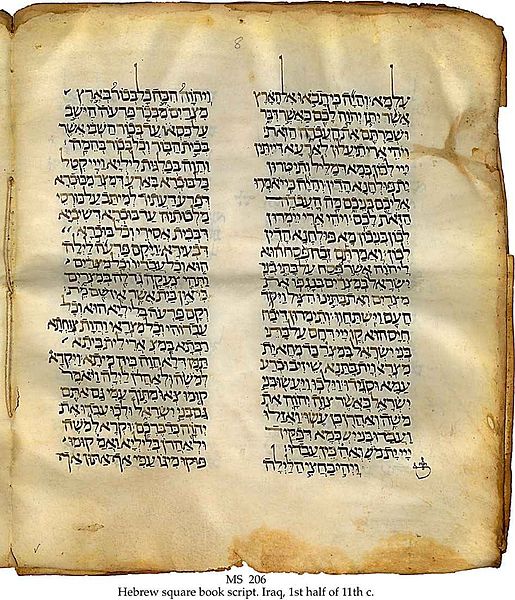
A quick note: Shaye J.D. Cohen, a pro­fes­sor of Hebrew Lit­er­a­ture and Phi­los­o­phy at Har­vard, has just released his sec­ond free course on iTunes. The first course was called The Hebrew Scrip­tures in Judaism & Chris­tian­i­ty. The new one, sim­ply titled The Hebrew Bible, “sur­veys the major books and ideas of the Hebrew Bible (also called the Old Tes­ta­ment) exam­in­ing the his­tor­i­cal con­text in which the texts emerged and were redact­ed. A major sub­text of the course is the dis­tinc­tion between how the Bible was read by ancient inter­preters (whose inter­pre­ta­tions became the basis for many icon­ic lit­er­ary and artis­tic works of West­ern Civ­i­liza­tion) and how it is approached by mod­ern bible schol­ar­ship.” The new course, fea­tur­ing 25 sets of video lec­tures and lec­ture notes, has been added to our col­lec­tion of Free Online Reli­gion Cours­es, a sub­sec­tion of our col­lec­tion of 1,300 Free Online Cours­es. Oth­er relat­ed cours­es worth explor­ing are Intro­duc­tion to the Old Tes­ta­ment and Intro­duc­tion to New Tes­ta­ment His­to­ry and Lit­er­a­ture, both from Yale.

If you would like to sign up for Open Culture’s free email newslet­ter, please find it here. It’s a great way to see our new posts, all bun­dled in one email, each day.

If you would like to sup­port the mis­sion of Open Cul­ture, con­sid­er mak­ing a dona­tion to our site. It’s hard to rely 100% on ads, and your con­tri­bu­tions will help us con­tin­ue pro­vid­ing the best free cul­tur­al and edu­ca­tion­al mate­ri­als to learn­ers every­where. You can con­tribute through Pay­Pal, Patre­on, and Ven­mo (@openculture). Thanks!

by | Permalink | Make a Comment ( 20 ) |

Against All Odds: A Gentle Introduction to Statistics Hosted by Harvard Geneticist Pardis Sabeti (Free Online Course)

Worth a quick men­tion: Dr. Par­dis Sabeti, a media-savvy com­pu­ta­tion­al geneti­cist at Har­vard, has teamed up with the Annen­berg Foun­da­tion, to cre­ate a new intro­duc­tion to sta­tis­tics. In 32 nice­ly-pro­duced videosAgainst All Odds: Inside Sta­tis­tics guides “view­ers through the wide range of sta­tis­ti­cal appli­ca­tions used by sci­en­tists, busi­ness own­ers, and even Shake­speare schol­ars, in their work and dai­ly lives.” It’s all about “real peo­ple work­ing on real prob­lems.”

The series starts with What Is Sta­tis­tics?. And then, along the way, the course cov­ers top­ics like Stan­dard Devi­a­tion, Cor­re­la­tion, Sam­ples and Sur­veys, and more. The clip above comes from the unit called Check­ing Assump­tion of Nor­mal­i­ty. And do note that each video mod­ule is com­ple­ment­ed by a Stu­dent Guide and Fac­ul­ty Guide spe­cif­ic to the unit.

Against All Odds: Inside Sta­tis­tics has been added to our col­lec­tion of Free Math Cours­es, a sub­set of our larg­er col­lec­tion, 1,700 Free Online Cours­es from Top Uni­ver­si­ties.

If you would like to sign up for Open Culture’s free email newslet­ter, please find it here. It’s a great way to see our new posts, all bun­dled in one email, each day.

If you would like to sup­port the mis­sion of Open Cul­ture, con­sid­er mak­ing a dona­tion to our site. It’s hard to rely 100% on ads, and your con­tri­bu­tions will help us con­tin­ue pro­vid­ing the best free cul­tur­al and edu­ca­tion­al mate­ri­als to learn­ers every­where. You can con­tribute through Pay­Pal, Patre­on, and Ven­mo (@openculture). Thanks!

Relat­ed Con­tent:

Sta­tis­tics Explained Through Mod­ern Dance: A New Way of Teach­ing a Tough Sub­ject

Cal­cu­lus Life­saver: A Free Online Course from Prince­ton

The Math of Rock Climb­ing

Math: Free Cours­es Online

by | Permalink | Make a Comment ( 7 ) |

“Soda/Pop/Coke,” A Creative Visual Remix of Harvard’s Famous 2003 Survey of American Dialects

Tomor­row, friends and rel­a­tives from far-flung cor­ners of the coun­try will gath­er as they do this time each year—stuff them­selves sil­ly, trim Christ­mas trees, watch foot­ball, online shop, etc. And depend­ing on how far-flung those assem­bled are, there may be in cer­tain homes some clan­des­tine chuck­ling over a cer­tain guest’s request for “pop” instead of soda, or the oth­er way around, or some oth­er fun­ny way of say­ing things. Because in this gar­gan­tu­an expanse we call the Unit­ed States, we’ve got a wealth of region­al variants—some dif­fer­ences sub­tle, some quite notice­able (though with­out nec­es­sar­i­ly the degree of socioe­co­nom­ic bag­gage as the UK, I’m con­vinced).

I recall, for instance, mov­ing to New York City over a decade ago and grap­pling for the next sev­er­al years with New York­ers’ insis­tence on say­ing “stand­ing on line” instead of “in line.” As “online” acquired an entire­ly new mean­ing, this lin­guis­tic odd­i­ty took on an even more con­fus­ing dimen­sion for out­siders. And hav­ing grown up hear­ing the sec­ond per­son plur­al as rough­ly half “you guy”s and half “y’all,”s I’ve been amused by the New York “youse.” As we learn from The Atlantic’s “Soda/Pop/Coke” above, these dif­fer­ences in word­ing cor­re­spond to region­al dif­fer­ences in pro­nun­ci­a­tion of words like “bag,” “pecan,” and “coupon.”

Inform­ing us that “at least 10 dis­tinct dialects of Eng­lish are spo­ken in the Unit­ed States,” “Soda/Pop/Coke” draws on the 2003 Har­vard Dialect Sur­vey, con­duct­ed by lin­guist Bert Vaux. As the film’s inter­view­ers ask callers Vaux’s sur­vey ques­tions, their region­al affil­i­a­tions appear graph­i­cal­ly on a map of the con­ti­nen­tal Unit­ed States, based on grad­u­ate stu­dent Joshua Katz’s heat map­ping of Vaux’s work.  You can see the more than one hun­dred vari­ants Vaux’s sur­vey mea­sures here, and The Atlantic points us to U Penn’s dense (and spe­cial­ized) Nation­al Map of the Region­al Dialects of Amer­i­can Eng­lish. It’s a com­pli­cat­ed and rar­efied sci­ence, lin­guis­tics, but we’re all at least ama­teur soci­ol­o­gists of lan­guage (some­times bad ones) as we sort and size each oth­er up—or com­plete­ly mis­hear each other—based on com­plete­ly uncon­scious choic­es in word­ing and pro­nun­ci­a­tion.

via Kot­tke

Relat­ed Con­tent:

Do You Drink Soda, Pop or Soft Drinks?: 122 Heatmaps Visu­al­ize How Peo­ple Talk in Amer­i­ca

The His­to­ry of the Eng­lish Lan­guage in Ten Ani­mat­ed Min­utes

What Shake­speare Sound­ed Like to Shake­speare: Recon­struct­ing the Bard’s Orig­i­nal Pro­nun­ci­a­tion

Learn 46 Lan­guages Online for Free: Span­ish, Chi­nese, Eng­lish & More

Josh Jones is a writer and musi­cian based in Durham, NC. Fol­low him at @jdmagness

Google & edX to Create MOOC.Org: An Open Source Platform For Creating Your Own MOOC

mooc org

Almost exact­ly a year ago, we told you about Google’s release of Course Builder, an open source plat­form that would let you build your own online courses/MOOCs for free. This week, Google has a new announce­ment: it’s join­ing forces with edX, (the MOOC provider led by Har­vard and MIT), to work on a new open source plat­form called MOOC.org. The new ser­vice will go live in the first half of 2014. And it will allow “any aca­d­e­m­ic insti­tu­tion, busi­ness and indi­vid­ual to cre­ate and host online cours­es.” This will give inno­v­a­tive edu­ca­tors the oppor­tu­ni­ty to put a MOOC online with­out nec­es­sar­i­ly mak­ing a steep invest­ment in a course. (When added all up, the costs can oth­er­wise be enor­mous.) If MOOC.org sounds of inter­est to you, you can put your name on a wait­ing list, and they’ll con­tact you when the ser­vice launch­es next year.

Mean­while, let me men­tion that 125 MOOCs will be launch­ing between now and the end of Octo­ber. To see a full list, vis­it or our col­lec­tion of 625 MOOCs/Certificate Cours­es from Great Uni­ver­si­ties. You’ll find many inter­est­ing titles on the list — His­to­ry of Chi­nese Archi­tec­ture: Part 1Søren Kierkegaard – Sub­jec­tiv­i­ty, Irony and the Cri­sis of Moder­ni­ty; Dark Mat­ter in Galax­ies: The Last Mys­tery, and Explor­ing Engi­neer­ing, just to name a few. If you have ques­tions about what MOOCs are all about, please see our new MOOC FAQ.

via The Chron­i­cle of High­er Ed

Relat­ed Con­tent:

Google Releas­es “Course Builder,” an Open Source Plat­form for Build­ing Your Own Big Online Cours­es

Har­vard and MIT Cre­ate EDX to Offer Mas­sive Open Online Cours­es (MOOCs) World­wide

Stephen Col­bert Tries to Make Sense of MOOCs with the Head of edX

by | Permalink | Make a Comment ( 1 ) |

An Introduction to World Literature by a Cast Of Literary & Academic Stars (Free Course)

Updat­ed: Love and long­ing, hope and fear — these threads run through­out all lit­er­a­ture, whether we’re talk­ing about the great ancient epics, or con­tem­po­rary nov­els writ­ten in the East or the West. That’s the main premise of Invi­ta­tion to World Lit­er­a­ture, a mul­ti­me­dia pro­gram orga­nized by David Dam­rosch (Har­vard Uni­ver­si­ty), and made with the back­ing of WGBH and Annen­berg Media.

The pro­gram fea­tures 13 half-hour videos, which move from The Epic of Gil­gamesh (cir­ca 2500 BCE) through Gar­cía Márquez’s One Hun­dred Years of Soli­tude (1967). And, col­lec­tive­ly, these videos high­light over 100+ writ­ers, schol­ars, artists, and per­form­ers with a per­son­al con­nec­tion to world lit­er­a­ture. Philip Glass, Francine Prose, Harold Ramis, Robert Thur­man, Kwame Antho­ny Appi­ah — they all make an appear­ance.

Per­ma­nent­ly housed in the Lit­er­a­ture sec­tion of our col­lec­tion of 1,300 Free Online Cours­es, Invi­ta­tion to World Lit­er­a­ture fea­tures the fol­low­ing lec­tures:

  1. The Epic of Gil­gamesh
  2. My Name is Red
  3. The Odyssey
  4. The Bac­chae
  5. The Bha­gavad Gita
  6. The Tale of the Gen­ji
  7. Jour­ney to the West
  8. Pop­ul Vuh
  9. Can­dide
  10. Things Fall Apart
  11. One Hun­dred Years of Soli­tude
  12. The God of Small Things
  13. The Thou­sand and One Nights

Relat­ed Con­tent:

Free Lit­er­a­ture Cours­es

The Art of Liv­ing: A Free Stan­ford Course Explores Time­less Ques­tions

A Crash Course in Eng­lish Lit­er­a­ture: A New Video Series by Best-Sell­ing Author John Green

Con­tem­po­rary Amer­i­can Lit­er­a­ture: An Open Yale Course

David Fos­ter Wallace’s 1994 Syl­labus: How to Teach Seri­ous Lit­er­a­ture with Light­weight Books

W.H. Auden’s 1941 Lit­er­a­ture Syl­labus Asks Stu­dents to Read 32 Great Works, Cov­er­ing 6000 Pages

« Go BackMore in this category... »
Quantcast