This Is Your Brain on Jane Austen: The Neuroscience of Reading Great Literature

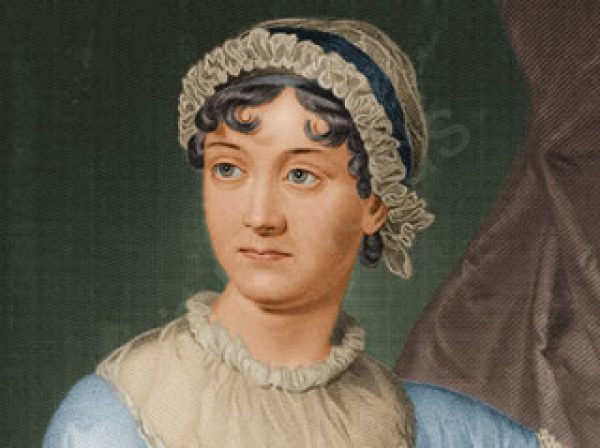
jane-austen--399--t-600x600-rw

I freely admit it—like a great many peo­ple these days, I have a social media addic­tion. My drug of choice, Twit­ter, can seem like a par­tic­u­lar­ly schizoid means of acquir­ing and shar­ing infor­ma­tion (or knee-jerk opin­ion, rumor, innu­en­do, non­sense, etc.) and a par­tic­u­lar­ly accel­er­at­ed form of dis­tractibil­i­ty that nev­er, ever sleeps. Giv­en the pro­found degree of over-stim­u­la­tion such out­lets pro­vide, we might be jus­ti­fied in think­ing we owe our short atten­tion spans to 21st cen­tu­ry tech­no­log­i­cal advances. Not nec­es­sar­i­ly, says Michi­gan State Uni­ver­si­ty pro­fes­sor Natal­ie Phillips—who stud­ies 18th and 19th cen­tu­ry Eng­lish lit­er­a­ture from the per­spec­tive of a 21st cen­tu­ry cog­ni­tive the­o­rist, and who cau­tions against “adopt­ing a kind of his­tor­i­cal nos­tal­gia, or assum­ing those of the 18th cen­tu­ry were less dis­tract­ed than we are today.”

Ear­ly mod­ern writ­ers were just as aware of—and as con­cerned about—the prob­lem of inat­ten­tion as con­tem­po­rary crit­ics, Phillips argues, “amidst the print-over­load of 18th-cen­tu­ry Eng­land.” We might refer, for exam­ple, to Alexan­der Pope’s epic satire “The Dun­ci­ad,” a hilar­i­ous­ly apoc­a­lyp­tic jere­mi­ad against the pro­lif­er­a­tion of care­less read­ing and writ­ing in the new media envi­ron­ment of his day. (A world “drown­ing in print, where every­thing was ephemer­al, of the moment.”)

Phillips focus­es on the work of Jane Austen, whom, she believes, “was draw­ing on the con­tem­po­rary the­o­ries of cog­ni­tion in her time” to con­struct dis­tractible char­ac­ters like Pride and Prej­u­dice’s Eliz­a­beth Ben­nett. Tak­ing her cues from Austen and oth­er Enlight­en­ment-era writ­ers, as well as her own inat­ten­tive nature, Phillips uses con­tem­po­rary neu­ro­science to inform her research, includ­ing the use of brain imag­ing tech­nol­o­gy and com­put­er pro­grams that track eye move­ments.

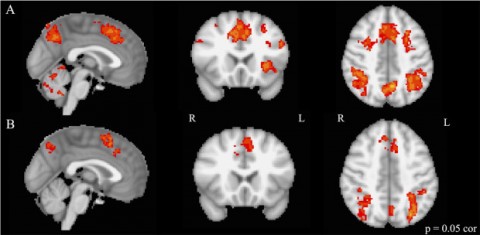
In col­lab­o­ra­tion with Stan­ford’s Cen­ter for Cog­ni­tive and Bio­log­i­cal Imag­ing (CNI), Phillips devised an exper­i­ment in 2012 in which she asked lit­er­ary PhD candidates—chosen, writes Stan­ford News, “because Phillips felt they could eas­i­ly alter­nate between close read­ing and plea­sure reading”—to read a full chap­ter from Austen’s Mans­field Park, pro­ject­ed onto a mir­ror inside an MRI scan­ner. At times, the sub­jects were instruct­ed to read the text casu­al­ly, at oth­ers, to read close­ly and ana­lyt­i­cal­ly. After­wards, they were asked to write an essay on the pas­sages they read with atten­tion. As you’ll hear Phillips describe in the short NPR piece above, the neu­ro­sci­en­tists she worked with told her to expect only the sub­tlest of dif­fer­ences between the two types of read­ing. The data showed oth­er­wise. Phillips describes her sur­prise at see­ing “how much the whole brain, glob­al acti­va­tions across a num­ber of dif­fer­ent regions, seems to be trans­form­ing and shift­ing between the plea­sure and the close read­ing.” As CNI neu­ro­sci­en­tist Bob Dougher­ty describes it, “a sim­ple request to the par­tic­i­pants to change their lit­er­ary atten­tion can have such a big impact on the pat­tern of activ­i­ty dur­ing read­ing,” with close read­ing stim­u­lat­ing many more areas of the brain than the casu­al vari­ety. What are we to make of these still incon­clu­sive results? As with many such projects in the emerg­ing inter­dis­ci­pli­nary field of “lit­er­ary neu­ro­science,” Phillips’ goal is in part to demon­strate the con­tin­ued rel­e­vance of the human­i­ties in the age of STEM. Thus, she the­o­rizes, the prac­tice and teach­ing of close read­ing “could serve—quite literally—as a kind of cog­ni­tive train­ing, teach­ing us to mod­u­late our con­cen­tra­tion and use new brain regions as we move flex­i­bly between modes of focus.”

The study also pro­vides us with a fas­ci­nat­ing picture—quite literally—of the ways in which the imag­i­na­tive expe­ri­ence of read­ing takes place in our bod­ies as well as our minds. Close, sus­tained, and atten­tive read­ing, Phillips found, acti­vates parts of the brain respon­si­ble for move­ment and touch, “as though,” writes NPR, “read­ers were phys­i­cal­ly plac­ing them­selves with­in the sto­ry as they ana­lyzed it.” Phillips’ study offers a sci­en­tif­ic look at a mys­te­ri­ous expe­ri­ence seri­ous read­ers know well—“how the right pat­terns of ink on a page,” says Dougher­ty, “can cre­ate vivid men­tal imagery and instill pow­er­ful emo­tions.” As with the so-called “hard prob­lem of con­scious­ness,” we may not under­stand exact­ly how this hap­pens any­time soon, but we can observe that the expe­ri­ence of close read­ing is a reward­ing one for our entire brain, not just the parts that love Jane Austen. While not every­one needs con­vinc­ing that “lit­er­ary study pro­vides a tru­ly valu­able exer­cise of peo­ple’s brains,” Phillips’ research may prove exact­ly that.

via Stan­ford News

Relat­ed Con­tent:

Jane Austen, Game The­o­rist: UCLA Poli Sci Prof Finds Shrewd Strat­e­gy in “Clue­less­ness”

This is Your Brain on Jazz Impro­vi­sa­tion: The Neu­ro­science of Cre­ativ­i­ty

What Hap­pens When Your Brain is on Alfred Hitch­cock: The Neu­ro­science of Film

Josh Jones is a writer and musi­cian based in Durham, NC. Fol­low him at @jdmagness

Meditation 101: A Short, Animated Beginner’s Guide

Katy Davis (AKA Gob­blynne) cre­at­ed an immense­ly pop­u­lar video ani­mat­ing Dr. Brené Brown’s insights on The Pow­er of Empa­thy. Now, she returns with anoth­er ani­mal-filled ani­ma­tion that could also put you on the right men­tal track. Nar­rat­ed by Dan Har­ris, this one lays out the basics of med­i­ta­tion and deals with some com­mon mis­con­cep­tions and points of frus­tra­tion. Give it a quick watch, and if you want to give med­i­ta­tion a first, sec­ond or third try, check out these Free Guid­ed Med­i­ta­tions From UCLA. If you know of oth­er help­ful med­i­ta­tion resources, feel free to let us know in the com­ments.

Fol­low us on Face­book, Twit­ter, Google Plus and LinkedIn and  share intel­li­gent media with your friends. Or bet­ter yet, sign up for our dai­ly email and get a dai­ly dose of Open Cul­ture in your inbox.

Relat­ed Con­tent:

Son­ny Rollins Describes How 50 Years of Prac­tic­ing Yoga Made Him a Bet­ter Musi­cian

David Lynch Explains How Med­i­ta­tion Enhances Our Cre­ativ­i­ty

Alan Watts Intro­duces Amer­i­ca to Med­i­ta­tion & East­ern Phi­los­o­phy (1960)

by | Permalink | Make a Comment ( 3 ) |

John Cleese Explores the Health Benefits of Laughter

If you live in a big city like Los Ange­les or San Fran­cis­co, you’ll dis­cov­er that there are just a bewil­der­ing vari­ety of yoga styles out there — there’s Ash­tan­ga Yoga if you want a real work out, there’s Yin Yoga if you want to chill out and there’s Bikram Hot Yoga if you want heat stroke. Add to this list Laugh­ter Yoga. Yes, Laugh­ter Yoga.

For a seg­ment of the 2001 BBC series The Human Face, John Cleese, a man who knows some­thing about laugh­ter, ven­tured to Mum­bai, India to see what Laugh­ter Yoga is all about. He inter­views the man behind it all, Dr. Madan Kataria, who argues that laugh­ter is bril­liant at low­er­ing stress and improv­ing the immune sys­tem. And best of all, you don’t even need mats or unflat­ter­ing pants to do it. You just need a group of like-mind­ed peo­ple and a will­ing­ness to look sil­ly. In the video, which you can see above, Cleese yuks it up with a group of Mum­bai locals.

“We all know what a good laugh feels like,” he tells the cam­era. “But what struck me was how easy it was to get start­ed. When you have a lot of warm, friend­ly, fun­ny faces com­ing at you, you respond very naturally…I’m struck by how laugh­ter con­nects you to peo­ple. It’s almost impos­si­ble to main­tain any kind of dis­tance or any sense of social hier­ar­chy when you’re just howl­ing with laugh­ter. Laugh­ter is a force for democ­ra­cy”

Appar­ent­ly, you don’t even have to be in an espe­cial­ly jol­ly mood to reap the health ben­e­fits of Laugh­ter Yoga. Forced laugh­ter tricks the body into releas­ing endor­phins too. In Laugh­ter Yoga, as with life, the mot­to is “fake it til you make it.”

So if you are inter­est­ed in laugh­ing like a mad­man in the pri­va­cy of your own home, Dr. Kataria has an instruc­tion­al video for you, which you can see right above. There are a sur­pris­ing num­ber of laugh­ing exer­cis­es avail­able — from the milk­shake move, where you pan­tomime guz­zling a drink, to the argu­ment laugh­ter, where you wag a fin­ger, to the Visa laugh­ter where you pre­tend to laugh through the tears as you open your cred­it card state­ment. So go ahead and try it. You’ll feel bet­ter.

Relat­ed Con­tent:

Yoga in an X‑Ray Machine

John Cleese’s Phi­los­o­phy of Cre­ativ­i­ty: Cre­at­ing Oases for Child­like Play

Son­ny Rollins Describes How 50 Years of Prac­tic­ing Yoga Made Him a Bet­ter Musi­cian

Free Guid­ed Med­i­ta­tions From UCLA: Boost Your Aware­ness & Ease Your Stress

Jonathan Crow is a Los Ange­les-based writer and film­mak­er whose work has appeared in Yahoo!, The Hol­ly­wood Reporter, and oth­er pub­li­ca­tions. You can fol­low him at @jonccrow. And check out his blog Veep­to­pus, fea­tur­ing lots of pic­tures of bad­gers and even more pic­tures of vice pres­i­dents with octo­pus­es on their heads.  The Veep­to­pus store is here.

The Marvelous Health Benefits of Chocolate: A Curious Medical Essay from 1631

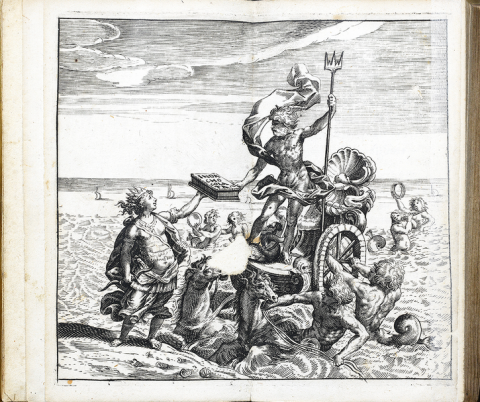
chocolate histoy

When cof­fee first came to the west­ern world dur­ing the 17th cen­tu­ry, it did­n’t taste par­tic­u­lar­ly good. So the peo­ple import­ing and ped­dling the new com­mod­i­ty talked up the health ben­e­fits of the new drink. The first known Eng­lish adver­tise­ment for cof­fee, dat­ing back to 1652, made these claims: Cof­fee is “very good to help diges­tion.” It also “quick­ens the Spir­its, and makes the Heart Light­some.” And it “is good against sore Eys, and the bet­ter if you hold your Head o’er it, and take in the Steem that way.”

It turns out that choco­late had a sim­i­lar intro­duc­tion to the West. Writ­ing at the always inter­est­ing Pub­lic Domain Review, Chris­tine A. Jones recounts how when choco­late “first arrived from the Amer­i­c­as into Europe in the 17th cen­tu­ry it was a rare and mys­te­ri­ous sub­stance, thought more of as a drug than as a food.” The Span­ish, who con­quered the Aztecs in 1521, first doc­u­ment­ed the choco­late they encoun­tered there in 1552. And then, in 1631, they placed choco­late in the annals of med­ical his­to­ry when Anto­nio Colmen­ero de Ledes­ma, a Span­ish physi­cian and sur­geon, wrote a med­ical essay called Curioso Trata­do de la nat­u­raleza y cal­i­dad del choco­late. The essay made the case that choco­late, if tak­en cor­rect­ly, could help bal­ance the body’s humors (Blood, Yel­low Bile, Black Bile & Phlegm) and ward off dis­ease. (You can bone up on the ancient sci­ence of Humorism here.) When trans­lat­ed into Eng­lish in 1651, the trea­tise now called Choco­late; or, an Indi­an Drinke came pref­aced by an intro­duc­tion that tout­ed choco­late’s health ben­e­fits:

It is an excel­lent help to Diges­tion, it cures Con­sump­tions, and the Cough of the Lungs, the New Dis­ease, or Plague of the Guts, and oth­er Flux­es, the Green Sick­nesse, Jaun­dise, and all man­ner of Infla­ma­tions, Opi­la­tions, and Obstruc­tions. It quite takes away the Mor­phew, Cleanseth the Teeth, and sweet­neth the Breath, Pro­vokes Urine, Cures the Stone, and stran­gury, Expells Poi­son, and pre­serves from all infec­tious Dis­eases.

And it fea­tured one of the first recipes for hot choco­late:

To every 100. Cacaos, you must put two cods of the*Chiles long red Pep­per, of which I have spo­ken before, and are called in the Indi­an Tongue, Chilpar­lagua; and in stead of those of the Indies, you may take those of Spaine which are broad­est, & least hot. One hand­full of Annis-seed Ore­jue­las, which are oth­er­wise called Pinacaxli­dos: and two of the flow­ers, called Mecha­suchil, if the Bel­ly be bound. But in stead of this, in Spaine, we put in six Ros­es of Alexan­dria beat to Pow­der: One Cod of Campeche, or Log­wood: Two Drams of Cina­mon; Almons, and Hasle-Nuts, of each one Dozen: Of white Sug­ar, halfe a pound: of Achio­tee­nough to give it the colour.

You can read more about the curi­ous med­ical his­to­ry of choco­late at The Pub­lic Domain Review. And while you’re there, you should check out their new book of essays, which we fea­tured on Open Cul­ture in Decem­ber.

Relat­ed Con­tent:

Sci­ence & Cook­ing: Harvard’s Free Course on Mak­ing Cakes, Pael­la & Oth­er Deli­cious Food

MIT Teach­es You How to Speak Ital­ian & Cook Ital­ian Cui­sine All at Once (Free Online Course)

A Cab­i­net of Curiosi­ties: Dis­cov­er The Pub­lic Domain Review’s New Book of Essays

by | Permalink | Make a Comment ( 1 ) |

All You Need is Love: The Keys to Happiness Revealed by a 75-Year Harvard Study

The lat­est install­ment from PBS’ Brain­Craft video series intro­duces us to two sci­en­tif­ic stud­ies that teach us a thing or two about what brings us hap­pi­ness. One set of results comes from Dr. John Gottman’s Fam­i­ly Research Lab­o­ra­to­ry (a.k.a. the “Love Lab”); the oth­er from the Har­vard Grant Study, a 75-year study that has traced the lives and devel­op­ment of 268 Har­vard sopho­mores from the class­es of 1939–1944. Although the study focus­es on priv­i­leged white men (the demo­graph­ic that attend­ed Har­vard Col­lege dur­ing the 1930s and 40s), the Har­vard Grant Study has yield­ed con­clu­sions that apply to a broad­er pop­u­la­tion.

One of the longest-run­ning stud­ies of adult devel­op­ment, the study has found, for exam­ple, that alco­holism has some of the most ruinous effects on mar­riages, fam­i­ly finances and per­son­al health. Like­wise, it reveals that lib­er­als have sex much fur­ther into old age than their con­ser­v­a­tive peers.

But those aren’t the big take­aways — the con­clu­sions that talk about hap­pi­ness. If you watch the inter­view below with George Vail­lant, the long­time direc­tor of the study, you will hear him con­clude that hap­pi­ness isn’t about “con­form­ing, keep­ing up with the Jone­ses. It is about play­ing, and work­ing, and lov­ing. And lov­ing is prob­a­bly the most impor­tant. Hap­pi­ness is love.”

Accord­ing to Vail­lant, “warmth of rela­tion­ships through­out life have the great­est pos­i­tive impact on ‘life sat­is­fac­tion.’ ” When we have warm rela­tion­ships with our par­ents, spous­es, friends and fam­i­ly, we expe­ri­ence less dai­ly anx­i­ety and a greater sense of over­all plea­sure; we have bet­ter health (includ­ing low­er lev­els of demen­tia lat­er in life); and we’re more effec­tive at work and make more mon­ey.

Essen­tial­ly The Bea­t­les had it right, “All you need is love. Love is all you need.”

You can read more about the Har­vard study over at The Atlantic.

Relat­ed Con­tent:

A Guide to Hap­pi­ness: Alain de Bot­ton Shows How Six Great Philoso­phers Can Change Your Life

Take the ‘Hap­pi­ness Exper­i­ment’

Free Online Psy­chol­o­gy Cours­es

A Crash Course on Psy­chol­o­gy: A 30-Part Video Series from Hank Green

by | Permalink | Make a Comment ( 2 ) |

19th Century Maps Visualize Measles in America Before the Miracle of Vaccines

2MeaslesMap

This week, Rebec­ca Onion’s always inter­est­ing blog on Slate fea­tures his­tor­i­cal maps that illus­trate the toll measles took on Amer­i­ca before the advent of vac­cines. The map above brings you back to 1890, when measles-relat­ed deaths were con­cen­trat­ed in the South and the Mid­west. That year, accord­ing to the U.S. cen­sus, 8,666 peo­ple died from the dis­ease. Fast for­ward to the peri­od mov­ing from 1912 to 1916, and you’ll find that there were 53,00 measles-relat­ed deaths in the US.

Amer­i­ca con­tin­ued to strug­gle with the dis­ease, until 1962, when sci­en­tists mer­ci­ful­ly invent­ed a vac­cine, and the rate of measles infec­tions and deaths began to plum­met. The authors of “Measles Elim­i­na­tion in the Unit­ed States,” pub­lished in The Jour­nal of Infec­tious Dis­eases (2004), note that “Since 1997, the report­ed annu­al inci­dence [of measles] has been <1 case/1 mil­lion pop­u­la­tion”  — mean­ing that the dis­ease had been pret­ty much erad­i­cat­ed in the US. But not else­where. The authors go on to warn, “Measles is the great­est vac­cine-pre­ventable killer of chil­dren in the world today and the eighth lead­ing cause of death among per­sons of all ages world­wide.”  It does­n’t take much to deduce that if we dis­miss the sci­ence that has served us so well, we could see dread­ful­ly col­ored maps all over again. Except this time the dark orange will like­ly be con­cen­trat­ed on the left coast.

Find more his­tor­i­cal maps on Slate.

Relat­ed Con­tent:

Roald Dahl, Who Lost His Daugh­ter to Measles, Writes a Heart­break­ing Let­ter about Vac­ci­na­tions

Roald Dahl, Who Lost His Daughter to Measles, Writes a Heartbreaking Letter about Vaccinations: “It Really Is Almost a Crime to Allow Your Child to Go Unimmunised”

dahl vaccine

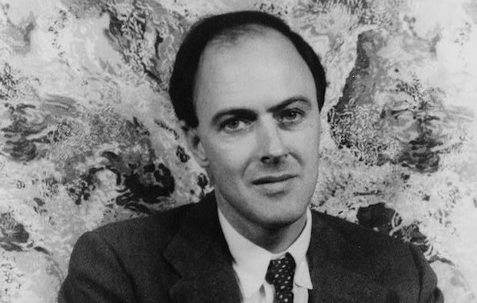
Image by Carl Van Vechten/Library of Con­gress, via Wiki­me­dia Com­mons

Gen­er­a­tions of us know Roald Dahl as, first and fore­most, the author of pop­u­lar chil­dren’s nov­els like The BFGThe Witch­esChar­lie and the Choco­late Fac­to­ry (that book of the “sub­ver­sive” lost chap­ter), and James and the Giant Peach. We remem­ber read­ing those with great delight, and some of us even made it into the rumored lit­er­ary ter­ri­to­ry of his “sto­ries for grown-ups.” But few of us, at least if we grew up in the past few decades, will have famil­iar­ized our­selves with all the pur­pos­es to which Dahl put his pen. Like many fine writ­ers, Dahl always drew some­thing from his per­son­al expe­ri­ence, and few per­son­al expe­ri­ences could have had as much impact as the sud­den death of his measles-strick­en sev­en-year-old daugh­ter Olivia in 1962. A chap­ter of Don­ald Stur­rock­’s biog­ra­phy Sto­ry­teller: The Life of Roald Dahl, excerpt­ed at The Tele­graph, tells of both the event itself and Dahl’s sto­ic, writer­ly (accord­ing to some, per­haps too sto­ic and too writer­ly) way of han­dling it.

But good did come out of Dahl’s response to the tragedy. In 1986, he wrote a leaflet for the Sandwell Health Author­i­ty enti­tled Measles: A Dan­ger­ous Ill­ness, which tells Olivi­a’s sto­ry and pro­vides a swift and well-sup­port­ed argu­ment for uni­ver­sal vac­ci­na­tion against the dis­ease:

Olivia, my eldest daugh­ter, caught measles when she was sev­en years old. As the ill­ness took its usu­al course I can remem­ber read­ing to her often in bed and not feel­ing par­tic­u­lar­ly alarmed about it. Then one morn­ing, when she was well on the road to recov­ery, I was sit­ting on her bed show­ing her how to fash­ion lit­tle ani­mals out of coloured pipe-clean­ers, and when it came to her turn to make one her­self, I noticed that her fin­gers and her mind were not work­ing togeth­er and she could­n’t do any­thing.

“Are you feel­ing all right?” I asked her.

“I feel all sleepy,” she said.

In an hour, she was uncon­scious. In twelve hours she was dead.

The measles had turned into a ter­ri­ble thing called measles encephali­tis and there was noth­ing the doc­tors could do to save her. That was twen­ty-four years ago in 1962, but even now, if a child with measles hap­pens to devel­op the same dead­ly reac­tion from measles as Olivia did, there would still be noth­ing the doc­tors could do to help her.

On the oth­er hand, there is today some­thing that par­ents can do to make sure that this sort of tragedy does not hap­pen to a child of theirs. They can insist that their child is immu­nised against measles. I was unable to do that for Olivia in 1962 because in those days a reli­able measles vac­cine had not been dis­cov­ered. Today a good and safe vac­cine is avail­able to every fam­i­ly and all you have to do is to ask your doc­tor to admin­is­ter it.

It is not yet gen­er­al­ly accept­ed that measles can be a dan­ger­ous ill­ness. Believe me, it is. In my opin­ion par­ents who now refuse to have their chil­dren immu­nised are putting the lives of those chil­dren at risk. In Amer­i­ca, where measles immu­ni­sa­tion is com­pul­so­ry, measles like small­pox, has been vir­tu­al­ly wiped out.

Here in Britain, because so many par­ents refuse, either out of obsti­na­cy or igno­rance or fear, to allow their chil­dren to be immu­nised, we still have a hun­dred thou­sand cas­es of measles every year. Out of those, more than 10,000 will suf­fer side effects of one kind or anoth­er. At least 10,000 will devel­op ear or chest infec­tions. About 20 will die.

LET THAT SINK IN.

Every year around 20 chil­dren will die in Britain from measles.

So what about the risks that your chil­dren will run from being immu­nised?

They are almost non-exis­tent. Lis­ten to this. In a dis­trict of around 300,000 peo­ple, there will be only one child every 250 years who will devel­op seri­ous side effects from measles immu­ni­sa­tion! That is about a mil­lion to one chance. I should think there would be more chance of your child chok­ing to death on a choco­late bar than of becom­ing seri­ous­ly ill from a measles immu­ni­sa­tion.

So what on earth are you wor­ry­ing about? It real­ly is almost a crime to allow your child to go unim­mu­nised.

The ide­al time to have it done is at 13 months, but it is nev­er too late. All school-chil­dren who have not yet had a measles immu­ni­sa­tion should beg their par­ents to arrange for them to have one as soon as pos­si­ble.

Inci­den­tal­ly, I ded­i­cat­ed two of my books to Olivia, the first was ‘James and the Giant Peach’. That was when she was still alive. The sec­ond was ‘The BFG’, ded­i­cat­ed to her mem­o­ry after she had died from measles. You will see her name at the begin­ning of each of these books. And I know how hap­py she would be if only she could know that her death had helped to save a good deal of ill­ness and death among oth­er chil­dren.

Alas, this mes­sage has­n’t quite fall­en into irrel­e­vance. What with anti-vac­ci­na­tion move­ments hav­ing some­how picked up a bit of steam in recent years (and with the num­ber of cas­es of measles cas­es now climb­ing again), it might make sense to send Dahl’s leaflet back into print — or, bet­ter yet, to keep it cir­cu­lat­ing far and wide around the inter­net. Not that oth­ers haven’t made cogent pro-vac­ci­na­tion argu­ments of their own, in dif­fer­ent media, with dif­fer­ent illus­tra­tions of the data, and with dif­fer­ent lev­els of pro­fan­i­ty. Take, for instance, Penn and Teller’s seg­ment below, which, find­ing the per­fect tar­get giv­en its man­date against non-evi­dence-based beliefs, takes aim at the propo­si­tion that vac­ci­na­tions cause autism:

Relat­ed Con­tent:

Read a Nev­er Pub­lished, “Sub­ver­sive” Chap­ter from Roald Dahl’s Char­lie and the Choco­late Fac­to­ry

The Recipes of Icon­ic Authors: Jane Austen, Sylvia Plath, Roald Dahl, the Mar­quis de Sade & More

Col­in Mar­shall hosts and pro­duces Note­book on Cities and Cul­ture and writes essays on cities, lan­guage, Asia, and men’s style. He’s at work on a book about Los Ange­les, A Los Ange­les Primer. Fol­low him on Twit­ter at @colinmarshall or on Face­book.

Playing an Instrument Is a Great Workout For Your Brain: New Animation Explains Why

Get me a piano teacher, stat!

When I was a child, my father, enchant­ed by the notion that I might some­day pro­vide live piano accom­pa­ni­ment to his evening cock­tails, signed me up for lessons with a mild-man­nered wid­ow who—if mem­o­ry serves—charged 50¢ an hour.

Had I only been forced to prac­tice more reg­u­lar­ly, I’d have no trou­ble remem­ber­ing the exact price of these lessons. My mem­o­ry would be a supreme­ly robust thing of beau­ty. Dit­to my math skills, my cog­ni­tive func­tion, my abil­i­ty to mul­ti­task.

Instead, my dad even­tu­al­ly con­ced­ed that I was not cut out to be a musi­cian (or a bal­le­ri­na, or a ten­nis whiz…) and Mrs. Arnold was out a pupil.

Would that I stuck with it beyond my halt­ing ver­sions of “The Enter­tain­er” and “Für Elise.” Accord­ing to the TED-Ed video above, play­ing an instru­ment is one of the very best things you can do for your brain. Tal­ent does­n’t mat­ter in this con­text, just ongo­ing prac­tice.

Neu­ro­sci­en­tists using fMRI (Func­tion­al Mag­net­ic Res­o­nance Imag­ing) and PET (Positron Emis­sion Tomog­ra­phy) tech­nol­o­gy to mon­i­tor the brain activ­i­ty of sub­jects lis­ten­ing to music saw engage­ment in many areas, but when the sub­jects trad­ed in head­phones for actu­al instru­ments, this activ­i­ty mor­phed into a grand fire­works dis­play.

(The ani­mat­ed expla­na­tion of the inter­play between var­i­ous musi­cal­ly engaged areas of the brain sug­gests the New York City sub­way map, a metaphor I find more apt.)

This mas­sive full brain work­out is avail­able to any­one will­ing to put in the time with an instru­ment. Read­ing the score, fig­ur­ing out tim­ing and fin­ger­ing, and pour­ing one’s soul into cre­ative inter­pre­ta­tion results in an interof­fice cere­bral com­mu­ni­ca­tion that strength­ens the cor­pus calos­sum and exec­u­tive func­tion.

 Vin­di­ca­tion for drum­mers at last!

Though to bring up the specter of anoth­er stereo­type, stay away from the hard stuff, guys…don’t fry those beau­ti­ful minds.

If you’d like to know more about the sci­en­tif­ic impli­ca­tions of music lessons, WBUR’s series “Brain Mat­ters” has a good overview here. And good luck break­ing the good news to your chil­dren.

Relat­ed Con­tent:

Watch a New Music Video Shot Entire­ly With­in an MRI Machine

TED-Ed Brings the Edgi­ness of TED to Learn­ing

“Hum­ming­bird,” A New Form of Music Nota­tion That’s Eas­i­er to Learn and Faster to Read

Ayun Hal­l­i­day is an author, home­school­er, and Chief Pri­ma­tol­o­gist of the East Vil­lage Inky zine. Fol­low her @AyunHalliday

« Go BackMore in this category... »
Quantcast