Take a Free Online Course on the Great Medieval Manuscript, the Book of Kells

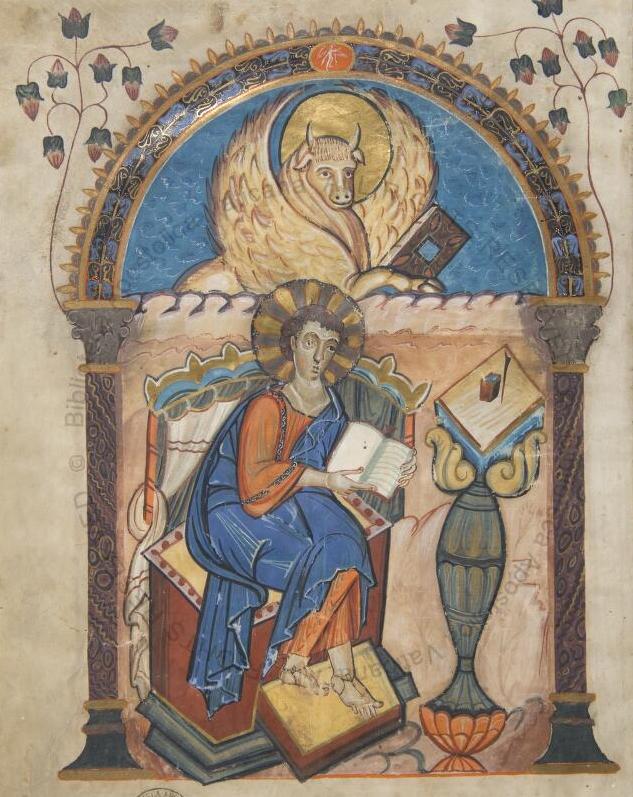
Last week, we called your atten­tion to the dig­i­ti­za­tion of the Book of Kells, one of the great man­u­scripts from the medieval peri­od. The dig­i­tized man­u­script, we should note, comes accom­pa­nied by anoth­er great resource–a free online course on the Book of Kells. Both dig­i­tal ini­tia­tives are made pos­si­ble by Trin­i­ty Col­lege Dublin.

The six-week course cov­ers the fol­low­ing top­ics:

  • Where and how the man­u­script was made
  • The social con­text from which the man­u­script emerged, includ­ing ear­ly medieval faith and pol­i­tics
  • The artis­tic con­text of the man­u­script, reflect­ing local and inter­na­tion­al styles
  • The the­ol­o­gy and inter­pre­ta­tions of the text
  • How and why the man­u­script sur­vived
  • The Book of Kells and con­tem­po­rary cul­ture

The course “is for any­one with an inter­est in Ire­land, medieval stud­ies, his­to­ry, art, reli­gion and/or pop­u­lar cul­ture.” Sign up for the free course today.

If you would like to sign up for Open Culture’s free email newslet­ter, please find it here. It’s a great way to see our new posts, all bun­dled in one email, each day.

If you would like to sup­port the mis­sion of Open Cul­ture, con­sid­er mak­ing a dona­tion to our site. It’s hard to rely 100% on ads, and your con­tri­bu­tions will help us con­tin­ue pro­vid­ing the best free cul­tur­al and edu­ca­tion­al mate­ri­als to learn­ers every­where. You can con­tribute through Pay­Pal, Patre­on, and Ven­mo (@openculture). Thanks!

Relat­ed Con­tent

80 Free Online His­to­ry Cours­es from Great Uni­ver­si­ties, a sub­set of our larg­er col­lec­tion, 1,700 Free Online Cours­es from Top Uni­ver­si­ties

The Medieval Mas­ter­piece, the Book of Kells, Is Now Dig­i­tized & Put Online

Behold the Beau­ti­ful Pages from a Medieval Monk’s Sketch­book: A Win­dow Into How Illu­mi­nat­ed Man­u­scripts Were Made (1494)

800 Illu­mi­nat­ed Medieval Man­u­scripts Are Now Online: Browse & Down­load Them Cour­tesy of the British Library and Bib­lio­thèque Nationale de France

How Illu­mi­nat­ed Medieval Man­u­scripts Were Made: A Step-by-Step Look at this Beau­ti­ful, Cen­turies-Old Craft

The Roman Roads of Spain & Portugal Visualized as a Subway Map: Ancient History Meets Modern Graphic Design

Between the first cen­tu­ry BC and the fourth cen­tu­ry AD, Rome dis­played what we might call an impres­sive ambi­tion. In his project illus­trat­ing those chap­ters of his­to­ry in a way no one has before, sta­tis­tics stu­dent Sasha Tru­bet­skoy has shown increas­ing­ly Roman-grade ambi­tions him­self, at least in the realm of his­tor­i­cal graph­ic design. We’ve pre­vi­ous­ly fea­tured his mod­ern sub­way-style maps of the roads of the Roman Empire as well as the Roman roads of Britain here on Open Cul­ture. Today, we have his map of the Roman Roads of Iberia, the region today occu­pied main­ly by Spain and Por­tu­gal.

“This map was a blast to make,” writes Tru­bet­skoy. “I chose to fol­low the Anto­nine Itin­er­ary more strict­ly, which meant that I had to deal with many par­al­lel lines.” Also known as the itin­er­ary of the Emper­or Anton­i­nus or “Itin­er­ar­i­um Provin­cia­rum Antoni(ni) Augusti,” accord­ing to the Roman Roads Research Asso­ci­a­tion, the Anto­nine Itin­er­ary is “a col­lec­tion of 225 lists of stop­ping places along var­i­ous Roman roads across the Roman Empire.” Its val­ue “comes from it being one of a very few doc­u­ments to have sur­vived to mod­ern times which pro­vide detail of names and clues to the loca­tion of Roman sites and the routes of roads.”

Each list, or iter, that makes up the Anto­nine Itin­er­ary “gives the start and end of each route, with the total mileage of that route, fol­lowed by a list of inter­me­di­ate points with the dis­tances in between.” In cre­at­ing his Roman Roads of Iberia sub­way map, Tru­bet­skoy made each iter into its own “line,” though for some of them he had to draw from oth­er sources: “A cou­ple of Anto­nine routes were ambigu­ous and not eas­i­ly placed on a map, while a few impor­tant routes were miss­ing for which there is archae­o­log­i­cal evi­dence.”

It takes no small amount of work to con­vert this kind of often patchy and scat­tered knowl­edge from ancient his­to­ry into graph­ics as clean­ly and leg­i­bly designed as Tru­bet­skoy’s Roman-road sub­way maps. But the result, apart from offer­ing a nifty jux­ta­po­si­tion of past and present, reminds us of what the roads of the Romain Empire actu­al­ly meant: a degree of con­nect­ed­ness between dis­tant lands nev­er before achieved in human his­to­ry. You can sup­port Tru­bet­skoy’s efforts to show this to us in ever greater detail by mak­ing the US$9 sug­gest­ed dona­tion to down­load a high-res­o­lu­tion ver­sion of the Roman Roads of Iberia map. Rome was­n’t built in a day, much less its empire: the com­plete sub­way-map­ping of Rome’s roads will also require more time and labor — but then, would the builders of the Roman Empire have described their task as a “blast”?

Relat­ed Con­tent:

Ancient Rome’s Sys­tem of Roads Visu­al­ized in the Style of Mod­ern Sub­way Maps

The Roman Roads of Britain Visu­al­ized as a Sub­way Map

Rome Reborn: Take a Vir­tu­al Tour of Ancient Rome, Cir­ca 320 C.E.

How Did the Romans Make Con­crete That Lasts Longer Than Mod­ern Con­crete? The Mys­tery Final­ly Solved

The Rise & Fall of the Romans: Every Year Shown in a Time­lapse Map Ani­ma­tion (753 BC ‑1479 AD)

A Won­der­ful Archive of His­toric Tran­sit Maps: Expres­sive Art Meets Pre­cise Graph­ic Design

Based in Seoul, Col­in Mar­shall writes and broad­casts on cities, lan­guage, and cul­ture. His projects include the book The State­less City: a Walk through 21st-Cen­tu­ry Los Ange­les and the video series The City in Cin­e­ma. Fol­low him on Twit­ter at @colinmarshall or on Face­book.

100-Year-Old Holocaust Survivor Helen Fagin Reads Her Letter About How Books Save Lives

“Could you imag­ine a world with­out access to read­ing, to learn­ing, to books?” Helen Fagin, who pos­es that ques­tion, does­n’t have to imag­ine it: she expe­ri­enced that grim real­i­ty, and worse besides. “At twen­ty-one,” she con­tin­ues, “I was forced into Poland’s World War II ghet­to, where being caught read­ing any­thing for­bid­den by the Nazis meant, at best, hard labor; at worst, death.” There she oper­at­ed a school in secret where she taught Jew­ish chil­dren Latin and math­e­mat­ics, soon real­iz­ing that “what they need­ed wasn’t dry infor­ma­tion but hope, the kind that comes from being trans­port­ed into a dream-world of pos­si­bil­i­ty.”

That hope, in Fag­in’s wartime expe­ri­ence, came from books. “I had spent the pre­vi­ous night read­ing Gone with the Wind — one of a few smug­gled books cir­cu­lat­ed among trust­wor­thy peo­ple via an under­ground chan­nel, on their word of hon­or to read only at night, in secret.”

The next day she retold the sto­ry of Mar­garet Mitchel­l’s nov­el in her clan­des­tine class­room, where the stu­dents had expressed their desire for her to “tell us a book,” and one young girl expressed a spe­cial grat­i­tude, thank­ing Fagin “for this jour­ney into anoth­er world.” To hear how her sto­ry, and Fag­in’s, turned out, you can lis­ten to the 100-year-old Fagin her­self read the let­ter that tells the tale in the video above, and you can fol­low along with the text at Brain Pick­ings.

Brain Pick­ings founder Maria Popo­va has includ­ed Fag­in’s let­ter in the new col­lec­tion A Veloc­i­ty of Being: Illus­trat­ed Let­ters to Chil­dren about Why We Read by 121 of the Most Inspir­ing Humans in Our World. The book con­tains “orig­i­nal illus­trat­ed let­ters about the trans­for­ma­tive and tran­scen­dent pow­er of read­ing from some immense­ly inspir­ing humans,” Popo­va writes, from Jane Goodall and Mari­na Abramović to Yo-Yo Ma and David Byrne to Judy Blume and Neil Gaiman — the last of whom, as Fag­in’s cousin, offered Popo­va the con­nec­tion to this cen­te­nar­i­an liv­ing tes­ta­ment to the pow­er of read­ing. There are times when dreams sus­tain us more than facts,” writes Fagin, one sus­pects as much to the adult read­ers of the world as to the chil­dren. “To read a book and sur­ren­der to a sto­ry is to keep our very human­i­ty alive.”

via Brain Pick­ings

Relat­ed Con­tent:

Holo­caust Sur­vivor Vik­tor Fran­kl Explains Why If We Have True Mean­ing in Our Lives, We Can Make It Through the Dark­est of Times

96-Year-Old Holo­caust Sur­vivor Fronts a Death Met­al Band

Helen Keller Writes a Let­ter to Nazi Stu­dents Before They Burn Her Book: “His­to­ry Has Taught You Noth­ing If You Think You Can Kill Ideas” (1933)

Bri­an Eno Lists 20 Books for Rebuild­ing Civ­i­liza­tion & 59 Books For Build­ing Your Intel­lec­tu­al World

Stew­art Brand’s List of 76 Books for Rebuild­ing Civ­i­liza­tion

Ray Brad­bury Explains Why Lit­er­a­ture is the Safe­ty Valve of Civ­i­liza­tion (in Which Case We Need More Lit­er­a­ture!)

Based in Seoul, Col­in Mar­shall writes and broad­casts on cities, lan­guage, and cul­ture. His projects include the book The State­less City: a Walk through 21st-Cen­tu­ry Los Ange­les and the video series The City in Cin­e­ma. Fol­low him on Twit­ter at @colinmarshall or on Face­book.

A Visualization of the United States’ Exploding Population Growth Over 200 Years (1790 – 2010)

The U.S. is bare­ly even an ado­les­cent com­pared to many oth­er coun­tries around the world. Yet it ranks third, behind Chi­na and India, in pop­u­la­tion. How did the coun­try go, in a lit­tle over 200 years, from 6.1 peo­ple per square mile in 1800 to 93 per square mile today? We’ve pre­vi­ous­ly fea­tured maps of how the real estate came on the mar­ket. And we’ve brought you a map that tells the loca­tions and sto­ries of the peo­ples who used to live there. The map above takes a dif­fer­ent approach, show­ing pop­u­la­tion den­si­ty growth from 1790 to 2010, in num­bers based on Cen­sus records.

Orig­i­nal­ly appear­ing on Vivid Maps, the ani­mat­ed time­line con­tains no infor­ma­tion about the how, who, or why of things. But we know that since it only accounts for those who were count­ed, the num­bers of peo­ple actu­al­ly liv­ing with­in the bor­ders is often much high­er. “Not only did the pop­u­la­tion boom as a result of births and immi­grants,” writes Jeff Des­jardins at the site Visu­al Cap­i­tal­ist, “but the bor­ders of the coun­try kept chang­ing as well.” This change, and the fact that indige­nous peo­ple were not record­ed, leads to an inter­est­ing visu­al­iza­tion of west­ward expan­sion from the point of view of the set­tlers.

As Des­jardins notes, the state of Okla­homa appears as an “emp­ty gap” on the map in the late-1800s, light­ly shad­ed while its bor­ders are sur­round­ed by dark brown. This is because “the area was orig­i­nal­ly des­ig­nat­ed as Indi­an Ter­ri­to­ry…. How­ev­er, in 1889, the land was opened up to a mas­sive land rush, and approx­i­mate­ly 50,000 pio­neers lined up to grab a piece of the two mil­lion acres opened for set­tle­ment.” Thou­sands of the peo­ple liv­ing there had already, of course, been pushed off their land dur­ing the decades-long “Trail of Tears.” The ques­tion of who “exact­ly is count­ed as a whole per­son?” comes up in the com­ments on Visu­al Cap­i­tal­ist post, anoth­er key con­sid­er­a­tion for under­stand­ing this data in its prop­er con­text.

The ways peo­ple have been cat­e­go­rized are prod­ucts of con­tem­po­rary bias­es, polit­i­cal atti­tudes, and legal and social dis­crim­i­na­tions. These atti­tudes are not inci­den­tal to the pop­u­lat­ing of the coun­try, but mate­ri­al­ly inte­gral. As we see the mas­sive, yet huge­ly uneven, spread of peo­ple across the expand­ing coun­try, we might be giv­en the impres­sion that it con­sti­tutes a uni­fied surge of expan­sion and devel­op­ment, when the his­tor­i­cal real­i­ty, of course, is any­thing but. Of the many ques­tions we can ask of this data, “who ful­ly count­ed as an Amer­i­can dur­ing each of these peri­ods and why or why not?” might be one of the most rel­e­vant, in 1790 and today. Or, if you’d rather just watch the map fill up with sepia and burnt umber pix­els, to the tune of some mar­tial-sound­ing drum & bass, watch the video above.

via Visu­al Cap­i­tal­ist

Relat­ed Con­tent:

Native Lands: An Inter­ac­tive Map Reveals the Indige­nous Lands on Which Mod­ern Nations Were Built

Inter­ac­tive Map Shows the Seizure of Over 1.5 Bil­lion Acres of Native Amer­i­can Land Between 1776 and 1887

A Rad­i­cal Map Puts the Oceans–Not Land–at the Cen­ter of Plan­et Earth (1942)

Josh Jones is a writer and musi­cian based in Durham, NC. Fol­low him at @jdmagness

Watch Lin-Manuel Miranda Perform the Earliest Version of Hamilton at the White House, Six Years Before the Play Hit the Broadway Stage (2009)

Anoth­er immi­grant comin’ up from the bot­tom

His ene­mies destroyed his rep, Amer­i­ca for­got him… 

Holler if you can remem­ber a time when few Amer­i­cans were well-versed enough in found­ing father Alexan­der Hamil­ton’s ori­gin sto­ry to recite it in rhyme at the drop of a hat.

Believe it or not, as recent­ly as the sum­mer of 2015, when Lin-Manuel Miran­da’s Pulitzer Prize-win­ning Hamil­ton: An Amer­i­can Musi­cal explod­ed on Broad­way, Hamil­ton the man was, as the Tony award win­ning lyrics above sug­gest, large­ly for­got­ten, a rel­ic whose por­trait on the $10 bill aroused lit­tle curios­i­ty.

Back then, Hamil­ton was per­haps best known as the hap­less soul embod­ied by Michael Cera in the web series Drunk His­to­ry.

Ron Chernow’s 2005 biog­ra­phy served up a more nuanced por­trait to read­ers with the sta­mi­na to make it through his mas­sive tome.

That’s the book Miran­da famous­ly took along on vaca­tion in the peri­od between his musi­cal In the Heights’ Broad­way and Off-Broad­way runs.

The rest, as they say, is his­to­ry.

As is the above video, in which a 29-year-old Miran­da per­forms The Hamil­ton Mix­tape for Pres­i­dent Oba­ma, the First Lady, and oth­er lumi­nar­ies as part of a White House evening of poet­ry, music, and spo­ken word.

There’s your Hamil­ton (the musi­cal) ori­gin sto­ry.

Its cre­ator ini­tial­ly con­ceived of it as a hip hop con­cept album in which cel­e­brat­ed rap­pers would give voice to dif­fer­ent his­tor­i­cal char­ac­ters.

Music direc­tor Alex Lacamoire’s jubi­lant expres­sion at the White House piano con­firms that they had some inkling that they were on to some­thing very big.

A few months lat­er, Miran­da reflect­ed on the expe­ri­ence in an inter­view with Play­bill:

The whole day was a day that will exist out­side any oth­er day in my life. Any day that starts with you shar­ing a van to the White House with James Earl Jones is going to be a crazy day! I was the clos­ing act of the show and I had nev­er done this project in pub­lic before so I was already ner­vous. I looked at the Pres­i­dent and the First Lady only once and when I looked at him he was whis­per­ing some­thing to her and I couldn’t let that get to me. After­wards, George Stephanopou­los came up to me and said, “The Pres­i­dent is back there talk­ing about your song, he’s say­ing ‘Where is (Sec­re­tary of the Trea­sury) Tim­o­thy Geit­ner? We need him to hear the Hamil­ton rap!’” To hear that the Pres­i­dent enjoyed the song was a real dream come true. 

The Oba­mas enjoy­ment was such that they appeared in a pre-taped seg­ment to intro­duce the Hamil­ton cast at the 2016 Tony awards (a tough year for any oth­er musi­cal unlucky enough to have debuted in the same peri­od as this jug­ger­naut).

They also host­ed a Hamil­ton work­shop for DC-area youth, for which the Broad­way cast trav­eled down on their day off, per­form­ing the open­ing num­ber out of cos­tume. Biog­ra­ph­er Ron Cher­now was in the front row for that one, as Oba­ma remarked that “Hamil­ton is the only thing Dick Cheney and I agree on.”

(“Dick Cheney attend­ed the show tonight,” Miran­da tweet­ed after Cheney’s vis­it. “He’s the OTHER vice-pres­i­dent who shot a friend while in office.” Cur­rent Vice Pres­i­dent Mike Pence also took in a per­for­mance short­ly before his swear­ing in, though his appear­ance was met with a much less pithy response.)

As for The Hamil­ton Mix­tape, many of Miran­da’s dream rap­pers turned out for its record­ing, though the tracks they laid down diverge from the one per­formed live for the Oba­mas in 2009, which legions of ador­ing fans can chant along to thanks to the musi­cal’s over­whelm­ing pop­u­lar­i­ty. Instead, this mixtape’s con­tribut­ing artists were invit­ed to reimag­ine and expand upon the themes of the play—immigration, ambi­tion, and stubble—placing them in an explic­it­ly 21st-cen­tu­ry con­text.

Lis­ten to The Hamil­ton Mix­tape and the orig­i­nal cast record­ing of Hamil­ton for free on Spo­ti­fy.

Relat­ed Con­tent:

Lin-Manuel Miran­da & Emi­ly Blunt Take You Through 22 Clas­sic Musi­cals in 12 Min­utes

A Whiskey-Fueled Lin-Manuel Miran­da Reimag­ines Hamil­ton as a Girl on Drunk His­to­ry

Hamilton’s Lin-Manuel Miran­da Cre­ates a 19-Song Playlist to Help You Get Over Writer’s Block

Ayun Hal­l­i­day is an author, illus­tra­tor, the­ater mak­er and Chief Pri­ma­tol­o­gist of the East Vil­lage Inky zine. She has yet to win the Hamil­ton lot­tery. Join her in New York City for the next install­ment of her book-based vari­ety show, Necro­mancers of the Pub­lic Domain, this March. Fol­low her @AyunHalliday.

A Tactile Map of the Roman Empire: An Innovative Map That Allowed Blind & Sighted Students to Experience Geography by Touch (1888)

From curb cuts to safer play­grounds, the pub­lic spaces we occu­py have been trans­formed for the bet­ter as they become eas­i­er for dif­fer­ent kinds of bod­ies to nav­i­gate. Closed cap­tion­ing and print­able tran­scripts ben­e­fit mil­lions, what­ev­er their lev­el of abil­i­ty. Acces­si­bil­i­ty tools on the web improve everyone’s expe­ri­ence and pro­vide the impe­tus for tech­nolo­gies that engage more of our sens­es. While smell may not be a high pri­or­i­ty for devel­op­ers, atten­tion to a sense most sight­ed peo­ple tend to take for grant­ed could open up an age of using feed­back sys­tems to make visu­al media touch respon­sive.

One such tac­tile sys­tem designed for Smith­son­ian Muse­ums has devel­oped “new meth­ods for fab­ri­cat­ing repli­cas of muse­um arti­facts and oth­er 3D objects that describe them­selves when touched,” report­ed the Nation­al Reha­bil­i­ta­tion Infor­ma­tion Cen­ter in a Feb­ru­ary post for Low Vision Aware­ness Month. “Depth effects are achieved by vary­ing the height of relief of raised lines, and tex­ture fills help improve aware­ness of fig­ure-ground dis­tinc­tions.” Hap­tic feed­back tech­nol­o­gy, like that the iPhone and var­i­ous video game sys­tems have intro­duced over the past few years, promis­es to open up much more of the world to the visu­al­ly-impaired… and to every­one else.

One inven­tion intro­duced over a cen­tu­ry ago held out the same promise. The tac­tile map, “an inno­va­tion of the 19th cen­tu­ry,” writes Rebec­ca Onion at Slate, “allowed both blind and sight­ed stu­dents to feel their way across a giv­en geog­ra­phy.” One pop­u­lar­iz­er of the tac­tile map, for­mer school super­in­ten­dent L.R. Klemm, who made the exam­ple above, believed that “while the water­proof map could be used to teach stu­dents with­out sight,” it could also “fruit­ful­ly engage sight­ed stu­dents through the sense of touch.”

Though cre­at­ed in Europe, tac­tile maps have had a rel­a­tive­ly long his­to­ry in the U.S., debut­ing in 1837 with an atlas of the Unit­ed States devel­oped by Samuel Gri­d­ley Howe of the Perkins School for the Blind. (See Michi­gan above.) Klemm’s map up top, depict­ing the Roman Empire (284–476 CE), is a lat­er entry, patent­ed in 1888, and, he promis­es it’s a decid­ed improve­ment on ear­li­er mod­els. In an arti­cle that year for The Amer­i­can Teacher, he described “the painstak­ing process of cre­at­ing one of these relief maps,” notes Onion, “a process he used as anoth­er teach­ing tool, enlist­ing stu­dents to help him scrape and carve plas­ter casts into neg­a­tive shapes of moun­tain ranges and plateaus.”

Those stu­dents, he wrote, devel­oped “so clear a con­cep­tion of the topog­ra­phy and irri­ga­tion of the respec­tive coun­try that it can scarce­ly be improved.” Tac­tile accu­ra­cy meant a lot to Klemm. In text pub­lished along­side the map, he took Howe and oth­er pub­lish­ers to task for rais­ing water above land, an idea “so unnat­ur­al, that the mind nev­er thor­ough­ly becomes accus­tomed to it.” Klemm also cri­tiques a French map of “very per­fect con­struc­tion.” This hand­made ver­sion, he says, though inge­nious, is “expen­sive and very inef­fi­cient.” While its util­i­ty “in the case of insti­tu­tions, and for the use of pupils of the wealthy class­es is undoubt­ed… the cost­li­ness of maps con­struct­ed on such a prin­ci­ple places the advan­tages of the sys­tem beyond the reach of the blind gen­er­al­ly.”

Klemm’s con­cern for the qual­i­ty, accu­ra­cy, util­i­ty, and eco­nom­ic acces­si­bil­i­ty of this ear­ly acces­si­bil­i­ty tool is admirable. And though you can’t expe­ri­ence it through your screen, his method is prob­a­bly a vast­ly-improved way of learn­ing geog­ra­phy for many peo­ple, sight­ed or not. Tac­tile maps did not quite become gen­er­al use tech­nolo­gies, but their dig­i­tal prog­e­ny may soon have us all expe­ri­enc­ing more of the world through touch. View and down­load a larg­er (2D) ver­sion of Klem­m’s map and learn more at 19th Cen­tu­ry Dis­abil­i­ty Cul­tures & Con­texts.

via Slate

Relat­ed Con­tent:

Vin­tage Geo­log­i­cal Maps Get Turned Into 3D Topo­graph­i­cal Won­ders

The His­to­ry of Car­tog­ra­phy, “the Most Ambi­tious Overview of Map Mak­ing Ever Under­tak­en,” Is Free Online

A Rad­i­cal Map Puts the Oceans–Not Land–at the Cen­ter of Plan­et Earth (1942)

Josh Jones is a writer and musi­cian based in Durham, NC. Fol­low him at @jdmagness

The Elaborate Pictogram Ernest Hemingway Received in the Hospital During WWI: Can You Decode Its Meaning?

Every­one who knows the work of Ernest Hem­ing­way knows A Farewell to Arms, and every­one who knows A Farewell to Arms knows that Hem­ing­way drew on his expe­ri­ence as a Red Cross ambu­lance dri­ver in Italy dur­ing World War I. Just a few months after ship­ping out, the eigh­teen-year-old writer-to-be — filled, he lat­er said, with “a great illu­sion of immor­tal­i­ty” — got caught by mor­tar fire while tak­ing choco­late and cig­a­rettes from the can­teen to the front line. Recov­er­ing from his wounds in a Milanese hos­pi­tal, he fell in love with an Amer­i­can nurse named Agnes Han­nah von Kurowsky, who would become the mod­el for Cather­ine Barkley in A Farewell to Arms.

Hem­ing­way wrote that nov­el years after Kurowsky had left him for an Ital­ian offi­cer, but when their prospects still looked good, they received this curi­ous let­ter, which at first glance looks like noth­ing more than a few pages of doo­dles. “We think it may be a rebus or anoth­er type of pic­togram that uses pic­tures to rep­re­sent words, parts of words, or phras­es,” wrote Jes­si­ca Green, an intern at the John F. Kennedy Pres­i­den­tial Library where it turned up, in 2012. “Can you help us solve this puz­zle?” Quite a few Hem­ing­way-enthu­si­ast com­menters duti­ful­ly got to their inter­pre­tive work below Green’s post, bring­ing to bear their knowl­edge of the writer’s life and work on these ani­mals, musi­cal notes, grin­ning faces, and mugs of beer, all strung togeth­er with log­ic sym­bols.

If you need a hint, you might start with the appar­ent fact that the let­ter came from three of Hem­ing­way’s ambu­lance-dri­ver bud­dies. “The let­ter is a cheer­ful nar­ra­tive of the three friends’ recent hijinks,” writes Slate’s Rebec­ca Onion. “In the salu­ta­tion, the writ­ers used a foam­ing mug of beer to rep­re­sent Hemingway’s name (he was often called ‘Hem­ing­stein’); clear­ly, these were men who shared Hemingway’s love for ine­bri­a­tion.” But even before they addressed good old Hem­ing­stein, they addressed Kurowsky — as, in the visu­al lan­guage invent­ed for their pur­pos­es, a fry­ing pan with an egg in it. “Ag sounds like egg,” explains the deci­pher­ment Green lat­er post­ed to the JFK Library’s blog.

Green goes on to break down the pic­to­graph­ic let­ter sec­tion by sec­tion, from Brum­my, Bill, and Jenks’ plans to take leave time and come to Milan, Brum­my’s unfor­tu­nate recent expe­ri­ence with “mixed drinks made from Asti Spuman­ti, Rum, Cognac, Marsala, and Rock Syrup,” Jenks’ dri­ving of the bed­bugs in his bed into that of anoth­er dri­ver, and the glo­ri­ous results of Bil­l’s trim­ming and wax­ing of his mus­tache, and more besides. To mod­ern read­ers, the let­ter offers not just a glimpse into the sen­si­bil­i­ties of Hem­ing­way’s social cir­cle but life on the Ital­ian front in 1918. And for Hem­ing­way him­self, receiv­ing such an amus­ing piece of cor­re­spon­dence dur­ing six long months of recu­per­a­tion in the hos­pi­tal must sure­ly have done some­thing to lift the spir­its, though what effect its dis­tinc­tive com­po­si­tion­al style may have had on his own writ­ing seem­ing­ly remains to be stud­ied.

Click here to read a decod­ing of this pic­togram from 1918.

Relat­ed Con­tent:

Ernest Hemingway’s Very First Pub­lished Sto­ries, Free as an eBook

Ernest Hem­ing­way Cre­ates a Read­ing List for a Young Writer (1934)

Sev­en Tips From Ernest Hem­ing­way on How to Write Fic­tion

Hear Hem­ing­way Read Hem­ing­way, and Faulkn­er Read Faulkn­er (90 Min­utes of Clas­sic Audio)

Ernest Hemingway’s Favorite Ham­burg­er Recipe

Based in Seoul, Col­in Mar­shall writes and broad­casts on cities, lan­guage, and cul­ture. His projects include the book The State­less City: a Walk through 21st-Cen­tu­ry Los Ange­les and the video series The City in Cin­e­ma. Fol­low him on Twit­ter at @colinmarshall or on Face­book.

The Lifespan of Ancient Civilizations Detailed in a Handy Infographic: Are We Headed Towards Our Own Collapse?

Any­one liv­ing in the West today sure­ly feels they’ve heard quite enough about its decline. (Unless, of course, they’re fans of 1980s punk rock.) Giv­en how long civ­i­liza­tions usu­al­ly out­live indi­vid­u­als, how can an indi­vid­ual grasp the prospects for longevi­ty of the civ­i­liza­tion in which they find them­selves? His­to­ry, a dis­ci­pline which has long had every­thing to do with chart­ing the rise and fall of set­tle­ments, cul­tures, and empires, can pro­vide the con­text nec­es­sary for under­stand­ing, but more of it has been writ­ten than even a human with the lifes­pan of a civ­i­liza­tion can digest. Come to pro­vide some clar­i­ty is Luke Kemp of Cam­bridge’s Cen­tre for the Study of Exis­ten­tial Risk, cre­ator of the info­graph­ic above. View it here in a larg­er for­mat, cour­tesy of the BBC.

“There is no strict def­i­n­i­tion of civil­i­sa­tion,” Kemp admits, “nor an over­ar­ch­ing data­base of their births and deaths.” This forced him to come up with his own def­i­n­i­tion for this info­graph­ic: “as a soci­ety with agri­cul­ture, mul­ti­ple cities, mil­i­tary dom­i­nance in its geo­graph­i­cal region and a con­tin­u­ous polit­i­cal struc­ture. Giv­en this def­i­n­i­tion, all empires are civil­i­sa­tions, but not all civil­i­sa­tions are empires.”

What comes at the end of vir­tu­al­ly all of them, he calls a col­lapse: “a rapid and endur­ing loss of pop­u­la­tion, iden­ti­ty and socio-eco­nom­ic com­plex­i­ty. Pub­lic ser­vices crum­ble and dis­or­der ensues as gov­ern­ment los­es con­trol of its monop­oly on vio­lence.”

When civ­i­liza­tions have col­lapsed, as they’ve done with fair fre­quen­cy over the past five mil­len­nia, “some recov­ered or trans­formed, such as the Chi­nese and Egypt­ian. Oth­er col­laps­es were per­ma­nent, as was the case of East­er Island. Some­times the cities at the epi­cen­tre of col­lapse are revived, as was the case with Rome. In oth­er cas­es, such as the Mayan ruins, they are left aban­doned as a mau­soleum for future tourists.” The Roman Empire, “the vic­tim of many ills includ­ing over­ex­pan­sion, cli­mat­ic change, envi­ron­men­tal degra­da­tion and poor lead­er­ship” before its sack­ing by the Visig­oths in the year 410 and the Van­dals in 455, has come up espe­cial­ly often in cur­rent dis­cus­sions about the fate of the Amer­i­ca-led West­ern — or even glob­al — order.

The Roman Empire, as we can see on Kem­p’s info­graph­ic, last­ed 525 years: much longer than the Akka­di­an Empire, which last­ed 187 years, but less than half as long as the African Aksum­ite Empire, which last­ed 1100. “We may be more tech­no­log­i­cal­ly advanced now,” Kemp writes,” but this gives lit­tle ground to believe that we are immune to the threats that undid our ances­tors. Our new­found tech­no­log­i­cal abil­i­ties even bring new, unprece­dent­ed chal­lenges to the mix. ” Kemp names among the pos­si­ble fac­tors in the next big col­lapse cli­mate change, envi­ron­men­tal degra­da­tion, inequal­i­ty and oli­garchy, as well as plain ran­dom­ness and bad luck. Giv­en the inevitabil­i­ty of col­lapse, per­haps we can only hope that our civ­i­liza­tion is ulti­mate­ly suc­ceed­ed by a supe­ri­or one. But then, Kemp adds, ” “We will only march into col­lapse if we advance blind­ly. We are only doomed if we are unwill­ing to lis­ten to the past.”

via the BBC

Relat­ed Con­tent:

M.I.T. Com­put­er Pro­gram Alarm­ing­ly Pre­dicts in 1973 That Civ­i­liza­tion Will End by 2040

In 1704, Isaac New­ton Pre­dicts the World Will End in 2060

The Rise & Fall of the Romans: Every Year Shown in a Time­lapse Map Ani­ma­tion (753 BC ‑1479 AD)

The West­ern Tra­di­tion by Eugen Weber: 52 Video Lec­tures

Stew­art Brand’s List of 76 Books for Rebuild­ing Civ­i­liza­tion

The His­to­ry of Civ­i­liza­tion Mapped in 13 Min­utes: 5000 BC to 2014 AD

Based in Seoul, Col­in Mar­shall writes and broad­casts on cities, lan­guage, and cul­ture. His projects include the book The State­less City: a Walk through 21st-Cen­tu­ry Los Ange­les and the video series The City in Cin­e­ma. Fol­low him on Twit­ter at @colinmarshall or on Face­book.

« Go BackMore in this category... »
Quantcast