The Art of Letterlocking: The Elaborate Folding Techniques That Ensured the Privacy of Handwritten Letters Centuries Ago

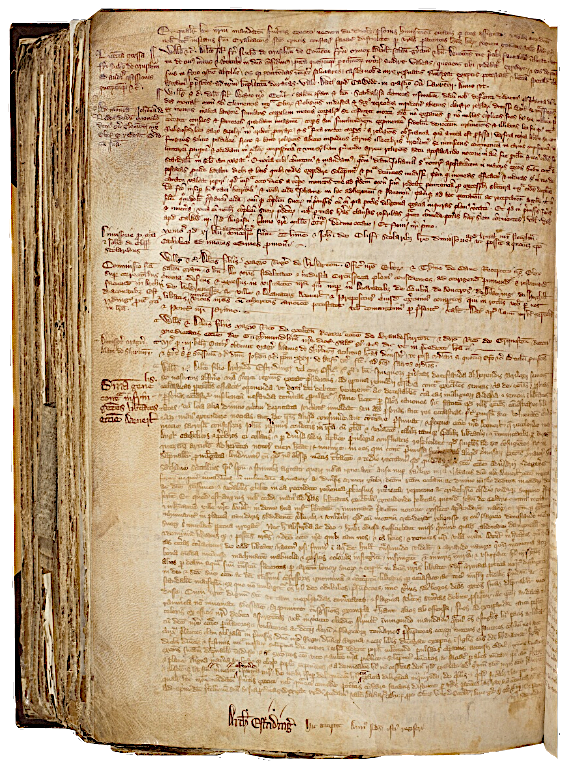
Occa­sion­al­ly and with dimin­ish­ing fre­quen­cy, we still lament the lost art of let­ter-writ­ing, most­ly because of the degra­da­tion of the prose style we use to com­mu­ni­cate with one anoth­er. But writ­ing let­ters, in its long hey­day, involved much more than putting words on paper: there were choic­es to be made about the pen, the ink, the stamp, the enve­lope, and before the enve­lope, the let­ter­lock­ing tech­nique. Though recent­ly coined, the term let­ter­lock­ing describes an old and var­ied prac­tice, that of using one or sev­er­al of a suite of phys­i­cal meth­ods to ensure that nobody reads your let­ter but its intend­ed recip­i­ent — and if some­one else does read it, to show that they have.

“To seal a mod­ern-day enve­lope (on the off chance you’re seal­ing an enve­lope at all), it takes a lick or two, at most,” writes Atlas Obscu­ra’s Abi­gail Cain. Not so for the likes of Mary Queen of Scots or Machi­avel­li: “In those days, let­ters were fold­ed in such a way that they served as their own enve­lope. Depend­ing on your desired lev­el of secu­ri­ty, you might opt for the sim­ple, tri­an­gu­lar fold and tuck; if you were par­tic­u­lar­ly ambi­tious, you might attempt the dag­ger-trap, a heav­i­ly boo­by-trapped tech­nique dis­guised as anoth­er, less secure, type of lock.”

Begin­ning with “the spread of flex­i­ble, fold­able paper in the 13th cen­tu­ry” and end­ing around “the inven­tion of the mass-pro­duced enve­lope in the 19th cen­tu­ry,” let­ter­lock­ing “fits into a 10,000-year his­to­ry of doc­u­ment secu­ri­ty — one that begins with clay tablets in Mesopotamia and extends all the way to today’s pass­words and two-step authen­ti­ca­tion.”

We know about let­ter­lock­ing today thanks in large part to the efforts of Jana Dambro­gio, Thomas F. Peter­son Con­ser­va­tor at MIT Libraries. Accord­ing to MIT News’ Heather Den­ny, Dambro­gio first got into let­ter­lock­ing (and far enough into it to come up with that term her­self) “as a fel­low at the Vat­i­can Secret Archives,” pre­vi­ous­ly fea­tured here on Open Cul­ture. “In the Vatican’s col­lec­tion she dis­cov­ered paper let­ters from the 15th and 16th cen­turies with unusu­al slits and sliced-off cor­ners. Curi­ous if the marks were part of the orig­i­nal let­ter, she dis­cov­ered that they were indi­ca­tions the let­ters had orig­i­nal­ly been locked with a slice of paper stabbed through a slit, and closed with a wax seal.”

She and her col­lab­o­ra­tor Daniel Starza Smith have spent years try­ing to recon­struct the many vari­a­tions on that basic method used by let­ter-writ­ers of old, and you can see one of them, which Mary Queen of Scots used to lock her final let­ter before her exe­cu­tion, in the video at the top of the post.

Though we in the age of round-the-world, round-the-clock instant mes­sag­ing — an age when even e‑mail feels increas­ing­ly quaint — may find this impres­sive­ly elab­o­rate, we won’t have even begun to grasp the sheer vari­ety of let­ter­lock­ing expe­ri­ence until we explore the let­ter­lock­ing Youtube chan­nel. Its videos include demon­stra­tions of tech­niques his­tor­i­cal­ly used in Eng­landItaly, Amer­i­caEast Asia, and else­where, some of them prac­ticed by nota­bles both real and imag­ined. Tempt­ing though it is to imag­ine a direct dig­i­tal-secu­ri­ty equiv­a­lent of all this today, human­i­ty seems to have changed since the era of let­ter­lock­ing: as the apho­rist Aaron Haspel put it, “We can have pri­va­cy or we can have con­ve­nience, and we choose con­ve­nience, every time.”

via Atlas Obscu­ra

Relat­ed Con­tent:

Lewis Carroll’s 8 Still-Rel­e­vant Rules For Let­ter-Writ­ing

6,000 Let­ters by Mar­cel Proust to Be Dig­i­tized & Put Online

Jane Austen Writes a Let­ter to Her Sis­ter While Hung Over: “I Believe I Drank Too Much Wine Last Night”

How to Jump­start Your Cre­ative Process with William S. Bur­roughs’ Cut-Up Tech­nique

How the Mys­ter­ies of the Vat­i­can Secret Archives Are Being Revealed by Arti­fi­cial Intel­li­gence

Based in Seoul, Col­in Mar­shall writes and broad­casts on cities, lan­guage, and cul­ture. His projects include the book The State­less City: a Walk through 21st-Cen­tu­ry Los Ange­les and the video series The City in Cin­e­ma. Fol­low him on Twit­ter at @colinmarshall or on Face­book.

R.I.P. Stan Lee: Take His Free Online Course “The Rise of Superheroes and Their Impact On Pop Culture”

“I grew up in an exurb where it took near­ly an hour to walk to the near­est shop, to the near­est place to eat, to the library,” remem­bers writer Adam Cadre. “And the steep hills made it an exhaust­ing walk.  That meant that until I turned six­teen, when school was not in ses­sion I was stuck at home.  This was often not a good place to be stuck. Stan Lee gave me a place to hang out.” Many oth­er for­mer chil­dren of exur­ban Amer­i­ca — as well as every­where else — did much of their grow­ing up there as well, not just in the uni­verse of Mar­vel Comics but in those of the comics and oth­er forms of cul­ture to which it gave rise or influ­enced, most of them either direct­ly or indi­rect­ly shaped by Lee, who died yes­ter­day at the age of 95.

“His crit­ics would say that for me to thank Stan Lee for cre­at­ing the Mar­vel Uni­verse shows that I’ve fall­en for his self-promotion,” Cadre con­tin­ues, “​that it was Jack Kir­by and Steve Ditko and his oth­er col­lab­o­ra­tors who sup­plied the dynam­ic, expres­sive art­work and the epic sto­ry­lines that made the Mar­vel Uni­verse so com­pelling.”

Mar­vel fans will remem­ber that Ditko, co-cre­ator with Lee of Spi­der-Man and Doc­tor Strange, died this past sum­mer. Kir­by, whose count­less achieve­ments in comics include co-cre­at­ing the Fan­tas­tic Four, the X‑Men, and the Hulk with Lee, passed away in 1994. (Kir­by’s death, as I recall, was the first I’d ever heard about on the inter­net.)

Those who take a dim­mer view of Lee’s career see him as hav­ing done lit­tle more artis­tic work than putting dia­logue into the speech bub­bles. But like no small num­ber of oth­er Mar­vel Uni­verse habitués, Cadre “didn’t read super­hero comics for the fights or the cos­tumes or the trips to Asgard and Atti­lan. I read them for fan­ta­sy that read like real­i­ty, for the inter­play of wild­ly dif­fer­ent per­son­al­i­ties — ​and for the wise­cracks.” And what made super­hero sto­ries the right deliv­ery sys­tem for that inter­play of per­son­al­i­ties and those wise­cracks? You’ll find the answer in “The Rise of Super­heroes and Their Impact On Pop Cul­ture,” an online course from the Smith­son­ian, pre­vi­ous­ly fea­tured here on Open Cul­ture and still avail­able to take at your own pace in edX’s archives, cre­at­ed and taught in part by Lee him­self. You can watch the trail­er for the course at the top of the post.

If you take the course, its pro­mo­tion­al mate­ri­als promise, you’ll learn the answers to such ques­tions as “Why did super­heroes first arise in 1938 and expe­ri­ence what we refer to as their “Gold­en Age” dur­ing World War II?,” “How have com­ic books, pub­lished week­ly since the mid-1930’s, mir­rored a chang­ing Amer­i­can soci­ety, reflect­ing our mores, slang, fads, bias­es and prej­u­dices?,” and “When and how did com­ic book art­work become accept­ed as a true Amer­i­can art form as indige­nous to this coun­try as jazz?” Whether or not you con­sid­er your­self a “true believ­er,” as Lee would have put it, there could be few bet­ter ways of hon­or­ing an Amer­i­can icon like him than dis­cov­er­ing what makes his work in super­hero comics — the field to which he ded­i­cat­ed his life, and the one which has tak­en more than its fair share of deri­sion over the decades — not just a reflec­tion of the cul­ture but a major influ­ence on it as well.

Enroll in “The Rise of Super­heroes and Their Impact On Pop Cul­ture” here.

Relat­ed Con­tent:

1,700 Free Online Cours­es from Top Uni­ver­si­ties

The Great Stan Lee Reads Edgar Allan Poe’s “The Raven”

Stan Lee Reads “The Night Before Christ­mas,” Telling the Tale of San­ta Claus, the Great­est of Super Heroes

Down­load Over 22,000 Gold­en & Sil­ver Age Com­ic Books from theCom­ic Book Plus Archive

Down­load 15,000+ Free Gold­en Age Comics from the Dig­i­tal Com­ic Muse­um

Based in Seoul, Col­in Mar­shall writes and broad­casts on cities, lan­guage, and cul­ture. His projects include the book The State­less City: a Walk through 21st-Cen­tu­ry Los Ange­les and the video series The City in Cin­e­ma. Fol­low him on Twit­ter at @colinmarshall or on Face­book.

Download Digitized Copies of The Negro Travelers’ Green Book, the Pre-Civil Rights Guide to Traveling Safely in the U.S. (1936–66)

As an Amer­i­can liv­ing out­side Amer­i­ca, I’m often asked how best to see my home­land by peo­ple want­i­ng to vis­it it. I always sug­gest the same method: road-trip­ping, prefer­ably across the entire con­ti­nent — a way of expe­ri­enc­ing the U.S. of A guar­an­teed to at once to con­firm and shat­ter the vis­i­tor’s pre-exist­ing per­cep­tions of the coun­try. But even under the best pos­si­ble con­di­tions, such road trips have their ardu­ous stretch­es and even their dan­gers, a fact under­stood by nobody bet­ter than by the black trav­el­ers of the Green Book era. Pub­lished between 1936 and 1967, the guide offi­cial­ly known as The Negro Motorist Green Book informed such trav­el­ers of where in Amer­i­ca (and lat­er oth­er coun­tries as well) they could have a meal, stay the night, and get their car repaired with­out prej­u­dice.

You can learn more about the Green Book (which we’ve pre­vi­ous­ly fea­tured here on Open Cul­ture) from the Vox explain­er video above. Then, to get a fuller idea of the books’ con­tent, head over to the New York Pub­lic Library’s dig­i­tal col­lec­tions, where you’ll find 23 issues from the Green Book’s more than 30-year run.

Dig­i­tized by the NYPL’s Schom­burg Cen­ter for Research in Black Cul­ture, they’re free to read online and down­load. Data drawn from this archive and released into the pub­lic domain has also giv­en rise to projects like “Nav­i­gat­ing the Green Book,” where you can explore its rec­om­mend­ed places laid out on a map and even plot a trip between any two cities in Amer­i­ca accord­ing to the Green Book’s 1947 or 1956 edi­tions.

Though the Green Book ceased pub­li­ca­tion not long after the pas­sage of the Civ­il Rights Act, inter­est in the Amer­i­ca they reflect has­n’t van­ished, and has in fact grown in recent years. Acad­e­mia has pro­duced more stud­ies of Jim Crow-era trav­el over the past decade or two, and this Thanks­giv­ing will see the wide release of Green Book, Peter Far­rel­ly’s fea­ture film about the friend­ship between black pianist Don Shirley and the chauf­feur who drove him through the Deep South in the 1960s. “To flip through a Green Book is to open a win­dow into his­to­ry and per­haps to see, the tini­est amount, through the eyes of some­one who lived it,” writes K Menick on the NYPL’s blog. “Read these books; map them in your mind. Think about the trips you could take, can take, will take. See how the size of the world can change depend­ing on the col­or of your skin.” 

Relat­ed Con­tent:

The Negro Trav­el­ers’ Green Book, the Pre-Civ­il Rights Guide to Trav­el­ing Safe­ly in the U.S. (1936–66)

Read Mar­tin Luther King and The Mont­gomery Sto­ry: The Influ­en­tial 1957 Civ­il Rights Com­ic Book

Robert Penn War­ren Archive Brings Ear­ly Civ­il Rights to Life

Vin­tage 1930s Japan­ese Posters Artis­ti­cal­ly Mar­ket the Won­ders of Trav­el

Food­ie Alert: New York Pub­lic Library Presents an Archive of 17,000 Restau­rant Menus (1851–2008)

Based in Seoul, Col­in Mar­shall writes and broad­casts on cities, lan­guage, and cul­ture. His projects include the book The State­less City: a Walk through 21st-Cen­tu­ry Los Ange­les and the video series The City in Cin­e­ma. Fol­low him on Twit­ter at @colinmarshall or on Face­book.

How to Make and Wear Medieval Armor: An In-Depth Primer

Look at a medieval knight in armor and you can’t help but won­der how he got the stuff on. Then fol­lows a ques­tion with an even more com­pli­cat­ed answer: how did the armor get made in the first place? Luck­i­ly, we in the 21st cen­tu­ry have medieval­ists who have ded­i­cat­ed their lives to learn­ing and explain­ing just such pieces of now-obscure knowl­edge (as well as the ever-grow­ing legion of medieval bat­tle enthu­si­asts doing their utmost to both demand that knowl­edge and hold the schol­ars who pos­sess it to account). You can see what went into the mak­ing of a knight’s armor — and still goes into it, for those inclined to learn the craft — in the video above, a live pre­sen­ta­tion of the real tools and tech­niques by armor­er Jef­frey D. Was­son at The Met­ro­pol­i­tan Muse­um of Art.

With nar­ra­tion by Dirk Brei­d­ing, Assis­tant Cura­tor of its Arms and Armor Depart­ment, the video reveals every step of Was­son’s process, begin­ning with research into how 500-year-old com­po­nents of armor looked and work, and end­ing with pieces that, while new­ly made, could eas­i­ly have fit into the suit worn by a knight of those days.

Was­son’s next demon­stra­tion, in the sec­ond video just above, shows the process of get­ting dressed in armor, one a knight could hard­ly exe­cute by him­self. Much like the videos about how women got dressed in the 14th and 18th cen­turies pre­vi­ous­ly fea­tured here on Open Cul­ture, it required an assis­tant, but in both cas­es the result is sup­posed to have been less restric­tive and cum­ber­some than we today might expect — or some­what less restric­tive and cum­ber­some, any­way.

Though we asso­ciate this kind of plate armor with the Mid­dle Ages, it actu­al­ly devel­oped fair­ly late in that era, around the Hun­dred Years’ War that last­ed from the mid-14th to the mid-15th cen­tu­ry. As a form, it peaked in the late 15th and ear­ly 16th cen­turies, span­ning the end of the Mid­dle Ages and the ear­ly Renais­sance; the image of the knight we all have in our heads is prob­a­bly wear­ing a suit of 16th-cen­tu­ry armor made for joust­ing. That prac­tice con­tin­ued even as the use of armor declined on the bat­tle­field, the devel­op­ment of firearms hav­ing great­ly less­ened its pro­tec­tive val­ue and put a high pre­mi­um on agili­ty. Yet armor remains an impres­sive his­tor­i­cal arti­fact and, at its best, an achieve­ment in crafts­man­ship as well. But now that we know how to make it and put it on, how best to keep it shin­ing?

Relat­ed Con­tent:

What’s It Like to Fight in 15th Cen­tu­ry Armor?: A Sur­pris­ing Demon­stra­tion

How Women Got Dressed in the 14th & 18th Cen­turies: Watch the Very Painstak­ing Process Get Cin­e­mat­i­cal­ly Recre­at­ed

Renais­sance Knives Had Music Engraved on the Blades; Now Hear the Songs Per­formed by Mod­ern Singers

A Free Yale Course on Medieval His­to­ry: 700 Years in 22 Lec­tures

Based in Seoul, Col­in Mar­shall writes and broad­casts on cities, lan­guage, and cul­ture. His projects include the book The State­less City: a Walk through 21st-Cen­tu­ry Los Ange­les and the video series The City in Cin­e­ma. Fol­low him on Twit­ter at @colinmarshall or on Face­book.

George Washington Writes to the First Jewish Congregation of Newport, Rhode Island: “The Government… Gives to Bigotry No Sanction, to Persecution No Assistance” (1790)

In the ear­ly Unit­ed States, devout Chris­tians who would impose their beliefs on oth­ers were in the minor­i­ty among the country’s founders. Thomas Jefferson’s views on the sub­ject are well-known. Much more con­ser­v­a­tive than Jef­fer­son, fel­low Vir­gin­ian George Wash­ing­ton made fre­quent state­ments on reli­gion as part of the essen­tial tex­ture of pub­lic life. But while Wash­ing­ton dis­cussed reli­gion as a com­mu­nal affair with impor­tant social and polit­i­cal dimen­sions, like Jef­fer­son he endorsed reli­gious lib­er­ty and free­dom of con­science and belief.

Wash­ing­ton went fur­ther in defense of reli­gious minori­ties than the huge­ly influ­en­tial the­o­rist of reli­gious tol­er­a­tion, John Locke. The prin­ci­ple of tol­er­a­tion was unique in Europe and Eng­land, where “state-spon­sored reli­gion was the norm,” as New­port, Rhode Island’s his­toric Touro Syn­a­gogue explains.

But the idea was usu­al­ly tak­en to mean that “non-Chris­tians were to be ‘tol­er­at­ed’ for their beliefs” in a pater­nal­ist sense, “with the hope that ‘Jews, Turks, and Infi­dels” would become Chris­t­ian.” Wash­ing­ton, how­ev­er, declared:

It is now no more that tol­er­a­tion is spo­ken of, as if it was by the indul­gence of one class of peo­ple, that anoth­er enjoyed the exer­cise of their inher­ent nat­ur­al rights. For hap­pi­ly the Gov­ern­ment of the Unit­ed States, which gives to big­otry no sanc­tion, to per­se­cu­tion no assis­tance requires only that they who live under its pro­tec­tion should demean them­selves good cit­i­zens, in giv­ing it on all occa­sions their effec­tu­al sup­port.

These words come from Washington’s short 1790 let­ter to the “the Hebrew Con­gre­ga­tion in New­port, Rhode Island,” the first in a series of let­ters writ­ten to cit­i­zens of New­port after he and then-sec­re­tary of state Jef­fer­son made a vis­it. The address responds direct­ly to a let­ter of wel­come read to him on his arrival in the city by Moses Seixas, an offi­cial of the first Jew­ish con­gre­ga­tion in New­port, which states:

Deprived as we hereto­fore have been of the invalu­able rights of free Cit­i­zens, we now (with a deep sense of grat­i­tude to the Almighty dis­pos­er of all events) behold a Gov­ern­ment, erect­ed by the Majesty of the People—a Gov­ern­ment, which to big­otry gives no sanc­tion, to per­se­cu­tion no assistance—but gen­er­ous­ly afford­ing to All lib­er­ty of con­science, and immu­ni­ties of Cit­i­zen­ship: deem­ing every one, of what­ev­er Nation, tongue, or lan­guage, equal parts of the great gov­ern­men­tal Machine….

As did many such procla­ma­tions, the doc­u­ment gloss­es the bru­tal con­tra­dic­tion of slav­ery, indige­nous slaugh­ter, and actu­al dis­crim­i­na­tion reli­gious minori­ties faced. Nonethe­less, the demo­c­ra­t­ic prin­ci­ples Seixas out­lined so accord­ed with Washington’s ideals that the first pres­i­dent repeat­ed key phras­es ver­ba­tim. This is no mere pan­der­ing. When Wash­ing­ton arrived in New­port in 1790, state leg­is­la­tures were in the process of rat­i­fy­ing what was then the Third Amend­ment to the Con­sti­tu­tion, which we know as the First, pro­hibit­ing the estab­lish­ment of state reli­gion and grant­i­ng free­dom of the press.

Argu­ments over reli­gious lib­er­ty were fierce, and tol­er­a­tion had strict lim­its. In some states “the rights of minor­i­ty groups such as Bap­tists, Pres­by­te­ri­ans, Catholics and Quak­ers were restrict­ed,” notes Touro. “In most states, non-Chris­tians were denied the rights of full cit­i­zen­ship, such as hold­ing pub­lic office. Even in reli­gious­ly lib­er­al Rhode Island, Jews were not allowed to vote.” While the First Amend­ment “did lit­tle to erase these injus­tices,” Washington’s let­ter set out ide­al con­di­tions in which the country’s “enlarged and lib­er­al pol­i­cy” grant­ed “lib­er­ty of con­science and immu­ni­ties of cit­i­zen­ship” to all.

That Wash­ing­ton would make such claims in Rhode Island bears par­tic­u­lar sig­nif­i­cance giv­en that the state is “most not­ed as the place where reli­gious free­dom was actu­al­ly born,” writes for­mer Ambas­sador and UN Del­e­gate John Loeb. The colony’s 1663 char­ter “set forth the first polit­i­cal enti­ty in the world to sep­a­rate the church from the state.” Washington’s state­ment one hun­dred and twen­ty-sev­en years lat­er “applied—and con­tin­ues to apply—to every Amer­i­can,” Loeb argues, despite its spe­cif­ic address “to a small group of Jew­ish cit­i­zens.” But that spe­cif­ic address mat­ters. It promised inclu­sion and pro­tec­tion to a com­mu­ni­ty that had faced cen­turies of ter­ror.

As his­to­ri­an Melvin Urof­sky writes, the let­ter “to the Hebrew Con­gre­ga­tion,” like many oth­er such state­ments made by the founders, “is a trea­sure to the entire nation”—a nation that “rec­og­nized,” at least in words, “diver­si­ty for what it was, one of the country’s great­est assets, and took as its mot­to E Pluribus Unum—Out of Many, One. The sep­a­ra­tion of church and state, and with it the free­dom of reli­gion enshrined in the First Amend­ment to the Con­sti­tu­tion, has made the Unit­ed States a bea­con of hope to oppressed peo­ples every­where.”

Read Wash­ing­ton’s con­cise “Let­ter to the Hebrew Con­gre­ga­tion in New­port, Rhode Island” here.

Relat­ed Con­tent:

Read George Washington’s “110 Rules of Civil­i­ty”: The Code of Decen­cy That Guid­ed America’s First Pres­i­dent

Dis­cov­er Thomas Jefferson’s Cut-and-Paste Ver­sion of the Bible, and Read the Curi­ous Edi­tion Online

Har­vard Launch­es a Free Online Course to Pro­mote Reli­gious Tol­er­ance & Under­stand­ing

Josh Jones is a writer and musi­cian based in Durham, NC. Fol­low him at @jdmagness

The Model Book of Calligraphy (1561–1596): A Stunningly Detailed Illuminated Manuscript Created over Three Decades

When­ev­er a tech­nol­o­gy devel­ops just enough to become inter­est­ing, some­one inevitably push­es it to extremes. In the case of that reli­able and long-lived tech­nol­o­gy known as the book, writ­ers and artists were look­ing for ways to max­i­mize its poten­tial as a device for con­vey­ing the writ­ten word and the drawn image as far back as the 16th cen­tu­ry. One par­tic­u­lar­ly glo­ri­ous exam­ple, The Mod­el Book of Cal­lig­ra­phy, has come avail­able online, to view or down­load, thanks to the Get­ty. This decades-span­ning col­lab­o­ra­tion shows off not just the artis­tic writ­ing implied by the title but illus­tra­tions whose vivid­ness and detail remain strik­ing even today.

“In the 1500s, as print­ing became the most com­mon method of pro­duc­ing books, intel­lec­tu­als increas­ing­ly val­ued the inven­tive­ness of scribes and the aes­thet­ic qual­i­ties of writ­ing,” says the Get­ty’s site.

“From 1561 to 1562, Georg Boc­skay, the Croa­t­ian-born court sec­re­tary to the Holy Roman Emper­or Fer­di­nand I, cre­at­ed this Mod­el Book of Cal­lig­ra­phy in Vien­na to demon­strate his tech­ni­cal mas­tery of the immense range of writ­ing styles known to him.”

Three decades lat­er, “Emper­or Rudolph II, Fer­di­nand’s grand­son, com­mis­sioned Joris Hoef­nagel” — a Flem­ish artist well known at the time for his spe­cial­iza­tion in sub­jects to do with nat­ur­al his­to­ry — “to illu­mi­nate Boc­skay’s mod­el book. Hoef­nagel added fruit, flow­ers, and insects to near­ly every page, com­pos­ing them so as to enhance the uni­ty and bal­ance of the page’s design. It was one of the most unusu­al col­lab­o­ra­tions between scribe and painter in the his­to­ry of man­u­script illu­mi­na­tion.”

What we see when we flip through (or zoom in to great lev­els of dig­i­tal detail on) The Mod­el Book of Cal­lig­ra­phy’s 184 pages may look like a uni­fied work exe­cut­ed all at once (see them all at the bot­tom of this page), but it actu­al­ly com­bines the sen­si­bil­i­ties of not just two cre­ators sep­a­rat­ed by not just the art forms in which they spe­cial­ized but more than thir­ty years of time. Hoef­nagel, how­ev­er, did­n’t stay entire­ly out of the realm of the tex­tu­al: though most of what he brought to the man­u­script takes the form of illu­mi­na­tions, he also added an entire­ly new sec­tion on writ­ing the alpha­bet. He under­stood the impor­tance of not just well-craft­ed pic­tures and text but their appeal­ing inte­gra­tion, a con­cept famil­iar to any design­er work­ing in today’s forms of cut­ting-edge media — as books were four cen­turies ago. You can pur­chase print edi­tions that repro­duce por­tions or the entire­ty of The Mod­el Book of Cal­lig­ra­phy.

via The Pub­lic Domain Review

Relat­ed Con­tent:

The World’s Old­est Mul­ti­col­or Book, a 1633 Chi­nese Cal­lig­ra­phy & Paint­ing Man­u­al, Now Dig­i­tized and Put Online

How Illu­mi­nat­ed Medieval Man­u­scripts Were Made: A Step-by-Step Look at this Beau­ti­ful, Cen­turies-Old Craft

Learn Cal­lig­ra­phy from Lloyd Reynolds, the Teacher of Steve Jobs’ Own Famous­ly Inspir­ing Cal­lig­ra­phy Teacher

The Art of Hand­writ­ing as Prac­ticed by Famous Artists: Geor­gia O’Keeffe, Jack­son Pol­lock, Mar­cel Duchamp, Willem de Koon­ing & More

Behold the Beau­ti­ful Pages from a Medieval Monk’s Sketch­book: A Win­dow Into How Illu­mi­nat­ed Man­u­scripts Were Made (1494)

Based in Seoul, Col­in Mar­shall writes and broad­casts on cities, lan­guage, and cul­ture. His projects include the book The State­less City: a Walk through 21st-Cen­tu­ry Los Ange­les and the video series The City in Cin­e­ma. Fol­low him on Twit­ter at @colinmarshall or on Face­book.

Sears Sold 75,000 DIY Mail Order Homes Between 1908 and 1939, and Transformed American Life

Two of the books that most shaped Amer­i­can cul­ture both hap­pened to bear the nick­name “The Big Book.” While the sec­ond of these, the A.A. Man­u­al, pub­lished in 1939, changed the coun­try with 12-Step recov­ery groups, the first of these, the Sears Cat­a­log, trans­formed Amer­i­ca with mass con­sump­tion, offer­ing cus­tomers in every part of the coun­try access to mod­ern con­ve­niences and retail goods of all kinds at unheard of prices. Begin­ning in 1908, Sears start­ed sell­ing entire hous­es, in approx­i­mate­ly 25-ton kits trans­port­ed by rail­road, con­sist­ing of 30,000 pre-cut parts, plumb­ing and elec­tri­cal fix­tures, and up to 750 pounds of nails.

“In an era before com­mer­cial avi­a­tion and long-haul truck­ing,” Curbed mar­vels, “Sears, Roe­buck & Co. set up an oper­a­tion that would pack­age and ship more than 400 dif­fer­ent types of homes and build­ings to any­body who had the cash and access to a cat­a­log.”

They start­ed small, and just as they didn’t come up with the con­cept of the mail order cat­a­log, Sears didn’t invent the kit house, though they sug­gest as much in their telling of the sto­ry. Instead they may have tak­en the idea from anoth­er com­pa­ny called Aladdin. Aladdin hous­es have been for­got­ten, how­ev­er, and even Sears’ main com­peti­tor, Mont­gomery Ward, didn’t catch up until 1921 and only last­ed ten years in the kit house busi­ness.

Sears hous­es, on the oth­er hand, are cel­e­brat­ed and sought out as mod­els of the ear­ly 20th cen­tu­ry Amer­i­can home, and for good rea­son. Between 1908 and 1939, Sears sold 70–75,000 hous­es in 447 dif­fer­ent styles all over the coun­try. “From Crafts­man to Cape Cods, they offered a cus­tom home at bud­gets and sizes that could accom­mo­date any size fam­i­ly,” writes Pop­u­lar Mechan­ics.

These Sears homes weren’t cheap low-end hous­es. Many of them were built using the finest qual­i­ty build­ing mate­ri­als avail­able dur­ing that time. It’s not uncom­mon to find Sears homes today with oak floors, cypress sid­ing, and cedar shin­gles.

What’s even more extra­or­di­nary is that 50% of these were built by the home­own­ers them­selves, usu­al­ly, as in a barn-rais­ing, with the gen­er­ous help of fam­i­ly, friends, and neigh­bors. The oth­er half sold were built pro­fes­sion­al­ly. “Often,” writes Messy Nessy, “local builders and car­pen­try com­pa­nies pur­chased homes from Sears to build as mod­el homes and mar­ket their ser­vices to poten­tial cus­tomers.”

These hous­es could have a sig­nif­i­cant effect on the char­ac­ter of a neigh­bor­hood. Not only could poten­tial buy­ers see first­hand, and par­tic­i­pate in, the con­struc­tion. They could order the same or a sim­i­lar mod­el, cus­tomize it, and even—as the com­pa­ny tells us in its own short his­to­ry of the “Sears Mod­ern Home”—design their own homes and “sub­mit the blue­prints to Sears, which would then ship off the appro­pri­ate pre­cut and fit­ted mate­ri­als.”

Sears sounds mod­est about its impact. The com­pa­ny writes it was not “an inno­v­a­tive home design­er” but instead “a very able fol­low­er of pop­u­lar home designs but with the added advan­tage of mod­i­fy­ing hous­es and hard­ware accord­ing to buy­er tastes.” Yet Sears hous­es aren’t beloved for their for­ward-look­ing designs, but for their stur­di­ness and vari­ety, as well as for their impact on “the emo­tion­al lives of rur­al folk,” as Messy Nessy puts it.

“The Sears mail-order cat­a­logues were sit­ting on kitchen coun­ter­tops inside mil­lions of Amer­i­can homes, allow­ing poten­tial home­own­ers to both visu­al­ize their new home and pur­chase it as eas­i­ly as they might have bought a new toast­er.” Build­ing a house required a lit­tle more invest­ment than plug­ging in a toast­er, and required a 75-page instruc­tion book, but that’s anoth­er part of why Sears house hunters are such a ded­i­cat­ed bunch, awestruck at each still-stand­ing mod­el they’re able to pho­to­graph and match up with its cat­a­log illus­tra­tions and floor plans.

In its first year of pro­duc­tion, 1908, Sears sold only one mod­el, num­ber 125, an Eight-Room Bun­ga­low Style House for $945, adver­tised as “the finest cot­tage ever con­struct­ed at a price less than $1500.” In 1918, the com­pa­ny moved from a num­ber­ing sys­tem to named mod­els, most of which sound like the names of cozy small towns and bed­room com­mu­ni­ties: Ade­line, Bel­mont, Maple­wood, Aval­on, Kil­bourne, Del Ray, Stone Ridge…. (See a full list of these mod­els at The Arts & Crafts Soci­ety web­site.)

In the years Sears sold hous­es, between 54 and 44 per­cent of Amer­i­cans lived in rur­al areas, and these con­sti­tut­ed Sears’ most loy­al cus­tomers, giv­en that the cat­a­log allowed them to pur­chase things they could buy nowhere else, includ­ing ten room colo­nial man­sions like The Mag­no­lia, avail­able from 1913 to 1922 for $6,488, or rough­ly $88,000—a steal if you can put in the work. This was the largest and most expen­sive mod­el the com­pa­ny offered, “a three-sto­ry, eight room neo-Geor­gian with a two-sto­ry columned por­ti­co, porte-cochere, and sleep­ing porch­es.” (Mint juleps and ser­vants’ quar­ters not includ­ed.)

Sears even­tu­al­ly offered three build qual­i­ties, Hon­or Bilt, Stan­dard Built, and Sim­plex Sec­tion­al. At the low­est end of the price and build spec­trum, the com­pa­ny notes, “Sim­plex hous­es were fre­quent­ly only a cou­ple of rooms and were ide­al for sum­mer cot­tages.” Many of its low-end and ear­ly mod­els did not include bath­rooms, and the com­pa­ny sold out­hous­es sep­a­rate­ly. But due to inno­v­a­tive con­struc­tion meth­ods, even the least expen­sive hous­es held up well.

Because the com­pa­ny lost most of the records after its kit house busi­ness fold­ed, it can be dif­fi­cult to iden­ti­fy a Sears house. And because even the “youngest of Sears homes,” Pop­u­lar Mechan­ics points out, is now going on eight decades old, they all require a sig­nif­i­cant amount of care.” The blog Kit House Hunters has found over 10,000 Sears Hous­es still stand­ing across the coun­try, most of them in the North­east and Mid­west, where they sold best. (One com­mu­ni­ty in Elgin, IL has over 200 ver­i­fied Sears homes.)

In the video at the top, you can see a few of those well-built Sears hous­es still lived in today. The short How to Archi­tect short video above points out that “Sears had a mas­sive impact on the busi­ness of home-build­ing, and… the busi­ness of pre-fab­ri­ca­tion, is alive and well today.” For a look at the vari­ety and intri­ca­cy of the Sears Mod­ern Home designs, see this Flickr gallery with over 80 images of cat­a­log pages, illus­trat­ed homes, and floor plans. And if you think you might be liv­ing in one of these hous­es, many of which have been grant­ed his­toric sta­tus, find out with this handy 9‑step guide for iden­ti­fy­ing a Sears Kit Home.

Relat­ed Con­tent:

How the Sears Cat­a­log Dis­rupt­ed the Jim Crow South and Helped Give Birth to the Delta Blues & Rock and Roll

1,300 Pho­tos of Famous Mod­ern Amer­i­can Homes Now Online, Cour­tesy of USC

A Quick Ani­mat­ed Tour of Icon­ic Mod­ernist Hous­es


The Ancient Egyptians Wore Fashionable Striped Socks, New Pioneering Imaging Technology Imaging Reveals

If you grew up in cer­tain decades of the 20th cen­tu­ry, you almost cer­tain­ly spent your child­hood wear­ing striped socks, and you may even have returned to the prac­tice in recent years as they’ve regained their sar­to­r­i­al respectabil­i­ty. But new research has revealed that this sort of mul­ti­col­ored hosiery has a more dis­tant his­tor­i­cal prece­dent than we may imag­ine, one going all the way back to ancient Egypt. The sub­ject of that research, the small sock pic­tured above, evi­dences the fash­ion­abil­i­ty of striped socks among the Egypt­ian youth of more than 1700 years ago, though its own stripes have only recent­ly been revealed by the most mod­ern imag­ing tech­nol­o­gy.

“Sci­en­tists at the British Muse­um have devel­oped pio­neer­ing imag­ing to dis­cov­er how enter­pris­ing Egyp­tians used dyes on a child’s sock, recov­ered from a rub­bish dump in ancient Anti­noupo­lis in Roman Egypt, and dat­ing from 300AD,” writes The Guardian’s Car­o­line Davies. “New mul­ti­spec­tral imag­ing can estab­lish which dyes were used – mad­der (red), woad (blue) and weld (yel­low) – but also how peo­ple of the late antiq­ui­ty peri­od used dou­ble and sequen­tial dying and weav­ing, and twist­ing fibers to cre­ate myr­i­ad col­ors from their scarce resources.”

This and oth­er sim­i­lar­ly advanced research, such as the use of ultra­vi­o­let light and infrared and x‑ray spec­troscopy that found the bright col­ors of ancient Greek sculp­ture, no doubt has us all rethink­ing the broad­ly mono­chro­mat­ic fash­ion in which we’ve long envi­sioned the ancient world.

We may also have to start imag­in­ing it a lit­tle less ele­gant­ly than we have been. “The ancient Egyp­tians employed a sin­gle-nee­dle loop­ing tech­nique, often referred to as nål­bind­ning, to cre­ate their socks,” writes Smith­son­ian’s Kather­ine J. Wu. “Notably, the approach could be used to sep­a­rate the big toe and four oth­er toes in the sock — which just may have giv­en life to the ever-con­tro­ver­sial socks-and-san­dals trend.” It brings to mind the archae­o­log­i­cal research that came out a few years ago sug­gest­ing that the Romans in Britain two mil­len­nia ago may have worn socks with their san­dals as well. That infor­ma­tion has made it to the Wikipedia page specif­i­cal­ly ded­i­cat­ed to socks and san­dals; an enter­pris­ing read­er might have a look at the British Muse­um sci­en­tists’ paper, “A mul­ti­spec­tral imag­ing approach inte­grat­ed into the study of Late Antique tex­tiles from Egypt,” and add in a bit about the ancient wear­ing of striped socks with san­dals as well.

via Smith­son­ian

Relat­ed Con­tent:

How Did the Egyp­tians Make Mum­mies? An Ani­mat­ed Intro­duc­tion to the Ancient Art of Mum­mi­fi­ca­tion

How the Egypt­ian Pyra­mids Were Built: A New The­o­ry in 3D Ani­ma­tion

Try the Old­est Known Recipe For Tooth­paste: From Ancient Egypt, Cir­ca the 4th Cen­tu­ry BC

The Turin Erot­ic Papyrus: The Old­est Known Depic­tion of Human Sex­u­al­i­ty (Cir­ca 1150 B.C.E.)

The Met Dig­i­tal­ly Restores the Col­ors of an Ancient Egypt­ian Tem­ple, Using Pro­jec­tion Map­ping Tech­nol­o­gy

Based in Seoul, Col­in Mar­shall writes and broad­casts on cities, lan­guage, and cul­ture. His projects include the book The State­less City: a Walk through 21st-Cen­tu­ry Los Ange­les and the video series The City in Cin­e­ma. Fol­low him on Twit­ter at @colinmarshall or on Face­book.

« Go BackMore in this category... »
Quantcast