The London Time Machine: Interactive Map Lets You Compare Modern London, to the London Shortly After the Great Fire of 1666

er

From ESRI, the mak­er of geo­graph­ic soft­ware, comes the Lon­don Time Machine, an inter­ac­tive map that lets you see how Lon­don has changed over the past 330+ years, mov­ing from a city left in ruins by the Great Fire of 1666, to the sprawl­ing metrop­o­lis that it is today. Here’s how ESRI describes the map:

On Sun­day the 2nd of Sep­tem­ber 1666, the Great Fire of Lon­don began reduc­ing most of the cap­i­tal to ash­es. Among the dev­as­ta­tion and the loss­es were many maps of the city itself.

The Mor­gan Map of 1682 was the first to show the whole of the City of Lon­don after the fire. Pro­duced by William Mor­gan and his ded­i­cat­ed team of Sur­vey­ors and Car­tog­ra­phers it took 6 years to pro­duce, and dis­played a brighter per­spec­tive on city life for a pop­u­la­tion still mourn­ing their loved ones, pos­ses­sions, and homes.

But how much of this sym­bol­ised vision of a hoped-for ide­al city remains today? What now lies on the lush green fields to the south of the riv­er Thames? And how have the river’s banks been eat­en into by the insa­tiable appetite of urban devel­op­ment? Move the spy­glass to find out, and remem­ber to zoom-in to ful­ly inter­ro­gate fin­er details!

Enter the Lon­don Time Machine here.

If you would like to sign up for Open Culture’s free email newslet­ter, please find it here. It’s a great way to see our new posts, all bun­dled in one email, each day.

If you would like to sup­port the mis­sion of Open Cul­ture, con­sid­er mak­ing a dona­tion to our site. It’s hard to rely 100% on ads, and your con­tri­bu­tions will help us con­tin­ue pro­vid­ing the best free cul­tur­al and edu­ca­tion­al mate­ri­als to learn­ers every­where. You can con­tribute through Pay­Pal, Patre­on, and Ven­mo (@openculture). Thanks!

via Hack­er News

Relat­ed Con­tent:

Prize-Win­ning Ani­ma­tion Lets You Fly Through 17th Cen­tu­ry Lon­don

The Old­est Known Footage of Lon­don (1890–1920) Fea­tures the City’s Great Land­marks

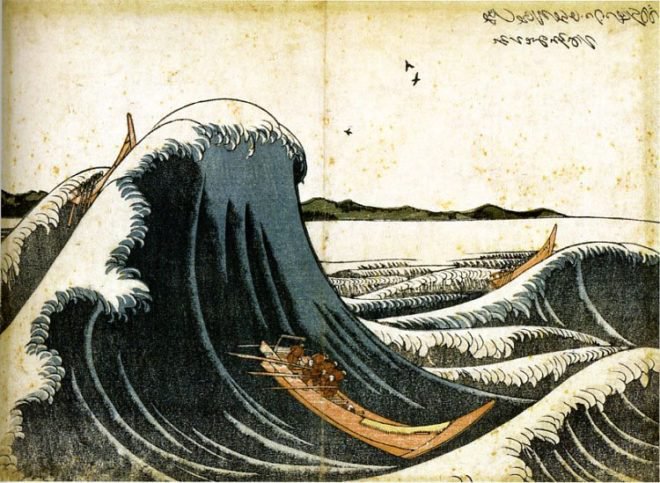
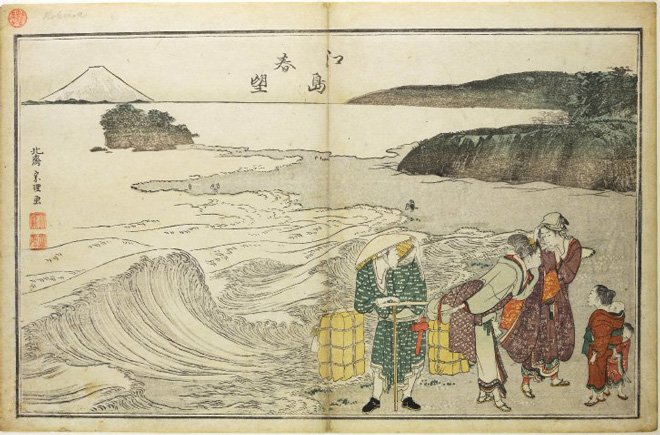
What Hap­pens When a Japan­ese Wood­block Artist Depicts Life in Lon­don in 1866, Despite Nev­er Hav­ing Set Foot There

Martin Luther King, Jr.‘s Handwritten Syllabus & Final Exam for the Philosophy Course He Taught at Morehouse College (1962)

On his way to saint­hood as an avatar of love and jus­tice, Mar­tin Luther King, Jr. lost too much of his com­plex­i­ty. Whether delib­er­ate­ly san­i­tized or just drawn in broad strokes for easy con­sump­tion, the Civ­il Rights leader we think we know, we may not know well at all. King him­self rue­ful­ly not­ed the ten­den­cy of his audi­ences to box him in when he began pub­licly and force­ful­ly to chal­lenge U.S. involve­ment in the Viet­nam War and the per­pet­u­a­tion of wide­spread pover­ty in the wealth­i­est coun­try on earth. “I am nev­er­the­less great­ly sad­dened,” he remarked in 1967, “that the inquir­ers have not real­ly known me, my com­mit­ment, or my call­ing.”

As WBUR notes in its intro­duc­tion to a dis­cus­sion on King’s polit­i­cal phi­los­o­phy, the “specifics of his rad­i­cal pol­i­tics often go unex­am­ined when cel­e­brat­ing his lega­cy…. His polit­i­cal and eco­nom­ic ideas are clear in his speech­es against the Viet­nam War and his call to work toward eco­nom­ic equal­i­ty.”

His rad­i­cal stances did not sit well with the FBI, nor with many of his for­mer sup­port­ers, but their roots are evi­dent in his most-pub­lished work, the 1963 “Let­ter from Birm­ing­ham Jail,” in which he coined the famous phrase, “injus­tice any­where is a threat to jus­tice every­where.”

We know of King’s indebt­ed­ness to the thought of Mahat­ma Gand­hi and Hen­ry David Thore­au, and of his the­o­log­i­cal edu­ca­tion. He was also steeped in the polit­i­cal phi­los­o­phy of the West, from Pla­to to John Stu­art Mill. In his grad­u­ate work at Boston Uni­ver­si­ty and Har­vard in the 50s, he read and wrote on Hegel, Kant, Marx, and oth­er philoso­phers. And as a vis­it­ing pro­fes­sor at More­house Col­lege—one year before his arrest in Birm­ing­ham and the com­po­si­tion of his letter—King taught a sem­i­nar in “Social Phi­los­o­phy,” exam­in­ing the ideas of Pla­to, Aris­to­tle, Augus­tine, Aquinas, Machi­avel­li, Hobbes, Locke, Rousseau, Kant, Hegel, Ben­tham, and Mill.

At the top of the post, you can see his hand­writ­ten syl­labus (view in a larg­er for­mat here), a sweep­ing sur­vey of the Euro­pean tra­di­tion in polit­i­cal phi­los­o­phy. Fur­ther up (or here in a larg­er for­mat) see a type­writ­ten exam with sev­en ques­tions from the read­ing (stu­dents were to answer any five). King not only asked his stu­dents to con­nect these thinkers in the abstract to present con­cerns for jus­tice, but, in ques­tion 3, he specif­i­cal­ly asks them to “appraise the Stu­dent Move­ment in its prac­tice of law-break­ing in light of Aquinas’ Doc­trine of Law” (refer­ring to the Catholic theologian/philosopher’s dis­tinc­tions between human and nat­ur­al law).

The syl­labus and exam give us a sense of how King sit­u­at­ed his own rad­i­cal pol­i­tics both with­in and against a long tra­di­tion of philo­soph­i­cal thought. For more on King’s polit­i­cal phi­los­o­phy, lis­ten to Har­vard pro­fes­sors Tom­mie Shel­by and Bran­don Ter­ry dis­cuss their new col­lec­tion of essays—To Shape a New World: Essays on the Polit­i­cal Phi­los­o­phy of Mar­tin Luther King, Jr.—in the WBUR inter­view above.

via Dai­ly Nous/The King Cen­ter

Relat­ed Con­tent:

Free Online Phi­los­o­phy Cours­es

How Mar­tin Luther King, Jr. Used Niet­zsche, Hegel & Kant to Over­turn Seg­re­ga­tion in Amer­i­ca

Read Mar­tin Luther King and The Mont­gomery Sto­ry: The Influ­en­tial 1957 Civ­il Rights Com­ic Book

‘You Are Done’: The Chill­ing “Sui­cide Let­ter” Sent to Mar­tin Luther King by the F.B.I.

On the Pow­er of Teach­ing Phi­los­o­phy in Pris­ons

Josh Jones is a writer and musi­cian based in Durham, NC. Fol­low him at @jdmagness

How a Virtual Reality Model of Auschwitz Helped Convict an SS Concentration Camp Guard: A Short Documentary on a High Tech Prosecution

In 2016, Rein­hold Han­ning, a for­mer SS guard at the Auschwitz con­cen­tra­tion camp, was tried and con­vict­ed for being an acces­so­ry to at least 170,000 deaths. In mak­ing their case, pros­e­cu­tors did some­thing novel–they relied on a vir­tu­al real­i­ty ver­sion of the Auschwitz con­cen­tra­tion camp, which helped under­mine Han­ning’s claim that he was­n’t aware of what hap­pened inside the camp. The vir­tu­al real­i­ty head­set let view­ers see the camp from almost any angle, and estab­lished that “Han­ning would have seen the atroc­i­ties tak­ing place all around him.”

The high-tech pros­e­cu­tion of Han­ning gets well doc­u­ment­ed in “Nazi VR,” the short doc­u­men­tary above. It comes from MEL Films, and will be added to our col­lec­tion of online doc­u­men­taries.

If you would like to sign up for Open Culture’s free email newslet­ter, please find it here. It’s a great way to see our new posts, all bun­dled in one email, each day.

If you would like to sup­port the mis­sion of Open Cul­ture, con­sid­er mak­ing a dona­tion to our site. It’s hard to rely 100% on ads, and your con­tri­bu­tions will help us con­tin­ue pro­vid­ing the best free cul­tur­al and edu­ca­tion­al mate­ri­als to learn­ers every­where. You can con­tribute through Pay­Pal, Patre­on, and Ven­mo (@openculture). Thanks!

Relat­ed Con­tent:

Auschwitz Cap­tured in Haunt­ing Drone Footage (and a New Short Film by Steven Spiel­berg & Meryl Streep)

Carl Jung Psy­cho­an­a­lyzes Hitler: “He’s the Uncon­scious of 78 Mil­lion Ger­mans.” “With­out the Ger­man Peo­ple He’d Be Noth­ing” (1938)

From Cali­gari to Hitler: A Look at How Cin­e­ma Laid the Foun­da­tion for Tyran­ny in Weimar Ger­many

Watch World War II Rage Across Europe in a 7 Minute Time-Lapse Film: Every Day From 1939 to 1945

by | Permalink | Make a Comment ( 1 ) |

Ian McKellen Chokes Up While Reading a Poignant Coming-Out Letter

“In 1977, Armis­tead Maupin wrote a let­ter to his par­ents that he had been com­pos­ing for half his life,” writes the Guardian’s Tim Adams. “He addressed it direct­ly to his moth­er, but rather than send it to her, he pub­lished it in the San Fran­cis­co Chron­i­cle, the paper in which he had made his name with his loose­ly fic­tion­alised Tales of the City, the dai­ly ser­i­al writ­ten from the alter­na­tive, gay world in which he lived.” The late 1970s saw a final flow­er­ing of news­pa­per-seri­al­ized nov­els, the same form in which Charles Dick­ens had grown famous near­ly a cen­tu­ry and a half before. But of all the zeit­geisty sto­ries then told a day at a time in urban cen­ters across Amer­i­ca, none has had any­thing like the last­ing impact of San Fran­cis­co as envi­sioned by Maupin.

Much of Tales of the City’s now-acknowl­edged impor­tance comes from the man­ner in which Maupin pop­u­lat­ed that San Fran­cis­co with a sex­u­al­ly diverse cast of char­ac­ters — gay, straight, and every­thing in between — and pre­sent­ed their lives with­out moral judg­ment.

He saved his con­dem­na­tion for the likes of Ani­ta Bryant, the singer and Flori­da Cit­rus Com­mis­sion spokes­woman who inspired Maupin to write that veiled let­ter to his own par­ents when she head­ed up the anti-homo­sex­u­al “Save Our Chil­dren” polit­i­cal cam­paign. When Michael Tol­liv­er, one of the series’ main gay char­ac­ters, dis­cov­ers that his folks back in Flori­da have thrown in their lot with Bryant, he responds with an elo­quent and long-delayed com­ing-out that begins thus:

Dear Mama,

I’m sor­ry it’s tak­en me so long to write. Every time I try to write you and Papa I real­ize I’m not say­ing the things that are in my heart. That would be OK, if I loved you any less than I do, but you are still my par­ents and I am still your child.

I have friends who think I’m fool­ish to write this let­ter. I hope they’re wrong. I hope their doubts are based on par­ents who love and trust them less than mine do. I hope espe­cial­ly that you’ll see this as an act of love on my part, a sign of my con­tin­u­ing need to share my life with you. I would­n’t have writ­ten, I guess, if you had­n’t told me about your involve­ment in the Save Our Chil­dren cam­paign. That, more than any­thing, made it clear that my respon­si­bil­i­ty was to tell you the truth, that your own child is homo­sex­u­al, and that I nev­er need­ed sav­ing from any­thing except the cru­el and igno­rant piety of peo­ple like Ani­ta Bryant.

I’m sor­ry, Mama. Not for what I am, but for how you must feel at this moment. I know what that feel­ing is, for I felt it for most of my life. Revul­sion, shame, dis­be­lief — rejec­tion through fear of some­thing I knew, even as a child, was as basic to my nature as the col­or of my eyes.

You can hear Michael’s, and Maupin’s, full let­ter read aloud by Sir Ian McK­ellen in the Let­ters Live video above. In response to its ini­tial pub­li­ca­tion, Adams writes, “Maupin had received hun­dreds of oth­er let­ters, near­ly all of them from read­ers who had cut out the col­umn, sub­sti­tut­ed their own names for Michael’s and sent it ver­ba­tim to their own par­ents. Maupin’s Let­ter to Mama has since been set to music three times and become ‘a stan­dard for gay men’s cho­rus­es around the world.’ ”

Those words come from a piece on Maupin’s auto­bi­og­ra­phy Log­i­cal Fam­i­ly, pub­lished just last year, in which the Tales of the City author tells of his own com­ing out as well as his friend­ships with oth­er non-straight cul­tur­al icons, one such icon being McK­ellen him­self. “I have many regrets about not hav­ing come out ear­li­er,” McK­ellen told BOMB mag­a­zine in 1998, “but one of them might be that I did­n’t engage myself in the pol­i­tick­ing.” He’d come out ten years before, as a stand in oppo­si­tion to Sec­tion 28 of the Local Gov­ern­ment Bill, then under con­sid­er­a­tion in the British Par­lia­ment, which pro­hib­it­ed local author­i­ties from depict­ing homo­sex­u­al­i­ty “as a kind of pre­tend­ed fam­i­ly rela­tion­ship.”

McK­ellen entered the realm of activism in earnest after choos­ing that moment to reveal his sex­u­al ori­en­ta­tion on the BBC, which he did on the advice of Maupin and oth­er friends. A few years lat­er he appeared in the tele­vi­sion minis­eries adap­ta­tion of Tales of the City as Archibald Anson-Gid­de, a wealthy real-estate and cul­tur­al impre­sario (one, as Maupin puts it, of the city’s “A‑gays”). In the nov­els, Archibald Anson-Gid­de dies clos­et­ed, of AIDS, pro­vok­ing the ire of cer­tain oth­er char­ac­ters for not hav­ing done enough for the cause in life — a charge, thanks in part to the words of Michael Tol­liv­er, that nei­ther Maupin nor McK­ellen will sure­ly nev­er face.

Relat­ed Con­tent:

Bene­dict Cum­ber­batch Reads a Let­ter Alan Tur­ing Wrote in “Dis­tress” Before His Con­vic­tion For “Gross Inde­cen­cy”

Allen Gins­berg Talks About Com­ing Out to His Fam­i­ly & Fel­low Poets on 1978 Radio Show (NSFW)

Ian McK­ellen Reads a Pas­sion­ate Speech by William Shake­speare, Writ­ten in Defense of Immi­grants

Based in Seoul, Col­in Mar­shall writes and broad­casts on cities and cul­ture. His projects include the book The State­less City: a Walk through 21st-Cen­tu­ry Los Ange­les and the video series The City in Cin­e­ma. Fol­low him on Twit­ter at @colinmarshall or on Face­book.

The History of the World in One Video: Every Year from 200,000 BCE to Today

“Where are you from?” a char­ac­ter at one point asks Babe, the hap­less pro­tag­o­nist of the Fire­sign The­atre’s clas­sic com­e­dy album How Can You Be in Two Places at Once When You’re Not Any­where at All. “Nairo­bi, ma’am,” Babe replies. “Isn’t every­body?” Like most of that psy­che­del­ic radio troupe’s pieces of appar­ent non­sense, that mem­o­rable line con­tains a truth: trace human his­to­ry back far enough and you inevitably end up in east Africa, a point illus­trat­ed in reverse by the video above, “A His­to­ry of the World: Every Year,” which traces the march of human­i­ty between 200,000 BCE and the mod­ern day.

To a dra­mat­ic sound­track which opens and clos­es with the music of Hans Zim­mer, video cre­ator Ollie Bye charts mankind’s progress out of Africa and, ulti­mate­ly, into every cor­ner of all the con­ti­nents of the world.

Real, doc­u­ment­ed set­tle­ments, cities, empires, and entire civ­i­liza­tions rise and fall as they would in a com­put­er game, with a con­stant­ly updat­ed glob­al pop­u­la­tion count and list of the civ­i­liza­tions active in the cur­rent year as well as occa­sion­al notes about pol­i­tics and diplo­ma­cy, soci­ety and cul­ture, and inven­tions and dis­cov­er­ies.

All that hap­pens in under 20 min­utes, a pret­ty swift clip, though not until the very end does the world take the polit­i­cal shape we know today, includ­ing even the late late­com­er to civ­i­liza­tion that is the Unit­ed States of Amer­i­ca. Bye’s many oth­er videos tend to focus on the his­to­ry of oth­er parts of the world, such as India, the British Isles, and that cra­dle of our species, the African con­ti­nent, all of which we can now devel­op first-hand famil­iar­i­ty with in this age of unprece­dent­ed human mobil­i­ty. Though the con­di­tion itself takes the ques­tion “Where are you from?” to a degree of com­pli­ca­tion unknown not only mil­len­nia but also cen­turies and even decades ago, at least now you have a snap­py answer at the ready.

Relat­ed Con­tent:

The His­to­ry of Civ­i­liza­tion Mapped in 13 Min­utes: 5000 BC to 2014 AD

Take Big His­to­ry: A Free Short Course on 13.8 Bil­lion Years of His­to­ry, Fund­ed by Bill Gates

The His­to­ry of the World in 46 Lec­tures From Colum­bia Uni­ver­si­ty

The His­to­ry of the World in 20 Odd Min­utes

A Crash Course in World His­to­ry

5‑Minute Ani­ma­tion Maps 2,600 Years of West­ern Cul­tur­al His­to­ry

Based in Seoul, Col­in Mar­shall writes and broad­casts on cities and cul­ture. His projects include the book The State­less City: a Walk through 21st-Cen­tu­ry Los Ange­les and the video series The City in Cin­e­ma. Fol­low him on Twit­ter at @colinmarshall or on Face­book.

How Isaac Newton Lost $3 Million Dollars in the “South Sea Bubble” of 1720: Even Geniuses Can’t Prevail Against the Machinations of the Markets

The Aris­totelian notion of “man” as a “ratio­nal ani­mal” has seen its share of detrac­tors, from the Cyn­ics to Bertrand Rus­sell to near­ly the whole of Post­struc­tural­ist thought. Leave it up to Oscar Wilde to com­press the debate between intel­lect and pas­sion into a pithy apho­rism: “Man is a ratio­nal ani­mal who always los­es his tem­per when he is called upon to act in accor­dance with the dic­tates of rea­son.”

We no longer need clever ver­bal barbs to refute too-opti­mistic assess­ments of human behav­ior. Eco­nom­ics is catch­ing up: we have the lan­guage of neu­ro­science and psy­chol­o­gy, which con­sis­tent­ly tells us that humans decid­ed­ly do not behave ratio­nal­ly very often, but are dri­ven by bias and biol­o­gy in inex­plic­a­ble ways. And for over a hun­dred years now, we’ve known that the clock­work New­ton­ian view of the phys­i­cal uni­verse turns out be a much messier and inde­ter­mi­nate affair, as does the uni­verse of the human mind.

Why, then, has so much eco­nom­ic the­o­ry oper­at­ed with a kind of dogged Aris­totelian­ism, insist­ing that the units of cap­i­tal­ist soci­ety, the work­ers, man­agers, investors, con­sumers, own­ers, renters, spec­u­la­tors, etc. behave in pre­dictable ways? We have case after case show­ing that intel­li­gence and crit­i­cal rea­son­ing often have lit­tle to do with suc­cess or fail­ure in the mar­ket. In such cas­es, how­ev­er, one often hears the “mad­ness of crowds” or oth­er clich­es invoked as an expla­na­tion.

To illus­trate, mar­ket reporters and busi­ness writ­ers have seized upon the sto­ry of Isaac Newton’s spec­tac­u­lar rise and fall in the so-called “South Sea Bub­ble” of 1720. We find the sto­ry in Ben­jamin Graham’s 1949 clas­sic The Intel­li­gent Investor, a wide­ly-read book that attrib­ut­es the irra­tional­i­ty of mar­ket sys­tems to an anthro­po­mor­phic enti­ty named “Mr. Mar­ket.”

Gra­ham writes,

Back in the spring of 1720, Sir Isaac New­ton owned shares in the South Sea Com­pa­ny, the hottest stock in Eng­land. Sens­ing that the mar­ket was get­ting out of hand, the great physi­cist mut­tered that he ‘could cal­cu­late the motions of the heav­en­ly bod­ies, but not the mad­ness of the peo­ple.’ New­ton dumped his South Sea shares, pock­et­ing a 100% prof­it total­ing £7,000. But just months lat­er, swept up in the wild enthu­si­asm of the mar­ket, New­ton jumped back in at a much high­er price — and lost £20,000 (or more than $3 mil­lion in [2002–2003’s] mon­ey. For the rest of his life, he for­bade any­one to speak the words ‘South Sea’ in his pres­ence.

The quo­ta­tion in bold may or may not have been uttered by New­ton, but the events Gra­ham describes did indeed hap­pen. As the Wall Street Jour­nal’s Jason Zwieg relates, Uni­ver­si­ty of Min­neso­ta pro­fes­sor Andrew Odlyzko found that “New­ton had shift­ed from a pru­dent investor with his mon­ey spread across sev­er­al secu­ri­ties to a spec­u­la­tor who had plunged essen­tial­ly all of his cap­i­tal into a sin­gle stock. The great sci­en­tist was chas­ing hot per­for­mance as des­per­ate­ly as a day trad­er in 1999 or many bit­coin buy­ers in 2017.” (Odlyzko esti­mates New­ton’s loss­es clos­er to $4 mil­lion.) Per­haps it was not a metaphor­i­cal “Mr. Mar­ket” who cost New­ton up to 77% “on his worst pur­chas­es,” nor was it wide­spread “wild enthusiasm”—the mass move­ment of pas­sion that Enlight­en­ment philoso­phers so feared.

Per­haps it was New­ton him­self who, Ele­na Holod­ny writes at Busi­ness Insid­er, “let his emo­tions get the best of him, and got swayed by the irra­tional­i­ty of the crowd.” Maybe it’s more accu­rate to say New­ton suc­cumbed to greed when the bub­ble expand­ed. “Through­out his­to­ry,” Bar­bara Kollmey­er writes at Mar­ket Watch in her inter­view with author Richard Dale, “people—especially those at the top rung of society—have been greedy and gullible par­tic­i­pants in finan­cial bub­bles. And Sir Isaac New­ton was only human, after all.” (How many at the top rung of soci­ety fell prey to Bernie Madoff’s schemes? And a cen­tu­ry before the South Sea Bub­ble, hun­dreds of wealthy investors lost their shirts in the Dutch Tulip Bulb craze.)

Some busi­ness writ­ers, like invest­ment edi­tor Richard Evans at The Tele­graph, rec­om­mend a cal­cu­la­ble for­mu­la to avoid los­ing a for­tune in bub­bles, advice that takes ratio­nal agency for grant­ed. Per­haps it should not. In addi­tion to cit­ing the con­ta­gion of crowds, near­ly every dis­cus­sion of Newton’s fol­ly allows that a fail­ure of emo­tion­al dis­ci­pline played a sig­nif­i­cant role. Ben­jamin Gra­ham invokes anoth­er Aris­totelian notion—the idea that “char­ac­ter” counts as much or more than intel­li­gence when it comes to invest­ing. “The investor’s chief prob­lem,” he writes, “and even his worst enemy—is like­ly to be him­self.”

Far few­er com­menters note that the South Sea ven­ture was itself a fail­ure of char­ac­ter from its incep­tion. The com­pa­ny had secured an exclu­sive monop­oly on trade with South Amer­i­ca; much of that trade involved sell­ing slaves. It is also the case that the com­pa­ny arti­fi­cial­ly inflat­ed its stock prices, and col­lud­ed with sev­er­al MPs in insid­er trad­ing schemes. The so-called “Bub­ble Act” of Par­lia­ment in 1720, pre­sum­ably passed to pre­vent crash­es like the one that dev­as­tat­ed New­ton, turned out to be cor­po­rate give­away. The terms of the act had been dic­tat­ed by the South Sea Com­pa­ny in order to pre­vent oth­er com­pa­nies from poach­ing their investors. Although these cir­cum­stances are well-known to eco­nom­ic his­to­ri­ans, they rarely make their way into com­men­tary on Newton’s great loss.

Econ­o­mists instead tend to blame abstrac­tions for eco­nom­ic events like the South Sea Bub­ble, or they blame the over­reach­ing prof­it-seek­ing of investors, and maybe for good rea­son. The oth­er expla­na­tions haunt the mar­gins: the inher­ent­ly exploita­tive nature of most forms of cor­po­rate cap­i­tal­ism, and the cor­rup­tion and col­lu­sion between the state and pri­vate enter­prise that inhibits fair com­pe­ti­tion and makes it impos­si­ble for investors to eval­u­ate the sit­u­a­tion trans­par­ent­ly. For all of his sci­en­tif­ic and math­e­mat­i­cal genius, Isaac New­ton was no exception—he was just as sub­ject to irra­tional greed as the next investor, and to the preda­to­ry machi­na­tions of “mar­ket forces.”

Relat­ed Con­tent:

In 1704, Isaac New­ton Pre­dicts the World Will End in 2060

Isaac New­ton Cre­ates a List of His 57 Sins (Cir­ca 1662)

Sir Isaac Newton’s Papers & Anno­tat­ed Prin­cip­ia Go Dig­i­tal

Josh Jones is a writer and musi­cian based in Durham, NC. Fol­low him at @jdmagness

1,600 Rare Color Photographs Depict Life in the U.S During the Great Depression & World War II

The title of Walk­er Evans and James Agee’s extra­or­di­nary work of lit­er­ary pho­to­jour­nal­ism, Let Us Now Praise Famous Men, may have lost some of its iron­ic edge with sub­se­quent acclaim and the fame of its writer and pho­tog­ra­ph­er. First begun in 1936 as a project doc­u­ment­ing the large­ly invis­i­ble lives of white share­crop­ping fam­i­lies in rur­al Alaba­ma, when the book appeared in print in 1941 it only sold about 600 copies. But over time, writes Mal­colm Jones at Dai­ly Beast, “it has estab­lished itself as a unique and endur­ing mashup of report­ing, con­fes­sion, and orac­u­lar prose.” As essen­tial as Agee’s doc­u­men­tary prose poet­ics is to the book’s appeal, Evans’ pho­tographs, like those of his many Depres­sion-era con­tem­po­raries, have served as mod­els for gen­er­a­tions of pho­tog­ra­phers in decades hence.

Evans “pho­tographs are not illus­tra­tive,” wrote Agee in the Pref­ace. “They, and the text, are coequal, mutu­al­ly inde­pen­dent, and ful­ly col­lab­o­ra­tive.” If “the text was writ­ten with read­ing aloud in mind,” and Agee want­ed us to hear, not sim­ply see the lan­guage, per­haps we are also meant to see the indi­vid­u­als Evans cap­tured, rather than just gaze at weath­ered faces and bat­tered cloth­ing, and view their bear­ers col­lec­tive­ly as for­lorn objects of pity.

More­over, we shouldn’t look at these indi­vid­u­als only as mem­bers of a par­tic­u­lar nation­al group. In the book’s first para­graph, Agee writes:

The world is our home. It is also the home of many, many oth­er chil­dren, some of whom live in far-away lands. They are our world broth­ers and sis­ters….

We are meant to see the sub­jects of Evans’ pho­tographs and Agee’s exquis­ite descrip­tions as dis­tinc­tive parts who make up the whole of humanity—or, more pre­cise­ly, the world’s labor­ing peo­ple. Agee opens with a famous epi­graph from The Com­mu­nist Man­i­festo: “Work­ers of the world, unite and fight. You have noth­ing to lose but your chains, and a world to win.” (With a can­ny qual­i­fy­ing foot­note explain­ing these words and their author as poten­tial­ly “the prop­er­ty of any polit­i­cal par­ty, faith, or fac­tion”).

Sev­er­al pho­tog­ra­phers employed, like Evans, by the Farm Secu­ri­ty Admin­is­tra­tion dur­ing the Great Depres­sion shared these sen­si­bil­i­ties. The sym­pa­thies of Dorothea Lange, for exam­ple, lay with work­ing peo­ple, not with the noblesse oblige of mid­dle-class audi­ences who might sup­port relief efforts but who had lit­tle desire to min­gle with the great Amer­i­can unwashed. Many viewers—disconnected from rur­al life—stared at the pho­tographs, writes Car­rie Melis­sa Jones, “in issues of the now-defunct Life mag­a­zine, Time, For­tune, Forbes, and more,” and “took a pater­nal­is­tic view of the south, ask­ing: ‘How do we save them from them­selves?’”

Can view­ers of Depres­sion-era pho­tographs today put aside their implic­it or explic­it sense of moral supe­ri­or­i­ty? Per­haps see­ing pho­tos of the era in col­or brings their sub­jects more imme­di­a­cy and vivid­ness, and you can see them by the hun­dreds at the Library of Congress’s online col­lec­tion of work com­mis­sioned by the fed­er­al gov­ern­ment dur­ing the Depres­sion and World War II. Evans him­self may have thought col­or pho­tog­ra­phy “gar­ish” and “vul­gar,” Jor­dan G. Teich­er notes at Slate (though Evans began tak­ing his own col­or images in 1946). But con­tem­po­raries like Rus­sell Lee, Mar­i­on Post Wol­cott, Jack Delano, and John Vachon proved him wrong.

At the top of the post, see two pho­tos from Lee—of two home­stead­ers in New Mex­i­co (1940) and a shep­herd with his horse and dog in Mon­tana (1942). Beneath that, we have Wolcott’s strik­ing pho­to of a rur­al cab­in some­where “in South­ern U.S.,” cir­ca 1940. Fur­ther up, see Delano’s image of share­crop­pers chop­ping cot­ton in White Plains, Geor­gia (1941), which resem­bles the hero­ic fig­ures in a Diego Rivera mur­al. And just above we have John Vachon’s image of rur­al school chil­dren in San Augus­tine Coun­ty, Texas (1943). As we scan these faces and places, we might con­sid­er again Agee’s pref­ace: “The gov­ern­ing instrument—which is also one of the cen­ters of the subject—is indi­vid­ual, anti-author­i­ta­tive human con­scious­ness.” His instruc­tions invite us to both empa­thy for each per­son we see and to broad human sym­pa­thy for all of them.

Once the U.S. entered the war, many Farm Secu­ri­ty Admin­is­tra­tion pho­tog­ra­phers were reas­signed to make pro­pa­gan­da for the Office of War Infor­ma­tion (and a few, like Lange, also received com­mis­sions to pho­to­graph the Japan­ese Intern­ment Camps). The nature of doc­u­men­tary pho­tog­ra­phy began to change, large­ly reflect­ing small town Amer­i­can indus­tri­ous­ness and civic pride, rather than rur­al des­per­a­tion and strug­gle. Images like Fen­no Jacobs’ patri­ot­ic demon­stra­tion in Southing­ton Con­necti­cut (1942) above, are typ­i­cal. Quaint rows of hous­es and store­fronts dom­i­nate dur­ing the war years. We also find inter­est­ing images like that of the woman below work­ing on a “Vengeance” dive bomber in Ten­nessee, tak­en by Alfred T. Palmer in 1943. Aside from the dat­ed cloth­ing and machin­ery, her pho­to­graph seems as fresh and com­pelling as the day it first appeared.

“In col­or,” writes Emory University’s Jesse Karls­berg, “these images present them­selves as rel­e­vant to the present, rather than con­signed to the past. By dis­play­ing the prob­lems they depict—such as seg­re­ga­tion, pover­ty, and envi­ron­men­tal degradation—in a con­tem­po­rary form, the images imply that such prob­lems may con­tin­ue to be crit­i­cal today.” They are indeed crit­i­cal today. And may become even more so. And one hopes that writ­ers, pho­tog­ra­phers, and artists, though they will not do so under the aegis of New Deal agen­cies, can find ways to doc­u­ment what is hap­pen­ing as they did decades ago. Such work car­ries glob­al sig­nif­i­cance. And, as a recent Taschen book that col­lects New Deal pho­tog­ra­phy from 1935 to 1943 describes it, pho­tographs like those you see here “intro­duced Amer­i­ca to Amer­i­cans.” They also intro­duced Americans—who have been as divid­ed in the past as they are today—to each oth­er.

Relat­ed Con­tent:

Found: Lost Great Depres­sion Pho­tos Cap­tur­ing Hard Times on Farms, and in Town

Ansel Adams, Dorothea Lange, Clem Albers & Fran­cis Stewart’s Cen­sored Pho­tographs of a WWII Japan­ese Intern­ment Camp

Yale Launch­es an Archive of 170,000 Pho­tographs Doc­u­ment­ing the Great Depres­sion

Josh Jones is a writer and musi­cian based in Durham, NC. Fol­low him at @jdmagness

The American Revolution: A Free Course from Yale University

When you have a lit­tle time, you can drop in on a free course that revis­its a sem­i­nal moment in U.S. history–the Amer­i­can Rev­o­lu­tion. Taught by Yale his­to­ri­an Joanne Free­man, the course explores how the Rev­o­lu­tion brought about “some remark­able transformations–converting British colonists into Amer­i­can rev­o­lu­tion­ar­ies, and a clus­ter of colonies into a con­fed­er­a­tion of states with a com­mon cause.” You can access the 25 lec­tures above, or on YouTube and iTunes. Also find a syl­labus for the course on this Yale web site.

“The Amer­i­can Rev­o­lu­tion” will be added to our list of Free His­to­ry Cours­es, a sub­set of our larg­er col­lec­tion, 1,700 Free Online Cours­es from Top Uni­ver­si­ties.

If you would like to sign up for Open Culture’s free email newslet­ter, please find it here. It’s a great way to see our new posts, all bun­dled in one email, each day.

If you would like to sup­port the mis­sion of Open Cul­ture, con­sid­er mak­ing a dona­tion to our site. It’s hard to rely 100% on ads, and your con­tri­bu­tions will help us con­tin­ue pro­vid­ing the best free cul­tur­al and edu­ca­tion­al mate­ri­als to learn­ers every­where. You can con­tribute through Pay­Pal, Patre­on, and Ven­mo (@openculture). Thanks!

Relat­ed Con­tent:

The His­to­ry of the World in 46 Lec­tures From Colum­bia Uni­ver­si­ty

14,000 Free Images from the French Rev­o­lu­tion Now Avail­able Online

A Mas­ter List of 1,300 Free Cours­es From Top Uni­ver­si­ties: 45,000 Hours of Audio/Video Lec­tures

by | Permalink | Make a Comment ( 2 ) |

« Go BackMore in this category... »
Quantcast