The Great War: Video Series Will Document How WWI Unfolded, Week-by-Week, for the Next 4 Years

This ambi­tious project deserves a men­tion: Medi­akraft Net­works has launched a video series on Youtube that will doc­u­ment how World War I unfold­ed, week-by-week, over a four-year peri­od, from 1914 to 1918. A new video will be released every Thurs­day, and it will reflect on what hap­pened dur­ing the same week 100 years pri­or. Launched in late July, the series has already cov­ered 16 weeks of The Great War, with lat­est video show­ing how World War I became a defen­sive war and trench­es began to scar the land. Host­ed by Indy Nei­dell (read an inter­view with him here), each video fea­tures archival footage from British Pathé, the news­reel archive com­pa­ny that put over 85,000 his­tor­i­cal films on YouTube ear­li­er this year.

the great war video series

You can watch all 16 episodes above, along with a few help­ful primers that explain why the War start­ed in the first place. To view new videos as they get released, keep tabs on this Youtube page. There should even­tu­al­ly be close to 300 episodes. Quite an under­tak­ing!

As a side note, I noticed that a Dutch pod­cast (in Eng­lish) will cov­er “The First World War in 261 weeks.” That’s the title of the pod­cast itself. Find it here.

via Kottke.org

Relat­ed Con­tent:

Free: British Pathé Puts Over 85,000 His­tor­i­cal Films on YouTube

Free Online His­to­ry Cours­es

The His­to­ry of Rome in 179 Pod­casts

Learn The His­to­ry of Phi­los­o­phy in 197 Pod­casts (With More to Come)

Read Joyce’s Ulysses Line by Line, for the Next 22 Years, with Frank Delaney’s Pod­cast

by | Permalink | Make a Comment ( 3 ) |

‘You Are Done’: The Chilling “Suicide Letter” Sent to Martin Luther King by the F.B.I.

mlk uncovered letter

In Novem­ber of 1964, Mar­tin Luther King received a chill­ing let­ter, pur­port­ed­ly from a dis­il­lu­sioned mem­ber of the African-Amer­i­can com­mu­ni­ty. “King, look into your heart,” writes MLK’s crit­ic. “You know you are a com­plete fraud and a great lia­bil­i­ty to all of us Negroes.”

The let­ter then turns men­ac­ing. It gives the civ­il rights leader a choice. Com­mit sui­cide or get killed:

You are done.

King, there is only one thing left for you to do. You know what it is. You have just 34 days in which to do it (this exact num­ber has been select­ed for a spe­cif­ic rea­son, it has def­i­nite prac­ti­cal sig­nif­i­cance). You are done. There is but one way out for you. You bet­ter take it before your filthy, abnor­mal fraud­u­lent self is bared to the nation.

Straight from the begin­ning, King knew the real author behind the “sui­cide let­ter,” as it’s now called. It was the FBI, led by J. Edgar Hoover, who har­bored a deep and abid­ing hatred for King. For years, the pub­lic only had access to redact­ed copies of the let­ter. The redac­tions obscured the meth­ods of the FBI — the way the agency tried to “frac­ture move­ments and pit lead­ers against one anoth­er,” writes the Elec­tron­ic Fron­tier Foun­da­tion, and the way it used sur­veil­lance to invade King’s per­son­al life and then black­mailed him with the infor­ma­tion it gath­ered. That’s what’s hap­pen­ing in the para­graph that begins “No per­son can over­come the facts, not even a fraud like your­self.”

This sum­mer, while research­ing at the Nation­al Archives, Bev­er­ly Gage, a pro­fes­sor of Amer­i­can his­to­ry at Yale, stum­bled upon an unredact­ed copy. You can read it above. On Tues­day, Gage wrote about the let­ter and its his­tor­i­cal sig­nif­i­cance in The New York Times. The unredact­ed let­ter was also pub­lished in the Times.

via Boing­Bo­ing/EFF

Relat­ed Con­tent:

Read Mar­tin Luther King and The Mont­gomery Sto­ry: The Influ­en­tial 1957 Civ­il Rights Com­ic Book

200,000 Mar­tin Luther King Papers Go Online

The Exis­ten­tial­ism Files: How the FBI Tar­get­ed Camus, and Then Sartre After the JFK Assas­si­na­tion

Free Online His­to­ry Cours­es

50,000 Norman Rockwell Photographs Now Digitized and Available Online

rfk rockwell

Ref­er­ence pho­to for Nor­man Rockwell’s por­trait of Robert F. Kennedy, c. 1968. Cour­tesy of the Nor­man Rock­well Muse­um Col­lec­tions.

What­ev­er you think of Nor­man Rock­well’s paint­ings and illus­tra­tions, you can’t deny them the sta­tus of endur­ing Amer­i­cana. For my mon­ey, Rock­well’s images cer­tain­ly make for more inter­est­ing rep­re­sen­ta­tions of the cul­ture than those of, say, Thomas Kinkade. But even if you have lit­tle inter­est in the Amer­i­ca Rock­well cre­at­ed on paper and can­vas, you’ll sure­ly find com­pelling the Amer­i­ca he cap­tured in pho­tographs. We now have unprece­dent­ed access to these thanks to a $150,000 grant from the Insti­tute of Muse­um and Library Ser­vices that has enabled the Nor­man Rock­well Muse­um to dig­i­tize what they call the Nor­man Rock­well Pho­to­graph­ic Print Col­lec­tion: approx­i­mate­ly 50,000 images that, accord­ing to archivist Venus Van Ness, “pro­vide a unique win­dow into Mr. Rockwell’s work­ing process, his per­son­al life, and the times in which he lived.”

norman-rockwell-pan-am

Ref­er­ence pho­to for “Por­trait of a Geisha Girl,” Pan Amer­i­can- Japan (1956)

These images include “ref­er­ence pho­tos Rock­well used to com­pose his paint­ings, pho­tos of work in progress, and can­did shots of him work­ing and inter­act­ing with John Wayne, Ann-Mar­gret, Pres­i­dents Dwight D. Eisen­how­er and John F. Kennedy, and many oth­er twen­ti­eth-cen­tu­ry icons who posed for the artist in his Stock­bridge stu­dio, on loca­tion at a movie set, at the White House, or — as in the case of Kennedy — at his Hyan­nis Port home on Cape Cod.”

You can browse them on this page, which dis­plays the search results for the word “pho­to­graph” in the Nor­man Rock­well Muse­um’s archives. And if you want to dig up those pho­tos of Wayne, Ann-Mar­gret, Kennedy, or oth­er icons of what they call the Amer­i­can cen­tu­ry, you can also add par­tic­u­lar terms to search for spe­cif­ic sub­jects. Or you can even search for spe­cif­ic places, for instance Rock­well’s many ref­er­ence pho­tos for the ads he did for flights to Japan by Pan Am — nat­u­ral­ly, the icon­i­cal­ly Amer­i­can air­line.

Norman Rockwell and Ann-Margret

Ref­er­ence pho­to of Nor­man Rockwell’s Por­trait of Ann-Mar­gret, c. 1965.

“To any­one who saw the exhi­bi­tion Nor­man Rock­well: Behind the Cam­era, which was orga­nized by the Nor­man Rock­well Muse­um and opened at the Brook­lyn Muse­um in Novem­ber 2010,” writes Hyper­al­ler­gic’s Ben­jamin Sut­ton, “the impor­tance of pho­tog­ra­phy to Rockwell’s prac­tice is not news. That show jux­ta­posed some of Rockwell’s best known paint­ings like ‘New Kids in the Neigh­bor­hood’ (1967) and ‘Boy in a Din­ing Car’ (1946) with the many, many stu­dio and doc­u­men­tary pho­tos the artist took and spliced togeth­er before putting pen­cil to paper or paint­brush to can­vas.” But now “the pub­lic and art his­to­ri­ans can get a bet­ter sense of the labo­ri­ous pre­lim­i­nary pho­tog­ra­phy work that went into each of Rockwell’s images, and the excep­tion­al lev­el of access he was giv­en to his sub­jects.” And though the process of brows­ing them may remain tricky for the time being, rest assured that, accord­ing to the offi­cial site, “the Museum’s new dig­i­tal expe­ri­ences project is get­ting under­way with sup­port from yet anoth­er IMLS match­ing grant award­ed in Sep­tem­ber.” And so Amer­i­can inno­va­tion con­tin­ues, on a lev­el Rock­well could nev­er have imag­ined.

This post comes via Hyper­al­ler­gic, where you can see more pho­tos in a nice, large for­mat.

Relat­ed Con­tent:

Nor­man Rockwell’s Type­writ­ten Recipe for His Favorite Oat­meal Cook­ies

Yale Launch­es an Archive of 170,000 Pho­tographs Doc­u­ment­ing the Great Depres­sion

Pho­tog­ra­phy by Lud­wig Wittgen­stein Dis­played by Archives at Cam­bridge

Col­in Mar­shall hosts and pro­duces Note­book on Cities and Cul­ture and writes essays on cities, lan­guage, Asia, and men’s style. He’s at work on a book about Los Ange­les, A Los Ange­les Primer. Fol­low him on Twit­ter at @colinmarshall or on Face­book.

What Are Literature, Philosophy & History For? Alain de Botton Explains with Monty Python-Style Videos

Once upon a time, ques­tions about the use-val­ue of art were the height of philis­tin­ism. “All art is quite use­less,” wrote the aes­thete Oscar Wilde, pre­sag­ing the atti­tudes of mod­ernists to come. Explain­ing this state­ment in a let­ter to a per­plexed fan, Wilde opined that art “is not meant to instruct, or to influ­ence action in any way.” But if you ask Alain de Bot­ton, founder of “cul­tur­al enter­prise” The School of Life, art—or lit­er­a­ture specifically—does indeed have a prac­ti­cal pur­pose. Four to be pre­cise.

In a pitch that might appeal to Dale Carnegie, de Bot­ton argues that lit­er­a­ture: 1) Saves you time, 2) Makes you nicer, 3) Cures lone­li­ness, and 4) Pre­pares you for fail­ure. The for­mat of his video above—“What is Lit­er­a­ture For?”—may be for­mu­la­ic, but the argu­ment may not be so con­trary to mod­ernist dic­ta after all. Indeed, as William Car­los Williams famous­ly wrote, “men die mis­er­ably every day / for lack / of what is found” in poet­ry. How many peo­ple per­ish slow­ly over wast­ed time, mean­ness, lone­li­ness, and bro­ken dreams?

Like de Botton’s short video intro­duc­tions to philoso­phers, which we fea­tured in a pre­vi­ous post, “What is Lit­er­a­ture For?” comes to us with Mon­ty Python-like ani­ma­tion and pithy nar­ra­tion that makes quick work of a lot of com­plex ideas. Whether you find this inspir­ing or insipid will depend large­ly on how you view de Botton’s broad-brush, pop­ulist approach to the human­i­ties in gen­er­al. In any case, it’s true that peo­ple crave, and deserve, more acces­si­ble intro­duc­tions to weighty sub­jects like lit­er­a­ture and phi­los­o­phy, sub­jects that—as de Bot­ton says above in “What is Phi­los­o­phy For?”—can seem “weird, irrel­e­vant, bor­ing.…”

Here, con­tra Lud­wig Wittgenstein’s claims that all phi­los­o­phy is noth­ing more than con­fu­sion about lan­guage, de Bot­ton expounds a very clas­si­cal idea of the dis­ci­pline: “Philoso­phers are peo­ple devot­ed to wis­dom,” he says. And what is wis­dom for? Its appli­ca­tion, unsur­pris­ing­ly, is also emi­nent­ly prac­ti­cal. “Being wise,” we’re told, “means attempt­ing to live and die well.” As some­one once indoc­tri­nat­ed into the Byzan­tine cult of aca­d­e­m­ic human­i­ties, I have to say this def­i­n­i­tion seems to me espe­cial­ly reduc­tive, but it does accord per­fect­ly with The School of Life’s promise of “a vari­ety of pro­grammes and ser­vices con­cerned with how to live wise­ly and well.”

Last­ly, we have de Botton’s expla­na­tion above, “What Is His­to­ry For?” Most peo­ple, he claims, find the sub­ject “bor­ing.” Giv­en the enor­mous pop­u­lar­i­ty of his­tor­i­cal dra­ma, doc­u­men­tary film, nov­els, and pop­u­lar non-fic­tion, I’m not sure I fol­low him here. The prob­lem, it seems, is not so much that we don’t like his­to­ry, but that we can nev­er reach con­sen­sus on what exact­ly hap­pened and what those hap­pen­ings mean. This kind of uncer­tain­ty tends to make peo­ple very uncom­fort­able.

Unboth­ered by this prob­lem, de Bot­ton press­es on, argu­ing that his­to­ry, at its best, pro­vides us with “solu­tions to the prob­lems of the present.” It does so, he claims, by cor­rect­ing our “bias toward the present.” He cites the obses­sive jack­ham­mer­ing of 24-hour news, which shouts at us from mul­ti­ple screens at all times. I have to admit, he’s got a point. With­out a sense of his­to­ry, it’s easy to become com­plete­ly over­whelmed by the inces­sant chat­ter of the now. Per­haps more con­tro­ver­sial­ly, de Bot­ton goes on to say that his­to­ry is full of “good ideas.” Watch the video above and see if you find his exam­ples per­sua­sive.

All three of de Botton’s videos are brisk, upbeat, and very opti­mistic about our capac­i­ty to make good use of the human­i­ties to bet­ter our­selves. Per­haps some of the more skep­ti­cal among us won’t be eas­i­ly won over by his argu­ments, but they’re cer­tain­ly wor­thy of debate and offer some very pos­i­tive ways to approach the lib­er­al arts. If you are per­suad­ed, then dive into our col­lec­tions of free lit­er­a­ture, his­to­ry and phi­los­o­phy cours­es high­light­ed in the sec­tion below.

Relat­ed Con­tent:

78 Free Online His­to­ry Cours­es: From Ancient Greece to The Mod­ern World

55 Free Online Lit­er­a­ture Cours­es: From Dante and Mil­ton to Ker­ouac and Tolkien

Down­load 100 Free Online Phi­los­o­phy Cours­es & Start Liv­ing the Exam­ined Life

Josh Jones is a writer and musi­cian based in Durham, NC. Fol­low him at @jdmagness
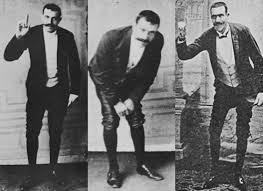
Watch Harry Shearer’s Faithful Recreation of Nixon’s Resignation

Antho­ny Hop­kins.

Frank Lan­gel­la.

And now, come­di­an Har­ry Shear­er.

What role do these gift­ed per­form­ers have in com­mon?

Lear?

Nope. Nixon.

Lan­gel­la and Sir Antho­ny res­ur­rect­ed the 37th pres­i­dent with­in the frame­work of care­ful­ly craft­ed screen­plays. Shearer’s approach is just as actor­ly, but his mate­r­i­al isn’t exact­ly script­ed. Instead, he and Nixon schol­ar Stan­ley Kut­ler pieced it togeth­er from unof­fi­cial ban­ter on the 3,700 hours of audio­tape Nixon secret­ly record­ed while in office, sup­ple­ment­ing with notes by those who were there.

The result is Nixon’s The One, a fly-on-the-wall web series in which vir­tu­oso impro­vis­er Shear­er sticks scrupu­lous­ly to the script, recre­at­ing every pause and awk­ward chuck­le. Com­pare Shearer’s lead up to Nixon’s tele­vised res­ig­na­tion above, to the real thing, below.

It’s uncom­fort­able, uncan­ny, dis­so­cia­tive, and strange­ly human.

The only false note is Shearer’s glar­ing­ly obvi­ous pros­thet­ic nose, though giv­en the pro­fes­sion­al, peri­od-accu­rate set, this may have been a delib­er­ate choice. Despite his insis­tence on authen­tic­i­ty, a biopic is clear­ly not what cre­ator Shear­er had in mind.

He’s been in train­ing for this project for close to half a cen­tu­ry, long before the idea itself was hatched. His first turn as Nixon came as a young, make-up free mem­ber of the L.A. com­e­dy group, the Cred­i­bil­i­ty Gap.

The next was on Sun­day Best, a 1991 mid-sea­son replace­ment on NBC. “I did a sketch I don’t think ever aired,” he told the Wall Street Jour­nal, “Nixon as a guest on an infomer­cial demon­strat­ing a mag­i­cal teeth-whiten­ing prepa­ra­tion.”

Le Show, Shearer’s extreme­ly fun­ny radio show, pro­vid­ed a forum for yet anoth­er ridicu­lous exer­cise at Tricky Dick’s expense.

The one-time polit­i­cal sci­ence major has elect­ed to play it straight with this ver­ba­tim, long form labor of love, in order let the weird, unin­ten­tion­al com­e­dy of Richard Nixon shine through. Find all the videos in the Nixon’s the One series here.

Relat­ed Con­tent:

Richard Nixon’s Tips For Get­ting Pan­das to Have Sex, Caught on New­ly-Revealed Audio Tape (1972)

The Moon Dis­as­ter That Wasn’t: Nixon’s Speech In Case Apol­lo 11 Failed to Return

Nixon and Kissinger: Best of Allies and Rivals

Ayun Hal­l­i­day is an author, home­school­er, and Chief Pri­ma­tol­o­gist of the East Vil­lage Inky zine. She embar­rassed her par­ents on a child­hood tour of the Nixon White House unchar­ac­ter­is­ti­cal­ly bois­ter­ous demands to see Tricky Dick and a queasy stom­ach that  healed itself in time for a vis­it to a Lafayette Square hot dog ven­dor. Fol­low her @AyunHalliday

Vintage Photos of Veterans of the Napoleonic Wars, Taken Circa 1858

Monsieur Moret of the 2nd Regiment 1814/15

His­to­ri­ans have debat­ed for cen­turies how Napoleon Bona­parte man­aged to turn the same men who once over­threw a king in the name of lib­erté, égal­ité  and fra­ter­nité into a for­mi­da­ble fight­ing force devot­ed to an emper­or. But that’s pre­cise­ly what he did. As he swept through Italy, Spain and Egypt, his army grew rapid­ly and not just with French troops. Pol­ish, Ger­man, Dutch and Ital­ian sol­diers took up arms under Napoleon’s ban­ner. In 1805, in a French vil­lage fac­ing the Eng­lish Chan­nel, Napoleon chris­tened his mas­sive multi­na­tion­al army the Grande Armée.

Monsieur Ducel Mameluke de la Garde  1813-1815.

Orig­i­nal­ly, the diminu­tive despot from Cor­si­ca planned to use the force to invade Britain but that ulti­mate­ly nev­er hap­pened. Instead, he direct­ed his force to take out some of his con­ti­nen­tal rivals. The Grande Armée destroyed the Holy Roman Empire at Auster­litz. After it forced the Aus­tri­ans into sub­mis­sion fol­low­ing the Bat­tle of Wagram in 1809, the Grande Armée set out for Napoleon’s dis­as­trous cam­paign in Rus­sia. As it marched towards Moscow in 1812, its ranks swelled to over a half mil­lion troops. As it retreat­ed, it was reduced to less than 120,000.

Monsieur Vitry Departmental Guard

Napoleon and the Grande Armée were final­ly defeat­ed in 1815 dur­ing the Bat­tle of Water­loo. And though Napoleon was igno­min­ious­ly exiled to Elba, he, and his army, con­tin­ued to be revered by the French. On the anniver­sary of his death, May 5th, vet­er­ans of the Napoleon­ic wars would pay homage to the Emper­or by march­ing in full uni­form through Paris’ Place Vendôme.

Quartermaster Fabry 1st Hussars

In 1858, some­one took por­traits of the vet­er­ans using that new­fan­gled tech­nol­o­gy called pho­tog­ra­phy. The men were well into old age when the pic­tures were tak­en, and some were clear­ly strug­gling to stay still for the length of the camera’s expo­sure. But they all look impres­sive in their uni­forms com­plete with epaulettes, medals, sash­es and plumes. You can see some of the images above. Click on each to enlarge them.

The pho­tographs, high­light­ed this week on Mash­able, come from a web­site host­ed by Brown Uni­ver­si­ty. There you can see more images from the col­lec­tion.

via Mash­able

Relat­ed Con­tent:

14,000 Free Images from the French Rev­o­lu­tion Now Avail­able Online

The First Col­or Pho­tos From World War I: The Ger­man Front

Napoleon: The Great­est Movie Stan­ley Kubrick Nev­er Made

Jonathan Crow is a Los Ange­les-based writer and film­mak­er whose work has appeared in Yahoo!, The Hol­ly­wood Reporter, and oth­er pub­li­ca­tions. You can fol­low him at @jonccrow. And check out his blog Veep­to­pus, fea­tur­ing lots of pic­tures of vice pres­i­dents with octo­pus­es on their heads.  The Veep­to­pus store is here.

Modern Art Was Used As a Torture Technique in Prison Cells During the Spanish Civil War

We’ve all got those friends or fam­i­ly mem­bers who con­sid­er “mod­ern art” a form of tor­ture. Next time they com­plain about an exhi­bi­tion you bring them to, just tell them how relieved they should feel that they did­n’t fight in the Span­ish Civ­il War — not just for the obvi­ous rea­sons; they could have found them­selves sub­ject not just to actu­al tor­ture, but tor­ture direct­ly inspired by mod­ernist aes­thet­ic prin­ci­ples. “A Span­ish art his­to­ri­an has found evi­dence that sug­gests some Civ­il War jail cells were built like 3‑D mod­ern art paint­ings in order to tor­ture pris­on­ers,” reports BBC News. “The cells were built in 1938 for the repub­li­can forces fight­ing Gen­er­al Fran­co’s Fas­cist Nation­al­ist army, who even­tu­al­ly won pow­er.” The find­ing comes from his­to­ri­an Jose Milicua, who dis­cov­ered ref­er­ences to these mod­ern-art cells among court papers from “the 1939 tri­al of French anar­chist Alphonse Lau­ren­cic, a repub­li­can, by a Fran­co-ist mil­i­tary court.”

“Dur­ing the tri­al,” the BBC arti­cle con­tin­ues, “Lau­ren­cic revealed he was inspired by mod­ern artists, such as sur­re­al­ist Sal­vador Dali and Bauhaus artist Wass­i­ly Kandin­sky” to cre­ate the six-foot-by-four-foot cells placed secret­ly in Barcelona (see a re-cre­ation above), which fea­tured “slop­ing beds at a 20-degree angle that were almost impos­si­ble to sleep on,” “irreg­u­lar­ly shaped bricks on the floor that pre­vent­ed pris­on­ers from walk­ing back­wards or for­wards,” walls “cov­ered in sur­re­al­ist pat­terns designed to make pris­on­ers dis­tressed and con­fused,” and light­ing effects “to make the art­work even more dizzy­ing.” Evi­dence also indi­cates that, else­where in Spain, Nation­al­ist pris­on­ers “were forced to watch Sal­vador Dali and Luis Bunuel’s film Un Chien Andalou,” espe­cial­ly an end­less loop of its “graph­ic sequence of an eye­ball being cut open” (at the top of the post).

modernartastorture

Iron­i­cal­ly, those impris­oned in such cells would have wound up there in the name of their fas­cist cause, which like the Fran­co-back­ing Nazi regime in Ger­many, con­sid­ered mod­ernism “degen­er­a­tive.” Pre­sum­ably, they did­n’t leave their impris­on­ment with any more sym­pa­thet­ic idea of mod­ern art than the one they’d gone in with. “A sub­cur­rent of shock and provo­ca­tion has always lurked with­in avant-garde art, which delib­er­ate­ly sets out to chal­lenge bour­geois con­ven­tion and to elic­it a strong response” writes the New York Times’ John Rock­well. “My own expe­ri­ence has been that oppo­nents of new art are much too quick to pre­sume provo­ca­tion, let alone provo­ca­tion intend­ed lit­er­al­ly to tor­ture. Still, there can be no doubt that out­rage was and is a goal of some artists, even if they rarely pushed it to the log­i­cal extreme that Lau­ren­cic took it.” You can learn more about this unusu­al­ly artis­tic form of war­fare in this All Things Con­sid­ered inter­view with art his­to­ri­an Vic­to­ria Com­balia. (Lis­ten below.) And do try to sup­press those fan­tasies of throw­ing your more Philis­tine acquain­tances in there for an hour or two.

Relat­ed Con­tent:

Restored Ver­sion of Un Chien Andalou: Luis Buñuel & Sal­vador Dalí’s Sur­re­al Film (1929)

The Nazi’s Philis­tine Grudge Against Abstract Art and The “Degen­er­ate Art Exhi­bi­tion” of 1937

How the CIA Secret­ly Fund­ed Abstract Expres­sion­ism Dur­ing the Cold War

Col­in Mar­shall hosts and pro­duces Note­book on Cities and Cul­ture and writes essays on cities, lan­guage, Asia, and men’s style. He’s at work on a book about Los Ange­les, A Los Ange­les Primer. Fol­low him on Twit­ter at @colinmarshall or on Face­book.

Young Stanley Kubrick’s Noirish Pictures of Chicago, 1949

Men, probably commuters, walking along a platform next to a train

When Stan­ley Kubrick was a mere high school stu­dent in April 1945, just after FDR died, he snapped a pic­ture of a news ven­dor framed on either side by posters announc­ing the president’s death. He was so excit­ed by the pic­ture that he skipped school to devel­op it and then marched right into the office of Look mag­a­zine. Pho­to edi­tor Helen O’Brian offered to buy the pho­to for $25. Dis­play­ing his trade­mark cock­i­ness, Kubrick told her that he want­ed to see what price he could get from The New York Dai­ly News. They only offered $10, so Kubrick went with Look. With­in a few months, at the age of 17, Kubrick became a staff pho­tog­ra­ph­er for the pub­li­ca­tion.

Below you can see some pho­tographs that Kubrick took in 1949 while on assign­ment in Chica­go. Using the same noirish high-con­trast, low-light look that marked his first three movies, he doc­u­ment­ed all dif­fer­ent stra­ta of soci­ety from floor traders, to lin­gerie mod­els, to meat pack­ers to impov­er­ished African-Amer­i­can fam­i­lies. Click  on the images to view them in a larg­er for­mat. Find a more exten­sive gallery of images here. To take a clos­er look at Kubrick­’s pho­tog­ra­phy, see the 2018 Taschen book Stan­ley Kubrick Pho­tographs: Through a Dif­fer­ent Lens and also Stan­ley Kubrick: Dra­ma & Shad­ows.

Men work­ing the floor at the Chica­go Board of Trade

Men working the floor at the Chicago Board of Trade

Lin­gerie mod­el, wear­ing a gir­dle and strap­less bra, smok­ing in an office; in the back­ground a woman sits at a desk

Lingerie model, wearing a girdle and strapless bra, smoking in an office; in the background a woman sits at a desk

Butch­er hold­ing slab of beef in a meat lock­er

Butcher holding slab of beef in a meat locker

African Amer­i­can moth­er and her four chil­dren in their ten­e­ment apart­ment

African American mother and her four children in their tenement apartment

Over­head view of the “L” ele­vat­ed rail­way

Overhead view of the "L" elevated railway in Chicago, Illinois

via Mash­able

Relat­ed Con­tent

Stan­ley Kubrick’s Very First Films: Three Short Doc­u­men­taries

The Mak­ing of Stan­ley Kubrick’s A Clock­work Orange

James Cameron Revis­its the Mak­ing of Kubrick’s 2001: A Space Odyssey

Ter­ry Gilliam: The Dif­fer­ence Between Kubrick (Great Film­mak­er) and Spiel­berg (Less So)

Jonathan Crow is a Los Ange­les-based writer and film­mak­er whose work has appeared in Yahoo!, The Hol­ly­wood Reporter, and oth­er pub­li­ca­tions. You can fol­low him at @jonccrow. And check out his blog Veep­to­pus, fea­tur­ing lots of pic­tures of vice pres­i­dents with octo­pus­es on their heads.  The Veep­to­pus store is here.

« Go BackMore in this category... »
Quantcast