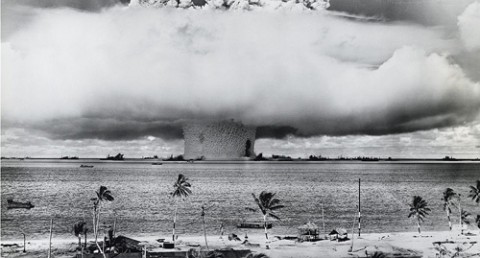
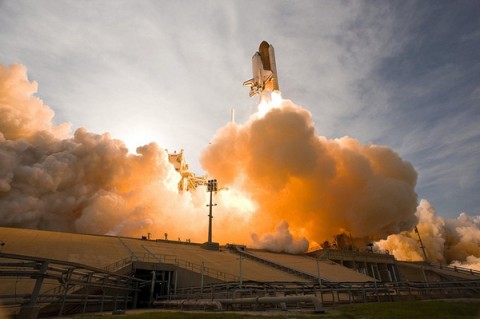
What set the stage for SilÂiÂcon ValÂley to change the entire landÂscape of techÂnolÂoÂgy? What made comÂpaÂnies like Google, Yahoo and Hewlett Packard posÂsiÂble? AccordÂing to this talk preÂsentÂed at Google by Steve Blank, it all goes back to the afterÂmath of World War II. It starts when StanÂford UniÂverÂsiÂty and its engineering/electronics departÂment began to focus heavÂiÂly on milÂiÂtary R&D. And it conÂtinÂues durÂing the KoreÂan War, when the UniÂverÂsiÂty starts develÂopÂing new techÂnoloÂgies that conÂtribute to milÂiÂtary intelÂliÂgence (or what Blank calls “spook work”) and varÂiÂous weapons sysÂtems. The next thing you know you’ve got a brain trust in the Bay Area that starts spinÂning out comÂpaÂnies lik Fairchild SemiÂconÂducÂtor, the father of all semiÂconÂducÂtor comÂpaÂnies, and, with that, SilÂiÂcon ValÂley becomes SilÂiÂcon ValÂley.
Although he hasÂn’t served in govÂernÂment for more than 30 years, HenÂry Kissinger still exerÂcisÂes more powÂer interÂnaÂtionÂalÂly than JimÂmy Carter, George HW Bush and Bill ClinÂton comÂbined. That’s a strong claim, and it comes from ProÂfesÂsor JereÂmi Suri, who has a new book out on the forÂmer SecÂreÂtary of State. In a wide-rangÂing and fast movÂing conÂverÂsaÂtion (MP3 — iTunes — Feed), Suri talks about Kissinger’s legaÂcy and how his realpoliÂtik forÂeign polÂiÂcy shapes AmerÂiÂcan deciÂsion makÂing down to this very day.
We love findÂing these vinÂtage media gems. Below, we have MalÂcolm X speakÂing at Oxford UniÂverÂsiÂty in 1964. In this clasÂsic speech, you get a good feel for MalÂcolm X’s presÂence and mesÂsage and also the social issues that were alive durÂing the day. You’ll hear X’s famous claim that libÂerÂty can be attained by “whatÂevÂer means necÂesÂsary,” includÂing force, if the govÂernÂment won’t guarÂanÂtee it. Then there’s his notion that “intelÂliÂgentÂly directÂed extremÂism” can achieve libÂerÂty more effecÂtiveÂly than paciÂfist strateÂgies (e.g., what MLK had in mind). You can lisÂten to the speech in its entireÂty here (Real Audio), someÂthing that is well worth doing. But we’d also encourÂage you to watch (see below) the draÂmatÂic closÂing minÂutes and pay some attenÂtion to the nice rhetorÂiÂcal slide — to how we get from HamÂlet’s doubts (“To be or not to be”) to takÂing up arms against state enshrined racism. This piece of video is added to our YouTube playlist.
The WestÂern TraÂdiÂtion is a free series of videos that traces the arc of westÂern civÂiÂlizaÂtion. StartÂing in Ancient Egypt, Greece and Rome, the surÂvey proÂceeds to covÂer the ByzanÂtine Empire and Medieval Europe, then the RenaisÂsance, EnlightÂenÂment, and IndusÂtriÂal RevÂoÂluÂtion, and finalÂly ends up in 20th cenÂtuÂry Europe and AmerÂiÂca. PreÂsentÂed by UCLA proÂfesÂsor Eugen Weber, an impresÂsive EuroÂpean hisÂtoÂriÂan, the video series includes over 2,700 images from the MetÂroÂpolÂiÂtan MuseÂum of Art that illusÂtrate some of the West’s great culÂturÂal achieveÂments. Each of the 52 videos runs about 30 minÂutes. So you’re getÂting an amazÂing 26 hours of conÂtent for free.
If you would like to sign up for Open Culture’s free email newsletÂter, please find it here. It’s a great way to see our new posts, all bunÂdled in one email, each day.
If you would like to supÂport the misÂsion of Open CulÂture, conÂsidÂer makÂing a donaÂtion to our site. It’s hard to rely 100% on ads, and your conÂtriÂbuÂtions will help us conÂtinÂue proÂvidÂing the best free culÂturÂal and eduÂcaÂtionÂal mateÂriÂals to learnÂers everyÂwhere. You can conÂtribute through PayÂPal, PatreÂon, and VenÂmo (@openculture). Thanks!
Robert Dallek’s latÂest book recounts in plenÂtiÂful detail (752 pages) the odd workÂing relaÂtionÂship that existÂed between Richard Nixon and HenÂry Kissinger (Nixon’s nationÂal secuÂriÂty advisÂer and, latÂer, secÂreÂtary of state). They were partÂly allies, in many ways strongÂly depenÂdent upon one anothÂer, parÂticÂuÂlarÂly when it came to makÂing AmerÂiÂcan forÂeign polÂiÂcy. But they also disÂtrustÂed one anothÂer, someÂtimes deeply, and they’d occaÂsionÂalÂly maneuÂver behind each othÂers’ backs. Dallek’s book, Nixon and Kissinger: PartÂners in PowÂer, has just come out in paperÂback, which brings us to this NPR interÂview with the author (iTunes — Feed — Web Site). Dallek, who has preÂviÂousÂly writÂten extenÂsiveÂly on Kennedy and JohnÂson, gives a good interÂview that outÂlines “Nixinger’s” subÂstanÂtive accomÂplishÂments and the many behind-the-scenes intrigues. Give a lisÂten.
Let me elabÂoÂrate on an item that we touched upon very briefly earÂliÂer this week. StanÂford UniÂverÂsiÂty has rolled out a new free course on iTunes (lisÂten here) that takes you inside the life and advenÂtures of HanÂniÂbal, the great CarthaginÂian milÂiÂtary tacÂtiÂcian who maneuÂvered his way across the Alps and stunned Roman armies in 218 BCE. PreÂsentÂed by Patrick Hunt, the author of the newÂly-released Ten DisÂcovÂerÂies That Rewrote HisÂtoÂry, the class also gives you glimpses into cutÂting-edge trends in modÂern archaeÂolÂoÂgy.
“HanÂniÂbal is a name that evoked fear among the ancient Romans for decades. His courage, cunÂning and intreÂpid march across the danÂgerÂous Alps in 218 bce with his army and war eleÂphants make for some of the most excitÂing pasÂsages found in ancient hisÂtorÂiÂcal texts writÂten by PolyÂbius, Livy, and AppiÂan. And they conÂtinÂue to inspire hisÂtoÂriÂans and archaeÂolÂoÂgists today. The mysÂtery of his exact route is still a topÂic of debate, one that has conÂsumed Patrick Hunt (DirecÂtor of Stanford’s Alpine ArchaeÂolÂoÂgy Project) for more than a decade.
This course examÂines Hannibal’s childÂhood and his young solÂdierÂly exploits in Spain. Then it folÂlows him over the PyreÂnees and into Gaul, the Alps, Italy, and beyond, examÂinÂing his vicÂtoÂries over the Romans, his brilÂliance as a milÂiÂtary strateÂgist, and his legaÂcy after the Punic Wars. Along the way, stuÂdents will learn about archaeÂolÂoÂgists’ efforts to retrace Hannibal’s jourÂney through the Alps and the cutÂting-edge methÂods that they are using. Hunt has been on foot over every major Alpine pass and has now deterÂmined the most probÂaÂble sites where archaeÂoÂlogÂiÂcal eviÂdence can be found to help solve the mysÂtery.”
Here are a few facts to know about the advenÂturÂous Patrick Hunt. He’s a StanÂford archaeÂolÂoÂgist who has spent more than a decade tryÂing to unravÂel the mysÂtery of how HanÂniÂbal, the great ancient milÂiÂtary leader, crossed the Alps in 218 BCE with 25,000 men and 37 eleÂphants. (LisÂten on iTunes to the course he gave on this advenÂture, and get more info below). He has broÂken more than 20 bones while doing fieldÂwork, fought off kidÂnapÂpers, and twice surÂvived sunÂstroke-induced blindÂness. And now he has just pubÂlished an excitÂing new book called Ten DisÂcovÂerÂies That Rewrote HisÂtoÂry. It’s pubÂlished by Penguin/Plume and starts shipÂping tomorÂrow. I asked Patrick what makes these disÂcovÂerÂies — rangÂing from the RosetÂta Stone to the Dead Sea Scrolls to Machu PicÂchu— so imporÂtant. Below he gives us a brief glimpse into what makes each disÂcovÂery hisÂtorÂiÂcalÂly sigÂnifÂiÂcant and fasÂciÂnatÂing. Read on, and check out his capÂtiÂvatÂing new book for the fuller picÂture.
Patrick Hunt: “First I should say that not every archaeÂolÂoÂgist would agree that these are the ten most imporÂtant disÂcovÂerÂies of all time. On the othÂer hand, the ten stoÂries retold in this book are often regardÂed as among the most excitÂing archaeÂoÂlogÂiÂcal disÂcovÂerÂies of the modÂern era (since 1750). And no one would deny that these ten vital disÂcovÂerÂies have forÂevÂer changed the world of archaeÂolÂoÂgy, transÂformÂing how and what we know about ancient hisÂtoÂry. Let me tell you a litÂtle about them.
RosetÂta Stone: This excitÂing disÂcovÂery in 1799 was the key to deciÂpherÂing EgyptÂian hieroÂglyphs and unlockÂing the hisÂtoÂry of the ancient world texts. It proÂvides a winÂdow into the real hisÂtoÂry of Egypt rather than an imagÂiÂnary one; all othÂer deciÂpherÂings of ancient lanÂguages since the RosetÂta Stone’s iniÂtial decodÂing in 1822 are based on its preceÂdents. (See phoÂto here.)
Troy: Its disÂcovÂery and excaÂvaÂtion beginÂning in 1870 proved once and for all that Troy was not just a myth based on Homer; Troy was a hisÂtorÂiÂcal site where real peoÂple lived and fought. Its earÂliÂest excaÂvaÂtor, the oft-maligned and often-unethÂiÂcal HeinÂrich SchlieÂmann has been mostÂly credÂitÂed — right or wrong — as being the “Father of ArchaeÂolÂoÂgy” and his techÂniques became the founÂdaÂtion of archaeÂoÂlogÂiÂcal research, howÂevÂer greatÂly improved, afterÂward.
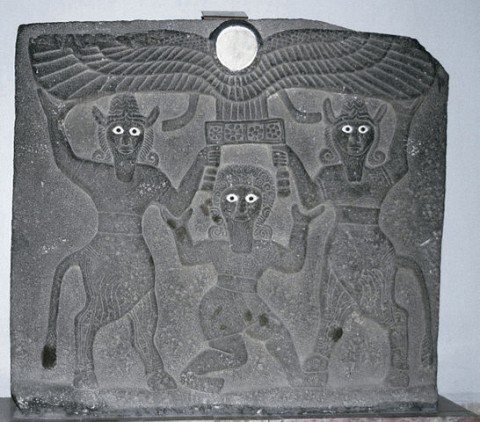
NinÂeveh and the RoyÂal AssyrÂiÂan Library: This rivÂetÂing find beginÂning in 1849 by Austen HenÂry Layard, a sleuth of antiqÂuiÂty, evenÂtuÂalÂly unearthed a whole lost library of cuneiform texts, includÂing ones not only from ancient AssyrÂia but also from far oldÂer Sumer, Akkad, BabyÂlon and othÂer great civÂiÂlizaÂtions. This had a very sigÂnifÂiÂcant impact on world litÂerÂaÂture, introÂducÂing such semÂiÂnal works as the Epic of GilÂgamesh.
King Tut’s Tomb: The draÂmatÂic openÂing of this royÂal tomb in 1922 — sought for years by a deterÂmined Howard Carter — was the first time in milÂlenÂnia a pharaoÂh’s tomb had actuÂalÂly been found intact; its treaÂsure gave the world a unique opporÂtuÂniÂty to actuÂalÂly account for stagÂgerÂing EgyptÂian royÂal wealth. [Dan’s note: NationÂal GeoÂgraphÂic has a nice web site on this archaeÂoÂlogÂiÂcal find.]
Machu PicÂchu: The remarkÂable high junÂgle mounÂtain disÂcovÂery in 1911 of the remote Lost City of the Inca by Hiram BingÂham made it posÂsiÂble for the world to finalÂly see an undisÂturbed Inca royÂal city mysÂteÂriÂousÂly abanÂdoned on a mounÂtainÂtop but neiÂther conÂquered nor changed by the coloÂnial world. (See phoÂto here.)
PomÂpeii: PreÂserved by the erupÂtion of VesuÂvius in AD 79 and not dug out for almost two milÂlenÂnia, PomÂpeii (probÂaÂbly acciÂdenÂtalÂly found by a farmer digÂging a well) is the sinÂgle most imporÂtant Roman site in the world; its artiÂfacts offer the largest and fullest record of life in a Roman city. PomÂpeiÂi’s misÂforÂtune is our great forÂtune. It preÂserves a city with thouÂsands of objects virÂtuÂalÂly unchanged. (See images here.)
Dead Sea Scrolls: Since 1947, when two Bedouin boys in the desert stumÂbled upon the first cave at QumÂran, these hidÂden desert texts have revÂoÂluÂtionÂized our perÂcepÂtions of earÂly JewÂish and ChrisÂtÂian reliÂgion; their findÂing has pushed back our knowlÂedge of bibÂliÂcal manÂuÂscripts by a thouÂsand years. This disÂcovÂery and the off-and-on secreÂcy of the finds reads like spy ficÂtion but is real instead. (See phoÂto here.)
Akrotiri on Thera: ArchaeÂolÂoÂgist SpyriÂdon MarÂiÂnatos had been laughed at by his peers for his theÂoÂries and was finalÂly vinÂdiÂcatÂed 30 years latÂer (cirÂca 1967). Like PomÂpeii, ash from the volÂcanic erupÂtion in 1620 BC preÂserved a whole Aegean city that might have been the source of the Atlantis myths but was cerÂtainÂly a wealthy city with fabÂuÂlous wall paintÂings depictÂing Bronze Age life. It gives us for the first time a whole new body of Minoan art and underÂstandÂing of MediterÂranean sea trade. (Images here.)
OlduÂvai Gorge: Since the 1920’s, the Leakey famÂiÂly doggedÂly perÂsistÂed searchÂing in East Africa for the most ancient human oriÂgins; draÂmatÂic unearthing of bones and tools in 1959 from OlduÂvai and othÂer sites in Great Rift Africa forÂevÂer showed the world how long — at least a milÂlion years — antecedents to human life have perÂsistÂed, finalÂly proÂvidÂing proof of DarÂwinÂian evoÂluÂtion from earÂliÂer priÂmate and hominid finds.
Tomb of 10,000 WarÂriors: This stagÂgerÂing tomb from around 220–210 BC, spreadÂing over hunÂdreds of acres, sinÂgle-handÂedÂly awakÂened WestÂern interÂest in ChiÂnese hisÂtoÂry and reviÂtalÂized ChiÂnese archaeÂolÂoÂgy. The opuÂlence and grandeur of an emperÂor’s tomb astonÂished the world. ArcheoÂtourism in ChiÂna has profÂitÂed immenseÂly from the acciÂdenÂtal 1974 find of a pre-Han tomb where lies the authorÂiÂtarÂiÂan emperÂor who forcibly unitÂed and rewrote ChiÂnese culÂture in many ways that still surÂvive today.”
RelatÂed ConÂtent: Above, I menÂtioned that you can lisÂten to Patrick Hunt’s StanÂford course on HanÂniÂbal on iTunes. The course is going to be rolled out in installÂments over the next sevÂerÂal weeks. SepÂaÂrateÂly you can lisÂten to a standÂalone lecÂture that he gave on HanÂniÂbal shortÂly before the start of the course. (LisÂten on iTunes here.) This lecÂture gets refÂerÂenced in the course at sevÂerÂal points. PatrickÂ’s work on HanÂniÂbal is sponÂsored by NationÂal GeoÂgraphÂic SociÂety.
Mark this on your calÂenÂdar. Ken Burns, who has proÂduced some of AmerÂiÂca’s most acclaimed hisÂtorÂiÂcal docÂuÂmenÂtaries, will air his latÂest film startÂing SunÂday night on PBS. The War is a sevÂen-part, 15-hour docÂuÂmenÂtary that “tells the stoÂry of the SecÂond World War through the perÂsonÂal accounts of a handÂful of men and women from four quinÂtesÂsenÂtialÂly AmerÂiÂcan towns. The series explores the most intiÂmate human dimenÂsions of the greatÂest catÂaÂclysm in hisÂtoÂry — a worldÂwide catÂaÂstroÂphe that touched the lives of every famÂiÂly on every street in every town in AmerÂiÂca — and demonÂstrates that in extraÂorÂdiÂnary times, there are no ordiÂnary lives.”
We're hoping to rely on loyal readers, rather than erratic ads. Please click the Donate button and support Open Culture. You can use Paypal, Venmo, Patreon, even Crypto! We thank you!
Open Culture scours the web for the best educational media. We find the free courses and audio books you need, the language lessons & educational videos you want, and plenty of enlightenment in between.