Google Presents YouTube for Schools, Makes Video World Safe for Teachers

On YouTube, the path to edu­ca­tion is as nar­row and as dif­fi­cult to walk as a razor’s edge. Left to their own devices, kids have a ten­den­cy to veer away from the math tuto­ri­als and head straight for the water-ski­ing squir­rels. What’s an edu­ca­tor to do?

Google believes it has the answer with “YouTube for Schools,” a new ser­vice that gives teach­ers and admin­is­tra­tors the abil­i­ty to fil­ter out every­thing but their own selec­tions from YouTube EDU, a curat­ed col­lec­tion of edu­ca­tion­al videos from sources rang­ing from Sesame Street to Har­vard.

“We’ve been hear­ing from teach­ers that they want to use the vast array of edu­ca­tion­al videos on YouTube in their class­room, but are con­cerned that stu­dents will be dis­tract­ed by the lat­est music video or a video of a cute cat, or a video that might not be appro­pri­ate for stu­dents,” writes YouTube Prod­uct Man­ag­er Bri­an Truong. “While schools that com­plete­ly restrict access to YouTube may solve this dis­trac­tion con­cern, they also lim­it access to hun­dreds of thou­sands of edu­ca­tion­al videos on YouTube that can help bring pho­to­syn­the­sis to life, or show what life was like in ancient Greece.”

To help teach­ers find the best mate­r­i­al with ease, YouTube has orga­nized the edu­ca­tion­al videos by sub­ject and grade lev­el, with more than 300 playlists to choose from at youtube.com/teachers. To learn more, or to sign up, go to youtube.com/schools.

Also don’t miss our own curat­ed list of Intel­li­gent YouTube Chan­nels, which high­lights the best video col­lec­tions on the Google-owned ser­vice.

Download 20 Popular High School Books Available as Free eBooks & Audio Books

Every year, thou­sands of Amer­i­can high school stu­dents read a com­mon selec­tion of great nov­els — clas­sics loved by young and old read­ers alike. Today, we have select­ed 20 of the most pop­u­lar books and high­light­ed ways that you can down­load ver­sions for free, most­ly as free audio books and ebooks, and some­times as movies and radio dra­mas. You will find more great works — and some­times oth­er dig­i­tal for­mats — in our twin col­lec­tions: 600 Free eBooks for iPad, Kin­dle & Oth­er Devices and 550 Free Audio Books. So please give them a good look over, and if we’re miss­ing a nov­el you want, don’t for­get Audible.com’s 14 day tri­al. It will let you down­load an audio book for free, pret­ty much any one you want.

1984 by George Orwell: Read Online
Although pub­lished in 1949, 1984 still cap­tures our imag­i­na­tion gen­er­a­tions lat­er because it offers one of the best lit­er­ary accounts of total­i­tar­i­an­ism ever pub­lished. And it’s sim­ply a great read.

Ani­mal Farm by George Orwell: Read OnlineFree Ani­mat­ed Movie
Orwell’s 1945 alle­gor­i­cal novel­la took aim at the cor­rup­tion of the Sovi­et Union and its total­i­tar­i­an rule. The short book, which almost nev­er saw the light of day, appears on the Mod­ern Library’s list of the 100 Best Nov­els of the 20th cen­tu­ry.

Brave New World by Aldous Hux­ley: eTextFree Radio Drama­ti­za­tion (by Hux­ley him­self)
Lit­tle known fact. Hux­ley once taught George Orwell French at Eton. And, years lat­er his 1931 clas­sic, Brave New World, is often men­tioned in the same breath with 1984 when it comes to great books that describe a dystopi­an future.

Franken­stein by Mary Shel­ley - Free ebookFree Audio Book (MP3)Radio Dra­ma ver­sion (1938)Movie
Mary Shel­ley start­ed writ­ing the great mon­ster nov­el when she was only 18 and com­plet­ed it when she was 21. The 1823 goth­ic nov­el is arguably one of your first works of sci­ence fic­tion.

Heart of Dark­ness by Joseph Con­rad: Free eBook — Free Audio Book (iTunes) — Radio Drama­ti­za­tion by Orson Welles (MP3)
More than 100 years after its pub­li­ca­tion (1902), Con­rad’s novel­la still offers the most canon­i­cal look at colo­nial­ism and impe­ri­al­ism. So pow­er­ful was its influ­ence that Orson Welles dra­ma­tized it in 1938, and the book also famous­ly inspired Cop­po­la’s Apoc­a­lypse Now in 1979.

Plays by William Shake­speare

No descrip­tion need­ed. None giv­en.

Romeo and Juli­et — Free eBookFree Audio Book (MP3s)

Mac­Beth — Free eBook — Free Audio Book (iTunes)

Ham­let — Free eBookFree Audio Book (MP3s)

Julius Cae­sarFree eBookFree Audio Book (MP3s)

Note: You can find The Com­plete Works of Shake­speare here: Free eBook – Free ver­sion for the iPad

Pride & Prej­u­dice by Jane AustenFree eBook — Free Audio Book (iTunes)
Jane Austen’s 1813 nov­el remains as pop­u­lar as ever. To date, it has sold more than 20 mil­lion copies, and, every so often, it finds itself adapt­ed to a new film, TV or the­ater pro­duc­tion. A must read.

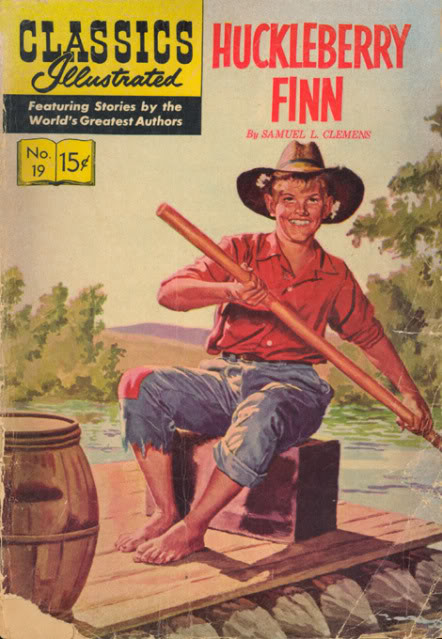
The Adven­tures of Huck­le­ber­ry Finn by Mark TwainFree eBookFree Audio Book (iTunes)
When you think Huck­le­ber­ry Finn, you think Great Amer­i­can Nov­el. It was con­tro­ver­sial when it was first pub­lished in 1884, and it remains so today. But nonethe­less Twain’s clas­sic is a peren­ni­al favorite for read­ers around the world.

The Call of the Wild by Jack Lon­don — Free eBook — Free Audio Book (iTunes)
The Call of the Wild, first pub­lished in 1903, is regard­ed as Jack Lon­don’s mas­ter­piece. It’s “a tale about unbreak­able spir­it and the fight for sur­vival in the frozen Alaskan Klondike.”

The Cru­cible by Arthur Miller - Free Audio Book from Audible.com
Arthur Miller’s 1952 play used the Salem witch tri­als of 1692 and 1693 to offer a com­men­tary on McCarthy­ism that tar­nished Amer­i­ca dur­ing the 1950s. Today, The Cru­cible occu­pies a cen­tral place in Amer­i­ca’s lit­er­ary canon.

The Grapes of Wrath by John Stein­beckFree Audio Book from Audible.com
This 1939 nov­el won the Pulitzer Prize in 1940 and lat­er helped Stein­beck win the Nobel Prize for Lit­er­a­ture in 1962. It’s per­haps the most impor­tant book to give lit­er­ary expres­sion to the Great Depres­sion.

The Great Gats­by by F. Scott Fitzger­aldFree eBookFree Audio Book from Audible.com
It’s the clas­sic por­trait of the Jazz Age, a tale of deca­dence and excess. And today The Mod­ern Library has called Fitzger­ald’s 1925 mas­ter­piece the 2nd best nov­el of the last cen­tu­ry.

The Odyssey by Homer – Free eBookFree Audio Book
The West­ern lit­er­ary tra­di­tion begins with Home­r’s epic poems The Ili­ad (etext here) and The Odyssey, both writ­ten some 2800 years ago. It has been said that “if the Ili­ad is the world’s great­est war epic, then the Odyssey is lit­er­a­ture’s grand­est evo­ca­tion of every­man’s jour­ney through life.” And that just about gets to the heart of the poem.

The Old Man and the Sea by Ernest Hem­ing­way Free Audio Book from Audible.com
It was Hem­ing­way’s last major work of fic­tion (1951) and cer­tain­ly one of his most pop­u­lar, bring­ing many read­ers into con­tact with Hem­ing­way’s writ­ing for the first time.

The Red Badge of Courage by Stephen CraneFree eBook — Free Audio Book (iTunes)Free Movie
This Civ­il War nov­el won what Joseph Con­rad called “an orgy of praise” after its pub­li­ca­tion in 1895, and inspired Ernest Hem­ing­way and the Mod­ernists lat­er. The nov­el made Stephen Crane a celebri­ty at the age of 24, though he died only five years lat­er.

The Scar­let Let­ter by Nathaniel Hawthorne – Free eBooksFree Audio BookMovie
Though set in Puri­tan Boston between 1642 and 1649, Hawthorne’s mag­num opus explores “the moral dilem­mas of per­son­al respon­si­bil­i­ty, and the con­sum­ing emo­tions of guilt, anger, loy­al­ty and revenge” that were rel­e­vant in 1850 (when the book was pub­lished). And they remain so today.

To Kill a Mock­ing­bird by Harp­er Lee — Free Audio Book from Audible.com
Harp­er Lee’s 1960 nov­el takes an inci­sive look at atti­tudes toward race and class in the Deep South dur­ing the 1930s. It won the Pulitzer Prize a year lat­er.

Note: We list­ed Audible.com as an option when books were still under copy­right.

Mean­while, edu­ca­tors don’t miss our col­lec­tion of Free Cours­es. It fea­tures many free Lit­er­a­ture cours­es, includ­ing cours­es on Amer­i­can lit­er­a­ture.

by | Permalink | Make a Comment ( 29 ) |

Richard Dawkins Introduces His New Illustrated Book, The Magic of Reality

We told you about the book ear­li­er this year, and now it’s just about here. Set for release on Octo­ber 4th, The Mag­ic of Real­i­ty will be unlike any book writ­ten by Richard Dawkins before. It is illus­trat­ed for starters, and large­ly geared toward young and old read­ers alike. Per­fect, he says, for any­one 12 and up. When it comes to the struc­ture and gist of the book, Dawkins does a pret­ty good job of explain­ing things. So let’s let the video roll…

Note: If you’re will­ing to tweet about the book, you can view the first 24 pages of The Mag­ic of Real­i­ty here.

Relat­ed Con­tent:

Richard Dawkins on the Awe of Life & Sci­ence

Richard Dawkins Plays the Piano: “Earth His­to­ry in C Major”

by | Permalink | Make a Comment ( 8 ) |

Shel Silverstein’s The Giving Tree: The Animated Film Narrated by Shel Himself (1973)

Back in 1964, Shel Sil­ver­stein wrote The Giv­ing Tree, a wide­ly loved chil­dren’s book now trans­lat­ed into more than 30 lan­guages. It’s a sto­ry about the human con­di­tion, about giv­ing and receiv­ing, using and get­ting used, need­i­ness and greed­i­ness, although many fin­er points of the sto­ry are open to inter­pre­ta­tion. Today, we’re rewind­ing the video­tape to 1973, when Sil­ver­stein’s lit­tle book was turned into a 10 minute ani­mat­ed film (now added to our free movie col­lec­tion). Sil­ver­stein nar­rates the sto­ry him­self and also plays the har­mon­i­ca.… which brings us to his musi­cal tal­ents. Don’t miss Sil­ver­stein, also a well known song­writer, appear­ing on The John­ny Cash Show in 1970, and the two singing “A Boy Named Sue.” Sil­ver­stein wrote the song, and Cash made it famous. Thanks to Mark, co-edi­tor of the phi­los­o­phy blog/podcast The Par­tial­ly Exam­ined Life for send­ing these along.

Relat­ed Con­tent:

Shel Sil­ver­stein Reads His Poem ‘Ick­le Me, Pick­le Me, Tick­le Me Too’ in Ani­mat­ed Video

Studs Terkel Inter­views Bob Dylan, Shel Sil­ver­stein, Maya Angelou & More in New Audio Trove

by | Permalink | Make a Comment ( 8 ) |

Sir Ken Robinson: Bring on the Learning Revolution!


Some months ago, we asked you to name your favorite TED Talk. And, more than a few of you flagged Sir Ken Robin­son’s pre­sen­ta­tion from 2006, Do Schools Kill Cre­ativ­i­ty? You’re in good com­pa­ny. The talk remains one of TED’s most pop­u­lar videos of all time. Today, TED has released Robin­son’s sequel (of sorts). Record­ed this past Feb­ru­ary, Bring on the Learn­ing Rev­o­lu­tion! “makes the case for a rad­i­cal shift from stan­dard­ized schools to per­son­al­ized learn­ing — cre­at­ing con­di­tions where kids’ nat­ur­al tal­ents can flour­ish.” Give it some time. Per­haps it’s anoth­er talk for the ages.

by | Permalink | Make a Comment ( 1 ) |

Alice In Openland

This year, Tim Bur­ton’s pro­duc­tion of Alice In Won­der­land was wel­comed by a flur­ry of media buzz and a rather polar­ized pub­lic response debat­ing whether the icon­ic direc­tor had butchered or rein­vent­ed the even more icon­ic chil­dren’s clas­sic. But dis­cus­sion of the film’s cre­ative mer­its aside, one thing it did do bril­liant­ly was rekin­dle the pub­lic’s inter­est in what’s eas­i­ly the most beloved work of chil­dren’s lit­er­a­ture of the past two cen­turies.

So beloved, in fact, that Lewis Car­rol­l’s 1865 nov­el has gen­er­at­ed hun­dreds of reprints, film adap­ta­tions and var­i­ous deriv­a­tive works over the years. Many of these works are now avail­able in the pub­lic domain — even a sim­ple search in the Inter­net Archive sends you down a rab­bit hole of adap­ta­tions and remakes, span­ning from land­mark ear­ly cin­e­ma trea­sures to off­beat prod­ucts of con­tem­po­rary dig­i­tal cul­ture.

Today, we’ve curat­ed a selec­tion of the most inter­est­ing and cul­tur­al­ly sig­nif­i­cant — the “curi­ouser and curi­ouser,” if you will — free ver­sions of, trib­utes to, and deriv­a­tives of Alice’s Adven­tures In Won­der­land.

  • The fun­da­men­tals: A Project Guten­berg free dig­i­tal copy of Car­rol­l’s orig­i­nal Alice’s Adven­tures In Won­der­land text
  • A 1916 abridged ver­sion intend­ed for younger chil­dren, dig­i­tized by the Library of Con­gress, is avail­able from the Inter­na­tion­al Chil­dren’s Dig­i­tal Library and fea­tures some won­der­ful illus­tra­tion — though, regret­tably, it lacks the Cheshire Cat
  • For a clas­sic with a spin, try this audio ver­sion read by blog­ger extra­or­di­naire, Boing­Bo­ing co-edi­tor, Pop­u­lar Sci­ence colum­nist and vocal free con­tent advo­cate Cory Doc­torow
  • The ear­li­est cin­e­mat­ic adap­ta­tion of the book, direct­ed by Cecil Hep­worth in 1903, is a silent film gem, clock­ing in at just 8 min­utes and 19 sec­onds. Watch above.
  • In 1915, W. W. Young direct­ed the sec­ond Amer­i­can adap­ta­tion of Alice — a mas­sive six-reel pro­duc­tion that show­cased the rapid evo­lu­tion of film­mak­ing in just a decade since the first pro­duc­tion. Though much of the film is now lost, 42 min­utes of it can be seen at the Inter­net Archive for free
  • A 1966 British adap­ta­tion by direc­tor Jonathan Miller for the BBC fea­tures an ambi­tious cast — includ­ing Peter Sell­ers as the King of Hearts, Sir John Giel­guld as Mock Tur­tle, Michael Red­grave as The Cater­pil­lar and Peter Cook as the Mad Hat­ter — and its sound­track, scored by the leg­endary Ravi Shankar, exudes the bor­der­line folk-psy­che­delia sound of the Wood­stock era. The film, divid­ed into sev­en parts, is avail­able for free on YouTube.
  • This 2‑minute ver­sion of Alice In Won­der­land shot in the vir­tu­al world Sec­ond Life is an eerie tes­ta­ment to just how wide­ly Car­rol­l’s clas­sic res­onates.
  • Per­haps the biggest trea­sure of all, Lewis Car­rol­l’s orig­i­nal man­u­script, avail­able from the British Library — 91 pages of pre­cious lit­er­ary his­to­ry, with orig­i­nal illus­tra­tions from artist John Ten­niel. The online gallery also fea­tures a pref­ace telling the fas­ci­nat­ing sto­ry of the Oxford math­e­mati­cian’s real-life inspi­ra­tion for the book and the fate of the real Alice

Maria Popo­va is the founder and edi­tor in chief of Brain Pick­ings, a curat­ed inven­to­ry of eclec­tic inter­est­ing­ness and indis­crim­i­nate curios­i­ty. She writes for Wired UK, GOOD Mag­a­zine and Huff­in­g­ton Post, and spends a dis­turb­ing amount of time curat­ing inter­est­ing­ness on Twit­ter.

Math & Science Tutoring on YouTube

This comes to us via a tip from Twit­ter. The Khan Acad­e­my has now post­ed on YouTube over 800 videos (find a com­plete list here) that will teach stu­dents the ins-and-outs of alge­bra, geom­e­try, trigonom­e­try, cal­cu­lus, sta­tis­tics, finance, physics, eco­nom­ics and more. The clips have been record­ed by Salman Khan, a Har­vard Busi­ness School and MIT grad. And to give you a feel for them, we’ve post­ed above the first in a long sequence of lec­tures on dif­fer­en­tial equa­tions. (The remain­ing lec­tures can be found here.) This YouTube chan­nel, which now appears on our list, Intel­li­gent YouTube Video Col­lec­tions, is one of sev­er­al video sites that pro­vide free online tutor­ing via video. As men­tioned in the past, you can find online good video col­lec­tions ded­i­cat­ed to chem­istry and cal­cu­lus.

by | Permalink | Make a Comment ( 7 ) |

« Go Back
Quantcast

