Franz Kafka’s Kafkaesque Love Letters

Franz-Kafka

It’s easy to think of Franz Kaf­ka as a celi­bate, even asex­u­al, writer. There is the notable lack of eroti­cism of any rec­og­niz­able sort in so much of his work. There is the promi­nent bio­graph­i­cal detail—integral to so many interpretations—of his out­sized fear of his father, which serves to infan­tilize him in a way. There is the image, writes Spiked, of “a lone­ly seer too saint­ly for this rank, sunken world.” All of this, James Hawes writes in his Exca­vat­ing Kaf­ka, “is pure spin.” Against such idol­a­try, both lit­er­ary and qua­si-reli­gious, Hawes describes “the real Kaf­ka,” includ­ing the fact that he was “far from an infre­quent vis­i­tor to Prague’s broth­els.” Though “tortured”—as his friend, biog­ra­ph­er, and execu­tor Max Brod put it—by guilt over his sex­u­al­i­ty, Kaf­ka nonethe­less did not deny him­self the fre­quent com­pa­ny of pros­ti­tutes and a col­lec­tion of out­ré pornog­ra­phy.

But a part of the myth, Kafka’s extreme dif­fi­dence in roman­tic rela­tion­ships with two women in his life—onetime fiancé Felice Bauer and Czech jour­nal­ist Mile­na Jesen­ská—is not far off the mark. These rela­tion­ships were indeed “tor­tured,” with Kaf­ka “demand­ing com­mit­ment while doing his best to evade it.” His courtship with Felice was con­duct­ed almost entire­ly through let­ters, and his per­son­al cor­re­spon­dence to both women, pub­lished in sep­a­rate vol­umes by Schock­en Books, “has all the ear­marks of his fic­tion: the same ner­vous atten­tion to minute par­tic­u­lars; the same para­noid aware­ness of shift­ing bal­ances of pow­er; the same atmos­phere of emo­tion­al suffocation—combined, sur­pris­ing­ly enough, with moments of boy­ish ardor and delight.” So writes the New York TimesMichiko Kaku­tani in her review of Let­ters to Felice in 1988.

A March 25, 1914 let­ter to Felice exem­pli­fies these qual­i­ties, includ­ing Kafka’s ten­den­cy to “berate” his fiancé and to “backpedal” from the seri­ous pos­si­bil­i­ty of mar­riage. In answer to her seem­ing­ly unasked ques­tion of whether Bauer might find in him “the vital sup­port you undoubt­ed­ly need,” Kaf­ka writes,” there is noth­ing straight­for­ward I can say to that”:

The exact infor­ma­tion you want about me, dear­est F., I can­not give you ; I can give it you, if at all, only when run­ning along behind you in the Tier­garten, you always on the point of van­ish­ing alto­geth­er, and I on the point of pros­trat­ing myself; only when thus humil­i­at­ed, more deeply than any dog, am I able to do it. When you post that ques­tion now I can only say: I love you, F., to the lim­its of my strength, in this respect you can trust me entire­ly. But for the rest, F., I do not know myself com­plete­ly. Sur­pris­es and dis­ap­point­ments about myself fol­low each oth­er in end­less suc­ces­sion.

The frus­trat­ed mys­tery, self-abase­ment, vague and fear­ful hints, and ref­er­ence to dogs are all ele­ments of the so oft-invoked Kafkaesque, though the frank procla­ma­tion of love is not. Not long after his 1917 diag­no­sis of tuber­cu­lo­sis, Kaf­ka would break off the engage­ment. In 1920, he began his—also heav­i­ly scripted—affair with Jesen­ská, his side of which appears in the col­lect­ed Let­ters to Mile­na. In these mis­sives, the same set of per­son­al and lit­er­ary impuls­es alter­nate: ten­der expres­sions of devo­tion give way to dark and cryp­tic state­ments like “writ­ten kiss­es… are drunk on the way by the ghosts” and “I have spent all my life resist­ing the desire to end it.” One let­ter seems to have noth­ing at all to do with Mile­na and every­thing to do with Kafka’s project as a writer:

I am con­stant­ly try­ing to com­mu­ni­cate some­thing incom­mu­ni­ca­ble, to explain some­thing inex­plic­a­ble, to tell about some­thing I only feel in my bones and which can only be expe­ri­enced in those bones. Basi­cal­ly it is noth­ing oth­er than this fear we have so often talked about, but fear spread to every­thing, fear of the great­est as of the small­est, fear, par­a­lyz­ing fear of pro­nounc­ing a word, although this fear may not only be fear but also a long­ing for some­thing greater than all that is fear­ful.

Pas­sages like these war­rant the redu­pli­ca­tion in Kakutani’s review title: “Kafka’s Kafkaesque Love Let­ters.” It is almost as if he used these let­ters as a test­ing ground for the tan­gled inter­nal con­flicts, doubts, and obses­sions that would make their way into his fic­tion. Or that, in them, we see these Kafkaesque motifs dis­tilled. It is dur­ing his engage­ment to Felice Bauer that Kaf­ka pro­duced “his most sig­nif­i­cant work, includ­ing The Meta­mor­phoses,” and dur­ing his rela­tion­ship with Mile­na Jesen­ská that my per­son­al favorite, The Cas­tle, took shape.

Although it has long been fash­ion­able to resist the “bio­graph­i­cal fal­la­cy,” read­ing an author’s life into his or her work, the exis­tence of hun­dreds of Kafka’s let­ters in pub­li­ca­tion makes this sep­a­ra­tion dif­fi­cult. Elias Canet­ti described Kafka’s let­ters as a dia­logue he was “con­duct­ing with him­self,” one which “provide[s] an index of the emo­tion­al events that would inspire ‘The Tri­al’” and oth­er works. Kafka’s unex­pect­ed bouts of roman­tic pas­sion notwith­stand­ing, these let­ters add a great deal of sup­port to that crit­i­cal assess­ment.

via Michiko Kaku­tani/New York Times

Relat­ed Con­tent:

Vladimir Nabokov Makes Edi­to­r­i­al Tweaks to Franz Kafka’s Novel­la The Meta­mor­pho­sis

The Art of Franz Kaf­ka: Draw­ings from 1907–1917

Four Franz Kaf­ka Ani­ma­tions: Enjoy Cre­ative Ani­mat­ed Shorts from Poland, Japan, Rus­sia & Cana­da

Josh Jones is a writer and musi­cian based in Durham, NC. Fol­low him at @jdmagness

The Letter Between Stanley Kubrick & Arthur C. Clarke That Sparked the Greatest SciFi Film Ever Made (1964)

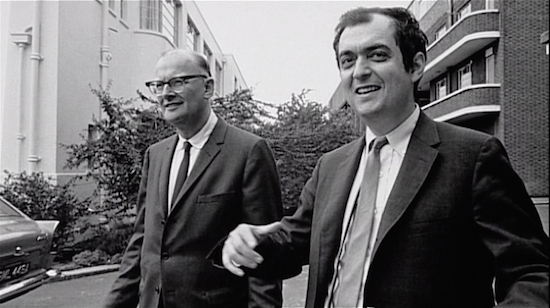
Clarke and Kubrick

Image cour­tesy of 2001Italia

Ori­gin sto­ries are all the rage these days giv­en the ubiq­ui­ty of super­hero films and tele­vi­sion series. But for all their smash-em-up spec­ta­cle and break­neck pac­ing, they gen­er­al­ly feel over­stuffed and dis­pos­able. As with the Age of Ultron, there is an age, every sum­mer, of some Mar­vel or DC hero or oth­er. Or all of them at once, at this point, in a per­pet­u­al onslaught. On the oth­er hand, we still have the qui­et­ly omi­nous, thought­ful sci­ence fic­tion film, the off­spring of Nico­las Roeg and Andrei Tarkovsky, in movies like Ex Machi­na. These come and go, some bet­ter than oth­ers, but also always with us. Dif­fer­ent as these two types of films can be, in style and tone, nei­ther would like­ly look and feel the way they do with­out Stan­ley Kubrick’s intense­ly intro­spec­tive and pro­found­ly epic 2001: A Space Odyssey.

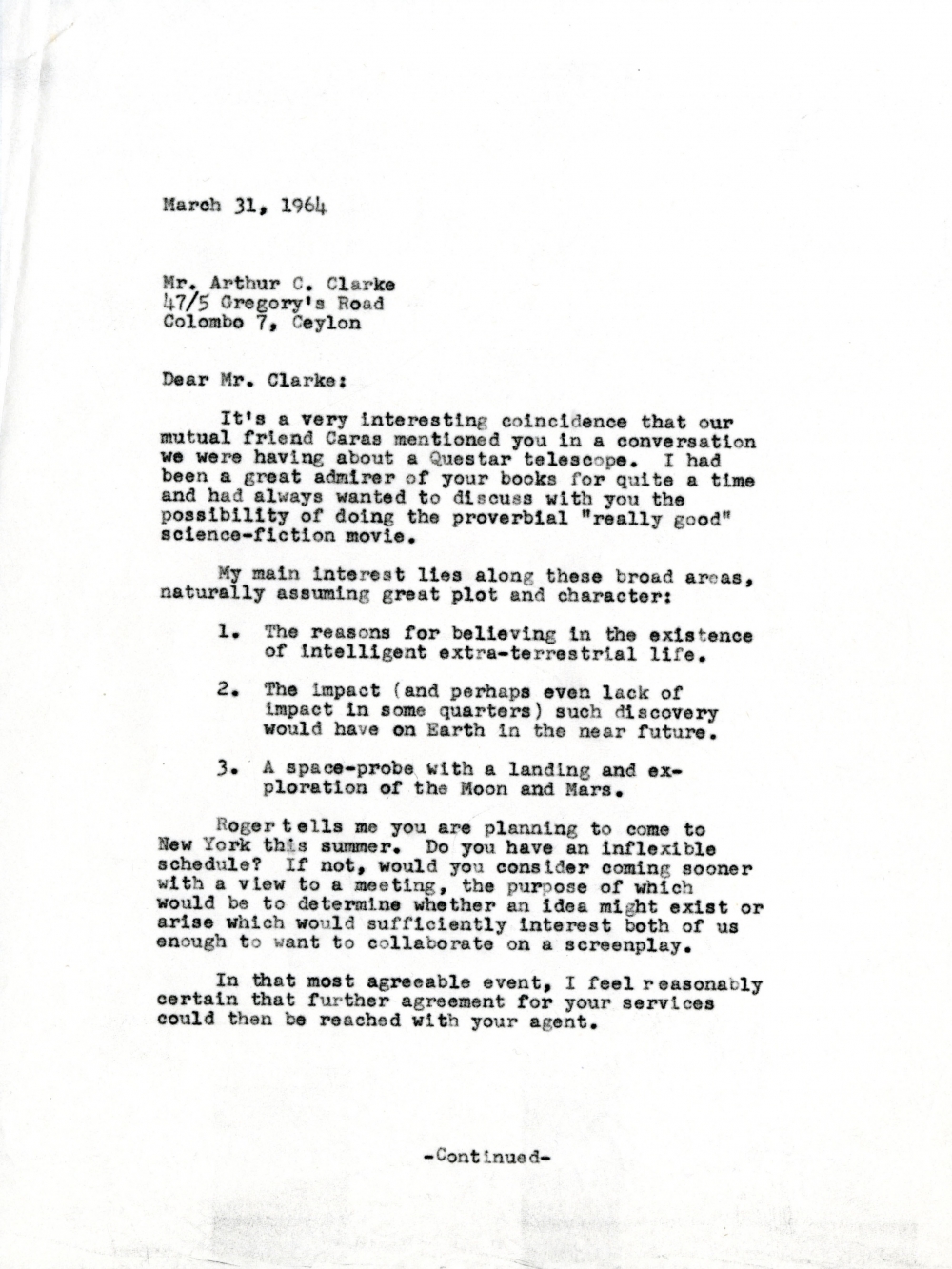
The ori­gin sto­ry of this incred­i­ble 1968 film begins on March 31, 1964 when Kubrick wrote the let­ter below to Arthur C. Clarke, propos­ing that the two col­lab­o­rate on “the prover­bial ‘real­ly good’ sci­ence fic­tion film.” “I had been a great admir­er of your books for quite a time,” writes Kubrick, and gives Clarke three “broad areas” of inter­est, “nat­u­ral­ly assum­ing great plot and char­ac­ter.” Nat­u­ral­ly.

“Clarke’s response,” writes BFI, “was imme­di­ate­ly enthu­si­as­tic, express­ing a mutu­al admi­ra­tion.” Kubrick, Clarke told their mutu­al friend Roger Caras, “is obvi­ous­ly an aston­ish­ing man.” In his response to the direc­tor him­self, Clarke wrote on April 8, ““For my part, I am absolute­ly dying to see Dr. Strangelove; Loli­ta is one of the few films I have seen twice – the first time to enjoy it, the sec­ond time to see how it was done.” The two met in New York and talked for hours, and from Clarke’s short sto­ry “The Sen­tinel of Eter­ni­ty” was born per­haps the best “real­ly good” sci­ence fic­tion film ever made.

letter-stanley-kubrick-arthur-c-clarke-001_1

Clarke would com­pare the dif­fer­ences between the sto­ry and the film to those between an acorn and an oak tree, accord­ing to Ital­ian Kubrick site 2001Italia. After that meet­ing, the two would spend almost four years writ­ing the screen­play togeth­er and envi­sion­ing the har­row­ing voy­age to Jupiter that ends so tragically—and strangely—for the two astro­nauts left to expe­ri­ence it. It’s a col­lab­o­ra­tive suc­cess Kubrick clear­ly fore­saw when he approached Clarke, but in his let­ter, above, with tran­script below—cour­tesy of Let­ters of Note—he plays it cool, using the pre­text of a tele­scope Clarke owned to slip in dis­cus­sion about the film project. We are almost led to believe,” writes 2001Italia, “that the movie was an excuse” to dis­cuss the gad­get. But of course we know bet­ter.

Dear Mr Clarke:

It’s a very inter­est­ing coin­ci­dence that our mutu­al friend Caras men­tioned you in a con­ver­sa­tion we were hav­ing about a Ques­tar tele­scope. I had been a great admir­er of your books for quite a time and had always want­ed to dis­cuss with you the pos­si­bil­i­ty of doing the prover­bial “real­ly good” sci­ence-fic­tion movie.

My main inter­est lies along these broad areas, nat­u­ral­ly assum­ing great plot and char­ac­ter:

  1. The rea­sons for believ­ing in the exis­tence of intel­li­gent extra-ter­res­tri­al life.
  2. The impact (and per­haps even lack of impact in some quar­ters) such dis­cov­ery would have on Earth in the near future.
  3. A space probe with a land­ing and explo­ration of the Moon and Mars.

Roger [Caras ]tells me you are plan­ning to come to New York this sum­mer. Do you have an inflex­i­ble sched­ule? If not, would you con­sid­er com­ing soon­er with a view to a meet­ing, the pur­pose of which would be to deter­mine whether an idea might exist or arise which could suf­fi­cient­ly inter­est both of us enough to want to col­lab­o­rate on a screen­play?

Inci­den­tal­ly, “Sky & Tele­scope” adver­tise a num­ber of scopes. If one has the room for a medi­um size scope on a pedestal, say the size of a cam­era tri­pod, is there any par­tic­u­lar mod­el in a class by itself, as the Ques­tar is for small portable scopes?

Best regards,

Kubrick pur­sued his projects very delib­er­ate­ly and pas­sion­ate­ly, moti­vat­ed by great per­son­al inter­est. Though his films can feel detached and cold, and he him­self seems like a very aloof char­ac­ter, the oppo­site was true, accord­ing to those who knew him best. Below, see a short video from The Uni­ver­si­ty of the Arts London’s Stan­ley Kubrick Archive pro­fil­ing the way Kubrick went about choos­ing his films, best summed up by Jan Har­lon, Kubrick’s broth­er-in-law and pro­duc­er: “No love, no qual­i­ty, and in Stanley’s case, no love, no film.”

via BFI

Relat­ed Con­tent:

Stan­ley Kubrick’s Anno­tat­ed Copy of Stephen King’s The Shin­ing

Stan­ley Kubrick’s Rare 1965 Inter­view with The New York­er

Arthur C. Clarke Pre­dicts the Future in 1964 … And Kind of Nails It

Josh Jones is a writer and musi­cian based in Durham, NC. Fol­low him at @jdmagness

Mark Twain & Helen Keller’s Special Friendship: He Treated Me Not as a Freak, But as a Person Dealing with Great Difficulties

twain-keller-stormfield-visit

Some­times it can seem as though the more we think we know a his­tor­i­cal fig­ure, the less we actu­al­ly do. Helen Keller? We’ve all seen (or think we’ve seen) some ver­sion of The Mir­a­cle Work­er, right?—even if we haven’t actu­al­ly read Keller’s auto­bi­og­ra­phy. And Mark Twain? He can seem like an old fam­i­ly friend. But I find peo­ple are often sur­prised to learn that Keller was a rad­i­cal social­ist fire­brand, in sym­pa­thy with work­ers’ move­ments world­wide. In a short arti­cle in praise of Lenin, for exam­ple, Keller once wrote, “I cry out against peo­ple who uphold the empire of gold…. I am per­fect­ly sure that love will bring every­thing right in the end, but I can­not help sym­pa­thiz­ing with the oppressed who feel dri­ven to use force to gain the rights that belong to them.”

Twain took a more pes­simistic, iron­ic approach, yet he thor­ough­ly opposed reli­gious dog­ma, slav­ery, and impe­ri­al­ism. “I am always on the side of the rev­o­lu­tion­ists,” he wrote, “because there nev­er was a rev­o­lu­tion unless there were some oppres­sive and intol­er­a­ble con­di­tions against which to rev­o­lute.” While a great many peo­ple grow more con­ser­v­a­tive with age, Twain and Keller both grew more rad­i­cal, which in part accounts for anoth­er lit­tle-known fact about these two nine­teenth cen­tu­ry Amer­i­can celebri­ties: they formed a very close and last­ing friend­ship that, at least in Keller’s case, may have been one of the most impor­tant rela­tion­ships in either figure’s life.

10-hk-twain

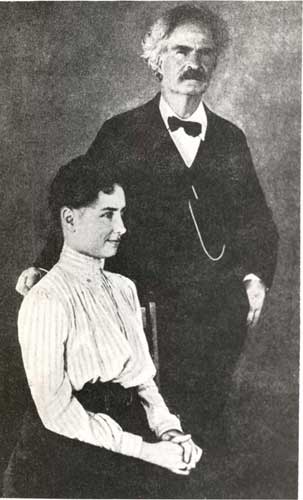
Twain’s impor­tance to Keller, and hers to him, begins in 1895, when the two met at a lunch held for Keller in New York. Accord­ing to the Mark Twain Library’s exten­sive doc­u­men­tary exhib­it, Keller “seemed to feel more at ease with Twain than with any of the oth­er guests.” She would lat­er write, “He treat­ed me not as a freak, but as a hand­i­capped woman seek­ing a way to cir­cum­vent extra­or­di­nary dif­fi­cul­ties.” Twain was tak­en as well, sur­prised by “her quick­ness and intel­li­gence.” After the meet­ing, he wrote to his bene­fac­tor Hen­ry H. Rogers, ask­ing Rogers to fund Keller’s edu­ca­tion. Rogers, the Mark Twain Library tells us, “per­son­al­ly took charge of Helen Keller’s for­tunes, and out of his own means made it pos­si­ble for her to con­tin­ue her edu­ca­tion and to achieve for her­self the endur­ing fame which Mark Twain had fore­seen.”

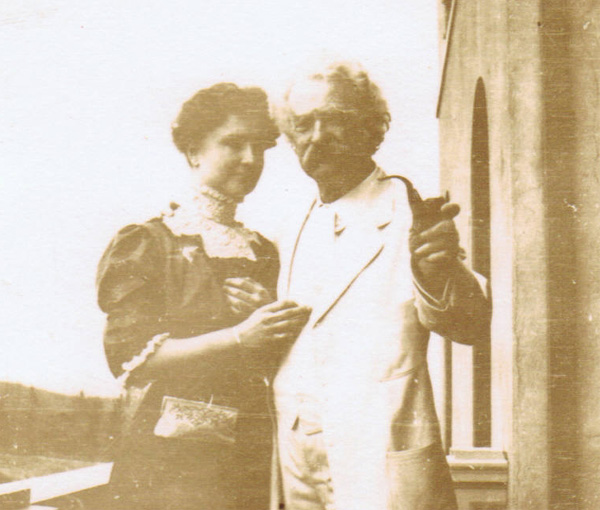
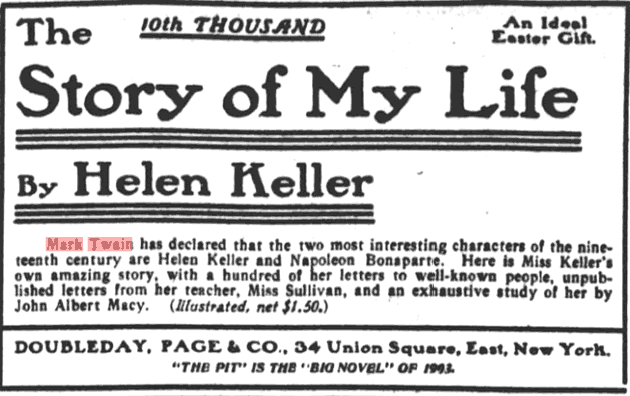
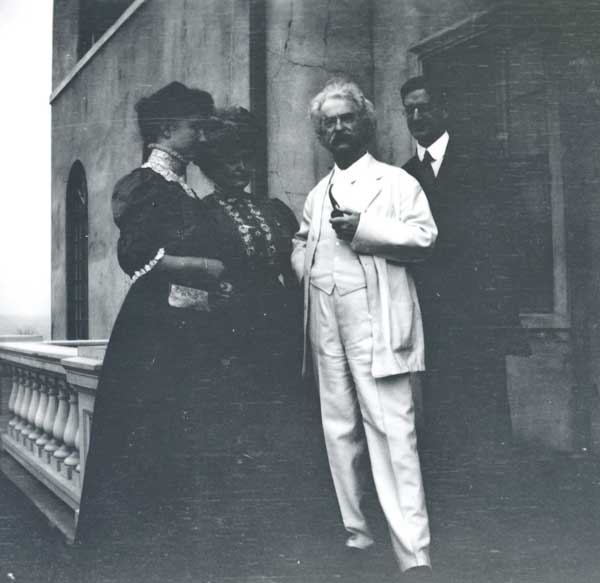
Twain wrote to his wealthy friend, “It won’t do for Amer­i­ca to allow this mar­velous child to retire from her stud­ies because of pover­ty. If she can go on with them she will make a fame that will endure in his­to­ry for cen­turies.” There­after, the two would main­tain a “spe­cial friend­ship,” sus­tained not only by their polit­i­cal sen­ti­ments, but also by a love of ani­mals, trav­el, and oth­er per­son­al sim­i­lar­i­ties. Both writ­ers came to live in Fair­field Coun­ty, Con­necti­cut at the end of their lives, and she vis­it­ed him at his Red­ding home, Storm­field, in 1909, the year before his death (see them there at the top of the post, and more pho­tos here). Twain was espe­cial­ly impressed by Keller’s auto­bi­og­ra­phy, writ­ing to her, “I am charmed with your book—enchanted.” (See his endorse­ment in a 1903 adver­tise­ment, below.)

HelenKellerAd2

Twain also came to Keller’s defense, ten years lat­er, after read­ing in her book about a pla­gia­rism scan­dal that occurred in 1892 when, at only twelve years old, she was accused of lift­ing her short sto­ry “The Frost King” from Mar­garet Canby’s “Frost Fairies.” Though a tri­bunal acquit­ted Keller of the charges, the inci­dent still piqued Twain, who called it “unspeak­ably fun­ny and owlish­ly idi­ot­ic and grotesque” in a 1903 let­ter in which he also declared: “The ker­nel, the soul—let us go fur­ther and say the sub­stance, the bulk, the actu­al and valu­able mate­r­i­al of all human utterance—is pla­gia­rism.” What dif­fers from work to work, he con­tends is “the phras­ing of a sto­ry”; Keller’s accusers, he writes pro­tec­tive­ly, were “solemn don­keys break­ing a lit­tle child’s heart.” (The exquis­ite­ly-word­ed let­ter is well worth read­ing in full at Let­ters of Note).

twain-welcomes-keller-4

We also have Twain—not play­wright William Gib­son—to thank for the “mir­a­cle work­er” title giv­en to Keller’s teacher, Anne Sul­li­van. (See Keller, Sul­li­van, Twain, and Sullivan’s hus­band John Macy above at Twain’s home). As a trib­ute to Sul­li­van for her tire­less work with Keller, he pre­sent­ed her with a post­card that read, “To Mrs. John Sul­li­van Macy with warm regard & with lim­it­less admi­ra­tion of the won­ders she has per­formed as a ‘mir­a­cle-work­er.’” In his 1903 let­ter to Keller, he called Sul­li­van “your oth­er half… for it took the pair of you to make com­plete and per­fect whole.”

Twain praised Sul­li­van effu­sive­ly for “her bril­lian­cy, pen­e­tra­tion, orig­i­nal­i­ty, wis­dom, char­ac­ter, and the fine lit­er­ary com­pe­ten­cies of her pen.” But he reserved his high­est praise for Keller her­self. “You are a won­der­ful crea­ture,” he wrote, “The most won­der­ful in the world.” Keller’s praise of her friend Twain was no less lofty. “I have been in Eden three days and I saw a King,” she wrote in his guest­book dur­ing her vis­it to Storm­field, “I knew he was a King the minute I touched him though I had nev­er touched a King before.” The last words in Twain’s auto­bi­og­ra­phy, the first vol­ume anyway—which he only allowed to be pub­lished in 2010—are Keller’s; “You once told me you were a pes­simist, Mr. Clemons,” he quotes her as say­ing, “but great men are usu­al­ly mis­tak­en about them­selves. You are an opti­mist.”

Relat­ed Con­tent:

The Only Footage of Mark Twain: The Orig­i­nal & Dig­i­tal­ly Restored Films Shot by Thomas Edi­son

Mark Twain Writes a Rap­tur­ous Let­ter to Walt Whit­man on the Poet’s 70th Birth­day (1889)

Helen Keller Speaks About Her Great­est Regret — Nev­er Mas­ter­ing Speech

Helen Keller & Annie Sul­li­van Appear Togeth­er in Mov­ing 1930 News­reel

Josh Jones is a writer and musi­cian based in Durham, NC. Fol­low him at @jdmagness

Benedict Cumberbatch Reads a Letter Alan Turing Wrote in “Distress” Before His Conviction For “Gross Indecency”

A pio­neer of com­put­er sci­ence, Alan Tur­ing’s name comes up in near­ly every con­ver­sa­tion about arti­fi­cial intel­li­gence. His “Tur­ing Test” pur­ports to indi­cate whether and when a machine has acquired intel­li­gence and abil­i­ty indis­tin­guish­able from that of a human, and his work with the Bletch­ley Park cryp­tog­ra­phy group dur­ing WWII helped the British break the Enig­ma code used by the Nazis. Those who came to learn about Tur­ing from the recent biopic The Imi­ta­tion Game, with Bene­dict Cum­ber­batch star­ring as the tor­ment­ed math­e­mati­cian, know this part of his life in par­tic­u­lar, as well as the part of his life that trag­i­cal­ly led to his ear­ly death at age 41.

Tur­ing was gay, but forced to hide it because of British law. In 1952, he was con­vict­ed of “gross inde­cen­cy” for his rela­tion­ship with anoth­er man. Before plead­ing guilty to the sup­posed offence, Tur­ing wrote the let­ter below to his col­league and friend Nor­man Rout­ledge.

Employ­ing a dark sense of humor and sign­ing off “Yours in dis­tress,” he gives every indi­ca­tion that he is fear­ful not only for him­self, but for the fate of his work. Just above, see Bene­dict Cum­ber­bach read the let­ter, which begins with a para­graph of small talk from an obvi­ous­ly ongo­ing con­ver­sa­tion then abrupt­ly turns to the trou­ble at hand.

My dear Nor­man,

I don’t think I real­ly do know much about jobs, except the one I had dur­ing the war, and that cer­tain­ly did not involve any trav­el­ling. I think they do take on con­scripts. It cer­tain­ly involved a good deal of hard think­ing, but whether you’d be inter­est­ed I don’t know. Philip Hall was in the same rack­et and on the whole, I should say, he did­n’t care for it. How­ev­er I am not at present in a state in which I am able to con­cen­trate well, for rea­sons explained in the next para­graph.

I’ve now got myself into the kind of trou­ble that I have always con­sid­ered to be quite a pos­si­bil­i­ty for me, though I have usu­al­ly rat­ed it at about 10:1 against. I shall short­ly be plead­ing guilty to a charge of sex­u­al offences with a young man. The sto­ry of how it all came to be found out is a long and fas­ci­nat­ing one, which I shall have to make into a short sto­ry one day, but haven’t the time to tell you now. No doubt I shall emerge from it all a dif­fer­ent man, but quite who I’ve not found out.

Glad you enjoyed broad­cast. Jef­fer­son cer­tain­ly was rather dis­ap­point­ing though. I’m afraid that the fol­low­ing syl­lo­gism may be used by some in the future.

Tur­ing believes machines think
Tur­ing lies with men
There­fore machines do not think

Yours in dis­tress,

Alan

Tur­ing had long wres­tled with his sex­u­al­i­ty, but had also long come to terms with it at the time of the let­ter. As the Cum­ber­batch-star­ring film dra­ma­tizes (with some license), over ten years ear­li­er, dur­ing the war, he had attempt­ed to mar­ry the only female mem­ber of the main Bletch­ley group, Joan Clarke, then con­fid­ed his sex­u­al­i­ty to her.

Clarke was most­ly non­plussed and Tur­ing broke off the engage­ment. You can get much more insight about Turing’s strug­gle, and what he was actu­al­ly like, from two of the women who worked with him, includ­ing Clarke her­self in an inter­view above. Below, anoth­er of the Bletch­ley team—one of the thou­sands of “Bletchleyettes”—named Olive Bai­ly dis­cuss­es her impres­sions of Tur­ing. To learn much more about his life, watch The Strange Life and Death of Dr. Tur­ing, in two parts on Youtube.

via Let­ters of Note

Relat­ed Con­tent:

Alan Tur­ing, Bril­liant Math­e­mati­cian and Code Break­er, Will Be Final­ly Par­doned by British Gov­ern­ment

The Enig­ma Machine: How Alan Tur­ing Helped Break the Unbreak­able Nazi Code

Watch Break­ing the Code, About the Life & Times of Alan Tur­ing (1996)

Josh Jones is a writer and musi­cian based in Durham, NC. Fol­low him at @jdmagness

Harper Lee on the Joy of Reading Real Books: “Some Things Should Happen On Soft Pages, Not Cold Metal”

News of the new, long-await­ed but hard­ly expect­ed Harp­er Lee nov­el, Go Set a Watch­mana sequel to the 1960’s To Kill a Mock­ing­birdhas been met with vary­ing degrees of skep­ti­cism, sure­ly war­rant­ed giv­en her late sis­ter Alice and oth­ers’ char­ac­ter­i­za­tion of Lee’s phys­i­cal and men­tal decline. On the oth­er hand, the nov­el­ist, it’s been report­ed, is “extreme­ly hurt” by alle­ga­tions that she has been pres­sured to pub­lish. It would be a shame if the con­tro­ver­sy over the pub­li­ca­tion of the nov­el eclipsed the nov­el itself. While it had become some­thing of a tru­ism that Harp­er Lee would only pub­lish the one, great nov­el and nev­er anoth­er, I for one greet this lat­est news with joy.

For one thing, cir­cum­stances aside, the new Harp­er Lee nov­el has the mass media doing some­thing it rarely does anymore—talking about lit­er­ary fic­tion. And for the thou­sands of school kids required to read To Kill a Mock­ing­bird and won­der­ing why they should both­er, the con­ver­sa­tion hope­ful­ly com­mu­ni­cates that books still mat­ter, and not just dystopi­an YA sci-fi and mass-mar­ket trade books about BDSM fan­tasies, but books about ordi­nary peo­ple in ordi­nary times and places. It’s a les­son Lee learned ear­ly. In a 2006 let­ter to Oprah Win­frey, pub­lished in O mag­a­zine, Lee wrote about her child­hood expe­ri­ences with read­ing, and being read to. She recalls arriv­ing “in the first grade, lit­er­ate,” because of her upbring­ing. She also acknowl­edges that “books were scarce”; her and her sib­lings ear­ly lit­er­a­cy meant they were “priv­i­leged” com­pared to oth­er chil­dren, “most­ly from rur­al areas,” and the “chil­dren of our African-Amer­i­can ser­vants.”

While we may dis­miss Lee’s con­tention that in “an abun­dant soci­ety where peo­ple have lap­tops, cell phones” and “iPods” they also have “minds like emp­ty rooms” as the kvetch­ing of a senior cit­i­zen, I doubt most peo­ple who respect Lee’s wis­dom and good humor would do so light­ly. Her poet­ic evo­ca­tion of the tac­tile dif­fer­ences between books and gad­gets alone should give us pause: “some things should only hap­pen on soft pages, not cold met­al.”

Read the full let­ter below.

May 7, 2006

Dear Oprah,

Do you remem­ber when you learned to read, or like me, can you not even remem­ber a time when you did­n’t know how? I must have learned from hav­ing been read to by my fam­i­ly. My sis­ters and broth­er, much old­er, read aloud to keep me from pes­ter­ing them; my moth­er read me a sto­ry every day, usu­al­ly a chil­dren’s clas­sic, and my father read from the four news­pa­pers he got through every evening. Then, of course, it was Uncle Wig­gi­ly at bed­time.

So I arrived in the first grade, lit­er­ate, with a curi­ous cul­tur­al assim­i­la­tion of Amer­i­can his­to­ry, romance, the Rover Boys, Rapun­zel, and The Mobile Press. Ear­ly signs of genius? Far from it. Read­ing was an accom­plish­ment I shared with sev­er­al local con­tem­po­raries. Why this endem­ic pre­coc­i­ty? Because in my home­town, a remote vil­lage in the ear­ly 1930s, young­sters had lit­tle to do but read. A movie? Not often — movies weren’t for small chil­dren. A park for games? Not a hope. We’re talk­ing unpaved streets here, and the Depres­sion.

Books were scarce. There was noth­ing you could call a pub­lic library, we were a hun­dred miles away from a depart­ment store’s books sec­tion, so we chil­dren began to cir­cu­late read­ing mate­r­i­al among our­selves until each child had read anoth­er’s entire stock. There were long dry spells bro­ken by the new Christ­mas books, which start­ed the rounds again.

As we grew old­er, we began to real­ize what our books were worth: Anne of Green Gables was worth two Bobb­sey Twins; two Rover Boys were an even swap for two Tom Swifts. Aes­thet­ic fris­sons ran a poor sec­ond to the thrills of acqui­si­tion. The goal, a full set of a series, was attained only once by an indi­vid­ual of excep­tion­al greed — he swapped his sis­ter’s doll bug­gy.

We were priv­i­leged. There were chil­dren, most­ly from rur­al areas, who had nev­er looked into a book until they went to school. They had to be taught to read in the first grade, and we were impa­tient with them for hav­ing to catch up. We ignored them.

And it was­n’t until we were grown, some of us, that we dis­cov­ered what had befall­en the chil­dren of our African-Amer­i­can ser­vants. In some of their schools, pupils learned to read three-to-one — three chil­dren to one book, which was more than like­ly a cast-off primer from a white gram­mar school. We sel­dom saw them until, old­er, they came to work for us.

Now, 75 years lat­er in an abun­dant soci­ety where peo­ple have lap­tops, cell phones, iPods, and minds like emp­ty rooms, I still plod along with books. Instant infor­ma­tion is not for me. I pre­fer to search library stacks because when I work to learn some­thing, I remem­ber it. 

And, Oprah, can you imag­ine curl­ing up in bed to read a com­put­er? Weep­ing for Anna Karen­i­na and being ter­ri­fied by Han­ni­bal Lecter, enter­ing the heart of dark­ness with Mis­tah Kurtz, hav­ing Hold­en Caulfield ring you up — some things should hap­pen on soft pages, not cold met­al.

The vil­lage of my child­hood is gone, with it most of the book col­lec­tors, includ­ing the dodgy one who swapped his com­plete set of Seck­atary Hawkins­es for a shot­gun and kept it until it was retrieved by an irate par­ent.

Now we are three in num­ber and live hun­dreds of miles away from each oth­er. We still keep in touch by tele­phone con­ver­sa­tions of recur­rent theme: “What is your name again?” fol­lowed by “What are you read­ing?” We don’t always remem­ber. 

Much love, 

Harp­er

via Let­ters of Note

Relat­ed Con­tent:

William Faulkn­er Reads His Nobel Prize Speech

Down­load 20 Pop­u­lar High School Books Avail­able as Free eBooks & Audio Books

The Books You Think Every Intel­li­gent Per­son Should Read: Crime and Pun­ish­ment, Moby-Dick & Beyond (Many Free Online)

Josh Jones is a writer and musi­cian based in Durham, NC. Fol­low him at @jdmagness

Charles Dickens Gave His Cat “Bob” a Second Life as a Letter Opener

dicken's cat letter opener
Image via New York Pub­lic Library

Increas­ing­ly Face­book seems a vir­tu­al pet ceme­tery, with images of recent­ly depart­ed cats and dogs but­tressed with words of heart­break and con­so­la­tion. It feels hard-heart­ed to scroll past with­out lay­ing a com­ment at each fresh­ly dug cyber-mound, even when one has no per­son­al rela­tion­ship with the deceased, or, to large degree, the own­er. The lazy man may “like” news of a beloved Airedale’s demise, but acknowl­edg­ment can­not always be said to equal respect.

And what, pray tell, is the pro­to­col after? How many min­utes should elapse before it is accept­able to post Throw­back Thurs­day shots of one’s younger, big-haired self? What if one acci­den­tal­ly sends a Far­mville noti­fi­ca­tion to the bereaved?

If only we had a Vic­to­ri­an we could ask.

Prefer­ably, Charles Dick­ens.

He went to his reward eleven years before “Poor Cher­ry,” the first dog plant­ed in Hyde Park’s small pet ceme­tery, but he was a keen observ­er of mourn­ing cus­toms.

He was also an ani­mal lover, as his daugh­ter, Mamie not­ed in My Father as I Recall Him:

On account of our birds, cats were not allowed in the house; but from a friend in Lon­don I received a present of a white kit­ten — Williami­na — and she and her numer­ous off­spring had a hap­py home at “Gad’s Hill.” … As the kit­tens grow old­er they became more and more frol­ic­some, swarm­ing up the cur­tains, play­ing about on the writ­ing table and scam­per­ing behind the book­shelves. But they were nev­er com­plained of and lived hap­pi­ly in the study until the time came for find­ing them oth­er homes. One of these kit­tens was kept, who, as he was quite deaf, was left unnamed, and became known by ser­vants as “the mas­ter’s cat,” because of his devo­tion to my father. He was always with him, and used to fol­low him about the gar­den like a dog, and sit with him while he wrote. One evening we were all, except father, going to a ball, and when we start­ed, left “the mas­ter” and his cat in the draw­ing-room togeth­er. “The mas­ter” was read­ing at a small table, on which a light­ed can­dle was placed. Sud­den­ly the can­dle went out. My father, who was much inter­est­ed in his book, relight­ed the can­dle, stroked the cat, who was look­ing at him pathet­i­cal­ly he noticed, and con­tin­ued his read­ing. A few min­utes lat­er, as the light became dim, he looked up just in time to see puss delib­er­ate­ly put out the can­dle with his paw, and then look appeal­ing­ly towards him. This sec­ond and unmis­tak­able hint was not dis­re­gard­ed, and puss was giv­en the pet­ting he craved. Father was full of this anec­dote when all met at break­fast the next morn­ing.

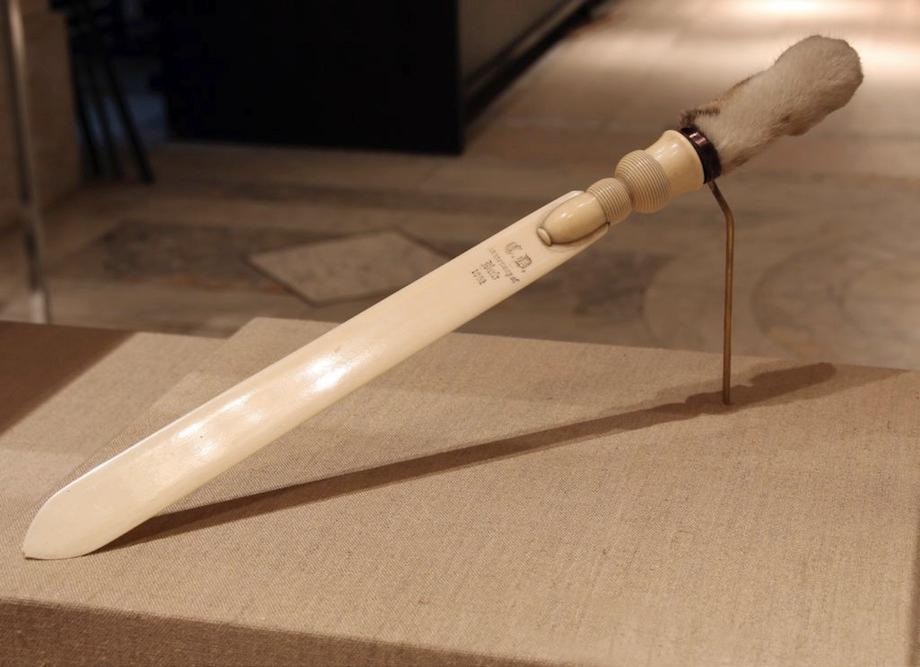
One anec­dote Mamie chose not to include is that when Dick­ens’ Bob, the deaf kit­ten men­tioned above, left this earth­ly plane, the mas­ter turned him into a let­ter open­er.

Well, not the whole cat, actu­al­ly. Just a sin­gle paw, which the author had stuffed and attached to an ivory blade. The blade is engraved “C.D. In Mem­o­ry of Bob 1862” which is more grave mark­er than most pussy­cats can hope for.

Should any­one ever pub­lish a His­to­ry of Charles Dick­ens in 100 Objects, count on this object to make the cut.

Still, it’s an odd­i­ty most con­tem­po­rary West­ern­ers would view with dis­taste. (But not all. The Mor­bid Anato­my Museum’s fre­quent small mam­mal taxi­dermy work­shops draw might­i­ly from the ranks of Brook­lyn hip­sters.)

I cer­tain­ly felt the need to hus­tle my then 12-year-old son past this unusu­al sou­venir when it was dis­played as part of the New York Pub­lic Library’s cozy exhib­it, Charles Dick­ens: The Key to Char­ac­ter. The kid’s an ani­mal lover who was in Oliv­er!  at the time. I feared he’d respond with Tale of Two Cities-lev­el peas­ant rage, which is accept­able, except when there’s a show that must go on.

Pre­served!, a British taxi­dermy blog spon­sored by the Arts and Human­i­ties Research Coun­cil offers a ten­der take on Dick­ens’ moti­va­tion. Over the years, he had sev­er­al ani­mals, includ­ing a pet raven, stuffed, but his close­ness with Bob called for a spe­cial approach. 19th-cen­tu­ry lit­er­a­ture schol­ar Jen­ny Pyke writes that “the taxi­der­mied cat paw stands out in its tac­tile soft­ness and emo­tion­al ten­der­ness. Most often, as pop­u­lar as it was in the nine­teenth cen­tu­ry, taxi­dermy was con­sumed visu­al­ly only, dis­played in glass cas­es or crowd­ed cab­i­nets. With Bob’s paw, Dick­ens cre­at­ed an object meant to be held dai­ly.”

It’s not for the squea­mish, but I can see how this can­ni­ly orches­trat­ed hand-hold­ing could bring ongo­ing com­fort. More than the fleet­ing con­do­lences pro­lif­er­at­ing on Face­book, any­way.

via Slate

Relat­ed Con­tent:

Charles Dick­ens’ Hand-Edit­ed Copy of His Clas­sic Hol­i­day Tale, A Christ­mas Car­ol

T.S. Eliot Reads Old Possum’s Book of Prac­ti­cal Cats & Oth­er Clas­sic Poems (75 Min­utes, 1955)

Medieval Cats Behav­ing Bad­ly: Kit­ties That Left Paw Prints … and Peed … on 15th Cen­tu­ry Man­u­scripts

Ayun Hal­l­i­day is an author, home­school­er, and Chief Pri­ma­tol­o­gist of the East Vil­lage Inky zine. Fol­low her @AyunHalliday

‘You Are Done’: The Chilling “Suicide Letter” Sent to Martin Luther King by the F.B.I.

mlk uncovered letter

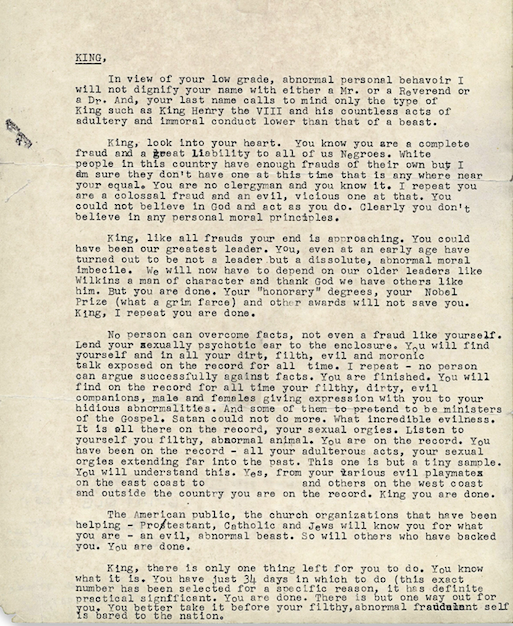
In Novem­ber of 1964, Mar­tin Luther King received a chill­ing let­ter, pur­port­ed­ly from a dis­il­lu­sioned mem­ber of the African-Amer­i­can com­mu­ni­ty. “King, look into your heart,” writes MLK’s crit­ic. “You know you are a com­plete fraud and a great lia­bil­i­ty to all of us Negroes.”

The let­ter then turns men­ac­ing. It gives the civ­il rights leader a choice. Com­mit sui­cide or get killed:

You are done.

King, there is only one thing left for you to do. You know what it is. You have just 34 days in which to do it (this exact num­ber has been select­ed for a spe­cif­ic rea­son, it has def­i­nite prac­ti­cal sig­nif­i­cance). You are done. There is but one way out for you. You bet­ter take it before your filthy, abnor­mal fraud­u­lent self is bared to the nation.

Straight from the begin­ning, King knew the real author behind the “sui­cide let­ter,” as it’s now called. It was the FBI, led by J. Edgar Hoover, who har­bored a deep and abid­ing hatred for King. For years, the pub­lic only had access to redact­ed copies of the let­ter. The redac­tions obscured the meth­ods of the FBI — the way the agency tried to “frac­ture move­ments and pit lead­ers against one anoth­er,” writes the Elec­tron­ic Fron­tier Foun­da­tion, and the way it used sur­veil­lance to invade King’s per­son­al life and then black­mailed him with the infor­ma­tion it gath­ered. That’s what’s hap­pen­ing in the para­graph that begins “No per­son can over­come the facts, not even a fraud like your­self.”

This sum­mer, while research­ing at the Nation­al Archives, Bev­er­ly Gage, a pro­fes­sor of Amer­i­can his­to­ry at Yale, stum­bled upon an unredact­ed copy. You can read it above. On Tues­day, Gage wrote about the let­ter and its his­tor­i­cal sig­nif­i­cance in The New York Times. The unredact­ed let­ter was also pub­lished in the Times.

via Boing­Bo­ing/EFF

Relat­ed Con­tent:

Read Mar­tin Luther King and The Mont­gomery Sto­ry: The Influ­en­tial 1957 Civ­il Rights Com­ic Book

200,000 Mar­tin Luther King Papers Go Online

The Exis­ten­tial­ism Files: How the FBI Tar­get­ed Camus, and Then Sartre After the JFK Assas­si­na­tion

Free Online His­to­ry Cours­es

Sigmund Freud Writes to Concerned Mother: “Homosexuality is Nothing to Be Ashamed Of” (1935)

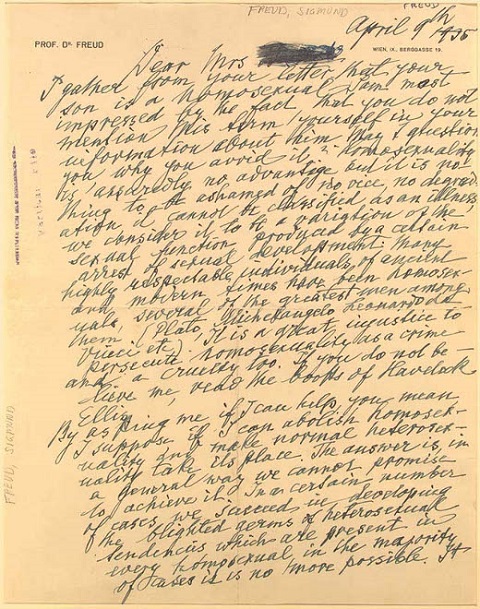
Freud Letter

Hank Green, host­ing his Crash Course on Psy­chol­o­gy, put it best: when we think of the study of the mind, we think of an old, bespec­ta­cled beard­ed man puff­ing on a pipe. We think, in oth­er words, of Sig­mund Freud, whether we know any­thing about him or not. Despite pub­lish­ing such very real and still rea­son­ably well-known works as The Inter­pre­ta­tion of DreamsBeyond the Plea­sure Prin­ci­ple, and Civ­i­liza­tion and its Dis­con­tents, the man has some­how passed par­tial­ly into the realm of pop­u­lar myth: we think of him at once as an influ­en­tial pio­neer in a lit­tle-explored intel­lec­tu­al field, and as some­thing of an idée fixe-hob­bled char­la­tan as well. Per­haps, like many uni­ver­sal­ly rec­og­nized 20th-cen­tu­ry fig­ures, he com­bined right­ness and wrong­ness in some kind of irre­sistible pro­por­tion. But the let­ter above, fea­tured at Let­ters of Note, demon­strates that, at least on the issue of homo­sex­u­al­i­ty, he had indeed drawn a cor­rect con­clu­sion well before most any­one else.

In 1935, says that post, Freud “was con­tact­ed by a wor­ried moth­er who was seek­ing treat­ment for her son’s appar­ent homo­sex­u­al­i­ty. Freud, who believed that all humans are attract­ed to both sex­es in some capac­i­ty, respond­ed with the fol­low­ing let­ter of advice.”

Dear Mrs [Erased],

I gath­er from your let­ter that your son is a homo­sex­u­al. I am most impressed by the fact that you do not men­tion this term your­self in your infor­ma­tion about him. May I ques­tion you why you avoid it? Homo­sex­u­al­i­ty is assured­ly no advan­tage, but it is noth­ing to be ashamed of, no vice, no degra­da­tion; it can­not be clas­si­fied as an ill­ness; we con­sid­er it to be a vari­a­tion of the sex­u­al func­tion, pro­duced by a cer­tain arrest of sex­u­al devel­op­ment. Many high­ly respectable indi­vid­u­als of ancient and mod­ern times have been homo­sex­u­als, sev­er­al of the great­est men among them. (Pla­to, Michelan­ge­lo, Leonar­do da Vin­ci, etc). It is a great injus­tice to per­se­cute homo­sex­u­al­i­ty as a crime – and a cru­el­ty, too. If you do not believe me, read the books of Have­lock Ellis.

By ask­ing me if I can help, you mean, I sup­pose, if I can abol­ish homo­sex­u­al­i­ty and make nor­mal het­ero­sex­u­al­i­ty take its place. The answer is, in a gen­er­al way we can­not promise to achieve it. In a cer­tain num­ber of cas­es we suc­ceed in devel­op­ing the blight­ed germs of het­ero­sex­u­al ten­den­cies, which are present in every homo­sex­u­al in the major­i­ty of cas­es it is no more pos­si­ble. It is a ques­tion of the qual­i­ty and the age of the indi­vid­ual. The result of treat­ment can­not be pre­dict­ed.

What analy­sis can do for your son runs on a dif­fer­ent line. If he is unhap­py, neu­rot­ic, torn by con­flicts, inhib­it­ed in his social life, analy­sis may bring him har­mo­ny, peace of mind, full effi­cien­cy, whether he remains a homo­sex­u­al or gets changed. If you make up your mind he should have analy­sis with me — I don’t expect you will — he has to come over to Vien­na. I have no inten­tion of leav­ing here. How­ev­er, don’t neglect to give me your answer.

Sin­cere­ly yours with best wish­es,

Freud

While main­stream west­ern thought no longer expects that homo­sex­u­als might, under any cir­cum­stances, “get changed,” it has aligned to Freud’s view in the sense of regard­ing their ori­en­ta­tion as “noth­ing to be ashamed of, no vice, no degra­da­tion.” And from what I can see, human­i­ty now enjoys the pres­ence of more such “high­ly respectable indi­vid­u­als” who pub­licly acknowl­edge their own non-het­ero­sex­u­al­i­ty than ever before. Freud’s let­ter to this con­cerned Amer­i­can moth­er of the 1930s, in any case, brings nuance to the car­toon image we all have of him — the obses­sion with dreams, the insis­tence on diag­nos­ing repres­sion, the whole deal with cig­ar sym­bol­ism — just as his view of homo­sex­u­als would have brought nuance to the car­toon image this and oth­er con­cerned Amer­i­can moth­ers of the 1930s might have had of them.

Relat­ed Con­tent:

The Famous Let­ter Where Freud Breaks His Rela­tion­ship with Jung (1913)

How a Young Sig­mund Freud Researched & Got Addict­ed to Cocaine, the New “Mir­a­cle Drug,” in 1894

Jean-Paul Sartre Writes a Script for John Huston’s Film on Freud (1958)

Sig­mund Freud Speaks: The Only Known Record­ing of His Voice, 1938

Free Online Psy­chol­o­gy Cours­es

Col­in Mar­shall hosts and pro­duces Note­book on Cities and Cul­ture and writes essays on cities, lan­guage, Asia, and men’s style. He’s at work on a book about Los Ange­les, A Los Ange­les Primer. Fol­low him on Twit­ter at @colinmarshall or on Face­book.

« Go BackMore in this category... »
Quantcast