Bill Murray Explains How He Pulled Himself Out of a Deep, Lasting Funk: He Took Hunter S. Thompson’s Advice & Listened to the Music of John Prine

Judg­ing by the out­pour­ing of affec­tion in online com­ment sec­tions, Chica­go folk musi­cian John Prine (may he rest in peace) has helped a great many of his fans through tough times with his human­ist, oft-humor­ous lyrics.

Add fun­ny man Bill Mur­ray to the list.

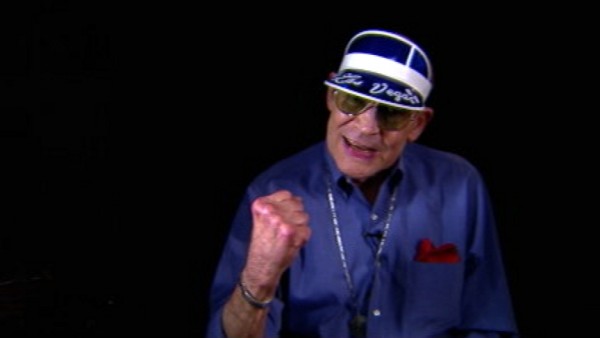
Tap­ing a video in sup­port of The Tree of For­give­ness, Prine’s first album of new mate­r­i­al in over a decade, Mur­ray recalled a grim peri­od in which a deep funk robbed him of all enjoy­ment. Though he care­ful­ly stip­u­lates that this “bum­mer” could not be diag­nosed as clin­i­cal depres­sion, noth­ing lift­ed his spir­its, until Gonzo jour­nal­ist Dr. Hunter S. Thomp­son—whom Mur­ray embod­ied in the 1980 film, Where the Buf­fa­lo Roam—sug­gest­ed that he turn to Prine for his sense of humor.

Mur­ray took Thompson’s advice, and gave his fel­low Illi­nois­ian’s dou­ble great­est hits album, Great Days, a lis­ten.

This could have back­fired, giv­en that Great Days con­tains some of Prine’s most melancholy—and memorable—songs, from “Hel­lo in There” and “Angel from Mont­gomery” to “Sam Stone,” vot­ed the 8th sad­dest song of all time in a Rolling Stone read­ers’ poll.

But the song that left the deep­est impres­sion on Mur­ray is a sil­ly coun­try-swing num­ber “Lin­da Goes to Mars,” in which a clue­less hus­band assumes his wife’s vacant expres­sion is proof of inter­plan­e­tary trav­el rather than dis­in­ter­est.

To hear Mur­ray tell it, as he thumbs through a copy of John Prine Beyond Words, the moment was not one of gut-bust­ing hilar­i­ty, but rather one of self-aware­ness and relief, a sig­nal that the dark clouds that had been hang­ing over him would dis­perse.

A grate­ful Murray’s admi­ra­tion runs deep. As he told The Wash­ing­ton Post, when he was award­ed the Kennedy Cen­ter Mark Twain Prize for Amer­i­can Humor, he lobbied—unsuccessfully—to get Prine flown in for the cer­e­mo­ny:

I thought it would have been a nice deal because John Prine can make you laugh like no else can make you laugh.

Dit­to Prine’s dear friend, the late, great folk musi­cian, Steve Good­man, the author of “The Veg­etable Song,” “The Lin­coln Park Pirates” (about a leg­endary Chica­go tow­ing com­pa­ny), and “Go, Cubs, Go,” which Mur­ray trilled on Sat­ur­day Night Live with play­ers Dex­ter Fowler, Antho­ny Riz­zo, and David Ross short­ly before the Cub­bies won the 2016 World Series.

I just found out yes­ter­day that Lin­da goes to Mars

Every time I sit and look at pic­tures of used cars

She’ll turn on her radio and sit down in her chair

And look at me across the room as if I was­n’t there

Oh, my stars, my Lin­da’s gone to Mars

Well, I wish she would­n’t leave me here alone

Oh, my stars, my Lin­da’s gone to Mars

Well, I won­der if she’d bring me some­thing home

Some­thing, some­where, some­how took my Lin­da by the hand

And secret­ly decod­ed our sacred wed­ding band

For when the moon shines down upon our hap­py hum­ble home

Her inner space gets tor­tured by some out­er space unknown

Oh, my stars, my Lin­da’s gone to Mars

Well, I wish she would­n’t leave me here alone

Oh, my stars, my Lin­da’s gone to Mars

Well, I won­der if she’d bring me some­thing home

Now I ain’t seen no saucers ‘cept the ones upon the shelf

And if I ever seen one I’d keep it to myself

For if there’s life out there some­where beyond this life on earth

Then Lin­da must have gone out there and got her mon­ey’s worth

Oh, my stars, my Lin­da’s gone to Mars

Well, I wish she would­n’t leave me here alone

Oh, my stars, my Lin­da’s gone to Mars

Well, I won­der if she’d bring me some­thing home

Yeah, I won­der if she’d bring me some­thing home

Lis­ten to a Great Days Spo­ti­fy playlist here, though nei­ther Open Cul­ture, nor Bill Mur­ray can be held account­able if you find your­self blink­ing back tears.

Bonus: Below, watch Prine and Mur­ray “swap songs and sto­ries about the ear­ly days in Chica­go cross­ing paths with the likes of John Belushi, Steve Good­man and Kris Kristof­fer­son.” Plus more.


Relat­ed Con­tent:

The Phi­los­o­phy of Bill Mur­ray: The Intel­lec­tu­al Foun­da­tions of His Comedic Per­sona

Bill Mur­ray Reads the Poet­ry of Lawrence Fer­linghet­ti, Wal­lace Stevens, Emi­ly Dick­in­son, Bil­ly Collins, Lorine Niedeck­er, Lucille Clifton & More

Lis­ten to Bill Mur­ray Lead a Guid­ed Medi­a­tion on How It Feels to Be Bill Mur­ray

Ayun Hal­l­i­day is an author, illus­tra­tor, the­ater mak­er and Chief Pri­ma­tol­o­gist of the East Vil­lage Inky zine.  Join her in NYC on Thurs­day June 28 for anoth­er month­ly install­ment of her book-based vari­ety show, Necro­mancers of the Pub­lic Domain. Fol­low her @AyunHalliday.

Hear Meryl Streep Read Sylvia Plath’s “Morning Song,” a Poem Written After the Birth of Her Daughter

Image via Wiki­me­dia Com­mons

Preg­nan­cy and par­ent­ing are “extreme expe­ri­ences that stretch our under­stand­ing,” writes Lily Gur­ton-Wachter at the Los Ange­les Review of Books. They “push us beyond com­fort or even com­pre­hen­sion.” Women risk their own lives to give life to a stranger, a tiny human whose future is entire­ly uncer­tain. Par­ents live with con­stant dread of all that could befall their chil­dren, an anx­ious state, but also a vul­ner­a­bil­i­ty that can make us deeply sen­si­tive to the fragili­ty of human life. Gur­ton-Wachter com­pares moth­er­hood to going to war, “a pro­found, fright­en­ing, exhil­a­rat­ing, trans­for­ma­tive expe­ri­ence at the bound­ary of life, an expe­ri­ence from which one comes back a dif­fer­ent per­son.”

It’s a com­par­i­son Sylvia Plath would like­ly appre­ci­ate. With her abil­i­ty to com­press per­son­al expe­ri­ence in col­lec­tions of sur­pris­ing, often vio­lent, images, Plath expressed deep ambiva­lence about moth­er­hood, under­cut­ting a tra­di­tion of sen­ti­men­tal ide­al­iza­tion, giv­ing voice to fear, dis­com­fort, bewil­der­ment, and mys­tery.

In “Metaphors,” from 1960’s Colos­sus, she begins with a play­ful descrip­tion of preg­nan­cy as “a rid­dle in nine syl­la­bles.” With­in a few lines she feels effaced and starts to “see her­self mere­ly as a ‘means,’” notes Shenan­doah, “almost an incu­ba­tor… This cul­mi­nates with the last line, where she real­izes that she is for­ev­er changed, irrev­o­ca­bly”: “Board­ed the train,” she writes, “there’s no get­ting off.”

In 1961, after the birth of her daugh­ter, Frie­da, Plath wrote “Morn­ing Song, which might be read as almost an exten­sion of “Metaphors.” It is “one of her most unusu­al poems,” writes Maria Popo­va at Brain Pick­ings, “both paean and requiem for new motherhood—the love, the strange­ness, the sur­re­al and mag­net­ic dis­ori­en­ta­tion of it.” Pub­lished posthu­mous­ly in Ariel, the poem address­es itself to the new arrival, in a series of stan­zas that cap­ture the awe and anx­i­ety of those first hours after her birth. In the audio above from the Acad­e­my of Amer­i­can Poets’ annu­al Poet­ry & the Cre­ative Mind event, hear Meryl Streep read the poem “with uncom­mon sen­si­tiv­i­ty,” Popo­va writes, “to the innu­mer­able nuances it holds.” As you lis­ten, read along below.

MORNING SONG

Love set you going like a fat gold watch.
The mid­wife slapped your foot­soles, and your bald cry
Took its place among the ele­ments.

Our voic­es echo, mag­ni­fy­ing your arrival. New stat­ue.
In a drafty muse­um, your naked­ness
Shad­ows our safe­ty. We stand round blankly as walls.

I’m no more your moth­er
Than the cloud that dis­tills a mir­ror to reflect its own slow
Efface­ment at the wind’s hand.

All night your moth-breath
Flick­ers among the flat pink ros­es. I wake to lis­ten:
A far sea moves in my ear.

One cry, and I stum­ble from bed, cow-heavy and flo­ral
In my Vic­to­ri­an night­gown.
Your mouth opens clean as a cat’s. The win­dow square

Whitens and swal­lows its dull stars. And now you try
Your hand­ful of notes;
The clear vow­els rise like bal­loons.

Streep­’s read­ing of Plath will be added to the poet­ry sec­tion of our col­lec­tion, 1,000 Free Audio Books: Down­load Great Books for Free.

via Brain Pick­ings

Relat­ed Con­tent

Hear Sylvia Plath Read 50+ of Her Dark, Com­pelling Poems

Dis­cov­er the Paint­ings, Draw­ings & Col­lages of Sylvia Plath: Now on Dis­play at the Smith­son­ian Nation­al Por­trait Gallery

Hear Sylvia Plath’s Bare­ly-Known Radio Play, Three Women

Josh Jones is a writer and musi­cian based in Durham, NC. Fol­low him at @jdmagness

Chris Cornell’s Daughter Pays Tribute to Her Father, Singing an Achingly Pretty Cover of Prince’s “Nothing Compares 2 U”

Just a lit­tle more than a year after Soundgar­den front­man Chris Cor­nell took his own life, his daugh­ter Toni, only 13 years old, released an aching­ly beau­ti­ful trib­ute to her father. Record­ed for Father’s Day, she sings a poignant ver­sion of Prince’s “Noth­ing Com­pares 2 U,” a song her father also per­formed live on many occa­sions. Indeed you can hear his voice on this track too. It’s a duet of sorts.

Released on YouTube, the song came accom­pa­nied by this short let­ter:

Dad­dy, I love you and miss you so much. You were the best father any­one could ask for. Our rela­tion­ship was so spe­cial, and you were always there for me. You gave me courage when I didn’t have any. You believed in me when I didn’t. I miss your love every­day. Record­ing this song with you was a spe­cial and amaz­ing expe­ri­ence I wish I could repeat 100 times over and I know you would too. Hap­py Father’s Day dad­dy, noth­ing com­pares to you. — Toni

Relat­ed Con­tent:

Large Choir Sings “Black Hole Sun”: A Mov­ing Trib­ute to Chris Cor­nell

Soundgarden’s Chris Cor­nell Sings Haunt­ing Acoustic Cov­ers of Prince’s “Noth­ing Com­pares 2 U,” Michael Jackson’s “Bil­lie Jean” & Bob Marley’s “Redemp­tion Song”

Hear Chris Cornell’s Mas­ter­ful Vocals in the Iso­lat­ed Track for Soundgarden’s “Black Hole Sun”

by | Permalink | Make a Comment ( 1 ) |

Life Lessons from Anthony Bourdain: How He Developed His Iron Professionalism, Achieved Creative Freedom & Learned from Failure

Antho­ny Bour­dain was not a par­tic­u­lar­ly good chef. That state­ment comes not as a cheap shot at the recent­ly depart­ed, but a quote from the depart­ed him­self. Bour­dain freely admit­ted it over a cou­ple of Tiger beers with a Fast Com­pa­ny inter­view­er last year. “I was very deserved­ly fired on a num­ber of occa­sions,” he adds for good mea­sure, ref­er­enc­ing his decades of dirty work and drug abuse before he rose to promi­nence in the worlds of food- and trav­el-cen­tric books and tele­vi­sion. But in more than one way, those decades pre­pared him to ride the kind of suc­cess he would even­tu­al­ly achieve into a body of work that could have arisen from no oth­er life or per­son­al­i­ty.

“Most of the peo­ple I’ve met who’ve been in the tele­vi­sion indus­try for a long time, their great­est fear is that they will not be in the tele­vi­sion indus­try next year,” Bour­dain says. “That they’ll say some­thing or do some­thing or make a deci­sion that will be so unpop­u­lar that they’ll lose their gig and won’t end up back on tele­vi­sion again. I don’t have that fear.” He knew, sure­ly bet­ter than any­one who has pub­licly remarked on it, that he may not have shown the genius in the kitchen to attain star-chef sta­tus. But he also knew he had some­thing ulti­mate­ly more impor­tant: the skills to turn out meal after flaw­less meal, day in and day out. “If I have to,” he says, “I’m pret­ty sure I can keep up on an omelet sta­tion.”

Many remem­brances of Bour­dain have high­light­ed his iron pro­fes­sion­al­ism. “He is con­trolled to the point of neu­ro­sis: clean, orga­nized, dis­ci­plined, cour­te­ous, sys­tem­at­ic,” wrote the New York­er’s Patrick Rad­den Keefe in a pro­file pub­lished last year. “He is Apol­lo in drag as Diony­sus.” Bour­dain cred­it­ed that to his lean years in the kitchen: “Every­thing impor­tant I ever learned, I learned as dish­wash­er and as a cook: you show up on time, you stay orga­nized, you clean up after your­self, you think about the peo­ple you work with, you respect the peo­ple you work with. You do the best you can.” This went for mat­ters per­son­al as well as pro­fes­sion­al: “If I say to you I’m going to meet you tomor­row at twelve min­utes after five to see John Wick 7, I will be there at 5:02.”

He would also, he adds, be “hang­ing out across the street, dis­creet­ly observ­ing to see what time you show up. And I’ll be mak­ing some very impor­tant deci­sions based on your arrival time.” Bour­dain’s exact­ing stan­dards, for him­self and oth­ers, allowed him to achieve an unusu­al degree of free­dom for a major media per­son­al­i­ty. “I detest com­pe­tent, work­man­like sto­ry­telling,” he says of his and his col­lab­o­ra­tors’ pen­chant for cre­ative risk. “A pow­er­ful reac­tion, in one way or the oth­er, is infi­nite­ly prefer­able to me than pleas­ing every­body.” Yet despite tak­ing books and tele­vi­sion shows osten­si­bly about food in new and unpre­dictable aes­thet­ic and intel­lec­tu­al direc­tions, in the kitchen he remained a tra­di­tion­al­ist to the end. “You put chick­en in a car­bonara? You lost me. It’s an unfor­giv­able sin against God.”

Relat­ed Con­tent:

Watch Antho­ny Bourdain’s Free Show Raw Craft, Where He Vis­its Crafts­men Mak­ing Gui­tars, Tat­toos, Motor­cy­cles & More (RIP)

Hear Leonard Cohen’s Final Inter­view: Record­ed by David Rem­nick of The New York­er

Carl Sagan Issues a Chill­ing Warn­ing to Amer­i­ca in His Final Inter­view (1996)

David Fos­ter Wal­lace: The Big, Uncut Inter­view (2003)

Paulo Coel­ho on How to Han­dle the Fear of Fail­ure

Based in Seoul, Col­in Mar­shall writes and broad­casts on cities and cul­ture. His projects include the book The State­less City: a Walk through 21st-Cen­tu­ry Los Ange­les and the video series The City in Cin­e­ma. Fol­low him on Twit­ter at @colinmarshall or on Face­book.

The Causes & Prevalence of Suicide Explained by Two Videos from Alain de Botton’s School of Life

“Sui­cide,” writes Albert Camus in “The Myth of Sisy­phus,” has nev­er been dealt with except as a social phe­nom­e­non.” And yet, as Alain de Bot­ton argues in his School of Life video above, at least when it comes to media and gov­ern­ment pri­or­i­ties, con­tem­po­rary soci­eties pre­fer to hard­ly deal with the prob­lem at all, even though it claims the lives of some 800,000 peo­ple every year. “It remains entire­ly strange,” says De Bot­ton, “that through the media we should hear so much about killers and so lit­tle about those who take their own lives.”

Giv­en that so much mass media seems to spe­cial­ize in pro­duc­ing a fear of oth­ers, per­haps this is not so strange after all. How­ev­er, when it comes to the allo­ca­tion of gov­ern­ment resources, most “in the wealthy nations tend over­whelm­ing­ly to direct their efforts to deal­ing with pover­ty, ill­ness, and aging,” and devote lit­tle to the prob­lem of sui­cide. This may be due to social stig­ma. “Sui­cide is the supreme reminder of our intense psy­cho­log­i­cal vul­ner­a­bil­i­ty,” and in high­ly reli­gious soci­eties, like the Unit­ed States, it car­ries an added stigma­ti­za­tion as a “sin.”

Nonethe­less, “giv­en that more peo­ple die by sui­cide than are col­lec­tive­ly mur­dered, die in traf­fic acci­dents, or are killed by ani­mals,” it should stand to rea­son that we would expend more effort on find­ing out why. Per­haps over and above phi­los­o­phy and the social sci­ences, De Bot­ton argues that lit­er­a­ture alerts us to the impor­tance of sev­er­al qual­i­ties that make our lives mat­ter, includ­ing “love, self accep­tance, mean­ing, hope, sta­tus, pride, for­give­ness.” Such intan­gi­bles have no price or val­ue in the com­pet­i­tive mar­ket­places that increas­ing­ly dom­i­nate our lives.

The triv­i­al­iza­tion of psy­cho­log­i­cal needs leads to anoth­er com­mon fea­ture of suicide—the “ele­ment of sur­prise.” The sui­cide of those we know, or thought we knew, near­ly always comes as a shock, which De Bot­ton takes as “evi­dence of an unwit­ting neglect of one anoth­er (and of our­selves).” It does not serve us at all to live in denial of suf­fer­ing or push despair to the mar­gins of thought. “We should always be mind­ful,” Arthur Schopen­hauer wrote in 1818, “of the fact that no man is ever very far from the state in which he would read­i­ly want to seize a sword or poi­son in order to bring his exis­tence to an end.”

Schopenhauer’s grim uni­ver­sal­iz­ing state­ment, how­ev­er, does not accord with the vast dif­fer­ences in sui­cide rates across soci­eties. Cer­tain coun­tries, like Kuwait, have rates close to zero, or 0.1 in 100,000. By con­trast, Chi­na has the high­est rate of all, at 25.6 in 100,000. One sig­nif­i­cant dif­fer­ence, De Bot­ton argues, has to do with the “inter­pre­ta­tion and accep­tance of dif­fi­cul­ty,” includ­ing “a greater accep­tance of fail­ure, a high­er role for for­give­ness,” and “a sta­tus sys­tem that hon­ors intrin­sic val­ue over achieve­ment.”

The dif­fer­ence in sui­cide rates between nations does not have any­thing to do, how­ev­er, with wealth. “One of the most sur­pris­ing aspects of sui­cide,” De Bot­ton observes in the video above, is that rates tend to rise “marked­ly the rich­er and more devel­oped a soci­ety becomes,” a phe­nom­e­non that might appear to “negate the whole pur­pose of eco­nom­ic growth”—that is, if we assume the pur­pose is the max­i­miza­tion of human well-being. The sui­cide rate of an “unde­vel­oped coun­try like the Demo­c­ra­t­ic Repub­lic of the Con­go,” he notes, “is a frac­tion of the rate of a devel­oped coun­try like South Korea.”

De Bot­ton does not address the prob­lem of inequal­i­ty with­in wealthy soci­eties. The Unit­ed States, for exam­ple, the wealth­i­est coun­try in record­ed his­to­ry, also has the great­est degree of eco­nom­ic inequal­i­ty in his­to­ry. Here, sui­cide rates have risen an aston­ish­ing 25% over­all and over 30% in half of the states since 1999. De Botton’s cul­tur­al expla­na­tion for wide­ly vary­ing sui­cide rates between dif­fer­ent kinds of soci­eties may help us under­stand that alarm­ing increase.

Para­phras­ing the work of soci­ol­o­gist Emile Durkheim, he tells us that “the cru­cial fac­tor behind people’s deci­sion to end their lives is not real­ly wealth or pover­ty…. It’s the extent to which the sur­round­ing cul­ture ascribes respon­si­bil­i­ty for fail­ure to indi­vid­u­als” rather than to exter­nal fac­tors beyond our con­trol. Ide­olo­gies of indi­vid­u­al­ism and mer­i­toc­ra­cy cre­ate gross­ly exag­ger­at­ed beliefs about our abil­i­ty to influ­ence events in our favor, and gross­ly exag­ger­ate the shame and stig­ma heaped upon us when we can­not do so.

This makes high-pro­file celebri­ty sui­cides seem to us the ulti­mate conun­drum, since such peo­ple appear, at least super­fi­cial­ly, to have it “all”: wealth, pow­er, tal­ent, sta­tus, and acclaim. But the celebri­ty cul­ture that ele­vates some peo­ple beyond the reach of ordi­nary mor­tals can also be pro­found­ly iso­lat­ing, cre­at­ing illu­sions of hap­pi­ness rather than gen­uine ful­fill­ment. We can nev­er tru­ly know what pri­vate griefs and per­son­al feel­ings of fail­ure and sor­row oth­er peo­ple live with. Tend­ing to our emo­tion­al needs, in spite of soci­etal pres­sures and nar­ra­tives, is crit­i­cal for sui­cide pre­ven­tion and can great­ly deep­en our care and com­pas­sion for our­selves and those around us.

Sui­cide is one of the top 10 caus­es of death in the U.S. right now. Call 1–800-273-TALK (8255) for help and sup­port.

Relat­ed Con­tent:

Depres­sion & Melan­choly: Ani­mat­ed Videos Explain the Cru­cial Dif­fer­ence Between Every­day Sad­ness and Clin­i­cal Depres­sion

A Uni­fied The­o­ry of Men­tal Ill­ness: How Every­thing from Addic­tion to Depres­sion Can Be Explained by the Con­cept of “Cap­ture”

Stephen Fry on Cop­ing with Depres­sion: It’s Rain­ing, But the Sun Will Come Out Again

Josh Jones is a writer and musi­cian based in Durham, NC. Fol­low him at @jdmagness

David Bowie Memorialized in Traditional Japanese Woodblock Prints

The East beck­ons me — Japan — but I’m a bit wor­ried that I’ll get too Zen there and my writ­ing will dry up. — David Bowie, 1980

David Bowie’s long­stand­ing fas­ci­na­tion with Japan per­vad­ed his work, becom­ing the gate­way through which many of his fans began to explore that country’s cul­tur­al tra­di­tions and aes­thet­ics.

Per­haps the entry point is design­er Kan­sai Yamamoto’s Zig­gy Star­dust togs, Yukio Mishima’s 1963 nov­el The Sailor Who Fell from Grace from the Sea—one of Bowie’s top 100 books—or the 1000s of images pho­tog­ra­ph­er Masayoshi Suki­ta cap­tured of the rock­er over a peri­od of four decades.

Maybe it was Aladdin Sane’s kabu­ki-like make­up or direc­tor Nag­isa Oshi­ma’s World War II dra­ma,  Mer­ry Christ­mas Mr. Lawrence, in which Bowie played a British offi­cer in a Japan­ese POW camp.

The recent release of two mod­ern ukiyo‑e wood­block prints fea­tur­ing the rock­er has caused such mass swoon­ing among legions of Japanophile Bowie fans, the rever­ber­a­tions may well be pow­er­ful enough to ring tem­ple bells in Kyoto.

For each print, artist Masu­mi Ishikawa casts Bowie as both him­self and an icon­ic Japan­ese fig­ure.

In the image at the top of the page, Bowie’s Aladdin Sane assumes the pose of the cen­tral char­ac­ter in Edo Peri­od artist Uta­gawa Kuniyoshi’s Kidô­maru and the Ten­gu, below.

The oth­er print relo­cates the dash­ing Bowie from Ter­ry O’Neill’s Dia­mond Dogs pub­lic­i­ty pho­tos to the realm of magi­cian Takeza­wa Toji, whose spin­ning top per­for­mances had the pow­er to sum­mon drag­ons, at least as depict­ed by Kuniyoshi.

The prints were ordered by the Ukiyo‑e Project, whose mis­sion is to por­tray today’s artists and pop icons on tra­di­tion­al wood­block prints. (Bowie fol­lows pre­vi­ous hon­orees Kiss and Iron Maid­en.)

The prints and the blocks from which the impres­sions were made will be on dis­play at BOOKMARC in Tokyo’s Omote­san­do neigh­bor­hood from June 23 to July 1.

via Spoon and Tam­a­go

Relat­ed Con­tent:

Down­load 2,500 Beau­ti­ful Wood­block Prints and Draw­ings by Japan­ese Mas­ters (1600–1915)

Spe­cial David Bowie Metro­Cards Get Released in New York City

The Peri­od­ic Table of David Bowie: A Visu­al­iza­tion of the Sem­i­nal Artist’s Influ­ence and Influ­ences

Ayun Hal­l­i­day is an author, illus­tra­tor, the­ater mak­er, Chief Pri­ma­tol­o­gist of the East Vil­lage Inky zine and Bowie fan.  Her solo show Nurse!, in which one of Shakespeare’s best loved female char­ac­ters hits the lec­ture cir­cuit to set the record straight opens June 12 at The Tank in New York City. Fol­low her @AyunHalliday.

Patti Smith, The Godmother of Punk, Is Now Putting Her Pictures on Instagram

As evi­denced by her Insta­gram feed the God­moth­er is just like you and me. She posts pic­tures of her kids.

She gives her mom a Moth­ers Day shout out…

She cel­e­brates her friends’ birth­days, posts self­ies, trav­el shots, and pet pics

She’s not above self-pro­mo­tion if the sit­u­a­tion war­rants.

But the accom­pa­ny­ing cap­tions set punk’s poet lau­re­ate apart. No LOLs here.  It’s clear that the award-win­ning author of Just Kids  and M Train thinks about her con­tent, care­ful­ly craft­ing each post before she pub­lish­es. Each is a bite-sized reflec­tion, a page-a-day med­i­ta­tion on what it means to be alive:

This is day two of my Venice report.

I bummed around think­ing of 

Venice in the sev­en­ties. It had

a strong Ras­ta vibe with Reg­gae

music drift­ing from the head shops

and boom box­es on the beach. 

Burn­ing Spear and Jim­my Cliff

and Bob Mar­ley. Venice has an 

ever chang­ing atmos­phere but 

I always like walk­ing around, 

anony­mous, just anoth­er freak. 

On Pacif­ic next to the Cafe Col­lage

I had steamed dumplings and 

gin­ger tea at Mao’s Kitchen. 

The food is great and rea­son­able.

Because it was ear­ly it was 

near­ly emp­ty. Since I was awake

since 4am i was near­ly hyp­no­tized 

by the turn­ing of their over­head 

fan. Before I left they gave me a

for­tune cook­ie. It was a true one.

Reflect­ing my past and cer­tain­ly 

my future. A very good day.

Fol­low Pat­ti Smith on Insta­gram here.

via W Mag­a­zine

Relat­ed Con­tent:

Pat­ti Smith’s 40 Favorite Books

Pat­ti Smith Cre­ates a Detailed Pack­ing List for Going on Tour: Haru­ki Muraka­mi Books, Loquat Tea & More

Hear Pat­ti Smith Read the Poet­ry that Would Become Hors­es: A Read­ing of 14 Poems at Colum­bia Uni­ver­si­ty, 1975

Ayun Hal­l­i­day is an author, illus­tra­tor, the­ater mak­er and Chief Pri­ma­tol­o­gist of the East Vil­lage Inky zine.  Her solo show Nurse!, in which one of Shakespeare’s best loved female char­ac­ters hits the lec­ture cir­cuit to set the record straight pre­mieres in June at The Tank in New York City. Fol­low her @AyunHalliday.

Doc Martens Boots Now Come Adorned with Traditional Japanese Art

In wake of a recent prom cheongsam dust up, it remains to be seen whether Doc Martens’ spe­cial edi­tion East­ern Art shoes and boots will be regard­ed as a mis­step.

Dr. Martens’ Artist Series paid trib­ute to West­ern heavy hit­ters like Hierony­mus BoschWilliam Hog­a­rth, JMW Turn­er, and William Blake.

Those eye-catch­ing kicks may have inspired more than a few fash­ion-con­scious punks to delve into art his­to­ry, but what will consumers—and more impor­tant­ly activists on the alert for cul­tur­al appropriation—make of the East­ern Art line?

The com­pa­ny web­site describes the inau­gur­al design as:

a new homage to tra­di­tion­al Japan­ese art with a fresh, con­tem­po­rary … spin. Fea­tur­ing detailed hand-drawn paint­ings, the art is dig­i­tal­ly print­ed on a tex­tured leather designed to emu­late tra­di­tion­al Japan­ese parch­ment, while gold-tone eye­lets and stud­ding com­plete the look.

One won­ders what led the footwear giant to go with a mish­mash “inspired by” approach, when there are so many won­der­ful Edo peri­od artists who mer­it a boot of their own?

Kat­sushi­ka Hokusai’s The Dream of the Fish­er­man’s Wife (see here) would make for an unfor­get­table toe cap…

Kita­gawa Uta­maro could shod heels and ankles with the float­ing world.

Tawaraya Sōtat­su’s work would eas­i­ly trans­fer from screen to shoe.

Thus far, the lone com­plaints have cen­tered on the pain of break­ing in the new boots, a badge of hon­or among long­time wear­ers of the company’s best-sell­ing 1460 Pas­cal style.

Asia Trend reports that Doc Martens has two shops in Japan, with plans to open more.

If you’re inclined to stomp around in a pair of Dr. Martens 1460 Pas­cal East­ern Art boots or 1461 Oxfords, best place your order soon, as these spe­cial edi­tions have a way of sell­ing out quick­ly.

via MyMod­ern­Met

Relat­ed Con­tent:

Doc Martens Now Come Adorned with William Blake’s Art, Thanks to a Part­ner­ship with Tate Britain

Doc Martens Boots Adorned with Hierony­mus Bosch’s “Gar­den of Earth­ly Delights”

Down­load 2,500 Beau­ti­ful Wood­block Prints and Draw­ings by Japan­ese Mas­ters (1600–1915)

Ayun Hal­l­i­day is an author, illus­tra­tor, the­ater mak­er and Chief Pri­ma­tol­o­gist of the East Vil­lage Inky zine.  Fol­low her @AyunHalliday.

« Go BackMore in this category... »
Quantcast