John Waters’ RISD Graduation Speech: Real Wealth Is Life Without A*Holes

John Waters’ rol­lick­ing com­mence­ment speech at The Rhode Island School of Design offered up some good one-lin­ers and a few pearls of wis­dom, though phrased, quite nat­u­ral­ly, in an irrev­er­ent way. Ready for some sage advice on what real­ly counts as wealth? And what career choic­es will make you tru­ly wealthy? Mr. Waters has this to say:

Uh, don’t hate all rich peo­ple. They’re not all awful. Believe me, I know some evil poor peo­ple, too. We need some rich peo­ple: Who else is going to back our movies or buy our art? I’m rich! I don’t mean mon­ey-wise. I mean that I have fig­ured out how to nev­er be around ass­holes at any time in my per­son­al and pro­fes­sion­al life. That’s rich. And not being around ass­holes should be the goal of every grad­u­ate here today.

It’s OK to hate the poor, too, but only the poor of spir­it, not wealth. A poor per­son to me can have a big bank bal­ance but is stu­pid by choice – uncu­ri­ous, judg­men­tal, iso­lat­ed and unavail­able to change.

I’m also sor­ry to report there’s no such thing as kar­ma. So many of my tal­ent­ed great friends are dead and so many of the fools I’ve met and loathed are still alive. It’s not fair, and it nev­er will be.

Like I said, irrev­er­ent­ly phrased. But when stripped down to their basics, some very good prin­ci­ples to live by.

Watch the speech above; read the com­plete tran­script here.

If you would like to sign up for Open Culture’s free email newslet­ter, please find it here. It’s a great way to see our new posts, all bun­dled in one email, each day.

If you would like to sup­port the mis­sion of Open Cul­ture, con­sid­er mak­ing a dona­tion to our site. It’s hard to rely 100% on ads, and your con­tri­bu­tions will help us con­tin­ue pro­vid­ing the best free cul­tur­al and edu­ca­tion­al mate­ri­als to learn­ers every­where. You can con­tribute through Pay­Pal, Patre­on, and Ven­mo (@openculture). Thanks!

Relat­ed Con­tent:

John Waters Takes You on a Com­i­cal Tour of His Apart­ment (1986)

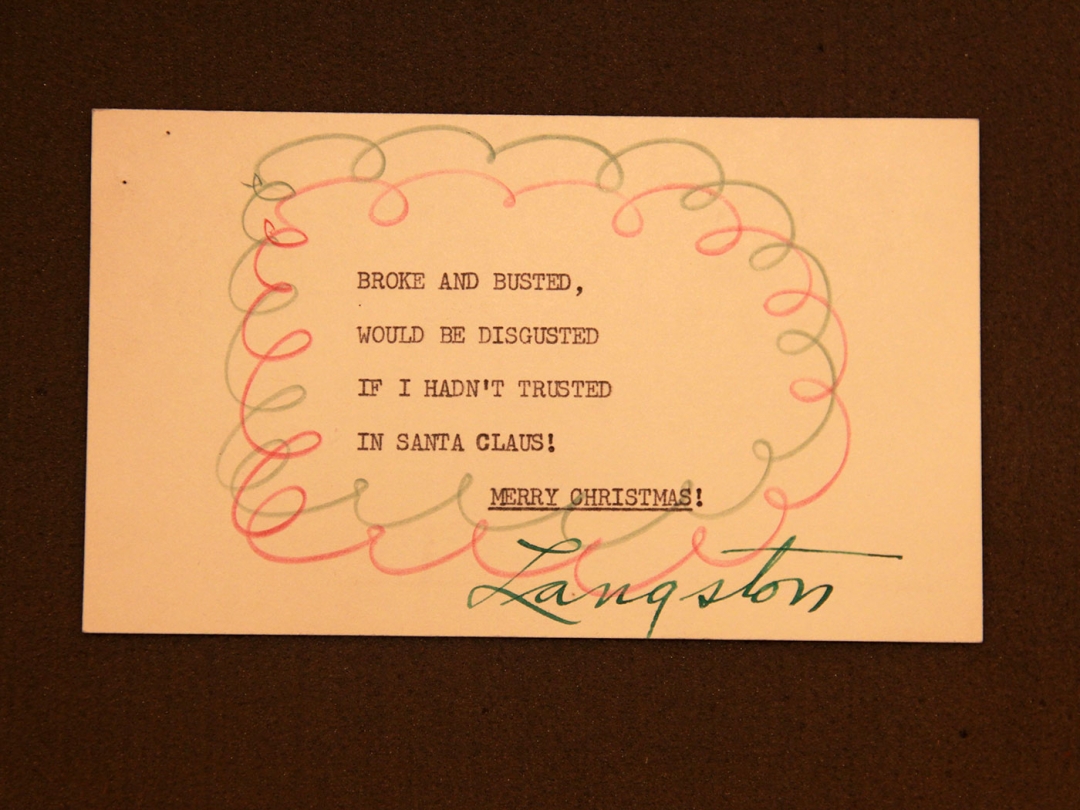
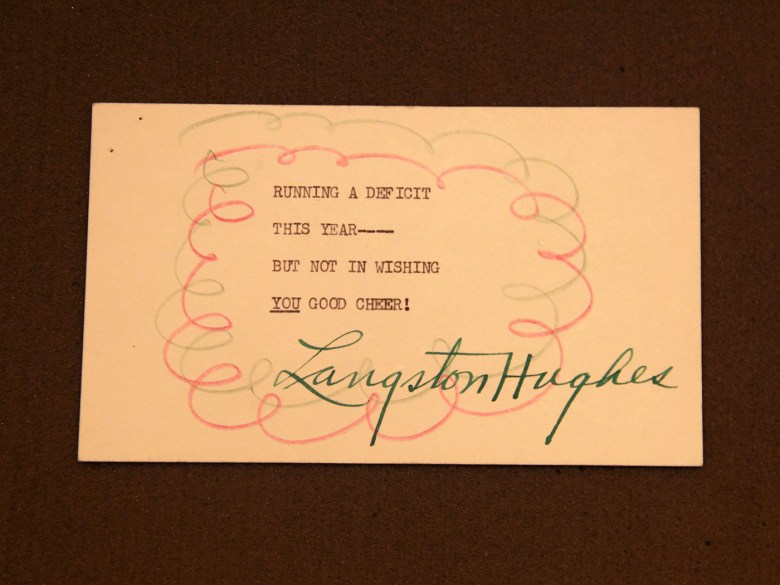
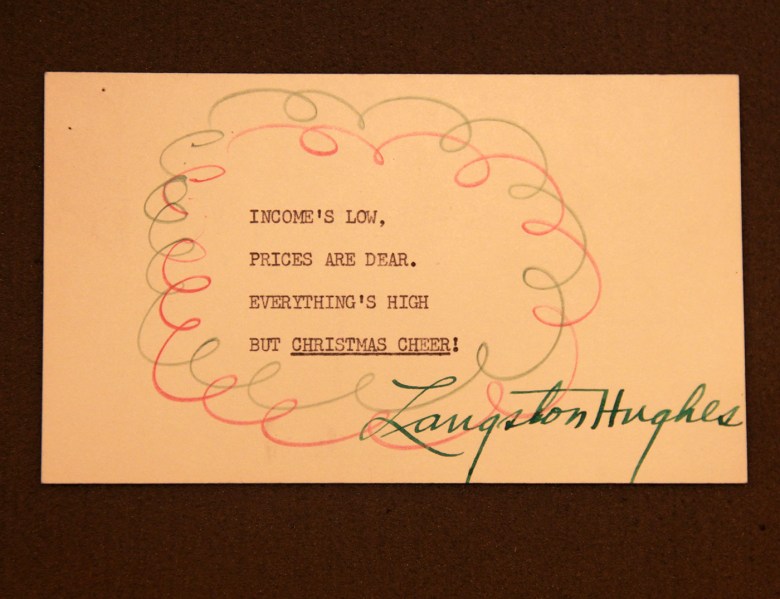
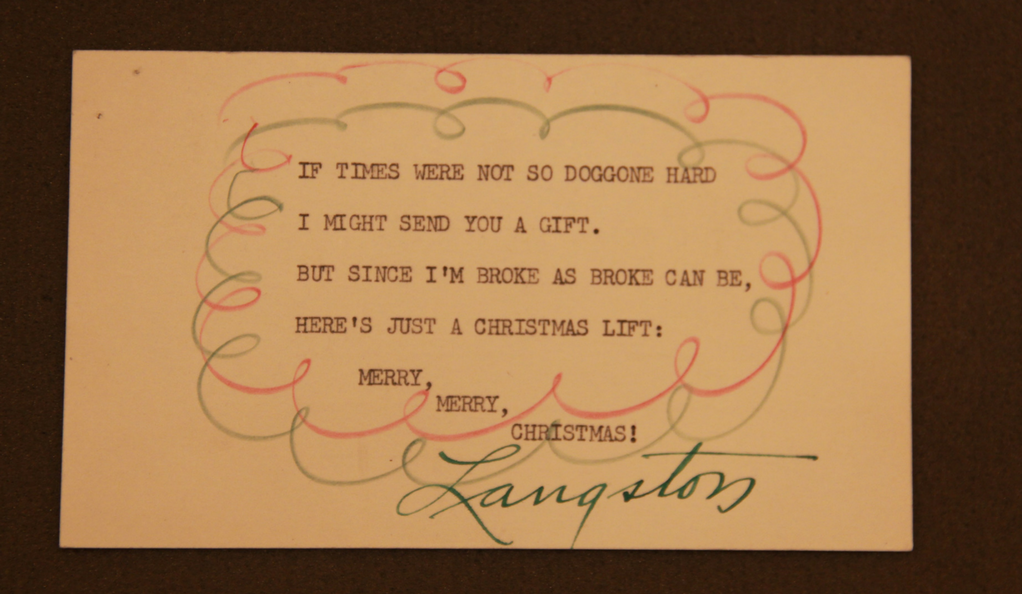
John Waters’ Hand-Made, Odd­ball Christ­mas Cards: 1964-Present

An Anti, Anti-Smok­ing Announce­ment from John Waters

John Waters’ Com­i­cal & Inspir­ing Com­mence­ment Speech: “You Too Can Fail Upwards” (2022)

Mark Twain & Helen Keller’s Special Friendship: He Treated Me Not as a Freak, But as a Person Dealing with Great Difficulties

Some­times it can seem as though the more we think we know a his­tor­i­cal fig­ure, the less we actu­al­ly do. Helen Keller? We’ve all seen (or think we’ve seen) some ver­sion of The Mir­a­cle Work­er, right?—even if we haven’t actu­al­ly read Keller’s auto­bi­og­ra­phy. And Mark Twain? He can seem like an old fam­i­ly friend. But I find peo­ple are often sur­prised to learn that Keller was a rad­i­cal social­ist fire­brand, in sym­pa­thy with work­ers’ move­ments world­wide. In a short arti­cle in praise of Lenin, for exam­ple, Keller once wrote, “I cry out against peo­ple who uphold the empire of gold…. I am per­fect­ly sure that love will bring every­thing right in the end, but I can­not help sym­pa­thiz­ing with the oppressed who feel dri­ven to use force to gain the rights that belong to them.”

Twain took a more pes­simistic, iron­ic approach, yet he thor­ough­ly opposed reli­gious dog­ma, slav­ery, and impe­ri­al­ism. “I am always on the side of the rev­o­lu­tion­ists,” he wrote, “because there nev­er was a rev­o­lu­tion unless there were some oppres­sive and intol­er­a­ble con­di­tions against which to rev­o­lute.” While a great many peo­ple grow more con­ser­v­a­tive with age, Twain and Keller both grew more rad­i­cal, which in part accounts for anoth­er lit­tle-known fact about these two nine­teenth-cen­tu­ry Amer­i­can celebri­ties: they formed a very close and last­ing friend­ship that, at least in Keller’s case, may have been one of the most impor­tant rela­tion­ships in either figure’s lives.

10-hk-twain

Twain’s impor­tance to Keller, and hers to him, begins in 1895, when the two met at a lunch held for Keller in New York. Accord­ing to the Mark Twain Library’s exten­sive doc­u­men­tary exhib­it, Keller “seemed to feel more at ease with Twain than with any of the oth­er guests.” She would lat­er write, “He treat­ed me not as a freak, but as a hand­i­capped woman seek­ing a way to cir­cum­vent extra­or­di­nary dif­fi­cul­ties.” Twain was tak­en as well, sur­prised by “her quick­ness and intel­li­gence.” After the meet­ing, he wrote to his bene­fac­tor Hen­ry H. Rogers, ask­ing Rogers to fund Keller’s edu­ca­tion. Rogers, the Mark Twain Library tells us, “per­son­al­ly took charge of Helen Keller’s for­tunes, and out of his own means made it pos­si­ble for her to con­tin­ue her edu­ca­tion and to achieve for her­self the endur­ing fame which Mark Twain had fore­seen.”

Twain wrote to his wealthy friend, “It won’t do for Amer­i­ca to allow this mar­velous child to retire from her stud­ies because of pover­ty. If she can go on with them she will make a fame that will endure in his­to­ry for cen­turies.” There­after, the two would main­tain a “spe­cial friend­ship,” sus­tained not only by their polit­i­cal sen­ti­ments, but also by a love of ani­mals, trav­el, and oth­er per­son­al sim­i­lar­i­ties. Both writ­ers came to live in Fair­field Coun­ty, Con­necti­cut at the end of their lives, and she vis­it­ed him at his Red­ding home, Storm­field, in 1909, the year before his death (see them there at the top of the post, and more pho­tos here). Twain was espe­cial­ly impressed by Keller’s auto­bi­og­ra­phy, writ­ing to her, “I am charmed with your book—enchanted.” (See his endorse­ment in a 1903 adver­tise­ment, below.)

HelenKellerAd2

Twain also came to Keller’s defense, ten years lat­er, after read­ing in her book about a pla­gia­rism scan­dal that occurred in 1892 when, at only twelve years old, she was accused of lift­ing her short sto­ry “The Frost King” from Mar­garet Canby’s “Frost Fairies.” Though a tri­bunal acquit­ted Keller of the charges, the inci­dent still piqued Twain, who called it “unspeak­ably fun­ny and owlish­ly idi­ot­ic and grotesque” in a 1903 let­ter in which he also declared: “The ker­nel, the soul—let us go fur­ther and say the sub­stance, the bulk, the actu­al and valu­able mate­r­i­al of all human utterance—is pla­gia­rism.” What dif­fers from work to work, he con­tends is “the phras­ing of a sto­ry”; Keller’s accusers, he writes pro­tec­tive­ly, were “solemn don­keys break­ing a lit­tle child’s heart.”

twain-welcomes-keller-4

We also have Twain—not play­wright William Gib­son—to thank for the “mir­a­cle work­er” title giv­en to Keller’s teacher, Anne Sul­li­van. (See Keller, Sul­li­van, Twain, and Sullivan’s hus­band John Macy above at Twain’s home). As a trib­ute to Sul­li­van for her tire­less work with Keller, he pre­sent­ed her with a post­card that read, “To Mrs. John Sul­li­van Macy with warm regard & with lim­it­less admi­ra­tion of the won­ders she has per­formed as a ‘mir­a­cle-work­er.’” In his 1903 let­ter to Keller, he called Sul­li­van “your oth­er half… for it took the pair of you to make com­plete and per­fect whole.”

Twain praised Sul­li­van effu­sive­ly for “her bril­lian­cy, pen­e­tra­tion, orig­i­nal­i­ty, wis­dom, char­ac­ter, and the fine lit­er­ary com­pe­ten­cies of her pen.” But he reserved his high­est praise for Keller her­self. “You are a won­der­ful crea­ture,” he wrote, “The most won­der­ful in the world.” Keller’s praise of her friend Twain was no less lofty. “I have been in Eden three days and I saw a King,” she wrote in his guest­book dur­ing her vis­it to Storm­field, “I knew he was a King the minute I touched him though I had nev­er touched a King before.” The last words in Twain’s auto­bi­og­ra­phy, the first vol­ume anyway—which he only allowed to be pub­lished in 2010—are Keller’s; “You once told me you were a pes­simist, Mr. Clemons,” he quotes her as say­ing, “but great men are usu­al­ly mis­tak­en about them­selves. You are an opti­mist.”

Relat­ed Con­tent:

Helen Keller Writes a Let­ter to Nazi Stu­dents Before They Burn Her Book: “His­to­ry Has Taught You Noth­ing If You Think You Can Kill Ideas” (1933)

Read the Uplift­ing Let­ter That Albert Ein­stein Sent to Marie Curie Dur­ing a Time of Per­son­al Cri­sis (1911)

Helen Keller Had Impec­ca­ble Hand­writ­ing: See a Col­lec­tion of Her Child­hood Let­ters

Helen Keller Speaks About Her Great­est Regret — Nev­er Mas­ter­ing Speech

Helen Keller & Annie Sul­li­van Appear Togeth­er in Mov­ing 1930 News­reel

Josh Jones is a writer and musi­cian based in Durham, NC. Fol­low him at @jdmagness


by | Permalink | Make a Comment ( 1 ) |

How Carl Jung Inspired the Creation of Alcoholics Anonymous

There may be as many doors into Alco­holics Anony­mous in the 21st cen­tu­ry as there are peo­ple who walk through them—from every world reli­gion to no reli­gion. The “inter­na­tion­al mutu­al-aid fel­low­ship” has had “a sig­nif­i­cant and long-term effect on the cul­ture of the Unit­ed States,” writes Worces­ter State Uni­ver­si­ty pro­fes­sor of psy­chol­o­gy Charles Fox at Aeon. Indeed, its influ­ence is glob­al. From its incep­tion in 1935, A.A. has rep­re­sent­ed an “enor­mous­ly pop­u­lar ther­a­py, and a tes­ta­ment to the inter­dis­ci­pli­nary nature of health and well­ness.”

A.A. has also rep­re­sent­ed, at least cul­tur­al­ly, a remark­able syn­the­sis of behav­ioral sci­ence and spir­i­tu­al­i­ty that trans­lates into scores of dif­fer­ent lan­guages, beliefs, and prac­tices. Or at least that’s the way it can appear from brows­ing the scores of books on A.A.’s 12-Steps and Bud­dhism, Yoga, Catholi­cism, Judaism, Indige­nous faith tra­di­tions, shaman­ist prac­tices, Sto­icism, sec­u­lar human­ism, and, of course, psy­chol­o­gy.

His­tor­i­cal­ly, and often in prac­tice, how­ev­er, the (non)organization of world­wide fel­low­ships has rep­re­sent­ed a much nar­row­er tra­di­tion, inher­it­ed from the evan­gel­i­cal (small “e”) Chris­t­ian Oxford Group, or as A.A. founder Bill Wil­son called them, “the ‘O.G.’” Wil­son cred­its the Oxford Group for the method­ol­o­gy of A.A.: “their large empha­sis upon the prin­ci­ples of self-sur­vey, con­fes­sion, resti­tu­tion, and the giv­ing of one­self in ser­vice to oth­ers.”

The Oxford Group’s the­ol­o­gy, though qual­i­fied and tem­pered, also made its way into many of A.A.’s basic prin­ci­ples. But for the recov­ery group’s gen­e­sis, Wil­son cites a more sec­u­lar author­i­ty, Carl Jung. The famous Swiss psy­chi­a­trist took a keen inter­est in alco­holism in the 1920s. Wil­son wrote to Jung in 1961 to express his “great appre­ci­a­tion” for his efforts. “A cer­tain con­ver­sa­tion you once had with one of your patients, a Mr. Row­land H. back in the ear­ly 1930’s,” Wil­son explains, “did play a crit­i­cal role in the found­ing of our Fel­low­ship.”

Jung may not have known his influ­ence on the recov­ery move­ment, Wil­son says, although alco­holics had account­ed for “about 13 per­cent of all admis­sions” in his prac­tice, notes Fox. One of his patients, Row­land H.—or Row­land Haz­ard, “invest­ment banker and for­mer state sen­a­tor from Rhode Island”—came to Jung in des­per­a­tion, saw him dai­ly for a peri­od of sev­er­al months, stopped drink­ing, then relapsed. Brought back to Jung by his cousin, Haz­ard was told that his case was hope­less short of a reli­gious con­ver­sion. As Wil­son puts it in his let­ter:

[Y]ou frankly told him of his hope­less­ness, so far as any fur­ther med­ical or psy­chi­atric treat­ment might be con­cerned. This can­did and hum­ble state­ment of yours was beyond doubt the first foun­da­tion stone upon which our Soci­ety has since been built.

Jung also told Haz­ard that con­ver­sion expe­ri­ences were incred­i­bly rare and rec­om­mend­ed that he “place him­self in a reli­gious atmos­phere and hope for the best,” as Wil­son remem­bers. But he did not spec­i­fy any par­tic­u­lar reli­gion. Haz­ard dis­cov­ered the Oxford Group. He might, as far as Jung was con­cerned, have met God as he under­stood it any­where. “His crav­ing for alco­hol was the equiv­a­lent,” wrote the psy­chi­a­trist in a reply to Wil­son, “on a low lev­el, of the spir­i­tu­al thirst of our being for whole­ness, expressed in medieval lan­guage: the union with God.”

In his reply let­ter to Wil­son, Jung uses reli­gious lan­guage alle­gor­i­cal­ly. AA took the idea of con­ver­sion more lit­er­al­ly. Though it wres­tled with the plight of the agnos­tic, the Big Book con­clud­ed that such peo­ple must even­tu­al­ly see the light. Jung, on the oth­er hand, seems very care­ful to avoid a strict­ly reli­gious inter­pre­ta­tion of his advice to Haz­ard, who start­ed the first small group that would con­vert Wil­son to sobri­ety and to Oxford Group meth­ods.

“How could one for­mu­late such an insight that is not mis­un­der­stood in our days?” Jung asks. “The only right and legit­i­mate way to such an expe­ri­ence is that it hap­pens to you in real­i­ty and it can only hap­pen to you when you walk on a path which leads you to a high­er under­stand­ing.” Sobri­ety could be achieved through “a high­er edu­ca­tion of the mind beyond the con­fines of mere rationalism”—through an enlight­en­ment or con­ver­sion expe­ri­ence, that is. It might also occur through “an act of grace or through a per­son­al and hon­est con­tact with friends.”

Though most found­ing mem­bers of AA fought for the stricter inter­pre­ta­tion of Jung’s pre­scrip­tion, Wil­son always enter­tained the idea that mul­ti­ple paths might bring alco­holics to the same goal, even includ­ing mod­ern med­i­cine. He drew on the med­ical opin­ions of Dr. William D. Silk­worth, who the­o­rized that alco­holism was in part a phys­i­cal dis­ease, “a sort of metab­o­lism dif­fi­cul­ty which he then called an aller­gy.” Even after his own con­ver­sion expe­ri­ence, which Silk­worth, like Jung, rec­om­mend­ed he pur­sue, Wil­son exper­i­ment­ed with vit­a­min ther­a­pies, through the influ­ence of Aldous Hux­ley.

His search to under­stand his mys­ti­cal “white light” moment in a New York detox room also led Wil­son to William James’ Vari­eties of Reli­gious Expe­ri­ence. The book “gave me the real­iza­tion,” he wrote to Jung, “that most con­ver­sion expe­ri­ences, what­ev­er their vari­ety, do have a com­mon denom­i­na­tor of ego col­lapse at depth.” He even thought that LSD could act as such a “tem­po­rary ego-reduc­er” after he took the drug under super­vi­sion of British psy­chi­a­trist Humphrey Osmond. (Jung like­ly would have opposed what he called “short cuts” like psy­che­del­ic drugs.)

In the let­ters between Wil­son and Jung, as Ian McCabe argues in Carl Jung and Alco­holics Anony­mous, we see mutu­al admi­ra­tion between the two, as well as mutu­al influ­ence. “Bill Wil­son,” writes McCabe’s pub­lish­er, “was encour­aged by Jung’s writ­ings to pro­mote the spir­i­tu­al aspect of recov­ery,” an aspect that took on a par­tic­u­lar­ly reli­gious char­ac­ter in Alco­holics Anony­mous. For his part, Jung, “influ­enced by A.A.’s suc­cess… gave ‘com­plete and detailed instruc­tions’ on how the A.A. group for­mat could be devel­oped fur­ther and used by ‘gen­er­al neu­rotics.’” And so it has, though more on the Oxford Group mod­el than the more mys­ti­cal Jun­gian. It might well have been oth­er­wise.

Read more about Jung’s influ­ence on AA over at Aeon.

Note: Note: An ear­li­er ver­sion of this post appeared on our site in 2019.

Relat­ed Con­tent:

Carl Jung Offers an Intro­duc­tion to His Psy­cho­log­i­cal Thought in a 3‑Hour Inter­view (1957)

Take Carl Jung’s Word Asso­ci­a­tion Test, a Quick Route Into the Sub­con­scious (1910)

Carl Jung’s Hand-Drawn, Rarely-Seen Man­u­script The Red Book

Josh Jones is a writer and musi­cian based in Durham, NC. Fol­low him at @jdmagness

by | Permalink | Make a Comment ( 61 ) |

This 392-Year-Old Bonsai Tree Survived the Hiroshima Atomic Blast & Still Flourishes Today: The Power of Resilience

Image by Sage Ross, via Wiki­me­dia Com­mons

The beau­ti­ful bon­sai tree pic­tured above–let’s call it the Yama­ki Pine Bonsai–began its jour­ney through the world back in 1625. That’s when the Yama­ki fam­i­ly first began to train the tree, work­ing patient­ly, gen­er­a­tion after gen­er­a­tion, to prune the tree into the majes­tic thing it is today.

No doubt, over the cen­turies, the ancient bon­sai wit­nessed many good and bad days in Japan–some highs and some lows. But noth­ing as low as what hap­pened on August 6, 1945, when the Unit­ed States dropped an atom­ic bomb on Hiroshi­ma, dev­as­tat­ing the city and leav­ing 140,000 civil­ians dead. The bomb explod­ed less than two miles from the Yamak­i’s home. But defy­ing the odds, the Yama­ki Pine sur­vived the blast. (It was pro­tect­ed by a wall sur­round­ing the Yamak­i’s bon­sai nurs­ery.) The fam­i­ly sur­vived the blast too, suf­fer­ing only minor cuts from fly­ing glass.

Three decades lat­er, in a rather remark­able act of for­give­ness, the Yama­ki fam­i­ly gift­ed the pine (along with 52 oth­er cher­ished trees) to the Unit­ed States, dur­ing the bicen­ten­ni­al cel­e­bra­tion of 1976. Nev­er did they say any­thing, how­ev­er, about the trau­mas the tree sur­vived. Only in 2001, when a younger gen­er­a­tion of Yamakis vis­it­ed Wash­ing­ton, did the care­tak­ers at the Unit­ed States Nation­al Arbore­tum learn the full sto­ry about the tree’s resilience. The tree sur­vived the worst mankind could throw at it. And kept its beau­ty intact. Sure­ly you can do the same when life sends less­er chal­lenges your way.

You can get a clos­er look at the Yama­ki pine in the video below.

If you would like to sign up for Open Culture’s free email newslet­ter, please find it here. It’s a great way to see our new posts, all bun­dled in one email, each day.

If you would like to sup­port the mis­sion of Open Cul­ture, con­sid­er mak­ing a dona­tion to our site. It’s hard to rely 100% on ads, and your con­tri­bu­tions will help us con­tin­ue pro­vid­ing the best free cul­tur­al and edu­ca­tion­al mate­ri­als to learn­ers every­where. You can con­tribute through Pay­Pal, Patre­on, and Ven­mo (@openculture). Thanks!

Relat­ed Con­tent:

The “Shad­ow” of a Hiroshi­ma Vic­tim, Etched into Stone, Is All That Remains After 1945 Atom­ic Blast

Watch Chill­ing Footage of the Hiroshi­ma & Nagasa­ki Bomb­ings in Restored Col­or

The Art of Cre­at­ing a Bon­sai: One Year Con­densed Con­densed Into 22 Mes­mer­iz­ing Min­utes

The Art & Phi­los­o­phy of Bon­sai


by | Permalink | Make a Comment ( 2 ) |

Medieval Cats Behaving Badly: Kitties That Left Paw Prints … and Peed … on 15th Century Manuscripts

“The more things change, the more they stay the same.”

–Jean-Bap­tiste Alphonse Karr (1808–90)

When Emir O. Fil­ipovic, a medieval­ist at the Uni­ver­si­ty of Sara­je­vo, Bosnia and Herze­gov­ina, vis­it­ed the State Archives of Dubrovnik, he stum­bled upon some­thing that will hard­ly sur­prise any­one who lives with cats today: a 15th-cen­tu­ry man­u­script with inky paw prints casu­al­ly tracked across it.

And here’s anoth­er purrpetra­tor. The His­torisches Archiv in Cologne, Ger­many hous­es a man­u­script with an inter­est­ing his­to­ry. Accord­ing to the blog Medieval­Frag­ments, “a Deven­ter scribe, writ­ing around 1420, found his man­u­script ruined by a urine stain left there by a cat the night before. He was forced to leave the rest of the page emp­ty, drew a pic­ture of a cat, and cursed the crea­ture with the fol­low­ing words:”

Hic non defec­tus est, sed cat­tus minx­it desu­per nocte quadam. Con­fun­datur pes­simus cat­tus qui minx­it super librum istum in nocte Dav­en­trie, et con­similiter omnes alii propter illum. Et caven­dum valde ne per­mit­tan­tur lib­ri aper­ti per noctem ubi cat­tie venire pos­sunt.

Here is noth­ing miss­ing, but a cat uri­nat­ed on this dur­ing a cer­tain night. Cursed be the pesty cat that uri­nat­ed over this book dur­ing the night in Deven­ter and because of it many oth­ers [oth­er cats] too. And beware well not to leave open books at night where cats can come.

What I would sin­cere­ly love to know is whether, almost 600 years lat­er, the urine smell has left the page. Cat own­ers, you’ll know what I mean.

via Medieval­Frag­ments

Relat­ed Con­tent:

Cats in Medieval Man­u­scripts & Paint­ings

Cats Migrat­ed to Europe 7,000 Years Ear­li­er Than Once Thought

Cats in Japan­ese Wood­block Prints: How Japan’s Favorite Ani­mals Came to Star in Its Pop­u­lar Art

by | Permalink | Make a Comment ( 1 ) |

Jerry Seinfeld Delivers Commencement Address at Duke University: You Will Need Humor to Get Through the Human Experience

This week­end, Jer­ry Sein­feld gave the com­mence­ment speech at Duke Uni­ver­si­ty and offered the grad­u­ates his three keys to life: 1. bust your ass, 2. pay atten­tion, and 3. fall in love. Then, 10 min­utes lat­er, he added essen­tial­ly a fourth key to life: “Do not lose your sense of humor. You can have no idea at this point in your life how much you’re going to need it to get through. Not enough of life makes sense for you to be able to sur­vive it with­out humor.” “It is worth the sac­ri­fice of an occa­sion­al dis­com­fort to have some laughs. Don’t lose that.” “Humor is the most pow­er­ful, most sur­vival-essen­tial qual­i­ty you will ever have or need to nav­i­gate through the human expe­ri­ence.” Amen.

Relat­ed Con­tent 

John Waters’ RISD Grad­u­a­tion Speech: Real Wealth Is Life With­out A*Holes

David Fos­ter Wallace’s Famous Com­mence­ment Speech, “This is Water,” Gets Ani­mat­ed on a White­board

Conan O’Brien Kills It at Dart­mouth Grad­u­a­tion

Jon Stewart’s William & Mary Com­mence­ment Address: The Entire World is an Elec­tive

Aldous Huxley, Dying of Cancer, Left This World Tripping on LSD (1963)

Aldous Hux­ley put him­self for­ev­er on the intel­lec­tu­al map when he wrote the dystopi­an sci-fi nov­el Brave New World in 1931. (Lis­ten to Hux­ley nar­rat­ing a dra­ma­tized ver­sion here.) The British-born writer was liv­ing in Italy at the time, a con­ti­nen­tal intel­lec­tu­al par excel­lence.

Then, six years lat­er, Hux­ley turned all of this upside down. He head­ed West, to Hol­ly­wood, the newest of the New World, where he took a stab at writ­ing screen­plays (with not much luck) and start­ed exper­i­ment­ing with mys­ti­cism and psy­che­delics — first mesca­line in 1953, then LSD in 1955. This put Hux­ley at the fore­front of the coun­ter­cul­ture’s exper­i­men­ta­tion with psy­che­del­ic drugs, some­thing he doc­u­ment­ed in his 1954 book, The Doors of Per­cep­tion.

Hux­ley’s exper­i­men­ta­tion con­tin­ued until his death in Novem­ber 1963. When can­cer brought him to his deathbed, he asked his wife to inject him with “LSD, 100 µg, intra­mus­cu­lar.” He died trip­ping lat­er that day, just hours after Kennedy’s assas­si­na­tion. Three years lat­er, LSD was offi­cial­ly banned in Cal­i­for­nia.

By way of foot­note, it’s worth men­tion­ing that the Amer­i­can med­ical estab­lish­ment is now giv­ing hal­lu­cino­gens a sec­ond look, con­duct­ing con­trolled stud­ies of how psilo­cy­bin and oth­er psy­che­delics can help treat patients deal­ing with can­cer, obses­sive-com­pul­sive dis­or­der, post-trau­mat­ic stress dis­or­der, drug/alcohol addic­tion and end-of-life anx­i­ety.

For a look at the his­to­ry of LSD, we rec­om­mend the 2002 film Hofmann’s Potion by Cana­di­an film­mak­er Con­nie Lit­tle­field. You can watch it here.

If you would like to sign up for Open Culture’s free email newslet­ter, please find it here. It’s a great way to see our new posts, all bun­dled in one email, each day.

If you would like to sup­port the mis­sion of Open Cul­ture, con­sid­er mak­ing a dona­tion to our site. It’s hard to rely 100% on ads, and your con­tri­bu­tions will help us con­tin­ue pro­vid­ing the best free cul­tur­al and edu­ca­tion­al mate­ri­als to learn­ers every­where. You can con­tribute through Pay­Pal, Patre­on, and Ven­mo (@openculture). Thanks!

Relat­ed Con­tent:

Ken Kesey’s First LSD Trip Ani­mat­ed

Hear Aldous Hux­ley Nar­rate His Dystopi­an Mas­ter­piece, Brave New World

Every­thing You Want­ed to Ask About Psy­che­delics: A Johns Hop­kins Psy­che­delics Researcher Answers 24 Ques­tions in 2 Hours

Aldous Hux­ley Pre­dicts in 1950 What the World Will Look Like in the Year 2000

Keith Richards Performs “I’m Waiting For The Man”: A New Tribute to Lou Reed

“To me, Lou stood out. The real deal! Some­thing impor­tant to Amer­i­can music and to ALL MUSIC! I miss him and his dog.” — Kei­th Richards

On what would have been Lou Reed’s 82nd birth­day (March 2), Kei­th Richards released a cov­er of “I’m Wait­ing for the Man,” a track orig­i­nal­ly writ­ten by Reed in 1966, then record­ed by the Vel­vet Under­ground the next year. Pre­vi­ous­ly cov­ered by David Bowie, OMD, and French singer Vanes­sa Par­adis, the song makes sense in Kei­th Richards’ hands. As one YouTu­ber put it, “See­ing Kei­th per­form this Vel­vet Under­ground clas­sic is watch­ing him take a vic­to­ry lap over his addic­tion. He’s been away from that life for decades and now he’s telling the sto­ry about some­one else, even though he lived it for a long time. This is a tri­umph for him.”

Richards’ cov­er will appear on the forth­com­ing album The Pow­er of the Heart: A Trib­ute to Lou Reed, where songs move from Reed’s “ground­break­ing years with the Vel­vets into his majes­tic solo career.” Con­trib­u­tors include Joan Jett and the Black­hearts, Rufus Wain­wright, Lucin­da Williams, Rick­ie Lee Jones, Bob­by Rush, and Rosanne Cash. The album will be released on Record Store Day (April 20th). Get more deets here.

Below, as a bonus, watch Reed and Bowie per­form “I’m Wait­ing for the Man” togeth­er, appar­ent­ly at Reed’s 50th birth­day bash in 1997.

Relat­ed Con­tent

Hear Lou Reed’s The Raven, a Trib­ute to Edgar Allan Poe Fea­tur­ing David Bowie, Ornette Cole­man, Willem Dafoe & More

Kei­th Richards Shows Us How to Play the Blues, Inspired by Robert John­son, on the Acoustic Gui­tar

Lou Reed and Lau­rie Anderson’s Three Rules for Liv­ing Well: A Short and Suc­cinct Life Phi­los­o­phy

Chuck Berry Takes Kei­th Richards to School, Shows Him How to Rock (1987)

by | Permalink | Make a Comment ( 1 ) |

« Go BackMore in this category... »
Quantcast