The Tyranny of The New Yorker (And More Culture Around the Web)

I feel your pain, broth­er, I feel your pain.…

Now a semi seri­ous ques­tion: How long until some­one buys the url newyorkertyranny.com? We’ll keep an eye on it.

More Cul­ture Around the Web (all pre­vi­ous­ly aired on our Twit­ter Stream):

Here’s Your Brain on Fic­tion

Steven Spiel­berg Talks About the Influ­ence of Stan­ley Kubrick.

Cel­e­brate Nation­al Nov­el Edit­ing Month with Kurt Von­negut Sto­ry Grids

New York Times Series on the Art & Craft of Writ­ing Begins with Jhumpa Lahiri

A Boom Time for Edu­ca­tion Start-Ups. Sil­i­con Val­ley Final­ly Think­ing About Edu­ca­tion

Bob Dylan Released His Debut Album 50 Years Ago. Record­ed in 6 hours for $402.

The Life of Rumi in Rare Islam­ic Man­u­script Paint­ings from the 1590s

Paul McCart­ney Gives Bass Lessons

Why Fin­ish Books?

Andy Warhol Get­ting His 15 Min­utes in Asia

Nabokov Reads Lolita, and Names the Greatest Books of the 20th Century

If you heard our inter­view on The John Batch­e­lor Show tonight (catch it at the 29:50 mark), and if you want to check out the mar­velous clip of Vladimir Nabokov read­ing Loli­ta, here it is. Don’t for­get to find us on Twit­ter and Face­book:

Orig­i­nal­ly aired on 1950s French tele­vi­sion, this clip gives you some vin­tage Vladimir Nabokov. Ear­ly on, the Russ­ian nov­el­ist reads the won­der­ful­ly poet­ic first lines of Loli­ta:

Loli­ta, light of my life, fire of my loins. My sin, my soul. Lo-lee-ta: the tip of the tongue tak­ing a trip of three steps down the palate to tap, at three, on the teeth. Lo. Lee. Ta.

Then we get down to real busi­ness. Putting on his lit­er­ary crit­ic cap, Nabokov tells us what 20th nov­els make real or pre­tend claims to great­ness. First the fak­ers:

I’ve been per­plexed and amused by fab­ri­cat­ed notions about so-called “great books.” That, for instance, Mann’s asi­nine Death in Venice, or Pasternak’s melo­dra­mat­ic, vile­ly writ­ten Doc­tor Zhiva­go, or Faulkner’s corn­cob­by chron­i­cles can be con­sid­ered mas­ter­pieces, or at least what jour­nal­ists term “great books,” is to me the same sort of absurd delu­sion as when a hyp­no­tized per­son makes love to a chair.

And then the true greats in order of per­son­al pref­er­ence:

1) James Joyce’s Ulysses

2) Kafka’s The Meta­mor­pho­sis

3) Andrei Bely’s St. Peters­burg

4) The first half of Proust’s fairy tale, In Search of Lost Time

We’re adding this video to our Cul­tur­al Icons col­lec­tion, which fea­tures great writ­ers, artists and thinkers speak­ing in their own words. And if we have piqued your inter­est, don’t miss these oth­er Nabokov gems:

Nabokov Tweaks Kafka’s “The Meta­mor­pho­sis”

Vladimir Nabokov Mar­vels Over Dif­fer­ent “Loli­ta” Book Cov­ers

Vladimir Nabokov on Loli­ta: Just Anoth­er Great Love Sto­ry?

If you would like to sign up for Open Culture’s free email newslet­ter, please find it here. It’s a great way to see our new posts, all bun­dled in one email, each day.

If you would like to sup­port the mis­sion of Open Cul­ture, con­sid­er mak­ing a dona­tion to our site. It’s hard to rely 100% on ads, and your con­tri­bu­tions will help us con­tin­ue pro­vid­ing the best free cul­tur­al and edu­ca­tion­al mate­ri­als to learn­ers every­where. You can con­tribute through Pay­Pal, Patre­on, and Ven­mo (@openculture). Thanks!

by | Permalink | Make a Comment ( 2 ) |

‘This Is Water’: Complete Audio of David Foster Wallace’s Kenyon Graduation Speech (2005)

Last month, on the occa­sion of the author’s 50th birth­day, we post­ed a large col­lec­tion of free essays and sto­ries by David Fos­ter Wal­lace. But we missed a rare item: the com­plete audio record­ing of the com­mence­ment address Wal­lace gave at Keny­on Col­lege, in Ohio, on May 21, 2005–three years before he took his own life. The text of the speech has been pub­lished on the Inter­net and as a book called This Is Water: Some Thoughts, Deliv­ered on a Sig­nif­i­cant Occa­sion, about Liv­ing a Com­pas­sion­ate Life, but the com­plete audio ver­sion has been hard to find.

In the speech, Wal­lace talks about the chal­lenge of mov­ing beyond the super­fi­cial kind of free­dom that can be acquired through pow­er and wealth, toward a truer lib­er­a­tion that aris­es only when we become more ful­ly con­scious of the world out­side our “tiny skull-sized king­doms.” He says:

The real­ly impor­tant kind of free­dom involves atten­tion, and aware­ness, and dis­ci­pline, and effort, and being able tru­ly to care about oth­er peo­ple and to sac­ri­fice for them, over and over, in myr­i­ad pet­ty lit­tle unsexy ways, every day. That is real free­dom. The alter­na­tive is uncon­scious­ness, the default set­ting, the “rat race”–the con­stant gnaw­ing sense of hav­ing had and lost some infi­nite thing.

You can lis­ten to the first half of the speech above. And to delve deep­er into Wal­lace’s world­view, be sure to watch the fas­ci­nat­ing 84-minute inter­view he gave in 2003 to a Ger­man tele­vi­sion sta­tion. H/T Avi Burstein.

If you would like to sign up for Open Culture’s free email newslet­ter, please find it here. It’s a great way to see our new posts, all bun­dled in one email, each day.

If you would like to sup­port the mis­sion of Open Cul­ture, con­sid­er mak­ing a dona­tion to our site. It’s hard to rely 100% on ads, and your con­tri­bu­tions will help us con­tin­ue pro­vid­ing the best free cul­tur­al and edu­ca­tion­al mate­ri­als to learn­ers every­where. You can con­tribute through Pay­Pal, Patre­on, and Ven­mo (@openculture). Thanks!

Relat­ed Con­tent:

30 Free Essays & Sto­ries by David Fos­ter Wal­lace on the Web

The 321 Books in David Fos­ter Wallace’s Per­son­al Library: From Blood Merid­i­an to Con­fes­sions of an Unlike­ly Body­builder

David Fos­ter Wal­lace on What’s Wrong with Post­mod­ernism: A Video Essay

John Steinbeck’s Six Tips for the Aspiring Writer and His Nobel Prize Speech

Today is the 110th birth­day of writer John Stein­beck, whose great nov­el of the 1930s, The Grapes of Wrath, gives an elo­quent and sym­pa­thet­ic voice to the dis­pos­sessed. In 1962, Stein­beck was award­ed the Nobel Prize in Lit­er­a­ture “for his real­is­tic and imag­i­na­tive writ­ings, com­bin­ing as they do sym­pa­thet­ic humour and keen social per­cep­tion.” You can watch him deliv­er his Nobel speech above.

And for insights into how Stein­beck reached that pin­na­cle, you can read a col­lec­tion of his obser­va­tions on the art of fic­tion from the Fall, 1975 edi­tion of The Paris Review, includ­ing six writ­ing tips jot­ted down in a let­ter to a friend the same year he won the Nobel Prize. “The fol­low­ing,” Stein­beck writes, “are some of the things I have had to do to keep from going nuts.”

1. Aban­don the idea that you are ever going to fin­ish. Lose track of the 400 pages and write just one page for each day, it helps. Then when it gets fin­ished, you are always sur­prised.

2. Write freely and as rapid­ly as pos­si­ble and throw the whole thing on paper. Nev­er cor­rect or rewrite until the whole thing is down. Rewrite in process is usu­al­ly found to be an excuse for not going on. It also inter­feres with flow and rhythm which can only come from a kind of uncon­scious asso­ci­a­tion with the mate­r­i­al.

3. For­get your gen­er­al­ized audi­ence. In the first place, the name­less, face­less audi­ence will scare you to death and in the sec­ond place, unlike the the­ater, it does­n’t exist. In writ­ing, your audi­ence is one sin­gle read­er. I have found that some­times it helps to pick out one person–a real per­son you know, or an imag­ined per­son and write to that one.

4. If a scene or a sec­tion gets the bet­ter of you and you still think you want it–bypass it and go on. When you have fin­ished the whole you can come back to it and then you may find that the rea­son it gave trou­ble is because it did­n’t belong there.

5. Beware of a scene that becomes too dear to you, dear­er than the rest. It will usu­al­ly be found that it is out of draw­ing.

6. If you are using dialogue–say it aloud as you write it. Only then will it have the sound of speech.

“As you write,” Stein­beck says, “trust the dis­con­nec­tions and the gaps. If you have writ­ten what your eye first saw and you are stopped, see again. See some­thing else. Take a leap to anoth­er image. Don’t require of your­self that you under­stand the con­nec­tion. Some of the most bril­liant things that hap­pen in fic­tion occur when the writer allows what seems to be a dis­con­nect­ed image to lead him or her away from the line that was being tak­en.”

Relat­ed con­tent:

Writ­ing Tips by Hen­ry Miller, Elmore Leonard, Mar­garet Atwood, Neil Gaiman & George Orwell

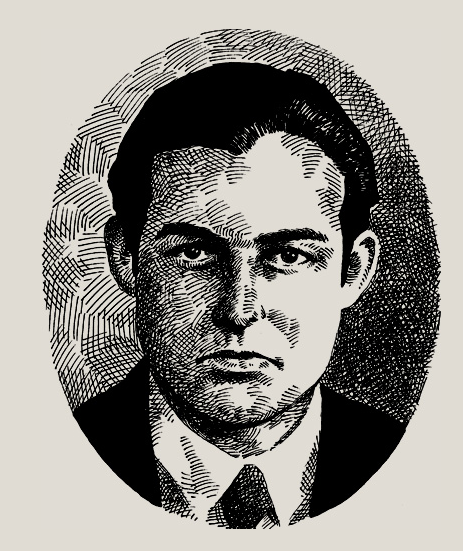
Remem­ber­ing Ernest Hem­ing­way, Fifty Years After His Death

30 Free Essays & Stories by David Foster Wallace on the Web

Image by Steve Rhodes, via Wiki­me­dia Com­mons

We start­ed the week expect­ing to pub­lish one David Fos­ter Wal­lace post. Then, because of the 50th birth­day cel­e­bra­tion, it turned into two. And now three. We spent some time track­ing down free DFW sto­ries and essays avail­able on the web, and they’re all now list­ed in our col­lec­tion, 800 Free eBooks for iPad, Kin­dle & Oth­er Devices. But we did­n’t want them to escape your atten­tion. So here they are — 23 pieces pub­lished by David Fos­ter Wal­lace between 1989 and 2011, most­ly in major U.S. pub­li­ca­tions like The New York­er, Harper’s, The Atlantic, and The Paris Review. Enjoy, and don’t miss our oth­er col­lec­tions of free writ­ings by Philip K. Dick and Neil Gaiman.

Relat­ed Con­tent:

Free Philip K. Dick: Down­load 13 Great Sci­ence Fic­tion Sto­ries

Neil Gaiman’s Free Short Sto­ries

Read 17 Short Sto­ries From Nobel Prize-Win­ning Writer Alice Munro Free Online

10 Free Sto­ries by George Saun­ders, Author of Tenth of Decem­ber, “The Best Book You’ll Read This Year”

by | Permalink | Make a Comment ( 10 ) |

The David Foster Wallace Audio Archive: A Little Gift For the Novelist’s 50th Birthday

When we fea­tured David Fos­ter Wal­lace’s big, uncut inter­view yes­ter­day, one impor­tant detail escaped us — the fact that the nov­el­ist would have turned 50 years old today. Kind of a stun­ning thought, espe­cial­ly if you vivid­ly remem­ber the wun­derkind tak­ing the lit­er­ary world by storm with Infi­nite Jest in 1996. Seems like only yes­ter­day.

To cel­e­brate his 50th, we’re high­light­ing for you The David Fos­ter Wal­lace Audio Project — a site that brings togeth­er most of the mean­ing­ful DFW audio avail­able on the web. Built in 2009 by Jor­dyn Bonds and Ryan Walsh, a short while after the nov­el­ist com­mit­ted sui­cide, the audio site is divid­ed into four sec­tions:

As you sift through the col­lec­tion, you will find 70+ clips, includ­ing a seg­ment of DFW’s 2005 com­mence­ment speech at Keny­on Col­lege, his first and sec­ond appear­ances on the Char­lie Rose Show, his read­ing from “Con­sid­er the Lob­ster” at UCLA, and the author con­tem­plat­ing the play of Roger Fed­er­er. Dive into the full col­lec­tion here.

Everything is a Remix: An Exploration of Remixing as a Form of Creativity

In a series of short films, direc­tor Kir­by Fer­gu­son has been grad­u­al­ly mak­ing the case that “Every­thing is a Remix” — that great art does­n’t come out of nowhere. Artists inevitably bor­row from one anoth­er, draw­ing on past ideas and con­ven­tions, then turn­ing these mate­ri­als into some­thing beau­ti­ful and new. The first film high­light­ed the role of remix­ing in lit­er­a­ture and music. The sec­ond install­ment shift­ed the focus to film­mak­ing, while the third turned to tech­nol­o­gy, com­put­ers and user inter­faces. Today, Fer­gu­son released the fourth and final install­ment — “Sys­tem Fail­ure” — which makes the argu­ment that ever-expand­ing copy­right laws, despite what our Found­ing Fathers intend­ed, now tilt in favor of cor­po­rate inter­ests rather than the social good. And, more omi­nous­ly, they threat­en to put the brakes on an essen­tial part of the cre­ative process. If you’ve enjoyed this series, which you can watch in full above, you can sup­port Fer­gu­son’s next project, This is Not a Con­spir­a­cy The­o­ry, on Kick­Starter.

If you would like to sign up for Open Culture’s free email newslet­ter, please find it here. It’s a great way to see our new posts, all bun­dled in one email, each day.

If you would like to sup­port the mis­sion of Open Cul­ture, con­sid­er mak­ing a dona­tion to our site. It’s hard to rely 100% on ads, and your con­tri­bu­tions will help us con­tin­ue pro­vid­ing the best free cul­tur­al and edu­ca­tion­al mate­ri­als to learn­ers every­where. You can con­tribute through Pay­Pal, Patre­on, and Ven­mo (@openculture). Thanks!

by | Permalink | Make a Comment ( 2 ) |

In Search of Haruki Murakami: A Documentary Introduction to Japan’s Great Postmodernist Novelist

Haru­ki Muraka­mi holds the titles of both the most pop­u­lar nov­el­ist in Japan and the most pop­u­lar Japan­ese nov­el­ist in the wider world. After pub­lish­ing Nor­we­gian Wood in 1987, a book often called “the Japan­ese Catch­er in the Rye,” Murakami’s noto­ri­ety explod­ed to such an extent that he felt forced out of his home­land, a coun­try whose tra­di­tion­al ways and — to his mind — con­formist mind­set nev­er sat right with him in the first place. Though he returned to Japan in the after­math of the Kobe earth­quake and the Tokyo under­ground gas attacks, he remained an author shaped by his favorite for­eign cul­tures — espe­cial­ly Amer­i­ca’s. This, com­bined with his yearn­ing to break from estab­lished Japan­ese lit­er­ary norms, has gen­er­at­ed enough inter­na­tion­al demand for his work to sell briskly in almost every lan­guage in which peo­ple read nov­els.

I myself once spent a month doing noth­ing but read­ing Murakami’s work, and this BBC doc­u­men­tary Haru­ki Muraka­mi: In Search of this Elu­sive Writer makes a valiant attempt to cap­ture what about it could raise such a com­pul­sion. Rupert Edwards’ cam­era fol­lows vet­er­an pre­sen­ter Alan Yen­tob through Japan, from the mid­night Tokyo of After Hours to the snowed-in Hokkai­do of A Wild Sheep Chase, in a quest to find arti­facts of the supreme­ly famous yet media-shy novelist’s imag­i­nary world. Built around inter­views with fans and trans­la­tors but thick with such Murakami­ana as laid-back jazz stan­dards, grim school hall­ways, six­ties pop hits, women’s ears, vinyl records, marathon run­ners, and talk­ing cats, the broad­cast strives less to explain Murakami’s sub­stance than to sim­ply reflect it. If you find your curios­i­ty piqued by all the fuss over 1Q84, Murakami’s lat­est, you might watch it as some­thing of an aes­thet­ic primer.

Relat­ed con­tent:

An Intro­duc­tion to the World of Haru­ki Muraka­mi Through Doc­u­men­taries, Sto­ries, Ani­ma­tion, Music Playlists & More

A 96-Song Playlist of Music in Haru­ki Murakami’s Nov­els: Miles Davis, Glenn Gould, the Beach Boys & More

Read 5 Sto­ries By Haru­ki Muraka­mi Free Online (For a Lim­it­ed Time)

A Pho­to­graph­ic Tour of Haru­ki Murakami’s Tokyo, Where Dream, Mem­o­ry, and Real­i­ty Meet

Col­in Mar­shall hosts and pro­duces Note­book on Cities and Cul­ture. Fol­low him on Twit­ter at @colinmarshall.

« Go BackMore in this category... »
Quantcast