Photos of Famous Writers (and Rockers) with their Dogs

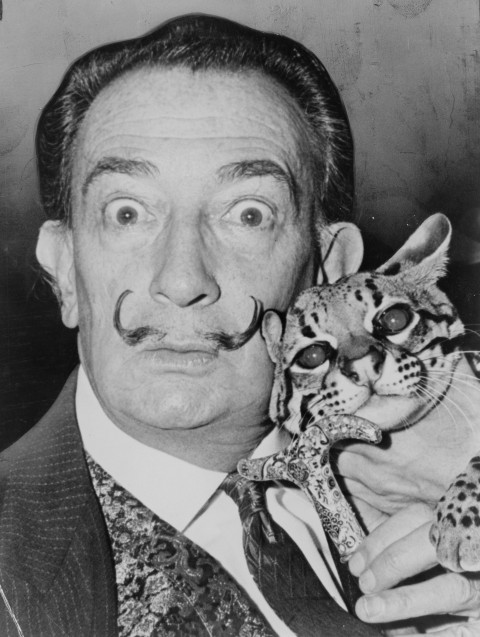
Cour­tesy of New York Social Diary, here is a love­ly series of pho­tographs fea­tur­ing famous authors and their dogs. If you’ve ever won­dered which breeds have served as muse to William Sty­ron, Stephen King, William F. Buck­ley, Kurt Von­negut, then this col­lec­tion is for you. But be warned: We’re still recov­er­ing from the sight of that Lhasa Apso flopped on Von­negut’s lap–we were hop­ing for a wolfhound.

For more artist-canine com­bi­na­tions, Fla­vor­wire has round­ed up a col­lec­tion of musi­cians and their dogs. Unlike the authors, these own­ers real­ly do look like their pets. (See Robert Plant.)

via @brainpicker and The Mil­lions

Sheer­ly Avni is a San Fran­cis­co-based arts and cul­ture writer. Her work has appeared in Salon, LA Week­ly, Moth­er Jones, and many oth­er pub­li­ca­tions. You can fol­low her on twit­ter at @sheerly.

Updated Book Titles: Less Pretentious, More Accurate

Over at OhNoThey­Did­n’t, you can find some alter­na­tive titles for some of the most famous books ever writ­ten — or, in ONDT’s own words, titles that are “more accu­rate and less pre­ten­tious” than the orig­i­nals.

Before click­ing over to the (slight­ly NFSW) whole col­lec­tion, test your high/low cul­tur­al agili­ty by try­ing to guess a few orig­i­nals from their updates:

1. My Dad is Cool­er Than Your Dad

2. Emo­tions Are For Poor Peo­ple

3. Shake­speare Minus the Good Writ­ing

4. Lik­able Rapists

5. White Peo­ple Ruin Every­thing

If you got all five right, nay, if you got any right, we’re count­ing on you for the Clue­less sequel.

Sheer­ly Avni is a San Fran­cis­co-based arts and cul­ture writer. Her work has appeared in Salon, LA Week­ly, Moth­er Jones, and many oth­er pub­li­ca­tions. You can fol­low her on twit­ter at @sheerly.

Billy Collins Poetry Brought to Animated Life

Who does­n’t love Bil­ly Collins, the for­mer US Poet Lau­re­ate? The actor Bill Mur­ray reads his poet­ry at con­struc­tion sites. Adorable tod­dlers recite his poet­ry from mem­o­ry. And now artists have cre­at­ed ani­mat­ed videos that bring 11 Collins poems to life. You can find the ani­mat­ed ver­sion of “Budapest” above, and the remain­ing poems at Bil­ly Collins Action Poet­ry.

by | Permalink | Make a Comment ( 1 ) |

Soviet Scifi Cinema: The Other Tolstoy in the Movies

Seen by over 20 mil­lion Rus­sians when it came out in 1965, The Hyper­boloid of Engi­neer Garin was a film based on a 1927 nov­el by Alek­sey Niko­layevich Tol­stoy, who is not to be con­fused with his famous rel­a­tive Leo Tol­stoy. This Tol­stoy is gen­er­al­ly thought of as the father of Russ­ian sci­ence fic­tion, and The Garin Death Ray was one of his most famous books (Vladimir Nabokov con­sid­ered it his best).

Hyper­boloid was writ­ten and direct­ed by Alek­san­dr Gintzburg, a high­ly gift­ed cin­e­matog­ra­ph­er who nev­er quite reached the career heights his tal­ent might have war­rant­ed, in part because of his Jew­ish ori­gins, and in part because of the nar­row range of artis­tic free­dom allowed direc­tors work­ing for the State-run cin­e­ma. Gintzburg stayed well with­in that range for this film, which leaves us with an odd­ly com­pelling mix of Sovi­et pro­pa­gan­da and 60’s pop-sci­fi.

As for the plot… we’d rather not give any­thing away. Just think of it as a beau­ti­ful­ly-lit pro­to-1984, with sub­ti­tles and laser beams, star­ring Big Broth­er as the good guy.

Sheer­ly Avni is a San Fran­cis­co-based arts and cul­ture writer. Her work has appeared in Salon, LA Week­ly, Moth­er Jones, and many oth­er pub­li­ca­tions. You can fol­low her on twit­ter at @sheerly.

The Shape of A Story: Writing Tips from Kurt Vonnegut

A few years ago, Open Cul­ture read­ers list­ed Slaugh­ter­house Five as one of your top life-chang­ing books. But Kurt Von­negut was not only a great author. He was also an inspi­ra­tion for any­one who aspires to write fic­tion – see for exam­ple his 8 rules for writ­ing fic­tion, which starts with the so-obvi­ous-it’s-often-for­got­ten reminder nev­er to waste your read­er’s time.

In this video, Von­negut fol­lows his own advice and sketch­es some bril­liant blue­prints for envi­sion­ing the “shape” of a sto­ry, all in less than 4 min­utes and 37 sec­onds.

FYI. Orig­i­nal works by Von­negut appear in Free Audio Books and Free eBooks col­lec­tions.

Relat­ed Con­tent:

Ray Brad­bury Gives 12 Pieces of Writ­ing Advice to Young Authors (2001)

John Steinbeck’s Six Tips for the Aspir­ing Writer and His Nobel Prize Speech

Writ­ing Tips by Hen­ry Miller, Elmore Leonard, Mar­garet Atwood, Neil Gaiman & George Orwell

Sheer­ly Avni is a San Fran­cis­co-based arts and cul­ture writer. Her work has appeared in Salon, LA Week­ly, Moth­er Jones, and many oth­er pub­li­ca­tions. You can fol­low her on twit­ter at @sheerly.

James Earl Jones Reads Othello at White House Poetry Jam

Not long after tak­ing office, Pres­i­dent Oba­ma host­ed the first White House poet­ry jam – an evening ded­i­cat­ed to the spo­ken word and bring­ing vers­es to life. Esper­an­za Spald­ing’s per­for­mance was a high point. And lat­er came James Earl Jones, arguably the best spe­cial effect in Star Wars, who recit­ed lines from Shake­speare instead of Dr. Seuss (since Jesse Jack­son already cov­ered that lit­er­ary ter­ri­to­ry back in 1991). The read­ing comes from Oth­el­lo. Specif­i­cal­ly, we’re wit­ness­ing Othello’s address to the Venet­ian sen­a­tors.

You can read Oth­el­lo, along with the rest of Shake­speare’s com­plete works, at MIT’s web­site for free. Or you can down­load the works as a free ebook via iTune­sU. We have more on that here…

via DIY Schol­ar

by | Permalink | Make a Comment ( 1 ) |

Passages from James Joyce’s Finnegans Wake: The Film

Due to its styl­is­tic and lin­guis­tic com­plex­i­ty, James Joyce’s Finnegans Wake ranks among the most dif­fi­cult works of fic­tion. And that is why vir­tu­al­ly no film­mak­er has ever tried to adapt Joyce’s final work for the screen. But after Mary Man­ning Howe adapt­ed pas­sages from the book for the stage (lis­ten to her read­ing from Finnegans Wake here), Amer­i­can ani­ma­tor Mary Ellen Bute accept­ed the chal­lenge and turned Man­ning’s play into a film.

Sad­ly, Mary Ellen Bute’s short films are almost for­got­ten today, but from the 1930s to 1950s her abstract musi­cal shorts were known to a wide audi­ence. Don’t miss her first col­or film from 1938.

Between 1965 and 1967, Bute cre­at­ed her last film, and only fea­ture film, Pas­sages from Finnegans Wake. The movie was screened at the Cannes Film Fes­ti­val and named Best Debut of the Year (1965). The video above shows only the open­ing sequence, but the whole film can be enjoyed online cour­tesy of UbuWeb.

Bonus: You can read Roger Ebert’s 1968 review of Bute’s film here. He admits that he did­n’t enjoy it too much, but con­cedes this may have been because he had­n’t actu­al­ly read the book.

By pro­fes­sion, Matthias Rasch­er teach­es Eng­lish and His­to­ry at a High School in north­ern Bavaria, Ger­many. In his free time he scours the web for good links and posts the best finds on Twit­ter.

The Wire as Great Victorian Novel

A while back, W. Daniel Hillis made the case that The Wire may rise to the lev­el of – if not sur­pass – Tol­stoy’s War & Peace. Writ­ing for the Edge.org, Hillis went so far as to say:

As much as I liked War and Peace, I prob­a­bly got more out of The Wire. And why should that be sur­pris­ing? More human effort can be put into a tele­vi­sion series than a nov­el and more time is spent con­sum­ing it. If both are exe­cut­ed to their high­est stan­dards, with equal care, skill and insight, we might well expect less from the book.

If we can men­tion The Wire in the same breath as Tol­stoy, then why not anoth­er giant of nine­teenth cen­tu­ry lit­er­a­ture, Charles Dick­ens? Yes, The Wire has been called “Dick­en­sian” too, and this week the Hood­ed Util­i­tar­i­an has re-imag­ined The Wire as a seri­al­ized Vic­to­ri­an nov­el. The premise? Imag­ine The Wire writ­ten in 60 install­ments over the course of six years, start­ing in 1846, by Hor­a­tio Buck­les­by Ogden, a Dick­ens con­tem­po­rary who wrote with a “nuance and atten­tion to detail that Dick­ens nev­er achieved.” Each install­ment ran 30 pages and sold for one shilling apiece.

The Hood­ed Util­i­tar­i­an has­n’t actu­al­ly print­ed these 60 install­ments (because they don’t actu­al­ly exist). But they have pro­duced a few won­der­ful mock pages, and writ­ten a faux piece of lit­er­ary crit­i­cism to accom­pa­ny them. A great job by Joy Delyr­ia and Sean Michael Robin­son.

via Boing­Bo­ing

by | Permalink | Make a Comment ( 6 ) |

« Go BackMore in this category... »
Quantcast