“The Autobiography of Jane Eyre” Adapts Brontë’s Heroine for Vlogs, Tumblr, Twitter & Instagram

Lest you remain unaware, Jane Eyre has a vlog. And though I would fain speak well of it, the truth must out. I pre­fer my Jane with bon­net strings knot­ted firm­ly beneath her chin. This Jane, as embod­ied by project co-cre­ator, Alysson Hall, often seems like a fan putting togeth­er a home­made audi­tion tape for Girls.

I sus­pect that’s the demo­graph­ic most like­ly to appre­ci­ate Char­lotte Bron­të’s rein­vent­ed hero­ine.  Like The Lizzie Ben­net Diaries, a self-declared “online mod­ern­ized adap­ta­tion” of Pride and Prej­u­dice, The Auto­bi­og­ra­phy of Jane Eyre takes a trans­me­dia approach, seri­al­iz­ing across mul­ti­ple dig­i­tal plat­forms.

In addi­tion to the YouTube chan­nel, Jane tweets to over 1500 fol­low­ers, and uploads pho­tos to Insta­gram. Her video diary might not be my cup of tea, but I must con­fess, I do rather enjoy her tum­blr. Per­haps not as much as I’d enjoy reread­ing the nov­el (find it in our col­lec­tion Free eBooks and Free Audio Books col­lec­tions), but it’s not a bad way to while away a minute or two.

Put anoth­er way, any­one who likes read­ing Bron­të is prob­a­bly amenable to pic­tures of tea cups, dead trees, and Tim Bur­ton’s ani­mat­ed dolls.

Jane’s embrace of social media is shared by many in her orbit, includ­ing Mr. Rochester’s employ­ee, Grace Poole, and his 8‑year-old daugh­ter, Adele, whose (ille­gal) Twit­ter feed will appeal to any pre­co­cious lit­tle smar­ty­pants eager for ran­dom facts regard­ing Bernese Moun­tain Dogs and Uranus’ moons.

The veil is lift­ed some­what on the series’ Face­book page, where the cre­ators inter­act with fans out-of-char­ac­ter and address mod­ern tech­ni­cal dif­fi­cul­ties, such as soft­ware issues and audio glitch­es.

Relat­ed Con­tent:

20 Books Peo­ple Pre­tend to Read (and Now Your Con­fes­sions?)

Bron­të Sis­ters Pow­er Dolls

Jane Austen’s Fight Club

Ayun Hal­l­i­day was gob­s­macked to learn that her sec­ond book, No Touch Mon­key!  has been made avail­able in ebook form.  Fol­low her @AyunHalliday

New Archive Makes Available 800,000 Pages Documenting the History of Film, Television & Radio

photoplay52chic_0107

Click images for larg­er ver­sions

Film buffs and schol­ars have a new cache at their fin­ger­tips. The Media His­to­ry Dig­i­tal Library has made hun­dreds of thou­sands of pages of film and broad­cast­ing his­to­ry avail­able in a search­able dig­i­tal archive they’ve called Lantern, an open access, inter­ac­tive library.

With help from the Uni­ver­si­ty of Wis­con­sin, Madi­son Depart­ment of Com­mu­ni­ca­tion Arts, MHDL made their entire col­lec­tion of Busi­ness Screen, The Hol­ly­wood Reporter, Pho­to­play and Vari­ety—among oth­er magazines—available for text search­es for the first time.

In 2011 a group of film schol­ars devel­oped MHDL, an updat­ed resource for his­to­ri­ans used to read­ing through micro­film archives of cin­e­ma and broad­cast jour­nals. At the time, their archive was a gold­mine, pulling togeth­er the boun­ty of print­ed mate­r­i­al chron­i­cling the film indus­try. Now they’ve made it bet­ter, with more refined search, fil­ter­ing and sort­ing tools. Plus you can down­load images and texts.

It may have been a rite of pas­sage for film stu­dents to sequester them­selves in a dark library car­rel and scroll through micro­fiche reels of Mov­ing Pic­ture World, an influ­en­tial trade jour­nal until 1927, but Lantern brings ven­er­a­ble movie mag­a­zines dat­ing up to the ear­ly ’70s into the light of day where any­one can access the images and arti­cles of major trade and fan mag­a­zines, free of charge.

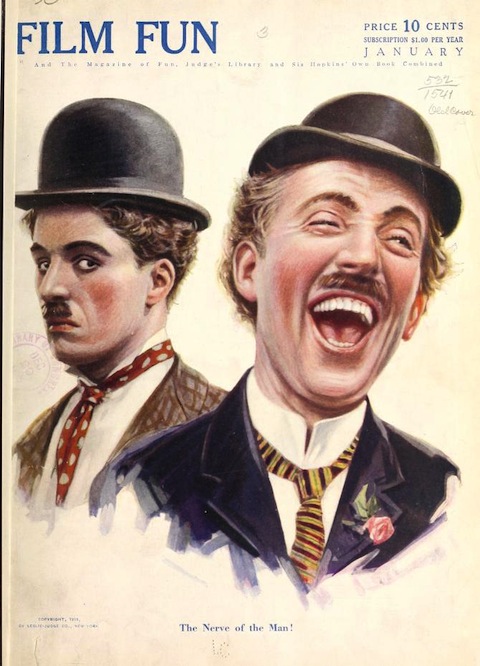
An ear­ly on-set chat rag, Film Fun, a mag­a­zine about “the hap­py side of the movies,” brought read­ers “inti­mate gos­sip of the pro­fes­sion told by the actors and actress­es ‘between the reels.’” The images are gor­geous.

filmfun322333lesl_0009

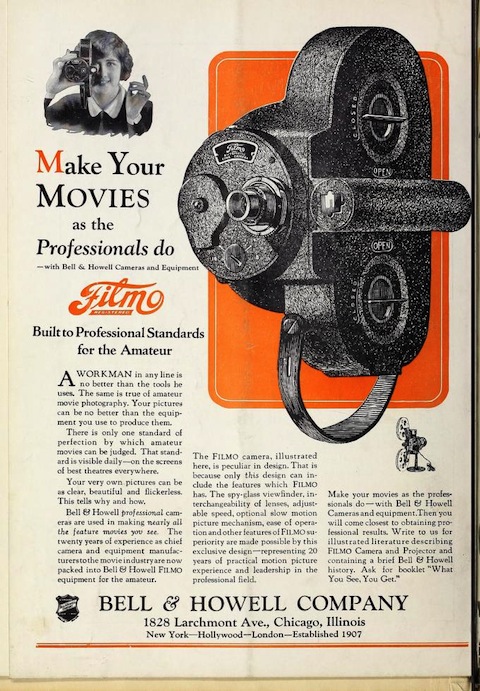
In the twen­ties a new ama­teur movie mak­ing indus­try thrived, with equip­ment and even tour pack­ages avail­able for buffs who want­ed to tour exot­ic locales like Cuba with cam­eras and learn to shoot and pre­serve 16 mm motion pic­tures. A boom in DIY film mag­a­zines like Ama­teur Movie Mak­ers tar­get­ed the ear­ly adopters.

amateurmoviemake12amat_0048

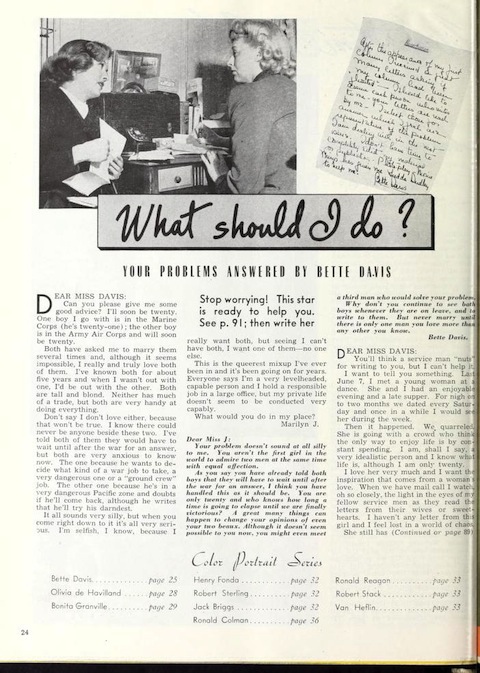
And lest we think that pulp celebri­ty mags like Peo­ple and Us are low­er brow than those of yes­ter­year, we should think again. I’m not sure about you, but I’m not sure four-times-mar­ried Bette Davis makes the best love advice colum­nist. But appar­ent­ly Pho­to­play mag­a­zine did.

photoplay122phot_0588

Relat­ed Con­tent:

Three Great Films Star­ring Char­lie Chap­lin, the True Icon of Silent Com­e­dy

How Brew­ster Kahle and the Inter­net Archive Will Pre­serve the Infi­nite Infor­ma­tion on the Web

Kate Rix writes about edu­ca­tion and dig­i­tal media. Vis­it her web­site and fol­low her on Twit­ter.

The Origins Project Brings Together Neil DeGrasse Tyson, Richard Dawkins, Lawrence Krauss, Bill Nye, Ira Flatow, and More on One Stage

It often seems, at least to me, that our cul­ture is slow­ly slid­ing back­ward when it comes to sci­ence edu­ca­tion. As a human­i­ties per­son, my obser­va­tions may not count for much, but I do find myself get­ting nos­tal­gic for pop­u­lar sci­ence com­mu­ni­ca­tors like Carl Sagan and Richard Feyn­man; peo­ple who could appear in America’s liv­ing room and enthrall even the most hard­ened and recal­ci­trant of minds. Sagan’s influ­ence peaked at the dawn of the cul­ture wars, and it doesn’t seem like any­one could fill his shoes.

But sev­er­al influ­en­tial sci­ence com­mu­ni­ca­tors have made sig­nif­i­cant strides in bring­ing sci­ence to a pop­u­lar audi­ence in the past few decades. Among them is the very affa­ble astro­physi­cist Neil DeGrasse Tyson, who takes Sagan’s man­tle in the Cos­mos reboot on Fox next year. There are media fig­ures like NPR’s Ira Fla­tow, Bill Nye the Sci­ence Guy, sci-fi author Neal Stephen­son, and Emmy-award-win­ning Tra­cy Day, co-founder of the World Sci­ence Fes­ti­val. Physi­cist and pop­u­lar sci­ence writer Bri­an Greene has done excel­lent work for NOVA, and sci­en­tif­ic heavy­weights Lawrence Krauss and Richard Dawkins reach mil­lions with pop­u­lar books and media appear­ances.

Now imag­ine all these peo­ple on the same stage togeth­er, trad­ing sto­ries, jam­ming, riff­ing like great jazz musi­cians, like some Jus­tice League of 21st cen­tu­ry sci­ence lovers. Well, you don’t have to, because this hap­pened, not on prime­time tele­vi­sion (alas), but at Ari­zona State Uni­ver­si­ty under the aegis of their “Ori­gins Project,” whose mis­sion is to fos­ter inter­dis­ci­pli­nary research, build sci­en­tif­ic part­ner­ships, and “raise the pro­file of ori­gins-relat­ed issues and broad­en sci­en­tif­ic lit­er­a­cy.” Ori­gins Project direc­tor Lawrence Krauss MC’ed the March 30th event, and the pan­el filled a 3,000-seat audi­to­ri­um for a two-hour ses­sion that focus­es on “the sto­ry­telling of sci­ence” (part one at top, part two above).

The event har­ness­es the slick, enter­tain­ing for­mat of TED Talks to demon­strate how cut­ting-edge research can reach a wide audi­ence eager for a fuller under­stand­ing of the phys­i­cal uni­verse. The first video up top opens with a quote from Michael Sher­mer: “Humans are pat­tern-seek­ing sto­ry-telling ani­mals, and we are quite adept at telling sto­ries about pat­terns, whether they exist or not.” The sto­ries that the mem­bers of this excit­ing pan­el dis­cus­sion tell are con­nect­ed to phys­i­cal real­i­ty through sci­en­tif­ic evi­dence that—without art­ful and com­pelling narrative—can seem bewil­der­ing­ly com­plex.

Relat­ed Con­tent:

Neil deGrasse Tyson Unveils a Daz­zling Pre­view of the New Cos­mos

Richard Dawkins Makes the Case for Evo­lu­tion in the 1987 Doc­u­men­tary, The Blind Watch­mak­er

The Unbe­liev­ers, A New Film Star­ring Richard Dawkins, Lawrence Krauss, Wern­er Her­zog, Woody Allen, & Cor­mac McCarthy

Bill Nye, The Sci­ence Guy, Says Cre­ation­ism is Bad for Kids and America’s Future

Josh Jones is a writer and musi­cian based in Wash­ing­ton, DC. Fol­low him at @jdmagness

The Art of Data Visualization: How to Tell Complex Stories Through Smart Design

The vol­ume of data in our age is so vast that whole new research fields have blos­somed to devel­op bet­ter and more effi­cient ways of pre­sent­ing and orga­niz­ing infor­ma­tion. One such field is data visu­al­iza­tion, which can be trans­lat­ed in plain Eng­lish as visu­al rep­re­sen­ta­tions of infor­ma­tion.

The PBS “Off Book” series turned its atten­tion to data visu­al­iza­tion in a short video fea­tur­ing Edward Tufte, a sta­tis­ti­cian and pro­fes­sor emer­i­tus at Yale, along with three young design­ers on the fron­tiers of data visu­al­iza­tion. Titled “The Art of Data Visu­al­iza­tion,” the video does a good job of demon­strat­ing how good design—from sci­en­tif­ic visu­al­iza­tion to pop infographics—is more impor­tant than ever.

In much the same way that Mar­shall McLuhan spoke about prin­ci­ples of com­mu­ni­ca­tion, Tufte talks in the video about what makes for ele­gant and effec­tive design. One of his main points: Look after truth and good­ness, and beau­ty will look after her­self.

What does Tufte mean by this? That design is only as good as the infor­ma­tion at its core.

OffBookSCSHT1

For those of us who aren’t design­ers, it’s refresh­ing to con­sid­er the ele­ments of good visu­al sto­ry-telling. And that’s what the best design is, accord­ing to the experts in this video. Every data set, or big bunch of infor­ma­tion, has its own core con­cept, just as every sto­ry has a main char­ac­ter. The designer’s job is to find the hero in the data and then tell the visu­al sto­ry.

So much of the infor­ma­tion we encounter every day is hard to con­cep­tu­al­ize. It’s so big and com­pli­cat­ed that a visu­al ren­der­ing rep­re­sents it the best. That’s because human brains are wired to take in a lot of infor­ma­tion at once. Good design­ers know that deci­sion-mak­ing isn’t lin­ear. It’s a super-fast process of rec­og­niz­ing pat­terns and mak­ing sense of them.

OffBookSCSHT2

Infor­ma­tion may be more abun­dant but it isn’t new, and nei­ther is data visu­al­iza­tion. In the video, Tufte talks about stone maps carved by ear­ly humans and how those ancient graph­ics form the tem­plate for Google maps.

What comes across in PBS’s video is that data visu­al­iza­tion is an art, and the sim­pler the bet­ter. Tufte seems to argue that good data guides the design­er to do good work, which leads to the ques­tion: Is the medi­um no longer, as McLuhan famous­ly com­ment­ed, the mes­sage?

Relat­ed Con­tent:

In Under Three Min­utes, Hans Rosling Visu­al­izes the Incred­i­ble Progress of the “Devel­op­ing World”

An Ani­mat­ed Visu­al­iza­tion of Every Observed Mete­orite That Has Hit Earth Since 861 AD

Watch a Cool and Creepy Visu­al­iza­tion of U.S. Births & Deaths in Real-Time

Kate Rix writes about dig­i­tal media and edu­ca­tion. Vis­it her web­site. Fol­low her on Twit­ter @mskaterix

Ira Glass on the Art and Craft of Telling Great Radio Stories

As tele­vi­sion news con­tin­ues its pathet­ic slide into the abyss of celebri­ty wor­ship, polit­i­cal par­ti­san­ship and 24-hour pun­dit­ry, its encour­ag­ing to note that in one area of tra­di­tion­al broad­cast­ing there is actu­al­ly some­thing of a renais­sance going on. Pub­lic radio is buck­ing the trend with pro­grams like Radi­o­lab and This Amer­i­can life, shows that do noth­ing to con­firm our bias­es, but instead engage our curios­i­ty and teach us some­thing new.

In this fun­ny and thought-pro­vok­ing talk from the 2007 Gel Con­fer­ence, Ira Glass, host of This Amer­i­can Life, explains a lit­tle of what goes into a good radio sto­ry.  “Nar­ra­tive,” he says, “is basi­cal­ly a machine that’s rais­ing ques­tions and answer­ing them.” Glass’s talk is very much like his radio show. In exchange for a lit­tle patience, you will be reward­ed with a good sto­ry and per­haps an insight or two.

Relat­ed Con­tent:

Ken Burns on the Art of Sto­ry­telling: “It’s Lying Twen­ty-Four Times a Sec­ond”

The Moth Now Streams its Bril­liant & Qui­et­ly Addic­tive Sto­ries on the Web

Ira Glass on Why Cre­ative Excel­lence Takes Time

Italian Photographer Maurizio Galimberti Creates Cubist Polaroid Collages of Artists & Celebrities

Five years ago Polaroid announced that they would no longer make ana­log insta­mat­ic film. At that moment, if one lis­tened care­ful­ly, one could almost hear some of the 20th cen­tu­ry’s most famous artists wail in despair, even from the grave. Ansel Adams loved Polaroid and shot some of his famous Yosemite images in that for­mat first.

But a tech­nique with that kind of fol­low­ing doesn’t die off eas­i­ly. Two ardent Polaroid fans—ardent enough to actu­al­ly attend the clo­sure of a Polaroid fac­to­ry in the Netherlands—met and came up with a plan to save the fac­to­ry and Polaroid instant film. They called their plan the Impos­si­ble Project. They leased one of the Dutch fac­to­ry build­ings and even­tu­al­ly fired up the machines again, turn­ing out new instant film.

Lucky for us. Artists like David Hock­ney have long made beau­ti­ful use of Polaroid instant pho­tos to con­struct cubist col­lages. One of the best at this is the Ital­ian pho­tog­ra­ph­er Mau­r­izio Gal­im­ber­ti who cre­ates ter­rif­ic celebri­ty por­traits using a Polaroid.

close Galimberti

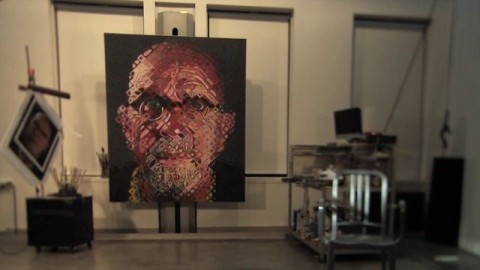
Gal­im­ber­ti con­sid­ers him­self a painter who uses a cam­era. Watch­ing the video of his pho­to shoot with painter Chuck Close, it’s inter­est­ing to observe how sim­i­lar Galimberti’s pho­to col­lage (above) is to Close’s own paint­ed self-por­traits.

Gal­im­ber­ti also has pret­ty good access to celebri­ties, hav­ing shot the por­trait of John­ny Depp and this one of George Clooney at the 2003 Venice Film Fes­ti­val.

Gal­im­ber­ti posts a num­ber of more recent celebri­ty por­traits on his web­site, where he also dis­plays his abstract city pho­to col­lages.

Kate Rix writes about dig­i­tal media and edu­ca­tion. Vis­it her web­site: .  

Watch the New Pirate Bay Documentary Free Online

Last Fri­day night, TPB AFK: The Pirate Bay Away From Key­board pre­miered at the Berlin Film Fes­ti­val. Moments lat­er, the indie doc­u­men­tary became freely avail­able online, which left the film’s direc­tor, Simon Klose, grin­ning, not grum­bling. It makes sense when you con­sid­er the premise of the film. Pirate Bay is, of course, the web site that allows users to share media (music, movies, games, soft­ware) through a peer-to-peer file shar­ing pro­to­col, some of it copy­right­ed, some of it not. And the new film, writes Wired, doc­u­ments “the hec­tic tri­al of Pirate Bay admin­is­tra­tors Fredrik Neij, Got­tfrid Svartholm Warg, and Peter Sunde, who were even­tu­al­ly con­vict­ed in a civ­il and crim­i­nal copy­right case in Swe­den in 2009 that pit­ted them against the gov­ern­ment and the enter­tain­ment indus­try.”

TPB AFK is avail­able on YouTube and Pirate Bay too. It’s also list­ed in our col­lec­tion of Free Doc­u­men­taries, part of our col­lec­tion of 635 Free Movies Online.

by | Permalink | Make a Comment ( 3 ) |

PBS Short Video “Bad Behavior Online” Takes on the Phenomenon of Cyberbullying

Inter­net trolls are very touchy peo­ple. Some­times their rage is tar­get­ed at pub­lic fig­ures, insti­tu­tions, or groups who do and say hor­ri­ble things (the West­boro Bap­tist Church comes to mind). More often, the phe­nom­e­non of “trolling” is a free-for-all of absur­dist online pranks or ver­bal abuse direct­ed at any­one and every­one. And far too often, online abuse is specif­i­cal­ly direct­ed at vul­ner­a­ble peo­ple or vic­tims of tragedy. But, as you’ll see from the com­ments on the above video from PBS’s Off­book series (if you care to peruse them) almost noth­ing makes the inter­net angri­er than dis­cus­sions of trolling itself, since so many peo­ple see these con­ver­sa­tions as pre­ludes to cen­sor­ship or nan­ny­ish and uncon­sti­tu­tion­al reg­u­la­tion.

The researchers in the above video don’t, how­ev­er, make any rec­om­men­da­tions for curb­ing speech. Whit­ney Phillips, a lec­tur­er at New York Uni­ver­si­ty, allows for the poten­tial of trolling to open up dia­logues that would oth­er­wise be smoth­ered by taboos. Har­vard University’s Andy Sel­l­ars makes an impor­tant dis­tinc­tion between pub­lic speech reg­u­lat­ed by the gov­ern­ment and that restrict­ed by pri­vate enti­ties, like online ser­vice providers—an impor­tant legal dis­tinc­tion in first amend­ment cas­es (he cites the recent fra­cas over the inflam­ma­to­ry “Inno­cence of Mus­lims” video). Sel­l­ars points out that, at the moment, the author­i­ty for reg­u­lat­ing online speech rests with cor­po­ra­tions (who, unfor­tu­nate­ly, do bow to gov­ern­ment pres­sure, espe­cial­ly abroad). Attempts to reg­u­late the inter­net by the gov­ern­ment have been ham-hand­ed, unpop­u­lar, and most­ly dri­ven by the prof­it-motives of the record­ing and film indus­tries, and Sel­l­ars does­n’t address them.

Some attempts at leg­is­la­tion have specif­i­cal­ly tar­get­ed the cher­ished cul­ture of online anonymi­ty in order to deal with the ugly phe­nom­e­non of cyber­bul­ly­ing. Sel­l­ars defends the impor­tance of anonymi­ty, say­ing it pro­tects vic­tims of real world abuse and oppres­sion from being iden­ti­fied and tar­get­ed if they speak out on safe spaces on the inter­net. Unfor­tu­nate­ly, anonymi­ty can also enable what Fordham’s Alice Mar­wick calls the “online dis­in­hi­bi­tion effect,” a psy­cho­log­i­cal term for the free­dom trolls feel to say abu­sive things online that they would nev­er say in per­son.

Mar­wick dis­cuss­es this effect in the con­text of what she calls “aggres­sive speech acts” but allows that the preva­lence of bul­ly­ing on Face­book, which ties online iden­ti­ties to real names and faces, acts as a counter-exam­ple to the the­o­ry that anonymi­ty is sole­ly respon­si­ble for online abuse. She frames her research as tak­ing a look at our cul­tur­al val­ues and “see­ing how those play out in tech­ni­cal spaces” and points out that an exclu­sive focus on cyber­bul­ly­ing ignores the range of oth­er, offline behav­iors gen­er­al­ly present in—most dis­turbing­ly—cas­es of sui­cide fol­low­ing online bul­ly­ing. While the advo­ca­cy group Cyber­bul­ly­ing Research Cen­ter has adopt­ed the term “cyber­bul­li­cide,” defined as “sui­cide indi­rect­ly or direct­ly influ­enced by expe­ri­ences with online aggres­sion,” and offers pol­i­cy sug­ges­tions to deal with the prob­lem, Mar­wick is more cir­cum­spect. She calls these cas­es “com­pli­cat­ed” and says that they don’t war­rant restrict­ing con­tent but instead improv­ing respons­es to kids who need help.

Com­pli­cat­ed is pre­cise­ly the word for the tan­gle of issues relat­ing to inter­net speech. After watch­ing the bal­anced, if cur­so­ry, dis­cus­sion above, how­ev­er, I found the respons­es of the trolls baf­fling and lack­ing all pro­por­tion, since no one in the video calls for leg­is­la­tion to lim­it online speech. But that’s instruc­tive. Trolling is a per­va­sive hum sur­round­ing almost all pop­u­lar online con­tent. Some­times it’s polit­i­cal­ly point­ed, some­times it’s clever or sur­re­al­ly fun­ny, some­times it’s just low-lev­el noise, and some­times it’s a kind of rage-filled ado­les­cent vicious­ness that is gen­uine­ly unset­tling and hard to under­stand.

Josh Jones is a doc­tor­al can­di­date in Eng­lish at Ford­ham Uni­ver­si­ty and a co-founder and for­mer man­ag­ing edi­tor of Guer­ni­ca / A Mag­a­zine of Arts and Pol­i­tics.

« Go BackMore in this category... »
Quantcast