Shelf Life: American Museum of Natural History Creates New Video Series on Its 33 Million Artifacts

I once spent a sum­mer as a secu­ri­ty guard at the Children’s Muse­um of Indi­anapo­lis. A won­der­ful place to vis­it, but my work­day expe­ri­ence proved dread­ful­ly dull. By far the high­light was being pulled off what­ev­er exhib­it I hap­pened to be guard­ing to assist in col­lec­tions, a cav­ernous back­stage area where untold trea­sures were shelved with­out cer­e­mo­ny. The head con­ser­va­tor con­fid­ed that many of these items would nev­er be sin­gled out for dis­play. The thrift store egal­i­tar­i­an­ism that reigned here was far more appeal­ing than the eye-catch­ing, edu­ca­tion­al sig­nage in the pub­lic area. From the obliv­ion of deep stor­age springs the poten­tial for dis­cov­ery.

How grat­i­fy­ing to learn that the 200 plus sci­en­tists employed by the Amer­i­can Muse­um of Nat­ur­al His­to­ry feel the same. As palen­tol­o­gist Mike Novacek, puts it in Shelf Life, the museum’s just launched month­ly video series:

You can make new dis­cov­er­ies in Col­lec­tions just like you can out in the field. You can walk around the cor­ner and see some­thing that no one’s quite observed that way before, describe a new species or a new fea­ture that’s impor­tant to sci­ence.

The insti­tu­tion can choose from among more than 33,430,000 good­ies, from ancient objects they’ve been care­ful­ly tend­ing for more than two cen­turies to the sam­ples of frozen tis­sue and DNA com­pris­ing the bare­ly 13-year-old Ambrose Mon­ell Cryo Col­lec­tion for Mol­e­c­u­lar and Micro­bial Research.

Gems and mete­orites!

Arrow­heads and gourds!

Ver­te­brates and inver­te­brates!

There’s tru­ly some­thing here for…

WaspsFinalFlat

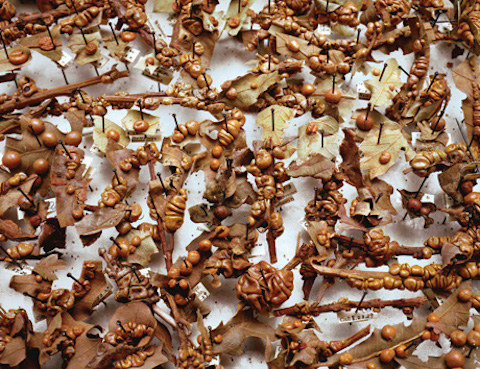
Wasp enthu­si­asts (you know who you are) can thrill to the sev­en and a half mil­lion spec­i­mens in sex researcher Alfred Kinsey’s Cynip­i­dae col­lec­tion. (They’re ready for their close up, Mr. DeMille. Famous as they are, the first episode passed them over in favor of a more pho­to­genic mock bee from the genus Criorhi­na.)

Future episodes will call upon in-house ichthy­ol­o­gists, pale­on­tol­o­gists, anthro­pol­o­gists, astro­physi­cists, and her­petol­o­gists to dis­cuss such top­ics as spec­i­men prepa­ra­tion, tax­on­o­my, and cura­tion. Stay abreast (and — bonus!- cel­e­brate Nero’s birth­day with tur­tles) by sub­scrib­ing to the museum’s youtube chan­nel.

Relat­ed Con­tent:

A Panoram­ic Vir­tu­al Tour of the Smith­son­ian Nation­al Muse­um of Nat­ur­al His­to­ry

Down­load the Uni­verse: A Dis­cern­ing Cura­tor for Sci­ence eBooks

How to Make a Mum­my — Demon­strat­ed by The Get­ty Muse­um

Ayun Hal­l­i­day is an author, home­school­er, and Chief Pri­ma­tol­o­gist of the East Vil­lage Inky zine. She goes into more detail about her short-lived stint as a muse­um secu­ri­ty guard in her third book, Job Hop­per. Fol­low her @AyunHalliday
Happy Halloween! Louis Armstrong Performs Skeleton in the Closet (1936)

Should you hap­pen to be in the vicin­i­ty of Coro­na, Queens this Hal­loween after­noon, the Louis Arm­strong House Muse­um will be wel­com­ing trick-or-treaters ’til 6pm. (Fun-sized Snick­ers be damned! Go any­way, just to see “To Jack Bradley, the ‘Great­est’ Pho­to Tak­er,” a col­lec­tion of can­did, pri­vate moments cap­tured by the friend Satch­mo described as his “white son.”)

If pre-exist­ing engage­ments pre­vent you from haunt­ing Coro­na today, vir­tu­al chills await you, above, with “The Skele­ton In The Clos­et,” Armstrong’s show-stop­ping num­ber from 1936’s Pen­nies From Heav­en. (That masked man on the drums is fre­quent col­lab­o­ra­tor Lionel Hamp­ton.)

The vin­tage Hal­loween con­tent is a real treat. Gimme ghosts, gob­lins, and an “old desert­ed man­sion on an old for­got­ten road” over psy­cho gore or depressed pre­fab sex­i­ness any day, not just Octo­ber 31.

Pen­nies From Heav­en was Armstrong’s first major screen appear­ance. At the insis­tence of star Bing Cros­by, his turn as a math­e­mat­i­cal­ly-chal­lenged band­leader snagged him a main title cred­it, a first for an African-Amer­i­can actor appear­ing oppo­site whites.

The role itself is not a pil­lar of race advance­ment, but Ricky Ric­car­di, the Arm­strong House’s Archivist notes that Arm­strong remained fond of the work, reen­act­ing an entire scene from mem­o­ry when he and Cros­by appeared as guests on the David Frost Show in 1971.

Ric­car­di sub­jects “The Skele­ton in the Clos­et” to a close musi­cal and per­for­mance analy­sis on his Won­der­ful World of Louis Arm­strong blog, a major source of year round good­ies for Arm­strong fans.

Rat­tle your bones!

Relat­ed Con­tent:

Louis Arm­strong Plays His­toric Cold War Con­certs in East Berlin & Budapest (1965)

Watch the Ear­li­est Known Footage of Louis Arm­strong Per­form­ing Live in Con­cert (Copen­hagen, 1933)

Louis Arm­strong Plays Trum­pet at the Egypt­ian Pyra­mids; Dizzy Gille­spie Charms a Snake in Pak­istan

Ayun Hal­l­i­day is an author, home­school­er, and Chief Pri­ma­tol­o­gist of the East Vil­lage Inky zine. Fol­low her @AyunHalliday
Folger Shakespeare Library Puts 80,000 Images of Literary Art Online, and They’re All Free to Use

TheLondonStage

Has a writer ever inspired as many adap­ta­tions and ref­er­ences as William Shake­speare? In the four hun­dred years since his death, his work has pat­terned much of the fab­ric of world lit­er­a­ture and seen count­less per­mu­ta­tions on stage and screen. Less dis­cussed are the visu­al rep­re­sen­ta­tions of Shake­speare in fine art and illus­tra­tion, but they are mul­ti­tude. In one small sam­pling, Richard Altick notes in his exten­sive study Paint­ings from Books, that “pic­tures from Shake­speare account­ed for about one fifth—some 2,300—of the total num­ber of lit­er­ary paint­ings record­ed between 1760 and 1900” among British artists.

FolgerMidsummer

In the peri­od Altick doc­u­ments, a rapid­ly ris­ing mid­dle class drove a mar­ket for lit­er­ary art­works, which were, “in effect, exten­sions of the books them­selves: they were detached forms of book illus­tra­tion, in which were con­stant­ly assim­i­lat­ed the lit­er­ary and artis­tic tastes of the time.”

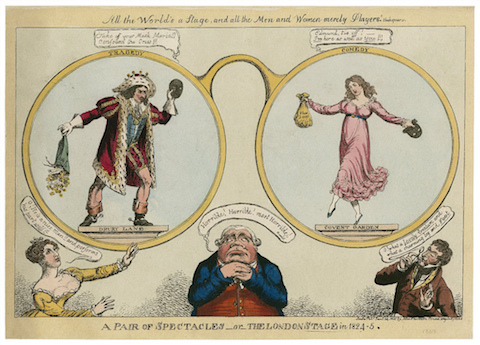
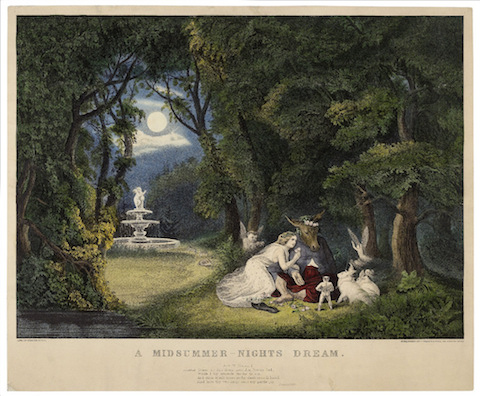
These works took the form of humor­ous illustrations—such as the As You Like It-inspired satir­i­cal piece at the top from 1824—and much more seri­ous rep­re­sen­ta­tions, like the undat­ed Cur­ri­er & Ives Midsummer-Night’s Dream lith­o­graph above. Now, thanks to the Fol­ger Shake­speare Library, these images, and tens of thou­sands more from their Dig­i­tal Image Col­lec­tion, are avail­able online. And they’re free to use under a CC BY-SA Cre­ative Com­mons license.

RichardIIICostume

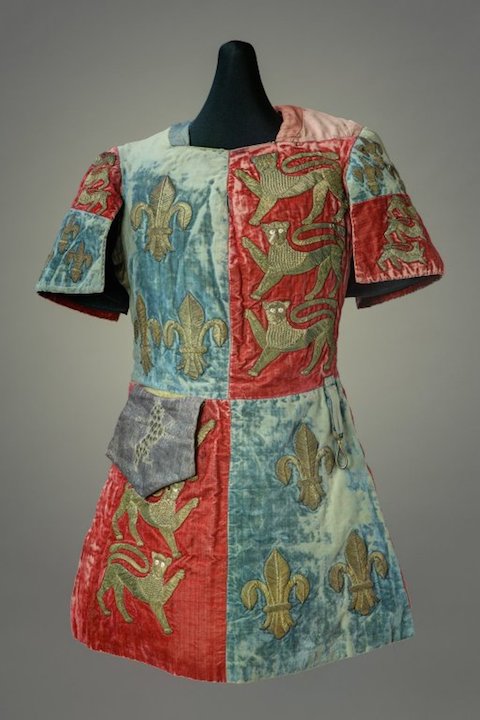
As Head of Col­lec­tion Infor­ma­tion Ser­vices Erin Blake explains, “basi­cal­ly this means you can do what­ev­er you want with Fol­ger dig­i­tal images as long as you say that they’re from the Fol­ger, and as long a you keep the cycle of shar­ing going by freely shar­ing what­ev­er you’re mak­ing.” The Folger’s impres­sive repos­i­to­ry has been called “the world’s finest col­lec­tion of Shakespere­an art.” As well as tra­di­tion­al paint­ings and illus­tra­tions, it includes “dozens of cos­tumes and props used in nine­teenth-cen­tu­ry Shake­speare pro­duc­tions,” such as the embroi­dered vel­vet cos­tume above, worn by Edwin Booth as Richard III, cir­ca 1870. You’ll also find pho­tographs and scans of “’extra-illus­trat­ed’ books filled with insert­ed engrav­ings, man­u­script let­ters, and play­bills asso­ci­at­ed with par­tic­u­lar actors or pro­duc­tions; and a great vari­ety of sou­venirs, com­ic books, and oth­er ephemera asso­ci­at­ed with Shake­speare and his works.”

FolgerFuseli

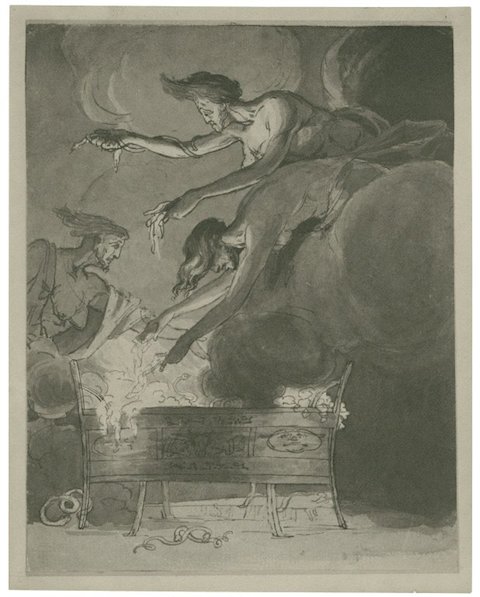
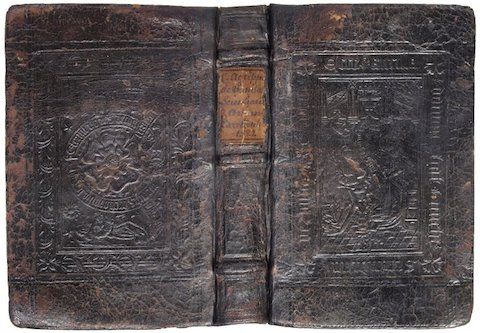
In addi­tion to illus­tra­tions and mem­o­ra­bil­ia, the Fol­ger con­tains “some 200 paint­ings” and draw­ings by fine artists like “Hen­ry Fuseli, Ben­jamin West, George Rom­ney, and Thomas Nast, as well as such Eliz­a­bethan artists as George Gow­er and Nicholas Hilliard.” (The strik­ing print above by Fuseli shows Mac­beth’s three witch­es hov­er­ing over their caul­dron.) Great and var­ied as the Folger’s col­lec­tion of Shake­speare­an art may be, it rep­re­sents only a part of their exten­sive hold­ings. You’ll also find in the Dig­i­tal Images Col­lec­tion images of antique book­bind­ings, like the 1532 vol­ume of a work by Agrip­pa von Nettescheim (Hein­rich Cor­nelius), below.

Folger1532Binding

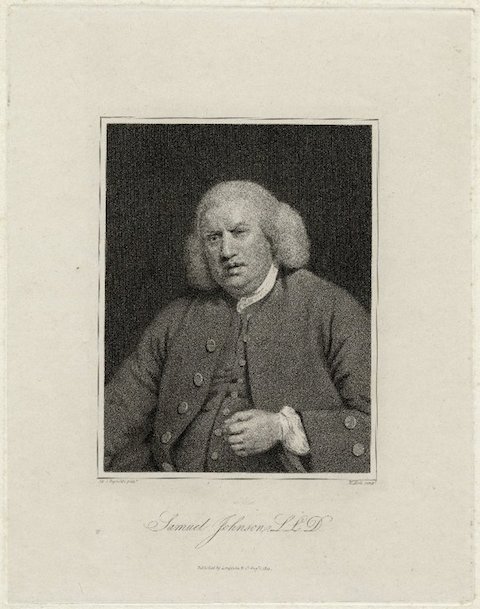
The col­lec­tion’s enor­mous archive of 19th cen­tu­ry prints is an espe­cial treat. Just below, see a print of that tow­er of 18th cen­tu­ry learn­ing, Samuel John­son, who, in his famous pref­ace to an edi­tion of the Bard’s works declared, “Shake­speare is above all writ­ers.” All in all, the immense dig­i­tal col­lec­tion rep­re­sents, writes The Pub­lic Domain Review, “a huge injec­tion of some won­der­ful mate­r­i­al into the open dig­i­tal com­mons.” Already, the Fol­ger has begun adding images to Wiki­me­dia Com­mons for use free and open use in Wikipedia and else­where on the web. And should you some­how man­age, through some vora­cious feat of dig­i­tal con­sump­tion, to exhaust this trea­sure hold of images, you need not fear—they’ll be adding more and more as time goes on. Enter the col­lec­tion here.

FolgerDrJohnson

via The Pub­lic Domain Review

Relat­ed Con­tent:

Read All of Shakespeare’s Plays Free Online, Cour­tesy of the Fol­ger Shake­speare Library

The Met­ro­pol­i­tan Muse­um of Art Puts 400,000 High-Res Images Online & Makes Them Free to Use

Down­load 35,000 Works of Art from the Nation­al Gallery, Includ­ing Mas­ter­pieces by Van Gogh, Gau­guin, Rem­brandt & More

Free Online Shake­speare Cours­es: Primers on the Bard from Oxford, Har­vard, Berke­ley & More

Josh Jones is a writer and musi­cian based in Durham, NC. Fol­low him at @jdmagness

Listen to Audio Arts: The 1970s Tape Cassette Arts Magazine Featuring Andy Warhol, Marcel Duchamp & Many Others

audio_arts_cassette_0

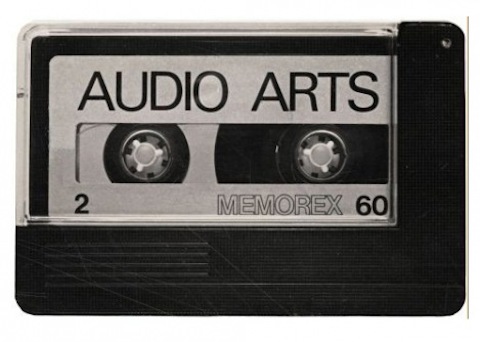
As a pod­cast­er, I’ve long since grown used to the idea of peri­od­i­cal­ly issu­ing audio con­tent. But the con­ve­nient record­ing, inter­net, and com­put­er, and mobile lis­ten­ing tech­nolo­gies that made such a medi­um pos­si­ble only real­ly con­verged in the ear­ly 2000s. How would I have gone about it had I want­ed to put out a “pod­cast,” say, 40 years ear­li­er? We have one such exam­ple in Audio Arts, a British con­tem­po­rary art “sound mag­a­zine” dis­trib­uted through the mail on audio cas­settes. “The sev­en­ties were the years of con­cep­tu­al art with text adding val­ue to the actu­al works,” co-cre­ator William Fur­long once said in an inter­view. “As an artist I was more inter­est­ed in ‘dis­cus­sion,’ the idea of lan­guage and the peo­ple that already worked in con­cep­tu­al fields in Great Britain. Soon I realised there weren’t mag­a­zines capa­ble of report­ing such mate­r­i­al inspired by con­ver­sa­tion, sounds and dis­cus­sions. The evoca­tive force of a voice is lost with the writ­ten word as it will only ever be a writ­ten voice.

Fur­long, a sculp­tor, and Bar­ry Bark­er, a gal­lerist, began pub­lish­ing Audio Arts in 1973. Its run last­ed until, aston­ish­ing­ly, 2006, by which time its archives had come to 25 vol­umes of four issues each. Its list of sub­scribers includ­ed the for­mi­da­ble Tate, such fans that they actu­al­ly acquired the mag­a­zine’s mas­ter tapes, dig­i­tized them, and made them all pub­licly avail­able on their web site. No longer must you seek out nth-gen­er­a­tion dupli­cat­ed ana­log cas­settes and dig out your Walk­man; now you can sim­ply stream on your media play­er of choice every issue from Jan­u­ary 1973, “four cas­settes with con­tri­bu­tions from Car­o­line Tis­dall, Noam Chom­sky, James Joyce and W.B. Yeats,” to Jan­u­ary 2006, which caps every­thing off with con­tri­bu­tions by Gilbert & George and Jake and Dinos Chap­man. Oth­er notable artis­tic pres­ences include Mar­cel Duchamp in Vol­ume 2, Philip Glass in Vol­ume 6, and Andy Warhol in Vol­ume 8. Help­ful­ly, Tate has also put togeth­er a sec­tion with tools to explore Audio Arts’ high­lights — some­thing more than a few mod­ern-day pod­casts could no doubt use.

via @WFMU

Relat­ed Con­tent:

Andy Warhol Inter­views Alfred Hitch­cock (1974)

Lis­ten to John Cage’s 5 Hour Art Piece: Diary: How To Improve The World (You Will Only Make Mat­ters Worse) 

Library of Con­gress Releas­es Audio Archive of Inter­views with Rock ‘n’ Roll Icons

Col­in Mar­shall hosts and pro­duces Note­book on Cities and Cul­ture and writes essays on cities, lan­guage, Asia, and men’s style. He’s at work on a book about Los Ange­les, A Los Ange­les Primer. Fol­low him on Twit­ter at @colinmarshall or on Face­book.

Free: Download 30,000 Images from The Museum of New Zealand (All in High Resolution)

new zealand images

Last month, The Met­ro­pol­i­tan Muse­um of Art announced some­thing we all wel­comed. They made more than 400,000 images of art in the Museum’s col­lec­tion free to down­load. Before that, we also wit­nessed oth­er major art muse­ums launch­ing their own open art ini­tia­tives: 87,000 images from the Get­ty in L.A., 125,000 Dutch mas­ter­pieces from the Rijksmu­se­um in the Nether­lands35,000 artis­tic images from the Nation­al Gallery in Wash­ing­ton, D.C., and 57,000 works of art put on vir­tu­al dis­play by Google Art Project

new zealand cats3

Now comes anoth­er 30,000 images from the Muse­um of New Zealand. On their blog, they write: “Today we are extreme­ly hap­py to let you know about our lat­est devel­op­ment; over 30,000 images down­load­able, for free, in the high­est res­o­lu­tion we have them.” “Over 14,000 images are avail­able under a Cre­ative Com­mons licence CC BY-NC-ND,” (which means you can make non-com­mer­cial use of these images, so long as you give attri­bu­tion to the artist.) “But even bet­ter are the 17,000 images that are down­load­able for any use, any use at all. These images have no known copy­right restric­tions.” Find more infor­ma­tion on this open art ini­tia­tive here. Or enter the col­lec­tions right here.

Up top, you will find the pho­to­graph called “Cleopa­tra in Domain Crick­et Ground,” tak­en in Auck­land, by Robert Wal­rond, in 1914.

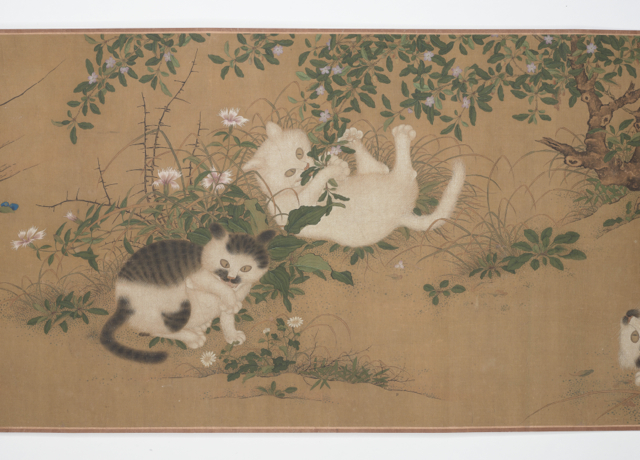
The sec­ond image is from a series called “Five cats,” made in Chi­na dur­ing the late 18th cen­tu­ry, by an unknown artist.

Relat­ed Con­tent:

Free: The Guggen­heim Puts 99 Mod­ern Art Books Online

Down­load Hun­dreds of Free Art Cat­a­logs from The Met­ro­pol­i­tan Muse­um of Art

LA Coun­ty Muse­um Makes 20,000 Artis­tic Images Avail­able for Free Down­load

Visit The Museum of Online Museums (MoOM): A Mega Collection of 220 Online Exhibitions

MOOM rijks

It is my habit, when trav­el looms, to case the Inter­net for obscure muse­ums my des­ti­na­tion might have to offer. Once loaded, I fix­ate. Chat me up about my itin­er­ary, and you will def­i­nite­ly come away with the impres­sion that these off­beat locales are the trip’s pri­ma­ry rai­son d’être.

It’s shock­ing how rarely I actu­al­ly make it to one of these off-the-beat­en path gems. Time flies and I rarely trav­el alone these days.

Take a recent fam­i­ly trip to Lon­don. Every time I brought up the Muse­um of Brands, my hus­band expressed reser­va­tions. “But what is it, exact­ly, oth­er than a bunch of old labels?” he’d press.

I hemmed and hawed, real­iz­ing on the cel­lu­lar lev­el that nei­ther he nor the kids could see the beau­ty in old labels. Dinosaurs, maybe. Ves­pas, no doubt. But old labels? This is how I found myself giv­ing the British Muse­um near­ly three times the Muse­um of Brand’s admis­sion charge to join a mighty throng of pen­sion­ers, squint­ing at a hand­ful of bor­ing but­ton frag­ments and a chunk of wood that no longer resem­bled a Viking Ship.

Next time, I swear…

01-1926-Hahn--Albert-alcohol-increases-risk-of-accidents

How for­tu­nate for me and my ilk that Chica­go design firm Coudal Part­ners is com­mit­ted to labor­ing far out­side its expect­ed scope. In addi­tion to cham­pi­oning Stan­ley Kubrick and poet­ry, they’ve tak­en it upon them­selves to con­sol­i­date a panoply of dig­i­tal col­lec­tions into the Muse­um of Online Muse­ums. (The pre­ferred acronym is MoOM, FYI.)

Unlike that of cer­tain of my trav­el­ing com­pan­ions, Coudal Part­ners’ def­i­n­i­tion of what con­sti­tutes a muse­um is demo­c­ra­t­ic. Gen­er­ous, even. The Met­ro­pol­i­tan Muse­um of Art, the Rijksmu­se­um, and the Musée d’Or­say share space with such non-brick-and-mor­tar com­pan­ions as the Busy Beaver But­ton Muse­um, the Gro­cery List Col­lec­tion, and Toast­er Cen­tral.

Raincoat

Like any major insti­tu­tion, MoOM touts their cur­rent exhi­bi­tions, a sea­son­al sam­pling of five. This spring brings togeth­er the Rijksmu­se­um’s Stu­dio Project, NASA’s Space Food Hall of Fame, a col­lec­tion of Dutch safe­ty posters from 50 Watts, 40 retro-groovy Japan­ese ads com­pli­ments of Voic­es of East Anglia, and a pho­to­graph­ic sur­vey of eggnog car­tons. (That last one real­ly deserves a brick and mor­tar home. Loca­tion is imma­te­r­i­al. I’d just like to fan­ta­size about vis­it­ing it some­day.)

egg nog

Mean­while, the talk of the town here in New York City is the reap­pear­ance of Mmu­se­umm, an eclec­tic, non-prof­it housed in a 60-square-foot Tribeca ele­va­tor shaft. MoOM, take note.

Find more online exhi­bi­tions at the Muse­um of Online Muse­ums.

Relat­ed Con­tent:

The Met­ro­pol­i­tan Muse­um of Art Puts 400,000 High-Res Images Online & Makes Them Free to Use

LA Coun­ty Muse­um Makes 20,000 Artis­tic Images Avail­able for Free Down­load

Down­load Over 250 Free Art Books From the Get­ty Muse­um

Ayun Hal­l­i­day wrote about her expe­ri­ences as a muse­um guard in her 3rd book, Job Hop­per. Fol­low her @AyunHalliday
Download Over 300+ Free Art Books From the Getty Museum

cézanne

Yes­ter­day, we wrote about the Well­come Library’s open­ing up of its dig­i­tal archives and mak­ing over 100,000 med­ical images freely avail­able online. If you’ve already made your way through this choice selec­tion (or if the prospect of view­ing a 19th cen­tu­ry leg ampu­ta­tion doesn’t quite pique your curios­i­ty) have no fear. Get­ty Pub­li­ca­tions just announced the launch of its Vir­tu­al Library, where read­ers can freely browse and down­load over 250 art books from the publisher’s back­list cat­a­logue.

The Vir­tu­al Library con­sists of texts asso­ci­at­ed with sev­er­al Get­ty insti­tu­tions. Read­ers can view exten­sive­ly researched exhi­bi­tion cat­a­logues from the J. Paul Get­ty Muse­um, includ­ing Paul Cézan­ne’s late-life water­colours, when the painter raised the still life to a high art (Cézanne in the Stu­dio: Still Life in Water­col­ors, 2004), as well as the woe­ful­ly under­ap­pre­ci­at­ed Flem­ish illus­tra­tions of the 15th and 16th cen­turies (Illu­mi­nat­ing the Renais­sance: The Tri­umph of Flem­ish Man­u­script, 2003).  The col­lec­tion also con­tains detailed trea­tis­es on art con­ser­va­tion from the Get­ty Con­ser­va­tion Insti­tute, and schol­ar­ly works from the Get­ty Research Insti­tute, both of which include a mul­ti­tude of books on spe­cial­ized top­ics. Fan­cy read­ing about the rela­tion­ship between Peter Paul Rubens and Jan Brueghel the Elder, the two leg­endary 17th cen­tu­ry painters who lived in the Nether­lands’ city of Antwerp? There’s a book on that. Intrigued by all the pros­ti­tutes in French impres­sion­ism? Try Paint­ed Love: Pros­ti­tu­tion in French Art of the Impres­sion­ist Era (2003). Per­haps you’re par­tial to ancient vas­es, and have already read The Col­ors of Clay (2006), Pots & Plays (2007), and Greek Vas­es (1983)? Don’t wor­ry, the Getty’s vir­tu­al library has at least 8 more vase-ori­ent­ed books.

All of the Getty’s vir­tu­al library vol­umes are avail­able in PDF for­mat, and can be added to your Google Books library. If you’re look­ing for more free art books, don’t miss our post from last year: The Met­ro­pol­i­tan Muse­um of Art and the Guggen­heim Offer 474 Free Art Books Online.

Ilia Blin­d­er­man is a Mon­tre­al-based cul­ture and sci­ence writer. Fol­low him at @iliablinderman.

Relat­ed Con­tent:

The British Library Puts 1,000,000 Images into the Pub­lic Domain, Mak­ing Them Free to Reuse & Remix

The Get­ty Puts 4600 Art Images Into the Pub­lic Domain (and There’s More to Come)

The Nation­al Gallery Makes 25,000 Images of Art­work Freely Avail­able Online

Read 700 Free eBooks Made Avail­able by the Uni­ver­si­ty of Cal­i­for­nia Press

Google Puts Over 57,000 Works of Art on the Web

dali google art project

In its art preser­va­tion­ist wing, the Cul­tur­al Insti­tute, Google hous­es an enor­mous dig­i­tal col­lec­tion of art­work span­ning cen­turies and con­ti­nents in what it calls the Art Project. Google’s col­lec­tion, writes Drue Katao­ka at Wired, is part of a “big deal […] it sig­nals a broad­er, emerg­ing ‘open con­tent’ art move­ment.” “Besides the Get­ty,” Katao­ka notes, this move­ment to dig­i­tize fine art col­lec­tions includes efforts by “Los Ange­les’ LACMA… as well as D.C.’s Nation­al Gallery of Art, the Dal­las Muse­um of Art, Baltimore’s Wal­ters Art Muse­um, and the Yale Uni­ver­si­ty Art Gallery. And Google. Yes, Google.” Google is work­ing hard to defuse this “yes, Google” reac­tion, post­ing fre­quent updates to its col­lec­tion, already a mag­nif­i­cent phe­nom­e­non: “Imag­ine see­ing an image of the Fall of the Rebel Angels by Pieter Breuegel the Elder,” writes Katao­ka, “or Vin­cent van Gogh’s Iris­es, in high res­o­lu­tion.” Now, you can, thanks to Google’s aston­ish­ing­ly vast dig­i­tal archive.

In the Art Project, you can stroll on over to Por­tu­gal’s Museu do Cara­mu­lo, for exam­ple, which Google describes as “an unusu­al muse­um in a small town” off the beat­en path. There, you can see this macabre 1947 Picas­so still life or this 1954 Sal­vador Dali por­trait of a Roman horse­man in Iberia (above). Then head over to the oth­er side of the world, where the Adachi Muse­um of Art in Japan con­tains 165,000 square meters of Japan­ese gar­den: “The Dry Land­scape Gar­den, The White Grav­el and Pine Gar­den, the Moss Gar­den, and The Pond Gar­den.” It also fea­tures gor­geous paint­ings like Yokoya­ma Taikan’s 1931 Autumn Leaves and Hishi­da Shun­so’s adorable 1906 Cat and Plum Blos­soms. Dozens of small­er col­lec­tions like these sit com­fort­ably along­side such exten­sive and well-known col­lec­tions as New York’s MoMA and Met­ro­pol­i­tan Muse­um of Art and Flo­rence’s Uffizi. See a tiny sam­pler of the Art Project in the video teas­er above.

BrazilTrompe

Google’s col­lec­tion has great­ly expand­ed since its com­par­a­tive­ly mod­est 2011 roll-out. The com­pa­ny signed part­ner­ship agree­ments with 151 insti­tu­tions in 2012 and the Art Project has grown since then to include over 57,000 dig­i­tal rep­re­sen­ta­tions of famous and not-so-famous works of art. Most recent­ly, it has added work to the online col­lec­tions of 34 dif­fer­ent part­ner insti­tu­tions. Google’s announce­ment on its offi­cial blog takes a themed approach, pre­sent­ing ver­sions of sev­er­al trompe l’oeil (“fool the eye”) works that have just joined the Art Project. Trompe l’oeil is a gim­mick as old as antiq­ui­ty, and Google gives us sev­er­al exam­ples, begin­ning with the styl­ish, under­stat­ed Brazil­ian train sta­tion mur­al right above by Adri­ana Vare­jao. Below, see the ceil­ing of Italy’s Nation­al Archae­o­log­i­cal Muse­um of Fer­rara, a much more clas­si­cal (or Baroque) approach to trompe l’oeil that dis­plays some typ­i­cal ele­ments of the peri­od, includ­ing elab­o­rate geo­met­ric designs, lots of gold, and well-dressed fig­ures star­ing down at view­ers or float­ing off into the heav­ens. See more trompe l’oeil works on Google’s blog, and access their full dig­i­tal col­lec­tion here.

FerraraTrompe

Relat­ed Con­tent:

The British Library Puts 1,000,000 Images into the Pub­lic Domain, Mak­ing Them Free to Reuse & Remix

The Rijksmu­se­um Puts 125,000 Dutch Mas­ter­pieces Online, and Lets You Remix Its Art

The Get­ty Puts 4600 Art Images Into the Pub­lic Domain (and There’s More to Come)

Free: The Met­ro­pol­i­tan Muse­um of Art and the Guggen­heim Offer 474 Free Art Books Online

Josh Jones is a writer and musi­cian based in Durham, NC. Fol­low him at @jdmagness

« Go BackMore in this category... »
Quantcast