The Art of Restoring a 400-Year-Old Painting: A Five-Minute Primer

Look­ing to expand your capac­i­ty for art appre­ci­a­tion, with­out spend­ing much in the way of time or mon­ey?

You could play Mas­ter­piece, or check some Sis­ter Wendy out of the library…

Or you could watch con­ser­va­tor Michael Gal­lagher ten­der­ly min­is­ter­ing to 17th-cen­tu­ry painter Charles Le Brun’s Ever­hard Jabach and His Fam­i­ly, above.

Long con­sid­ered lost, the life-size fam­i­ly por­trait of the artist’s friend, a lead­ing banker and art col­lec­tor, was in sor­ry shape when the Met­ro­pol­i­tan Muse­um acquired it from a pri­vate col­lec­tion ear­li­er last year.

Gal­lagher worked for ten months to coun­ter­act the var­i­ous indig­ni­ties it had suf­fered, includ­ing a re-stretch­ing that left the orig­i­nal can­vas severe­ly creased, and a Gild­ed Age appli­ca­tion of var­nish that weath­ered poor­ly over time.

It’s a painstak­ing process, restor­ing such a work to its orig­i­nal glo­ry, requir­ing count­less Q‑tips and a giant roller that allowed staffers to safe­ly flip all 9 x 10.75 feet of the mas­sive can­vas. Gal­lagher iden­ti­fies the last step, a sprayed-on coat of var­nish nec­es­sary for teas­ing out the painting’s orig­i­nal lus­ter, as the most nerve-wrack­ing part of the odyssey.

Now that you know what went into it, you real­ly should go vis­it it in per­son, if only to mar­vel at how the major­i­ty of vis­i­tors stream obliv­i­ous­ly past, bound for the gift shop, the cafe, or oth­er more name brand attrac­tions.

(Cer­tain­ly Le Brun, First Painter to Louis XIV, was a name brand in his day.)

Get even more out of your vis­it by bon­ing up on some notable aspects of the work itself, such as the geom­e­try of the sub­jects’ place­ment and the artist’s self-por­trait, reflect­ed in a mir­ror over his patron’s shoul­der.

Gal­lagher and oth­er Met staffers kept a detailed account of the restora­tion process on the Met’s Con­ser­va­tion blog. Read their posts here.

via Devour

Relat­ed Con­tent:

The Met­ro­pol­i­tan Muse­um of Art Puts 400,000 High-Res Images Online & Makes Them Free to Use

Down­load 448 Free Art Books from The Met­ro­pol­i­tan Muse­um of Art

Watch a Japan­ese Crafts­man Lov­ing­ly Bring a Tat­tered Old Book Back to Near Mint Con­di­tion

Ayun Hal­l­i­day is an author, illus­tra­tor, and Chief Pri­ma­tol­o­gist of the East Vil­lage Inky zine. Fol­low her @AyunHalliday

Discovered: The Only Known Picture of Vincent Van Gogh as an Adult Artist? (Maybe, Maybe Not)

vangoghphoto3

Close your eyes for a moment and pic­ture the artist Vin­cent Van Gogh. What do you see?

Prob­a­bly one of the pro­lif­ic post-Impressionist’s self-por­traits. That’s all well and good, but who else did you see?

Kirk Dou­glas?

Indie dar­ling (and Incred­i­ble Hulk adver­sary) Tim Roth?

Direc­tor Mar­tin Scors­ese?

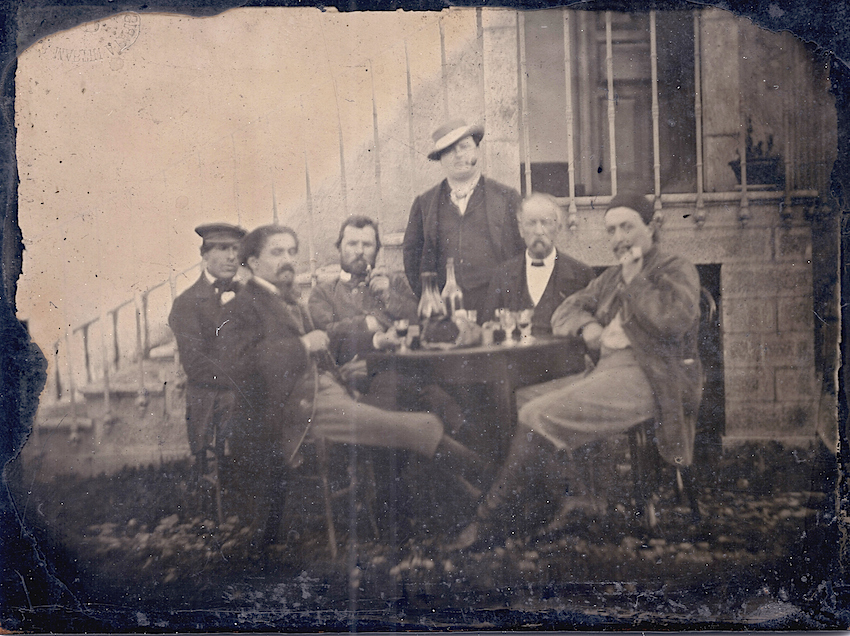
Thanks to the recent­ly dis­cov­ered pho­to­graph at the top of this arti­cle, we may soon have the option of pic­tur­ing the actu­al Vin­cent Van Gogh as an adult artist. As Petapix­el tells us, he sat for por­traits at age 13, and again as a 19-year-old gallery appren­tice (below), but beyond that no pho­to­graph­ic evi­dence of the cam­era-shy artist was known to exist.

640px-VincentVanGoghFoto

Excit­ing!

That’s Paul Gau­guin on the far right. Oth­ers at the table include Emile Bernard and Arnold Kon­ing, politi­cian Felix Duval and actor-direc­tor André Antoine. But who is the beard­ed man smok­ing the pipe?

Van Gogh?

So thought the two col­lec­tors who pur­chased the small 1887 pho­to at a house sale a cou­ple of years ago. Serge Plan­tureux, an anti­quar­i­an book­seller and pho­tog­ra­phy expert who exam­ined their find was opti­mistic enough to help them with fur­ther research, as he not­ed in the French mag­a­zine, L’Oeil de la Pho­togra­phie:

I didn’t want to start doing what Amer­i­cans call “wish­ful think­ing,” that trap into which col­lec­tors and researchers fall, where their rea­son­ing is gov­erned only by what they want to see.

Don’t ditch Dou­glas, Roth, and Scors­ese just yet, how­ev­er. Experts at Amsterdam’s Van Gogh Muse­um say the beard­ed fel­low can­not be the artist. Accord­ing to them, there’s not even much of a resem­blance. He wasn’t so much cam­era shy, as dead­ly opposed to the pho­to­graph­ic medi­um. His refusal to be pho­tographed was an act of resis­tance.

That kind of puts a damper on things…

So.. no go Van Gogh? Oh well…vive la pho­to nou­velle­ment décou­verte de Paul Gau­guin (and friends)!


Relat­ed Con­tent:

The Unex­pect­ed Math Behind Van Gogh’s “Star­ry Night”

Simon Schama Presents Van Gogh and the Begin­ning of Mod­ern Art

Van Gogh’s ‘Star­ry Night’ Re-Cre­at­ed by Astronomer with 100 Hub­ble Space Tele­scope Images

Ayun Hal­l­i­day is an author, illus­tra­tor, and Chief Pri­ma­tol­o­gist of the East Vil­lage Inky zine. Fol­low her @AyunHalliday

Hear the Never Released Version of The Stones’ “Brown Sugar,” With Eric Clapton on Slide Guitar

Has there ever been a more enter­tain­ing song containing–as crit­ic Robert Christ­gau enu­mer­at­ed– “slav­ery, inter­ra­cial sex, cun­nilin­gus, and less dis­tinct­ly, sado­masochism, lost vir­gin­i­ty, rape and hero­in” as the Rolling Stones’ 1971 “Brown Sug­ar”? The song’s lyrics lay in wait for those who hear it in pass­ing on clas­sic rock radio, like an un-PC land mine. And you’ll only step on one when you’re danc­ing.

Last week, the Rolling Stones pro­mot­ed the re-release/re­mas­ter/repack­age of their 1971 album Sticky Fin­gers with an alter­na­tive take of the song, fea­tur­ing Eric Clap­ton on slide gui­tar, and a slop­pi­er, more fes­tive sound. It’s the first offi­cial release of a ver­sion long since boot­legged.
Unlike many alter­na­tive ver­sions found on deluxe edi­tions, this record­ing came after the clas­sic track was record­ed, but the path of Sticky Fin­gers was a con­vo­lut­ed one.

For starters, it was Mick Jag­ger, not Kei­th Richards, who came up with the open­ing riff, some­thing he wrote while in Aus­tralia film­ing Tony Richardson’s Ned Kel­ly as a way of reha­bil­i­tat­ing his hand after injur­ing it. Jag­ger says he had Fred­dy Cannon’s rough-around-the-edges 1959 “Tal­la­has­see Lassie” in mind, though you might be hard pressed to hear the influ­ence.
The Stones record­ed “Brown Sug­ar” at the Mus­cle Shoals Sound Stu­dios in Sheffield, Alaba­ma in ear­ly Decem­ber, 1969. It was just a few days after the release of their epochal Let It Bleed, and a week after the New York and Bal­ti­more con­certs record­ed for Get Yer Ya-Ya’s Out!. Bri­an Jones was near­ly half a year dead. Gui­tarist Mick Tay­lor was new.

And Mus­cle Shoals was not yet a stu­dio of leg­end. It had been the home of one hit: R.B. Greaves’ hump­ing-the-sec­re­tary sin­gle “Take a Let­ter, Maria.” Mem­phis was near­by and had bet­ter stu­dios, but the Stones want­ed to check out this new place.

On the first night, they record­ed a cov­er of “You Got­ta Move” by Mis­sis­sip­pi Fred McDow­ell that ends side one of the album. The next day, they record­ed “Brown Sug­ar.” Mick Jag­ger told a reporter upon enter­ing the stu­dio: “I’ve got a new one myself. No words yet, but a few words in my head — called Brown Sug­ar — about a woman who screws one of her black ser­vants. I start­ed to call it Black Pussy but I decid­ed that was too direct, too nit­ty-grit­ty.”

Jim Dick­in­son, Mus­cle Shoals pro­duc­er and ses­sion piano play­er, is quot­ed in Kei­th Richard’s 2010 book Life, “I watched Mick write the lyrics. It took him maybe forty-five min­utes; it was dis­gust­ing. He wrote it down as fast as he could move his hand. I’d nev­er seen any­thing like it. He had one of those yel­low legal pads, and he’d write a verse a page, just write a verse and then turn the page, and when he had three pages filled, they start­ed to cut it. It was amaz­ing!” Many years lat­er Mar­sha Hunt, Jagger’s secret girl­friend at the time and moth­er of his first child Karis, would reveal the song was indeed about her, which makes the taboos of slav­ery and rape in the lyrics all that more dis­turb­ing.

The next day, the band focused on anoth­er new song called “Wild Hors­es” and then they were back on the road, pre­mier­ing “Brown Sug­ar” at the dis­as­trous con­cert at the Alta­mont Speed­way where sev­er­al peo­ple died.

The band want­ed to release the song, but con­trac­tu­al prob­lems with for­mer label ABKCO halt­ed their plans.

A year lat­er, while the major­i­ty of Sticky Fin­gers had been record­ed, the group cel­e­brat­ed Kei­th Richards’ birth­day at Olympic Stu­dios in Lon­don. The alter­na­tive ver­sion above comes from that par­ty and fea­tures Al Koop­er on piano and Eric Clap­ton on slide. Richards pre­ferred this ver­sion, but it nev­er made the cut, and lis­ten­ing to it now the offi­cial ver­sion sounds like the obvi­ous choice: the sound of Mus­cle Shoals is unde­ni­able.

Relat­ed Con­tent:

Mick Jag­ger Tells the Sto­ry Behind ‘Gimme Shel­ter’ and Mer­ry Clayton’s Haunt­ing Back­ground Vocals

The Rolling Stones Release a Soul­ful, Nev­er-Heard Acoustic Ver­sion of “Wild Hors­es”

Watch the Rolling Stones Write “Sym­pa­thy for the Dev­il”: From Jean-Luc Godard’s ’68 Film One Plus One

Gimme Shel­ter: Watch the Clas­sic Doc­u­men­tary of the Rolling Stones’ Dis­as­trous Con­cert at Alta­mont

Ted Mills is a free­lance writer on the arts who cur­rent­ly hosts the FunkZone Pod­cast. You can also fol­low him on Twit­ter at @tedmills, read his oth­er arts writ­ing at tedmills.com and/or watch his films here.
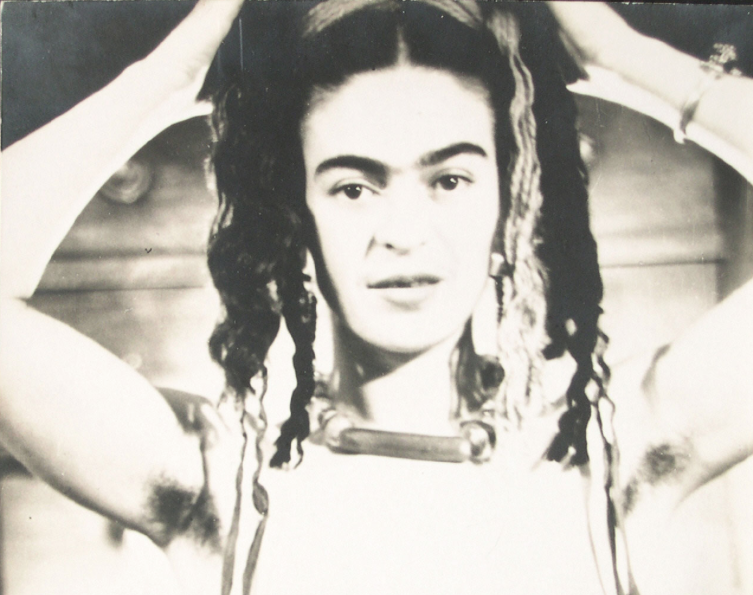
Frida Kahlo’s Colorful Clothes Revealed for the First Time & Photographed by Ishiuchi Miyako

Frida 1

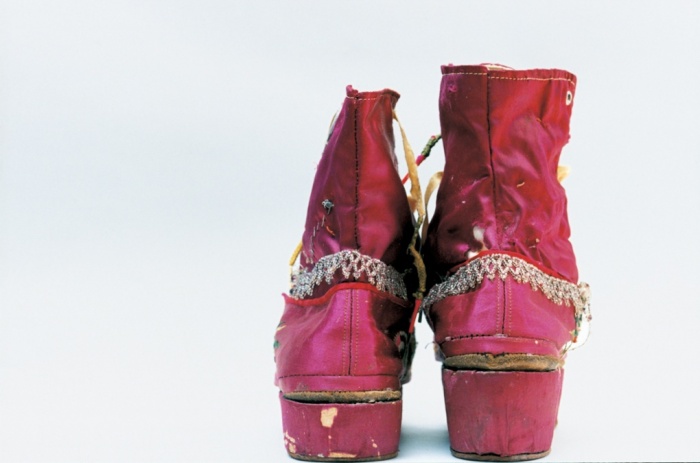
Imag­ine the dress up fun we could have in Grandma’s attic, if Grand­ma were Fri­da Kahlo (1907 – 1954) and the attic was a sealed off Mex­i­co City bath­room where Grand­pa — artist Diego Rivera, natch — had stashed all her stuff.

Yel­low-laced scar­let booties trimmed with beads!

02_FridaKahlo

A glam­orous, rot­ting swim­suit and an extreme­ly famil­iar-look­ing tra­di­tion­al Tehua­na head­dress!

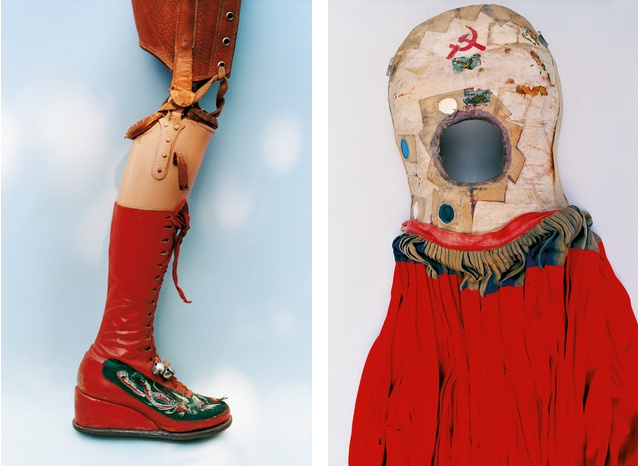
A saucy pros­thet­ic leg! A skirt­ed body cast embell­ished with hand-paint­ed ham­mer and sick­le.

Frida-Kahlo-galeria

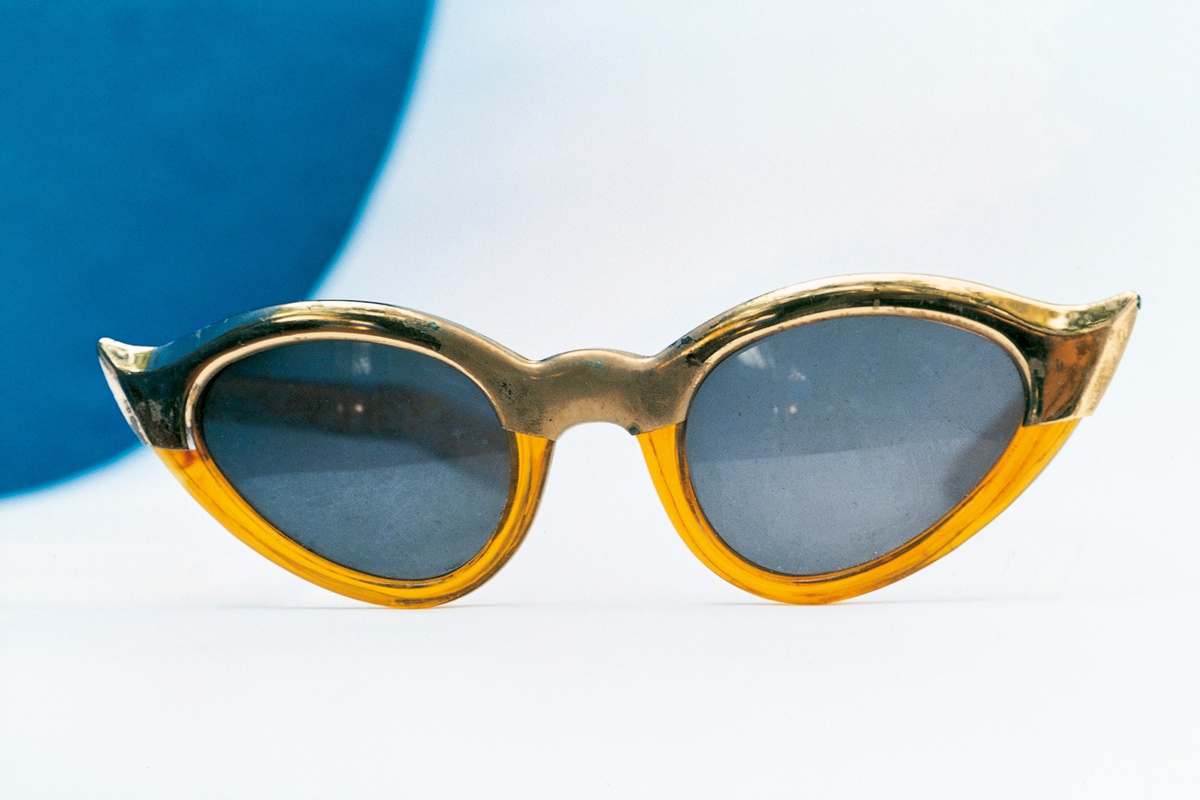
Now let us take a minute to live vic­ar­i­ous­ly through pho­tog­ra­ph­er Ishi­uchi Miyako, whose pre­vi­ous sub­jects have includ­ed the cloth­ing of her late moth­er and vic­tims of the atom­ic bomb­ing of Hiroshi­ma. In 2004, the Museo Fri­da Kahlo’s staff start­ed orga­niz­ing Frida’s per­son­al effects. Rivera (1886–1957) had stored them in the afore­men­tioned Mex­i­co city bath­room, along with instruc­tions that the room should remain sealed for a peri­od of 15 years fol­low­ing his death. In 2011, the muse­um invit­ed Miyako in to doc­u­ment the far-from-mint con­di­tion relics, almost 300 in total.

frida glasses

“If I met her, I wouldn’t ask any ques­tions,” the pho­tog­ra­ph­er avowed in an inter­view with AnOth­er Mag­a­zine. “I would only want to stare at her and touch her body.”

There is an inti­ma­cy to her gaze that sug­gests this state­ment might be true. Rarely have a cou­ple of bot­tles of dried up nail pol­ish exud­ed such sen­su­al­i­ty.

Miyako’s Fri­da pho­tographs have been col­lect­ed in a book, and can be seen in the flesh in London’s Michael Hop­pen Gallery through mid-July.

via Patron of the Arts

Relat­ed Con­tent:

1933 Arti­cle on Fri­da Kahlo: “Wife of the Mas­ter Mur­al Painter Glee­ful­ly Dab­bles in Works of Art”

Fri­da Kahlo Writes a Per­son­al Let­ter to Geor­gia O’Keeffe After O’Keeffe’s Ner­vous Break­down (1933)

Pho­tos of a Very Young Fri­da Kahlo, Tak­en by Her Dad

Fri­da Kahlo and Diego Rivera Vis­it Leon Trot­sky in Mex­i­co, 1938

Ayun Hal­l­i­day is an author, illus­tra­tor, and Chief Pri­ma­tol­o­gist of the East Vil­lage Inky zine. Fol­low her @AyunHalliday

Library of Congress Launches New Online Poetry Archive, Featuring 75 Years of Classic Poetry Readings

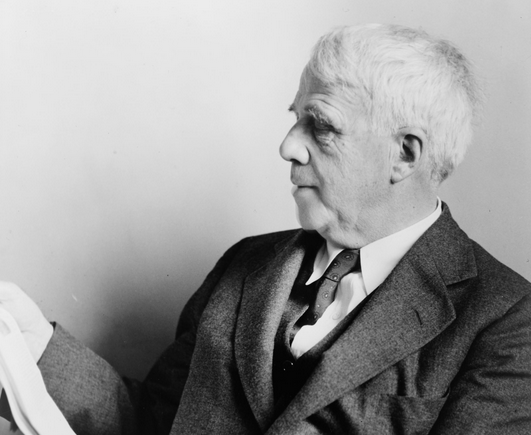
LOC poetry archive frost

Image by Fred Palum­bo, made avail­able by the Library of Con­gress.

Put THIS in your pock­et. The Library of Con­gress is cel­e­brat­ing Nation­al Poet­ry Month by launch­ing its new Archive of Record­ed Poet­ry and Lit­er­a­ture. It debuts with 50 choice poet­ry record­ings, span­ning 75 years of time. In the past, you’d have had to vis­it the library in per­son to lis­ten to these good­ies on reel-to-reel tape. Now you can take them to the gym, plug in as you wash dish­es, post online links for your min­ions to enjoy.

New­ly ensconced Con­sul­tant in Poet­ry Gwen­dolyn Brooks (was there ever a more rec­og­niz­able voice?) pref­aces her read­ing by pledg­ing her inten­tion to reg­is­ter “on the pub­lic con­scious­ness and con­science the gen­er­al­ly neglect­ed rich­ness of ‘minor­i­ty poet­ry.’”

Robert Frost tells Ran­dall Jar­rell of his desire to iden­ti­fy Amer­i­can antiq­ui­ty — to fea­ture in his poet­ry a woodchopper’s hut that looks “as old as Baby­lon.”

Paul Mul­doon shares the sto­ry of how he came to own the eel­skin bag that is the star of “The Brief­case.”

Arm­chair trav­el­ers who still yearn to make that trip to DC in their minds will enjoy Eliz­a­beth Bish­op’s “View of the Capi­tol from the Library of Con­gress” (at the 4:02 mark), read at the Library of Con­gress’s own Coolidge Audi­to­ri­um. Vis­i­tors can also stream read­ings by Ray Brad­bury (below), Mar­garet Atwood, and Kurt Von­negut.

As part of its ongo­ing com­mit­ment to the form, the Library will be adding to the online archive on a month­ly basis. Let every month be Poet­ry Month! You can stream the com­plete col­lec­tion here.

Relat­ed Con­tent:

Penn Sound: Fan­tas­tic Audio Archive of Mod­ern & Con­tem­po­rary Poets

Stream Clas­sic Poet­ry Read­ings from Harvard’s Rich Audio Archive: From W.H. Auden to Dylan Thomas

Lis­ten to 90 Famous Authors & Celebri­ties Read Great Sto­ries & Poems

Ayun Hal­l­i­day is an author, illus­tra­tor, and Chief Pri­ma­tol­o­gist of the East Vil­lage Inky zine. Fol­low her @AyunHalliday

What It’s Like to Be Color Blind and See Art in Color for the First Time

We all know that say­ing about walk­ing in anoth­er’s shoes, but what about see­ing through anoth­er’s eye­balls? I’m not talk­ing about per­spec­tive. I’m talk­ing about col­or. As in I see it, and my hus­band does­n’t. At least not the way I do.

His cop­ing mech­a­nism is to chal­lenge me when­ev­er I refer to some­thing as “blue.” To him, it’s grey, or brown, or some oth­er non-blue shade. He wants me to see it that way too. To admit that I am wrong. For my part, I feel it’s impor­tant that the per­son to whom I’m mar­ried acknowl­edge that there’s no way my favorite bowl can be the col­or of cement, no mat­ter what his cone cell recep­tors are telling him.

Per­haps he’d have bet­ter luck ask­ing patient strangers to describe col­or to him, as blind-from-birth film crit­ic Tom­my Edi­son does below. Hmm. Col­or may be more sub­jec­tive than my hus­band’s and my spec­tral stand-offs would sug­gest.

Accord­ing to EnChro­ma, the com­pa­ny that designed and sells the col­or-cor­rect­ing lens­es the onscreen guinea pigs are seen wear­ing in the video up top, an esti­mat­ed 300 mil­lion peo­ple suf­fer from some form of col­or blind­ness. Their glass­es offer some of those three mil­lion a chance at see­ing red in the lit­er­al sense. The video par­tic­i­pants are, not sur­pris­ing­ly, blown away by their first encounter with a Cray­ola-col­ored world.

Hav­ing refreshed myself on the struc­tures of the eye, I took the col­or blind­ness test on EnChro­ma’s web­site. I test­ed nor­mal, hav­ing iden­ti­fied the hid­den (or in my case not-so-hid­den) num­bers in a vari­ety of vir­tu­al mosaics.

My col­or blind friend, Bob, agreed to take it too, pro­vid­ed I muz­zle myself from offer­ing the sort of com­men­tary to which hus­bands are sub­ject­ed. (Whad­daya mean you can’t see it!? It’s bright fuch­sia!!!) He pulled a pret­ty heavy duty protan defi­cien­cy, oth­er­wise known as red-green col­or blind­ness.

Accord­ing to the man­u­fac­tur­er, EnChro­ma glass­es are unlike­ly to col­or his world. The best he could hope for is a slight improve­ment after weeks of wear­ing.

Bum­mer, except that he lives in Chica­go, where the Muse­um of Con­tem­po­rary Art offers EnChro­ma Cx loan­ers at the recep­tion desk. Like many such insti­tu­tions, the MCA is active­ly seek­ing ways to improve acces­si­bil­i­ty. (The museum’s col­or blind direc­tor of com­mu­ni­ca­tions rec­om­mends hav­ing a look at Mar­tin Creed’s Work No. 1351, a col­or­ful lat­tice in the cafe. See right below.)

Creed_JulyInstall_03

Per­haps Bob will get a peek at some­thing he has­n’t seen before. Like red. Oth­ers will expe­ri­ence a rev­e­la­tion. Mean­while, an insuf­fer­able non-col­or­blind indi­vid­ual such as myself might get an effect akin to an Insta­gram fil­ter. My col­ors will pop.

“Unfair,” say Bob and my hus­band. I have to agree. Should the Muse­um of Con­tem­po­rary Art offer col­or-leech­ing glass­es, I will wear them, even if the frames are real­ly ugly. Until then, the video below pro­vides some sense of what those of us who see the full range of col­or aren’t miss­ing.

via Vice

Relat­ed Con­tent:

The Pra­do Muse­um Cre­ates the First Art Exhi­bi­tion for the Visu­al­ly Impaired, Using 3D Print­ing

Jorge Luis Borges, After Going Blind, Draws a Self-Por­trait

Helen Keller Speaks About Her Great­est Regret — Nev­er Mas­ter­ing Speech

Ayun Hal­l­i­day is an author, illus­tra­tor, and Chief Pri­ma­tol­o­gist of the East Vil­lage Inky zine. Fol­low her @AyunHalliday

Google Puts Online 10,000 Works of Street Art from Across the Globe

circling

Cir­cling Birdies by Cheko, Grana­da Spain

Since last we wrote, Google Street Art has dou­bled its online archive by adding some 5,000 images, bring­ing the tal­ly to 10,000, with coor­di­nates pin­point­ing exact loca­tions on all five con­ti­nents (though as of this writ­ing, things are a bit thin on the ground in Africa). Giv­en the tem­po­ral real­i­ties of out­door, guer­ril­la art, pil­grims may arrive to find a blank can­vas where graf­fi­ti once flour­ished. (RIP New York City’s 5 Pointz, the “Insti­tute of High­er Burn­ing.”)

A major aim of the project is vir­tu­al preser­va­tion. As with per­for­mance art, doc­u­men­ta­tion is key. Not all of the work can be attrib­uted, but click on an image to see what is known. Guid­ed tours to neigh­bor­hoods rich with street art allow arm­chair trav­el­ers to expe­ri­ence the work, and inter­views with the artists dis­pel any num­ber of stereo­types.

Cul­tur­al insti­tu­tions like Turkey’s Pera Muse­um and Hong Kong’s Art Research Insti­tute, and street art projects based in such hubs as Rome, Paris, Syd­ney, and Bangkok, have pulled togeth­er offi­cial col­lec­tions of pho­tos and videos, but you can play cura­tor too.

It’s easy to add images to a col­lec­tion of your own mak­ing that can be shared with the pub­lic at large or saved for pri­vate inspi­ra­tion. Care­ful, you could lose hours…it’s like Pin­ter­est for peo­ple who grav­i­tate toward spray paint and rub­bish strewn vacant lots over ging­ham wrapped Mason jars.

It’s been a long and bru­tal win­ter here on the east coast, so for my first for­ay, I prowled for Signs of Spring. One of my first hits was “Cir­cling Birdies” by Cheko, above. Locat­ed in Grana­da, Spain, it’s one of the exist­ing works Google has turned into a GIF with some light, log­i­cal ani­ma­tion.

Behold a bit of what typ­ing “flower,” “baby ani­mals,” “plants,” and “trees” into a search box can yield! You can enter Google Street Art here.

Child With Windmill

Artist: Wal­ter Ker­shaw
Lon­don UK

Thrashbird

Artists: Thrash­bird and Renee Gagnon
Los Ange­les, Cal­i­for­nia.

Baby Chick

Artist: unknown
Rochester, NY

Screen Shot 2015-03-19 at 11.07.58 PM

Icy and Sot
Rochester NY

Freedom Fighter

Artist: Kristy San­doval
Los Ange­les, CA

Natureza Viva

Artists: Regg and Violant
Alfragide Por­tu­gal

Beetle

Artist: Klit
Alfragide, Por­tu­gal
A giant col­or­ful bee­tle tries to fly between the ceil­ing and the floor of this park­ing lot. His wings seem filled with flower petals. So, the “Liv­ing Nature” project brought a set of huge insects that car­ry a note of liv­ing spir­it to the space.

Deep Blue

Artist: Rai Cruz
Mani­la, Philip­pines

Nagel
Artist: Chris­ti­aan Nagel
Lon­don, Eng­land

Untitled Rome
Artist: Lady Aiko
Rome, Italy

Parsa

Artist: Andrew Ken­tish
Nepal

Relat­ed Con­tent:

Tour the World’s Street Art with Google Street Art

Obey the Giant: Short Film Presents the True Sto­ry of Shep­ard Fairey’s First Act of Street Art

Big Bang Big Boom: Graf­fi­ti Stop-Motion Ani­ma­tion Cre­ative­ly Depicts the Evo­lu­tion of Life

Ayun Hal­l­i­day is an author, illus­tra­tor, and Chief Pri­ma­tol­o­gist of the East Vil­lage Inky zine. Fol­low her @AyunHalliday

The Prado Museum Creates the First Art Exhibition for the Visually Impaired, Using 3D Printing

prado1

Image cour­tesy of The Pra­do

Are you one of the mil­lions of sight­ed vis­i­tors who’ll vis­it a world class insti­tu­tion this year only to find your­self suf­fer­ing from muse­um fatigue a cou­ple of hours in? You know, that moment when all the paint­ings start to look alike, still lifes, cru­ci­fix­ions, and teenage noble­women swim­ming before your eyes?

If so, may we rec­om­mend clos­ing your eyes and lim­it­ing your­self to an in-depth study of a half dozen paint­ings? That’s the num­ber of works on dis­play in Hoy toca el Pra­do, Madrid’s Museo del Pra­do’s land­mark exhi­bi­tion aimed at peo­ple with visu­al dis­abil­i­ties.

The Lou­vre, New York’s Met­ro­pol­i­tan Muse­um of Art, and London’s Nation­al Gallery all have touch-friend­ly pro­gram­ming that allows blind vis­i­tors to expe­ri­ence sculp­tur­al works with their hands. The Prado’s ini­tia­tive is unique in that it applies 3D print­ing tech­niques to repro­duc­tions of painted—i.e. flat—work.

Cer­tain aspects of each paint­ing, includ­ing tex­tures, were select­ed for show­cas­ing in the 3D repro­duc­tions. A chem­i­cal process involv­ing ultra­vi­o­let light and spe­cial ink result­ed in a few mil­lime­ters of added vol­ume. The repro­duc­tions retained the orig­i­nals’ col­or, for visu­al­ly impaired vis­i­tors with the abil­i­ty to per­ceive it.

prado

Image cour­tesy of The Pra­do

Sight­ed patrons can try their hands at expe­ri­enc­ing such works as The Para­sol by Goya and Velazquez’s Vul­can’s Forge in a non-visu­al way by don­ning opaque glass­es. Texts are in braille. Audio­gu­ides are acces­si­ble to all.

Accord­ing to the original’s record in the museum’s cat­a­log, El Gre­co’s The Noble­man with His Hand on His Chest is notable for the “expres­sive gaze its sit­ter directs at the view­er.” The exhibit’s cura­tor report­ed that one of the first blind vis­i­tors to come through want­ed to know the subject’s eye col­or. He found that he could not con­fi­dent­ly respond with­out dou­ble check­ing.

classic-paintings-3D-visual-impaired-prado-museum-madrid-3

Image cour­tesy of ABC News

Oth­er paint­ings in the col­lec­tion include: Leonar­do da Vin­ci’s  “Mona Lisa;” “Don’t touch me” (Noli me tan­gere) by Anto­nio da Cor­reg­gio; and “Still life with Arti­chokes, Flow­ers and Glass Ves­sels” by Juan Van Der Hamen. See an online gallery of the exhib­it, which will be up through June, here.

via The New York Times

Relat­ed Con­tent:

Art Lovers Rejoice! New Goya and Rem­brandt Data­bas­es Now Online

100 Met­ro­pol­i­tan Muse­um Cura­tors Talk About 100 Works of Art That Changed How They See the World

The Met­ro­pol­i­tan Muse­um of Art Puts 400,000 High-Res Images Online & Makes Them Free to Use

Ayun Hal­l­i­day is an author, illus­tra­tor, and Chief Pri­ma­tol­o­gist of the East Vil­lage Inky zine. Fol­low her @AyunHalliday

« Go BackMore in this category... »
Quantcast