Explore 5,300 Rare Manuscripts Digitized by the Vatican: From The Iliad & Aeneid, to Japanese & Aztec Illustrations

vatican-iliad

Hun­dreds of years before vast public/private part­ner­ships like Google Arts & Cul­ture, the Vat­i­can served as one of the fore­most con­ser­va­tors of cul­tur­al arti­facts from around the world. In the era of the Holy Roman Empire, few of those works were avail­able to the mass­es (except­ing, of course, the city’s con­sid­er­able pub­lic archi­tec­ture and sculp­ture). But with over 500 years of his­to­ry, Vat­i­can Muse­ums and Libraries have amassed a trove of arti­facts that rival the great­est world col­lec­tions in their breadth and scope, and these have slow­ly become pub­lic over time. In 1839, for exam­ple, Pope Gre­go­ry XVI found­ed the Egypt­ian Muse­um, an exten­sive col­lec­tion of Egypt­ian and Mesopotami­an arti­facts includ­ing the famous Book of the Dead. We also have The Col­lec­tion of Mod­ern Reli­gious Art, which holds 19th and 20th cen­tu­ry impres­sion­ists, sur­re­al­ists, cubists, expres­sion­ists, etc. In-between are large pub­lic col­lec­tions from antiq­ui­ty to the Renais­sance.

codex-borgianus

When it comes to man­u­scripts, the Vat­i­can Library is no less an embar­rass­ment of rich­es. But unlike the art col­lec­tions, most of these have been com­plete­ly inac­ces­si­ble to the pub­lic due to their rar­i­ty and fragili­ty. That’s all going to change, now that ancient and mod­ern con­ser­va­tion has come togeth­er in part­ner­ships like the one the Library now has with Japan­ese com­pa­ny NTT DATA.

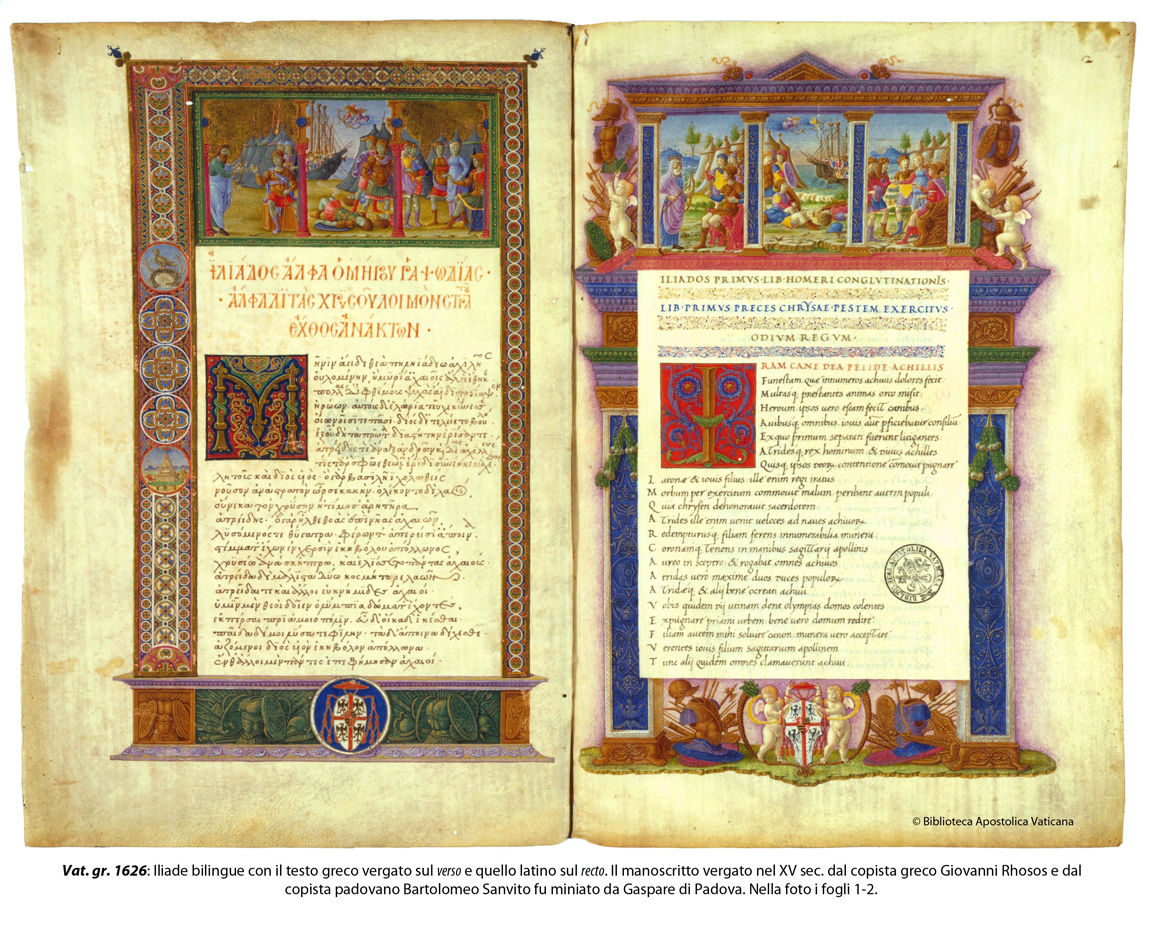
Their com­bined project, the Dig­i­tal Vat­i­can Library, promis­es to dig­i­tize 15,000 man­u­scripts with­in the next four years and the full col­lec­tion of over 80,000 man­u­scripts in the next decade or so, con­sist­ing of codices most­ly from the “Mid­dle Age and Human­is­tic Peri­od.” They’ve made some excel­lent progress. Cur­rent­ly, you can view high-res­o­lu­tion scans of over 5,300 man­u­scripts, from all over the world. We pre­vi­ous­ly brought you news of the Library’s dig­i­ti­za­tion of Virgil’s Aeneid. They’ve also shared a fine­ly illus­trat­ed, bilin­gual (Greek and Latin) edi­tion of its pre­de­ces­sor, The Ili­ad (top).

japanese-dance-painting

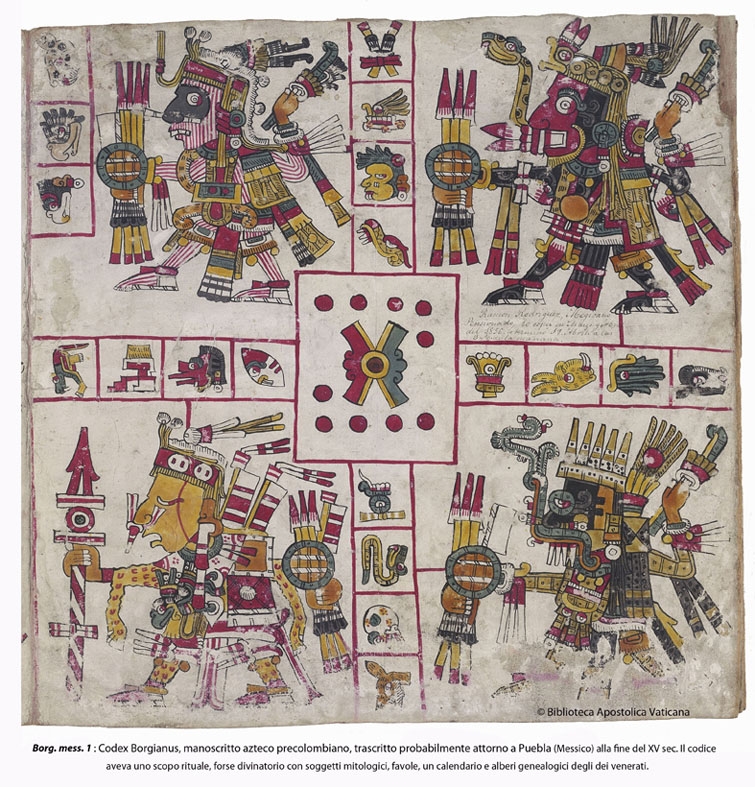
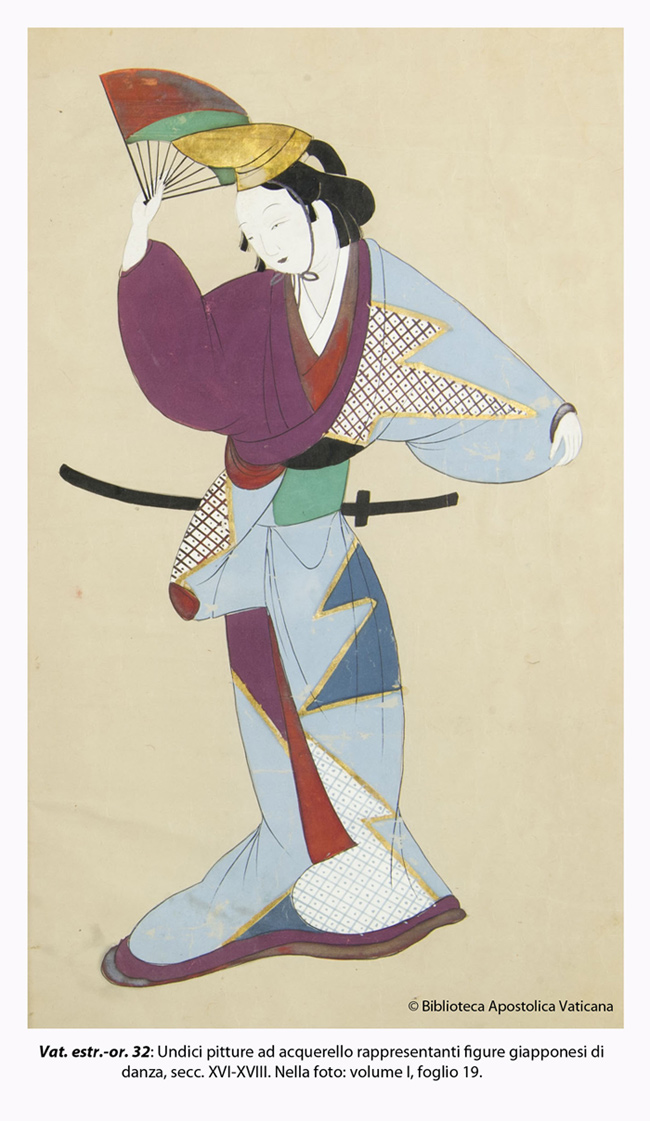
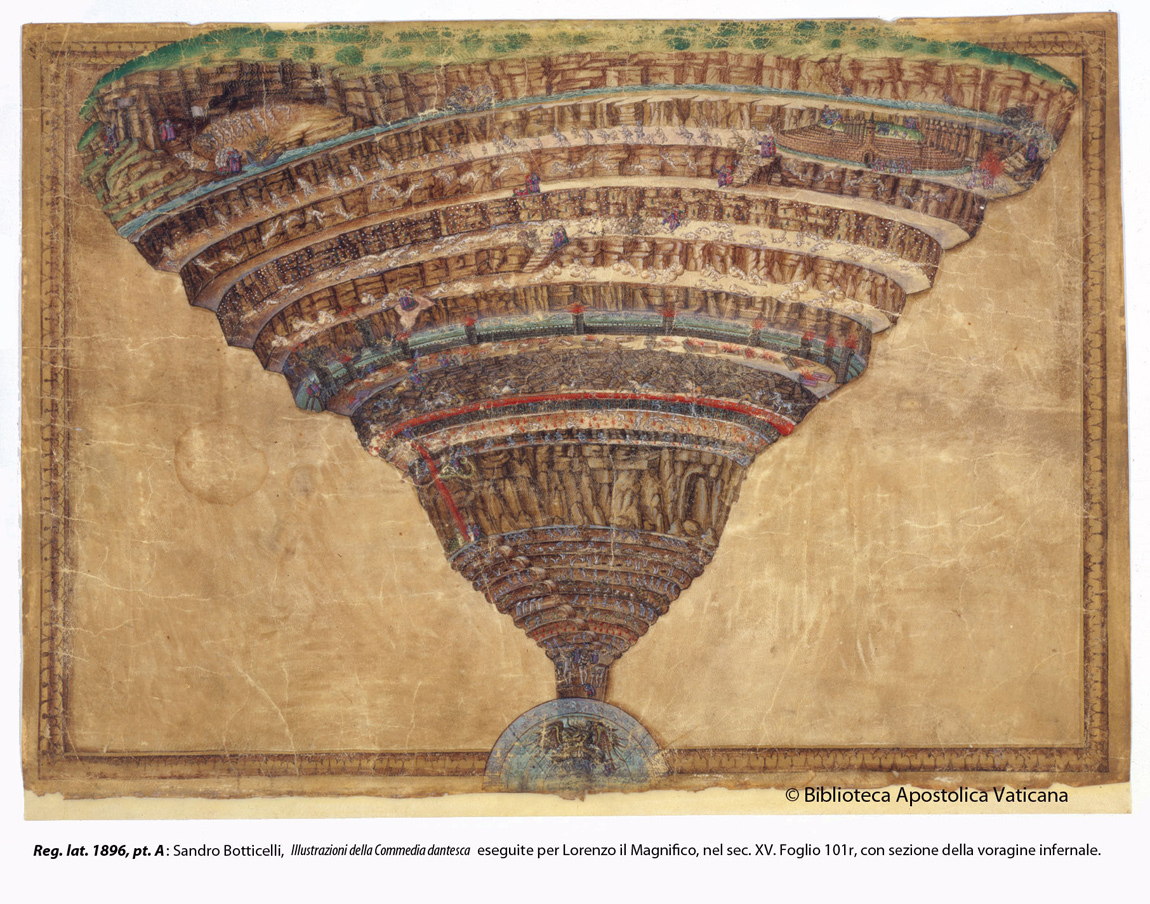
Fur­ther up, from a sim­i­lar time but very dif­fer­ent place, we see a Pre-Columbian Aztec man­u­script, equal­ly fine­ly-wrought in its hand-ren­dered intri­ca­cies. You’ll also find illus­tra­tions like the cir­ca 17th-cen­tu­ry Japan­ese water­col­or paint­ing above, and the ren­der­ing of Dante’s hell, below, from a won­der­ful, if incom­plete, series by Renais­sance great San­dro Bot­ti­cel­li (which you can see more of here). Begun in 2010, the huge-scale dig­i­ti­za­tion project has decid­ed on some fair­ly rig­or­ous cri­te­ria for estab­lish­ing pri­or­i­ty, includ­ing “impor­tance and pre­cious­ness,” “dan­ger of loss,” and “scholar’s requests.” The design of the site itself clear­ly has schol­ars in mind, and requires some deft­ness to nav­i­gate. But with sim­ple and advanced search func­tions and gal­leries of Select­ed and Lat­est Dig­i­tized Man­u­scripts on its home­page, the Dig­i­tal Vat­i­can Library has sev­er­al entry points through which you can dis­cov­er many a tex­tu­al trea­sure. As the site remarks, “the world’s cul­ture, thanks to the web, can tru­ly become a com­mon her­itage, freely acces­si­ble to all.” You can enter the col­lec­tion here.

vatican-botticelli

Relat­ed Con­tent:

1,600-Year-Old Illu­mi­nat­ed Man­u­script of the Aeneid Dig­i­tized & Put Online by The Vat­i­can

Botticelli’s 92 Illus­tra­tions of Dante’s Divine Com­e­dy

15,000 Col­or­ful Images of Per­sian Man­u­scripts Now Online, Cour­tesy of the British Library

Josh Jones is a writer and musi­cian based in Durham, NC. Fol­low him at @jdmagness

How to Look at Art: A Short Visual Guide by Cartoonist Lynda Barry

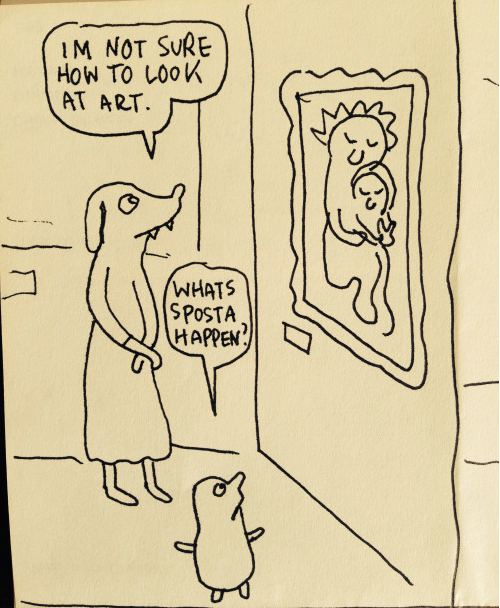
looking at art 1
Despite the small, nar­ra­tive doo­dle post­ed to her Tum­blr a cou­ple of weeks back, inspi­ra­tional teacher and car­toon­ist Lyn­da Bar­ry clear­ly has no short­age of strate­gies for view­ing art in a mean­ing­ful way.

She takes a Socrat­ic approach with stu­dents and read­ers eager to forge a deep­er per­son­al con­nec­tion to images.

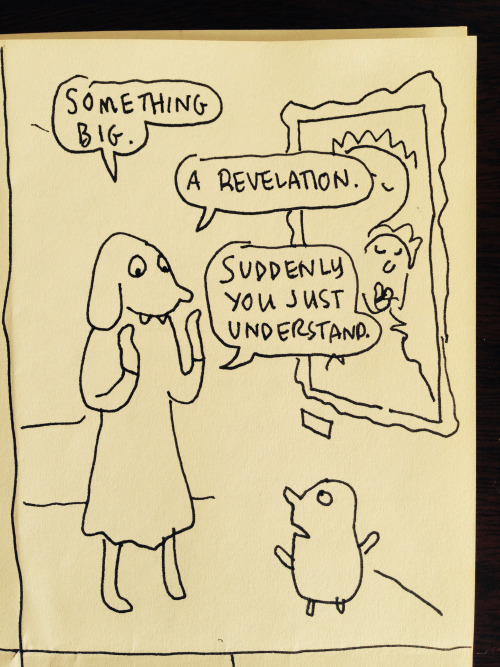
how to look at art 2

She traces this ten­den­cy back forty years, to when she stud­ied with Mar­i­lyn Fras­ca at Ever­green State Col­lege. Could Fras­ca have antic­i­pat­ed what she wrought when she asked the young Bar­ry, “What is an image?”

For Bar­ry, who claims to have spent over forty years try­ing to answer the above ques­tion, there will almost always be an emo­tion­al com­po­nent. In a 2010 inter­view with The Paris Review, she addressed the ways in which art, visu­al and oth­er­wise, can fill cer­tain cru­cial holes:

In the course of human life we have a mil­lion phan­tom-limb pains—losing a par­ent when you’re lit­tle, being in a war, even some­thing as dumb as hav­ing a mean teacher—and see­ing it some­how reflect­ed, whether it’s in our own work or lis­ten­ing to a song, is a way to deal with it.

The Greeks knew about it. They called it cathar­sis, right? And with­out it we’re fucked. I think this is the thing that keeps our men­tal health or emo­tion­al health in bal­ance, and we’re born with an impulse toward it.

No won­der the snag­gle-toothed dog woman on Barry’s Tum­blr looks so anx­ious. She craves that elu­sive some­thing that nev­er much trou­bled Helen Hockinson’s muse­um-going com­ic matrons.

(Had rev­e­la­tion been on the menu, those ladies would have duti­ful­ly paged through the most high­ly rec­om­mend­ed guide­book of the day, con­fi­dent they’d find it with­in those pages.)

These days, the inter­net abounds with point­ers on how to get the most from art.

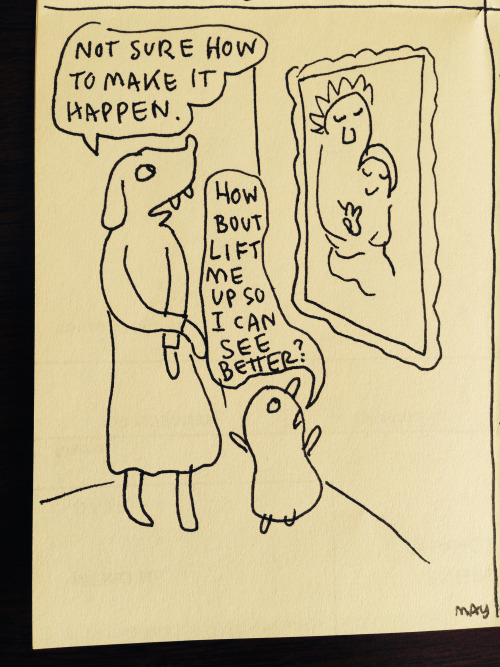
how to look at art 3

Houston’s Muse­um of Fine Arts lob­bies for a four-point method, well suit­ed to class­room dis­cus­sion.

The Wash­ing­ton Post’s Pulitzer Prize-win­ning art and archi­tec­ture crit­ic Philip Ken­ni­cott pre­scribes time and silence.

Anoth­er crit­ic, New York magazine’s fire­brand, Jer­ry Saltz, rec­om­mends an aggres­sive­ly tac­tile approach for those who would look at art like an artist. Get up close. Cop a feel. Try to see how any giv­en piece is made. (He him­self is giv­en to con­tem­plat­ing art with his hips thrust for­ward and head tilt­ed back as far as it will go, in dupli­ca­tion of Jasper Johns’ stance.)

Look­ing for some­thing more graph­ic? Abstract Expres­sion­ist Ad Rein­hardt helped the post-War pub­lic get a han­dle on mod­ern art in his icon­ic How to Look series.

For­mer muse­um edu­ca­tor, Cindy Ingram, the Art Cura­tor for Kids, echoes the spir­it of Barry’s sen­ti­ment when she states that a child’s inter­pre­ta­tion of a work’s mean­ing is no less valid than Wikipedia’s, the museum’s, or even the artist’s. Adults, don’t squelch a child viewer’s joy of art by telling him or her what to think!

Of course, some of us don’t mind a hint or two to help us feel we’re on the right track. Those in that camp might enjoy the Met­ro­pol­i­tan Muse­um of Art’s 82nd and 5th series, in which expert cura­tors wax rhap­sod­ic about their love of par­tic­u­lar works in the col­lec­tion.

You under­stand that this is just the tip of the prover­bial ‘berg…

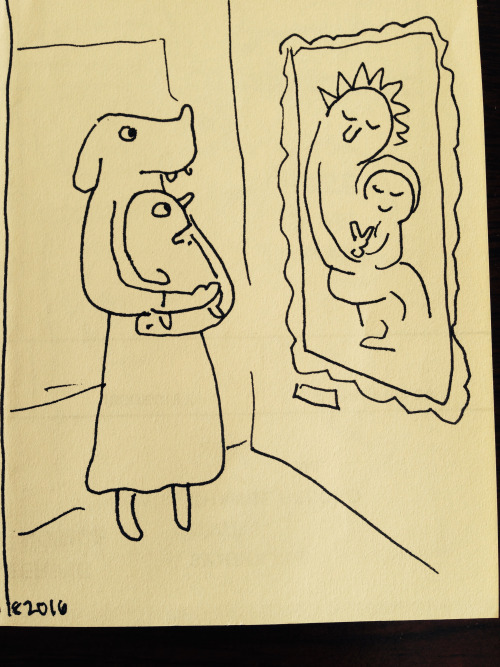
how to look at art 4

Read­ers, if you have any tips for achiev­ing rev­e­la­tion through art, please share them by leav­ing a com­ment below.

And don’t for­get to lift your short­er com­pan­ion up so he can see bet­ter.

Bar­ry’s short series of images orig­i­nal­ly appeared on her Tum­blr.

Relat­ed Con­tent:

Lyn­da Barry’s Illus­trat­ed Syl­labus & Home­work Assign­ments from Her New UW-Madi­son Course, “Mak­ing Comics”

Car­toon­ist Lyn­da Bar­ry Shows You How to Draw Bat­man in Her UW-Madi­son Course, “Mak­ing Comics”

Join Car­toon­ist Lyn­da Bar­ry for a Uni­ver­si­ty-Lev­el Course on Doo­dling and Neu­ro­science

Ayun Hal­l­i­day is an author, illus­tra­tor, and Chief Pri­ma­tol­o­gist of the East Vil­lage Inky zine. Fol­low her @AyunHalliday

Discover Harvard’s Collection of 2,500 Pigments: Preserving the World’s Rare, Wonderful Colors

If mod­ern paint com­pa­nies’ pre­ten­tious­ly-named col­or palettes gall you to the point of an exclu­sive­ly black-and-white exis­tence, the Har­vard Art Muse­ums’ Forbes pig­ment col­lec­tion will prove a wel­come balm.

The hand and type­writ­ten labels iden­ti­fy­ing the collection’s 2500+ pig­ments boast none of the flashy “cre­ativ­i­ty” that J. Crew employs to ped­dle its cash­mere Boyfriend Cardi­gans.
Pigment Collection

Images by Har­vard News

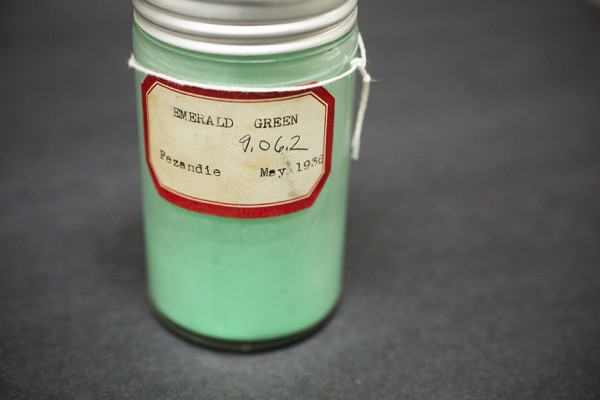
The benign, and whol­ly unex­cit­ing-sound­ing “emer­ald green” is —unsurprisingly—the exact shade legions of Oz fans have come to expect. The thrills here are chem­i­cal, not con­ferred. A mix of crys­talline pow­der cop­per ace­toarsen­ite, this emerald’s fumes sick­ened pen­ni­less artists as adroit­ly as they repelled insects.

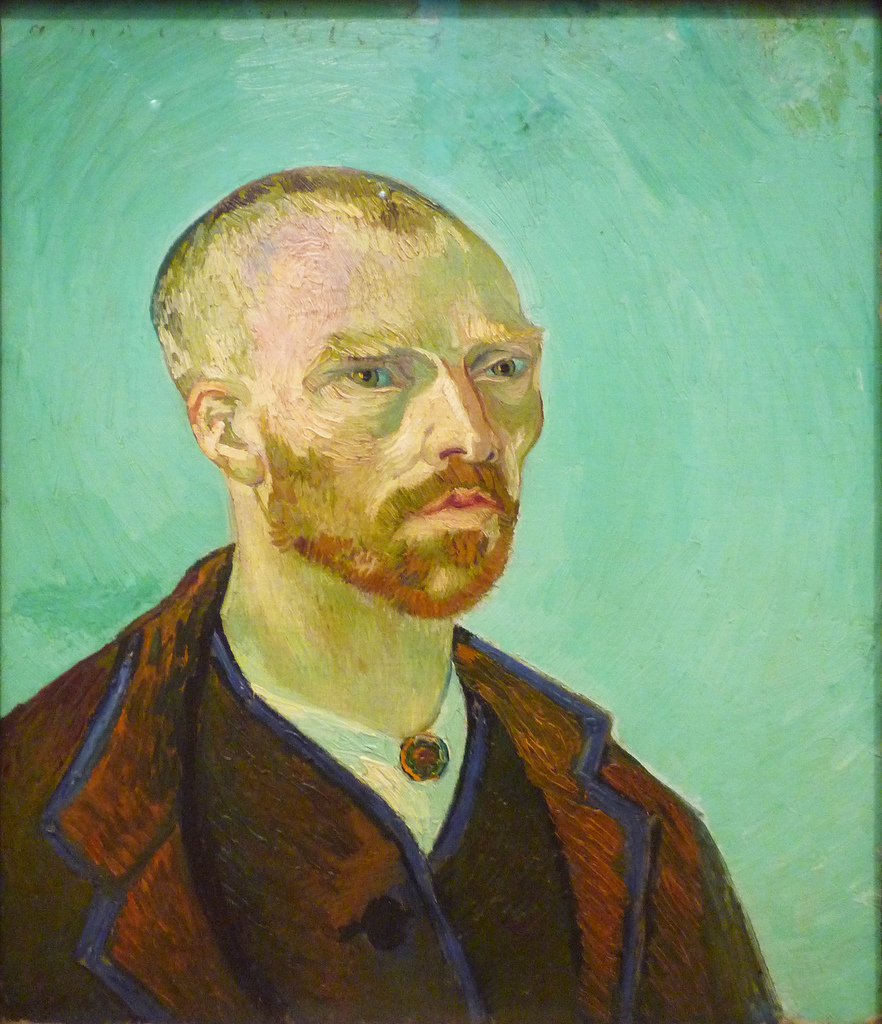
Look how nice­ly it goes with Van Gogh’s rud­dy hair…

Van Gogh Harvard

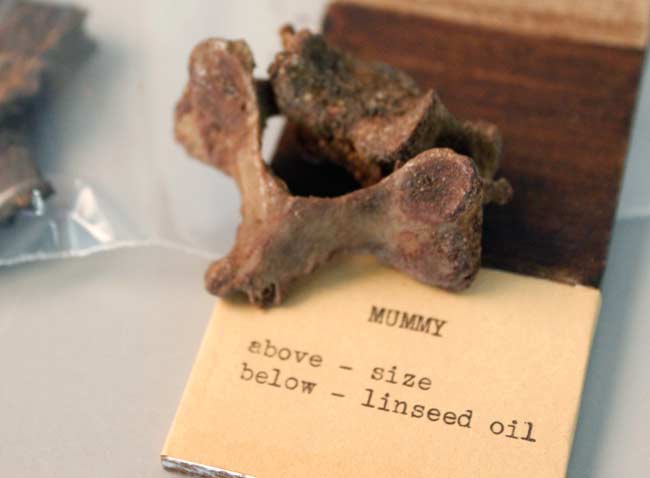
“Mum­my” is per­haps the clos­est the Forbes col­lec­tion comes to 21st- cen­tu­ry pig­ment nam­ing. As Harvard’s Direc­tor of the Straus Cen­ter for Con­ser­va­tion and Tech­ni­cal Stud­ies, Narayan Khan­dekar, notes in the video above, its mush­room shade is no great shakes. The source—the resin used to seal mum­mies’ bandages—is what dis­tin­guish­es it.

Index_mummy_02

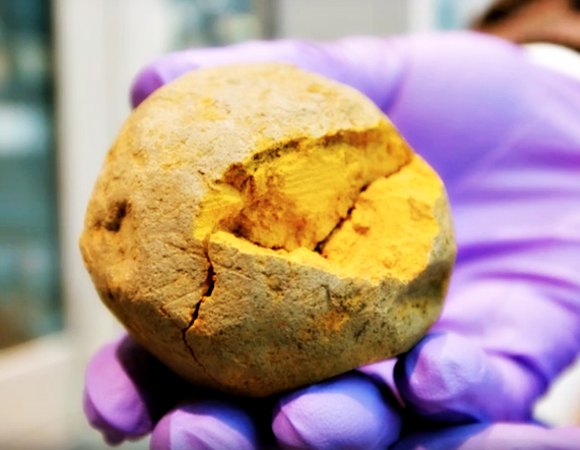
The collection’s crown jew­el is a rich ball of mustard‑y Indi­an Yel­low. This pig­ment comes not from maize, nor earth, but from the dehy­drat­ed urine of a cow sub­sist­ing exclu­sive­ly on man­go leaves. I’m drawn to it like a moth to the liv­ing room walls. I’m sure Ben­jamin Moore had his rea­sons for dub­bing its urine-free fac­sim­i­le “Sun­ny Days.”

pigment_vault India Yellow

The images above, save the Van Gogh paint­ing, comes cour­tesy of by Har­vard News. The video above was cre­at­ed by Great Big Sto­ry.

Relat­ed Con­tent:

How Ink is Made: A Volup­tuous Process Revealed in a Mouth-Water­ing Video

The Art of Col­lo­type: See a Near Extinct Print­ing Tech­nique, as Lov­ing­ly Prac­ticed by a Japan­ese Mas­ter Crafts­man

Watch the First 10 Sea­sons of Bob Ross’ The Joy of Paint­ing Free Online

Ayun Hal­l­i­day is an author, illus­tra­tor, and Chief Pri­ma­tol­o­gist of the East Vil­lage Inky zine. Fol­low her @AyunHalliday

330 Years of Female Printmakers (1570–1900) : Download Free Prints, Visit the Exhibit

Female Artists 1

Hen­ri­et­ta Louisa Koe­nen was born a cen­tu­ry before the Guer­ril­la Girls, but her col­lect­ing habits are a strong argu­ment for hon­orary, posthu­mous mem­ber­ship in the activist group.

The wife of the Rijksmuseum’s Print Room’s first direc­tor, Koe­nen spent over three decades acquir­ing prints by female artists, though dis­cour­ag­ing­ly few of the 827 women in her col­lec­tion achieved much in the way of recog­ni­tion for their work.

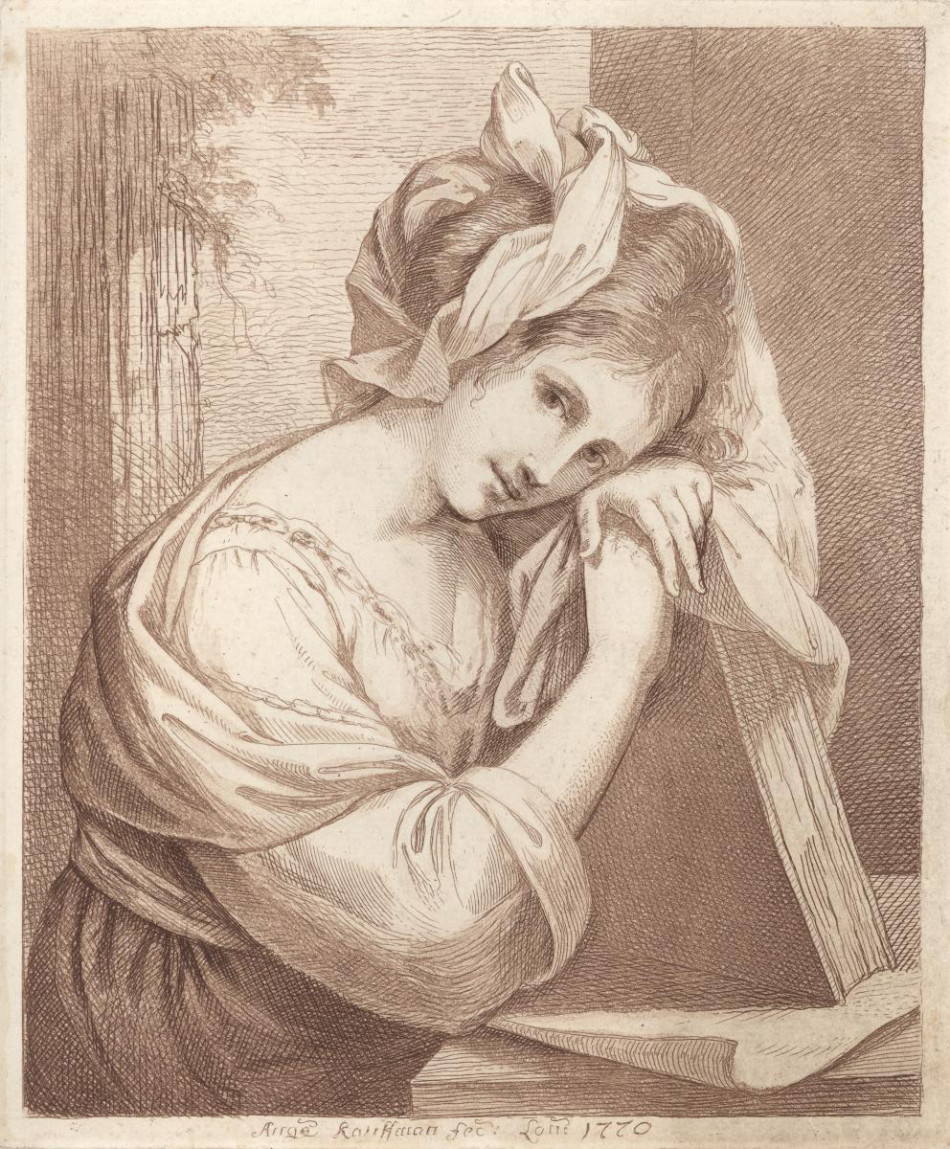
Renais­sance aris­to­crat­ic painter, Sofon­is­ba Anguis­so­la, and por­traitist (and found­ing mem­ber of London’s Roy­al Acad­e­my of ArtsAngel­i­ca Kauff­man, have the dis­tinc­tion of being namechecked in the Guer­ril­la Girl’s 1989 provo­ca­tion, below.

Female Artists 2

Nei­ther can be said to enjoy the muse­um tote bag celebri­ty of a Kahlo or O’Keeffe.

Female Artists 3

Self por­tait, Angel­i­ca Kauff­man

Their work can be expect­ed to attract some new fans, now that 80 some pieces from Koenen’s col­lec­tion are on dis­play as part of the New York Pub­lic Library’s exhib­it, Print­ing Women: Three Cen­turies of Female Print­mak­ers, 1570–1900.

(And it would be unseem­ly not to cred­it Amer­i­can art deal­er Samuel Put­nam Avery, for donat­ing Koe­nen’s col­lec­tion to the library at the turn of the last cen­tu­ry, twen­ty years after her death.)

Female Artists 4

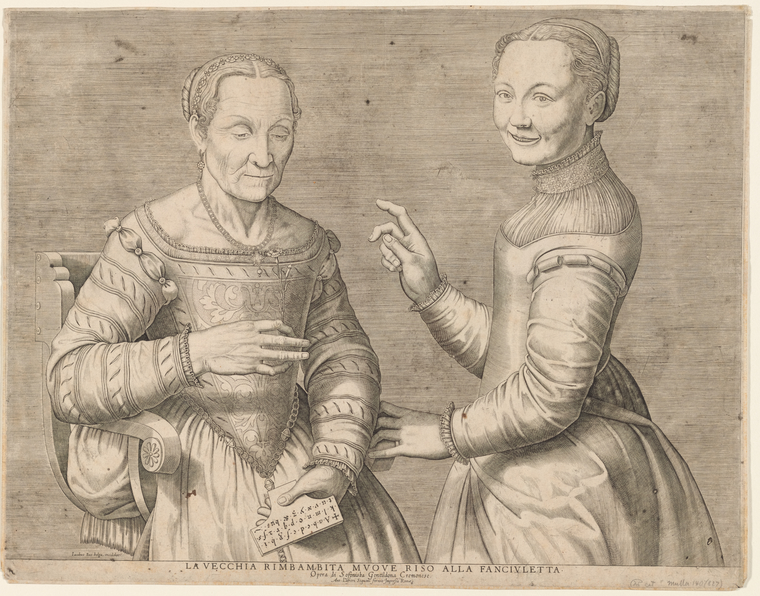
Print­mak­ing is a fre­quent­ly col­lab­o­ra­tive art. The droll Young Girl Laugh­ing at the Old Woman, above, was drawn by Anguis­so­la and engraved by Jacob Bos.

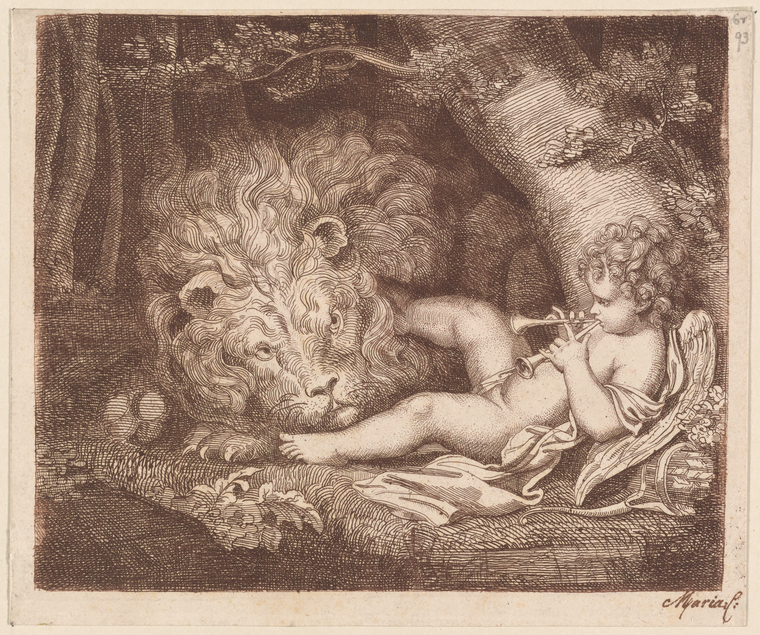
And Maria Cosway’s Music Has Charms, at the top of this post, was a fam­i­ly affair, with Cosway print­ing hus­band Richard’s celes­tial ren­der­ing of daugh­ter Louisa Paoli­na Angel­i­ca. (Mrs. Cosway was also an accom­plished com­pos­er and painter of minia­tures and mytho­log­i­cal scenes, though his­to­ry has decreed her most endur­ing claim to fame should be her hold over a besot­ted Thomas Jef­fer­son.)

The library high­lights the con­tin­u­um with an online gallery show­cas­ing the work of con­tem­po­rary female print­mak­ers, some of whom are con­tribut­ing guest posts to cura­tor Madeleine Viljoen’s Print­ing Women blog.

Female Artists 5

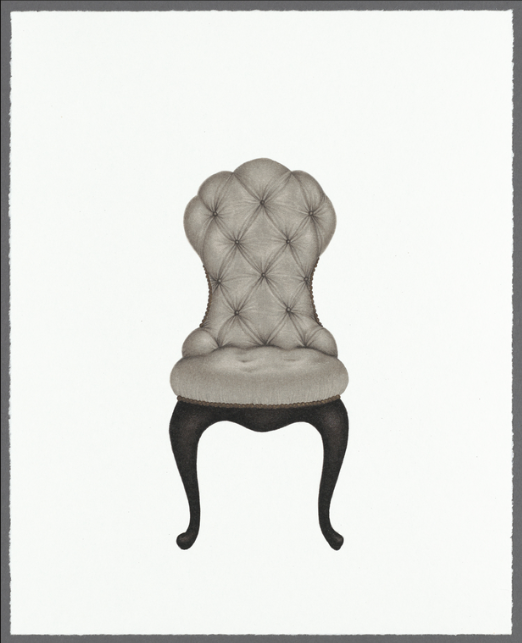
Sara Sanders, whose 2010 Lith­o­graph, Unti­tled Chair #5, above, is part of a larg­er series, writes:

I believe that the domes­tic objects with which we spend our lives retain traces of our his­to­ries and tell sto­ries about our pasts. These prints are part of an ongo­ing series of por­traits of chairs drawn in the way we imag­ine them to be. Two of the chairs in this series were drawn from exist­ing objects with a rich his­to­ry, while the rest are imag­ined char­ac­ter stud­ies.

Her thoughts seem par­tic­u­lar­ly ger­mane, when the “less­er gen­res” of orna­ment, still-life, and land­scape were by default fre­quent sub­jects for the female artists in Koenen’s col­lec­tion. Pro­pri­ety deemed the fair­er sex should not be par­ty to the nude fig­ure stud­ies that sig­nif­i­cant reli­gious and his­tor­i­cal scenes so often demand­ed.

(Chan­nel your inner Guer­ril­la Girl by per­form­ing an image search on Rape of the Sabine Women, and imag­in­ing the mod­els as aspi­rant artists them­selves, con­fined to such sub­ject mat­ter as vio­lets and laun­dry day.)

That’s not to say domes­tic sub­jects can’t prove divine.

Female Artists 6

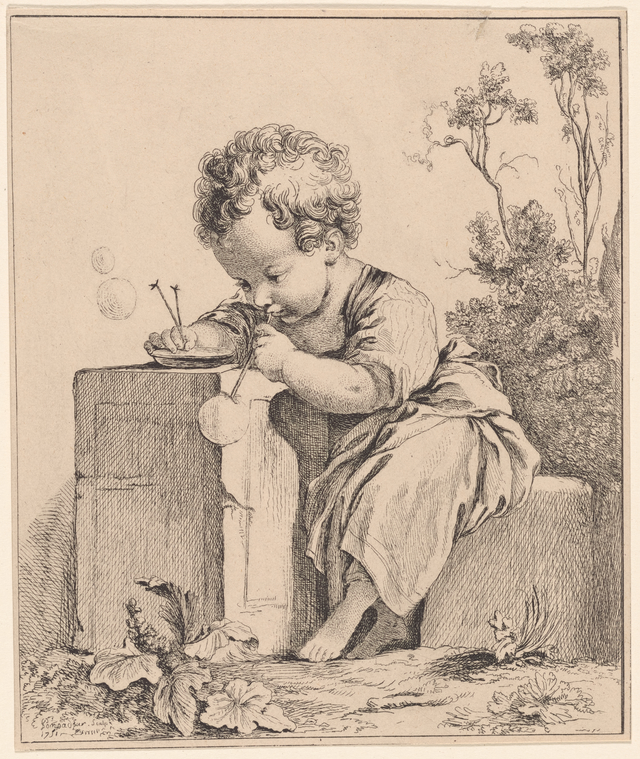
Wit­ness 1751’s A Child Seat­ed, Blow­ing Bub­bles by Madame de Pom­padour, an ama­teur artist and fre­quent­ly paint­ed beau­ty, who, the Nation­al Gallery’s web­site informs us, was “groomed from child­hood to become a play­thing for the King.”

View the online brochure for New York Pub­lic Library’s Print­ing Women: Three Cen­turies of Female Print­mak­ers, 1570–1900 exhi­bi­tion here. The exhi­bi­tion at The New York Pub­lic Library ends May 27th, 2016.

Relat­ed Con­tent:

11 Essen­tial Fem­i­nist Books: A New Read­ing List by The New York Pub­lic Library

The Women of the Avant-Garde: An Intro­duc­tion Fea­tur­ing Audio by Gertrude Stein, Kathy Ack­er, Pat­ti Smith & More

The New York Pub­lic Library Lets You Down­load 180,000 Images in High Res­o­lu­tion: His­toric Pho­tographs, Maps, Let­ters & More

Ayun Hal­l­i­day is an author, illus­tra­tor, and Chief Pri­ma­tol­o­gist of the East Vil­lage Inky zine. Fol­low her @AyunHalliday

Free: Download 500+ Rare Music Manuscripts by Mozart, Bach, Chopin & Other Composers from the Morgan Library

mozart 1

When my son first start­ed play­ing the piano, I lost sev­er­al evenings chas­ing the holy grail of free online sheet music. Sad­ly, most of what we were inter­est­ed in down­load­ing wasn’t real­ly free… just the first page.

It’s hard to ratio­nal­ize drop­ping five bucks on one song, when the New York Pub­lic Library for the Per­form­ing Arts is a short sub­way ride away. The prob­lem is, I’m not much of a musi­cian, and while there are scores and scores of scores upon their shelves, I rarely under­stood what it was I was check­ing out. Often I’d come home with the sought after piece, only to real­ize that I’d inad­ver­tent­ly checked out a vocal selec­tion, or the chord-rich equiv­a­lent of a cock­tail pianist’s fake book.

With the Mor­gan Library’s Music Man­u­scripts Online project, there’s no guar­an­tee my son or I will be able to play it, but I do know exact­ly what I’m get­ting.

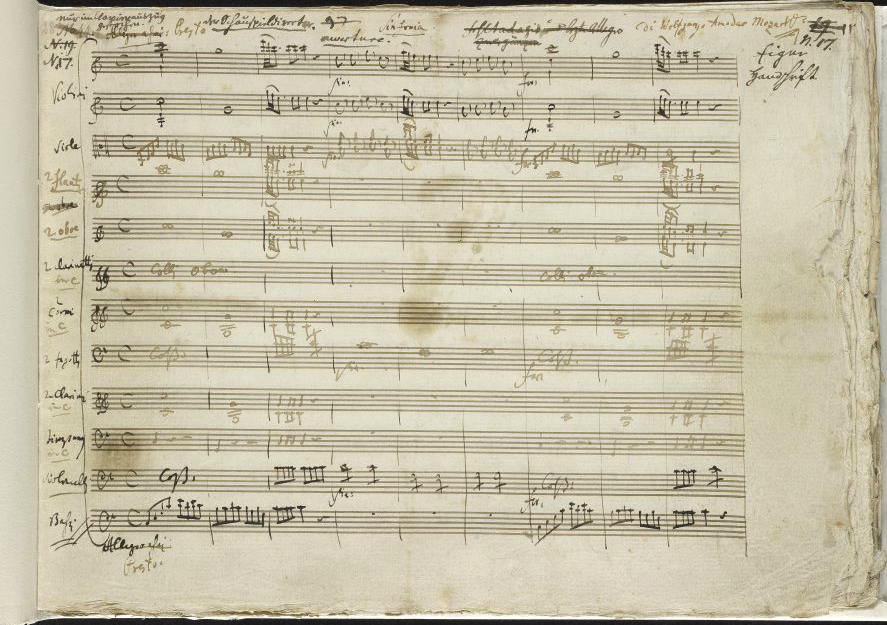
The hand­writ­ten man­u­script of Mozart’s com­ic singspiel, Der Schaus­pieldirek­tor,  above, for instance, auto­graphed by the com­pos­er him­self. 84 pages worth, not count­ing cov­ers and end­pa­pers, all free for the down­load­ing!

Put that on your iPad, Mr. Salieri!

The col­lec­tion cur­rent­ly offers dig­i­tized ver­sions of upwards of 500 musi­cal man­u­scripts, with more to come as the review­ing process con­tin­ues.

It’s search­able by com­pos­er, and big names abound.

bach 2

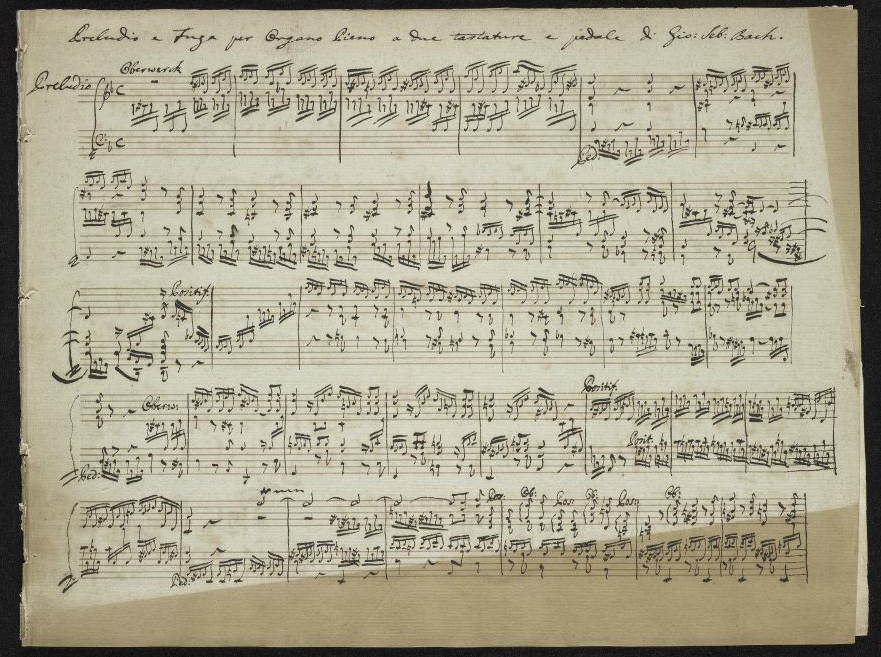
Per­haps you’d like to warm up the Wurl­tiz­er with Bach’s Toc­ca­ta and Fugue for Organ, BWV 538, in D minor

puccini

Or let all your opera singing, bal­let danc­ing friends know you’re avail­able to accom­pa­ny them with Puccini’s auto­graphed man­u­script for Le Vil­li

chopin

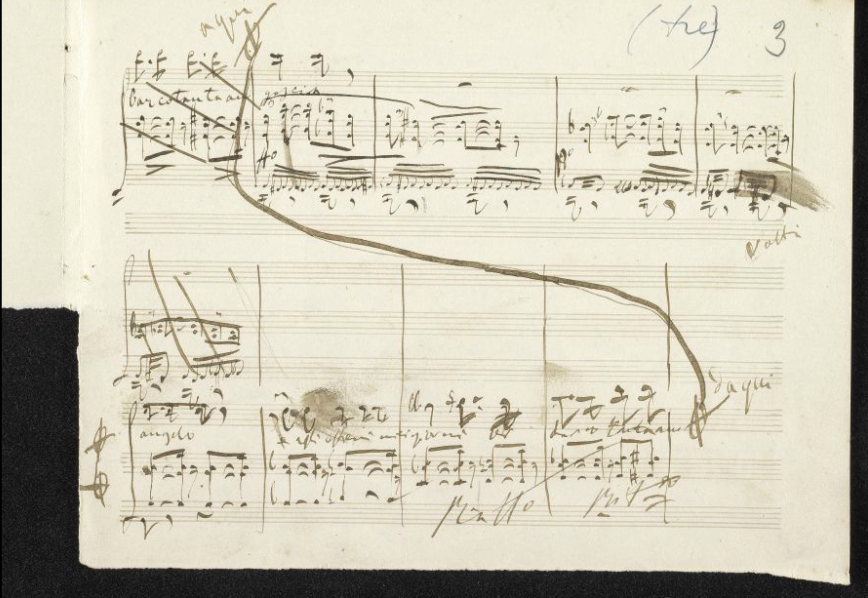
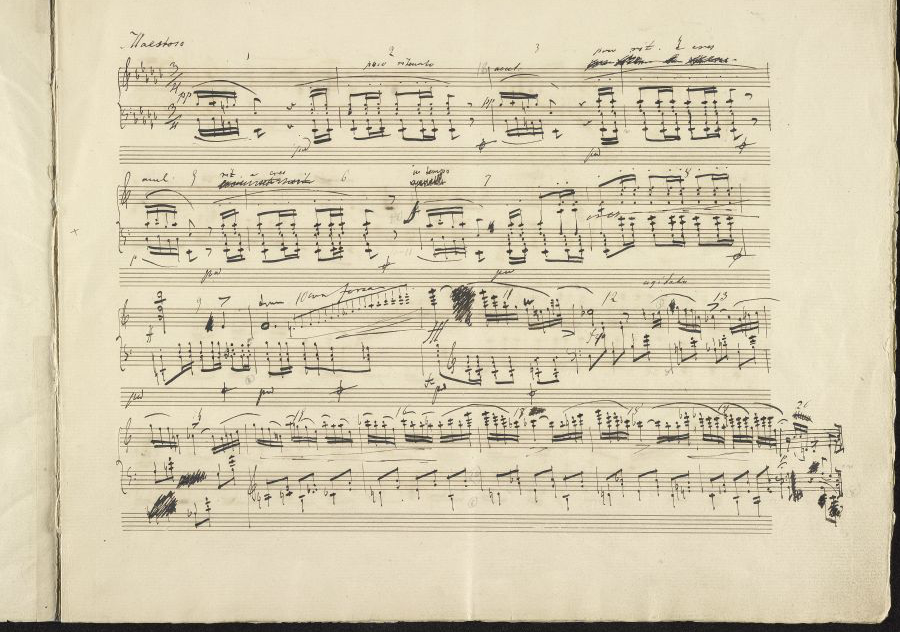
Or cir­cum­nav­i­gate the scrib­bled out boo boos, while attempt­ing Chopin’s Polon­ais­es, Piano, Op. 26. Chopin’s John Han­cock is the reward.

The hits just keep com­ing: Beethoven, Brahms, Debussy, Fau­ré, Haydn, Liszt, Mahler, Massenet, Mendelssohn, Schu­bert, Schu­mann…

Mendelssohn

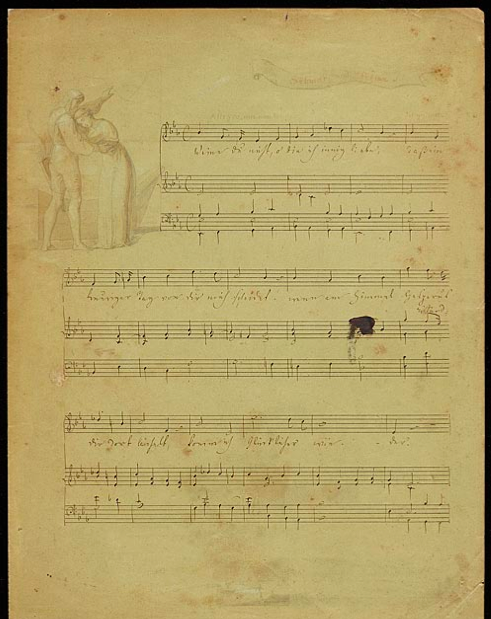
Not sur­pris­ing­ly, female com­posers are gross­ly under­rep­re­sent­ed, but there are a few gems, such as Mendelssohn’s sis­ter Fan­ny Hensel’s auto­graphed man­u­script of the song Sel­mar und Sel­ma, dec­o­rat­ed with a pret­ty pen­cil and wash draw­ing by her hus­band

The Mor­gan has plans to add essays about the man­u­scripts by lead­ing schol­ars. In the mean­time, pick a piece and start prac­tic­ing.

Relat­ed Con­tent:

The World Con­cert Hall: Lis­ten To The Best Live Clas­si­cal Music Con­certs for Free

85,000 Clas­si­cal Music Scores (and Free MP3s) on the Web

All of Bach for Free! New Site Will Put Per­for­mances of 1080 Bach Com­po­si­tions Online

Ayun Hal­l­i­day is an author, illus­tra­tor, and Chief Pri­ma­tol­o­gist of the East Vil­lage Inky zine. Fol­low her @AyunHalliday

Museum of Modern Art (MoMA) Launches Free Course on Looking at Photographs as Art

Not con­tent with ban­ning self­ie sticks, the Muse­um of Mod­ern Art (MoMA) is bring­ing visu­al lit­er­a­cy to the mass­es via its first for­ay into the world of MOOCs (aka “mas­sive open online cours­es”).

Cura­tor Sarah Meis­ter will be draw­ing on MoMA’s expan­sive pho­tog­ra­phy col­lec­tion for the free 6‑session, self-paced See­ing Through Pho­tographs class on Cours­era.

You won’t learn how to make duck lips in a mir­ror, but by the course’s end, you should be able to cast a crit­i­cal eye, with a new appre­ci­a­tion for the “diverse ideas, approach­es, and tech­nolo­gies” that inform a pho­tograph’s mak­ing.

The first week’s assign­ments include a video inter­view with Mar­vin Heifer­man, author of Pho­tog­ra­phy Changes Every­thing, below. Yes, there will be a quiz.

Expect assigned read­ings from John Szarkowski’s Intro­duc­tion to The Photographer’s Eye, and MoMA’s Chief Cura­tor of Pho­tog­ra­phy, Quentin Bajac.

There’s a lot of ground to cov­er, obvi­ous­ly. Meis­ter has lined up quite a hit parade: Ansel Adams, NASA’s moon pho­tog­ra­phy, Dorothea Lange’s “Migrant Moth­er,” Susan Meise­las’ “Car­ni­val Strip­pers” project, Cindy Sherman’s “Unti­tled Film Stills,” and Nicholas Nixon’s 40-year doc­u­men­ta­tion of the Brown sis­ters.

Prove your knowl­edge at the end of the six weeks with a final 30-minute project in which you’ll select an image that would be a good addi­tion to one of the course’s themes, below:

See­ing Through Pho­tographs

One Sub­ject, Many Per­spec­tives

Doc­u­men­tary Pho­tog­ra­phy

Pic­tures of Peo­ple

Con­struct­ing Nar­ra­tives and Chal­leng­ing His­to­ries

Ocean of Images: Pho­tog­ra­phy and Con­tem­po­rary Cul­ture

Enroll in this fas­ci­nat­ing free course here.

via Petapix­el

Relat­ed Con­tent:

Take a Free Online Course on Mak­ing Ani­ma­tions from Pixar & Khan Acad­e­my

Take a Free Online Course on Mak­ing Com­ic Books, Com­pli­ments of the Cal­i­for­nia Col­lege of the Arts

MOOCs from Great Uni­ver­si­ties (Many With Cer­tifi­cates)

Ayun Hal­l­i­day is an author, illus­tra­tor, and Chief Pri­ma­tol­o­gist of the East Vil­lage Inky zine. Fol­low her @AyunHalliday

The Artist as Artist’s Model: Au Naturel Portraits of Frida Kahlo Taken by Art Patron Julien Levy (1938)

Frida-2

Fri­da Kahlo’s lega­cy is def­i­nite­ly informed by her care­ful hus­bandry of own image. She under­stood its cur­ren­cy, and how to lever­age it. Even when caught out of uni­form or hav­ing a seem­ing­ly unaware laugh, she stayed true to what in mod­ern par­lance would be called her brand.

So it is with gallery own­er Julien Levy’s 1938 (tech­ni­cal­ly not-safe-for-work) pho­tographs of the artist, tak­en the year before he host­ed her first solo show, an event that caused Time mag­a­zine to rhap­sodize that “the flut­ter of the week in Man­hat­tan was caused by the first exhi­bi­tion of paint­ings by famed mural­ist Diego Rivera’s…wife, Fri­da Kahlo.”

Rivera’s wife was also Levy’s lover, as these art­ful­ly posed, semi-clad pho­tos sug­gest. They show a less pub­lic side of Kahlo, to be sure, but one that’s in keep­ing with the face she pre­sent­ed to the world.

Frankly, the rev­e­la­tion of her par­tial­ly loosed hair seems more inti­mate than her disha­bille.

Click here to see the Philadel­phia Muse­um of Art’s col­lec­tion of Levy’s Kahlo por­traits, both with and with­out rebo­zo.

To learn a lit­tle more about Julien Levy (“a gallery own­er who com­mit­ted his charis­ma, con­nec­tions, and per­son­al resources to estab­lish­ing photography’s impor­tance in the field of mod­ern art”) and the col­lec­tion bequeathed to the Philadel­phia Muse­um of Art, click here.

Relat­ed Con­tent:

1933 Arti­cle on Fri­da Kahlo: “Wife of the Mas­ter Mur­al Painter Glee­ful­ly Dab­bles in Works of Art”

Fri­da Kahlo’s Col­or­ful Clothes Revealed for the First Time & Pho­tographed by Ishi­uchi Miyako

Fri­da Kahlo and Diego Rivera Vis­it Leon Trot­sky in Mex­i­co, 1938

Ayun Hal­l­i­day is an author, illus­tra­tor, and Chief Pri­ma­tol­o­gist of the East Vil­lage Inky zine. Her play, Fawn­book, is now play­ing in New York City. Fol­low her @AyunHalliday

How to Bake Ancient Roman Bread Dating Back to 79 AD: A Video Primer

Ecce panis—try your hand at the kind of loaf that Mel Brooks’ 2000-year-old man might have sunk his teeth into. Lit­er­al­ly.

In 1930 a loaf of bread dat­ing to AD 79 (the year Vesu­vius claimed two pros­per­ous Roman towns) was exca­vat­ed from the site of a bak­ery in Her­cu­la­neum.

Eighty-three years lat­er, the British Muse­um invit­ed Lon­don chef Gior­gio Locatel­li, above, to take a stab at cre­at­ing an edi­ble fac­sim­i­le for its Pom­peii Live exhi­bi­tion.

The assign­ment wasn’t as easy as he’d antic­i­pat­ed, the telegenic chef con­fess­es before whip­ping up a love­ly brown miche that appears far more mouth water­ing than the car­bonized round found in the Her­cu­la­neum oven.

His recipe could be mis­tak­en for mod­ern sour­dough, but he also has a go at sev­er­al details that speak to bread’s role in ancient Roman life:

Its perime­ter has a cord baked in to pro­vide for easy trans­port home. Most Roman homes were with­out ovens. Those who didn’t buy direct from a bak­ery took their dough to com­mu­ni­ty ovens, where it was baked for them overnight.

The loaf was scored into eight wedges. This is true of the 80 loaves found in the ovens of the unfor­tu­nate bak­er, Mod­es­tus. Locatel­li spec­u­lates that the wedges could be used as mon­e­tary units, but I sus­pect it’s more a busi­ness prac­tice on par with piz­za-by-the-slice.

(Nowa­days, Roman piz­za is sold by weight, but I digress.)

The crust bears a tell­tale stamp. Locatel­li takes the oppor­tu­ni­ty to brand his with the logo of his Miche­lin-starred restau­rant, Locan­da Locatel­li. His inspi­ra­tion is stamped ‘Prop­er­ty of Cel­er, Slave of Q. Gra­nius Verus.’ To me, this sug­gests the pos­si­bil­i­ty that the bread was found in a com­mu­nal oven.

Locatel­li also intro­duces a Flintston­ian vision when he alludes to spe­cial­ly-devised labor sav­ing machines to which Roman bak­ers yoked “ani­mals,” pre­sum­ably donkeys…or know­ing the Romans and their class sys­tem, slaves.

His pub­lished recipe is below.  Here is a con­ver­sion chart for those unfa­mil­iar with met­ric mea­sure­ments.

INGREDIENTS

400g biga aci­da (sour­dough)

12g yeast

18g gluten

24g salt

532g water

405g spelt flour

405g whole­meal flour

Melt the yeast into the water and add it into the biga. Mix and sieve the flours togeth­er with the gluten and add to the water mix. Mix for two min­utes, add the salt and keep mix­ing for anoth­er three min­utes. Make a round shape with it and leave to rest for one hour. Put some string around it to keep its shape dur­ing cook­ing. Make some cuts on top before cook­ing to help the bread rise in the oven and cook for 30–45 min­utes at 200 degrees.

For an even more arti­sanal attempt (and extreme­ly detailed instruc­tions) check out the Arti­san Pom­peii Miche recipe on the Fresh Loaf bread enthu­si­ast com­mu­ni­ty.

True Roman bread for true Romans!

via Metafil­ter/Make

Relat­ed Con­tent:

Cook Real Recipes from Ancient Rome: Ostrich Ragoût, Roast Wild Boar, Nut Tarts & More

Ani­ma­tion Gives You a Glimpse of What Life Was Like for Teenagers in Ancient Rome

Build­ing The Colos­se­um: The Icon of Rome

Ayun Hal­l­i­day is an author, illus­tra­tor, and Chief Pri­ma­tol­o­gist of the East Vil­lage Inky zine. Fol­low her @AyunHalliday

« Go BackMore in this category... »
Quantcast