1,000+ Historic Japanese Illustrated Books Digitized & Put Online by the Smithsonian: From the Edo & Meji Eras (1600–1912)

Sure­ly we’ve all won­dered what we might do as promi­nent nine­teenth-cen­tu­ry indus­tri­al­ists, and more than a few of us (espe­cial­ly here in the Open Cul­ture crowd) would no doubt invest our for­tunes in the art of the world. Rail­car man­u­fac­tur­ing mag­nate Charles Lang Freer did just that, as we can see today in the Freer Gallery of Art in Wash­ing­ton, D.C. Togeth­er with the Arthur M. Sack­ler Gallery (Sack­ler hav­ing made it as “the father of mod­ern phar­ma­ceu­ti­cal adver­tis­ing”), it con­sti­tutes the Smith­son­ian Insti­tu­tion’s nation­al muse­um of Asian art, gath­er­ing every­thing from ancient Egypt­ian stone sculp­ture to Chi­nese paint­ings to Kore­an pot­tery to Japan­ese books.

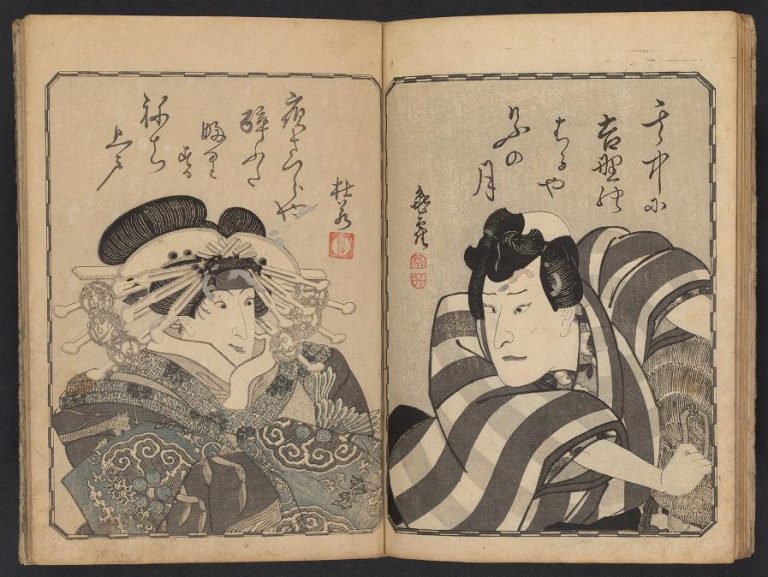
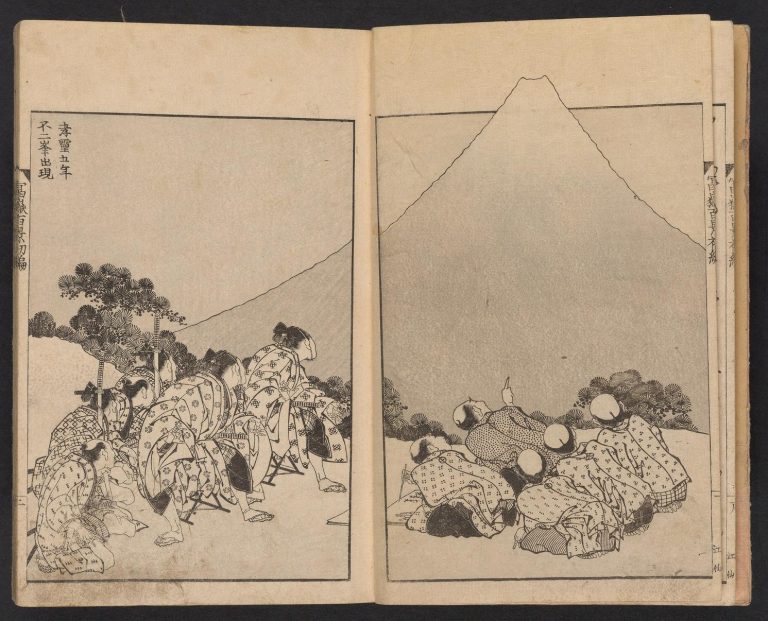
We like to high­light Japan­ese book cul­ture here every so often (see the relat­ed con­tent below) not just because of its strik­ing aes­thet­ics and con­sum­mate crafts­man­ship but because of its deep his­to­ry. You can now expe­ri­ence a con­sid­er­able swath of that his­to­ry free online at the Freer|Sacker Library’s web site, which just this past sum­mer fin­ished dig­i­tiz­ing over one thou­sand books — now more than 1,100, which breaks down to 41,500 sep­a­rate images — pub­lished dur­ing Japan’s Edo and Mei­ji peri­ods, a span of time reach­ing from 1600 to 1912. “Often filled with beau­ti­ful mul­ti-col­or illus­tra­tions,” writes Reiko Yoshimu­ra at the Smith­son­ian Libraries’ blog, “many titles are by promi­nent Japan­ese tra­di­tion­al and ukiyo‑e (‘float­ing world’) painters such as Oga­ta Kōrin (1658–1716), Andō Hiroshige (1797–1858) and Kat­sushi­ka Hoku­sai (1760–1849).”

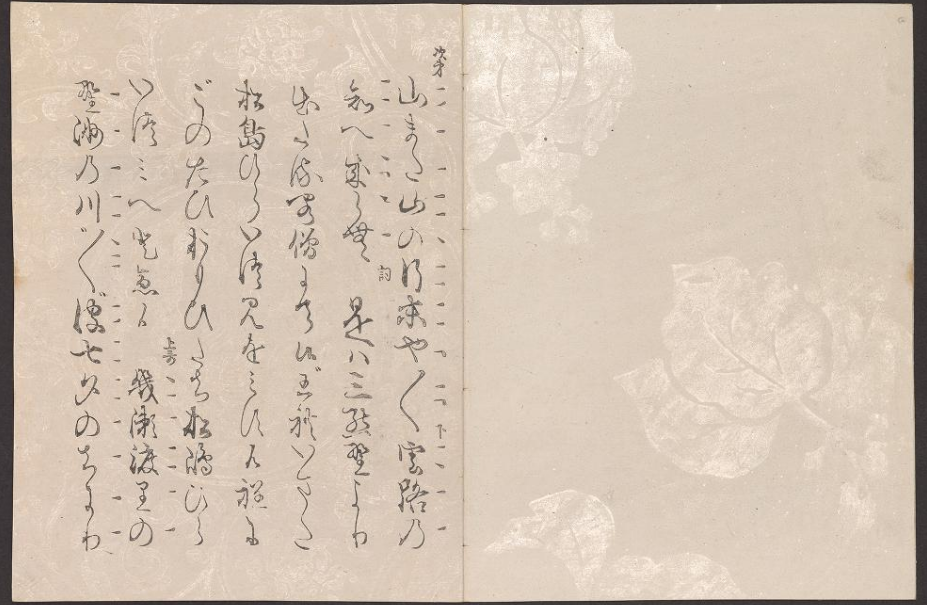
Yoshimu­ra directs read­ers to such vol­umes as Hoku­sai’s One Hun­dred Views of Mt. Fuji, Uta­gawa Toyoku­ni’s Thir­ty-Six Pop­u­lar Actors, and artist, crafts­man, and design­er Kōet­su’s col­lec­tion of one hun­dred libret­tos for noh the­ater per­for­mances. Even those who can’t read clas­si­cal Japan­ese will admire an aes­thete like Kōet­su’s way with what Yoshimu­ra calls his “cali­graph­ic ‘font,’ ” all “skill­ful­ly print­ed on lux­u­ri­ous mica embell­ished papers using wood­en mov­able-type.”

While the online col­lec­tion’s scans come in a more than high enough res­o­lu­tion for gen­er­al appre­ci­a­tion, to get the full effect of book­mak­ing tech­niques like mica embell­ish­ment — which only sparkles when seen in real life — you’d have to vis­it the phys­i­cal col­lec­tion. Some things, it seems, can’t yet be dig­i­tized.

Enter the col­lec­tion of Japan­ese Illus­trat­ed Books here.

Relat­ed Con­tent:

Watch a Japan­ese Crafts­man Lov­ing­ly Bring a Tat­tered Old Book Back to Near Mint Con­di­tion

Enter a Dig­i­tal Archive of 213,000+ Beau­ti­ful Japan­ese Wood­block Prints

Japan­ese Kabu­ki Actors Cap­tured in 18th-Cen­tu­ry Wood­block Prints by the Mys­te­ri­ous & Mas­ter­ful Artist Sharaku

Splen­did Hand-Scroll Illus­tra­tions of The Tale of Gen­jii, The First Nov­el Ever Writ­ten (Cir­ca 1120)

Behold the Mas­ter­piece by Japan’s Last Great Wood­block Artist: View Online Tsukio­ka Yoshitoshi’s One Hun­dred Aspects of the Moon (1885)

A Won­der­ful­ly Illus­trat­ed 1925 Japan­ese Edi­tion of Aesop’s Fables by Leg­endary Children’s Book Illus­tra­tor Takeo Takei

“Tsun­doku,” the Japan­ese Word for the New Books That Pile Up on Our Shelves, Should Enter the Eng­lish Lan­guage

Based in Seoul, Col­in Mar­shall writes and broad­casts on cities and cul­ture. His projects include the book The State­less City: a Walk through 21st-Cen­tu­ry Los Ange­les and the video series The City in Cin­e­ma. Fol­low him on Twit­ter at @colinmarshall or on Face­book.

The Smithsonian Design Museum Digitizes 200,000 Objects, Giving You Access to 3,000 Years of Design Innovation & History

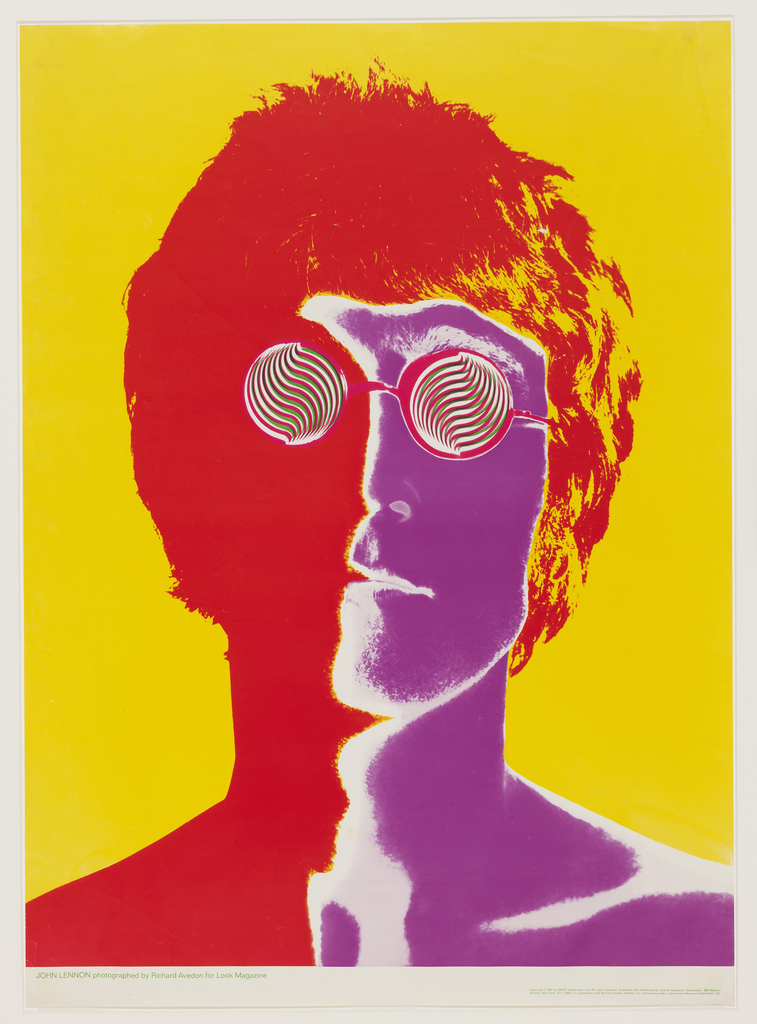
John Lennon poster by Richard Ave­don

When we think of design, each of us thinks of it in our own way, focus­ing on our own inter­ests: illus­tra­tion, fash­ion, archi­tec­ture, inter­faces, man­u­fac­tur­ing, or any of a vast num­ber of sub-dis­ci­plines besides. Those of us who have paid a vis­it to Coop­er Hewitt, also known as the Smith­son­ian Design Muse­um, have a sense of just how much human inno­va­tion, and even human his­to­ry, that term can encom­pass. Now, thanks to an ambi­tious dig­i­ti­za­tion project that has so far put 200,000 items (or 92 per­cent of the muse­um’s col­lec­tion) online, you can expe­ri­ence that real­iza­tion vir­tu­al­ly.

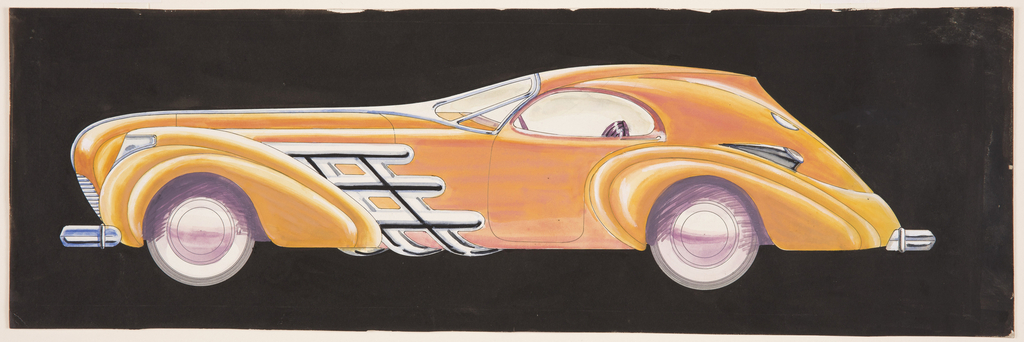
Con­cept car designed by William McBride

The video below explains the sys­tem, an impres­sive feat of design in and of itself, with which Coop­er Hewitt made this pos­si­ble. “In col­lab­o­ra­tion with the Smithsonian’s Dig­i­ti­za­tion Pro­gram Office, the mass dig­i­ti­za­tion project trans­formed a phys­i­cal object (2‑D or 3‑D) from the shelf to a vir­tu­al object in one con­tin­u­ous process,” says its about page. “At its peak, the project had four pho­to­graph­ic set ups in simul­ta­ne­ous oper­a­tion, allow­ing each to han­dle a cer­tain size, range and type of object, from minute but­tons to large posters and fur­ni­ture. A key to the project’s suc­cess was hav­ing a com­plete­ly bar­cod­ed col­lec­tion, which dra­mat­i­cal­ly increased effi­cien­cy and allowed all object infor­ma­tion to be auto­mat­i­cal­ly linked to each image.”

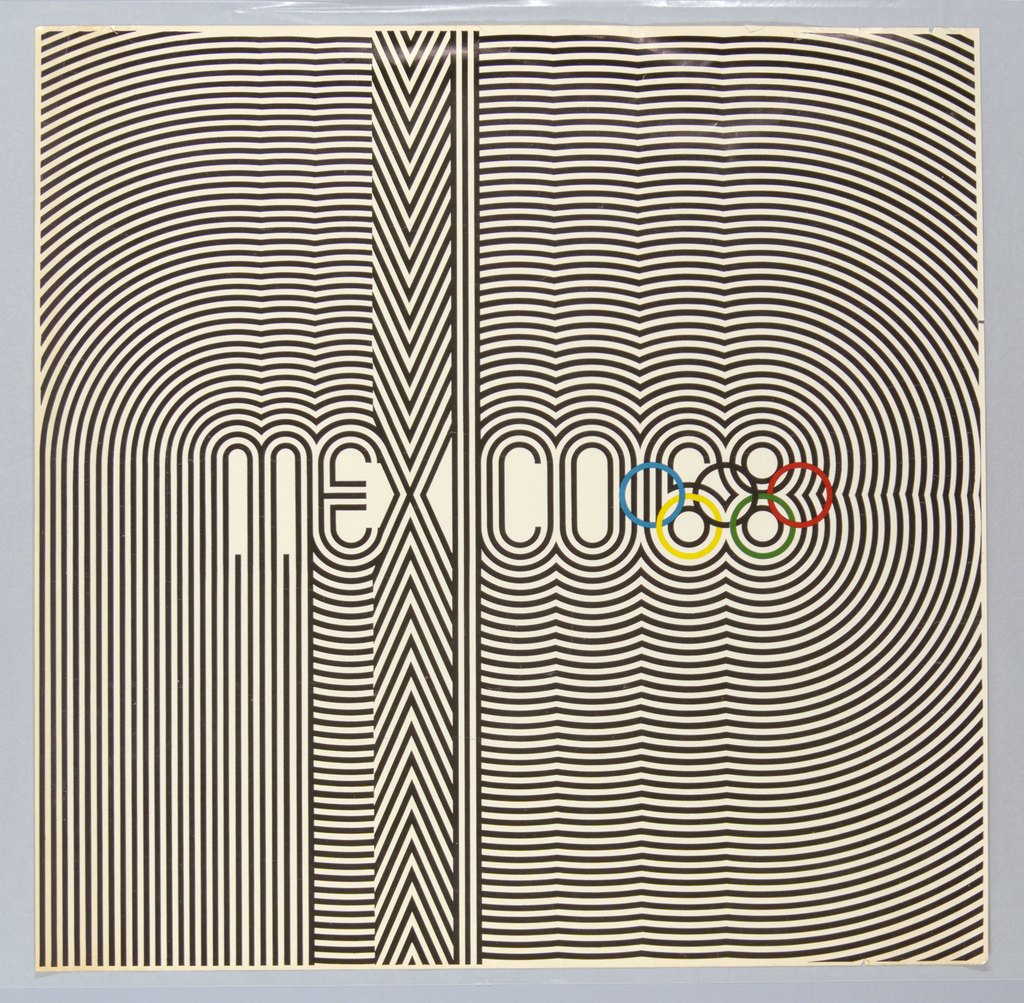
Giv­en that the items in Coop­er Hewit­t’s col­lec­tion come from all across a 3000-year slice of his­to­ry, you’ll need an explo­ration strat­e­gy or two. Have a look at the col­lec­tion high­lights page and you’ll find curat­ed sec­tions hous­ing the items pic­tured here, includ­ing psy­che­del­ic posters, designs for auto­mo­biles, archi­tec­t’s eye, and designs for the Olympics — and that’s just some of the rel­a­tive­ly recent stuff. Hit the ran­dom but­ton instead and you may find your­self behold­ing, in high res­o­lu­tion, any­thing from a drag­o­nish frag­ment of a pan­el orna­ment from 18th-cen­tu­ry France to a late 19th-cen­tu­ry col­lar to a Swedish vase from the 1980s.

Mex­i­co 68 designed by Lance Wyman

Coop­er Hewitt has also begun inte­grat­ing its online and offline expe­ri­ences, hav­ing installed a ver­sion of its col­lec­tion brows­er on tables in its phys­i­cal gal­leries. There vis­i­tors can “select items from the ‘object riv­er’ that flows down the cen­ter of each table” about which to learn more, as well as use a “new inter­ac­tive Pen” that “fur­ther enhances the vis­i­tor expe­ri­ence with the abil­i­ty to “col­lect” and “save” infor­ma­tion, as well as cre­ate orig­i­nal designs on the tables.” So no mat­ter how much time you spend with Coop­er Hewit­t’s online col­lec­tion — and you could poten­tial­ly spend a great deal — you might, should you find your­self on Man­hat­tan’s Muse­um Mile, con­sid­er stop­ping into the muse­um to see how phys­i­cal and dig­i­tal design can work togeth­er. Enter the Coop­er Hewit­t’s online col­lec­tion here.

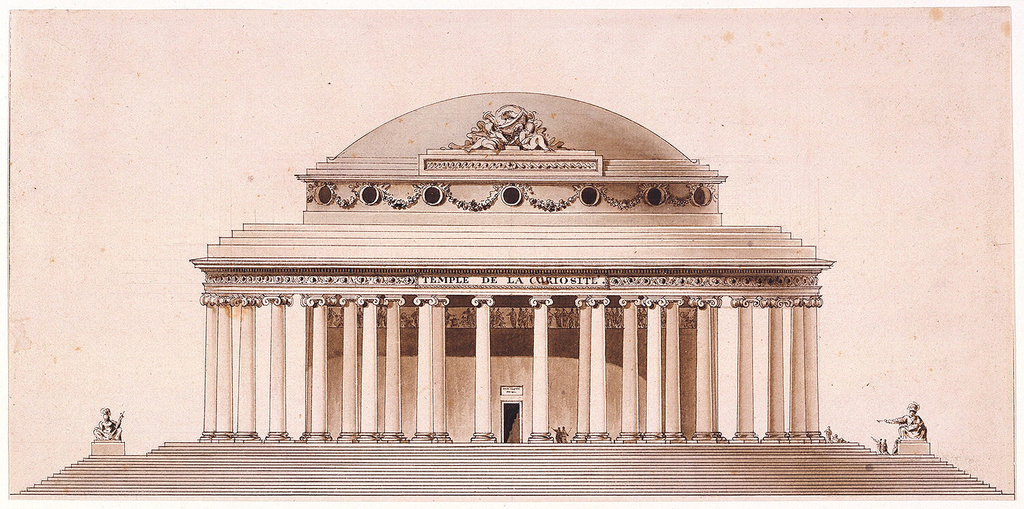
Tem­ple of Curios­i­ty by Eti­enne-Louis Boul­lée

Relat­ed Con­tent:

Free: A Crash Course in Design Think­ing from Stanford’s Design School

Bauhaus, Mod­ernism & Oth­er Design Move­ments Explained by New Ani­mat­ed Video Series

Abstract: Netflix’s New Doc­u­men­tary Series About “the Art of Design” Pre­mieres Today

The Smith­son­ian Picks “101 Objects That Made Amer­i­ca”

Smith­son­ian Dig­i­tizes & Lets You Down­load 40,000 Works of Asian and Amer­i­can Art

Based in Seoul, Col­in Mar­shall writes and broad­casts on cities and cul­ture. He’s at work on the book The State­less City: a Walk through 21st-Cen­tu­ry Los Ange­les, the video series The City in Cin­e­ma, the crowd­fund­ed jour­nal­ism project Where Is the City of the Future?, and the Los Ange­les Review of Books’ Korea Blog. Fol­low him on Twit­ter at @colinmarshall or on Face­book.

An Animated Look at Vladimir Nabokov’s Passion for Butterfly Collecting: “Literature & Butterflies Are the Two Sweetest Passions Known to Man”

Lit­er­a­ture and but­ter­flies are the two sweet­est pas­sions known to man. — Vladimir Nabokov

A 1941 fam­i­ly road trip along Route 66 plant­ed the seeds for Vladimir Nabokov’s nov­el Loli­ta.

It also enriched the Amer­i­can Muse­um of Nat­ur­al His­to­ry’s but­ter­fly col­lec­tion by some 300 North Amer­i­can spec­i­mens.

The author, an avid ama­teur lep­i­dopter­ist, indulged his hob­by along the way, deposit­ing but­ter­flies col­lect­ed on this and oth­er trips in glas­sine envelopes labeled with the name of the towns where the crea­tures encoun­tered his net. Upon his return, he decid­ed to donate most of his haul to the museum’s Lep­i­doptera col­lec­tion, where he was as an eager vol­un­teer.

Years lat­er, Suzanne Rab Green, a Tiger Moth spe­cial­ist and assis­tant cura­tor at the muse­um, uncov­ered Nabokov’s spec­i­mens packed in a vin­tage White Owl cig­ar box.

Rec­og­niz­ing that this col­lec­tion had lit­er­ary val­ue as well as sci­en­tif­ic, Green decid­ed to sort it by loca­tion rather than species, pre­serv­ing the care­ful­ly hand-let­tered envelopes along with the frag­ile wings and tho­rax­es.

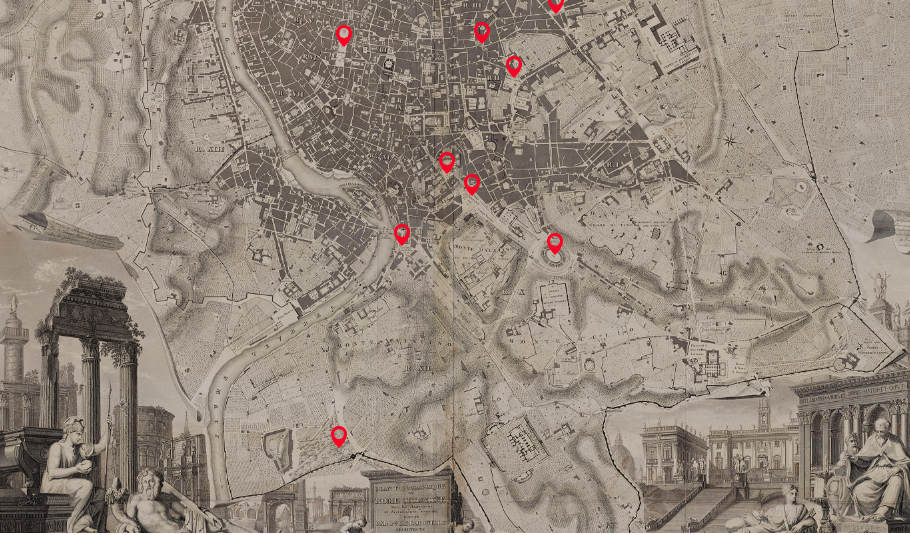
Using Google Earth, she retraced Nabokov’s 3‑week jour­ney for the museum’s Shelf Life series, dig­i­tal­ly pin­ning his finds along­side vin­tage post­cards of Get­tys­burg, Yosemite Nation­al Park, and the Grande Tourist Lodge in Dal­las, Texas—all fer­tile col­lec­tion sites, at least in 1941.

But­ter­flies remained a life­long obses­sion for the author. He served for six years as cura­tor of Harvard’s Muse­um of Com­par­a­tive Zoology’s Lep­i­doptera wing and devel­oped an evo­lu­tion­ary the­o­ry relat­ed to his study of the Poly­omma­tus blues Green men­tions in the 360° video above. (Be aware, the 360° fea­ture will not work in Safari).

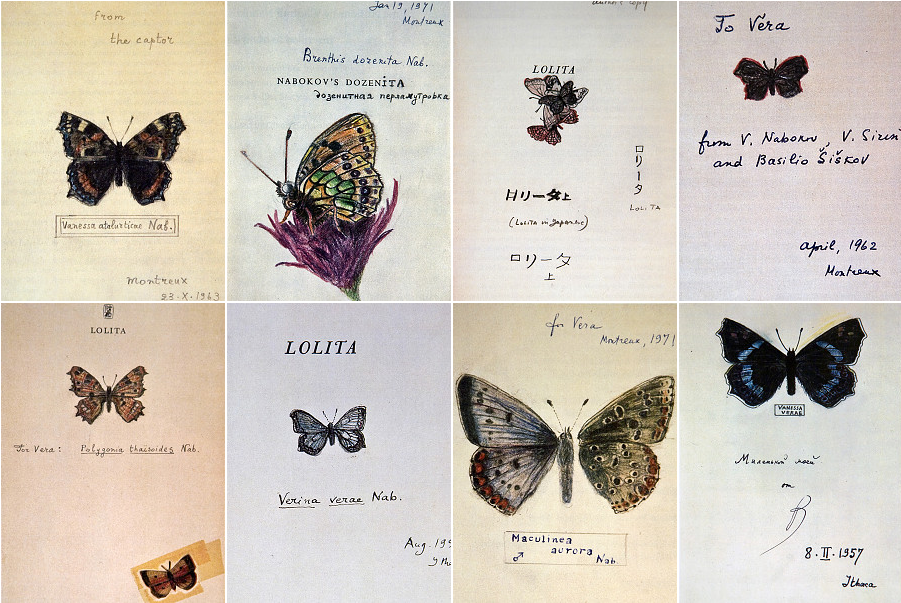
He also wooed his wife, Vera, by mak­ing charm­ing and keen­ly observed draw­ings of but­ter­flies for her.

An avowed ene­my of sym­bols and alle­go­ry, Nabokov pre­vent­ed but­ter­flies from occu­py­ing too sig­nif­i­cant a role in his fic­tion­al oeu­vre, though he gushed unabashed­ly in his mem­oir, Speak, Mem­o­ry:

Let me also evoke the hawk­moths, the jets of my boy­hood! Col­ors would die a long death on June evenings. The lilac shrubs in full bloom before which I stood, net in hand, dis­played clus­ters of a fluffy gray in the dark—the ghost of pur­ple. A moist young moon hung above the mist of a neigh­bor­ing mead­ow. In many a gar­den have I stood thus in lat­er years—in Athens, Antibes, Atlanta—but nev­er have I wait­ed with such a keen desire as before those dark­en­ing lilacs. And sud­den­ly it would come, the low buzz pass­ing from flower to flower, the vibra­tional halo around the stream­lined body of an olive and pink Hum­ming­bird moth poised in the air above the corol­la into which it had dipped its long tongue…. Through the gusty black­ness, one’s lantern would illu­mine the stick­i­ly glis­ten­ing fur­rows of the bark and two or three large moths upon it imbib­ing the sweets, their ner­vous wings half open but­ter­fly fash­ion, the low­er ones exhibit­ing their incred­i­ble crim­son silk from beneath the lichen-gray pri­maries. “Cato­cala adul­tera!” I would tri­umphant­ly shriek in the direc­tion of the light­ed win­dows of the house as I stum­bled home to show my cap­tures to my father.

Despite the author’s stat­ed dis­taste for overt sym­bol­ism, a few but­ter­flies did man­age to flut­ter onto the pages of his best known work, result­ing in at least one the­sis papers that makes a case for Loli­ta as butterfly—irresistible, beau­ti­ful, eas­i­ly ensnared….

Did I ever men­tion that her bare arm bore the 8 of vac­ci­na­tion? That I loved her hope­less­ly? That she was only four­teen? An inquis­i­tive but­ter­fly passed, dip­ping, between us.

- Loli­ta, Vladimir Nabokov, 1955

Track Nabokov’s cross-coun­try but­ter­fly col­lect­ing trip, cour­tesy of the Amer­i­can Muse­um of Nat­ur­al His­to­ry, here.

Relat­ed Con­tent:

Vladimir Nabokov’s Delight­ful But­ter­fly Draw­ings

Vladimir Nabokov Names the Great­est (and Most Over­rat­ed) Nov­els of the 20th Cen­tu­ry

Take Vladimir Nabokov’s Quiz to See If You’re a Good Reader–The Same One He Gave to His Stu­dents

Vladimir Nabokov (Chan­nelled by Christo­pher Plum­mer) Teach­es Kaf­ka at Cor­nell

Ayun Hal­l­i­day is an author, illus­tra­tor, the­ater mak­er and Chief Pri­ma­tol­o­gist of the East Vil­lage Inky zine.  Fol­low her @AyunHalliday.
The British Museum Creates 3D Models of the Rosetta Stone & 200+ Other Historic Artifacts: Download or View in Virtual Reality

Back in 2015, The British Muse­um gave the world online access to the Roset­ta Stone, along with 4,700 oth­er arti­facts in the great Lon­don muse­um. But that access was only in 2D.

Now they’ve upped the ante and pub­lished a 3D mod­el of the Roset­ta Stone and 200+ oth­er essen­tial items in the muse­um’s col­lec­tions. “This scan was part of our larg­er attempt to cap­ture as many of our icon­ic pieces from the col­lec­tion — and indeed the unseen in store objects — and make them avail­able for peo­ple to view in 3D or in more tac­tile forms,” Daniel Pett, a British Muse­um advis­er told Dig­i­tal Trends.

Oth­er 3D mod­els you might want to check out include the gran­ite head of Amen­emhat III, a por­trait bust of Sir Robert Bruce Cot­ton, and a stat­ue of Roy, High Priest of Amun.

Note: If you put your mouse on the objects and swiv­el on your track­pad, you can see dif­fer­ent sides of the arti­facts. Cre­at­ed with a com­pa­ny called Sketch­fab, the 3D mod­els are all avail­able to down­load. You can also see them in vir­tu­al real­i­ty. (Look for the lit­tle “View in VR” icon at the bot­tom of each image.)

If you would like to sign up for Open Culture’s free email newslet­ter, please find it here. It’s a great way to see our new posts, all bun­dled in one email, each day.

If you would like to sup­port the mis­sion of Open Cul­ture, con­sid­er mak­ing a dona­tion to our site. It’s hard to rely 100% on ads, and your con­tri­bu­tions will help us con­tin­ue pro­vid­ing the best free cul­tur­al and edu­ca­tion­al mate­ri­als to learn­ers every­where. You can con­tribute through Pay­Pal, Patre­on, and Ven­mo (@openculture). Thanks!

via Hyper­al­ler­gic

Relat­ed Con­tent:

The British Muse­um Is Now Open To Every­one: Take a Vir­tu­al Tour and See 4,737 Arti­facts, Includ­ing the Roset­ta Stone

1.8 Mil­lion Free Works of Art from World-Class Muse­ums: A Meta List of Great Art Avail­able Online

Artists Put Online 3D, High Res­o­lu­tion Scans of 3,000-Year-Old Nefer­ti­ti Bust (and Con­tro­ver­sy Ensues)

by | Permalink | Make a Comment ( 1 ) |

The Metropolitan Museum of Art Makes 140,000+ Artistic Images from Its Collections Available on Archive.org

As an Open Cul­ture read­er, you might already know the Inter­net Archive, often sim­ply called “Archive.org,” as an ever expand­ing trove of won­ders, freely offer­ing every­thing from polit­i­cal TV ads to vin­tage cook­books to Grate­ful Dead con­cert record­ings to the his­to­ry of the inter­net itself. You might also know the Met­ro­pol­i­tan Muse­um of Art as not just a build­ing on Fifth Avenue, but a lead­ing dig­i­tal cul­tur­al insti­tu­tion, one will­ing and able to make hun­dreds of art books avail­able to down­load and hun­dreds of thou­sands of fine-art images usable and remix­able under a Cre­ative Com­mons license.

Now, the Inter­net Archive and the Met­ro­pol­i­tan Muse­um of Art have teamed up to bring you a col­lec­tion of over 140,000 art images gath­ered by the lat­ter and orga­nized and host­ed by the for­mer.

Most every dig­i­tal vault in the Inter­net Archive offers a cul­tur­al and his­tor­i­cal jour­ney with­in, but the col­lab­o­ra­tion with the Met­ro­pol­i­tan Muse­um of Art offers an espe­cial­ly deep one, rang­ing his­tor­i­cal­ly from ear­ly 19th-cen­tu­ry India (The Plea­sures of the Hunt at the top of the post) to mid­cen­tu­ry New York (the pho­to of the mighty loco­mo­tive before the entrance to the 1939 World’s Fair above) and, in either direc­tion, well beyond.

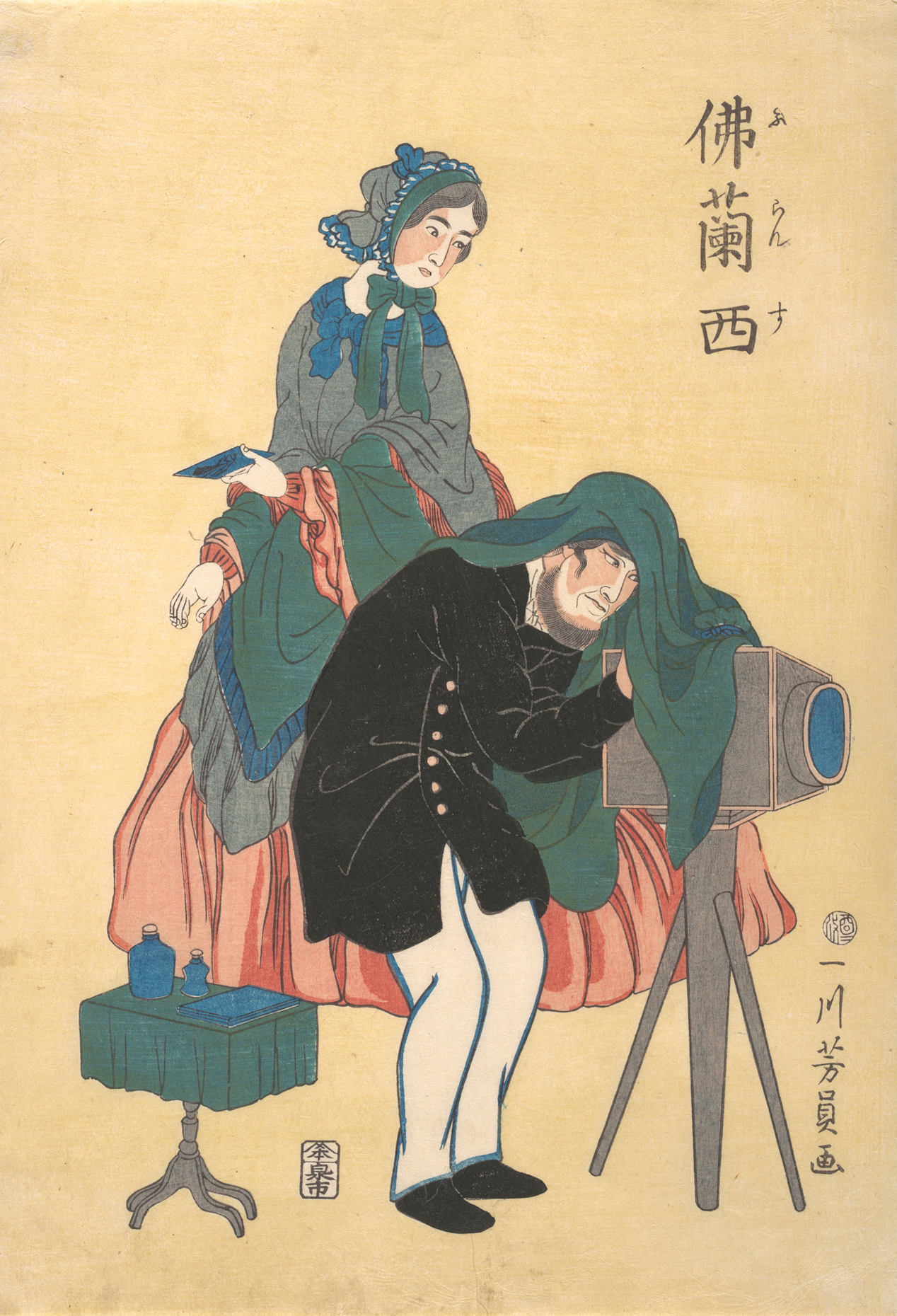
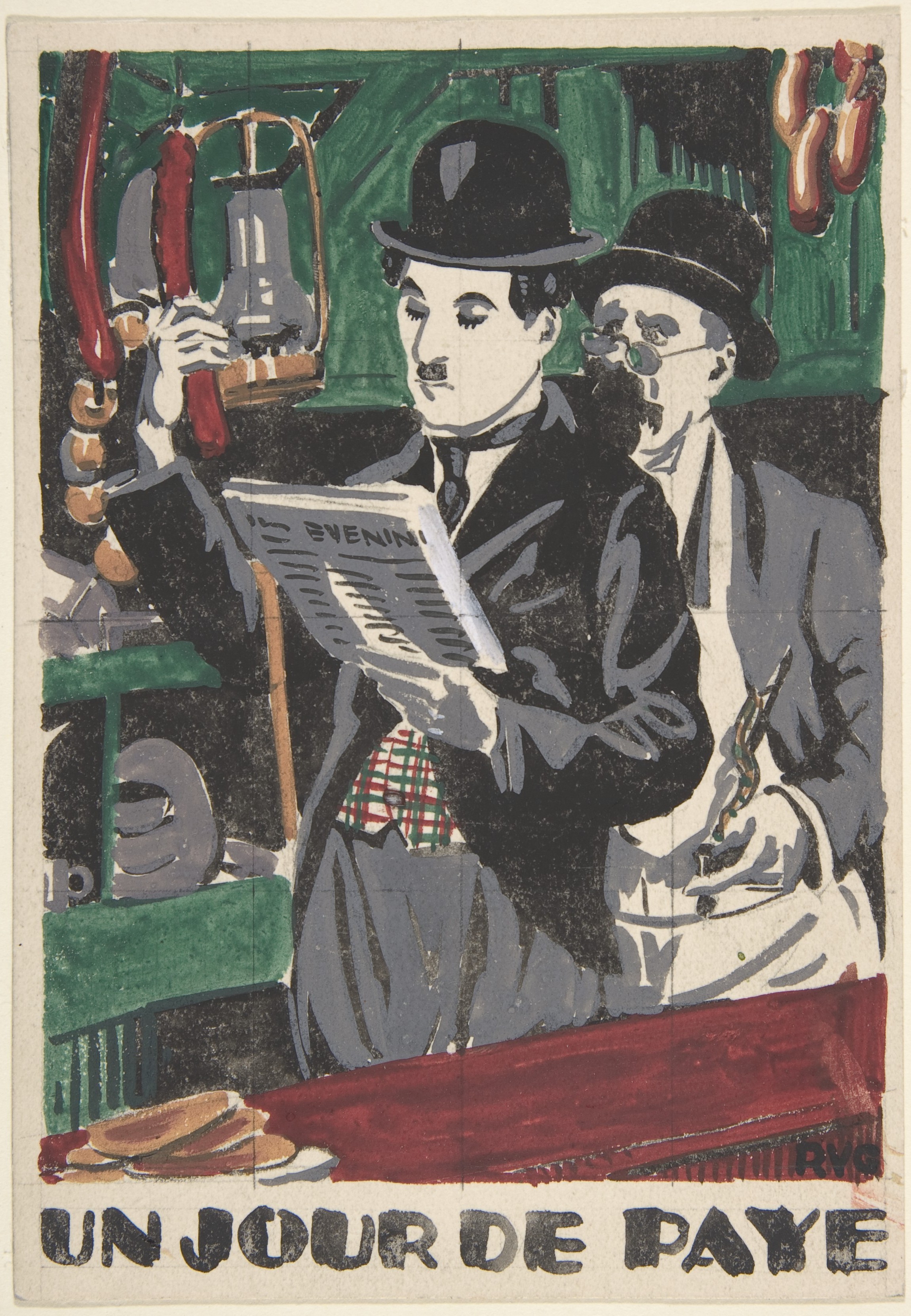
Cul­tur­al­ly speak­ing, you can also find in the Met’s col­lec­tion in the Inter­net Archive every­thing from from Japan­ese inter­pre­ta­tions of French pho­tog­ra­phy (the wood­block print French Pho­tog­ra­ph­er above) to the Bel­gian inter­pre­ta­tion of Anglo-Amer­i­can cin­e­ma (the poster design for Char­lie Chap­lin’s Play Day below). You can dial in on your zone of inter­est by using the “Top­ics & Sub­jects,” whose hun­dreds of fil­ter­able options include, to name just a few, such cat­e­gories as Asia, woodfrag­mentsLon­don, folios, and under­wear.

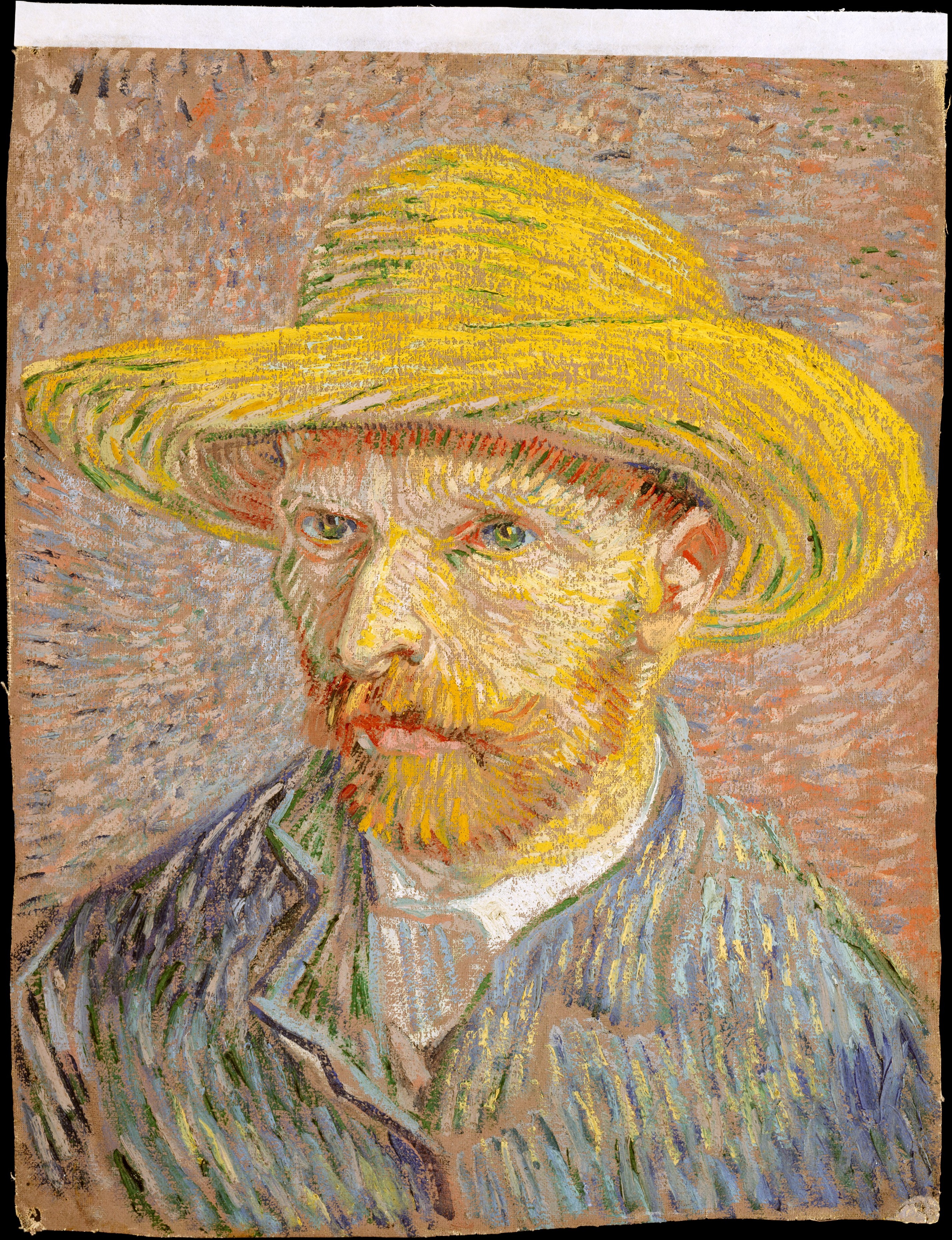
The col­lec­tion also con­tains works of the mas­ters, such as Vin­cent van Gogh’s 1887 Self-Por­trait with Straw Hat (as well as its obverse, 1885’s The Pota­to Peel­er), and some of the world’s great vis­tas, includ­ing Francesco Guardi’s 1765 ren­der­ing of Venice from the Baci­no di San Mar­co. If you’d like to see what in the col­lec­tion has drawn the atten­tion of most of its browsers so far, sort it by view count: those at work should beware that nudes and oth­er erot­i­cal­ly charged art­works pre­dictably dom­i­nate the rank­ings, but they do it along­side Naru­to Whirlpool, the Philoso­pher’s Stone, and Albert Ein­stein. Human inter­est, like human cre­ativ­i­ty, always has a sur­prise or two in store.

Relat­ed Con­tent:

The Met­ro­pol­i­tan Muse­um of Art Makes 375,000 Images of Fine Art Avail­able Under a Cre­ative Com­mons License: Down­load, Use & Remix

Down­load 464 Free Art Books from The Met­ro­pol­i­tan Muse­um of Art

1.8 Mil­lion Free Works of Art from World-Class Muse­ums: A Meta List of Great Art Avail­able Online

Based in Seoul, Col­in Mar­shall writes and broad­casts on cities and cul­ture. He’s at work on the book The State­less City: a Walk through 21st-Cen­tu­ry Los Ange­les, the video series The City in Cin­e­ma, the crowd­fund­ed jour­nal­ism project Where Is the City of the Future?, and the Los Ange­les Review of Books’ Korea Blog. Fol­low him on Twit­ter at @colinmarshall or on Face­book.

The Museum of Failure: A New Swedish Museum Showcases Harley-Davidson Perfume, Colgate Beef Lasagne, Google Glass & Other Failed Products

Here, in Sil­i­con Val­ley, fail­ure isn’t always fail­ure. At least accord­ing to the local mythol­o­gy, it’s some­thing to be embraced, accept­ed, even cel­e­brat­ed. “Fail fast, fail often,” they say. And even­tu­al­ly you’ll learn enough to achieve real suc­cess.

On June 7th, the Muse­um of Fail­ure will open in Hels­ing­borg, Swe­den. There you’ll find the remains of failed inno­va­tion. Google Glass, the Sony Beta­max, the Apple New­ton, Noki­a’s N‑gage–they’re all there. Dit­to a bot­tle of Harley-David­son Per­fume, Coca-Cola BlāK (aka cof­fee-fla­vored coke), and a Col­gate Beef Lasagne TV Din­ner. And, don’t for­get the Trump monop­oly-style board game–part of a long line of failed Trump prod­ucts and busi­ness­es.

Above, cura­tor Samuel West high­lights items in the col­lec­tion. Bring­ing togeth­er over 60 failed prod­ucts and ser­vices from around the world, the col­lec­tion pro­vides “unique insight into the risky busi­ness of inno­va­tion.” You can get anoth­er glimpse of the new insti­tu­tion below. Fit­ting­ly, the muse­um is free.

If you would like to sign up for Open Culture’s free email newslet­ter, please find it here. It’s a great way to see our new posts, all bun­dled in one email, each day.

If you would like to sup­port the mis­sion of Open Cul­ture, con­sid­er mak­ing a dona­tion to our site. It’s hard to rely 100% on ads, and your con­tri­bu­tions will help us con­tin­ue pro­vid­ing the best free cul­tur­al and edu­ca­tion­al mate­ri­als to learn­ers every­where. You can con­tribute through Pay­Pal, Patre­on, and Ven­mo (@openculture). Thanks!

Relat­ed Con­tent:

The Long Game of Cre­ativ­i­ty: If You Haven’t Cre­at­ed a Mas­ter­piece at 30, You’re Not a Fail­ure

Oprah Winfrey’s Har­vard Com­mence­ment Speech: Fail­ure is Just Part of Mov­ing Through Life

Paulo Coel­ho on The Fear of Fail­ure

How to Start a Start-Up: A Free Course from Y Com­bi­na­tor Taught at Stan­ford

Seth Godin’s Start­up School: A Free Mini-Course for New Entre­pre­neurs

by | Permalink | Make a Comment ( 1 ) |

Watch Priceless 17-Century Stradivarius and Amati Violins Get Taken for a Test Drive by Professional Violinists

Mate­ri­als like car­bon fiber and Lucite have been mak­ing their way into clas­si­cal stringed instru­ment design for many years, and we’ve recent­ly seen the 3‑D print­ed elec­tric vio­lin come into being. It’s an impres­sive-sound­ing instru­ment, one must admit. But trained clas­si­cal vio­lin­ists, luthiers, music his­to­ri­ans, and col­lec­tors all agree: the vio­lin has nev­er real­ly been improved upon since around the turn of the 18th cen­tu­ry, when two its finest makers—the Amati and Stradi­vari families—were at their peak. A few stud­ies have tried to poke holes in the argu­ment that such vio­lins are supe­ri­or in sound to mod­ern makes. There are many rea­sons to view these claims with skep­ti­cism.

By the time the most expert Ital­ian luthiers began mak­ing vio­lins, the instru­ment had already more or less assumed its final shape, after the long evo­lu­tion of its f‑holes into the per­fect son­ic con­duit. How­ev­er, Amati and Stradi­vari not only refined the violin’s curves, edges, and neck design, they also intro­duced new chem­i­cal process­es meant to pro­tect the wood from worms and insects.

One bio­chem­istry pro­fes­sor dis­cov­ered that these chem­i­cals “had the unin­tend­ed result of pro­duc­ing the unique sounds that have been almost impos­si­ble to dupli­cate in the past 400 years.”

Know­ing they had hit upon a win­ning for­mu­la, the top mak­ers passed their tech­niques down for sev­er­al gen­er­a­tions, mak­ing hun­dreds of vio­lins and oth­er instru­ments. A great many of these instru­ments sur­vive, though a mar­ket for fakes thrives along­side them. The instru­ments you see in the videos here are the real thing, four of the world’s old­est and most price­less vio­lins, all of them resid­ing at The Met­ro­pol­i­tan Muse­um of Art. These date from the late 1600s to ear­ly 1700s, and were all made in Cre­mona, the North­ern Ital­ian home of the great mas­ters. At the top of the post, you can see Sean Avram Car­pen­ter play Bach’s Sonata No. 1 in G minor on a 1669 vio­lin made by Nicolò Amati.

The next three videos are of vio­lins made by Anto­nio Stradi­vari, per­haps once an appren­tice of Amati. Each instru­ment has its own nick­name: “The Gould” dates from 1693 and is, writes the Met, “the only [Stradi­vari] in exis­tence that has been restored to its orig­i­nal Baroque form.” We can see Car­pen­ter play Bach’s Sonata in C major on this instru­ment fur­ther up. Both “The Gould” and the Amati vio­lin were made before mod­i­fi­ca­tions to the angle of the neck cre­at­ed “a loud­er, more bril­liant tone.” Above you can hear “The Francesca,” from 1694. Car­pen­ter plays from “Liebesleid” by Fritz Kreisler with the pianist Gabriela Mar­tinez. See if you can tell the dif­fer­ence in tone between this instru­ment and the first two, less mod­ern designs.

The last vio­lin fea­tured here, “The Anto­nius,” made by Stradi­vari in 1717, gets a demon­stra­tion in front of a live audi­ence by Eric Gross­man, who plays the cha­conne from Bach’s Par­ti­ta No. 2 in D minor. This instru­ment comes from what is called Stradivari’s “Gold­en Peri­od,” the years between 1700 and 1720. Some of the most high­ly val­ued of Stradi­varii in pri­vate hands date from around this time. And some of these instru­ments have his­to­ries that may jus­ti­fy their stag­ger­ing price tags. The Moli­tor Stradi­var­ius, for exam­ple, was sup­pos­ed­ly owned by Napoleon. But no mat­ter the pre­vi­ous own­er or num­ber of mil­lions paid, every vio­lin cre­at­ed by one of these mak­ers car­ries with it tremen­dous pres­tige. Is it deserved? Hear­ing them might make you a believ­er. Joseph Nagy­vary, the Texas A&M pro­fes­sor emer­i­tus who is dis­cov­er­ing their secrets, tells us, “the great vio­lin mas­ters were mak­ing vio­lins with more human­like voic­es than any oth­ers of the time.” Or any since, most experts would agree.

Relat­ed Con­tent:

What Does a $45 Mil­lion Vio­la Sound Like? Vio­list David Aaron Car­pen­ter Gives You a Pre­view

What Makes the Stradi­var­ius Spe­cial? It Was Designed to Sound Like a Female Sopra­no Voice, With Notes Sound­ing Like Vow­els, Says Researcher

The Art and Sci­ence of Vio­lin Mak­ing

Why Vio­lins Have F‑Holes: The Sci­ence & His­to­ry of a Remark­able Renais­sance Design

Behold the “3Dvarius,” the World’s First 3‑D Print­ed Vio­lin

Josh Jones is a writer and musi­cian based in Durham, NC. Fol­low him at @jdmagness

How to Make a Replica of 1900-Year-Old Glass Fish: A Brilliant Video from the British Museum

All due respect to the British Muse­um, but the title of its “How to Make a Glass Fish Repli­ca” video, above is a tad mis­lead­ing.

I’m sure no mal­ice was intend­ed, but “mak­ing” a DIY fish-shaped ves­sel rem­i­nis­cent of some 22 found in the ancient Kushan store­rooms at Begram, Afghanistan is no one’s def­i­n­i­tion of an easy craft project. (Unless you’re will­ing to fudge with some Elmer’s, some blue felt, and an emp­ty peanut but­ter jar…)

Glass Spe­cial­ist Bill Guden­rath of the Corn­ing Muse­um of Glass is an his­to­ri­an of glass­work­ing tech­niques from ancient Egypt through the Renais­sance and clear­ly expert at his craft, but he doesn’t appear to be too keen on sup­ply­ing explana­to­ry blow-by-blows. Nor would I be, bustling around a red hot glass oven, with­out so much as a John­ny Tremain-style leather apron to pro­tect me. I’m not even sure I’d want the dis­trac­tion of a video cam­era in my face.

But if, as the title implies, the goal is to pro­duce a dupli­cate of this whim­si­cal 1900-year-old gup­py, the process must be bro­ken down.

From what this casu­al view­er was able to piece togeth­er, the steps would go some­thing like:

1. Twirl a red hot met­al pipe in the forge until you have a healthy glob of molten glass. Appar­ent­ly it’s not so dif­fer­ent from mak­ing cot­ton can­dy.

2. Roll the glass blob back and forth on a met­al tray.

3. Blow into the pipe’s non-glow­ing end to form a bub­ble.

4. Repeat steps 1–3

5. Roll the pipe back and forth on a met­al sawhorse while seat­ed, apply­ing pinch­ers to taper the blob into a rec­og­niz­ably fishy-shape.

(Don’t wor­ry about its prox­im­i­ty to your bare fore­arms and kha­ki-cov­ered thighs! What could pos­si­bly go wrong?)

6. Twirl it like a baton.

(Depend­ing on the length of your arms, your nascent glass fish may come dan­ger­ous­ly close to the cement floor. Try not to sweat it.)

7. Use scis­sors and pinch­ers to tease out a nip­ple-shaped appendage that will become the fish’s lips.

8. Use anoth­er pok­er to apply var­i­ous bloops of molten glass. (Novices may want to prac­tice with a hot glue gun to get the hang of this — it’s trick­i­er than it looks!)  Pinch, prod and drape these bloops into eye and fin shapes. A non-elec­tric crimp­ing iron will prove handy here.

9. Use blue glass, tweez­ers and crimp­ing iron to per­son­al­ize your fish-shaped vessel’s dis­tinc­tive dor­sal and anal fins.

10. Tap on the pipe to crack the fish loose. (Care­ful!)

11. Score the dis­tal end with a glass cut­ting tool.

 (This step should prove a cinch for any­one who ever used a craft kit to turn emp­ty beer and soda bot­tles into drink­ing glass­es!)

12. Smooth rough edges with anoth­er loop of molten glass and some sort of elec­tric under­wa­ter grind­ing wheel.

Option­al 13th step: Read this descrip­tion of a fur­nace ses­sion, to bet­ter acquaint your­self with both best glass­blow­ing prac­tices and the prop­er names for the equip­ment. Or get the jump on Christ­mas 2017 with this true how-to guide to pro­duc­ing hand blown glass orna­ments.

Not plan­ning on blow­ing any glass, fish-shaped or oth­er­wise, any time soon?

Explore the some­what mys­te­ri­ous his­to­ry of the 1900-year-old fish-shaped orig­i­nal here, com­pli­ments of the British Museum’s St John Simp­son, senior cura­tor for its pre-Islam­ic col­lec­tions from Iran and Ara­bia.

Relat­ed Con­tent:

Mod­ern Artists Show How the Ancient Greeks & Romans Made Coins, Vas­es & Arti­sanal Glass

Glass: The Oscar-Win­ning “Per­fect Short Doc­u­men­tary” on Dutch Glass­mak­ing (1958)

How to Bake Ancient Roman Bread Dat­ing Back to 79 AD: A Video Primer

Ayun Hal­l­i­day is an author, illus­tra­tor, the­ater mak­er and Chief Pri­ma­tol­o­gist of the East Vil­lage Inky zine.  Her play Zam­boni Godot is open­ing in New York City in March 2017. Fol­low her @AyunHalliday.
« Go BackMore in this category... »
Quantcast