The Nazi’s Philistine Grudge Against Abstract Art and The “Degenerate Art Exhibition” of 1937

entartetekunst

Has any polit­i­cal par­ty in West­ern his­to­ry had as vexed a rela­tion­ship with art as the Ger­man Nation­al Social­ists? We’ve long known, of course, that their uses of and opin­ions on art con­sti­tut­ed the least of the Nazi par­ty’s prob­lems. Still, the artis­tic pro­cliv­i­ties of Hitler and com­pa­ny com­pel us, per­haps because they seem to promise a win­dow into the mind­set that result­ed in such ulti­mate inhu­man­i­ty. We can learn about the Nazis from the art they liked, but we can learn just as much (or more) from the art they dis­liked — or even that which they sup­pressed out­right.

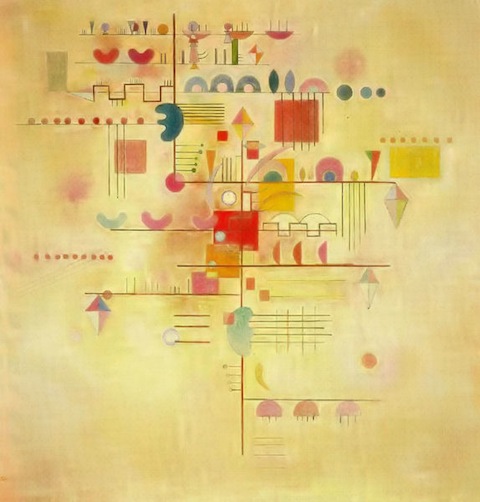
vassily-kandinsky

Cur­rent events have brought these sub­jects back to mind; this week, accord­ing to The New York Times, “Ger­man author­i­ties described how they dis­cov­ered 1,400 or so works dur­ing a rou­tine tax inves­ti­ga­tion, includ­ing ones by Matisse, Cha­gall, Renoir, Toulouse-Lautrec, Picas­so and a host of oth­er mas­ters,” most or all pre­vi­ous­ly unknown or pre­sumed lost amid all the flight from Nazi Ger­many. Hitler him­self, more a fan of racial­ly charged Utopi­an real­ism, would­n’t have approved of most of these new­ly redis­cov­ered paint­ings and draw­ings.

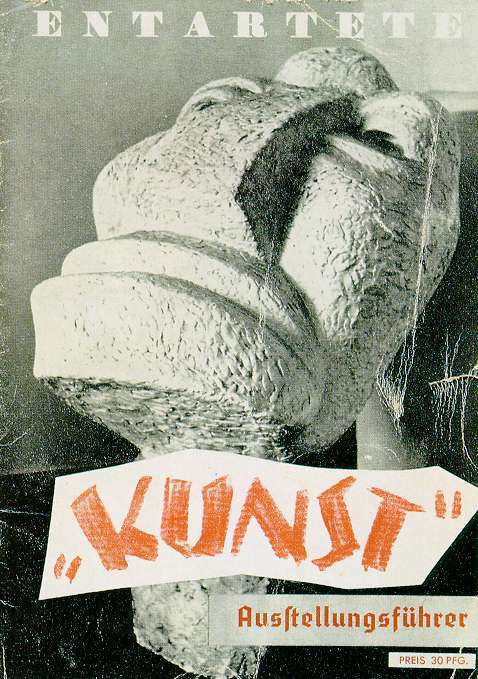
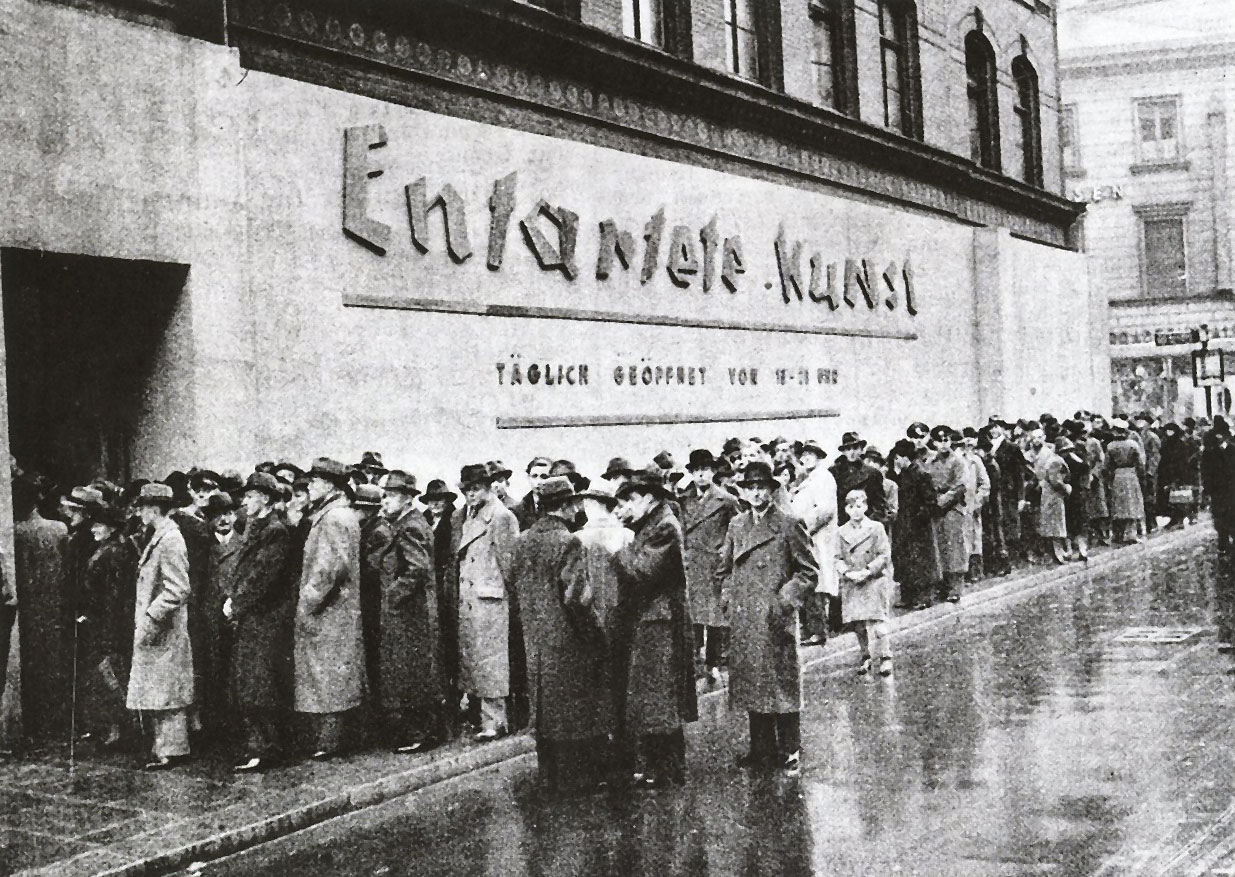
entartete-kunst-degenerate-art

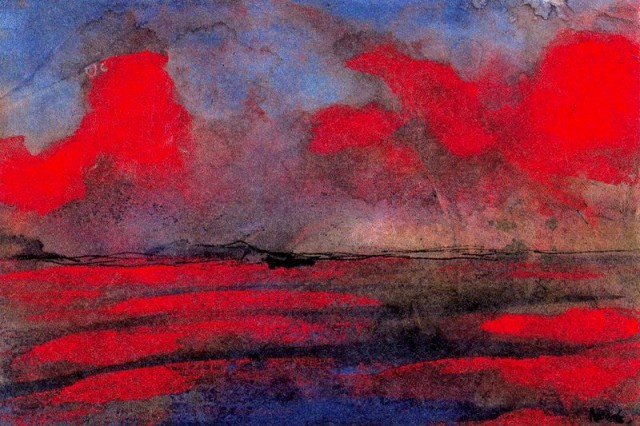
In fact, he may well have thrown them into 1937’s Degen­er­ate Art Exhi­bi­tion. Four years after it came to pow­er,” writes the BBC’s Lucy Burns, “the Nazi par­ty put on two art exhi­bi­tions in Munich. The Great Ger­man Art Exhi­bi­tion [the Große Deutsche Kun­stausstel­lung] was designed to show works that Hitler approved of — depict­ing stat­uesque blonde nudes along with ide­alised sol­diers and land­scapes. The sec­ond exhi­bi­tion, just down the road, showed the oth­er side of Ger­man art — mod­ern, abstract, non-rep­re­sen­ta­tion­al — or as the Nazis saw it, ‘degen­er­ate.’ ” This Degen­er­ate Art Exhi­bi­tion (Die Ausstel­lung “Entartete Kun­st”), the much more pop­u­lar of the two, fea­tured Paul Klee, Oskar Kokosch­ka, Wass­i­ly Kandin­sky, Max Beck­mann, Emil Nolde and George Grosz. There the Nazis quar­an­tined these con­fis­cat­ed abstract, expres­sion­is­tic, and often Jew­ish works of art, those that, accord­ing to the Führer, “insult Ger­man feel­ing, or destroy or con­fuse nat­ur­al form or sim­ply reveal an absence of ade­quate man­u­al and artis­tic skill” and “can­not be under­stood in them­selves but need some pre­ten­tious instruc­tion book to jus­ti­fy their exis­tence.” And if that sounds rigid, you should see how that Nazis dealt with jazz.

Note: For more on this sub­ject, you can watch the 1993 doc­u­men­tary Degen­er­ate Art.

Relat­ed Con­tent:

How the CIA Secret­ly Fund­ed Abstract Expres­sion­ism Dur­ing the Cold War

The Nazis’ 10 Con­trol-Freak Rules for Jazz Per­form­ers: A Strange List from World War II

Joseph Stal­in, a Life­long Edi­tor, Wield­ed a Big, Blue, Dan­ger­ous Pen­cil

Col­in Mar­shall hosts and pro­duces Note­book on Cities and Cul­ture and writes essays on lit­er­a­ture, film, cities, Asia, and aes­thet­ics. He’s at work on a book about Los Ange­lesA Los Ange­les Primer. Fol­low him on Twit­ter at @colinmarshall.

The Getty Puts 4600 Art Images Into the Public Domain (and There’s More to Come)

Getty1

Not long ago, I went over to the Get­ty to see the J. Paul Get­ty Trust’s Pres­i­dent and CEO James Cuno in live con­ver­sa­tion with Pico Iyer, one of his favorite writ­ers as well as one of mine. Cuno, him­self the author of books like Whose Cul­ture?: The Promise of Muse­ums and the Debate over Antiq­ui­ties and Muse­ums Mat­ter: In Praise of the Ency­clo­pe­dic Muse­um, impressed me not only with his choice of inter­locu­tors but with the open, for­ward-think­ing nature he revealed dur­ing the talk. On Mon­day, he demon­strat­ed it again by pub­lish­ing anoth­er piece of writ­ing, very brief but unde­ni­ably impor­tant: his announce­ment of the Get­ty’s Open Con­tent Pro­gram, which has just made avail­able over 4600 high-res­o­lu­tion images of the muse­um’s col­lec­tion freely avail­able in the pub­lic domain. You can down­load them, mod­i­fy them, dis­trib­ute them — do what you please with them.

Getty2

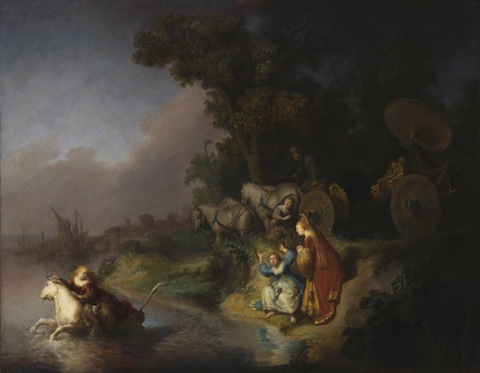
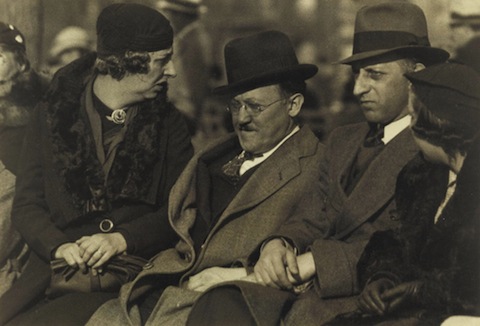
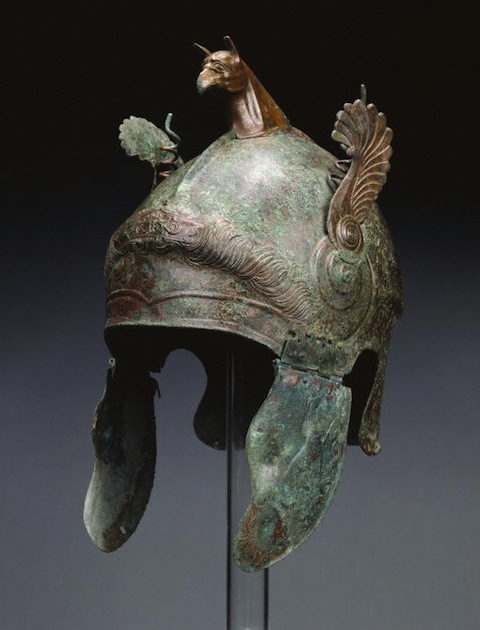
“Why open con­tent? Why now?” Cuno writes. “The Get­ty was found­ed on the con­vic­tion that under­stand­ing art makes the world a bet­ter place, and shar­ing our dig­i­tal resources is the nat­ur­al exten­sion of that belief. This move is also an edu­ca­tion­al imper­a­tive. Artists, stu­dents, teach­ers, writ­ers, and count­less oth­ers rely on art­work images to learn, tell sto­ries, exchange ideas, and feed their own cre­ativ­i­ty.” If you enjoy engag­ing in any of these pur­suits — which, as an Open Cul­ture habitué‎, I assume you do — begin by brows­ing all the Open Con­tent Pro­gram’s cur­rent­ly avail­able images, or check for down­load links on indi­vid­ual Get­ty col­lec­tion pages. This post includes three images straight from the Get­ty: Rem­brandt’s The Abduc­tion of Europa, Walk­er Evans’ A Bench in the Bronx on Sun­day, and a hel­met of Chal­cid­i­an type cir­ca 350–300 B.C. Cuno promis­es many more images to come, and mate­r­i­al from oth­er sources like the Get­ty’s inter­na­tion­al field projects. He’s got my antic­i­pa­tion.

Getty3

Relat­ed Con­tent:

40,000 Art­works from 250 Muse­ums, Now View­able for Free at the Redesigned Google Art Project

LA Coun­ty Muse­um Makes 20,000 Artis­tic Images Avail­able for Free Down­load

The Rijksmu­se­um Puts 125,000 Dutch Mas­ter­pieces Online, and Lets You Remix Its Art

Art.sy Rolls Out Huge Archive of Fine-Art Images and an Intel­li­gent Art Appre­ci­a­tion Guide

Free: The Met­ro­pol­i­tan Muse­um of Art and the Guggen­heim Offer 474 Free Art Books Online

Col­in Mar­shall hosts and pro­duces Note­book on Cities and Cul­ture and writes essays on lit­er­a­ture, film, cities, Asia, and aes­thet­ics. He’s at work on a book about Los Ange­lesA Los Ange­les Primer. Fol­low him on Twit­ter at @colinmarshall.

Free: The Metropolitan Museum of Art and the Guggenheim Offer 474 Free Art Books Online

art of illumination

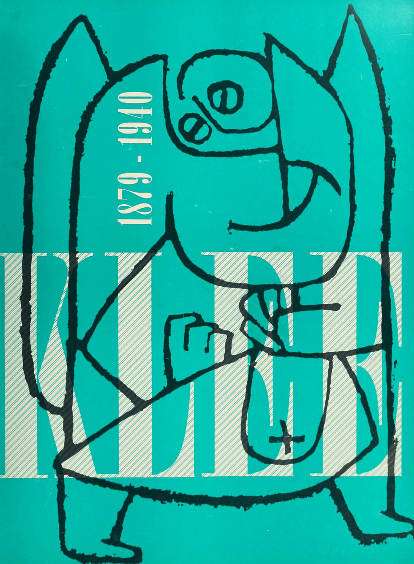
If you like read­ing about visu­al art but don’t like spend­ing the con­sid­er­able sums required to build your own library of vin­tage exhi­bi­tion cat­a­logues, feel free to bor­row from anoth­er col­lec­tor. Or rather, feel free to bor­row from two col­lec­tors, both based in New York, both of some repute: The Met­ro­pol­i­tan Muse­um of Art and the Solomon R. Guggen­heim Muse­um. Ear­ly last year, we announced that the Guggen­heim had made 65 art cat­a­logues [now increased to 99] avail­able for free online, offer­ing “an intel­lec­tu­al and visu­al intro­duc­tion to the work of Alexan­der CalderEdvard MunchFran­cis BaconGus­tav Klimt & Egon Schiele, and Wass­i­ly Kandin­sky” as well as ” oth­er texts (e.g., Mas­ter­pieces of Mod­ern Art and Abstract Expres­sion­ists Imag­iststhat tack­le meta move­ments and themes.” (That same post includes instruc­tions on how to use the Guggen­heim’s archive.)

klee-gugg

Late last year, we also announced the Met­ro­pol­i­tan Muse­um of Art’s launch of Met­Pub­li­ca­tions, which will “even­tu­al­ly offer access to near­ly all books, Bul­letins, and Jour­nals” pub­lished by the Met since 1870. The col­lec­tion now fea­tures a whop­ping 375 free art books and cat­a­logues over­all. Tak­en togeth­er, these col­lec­tions exam­ine in detail art from all eras of human his­to­ry and all parts of the world. At the top of the post, you will see the cov­er for the Met’s The Art of Illu­mi­na­tion. (Who does­n’t love illu­mi­nat­ed Medieval man­u­scripts?) Below appears Six­ty Years of Liv­ing Archi­tec­ture: The Work of Frank Lloyd Wright, avail­able from the Guggen­heim. Giv­en the pres­ence of these and the oth­er fas­ci­nat­ing cat­a­logues we’ve pre­vi­ous­ly high­light­ed, word of these two muse­ums’ online libraries cer­tain­ly should­n’t stay buried in our archives.

Relat­ed Con­tent:

MoMA Puts Pol­lock, Rothko & de Koon­ing on Your iPad

Google “Art Project” Brings Great Paint­ings & Muse­ums to You

The His­to­ry of West­ern Archi­tec­ture: From Ancient Greece to Roco­co (A Free Online Course)

Down­load 375 Free eBooks

Col­in Mar­shall hosts and pro­duces Note­book on Cities and Cul­ture and writes essays on lit­er­a­ture, film, cities, Asia, and aes­thet­ics. He’s at work on a book about Los Ange­lesA Los Ange­les Primer. Fol­low him on Twit­ter at @colinmarshall.

250,000 Artworks from 250 Museums, Now Viewable for Free at the Redesigned Google Art Project

stripedshirt

Yes­ter­day we fea­tured the Nation­al Gallery of Art’s site NGA Images, where you can down­load 25,000 high-qual­i­ty dig­i­tal images of that muse­um’s works of art. Today, why not have a look at Google Art Project? Though we’ve post­ed about it before, you’ll want to check out its slick new redesign — not to men­tion its expand­ed col­lec­tion, which now includes more than 250,000 works of art from over 250 muse­ums. TechCrunch’s Fred­er­ic Lar­de­nois writes that the lat­est iter­a­tion of Google Art Pro­jec­t’s “improved search tools now make it sig­nif­i­cant­ly eas­i­er to fil­ter any list of art­works by artist, place, data and relat­ed events. [ … ] Some of the most impor­tant art­works are also avail­able as gigapix­el images. Many muse­ums also allow you to browse their gal­leries using Google Street View.”

The col­lec­tions new­ly added to Google Art Project come from insti­tu­tions as far- and wide-rang­ing as Kuwait­’s al Sabah Col­lec­tion, Japan’s Kawabara Memo­r­i­al DIC Muse­um of Art, Den­mark’s Statens Muse­um for Kun­st, and Aus­trali­a’s Art Gallery of New South Wales. At the top, we have an image of Sunkwan Kwon’s “A Man in Stripe Shirt Who is Drop­ping His Head for a Long Time After Phone Call,” made avail­able in the Kore­an Art Muse­um Asso­ci­a­tion col­lec­tion. But don’t look at the image in this post; look at the piece’s entry in Google Art Project, which lets you scroll and zoom as you please. And you will want to zoom, since Kwon’s very large-for­mat pho­tog­ra­phy demands close atten­tion to detail. At such a high res­o­lu­tion, you can pay that atten­tion, look­ing right into the win­dows and observ­ing the peo­ple behind them. View­ers, as the work’s descrip­tion says, “should keep hav­ing tena­cious ques­tions that ask who the char­ac­ters are, why they show tense expres­sions on their face and what their sit­u­a­tions are.”

Relat­ed Con­tent:

The Nation­al Gallery Makes 25,000 Images of Art­work Freely Avail­able Online

Down­load Hun­dreds of Free Art Cat­a­logs from The Met­ro­pol­i­tan Muse­um of Art

Free: The Guggen­heim Puts 65 Mod­ern Art Books Online

Col­in Mar­shall hosts and pro­duces Note­book on Cities and Cul­ture and writes essays on lit­er­a­ture, film, cities, Asia, and aes­thet­ics. He’s at work on a book about Los Ange­lesA Los Ange­les Primer. Fol­low him on Twit­ter at @colinmarshall.

Punk Meets High Fashion in Metropolitan Museum of Art Exhibition PUNK: Chaos to Couture

What­ev­er else British punk rock gave pop cul­ture, it was always a rev­o­lu­tion in fash­ion, engi­neered by Sex Pis­tols sven­gali Mal­colm McLaren and his part­ner, design­er Vivi­enne West­wood. The two pio­neered punk’s S&M‑inspired look from their Chelsea bou­tique, SEX, a one­time record shop that mor­phed into the epi­cen­ter of Lon­don street fash­ion. McLaren passed away in 2010, but his for­mer part­ner West­wood is still designing—only now her work is haute cou­ture nos­tal­gia, its shock­ing sneer at uptight British cul­ture a muse­um piece. Her lat­est col­lec­tion, Chaos, revis­its many of the icon­ic designs of the mid-sev­en­ties made famous by the Sex Pis­tols, such as the “tits square” and “cow­boy square” t‑shirts and the ubiq­ui­tous safe­ty pin.

The name of Westwood’s retro lat­est work is reflect­ed in a cur­rent exhi­bi­tion at the Met­ro­pol­i­tan Muse­um of Art called PUNK: Chaos to Cou­ture, which began May 9th and runs until August 14th. In the video above, cura­tor Andrew Bolton dis­cuss­es the exhibition’s stag­ing of low and high cul­ture crossover. In the press mate­ri­als, Bolton is frank about the con­tra­dic­to­ry aims of punk and high fash­ion:

Since its ori­gins, punk has had an incen­di­ary influ­ence on fash­ion… Although punk’s democ­ra­cy stands in oppo­si­tion to fashion’s autoc­ra­cy, design­ers con­tin­ue to appro­pri­ate punk’s aes­thet­ic vocab­u­lary to cap­ture its youth­ful rebel­lious­ness and aggres­sive force­ful­ness.

This is not the first time Bolton has appro­pri­at­ed punk fash­ion for high art or worked with Vivi­enne West­wood. In 2006, Bolton curat­ed a Met exhib­it called Anglo­Ma­nia (cat­a­log here), which drew its name and inspi­ra­tion from anoth­er of Westwood’s col­lec­tions.

Relat­ed Con­tent:

Sex Pis­tols Front­man John­ny Rot­ten Weighs In On Lady Gaga, Paul McCart­ney, Madon­na & Katy Per­ry

Mal­colm McLaren: The Quest for Authen­tic Cre­ativ­i­ty

The His­to­ry of Punk Rock

Josh Jones is a writer and musi­cian based in Wash­ing­ton, DC. Fol­low him at @jdmagness

100 Metropolitan Museum Curators Talk About 100 Works of Art That Changed How They See the World

Which best describes your muse­um-going expe­ri­ence? Inspi­ra­tion and spir­i­tu­al refresh­ment? Or a soul crush­ing attempt to fight your way past the hoards there for the lat­est block­buster exhib­it, with a too-heavy bag and a whin­ing, foot sore com­pan­ion in tow?

Would­n’t it be won­der­ful to lose your­self in con­tem­pla­tion of a sin­gle work? What about that giant one at the top of the Met­ro­pol­i­tan Muse­um of Art’s Grand Stair­case? For every vis­i­tor who paus­es to take it in, anoth­er thou­sand stream by with hard­ly a glance.

The above com­men­tary by cura­tor of Ital­ian paint­ings, Xavier Salomon, may well turn Gio­van­ni Bat­tista Tiepolo’s The Tri­umph of Mar­ius into one of the Met’s hottest attrac­tions. It’s often dif­fi­cult for the aver­age muse­um-goer to under­stand what the deal is in one of these dense­ly pop­u­lat­ed, 19th cen­tu­ry oils. Salomon sup­plies the need­ed his­tor­i­cal context—general Gaius Mar­ius parad­ing cap­tive Numid­i­an king Jugurtha through the streets upon his tri­umphal return to Rome.

Things get even more inter­est­ing when he trans­lates the Latin inscrip­tion at the top of the can­vas: “The Roman peo­ple behold Jugurtha laden with chains.” In oth­er words, you can for­go the hero wor­ship of the title and con­cen­trate on the bad guy. This, Salomon spec­u­lates, is what the artist had in mind when swathing Jugurtha in that eye-catch­ing red cape. Jugurtha may be the los­er, but his refusal to be hum­bled before the crowd is win­some.

As is 82nd and 5th, an online series that aims to cel­e­brate 100 trans­for­ma­tive works of art from the muse­um’s col­lec­tion before year’s end. In addi­tion to Salomon’s com­pelling thoughts on The Tri­umph of Mar­ius, some plea­sures thus far include Melanie Hol­comb, Asso­ciate Cura­tor of Medieval Art and The Clois­ters, geek­ing out over illus­trat­ed man­u­script pages and fash­ion and cos­tume cura­tor Andrew Bolton recall­ing his first encounter with one of design­er Alexan­der McQueen’s most extreme gar­ments. Each video is sup­ple­ment­ed with a tab for fur­ther explo­ration. You can also find the talks col­lect­ed on YouTube.

Bril­liant­ly con­ceived and exe­cut­ed, these com­men­taries pro­vide vir­tu­al muse­um-goers with a high­ly per­son­al tour, and can only but enrich the expe­ri­ence of any­one lucky enough to vis­it in the flesh.

Relat­ed Con­tent:


Down­load Hun­dreds of Free Art Cat­a­logs from The Met­ro­pol­i­tan Muse­um of Art

Google Art Project Expands, Bring­ing 30,000 Works of Art from 151 Muse­ums to the Web

Free: The Guggen­heim Puts 65 Mod­ern Art Books Online

Ayun Hal­l­i­day  has her fin­gers crossed for some com­men­tary on the Met’s hunky Stand­ing Hanu­man.

LA County Museum (LACMA) Makes 20,000 Artistic Images Available for Free Download

Lincoln Cathedral

The Los Ange­les Coun­ty Muse­um of Art hous­es the largest Amer­i­can col­lec­tion of art west of Chica­go. Devel­oped as an “ency­clo­pe­dic” museum—its col­lec­tions rep­re­sent near­ly every human civ­i­liza­tion since record­ed time—LACMA’s eclec­tic hold­ings span from art of the ancient world to video instal­la­tions. Like all great pub­lic col­lec­tions, LACMA sees its mis­sion as pro­vid­ing the great­est pos­si­ble access to the widest range of art.

Two years ago LACMA made a rel­a­tive­ly small num­ber of its image hold­ings avail­able for free down­load in an online library. From that begin­ning of 2,000 images, the muse­um recent­ly expand­ed its down­load­able col­lec­tion by ten-fold, mak­ing 20,000 images of art­work avail­able for free.

This rep­re­sents about a quar­ter of all the art rep­re­sent­ed on LACMA’s site. They’ve cho­sen images of art­works the muse­um believes to be in the pub­lic domain and devel­oped a robust dig­i­tal archive with a rich­er search func­tion than most muse­ums.

LACMA’s online col­lec­tion (80,000 images alto­geth­er, includ­ing restrict­ed use and unre­strict­ed) is sort­ed by the usu­al cura­to­r­i­al terms (“Amer­i­can Art,” “Art of the Pacif­ic” and so on) but that’s just one of many fil­ter­ing options.

A search for works relat­ed to the word “ros­es” can be done as a gen­er­al search of all objects, turn­ing up, among 268 oth­er items, Toulouse-Lautrec’s Mlle Mar­celle Lender. This item hap­pens to be avail­able for free down­load. (Note the bloom in the Madamoiselle’s cleav­age to see why the image turned up in this search.)

But the col­lec­tion can be searched more nar­row­ly by object type and cura­to­r­i­al area. There’s also a cool option to search by what’s on view now right now. This choice allows users to zero in on a spe­cif­ic build­ing or floor of the museum’s eight build­ings. The col­lec­tion can also be entered accord­ing to chrono­log­i­cal era, from 10,000 BCE to the present day.

america

This is impor­tant for the pub­lic, but even more so for stu­dents and edu­ca­tors. Nine years ago East­man Kodak stopped pro­duc­ing slide pro­jec­tors. Since then the task of assem­bling qual­i­ty images for the study of art his­to­ry has become hope­less­ly daunt­ing, with teach­ers and stu­dents search­ing a myr­i­ad web­sites to cre­ate dig­i­tal “carousels” for class or study.

For what­ev­er rea­son, in an age over-abun­dant with high res­o­lu­tion images of near­ly every­thing, pic­tures of art itself are scat­tered and expen­sive.

Insti­tu­tions like Google Art Projects, the Met­ro­pol­i­tan Muse­um of Art and LACMA are among a few that offer exten­sive, free art images online.

Of course there are still copy­right issues that all insti­tu­tions must con­tend with. But it is to LACMA’s cred­it that they take their mis­sion of pub­lic access seri­ous­ly and put resources into mak­ing their won­der­ful col­lec­tion avail­able to the inter­na­tion­al com­mu­ni­ty.

Relat­ed Con­tent:

Free: The Guggen­heim Puts 65 Mod­ern Art Books Online

Google Art Project Expands, Bring­ing 30,000 Works of Art from 151 Muse­ums to the Web

Down­load Hun­dreds of Free Art Cat­a­logs from The Met­ro­pol­i­tan Muse­um of Art

Dis­cov­er Ansel Adams’ 226 Pho­tos of U.S. Nation­al Parks (and Anoth­er Side of the Leg­endary Pho­tog­ra­ph­er)

Kate Rix writes about dig­i­tal media and edu­ca­tion. Vis­it her web­site, , to see more work.

Take a Virtual Tour of the 1913 Exhibition That Introduced Avant-Garde Art to America

armory show

One hun­dred years ago, Amer­i­ca had only just begun talk­ing about “avant garde” art. Before the famous “Armory Show,” no one was even using the term; after it, Unit­ed States’ art-watch­ers had many rea­sons to. It’s what they saw on dis­play at the exhi­bi­tion, mount­ed by two dozen artists entire­ly with­out pub­lic fund­ing. Prop­er­ly called The Inter­na­tion­al Exhi­bi­tion of Mod­ern Art, the show got its pop­u­lar name by start­ing out in the 69th Reg­i­ment Armory on Lex­ing­ton Avenue in New York. It then moved to Chica­go and Boston, pro­vok­ing shock, dis­missal, and some­times even appre­ci­a­tion across the East Coast and Mid­west. A lit­tle Van Gogh, Gau­guin, Cezanne, Picas­so, Matisse, and Duchamp can do that to you.

Or at least, they do that to you if you live in 1913 and have nev­er seen such bold destruc­tion and rein­ven­tion of visu­al art’s estab­lished forms. To mark the Armory Show’s cen­ten­ni­al, the Art Insti­tute of Chica­go has recre­at­ed its view­ing expe­ri­ence on the web. There you can explore the gal­leries as Chicagoans actu­al­ly saw them a cen­tu­ry ago, albeit in black-and-white. The site also pro­vides much in the way of con­text, offer­ing arti­cles on the exhi­bi­tion’s gen­e­sis, pro­gram notes, lega­cy, and more. You can learn more about the impact of the Armory Show in this recent NPR piece, which quotes Muse­um of Mod­ern Art cura­tor Leah Dick­er­man on the sub­ject: “It’s this moment in time, 100 years ago, in which the foun­da­tions of cul­tur­al prac­tice were total­ly reordered in as great a way as we have seen. And that this marks a reorder­ing of the rules of art-mak­ing — it’s as big as we’ve seen since the Renais­sance.”

via @coudal

Relat­ed con­tent:

Watch Icon­ic Artists at Work: Rare Videos of Picas­so, Matisse, Kandin­sky, Renoir, Mon­et, Pol­lock & More

Free: The Guggen­heim Puts 65 Mod­ern Art Books Online

Down­load Hun­dreds of Free Art Cat­a­logs from The Met­ro­pol­i­tan Muse­um of Art

MoMA Puts Pol­lock, Rothko & de Koon­ing on Your iPad

Col­in Mar­shall hosts and pro­duces Note­book on Cities and Cul­ture and writes essays on lit­er­a­ture, film, cities, Asia, and aes­thet­ics. He’s at work on a book about Los Ange­les, A Los Ange­les Primer. Fol­low him on Twit­ter at @colinmarshall.

« Go BackMore in this category... »
Quantcast