The Rijksmuseum Puts 125,000 Dutch Masterpieces Online, and Lets You Remix Its Art

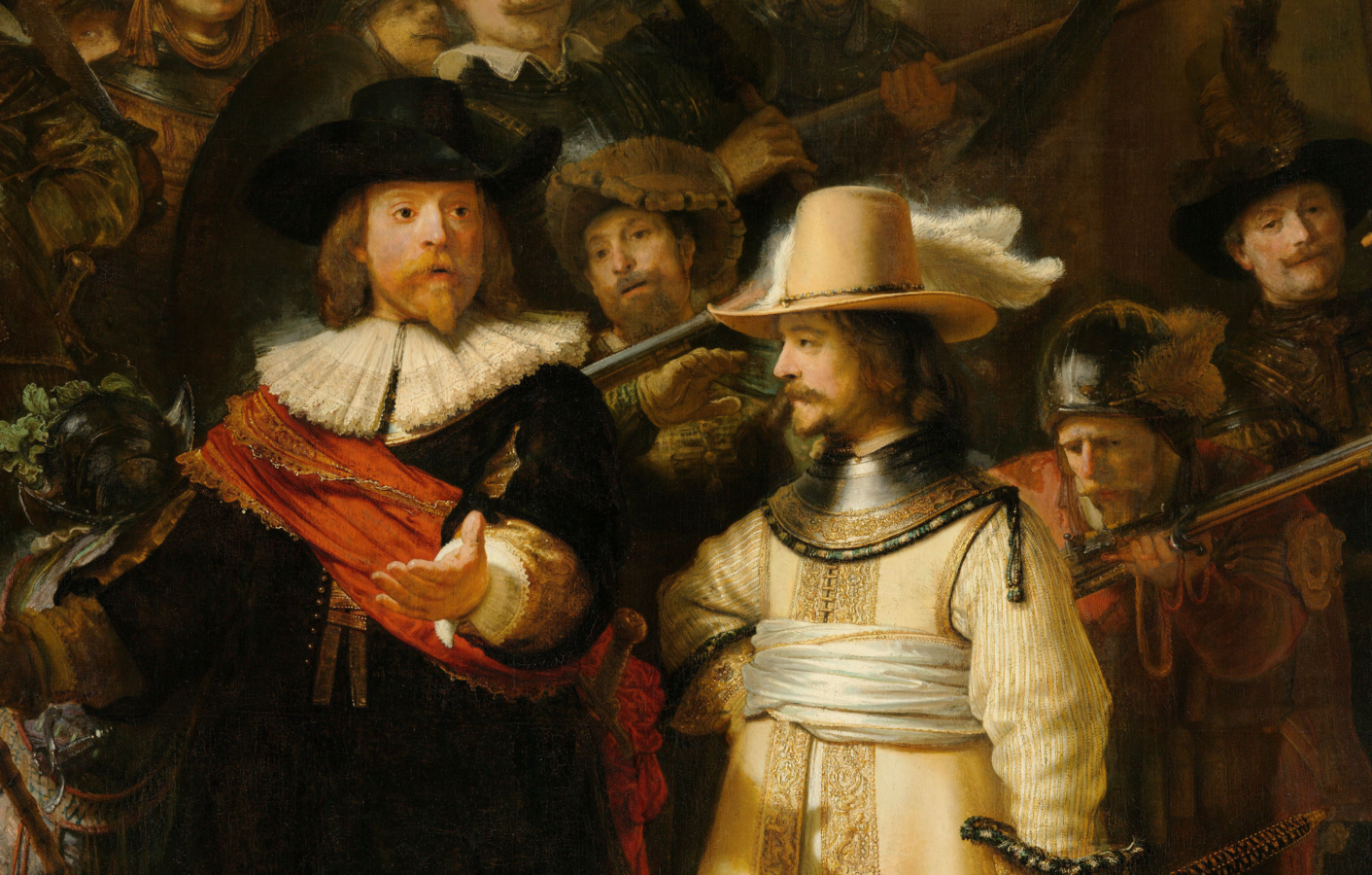
The Rijksmu­se­um in Ams­ter­dam is one of the grand Euro­pean muse­ums. Home to many of the Dutch mas­ters (Rembrandt’s Night Watch, which seems to glow from its cen­ter, and Vermeer’s Milk­maid, to name just a few), the muse­um is locat­ed on the city’s Muse­umplein, sur­round­ed by the small­er Vin­cent Van Gogh muse­um and mod­ern Stedelijk.

All those mas­ter­pieces are now avail­able for close-up view online at the Rijksmu­se­um’s dig­i­tized col­lec­tion. Users can explore the entire col­lec­tion, which is hand­i­ly sort­ed by artist, sub­ject, style and even by events in Dutch his­to­ry. The new dig­i­tal archive has all the same great learn­ing poten­tial as any oth­er online col­lec­tion. It’s search­able, as is the muse­um’s library.

But the Dutch are a whim­si­cal peo­ple, so it seems right that, in dig­i­tiz­ing its col­lec­tion, the muse­um went a step fur­ther than fur­ther. Not only can users cre­ate their own online gal­leries from select­ed works in the museum’s col­lec­tion, they can down­load Rijksmu­se­um art­work for free to dec­o­rate new prod­ucts. (Note: users will need to cre­ate a free account to get start­ed.)

By vis­it­ing the muse­um’s Rijksstu­dio, art lovers can cre­ate their own “sets” of Rijksmu­se­um works. Sets can include images of just flow­ers (think of the lus­cious ros­es and tulips in Dutch still life paint­ings of the 1600s), faces appear­ing in por­traits, or paint­ings of Ams­ter­dam itself through the ages. Just select a work of art and drop it into your own image col­lec­tion. Then use these select­ed images to cre­ate your own per­son­al­ized prod­ucts. From tat­toos to wall­pa­per to scoot­ers (yes, scoot­ers) to smart phone skins. Unusu­al yet every­day items of all shapes and sizes can now bear the image of gor­geous art. The art is free and the object could be as sim­ple as a T‑shirt.

All of this can be done with the bless­ings and sup­port of the muse­um, which pro­vides links to sites that offer var­i­ous forms of print­ing on demand.

What bet­ter way to make the col­lec­tion acces­si­ble to the pub­lic? Some might say it is sac­ri­lege to put Rembrandt’s face on the side of a van; the Rijksmu­se­um encour­ages it. None of the artists are alive any­way to claim copy­right infringe­ment, now are they?

Relat­ed Con­tent:

Rembrandt’s Face­book Time­line

Google “Art Project” Brings Great Paint­ings & Muse­ums to You

16th-Cen­tu­ry Ams­ter­dam Stun­ning­ly Visu­al­ized with 3D Ani­ma­tion

Kate Rix writes about dig­i­tal media and edu­ca­tion. Read more of her work at and thenifty.blogspot.com.

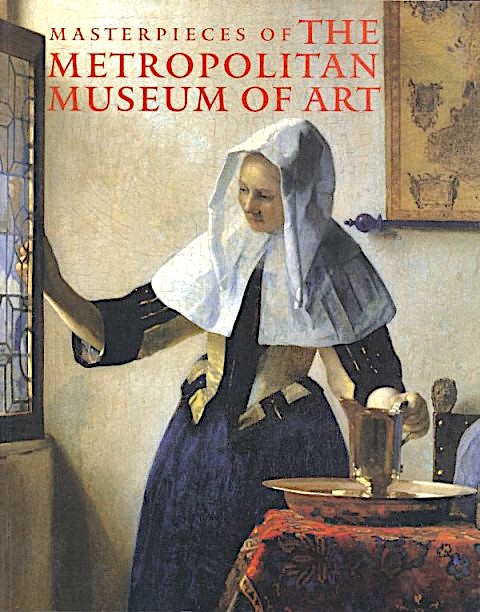
Download 397 Free Art Catalogs from The Metropolitan Museum of Art

Ear­li­er this year, the Guggen­heim Muse­um put online 65 mod­ern art books, giv­ing you free access to books intro­duc­ing the work of Alexan­der CalderEdvard MunchFran­cis BaconGus­tav Klimt & Egon Schiele, and Kandin­sky. Now, just a few short months lat­er, the Met­ro­pol­i­tan Muse­um of Art has launched Met­Pub­li­ca­tions, a por­tal that will “even­tu­al­ly offer access to near­ly all books, Bul­letins, and Jour­nals” pub­lished by the Met since 1870.

Of the many resources you can explore, here’s one obvi­ous high­light: Met­Pub­li­ca­tions now makes avail­able 397 out-of-print titles, includ­ing lots of infor­ma­tive and visu­al­ly-packed art cat­a­logs from the muse­um’s past exhi­bi­tions. You can read the books online or down­load them in PDF for­mat (although I should warn you that the PDF down­loads take some time, so be patient). When you rum­mage around, you’ll come across works like these and more:

Relat­ed Con­tent:

MoMA Puts Pol­lock, Rothko & de Koon­ing on Your iPad

Google “Art Project” Brings Great Paint­ings & Muse­ums to You

The His­to­ry of West­ern Archi­tec­ture: From Ancient Greece to Roco­co (A Free Online Course)

Down­load 375 Free eBooks


by | Permalink | Make a Comment ( 21 ) |

Kids Record Audio Tours of NY’s Museum of Modern Art (with Some Silly Results)

In an ear­ly, abortive flir­ta­tion with art school, I learned the tech­nique of saun­ter­ing around a gallery, look­ing alter­nate­ly bored and engrossed in what­ev­er hap­pened to be on the walls, the floor, the ceil­ing, nev­er com­mit­ting to any emo­tion, espe­cial­ly one that might betray my absolute befud­dle­ment with a good bit of mod­ern art. I’m hap­py to look back on that younger self and call him a pre­ten­tious dilet­tante, and hap­pi­er now that I’m old enough not to care if some­one knows that I’m con­fused, irri­tat­ed, or gen­uine­ly bored with some exper­i­men­tal piece that defies my lim­it­ed aes­thet­ic cat­e­gories. One of the things I antic­i­pate most as the father to an already wry and curi­ous one-year-old is hear­ing her unschooled reac­tions to some art­work I once fetishized but nev­er real­ly “got,” since there can often be no bet­ter means of deflat­ing the pompous auras sur­round­ing high cul­ture than let­ting kids have an irrev­er­ent, uncen­sored go at it.

Per­haps this is why Audio Tour Hack decid­ed to har­ness the unvar­nished truths con­tained in “darn­d­est things” with their unau­tho­rized gallery tour enti­tled MOMA Unadul­ter­at­ed (short pre­view above). The “hack,” a clever update on often staid and monot­o­ne gallery audio tours, fea­tures “experts” from kinder­garten to fifth grade pass­ing judg­ment on the work of mod­ern art stars like Andy Warhol, Cy Twombly, and Roy Licht­en­stein. Unadul­ter­at­ed by faux sophis­ti­ca­tion and oner­ous over-edu­cat­ed ref­er­en­tial­i­ty? Yes. A tad bid too cutesy? Per­haps. But even so, still a fun idea, with lots of silli­ness (and if it gets kids inter­est­ed in art, all the bet­ter). At times, the kid crit­ics even drop a bit of adult know­ing­ness into their “any­one could have done this” assess­ment of, say, Jack­son Pol­lack (whom one kid accus­es of “just want­i­ng a lot of mon­ey”). MOMA Unadul­ter­at­ed refers to a per­ma­nent exhib­it and instal­la­tion of paint­ing and sculp­ture on the New York Muse­um of Mod­ern Art’s fourth floor. The tour takes in thir­ty pieces of art, each accom­pa­nied by audio com­men­tary from the kid crit­ics. Vis­it the Audio Tour Hack web­site to lis­ten to the com­men­tary online and see some delight­ful pic­tures of the “unadul­ter­at­ed” com­men­ta­tors.

Cor­rec­tion 9/18/12: An ear­li­er ver­sion of this post stat­ed that MOMA Unadul­ter­at­ed was cre­at­ed by the Muse­um of Mod­ern Art. It was not, nor is Audio Tour Hack affil­i­at­ed with MoMA in any way. You can find links to MoMA’s own audio tours (includ­ing tours for kids) here.

via Kot­tke

Relat­ed Con­tent:

MoMA Puts Pol­lock, Rothko & de Koon­ing on Your iPad

Free: The Guggen­heim Puts 65 Mod­ern Art Books Online

Google “Art Project” Brings Great Paint­ings & Muse­ums to You

Jack­son Pol­lock: Lights, Cam­era, Paint! (1951)

Josh Jones is a doc­tor­al can­di­date in Eng­lish at Ford­ham Uni­ver­si­ty and a co-founder and for­mer man­ag­ing edi­tor of Guer­ni­ca / A Mag­a­zine of Arts and Pol­i­tics.

Google Art Project Expands, Bringing 30,000 Works of Art from 151 Museums to the Web

Last Feb­ru­ary, Google launched Art Project, which lets users take a vir­tu­al tour of 1,000 works of art from 17 great muse­ums — from the MoMA and Met in New York City, to the Uffizi Gallery in Flo­rence, to the Van Gogh Muse­um and Rijksmu­se­um in Ams­ter­dam. Now comes news that Art Project has great­ly expand­ed its cov­er­age, giv­ing users access to 30,000 high-res­o­lu­tion art­works appear­ing in 151 muse­ums across 40 coun­tries. The vir­tu­al tour includes paint­ings but also sculp­ture, street art and pho­tographs. And you can now explore col­lec­tions (see all) from the Nation­al Gallery of Mod­ern Art in Del­hi, the MusĂ©e d’Or­say in Paris, the Muse­um of Islam­ic Art in Qatar, the Museu De Arte Mod­er­na De SĂŁo Paulo in Brazil, and the Tokyo Nation­al Muse­um. This is all part of Google’s effort to bring cul­tur­al arti­facts to the broad­est pos­si­ble audi­ence. Just last week, the folks at Google­plex helped launch the Nel­son Man­dela Dig­i­tal Archive and, before that, a high res­o­lu­tion ver­sion of The Dead Sea Scrolls. All we can say is keep it com­ing!

via Google Blog

by | Permalink | Make a Comment ( 1 ) |

A Panoramic Virtual Tour of the Smithsonian National Museum of Natural History

These days, you can take a vir­tu­al tour of paint­ings at the MoMA, Met, Uffizi Gallery, Her­mitage, Rijksmu­se­um, and Nation­al Gallery and oth­er major muse­ums, thanks to Google’s Art Project. And don’t for­get the Sis­tine Chapel and the Dead Sea Scrolls.

Now let’s add one more to the list — a panoram­ic vir­tu­al tour of the Smith­son­ian Nation­al Muse­um of Nat­ur­al His­to­ry. You can vis­it the whole muse­um on your own, walk­ing from room to room, check­ing out fos­sils of count­less dinosaursspec­i­mens of ear­ly sea life, exhibits on the ice age, and much more. Begin the gen­er­al tour here, or find a more tar­get­ed area of inter­est here.

Note: the tour requires Adobe Flash Play­er, ver­sion 9.0.28 or lat­er.

via metafil­ter

by | Permalink | Make a Comment ( 2 ) |

MoMA Puts Pollock, Rothko & de Kooning on Your iPad

Through next April, you can vis­it “Abstract Expres­sion­ist New York,” – an exhib­it at the Muse­um of Mod­ern Art (NYC) that looks back at the work of Jack­son Pol­lock, Mark Rothko, David Smith, Willem de Koon­ing and many oth­ers. If you can’t make the trip, then you can do the next best thing. Fire up your iPad, down­load the free app cre­at­ed by MoMA, and start watch­ing a slideshow of 60 paint­ings cur­rent­ly on dis­play in “AB EX NY.” All images are pre­sent­ed in high res­o­lu­tion, and the app also fea­tures 20 videos cre­at­ed by the cura­tors, each of which con­cen­trates on indi­vid­ual painters and their tech­niques. And did I men­tion that the app is free? (via Arts Beat)

Relat­ed Con­tent:

David Hockney’s iPad Art Goes on Dis­play

Vis­it 890 UNESCO World Her­itage Sites with Free iPhone/iPad App

by | Permalink | Make a Comment ( 1 ) |

Museums Crossing the Line?: An Interview with Jori Finkel

The New York Times fea­tured yes­ter­day a piece that rais­es seri­ous ques­tions about the art world. Accord­ing to the arti­cle, some major muse­ums are now allow­ing art gal­leries to finan­cial­ly under­write their exhi­bi­tions. And, of course, the gal­leries often have a direct finan­cial stake in the work on dis­play. This trend, which seems to be grow­ing, nat­u­ral­ly prompts ques­tions of influ­ence: are some of the most well-regard­ed muse­ums let­ting financ­ing — some­thing that’s always in short sup­ply — deter­mine what exhi­bi­tions they will put on dis­play? Are the lines between church and state get­ting crossed? (The muse­ums insist that the answer is no.) Then, there are ques­tions of com­merce: are non-prof­it muse­ums help­ing for-prof­it gal­leries, whether inten­tion­al­ly or not, bump up the pres­tige and finan­cial val­ue of their artists — some­thing which almost always redounds to the finan­cial ben­e­fit of the gal­leries?

I had a chance to catch up with Jori Finkel, the author of the arti­cle. She’s an arts jour­nal­ist based in LA where she cov­ers con­tem­po­rary art for The Times, among oth­er places. I asked her a few ques­tions and here’s what she had to say:

DC: What’s essen­tial­ly dri­ving the muse­ums to work so close­ly, per­haps too close­ly, with gal­leries? In short, how did we get here?

JF: One thing I dis­cov­ered in report­ing this sto­ry is just how com­mon it is for gal­leries to help out muse­ums behind the scenes—with research, with loans, and with things gal­leries do in the nor­mal course of busi­ness like fram­ing works of art. But it’s much more unusu­al to find gal­leries writ­ing checks for muse­um shows. Peo­ple I inter­viewed see this as a sign of the art world spin­ning out of con­trol or out of bal­ance because of all the mon­ey chas­ing con­tem­po­rary art late­ly. The imbal­ance being that gal­leries are rich­er than ever before, while muse­ums, which are not sup­posed to be part of the mar­ket, can find them­selves strug­gling or even beg­ging for fund­ing. A muse­um direc­tor once told me he felt his job was a lot like being a beggar—a glam­orous, well-con­nect­ed beg­gar, but a beg­gar.

DC: As I recall, some muse­ums have got­ten into trou­ble when seek­ing out spon­sors for exhi­bi­tions in the past — for exam­ple, from some cor­po­ra­tions. Is what’s hap­pen­ing now any dif­fer­ent, and does it raise par­tic­u­lar­ly new eth­i­cal con­cerns?

JF: We saw a num­ber of con­tro­ver­sies in the late 1990s over cor­po­rate sponsorship—like Armani report­ed­ly gift­ing the Guggen­heim $15 mil­lion and get­ting a show in return, and BMW under­writ­ing a motor­cyle show, also at the Guggen­heim. Then there was the scan­dal over the “Sen­sa­tion” show at the Brook­lyn Muse­um of Art, which fea­tured works from Charles Saatchi’s per­son­al col­lec­tion and was fund­ed in part by Saatchi. Sev­er­al of my sources men­tioned these cas­es because they think gallery spon­sor­ship rais­es rough­ly the same set of eth­i­cal ques­tions. The only dif­fer­ence they point­ed out is that gallery con­flicts might have the poten­tial to be more per­va­sive. (more…)

by | Permalink | Make a Comment ( 1 ) |

« Go Back
Quantcast