Hear a 1930 Recording of Bolero, Conducted by Ravel Himself

ravel bolero

On May 1st, 2016, Mau­rice Ravel’s mas­ter­ful orches­tral com­po­si­tion Bolero entered the pub­lic domain, which means we may be hear­ing a lot more of the piece, first writ­ten and per­formed in 1928 as a bal­let com­mis­sioned by Russ­ian dancer Ida Ruben­stein. Then again, it’s not like Boléro hasn’t ful­ly per­me­at­ed the public’s domain for decades, regard­less of its copy­right sta­tus.

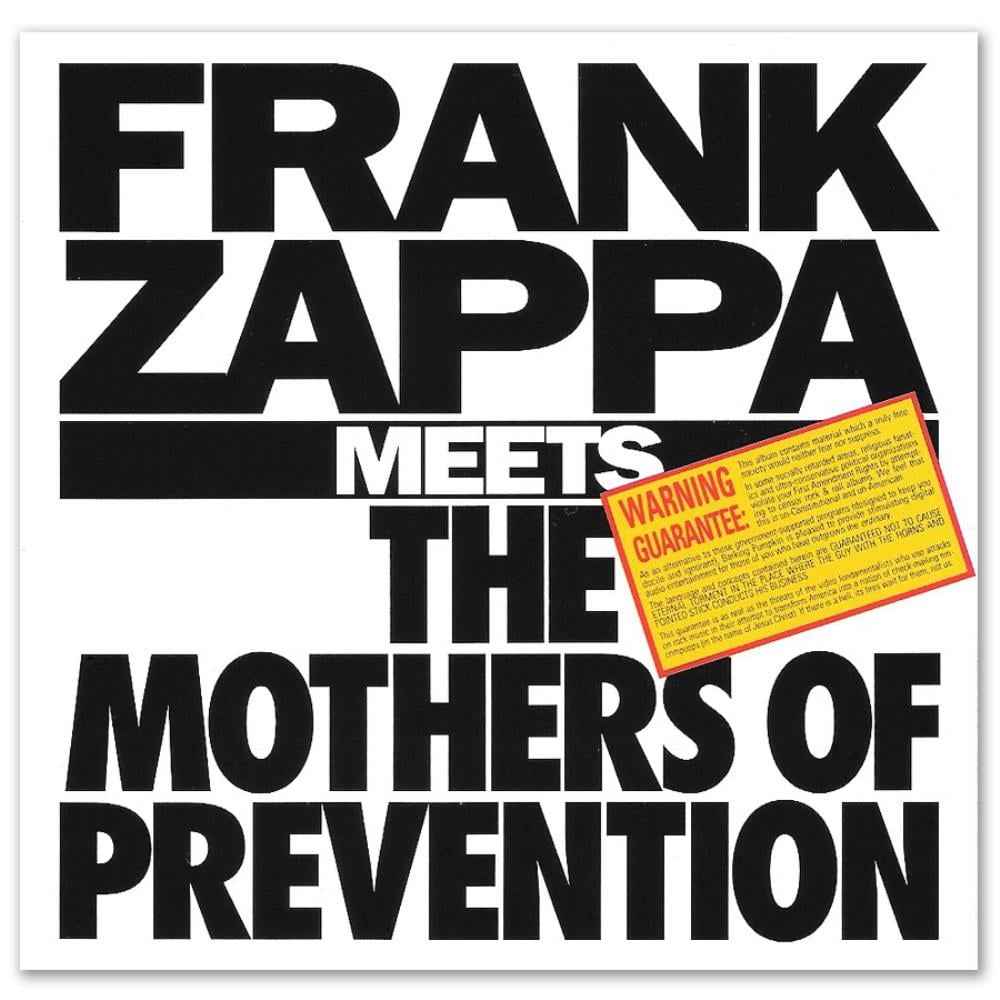
Audi­ences swooned as British ice dancers Torvill and Dean won the gold at the 1984 Win­ter Olympics in Sara­je­vo with a per­fect score-per­for­mance to Bolero; both Jeff Beck and Frank Zap­pa have cov­ered it; Bolero famous­ly scored a sex scene in 1979’s sleazy com­e­dy 10; it popped up in 2014’s Spi­der-Man 2; and it even pro­vid­ed the title of a film, 1934’s Bolero, which cul­mi­nat­ed in the leads danc­ing to Ravel’s com­po­si­tion….

If you hap­pened to have missed all of these cul­tur­al moments, you’ve still heard Bolero, with its unmis­tak­able flute and pic­co­lo melody and per­sis­tent­ly rap­ping snare drum. (Maybe you, and your tot, saw sev­en chick­ens dance to Bolero on Sesame Street.)

Bolero is not only Ravel’s most famous com­po­si­tion, but per­haps one of the most well-known pieces of clas­si­cal music ever writ­ten. “Famous to his­to­ri­ans and record-books for osten­si­bly con­tain­ing the longest-sus­tained sin­gle crescen­do any­where in orches­tral reper­to­ry,” writes All­mu­sic, and “famous to musi­cians and music lovers for being both the most repet­i­tive 15 min­utes of music they are like­ly to play/hear and also one of the most absolute­ly well-com­posed.” So repet­i­tive is Bolero that it has been cit­ed as evi­dence that Mau­rice Rav­el suf­fered from Alzheimer’s when he wrote it.

I find this expla­na­tion of Bolero uncon­vinc­ing, pri­mar­i­ly because of its afore­men­tioned “well-com­posed” qual­i­ty. This is no musi­cal per­se­ver­a­tion, the symp­tom of a decay­ing mind, but an inten­tion­al exercise—as is so much mod­ern music since Ravel—in find­ing beau­ty and vari­a­tion in same­ness. We hear it in the min­i­mal­ism of com­posers like Steve Reich, or the dron­ing beats of Kraftwerk and Can. In fact, clas­si­cal review mag­a­zine Gramo­phone invokes Krautrock-style rep­e­ti­tion in its descrip­tion of Bolero’s dri­ve “toward motorik self-obliv­ion.” The piece “is about devel­op­ing a sin­gle moment in time, obses­sive­ly rethought/re-shad­ed/re­drawn/re­vis­it­ed, revealed through shift­ing per­spec­tives on itself.”

Gramo­phone’s thor­ough doc­u­men­ta­tion of Bolero’s record­ing his­to­ry details the ways in which a suc­ces­sion of con­duc­tors and orches­tras have approached the piece’s com­plex inter­play of same­ness and dif­fer­ence, begin­ning with one of the very first record­ings, con­duct­ed by Rav­el him­self, in 1930. Lead­ing the Orchestre des Con­certs Lam­oureux in a ses­sion for Poly­dor, Rav­el was in poor health, and per­haps indeed suf­fer­ing from some form of demen­tia. (Two years lat­er, an auto acci­dent wors­ened his con­di­tion; Rav­el died in 1937 after an unsuc­cess­ful brain surgery.) His “con­duct­ing tech­nique” in the 1930 record­ing “falls far short” in com­par­i­son to oth­er record­ed ver­sions, writes Gramo­phone in their tepid review.

Nonethe­less, this ver­sion rep­re­sents a “his­tor­i­cal curio” and an oppor­tu­ni­ty to hear the com­pos­er pre­side over his own inter­pre­ta­tion of this enthralling piece of music. You can hear Ravel’s record­ing above.

Relat­ed Con­tent:

Hear Rav­el Play Rav­el in 1922

Hear Debussy Play Debussy: A Vin­tage Record­ing from 1913

Watch 82-Year-Old Igor Stravin­sky Con­duct The Fire­bird, the Bal­let Mas­ter­piece That First Made Him Famous (1965)

Josh Jones is a writer and musi­cian based in Durham, NC. Fol­low him at @jdmagness

The Instrument Benjamin Franklin Invented, the Glass Armonica, Plays Tchaikovsky’s “Dance of the Sugar Plum Fairy”


Must we ever see anoth­er port­ly, bespec­ta­cled re-enac­tor drag­ging a kite with key attached to rep­re­sent the inge­nu­ity of rak­ish found­ing father and avatar of cash wealth, Ben­jamin Franklin? Why, when he invent­ed so many won­drous things—including those bifo­cal specs—should we only memo­ri­al­ize him for this sil­ly (but very sci­en­tif­ic) stunt? Though it may be a true sto­ry, unlike Wash­ing­ton and his cher­ry tree, the famil­iar­i­ty of the image breeds a cer­tain indif­fer­ence to the man behind it. I’m not sug­gest­ing that we remem­ber him for, say, his inven­tion of the catheter, though that’s quite a use­ful thing. Or for his inven­tion, accord­ing to How Stuff Works, of “Amer­i­can Celebrity”—surely no friend to human­i­ty these two hun­dred-plus years hence.

But maybe swim fins, eh? That’s a pret­ty neat inven­tion. Imag­ine your fifth-grad­er in bald cap and ruf­fled shirt, plod­ding across the school stage in a pair of flip­pers. Or maybe the odome­ter? Or those reachy, grab­by things at the gro­cery store that pull items down from high shelves? Bor­ing. How about the Glass Armon­i­ca? The what? The glass armon­i­ca, I say, or—as Franklin orig­i­nal­ly called it—the “glassy­chord.” What is it? Well, Franklin, inspired by a con­cert by Roy­al Acad­e­my col­league Edmund Delaval on a set of water tuned wine­glass­es, decid­ed to improve upon the instru­ment. An ama­teur musi­cian him­self, writes William Zeitler as Glassarmonica.com, Franklin left the con­cert “deter­mined to invent and build ‘a more con­ve­nient’ arrange­ment.”


Thus, after two years of exper­i­men­ta­tion, “Franklin debuted his glass armon­i­ca,” which How Stuff Works describes as “a col­lec­tion of dif­fer­ent-sized glass bowls arranged on a rotat­ing shaft. By spin­ning the shaft with a foot ped­al and run­ning wet­ted fin­gers over the rotat­ing bowls, Franklin found he could coax out chords and melodies that Delaval could only dream of.” You needn’t use your imag­i­na­tion. Just watch the video above to see a Franklin re-enac­tor play a beau­teous ren­di­tion of Tchaikovsky’s “Dance of the Sug­ar Plum Fairy” on a glass armon­i­ca. Love­ly, no? Sure­ly we wouldn’t expect chil­dren to pull this off in the school play, but they could mime along to a record­ing. (Don’t start yelling about revi­sion­ist his­to­ry just yet. We can still tell the kite and key sto­ry, too. Just watch these adorable chil­dren tell it in this video.)

Franklin pre­miered the inven­tion in 1762, though he didn’t play it him­self but enlist­ed Lon­don musi­cian Mar­i­anne Davis. It was an instant hit, “par­tic­u­lar­ly in Ger­many,” Zeitler writes, where “Mozart was intro­duced to it by Dr. Franz Mes­mer, who used it to ‘mes­mer­ize’ his patients, and lat­er Mozart wrote two works for it (a solo armon­i­ca piece, and a larg­er quin­tet for armon­i­ca, flute, oboe, vio­la and cel­lo).” Above, hear Mozart’s Ron­do for Glass Armon­i­ca and Quar­tet, per­formed by Thomas Bloch. Impressed? It gets bet­ter: “Beethoven also wrote a lit­tle piece for armon­i­ca and nar­ra­tor (!), and many of their col­leagues of the day com­posed for it as well—some 200 pieces for armon­i­ca… sur­vive from that era.”

What hap­pened? Tastes changed, put sim­ply, and the glass armon­i­ca fell out of fash­ion. That, and the lack of ampli­fi­ca­tion meant it was drowned out in increas­ing­ly larg­er ensem­bles. I pro­pose we bring it back, maybe in a hip Ben Franklin Broad­way musi­cal. Who’s with me?

Learn much more about this fas­ci­nat­ing instru­ment, and see sev­er­al more video demon­stra­tions, at Glassarmonica.com.

Relat­ed Con­tent:

Ben Franklin’s List of 200 Syn­onyms for “Drunk”: “Moon-Ey’d,” “Ham­mer­ish,” “Stew’d” & More (1737)

Declas­si­fied CIA Doc­u­ment Reveals That Ben Franklin (and His Big Ego) Put U.S. Nation­al Secu­ri­ty at Risk

Sovi­et Inven­tor Léon Theremin Shows Off the Theremin, the Ear­ly Elec­tron­ic Instru­ment That Could Be Played With­out Being Touched (1954)

Josh Jones is a writer and musi­cian based in Durham, NC. Fol­low him at @jdmagness

Hear Amanda Palmer’s Cover of “Purple Rain,” a Gorgeous Stringfelt Send-Off to Prince

Amanda Palmer Prince Cover

Dear­ly beloved, we are gath­ered here today to get through this thing called life…

It must have crossed Prince’s mind that the day would sure­ly come when fans would mine his eter­nal­ly mem­o­rable open­er to 1984’s “Let’s Go Crazy” to eulo­gize him.

But could he have antic­i­pat­ed the heights to which fel­low singer-song­writer Aman­da Palmer would take this most under­stand­able of impuls­es?

Brace your­self for the above, the most mourn­ful­ly emo­tion­al cov­er of “Pur­ple Rain” you’re ever like­ly to hear. Yes, it shares an intro with “Let’s Go Crazy,” but this is no ordi­nary med­ley.

As with Strung Out In Heav­en, her five-track trib­ute to the recent­ly deceased David Bowie, Palmer teamed with a string quar­tet and pop poly­math pro­duc­er Jherek Bischoff. The quick turn­around result is both lush and heart­felt.

With no dis­re­spect, hope­ful­ly Palmer’s exquis­ite string ele­gies will not become a thing.

In oth­er words, we all have rock stars whose pass­ing we dread as an indi­ca­tor of our own mor­tal­i­ty.…

The pro­ceeds from the name-your-price pur­chase of Palmer’s “Pur­ple Rain” will be donat­ed to Ele­vate Hope Foun­da­tion, the non-prof­it project co-found­ed by fre­quent Prince col­lab­o­ra­tor, Sheila E, to pro­vide music ther­a­py for abused and aban­doned chil­dren.

As recent­ly as mid-March, Palmer was char­ac­ter­is­ti­cal­ly mouthy online about her philo­soph­i­cal dif­fer­ences with the Pur­ple One, whom she described as the yang to her yin:

We want con­nec­tion but dis­agree about the wires, the chan­nels, the ingre­di­ents.

After he passed, she showed more restraint in an inter­view with Pitch­fork, in which she shared some per­son­al rec­ol­lec­tions about Prince’s role in her (elec­tric word) life.

Relat­ed Con­tent:

Hear Strung Out in Heav­en, a Gor­geous Trib­ute to David Bowie by Aman­da Palmer & Jherek Bischoff’s, Made with Help from Neil Gaiman

This Is What It Sounds Like When 1999 Peo­ple Sing Prince’s “When Doves Cry”

Delight in Prince’s Extra­or­di­nar­i­ly Poignant Cov­er of Radiohead’s “Creep” & His Com­plete 2008 Coachel­la Set

Ayun Hal­l­i­day is an author, illus­tra­tor, and Chief Pri­ma­tol­o­gist of the East Vil­lage Inky zine. Fol­low her @AyunHalliday

Brian Eno Answers Deep Questions from Music Journalist Dick Flash: The Best Eno Interview You’ll See

Sure­ly you’re famil­iar with the work of Dick Flash, the tire­less writer for Pork mag­a­zine who asks the most bril­liant minds in music today the deep­est, most seri­ous, most prob­ing ques­tions. Take, for instance, his inter­view of artist/pro­duc­er/am­bi­ent-music-inven­tor Bri­an Eno. “I was going to ask you whether you thought tech­nol­o­gy had affect­ed music very deeply,” Flash begins, “but then I thought, ‘Well, that’s a bloody stu­pid ques­tion to ask Bri­an Eno. I know you’ll agree that you just can’t imag­ine rock music with­out all the tech­nol­o­gy which goes into mak­ing it and get­ting it heard. How do you think that process has affect­ed what you’re doing?”

“Well —”

“I mean, when you’re mak­ing music, what even­tu­al­ly comes out has almost noth­ing to do with per­for­mance at all. I mean, I won­der if you some­times feel more like a painter than a com­pos­er.”

“The thing about this new record —”

“Because after all, your music is basi­cal­ly scenic. It’s not only that you make it more like a painter than a com­pos­er, but also, it does­n’t have a nar­ra­tive. There’s no sort of tele­o­log­i­cal struc­ture to it. It’s not goal-direct­ed. Instead it’s a bit like a sort of emo­tion­al micro­cli­mate, a place more than an event. Does that make any sense to you?”

“Yeah, well, I —”

“I mean, I’m not try­ing to put words into your mouth, but the real ques­tion is, should this stuff be called music at all, or is it a new art form? Do you think that this and oth­er media suf­fer from the car­ry­over of their orig­i­nal names, when in fact they’ve changed into some­thing com­plete­ly dif­fer­ent.”

“Well, I like paint­ing, yeah. I real­ly like it. Um…”

The inter­view, con­duct­ed at the time of the release of Eno’s album Small Craft on a Milk Sea (which Flash calls Milk Crate on a Small Sea) con­sti­tutes a true meet­ing of the minds. The con­ver­sa­tion cov­ers all the sub­jects that mat­ter: ecol­o­gy, film scores, the 1956 Copy­right Act, the human need for sur­ren­der, “the inter­net and all that,” the Edge’s hat, and why Eno does so much col­lab­o­ra­tion in the stu­dio. As to that last, the inter­view­er has a the­o­ry: “You love play­ing with what some­body else is play­ing as much as you enjoy play­ing with your­self.”

But wait — you say you’ve nev­er heard of Dick Flash? Watch the inter­view again: does­n’t he sound and look, behind that hip hair and spec­ta­cles, at least a lit­tle bit famil­iar? And does­n’t Eno him­self, con­fus­ing Mal­colm McLaren with Mar­shall McLuhan and going on about Annie Lennox’s neck, seem unchar­ac­ter­is­ti­cal­ly inar­tic­u­late, almost as if he’s pok­ing fun at him­self? (And who’s that in the pic­ture on his com­put­er desk­top, any­way?) Like all the finest inter­views through­out the his­to­ry of jour­nal­ism, this one leaves us with more ques­tions than answers.

Relat­ed Con­tent:

Bri­an Eno on Why Do We Make Art & What’s It Good For?: Down­load His 2015 John Peel Lec­ture

The Genius of Bri­an Eno On Dis­play in 80 Minute Q&A: Talks Art, iPad Apps, ABBA, & More

Jump Start Your Cre­ative Process with Bri­an Eno’s “Oblique Strate­gies”

Bri­an Eno on Cre­at­ing Music and Art As Imag­i­nary Land­scapes (1989)

David Bowie & Bri­an Eno’s Col­lab­o­ra­tion on “Warsza­wa” Reimag­ined in Com­ic Ani­ma­tion

Based in Seoul, Col­in Mar­shall writes and broad­casts on cities, lan­guage, and style. He’s at work on a book about Los Ange­les, A Los Ange­les Primer, the video series The City in Cin­e­ma, the crowd­fund­ed jour­nal­ism project Where Is the City of the Future?, and the Los Ange­les Review of Books’ Korea Blog. Fol­low him on Twit­ter at @colinmarshall or on Face­book.

The Influence of Miles Davis Revealed with Data Visualization: For His 90th Birthday Today

miles-davis-universe

Miles Davis would have cel­e­brat­ed his 90th birth­day today. And though he’s been gone for 25 years (hard to believe), he remains arguably the most influ­en­tial fig­ure in jazz. How influ­en­tial? Glad you asked. A new web­site called “The Uni­verse of Miles Davis” has tried to quan­ti­fy and visu­al­ize Davis’ influ­ence by comb­ing through Wikipedia, and find­ing every Eng­lish-lan­guage Wikipedia page (2,452 in total ) that links to the main Miles Davis entry on Wikipedia. Turn­ing those links into graph­ics, the site visu­al­izes Miles’ rela­tion­ships and asso­ci­a­tions, reveal­ing the far-reach­ing influ­ence of Miles Davis in a nov­el way. You can enter “The Uni­verse of Miles Davis” here.

This inter­ac­tive site was pro­duced by Poly­graph, “an exper­i­men­tal pub­li­ca­tion devot­ed to com­plex top­ics and dis­course.”

via Forbes

Relat­ed Con­tent:

Miles Davis’ Entire Discog­ra­phy Pre­sent­ed in a Styl­ish Inter­ac­tive Visu­al­iza­tion

The Paint­ings of Miles Davis

Miles Davis’ “South Side Chica­go Chili Mack” Recipe Revealed

Watch Ani­mat­ed Sheet Music for Miles Davis’ “So What,” Char­lie Parker’s “Con­fir­ma­tion” & Coltrane’s “Giant Steps”

The British Library’s “Sounds” Archive Presents 80,000 Free Audio Recordings: World & Classical Music, Interviews, Nature Sounds & More

Online archives, gal­leries, and libraries offer Vegas-sized buf­fets for the sens­es (well two of them, any­way). All the art and pho­tog­ra­phy your eyes can take in, all the music and spo­ken word record­ings your ears can han­dle. But per­haps you’re still miss­ing some­thing? “Geordies bang­ing spoons” maybe? Or “Tawang lamas blow­ing conch shell trum­pets… Ton­gan tribes­men play­ing nose flutes…,” the sound of “the Assamese wood­worm feast­ing on a win­dow frame in the dead of night”?

No wor­ries, the British Library’s got you cov­ered and then some. In 2009, it “made its vast archive of world and tra­di­tion­al music avail­able to every­one, free of charge, on the inter­net,” amount­ing to rough­ly 28,000 record­ings and, The Guardian esti­mates “about 2,000 hours of singing, speak­ing, yelling, chant­i­ng, blow­ing, bang­ing, tin­kling and many oth­er verbs asso­ci­at­ed with what is a unique­ly rich sound archive.”

But that’s not all, oh no! The com­plete archive, titled sim­ply and author­i­ta­tive­ly “Sounds,” also hous­es record­ings of accents and dialects, envi­ron­ment and nature, pop music, “sound maps,” oral his­to­ry, clas­si­cal music, sound record­ing his­to­ry, and arts, lit­er­a­ture, and per­for­mance (such as J.R.R. Tolkien’s short dis­course on “Wire­less,” ani­mat­ed in the video below).

The 80,000 record­ings avail­able to stream online rep­re­sent just a selec­tion of the British Library’s “exten­sive col­lec­tions of unique sound record­ings,” but what a selec­tion it is. In the short video at the top of the post, The Wire Mag­a­zine takes us on a mini-tour of the phys­i­cal archive’s metic­u­lous dig­i­ti­za­tion meth­ods. As with all such wide-rang­ing col­lec­tions, it’s dif­fi­cult to know where to begin.

One might browse the range of unusu­al folk sounds on aur­al dis­play in the World & Tra­di­tion­al music sec­tion, cov­er­ing every con­ti­nent and a daunt­ing meta­cat­e­go­ry called “World­wide.” For a more spe­cif­ic entry point, Elec­tron­ic Beats rec­om­mends a col­lec­tion of “around 8,000 Afropop tracks” from Guinea, record­ed on “the state-sup­port­ed Syli­phone label” and “released between 1958 and 1984.”

Edison Disc Phonograph

Oth­er high­lights include “Between Two Worlds: Poet­ry & Trans­la­tion,” an ongo­ing project begun in 2008 that fea­tures read­ings and inter­views with “poets who are bilin­gual or have Eng­lish as a sec­ond lan­guage, or who oth­er­wise reflect the project’s theme of dual cul­tures.” Or you may enjoy the exten­sive col­lec­tion of clas­si­cal music record­ings, includ­ing “Hugh Davies exper­i­men­tal music,” or the “Oral His­to­ry of Jazz in Britain.”

The cat­e­go­ry called “Sound Maps” orga­nizes a diver­si­ty of recordings—including region­al accents, inter­views with Holo­caust sur­vivors, wildlife sounds, and Ugan­dan folk music—by ref­er­ence to their loca­tions on Google maps.

Not all of the mate­r­i­al in “Sounds” is sound-based. Record­ing and audio geeks and his­to­ri­ans will appre­ci­ate the large col­lec­tion of “Play­back & Record­ing Equip­ment” pho­tographs (such as the 1912 Edi­son Disc Phono­graph, above ), span­ning the years 1877 to 1992. Also, many of the recordings—such as the won­der­ful first ver­sion of “Dirty Old Town” by Alan Lomax and the Ram­blers, with Ewan Mac­Coll and Peg­gy Seeger (below)—feature album cov­ers, front and back, as well as disc labels.

The record­ings in the Archive are unfor­tu­nate­ly not down­load­able (unless you are a licensed mem­ber of a UK HE/FE insti­tu­tion), but you can stream them all online and share any of them on your favorite social media plat­form. Per­haps the British Library will extend down­load priv­i­leges to all users in the future. For now, brows­ing through the sheer vol­ume and vari­ety of sounds in the archive should be enough to keep you busy.

Relat­ed Con­tent:

The Alan Lomax Sound Archive Now Online: Fea­tures 17,000 Blues & Folk Record­ings

Cor­nell Launch­es Archive of 150,000 Bird Calls and Ani­mal Sounds, with Record­ings Going Back to 1929

1,000 Record­ings to Hear Before You Die: Stream a Huge Playlist of Songs Based on the Best­selling Book

Josh Jones is a writer and musi­cian based in Durham, NC. Fol­low him at @jdmagness

Wynton Marsalis Takes Louis Armstrong’s Trumpet Out of the Museum & Plays It Again


Louis Arm­strong’s beloved trum­pet sits in the Smith­son­ian–a rel­ic of a grand tra­di­tion of Amer­i­can music. When it first became a muse­um piece, the brass-and-gold instru­ment, made in Paris after World War II, was­n’t in work­ing con­di­tion. Dwan­da­lyn Reece, the cul­ture cura­tor at The Smith­son­ian, notes:  “It wasn’t playable when it got here… There was a lac­quer coat­ing on it to help pre­vent tar­nish. We looked to see if there were any spots where the lac­quer impact­ed the valves. There were areas where the valves were a lit­tle sticky so we want­ed to make sure they would flow freely.” Once restored, they put the instru­ment in the right hands. Above, watch Wyn­ton Marsalis, the nine-time Gram­my win­ner, play­ing Satch­mo’s Selmer trum­pet last fall.

Marsalis lat­er com­ment­ed, “It sound­ed bet­ter than I thought it would sound.” Appar­ent­ly, it’s the first time an his­toric instru­ment from the Smith­so­ni­an’s col­lec­tion has been put back into real ser­vice.

via The Smith­son­ian/@TedGioia

Relat­ed Con­tent:

The Clean­est Record­ings of 1920s Louis Arm­strong Songs You’ll Ever Hear

1,000 Hours of Ear­ly Jazz Record­ings Now Online: Archive Fea­tures Louis Arm­strong, Duke Elling­ton & Much More

Watch the Ear­li­est Known Footage of Louis Arm­strong Per­form­ing Live in Con­cert (Copen­hagen, 1933)

Louis Arm­strong Plays Trum­pet at the Egypt­ian Pyra­mids; Dizzy Gille­spie Charms a Snake in Pak­istan

Louis Arm­strong Plays His­toric Cold War Con­certs in East Berlin & Budapest (1965)

Watch 82-Year-Old Igor Stravinsky Conduct The Firebird, the Ballet Masterpiece That First Made Him Famous (1965)

The Bal­lets Russ­es, found­ed in 1909 by art crit­ic and impre­sario Sergei Diaghilev, staged some tru­ly rev­o­lu­tion­ary pro­duc­tions on the very edge of aes­thet­ic new­ness. Diaghilev’s bal­lets coor­di­nat­ed set designs by artists like Pablo Picas­so, Hen­ri Matisse, and Gior­gio de Chiri­co, chore­og­ra­phy by such mas­ters as George Bal­an­chine and Vaslav Nijin­sky, and scores by such mod­ern com­posers as Sergei Prokofiev and Erik Satie. But of course, when we think of Diaghilev’s Russ­ian bal­lets, we sure­ly think fore­most of Igor Stravin­sky, whose Rite of Spring was so rad­i­cal it famous­ly incit­ed a riot at its 1913 Parisian pre­miere and “would go on,” writes The Verge, “to leave an indeli­ble mark on jazz, min­i­mal­ism, and oth­er con­tem­po­rary move­ments.”

Just three years ear­li­er, how­ev­er, Stravin­sky was most­ly unknown. Still work­ing under the shad­ow of his teacher, Rim­sky-Kor­sakov, he was giv­en his first big break by Diaghilev only after sev­er­al oth­er com­posers refused the job. That com­mis­sion turned out to be one of the works for which Stravin­sky is best known—the score for The Fire­bird, a bal­let based on a Russ­ian folk tale about a prince who frees a mag­i­cal bird held cap­tive by a sor­cer­er. Fit­ting­ly, giv­en the mon­strous nature of the story’s antag­o­nists, Stravinsky’s score turns on a very sin­is­ter-sound­ing musi­cal inter­val, the tri­tone, whose dis­so­nance caused ear­li­er com­posers to dub it “the Devil’s Inter­val” and to avoid it entire­ly in reli­gious music. Just above, you can see Stravin­sky him­self, at age 82, con­duct “The Lul­la­by Suite” from the bal­let.

Stravinsky’s score built on Claude Debussy’s use of the tri­tone twen­ty years ear­li­er in the eerie Pre­lude to an After­noon of a Faun, and the net effect of the inter­val in these two pieces lead to its dark, moody sound becom­ing “the cen­ter of mod­ern music.” So says Carnegie Hall’s Jef­frey Gef­fen in the short video intro­duc­tion to Stravinsky’s Fire­bird. Gef­fen goes on to tell us that Debussy and Stravin­sky “looked to what was con­sid­ered the most dis­so­nant inter­val of the past 200 years and turned it into into some­thing that becomes exot­ic and per­fumed.” Although The Fire­bird’s sto­ry and many of its musi­cal themes are dis­tinct­ly Russ­ian in ori­gin (as you can see in the Khan Acad­e­my video below), the music “would not have been pos­si­ble,” says Carnegie Hall’s David Robert­son, “with­out the influ­ence of Debussy and that of his friend Mau­rice Rav­el.”

Stravin­sky’s music proved polar­iz­ing even before the riots of Rite of Spring. When leg­endary dancer Anna Pavlo­va heard the Fire­bird score, she declared it “noise” and refused to dance to it, forc­ing Diaghilev to cast Tama­ra Karsav­ina in the title role. But the pro­duc­er believed in his new com­pos­er, remark­ing to Karsav­ina on the bal­let’s pre­miere that Stravin­sky was “a man on the eve of celebri­ty.” Even the for­ward-look­ing Diaghilev could­n’t have pre­dict­ed how much influ­ence Stravin­sky would have on the next 100 years of mod­ern music. Since its first incar­na­tion in 1910, The Fire­bird has been restaged and rearranged sev­er­al times. The suite Stravin­sky con­ducts at the top of the post comes from the 1945 arrange­ment. Two years after this filmed per­for­mance, Stravin­sky con­duct­ed his very last record­ing for Colum­bia Records. He again chose to return, for the last time, to the bal­let that first made him famous, The Fire­bird.

Relat­ed Con­tent:

Hear 46 Ver­sions of Stravinsky’s Rite of Spring in 3 Min­utes: A Clas­sic Mashup

Stravinsky’s “Ille­gal” Arrange­ment of “The Star Span­gled Ban­ner” (1944)

Stravinsky’s The Rite of Spring, Visu­al­ized in a Com­put­er Ani­ma­tion for Its 100th Anniver­sary

Josh Jones is a writer and musi­cian based in Durham, NC. Fol­low him at @jdmagness

« Go BackMore in this category... »
Quantcast