Hear Prince and Miles Davis’ Rarely-Heard Musical Collaborations

The days and weeks after a celebri­ty death tend to fill up with pub­lic inquiries. The vaguer the cir­cum­stances, the more ques­tions pro­lif­er­ate, lead to inves­ti­ga­tions, tri­als, depress­ing tabloid pay­days…. But many fans don’t linger over pro­ce­dur­al goings-on or pruri­ent details. Many won­der instead “What if?”—as in, how do we reck­on the artis­tic loss? What projects went uncom­plet­ed? What kind of col­lab­o­ra­tions might have been on the hori­zon?

The spec­u­la­tive answers to the lat­ter ques­tion often give us far more inter­est­ing results than the real thing. While David Bowie’s work with Fred­die Mer­cury and Queen is unques­tion­ably mas­ter­ful, for exam­ple, his joint effort with Mick Jag­ger now just makes us laugh. Bowie worked with near­ly every­one it seems—there are few match-ups left to pon­der…. Well, every­one that is except Prince. What if….?

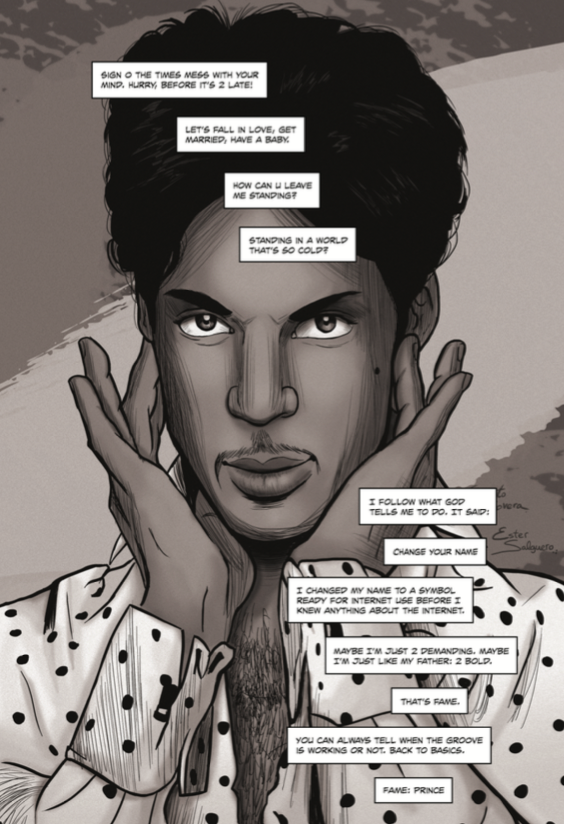
And now that Prince has left us, we might won­der about all of the super­du­os that might have formed had he lived into his six­ties and beyond. One col­lab­o­ra­tion that did bear some fruit dur­ing his life­time came just in time for Prince’s super­star part­ner, Miles Davis, who died in 1991. Dur­ing the lat­ter half of the ‘80s, the two formed a bond, based on mutu­al admi­ra­tion for each other’s music, of course, as well as for each other’s image and gen­er­al­ly uncom­pro­mis­ing per­son­al­i­ty.

In fact, since at least 1982, Davis, writes his biog­ra­ph­er Ian Carr, became “almost obses­sive­ly inter­est­ed in the androg­y­nous, mul­ti-tal­ent­ed black pop star… whom he rat­ed very high­ly as an artist.” In the short (almost inaudi­ble) inter­view clip above, Davis describes Prince as a syn­the­sis of James Brown, Mar­vin Gaye, Jimi Hen­drix, and Char­lie Chap­lin. He also com­pared Prince to Sly Stone and Lit­tle Richard, writes Carr, and com­ment­ed, “He’s a mix­ture of all those guys and Duke Elling­ton.”

For his part, Prince sup­pos­ed­ly saw in Davis an old­er ver­sion of him­self. After the two artists met in 1985, they crossed paths sev­er­al more times in the fol­low­ing years, with Miles appear­ing onstage to play a solo at a Pais­ley Park New Year’s Eve ben­e­fit and record­ing a solo on the Prince/Chaka Khan song “Sticky Wicked” in 1988. What’s par­tic­u­lar­ly inter­est­ing about Prince and Davis’s musi­cal love affair is that the result­ing music played to both artists’ strengths, instead of attempt­ing to meld their styles into some­thing out of char­ac­ter.

Davis’ exper­i­ments with ‘80s R&B tropes in his 1986 album Tutu stem from their work togeth­er, and the record was orig­i­nal­ly intend­ed as a Prince col­lab­o­ra­tion. At the top of the post, you can hear an unre­leased track orig­i­nal­ly writ­ten for Tutu called “Can I Play With U?” and fea­tur­ing Prince’s vocals. Tutu end­ed up going in a dif­fer­ent direc­tion, and received some high­ly mixed reviews, but it retained much of the spir­it of Prince. And for Miles—who since the late six­ties had absorbed and trans­formed influ­ences from so many con­tem­po­rary styles—this seemed per­fect­ly fit­ting.

The Tutu col­lab may not have panned out—Prince was appar­ent­ly unhap­py with the results and scrapped his songs—but the two didn’t give up on each oth­er. On the con­trary, much of the music Davis played and record­ed at the end of his life was writ­ten by Prince. Above, hear one such com­po­si­tion, the sug­ges­tive­ly named “Pen­e­tra­tion,” in a 1991 per­for­mance. Though Prince’s funk roots shine through, it’s also a work very much in Davis’s fusion wheel­house. Although Davis died before the two could com­plete their long-await­ed col­lab­o­ra­tive album, we don’t have to won­der “What if?”

Much of the music they wrote togeth­er sur­vives in live per­for­mances like that above and has cir­cu­lat­ed in a Davis boot­leg titled Miles Davis Plays Prince and a Prince boot­leg titled Cru­cial. Does the music on these record­ings live up to the out­sized tal­ent and per­son­al­i­ties of these two genius­es? Prob­a­bly not—whatever could? But it shows us the direc­tion Davis would have con­tin­ued to move in had he lived on, and also gives us a way to think about the sig­nif­i­cant jazz influ­ences in Prince’s music, a sub­ject rarely dis­cussed but wor­thy of much more con­sid­er­a­tion.

via Bill­board

Relat­ed Con­tent:

See Prince (RIP) Play Mind-Blow­ing Gui­tar Solos On “While My Gui­tar Gen­tly Weeps” and “Amer­i­can Woman”

Prince (RIP) Per­forms Ear­ly Hits in a 1982 Con­cert: “Con­tro­ver­sy,” “I Wan­na Be Your Lover” & More

The Night When Miles Davis Opened for the Grate­ful Dead in 1970: Hear the Com­plete Record­ings

Josh Jones is a writer and musi­cian based in Durham, NC. Fol­low him at @jdmagness

Delight in Prince’s Extraordinarily Poignant Cover of Radiohead’s “Creep

Prince didn’t cov­er a song, he pos­sessed it. He took over its limbs and made it do things it had nev­er done before—dance wild­ly down the aisles, scream, shout, and fall to the ground. When he cov­ered a song, it got reli­gion the way peo­ple only do in the movies. And if you had the priv­i­lege to see it hap­pen, you too became a believ­er in every word and note. As the pro­duc­er Fafu, a one­time mem­ber of his army of play­ers and techs, tes­ti­fied yes­ter­day: “I nev­er saw Prince make a mistake—in any­thing.” It may sound like a musi­cian who fits that descrip­tion would have to be some kind of robot; Prince was pre­cise­ly the oppo­site, the apoth­e­o­sis of what a human being could do with voice, gui­tar, and vir­tu­al­ly every oth­er instru­ment.

Unsur­pris­ing­ly, Prince’s all-pow­er­ful con­trol over his musi­cian­ship extend­ed to most oth­er areas of his life. He “was hard on peo­ple,” Fafu remem­bered, “I don’t want to paint an ugly pic­ture, but he was tough. You want­ed to please dad­dy.” He was equal­ly hard on peo­ple who dis­sem­i­nat­ed his record­ings and per­for­mances in unau­tho­rized ways. But in at least one case, Radiohead’s Thom Yorke fought back, forc­ing Prince to unblock access to Youtube footage of his 2008 Coachel­la ver­sion of “Creep.” And wow, are we glad he did. See it above (espe­cial­ly poignant is his gospel deliv­ery of the line, “you just want to have con­trooool.”), and be reborn.

Prince reminds us that every hard rock bal­lad since the ear­ly ‘80s owes him a roy­al­ty check, and that just one of his screams, one of his explo­sive gui­tar fills, even one of his preg­nant paus­es, had more pow­er and beau­ty in it than some entire albums. Prince didn’t have to want to be spe­cial. He just was.

As I shared yes­ter­day, he was with­out a doubt the most incred­i­ble live per­former I have ever expe­ri­enced, so much so that I gen­er­al­ly pre­fer his live recordings—bootlegged or otherwise—to his stu­dio stuff. Mil­lions of peo­ple feel like­wise, and thanks to one fan, we have the full audio of that head­lin­ing Coachel­la show. Hear it all here (and see the setlist fur­ther down)—the ridicu­lous­ly catchy funk/soul hits, the between-song inspi­ra­tional pat­ter, the soar­ing, snarling gui­tar solos, and the cov­ers: includ­ing “Creep,” “Come Togeth­er,” Sarah Mclach­lan’s “Angel,” songs by San­tana, The Time, Sheila E., and, no kid­ding, The B‑52’s “Rock Lob­ster.”


Prince Coachella setlist-image-v1

via Live for Music

Relat­ed Con­tent:

See Prince (RIP) Play Mind-Blow­ing Gui­tar Solos On “While My Gui­tar Gen­tly Weeps” and “Amer­i­can Woman”

Prince (RIP) Per­forms Ear­ly Hits in a 1982 Con­cert: “Con­tro­ver­sy,” “I Wan­na Be Your Lover” & More   

Josh Jones is a writer and musi­cian based in Durham, NC. Fol­low him at @jdmagness

Prince Plays a Mind-Blowing Guitar Solo On “While My Guitar Gently Weeps”

Amidst all its oth­er unset­tling excess­es, 2016 has become a year of col­lec­tive mourn­ing as musi­cal icon after musi­cal icon pass­es away. The names begin to sound like a list of bat­tle­field casu­al­ties. Our lat­est loss was much more than a leader among men: he was roy­al­ty.

Prince’s death strikes me as a tragedy for so many rea­sons: he was too young, only 57. He was—as for near­ly every­one of my generation—a fix­ture of my child­hood, a fig­ure of impos­si­ble cool; his loss feels deeply per­son­al. Last­ly, Prince seemed so above it all—above all of the ugly, pet­ty crap the rest of us slog through every day, includ­ing death.

All pop stars seem like that to their fans.

But when it comes to Prince, it wasn’t just his for­ev­er young sex­u­al­i­ty that made me think he’d nev­er die, but the fact that he could do any­thing, and I mean any­thing at all as a musi­cian. He seemed to have no lim­i­ta­tions. Unlike many of this year’s lost stars, I was lucky enough to see him play. That show became the high water­mark by which I’ve unfair­ly mea­sured every oth­er per­former.

He played for three hours, then held an after­par­ty and played for two more. He tore through his cat­a­log, then played every­one else. Mem­bers of his band left the stage one by one, and Prince con­tin­ued, pick­ing up instru­ment after instru­ment. The huge­ness of the sound didn’t seem dimin­ished one bit when he remained on stage alone with his gui­tar at three o’clock in the morn­ing.

And that gui­tar, man.… Whether his trade­mark but­ter­scotch Tele­cast­er or series of unique, sig­na­ture instruments—he played like no one else: he made the gui­tar cry, sing, howl, wail, and launch into out­er space hys­ter­ics. His pow­er and con­trol were unmatched. Eric Clap­ton, when asked what it felt like to be the world’s great­est gui­tarist, sup­pos­ed­ly said, “ask Prince.” Apoc­ryphal or not, it’s believ­able. No gui­tarist can be any­thing but blown away by Prince’s prowess. Wit­ness his solo at the end of the 2004 all-star Rock and Roll Hall of Fame George Har­ri­son trib­ute per­for­mance of “While My Gui­tar Gen­tly Weeps” (top), wide­ly cit­ed as one one of the best gui­tar moments caught on tape, and as evi­dence for why Prince belongs in the top ten of world’s great­est play­ers. He’s accom­pa­nied on the stage by Tom Pet­ty (RIP), Steve Win­wood, Jeff Lynne and Dhani Har­ri­son.

I don’t think there’s any hyper­bole in say­ing that Prince may have been the great­est stage per­former of the past forty years, as a total pack­age: show­man, song­writer, and musi­cian. And though he dom­i­nat­ed cen­ter stage, he wasn’t too proud to play the side­man. Check him out above, for exam­ple, back­ing Lenny Kravitz on “Amer­i­can Woman.” But when it came time for Prince to take a solo (see him tear it up at around 4:50), it was like every­one else had left the stage.

Rest In Peace, Prince. As a gui­tarist, singer, and gen­er­al explo­sion of pur­ple amaz­ing­ness, he was in a class all his own.

Relat­ed Con­tent:

Prince (RIP) Per­forms Ear­ly Hits in a 1982 Con­cert: “Con­tro­ver­sy,” “I Wan­na Be Your Lover” & More      

David Bowie (RIP) Sings “Changes” in His Last Live Per­for­mance, 2006

The Memo­r­i­al Ser­vice & Cel­e­bra­tion of “Lem­my” Kilmis­ter, Motör­head Front­man, is Now Stream­ing Live

Josh Jones is a writer and musi­cian based in Durham, NC. Fol­low him at @jdmagness

What Miles Davis Taught Herbie Hancock: In Music, as in Life, There Are No Mistakes, Just Chances to Improvise

One of my favorite Bri­an Eno quotes, or rather one that became an Oblique Strat­e­gy, is “Hon­or Your Mis­take as a Hid­den Inten­tion.” (Or to be pedan­tic, the orig­i­nal ver­sion was “Hon­or Thy Error…”).

As a teenag­er grow­ing up and try­ing to make art (at that time music and comics) there was no advice more free­ing. It was the oppo­site of what I thought I knew: mis­takes were shame­ful, the sign of an ama­teur or of the lack of prac­tice. But the more art I made, the more I ref­er­enced Eno’s idea, and the more I read and lis­tened, the more I real­ized it wasn’t just Eno. The Bea­t­les left in an alarm clock meant for the musi­cians on “A Day in the Life” and the sound of emp­ty booze bot­tles vibrat­ing on a speak­er was left in at the end of “Long Long Long” (along with tons more). The Beast­ie Boys left in a jump­ing nee­dle intend­ed for a smooth scratch on “The Sounds of Sci­ence.” Radio­head left in Jon­ny Greenwood’s warm-up chord that became essen­tial to “Creep.” (There’s a whole Red­dit thread devot­ed to these mis­takes if you choose to go down the rab­bit hole.)

But those exam­ples relate to the record­ing process of rock music. What about jazz? Sure­ly there’s “wrong” notes when it comes to play­ing, espe­cial­ly if you’re not the soloist.

In this very short video based around an inter­view with pianist Her­bie Han­cock, the mas­ter impro­vi­sor Miles Davis hon­ored Hancock’s mis­take as a hid­den inten­tion by play­ing along with it. It’s both a sur­pris­ing look into the arcane world of jazz impro­vi­sa­tion and a reveal­ing anec­dote of Davis, usu­al­ly known as a dif­fi­cult col­lab­o­ra­tor.

“It taught me a very big les­son not only about music,” says Han­cock, “but about life.”

h/t Jason W‑R

Relat­ed Con­tent:

Watch Miles Davis Impro­vise Music for Ele­va­tor to the Gal­lows, Louis Malle’s New Wave Thriller (1958)

Watch Ani­mat­ed Sheet Music for Miles Davis’ “So What,” Char­lie Parker’s “Con­fir­ma­tion” & Coltrane’s “Giant Steps”

Her­bie Han­cock Presents the Pres­ti­gious Nor­ton Lec­tures at Har­vard Uni­ver­si­ty: Watch Online

Ted Mills is a free­lance writer on the arts who cur­rent­ly hosts the artist inter­view-based FunkZone Pod­cast. You can also fol­low him on Twit­ter at @tedmills, read his oth­er arts writ­ing at tedmills.com and/or watch his films here.

Hear Rufus Wainwright Sing Shakespeare’s Sonnets: A New Album Featuring Florence Welch, Carrie Fisher, William Shatner & More

How to clas­si­fy the singing-song­writ­ing of Rufus Wain­wright? Pop? Folk? Sure­ly we’ll have to throw a “neo-” or two in there. And we can’t ignore the impor­tance of all things oper­at­ic to the work of this musi­cian who grows more sui gener­is with every album he puts out — and indeed, with every stage pro­duc­tion he puts on. His inter­est in opera dates back to his youth, and as ear­ly as his self-titled 2001 debut we can hear its direct influ­ence in a song like “Barcelona,” whose lyrics bor­row from Verdi’s Mac­beth. Ver­di, of course, was also work­ing with some pret­ty rich inspi­ra­tional mate­r­i­al him­self, and Wain­wright has found an occa­sion to pay more direct trib­ute to William Shake­speare this April 22nd, on almost the 400th anniver­sary of that most influ­en­tial Eng­lish play­wright’s death.

On that date, he’ll release Take All My Loves: 9 Shake­speare Son­nets, an album that finds him, in the words of NPR’s Stephen Thomp­son, “tack­ling the Bard’s work in a grand­ly sweep­ing col­lec­tion of record­ings” fea­tur­ing the tal­ents of “an assort­ment of singers and actors to per­form these 16 tracks, many of which pair rich orches­tral pieces with dra­mat­ic read­ings by the likes of Hele­na Bon­ham Carter, Car­rie Fish­er, and even William Shat­ner.” Yes, Wain­wright has some­how man­aged to bring Star Wars and Star Trek togeth­er — and in the least like­ly of all pos­si­ble con­texts, one in which we also hear Aus­tri­an sopra­no Anna Pro­has­ka, Flo­rence of Flo­rence + the Machine, Wain­wright’s sis­ter Martha, and a fair bit of Ger­man.

Fans of both the ambi­tious and near­ly uncat­e­go­riz­able singer, fans of the (if you believe Harold Bloom) human­i­ty-invent­ing drama­tist, and many in-between will find in Take All My Loves many more feats of musi­cal crafts­man­ship, lit­er­ary cre­ativ­i­ty, and sheer clev­er­ness. And they don’t have to wait until the actu­al anniver­sary (or in any case the day before) to do it. You can hear “A Wom­an’s Face Reprise” (based on Son­net 20, for those play­ing the Shake­speare-schol­ar­ship home game) at the top of the post; “When in Dis­grace with For­tune and Men’s Eyes” (Son­net 29) below that; and for a lim­it­ed time, the entire album avail­able to stream free from NPR, which gives every­one a chance to hear what one of our age’s most inter­est­ing bards has done in part­ner­ship with the Bard him­self.

Relat­ed Con­tent:

Shakespeare’s Satir­i­cal Son­net 130, As Read By Stephen Fry

Pink Floyd’s David Gilmour Sings Shakespeare’s Son­net 18

The Late, Great Alan Rick­man Reads Shake­speare, Proust & Thomas Hardy

A Sur­vey of Shakespeare’s Plays (Free Course)

What Shake­speare Sound­ed Like to Shake­speare: Recon­struct­ing the Bard’s Orig­i­nal Pro­nun­ci­a­tion

Such Sweet Thun­der: Duke Elling­ton & Bil­ly Strayhorn’s Musi­cal Trib­ute to Shake­speare (1957)

Lou Reeds Sings “Blue Christ­mas” with Lau­rie Ander­son, Rufus Wain­wright & Friends

Based in Seoul, Col­in Mar­shall writes and broad­casts on cities, lan­guage, and style. He’s at work on a book about Los Ange­les, A Los Ange­les Primer, the video series The City in Cin­e­ma, the crowd­fund­ed jour­nal­ism project Where Is the City of the Future?, and the Los Ange­les Review of Books’ Korea Blog. Fol­low him on Twit­ter at @colinmarshall or on Face­book.

A Huge Anthology of Noise & Electronic Music (1920–2007) Featuring John Cage, Sun Ra, Captain Beefheart & More

800px-ElectroComp_EML-200,_etc,_Equipment_for_Electronic_Music_Class

Image by Emi­ly, via Wiki­me­dia Com­mons

If you’ve tak­en any intro­duc­to­ry course or even read any intro­duc­to­ry books on music, you’ll almost cer­tain­ly have heard it described as “orga­nized sound.” Fair enough, but then what do you call dis­or­ga­nized sound? Why, noise of course. And all this makes per­fect sense until your first encounter with the seem­ing­ly para­dox­i­cal but robust and ever-expand­ing tra­di­tion of noise music.

“Mod­ern ‘noise music’ finds its roots in ear­ly elec­tron­ic and indus­tri­al musics,” says Sta­t­ic Sig­nals, which used to review a lot of the stuff. “Where com­posers began expand­ing their vocab­u­lary of sound and instru­men­ta­tion is where the con­cept of ‘noise’ begins: what sounds can pro­duce music and which are pure­ly sta­t­ic or noise? For some, music’s out­er bound­ary is defined by west­ern Euro­pean clas­si­cal instru­ments designed hun­dreds of years ago and the sounds, pitch­es, rhythms they can (clas­si­cal­ly) pro­duce. For oth­ers, no sound, rhythm, tone, or pitch is off lim­its; music can be made by any­thing that can vibrate air.”

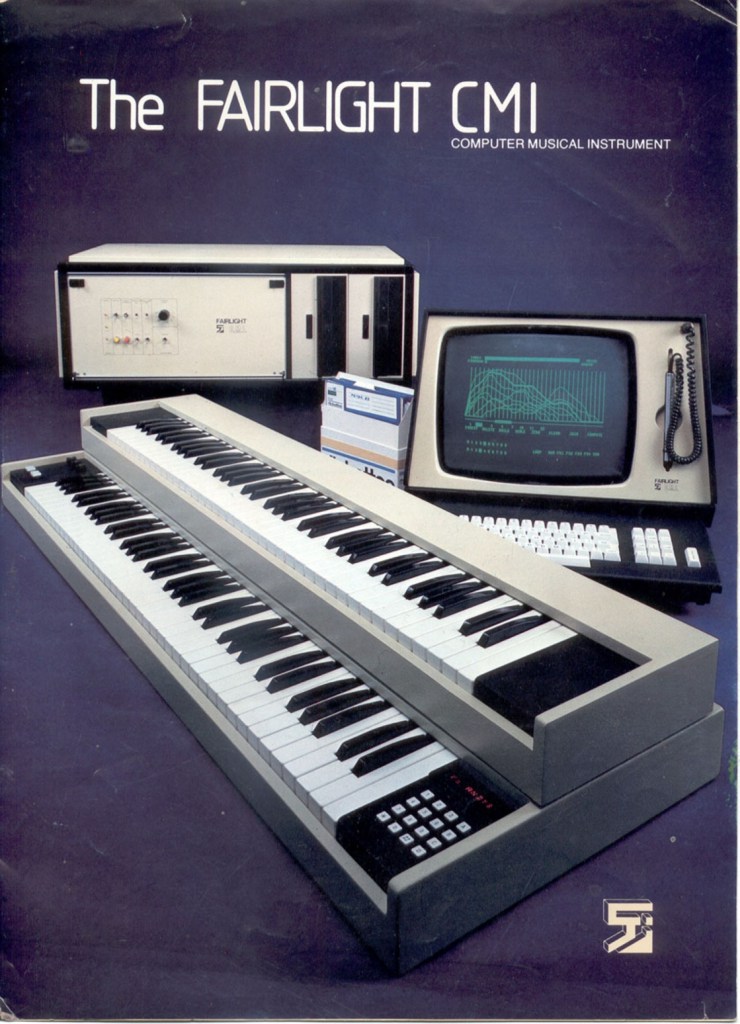
The devel­op­ment of elec­tron­ic musi­cal instru­ments — and indeed, any kind of sound-manip­u­lat­ing elec­tron­ic device — came as a great boon to this explo­ration of the bor­der­lands between orga­nized and dis­or­ga­nized sound. You can hear the effects of that sort of tech­nol­o­gy and much else besides in An Anthol­o­gy of Noise and Elec­tron­ic Music, a sev­en-part anthol­o­gy released by for­mi­da­ble Bel­gian exper­i­men­tal music label Sub Rosa, all of it avail­able on Spo­ti­fy (whose soft­ware you can down­load here if you need it). The first two vol­umes are embed­ded above; all sev­en vol­umes can be streamed via the links below. If you dig the col­lec­tion, we’d encour­age you to pur­chase your own copy and sup­port Sub Rosa’s project.

To the noise music-unini­ti­at­ed — and prob­a­bly even to a few of the ini­ti­at­ed — some of the tracks here will sound like music, and some cer­tain­ly won’t. But most of them fall fas­ci­nat­ing­ly in-between the two states, ide­al­ly expand­ing the lis­ten­er’s con­cep­tion of the son­ic ter­ri­to­ry music can explore. Some musi­cal exper­i­ments, just like sci­en­tif­ic exper­i­ments, point in more fruit­ful direc­tions than oth­ers, but each one sheds a lit­tle new light on the musi­cal enter­prise itself. And “the noise,” to take the words straight from Sub Rosa them­selves, “goes on…”

via Ubuweb

Relat­ed Con­tent:

Björk Presents Ground­break­ing Exper­i­men­tal Musi­cians on the BBC’s Mod­ern Min­i­mal­ists (1997)

The Avant-Garde Project: An Archive of Music by 200 Cut­ting-Edge Com­posers, Includ­ing Stravin­sky, Schoen­berg, Cage & More

The Music of Avant-Garde Com­pos­er John Cage Now Avail­able in a Free Online Archive

Hear the Exper­i­men­tal Music of the Dada Move­ment: Avant-Garde Sounds from a Cen­tu­ry Ago

Hear Albums from Bri­an Eno’s 1970s Label, Obscure Records

The His­to­ry of Elec­tron­ic Music in 476 Tracks (1937–2001)

Mr. Rogers Intro­duces Kids to Exper­i­men­tal Elec­tron­ic Music by Bruce Haack & Esther Nel­son (1968)

Hear Sev­en Hours of Women Mak­ing Elec­tron­ic Music (1938- 2014)

How the Moog Syn­the­siz­er Changed the Sound of Music

Based in Seoul, Col­in Mar­shall writes and broad­casts on cities, lan­guage, and style. He’s at work on a book about Los Ange­les, A Los Ange­les Primer, the video series The City in Cin­e­ma, the crowd­fund­ed jour­nal­ism project Where Is the City of the Future?, and the Los Ange­les Review of Books’ Korea Blog. Fol­low him on Twit­ter at @colinmarshall or on Face­book.

Brian Eno Creates a List of His 13 Favorite Records: From Gospel to Afrobeat, Shoegaze to Bulgarian Folk

vu by vu

For most of us, mak­ing a list of our favorite albums involves no small amount of nos­tal­gia. We remem­ber high­lights from high school and col­lege: songs on con­stant rota­tion after breakups and dur­ing sum­mers of bliss. More so than any oth­er media we con­sume, music—from clas­si­cal to the most com­mer­cial pop—feels deeply per­son­al.

But there are many oth­er ways to relate to music. Bri­an Eno’s jour­ney through the world of record­ed sound, for exam­ple, more resem­bles that of a 19th cen­tu­ry explor­er. He grav­i­tates toward the cul­tur­al­ly exot­ic, makes stu­dious obser­va­tions, and advances hypothe­ses and the­o­ries. In read­ing through an inter­view he gave to The Qui­etus for their “baker’s dozen” series—in which they ask famous artists to name their top 13 albums—one theme emerges in the way Eno talks about music: dis­cov­ery.

And as Eno reminds us in his com­men­tary on his first pick—a gospel record by Rev­erend Maceo Woods and The Chris­t­ian Taber­na­cle Choir—one pre­cur­sor to dis­cov­ery is curios­i­ty, unbound­ed by prej­u­dice or pre­con­cep­tion. It’s an approach that has enabled him to cre­ate some of the most con­sis­tent­ly inter­est­ing records decade after decade (hear 150 Eno tracks here), and to remain rel­e­vant long after most of his ’70s peers have dis­ap­peared.

Eno first heard, or mis­heard, the gospel group on U.S. radio. To his ears, the refrain “sur­ren­der to His will” sound­ed like “sur­ren­der to the wheel,” a cryp­tic phrase that pro­voked all sorts of asso­ci­a­tions. But even after he learned the real lyric, he was hooked on the group’s sound, and want­ed to know more, though he him­self is entire­ly non-reli­gious.

“Why am I so moved by a music based on some­thing that I just don’t believe in?,” Eno asked him­self. His response ranges into philo­soph­i­cal ter­ri­to­ry, then ends on an unex­pect­ed­ly upbeat note. If it sur­pris­es you that one of Eno’s favorite albums is an obscure record by an ama­teur gospel group, take a look at the rest of his picks. We’d expect the Vel­vet Under­ground to appear—giv­en his famous com­ment about their mas­sive influ­ence—and they do. The rest is a col­lec­tion of wild cards. See the eclec­tic list below and stop by The Qui­etus to read Eno’s thought­ful, can­did com­men­tary on each album.


The Dynam­ic Rev­erend Maceo Woods and The Chris­t­ian Taber­na­cle Choir in Con­cert, by Rev­erend Maceo Woods and The Chris­t­ian Taber­na­cle Choir

Farid El Atra­che, by Farid El Atra­che

Umut, by Arif Sag

“Go Where I Send Thee,” The Gold­en Gate Quar­tet (sin­gle)

Fresh, by Sly and the Fam­i­ly Stone

Plan­ta­tion Lul­la­bies, Me’Shell Nde­geO­cel­lo

The Vel­vet Under­ground, by The Vel­vet Under­ground

Ear­ly Works, by Steve Reich

Afro­disi­ac, by Fela Ran­some-Kuti & The Africa ‘70

Glid­er, by My Bloody Valen­tine

Heart­land, by Owen Pal­lett

Grande Liturgie Ortho­doxe Slave, by Chœur Bul­gare Sve­toslav Obreten­ov

Court and Spark, by Joni Mitchell

via The Qui­etus

Relat­ed Con­tent:

David Bowie Lists His 25 Favorite LPs in His Record Col­lec­tion: Stream Most of Them Free Online

Tom Waits Makes a List of His Top 20 Favorite Albums of All Time

Kurt Cobain Lists His 50 Favorite Albums: Fea­tures LPs by David Bowie, Pub­lic Ene­my & More

Hear 150 Tracks High­light­ing Bri­an Eno’s Career as a Musi­cian, Com­pos­er & Pro­duc­er & Stream His 2015 John Peel Lec­ture

Josh Jones is a writer and musi­cian based in Durham, NC. Fol­low him at @jdmagness

Hear 100 Amazing Cover Versions of Beatles Songs

If you’ve ever learned to play an instru­ment, espe­cial­ly the gui­tar or piano, odds are you’ve spent count­less hours try­ing to mas­ter the rhythms and melodies of your favorite songs. And odds are at least one of those songs was writ­ten by Messrs. Lennon & McCart­ney. If you’re any­thing like me, you prob­a­bly real­ized ear­ly in the exer­cise that The Bea­t­les weren’t only praised as great song­writ­ers because of their lyri­cism and social and roman­tic insights. Their songs are also packed with inge­nious chord changes, unex­pect­ed time shifts, unusu­al hooks, etc.

What may seem at first lis­ten like a sim­ple tune reveals itself as high­ly chal­leng­ing for the ama­teur musi­cian. I well remem­ber sweat­ing over two of my favorites—“Julia” and “Martha My Dear”—for many days.

Even in mod­i­fied ver­sions that sim­pli­fy dif­fi­cult voic­ings, I strug­gled to mas­ter the let­ter of the songs while still con­vey­ing the spir­it. Sure­ly, that’s a tes­ta­ment to my own lack of skill, and yet the trou­ble I’ve had pulling off my favorite Bea­t­les’ songs has giv­en me all the more respect for musi­cians who make it look easy.

Even a straight-ahead blues like “Why Don’t We Do It In the Road” ain’t easy to sell—far from it. But I’ve nev­er heard any­one do it bet­ter than Tul­sa, Okla­homa-born blues­man Low­ell Ful­som (top). Fur­ther down, St. Vin­cent does a stel­lar live ren­di­tion of anoth­er of my favorites, “Dig a Pony.” A great song can take all kinds of bend­ing, stretch­ing, and pulling and still retain its essence. In Pao­lo Nutini’s smooth, stripped-down, organ, voice, and drums take on Lennon’s “Don’t Let Me Down,” above, the pas­sion remains, even if the impas­sioned shouts have been tamed.

There are hun­dreds more great Bea­t­les’ cov­ers out there, and prob­a­bly hun­dreds of ter­ri­ble ones, too—and many an odd­ball inter­pre­ta­tion that sharply divides opin­ion in either direc­tion (such as Marc Ribot’s machine-shop “While My Gui­tar Gen­tly Weeps,” which I hap­pen to love). Just above, we’ve put togeth­er a Spo­ti­fy playlist of over 80 great cov­er ver­sions of Bea­t­les’ songs, culled from sug­ges­tions made by @openculture followers/fans on Twit­ter. (You can down­load Spo­ti­fy’s soft­ware here.) And in the list below, find links to 20 fab­u­lous cov­er ver­sions on Youtube. (Those weren’t avail­able on Spo­ti­fy, but they’re def­i­nite­ly worth hear­ing). In total, you’ll find 100 tracks, by artists rang­ing from Ray Charles, to Joe Cock­er and Sarah McLach­lan, to Pat­ti Smith, David Bowie, and John­ny Cash. It makes for 6 hours of Bea­t­les bliss.

If we’ve missed an essen­tial cov­er, let us know in the com­ments below, and drop in a link if you can.

Jimi Hen­drix — Sgt. Pep­per
The Pix­ies — Wild Hon­ey Pie  
David Gilmour — Here, There and Every­where
Alice Coop­er and the Bee Gees — Because
Kris Kristof­fer­son — Paper­back Writer 
Bryan Fer­ry — She’s Leav­ing Home
Pao­lo Nuti­ni — Don’t Let Me Down
The Fall — A Day in the Life 
Elliot Smith — Because 
Elvis Costel­lo — Pen­ny Lane 
Marc Ribot — While My Gui­tar Gen­tly Weeps
Ben E. King — Don’t Let Me Down
Ike & Tina Turn­er – She Came in Through the Bath­room Win­dow
St Vin­cent — Dig a Pony  
Peer Framp­ton and the Bee Gees — Sgt. Pep­per’s Lone­ly Hearts Club Band (sound­track)
Ray Charles — The Bea­t­les Cov­ers
Book­er T. & the MGS — McLemore Avenue (Cov­ers of Abbey Road)  
George Ben­son — The Oth­er Side of Abbey Road

Relat­ed Con­tent:

The 15 Worst Cov­ers of Bea­t­les Songs: William Shat­ner, Bill Cos­by, Tiny Tim, Sean Con­nery & Your Excel­lent Picks

Peter Sell­ers Cov­ers the Bea­t­les’ “A Hard Day’s Night,” “She Loves You” & “Help!”

Bea­t­les Trib­ute Band “The Fab Faux” Per­forms Live an Amaz­ing­ly Exact Repli­ca of the Orig­i­nal Abbey Road Med­ley

Josh Jones is a writer and musi­cian based in Durham, NC. Fol­low him at @jdmagness

« Go BackMore in this category... »
Quantcast