Free: Download 500+ Rare Music Manuscripts by Mozart, Bach, Chopin & Other Composers from the Morgan Library

mozart 1

When my son first start­ed play­ing the piano, I lost sev­er­al evenings chas­ing the holy grail of free online sheet music. Sad­ly, most of what we were inter­est­ed in down­load­ing wasn’t real­ly free… just the first page.

It’s hard to ratio­nal­ize drop­ping five bucks on one song, when the New York Pub­lic Library for the Per­form­ing Arts is a short sub­way ride away. The prob­lem is, I’m not much of a musi­cian, and while there are scores and scores of scores upon their shelves, I rarely under­stood what it was I was check­ing out. Often I’d come home with the sought after piece, only to real­ize that I’d inad­ver­tent­ly checked out a vocal selec­tion, or the chord-rich equiv­a­lent of a cock­tail pianist’s fake book.

With the Mor­gan Library’s Music Man­u­scripts Online project, there’s no guar­an­tee my son or I will be able to play it, but I do know exact­ly what I’m get­ting.

The hand­writ­ten man­u­script of Mozart’s com­ic singspiel, Der Schaus­pieldirek­tor,  above, for instance, auto­graphed by the com­pos­er him­self. 84 pages worth, not count­ing cov­ers and end­pa­pers, all free for the down­load­ing!

Put that on your iPad, Mr. Salieri!

The col­lec­tion cur­rent­ly offers dig­i­tized ver­sions of upwards of 500 musi­cal man­u­scripts, with more to come as the review­ing process con­tin­ues.

It’s search­able by com­pos­er, and big names abound.

bach 2

Per­haps you’d like to warm up the Wurl­tiz­er with Bach’s Toc­ca­ta and Fugue for Organ, BWV 538, in D minor

puccini

Or let all your opera singing, bal­let danc­ing friends know you’re avail­able to accom­pa­ny them with Puccini’s auto­graphed man­u­script for Le Vil­li

chopin

Or cir­cum­nav­i­gate the scrib­bled out boo boos, while attempt­ing Chopin’s Polon­ais­es, Piano, Op. 26. Chopin’s John Han­cock is the reward.

The hits just keep com­ing: Beethoven, Brahms, Debussy, Fau­ré, Haydn, Liszt, Mahler, Massenet, Mendelssohn, Schu­bert, Schu­mann…

Mendelssohn

Not sur­pris­ing­ly, female com­posers are gross­ly under­rep­re­sent­ed, but there are a few gems, such as Mendelssohn’s sis­ter Fan­ny Hensel’s auto­graphed man­u­script of the song Sel­mar und Sel­ma, dec­o­rat­ed with a pret­ty pen­cil and wash draw­ing by her hus­band

The Mor­gan has plans to add essays about the man­u­scripts by lead­ing schol­ars. In the mean­time, pick a piece and start prac­tic­ing.

Relat­ed Con­tent:

The World Con­cert Hall: Lis­ten To The Best Live Clas­si­cal Music Con­certs for Free

85,000 Clas­si­cal Music Scores (and Free MP3s) on the Web

All of Bach for Free! New Site Will Put Per­for­mances of 1080 Bach Com­po­si­tions Online

Ayun Hal­l­i­day is an author, illus­tra­tor, and Chief Pri­ma­tol­o­gist of the East Vil­lage Inky zine. Fol­low her @AyunHalliday

Who the F*@% is Frank Zappa?: Kickstart the Making of the Definitive Frank Zappa Documentary

You may know Alex Win­ter best for his role as Bill S. Pre­ston, Esq. in the 1989 film Bill & Ted’s Excel­lent Adven­ture. But nowa­days, many years lat­er, he’s mak­ing films. And if we can help out, he’ll soon be mak­ing the defin­i­tive doc­u­men­tary of Frank Zap­pa’s life.

On Kick­starter this week, Win­ter announced:

Frank Zap­pa is one of the strangest, most amaz­ing and influ­en­tial fig­ures of our era, but his defin­i­tive sto­ry has nev­er been told.

Now, for the first time, the Zap­pas have giv­en us com­plete, unre­strict­ed access to the con­tents of Frank’s pri­vate vault, and their full bless­ing and sup­port, to tell his sto­ry.

But before we can fin­ish telling his sto­ry, we have to cat­a­log, save, dig­i­tize, and pre­serve a vast archive of unre­leased audio, video, images, doc­u­ments and more.

Togeth­er we can save Frank’s vault.

And when we do, we’ll have every­thing we need to answer the ques­tion:

Who the F*@% is Frank Zap­pa?

Just a few days into the Kick­starter cam­paign, Win­ter has already raised rough­ly half ($231,000) of the total amount ($500,000) need­ed to move for­ward with the project.

Through con­tri­bu­tions large or small, you can help with the oth­er half, and make sure that the defin­i­tive Zap­pa doc­u­men­tary sees the light of day. Con­tribute here.

Relat­ed Con­tent:

Stream 82 Hours of Frank Zap­pa Music: Free Playlists of Songs He Com­posed & Per­formed

Frank Zap­pa Debates Cen­sor­ship on CNN’s Cross­fire (1986)

A Young Frank Zap­pa Turns the Bicy­cle into a Musi­cal Instru­ment on The Steve Allen Show (1963)

by | Permalink | Make a Comment ( 1 ) |

Dick Clark Introduces Jefferson Airplane & the Sounds of Psychedelic San Francisco to America: Yes Parents, You Should Be Afraid (1967)

It must have been odd for “America’s Teenag­er” Dick Clark to watch the almost week­ly rev­o­lu­tions in rock and roll as he con­tin­ued to host Amer­i­can Band­stand through the ‘60s. By the time of the above clip, June 1967, Clark had relo­cat­ed his show from the East Coast to the West, and San Fran­cis­co was export­ing its first round of hip­pie rock bands, with Jef­fer­son Air­plane one of the biggest.

As you’ll see, Clark, dressed as usu­al in suit and tie, asks his young audi­ence if they’ve been to San Fran­cis­co and what they thought of it. “This is where it’s at, that’s where every­thing is hap­pen­ing,” he con­cludes and then gives the stage over to the young and rev­o­lu­tion­ary band.

They mime their way through their two singles–Jack Casady could care less about verisimil­i­tude and makes his way around a gui­tar cov­ered in cables and poor drum­mer Spencer Dry­den just kind of sits there. But Grace Slick, 28 years old or there­abouts, and look­ing like some mag­ick princess, calls the fol­low­ers to the ser­vice. Yeah, it’s good stuff.

That leaves Clark with less than two min­utes to inter­view the band. The Sum­mer of Love is about to kick into high gear a cou­ple of hun­dred miles away.

“Do par­ents have any­thing to wor­ry about?” Clark asks Paul Kant­ner.

“I think so,” he replies. “Their chil­dren are doing things that they didn’t do and they don’t under­stand.”

Relat­ed Con­tent:

Jef­fer­son Air­plane Plays on a New York Rooftop; Jean-Luc Godard Cap­tures It (1968)

Talk­ing Heads’ First TV Appear­ance Was on Amer­i­can Band­stand, and It Was Pret­ty Awk­ward (1979)

Rare Footage of the “Human Be-In,” the Land­mark Counter-Cul­ture Event Held in Gold­en Gate Park, 1967

Ted Mills is a free­lance writer on the arts who cur­rent­ly hosts the artist inter­view-based FunkZone Pod­cast. You can also fol­low him on Twit­ter at @tedmills, read his oth­er arts writ­ing at tedmills.com and/or watch his films here.

Hear the Unique, Original Compositions of George Martin, Beloved Beatles Producer (RIP)

Quin­cy Jones, Phil Spec­tor, Bri­an Wil­son… these are peo­ple who changed the sound of mod­ern music by tak­ing big risks in the stu­dio. But even if these three had not made the albums they’re best known for, they would still be known for their pop­u­lar work as musi­cians and pro­duc­ers. That may not have been the case with per­haps one of the most inno­v­a­tive pro­duc­ers of them all: George Mar­tin, who died this past Tues­day. Had Mar­tin not steered the Bea­t­les through their rad­i­cal trans­for­ma­tion from pop sen­sa­tions to psy­che­del­ic bards, we may not have heard his name out­side of the small worlds of clas­si­cal and film music and British com­e­dy records.

Was he the “fifth Bea­t­le” or more of a pater­nal fig­ure, as Paul McCart­ney wrote yes­ter­day? Is it hyper­bole to call him, as Mick Ron­son did in trib­ute, “the great­est British record pro­duc­er ever”? Maybe not. In any case, just as Mar­tin changed the Beatles—prompting them to recruit Ringo and bring com­plex orches­tra­tions into their arrangements—the Bea­t­les changed Mar­tin, from a rather con­ser­v­a­tive, cau­tious pro­duc­er and com­pos­er to an adven­tur­ous cre­ative force.

That’s not to say that Mar­tin didn’t have an eccen­tric streak before he signed the band that would secure his name in rock and roll his­to­ry. He spent a good bit of his ear­ly career pro­duc­ing nov­el­ty albums. “Time Beat” and “Waltz in Orbit”—his com­po­si­tions at the top of the post, cre­at­ed with Mad­dale­na Fagan­di­ni of the famed BBC Radio­phon­ic Workshop—show an eccen­tric, play­ful side of the but­toned-up pro­duc­er. It was per­haps a side Mar­tin pre­ferred to keep hid­den; he released the sin­gle under a pseu­do­nym, “Ray Cath­ode.”

Just a few months lat­er, Mar­tin audi­tioned the Bea­t­les and brought them into Abbey Road Stu­dios to record their first album. While the band’s ear­ly six­ties records are for­ev­er beloved for their song­writ­ing and per­for­mances, the pro­duc­tion itself didn’t stray far from the con­ven­tion­al. The ear­ly albums, writes Mike Brown at The Tele­graph, “evinced a youth­ful fresh­ness and exu­ber­ance that hint­ed at promise, but showed no great orig­i­nal­i­ty. Cer­tain­ly there was noth­ing that antic­i­pat­ed the flow­er­ing of genius to come.” Like­wise, Martin’s own releas­es at the time, such as the big band orches­tra­tions of Bea­t­les songs from 1964 (fur­ther up) and a lounge-jazz, bossano­va-tinged instru­men­tal ver­sion of Help! from the fol­low­ing year, show none of the wiz­ardry to come in Sgt. Pepper’s or Abbey Road.

After the Bea­t­les’ psy­che­del­ic break, so to speak, in 1966/67, Mar­tin him­self moved in an entire­ly new direc­tion as a com­pos­er, as you can hear in his very Beat­le­sesque “Theme One,” which served, writes Dan­ger­ous Minds, as the “cer­e­mo­ni­al first song” every morn­ing for BBC Radio 1 when it launched in ’67 until the mid-70s. The thrilling­ly Baroque piece of cham­ber pop could eas­i­ly have been an extend­ed out­ro on Sgt. Pepper’s; it shows Mar­tin ful­ly embrac­ing the Bea­t­les’ sound. Hear both the robust orig­i­nal and a tin­nier, more Beatles‑y ver­sion above.

As skilled as he was at cre­at­ing instant­ly rec­og­niz­able exper­i­men­tal pop melodies, Mar­tin nev­er left his clas­si­cal roots far behind. In the video of “A Day in the Life,” above—shot on loca­tion dur­ing record­ing sessions—Martin con­ducts the orches­tra, Brown observes, “in white shirt and bow tie, hair neat­ly trimmed, stout­ly refus­ing to embrace the affec­ta­tions of droop­ing mus­tache and Nehru jack­et that afflict­ed oth­er record pro­duc­ers.” The famed pro­duc­er, “for­ev­er main­tained the calm, unruf­fled demeanour and the stiff-backed sar­to­r­i­al rec­ti­tude of the offi­cer class.”

Martin’s musi­cal dis­ci­pline reigned in and gave shape to the Bea­t­les’ wildest ideas, and gave their most ten­der and dra­mat­ic songs an immen­si­ty and lush­ness that still leaves us in awe. He com­bined con­ven­tion­al and avant-garde sen­si­bil­i­ties seam­less­ly. (As McCart­ney once remarked, Mar­tin was “quite exper­i­men­tal for who he was, a grown-up.”) Just above hear an exam­ple of that syn­the­sis, the sweep­ing, pow­er­ful “Pep­per­land Suite,” com­posed in 1968 for the Yel­low Sub­ma­rine film. It rep­re­sents some of the best orig­i­nal work from an incred­i­ble pro­duc­er who also became, we must remem­ber as we say our good­byes, an astound­ing­ly orig­i­nal com­pos­er.

Relat­ed Con­tent:

George Mar­tin, Leg­endary Bea­t­les Pro­duc­er, Shows How to Mix the Per­fect Song Dry Mar­ti­ni

Inside the Mak­ing of The Bea­t­les’ Sgt. Pepper’s Lone­ly Heart’s Club Band, Rock’s Great Con­cept Album

Here Comes The Sun: The Lost Gui­tar Solo by George Har­ri­son, Dis­cov­ered by George Mar­tin

Josh Jones is a writer and musi­cian based in Durham, NC. Fol­low him at @jdmagness

The History of Rock Told in a Whirlwind 15-Minute Video

Based in Eng­land, Itha­ca Audio spe­cial­izes in cre­at­ing music for film, TV, ani­ma­tions and games. And they also have a knack for remix­ing audio visu­als and pro­duc­ing mashups. Care to sam­ple their work? Watch the video above.

The His­to­ry of Rock takes you from Elvis to The White Stripes, trav­el­ing from 1957 to 2003, in the space of 15 min­utes. 348 rock­stars, 84 gui­tarists, 64 songs, 44 drum­mers — they’re all knit­ted into a nar­ra­tive using a device–the Face­book timeline–that came into exis­tence in 2004. It’s anachro­nis­tic but clever, and I’m will­ing to sus­pend dis­be­lief and take the ride. A big­ger com­plaint might be the one made by For­rest Wick­man over at Slate. “No Lit­tle Richard. No Ike Turn­er and Jack­ie Bren­ston. No Sis­ter Roset­ta Tharpe. No Bo Did­dley or Big Joe Turn­er,” he observes. The His­to­ry of Rock would have you believe that “rock was [orig­i­nal­ly] pio­neered exclu­sive­ly by white artists.” Give Kei­th Richards and Mick Jag­ger the chance–two icons who orig­i­nal­ly saw them­selves as just play­ing the Amer­i­can blues–and they might tell the ori­gin sto­ry of rock n roll a lit­tle dif­fer­ent­ly.

Below you can see a list of tracks used in the mashup. And if you head over to the Itha­ca Audio web­site, you can down­load the sound­track in full.

Elvis Pres­ley — Jail­house Rock
The Yard­birds — For your Love
The Rolling Stones — Honky Tonk Women
The Rolling Stones — (I Can’t Get No) Sat­is­fac­tion
Cream — Sun­shine of your Love
Led Zep­pelin — Whole Lot­ta Love
Led Zep­pelin — Good Times, Bad Times
Led Zep­pelin — Immi­grant Song
Jimi Hen­drix — Hey Joe
Jimi Hen­drix — Pur­ple Haze
Fleet­wood Mac — Oh Well (Part 1)
The Kinks — You Real­ly Got Me
The Doors — Rid­ers on the Storm
Queen — Don’t Stop Me
Queen — Radio Ga Ga
Queen — Anoth­er One Bites the Dust
Queen — A Kind of Mag­ic
The Bea­t­les — Sgt. Pep­per’s Lone­ly Hearts Club Band
The Who — Baba O’Ri­ley
The Who — Emi­nence Front
Black Sab­bath — Iron Man
Black Sab­bath — War Pigs
Deep Pur­ple — Woman From Tokyo
Deep Pur­ple — Smoke on the Water
Deep Pur­ple — Liv­ing Wreck
The Eagles — Life in the Fast Lane
Aero­smith — Walk this Way
Aero­smith — Dude Looks Like a Lady
Alice Coop­er — I’m Eigh­teen
The Clash — Train in Vain (Stand by Me)
The Police — Rox­anne
Jour­ney — Don’t Stop Believin’
Dire Straits — Sul­tans of Swing
Duran Duran — Girls on Film
Duran Duran — Wild Boys
Pink Floyd — Anoth­er Brick in the Wall
David Bowie — Let’s Dance
David Bowie & Queen — Under Pres­sure
Iron Maid­en — Run to the Hills
Def Lep­pard — Pour Some Sug­ar on Me
Guns N’ Ros­es — Mr Brown­stone
Guns N’ Ros­es — Sweet Child O’ Mine
AC/DC — Back in Black
Rage Against the Machine — Bomb­track
Rage Against the Machine — Guer­ril­la Radio
Rage Against the Machine — Killing in the Name
Metal­li­ca — Enter Sand­man
Nir­vana — Smells Like Teen Spir­it
Nir­vana — Heart Shaped Box
Oasis — Super­son­ic
Oasis — Live For­ev­er
Blur — Song 2
The Verve — Bit­ter­sweet Sym­pho­ny
Radio­head — High and Dry
Radio­head — Idioteque
Red Hot Chili Pep­pers — Can’t Stop
The Killers — All These Things That I’ve Done
Foo Fight­ers — All My Life
U2 — Hold Me, Thrill Me, Kiss Me, Kill Me
Linkin Park — One Step Clos­er
The White Stripes — Sev­en Nation Army
The Strokes — 12 51
Goril­laz — Clint East­wood
Kings of Leon — Sex on Fire

If you would like to sign up for Open Culture’s free email newslet­ter, please find it here. It’s a great way to see our new posts, all bun­dled in one email, each day.

If you would like to sup­port the mis­sion of Open Cul­ture, con­sid­er mak­ing a dona­tion to our site. It’s hard to rely 100% on ads, and your con­tri­bu­tions will help us con­tin­ue pro­vid­ing the best free cul­tur­al and edu­ca­tion­al mate­ri­als to learn­ers every­where. You can con­tribute through Pay­Pal, Patre­on, and Ven­mo (@openculture). Thanks!

Relat­ed Con­tent:

A His­to­ry of Rock ‘n’ Roll in 100 Riffs

Rock Crit­ic Greil Mar­cus Picks 10 Unex­pect­ed Songs That Tell the Sto­ry of Rock ‘n’ Roll

The Evo­lu­tion of the Rock Gui­tar Solo: 28 Solos, Span­ning 50 Years, Played in 6 Fun Min­utes

by | Permalink | Make a Comment ( 10 ) |

New Order’s “Blue Monday” Played with Obsolete 1930s Instruments

Released 33 years ago this week, New Order’s “Blue Mon­day” (hear the orig­i­nal EP ver­sion here) became, accord­ing to the BBC, “a cru­cial link between Sev­en­ties dis­co and the dance/house boom that took off at the end of the Eight­ies.” If you fre­quent­ed a dance club dur­ing the 1980s, you almost cer­tain­ly know the song.

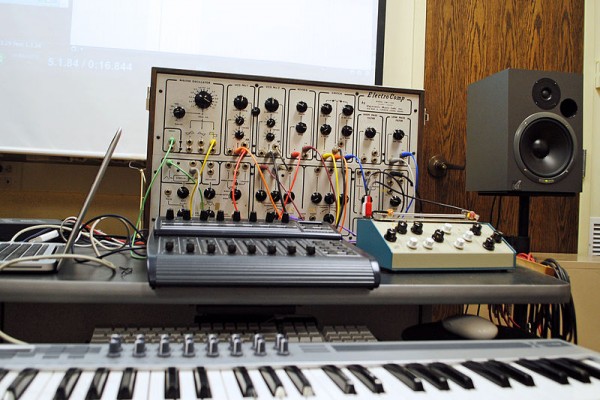
The orig­i­nal “Blue Mon­day” nev­er quite won me over. I’m much more Rolling Stones than New Order. But I’m tak­en with the adap­ta­tion above. Cre­at­ed by the “Orkestra Obso­lete,” this ver­sion tries to imag­ine what the song would have sound­ed like in 1933, using only instru­ments avail­able at the time— for exam­ple, writes the BBC, the theremin, musi­cal saw, har­mo­ni­um and pre­pared piano. Quite a change from the Pow­ertron Sequencer, Moog Source syn­the­siz­er, and Ober­heim DMX drum machine used to record the song in the 80s. Enjoy this lit­tle thought exper­i­ment put in action.

If you would like to sign up for Open Culture’s free email newslet­ter, please find it here. It’s a great way to see our new posts, all bun­dled in one email, each day.

If you would like to sup­port the mis­sion of Open Cul­ture, con­sid­er mak­ing a dona­tion to our site. It’s hard to rely 100% on ads, and your con­tri­bu­tions will help us con­tin­ue pro­vid­ing the best free cul­tur­al and edu­ca­tion­al mate­ri­als to learn­ers every­where. You can con­tribute through Pay­Pal, Patre­on, and Ven­mo (@openculture). Thanks!

Relat­ed Con­tent:

Sovi­et Inven­tor Léon Theremin Shows Off the Theremin, the Ear­ly Elec­tron­ic Instru­ment That Could Be Played With­out Being Touched (1954)

Meet the “Tel­har­mo­ni­um,” the First Syn­the­siz­er (and Pre­de­ces­sor to Muzak), Invent­ed in 1897

Beethoven’s Ode to Joy Played With 167 Theremins Placed Inside Matryosh­ka Dolls in Japan

by | Permalink | Make a Comment ( 66 ) |

A Collection of Sun Ra’s Business Cards from the 1950s: They’re Out of This World

why_buy_old_sounds

One of the hard­est things to mas­ter as an inde­pen­dent musi­cian is the art of pro­mo­tion. Though many artists are extro­verts and atten­tion-seek­ers, many more are by nature intro­vert­ed, or at least inner-direct­ed, and dis­in­clined to embrace the tools of the mar­ket­ing trade. In days of yore, when such things as major record labels still roamed the earth at large, much of the pro­mo­tion could be left up to those majes­tic, lum­ber­ing beasts. These days, when the major­i­ty of work­ing musi­cians have to keep their day jobs and learn to do their own pro­duc­tion, styling, book­ing, and PR, it’s essen­tial to get over any squea­mish­ness about blow­ing your own horn. If you’re look­ing for point­ers, con­sid­er the exam­ple of self-invent­ed musi­cal genius Sun Ra, a mas­ter of self-pro­mo­tion.

Saturn_1Sun_ra_ra_ra

No one bet­ter under­stood what Sun Ra was up to than Sun Ra him­self, and he knew how to sell his very out-there free jazz move­ment to a pub­lic used to more mun­dane pre­sen­ta­tions. As Mike Walsh at Mis­sion Creep suc­cinct­ly puts it, “noth­ing about Sun Ra’s six-decade musi­cal career could be called nor­mal.” He more or less re-invent­ed what it meant to be a jazz musi­cian and band­leader. It was in the 1950s that he real­ly came into his own. After work­ing steadi­ly as a tour­ing side­man for sev­er­al oth­er musi­cians, the man born Her­man Blount changed his name first to Le Sony’r Ra, then Sun Ra, and put togeth­er his famous “Arkestra.”

dancercardsmallsunrararara

His shows began to incor­po­rate the elab­o­rate cos­tum­ing he became known for, and he would often stop the music “to lec­ture on his favorite sub­jects,” writes Jez Nel­son at The Guardian, “Egyp­tol­ogy and space. He began to claim he had been abduct­ed by aliens and was in fact from Sat­urn.” The act was both dead­ly seri­ous space opera (he rehearsed his band for 12 hours at a stretch, after all) and absur­dist schtick, and it both trans­port­ed audi­ences to new worlds and made them laugh out loud.

atonitessmall

Sun Ra’s busi­ness cards from the 50s cap­ture this tonal spec­trum between avant-garde per­for­mance art and high-con­cept free jazz com­e­dy. Adver­tis­ing new releas­es, a band-for-hire, and ongo­ing local Chica­go res­i­den­cies, they com­bine the strict pro­fes­sion­al­ism of a work­ing band­leader with the word­play and silli­ness Ra loved: he calls his coterie “Atonites,” which psy­chol­o­gy pro­fes­sor Robert L. Camp­bell reads as mean­ing both “wor­ship­pers of Aton,” Egypt­ian sun god, and “per­form­ers of aton­al music.” Audi­ences are invit­ed to “Dance the Out­er Space Way. Hear songs sung the Out­er Space Way by Clyde ‘Out of Space’ Williams” (one­time singer with the band). And the card at the top of the post makes per­haps the sim­plest, most com­pelling pitch of them all: “Why buy old sounds?” Indeed.

via Elec­tron­ic Beats

Relat­ed Con­tent:

Sun Ra’s Full Lec­ture & Read­ing List From His 1971 UC Berke­ley Course, “The Black Man in the Cos­mos”

Sun Ra Plays a Music Ther­a­py Gig at a Men­tal Hos­pi­tal; Inspires Patient to Talk for the First Time in Years

The Cry of Jazz: 1958’s High­ly Con­tro­ver­sial Film on Jazz & Race in Amer­i­ca (With Music by Sun Ra)

Josh Jones is a writer and musi­cian based in Durham, NC. Fol­low him at @jdmagness

Unearthed Songs by Jeff Buckley Now Streaming Online (Free For a Limited Time)

buckley you and i

A quick fyi: Thanks to NPR, you can now stream You and I, a not-yet released album fea­tur­ing long-lost record­ings by Jeff Buck­ley, the singer-song writer who died in 1997, just as he seemed poised to be the heir appar­ent to Bob Dylan and Bruce Spring­steen. Here’s how NPR describes the album that will be offi­cial­ly released next week:

You And I col­lects 10 of his demos, which were record­ed in Feb­ru­ary 1993, short­ly after he’d signed to his label. For more than 20 years, they sat for­got­ten in the vaults — and, more to the point, were nev­er boot­legged or oth­er­wise cir­cu­lat­ed. New­ly unearthed, they show­case a late-bloom­ing 26-year-old artist who’s still find­ing and har­ness­ing his voice: learn­ing how to manip­u­late its gale-force pow­er, learn­ing when and whether to hold back, and learn­ing how to ful­ly trans­late his influ­ences into a sound of his own.

The songs are most­ly cov­ers of artists like The SmithsBob Dylan, Sly & The Fam­i­ly Stone, and Led Zep­pelin. You can stream the album below, or hear it over at NPR. But hur­ry up, it will only be free for a lim­it­ed time.

If you would like to sign up for Open Culture’s free email newslet­ter, please find it here. It’s a great way to see our new posts, all bun­dled in one email, each day.

If you would like to sup­port the mis­sion of Open Cul­ture, con­sid­er mak­ing a dona­tion to our site. It’s hard to rely 100% on ads, and your con­tri­bu­tions will help us con­tin­ue pro­vid­ing the best free cul­tur­al and edu­ca­tion­al mate­ri­als to learn­ers every­where. You can con­tribute through Pay­Pal, Patre­on, and Ven­mo (@openculture). Thanks!

by | Permalink | Make a Comment ( 1 ) |

« Go BackMore in this category... »
Quantcast