Watch Jazzy Spies: 1969 Psychedelic Sesame Street Animation, Featuring Grace Slick, Teaches Kids to Count

When asked for their favorite Sesame Street seg­ment, many chil­dren of the 70s and 80s point to Pin­ball Num­ber Count. Psy­che­del­ic ani­ma­tion, the Point­er Sis­ters, odd time signatures–what’s not to love? But for the seri­ous Sesame Street buff, the “Jazz Num­bers” series above deserves the sil­ver medal. It’s got free jazz, Yel­low Sub­ma­rine-style sur­re­al­is­tic ani­ma­tion, and a vocal from Grace Slick of Jef­fer­son Air­plane. How many young par­ents rec­og­nized her dis­tinc­tive voice, I won­der?

Also known as “Jazzy Spies,” this 1969 series of ani­ma­tions was devot­ed to the num­bers 2 through 10 (there was no film for “one” as it is the loneli­est num­ber that you’ll ever do), and was an essen­tial ele­ment in Sesame’s Street’s first sea­son. High­lights include the dream-like ele­va­tor door sequence of “2,” the Jack­son 5 ref­er­ence in “5,” and the rac­ing fans in “10.”

Slick got involved through her first hus­band, Jer­ry Slick, who pro­duced the seg­ments for San Fran­cis­co-based ani­ma­tion stu­dio Imag­i­na­tion, Inc. Head­ed by ani­ma­tor Jeff Hale, the com­pa­ny also pro­duced the Pin­ball seg­ments, as well as the famous anamor­phic “Type­writer Guy,” the Ring­mas­ter, and the Detec­tive Man. (Hale, by the way, has a cameo as Augie “Ben” Dog­gie in the well-loved Lucas par­o­dy Hard­ware Wars.) He passed away last month at 92.

The deliri­ous music was com­posed and per­formed by Colum­bia jazz artist Den­ny Zeitlin, who would go on to score the 1979 remake of Inva­sion of the Body Snatch­ers. Zeitlin plays both piano and clavinet; accom­pa­ny­ing him is Bob­by Natan­son on drums and Mel Graves on bass. Accord­ing to Zeitlin, Grace Slick over­dubbed her vocals lat­er.

This wasn’t Slick’s first encounter with Jim Hen­son. In 1968, she and oth­er mem­bers of Jef­fer­son Air­plane were part of a coun­ter­cul­ture doc­u­men­tary called Youth ’68, the trail­er for which you can groove on here.

Sesame Street, with all its pri­ma­ry col­ors, plas­tic mer­chan­dise, and Elmo infes­ta­tion, may have lost its edge, but these ear­ly works show its rev­o­lu­tion­ary foun­da­tions.

via Dan­ger­ous Minds

Relat­ed Con­tent:

 Jim Hen­son Teach­es You How to Make Pup­pets in Vin­tage Primer From 1969

See Ste­vie Won­der Play “Super­sti­tion” and Ban­ter with Grover on Sesame Street in 1973

Jef­fer­son Air­plane Wakes Up New York; Jean-Luc Godard Cap­tures It (1968)

Thank You, Mask Man: Lenny Bruce’s Lone Ranger Com­e­dy Rou­tine Becomes a NSFW Ani­mat­ed Film (1968)

Ted Mills is a free­lance writer on the arts who cur­rent­ly hosts the FunkZone Pod­cast. You can also fol­low him on Twit­ter at @tedmills and/or watch his films here.

Edvard Munch’s Famous Painting The Scream Animated to the Sound of Pink Floyd’s Primal Music

In this short video, Roman­ian ani­ma­tor Sebas­t­ian Cosor brings togeth­er two haunt­ing works from dif­fer­ent times and dif­fer­ent media: The Scream, by Nor­we­gian Expres­sion­ist painter Edvard Munch, and “The Great Gig in the Sky,” by the British rock band Pink Floyd.

Munch paint­ed the first of four ver­sions of The Scream in 1893. He lat­er wrote a poem describ­ing the apoc­a­lyp­tic vision behind it:

I was walk­ing along the road with two Friends
the Sun was set­ting — the Sky turned a bloody red
And I felt a whiff of Melan­choly — I stood
Still, death­ly tired — over the blue-black
Fjord and City hung Blood and Tongues of Fire
My Friends walked on — I remained behind
– shiv­er­ing with anx­i­ety — I felt the Great Scream in Nature

Munch’s hor­rif­ic Great Scream in Nature is com­bined in the video with Floy­d’s oth­er­world­ly “The Great Gig in the Sky,” one of the sig­na­ture pieces from the band’s 1973 mas­ter­piece, Dark Side of the Moon. The vocals on “The Great Gig” were per­formed by an unknown young song­writer and ses­sion singer named Clare Tor­ry.

Tor­ry had been invit­ed by pro­duc­er Alan Par­sons to come to Abbey Road Stu­dios and impro­vise over a haunt­ing piano chord pro­gres­sion by Richard Wright, on a track that was ten­ta­tive­ly called “The Mor­tal­i­ty Sequence.”  The 25-year-old singer was giv­en very lit­tle direc­tion from the band. “Clare came into the stu­dio one day,” said bassist Roger Waters in a 2003 Rolling Stone inter­view, “and we said, ‘There’s no lyrics. It’s about dying — have a bit of a sing on that, girl.’ ”

Forty-two years lat­er, that “bit of a sing” can still send a shiv­er down any­one’s spine. For more on the mak­ing of “The Great Gig in the Sky,” and Tor­ry’s amaz­ing con­tri­bu­tion, see the clip below to hear Tor­ry’s sto­ry in her own words.

Fol­low Open Cul­ture on Face­book and Twit­ter and share intel­li­gent media with your friends. Or bet­ter yet, sign up for our dai­ly email and get a dai­ly dose of Open Cul­ture in your inbox. And if you want to make sure that our posts def­i­nite­ly appear in your Face­book news­feed, just fol­low these sim­ple steps.

Relat­ed Con­tent:

Hear Lost Record­ing of Pink Floyd Play­ing with Jazz Vio­lin­ist Stéphane Grap­pel­li on “Wish You Were Here”

Pink Floyd’s David Gilmour Sings Shakespeare’s Son­net 18

The Night Frank Zap­pa Jammed With Pink Floyd … and Cap­tain Beef­heart Too (Bel­gium, 1969) 

Langston Hughes Reveals the Rhythms in Art & Life in a Wonderful Illustrated Book for Kids (1954)

Rhythms

If you have to ask what jazz is, Louis Arm­strong sup­pos­ed­ly said, you’ll nev­er know. But the poet Langston Hugh­es, who in his 1955 First Book of Jazz reveals him­self as a great enthu­si­ast of Arm­strong indeed, seems to have oper­at­ed on a very dif­fer­ent premise. Hugh­es pitched that book, which we fea­tured last month, toward chil­dren, an audi­ence that, at their best, embod­ies inquis­i­tive­ness: they have to ask what every­thing is. And before Hugh­es could explain jazz to them, he had to explain rhythm.

Rhythm2

“Rhythm is some­thing we share in com­mon, you and I,” Hugh­es writes in 1954’s The First Book of Rhythm, “with all the plants and ani­mals and peo­ple in the world, and with the stars and moon and sun, and all the whole vast won­der­ful uni­verse beyond this won­der­ful earth which is our home.” It does­n’t just belong in music, he says; it belongs pret­ty much every­where, from the realm of nature to those of ath­let­ics, machines, fur­ni­ture — every­thing in “this won­der­ful world,” in his view, has its own rhythm.

Rhythm3

If explain­ing jazz to kids strikes you as a daunt­ing task, then just imag­ine explain­ing this more abstract foun­da­tion­al qual­i­ty of jazz, find­ing it in a host of dif­fer­ent domains, and then lay­ing it all out in terms that will engage an ele­men­tary school­er. But only such a mas­ter of lan­guage and lover of sound like Hugh­es could do it with such over­all vital­i­ty and con­ci­sion, even if the sub­ject, as Ariel S. Win­ter writes at We Too Were Chil­dren, Mr. Bar­rie, moves Hugh­es to get “too lyri­cal, too abstract, caught up in his song of the world,” some­how drift­ing from an obser­va­tion of the rhythm of knit­ting nee­dles to the con­clu­sion that every­one “should arrange her hair to suit the shape of her face.”

Rhythm4

You can read The First Book of Rhythm in its entire­ty, and gaze upon Robin King’s detailed and well-inte­grat­ed illus­tra­tions, in this Flickr pho­to set. (You can also buy old copies on Ama­zon.) Per­haps you once wrote your­self off as hope­less­ly rhythm­less, unable even to say for sure that you know what rhythm is. If so, Langston Hugh­es has writ­ten the book for you — no mat­ter your age, just your curios­i­ty.

Rhythm5

Relat­ed Con­tent:

Langston Hugh­es Presents the His­to­ry of Jazz in an Illus­trat­ed Children’s Book (1955)

Watch Langston Hugh­es Read Poet­ry from His First Col­lec­tion, The Weary Blues (1958)

A Child’s Intro­duc­tion to Jazz by Can­non­ball Adder­ley (with Louis Arm­strong & Thelo­nious Monk)

Charles Min­gus Explains in His Gram­my-Win­ning Essay “What is a Jazz Com­pos­er?”

Col­in Mar­shall hosts and pro­duces Note­book on Cities and Cul­ture as well as the video series The City in Cin­e­ma and writes essays on cities, lan­guage, Asia, and men’s style. He’s at work on a book about Los Ange­les, A Los Ange­les Primer. Fol­low him on Twit­ter at @colinmarshall or on Face­book.

Watch Four Iconic Live Performances by Billie Holiday

Bil­lie Holiday’s name has been in the news late­ly for some rea­sons that remind us of the tragedies she sang about and those she endured. First, there was the sto­ry of the rather appalling­ly tone-deaf PR firm who thought one of Holiday’s most well-known record­ings, “Strange Fruit”—a song about lynch­ing—would make a great name for their brand. Then there were the new details in Johann Hari’s book Chas­ing the Scream of how Hol­i­day was hunt­ed, haunt­ed, and pos­si­bly framed by Fed­er­al Bureau of Nar­cotics head Har­ry Anslinger. These sto­ries com­pound the image of Hol­i­day as a trag­ic fig­ure, a casu­al­ty of soci­etal ills and per­son­al demons.

Hol­i­day may have doc­u­ment­ed her trou­bled life in her auto­bi­og­ra­phy, but she would have pre­ferred to be remem­bered for her music. Born 100 years ago today, the jazz songstress trans­mut­ed her per­son­al pain into beau­ty; her inter­pre­ta­tions of songs became stan­dards in their own right, and became unique­ly hers.

“God Bless the Child,” above, res­onates with Holiday’s own dif­fi­cult child­hood, shad­owed by neglect and loss, but she deliv­ers it as though all had been for­giv­en and redeemed. She sang through abu­sive rela­tion­ships and addic­tion and some pret­ty shab­by treat­ment by a racist indus­try.

For exam­ple, Bret Pri­mack tells the sto­ry in a Jaz­zTimes arti­cle of the Fox The­atre in Detroit forc­ing Hol­i­day to wear black­face in order to appear on stage with Count Basie’s Orches­tra. As Lady Day her­self remarked of the humil­i­at­ing episode, “There’s no damn busi­ness like show busi­ness. You have to smile to keep from throw­ing up.” Toward the end of her life, in 1956, she gave one of her last of 22 con­certs at Carnegie Hall (see her do her own com­po­si­tion “Fine and Mel­low” above). The rehearsals—wrote New York Times crit­ic Gilbert Mill­stein in the album lin­er notes—“had been desul­to­ry,” her voice “tin­ny and trailed off.” But at show­time, she appeared “poised and smil­ing,” singing “with strength undi­min­ished.” In his lin­er remarks, Nat Hentoff described Holiday’s “assur­ance of phras­ing and into­na­tion” and “an out­go­ing warmth, a pal­pa­ble eager­ness to reach out and touch the audi­ence,” a smile “often light­ly evi­dent on her lips and her eyes.”

In a ret­ro­spec­tive essay, Hentoff refers to the sad fact that “Bil­lie is most remem­bered as a victim—of her­self, of soci­ety” as well as “the myth that, toward the end, Lady invari­ably sound­ed like a cracked husk of what she had been years before.” While it’s cer­tain­ly true that she fell vic­tim to oth­ers’ designs and her own bad judg­ment, she had her share of tri­umphs as well, most of them on the stage. Even in 1959, the year of her death, when her prob­lems with alco­hol had wors­ened to a soon-to-be fatal degree, and her voice had lost some of its vital­i­ty, she per­formed with swag­ger and grace. See her above sing “Please Don’t Talk About Me When I’m Gone” in one of her final live appear­ances. Holiday’s short, trag­ic life may have giv­en us plen­ty to talk about, but her mem­o­ry is best pre­served by lis­ten­ing to her sing.

Relat­ed Con­tent:

How “America’s First Drug Czar” Waged War Against Bil­lie Hol­i­day and Oth­er Jazz Leg­ends

Bil­lie Hol­i­day — The Life and Artistry of Lady Day: The Com­plete Film

Duke Ellington’s Sym­pho­ny in Black, Star­ring a 19-Year-old Bil­lie Hol­i­day

Josh Jones is a writer and musi­cian based in Durham, NC. Fol­low him at @jdmagness

All of Bach Is Putting Videos of 1,080 Bach Performances Online: Watch the First 53 Recordings and the St. Matthew Passion

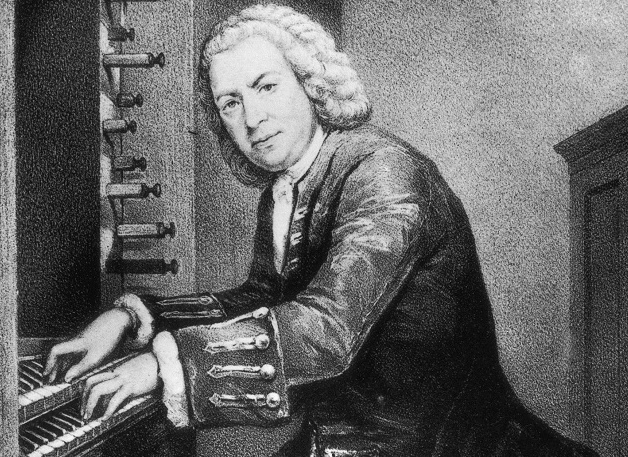
Last year we fea­tured All of Bach, a site that, in the full­ness of time, will allow you to watch the Nether­lands Bach Soci­ety per­form each and every one of Bach’s com­po­si­tions, com­plete­ly for free. Back when we first post­ed about it, the site offered only five per­for­mances to watch, but now you’ll find a full 53 wait­ing there, ready for you to enjoy. Just above, we have BWV 565, “Toc­ca­ta And Fugue In D Minor,” one of Bach’s most famous organ works, thanks in no small part to the fre­quen­cy with which it appears on tele­vi­sion, video game and movie sound­tracks.

Every Fri­day brings a new per­for­mance of anoth­er Bach piece — until, that is, the Nether­lands Bach Soci­ety gets through all 1080 of them. But between now and then, they’ve also got spe­cial musi­cal events planned, such as a spe­cial per­for­mance of the whole of the St. Matthew Pas­sion sched­uled for this Fri­day, April 3. (You can now find it online here.) It will mark the prob­a­ble 288th anniver­sary of the piece’s debut, an event which musi­cal his­to­ri­ans think hap­pened in Leipzig’s St. Thomas Church, where Bach served as can­tor and cho­rus direc­tor.

“Luther­ian sever­i­ty lies at the core of Bach’s St. Matthew Pas­sion,” writes New York­er music crit­ic Alex Ross. “The immen­si­ty of Bach’s design — his use of a dou­ble cho­rus and a dou­ble orches­tra; his inter­weav­ing of New Tes­ta­ment sto­ry­telling and lat­ter-day med­i­ta­tions; the dra­mat­ic, almost oper­at­ic qual­i­ty of the choral writ­ing; the inva­sive beau­ty of the lament­ing arias, which give the sense that Christ’s death is the acutest of per­son­al loss­es — has the effect of pulling all of mod­ern life into the Pas­sion scene. By forc­ing the singers to enact both the arro­gance of the tor­men­tors and the help­less­ness of the vic­tims, Bach under­lines Luther’s point about the inescapa­bil­i­ty of guilt. A great ren­di­tion of the St. Matthew Pas­sion should have the feel­ing of an eclipse, of a mas­sive body throw­ing the world into shad­ow.”

In order to pre­pare your­self for this momen­tous musi­cal event, have a look at the teas­er for it in the mid­dle of the post, and the behind-the-scenes doc­u­men­tary Clos­er to Bach in Naar­den just above, which reveals the rela­tion­ship the musi­cians of the Nether­lands Bach Soci­ety have to the St. Matthew Pas­sion. As you can see, they’ve tak­en pains to make sure that this Good Fri­day will, for music-lovers, prove to be a very good Fri­day indeed.

Find the Matthew Pas­sion on All of Bach this Fri­day — the same place where you can find new record­ings each week.

Update: The Matthew Pas­sion is now online here.

Relat­ed Con­tent:

All of Bach for Free! New Site Will Put Per­for­mances of 1080 Bach Com­po­si­tions Online

A Big Bach Down­load: All of Bach’s Organ Works for Free

The Genius of J.S. Bach’s “Crab Canon” Visu­al­ized on a Möbius Strip

Video: Glenn Gould Plays the Gold­berg Vari­a­tions by J.S. Bach

Col­in Mar­shall hosts and pro­duces Note­book on Cities and Cul­ture as well as the video series The City in Cin­e­ma and writes essays on cities, lan­guage, Asia, and men’s style. He’s at work on a book about Los Ange­les, A Los Ange­les Primer. Fol­low him on Twit­ter at @colinmarshall or on Face­book.

Listen to Nick Cave’s Lecture on the Art of Writing Sublime Love Songs (1999)

Let’s take a love song—let’s take Huey Lewis and the News’ “Pow­er of Love,” why not? Catchy, right? And that video? Back to the Future! That takes you back, doesn’t it? Yeah…. Now let’s ask some hard ques­tions. Is this song an accu­rate rep­re­sen­ta­tion of the human emo­tion we call “love”? All upbeat synths and blar­ing horns? Real­ly? But then, there’s Lewis, who, right out of the gate, acknowl­edges that love, “a curi­ous thing,” can “make one man weep” and “anoth­er man sing.” I imag­ine that love can make a woman feel the same. A curi­ous thing. Huey Lewis’ 80s anthem may not sound like love, nec­es­sar­i­ly, but he’s a smart enough song­writer to know that love often uses its pow­er for ill—“it’s strong and sud­den and it’s cru­el some­times.”

Let’s take anoth­er song­writer, one with a dark­er vision, a more lit­er­ary bent, Nick Cave. The Aus­tralian post-punk croon­er and for­mer leader of chaot­ic punk band The Birth­day Par­ty wrote a song called “Peo­ple Ain’t No Good,” the most uni­ver­sal of laments, after a breakup. See him, in the live ver­sion in Poland at the top, declare in a mourn­ful, soul­ful bari­tone accom­pa­nied only by a piano, the truth of no-good­ness. Unlike Huey Lewis, this song allows for no qual­i­ty, pow­er of love or oth­er­wise, to “change a hawk into a lit­tle white dove.” It’s Niet­zschean in its trag­ic dis­ap­point­ment. And yet, such is the pow­er of Nick Cave, to write a song of no good­ness that sounds like a hymn of praise. The dual­i­ty Cave embraces gets a part auto­bi­o­graph­i­cal, part gospel treat­ment in the lec­ture above (“The Secret Life of the Love Song”), which Cave deliv­ered at the Vien­na Poet­ry Fes­ti­val in 1999.

Cave, the son of a lit­er­a­ture pro­fes­sor and him­self an accom­plished nov­el­ist and poet, knows his craft well. The bal­lads that dom­i­nate pop music have deep­er roots in a harsh­er world, one that pro­duced the “mur­der bal­lad,” not coin­ci­den­tal­ly the title of a Nick Cave and the Bad Seeds record — one All­mu­sic writes Cave “was wait­ing to make his entire career.” Cave rec­og­nizes, as he says in his talk above “an uncar­ing world—a world that fucks every­body over.” And yet… and yet, he says again and again, there is love, or rather, love songs. Quot­ing W.H. Auden and Fed­eri­co Gar­cia Lor­ca, he goes on to describe the form as “a howl in the void, for Love and for com­fort.” The love song “lives on the lips of the child cry­ing for its moth­er. It is the song of the lover in need of her loved one, the rav­ing of the lunatic sup­pli­cant peti­tion­ing his God.”

The love song, then, must con­tain a qual­i­ty Gar­cia Lor­ca called Duende, an “eerie and inex­plic­a­ble sad­ness.” Bob Dylan, Leonard Cohen, Van Mor­ri­son, Tom Waits, and Neil Young have it. “It haunts,” he says, his ex P.J. Har­vey. “All love songs must con­tain duende. For the love song is nev­er tru­ly hap­py. It must first embrace the poten­tial for pain.” Cave draws on Lou Reed’s “Per­fect Day,” the “bru­tal prose” of the Old Tes­ta­ment, and the most innocu­ous-sound­ing pop songs, which can dis­guise “mes­sages to God that cry out into the yawn­ing void, in anguish and self-loathing, for deliv­er­ance.”

He also ref­er­ences, and reads, his own song, “Far From Me,” from 1997’s The Boatman’s Call, the post-breakup record that con­tains “Peo­ple Ain’t No Good.” (Cave begins the lec­ture with a ren­di­tion of “West Coun­try Girl” from that same record.) It’s an album that brought Cave’s “mor­bid­i­ty to near-par­o­d­ic lev­els,” strip­ping the Bad Seeds stum­bling lounge punk down to most­ly piano and voice. This ref­er­ence is not a mat­ter of van­i­ty but of the most well cho­sen illus­tra­tion. Cave admits he is “hap­py to be sad,” to live in “divine dis­con­tent.” His reli­gious exis­ten­tial­ism is ulti­mate­ly relieved by the pow­er of love songs, by his “crooked brood of sad eyed chil­dren” which “ral­ly round and in their way, pro­tect me, com­fort me and keep me alive.” Maybe Huey Lewis had some­thing sim­i­lar to say, but there’s no way he could ever say it the way that Nick Cave does. Read a par­tial tran­script of Cave’s talk here.

via Dan­ger­ous Minds

Relat­ed Con­tent:

Leonard Cohen and U2 Per­form ‘Tow­er of Song,’ a Med­i­ta­tion on Aging, Loss & Sur­vival

Tom Waits and Kei­th Richards Sing Sea Song “Shenan­doah” for New Pirate-Themed CD: Lis­ten Online

See Neil Young Per­form Clas­sic Songs in 1971 BBC Con­cert: “Old Man,” “Heart of Gold” & More

Josh Jones is a writer and musi­cian based in Durham, NC. Fol­low him at @jdmagness

Langston Hughes Presents the History of Jazz in an Illustrated Children’s Book (1955)

The_First_Book_Of_Jazz_00

I can imag­ine no bet­ter guide through the his­to­ry and vari­ety of jazz than Langston Hugh­es, voice of the Harlem Renais­sance and poet­ic inter­preter of 20th cen­tu­ry black Amer­i­can cul­ture. Hugh­es’ 1955 First Book of Jazz is just that, a short primer with a sur­pris­ing­ly high degree of sophis­ti­ca­tion for a children’s book. I would, in fact, rec­om­mend it as an intro­duc­tion to jazz for any read­er.

Hugh­es thor­ough­ly cov­ers the musi­cal con­text of jazz in brief chap­ters like “African Drums,” “Old New Orleans,” “Work Songs,” “The Blues,” and “Rag­time.” He then “dis­cuss­es the mechan­ics of jazz,” writes author and blog­ger Ariel S. Win­ter, includ­ing “impro­vi­sa­tion, syn­co­pa­tion, per­cus­sion, rhythm, blue notes, tone col­or, har­mo­ny, break, riff….” Through it all runs the life and career of Louis Arm­strong, whose sto­ry, Hugh­es states “is almost the whole sto­ry of orches­tral jazz in Amer­i­ca.”

Old New Orleans

The book is very patri­ot­ic in tone, a fact dic­tat­ed by Hugh­es’ recent appear­ance before Sen­a­tor McCarthy’s Sub­com­mit­tee, which exon­er­at­ed him on the con­di­tion that he renounce his ear­li­er sym­pa­thies for the Com­mu­nist Par­ty and get with a patri­ot­ic pro­gram. Hav­ing fall­en out of favor with the pub­lic, Hugh­es began the non­fic­tion children’s series to win back read­ers, also writ­ing the quaint­ly named cul­tur­al his­to­ry First Book of Negroes and the Whit­manesque First Book of Rhythms. All of the books were illus­trat­ed by dif­fer­ent artists. The First Book of Jazz received spe­cial treat­ment from pop­u­lar illus­tra­tor Cliff Roberts, who made its pages close­ly resem­ble clas­sic album cov­ers by artists like Jim Flo­ra.

Jazz Pianists

Although Hugh­es may have been some­what con­cil­ia­to­ry in his atti­tude toward inequal­i­ty, he nonethe­less makes the ori­gins and impor­tance of jazz clear:

A part of Amer­i­can music is jazz, born in the South. Woven into it in the Deep South were the rhythms of African drums that today make jazz music dif­fer­ent from any oth­er music in the world. Nobody else ever made jazz before we did. Jazz is Amer­i­can music.

“The par­tic­u­lar Amer­i­cans in ques­tion,” writes Win­ter, “are unde­ni­ably black,” and “when Hugh­es cov­ers the vast array of Amer­i­can styles that went into jazz, they tend to be (as they should be) black inter­pre­ta­tions of each musi­cal form.” But as he had always done, whether under pres­sure from McCarthy­ism or not, he proud­ly declares jazz yet anoth­er invalu­able con­tri­bu­tion African-Amer­i­cans, as well as Euro­pean immi­grants, made to the nation­al cul­ture. How­ev­er far left his polit­i­cal sym­pa­thies, Hugh­es was always a patri­ot, in the best sense, an admir­er of his country’s achieve­ments and gen­uine lover of its peo­ple.

Syncopation

Although it is a children’s book, Hugh­es’ First Book of Jazz is still a schol­ar­ly one, with a host of ref­er­ences in the Acknowl­edge­ments, and a list of famous jazz musi­cians, and their instru­ments, at the end. Also round­ing out the short course on jazz his­to­ry and musi­cian­ship is a two-part list of “Sug­gest­ed Records for Study” and one called “100 of My Favorite Record­ings.” Hugh­es even con­vinced Folk­ways records to release The Sto­ry of Jazz, an LP Hugh­es nar­rat­ed with exam­ples of each style of jazz he dis­cuss­es. You can read the full First Book of Jazz at Winter’s Flickr, where he has post­ed scans of every page. Vin­tage copies can be pur­chased online. See a gallery of Roberts’ full page illus­tra­tions here.

First Book

via Brain Pick­ings

Relat­ed Con­tent:

A Child’s Intro­duc­tion to Jazz by Can­non­ball Adder­ley (with Louis Arm­strong & Thelo­nious Monk)

Watch Langston Hugh­es Read Poet­ry from His First Col­lec­tion, The Weary Blues (1958)

Charles Min­gus Explains in His Gram­my-Win­ning Essay “What is a Jazz Com­pos­er?”

The Cry of Jazz: 1958’s High­ly Con­tro­ver­sial Film on Jazz & Race in Amer­i­ca (With Music by Sun Ra)

Josh Jones is a writer and musi­cian based in Wash­ing­ton, DC. Fol­low him at @jdmagness

The Talking Heads’ First TV Appearance Was on American Bandstand, and It Was a Little Awkward (1979)

“I guess he’s…organically shy.”–Tina Wey­mouth

As Talk­ing Heads went from CBG­Bs (see some vin­tage video) to col­lege radio to a Euro­pean tour open­ing for The Ramones in 1977, the band was slow­ly mak­ing its way out of New York City pover­ty while their art school rock was seep­ing into Amer­i­can cul­ture at large. When “Take Me To the Riv­er,” their airy, ner­vous but still funky Eno-pro­duced cov­er of the Al Green song became their first Bill­board Top 30 hit, the band took a step towards nation­al recog­ni­tion.

And that leads us to this awk­ward March 17, 1979 appear­ance of the band on ABC’s Amer­i­can Band­stand, their first on Amer­i­can TV. Long­time host Dick Clark was pret­ty square–rock crit­ic Nik Cohn described him as “a disc jock­ey who looked like an all-Amer­i­can choirboy”–but Amer­i­can Band­stand was a prime oppor­tu­ni­ty. In 1979, the New Wave and Post-Punk scenes were rag­ing at the show’s doors. Talk­ing Heads were one of the few acts that year from NYC’s cre­ative caul­dron of a music scene, apart from Blondie and Grace Jones, to make it onto Band­stand.

In the above clip, Clark apol­o­gizes for get­ting Tina Weymouth’s name wrong, then jumps in to inter­view David Byrne, who responds to Clark’s ques­tions by shut­ting them down with embar­rassed looks and mat­ter-of-fact answers. Clark then turns back to Tina for some psy­cho­an­a­lyt­ic help. “Is he always this enthu­si­as­tic?” he asks. It crum­bles from there.
Wey­mouth remem­bered it slight­ly dif­fer­ent­ly in this recent (2014) inter­view in New York Mag­a­zine:

I couldn’t explain to the record-label peo­ple why David’s behav­ior could be so incred­i­bly odd. He had a freak-out on our first tele­vi­sion appear­ance, on Dick Clark, on Amer­i­can Band­stand. David sort of froze, and Dick Clark sort of whirled around, and hands the micro­phone to me. And there were oth­er things going on, too. I don’t think any per­son is one thing, or defined by a con­di­tion that they might have.

It’s not exact­ly freez­ing, but it is odd…for rock front­men. And ask­ing Byrne “Do you flog your­self into this?” tells you a bit more about Clark’s state of mind than any­thing else.

You can see the mimed per­for­mance of their hit here:

The oth­er song they per­formed on the broad­cast “Thank You for Send­ing Me an Angel” has not popped up on YouTube…yet.

Part­ing note: The oth­er guest that night on Band­stand was twee, blue-eyed dis­co act Brook­lyn Dreams with their sin­gle Make It Last.

Relat­ed con­tent:

Hear the Ear­li­est Known Talk­ing Heads Record­ings (1975)

Talk­ing Heads Live in Rome, 1980: The Con­cert Film You Haven’t Seen

Jim Jarmusch’s Anti-MTV Music Videos for Talk­ing Heads, Neil Young, Tom Waits & Big Audio Dyna­mite

The Talk­ing Heads Play CBGB, the New York Club that Shaped Their Sound (1975)

Ted Mills is a free­lance writer on the arts who cur­rent­ly hosts the FunkZone Pod­cast. You can also fol­low him on Twit­ter at @tedmills and/or watch his films here.

« Go BackMore in this category... »
Quantcast