William Shatner Raps About How to Not Kill Yourself Deep Frying a Turkey

Like many oth­ers on Thanks­giv­ing, William Shat­ner sought a “moister, tasti­er” turkey expe­ri­ence. The for­mer Star Trek star had pur­chased a siz­able fry­er and, turned brash by pangs of hunger, threw cau­tion to the wind; despite know­ing Archimedes’ prin­ci­ple full well, Shat­ner bold­ly went where no cook should go and deposit­ed the turkey into a vat brim­ming with oil. Oh, woe­ful day! The oil, dis­placed by the turkey, ran over the fryer’s sides and onto the open flame. Flames then shot up, burn­ing Shatner’s arms.

In 2011, Shat­ner joined forces with the insur­ance com­pa­ny State Farm to cre­ate a cau­tion­ary video warn­ing would-be Thanks­giv­ing turkey fry­ers about the per­ils of engag­ing in such a gas­tro­nom­ic enter­prise. Accord­ing to State Farm, insur­ance claims relat­ed to Thanks­giv­ing grease & cook­ing-acci­dents dropped by half after this pub­lic ser­vice announce­ment came out.

In what can only be inter­pret­ed as an attempt to tam­per with per­fec­tion, in 2012, State Farm decid­ed to have YouTube’s melodysheep remix Shatner’s orig­i­nal video, giv­ing it a glis­ten­ing new coat of Inter­net viral­i­ty. We are pleased to say that the endeav­or proved to be a resound­ing suc­cess. Please enjoy the video, above, and remem­ber the fol­low­ing fry­ing tips:

1: Avoid oil spillover–don’t over­fill the pot.

2: Turn off the flame when low­er­ing the turkey into oil.

3: Fry out­side, away from the house.

4: Prop­er­ly thaw the turkey before fry­ing.

5: Keep a grease-fire-approved extin­guish­er near­by.

Ilia Blin­d­er­man is a Mon­tre­al-based cul­ture and sci­ence writer. Fol­low him at @iliablinderman.

Slavoj Žižek Examines the Perverse Ideology of Beethoven’s Ode to Joy

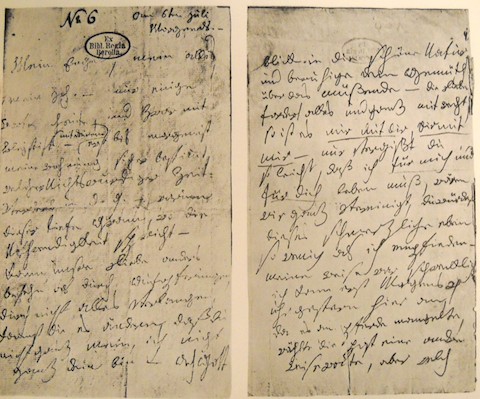
Beethoven’s icon­ic Ninth Sym­pho­ny pre­miered in Vien­na in 1824, at “a time of great repres­sion, of ultra-con­ser­v­a­tive nation­al­ism” as the old orders fought back against the rev­o­lu­tions of the pre­vi­ous cen­tu­ry. But it’s dif­fi­cult to imag­ine the com­pos­er hav­ing any nation­al­ist intent, what with his well-known hatred of author­i­ty, par­tic­u­lar­ly impe­ri­al­ist author­i­ty (and par­tic­u­lar­ly of Napoleon). Even less obvi­ous is the impu­ta­tion of nation­al­ist ten­den­cies to Friedrich Schiller, whose poem, “Ode to Joy” Beethoven adapts to a glo­ri­ous cho­rus in the fourth move­ment. Schiller’s poem, writes Scott Hor­ton in Harper’s, “envi­sions a world with­out mon­archs” in which uni­ver­sal friend­ship “is essen­tial if humankind is to over­come its dark­er moments.” And in his take on the ubiq­ui­tous piece of music, con­trar­i­an the­o­rist Slavoj Žižek acknowl­edges in the clip above from his lat­est film, A Pervert’s Guide to Ide­ol­o­gy, that the Ninth is gen­er­al­ly tak­en for grant­ed “as a kind of an ode to human­i­ty as such, to the broth­er­hood and free­dom of all peo­ple.”

And yet Žižek , being Žižek, draws our atten­tion to the Ninth Sym­pho­ny as a per­fect ide­o­log­i­cal con­tain­er, by ref­er­ence to its unfor­get­table use in Stan­ley Kubrick’s A Clock­work Orange, as unspar­ing a look at humanity’s “dark­er moments” as one might find on film (excerpt above). Kubrick (and com­pos­er Wendy Car­los) drew on a long, dark his­to­ry of asso­ci­a­tions with the Ninth. As evi­dence of its “uni­ver­sal adapt­abil­i­ty,” Žižek points to its well-known use by the Nazis as a nation­al­ist anthem, as well as by the Sovi­et Union as a com­mu­nist song; in Chi­na dur­ing the Cul­tur­al Rev­o­lu­tion, when almost all oth­er West­ern music was pro­hib­it­ed; and at the extreme Apartheid right in South Rhode­sia. “At the oppo­site end,” Žižek says, the Ninth Sym­pho­ny was the favorite of ultra-left­ist Shin­ing Path leader Abi­mael Guz­man, and in 1972, it became the unof­fi­cial “Anthem of Europe” (now of the Euro­pean Union). The tow­er­ing piece of music, Žižek claims, enables us to imag­ine a “per­verse scene of uni­ver­sal fra­ter­ni­ty” in which the world’s dic­ta­tors, arch-ter­ror­ists, and war crim­i­nals all embrace each oth­er. It’s a deeply dis­turb­ing image, to say the least. Watch the full excerpt for more of Žižek’s exam­i­na­tion of the ide­o­log­i­cal weight Beethoven car­ries.

via Bib­liokept

Relat­ed Con­tent:

In His Lat­est Film, Slavoj Žižek Claims “The Only Way to Be an Athe­ist is Through Chris­tian­i­ty”

Slavoj Žižek’s Pervert’s Guide to Ide­ol­o­gy Decodes The Dark Knight and They Live

The Mak­ing of Stan­ley Kubrick’s A Clock­work Orange

Josh Jones is a writer and musi­cian based in Durham, NC. Fol­low him at @jdmagness

The Story of the Bass: New Video Gives Us 500 Years of Music History in 8 Minutes

Out­side of mod­ern jazz, bass play­ers have a hard time. Peo­ple either for­get they exist—“John Bon­ham, Jim­my Page, Robert Plant, and … oh yeah, that oth­er guy…”—or they get car­i­ca­tured as the goofi­est mem­bers of the band, due per­haps to the instrument’s unwield­i­ness and the rock­ing-at-the waist motions its awk­ward dimen­sions inspire. The phys­i­cal pos­tures of bassists have lent far too many per­fect pho­to­graph­ic moments to the viral Bass Dogs tum­blr, which imag­ines bass play­ers tick­ling giant, often embar­rassed-look­ing dogs.

But meme-ing aside, the bass occu­pies a cru­cial space, cov­er­ing a fre­quen­cy range and rhyth­mic dimen­sion with­out which we could not be tru­ly moved by mod­ern pop or clas­si­cal music, either in spir­it or body. And while the low end doesn’t clam­or for our attention—like the upper ranges of a chanteuse’s voice, a wail­ing lead gui­tar, or crash­ing cymbals—and can get lost in the tin­ny sounds of ear­buds and cheap radios, we sim­ply can­not do with­out the sound of the bass. To demon­strate what a propul­sive force the bass has been in the evo­lu­tion of music over the cen­turies, col­lec­tive CDZA—who have pre­vi­ous­ly enter­tained and enlight­ened us about the gui­tar solo—fea­ture bassist Michael Thurber in a greatest-hits-who’s‑who his­to­ry les­son, “The Sto­ry of the Bass.”

We begin with that baroque pre­cur­sor to the con­tra bass (or dou­ble bass), the vio­la da gam­ba, which Bach wrote for in his cel­lo suites and in da gam­ba and harp­si­chord pieces. When we come to the 18th cen­tu­ry, we are in the dou­ble bass world of bril­liant vir­tu­oso play­er and com­pos­er Domeni­co Drag­onet­ti, beloved of Haydn and Beethoven (hear a mes­mer­iz­ing Drag­onet­ti con­cer­to above). We then move through the 19th cen­tu­ry with names like Serge Kous­se­vitzky, pop­u­lar­iz­er of the 4‑string dou­ble bass we know today.

With jazz in the ‘20s , the fin­ger pluck­ing style comes to stand in for the tuba of pro­to-jazz Sousa bands. Then the 4‑note walk­ing bassline comes to the fore, brought most famous­ly by Duke Elling­ton bass­man Well­man Braud. In the 40s and 50s, bass took a spot­light with, among many oth­ers, three more some­time Elling­ton bassists: Jim­my Blan­ton, Oscar Pet­ti­ford, and, espe­cial­ly, Charles Min­gus.

The video zooms through country/bluegrass/rockabilly dou­ble bass inno­va­tions with a too-brief men­tion of slap bass tech­nique before Thurber straps on a clas­sic elec­tric to intro­duce but one of Leo Fender’s con­tri­bu­tions to mod­ern music. The first elec­tric bass debuted in 1951, and at the time, only one per­son played it, Monk (erro­neous­ly called “Mark” by CDZA) Mont­gomery, one of a trio of musi­cal broth­ers, who played for Lionel Hampton’s band.

As we get into the post-war peri­od, the bass evolves as rapid­ly as the tech­nolo­gies of ampli­fi­ca­tion, broad­cast, and record­ing. With the dom­i­nance of Motown in the six­ties, the bass takes a lead role in R&B, with the immor­tal James Jamer­son lead­ing the way (above with Jack­son 5). And with British rock and roll, the bass is again pushed to the fore­front by, of course, Paul McCart­ney. New tech­niques abound—John Entwistle of The Who’s fin­ger pluck­ing style, Lar­ry Graham’s slap­ping, the funk/rock/soul sig­na­tures of Nathan Watts, John Paul Jones, and Chris Squire. Pink Floyd’s Roger Waters stands alone as a sin­gu­lar voice on the bass.

Once Thurber reach­es off-the-wall instru­men­tal­ists like Jaco Pas­to­ri­ous (above) and Flea (one is sad­dened Les Clay­pool doesn’t get a name check), we’re off to the races, any­thing goes, and oth­er clichés. Or how about a pun? It’s a bass race to rede­fine the instru­ment until the oughties, when it set­tles back in for folk and six­ties rock revival­ism and explodes in the synth lines of the hard dance revival­ism of dub­step. It’s a rol­lick­ing ride, and as any 8‑and-a-half minute his­to­ry les­son is bound to be, a sur­vey in broad strokes that sure­ly leaves out a cou­ple or dozen of your favorites (Boot­sie Collins? Ged­dy Lee? Peter Hook? Kim Deal? Rob­bie Shake­speare?). But on the whole, it’s an instruc­tive tour of a neglect­ed or maligned instru­ment that deserves much more respect than it gets.

Relat­ed Con­tent:

The Evo­lu­tion of the Rock Gui­tar Solo: 28 Solos, Span­ning 50 Years, Played in 6 Fun Min­utes

The Fun­da­men­tals of Jazz & Rock Drum­ming Explained in Five Cre­ative Min­utes

An Abridged His­to­ry of West­ern Music: “What a Won­der­ful World” Sung in 16 Dif­fer­ent Styles

Josh Jones is a writer and musi­cian based in Durham, NC. Fol­low him at @jdmagness

U2 Releases a Nelson Mandela-Inspired Song, “Ordinary Love”

Worth a quick men­tion: U2 has released “Ordi­nary Love,” a song writ­ten for the new film Man­dela: Long Walk To Free­dom“The band saw var­i­ous cuts of the film over the sum­mer and worked dili­gent­ly to write a song that tru­ly reflects Nel­son Man­dela,” The Hol­ly­wood Reporter quotes film pro­duc­er Har­vey Wein­stein as say­ing. And now, accom­pa­ny­ing the song, U2 has put out a “lyric video” direct­ed by Irish illus­tra­tor Oliv­er Jef­fers and Amer­i­can artist Mac Pre­mo. The song itself does­n’t raise my hopes that the band is break­ing out of what feels like a decade-long cre­ative rut. But it’s their first stu­dio track in four years since 2009’s No Line on the Hori­zon. So, if you’re a diehard U2 fan, it will per­haps sate you until next spring, when the band is sched­uled to release its next stu­dio album,

Relat­ed Con­tent:

Nel­son Mandela’s First-Ever TV Inter­view (1961)

Nel­son Man­dela Archive Goes Online (With Help From Google)

Leonard Cohen and U2 Per­form ‘Tow­er of Song,’ a Med­i­ta­tion on Aging, Loss & Sur­vival

by | Permalink | Make a Comment ( 3 ) |

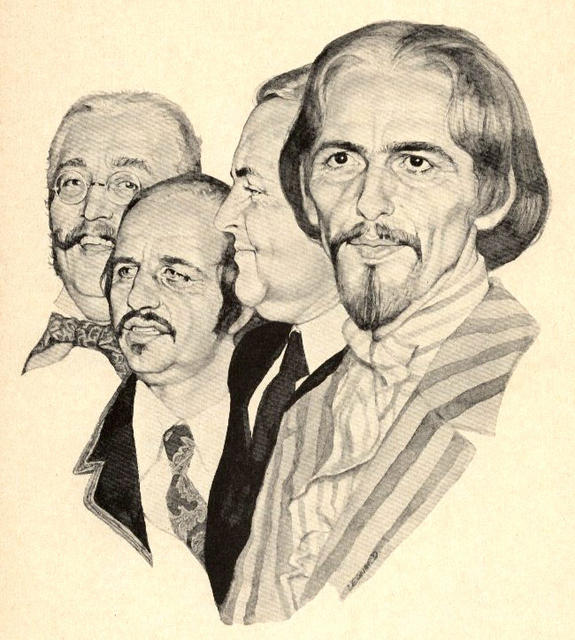
Rocks Stars Who Died Before They Got Old: What They Would Look Like Today

aged rock stars

Live fast.

Die young.

Spare your­self the grim real­i­ties of the state fair reunion tour cir­cuit.

On the oth­er hand, it’s death­ly hard to con­trol one’s image from beyond the grave. Espe­cial­ly when you’ve got an award-win­ning PR Agency and a pho­to manip­u­la­tion com­pa­ny team­ing up to imag­ine how you might look had you sur­vived!

The twelve unlucky recip­i­ents of these posthu­mous makeovers remain house­hold names (see the gallery here), even though it’s near­ly twen­ty years since the last of their num­ber drew breath. Like Jim Mor­ri­son, Janis Joplin and Jimi Hen­drix, Kurt Cobain was but 27 when he passed, though at the time of his birth, the oth­er three were all old enough to be his mom­my or dad­dy. Fit­ting, then, that he appears to be the baby of the gold­en group.

Music writer Eli­jah Wald and pop­u­lar music schol­ar Reebee Garo­fa­lo offer insights below each por­trait in the gallery about where the sub­jects might now find them­selves in their careers. It’s all con­jec­ture, but their expe­ri­ence ensures that their opin­ions can be tak­en as edu­cat­ed guess­es, at least.

Less con­vinc­ing are the sar­to­r­i­al choic­es on dis­play. Den­nis Wil­son in a Hawai­ian shirt, okay, but were he alive, might not Kei­th Moon fol­low suit with for­mer-band­mates Pete Town­shend and Roger Dal­trey, both of whom have adopt­ed the sleek, mono­chro­mat­ic wardrobe favored by aging rock gods?

And who here thinks the 78-year-old Elvis would traipse around in the sort of short-sleeved poly-blend shirt my late grand­fa­ther wore to his week­ly men’s prayer break­fast?

For pity’s sake, age does not auto­mat­i­cal­ly imply drab­ness!

(Who’s that I see over there? Could it be Yoko Ono, look­ing great at 80, in a top hat and tap pants? Even if she were look­ing less-than-fit, it would still be a bold choice! I doubt she wears that get-up to the gro­cery store, but the pro­gres­sion of time has not robbed her of the abil­i­ty to make a delib­er­ate visu­al impres­sion.)

What is refreshing—though not nec­es­sar­i­ly believable—is how none of the res­ur­rect­ed icons in these por­traits seem to have gone in for plas­tic surgery.

Relat­ed Con­tent: 

Jimi Hendrix’s Final Inter­view on Sep­tem­ber 11, 1970: Lis­ten to the Com­plete Audio

Watch Janis Joplin’s Final Inter­view Reborn as an Ani­mat­ed Car­toon

Ani­mat­ed Video: Kurt Cobain on Teenage Angst, Sex­u­al­i­ty & Find­ing Sal­va­tion in Punk Music

Ayun Hal­l­i­day is the author of sev­en books, most recent­ly Peanut. Fol­low her @AyunHalliday.

Dutchman Masters the Art of Singing Led Zeppelin’s “Stairway to Heaven” Backwards

This has “viral video” writ­ten all over it. The only prob­lem is that it was filmed and released back in 2003, just two years before YouTube changed our world. But who knows, maybe with your help, the video could enjoy some posthu­mous viral­ness. Or is it viral­i­ty or viralos­i­ty?

The clip above fea­tures Jeroen Offer­man, a Dutch visu­al artist who, a decade ago, spent three months learn­ing to sing Led Zep­pelin’s “Stair­way to Heav­en” entire­ly back­wards. He filmed him­self singing the song in reverse, while stand­ing in front of Saint Paul’s Cathe­dral in Lon­don, then flipped the direc­tion of the video (hence the pedes­tri­ans walk back­wards), all in order to show how well he mas­tered the art of singing Zep­pelin in reverse.

On his web­site he explains ******@******ls.html”>the project in greater detail, writ­ing:

“The Stair­way at St.Paul’s” is based on the hys­te­ria that sur­round­ed cer­tain music-record­ings of the 60’s and the 70’s. Some rock bands, like the Bea­t­les, Judas Priest and Led Zep­pelin were sup­posed to have put hid­den mes­sages in their records that could only be heard when played back­wards. These mes­sages though, would sub­con­scious­ly be picked up by the lis­ten­er who would then react in response to them.

In this way the band Judas Priest end­ed up in a court case because their records had ‘induced’ chil­dren to com­mit sui­cide. Also, the Bea­t­les were sup­posed to sug­gest through their records that Paul McCart­ney, one of their main band mem­bers, had died in a car crash and was replaced by a look-a-like.

The most famous exam­ple though, is Led Zeppelin’s ‘Stair­way to Heav­en’, a song about a woman buy­ing her­self a way in to heav­en. The mys­tic lyrics seem to urge us to fol­low the right path in life. But, as one line in the song already says, “some­times words have two mean­ings”, and so, when played back­wards, this song is sup­posed to urge us to wor­ship evil.

It’s time to dive in to your record-col­lec­tion and find out if it was all true. But first let us watch this video. So turn up the vol­ume and remem­ber the first time you smoked a cig­a­rette…

Things get pret­ty great around the 6:07 mark.

I’m pray­ing that this isn’t all a goof.

If you would like to sign up for Open Culture’s free email newslet­ter, please find it here. It’s a great way to see our new posts, all bun­dled in one email, each day.

If you would like to sup­port the mis­sion of Open Cul­ture, con­sid­er mak­ing a dona­tion to our site. It’s hard to rely 100% on ads, and your con­tri­bu­tions will help us con­tin­ue pro­vid­ing the best free cul­tur­al and edu­ca­tion­al mate­ri­als to learn­ers every­where. You can con­tribute through Pay­Pal, Patre­on, and Ven­mo (@openculture). Thanks!

Relat­ed Con­tent:

Pak­istani Immi­grant Goes to a Led Zep­pelin Con­cert, Gets Inspired to Become a Musi­cian & Then Sells 30 Mil­lion Albums

Hear Led Zeppelin’s First Record­ed Con­cert Ever (1968)

Led Zep­pelin Plays One of Its Ear­li­est Con­certs (Dan­ish TV, 1969)


by | Permalink | Make a Comment ( 2 ) |

A Young Björk Deconstructs (Physically & Theoretically) a Television in a Delightful Retro Video

Björk’s first inter­na­tion­al hit, “Human Behav­iour” (1993) received scant radio play in North Amer­i­ca. Rather, the Ice­landic singer’s fame only grew as a result of MTV’s heavy rota­tion of the sur­re­al­ist music video that accom­pa­nied the song, direct­ed by Acad­e­my Award win­ner Michel Gondry. Despite the debt of celebri­ty she owed to tele­vi­sion, Björk was not always a fan.

In the undat­ed video above, Björk expounds on her Christ­mas­time TV-watch­ing habits.  Imme­di­ate­ly, the video takes an odd—or, I sup­pose, char­ac­ter­is­ti­cal­ly Björk-esque—turn when the young singer decides to take her TV apart:

But now I’m curi­ous. I’ve switched the TV off and now I want to see how it oper­ates. How it can make, put me into all those weird sit­u­a­tions. So… It’s about time.

The var­i­ous com­po­nents prove fas­ci­nat­ing, and Björk pro­ceeds to describe the television’s hard­ware in her whim­si­cal, oth­er­world­ly man­ner:

This is what it looks like. Look at this. This looks like a city. Like a lit­tle mod­el of a city. The hous­es, which are here, and streets. This is maybe an ele­va­tor to go up there. And here are all the wires. These wires, they real­ly take care of all the elec­trons when they come through there. They take care that they are pow­er­ful enough to get all the way through to here. I read that in a Dan­ish book. This morn­ing.

The most puz­zling part of the video comes when Björk men­tions that her cav­a­lier approach to tele­vi­sion is rel­a­tive­ly new. Until recent­ly, she had been guard­ed about her view­ing habits:

I remem­ber being very scared because an Ice­landic poet told me that not like in cin­e­mas, where the thing that throws the pic­ture from it just sends light on the screen, but this is dif­fer­ent. This is mil­lions and mil­lions of lit­tle screens that send light, some sort of elec­tric light, I’m not real­ly sure… Your head is very busy all the time to cal­cu­late and put it all togeth­er into one pic­ture. And then because you’re so busy doing that, you don’t watch very care­ful­ly what the pro­gram you are watch­ing is real­ly about. So you become hyp­no­tized.

Thanks to the wis­dom con­tained with­in an unnamed Dan­ish book, how­ev­er, Björk has grown more at ease with the poten­tial of television’s being used for mind con­trol and hyp­no­sis. At the end of the clip, she offers a final pearl of wis­dom:

You should­n’t let poets lie to you.

via The Atlantic

Relat­ed Con­tent:

Björk and Sir David Atten­bor­ough Team Up in a New Doc­u­men­tary About Music and Tech­nol­o­gy

Ice­land in the Mid­night Sun

Ilia Blin­d­er­man is a Mon­tre­al-based cul­ture and sci­ence writer. Fol­low him at @iliablinderman.

Watch Leonardo da Vinci’s Musical Invention, the Viola Organista, Being Played for the Very First Time

Just yes­ter­day, we made ref­er­ence to Leonar­do da Vin­ci’s con­tri­bu­tion to ear­ly con­cepts of mechan­i­cal cal­cu­la­tion. But if that sub­set of his achieve­ments does­n’t inter­est you, may we sug­gest you look into his oth­er work in paint­ing, sculp­ture, archi­tec­ture, math­e­mat­ics, engi­neer­ing, anato­my, geol­o­gy, car­tog­ra­phy, botany, and let­ters? Then again, you might find this a par­tic­u­lar­ly oppor­tune time to learn more about Leonar­do da Vin­ci the musi­cian. As the arche­typ­al exam­ple of the poly­math­ic, intel­lec­tu­al­ly omniv­o­rous “Renais­sance man,” he not only attained mas­tery of a wide range of dis­ci­plines, but did his most impres­sive work in the spaces between them. Giv­en the volu­mi­nous­ness of his out­put (not to men­tion the tech­ni­cal lim­i­ta­tions of fif­teenth-cen­tu­ry Europe), many of his mul­ti­ple domain-span­ning ideas and inven­tions nev­er became a real­i­ty dur­ing his life­time. How­ev­er, just this year, 494 years after Leonar­do’s death, we now have the chance to see, and more impor­tant­ly hear, one of them: the vio­la organ­ista, an elab­o­rate musi­cal instru­ment that had pre­vi­ous­ly only exist­ed in his note­books.

We owe this thrill not just to Leonar­do him­self, who left behind detailed plans for the (to him, pure­ly the­o­ret­i­cal) con­struc­tion of such devices as this behind, but to a report­ed 5000 hours of phys­i­cal effort by Pol­ish con­cert pianist Sla­womir Zubrzy­c­ki, who actu­al­ly put the thing togeth­er. You can read more at the Syd­ney Morn­ing Her­ald, whose arti­cle (on “Leonar­do Da Vin­ci’s wacky piano”) quotes Zubrzy­c­ki: “This instru­ment has the char­ac­ter­is­tics of three we know: the harp­si­chord, the organ and the vio­la da gam­ba,” and play­ing it, which involves hit­ting keys con­nect­ed to “spin­ning wheels wrapped in horse-tail hair,” and turn­ing those wheels by pump­ing a ped­al below the key­board, pro­duces excit­ing unusu­al waves of cel­lo-like sounds. You can watch ten min­utes of Zubrzy­c­ki debut­ing the instru­ment at Krakow’s Acad­e­my of Music above. Depend­ing upon your incli­na­tion toward music, very old tech­nol­o­gy, or very old music tech­nol­o­gy, you may also want to glance at the relat­ed Metafil­ter debate about what place the vio­la organ­ista could have in music today.

If you would like to sign up for Open Culture’s free email newslet­ter, please find it here. It’s a great way to see our new posts, all bun­dled in one email, each day.

If you would like to sup­port the mis­sion of Open Cul­ture, con­sid­er mak­ing a dona­tion to our site. It’s hard to rely 100% on ads, and your con­tri­bu­tions will help us con­tin­ue pro­vid­ing the best free cul­tur­al and edu­ca­tion­al mate­ri­als to learn­ers every­where. You can con­tribute through Pay­Pal, Patre­on, and Ven­mo (@openculture). Thanks!

Relat­ed Con­tent:

The Anatom­i­cal Draw­ings of Renais­sance Man, Leonar­do da Vin­ci

An Ani­mat­ed His­to­ry Of Avi­a­tion: From da Vinci’s Sketch­es to Apol­lo 11

What Ancient Greek Music Sound­ed Like: Hear a Recon­struc­tion That is ‘100% Accu­rate’

Col­in Mar­shall hosts and pro­duces Note­book on Cities and Cul­ture and writes essays on lit­er­a­ture, film, cities, Asia, and aes­thet­ics. He’s at work on a book about Los Ange­lesA Los Ange­les Primer. Fol­low him on Twit­ter at @colinmarshall.

« Go BackMore in this category... »
Quantcast