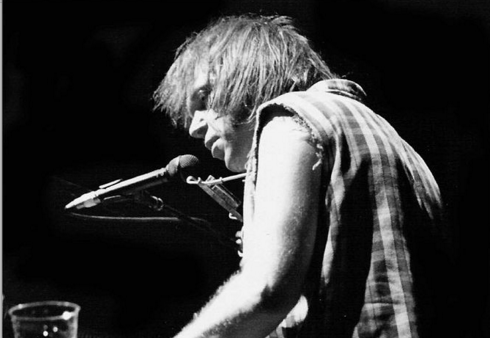
What Was Your First Live Concert? We’ll Show You Ours, Share Yours.

I’m gonna tell you some­thing. Most of my life I’ve been a snob. A music snob. I know, peo­ple like me can suck the fun out of a five-year-old’s birth­day par­ty. But I wasn’t always such a twist­ed killjoy. For a cou­ple years of my life, between the ten­der ages of 11 and 13, I was a wide-eyed naïf, groov­ing to what­ev­er late eight­ies R&B pow­er bal­lad rap hits hap­pened to come on the radio, and it all sound­ed pret­ty good to me. Sure, I should’ve known better—I grew up folk and blues and gold­en age rock and roll. But that was my par­ents’ music. To para­phrase Mor­ris­sey, it had noth­ing to say about my life.

No, in that excru­ci­at­ing­ly earnest yet also oh-so painful­ly awk­ward way, the first band I believed spoke to me was INXS. Yes, that’s right, those ridicu­lous Aussie are­na rock­ers whose tum­ble from cheesy to mor­bid­ly tawdry to Real­i­ty TV we all know so well. At 13, I was con­vinced that Michael Hutchence was my gen­er­a­tion’s Jim Mor­ri­son. And so one night in March, dressed in a sleeve­less INXS t‑shirt, ripped jeans and high-top sneak­ers, my hair teased into some kind of Prince-like pom­padour, I told my par­ents I was going to a sleep­over. Instead, I rode with a few neigh­bor­hood friends to the Patri­ot Cen­ter at George Mason Uni­ver­si­ty, the tick­et I’d had a bud­dy’s old­er broth­er buy with the last of my paper route mon­ey tucked neat­ly into the fold of my black Vel­cro INXS wal­let. I mount­ed the stairs to a sec­tion so high that our view of the stage looked like a Georges Seu­rat up close, all dis­ori­ent­ing lit­tle col­ored dots.

But I was there, man, in the throng, in the thick of a rock and roll show, hear­ing the hits blare across acres of scream­ing heads. And it was mag­i­cal. Not very long after, I would turn to hard­er stuff, become jad­ed and crusty and look back with dis­dain on the smooth sounds of INXS. But that feel­ing then… stand­ing there amidst those crowds, almost every­one old­er than me, wob­bling in the haze of sur­rep­ti­tious pot smoke and the slight­ly nau­se­at­ing high of cheap beer drunk fast in an old mus­cle car… I had arrived. I told my par­ents about this years lat­er, when the statute of lim­i­ta­tions ran out. And they laughed. And so did I. Because, c’mon. It’s INXS. Then again, watch­ing the footage above from 1988, the same year I saw them at 13, I have to admit that they don’t sound half bad. But good­ness, those out­fits. Prob­a­bly for the best I couldn’t actu­al­ly see them on the stage back then.

So there’s my sto­ry, read­ers, inspired by this Metafil­ter thread. Now that I’ve told you mine, please tell me yours. What was your very first con­cert? There’s no shame here, friends. Only nos­tal­gia. Extra points to those who pro­vide links to live con­cert footage.

Josh Jones is a writer and musi­cian based in Durham, NC. Fol­low him at @jdmagness

Watch Audio Ammunition: A Documentary Series on The Clash and Their Five Classic Albums

The Clash are big in music news again with the arrival of their box set Sound Sys­tem, which Mick Jones promis­es will be their final offi­cial release of all time. Jones also tells The Guardian it’s the “best box set ever,” and I just might believe it. It’s cer­tain­ly one of the coolest look­ing. The band’s music holds up per­fect­ly well; in fact it’s tak­en on renewed rel­e­vance as so much of the cul­tur­al and eco­nom­ic con­flicts they wrote in response to have emerged like zom­bies from the grave to tor­ment us again (this time, per­haps, pace Marx, as zom­bie farce).

In light of their renewed rel­e­vance, Google brings us a five-part doc­u­men­tary series on the band, called Audio Ammu­ni­tion, and it looks fan­tas­tic.

Each part cov­ers the mak­ing of their five clas­sic stu­dio albums (exclud­ing 1985’s mis­guid­ed Cut the Crap). Here’s Google’s offi­cial descrip­tion:

In this exclu­sive doc­u­men­tary fea­tur­ing nev­er-before-seen footage of the late, great Joe Strum­mer, all four mem­bers of “the only band that mat­ters” walk us through the mak­ing of each of their clas­sic albums. New­ly re-mas­tered ver­sions of those albums are avail­able below, along with a new hits col­lec­tion based on the set list from one of Joe’s favorite gigs. Plus, four con­tem­po­rary bands inspired by the Clash’s lega­cy offer their own takes on the band’s songs. If you already love the Clash, watch and lis­ten and we guar­an­tee you’ll hear some­thing new. If you don’t, you’ll hear why you should.

See Part One, “The Clash,” at the top and part 2, “Give ‘Em Enough Rope,” above, and below find part 3, “Lon­don Call­ing,” part 4, “San­din­ista,” and part 5, “Com­bat Rock.” And vis­it the Google Play site for the film and to find oth­er good­ies like Kurt Vile’s fuzzed-out take on “The Guns of Brix­ton” and oth­er exclu­sive cov­ers of Clash songs by con­tem­po­rary artists. The doc­u­men­tary series will be added to our col­lec­tion of 575 Free Movies Online.

Lon­don Call­ing

San­din­ista

Com­bat Rock

via Boing Boing

Relat­ed Con­tent:

Sur­viv­ing Mem­bers of The Clash Recount the Mak­ing of “Lon­don Call­ing” & Dis­cuss New Box Set

Doc­u­men­tary Viva Joe Strum­mer: The Sto­ry of the Clash Sur­veys the Career of Rock’s Beloved Front­man

The Clash: West­way to the World

Mick Jones Plays Three Clas­sics by The Clash at the Pub­lic Library

Josh Jones is a writer and musi­cian based in Durham, NC. Fol­low him at @jdmagness

Bohemian Gravity: String Theory Explored With an A Cappella Version of Bohemian Rhapsody

This past spring, Tim­o­thy Blais wrote his mas­ters the­sis at McGill Uni­ver­si­ty in Mon­tre­al. Titled “A new quan­ti­za­tion con­di­tion for par­i­ty-vio­lat­ing three-dimen­sion­al grav­i­ty,” the the­sis clocks in at 74 pages and gets into some seri­ous physics. The first line reads: “(2+1)-dimensional grav­i­ty with a neg­a­tive cos­mo­log­i­cal con­stant is a topo­log­i­cal the­o­ry with no local degrees of free­dom.” I have to admit that Tim lost me right there. But he has made some amends with Bohemi­an Grav­i­ty, a poten­tial­ly viral video that explores string the­o­ry with the help of an a cap­pel­la par­o­dy of Queen’s Bohemi­an Rhap­sody. I have to admit that I don’t quite under­stand the sub­stance of the video either. But I am thor­ough­ly enter­tained and that counts for some­thing.

Blais pre­vi­ous­ly record­ed “Rolling in the Hig­gs,” a sci­en­tif­ic riff on Adele’s song. Accord­ing to his Face­book page, these “sci­ence-par­o­dy cre­ations are 100% orig­i­nal­ly record­ed and made out of unal­tered sounds from his mouth, throat and vocal cords.” Keep an eye on his YouTube Chan­nel, acapel­la­science, for more videos (we hope) in the future.

H/T Robin/via I F’ing Love Sci­ence

Relat­ed Con­tent:

Gui­tarist Bri­an May Explains the Mak­ing of Queen’s Clas­sic Song, ‘Bohemi­an Rhap­sody’

Lis­ten to Fred­die Mer­cury and David Bowie on the Iso­lat­ed Vocal Track for the Queen Hit ‘Under Pres­sure,’ 1981

The Hig­gs Boson, AKA the God Par­ti­cle, Explained with Ani­ma­tion

What’s Next for the Large Hadron Col­lid­er? PhD Comics Intro­duces the Search for Extra Dimen­sions

Free Physics Cours­es

by | Permalink | Make a Comment ( 3 ) |

Dark Side of the Rainbow: Pink Floyd Meets The Wizard of Oz in One of the Earliest Mash-Ups

Dude, I’m seri­ous; you cue up The Wiz­ard of Oz, you cue up Dark Side of the Moon, and you start ’em up at the same time. It total­ly works. Too many syn­chronic­i­ties to explain away. Blow your mind, man.

Laugh though we may at those who con­sid­er it an intense evening to enter their pre­ferred state of mind, shall we say, and feel for res­o­nances between a 1939 MGM musi­cal and Pink Floy­d’s eighth album, we can’t deny that the mash-up Dark Side of the Rain­bow, as they call it (when they don’t call it Dark Side of Oz or The Wiz­ard of Floyd), has become a seri­ous, if mod­est, cul­tur­al phe­nom­e­non.

In fact, since enthu­si­asm for play­ing Dark Side of the Moon while watch­ing The Wiz­ard of Oz goes back at least as far as Usenet dis­cus­sions in the mid-nineties, it may well count as the first inter­net mash-up ever. Word of the view­ing expe­ri­ence’s uncan­ni­ness has, since then, extend­ed far beyond the wood-pan­eled-base­ment set; even an insti­tu­tion as osten­si­bly square as the cable chan­nel Turn­er Clas­sic Movies once aired The Wiz­ard of Oz with Dark Side of the Moon as its sound­track.

Clear­ly, peo­ple get some­thing out of the com­bi­na­tion no mat­ter their state of mind. At the very least, they get amuse­ment at the coin­ci­dences where the album’s sounds and lyri­cal themes meet and seem­ing­ly match the events of the pic­ture. Dark-side-of-the-rainbow.com offers a thor­ough­ly anno­tat­ed list of these inter­sec­tions, from the fad­ing-in heart­beat that opens the album align­ing with the appear­ance of the movie’s title:

In this con­cept album, we have [sym­bol­i­cal­ly] the begin­ning of human life. Many par­ents begin the process of nam­ing the child, as soon as they become aware of its exis­tence, often before they even know the sex of the child. Here, we have the name of a movie, which just hap­pens to be the name of one of the char­ac­ters in the movie, just as we are becom­ing aware of this new life.

To the lyric that accom­pa­nies Dorothy’s entry into Munchkin­land:

“Get a job with more pay and you’re OK”: Dorothy does­n’t know it yet, but she is about to be pro­mot­ed from farm girl to slay­er of wicked witch­es.

To the album-clos­ing heart­beat that plays as the Tin Man receives a heart of his own:

On the album, this heart­beat going dead rep­re­sents death. Tin Man’s new heart, which we can hear tick­ing, sym­bol­izes rebirth. Once again, this con­trast of what we see in the movie, and what we hear on the album is about pro­vid­ing bal­ance. And as this is how the sto­ry ends, this bal­ance speaks of how, in the end, the fairy­tale has indeed over­come the tragedy.

Pink Floyd them­selves have dis­avowed any com­po­si­tion­al intent in this mat­ter (Alan Par­sons, who engi­neered the record­ing, calls the very idea “a com­plete load of eye­wash”), and even Dark Side of the Rain­bow’s most ded­i­cat­ed enthu­si­asts sel­dom doubt them. Some may insist that the band, already adept at com­pos­ing film scores, did it all sub­con­scious­ly, but to me, the endur­ing pop­u­lar­i­ty of this ear­ly mash-up stands as evi­dence of some­thing far more inter­est­ing: mankind’s unend­ing ten­den­cy — com­pul­sion, even — to find pat­terns where none may exist. “When coin­ci­dences pile up in this way, one can­not help being impressed by them—for the greater the num­ber of terms in such a series, or the more unusu­al its char­ac­ter, the more improb­a­ble it becomes.” Carl Jung wrote that about the psy­cho­log­i­cal con­cept of syn­chronic­i­ty. If only he’d lived to watch this.

Relat­ed Con­tent:

BBC Radio Play Based on Pink Floyd’s Dark Side of the Moon Stream­ing Free For Lim­it­ed Time

Pink Floyd Pro­vides the Sound­track for the BBC’s Broad­cast of the 1969 Moon Land­ing

Watch Pink Floyd Plays Live in the Ruins of Pom­peii (1972)

Col­in Mar­shall hosts and pro­duces Note­book on Cities and Cul­ture and writes essays on lit­er­a­ture, film, cities, Asia, and aes­thet­ics. He’s at work on a book about Los Ange­lesA Los Ange­les PrimerFol­low him on Twit­ter at @colinmarshall.

A Bluegrass Version of Metallica’s Heavy Metal Hit, “Enter Sandman”

On the strength of its hit sin­gle Enter Sand­man, Metal­li­ca’s epony­mous 1991 album even­tu­al­ly went plat­inum, and the band became one of the biggest heavy met­al acts around. Since then, the influ­ence of “Enter Sand­man” has rip­pled out into the larg­er cul­ture. Since 1999, Mar­i­ano Rivera, sure­ly the great­est relief pitch­er in the his­to­ry of base­ball, has rit­u­al­ly made his entrance to the game with “Enter Sand­man” pro­vid­ing the sound­track. (Per­haps a strange pick for a mild-man­nered, deeply reli­gious man. But some­how it works.) And the song has been cov­ered umpteen times — by oth­er met­al bands (most notably Motör­head) but also by Weird Al Yankovic, Pat Boone, and the blue­grass band called Iron Horse.

Formed over a decade ago in the record­ing cap­i­tal of Mus­cle Shoals, Alaba­ma, Iron Horse fea­tures Tony Robert­son on man­dolin, Vance Hen­ry on gui­tar, Ricky Rogers on bass, and Antho­ny Richard­son on ban­jo. And, togeth­er, they’ve tak­en some risks along the way.

In 2003, they released Fade to Blue­grass: Trib­ute to Metal­li­ca, a col­lec­tion of ten Metal­li­ca songs done in blue­grass fash­ion — “or at least as blue­grass as it’s pos­si­ble for Metal­li­ca songs to be.” Speak­ing about the album on their web­site, they write:

Metallica’s thun­der­ing drums, heart-pound­ing gui­tars and anguished vocals tell the sto­ry of peo­ple lost in the hus­tle of mod­ern soci­ety. Blue­grass music sings the tale of peo­ple stuck between heav­en and hell, the farm and the city and love and hate. In many ways Metal­li­ca and blue­grass are broth­ers, one raised in the urban jun­gle and the oth­er in the coun­try. So what hap­pens when these two estranged sib­lings get togeth­er? Fade to Blue­grass: Trib­ute to Metal­li­ca has the answer. Ban­jo and man­dolin replace elec­tric gui­tars and high lone­some har­monies soar in place of growl­ing vocals to cre­ate a sur­pris­ing and mov­ing trib­ute. Per­formed with pas­sion and skill by Alaba­ma blue­grass band Iron Horse, and fea­tur­ing clas­sics such as “Unfor­giv­en,” “Enter Sand­man” and “Fade to Black,” Fade to Blue­grass: Trib­ute to Metal­li­ca is a fam­i­ly reunion between broth­ers heavy met­al and blue­grass.

You can watch Iron Horse per­form “Enter Sand­man” above. And below you can see that Metal­li­ca’s lead gui­tarist Kirk Ham­mett approves:

via Devour

Relat­ed Con­tent:

Steve Mar­tin on the Leg­endary Blue­grass Musi­cian Earl Scrug­gs

Pickin’ & Trim­min’ in a Down-Home North Car­oli­na Bar­ber­shop: Award-Win­ning Short Film

Steve Mar­tin Writes Song for Hymn-Deprived Athe­ists

by | Permalink | Make a Comment ( 8 ) |

Captain Beefheart Issues His “Ten Commandments of Guitar Playing”

If you do not believe in Cap­tain Beef­heart, I doubt the 1974 Old Grey Whis­tle Test appear­ance above will con­vert you. If you are a Beef­heart believ­er, you know. And if you don’t know where you stand on Beef­heart, get to know this wild-eyed rock and roll shaman, poet, blues­man, painter, and child­hood friend of Frank Zap­pa. (Start with his fair­ly straight­for­ward take on Delta blues and six­ties garage rock, 1967’s Safe as Milk.)

Beefheart’s Mag­ic Band, a shift­ing col­lec­tion of musi­cians that ini­tial­ly includ­ed Ry Cood­er (who served as some­thing of a musi­cal direc­tor) cre­at­ed some of the most warped music of the last few decades, much of it very rec­og­niz­ably blues-based and much of it (such as the freak outs on Beefheart’s Trout Mask Repli­ca) occu­py­ing a space all its own—a space that only exists, real­ly, in Cap­tain Beefheart’s head and heart. While Beef­heart acquired a rep­u­ta­tion as an uncom­pro­mis­ing, and sin­gu­lar­ly demand­ing, employ­er of musi­cians, speak­ing as a musi­cian, there are few oth­ers that I wish I’d had the chance to play with in their hey­day.

Despite his demon­i­cal­ly inspired weird­ness and sto­ried dif­fi­cul­ty, what attract­ed musi­cians to Beef­heart was his abil­i­ty to push con­cepts so far beyond the bounds of intel­li­gi­bil­i­ty so as to make insan­i­ty make per­fect sense. Take, for exam­ple, his list of instruc­tions, or rather “com­mand­ments,” issued to Moris Tep­per when the gui­tarist joined Beefheart’s band in 1976. This is not an obnox­ious prac­ti­cal joke—it is the tech­nique of a Zen mas­ter, dis­ori­ent­ing his stu­dent with non­sen­si­cal truths mixed in with some very prac­ti­cal advice. Which one is which is for the stu­dent to decide.

Cap­tain Beefheart’s “Ten Com­mand­ments of Gui­tar Play­ing”

1. Lis­ten to the birds

That’s where all the music comes from. Birds know every­thing about how it should sound and where that sound should come from. And watch hum­ming­birds. They fly real­ly fast, but a lot of times they aren’t going any­where.

2. Your gui­tar is not real­ly a gui­tar.

Your gui­tar is a divin­ing rod. Use it to find spir­its in the oth­er world and bring them over. A gui­tar is also a fish­ing rod. If you’re good, you’ll land a big one.

3. Prac­tice in front of a bush.

Wait until the moon is out, then go out­side, eat a mul­ti-grained bread and play your gui­tar to a bush. If the bush does­n’t shake, eat anoth­er piece of bread.

4. Walk with the dev­il.

Old Delta blues play­ers referred to gui­tar ampli­fiers as the “dev­il box.” And they were right. You have to be an equal oppor­tu­ni­ty employ­er in terms of who you’re brin­ing over from the oth­er side. Elec­tric­i­ty attracts dev­ils and demons. Oth­er instru­ments attract oth­er spir­its. An acoustic gui­tar attracts Casper. A man­dolin attracts Wendy. But an elec­tric gui­tar attracts Beelze­bub.

5. If you’re guilty of think­ing, you’re out.

If your brain is part of the process, you’re miss­ing it. You should play like a drown­ing man, strug­gling to reach shore. If you can trap that feel­ing, then you have some­thing that is fur bear­ing.

6. Nev­er point your gui­tar at any­one.

Your instru­ment has more clout than light­ning. Just hit a big chord then run out­side to hear it. But make sure you are not stand­ing in an open field.

7. Always car­ry a church key.

That’s your key-man clause. Like One String Sam. He’s one. He was a Detroit street musi­cian who played in the fifties on a home­made instru­ment. His song “I Need a Hun­dred Dol­lars” is warm pie. Anoth­er key to the church is Hubert Sum­lin, Howl­in’ Wolf’s gui­tar play­er. He just stands there like the Stat­ue of Lib­er­ty — mak­ing you want to look up her dress the whole time to see how he’s doing it.

8. Don’t wipe the sweat off your instru­ment.

You need that stink on there. Then you have to get that stink onto your music.

9. Keep your gui­tar in a dark place.

When you’re not play­ing your gui­tar, cov­er it and keep it in a dark place. If you don’t play your gui­tar for more than a day, be sure you put a saucer of water in with it.

10. You got­ta have a hood for your engine.

Keep that hat on. A hat is a pres­sure cook­er. If you have a roof on your house, the hot air can’t escape. Even a lima bean has to have a piece of wet paper around it to make it grow.

If any of the above leads you to think you need to know more about Beef­heart, then watch the doc­u­men­tary above, intro­duced and nar­rat­ed by the leg­endary tastemak­er John Peel, a true Beef­heart believ­er if one there ever was.

Via Let­ters of Note

Relat­ed Con­tent:

A Young Frank Zap­pa Plays the Bicy­cle on The Steve Allen Show (1963)

Frank Zap­pa Reads NSFW Pas­sage From William Bur­roughs’ Naked Lunch (1978)

Josh Jones is a writer and musi­cian based in Durham, NC. Fol­low him at @jdmagness

Jack Kerouac Reads American Haikus, Backed by Jazz Saxophonists Al Cohn & Zoot Sims (1958)

In the spring of 1958 Jack Ker­ouac went into the stu­dio with tenor sax­men Al Cohn and Zoot Sims to record his sec­ond album, a mix­ture of jazz and poet­ry called Blues and Haikus. The haiku is a tra­di­tion­al Japan­ese poet­ry form with three unrhyming lines in five, sev­en, and five syl­la­bles. But Ker­ouac took a freer approach. In 1959, the year Blues and Haikus was released, he explained:

The Amer­i­can haiku is not exact­ly the Japan­ese Haiku. The Japan­ese Haiku is strict­ly dis­ci­plined to sev­en­teen syl­la­bles but since the lan­guage struc­ture is dif­fer­ent I don’t think Amer­i­can Haikus (short three-line poems intend­ed to be com­plete­ly packed with Void of Whole) should wor­ry about syl­la­bles because Amer­i­can speech is some­thing again … burst­ing to pop.

Above all, a Haiku must be very sim­ple and free of all poet­ic trick­ery and make a lit­tle pic­ture and yet be as airy and grace­ful as a Vival­di Pas­torel­la.

The open­ing num­ber on Blues and Haikus is a 10-minute piece called “Amer­i­can Haikus.” It fea­tures Ker­ouac’s expres­sive recita­tion of a series of poems punc­tu­at­ed by the impro­vi­sa­tion­al sax­o­phone play­ing of Cohn and Sims. The video above is ani­mat­ed by the artist Peter Gullerud. For more of Ker­ouac’s haikus — some 700 of them — see his Book of Haikus.

via The Allen Gins­berg Project

Relat­ed Con­tent:

Jack Kerouac’s Naval Reserve Enlist­ment Mugshot, 1943

Jack Ker­ouac Reads from On the Road (1959)

Jack Kerouac’s 30 Beliefs and Tech­niques For Writ­ing Mod­ern Prose

Download Free Music from 150+ Classical Composers, Courtesy of Musopen.org

Yes­ter­day, we told you about a new Kick­starter cam­paign that intends to put 245 pieces by Frédéric Chopin into the pub­lic domain. The cam­paign is being spear­head­ed by Musopen.org, a non-prof­it locat­ed a few miles up the road from us, in Palo Alto, CA. Oper­at­ing since 2005 (a year before we took flight), Musopen pro­vides free pub­lic domain scores and a library of record­ings by clas­si­cal com­posers that you’ll want to check out.

The library is best accessed via this page where you can browse record­ings orga­nized by com­pos­er, per­former, instru­ment, form, and time peri­od As you’ll see, Bach, Beethoven, and Mozart — they’re all there. So is Debussy, Rav­el and Cop­land, not to men­tion anoth­er 140+ com­posers.

Music can be streamed online for free. But if you become a reg­is­tered user for the site, you can down­load 5 tracks per day in stan­dard audio qual­i­ty. Or, if you pay $55 per year, you can enjoy unlim­it­ed down­loads in high qual­i­ty audio. Pay­ing mem­bers help sus­tain the site, and they also get to help deter­mine what music will be made avail­able online in the future. Have more ques­tions? Check out Musopen’s FAQ.

If you would like to sign up for Open Culture’s free email newslet­ter, please find it here. It’s a great way to see our new posts, all bun­dled in one email, each day.

If you would like to sup­port the mis­sion of Open Cul­ture, con­sid­er mak­ing a dona­tion to our site. It’s hard to rely 100% on ads, and your con­tri­bu­tions will help us con­tin­ue pro­vid­ing the best free cul­tur­al and edu­ca­tion­al mate­ri­als to learn­ers every­where. You can con­tribute through Pay­Pal, Patre­on, and Ven­mo (@openculture). Thanks!

Relat­ed Con­tent:

85,000 Clas­si­cal Music Scores (and Free MP3s) on the Web

A Big Bach Down­load: All of Bach’s Organ Works for Free

The Open Gold­berg Vari­a­tions: J.S. Bach’s Mas­ter­piece Free to Down­load

by | Permalink | Make a Comment ( 22 ) |

« Go BackMore in this category... »
Quantcast