How the Japanese Practice of “Forest Bathing”—Or Just Hanging Out in the Woods—Can Lower Stress Levels and Fight Disease

When the U.S. media began report­ing on the phe­nom­e­non of “for­est bathing” as a ther­a­py for men­tal and phys­i­cal health, the online commentariat—as it will—mocked the con­cept relent­less­ly as yet anoth­er pre­ten­tious, bour­geois repack­ag­ing of some­thing thor­ough­ly mun­dane. Didn’t we just used to call it “going out­side”?

Well, yes, if all “for­est bathing” means is “going out­side,” then it does sound like a grandiose and unnec­es­sary phrase. The term, how­ev­er, is not an Amer­i­can mar­ket­ing inven­tion but a trans­la­tion of the Japan­ese shin­rin-yoku. “Coined by the Japan­ese Min­istry of Agri­cul­ture, Forestry and Fish­eries in 1982,” writes Meeri Kim at The Wash­ing­ton Post, “the word lit­er­al­ly trans­lates to ‘tak­ing in the for­est atmos­phere’ or ‘for­est bathing’ and refers to the process of soak­ing up the sights, smells and sounds of a nat­ur­al set­ting to pro­mote phys­i­o­log­i­cal and psy­cho­log­i­cal health.”

So what? We already have the exam­ples of thou­sands years of Bud­dhist monks (and Thich Nat Hanh), of Hen­ry David Thore­au, and the saints of the Sier­ra Club. But the old­est and most use­ful ideas and prac­tices can get care­less­ly dis­card­ed in the fran­tic pur­suit of inno­va­tion at all costs. The push­ing of hi-tech out­door gear, wear­able activ­i­ty track­ers, and health apps that ask us to log every move­ment can make going out­side feel like a daunt­ing, expen­sive chore or a com­pet­i­tive event.

For­est bathing involves none of those things. “Just be with the trees,” as Ephrat Livni describes the prac­tice, “no hik­ing, no count­ing steps on a Fit­bit. You can sit or mean­der, but the point is to relax rather than accom­plish any­thing.” You don’t have to hug the trees if you don’t want to, but at least sit under one for a spell. Even if you don’t attain enlight­en­ment, you very well may reduce stress and boost immune func­tion, accord­ing to sev­er­al Japan­ese stud­ies con­duct­ed between 2004 and 2012.

The Japan­ese gov­ern­ment spent around four mil­lion dol­lars on stud­ies con­duct­ed with hun­dreds of peo­ple “bathing” on 48 des­ig­nat­ed ther­a­py trails. In his work, Qing Li, asso­ciate pro­fes­sor at Nip­pon Med­ical School in Tokyo, found “sig­nif­i­cant increas­es in NK [nat­ur­al killer] cell activ­i­ty in the week after a for­est vis­it… pos­i­tive effects last­ed a month fol­low­ing each week­end in the woods.” Nat­ur­al killer cells fight virus­es and can­cers, and are appar­ent­ly stim­u­lat­ed by the oils that trees them­selves secrete to ward off germs and pests. See the pro­fes­sor explain in the video above (he trans­lates shin­rin-yoku as tak­ing a “for­est show­er,” and also claims to have bot­tled some of the effects).

Addi­tion­al­ly, exper­i­ments con­duct­ed by Japan’s Chi­ba Uni­ver­si­ty found that for­est bathing low­ered heart rate and blood pres­sure and brought down lev­els of cor­ti­sol, the stress hor­mone that can wreak hav­oc on every sys­tem when large amounts cir­cu­late through the body. Then there are the less tan­gi­ble psy­cho­log­i­cal ben­e­fits of tak­ing in the trees. Sub­jects in one study “showed sig­nif­i­cant­ly reduced hos­til­i­ty and depres­sion scores” after a walk in the woods. These find­ings under­score that spend­ing time in the for­est is a med­ical inter­ven­tion as well as an aes­thet­ic and spir­i­tu­al one, some­thing sci­en­tists have long observed but haven’t been able to quan­ti­fy.

In their review of a book called Your Brain on Nature, Moth­er Earth News quotes Franklin Hough, first chief of the U.S. Divi­sion of Forestry, who remarked in a 19th cen­tu­ry med­ical jour­nal that forests have “a cheer­ful and tran­quil­iz­ing influ­ence which they exert upon the mind, more espe­cial­ly when worn down by men­tal labor.” Hough’s hypoth­e­sis has been con­firmed, and despite what might sound to Eng­lish speak­ers like a slight­ly ridicu­lous name, for­est bathing is seri­ous ther­a­py, espe­cial­ly for the ever-increas­ing num­ber of urban­ites and those who spend their days in strip malls, office com­plex­es, and oth­er over­built envi­ron­ments.

What is a guid­ed for­est bathing expe­ri­ence like? You can lis­ten to NPR’s Ali­son Aubrey describe one above. She quotes Amos Clif­ford, founder of the Asso­ci­a­tion of Nature & For­est Ther­a­py, the cer­ti­fy­ing orga­ni­za­tion, as say­ing that a guide “helps you be here, not there,” sort of like a med­i­ta­tion instruc­tor. Clif­ford has been push­ing health care providers to “incor­po­rate for­est ther­a­py as a stress-reduc­tion strat­e­gy” in the U.S., and there’s no ques­tion that more stress reduc­tion tools are sore­ly need­ed.

But, you may won­der, do you have to call it “for­est bathing,” or pay for a cer­ti­fied guide, join a group, and buy some fan­cy out­er­wear to get the ben­e­fits hang­ing out with trees? I say, con­sid­er the words of John Muir, the inde­fati­ga­ble 19th nat­u­ral­ist, “father of the Nation­al Park Sys­tem,” and found­ing saint of the Sier­ra Club: In the eter­nal youth of Nature you may renew your own. Go qui­et­ly, alone; no harm will befall you. The quote may under­es­ti­mate the amount of risk or over­state the ben­e­fits, but you get the idea. Muir was not one to get tan­gled up in seman­tics or over­ly detailed analy­sis. Nonethe­less, his work inspired Amer­i­cans to step in and pre­serve so much of the coun­try’s for­est in the 19th and 20th cen­turies. Maybe the pre­ven­ta­tive med­i­cine of “for­est bathing” can help do the same in the 21st.

Relat­ed Con­tent:

How Walk­ing Fos­ters Cre­ativ­i­ty: Stan­ford Researchers Con­firm What Philoso­phers and Writ­ers Have Always Known

How Mind­ful­ness Makes Us Hap­pi­er & Bet­ter Able to Meet Life’s Chal­lenges: Two Ani­mat­ed Primers Explain

This Is Your Brain on Exer­cise: Why Phys­i­cal Exer­cise (Not Men­tal Games) Might Be the Best Way to Keep Your Mind Sharp

Josh Jones is a writer and musi­cian based in Durham, NC. Fol­low him at @jdmagness

Watch “The “Art of Flying,” a Short Film Capturing the Wondrous Murmurations of the Common Starling

In the tra­di­tion of Andrew Sul­li­van’s Dish, we start the week–before it even gets a bit hectic–with a Men­tal Health break. Above, watch The Art of Fly­ing, Jan van Ijken’s short film that cap­tures the mys­te­ri­ous flights–or murmurations–of the Com­mon Star­ling. A blurb accom­pa­ny­ing the film adds a bit more con­text:

It is still unknown how the thou­sands of birds are able to fly in such dense swarms with­out col­lid­ing. Every night the star­lings gath­er at dusk to per­form their stun­ning air show. Because of the rel­a­tive­ly warm win­ter of 2014/2015, the star­lings stayed in the Nether­lands instead of migrat­ing south­wards. This gave film­mak­er Jan van IJken the oppor­tu­ni­ty to film one of the most spec­tac­u­lar and amaz­ing nat­ur­al phe­nom­e­na on earth.

Also, over at janvanijken.com, you’ll find a longer sev­en-minute ver­sion of this film, fea­tur­ing “won­der­ful close-ups and a spec­tac­u­lar final scene.” The €2,99 fee for watch­ing that full-length film goes toward sup­port­ing van Ijken’s work as an inde­pen­dent film­mak­er.

Enjoy.

If you would like to sign up for Open Culture’s free email newslet­ter, please find it here. It’s a great way to see our new posts, all bun­dled in one email, each day.

If you would like to sup­port the mis­sion of Open Cul­ture, con­sid­er mak­ing a dona­tion to our site. It’s hard to rely 100% on ads, and your con­tri­bu­tions will help us con­tin­ue pro­vid­ing the best free cul­tur­al and edu­ca­tion­al mate­ri­als to learn­ers every­where. You can con­tribute through Pay­Pal, Patre­on, and Ven­mo (@openculture). Thanks!

Relat­ed Con­tent:

A Stun­ning, Chance Encounter With Nature

The Fal­con and the Mur­mu­ra­tion: Nature’s Aer­i­al Bat­tle Above Rome

A Bird Bal­let in South­ern France

by | Permalink | Make a Comment ( 3 ) |

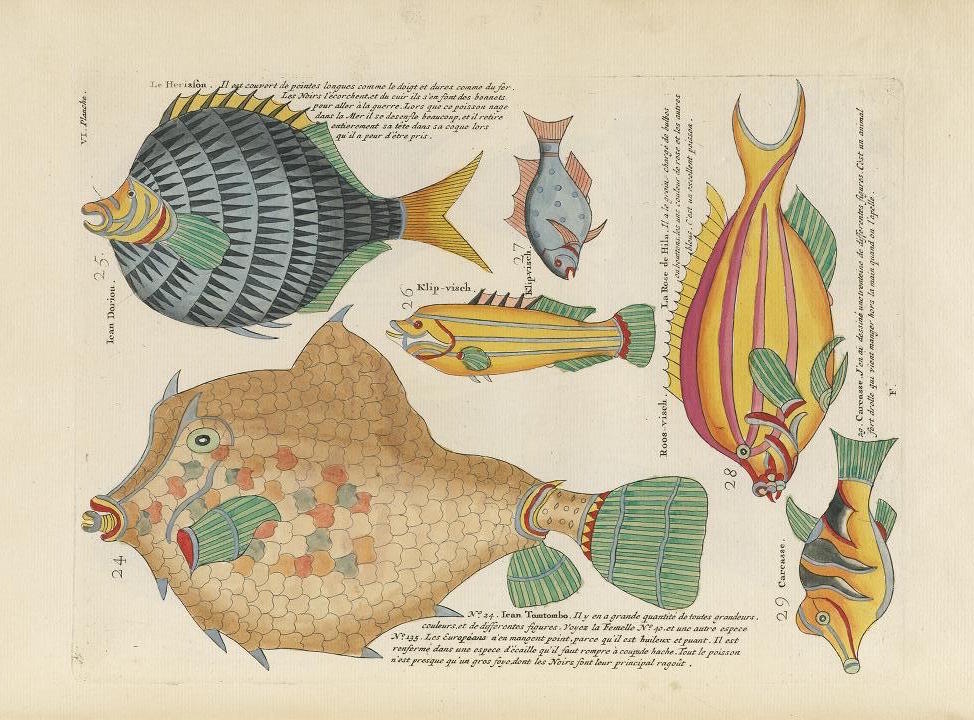
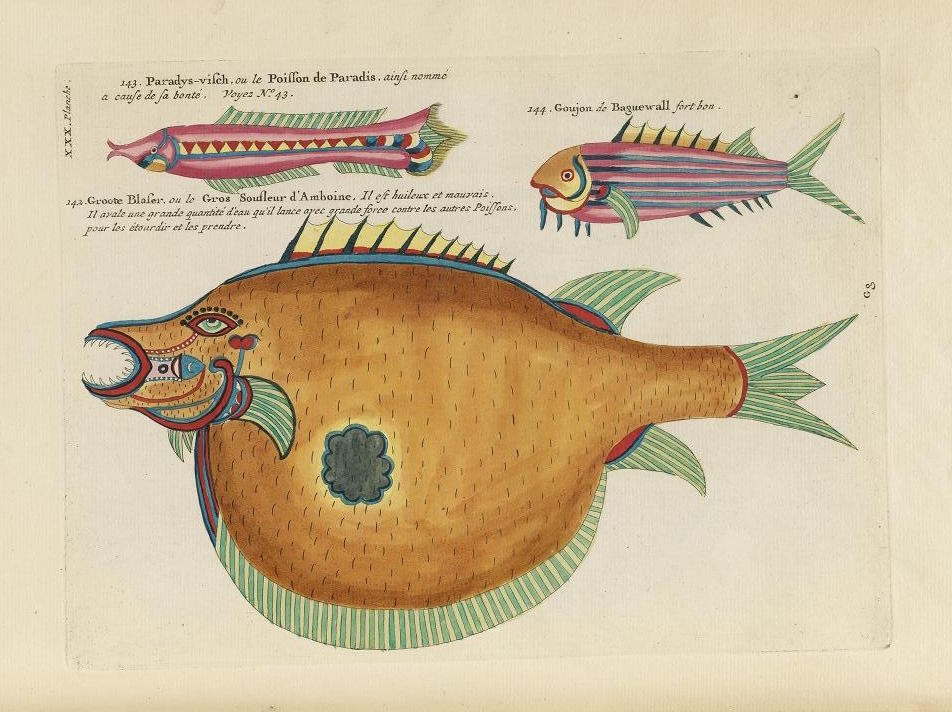
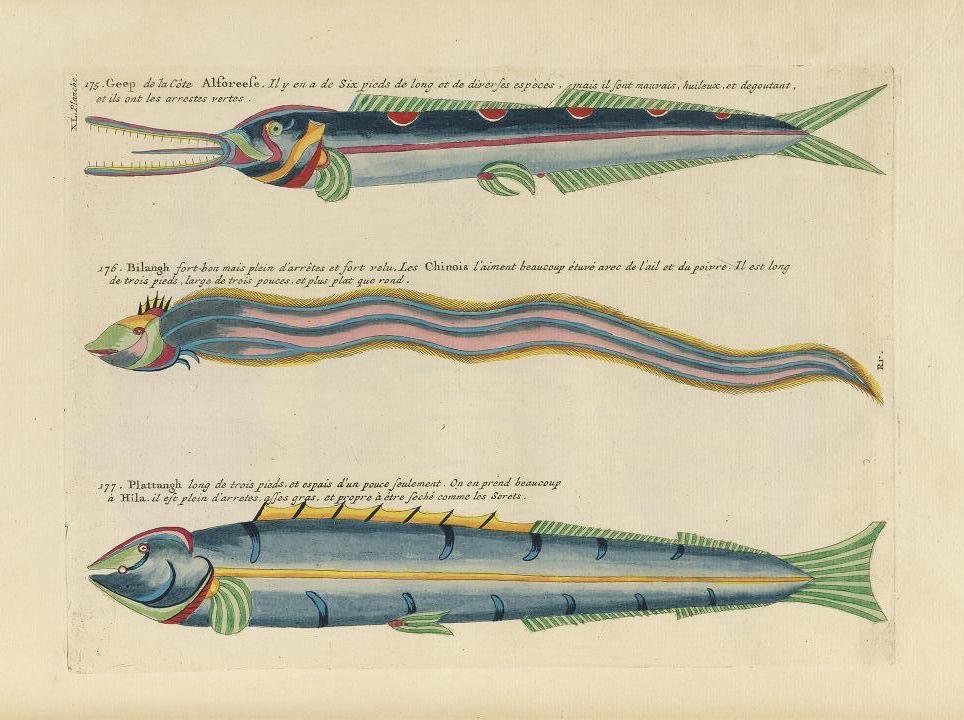
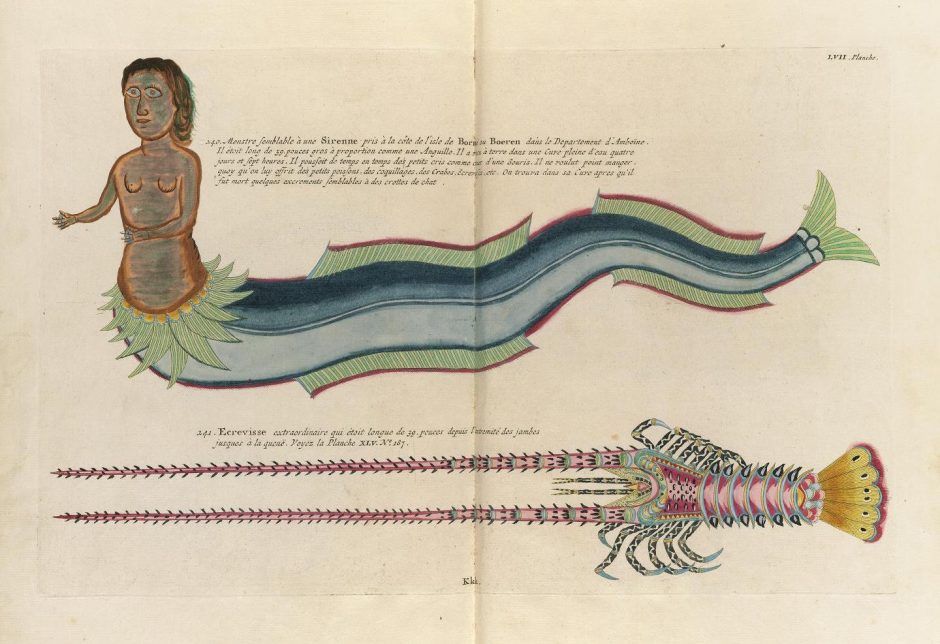
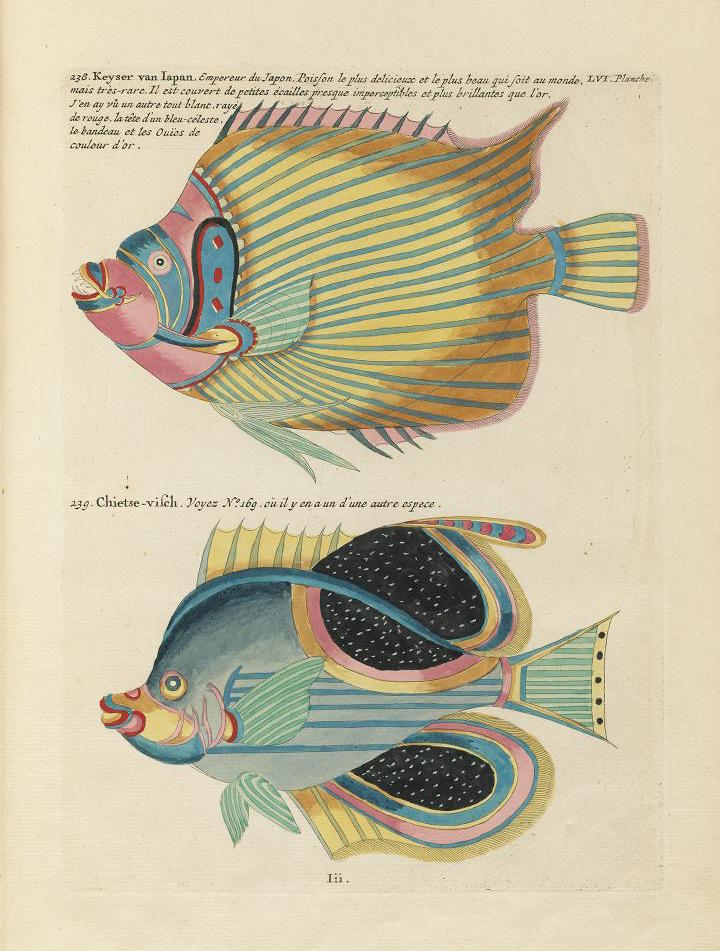
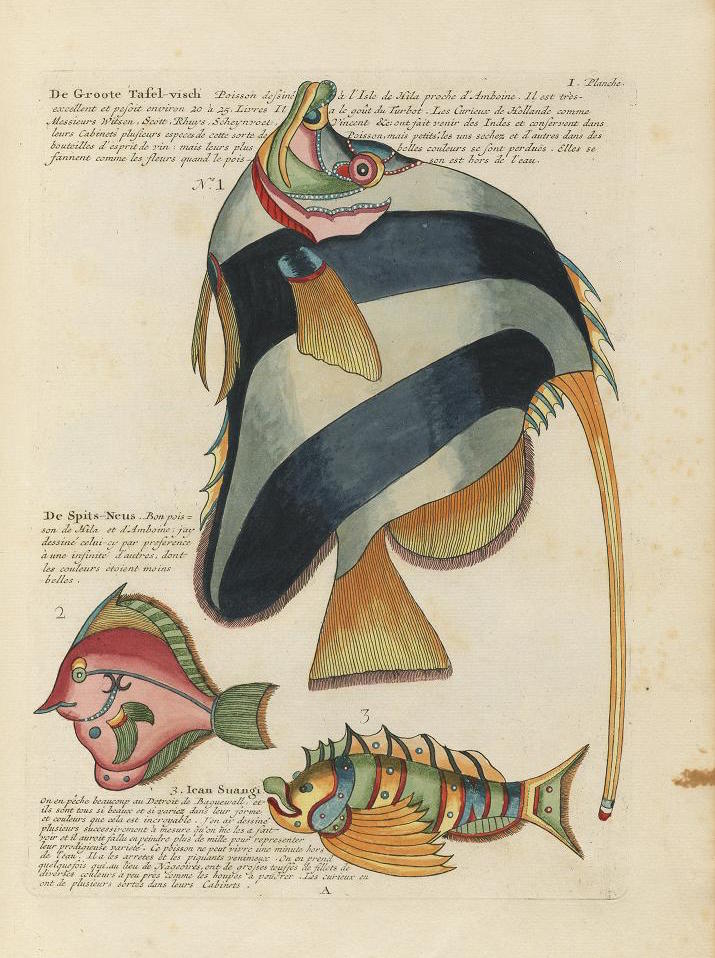
Beautiful & Outlandish Color Illustrations Let Europeans See Exotic Fish for the First Time (1754)

Whether in the tanks into which we gaze at the aquar­i­um or the CGI-inten­sive wildlife-based gagfests at which we gaze in the the­ater, most of us in the 21st cen­tu­ry have seen more than a few fun­ny fish. Eigh­teenth-cen­tu­ry Euro­peans could­n’t have said the same. The great major­i­ty passed their entire lives with­out so much as a glance at the form of even one live exot­ic crea­ture of the deep, and most of those who have a sense of what such a sight looked like prob­a­bly got it from an illus­tra­tion. But even so, some of the illus­trat­ed fish of the day must have proven unfor­get­table, espe­cial­ly the ones in Louis Renard’s Pois­sons, Ecreviss­es et Crabes.

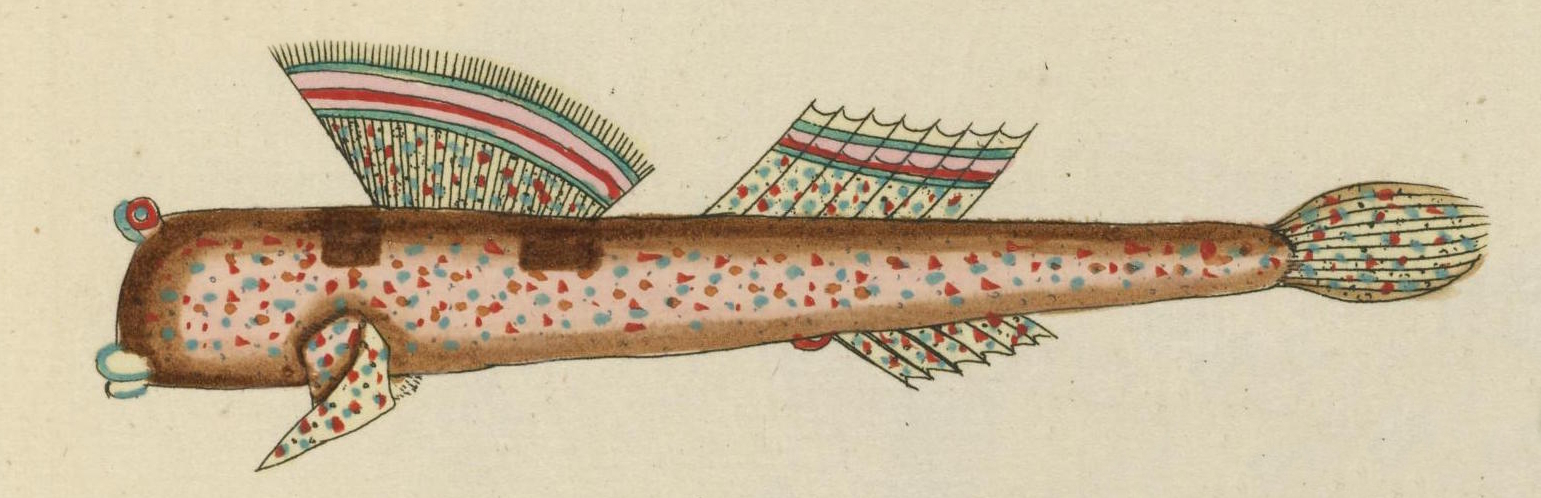
First pub­lished in 1719 with a sec­ond edi­tion, seen here, in 1754, Renard’s book, whose full title trans­lates to Fish­es, Cray­fish­es, and Crabs, of Diverse Col­ors and Extra­or­di­nary Form, that Are Found Around the Islands of the Moluc­cas and on the Coasts of the South­ern Lands, showed its read­ers, in full col­or for the very first time, crea­tures the likes of which they’d nev­er have had occa­sion even to imag­ine. The book’s 460 hand-col­ored cop­per engrav­ings depict, accord­ing to the Glas­gow Uni­ver­si­ty Library, “415 fish­es, 41 crus­taceans, two stick insects, a dugong and a mer­maid.”

The spec­i­mens in the first part of the book tend toward the real­is­tic, while those of the sec­ond “verge on the sur­re­al,” many of which “bear no sim­i­lar­i­ty to any liv­ing crea­tures,” some of which bear “small human faces, suns, moons and stars” on their flanks and cara­paces, most pos­sessed of col­ors “applied in a rather arbi­trary fash­ion,” though bril­liant­ly so. In the short accom­pa­ny­ing texts, “sev­er­al of the fish” — pre­sum­ably not the mer­maid — “are assessed in terms of their edi­bil­i­ty and are accom­pa­nied by brief recipes.”

Renard him­self, who lived from 1678 to 1746, seems to have had a career as col­or­ful as the fish in his book. “As well as spend­ing some sev­en­teen years as a pub­lish­er and bookdeal­er,” he also “sold med­i­cines, bro­kered Eng­lish bonds and, more intrigu­ing­ly, act­ed as a spy for the British Crown, being employed by Queen Anne, George I and George II.” Far from keep­ing that part of his life a secret, “Renard used his sta­tus as an ‘agent’ to help adver­tise his books. This par­tic­u­lar work is actu­al­ly ded­i­cat­ed to George I while the title-page describes the pub­lish­er as  ‘Louis Renard, Agent de Sa Majesté Bri­tan­nique.’ ”

You can behold more of Pois­sons, Ecreviss­es et Crabes at the Pub­lic Domain Review. “If the illus­tra­tions are breath­tak­ing to us now, with all the hours of David Atten­bor­ough doc­u­men­taries under our belts,” they write, “one can only imag­ine the impact this would have had on a Euro­pean audi­ence of the eigh­teenth cen­tu­ry, to which the exot­ic ocean life of the East would have been vir­tu­al­ly unknown.”

Though received as a respectable sci­en­tif­ic work in its day — and even, as the Glas­gow Uni­ver­si­ty Library puts it, “a prod­uct of the Enlight­en­ment” — the book now stands as an enchant­i­ng trib­ute to the com­bi­na­tion of a lit­tle knowl­edge and a lot of human imag­i­na­tion.

Relat­ed Con­tent:

The Aberdeen Bes­tiary, One of the Great Medieval Illu­mi­nat­ed Man­u­scripts, Now Dig­i­tized in High Res­o­lu­tion & Made Avail­able Online

1,000-Year-Old Illus­trat­ed Guide to the Med­i­c­i­nal Use of Plants Now Dig­i­tized & Put Online

Behold the Mys­te­ri­ous Voyn­ich Man­u­script: The 15th-Cen­tu­ry Text That Lin­guists & Code-Break­ers Can’t Under­stand

Won­der­ful­ly Weird & Inge­nious Medieval Books

Based in Seoul, Col­in Mar­shall writes and broad­casts on cities and cul­ture. His projects include the book The State­less City: a Walk through 21st-Cen­tu­ry Los Ange­les and the video series The City in Cin­e­ma. Fol­low him on Twit­ter at @colinmarshall or on Face­book.

The Social Lives of Trees: Science Reveals How Trees Mysteriously Talk to Each Other, Work Together & Form Nurturing Families

In addi­tion to its ham-hand­ed exe­cu­tion, maybe one of the rea­sons M. Night Shyamalan’s The Hap­pen­ing failed with crit­ics is that its premise seemed inher­ent­ly pre­pos­ter­ous. Who could sus­pend dis­be­lief? Trees don’t talk to each oth­er, act in groups, make cal­cu­la­tions, how fool­ish! But they do, forester Suzanne Simard aims to con­vince us in the TED video above.

Trees aren’t just trees. They are the vis­i­ble man­i­fes­ta­tions of “this oth­er world” under­ground, “a world of infi­nite bio­log­i­cal path­ways that con­nect trees and allow them to com­mu­ni­cate, and allow the for­est to behave as if it’s a sin­gle organ­ism. It might remind you of a sort of intel­li­gence.” One shared not only by trees but by all of the beings that live in and among them. Forests are alive, though per­haps they are not plot­ting their revenge on us, even if we’ve earned it.

Simard tells the sto­ry of grow­ing up in British Colum­bia among the inland rain­forests. Old wet tem­per­ate forests crawl­ing with ancient ferns like giant green hands; cities of mush­rooms grow­ing around cen­turies-old fall­en trees; whole planes of bird and insect exis­tence in the canopies, Amer­i­can megafau­na, the elk, the bear…. On a recent hike deep into the Olympia Nation­al For­est in Wash­ing­ton, I found myself think­ing some sim­i­lar thoughts. It’s not that unusu­al to imag­ine, in the throes of “for­est bathing,” that “trees are nature’s inter­net,” as Simard says in a Seat­tle TED talk.

The dif­fer­ence is that Simard has had these thoughts all her life, devot­ed 30 years of research to test­ing her hypothe­ses, and used radioac­tive car­bon iso­topes to find two-way com­mu­ni­ca­tion between dif­fer­ent species of tree while being chased by angry griz­zly bears. Like­wise, most of us have not­ed the glar­ing sci­en­tif­ic absur­di­ties in the book of Gen­e­sis, but few may see the prob­lem with Noah’s Ark that Ital­ian botanist Ste­fano Man­cu­so does in his talk above. No one thought to bring any plants? God some­how neglect­ed to men­tion that all those ani­mals would need ecosys­tems, and fast? We laugh about an old man lit­er­al­ly load­ing repro­duc­ing pairs of every ani­mal on a boat… imag­ine him try­ing to fit entire forests….

Mancuso’s charm­ing accent and self-dep­re­cat­ing humor make his obser­va­tions seem light­heart­ed, but no less dev­as­tat­ing to our idea of our­selves as self-suf­fi­cient alpha crea­tures and of plants as bare­ly alive, inan­i­mate stuff scat­tered around us like nature’s fur­ni­ture, one step above the foun­da­tion­al rocks and stones. The idea is not lim­it­ed to the Bible; it has “accom­pa­nied human­i­ty” he says. Yet, just as pro­fes­sors do not belong at the top of a hier­ar­chy of life—as medieval schol­ars liked to imagine—plants do not belong at the bot­tom. Let Man­cu­so con­vince you that plants exhib­it “won­der­ful and com­plex behav­ior that can be con­sid­ered intel­li­gence.”

Isn’t this all a lit­tle pre­sump­tu­ous? Does any­one, after all, speak for the trees? Might their lan­guage be for­ev­er alien to us? Can we talk about “what plants talk about,” as ecol­o­gist J.C. Cahill asserts? Can we make soap opera spec­u­la­tions about “the hid­den life of trees,” as the title of Ger­man forester Peter Wohlleben’s book promis­es? Per­haps human lan­guage is nec­es­sar­i­ly anthropomorphic—we insist on see­ing our­selves at the cen­ter of every­thing. Maybe we need to think of trees as peo­ple to con­nect to them—as near­ly every ancient human civ­i­liza­tion has talked to nature through the inter­me­di­aries of spir­its, gods, devas, sprites, nymphs, ances­tors, etc.

As a forester with a lum­ber com­pa­ny, Wohlleben says, he “knew about as much about the hid­den life of trees as a butch­er knows about the emo­tion­al life of ani­mals.” They were already dead to him. Until he began to wake up to the silent com­mu­ni­ca­tion all around him. Trees can count, can learn, can remem­ber, he found. Trees have fam­i­lies. They nurse their chil­dren. As he says in the inter­view above, “I don’t claim this, that is actu­al research. But the sci­en­tists nor­mal­ly use lan­guage than can­not be under­stood. So I trans­lat­ed this, and sur­prise, sur­prise! Trees are liv­ing beings, trees are social, trees have feel­ings.” For most peo­ple, says Wohh­leben, this real­ly does come as a sur­prise.

Relat­ed Con­tent:

This 392-Year-Old Bon­sai Tree Sur­vived the Hiroshi­ma Atom­ic Blast & Still Flour­ish­es Today: The Pow­er of Resilience

Graph­ic Shows the House Plants That Nat­u­ral­ly Clean the Air in Your Home, Accord­ing to a NASA Study

Shel Silverstein’s The Giv­ing Tree: The Ani­mat­ed Film Nar­rat­ed by Shel Him­self (1973)

Josh Jones is a writer and musi­cian based in Durham, NC. Fol­low him at @jdmagness

Cult Director John Waters Hosts a Summer Camp for Naughty Adult Campers: Enrollment for the 2018 Edition Opens Today

I hat­ed sports at camp, so at this camp I think we should reward every team that los­es. This would be the camp where the fat peo­ple get picked first in dodge ball. 

- Film­mak­er-cum-Camp Direc­tor John Waters

I can think of many chil­dren who would scram­ble toward the refuge of the com­pas­sion­ate state­ment above, but Camp John Waters is a decid­ed­ly adult activ­i­ty.

The Pope of Trash shares actor Bill Mur­ray’s rel­ish for odd­ball set­tings in which he can meet the pub­lic as some­thing close to a peer. But where­as Mur­ray spe­cial­izes in sur­prise drop-in appear­ances—recit­ing poet­ry to con­struc­tion work­ers, crash­ing parties—Waters favors more immer­sive expe­ri­ences, such as hitch­hik­ing coast to coast.

His lat­est stunt brought him and 300 fel­low trav­el­ers to a rus­tic Con­necti­cut facil­i­ty (from Sept 22–24) that nor­mal­ly hosts cor­po­rate team build­ing events, fam­i­ly camps, and week­end get­aways for play­ful 20-to-30-some­things keen to make new friends while zip lin­ing, play­ing ping­pong, and par­ty­ing in the main lodge.

ART­news pegged the inau­gur­al ses­sion thus­ly:

 The Waters camp com­bines two of the more absurd devel­op­ments in con­tem­po­rary leisure: the celebri­ty-based get­away (see also: the Gronk Cruise) and a cer­tain recre­ation­al aes­thet­ic that seems to advo­cate for a sort of devel­op­men­tal pur­ga­to­ry.

Here,  there were no reluc­tant, home­sick campers, weep­ing into their Slop­py Joes. This was a self-select­ing bunch, eager to break out their wigs and leop­ard print, weave ene­my bracelets at the arts and crafts sta­tion, and bypass any­thing smack­ing of offi­cial out­door recre­ation, save the lake, where inflat­able pink flamin­gos were avail­able for aquat­ic lol­ly­gag­ging.

“Who real­ly wants to go wall climb­ing?” the founder him­self snort­ed in his wel­com­ing speech, adding that he would if Joe Dalle­san­dro, the Warhol super­star who accord­ing to Waters “for­ev­er changed male sex­u­al­i­ty in cin­e­ma,” wait­ed up top.

Naughty ref­er­ences to water sports aside, cer­tain aspects of the camp were down­right whole­some. Pine trees and s’mores. Canoes and cab­ins. Pre­sum­ably there was a camp nurse. (In Waters’ ide­al world, this posi­tion would be filled by Cry Baby’s Traci Lords.)

Waters’ rec­ol­lec­tions of his own stint at Maryland’s Camp Hap­py Hol­low seem pri­mar­i­ly fond. It makes sense. Any­one who tru­ly loathed sum­mer camp would be unlike­ly to recre­ate the expe­ri­ence for them­selves and their fel­low adults.

Camp Waters harkens back to the 1950s trans­gres­sions its direc­tor mer­ri­ly fess­es up to hav­ing par­tic­i­pat­ed in: unfil­tered cig­a­rettes and short sheet­ed beds, cir­cle jerks and panty raids. From here on out the sub­ver­sion will be tak­ing place in the sun­light.

Anoth­er spe­cial camp mem­o­ry for Waters is regal­ing his cab­in mates with an orig­i­nal, seri­al­ized hor­ror sto­ry. He retells it on Celebri­ty Ghost Sto­ries, above:

At the end there was this hideous gory thing and then all the kids had night­mares and their par­ents called the camp and com­plained — and I’m still doing that! It was the begin­ning of my career…. It was a won­der­ful les­son for me as a 10-year-old kid that I think helped me become what­ev­er I am today. It gave me the con­fi­dence to go ahead, to believe in things, to believe in behav­ior I couldn’t under­stand, to be drawn to sub­ject mat­ter I couldn’t under­stand.

Reg­is­tra­tion for Camp John Waters 2018 opens today at noon, so grab the bug spray and get ready to sing along:

There is a camp in a place called Kent

It’s name is Camp John Waters

For here we come to spend the night

For we all love to fuck and fight

Camp John Waters — rah rah rah!

Camp John Waters — sis­boom­bah!

Camp John Waters — rah rah rah!

Three cheers for Camp John Waters!

Could Waters’ own con­tri­bu­tion to such camp clas­sics as Meat­balls, Lit­tle Dar­lings and Wet Hot Amer­i­can Sum­mer be far behind?

Relat­ed Con­tent:

John Waters’ RISD Grad­u­a­tion Speech: Real Wealth is Nev­er Hav­ing to Spend Time with A‑Holes

John Waters Nar­rates Off­beat Doc­u­men­tary on an Envi­ron­men­tal Cat­a­stro­phe, the Salton Sea

The Phi­los­o­phy of Bill Mur­ray: The Intel­lec­tu­al Foun­da­tions of His Comedic Per­sona

Ayun Hal­l­i­day is an author, illus­tra­tor, the­ater mak­er and Chief Pri­ma­tol­o­gist of the East Vil­lage Inky zine. She attend­ed Gnaw­bone Camp in Gnaw­bone, Indi­ana, recap­tur­ing that hap­py expe­ri­ence three decades lat­er as the Mail Lady of Beam Camp.  Fol­low her @AyunHalliday.

The Hummingbird Whisperer: Meet the UCLA Scientist Who Has Befriended 200 Hummingbirds

Com­mon wis­dom, and indeli­ble mem­o­ries of The Birds, warn that feed­ing seag­ulls, pigeons and oth­er crea­tures who trav­el in flocks is a can of worms best left unopened.

But what about hum­ming­birds?

Melanie Bar­boni is research geo­chemist in UCLA’s Depart­ment of Earth, Plan­e­tary and Space Sci­ences. Near the UCLA Court of Sci­ences she took a break from vol­canos and the moon long enough to hang a feed­er filled with sug­ar water out­side her ground floor office win­dow.

This com­pli­men­ta­ry buf­fet proved such a hit, she hung up more.

Two years lat­er, Bar­boni is serv­ing a colony of over 200 hum­ming­birds from four 80-ounce feed­ers. Their metab­o­lism requires them to con­sume 8 to 10 times their body weight on a dai­ly basis.

Barboni’s ser­vice to her tiny jew­el-toned friends extends well beyond the feed­ers. She’s divert­ed cam­pus tree trim­mers from inter­fer­ing with them dur­ing nest­ing sea­son, and giv­en pub­lic talks on the habi­tat-destroy­ing effects of cli­mate change. She’s col­lab­o­rat­ing with anoth­er pro­fes­sor and UCLA’s Chief Sus­tain­abil­i­ty Offi­cer Nurit Katz to estab­lish a spe­cial gar­den on cam­pus for hum­ming­birds and their fel­low pol­li­na­tors.

The inti­ma­cy of this rela­tion­ship is some­thing she’s dreamed of since her bird­watch­ing child­hood in Switzer­land where the only hum­ming­birds avail­able for her view­ing were the ones in books. Her dream came true when a fel­low­ship took her from Prince­ton to Los Ange­les, where hum­ming­birds live year-round.

Some long­time favorites now perch on their benefactor’s hand while feed­ing, or even per­mit them­selves to be held and stroked. A few like to hang out inside the office, where the warm glow of Barboni’s com­put­er mon­i­tor is a com­fort­ing pres­ence on inclement days.

She’s bestowed names on at least 50: Squeak, Star­dust, Tiny, Shy…

(Show of hands from those who wish she’d named them all after not­ed geol­o­gists: Mary Anning, Eugene Mer­le Shoe­mak­erCecil­ia Hele­na Payne-Gaposchkin…)

Get to know the UCLA hum­ming­birds bet­ter through Melanie Barboni’s up-close-and-per­son­al doc­u­men­tary pho­tos. Learn more about the species itself through the Nation­al Geo­graph­ic doc­u­men­tary below.

via The Kids Should See This

Relat­ed Con­tent:

Cor­nell Launch­es Archive of 150,000 Bird Calls and Ani­mal Sounds, with Record­ings Going Back to 1929

Google Uses Arti­fi­cial Intel­li­gence to Map Thou­sands of Bird Sounds Into an Inter­ac­tive Visu­al­iza­tion

Free Enter­tain­ment for Cats and Dogs: Videos of Birds, Squir­rels & Oth­er Thrills

Ayun Hal­l­i­day is an author, illus­tra­tor, the­ater mak­er and Chief Pri­ma­tol­o­gist of the East Vil­lage Inky zine.  Fol­low her @AyunHalliday.

India on Film, 1899–1947: An Archive of 90 Historic Films Now Online

India, the largest democ­ra­cy in the world, is a ris­ing eco­nom­ic pow­er­house, and a major play­er in the fields of media, enter­tain­ment, and telecom­mu­ni­ca­tions.

But for many arm­chair trav­el­ers, sub­con­ti­nen­tal moder­ni­ty takes a back­seat to post­card visions of ele­phants, teem­ing rus­tic streets, and snake charm­ers.

Fans of Rud­yard Kipling and E.M. Forster will thrill to the vin­tage footage in a just released British Film Insti­tute online archive, India on Film (see a trail­er above).

1914’s The Won­der­ful Fruit of the Trop­ics, a sten­cil-coloured French-pro­duced primer on the edi­ble flo­ra of India offers just the right blend of exoti­cism and reas­sur­ance (“the fruit of a man­go is excel­lent as a food”) for a new­ly arrived British house­wife.

A Native Street in India (1906) speaks to the pop­u­lous­ness that con­tin­ues to define a coun­try sched­uled to out­pace China’s num­bers with­in the next 10 years.

An East­ern Mar­ket fol­lows a Pun­jabi farmer’s trek to town, to buy and sell and take in the big city sights.

The archive’s biggest celeb is sure­ly activist Mahat­ma Gand­hi, whose great nephew, Kanu, enjoyed unlim­it­ed film­ing access on the assur­ance that he would nev­er ask his uncle to pose.

The Raj makes itself known in 1925’s King Emper­or’s Cup Race, a Han­d­ley Page biplane arriv­ing in Cal­cut­ta in 1917, and sev­er­al films doc­u­ment­ing Edward Prince of Wales’ 1922 tour

Explore the full BFI’s full India on Film: 1899–1947 playlist here. It fea­tures 90 films in total, with maybe more to come.

Relat­ed Con­tent:

Par­vati Saves the World: Watch a Remix of Bol­ly­wood Films That Com­bats Rape in India

Google’s Mov­ing Ad About 1947 Par­ti­tion of India & Pak­istan Tops 10 Mil­lion Views

1,150 Free Movies Online: Great Clas­sics, Indies, Noir, West­erns, etc. 

Ayun Hal­l­i­day is an author, illus­tra­tor, the­ater mak­er and Chief Pri­ma­tol­o­gist of the East Vil­lage Inky zine. Fol­low her @AyunHalliday.

Watch 50 Hours of Nature Soundscapes from the BBC: Scientifically Proven to Ease Stress and Promote Happiness & Awe

A recent study from BBC Earth and UC-Berke­ley has shown that watch­ing nature doc­u­men­taries can inspire “sig­nif­i­cant increas­es in feel­ings of awe, con­tent­ed­ness, joy, amuse­ment and curios­i­ty” and con­verse­ly “reduce feel­ings of tired­ness, anger and stress.” In short, they can engen­der what the authors of the study call ‘real hap­pi­ness’ – a kind of hap­pi­ness that leads to actu­al improve­ment in indi­vid­u­als’ health and well­be­ing,

With that in mind, the BBC has just released 50 hours of HD “visu­al sound­scapes” on YouTube, using left­over footage from their Plan­et Earth II TV seriesTen hours of moun­tains; ten hours of jun­gle; ten hours of islands; ten hours of desert; and ten hours of grass­lands–they’re all fea­tured in the long, sooth­ing sound­scape playlist fea­tured above. Use them well.

If you would like to sign up for Open Culture’s free email newslet­ter, please find it here. It’s a great way to see our new posts, all bun­dled in one email, each day.

If you would like to sup­port the mis­sion of Open Cul­ture, con­sid­er mak­ing a dona­tion to our site. It’s hard to rely 100% on ads, and your con­tri­bu­tions will help us con­tin­ue pro­vid­ing the best free cul­tur­al and edu­ca­tion­al mate­ri­als to learn­ers every­where. You can con­tribute through Pay­Pal, Patre­on, and Ven­mo (@openculture). Thanks!

via Metafil­ter

Relat­ed Con­tent:

New Study: Immers­ing Your­self in Art, Music & Nature Might Reduce Inflam­ma­tion & Increase Life Expectan­cy

How Walk­ing Fos­ters Cre­ativ­i­ty: Stan­ford Researchers Con­firm What Philoso­phers and Writ­ers Have Always Known

Moby Lets You Down­load 4 Hours of Ambi­ent Music to Help You Sleep, Med­i­tate, Do Yoga & Not Pan­ic

by | Permalink | Make a Comment ( 2 ) |

« Go BackMore in this category... »
Quantcast