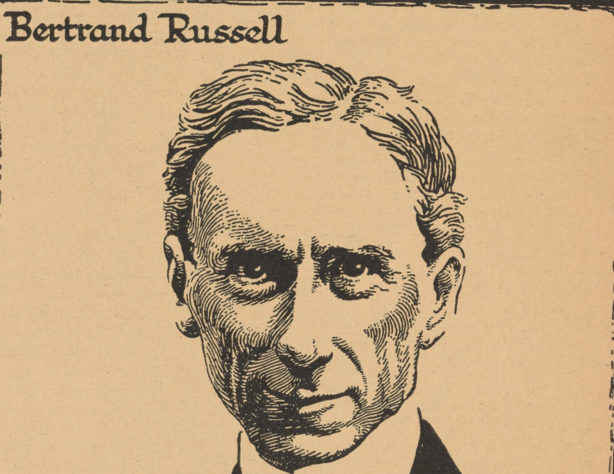
Recalling Albert Camus’ Fashion Advice, Noam Chomsky Pans Glenn Greenwald’s Shiny, Purple Tie

chomsky fashion advice

70 years ago this month, Albert Camus made his first and only trip to the Unit­ed States, briefly vis­it­ing Philadel­phia and Boston, but most­ly stay­ing in New York, the city that cap­ti­vat­ed him most. As Jen­nifer Schuessler writes in The New York Times, Camus did­n’t quite know what to make of the city’s “swarm­ing lights” and “fran­tic streets.” But he had to appre­ci­ate the warmth with which he was greet­ed. Dur­ing his 1946 stay, Camus cel­e­brat­ed the Eng­lish pub­li­ca­tion of The Stranger on the rooftop of the Hotel Astor. He sat down for an inter­view with The New York­er and gave a mem­o­rable speech at Colum­bia Uni­ver­si­ty. He also became a fash­ion crit­ic for a brief moment, offer­ing this thought on Amer­i­can neck­ties: “You have to see it to believe it. So much bad taste hard­ly seems imag­in­able.”

All of this sets up a lit­tle joke deliv­ered this week­end by Noam Chom­sky, as recalled on Face­book by jour­nal­ist Glenn Green­wald. Green­wald writes:

I arrived last night at the Uni­ver­si­ty of Ari­zona for my event with Edward Snow­den and Noam Chom­sky. Chom­sky arrived short­ly after I did and, after I greet­ed him, the fol­low­ing dia­logue ensued:

Chom­sky: You know, there’s this inter­est­ing essay by Albert Camus, writ­ten dur­ing his first vis­it to the Unit­ed States, in which he described his sur­prise at what he regard­ed as the poor cloth­ing taste of Amer­i­cans, par­tic­u­lar­ly men’s choic­es of ties.

Me (slight­ly con­fused): Are you shar­ing that anec­dote because you dis­like my tie?

Chom­sky: Yes.

That’s how you receive a fash­ion cri­tique from the world’s great­est pub­lic intel­lec­tu­al.

Ouch.

Note: The 70th anniver­sary of Camus’s trip to New York is being com­mem­o­rat­ed in “Camus: A Stranger in the City,” a month­long fes­ti­val of per­for­mances, read­ings, film screen­ings and events. If you’re in NYC, check it out. The full pro­gram is here.

via Crit­i­cal The­o­ry

Relat­ed Con­tent:

Albert Camus: The Mad­ness of Sin­cer­i­ty — 1997 Doc­u­men­tary Revis­its the Philosopher’s Life & Work

Sartre Writes a Trib­ute to Camus After His Friend-Turned-Rival Dies in a Trag­ic Car Crash: “There Is an Unbear­able Absur­di­ty in His Death”

Get to Know Socrates, Camus, Kierkegaard & Oth­er Great Philoso­phers with the BBC’s Intel­li­gent Radio Show, In Our Time

by | Permalink | Make a Comment ( 4 ) |

Harvard’s Michael Sandel Launches “The Global Philosopher,” a New Digital Show Exploring Pressing Philosophical Problems

In 2009, Har­vard phi­los­o­phy pro­fes­sor Michael Sandel broke some ground when he made his pop­u­lar course, “Jus­tice: What’s the Right Thing to Do?,” avail­able online. A course tak­en by thou­sands of Har­vard under­grads sud­den­ly became a course tak­en by tens of thou­sands of life­long learn­ers world­wide.

Since then, Sandel has con­tin­ued speak­ing to a broad­er audi­ence, first cre­at­ing a BBC pod­cast called “The Pub­lic Philoso­pher,” where he “exam­ines the think­ing behind a cur­rent con­tro­ver­sy.” (Down­load the episodes here.) And now comes a new pro­gram, The Glob­al Philoso­pher, which grap­ples with philo­soph­i­cal prob­lems using an inno­v­a­tive dig­i­tal for­mat. Accord­ing to the BBC, the show brings togeth­er “60 par­tic­i­pants from over 30 coun­tries using a pio­neer­ing stu­dio devel­oped by [the] Har­vard Busi­ness School, called HBX Live. Each par­tic­i­pant is able to see and speak to every oth­er con­trib­u­tor, as well as to Pro­fes­sor Sandel, repli­cat­ing the expe­ri­ence of a face-to-face debate.” In the first debate, shown above, “con­trib­u­tors from Amer­i­ca, Europe, Africa, Asia and the Mid­dle East dis­cussed the moral jus­ti­fi­ca­tion for nation­al bor­ders. Hun­dreds more watched a live video stream and took part by send­ing in text com­ments and vot­ing in straw polls.” This is just the first of more planned install­ments. Down the road, you can find new episodes of The Glob­al Philoso­pher here.

via Har­vard Gazette

Relat­ed Con­tent

What’s the Right Thing to Do?: Pop­u­lar Har­vard Course Now Online

Michael Sandel on the Par­tial­ly Exam­ined Life Pod­cast Talks About the Lim­its of a Free Mar­ket Soci­ety

140 Free Online Phi­los­o­phy Cours­es

by | Permalink | Make a Comment ( 2 ) |

Hear John Malkovich Read Plato’s “Allegory of the Cave,” Set to Music Mixed by Ric Ocasek, Yoko Ono & Sean Lennon, OMD & More

So, imag­ine that you’re John Malkovich. I know, you’ve seen this movie before, but hear me out: you’re one of the most ven­er­at­ed actors of your gen­er­a­tion. You are enter­ing your sixth decade and could prob­a­bly coast into your gold­en years on acco­lades and pres­tige parts. But do you rest on your lau­rels? Or do you become a mod­el and col­lab­o­ra­tor with pho­tog­ra­ph­er San­dro Miller, appear in an Eminem video… read Plato’s “Alle­go­ry of the Cave” over an ambi­ent piece of music called “Cryo­ge­nia X,” then have the results remixed by Yoko Ono and Sean Lennon, Ric Ocasek, new wave icons Orches­tral Maneu­vers in the Dark, and oth­er musi­cal leg­ends?

The answer is all of the above. You’re John Malkovich. You can do what­ev­er you want. “When I have an idea for some­thing,” says Malkovich, “I expect my col­lab­o­ra­tors to col­lab­o­rate on that idea and if some­one else has an idea, then I’ll cer­tain­ly col­lab­o­rate with them.” It’s that kind of dis­ci­plined, yet genial flex­i­bil­i­ty that made Malkovich per­fect for the role of him­self in Spike Jonze’s sur­re­al com­e­dy. Now the last of the projects in that extracur­ric­u­lar list above brings more sur­re­al­i­ty into Malkovich’s reper­toire, in the form of a dou­ble LP’s‑worth of dream­like recita­tions of Pla­to’s clas­si­cal myth, called Like a Pup­pet Show, released on Black Fri­day of last year.

With orig­i­nal music com­posed by Eric Alexan­drakis, the album came out on vinyl as a 2 LP pic­ture disk fea­tur­ing pho­tos from Malkovich and Miller’s pho­to project “Malkovich, Malkovich, Malkovich.” The col­lab­o­ra­tion recalls oth­er lit­er­ary musi­cal projects, such as Kurt Cobain and William S. Bur­roughs’ “The Priest They Called Him” (and Bur­roughs’ ear­li­er work with Throb­bing Gris­tle),  as well as a recent joint project on Walt Whitman’s Leaves of Grass, with Iggy Pop and elec­tron­ic com­pos­er Alva Noto. But there’s also a dis­ori­ent­ing strange­ness here those oth­er exper­i­ments lack.

Ono and Lennon’s ver­sion “Cry­olife 7:14,” the sec­ond track above, is, odd­ly, the most con­ven­tion­al of the three dig­i­tal uploads we get to hear for free. Malkovich reads a por­tion of the text straight through, over word­less moans from Yoko and psy­che­del­ic lounge music from Lennon. In OMD and Ric Ocasek’s ren­di­tions, how­ev­er, Malkovich’s voice gets cut-up into a series of dis­joint­ed sam­ples. Rather than tell a story—that ancient 2,500-year-old sto­ry from Plato’s Repub­lic about igno­rance and awakening—these pieces sug­gest painful pos­es, emo­tion­al shocks, repet­i­tive con­di­tions, and weird onto­log­i­cal angles. What does it all mean for Malkovich?

It’s hard to say. He’s more steeped in process than inter­pre­ta­tion. “Music,” says Malkovich, “cre­ates its own kind of dream state.” If there’s any polit­i­cal sub­text, you’ll have to sup­ply it your­self. Malkovich—who game­ly dressed as Che Gue­vara in one of his San­dro Miller recre­ations of famous pho­tographs—has also been described as “so Right-wing you have to won­der if he’s kid­ding.” We know, of course, how Yoko feels about things. It’s part of what makes the col­lab­o­ra­tion so fresh and compelling—it doesn’t feel like one of those “of course these peo­ple got togeth­er” projects that, while sat­is­fy­ing, can suf­fer the fate of the super­group: too many cooks.

Here, each collaborator—the 2,000-years-dead philoso­pher, the cel­e­brat­ed actor and pho­tog­ra­ph­er, and the leg­endary musicians—comes from such a dif­fer­ent realm of expe­ri­ence and tal­ent that their meet­ing seems more like a moun­tain­top con­fer­ence of wiz­ards than a celebri­ty jam ses­sion. If you like what you hear (and see), Malkovich, Alexan­drakis, and Miller promise more. They’ve found­ed a record label, Cryo­ge­nia, and plant to release more musical/photographic projects in the near future.

Relat­ed Con­tent:

Hear John Malkovich Read From Break­fast of Cham­pi­ons, Then Hear Kurt Von­negut Do the Same

Plato’s Cave Alle­go­ry Ani­mat­ed Mon­ty Python-Style

Two Ani­ma­tions of Plato’s Alle­go­ry of the Cave: One Nar­rat­ed by Orson Welles, Anoth­er Made with Clay

Orson Welles Nar­rates Plato’s Cave Alle­go­ry, Kafka’s Para­ble, and Free­dom Riv­er

Josh Jones is a writer and musi­cian based in Durham, NC. Fol­low him at @jdmagness

11 Essential Feminist Books: A Reading List by The New York Public Library

We now find our­selves about a third of the way through March, more inter­est­ing­ly known as Wom­en’s His­to­ry Month, a time filled with occa­sions to round up and learn more about the cre­ations and accom­plish­ments of women through the cen­turies. And “who bet­ter to hon­or this March than his­to­ry’s influ­en­tial fem­i­nists?” writes Lynn Lobash on the New York Pub­lic Library’s web­site.

We’ve pre­vi­ous­ly fea­tured trea­sures from the New York Pub­lic Library, includ­ing art postersmapsrestau­rant menusthe­ater ephemera, and a host of dig­i­tized high-res­o­lu­tion images. Today it’s time to high­light one of the many rec­om­mend­ed read­ing lists that the NYPL’s librar­i­ans reg­u­lar­ly cre­ate for the read­ing pub­lic. “Know Your Fem­i­nisms”–a book list “essen­tial for under­stand­ing the his­to­ry of fem­i­nism and the wom­en’s rights movement”–could eas­i­ly be used in a Fem­i­nism 101 course. It runs chrono­log­i­cal­ly, begin­ning with these ten vol­umes (the quot­ed descrip­tions come from Lynn Lobash):

  • A Room of One’s Own by Vir­ginia Woolf (1929). “This essay exam­ines the ques­tion of whether a woman is capa­ble of pro­duc­ing work on par with Shake­speare. Woolf asserts that ‘a woman must have mon­ey and a room of her own if she is to write fic­tion.’ ”
  • The Sec­ond Sex by Simone de Beau­voir (1949). “A major work of fem­i­nist phi­los­o­phy, the book is a sur­vey of the treat­ment of women through­out his­to­ry.”
  • The Fem­i­nine Mys­tique by Bet­ty Friedan (1963). “Friedan exam­ines what she calls ‘the prob­lem that has no name’ – the gen­er­al sense of malaise among women in the 1950s and 1960s.”
  • Les Guéril­lères by Monique Wit­tig (1969). “An imag­in­ing of an actu­al war of the sex­es in which women war­riors are equipped with knives and guns.”
  • The Female Eunuch by Ger­maine Greer (1970). “Greer makes the argu­ment that women have been cut off from their sex­u­al­i­ty through (a male con­ceived) con­sumer soci­ety-pro­duced notion of the ‘nor­mal’ woman.”
  • Sex­u­al Pol­i­tics by Kate Mil­lett (1970). “Based on her PhD dis­ser­ta­tion, Millett’s book dis­cuss­es the role patri­archy (in the polit­i­cal sense) plays in sex­u­al rela­tions. To make her argu­ment, she (unfa­vor­ably) explores the work of D.H Lawrence, Hen­ry Miller, and Sig­mund Freud, among oth­ers.”
  • Sis­ter Out­sider by Audre Lorde (1984). “In this col­lec­tion of essays and speech­es, Lorde address­es sex­ism, racism, black les­bians, and more.”
  • The Beau­ty Myth by Nao­mi Wolf (1990). “Wolf explores “nor­ma­tive stan­dards of beau­ty” which under­mine women polit­i­cal­ly and psy­cho­log­i­cal­ly and are prop­a­gat­ed by the fash­ion, beau­ty, and adver­tis­ing indus­tries.”
  • Gen­der Trou­ble by Judith But­ler (1990). “Influ­en­tial in fem­i­nist and queer the­o­ry, this book intro­duces the con­cept of ‘gen­der per­for­ma­tiv­i­ty’ which essen­tial­ly means, your behav­ior cre­ates your gen­der.”
  • Fem­i­nism is for every­body by bell hooks (2000). “Hooks focus­es on the inter­sec­tion of gen­der, race, and the sociopo­lit­i­cal.”

To see the very newest books the NYPL has put in this par­tic­u­lar canon, the lat­est of which came out just last year, take a look at the com­plete list on their site. There you’ll also find “Well Done, Sis­ter Suf­fragette!,” a short­er col­lec­tion of five books on his­to­ry’s fight­ers for wom­en’s rights: the slave-turned-ora­tor Sojourn­er Truth, activist Eliz­a­beth Cady Stan­ton, social reformer Susan B. Antho­ny, nine­teenth amend­ment-pro­mot­er Alice Paul, and rad­i­cal Catholic jour­nal­ist Dorothy Day.

Note: You can down­load Glo­ria Steinem’s recent auto­bi­og­ra­phy, My Life on the Road, as a free audio­book if you sign up for Audible.com’s free tri­al pro­gram. It’s nar­rat­ed by Debra Winger and Steinem her­self.  Learn more about Audible’s free tri­al pro­gram here.

Relat­ed Con­tent:

Simone de Beau­voir Explains “Why I’m a Fem­i­nist” in a Rare TV Inter­view (1975)

Simone de Beau­voir Tells Studs Terkel How She Became an Intel­lec­tu­al and Fem­i­nist (1960)

The First Fem­i­nist Film, Ger­maine Dulac’s The Smil­ing Madame Beudet (1922)

The Fem­i­nist The­o­ry of Simone de Beau­voir Explained with 8‑Bit Video Games (and More)

100,000+ Won­der­ful Pieces of The­ater Ephemera Dig­i­tized by The New York Pub­lic Library

Food­ie Alert: New York Pub­lic Library Presents an Archive of 17,000 Restau­rant Menus (1851–2008)

New York Pub­lic Library Puts 20,000 Hi-Res Maps Online & Makes Them Free to Down­load and Use

The New York Pub­lic Library Lets You Down­load 180,000 Images in High Res­o­lu­tion: His­toric Pho­tographs, Maps, Let­ters & More

Down­load 2,000 Mag­nif­i­cent Turn-of-the-Cen­tu­ry Art Posters, Cour­tesy of the New York Pub­lic Library

Based in Seoul, Col­in Mar­shall writes and broad­casts on cities, lan­guage, and style. He’s at work on a book about Los Ange­les, A Los Ange­les Primer, the video series The City in Cin­e­ma, the crowd­fund­ed jour­nal­ism project Where Is the City of the Future?, and the Los Ange­les Review of Books’ Korea Blog. Fol­low him on Twit­ter at @colinmarshall or on Face­book.

Jean-Paul Sartre on How American Jazz Lets You Experience Existentialist Freedom & Transcendence

In Jean-Paul Sartre’s 1938 philo­soph­i­cal nov­el Nau­sea, which he con­sid­ered one of his finest works of fic­tion or oth­er­wise, the strick­en pro­tag­o­nist Antoine Roquentin cures his exis­ten­tial hor­ror and sick­ness with jazz—specifically with an old record­ing of the song “Some of These Days.” Which record­ing? We do not know. “I only wish Sartre had been more spe­cif­ic about the names of the musi­cians on the date,” writes crit­ic Ted Gioia in a new­ly pub­lished essay, “I would love to hear the jazz record that trumps Freud, cures the ill, and solves exis­ten­tial angst.”

The song was first record­ed in 1911 by a Ukran­ian-Jew­ish singer named Sophie Tuck­er, who made her name with it, and was writ­ten by a black Cana­di­an named Shel­ton Brooks. But Sartre’s hero refers to the singer as an African-Amer­i­can, or as “the Negress,” and to its writer as “a Jew with Black eye­brows.” Was this a mix-up? Or did Sartre refer to anoth­er of the hun­dreds of record­ings of the song? (Per­haps Ethel Waters, below?). Or, this being a work of fic­tion, and Roquentin him­self a failed writer, are these iden­ti­fi­ca­tions made up in his imag­i­na­tion?

In his descrip­tion of the record­ing, Roquentin reduces the singer and com­pos­er to two broad types: the jazz singing “Negress” and the “Jew”—“a clean-shaven Amer­i­can with thick black eye­brows,” who sits in a “New York sky­scraper.”

This stereo­typ­ing cre­ates what Miria­ma Young calls “an objec­ti­fi­ca­tion of the voice and the per­sona behind it.” In the nov­el­’s strange­ly hap­py end­ing, Roquentin recov­ers his dis­in­te­grat­ing self by attach­ing it to these name­less, sta­t­ic fig­ures, who are as rep­e­ti­tious as the record play­ing over and over on the phono­graph, and who are them­selves some­how “saved” by the music.

Sartre,” James Don­ald argues, “still believed in the redemp­tive pow­er of art.” In the last men­tion of the record, Roquentin asks to hear “the Negress sing…. She sings. So two of them are saved: the Jew and the Negress. Saved.” And yet, rather than dis­cov­er­ing in the music a redemp­tive authen­tic­i­ty, argues Don­ald, Sartre’s use of jazz in Nau­sea is more like Al Jol­son’s in The Jazz Singer, a “cre­ative act of mis­hear­ing and ven­tril­o­quism,” or a “gen­er­a­tive inau­then­tic­i­ty.”

Sartre’s ear­ly con­cep­tion of “the redemp­tive pow­er of art” depend­ed on such inau­then­tic­i­ty; “the work of art is an irre­al­i­ty,” he writes in 1940 in The Imag­i­nary: A Phe­nom­e­no­log­i­cal Psy­chol­o­gy of the Imag­i­na­tion. As in Roquentin’s diary, writes Adnan Menderes, or the nov­el itself, “in a work of art the here-and-now exis­tence of human being could be shown as inter­wo­ven in nec­es­sary rela­tions. But in con­trast to the work of art, in the real world the exis­tence of human being is con­tin­gent and for this very rea­son it is free.” It is that very free­dom and con­tin­gency out in the world, the inabil­i­ty to ground him­self in real­i­ty, that pro­duces Roquentin’s nau­sea and the exis­ten­tial­ist’s cri­sis. And it is the jazz record­ing’s “irre­al­i­ty” that resolves it.

Sartre’s use of the racial­ized types of “Negress” and “Jew” as foils for the com­pli­cat­ed, trou­bled Euro­pean psy­che is rem­i­nis­cent of  Camus’ lat­er use of “the Arab” in The Stranger. Though he crit­i­cal­ly explored issues of racism and anti-Semi­tism at length in his lat­er writ­ing, he was per­haps not immune to the prim­i­tivist tropes that dom­i­nat­ed Euro­pean mod­ernism and that, for exam­ple, made Josephine Bak­er famous in Paris. (“The white imag­i­na­tion sure is some­thing when it comes to blacks,” Bak­er her­self once weari­ly observed.) But these types are them­selves unre­al, like the work of art, pro­jec­tions of Roquentin’s imag­i­na­tive search for solid­i­ty in the exot­ic oth­er­ness of jazz. Near­ly ten years after the pub­li­ca­tion of Nau­sea, Sartre wrote of the pull jazz had on him in a short, tongue-in-cheek essay called “I Dis­cov­ered Jazz in Amer­i­ca,” which Michel­man describes as “like an anthro­pol­o­gist describ­ing an alien cul­ture.”

In the 1947 essay, Sartre writes of the music he hears at “Nick­’s bar, in New York” as “dry, vio­lent, piti­less. Not gay, not sad, inhu­man. The cru­el screech of a bird of prey.” The music is ani­mal­is­tic, imme­di­ate, and strange, unlike Euro­pean for­mal­ism: “Chopin makes you dream, or Andre Claveau,” writes Sartre, “But not the jazz at Nick’s. It fas­ci­nates.” Like Roquentin’s record­ing, the Nick­’s Bar jazz band is “speak­ing to the best part of you, to the tough­est, to the freest, to the part which wants nei­ther melody nor refrain, but the deaf­en­ing cli­max of the moment.”

Gioia rec­om­mends that we aban­don Theodor Adorno as the go-to Euro­pean aca­d­e­m­ic ref­er­ence for jazz writ­ing (I’d agree!) and instead refer to Sartre. But I’d be hes­i­tant to rec­om­mend this descrip­tion. Jazz, impro­visato­ry or oth­er­wise, does extra­or­di­nary things with melody and refrain, tear­ing apart tra­di­tion­al song struc­tures and putting them back togeth­er. (See, for exam­ple, Dizzy Gille­spie’s “Salt Peanuts” from 1947, above.) But it does not aban­don musi­cal form alto­geth­er in a sus­tained, form­less “cli­max of the moment,” as Sartre’s sex­u­al­ized phrase alleges.

Yet in this new jazz—the crash­ing, chaot­ic bebop so unlike the croon­ing big band and show tunes Sartre admired in the 30s—it would be easy for the enthu­si­ast to hear only cli­max. This music excit­ed Sartre very much, writes Gioia; he “called jazz ‘the music of the future’ and made an effort to get to know Miles Davis and Char­lie Park­er [above and below], and lis­ten to John Coltrane,” though “his writ­ings on the sub­ject are more atmos­pher­ic than ana­lyt­i­cal.”

With humor and vivid descrip­tion, Sartre’s essay does a won­der­ful job of con­vey­ing his expe­ri­ence of hear­ing live jazz as an amused and over­awed out­sider, though he seems to have some dif­fi­cul­ty under­stand­ing exact­ly what the music is on terms out­side his excitable emo­tion­al response. “The whole crowd shouts in time,” writes Sartre, “you can’t even hear the jazz, you watch some men on a band­stand sweat­ing in time, you’d like to spin around, to howl at death, to slap the face of the girl next to you.”

Per­haps what Sartre heard, expe­ri­enced, and felt in live bebop was what he had always want­ed to hear in record­ed jazz, an ana­logue to his own philo­soph­i­cal yearn­ings. In an arti­cle on one of his major influ­ences, Husserl, writ­ten the year after the pub­li­ca­tion of Nau­sea, Sartre describes the way we “dis­cov­er our­selves” as “out­side, in the world, among oth­ers,” not “in some hid­ing place.” Strong emo­tions, “hatred, love, fear, sympathy—all those famous ‘sub­jec­tive reac­tions that were float­ing in the mal­odor­ous brine of the mind…. They are sim­ply ways of dis­cov­er­ing the world.”

We come to authen­tic exis­tence, writes Sartre—using a phrase that would soon resound in Jack Ker­ouac’s com­ing exis­ten­tial appro­pri­a­tion of jazz—“on the road, in the town, in the midst of the crowd, a thing among things, a human among humans.” In this way, Gioia spec­u­lates, Sartre like­ly “saw jazz as the musi­cal man­i­fes­ta­tion of the exis­ten­tial free­dom he described in his philo­soph­i­cal texts.” Sartre may have mis­read the for­mal dis­ci­pline of jazz, but he describes hear­ing it live, among a sweat­ing, throb­bing crowd, as an authen­tic expe­ri­ence of free­dom, unlike the record­ing that saves Roquentin through rep­e­ti­tion and “irre­al­i­ty.” In both cas­es, how­ev­er, Sartre finds in jazz a means of tran­scen­dence.

via frac­tious fic­tion

Relat­ed Con­tent:

Philoso­pher Jacques Der­ri­da Inter­views Jazz Leg­end Ornette Cole­man: Talk Impro­vi­sa­tion, Lan­guage & Racism (1997)

Lovers and Philoso­phers — Jean-Paul Sartre & Simone de Beau­voir Togeth­er in 1967

Jazz ‘Hot’: The Rare 1938 Short Film With Jazz Leg­end Djan­go Rein­hardt

Josh Jones is a writer and musi­cian based in Durham, NC. Fol­low him at @jdmagness


Walter Benjamin’s 13 Oracular Writing Tips

benjamin writing tips

Image by Wal­ter Ben­jamin Archiv, via Wiki­me­dia Com­mons

The prob­a­bil­i­ty of Wal­ter Ben­jamin’s name com­ing up in your aver­age MFA work­shop, or fic­tion writ­ers’ group of any kind, like­ly approach­es zero. But head over to a name-your-crit­i­cal-polit­i­cal-lit­er­ary-the­o­ry class and I’d be sur­prised not to hear it dropped at least once, if not half a dozen times. Ben­jamin, after all, men­tored or befriend­ed the first gen­er­a­tion Frank­furt School, Han­nah Arendt, Bertolt Brecht, Leo Strauss, and near­ly every oth­er twen­ti­eth-cen­tu­ry Ger­man intel­lec­tu­al who escaped the Nazis. Trag­i­cal­ly, Ben­jamin him­self did not fare so well. It has long been believed that he killed him­self rather than face Nazi cap­ture. Anoth­er the­o­ry spec­u­lates that Stal­in had him mur­dered.

Since his death, the leg­end of Ben­jamin as a kind of het­ero­dox Marx­ist prophet—an image he fos­tered with his embrace of Jew­ish mysticism—has grown and grown. And yet, despite his rar­i­fied aca­d­e­m­ic pedi­gree, I main­tain that writ­ers of all kinds, from the most pedan­tic to the most vis­cer­al, can learn much from him.

Ben­jamin did not strict­ly con­fine him­self to the arcane tex­tu­al analy­sis and lit­er­ary-the­o­log­i­cal hermeneu­tics for which he’s best known; he spent most of his career work­ing as a free­lance crit­ic and jour­nal­ist, writ­ing almost casu­al trav­el­ogues, per­son­al rem­i­nis­cences of Weimar Berlin, and approach­able essays on a vari­ety of sub­jects. For a few years, he even wrote and pre­sent­ed pop­u­lar radio broad­casts for young adults—acting as a kind of “Ger­man Ira Glass for teens.”

And, like so many writ­ers before and since, Ben­jamin once issued a list of “writer’s tips”—or, as he called it, “The Writer’s Tech­nique in Thir­teen The­ses,” part of his 1928 trea­tise One-Way Street, one of only two books pub­lished in his life­time. In Ben­jam­in’s hands, that well-worn, well mean­ing, but often less than help­ful genre becomes a series of orac­u­lar pro­nounce­ments that can seem, at first read, com­i­cal, super­sti­tious, or puz­zling­ly idio­syn­crat­ic. But read them over a few times. Then read them again. Like all of his writ­ing, Ben­jam­in’s sug­ges­tions, some of which read like com­mand­ments, oth­ers like Niet­zschean apho­risms, reveal their mean­ings slow­ly, illu­mi­nat­ing the pos­tures, atti­tudes, and phys­i­cal and spir­i­tu­al dis­ci­plines of writ­ing in sur­pris­ing­ly humane and astute ways.

The Writer’s Tech­nique in Thir­teen The­ses:

  1. Any­one intend­ing to embark on a major work should be lenient with him­self and, hav­ing com­plet­ed a stint, deny him­self noth­ing that will not prej­u­dice the next.
  2. Talk about what you have writ­ten, by all means, but do not read from it while the work is in progress. Every grat­i­fi­ca­tion pro­cured in this way will slack­en your tem­po. If this regime is fol­lowed, the grow­ing desire to com­mu­ni­cate will become in the end a motor for com­ple­tion.
  3. In your work­ing con­di­tions avoid every­day medi­oc­rity. Semi-relax­ation, to a back­ground of insipid sounds, is degrad­ing. On the oth­er hand, accom­pa­ni­ment by an etude or a cacoph­o­ny of voic­es can become as sig­nif­i­cant for work as the per­cep­ti­ble silence of the night. If the lat­ter sharp­ens the inner ear, the for­mer acts as a touch­stone for a dic­tion ample enough to bury even the most way­ward sounds.
  4. Avoid hap­haz­ard writ­ing mate­ri­als. A pedan­tic adher­ence to cer­tain papers, pens, inks is ben­e­fi­cial. No lux­u­ry, but an abun­dance of these uten­sils is indis­pens­able.
  5. Let no thought pass incog­ni­to, and keep your note­book as strict­ly as the author­i­ties keep their reg­is­ter of aliens.
  6. Keep your pen aloof from inspi­ra­tion, which it will then attract with mag­net­ic pow­er. The more cir­cum­spect­ly you delay writ­ing down an idea, the more mature­ly devel­oped it will be on sur­ren­der­ing itself. Speech con­quers thought, but writ­ing com­mands it.
  7. Nev­er stop writ­ing because you have run out of ideas. Lit­er­ary hon­our requires that one break off only at an appoint­ed moment (a meal­time, a meet­ing) or at the end of the work.
  8. Fill the lacu­nae of inspi­ra­tion by tidi­ly copy­ing out what is already writ­ten. Intu­ition will awak­en in the process.
  9. Nul­la dies sine lin­ea [‘No day with­out a line’] — but there may well be weeks.
  10. Con­sid­er no work per­fect over which you have not once sat from evening to broad day­light.
  11. Do not write the con­clu­sion of a work in your famil­iar study. You would not find the nec­es­sary courage there.
  12. Stages of com­po­si­tion: idea — style — writ­ing. The val­ue of the fair copy is that in pro­duc­ing it you con­fine atten­tion to cal­lig­ra­phy. The idea kills inspi­ra­tion, style fet­ters the idea, writ­ing pays off style.
  13. The work is the death mask of its con­cep­tion.

via Clar­i­on 18/Brain­Pick­ings

Relat­ed Con­tent:

Wal­ter Benjamin’s Radio Plays for Kids (1929–1932)

Umber­to Eco Dies at 84; Leaves Behind Advice to Aspir­ing Writ­ers

David Ogilvy’s 1982 Memo “How to Write” Offers 10 Pieces of Time­less Advice

Josh Jones is a writer and musi­cian based in Durham, NC. Fol­low him at @jdmagness

Dear Immanuel — Kant Gives Love Advice to a Heartbroken Young Woman (1791)

kant love advice

What to do when your love life goes south? Twen­ti­eth-cen­tu­ry Amer­i­ca estab­lished the tra­di­tion of seek­ing the coun­sel of an advice colum­nist, but in eigh­teenth-cen­tu­ry Aus­tria, with nei­ther Dear Abby nor Ann Lan­ders to whom to turn, you’d have to set­tle for the next best thing: Immanuel Kant. At least the 22-year-old Maria von Her­bert, an avid stu­dent of Kan­t’s phi­los­o­phy, felt that was her only option, and in 1791 wrote as implor­ing­ly fol­lows to the author of A Cri­tique of Pure Rea­son:

Great Kant,

As a believ­er calls to his God, I call to you for help, for com­fort, or for coun­sel to pre­pare me for death. Your writ­ings prove that there is a future life. But as for this life, I have found noth­ing, noth­ing at all that could replace the good I have lost, for I loved some­one who, in my eyes, encom­passed with­in him­self all that is worth­while, so that I lived only for him, every­thing else was in com­par­i­son just rub­bish, cheap trin­kets. Well, I have offend­ed this per­son, because of a long drawn out lie, which I have now dis­closed to him, though there was noth­ing unfavourable to my char­ac­ter in it, I had no vice in my life that need­ed hid­ing. The lie was enough though, and his love van­ished. As an hon­ourable man, he doesn’t refuse me friend­ship. But that inner feel­ing that once, unbid­den, led us to each oth­er, is no more – oh my heart splin­ters into a thou­sand pieces! If I hadn’t read so much of your work I would cer­tain­ly have put an end to my life. But the con­clu­sion I had to draw from your the­o­ry stops me – it is wrong for me to die because my life is tor­ment­ed, instead I’m sup­posed to live because of my being. Now put your­self in my place, and either damn me or com­fort me. I’ve read the meta­physic of morals, and the cat­e­gor­i­cal imper­a­tive, and it doesn’t help a bit. My rea­son aban­dons me just when I need it. Answer me, I implore you – or you won’t be act­ing in accor­dance with your own imper­a­tive.

Von Her­bert’s let­ter began a brief cor­re­spon­dence tak­en, two cen­turies lat­er, as the sub­ject of Kant Schol­ar Rae Helen Lang­ton’s paper “Duty and Des­o­la­tion.” The aged philoso­pher, writes Lang­ton, “much impressed by this let­ter, sought advice from a friend as to what he should do. The friend advised him strong­ly to reply, and to do his best to dis­tract his cor­re­spon­dent from ‘the object to which she [was] enfet­tered.’ ”

And so Kant draft­ed his thor­ough reply:

Your deeply felt let­ter comes from a heart that must have been cre­at­ed for the sake of virtue and hon­esty, since it is so recep­tive to instruc­tion in those qual­i­ties. I must do as you ask, name­ly, put myself in your place, and pre­scribe for you a pure moral seda­tive. I do not know whether your rela­tion­ship is one of mar­riage or friend­ship, but it makes no sig­nif­i­cant dif­fer­ence. For love, be it for one’s spouse or for a friend, pre­sup­pos­es the same mutu­al esteem for the other’s char­ac­ter, with­out which it is no more than per­ish­able, sen­su­al delu­sion.

A love like that wants to com­mu­ni­cate itself com­plete­ly, and it expects of its respon­dent a sim­i­lar shar­ing of heart, unweak­ened by dis­trust­ful ret­i­cence. That is what the ide­al of friend­ship demands. But there is some­thing in us which puts lim­its on such frank­ness, some obsta­cle to this mutu­al out­pour­ing of the heart, which makes one keep some part of one’s thoughts locked with­in one­self, even when one is most inti­mate. The sages of old com­plained of this secret dis­trust – ‘My dear friends, there is no such thing as a friend!’

We can’t expect frank­ness of peo­ple, since every­one fears that to reveal him­self com­plete­ly would be to make him­self despised by oth­ers. But this lack of frank­ness, this ret­i­cence, is still very dif­fer­ent from dis­hon­esty. What the hon­est but ret­i­cent man says is true, but not the whole truth. What the dis­hon­est man says is some­thing he knows to be false. Such an asser­tion is called, in the the­o­ry of virtue, a lie. It may be harm­less, but it is not on that account inno­cent. It is a seri­ous vio­la­tion of a duty to one­self; it sub­verts the dig­ni­ty of human­i­ty in our own per­son, and attacks the roots of our think­ing. As you see, you have sought coun­sel from a physi­cian who is no flat­ter­er. I speak for your beloved and present him with argu­ments that jus­ti­fy his hav­ing wavered in his affec­tion for you.

Ask your­self whether you reproach your­self for the impru­dence of con­fess­ing, or for the immoral­i­ty intrin­sic to the lie. If the for­mer, then you regret hav­ing done your duty. And why? Because it has result­ed in the loss of your friend’s con­fi­dence. This regret is not moti­vat­ed by any­thing moral, since it is pro­duced by an aware­ness not of the act itself, but of its con­se­quences. But if your reproach is ground­ed in a moral judg­ment of your behav­iour, it would be a poor moral physi­cian who would advise you to cast it from your mind.

When your change in atti­tude has been revealed to your beloved, only time will be need­ed to quench, lit­tle by lit­tle, the traces of his jus­ti­fied indig­na­tion, and to trans­form his cold­ness into a more firm­ly ground­ed love. If this doesn’t hap­pen, then the ear­li­er warmth of his affec­tion was more phys­i­cal than moral, and would have dis­ap­peared any­way – a mis­for­tune which we often encounter in life, and when we do, must meet with com­po­sure. For the val­ue of life, inso­far as it con­sists of the enjoy­ment we get from peo­ple, is vast­ly over­rat­ed.

Here then, my dear friend, you find the cus­tom­ary divi­sions of a ser­mon: instruc­tion, penal­ty and com­fort. Devote your­self to the first two; when they have had their effect, com­fort will be found by itself.

Von Her­bert’s orig­i­nal “long drawn out lie,” accord­ing to anoth­er let­ter Lang­ton quotes from a mutu­al friend of Von Hebert’s and Kan­t’s, came about when, “in order to real­ize an ide­al­is­tic love, she gave her­self to a man who mis­used her trust. And then, try­ing to achieve such love with anoth­er, she told her new lover about the pre­vi­ous one.” But by the time she picked up her pen to cast her fate to the judg­ment of her favorite thinker, the prob­lem had tran­scend­ed the state of a lovers’ quar­rel to become an all-con­sum­ing state of desire-free hol­low­ness. Only Kant­ian prin­ci­ples, she insist­ed, stood between her and sui­cide.

She lays out her sit­u­a­tion even more clear­ly in her reply to Kan­t’s reply:

My vision is clear now. I feel that a vast empti­ness extends inside me, and all around me—so that I almost find myself to be super­flu­ous, unnec­es­sary. Noth­ing attracts me. I’m tor­ment­ed by a bore­dom that makes life intol­er­a­ble. Don’t think me arro­gant for say­ing this, but the demands of moral­i­ty are too easy for me. I would eager­ly do twice as much as they com­mand. They only get their pres­tige from the attrac­tive­ness of sin, and it costs me almost no effort to resist that. […] I don’t study the nat­ur­al sci­ences or the arts any more, since I don’t feel that I’m genius enough to extend them; and for myself, there’s no need to know them. I’m indif­fer­ent to every­thing that doesn’t bear on the cat­e­gor­i­cal imper­a­tive, and my tran­scen­den­tal consciousness—although I’m all done with those thoughts too.

You can see, per­haps, why I only want one thing, name­ly to short­en this point­less life, a life which I am con­vinced will get nei­ther bet­ter nor worse. If you con­sid­er that I am still young and that each day inter­ests me only to the extent that it brings me clos­er to death, you can judge what a great bene­fac­tor you would be if you were to exam­ine this ques­tion close­ly. I ask you, because my con­cep­tion of moral­i­ty is silent here, where­as it speaks deci­sive­ly on all oth­er mat­ters. And if you can­not give me the answer I seek, I beg you to give me some­thing that will get this intol­er­a­ble empti­ness out of my soul.

“Kant nev­er replied,” writes Lang­ton. “In 1803 Maria von Her­bert killed her­self, hav­ing worked out at last an answer to that per­sis­tent and trou­bling ques­tion — the ques­tion to which Kant, and her own moral sense, had respond­ed with silence. Was that a vicious thing to do? Not entire­ly. As Kant him­self con­cedes, ‘Self-mur­der requires courage, and in this atti­tude there is always room for rev­er­ence for human­i­ty in one’s own per­son.’ ” The words of a thinker, indeed, though we can prob­a­bly see why no mod­ern-day Immanuel Kant has gone into the busi­ness of pro­vid­ing solace to the bro­ken­heart­ed.

via Crit­i­cal The­o­ry

Relat­ed Con­tent:

Immanuel Kant’s Life & Phi­los­o­phy Intro­duced in a Short Mon­ty Python-Style Ani­ma­tion

Pub­lish­er Places a Polit­i­cal­ly Cor­rect Warn­ing Label on Kant’s Cri­tiques

Man Shot in Fight Over Immanuel Kant’s Phi­los­o­phy in Rus­sia

A Racy Phi­los­o­phy Les­son on Kant’s Aes­thet­ics by Alain de Botton’s “School of Life”

What is the Good Life? Pla­to, Aris­to­tle, Niet­zsche, & Kant’s Ideas in 4 Ani­mat­ed Videos

Philoso­phers Drink­ing Cof­fee: The Exces­sive Habits of Kant, Voltaire & Kierkegaard

Free Online Phi­los­o­phy Cours­es

Based in Seoul, Col­in Mar­shall writes and broad­casts on cities, lan­guage, and style. He’s at work on a book about Los Ange­les, A Los Ange­les Primer, the video series The City in Cin­e­ma, the crowd­fund­ed jour­nal­ism project Where Is the City of the Future?, and the Los Ange­les Review of Books’ Korea Blog. Fol­low him on Twit­ter at @colinmarshall or on Face­book.

Existentialist Psychiatrist, Auschwitz Survivor Viktor Frankl Explains How to Find Meaning in Life, No Matter What Challenges You Face

Free will often seems like noth­ing more than a cru­el illu­sion. We don’t get to choose the times, places, and cir­cum­stances of our birth, nor do we have much con­trol over the state of our states, regions, or nations. Even the few who can design con­di­tions such that they are always secure and com­fort­able find them­selves unavoid­ably sub­ject to what Bud­dhists call the “divine mes­sen­gers” of sick­ness, aging, and death. Biol­o­gy may not be des­tiny, but it is a force more pow­er­ful than many of our best inten­tions. And though most of us in the West have the priv­i­lege of liv­ing far away from war zones, mil­lions across the world face extrem­i­ties we can only imag­ine, and to which we are not immune by any stretch.

Among all of the psy­chi­a­trists, philoso­phers, and reli­gious fig­ures who have wres­tled with these uni­ver­sal truths about the human con­di­tion, per­haps none has been put to the test quite like neu­rol­o­gist and psy­chother­a­pist Vik­tor Fran­kl, who sur­vived Auschwitz, but lost his moth­er, father, broth­er, and first wife to the camps.

While impris­oned, he faced what he described as “an unre­lent­ing strug­gle for dai­ly bread and for life itself.” After his camp was lib­er­at­ed in 1945, Fran­kl pub­lished an extra­or­di­nary book about his expe­ri­ences: Man’s Search for Mean­ing, “a strange­ly hope­ful book,” writes Matthew Scul­ly at First Things, “still a sta­ple on the self-help shelves” though it is “inescapably a book about death.” The book has seen dozens of edi­tions in dozens of lan­guages and ranks 9th on a list of most influ­en­tial books.

Fran­kl’s the­sis echoes those of many sages, from Bud­dhists to Sto­ics to his 20th cen­tu­ry Exis­ten­tial­ist con­tem­po­raries: “Every­thing can be tak­en from a man but one thing: the last of the human freedoms—to choose one’s atti­tude in any giv­en set of cir­cum­stances, to choose one’s own way.” Not only did he find hope and mean­ing in the midst of ter­ri­ble suf­fer­ing, but after his unimag­in­able loss, he “remar­ried, wrote anoth­er twen­ty-five books, found­ed a school of psy­chother­a­py, built an insti­tute bear­ing his name in Vien­na,” and gen­er­al­ly lived a long, hap­py life. How? The inter­view above will give you some idea. Fran­kl main­tains that we always have some free­dom of choice, “in spite of the worst con­di­tions,” and there­fore always have the abil­i­ty to seek for mean­ing. “Peo­ple are free,” says Fran­kl, no mat­ter their lev­el of oppres­sion, and are respon­si­ble “for mak­ing some­one or some­thing out of them­selves.”

Fran­kl’s pri­ma­ry achieve­ment as a psy­chother­a­pist was to found the school of “logother­a­py,” a suc­ces­sor to Freudi­an psy­cho­analy­sis and Adler­ian indi­vid­ual psy­chol­o­gy. Draw­ing on Exis­ten­tial­ist phi­los­o­phy (Fran­kl’s book was pub­lished in Ger­many with the alter­nate title From Con­cen­tra­tion Camp to Exis­ten­tial­ism)—but turn­ing away from an obses­sion with the Absurd—his approach, writes his insti­tute, “is based on three philo­soph­i­cal and psy­cho­log­i­cal con­cepts… Free­dom of Will, Will to Mean­ing, and Mean­ing in Life.”

You can hear how Fran­kl works these prin­ci­ples into his phi­los­o­phy in the fas­ci­nat­ing inter­view, as well as in the short clip above from an ear­li­er lec­ture, in which he rails against a crude and ulti­mate­ly unful­fill­ing form of mean­ing-mak­ing: the pur­suit of wealth. Even us mate­ri­al­is­tic Amer­i­cans, renowned for our greed, Fran­kl notes with good humor, respond to sur­veys in over­whelm­ing num­bers say­ing our great­est desire is to find mean­ing and pur­pose in life. Like no oth­er sec­u­lar voice, Fran­kl was con­fi­dent that we could do so, in spite of life’s seem­ing chaos, through—as he explains above—a kind of ide­al­ism that brings us clos­er to real­i­ty.

Note: You can down­load Fran­kl’s major book, “Man’s Search for Mean­ing,” as a free audio book if you join Audi­ble’s 30-Day Free Tri­al pro­gram. Find details on that here.

Relat­ed Con­tent:

Cre­ativ­i­ty, Not Mon­ey, is the Key to Hap­pi­ness: Dis­cov­er Psy­chol­o­gist Mihaly Csikszentmihaly’s The­o­ry of “Flow”

Albert Ein­stein Tells His Son The Key to Learn­ing & Hap­pi­ness is Los­ing Your­self in Cre­ativ­i­ty (or “Find­ing Flow”)

The Phi­los­o­phy of Kierkegaard, the First Exis­ten­tial­ist Philoso­pher, Revis­it­ed in 1984 Doc­u­men­tary

Josh Jones is a writer and musi­cian based in Durham, NC. Fol­low him at @jdmagness

« Go BackMore in this category... »
Quantcast