Alejandro Jodorowsky’s 82 Commandments For Living

Utopiales_2011_Alejandro_Jodorowsky_16

Cre­ative Com­mons pho­to by Lionel Allorge

If you’re a fan of sci­ence fic­tion or the films of David Lynch, you’ve sure­ly seen the 1984 film adap­ta­tion of Frank Herbert’s cult clas­sic sci-fi nov­el, Dune (though Lynch him­self may pre­fer that you didn’t). And indeed, it’s very like­ly that, by now, you’ve heard the incred­i­ble sto­ry of what Dune might have been, had it been direct­ed ten years ear­li­er by psy­che­del­ic Chilean film­mak­er, writer, com­pos­er, and psy­chother­a­pist Ale­jan­dro Jodor­owsky. Per­haps you even caught Jonathan Crow’s post on this site fea­tur­ing Jodorowsky’s pro­posed storyboards—drawn by French artist Moebius—for what would most cer­tain­ly would have been “a mind-bog­gling­ly grand epic” of a movie. Alas, Jodorowsky’s Dune nev­er came about, though it did lat­er lead to the doc­u­men­tary Jodorowsky’s Dune, which Matt Zoller Seitz pro­nounced “a call to arms for dream­ers every­where.”

That descrip­tion applies not only to the film about a film that could have been, but also to the entire­ty of Jodorowsky’s work, includ­ing his—thoroughly bizarre and captivating—early fea­tures, El Topo and The Holy Moun­tain, and the cre­ation of a com­ic book uni­verse like no oth­er. Called “The Jodoverse,” the world of his com­ic books is, as writer War­ren Ellis says, “aston­ish­ing­ly beau­ti­ful and total­ly mad”—again, a suc­cinct descrip­tion of Jodorowsky’s every artis­tic endeav­or. Wit­ness below, for exam­ple, the stun­ning trail­er for his most recent fea­ture film, 2014’s The Dance of Real­i­ty. You may find the visu­al excess­es so over­whelm­ing that you only half-hear the nar­ra­tion.

Lis­ten (or read) care­ful­ly, how­ev­er. Jodor­owsky has as much to tell us with his cryp­ti­cal­ly poet­ic pro­nounce­ments as he does with his vision­ary imagery. Do you find his epi­grams plat­i­tudi­nous, sen­ten­tious, Pollyan­naish, or naïve? Jodor­owsky doesn’t mind. He calls, remem­ber, to the dream­ers, not the hard-bit­ten, cyn­i­cal real­ists. And if you’re one of the dream­ers who hears that call, you’ll find much to love in the list below of Jodorowsky’s 82 Com­mand­ments for liv­ing. But so too, I think, will the real­ists. These come from Jodorowsky’s mem­oir The Spir­i­tu­al Jour­ney of Ale­jan­dro Jodor­owsky, and the list comes via Dan­ger­ous Minds, who adapt­ed it from “the bet­ter part of three pages” of text.

As Jodor­owsky frames these max­ims in his book, they orig­i­nat­ed with influ­en­tial Russ­ian mys­tic George Gur­d­ji­eff, and were told to him by Gurdjieff’s daugh­ter, Rey­na d’Assia. Per­haps that’s so. But you’ll note, if you know Jodorowsky’s writing—or sim­ply took a cou­ple min­utes time to watch the trail­er above—that they sound enough like the author’s own words to have been brought forth from his per­son­al store­house of accu­mu­lat­ed wis­dom. In any case, Jodor­owsky has always been quick to acknowl­edge his spir­i­tu­al teach­ers, and whether these are his sec­ond-hand accounts of Gur­d­ji­eff or his own inven­tions has no bear­ing on the sub­stance there­in.

Often sound­ing very much like Bib­li­cal proverbs or Bud­dhist pre­cepts, the com­mand­ments are intend­ed, d’Assia says in Jodorowsky’s account, to help us “change [our] habits, con­quer lazi­ness, and become… moral­ly sound human being[s].” As she remarks in the book, before she deliv­ers the below in a lengthy mono­logue, “to be strong in the great things, we must also be strong in the small ones.” There­fore…

  1. Ground your atten­tion on your­self. Be con­scious at every moment of what you are think­ing, sens­ing, feel­ing, desir­ing, and doing.
  2. Always fin­ish what you have begun.
  3. What­ev­er you are doing, do it as well as pos­si­ble.
  4. Do not become attached to any­thing that can destroy you in the course of time.
  5. Devel­op your gen­eros­i­ty ‒ but secret­ly.
  6. Treat every­one as if he or she was a close rel­a­tive.
  7. Orga­nize what you have dis­or­ga­nized.
  8. Learn to receive and give thanks for every gift.
  9. Stop defin­ing your­self.
  10. Do not lie or steal, for you lie to your­self and steal from your­self.
  11. Help your neigh­bor, but do not make him depen­dent.
  12. Do not encour­age oth­ers to imi­tate you.
  13. Make work plans and accom­plish them.
  14. Do not take up too much space.
  15. Make no use­less move­ments or sounds.
  16. If you lack faith, pre­tend to have it.
  17. Do not allow your­self to be impressed by strong per­son­al­i­ties.
  18. Do not regard any­one or any­thing as your pos­ses­sion.
  19. Share fair­ly.
  20. Do not seduce.
  21. Sleep and eat only as much as nec­es­sary.
  22. Do not speak of your per­son­al prob­lems.
  23. Do not express judg­ment or crit­i­cism when you are igno­rant of most of the fac­tors involved.
  24. Do not estab­lish use­less friend­ships.
  25. Do not fol­low fash­ions.
  26. Do not sell your­self.
  27. Respect con­tracts you have signed.
  28. Be on time.
  29. Nev­er envy the luck or suc­cess of any­one.
  30. Say no more than nec­es­sary.
  31. Do not think of the prof­its your work will engen­der.
  32. Nev­er threat­en any­one.
  33. Keep your promis­es.
  34. In any dis­cus­sion, put your­self in the oth­er person’s place.
  35. Admit that some­one else may be supe­ri­or to you.
  36. Do not elim­i­nate, but trans­mute.
  37. Con­quer your fears, for each of them rep­re­sents a cam­ou­flaged desire.
  38. Help oth­ers to help them­selves.
  39. Con­quer your aver­sions and come clos­er to those who inspire rejec­tion in you.
  40. Do not react to what oth­ers say about you, whether praise or blame.
  41. Trans­form your pride into dig­ni­ty.
  42. Trans­form your anger into cre­ativ­i­ty.
  43. Trans­form your greed into respect for beau­ty.
  44. Trans­form your envy into admi­ra­tion for the val­ues of the oth­er.
  45. Trans­form your hate into char­i­ty.
  46. Nei­ther praise nor insult your­self.
  47. Regard what does not belong to you as if it did belong to you.
  48. Do not com­plain.
  49. Devel­op your imag­i­na­tion.
  50. Nev­er give orders to gain the sat­is­fac­tion of being obeyed.
  51. Pay for ser­vices per­formed for you.
  52. Do not pros­e­ly­tize your work or ideas.
  53. Do not try to make oth­ers feel for you emo­tions such as pity, admi­ra­tion, sym­pa­thy, or com­plic­i­ty.
  54. Do not try to dis­tin­guish your­self by your appear­ance.
  55. Nev­er con­tra­dict; instead, be silent.
  56. Do not con­tract debts; acquire and pay imme­di­ate­ly.
  57. If you offend some­one, ask his or her par­don; if you have offend­ed a per­son pub­licly, apol­o­gize pub­licly.
  58. When you real­ize you have said some­thing that is mis­tak­en, do not per­sist in error through pride; instead, imme­di­ate­ly retract it.
  59. Nev­er defend your old ideas sim­ply because you are the one who expressed them.
  60. Do not keep use­less objects.
  61. Do not adorn your­self with exot­ic ideas.
  62. Do not have your pho­to­graph tak­en with famous peo­ple.
  63. Jus­ti­fy your­self to no one, and keep your own coun­sel.
  64. Nev­er define your­self by what you pos­sess.
  65. Nev­er speak of your­self with­out con­sid­er­ing that you might change.
  66. Accept that noth­ing belongs to you.
  67. When some­one asks your opin­ion about some­thing or some­one, speak only of his or her qual­i­ties.
  68. When you become ill, regard your ill­ness as your teacher, not as some­thing to be hat­ed.
  69. Look direct­ly, and do not hide your­self.
  70. Do not for­get your dead, but accord them a lim­it­ed place and do not allow them to invade your life.
  71. Wher­ev­er you live, always find a space that you devote to the sacred.
  72. When you per­form a ser­vice, make your effort incon­spic­u­ous.
  73. If you decide to work to help oth­ers, do it with plea­sure.
  74. If you are hes­i­tat­ing between doing and not doing, take the risk of doing.
  75. Do not try to be every­thing to your spouse; accept that there are things that you can­not give him or her but which oth­ers can.
  76. When some­one is speak­ing to an inter­est­ed audi­ence, do not con­tra­dict that per­son and steal his or her audi­ence.
  77. Live on mon­ey you have earned.
  78. Nev­er brag about amorous adven­tures.
  79. Nev­er glo­ri­fy your weak­ness­es.
  80. Nev­er vis­it some­one only to pass the time.
  81. Obtain things in order to share them.
  82. If you are med­i­tat­ing and a dev­il appears, make the dev­il med­i­tate too.

via Dan­ger­ous Minds

Relat­ed Con­tent:

Moe­bius’ Sto­ry­boards & Con­cept Art for Jodorowsky’s Dune

Mœbius & Jodorowsky’s Sci-Fi Mas­ter­piece, The Incal, Brought to Life in a Tan­ta­liz­ing Ani­ma­tion

Moe­bius Gives 18 Wis­dom-Filled Tips to Aspir­ing Artists (1996)

Josh Jones is a writer and musi­cian based in Durham, NC. Fol­low him at @jdmagness

170 Renowned Academics Talk About Why They Disbelieve, or Believe, in God

Whether we choose to affil­i­ate with any sort of athe­ist move­ment or not, many peo­ple raised in the­is­tic reli­gions came over time to see God as a lit­er­ary char­ac­ter in ancient mytholo­gies and his­tor­i­cal fic­tions, as a place­hold­er for human igno­rance, or as a per­son­i­fi­ca­tion of humanity’s great­est fears and desires. The notion that such a per­son­al super-being actu­al­ly exists has become for many of us, in William James’ terms, a “dead hypoth­e­sis.” As physi­cist Lawrence Krauss puts it in the video above, “there’s absolute­ly no evi­dence that we need the super­nat­ur­al hand of God” to explain the uni­verse. Reli­gions give us fan­ci­ful sto­ries, illus­trate eth­i­cal (and uneth­i­cal) prin­ci­ples, and enforce trib­al loy­al­ties, but they do not describe real­i­ty as it is.

We all come to hold our beliefs, or lack there­of, about reli­gious claims for an irre­ducibly com­plex vari­ety of rea­sons that are intel­lec­tu­al as well as moral, polit­i­cal, and emo­tion­al. Can we demon­strate, how­ev­er, that “the more sci­en­tif­i­cal­ly lit­er­ate, intel­lec­tu­al­ly hon­est and objec­tive­ly scep­ti­cal a per­son is, the more like­ly they are to dis­be­lieve in any­thing super­nat­ur­al, includ­ing god”? Such is the the­sis of Dr. Jonathan Pararajasignham’s doc­u­men­tary 50 Renowned Aca­d­e­mics Speak­ing About God, which con­sists of edit­ed clips from inter­views with “elite aca­d­e­mics and pro­fes­sors at top insti­tu­tions, many of whom are also Nobel Lau­re­ates.” The claim appears on the screen in each of the three videos above and below, fram­ing the inter­view clips as mount­ing evi­dence for the con­vinc­ing case that dis­be­lief is strong­ly cor­re­lat­ed with, if not nec­es­sar­i­ly caused by, sci­en­tif­ic lit­er­a­cy, intel­lec­tu­al hon­esty, and skep­ti­cism.

Since his first video, Parara­jas­ing­ham has expand­ed his series to include 100 more “Renowned Aca­d­e­mics Speak­ing About God.” (See Parts Two and Three of the series above.) On the videos’ Youtube pages, he antic­i­pates a ready objec­tion, writ­ing, “I do not claim that this video demon­strates there is no God. It is not an argu­ment against God in itself, so there is no argu­ment from pop­u­lar­i­ty and author­i­ty.” If you’ve already arrived at the con­clu­sion, you’ll find it con­firmed many times over by a cast that includes physi­cists like Krauss, Richard Feyn­man, and Steven Wein­berg, philoso­phers like A.C. Gray­ing, Bertrand Rus­sell, and John Sear­le, and far too many more illus­tri­ous thinkers to name. (See a com­plete list on the Youtube pages of each video.) In addi­tion to well-known athe­ist writ­ers like Daniel Den­nett, the series also fea­tures aca­d­e­mics like anthro­pol­o­gist Pas­cal Boy­er, whose book Reli­gion Explained makes a nov­el and very per­sua­sive nat­u­ral­is­tic argu­ment for why humans have believed in the super­nat­ur­al for thou­sands of years.

Believ­ers may counter with their own list of smart peo­ple who do believe in God, and who also work in the hard sci­ences and aca­d­e­m­ic phi­los­o­phy, includ­ing renowned fig­ures like Human Genome Project direc­tor Fran­cis Collins and physi­cist Free­man Dyson. Whether or not they’d wish to claim failed pres­i­den­tial can­di­date Ben Car­son or reli­gious apol­o­gists Dinesh D’Souza and Ravi Zacharias as exam­ples of “intel­lec­tu­al hon­esty and sci­en­tif­ic lit­er­a­cy” I couldn’t say, but all of those peo­ple and more are includ­ed in the video above, 20 Chris­t­ian Aca­d­e­mics Speak­ing About God, which Parara­jas­ing­ham pro­duced as a coun­ter­point to his 50 Aca­d­e­mics series. Find the com­plete list of names for this video, along with links to com­plete inter­views, on Youtube.

Relat­ed Con­tent:

Free Online Reli­gion Cours­es

Robert Sapol­sky Explains the Bio­log­i­cal Basis of Reli­gios­i­ty, and What It Shares in Com­mon with OCD, Schiz­o­phre­nia & Epilep­sy

Richard Feyn­man on Reli­gion, Sci­ence, the Search for Truth & Our Will­ing­ness to Live with Doubt

Neil deGrasse Tyson Explains Why He’s Uncom­fort­able Being Labeled an ‘Athe­ist’

Josh Jones is a writer and musi­cian based in Durham, NC. Fol­low him at @jdmagness

Monty Python’s Philosopher’s Football Match: The Epic Showdown Between the Greeks & Germans (1972)

Last year, we wit­nessed a very tense, unpleas­ant show­down between Ger­many and Greece as the top­most nation in the Euro­pean Union drove its most indebt­ed coun­try to make painful, per­haps pun­ish­ing com­pro­mis­es. In one analy­sis of this hard-to-watch eco­nom­ic humiliation—for Greece, that is—The Wash­ing­ton Post made use of a much more light­heart­ed con­test between the two coun­tries, one in which Greece emerged the vic­tor after scor­ing the only goal of the match.

The soc­cer match, that is, or, if you must, football—played between Ger­man and Greek philoso­phers in 1972 and staged by Mon­ty Python. On one side, Hegel, Leib­niz, Kant, Marx, Niet­zsche, Wittgen­stein, and more (includ­ing actu­al foot­baller Franz Beck­en­bauer, a “sur­prise inclu­sion”)… on the oth­er, Socrates, Archimedes, Her­a­cli­tus, Pla­to, Dem­ocri­tus, Epicte­tus, etc…. On the side­lines of this show­down between West­ern schools of thought, Con­fu­cius served as the ref­er­ee. Even after that sin­gle goal, scored after two full halves of mean­der­ing, the two teams came into conflict—in heat­ed argu­ments about the nature of exis­tence….

I won’t con­tin­ue to bore you by explain­ing the gags—watch the sketch above. It’s great fun, if by some chance you haven’t seen it, and great fun to watch again if you have.

Filmed at the Grün­walder Sta­dion in Munich (pre­sum­ably giv­ing the Ger­mans home field advan­tage), the sketch, Ter­ry Jones recalled many years lat­er, is about the “clash of oppo­sites.” No, not the two Euro­pean coun­tries, but the oppo­sites of sports and intel­lec­tu­al exer­cise. “You can’t think about foot­ball too much,” said Jones, “you just have to do it.” This proves chal­leng­ing for our deep thinkers.

Why foot­ball? Because it’s “a team activ­i­ty,” Jones answered, “which phi­los­o­phy, as a gen­er­al rule, isn’t.” Well, most­ly. The Pythons weren’t the first to make the “incon­gru­ous” con­nec­tion. Albert Camus played the game, as a goal­keep­er, and played it quite well by all accounts. He once wrote, “all I know most sure­ly about moral­i­ty and oblig­a­tions, I owe to foot­ball.”

The injunc­tion to “just do it” wouldn’t present too much of a chal­lenge for an exis­ten­tial­ist, one would think. Philoso­pher Julian Bag­gi­ni puts the Pythons firm­ly in that school of thought, their take on it a “coher­ent, Anglo-Sax­on” one. Indeed, like Camus, the British come­di­ans rec­og­nized the absur­di­ty of life, and showed us that “the right response is to laugh at it.” They also showed us that phi­los­o­phy could be hilar­i­ous, and made a clas­sic sketch aca­d­e­mics could use to refute charges they’re a dour, humor­less lot.

It should come as no sur­prise that the Python “most inter­est­ed in the sub­ject” of phi­los­o­phy and com­e­dy was John Cleese—whom we’ve fea­tured here many times for his tal­ents in com­bin­ing the two. Cleese, writes Bag­gi­ni, is “on record as say­ing that com­e­dy and deep thought can go hand in hand. ‘You and I could talk about the mean­ing of life, or edu­ca­tion, or mar­riage,’ Cleese once told a jour­nal­ist, ‘and we could be laugh­ing a lot, and it doesn’t mean that what we’re talk­ing about isn’t seri­ous.’”

Inspired by the Pythons’ serio-com­ic love of learn­ing, Bag­gi­ni, and oth­er philoso­phers like A.C. Grayling and Nigel War­bur­ton, along with come­di­ans, his­to­ri­ans, and jour­nal­ists, decid­ed to restage the Ger­many-Greek match in 2010. Where the Pythons indi­rect­ly boost­ed intel­lec­tu­al pur­suits in the course of mock­ing them, the par­tic­i­pants in this “game”—such as it was—explicitly sought to pro­mote “Rea­son­ing,” the “fourth R” in “Read­ing, W®iting, and A®ithmetic.”

See them bum­ble around on the pitch here and gen­er­al­ly have a good time mak­ing philo­soph­i­cal fools of them­selves to the strains of Mon­ty Python’s row­dy anthem “The Philoso­pher’s Song.”

Relat­ed Con­tent:

Mon­ty Python Sings “The Philosopher’s Song,” Reveal­ing the Drink­ing Habits of Great Euro­pean Thinkers

John Cleese Touts the Val­ue of Phi­los­o­phy in 22 Pub­lic Ser­vice Announce­ments for the Amer­i­can Philo­soph­i­cal Asso­ci­a­tion

Mon­ty Python and the Holy Grail Re-Imag­ined as an Epic, Main­stream Hol­ly­wood Film

Josh Jones is a writer and musi­cian based in Durham, NC. Fol­low him at @jdmagness

Hermeneutics of Toilets by Slavoj Žižek: An Animation About Finding Ideology in Unlikely Places

It’s been part of Slavoj Žižek’s schtick for years. He’s men­tioned it in talks about Don­ald Rums­feld and Amer­i­ca’s mis­ad­ven­tures in Iraq. In lec­tures about archi­tec­ture in Spain. In Eng­lish-lan­guage talks. And oth­er lan­guages too. Maybe you’ve nev­er heard Žižek’s spiel about find­ing ide­ol­o­gy in the unlike­li­est of places. Yes, toi­lets. If you’ve missed out, this new ani­ma­tion has you cov­ered.

If you would like to sign up for Open Culture’s free email newslet­ter, please find it here. It’s a great way to see our new posts, all bun­dled in one email, each day.

If you would like to sup­port the mis­sion of Open Cul­ture, con­sid­er mak­ing a dona­tion to our site. It’s hard to rely 100% on ads, and your con­tri­bu­tions will help us con­tin­ue pro­vid­ing the best free cul­tur­al and edu­ca­tion­al mate­ri­als to learn­ers every­where. You can con­tribute through Pay­Pal, Patre­on, and Ven­mo (@openculture). Thanks!

via Phi­los­o­phy Mat­ters 

Relat­ed Con­tent:

Slavoj Žižek Calls Polit­i­cal Cor­rect­ness a Form of “Mod­ern Total­i­tar­i­an­ism”

Slavoj Žižek: What Ful­fils You Cre­ative­ly Isn’t What Makes You Hap­py

Slavoj Žižek Names His Favorite Films from The Cri­te­ri­on Col­lec­tion

by | Permalink | Make a Comment ( 5 ) |

Watch Animated Introductions to 35 Philosophers by The School of Life: From Plato to Kant and Foucault

Phi­los­o­phy as an aca­d­e­m­ic sub­ject is reg­u­lar­ly maligned in pop­u­lar dis­course. Phi­los­o­phy majors get told that their stud­ies are use­less. Phi­los­o­phy pro­fes­sors find their bud­gets cut, their cours­es scru­ti­nized, and their char­ac­ter gross­ly impeached in pro­pa­gan­dis­tic reli­gious fea­ture films. It’s enough to make one despair over the turgid air of anti-intel­lec­tu­al­ism that sti­fles con­ver­sa­tion.

But before we start pin­ing for bygone gold­en ages of rig­or­ous crit­i­cal thought, let us remem­ber that philoso­phers have been a thorn in the side of the pow­er­ful since the incep­tion of West­ern phi­los­o­phy. After all, Socrates, the ancient Greek whose name we asso­ciate with philosophy’s most basic max­ims and meth­ods, was sup­pos­ed­ly put to death for the crime of which today’s pro­fes­so­rate so often stand accused: cor­rupt­ing the youth.

We most­ly know of Socrates’ life and death through the writ­ten dia­logues of his star pupil, Pla­to, whom Alain de Bot­ton calls in the first video above, “the world’s first true, and per­haps great­est, philoso­pher.” De Bot­ton quick­ly explains in his ani­mat­ed School of Life intro­duc­tion that the core of Plato’s phi­los­o­phy con­sti­tutes a “spe­cial kind of ther­a­py” geared toward Eudai­mo­nia, or human ful­fill­ment and well-being. From Pla­to, De Bot­ton’s series of quick takes on famous philoso­phers con­tin­ues, mov­ing through the Enlight­en­ment and the 19th and 20th cen­turies.

Key to Plato’s thought is the crit­i­cal exam­i­na­tion of Doxa, or the con­ven­tion­al val­ues and “pop­u­lar opin­ions” that reveal them­selves as “rid­dled with errors, prej­u­dice, and super­sti­tion.” Plato’s most famous illus­tra­tion of the pro­found state of igno­rance in which most of us live goes by the name “The Alle­go­ry of the Cave,” and receives a retelling with com­men­tary by De Bot­ton just above. The para­ble doesn’t only illus­trate the util­i­ty of phi­los­o­phy, as De Bot­ton says; it also serves as a vivid intro­duc­tion to Plato’s the­o­ry of the Forms—an ide­al realm of which our phe­nom­e­nal real­i­ty is only a debased copy.

The dual­ism between the real and the ide­al long gov­erned philo­soph­i­cal thought, though many com­pet­ing schools like the Sto­ics expressed a healthy degree of skep­ti­cism. But we might say that it wasn’t until Immanuel Kant, whom you can learn about above, that Pla­to real­ly met his match. Along with his famous eth­i­cal dic­tum of the “cat­e­gor­i­cal imper­a­tive,” Kant also posit­ed two dis­tinct realms—the noume­nal and the phe­nom­e­nal. And yet, unlike Pla­to, Kant did not believe we can make any asser­tions about the prop­er­ties or exis­tence of the ide­al. What­ev­er lies out­side the cave, we can­not access it through our faulty sens­es.

These cen­tral ques­tions about the nature of knowl­edge and mind not only make phi­los­o­phy an imma­nent­ly fas­ci­nat­ing discipline—they also make it an increas­ing­ly nec­es­sary endeav­or, as we move fur­ther into the realm of con­struct­ing arti­fi­cial minds. Soft­ware engi­neers and video game devel­op­ers are tasked with philo­soph­i­cal prob­lems relat­ed to con­scious­ness, iden­ti­ty, and the pos­si­bil­i­ty of eth­i­cal free choice. And at the cut­ting edge of cog­ni­tive sci­ence—where evo­lu­tion­ary biol­o­gy and quan­tum mechan­ics rub elbows—we may find that Pla­to and Kant both intu­it­ed some of the most basic prob­lems of con­scious­ness: what we take for real­i­ty may be noth­ing of the kind, and we may have no way of gen­uine­ly know­ing what the world is like out­side our sens­es.

As 17th cen­tu­ry French philoso­pher and math­e­mati­cian Rene Descartes feared, but found impos­si­ble to believe, our per­cep­tion of the world may in fact be a decep­tive, if use­ful, illu­sion. Learn more about Descartes above, and see De Botton’s full School of Life phi­los­o­phy series at the top of the post. Or watch the series on Youtube.

There are 35 videos in total, which let you become acquaint­ed with, and per­haps cor­rupt­ed by, a range of thinkers who ques­tion ortho­doxy and com­mon sense, includ­ing Aris­to­tle, Epi­cu­rus, Georg Wil­helm Friedrich Hegel, Friedrich Niet­zsche, Michel Fou­cault, Arthur Schopen­hauer, Albert Camus, Soren Kierkegaard, Jean-Paul Sartre, and Baruch Spin­oza. Watch all of the videos in the playlist right below.

Relat­ed Con­tent:

Free Online Phi­los­o­phy Cours­es (140+ Free Cours­es)

6 Polit­i­cal The­o­rists Intro­duced in Ani­mat­ed “School of Life” Videos: Marx, Smith, Rawls & More

An Ani­mat­ed Intro­duc­tion to Goethe, Germany’s “Renais­sance Man”

Alain de Bot­ton Shows How Art Can Answer Life’s Big Ques­tions in Art as Ther­a­py

Josh Jones is a writer and musi­cian based in Durham, NC. Fol­low him at @jdmagness

In Search of Ludwig Wittgenstein’s Secluded Hut in Norway: A Short Travel Film

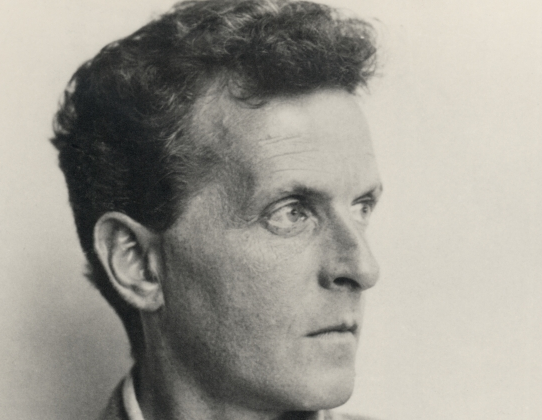
If you like phi­los­o­phy and road trip­ping, then you’ll want to put Wittgen­stein in Nor­way in your YouTube queue. Post­ed this month by Kirsten Dirk­sen, the short film takes through the beau­ti­ful coun­try­side of Nor­way, in search of the hut where Lud­wig Wittgen­stein exiled him­self from soci­ety from time to time, first start­ing in 1913. Dirk­sen gives this pref­ace to the film:

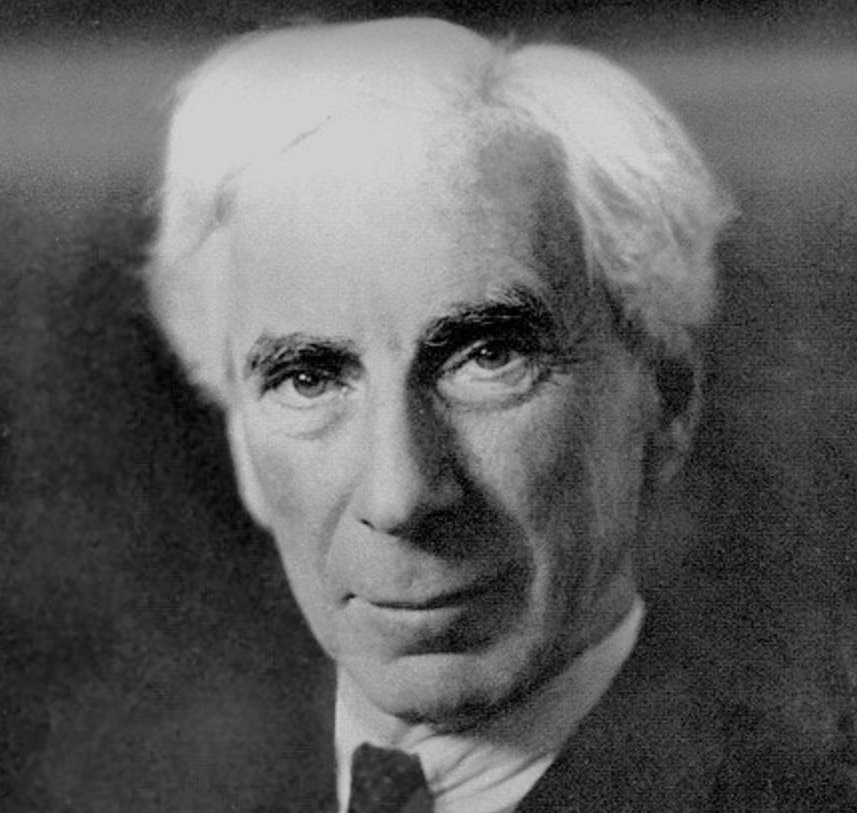
Over 100 years ago, philoso­pher Lud­wig Wittgen­stein went to the fjords of Nor­way to escape the schol­ar­ly world of Cam­bridge. His for­mer teacher Bertrand Rus­sell wrote, “I said it would be lone­ly, and he said he pros­ti­tut­ed his mind talk­ing to intel­li­gent peo­ple.”

Not con­tent with sim­ply mov­ing to the iso­la­tion of rur­al Nor­way- at the end of the Sogne­fjord (the deep­est and sec­ond longest fjord)- Wittgen­stein built his hut across the lake and halfway up a moun­tain from the near­est town (Skjold­en). Mea­sur­ing just 7 by 8 meters, the small cab­in dubbed “Lit­tle Aus­tria” (his native coun­try) became his home on and off through­out his life (his longest stay here was 13 months).

Wittgen­stein was flee­ing the dis­trac­tions and inter­rup­tions of a more social lifestyle and hop­ing to con­front only his own thoughts. “Who­ev­er is unwill­ing to descend into him­self,” he wrote, “because it is too painful, will of course remain super­fi­cial in his writ­ing.’” He wrote some of his most impor­tant work here (a pre­cur­sor to his “Trac­ta­tus Logi­co-Philo­soph­i­cus” and some of his “Philo­soph­i­cal Inves­ti­ga­tions”).

Today all that remains of his hut are its stone foun­da­tion and a very faint hik­ers trail up the moun­tain, though some Nor­we­gians are try­ing to change this. Artists Mar­i­anne Bre­desen, Sebas­t­ian Makon­nen Kjølaas and Siri Hjorth (in col­lab­o­ra­tions with the Wittgen­stein Soci­ety in Skjold­en and fund­ed by Pub­lic Art Nor­way) threw an all-expens­es-paid vaca­tion to bring fel­low Oslo res­i­dents to the ruin. Inspired by Wittgenstein’s argu­ment that “philo­soph­i­cal prob­lems arise when lan­guage goes on hol­i­day”, they are call­ing their art hol­i­day “Wittgen­stein on Vaca­tion”. For part one, they enter­tained their guests with a week­end of lec­tures, meals and a Wittgen­stein inter­pre­ta­tion at the site of his cab­in. We cap­tured some of the show on our own jour­ney to this dis­ap­pear­ing piece of his­to­ry.

Oth­er videos about sim­ple liv­ing, self-suf­fi­cien­cy, small homes, and philoso­phies of life can be found on Dirk­sen’s YouTube chan­nel.

If you would like to sign up for Open Culture’s free email newslet­ter, please find it here. It’s a great way to see our new posts, all bun­dled in one email, each day.

If you would like to sup­port the mis­sion of Open Cul­ture, con­sid­er mak­ing a dona­tion to our site. It’s hard to rely 100% on ads, and your con­tri­bu­tions will help us con­tin­ue pro­vid­ing the best free cul­tur­al and edu­ca­tion­al mate­ri­als to learn­ers every­where. You can con­tribute through Pay­Pal, Patre­on, and Ven­mo (@openculture). Thanks!


Relat­ed Cours­es:

Free Online Phi­los­o­phy Cours­es

Lud­wig Wittgenstein’s Short, Strange & Bru­tal Stint as an Ele­men­tary School Teacher

Lud­wig Wittgenstein’s Trac­ta­tus Gets Adapt­ed Into an Avant-Garde Com­ic Opera

Wittgen­stein and Hitler Attend­ed the Same School in Aus­tria, at the Same Time (1904)

by | Permalink | Make a Comment ( 2 ) |

Hear What It Sounds Like When Philosopher Daniel Dennett’s Brain Activity Gets Turned into Music

The refine­ments of med­ical imag­ing tech­nolo­gies like fMRI have giv­en neu­ro­sci­en­tists, psy­chol­o­gists, and philoso­phers bet­ter tools with which to study how the brain responds to all sorts of stim­uli. We’ve seen stud­ies of the brain on Jane Austen, the brain on LSD, the brain on jazz improv…. Music, it seems, offers an espe­cial­ly rich field for brain research, what with its con­nec­tion to lan­guage, bod­i­ly coor­di­na­tion, math­e­mat­ics, and vir­tu­al­ly every oth­er area of human intel­li­gence. Sci­en­tists at MIT have even dis­cov­ered which spe­cif­ic regions of the brain respond to music.

And yet, though we might think of music as a dis­crete phe­nom­e­non that stim­u­lates iso­lat­ed parts of the brain, Brownell pro­fes­sor of phi­los­o­phy Dan Lloyd has a much more rad­i­cal hypoth­e­sis, “that brain dynam­ics resem­ble the dynam­ics of music.”

He restates the idea in more poet­ic terms in an arti­cle for Trin­i­ty Col­lege: “All brains are musical—you and I are sym­phonies.” Plen­ty of peo­ple who can bare­ly whis­tle on key or clap to a beat might dis­agree. But Lloyd doesn’t mean to sug­gest that we all have musi­cal tal­ent, but that—as he says in his talk below—“everything that goes on in the brain can be inter­pret­ed as hav­ing musi­cal form.”

To demon­strate his the­o­ry, Lloyd chose not a musi­cian or com­pos­er as a test sub­ject, but anoth­er philosopher—and one whose brain he par­tic­u­lar­ly admires—Daniel Den­nett. And instead of giv­ing us yet more col­or­ful but baf­fling brain images to look at, he chose to con­vert fMRI scans of Dennett’s brain—“12 giga­bytes of 3‑d snap­shots of his cranium”—into music, turn­ing data into sound through a process called “soni­fi­ca­tion.” You can hear the result at the top of the post—the music of Dennett’s brain, which is appar­ent­ly, writes Dai­ly Nous, “a huge Eno fan.”

In his paper “Mind as Music,” Lloyd argues that the so-called “lan­guage of thought” is, in fact, music. As he puts it, “the lin­gua fran­ca of cog­ni­tion is not a lin­gua at all,” an idea that has “after­shocks for seman­tics, method, and more.” Sev­er­al ques­tions arise: I, for one, am won­der­ing if all our brains sound like Dennett’s abstract ambi­ent score, or if some play waltzes, some operas, some psy­che­del­ic blues.…

You can learn much more about Lloyd’s fas­ci­nat­ing research in his talk, which sim­pli­fies the tech­ni­cal lan­guage of his paper. Lloyd’s work goes much fur­ther, as he says, than study­ing “the brain on music”; instead he makes a sweep­ing­ly bold case for “the brain as music.”

via Dai­ly Nous

Relat­ed Con­tent:

This is Your Brain on Jazz Impro­vi­sa­tion: The Neu­ro­science of Cre­ativ­i­ty

The Neu­ro­science of Drum­ming: Researchers Dis­cov­er the Secrets of Drum­ming & The Human Brain

New Research Shows How Music Lessons Dur­ing Child­hood Ben­e­fit the Brain for a Life­time

Josh Jones is a writer and musi­cian based in Durham, NC. Fol­low him at @jdmagness

Carl Sagan Presents His “Baloney Detection Kit”: 8 Tools for Skeptical Thinking

Sagan_835

Pho­to by NASA via Wiki­me­dia Com­mons

It is some­times said that sci­ence and phi­los­o­phy have grown so far apart that they no longer rec­og­nize each oth­er. Per­haps they no longer need each oth­er. And yet some of the most thought­ful sci­en­tists of modernity—those who most ded­i­cat­ed their lives not only to dis­cov­er­ing nature’s mys­ter­ies, but to com­mu­ni­cat­ing those dis­cov­er­ies with the rest of us—have been ful­ly steeped in a philo­soph­i­cal tra­di­tion. This espe­cial­ly goes for Carl Sagan, per­haps the great­est sci­ence com­mu­ni­ca­tor of the past cen­tu­ry or so.

Sagan wrote a num­ber of pop­u­lar books for lay­folk in which he indulged not only his ten­den­cies as a “hope­less roman­tic,” writes Maria Popo­va, but also as a “bril­liant philoso­pher.” He did not fear to ven­ture into the realms of spir­i­tu­al desire, and did not mock those who did like­wise; and yet Sagan also did not hes­i­tate to defend rea­son against “society’s most shame­less untruths and out­ra­geous pro­pa­gan­da.” These under­tak­ings best come togeth­er in Sagan’s The Demon-Haunt­ed World, a book in which he very patient­ly explains how and why to think sci­en­tif­i­cal­ly, against the very human com­pul­sion to do any­thing but.

In one chap­ter of his book, “The Fine Art of Baloney Detec­tion,” Sagan laid out his method, propos­ing what he called “A Baloney Detec­tion Kit,” a set of intel­lec­tu­al tools that sci­en­tists use to sep­a­rate wish­ful think­ing from gen­uine prob­a­bil­i­ty. Sagan presents the con­tents of his kit as “tools for skep­ti­cal think­ing,” which he defines as “the means to con­struct, and to under­stand, a rea­soned argu­ment and—especially important—to rec­og­nize a fal­la­cious or fraud­u­lent argu­ment.” You can see his list of all eight tools, slight­ly abridged, below. These are all in Sagan’s words:

  • Wher­ev­er pos­si­ble there must be inde­pen­dent con­fir­ma­tion of the “facts.”
  • Encour­age sub­stan­tive debate on the evi­dence by knowl­edge­able pro­po­nents of all points of view.
  • Argu­ments from author­i­ty car­ry lit­tle weight — “author­i­ties” have made mis­takes in the past. They will do so again in the future. Per­haps a bet­ter way to say it is that in sci­ence there are no author­i­ties; at most, there are experts.
  • Spin more than one hypoth­e­sis. If there’s some­thing to be explained, think of all the dif­fer­ent ways in which it could be explained. Then think of tests by which you might sys­tem­at­i­cal­ly dis­prove each of the alter­na­tives.
  • Try not to get over­ly attached to a hypoth­e­sis just because it’s yours. It’s only a way sta­tion in the pur­suit of knowl­edge. Ask your­self why you like the idea. Com­pare it fair­ly with the alter­na­tives. See if you can find rea­sons for reject­ing it. If you don’t, oth­ers will.
  • If what­ev­er it is you’re explain­ing has some mea­sure, some numer­i­cal quan­ti­ty attached to it, you’ll be much bet­ter able to dis­crim­i­nate among com­pet­ing hypothe­ses. What is vague and qual­i­ta­tive is open to many expla­na­tions.
  • If there’s a chain of argu­ment, every link in the chain must work (includ­ing the premise) — not just most of them.
  • Occam’s Razor. This con­ve­nient rule-of-thumb urges us when faced with two hypothe­ses that explain the data equal­ly well to choose the sim­pler. Always ask whether the hypoth­e­sis can be, at least in prin­ci­ple, fal­si­fied…. You must be able to check asser­tions out. Invet­er­ate skep­tics must be giv­en the chance to fol­low your rea­son­ing, to dupli­cate your exper­i­ments and see if they get the same result.

See the unabridged list at Brain Pick­ings, or read Sagan’s full chap­ter, ide­al­ly by get­ting a copy of The Demon-Haunt­ed World. As Popo­va notes, Sagan not only gives us suc­cinct instruc­tions for crit­i­cal think­ing, but he also makes a thor­ough list, with def­i­n­i­tions, of the ways rea­son fails us through “the most com­mon and per­ilous fal­lac­i­es of log­ic and rhetoric.” Sagan’s chap­ter on “Baloney Detec­tion” is, like the rest of the book, a high­ly lit­er­ary, per­son­al, engage­ment with the most press­ing sci­en­tif­ic con­sid­er­a­tions in our every­day life. And it is also an infor­mal yet rig­or­ous restate­ment of Aristotle’s clas­si­cal log­ic and rhetoric and Fran­cis Bacon’s nat­ur­al phi­los­o­phy.

Relat­ed Con­tent:

The Wis­dom of Carl Sagan Ani­mat­ed

Richard Feyn­man Cre­ates a Sim­ple Method for Telling Sci­ence From Pseu­do­science (1966)

Noam Chom­sky Calls Post­mod­ern Cri­tiques of Sci­ence Over-Inflat­ed “Poly­syl­lab­ic Tru­isms”

Josh Jones is a writer and musi­cian based in Durham, NC. Fol­low him at @jdmagness

« Go BackMore in this category... »
Quantcast