Marcel Marceau Mimes the Progression of Human Life, From Birth to Death, in 4 Minutes

What do you think of when you hear the word “mime.”

A cheeky, stripe-shirt­ed, invis­i­ble lad­der-climb­ing pub­lic nui­sance?

The soli­tary prac­ti­tion­er Dustin Hoff­man word­less­ly top­pled in the 1982 film Toot­sie?

Or Mar­cel Marceau?

Ah ha, and what does the name “Mar­cel Marceau” bring to mind?

The cheeky, stripe shirt­ed, but­ter­fly chas­ing Bip (who maybe caus­es you to cringe a lit­tle, despite his creator’s rep­u­ta­tion as a great artist)?

I was sur­prised to learn that he was a for­mer French Resis­tance fight­er, whose first review was print­ed in Stars and Stripes after he accept­ed an Amer­i­can general’s spur of the moment invi­ta­tion to per­form for 3,000 GIs in 1945 Frank­furt.

The film above doc­u­ments a 1965 per­for­mance of his most cel­e­brat­ed piece, Youth, Matu­ri­ty, Old Age, and Death, giv­en at 42, the exact mid­point of his life. In four abstract min­utes, he pro­gress­es through the sev­en ages of man, rely­ing on nuances of gait and pos­ture to con­vey each stage.

He per­formed it count­less times through­out his extra­or­di­nary career, nev­er stray­ing from his own pre­cise­ly ren­dered chore­og­ra­phy. The play­ing area is just a few feet in diam­e­ter.

Observe the 1975 per­for­mance that film­mak­er John Barnes cap­tured for his series Mar­cel Marceau’s Art of Silence, below. Noth­ing left to chance there, from the tim­ing of the small­est abdom­i­nal iso­la­tions to the angle of his head in the final tableau.

Time’s effects may have pro­vid­ed the sub­ject for the piece, but its peren­ni­al­ly lithe author claimed not to con­cern him­self with age, telling the New York Times in 1993 that his focus was on “life-force and cre­ation.”

Lat­er in the same inter­view, he reflect­ed:

When I start­ed, I hunt­ed but­ter­flies. Lat­er, I began to remem­ber the war and I began to dig deep­er, into mis­ery, into soli­tude, into the fight of human souls against robots.

This would seem to sup­port the the­o­ry that matu­ri­ty is a side effect of age.

His alter ego Bip’s lega­cy may be the infer­nal invis­i­ble ropes and glass cages that are a mime’s stock in trade, but dis­till­ing human expe­ri­ence to its purest expres­sion was the basis of Marceau’s silent art.

In a recent appre­ci­a­tion pub­lished in the Paris Review, author Mave Fel­lowes con­sid­ers the many stages of Marceau, from the for­ma­tive effects of child­hood encoun­ters with Char­lie Chap­lin films to his death at 84:

He feels his advanc­ing age and fears that the art of mime will die with him. It’s a tran­si­to­ry, ephemer­al art, he explains, as it exists only in the moment. As an old man, he works hard­er than ever, per­form­ing three hun­dred times a year, teach­ing four hours a day. He is named the UN Ambas­sador for Aging. Five nights a week he smears the white paint over his face, draws in the red bud at the cen­ter of his lips, fol­lows the line of his eye­lid with a black pen­cil. And then takes to the stage, his side­burns frayed, his hair dyed chest­nut and combed for­ward, look­ing like a toupee.

His body is as elas­tic as ever, but the old suit of Bip hangs loose on him now. Beneath the whitened jaw­line is a bag­gy, sinewy neck. With each con­tor­tion of his face, the white paint reveals deep lines. At the end of his show, he folds in a deep bow and the knobs of his spine show above the low cut of Bip’s Bre­ton top.

Relat­ed Con­tent:

Édith Piaf’s Mov­ing Per­for­mance of ‘La Vie en Rose’ on French TV, 1954

David Bowie Launch­es His Act­ing Career in the Avant-Garde Play Pier­rot in Turquoise (1967)

Klaus Nomi: The Bril­liant Per­for­mance of a Dying Man

Ayun Hal­l­i­day is an author, illus­tra­tor, and Chief Pri­ma­tol­o­gist of the East Vil­lage Inky zine. In col­lege, she earned a hun­dred dol­lars for appear­ing as a mime before a con­ven­tion of hun­gover glass­ware sales­men, an expe­ri­ence briefly recalled in her mem­oir, Job Hop­per. Fol­low her @AyunHalliday


Immanuel Kant’s Life & Philosophy Introduced in a Short Monty Python-Style Animation

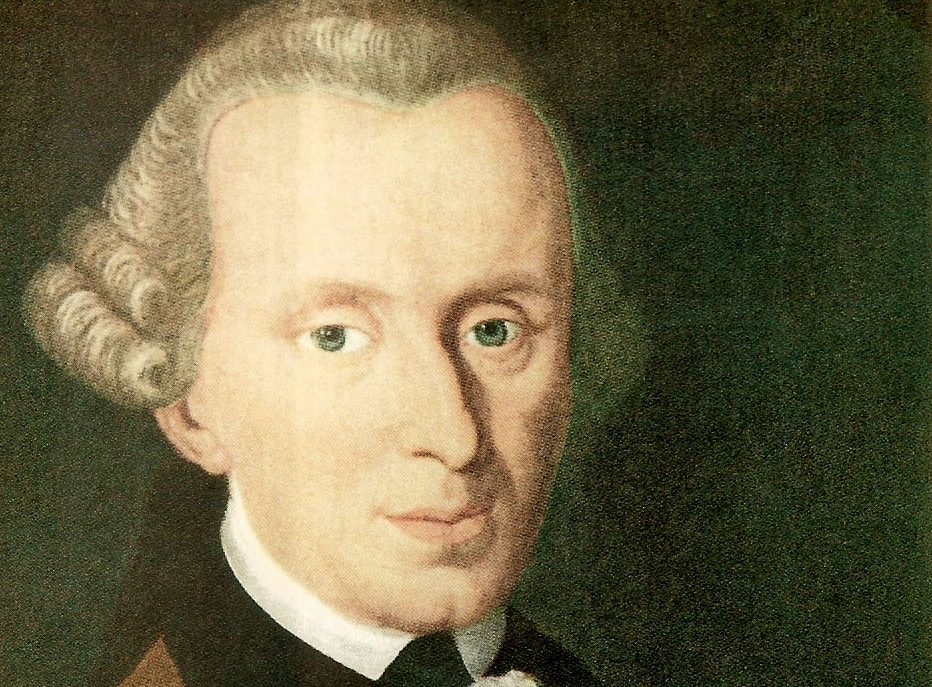
Philoso­pher Immanuel Kant (1724–1804) is per­haps best known for his sys­tem­at­ic philo­soph­i­cal ethics, con­ceived of as a post-reli­gious frame­work for sec­u­lar moral­i­ty. His pri­ma­ry eth­i­cal man­date, which he called the “cat­e­gor­i­cal imper­a­tive,” enables us—Alain de Bot­ton tells us in his short School of Life video above—to “shift our per­spec­tive, to get us to see our own behav­ior in less imme­di­ate­ly per­son­al terms.” It’s a philo­soph­i­cal ver­sion, de Bot­ton says, of the Gold­en Rule. “Act only accord­ing to that max­im,” Kant famous­ly wrote of the imper­a­tive in his Ground­work of the Meta­physics of Morals, “by which you can at the same time will that it should become a uni­ver­sal law.”

This guide to moral behav­ior seems on its face a sim­ple one. It asks us to imag­ine the con­se­quences of behav­ior should every­one act in the same way. How­ev­er, “almost every con­ceiv­able analy­sis of the Ground­work has been tried out over the past two cen­turies,” writes Har­vard pro­fes­sor Michael Rosen, “yet all have been found want­i­ng in some way or oth­er.” Friedrich Niet­zsche allud­ed to a seri­ous prob­lem with what Rosen calls Kant’s “rule-util­i­tar­i­an­ism.” How, Niet­zsche asks in On the Geneal­o­gy of Morals, are we to deter­mine whether an action will have good or bad con­se­quences unless we have “learned to sep­a­rate nec­es­sary events from chance events, to think in terms of cause and effect, to see dis­tant events as if they were present, to antic­i­pate them….”

Can we ever have that kind of fore­sight? Can we for­mu­late rules such that every­one who acts on them will pre­dict the same pos­i­tive or neg­a­tive out­comes in every sit­u­a­tion? The ques­tions did not seem to per­son­al­ly dis­turb Kant, who lived his life in a high­ly pre­dictable, rule-bound way—even, de Bot­ton tells us, when it came to struc­tur­ing his din­ner par­ties. But while the cat­e­gor­i­cal imper­a­tive has seemed unwork­ably abstract and too divorced from par­tic­u­lar cir­cum­stances and con­tin­gen­cies, an elab­o­ra­tion of the max­im has had much more appeal to con­tem­po­rary ethi­cists. We should also, Kant wrote, “act so as to treat peo­ple always as ends in them­selves, nev­er as mere means.” De Bot­ton pro­vides some help­ful con­text for why Kant felt the need to cre­ate these eth­i­cal prin­ci­ples.

Kant lived in a time when “the iden­ti­fy­ing fea­ture of his age was its grow­ing sec­u­lar­ism.” De Bot­ton con­tends that while Kant wel­comed the decline of tra­di­tion­al reli­gion, he also feared the con­se­quences; as “a pes­simist about human char­ac­ter,” Kant “believed that we are by nature intense­ly prone to cor­rup­tion.” His solu­tion was to “replace reli­gious author­i­ty with the author­i­ty of rea­son.” The project occu­pied all of Kant’s career, from his work on polit­i­cal phi­los­o­phy to that on aes­thet­ics in the Cri­tique of Pure Judg­ment. And though philoso­phers have for cen­turies had dif­fi­cul­ty mak­ing Kant’s ethics work, his dense, dif­fi­cult writ­ing has nev­er­the­less occu­pied a cen­tral place in West­ern thought. In his defense of the author­i­ty of rea­son, Kant pro­vid­ed us with one of the most com­pre­hen­sive means for under­stand­ing how exact­ly human rea­son works—and for rec­og­niz­ing its many lim­i­ta­tions.

To read Kan­t’s work for your­self, down­load free ver­sions of his major texts in a vari­ety of dig­i­tal for­mats from our archive of Free Phi­los­o­phy eBooks. Kant is no easy read, and it helps to have a guide. To learn how his work has been inter­pret­ed over the past two hun­dred years, and how he arrived at many of his con­clu­sions, con­sid­er tak­ing one of many online class­es on Kant we have list­ed in our archive of Free Phi­los­o­phy Cours­es.

Relat­ed Con­tent:

Philoso­phers Drink­ing Cof­fee: The Exces­sive Habits of Kant, Voltaire & Kierkegaard

Man Shot in Fight Over Immanuel Kant’s Phi­los­o­phy in Rus­sia

Philoso­phers Drink­ing Cof­fee: The Exces­sive Habits of Kant, Voltaire & Kierkegaard

Josh Jones is a writer and musi­cian based in Durham, NC. Fol­low him at @jdmagness

Slavoj Zizek​ Explains What’s Wrong with Online Dating & What Unconventional Technology Can Actually Improve Your Love Life

I once read a book by Lar­ry King called How to Talk to Any­one, Any­time, Any­where. Slavoj Zizek might well con­sid­er writ­ing a book of his own called How to Make Intel­lec­tu­al Pro­nounce­ments About Any­thing, Any­time, Any­where. From Beethoven’s “Ode to Joy” to polit­i­cal cor­rect­ness to the Cri­te­ri­on Col­lec­tion to Star­bucks (and those just among the top­ics we’ve fea­tured here on Open Cul­ture) the Sloven­ian philoso­pher-provo­ca­teur has for decades demon­strat­ed a will­ing­ness to expound on the widest pos­si­ble vari­ety of sub­jects, to the point where his career has begun to look like one con­tin­u­ous, free-asso­cia­tive ana­lyt­i­cal mono­logue, which in the Big Think video above reach­es the inevitable sub­ject: your love life.

Per­haps you’ve tried online dat­ing — a prac­tice that, giv­en the increas­ing­ly thor­ough inte­gra­tion of the inter­net and dai­ly life, we’ll prob­a­bly soon just call “dat­ing.” Per­haps you’ve had pos­i­tive expe­ri­ences with it, per­haps you’ve had neg­a­tive ones, and most prob­a­bly you’ve had a mix­ture of both, but how often can you take your mind off the awk­ward fact that you have to first “meet” the oth­er per­son through an elec­tron­ic medi­um, cre­at­ing a ver­sion of your­self to suit that medi­um? Zizek calls this online dat­ing’s prob­lem­at­ic “aspect of self-com­mod­i­fi­ca­tion or self-manip­u­la­tion.”

“When you date online,” he says, “you have to present your­self there in a cer­tain way, putting for­ward cer­tain qual­i­ties. You focus on your idea of how oth­er peo­ple should per­ceive you. But I think that’s not how love func­tions, even at the very sim­ple lev­el. I think the Eng­lish term is ‘endear­ing foibles’ — an ele­men­tary ingre­di­ent in love. You can­not ever fall in love with the per­fect per­son. There must be some tiny small dis­turb­ing ele­ment, and it is only through notic­ing this ele­ment that you say, ‘But in spite of that imper­fec­tion, I love him or her.’ ”

Fair enough. But what to do about it? Zizek thinks that the way for­ward for roman­tic tech­nolo­gies lies not in a less tech­no­log­i­cal approach, but a more tech­no­log­i­cal approach — or at least a stranger tech­no­log­i­cal approach. He imag­ines a world of “ide­al sex­u­al attrac­tion” where “I meet a lady; we are attract­ed to each oth­er; we say all the usu­al stuff — your place, my place, what­ev­er, we meet there. What hap­pens then? She comes with her plas­tic penis, elec­tric dil­do. I come with some hor­ri­ble thing — I saw it, it’s called some­thing like stim­u­lat­ing train­ing unit — it’s basi­cal­ly a plas­tic vagi­na, a hole.”

Dare we exam­ine where this sce­nario goes? The out­come may sur­prise you. They sim­ply insert her elec­tric dil­do into his stim­u­lat­ing train­ing unit, and voilà, “the machines are doing it for us, buzzing in the back­ground, and I’m free to do what­ev­er I want, and she.” With full trib­ute paid to the super­ego by their vul­gar devices, “we have a nice talk; we have tea; we talk about movies. I talk with a lady because we real­ly like each oth­er. And, you know, when I’m pour­ing her tea, or she to me, quite by chance our hands touch. We go on touch­ing. Maybe we even end up in bed. But it’s not the usu­al oppres­sive sex where you wor­ry about per­for­mance. No, all that is tak­en care of by the stu­pid machines. That would be ide­al sex for me today.”

Relat­ed Con­tent:

Slavoj Žižek Exam­ines the Per­verse Ide­ol­o­gy of Beethoven’s Ode to Joy

Slavoj Žižek Names His Favorite Films from The Cri­te­ri­on Col­lec­tion

Slavoj Žižek Calls Polit­i­cal Cor­rect­ness a Form of “Mod­ern Total­i­tar­i­an­ism”

Slavoj Žižek on the Feel-Good Ide­ol­o­gy of Star­bucks

Based in Seoul, Col­in Mar­shall writes and broad­casts on cities and cul­ture. He’s at work on a book about Los Ange­les, A Los Ange­les Primer, the video series The City in Cin­e­maand the crowd­fund­ed jour­nal­ism project Where Is the City of the Future? Fol­low him on Twit­ter at @colinmarshall or on Face­book.

Monty Python’s John Cleese Creates Ads for the American Philosophical Association

cleese philosophy psa

Cre­ative Com­mons image by Paul Box­ley

John Cleese, you say, a spokesman for the Amer­i­can Philo­soph­i­cal Asso­ci­a­tion? Why would such a seri­ous orga­ni­za­tion, whose stat­ed mis­sion is to fos­ter the “broad­er pres­ence of phi­los­o­phy in pub­lic life,” choose a British come­di­an famous for such char­ac­ters as the over­bear­ing Basil Fawl­ty and ridicu­lous Min­is­ter of Sil­ly Walks as one of their pub­lic faces?

They chose him, I imag­ine, because in his var­i­ous roles—as a one­time prep school teacher and stu­dent of law at Cam­bridge, as a com­e­dy writer and Mon­ty Python star, and as a post-Python come­di­an, author, pub­lic speak­er, and vis­it­ing pro­fes­sor at Cor­nell—Cleese has done more than his part to spread phi­los­o­phy in pub­lic life. Mon­ty Python, you’ll remem­ber, aired a num­ber of absurd phi­los­o­phy sketch­es, notable for being as smart as they are fun­ny.

Cleese has pre­sent­ed his per­son­al phi­los­o­phy of cre­ativ­i­ty at the World Cre­ativ­i­ty Forum; he’s explained a com­mon cog­ni­tive bias to which media per­son­al­i­ties and politi­cians seem par­tic­u­lar­ly sus­cep­ti­ble; and he had his own pod­cast in which, among oth­er things, he explained (wink) how the human brain works.

Giv­en these cre­den­tials, and his abil­i­ty to apply his intel­li­gence, wit, and com­ic tim­ing to sub­jects not often seen as par­tic­u­lar­ly excit­ing by the gen­er­al pub­lic, Cleese seems like the per­fect per­son for the job, even if he isn’t an Amer­i­can philoso­pher. The APA, found­ed in 1900, has recent­ly host­ed con­fer­ences on reli­gious tol­er­ance and “Cul­ti­vat­ing Cit­i­zen­ship.” In 2000, as part of its cen­ten­ni­al cel­e­bra­tion, the orga­ni­za­tion had Cleese record 22 very short “Pub­lic Ser­vice Announce­ments” to intro­duce novices to the impor­tant work of phi­los­o­phy. These range from the very gen­er­al “What Philoso­phers Do” at the top of the post to the influ­ence of phi­los­o­phy on social and polit­i­cal reform­ers like Mar­tin Luther King, Jr., Jane Addams, and Simone de Beau­voir (above), show­ing philosophy’s “bear­ing on the real world.”

In this PSA, Cleese makes the con­tro­ver­sial claim that “the 21st cen­tu­ry may belong far more to phi­los­o­phy than to psy­chol­o­gy or even tra­di­tion­al reli­gion.” “What a strange thought,” he goes on, then explains that phi­los­o­phy “works against confusion”—certainly a hall­mark of our age. There’s not much here to argue with—Cleese isn’t for­mu­lat­ing a posi­tion, but giv­ing his lis­ten­ers provoca­tive lit­tle nuts to crack on their own, should they find his PSAs intrigu­ing enough to draw them into fur­ther study. They might as well begin where most of us do, with Socrates, whom Cleese intro­duces below.

Hear the rest of Cleese’s phi­los­o­phy PSAs at the Amer­i­can Philo­soph­i­cal Association’s web­site. And should you wish to dig deep­er, you’ll find an abun­dance of resources in our archives, which includes big lists of Free Online Phi­los­o­phy Cours­es and Free Phi­los­o­phy eBooks.

Relat­ed Con­tent:

Mon­ty Python’s Best Phi­los­o­phy Sketch­es

John Cleese Explains the Brain — and the Plea­sures of DirecTV

Learn The His­to­ry of Phi­los­o­phy in 197 Pod­casts (With More to Come)

Down­load 100 Free Phi­los­o­phy Cours­es and Start Liv­ing the Exam­ined Life

Josh Jones is a writer and musi­cian based in Durham, NC. Fol­low him at @jdmagness

Free Speech Bites: Nigel Warburton, Host of Philosophy Bites, Creates a Spin Off Podcast Dedicated to Freedom of Expression

free speech bites

In osten­si­bly lib­er­al democ­ra­cies in the West, atti­tudes towards free speech vary wide­ly giv­en dif­fer­ent his­tor­i­cal con­texts, and can shift dra­mat­i­cal­ly over time. We’re liv­ing in the midst of a gen­er­a­tional shift on the issue in the U.S.; a recent Pew sur­vey found that 40 per­cent of millennials—18–34 year olds—favor gov­ern­ment bans on offen­sive speech. The usu­al caveats apply when read­ing this data; New York magazine’s Sci­ence of Us blog breaks down the demo­graph­ics and points out prob­lems with def­i­n­i­tions, par­tic­u­lar­ly with that of the word “offen­sive.” They write, “plen­ty of folks freak out about anti-cop sen­ti­ments but are fine with racial­ly loaded language—or insert your own exam­ples.” As com­men­ta­tors note almost dai­ly, var­i­ous free speech advo­cates show all man­ner of par­tial­i­ty when it comes to whose speech they choose to defend and whose they, unwit­ting­ly per­haps, sup­press.

Euro­pean coun­tries, of course, already have all sorts of laws that curb offen­sive speech and impose harsh penal­ties, from large fines to jail time. Those laws are extend­ing to the inter­net as well, a speech domain long cen­sored by Chi­nese author­i­ties.

Whether Euro­pean mea­sures against racist and xeno­pho­bic speech actu­al­ly lessen racism and xeno­pho­bia is an open ques­tion, as is the prob­lem of excep­tions to the laws that seem to allow cer­tain kinds of prej­u­dices as they strong­ly cen­sor oth­ers. Much more extreme exam­ples of the sup­pres­sion of free speech have recent­ly come to light under auto­crat­ic regimes in the Mid­dle East. In Syr­ia, soft­ware devel­op­er and free speech advo­cate Bas­sel Kharta­bil has been held in prison since 2012 for his activism. In Sau­di Ara­bia, artist, poet, and Pales­tin­ian refugee Ashraf Fayadh has been sen­tenced to death for “renounc­ing Islam.”

We could add to all of these exam­ples hun­dreds of oth­ers, from all over the world, but in addi­tion to the sta­tis­tics and the dis­turb­ing indi­vid­ual cas­es, it is worth ask­ing broad­er, more philo­soph­i­cal ques­tions about free speech as we draw our own con­clu­sions about the issues. What exact­ly do we mean by “free speech”? Should all speech be pro­tect­ed, even that meant to libel indi­vid­u­als or whole groups or to delib­er­ate­ly incite vio­lence? Should we tol­er­ate a pub­lic dis­course made up of lies, mis­in­for­ma­tion, prej­u­di­cial invec­tive, and per­son­al attacks? Should cit­i­zens and the press have the right to ques­tion offi­cial gov­ern­ment nar­ra­tives and to demand trans­paren­cy?

To help us think through these polit­i­cal­ly and emo­tion­al­ly fraught dis­cus­sions, we could lis­ten to Free Speech Bites, a pod­cast spon­sored by the Index on Cen­sor­ship and host­ed by free­lance philoso­pher Nigel War­bur­ton, who also hosts the pop­u­lar pod­cast Phi­los­o­phy Bites. The for­mat is iden­ti­cal to that long-stand­ing show, but instead of short con­ver­sa­tions with philoso­phers, War­bur­ton has brief, live­ly dis­cus­sions with free speech advo­cates, includ­ing authors, artists, politi­cians, jour­nal­ists, come­di­ans, car­toon­ists, and aca­d­e­mics. In the episode above, War­bur­ton talks with DJ Tay­lor, biog­ra­ph­er of the man con­sid­ered almost a saint of free speech, George Orwell.

Of his sub­ject, Tay­lor remarks, “I think it’s true to say that most of Orwell’s pro­fes­sion­al life, large amounts of the things that he wrote, are to do with the sup­pres­sion of the indi­vid­ual voice.” At the same time, he points out that Orwell’s “view of free speech is by no means clear cut.” The “whole free speech issue became much more del­i­cate­ly shad­ed than it would oth­er­wise have been” dur­ing the extra­or­di­nary times of the Span­ish Civ­il War and World War II. Tay­lor refers to the “clas­sic lib­er­al dilem­ma: how far do we tol­er­ate some­thing that, if tol­er­at­ed, will cease to tol­er­ate us…. If you are liv­ing in a democ­ra­cy and somebody’s putting out fas­cist pam­phlets encour­ag­ing the end of that democ­ra­cy, how much rope do you give them?”

In anoth­er episode, Irshad Manji—feminist, self-described “Mus­lim refusenik,” and author of The Trou­ble with Islam Today—talks free speech and reli­gion, and offers a very dif­fer­ent per­spec­tive than what we’re used to hear­ing report­ed from Islam­ic thinkers. When War­bur­ton says that Islam and free expres­sion sound “like two incom­pat­i­ble things,” Man­ji coun­ters that as a “per­son of faith” she believes “free expres­sion is as much a reli­gious oblig­a­tion as it is a human right.” In her esti­ma­tion, “no human being can legit­i­mate­ly behave as if he or she owns a monop­oly on truth.” Any­thing less than a soci­ety that tol­er­ates civ­il dis­agree­ment, she says, means that “we’re play­ing God with one anoth­er.” In her reli­gious per­spec­tive, “devot­ing your­self to one god means that you must defend human lib­er­ty.” Man­ji sounds much more like Enlight­en­ment Chris­t­ian reform­ers like John Locke than she does many inter­preters of Islam, and she is well aware of the unpop­u­lar­i­ty of her point of view in much of the Islam­ic world.

Address­ing the ques­tion of why free speech mat­ters, broad­cast­er and writer Jonathan Dimbleby—former chair of the Index on Censorship—inaugurated the pod­cast in 2012 with a more clas­si­cal­ly philo­soph­i­cal dis­cus­sion of John Stu­art Mill’s On Lib­er­ty and the lib­er­al argu­ment against cen­sor­ship Mill and oth­ers artic­u­lat­ed. For Dim­ble­by, “free­dom of expres­sion [is] not only a right but a defin­ing char­ac­ter­is­tic of what it means to be a civ­i­lized indi­vid­ual.” It’s a view he holds “very strong­ly,” but he admits that the valid excep­tions to the rule are “where the dif­fi­cult ter­ri­to­ry starts.” Dim­ble­by points to “very obvi­ous cir­cum­stances when you don’t have free­dom of expres­sion and should not have free­dom of expres­sion.” One of the excep­tions involves “laws that say that if you express your­self freely, you are direct­ly putting some­one else’s life at risk.” This is not as clear-cut as it seems. The “dan­ger­ous ter­ri­to­ry,” he argues, begins with cir­cum­scrib­ing lan­guage that incites anger or offense in oth­ers. We are back to the ques­tion of offense, and it is not a uncom­pli­cat­ed one. Although activists very often need to be unciv­il to be heard at all, there’s also a nec­es­sary place for pub­lic dis­cus­sions that are as thought­ful and care­ful as we can man­age. And for that rea­son, I’m grate­ful for the inter­ven­tion of Free Speech Bites and the inter­na­tion­al vari­ety of views it rep­re­sents.

For more of those views, see the Index on Censorship’s web­site to stream or down­load sev­en more Free Speech Bites pod­casts.

Relat­ed Con­tent:

What “Orwellian” Real­ly Means: An Ani­mat­ed Les­son About the Use & Abuse of the Term

George Orwell’s Final Warn­ing: Don’t Let This Night­mare Sit­u­a­tion Hap­pen. It Depends on You!

Intro­duc­tion to Polit­i­cal Phi­los­o­phy: A Free Yale Course

Great Writ­ers on Free Speech and the Envi­ron­ment

Josh Jones is a writer and musi­cian based in Durham, NC. Fol­low him at @jdmagness


Nietzsche’s Concept of Superman Explained with Monty Python-Style Animation

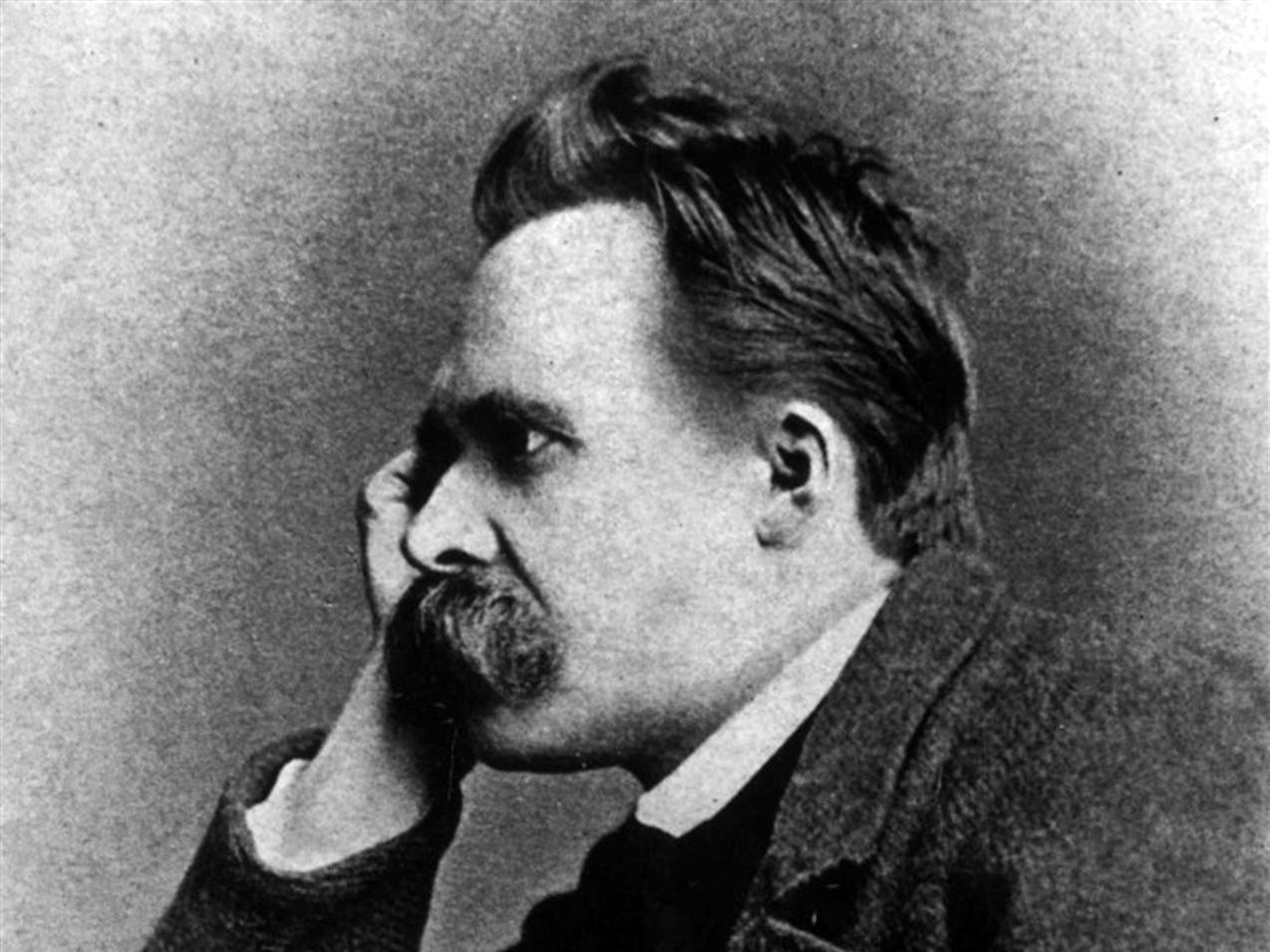
Friedrich Niet­zsche first intro­duced the con­cept of the Über­men­sch — often trans­lat­ed in Eng­lish as “The Super­man” — in his influ­en­tial philo­soph­i­cal work, Thus Spake Zarathus­tra (1883), writ­ing:

I TEACH YOU THE SUPERMAN. Man is some­thing that is to be sur­passed. What have ye done to sur­pass man?

All beings hith­er­to have cre­at­ed some­thing beyond them­selves: and ye want to be the ebb of that great tide, and would rather go back to the beast than sur­pass man?…

Lo, I teach you the Super­man!

The Super­man is the mean­ing of the earth. Let your will say: The Super­man SHALL BE the mean­ing of the earth!

I con­jure you, my brethren, REMAIN TRUE TO THE EARTH, and believe not those who speak unto you of super­earth­ly hopes! Poi­son­ers are they, whether they know it or not.

Despis­ers of life are they, decay­ing ones and poi­soned ones them­selves, of whom the earth is weary: so away with them!

Once blas­phe­my against God was the great­est blas­phe­my; but God died, and there­with also those blas­phe­mers. To blas­pheme the earth is now the dread­fulest sin, and to rate the heart of the unknow­able high­er than the mean­ing of the earth!

As Eva Cybul­s­ka observes in an arti­cle on Phi­los­o­phy Now, Niet­zsche nev­er quite spelled out what he meant by Übermensch/The Super­man, leav­ing it to lat­er inter­preters to fill in the blanks. She notes: “RJ Holling­dale (in Niet­zsche) saw in Über­men­sch a man who had organ­ised the chaos with­in; [Wal­ter] Kauf­mann (Niet­zsche) a sym­bol of a man that cre­at­ed his own val­ues, and Carl Jung (Zarathustra’s Sem­i­nars) a new ‘God’. For Hei­deg­ger it rep­re­sent­ed human­i­ty that sur­passed itself, whilst for the Nazis it became an emblem of the mas­ter race.”

You can now add to the list of inter­pre­ta­tions anoth­er by Alain de Bot­ton’s School of Life. In a new­ly-released ani­mat­ed video, de Bot­ton treats The Super­man as the incar­na­tion of human per­fec­tion. Embody­ing char­ac­ter­is­tics pos­sessed by Goethe, Mon­taigne, Voltaire and Napoleon (peo­ple who came clos­est to achiev­ing per­fec­tion in Niet­zsche’s mind), the Übermenschen/Supermen will live by their own val­ues (Pagan in nature); delight in their supe­ri­or­i­ty and take pity on the weak; per­haps hurt peo­ple in the name of achiev­ing great things; accept that suf­fer­ing can be a nec­es­sary evil; use cul­ture to raise the men­tal­i­ty of the soci­ety around them; and beyond.

Whether you see The Super­man dif­fer­ent­ly is anoth­er ques­tion. You can down­load Thus Spake Zarathus­tra from our Dig­i­tal Niet­zsche col­lec­tion and come up with your own take.

And, tan­gen­tial­ly, you can watch The Orig­i­nal 1940s Super­man Car­toon Free Online.

Relat­ed Con­tent:

Down­load 100 Free Phi­los­o­phy Cours­es and Start Liv­ing the Exam­ined Life

Free Online Phi­los­o­phy Cours­es

135 Free Phi­los­o­phy eBooks

The Dig­i­tal Niet­zsche: Down­load Nietzsche’s Major Works as Free eBooks

Hear Clas­si­cal Music Com­posed by Friedrich Niet­zsche: 43 Orig­i­nal Tracks

How Mar­tin Luther King, Jr. Used Hegel, Kant & Niet­zsche to Over­turn Seg­re­ga­tion in Amer­i­ca

by | Permalink | Make a Comment ( 8 ) |

Get to Know Socrates, Camus, Kierkegaard & Other Great Philosophers with the BBC’s Intelligent Radio Show, In Our Time

When writer, politi­cian, and BBC radio and tele­vi­sion per­son­al­i­ty Melvyn Bragg began his long-run­ning radio pro­gram In Our Time, which brings aca­d­e­mics togeth­er to dis­cuss phi­los­o­phy, his­to­ry, sci­ence, reli­gion, and cul­ture, he didn’t think the show would last very long: “Six months,” he told The Scots­man in 2009, “but I’ll have a go.” Now, sev­en­teen years after the show began in 1998, In Our Time is going strong, with mil­lions of lis­ten­ers from around the world who tune in on the radio, or down­load the In Our Time pod­cast. Though it’s easy to despair when faced with the onslaught of mass media devot­ed to triv­i­al­i­ty and sen­sa­tion­al­ism, Bragg has shown there’s still a siz­able audi­ence that cares about thought­ful engage­ment with mat­ters of import, and in par­tic­u­lar that cares about phi­los­o­phy.

Though the sub­ject takes a beat­ing these days, espe­cial­ly in unfa­vor­able com­par­isons to the hard sci­ences, the con­cerns artic­u­lat­ed by philoso­phers over the cen­turies still inform our views of ethics, lan­guage, pol­i­tics, and human exis­tence writ large. In Our Time’s phi­los­o­phy pro­grams fol­low the same for­mat as the show’s oth­er top­ics—in Bragg’s words, he gets “three absolute­ly top-class aca­d­e­mics to dis­cuss one sub­ject and explore as deeply as time allow[s].” In this case, the “sub­ject,” is often a prop­er name, like Simone Weil, David Hume, Albert Camus, Simone de Beau­voir or Socrates.

The show just as often tack­les philo­soph­i­cal move­ments like Skep­ti­cism, Neo­pla­ton­ism, or The Frank­furt School, that aren’t asso­ci­at­ed with only one thinker; like­wise, Bragg and his guests have devot­ed their dis­cus­sions to long­stand­ing philo­soph­i­cal prob­lems, like the exis­tence of Free Will, and his­tor­i­cal devel­op­ments, like the Con­ti­nen­tal-Ana­lyt­ic Split in West­ern phi­los­o­phy.

Though there is cer­tain­ly no short­age of high qual­i­ty resources for peo­ple who wish to learn more about philosophy—such as the many free cours­es, pod­casts, and lec­tures we’ve fea­tured on this site—few are as imme­di­ate­ly acces­si­ble as In Our Time’s phi­los­o­phy dis­cus­sions. Bragg describes his prepa­ra­tion for each show as “swotting”—or cram­ming. He’s not an expert, but he’s knowl­edge­able enough to ask per­ti­nent ques­tions of his guests, who then go on to edu­cate him, and the lis­ten­ers, for the almost hour-long con­ver­sa­tion. Hear how well the approach works in the In Our Time phi­los­o­phy pro­grams fea­tured here. At the top, Bragg dis­cuss­es the phi­los­o­phy and activism of Bertrand Rus­sell with aca­d­e­m­ic philoso­phers A.C. Grayling, Mike Beaney, and Hilary Greaves. Below that, he talks Kierkegaard with Jonathan Ree, Clare Carlisle, and John Lip­pitt. Just above, hear Bragg dis­cuss Jean-Paul Sartre with Jonathan Rée, Bene­dict O’Dono­hoe, and Christi­na How­ells. Final­ly, below, hear his con­ver­sa­tion on Karl Marx with Antho­ny Grayling, Fran­cis Wheen, and Sted­man Jones.

These four exam­ples are but a small sam­pling of the many com­pelling In Our Time phi­los­o­phy dis­cus­sions. Explore, stream, and down­load dozens more at the BBC Radio 4 site or hear them on Youtube and iTunes here. And if any these con­ver­sa­tions whet your appetite for more, then head over to our expan­sive archive of Free Phi­los­o­phy Cours­es, and Free Phi­los­o­phy eBooks.

Relat­ed Con­tent:

Learn The His­to­ry of Phi­los­o­phy in 197 Pod­casts (With More to Come)

Down­load 100 Free Phi­los­o­phy Cours­es and Start Liv­ing the Exam­ined Life

Take First-Class Phi­los­o­phy Cours­es Any­where with Free Oxford Pod­casts

The His­to­ry of Phi­los­o­phy With­out Any Gaps Pod­cast, Now at 239 Episodes, Expands into East­ern Phi­los­o­phy

Phi­los­o­phize This!: The Pop­u­lar, Enter­tain­ing Phi­los­o­phy Pod­cast from an Uncon­ven­tion­al Teacher

Josh Jones is a writer and musi­cian based in Durham, NC. Fol­low him at @jdmagness

Hear the Writing of French Theorists Jacques Derrida, Jean Baudrillard & Roland Barthes Sung by Poet Kenneth Goldsmith

DerridaGoldsmith

Jacques Der­ri­da, Jean Bau­drillard, Roland Barthes… to my fresh­man ears, the names of these French the­o­rists sound­ed like pass­words to an occult world of strange and for­bid­ding ideas. I start­ed col­lege in the mid-90s, when Eng­lish depart­ments glee­ful­ly claimed post­struc­tural­ism as their birthright. Aca­d­e­m­ic cam­paigns against the fuzzy log­ic of these thinkers had not yet gath­ered much steam, though con­ser­v­a­tive cul­ture war­riors were already on the warpath against post­mod­ernism. Very short­ly after my intro­duc­tion to French post­struc­tural­ist thought, ana­lyt­i­cal pos­i­tivists launched for­mi­da­ble cam­paigns to ban­ish crit­i­cal the­o­ry to the mar­gins.

The back­lash against obscu­ran­tist the­o­ry made a good case, with pub­lic sham­ings like the “Sokal Hoax” and Phi­los­o­phy and Lit­er­a­ture’s Bad Writ­ing Con­test. Such dis­plays made the work of many Euro­pean philoso­phers and their adher­ents seem indeed—as Noam Chom­sky said of Der­ri­da, Slavoj Žižek, and Jacques Lacan—like so much vac­u­ous “pos­tur­ing.” But as potent as these cri­tiques may be, I’ve nev­er cared much for them; they seem to miss the point of more cre­ative kinds of the­o­ry, which is not, I think (as phi­los­o­phy pro­fes­sor Eric Schwitzgebel alleges) “intel­lec­tu­al author­i­tar­i­an­ism and cow­ardice,” but instead an explorato­ry attempt to expand the rigid bound­aries of lan­guage and cog­ni­tion, and to enact the mean­der­ings of dis­cur­sive thought in prose that cap­tures its “errantry” (to take a term from Mar­tini­quan poet, nov­el­ist, and aca­d­e­m­ic Edouard Glis­sant.)

In any case, the debate was not new at all, but only a lat­er iter­a­tion of the old Continental/Analytic divide that has long pit­ted expo­nents of Anglo­phone clar­i­ty against the some­times awk­ward prose of thinkers like Kant and Hegel. And I hap­pen to think that Kant, Hegel, and, yes, even lat­er Con­ti­nen­tals like Derrida—despite the delib­er­ate obscu­ri­ty of their writing—are inter­est­ing thinkers who deserve to be read. They even deserve to be sung, bad­ly, by poets—namely by con­cep­tu­al poet Ken­neth Gold­smith, who is also found­ing edi­tor of Ubuweb, senior edi­tor of PennSound, and one­time host of a radio show on glo­ri­ous­ly weird, free-form radio sta­tion WFMU.

With his nat­ty sense of style and seri­ous appre­ci­a­tion for absur­di­ty, Gold­smith has sung to lis­ten­ers the work of Wal­ter Ben­jamin, Lud­wig Wittgen­stein, and Sig­mund Freud; he has giv­en us an avant-garde musi­cal ren­di­tion of Har­ry Pot­ter; and he has turned selec­tions of Theodor Adorno’s grim Min­i­ma Moralia into 80s hard­core punk. Now, we bring you more of Goldsmith’s musi­cal inter­ven­tions: his goof­ball singing of Der­ri­da over an icy min­i­mal­ist com­po­si­tion by Anton Webern (top); of Bau­drillard over a lounge-pop instru­men­tal by Fran­cis Lai (mid­dle); and of Roland Barthes over the All­man Broth­ers (above).

As an added bonus, if you can call it that, hear Gold­smith war­ble Marx­ist the­o­rist Fred­er­ic Jame­son over Coltrane, just above. Do these ridicu­lous musi­cal exer­cis­es make these thinkers any eas­i­er to digest? I doubt it. But they do seem to say to the many haters of crit­i­cal the­o­ry and post­mod­ern French phi­los­o­phy, “hey, light­en up, will ya?”

Relat­ed Con­tent:

Noam Chom­sky Slams Žižek and Lacan: Emp­ty ‘Pos­tur­ing’

John Sear­le on Fou­cault and the Obscu­ran­tism in French Phi­los­o­phy

The The­o­ry of Wal­ter Ben­jamin, Lud­wig Wittgen­stein & Sig­mund Freud Sung by Ken­neth Gold­smith

30 Min­utes of Har­ry Pot­ter Sung in an Avant-Garde Fash­ion by UbuWeb’s Ken­neth Gold­smith

Theodor Adorno’s Crit­i­cal The­o­ry Text Min­i­ma Moralia Sung as Hard­core Punk Songs

Josh Jones is a writer and musi­cian based in Durham, NC. Fol­low him at @jdmagness

« Go BackMore in this category... »
Quantcast