How Leonard Cohen’s Stint As a Buddhist Monk Can Help You Live an Enlightened Life

There is a cer­tain kind of think­ing that the Bud­dha called “mon­key mind,” a state in which our ner­vous habits become com­pul­sions, haul­ing us around this way and that, forc­ing us to jump and shriek at every sound. It was exact­ly this neu­rot­ic state of mind that Leonard Cohen sought to quell when in 1994 he joined Mt. Baldy Zen Cen­ter in Los Ange­les and became a monk: “I was inter­est­ed in sur­ren­der­ing to that kind of rou­tine,” Cohen told The Guardian in 2001, “If you sur­ren­der to the sched­ule, and get used to its demands, it is a great lux­u­ry not to have to think about what you are doing next.”

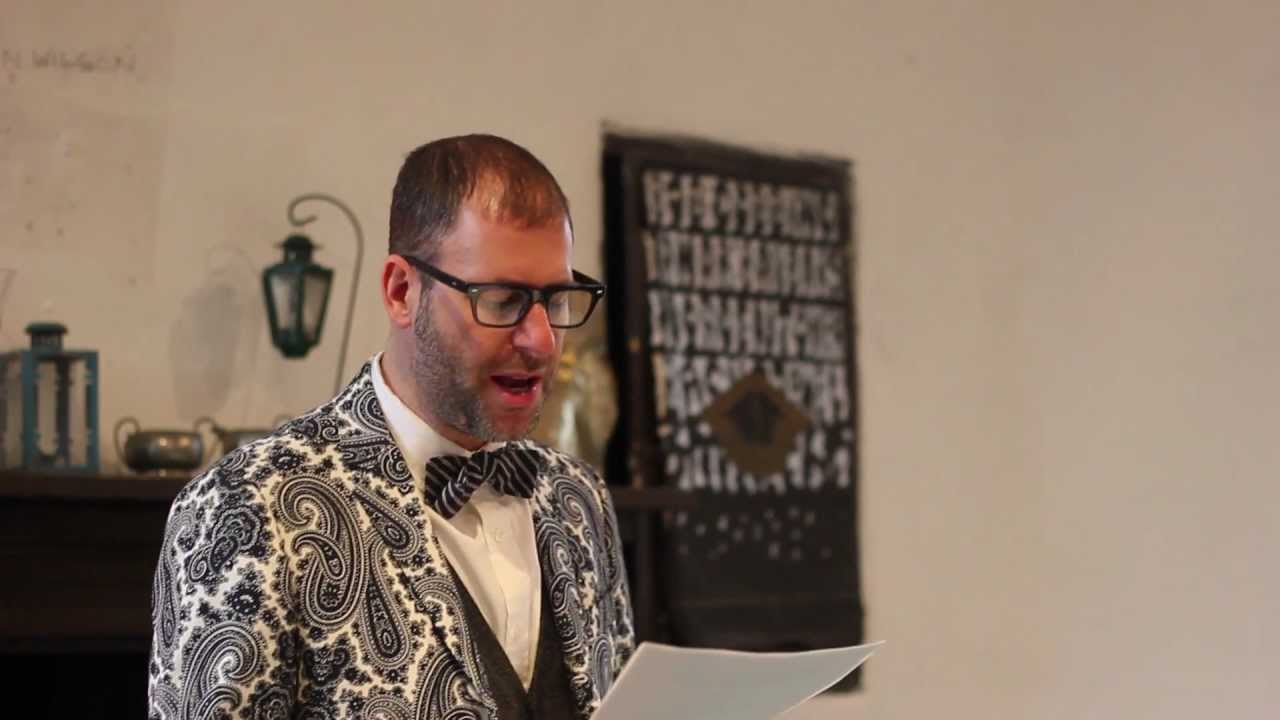
There at Mt. Baldy the jour­nal­ist and cos­mopoli­tan racon­teur Pico Iyer met Cohen, unaware at first that it was even him. In his short Bac­calau­re­ate speech above to the 2015 grad­u­at­ing class of the Uni­ver­si­ty of South­ern Cal­i­for­nia, Iyer describes the meet­ing: After show­ing him fond hos­pi­tal­i­ty and set­tling him into the com­mu­ni­ty, Iyer says, Cohen told him that “just sit­ting still, being unplugged, look­ing after his friends was… the real deep enter­tain­ment that the world had to offer.”

At the time, Iyer was dis­ap­point­ed. He had admired Cohen for exact­ly the oppo­site qualities—for trav­el­ing the world, being plugged into the cul­ture, and liv­ing a rock star life of self-indul­gence. It was this out­ward man­i­fes­ta­tion of Cohen that Iyer found allur­ing, but the poet and song­writer’s inward life, what Iyer calls the “invis­i­ble ledger on which we tab­u­late our lives,” was giv­en to some­thing else, some­thing that even­tu­al­ly brought Cohen out of a life­long depres­sion. Iyer’s the­sis, drawn from his encounter with Leonard Cohen, Zen monk, is that “it is real­ly on the mind that our hap­pi­ness depends.”

Iyer refers not to that per­pet­u­al­ly wheel­ing mon­key mind but what Zen teacher Suzu­ki Roshi called “begin­ner’s mind” or “big mind.” In such a med­i­ta­tive­ly absorbed state, we for­get our­selves, “which to me,” Iyer says, “is almost the def­i­n­i­tion of hap­pi­ness.” Cohen said as much of his own per­son­al enlight­en­ment: “When you stop think­ing about your­self all the time, a cer­tain sense of repose over­takes you.” After his time at Mt. Baldy, he says, “there was just a cer­tain sweet­ness to dai­ly life that began assert­ing itself.” Iyer’s short speech, filled with exam­ple after exam­ple, gives us and his new­ly grad­u­at­ing audi­ence sev­er­al ways to think about how we might find that sense of repose—in the midst of busy, demand­ing lives—through lit­tle more than “just sit­ting still, being unplugged” and look­ing after each oth­er.

Note: You can watch a Euro­pean doc­u­men­tary on Cohen’s stint as a bud­dhist monk here.

via Boing­Bo­ing

Relat­ed Con­tent:

Ladies and Gen­tle­men… Mr. Leonard Cohen: The Poet-Musi­cian Fea­tured in a 1965 Doc­u­men­tary

Young Leonard Cohen Reads His Poet­ry in 1966 (Before His Days as a Musi­cian Began)

Leonard Cohen Nar­rates Film on The Tibetan Book of the Dead, Fea­tur­ing the Dalai Lama (1994)

Josh Jones is a writer and musi­cian based in Durham, NC. Fol­low him at @jdmagness

Animated Introductions to Three Sociologists: Durkheim, Weber & Adorno

Is soci­ol­o­gy an art or a sci­ence? Is it phi­los­o­phy? Social psy­chol­o­gy? Eco­nom­ics and polit­i­cal the­o­ry? Sur­vey­ing the great soci­ol­o­gists since the mid-19th cen­tu­ry, one would have to answer “yes” to all of these ques­tions. Soci­ol­o­gists like Karl Marx, Émile Durkheim, Max Weber, and Theodor Adorno con­duct­ed seri­ous schol­ar­ly and social-sci­en­tif­ic analy­ses, and wrote high­ly spec­u­la­tive the­o­ry. Though it may seem like we’re all soci­ol­o­gists now, mak­ing crit­i­cal judg­ments about large groups of peo­ple, the soci­ol­o­gists who cre­at­ed and car­ried on the dis­ci­pline gen­er­al­ly did so with sound evi­dence and well-rea­soned argu­ment. Unlike so much cur­rent knee-jerk com­men­tary, even when they’re wrong they’re still well worth read­ing.

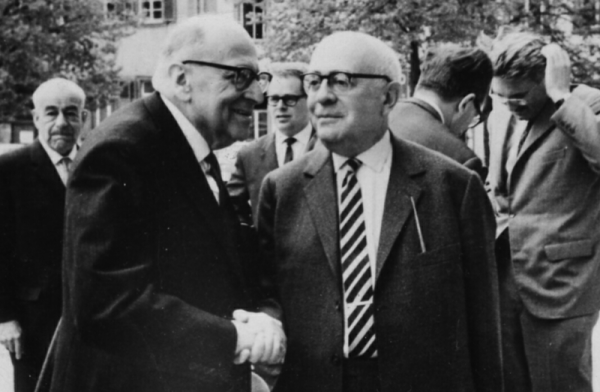
Hav­ing already sur­veyed Marx in his series on Euro-Amer­i­can polit­i­cal philoso­phers, School of Life founder Alain de Bot­ton now tack­les the oth­er three illus­tri­ous names on the list above, start­ing with Durkheim at the top, then Weber above, and Adorno below. The first two fig­ures were con­tem­po­raries of Marx, the third a lat­er inter­preter. Like that beard­ed Ger­man scourge of cap­i­tal­ism, these three—in more mea­sured or pes­simistic ways—levied cri­tiques against the dom­i­nant eco­nom­ic sys­tem. Durkheim took on the prob­lem of sui­cide, Weber the anx­ious reli­gious under­pin­nings of cap­i­tal­ist ide­ol­o­gy, and Adorno the con­sumer cul­ture of instant grat­i­fi­ca­tion.

That’s so far, at least, as de Bot­ton’s very cur­so­ry intro­duc­tions get us. As with his oth­er series, this one more or less ropes the thinkers rep­re­sent­ed here into the School of Life’s pro­gram of pro­mot­ing a very par­tic­u­lar, mid­dle class view of hap­pi­ness. And, as with the oth­er series, the thinkers sur­veyed here all seem to more or less agree with de Bot­ton’s own views. Per­haps oth­ers who most cer­tain­ly could have been includ­ed, like W.E.B. Dubois, Jane Addams, or Han­nah Arendt, would offer some very dif­fer­ent per­spec­tives.

De Bot­ton again makes his points with pithy gen­er­al­iza­tions, num­bered lists, and quirky, cut-out ani­ma­tions, breezi­ly reduc­ing life­times of work to a few obser­va­tions and moral lessons. I doubt Adorno would approach these less-than-rig­or­ous meth­ods char­i­ta­bly, but those new to the field of soci­ol­o­gy or the work of its prac­ti­tion­ers will find here some tan­ta­liz­ing ideas that will hope­ful­ly inspire them to dig deep­er, and to per­haps improve their own soci­o­log­i­cal diag­noses.

Note: For those inter­est­ed, Yale has a free open course on Soci­ol­o­gy called “Foun­da­tions of Mod­ern Social The­o­ry,” which cov­ers most of the fig­ures list­ed above. You can always find it in our col­lec­tion, 1,700 Free Online Cours­es from Top Uni­ver­si­ties.

Relat­ed Con­tent:

6 Polit­i­cal The­o­rists Intro­duced in Ani­mat­ed “School of Life” Videos: Marx, Smith, Rawls & More

Niet­zsche, Wittgen­stein & Sartre Explained with Mon­ty Python-Style Ani­ma­tions by The School of Life

Theodor Adorno’s Rad­i­cal Cri­tique of Joan Baez and the Music of the Viet­nam War Protest Move­ment

Josh Jones is a writer and musi­cian based in Durham, NC. Fol­low him at @jdmagness

Alan Watts Explains Why Death is an Art, Adventure and Creative Act

Many of us in the West live in some of the most frag­ment­ed reli­gious land­scapes in the world, but in the midst of deep­en­ing lev­els of con­flict over poli­cies of birth and death, these two issues that divide us also join us togeth­er. More than at any time in his­to­ry, peo­ple live in expec­ta­tion of sim­i­lar spans of life; we all lament the loss of loved ones who die at any age; and most of us live with some fear of death, or at least vio­lent, untime­ly death like the kind Alan Watts describes above.

Watts, Eng­lish Zen guru of sorts (though he would not like the label) lec­tured more on death than per­haps any oth­er philo­soph­i­cal or reli­gious teacher since the Bud­dha, but he did so in a way that illu­mi­nates our ideas about the inevitable end, even if it should come upon us all of the sud­den.

You heard a bomb com­ing at you, you could hear it whis­tle and you knew it was right above you and head­ing straight at you, and that you were fin­ished. 

This is no abstract thought exper­i­ment, of course, but the his­tor­i­cal expe­ri­ence of mil­lions of peo­ple, from Dres­den to Iraq. But despite the ter­ri­fy­ing exam­ple, Watts describes achiev­ing in that moment absolute clar­i­ty and uni­ver­sal­i­ty. The dread­ed bomb whis­tles toward you, “and you accept­ed it,” he says.

How exact­ly does one achieve that accep­tance? With­out dog­ma­tiz­ing or mys­ti­cism, Watts offers some wis­dom in anoth­er excerpt from a lec­ture above. This video’s use of melo­dra­mat­ic film clips and cin­e­mat­ic music may be a lit­tle schmaltzy, but his mat­ter of fact talk isn’t less­ened by it. Though not every­one pass­es on their genes to a next gen­er­a­tion, an exam­ple he dis­cuss­es in both excerpts, we do all leave the plan­et to make room for new peo­ple, wher­ev­er they come from, and this, he says, “is an hon­or­able thing…. It’s a far more amus­ing arrange­ment for nature to con­tin­ue the process of life through dif­fer­ent indi­vid­u­als than it is through the same indi­vid­ual.”

Watts was not at all doc­tri­naire about death, par­tic­u­lar­ly in his lat­er years. In a con­ver­sa­tion with Aldous Huxley’s wife Lau­ra in 1968, he called dying “an art,” though not quite like Sylvia Plath did: “It is also,” he said, “an adven­ture.” He con­sid­ered Aldous Hux­ley’s unortho­dox death—on an LSD trip while Lau­ra read to him from the Tibetan Bar­do Thodol—a “high­ly intel­li­gent form of dying.” Nonethe­less, Watts, an Epis­co­pal priest become an explain­er of Zen Bud­dhism in Amer­i­ca, also had a great deal to say about more for­mal reli­gious ideas of death.

In the lec­ture above, from a 1959 Amer­i­can tele­vi­sion pro­gram, Watts explains a par­tic­u­lar Bud­dhist con­cept of rein­car­na­tion and rebirth through var­i­ous realms. It’s a pic­ture as fan­tas­tic and pic­turesque as Dante’s, and like his cre­ative act, one that can be read with some lit­er­al and much pro­found­ly philo­soph­i­cal sig­nif­i­cance. These con­cep­tions help demon­strate that far from fear­ful, our puz­zling over the inevitabil­i­ty and mys­tery of death can be, as it was for Watts, “one of the most cre­ative thoughts I ever thought in my life.”

Relat­ed Con­tent:

Zen Mas­ter Alan Watts Dis­cov­ers the Secrets of Aldous Hux­ley and His Art of Dying

The Wis­dom of Alan Watts in Four Thought-Pro­vok­ing Ani­ma­tions

The Zen Teach­ings of Alan Watts: A Free Audio Archive of His Enlight­en­ing Lec­tures

 Josh Jones is a writer and musi­cian based in Durham, NC. Fol­low him at @jdmagness

Hear Friedrich Nietzsche’s Classical Piano Compositions: They’re Aphoristic Like His Philosophy

In March, we fea­tured 43 orig­i­nal tracks of clas­si­cal music by philoso­pher and self-taught com­pos­er Friedrich Niet­zsche, bet­ter known as the author of books like Thus Spoke Zarathus­tra and Beyond Good and Evil. Despite the endur­ing impor­tance of his tex­tu­al out­put, Josh Jones not­ed that “what Niet­zsche loved most was music.” He “found the mun­dane work of pol­i­tics and nation­al­ist con­quest, with its trib­al­ism and moral pre­ten­sions, thor­ough­ly dis­taste­ful. Instead, he con­sid­ered the cre­ative work of artists, writ­ers, and musi­cians, as well as sci­en­tists, of para­mount impor­tance.”

Today we offer more of the eccen­tric, high­ly opin­ion­at­ed 19th-cen­tu­ry Ger­man philoso­pher’s musi­cal side. In the playlist just above, you can hear his piano com­po­si­tions as col­lect­ed on Michael Krück­er’s Friedrich Niet­zsche: Com­plete Solo Piano Works. “Most of the works on this album date from the 1860s, when [Niet­zsche] was a cel­e­brat­ed young pro­fes­sor and philoso­pher,” writes All­Mu­sic’s James Man­heim. “The music is light, often qua­si-impro­visato­ry, and some of it resem­bles the key­board music of the com­pos­er whom Niet­zsche extolled lat­er in life, Georges Bizet. The most sub­stan­tial piece, the 20-minute Hym­nus an die Fre­und­schaft, was essen­tial­ly his last com­po­si­tion, but he lat­er reworked it with texts by his then-love inter­est, Lou Andreas-Salomé; that ver­sion was lat­er arranged for cho­rus and orches­tra by anoth­er com­pos­er.”

Man­heim also notes that this selec­tion of piano pieces, in their brevi­ty, sug­gest that “the apho­ris­tic style of Niet­zsche’s late writ­ings was antic­i­pat­ed by his musi­cal think­ing.” Enthu­si­asts of Niet­zsche’s life and career will cer­tain­ly find them­selves mak­ing even more con­nec­tions between his musi­cal and philo­soph­i­cal work than that. But those look­ing for his moti­va­tion to work in this purest of all arts per­haps need look no fur­ther than this typ­i­cal­ly unequiv­o­cal pro­nounce­ment: “With­out music, life would be a mis­take.”

You can find more Niet­zschean piano com­po­si­tions below, these per­formed by Dorothea Klotz. To hear the music, you will need to down­load Spo­ti­fy’s free soft­ware, if you haven’t already.

Relat­ed Con­tent:

Hear Clas­si­cal Music Com­posed by Friedrich Niet­zsche: 43 Orig­i­nal Tracks

130+ Free Online Phi­los­o­phy Cours­es

The Phi­los­o­phy of Niet­zsche: An Intro­duc­tion by Alain de Bot­ton

A Free Playlist of Music From The Works Of James Joyce (Plus Songs Inspired by the Mod­ernist Author)

The Dig­i­tal Niet­zsche: Down­load Nietzsche’s Major Works as Free eBooks

Col­in Mar­shall writes on cities, lan­guage, Asia, and men’s style. He’s at work on a book about Los Ange­les, A Los Ange­les Primer, and the video series The City in Cin­e­ma. Fol­low him on Twit­ter at @colinmarshall or on Face­book.


An Animated Ayn Rand Dispenses Terrible Love Advice to Mike Wallace (1959)

In the past, the good folks over at Blank on Blank have turned rarely-seen inter­views with the likes of Ray Brad­bury and John Coltrane into bril­liant lit­tle ani­mat­ed shorts. This week, their lat­est install­ment is on Ayn Rand.

Rand, of course, is the mind behind Objec­tivism, the patron saint of lais­sez faire cap­i­tal­ism, and the author of such unwieldy tomes as The Foun­tain­head and Atlas Shrugged. Among Wall Street bankers, Wash­ing­ton con­ser­v­a­tives and insuf­fer­able col­lege sopho­mores, Rand is a revered fig­ure. For­mer vice pres­i­den­tial can­di­date Paul Ryan and pres­i­den­tial can­di­date Rand Paul are both acknowl­edged fol­low­ers. For­mer Fed­er­al Reserve head Alan Greenspan was Rand’s pro­tégé. To a lot of oth­er peo­ple, of course, her the­o­ries are lit­tle more than a shrill jus­ti­fi­ca­tion of sociopa­thy, an empa­thy-chal­lenged vision of social inter­ac­tion that flies in the face of basic ideas of human decen­cy.

The inter­view dates back to a 1959 inter­view by Mike Wal­lace (see the orig­i­nal here) who grills Rand on her con­cept of love and hap­pi­ness, which leads to this exchange:

Ayn Rand: I say that man is enti­tled to his own hap­pi­ness. And that he must achieve it him­self. But that he can­not demand that oth­ers give up their lives to make him hap­py. And nor should he wish to sac­ri­fice him­self for the hap­pi­ness of oth­ers. I hold that man should have self-esteem.

Mike Wal­lace: And can­not man have self-esteem if he loves his fel­low man? Christ, every impor­tant moral leader in man’s his­to­ry, has taught us that we should love one anoth­er. Why then is this kind of love in your mind immoral?

Ayn Rand: It is immoral if it is a love placed above one­self. It is more than immoral, it’s impos­si­ble. Because when you are asked to love every­body indis­crim­i­nate­ly. That is to love peo­ple with­out any stan­dard. To love them regard­less of whether they have any val­ue or virtue, you are asked to love nobody.

Watch­ing the piece, I kept hear­ing the title of Ray­mond Carver’s bril­liant short sto­ry run through my mind, “What We Talk About When We Talk About Love.” (Hear Carv­er read that sto­ry here.) My sense is that her ver­sion of love is very dif­fer­ent from mine. Watch the full ani­mat­ed video above.

Jonathan Crow is a Los Ange­les-based writer and film­mak­er whose work has appeared in Yahoo!, The Hol­ly­wood Reporter, and oth­er pub­li­ca­tions. You can fol­low him at @jonccrow. And check out his blog Veep­to­pus, fea­tur­ing pic­tures of vice pres­i­dents with octo­pus­es on their heads.  The Veep­to­pus store is here.

Relat­ed Con­tent:

Flan­nery O’Connor: Friends Don’t Let Friends Read Ayn Rand (1960)

Ayn Rand Adamant­ly Defends Her Athe­ism on The Phil Don­ahue Show (Cir­ca 1979)

The Out­spo­ken Ayn Rand Inter­viewed by Mike Wal­lace (1959)

Ayn Rand Trash­es C.S. Lewis in Her Mar­gin­a­lia: He’s an “Abysmal Bas­tard”

The Absurd Philosophy of Albert Camus Presented in a Short Animated Film by Alain De Botton

What is the mean­ing of life? This may sound sim­plis­tic or naïve, espe­cial­ly in rela­tion to much con­tem­po­rary phi­los­o­phy, which assumes the ques­tion is inco­her­ent and reserves its focus for small­er and small­er slices of expe­ri­ence. And, of course, pri­or to the rise of sec­u­lar moder­ni­ty, the ques­tion was answered for us—and still is for a great many people—by reli­gion. One either believed the answer, through coer­cion or oth­er­wise, or kept qui­et about it. But at least since Søren Kierkegaard, philoso­phers in the West have tak­en the ques­tion very seri­ous­ly, and found all of the answers want­i­ng. By the mid-twen­ti­eth cen­tu­ry, there seemed to thinkers like Albert Camus to be no answer. Life has no mean­ing. It is inher­ent­ly absurd and pur­pose­less.

This Camus con­clud­ed in chal­leng­ing essays like “The Myth of Sisy­phus” and nov­els like L’Etranger, a book most of us know as The Stranger but which Alain de Bot­ton, in his School of Life video above on Camus’ phi­los­o­phy, trans­lates as The Out­sider. Read­ing this book, de Bot­ton observes, “has long been an ado­les­cent rite of pas­sage” since many of its themes “are first tack­led at sev­en­teen or so.” Its pro­tag­o­nist, Meur­sault, an old­er, more nihilis­tic ver­sion of Hold­en Caulfield, illus­trates Camus’ the­sis through his stead­fast refusal to iden­ti­fy with any mean­ing-mak­ing insti­tu­tions or emo­tions, and through a casu­al, sense­less mur­der. But while Meur­sault may see through the pre­ten­sions of his soci­ety, he has failed to see the world as it is.

Col­in Wil­son, anoth­er author many peo­ple read dur­ing intel­lec­tu­al­ly for­ma­tive years—who wrote an exis­ten­tial­ist study also called The Out­sider—describes Meursault’s indif­fer­ence to life as a prod­uct of “his sense of unre­al­i­ty.” Only the loom­ing prospect of death awak­ens him from what Meur­sault calls “a heavy grime of unre­al­i­ty.” Instead of despair­ing at life’s empti­ness, Camus deter­mined that true free­dom required engag­ing ful­ly with life, in the face of futility—with the ulti­mate prospect of death and the option of sui­cide always in view. Camus, says de Bot­ton, “writes with excep­tion­al inten­si­ty… as a guide for the rea­sons to live.” De Bot­ton some­what super­fi­cial­ly prais­es Camus’ sex­u­al prowess, fash­ion sense, and good looks as more than just “styl­is­tic quirks,” but as mark­ers of his psy­cho­log­i­cal health.

But more than just a ladies man, Camus was a “great cham­pi­on of the ordi­nary,” as well as a cham­pi­on foot­baller and Nobel prize-win­ning lit­er­ary star. He was also a ful­ly com­mit­ted jour­nal­ist and polit­i­cal activist for much of his career, who stood by his indi­vid­ual prin­ci­ples even as oth­er left­ist intel­lec­tu­als got swept up in the allure of Sovi­et com­mu­nism under Stal­in. In the doc­u­men­tary above, we learn impor­tant details of many of these qual­i­ties, as well of Camus’ trou­bled ear­ly life. Giv­en his back­ground of impov­er­ish­ment and loss, it is indeed remark­able that Camus—much more so than oth­er, more priv­i­leged philosophers—lived such a rich, ful­ly engaged life.

In a rare tele­vi­sion inter­view above, Camus answers ques­tions about his the­atri­cal adap­ta­tion of Dostoevsky’s The Pos­sessed, anoth­er nov­el that con­fronts head on the ques­tion of life’s mean­ing. He speaks of the novel’s “nihilism,” now “the real­i­ty that we have to face.” Camus does not men­tion that Dos­toyevsky, like the exis­ten­tial­ist Kierkegaard, man­aged to sal­vage a kind of reli­gious faith in the face of empti­ness; the French philoso­pher and writer was con­vinced of the impos­si­bil­i­ty of such a thing. But whether one draws Dos­to­evsky or Camus’ con­clu­sions, both would sug­gest that to live authen­ti­cal­ly, one must seri­ous­ly grap­ple with the prob­lem of mean­ing­less­ness and the real­i­ty of death.

Relat­ed Con­tent:

Hear Albert Camus Deliv­er His Nobel Prize Accep­tance Speech (1957)

Albert Camus: Soc­cer Goalie

Exis­ten­tial Phi­los­o­phy of Kierkegaard, Sartre, Camus Explained with 8‑Bit Video Games

Niet­zsche, Wittgen­stein & Sartre Explained with Mon­ty Python-Style Ani­ma­tions by The School of Life

Down­load 130 Free Phi­los­o­phy Cours­es: Tools for Think­ing About Life, Death & Every­thing Between

Josh Jones is a writer and musi­cian based in Durham, NC. Fol­low him at @jdmagness

Rare Video: Georges Bataille Talks About Literature & Evil in His Only TV Interview (1958)

“Where oth­er trans­gres­sive fig­ures of the past have most­ly been tamed,” wrote Josh Jones in a post here last year, “[Georges] Bataille, I sub­mit, is still quite dan­ger­ous.” You can get a sense of that in the doc­u­men­tary fea­tured there, À perte de vue, which intro­duces the trans­gres­sive French intel­lec­tu­al’s life and thought, which from the 1920s to the 1960s pro­duced books like The Solar AnusThe Hatred of Poet­ry, and The Tears of Eros, all part of a body of work that cap­ti­vat­ed the likes of Susan Son­tag, Michel Fou­cault, and Jacques Der­ri­da.

At the top of this post, you can enjoy anoth­er, straighter shot of Bataille through his 1958 appear­ance oppo­site inter­view­er Pierre Dumayet — the only tele­vi­sion inter­view he ever did. The occa­sion: the pub­li­ca­tion of his book Lit­er­a­ture and Evil, a title that, Bataille says, refers to “two oppo­site kinds of evil: the first one is relat­ed to the neces­si­ty of human activ­i­ty going well and hav­ing the desired results, and the oth­er con­sists of delib­er­ate­ly vio­lat­ing some fun­da­men­tal taboos — like, for exam­ple, the taboo against mur­der, or against some sex­u­al pos­si­bil­i­ties.”

Bataille’s fans expect from him a cer­tain amount of taboo vio­la­tion, though exe­cut­ed in a spe­cif­ic lit­er­ary form — not just prose, but the dis­tinc­tive sort of prose, whether spo­ken or writ­ten, brought to per­fec­tion by mid­cen­tu­ry French intel­lec­tu­als. In this ten-minute clip, Bataille elab­o­rates on his con­vic­tion that we can’t sep­a­rate lit­er­a­ture from evil: if the for­mer stays away from the lat­ter, “it rapid­ly becomes bor­ing.” He also gets into a dis­cus­sion of Baude­laire, Kaf­ka (“both of them knew they were on the side of evil”), Shake­speare, the impor­tance of eroti­cism and child­ish­ness in lit­er­a­ture, and the inher­ent­ly anti-work nature of writ­ing. How­ev­er rel­e­vant you find Bataille’s ideas today, you have to give the man this: he nev­er gets bor­ing.

Relat­ed Con­tent:

Georges Bataille: An Intro­duc­tion to The Rad­i­cal Philosopher’s Life & Thought Through Film and eTexts

Michel Fou­cault – Beyond Good and Evil: 1993 Doc­u­men­tary Explores the Theorist’s Con­tro­ver­sial Life and Phi­los­o­phy

Exten­sive Archive of Avant-Garde & Mod­ernist Mag­a­zines (1890–1939) Now Avail­able Online

Jacques Lacan’s Con­fronta­tion with a Young Rebel: Clas­sic Moment, 1972

Free Online Phi­los­o­phy Cours­es

Down­load 55 Free Online Lit­er­a­ture Cours­es: From Dante and Mil­ton to Ker­ouac and Tolkien

Col­in Mar­shall writes on cities, lan­guage, Asia, and men’s style. He’s at work on a book about Los Ange­les, A Los Ange­les Primer, and the video series The City in Cin­e­maFol­low him on Twit­ter at @colinmarshall or on Face­book.

6 Political Theorists Introduced in Animated “School of Life” Videos: Marx, Smith, Rawls & More

“It may come as a sur­prise to some aca­d­e­mics,” writes left­ist polit­i­cal the­o­rist Michael Par­en­ti in his sprawl­ing text­book Democ­ra­cy for the Few, “but there is a marked rela­tion­ship between eco­nom­ic pow­er and polit­i­cal pow­er.” Par­en­ti exaggerates—I have nev­er met such an aca­d­e­m­ic in a human­i­ties depart­ment, though it may be true in the worlds of polit­i­cal phi­los­o­phy and polit­i­cal sci­ence.

Yet in cen­turies past, philoso­phers and schol­ars had no trou­ble draw­ing con­clu­sions about the inter­twin­ing of the polit­i­cal and the eco­nom­ic. One may imme­di­ate­ly think of Karl Marx, who—according to the above video from a new School of Life series on famous polit­i­cal theorists—was “capitalism’s most famous and ambi­tious crit­ic.” The prac­ti­cal effects of Marx’s polit­i­cal ideas may be anath­e­ma for good rea­son, Alain de Bot­ton admits, but his eco­nom­ic analy­sis deserves con­tin­ued atten­tion.

“Cap­i­tal­ism is going to have to be reformed,” de Bot­ton says, “and Marx’s analy­ses are going to be part of any answer.” One might imag­ine many aca­d­e­mics object­ing to his cer­tain­ty. Marx’s rel­e­vance is in ques­tion across the polit­i­cal spec­trum, in part because the kind of cap­i­tal­ism he so painstak­ing­ly doc­u­ment­ed is hard­ly rec­og­niz­able to us now.

70 years before Marx diag­nosed the social and eco­nom­ic ills of Vic­to­ri­an cap­i­tal­ism, Scot­tish philoso­pher Adam Smith made sim­i­lar obser­va­tions of its 18th cen­tu­ry pre­cur­sor. Reg­u­lar­ly cit­ed in defense of so-called free mar­ket prin­ci­ples, Smith’s Wealth of Nations as often shows how lit­tle free­dom actu­al­ly exists in cap­i­tal­ist soci­eties because of the undue influ­ence of “the mas­ters” and the hyper-spe­cial­iza­tion of the work force, who were unable in Smith’s time, and often in ours, to orga­nize for their mutu­al inter­ests.

Smith may not have gone as far as Marx in his con­clu­sions, but he did advo­cate pro­gres­sive tax­a­tion and a robust wel­fare state. In the 20th cen­tu­ry, John Rawls argued for a stricter stan­dard of polit­i­cal and eco­nom­ic equal­i­ty than Smith’s appeal to sym­pa­thy. Rawls’ 1971 The­o­ry of Jus­tice intro­duced a “sim­ple, eco­nom­i­cal, and polem­i­cal way to show peo­ple how their soci­eties were unfair”: the “veil of igno­rance.”

This thought exper­i­ment asks us to elim­i­nate unfair­ness by pre­sum­ing we might poten­tial­ly have been born into the cir­cum­stances of any oth­er liv­ing per­son on earth. Though it may not be par­tic­u­lar­ly appar­ent, Rawls’ ideas have had some influ­ence on pol­i­cy. As de Bot­ton points out above, he dined reg­u­lar­ly at the Clin­ton White House. But his prin­ci­ples haven’t much changed the way we live our eco­nom­ic lives, in part because of his cri­tique of the rags-to-rich­es sto­ry, almost a sacred myth in Amer­i­can soci­ety.

Like Adam Smith, Hen­ry David Thoreau’s pol­i­tics seem a lit­tle hard­er to pin down. A con­tem­po­rary of Marx, Thore­au thought in terms of the indi­vid­ual, pen­ning per­haps a found­ing text for both hip­pie home­stead­ers and sur­vival­ists. In Walden—writ­ten while he lived alone in a cab­in on land owned by his friend and patron Ralph Wal­do Emerson—Thoreau makes the case for near total self-reliance. In his Civ­il Dis­obe­di­ence, he writes, “I hearti­ly accept the motto—‘That gov­ern­ment is best which gov­erns least.’”

Thore­au also believed “That gov­ern­ment is best which gov­erns not at all.” Yet, despite its author’s fierce lib­er­tar­i­an bent (he refused to pay his tax­es on prin­ci­ple), Civ­il Dis­obe­di­ence has served a found­ing text of pro­gres­sive social and envi­ron­men­tal move­ments world­wide. Speak­ing “prac­ti­cal­ly and as a cit­i­zen, unlike those who call them­selves no-gov­ern­ment men,” Thore­au went on, “I ask for, not at once no gov­ern­ment, but at once a bet­ter gov­ern­ment.”

De Botton’s series on polit­i­cal the­o­ry pro­files two more Vic­to­ri­an-era thinkers—poet and writer on polit­i­cal econ­o­my William Mor­ris, above, and art and lit­er­ary crit­ic John Ruskin, below. Both thinkers—with rar­i­fied focus on craft and aesthetics—made their own cri­tiques of cap­i­tal­ism from posi­tions of rel­a­tive lux­u­ry. Though the School of Life series doesn’t say so direct­ly, it seems as though the six philoso­phers it surveys—very cur­so­ri­ly, I should add—were cho­sen as his­tor­i­cal coun­terex­am­ples to the idea that polit­i­cal the­o­rists don’t observe the rela­tion­ship between the polit­i­cal and the eco­nom­ic. It may be the case today in cer­tain aca­d­e­m­ic depart­ments, but it cer­tain­ly was not for over the first two hun­dred years of cap­i­tal­is­m’s exis­tence.

Relat­ed Con­tent:

David Harvey’s Course on Marx’sCapital: Vol­umes 1 & 2 Now Avail­able Free Online

Niet­zsche, Wittgen­stein & Sartre Explained with Mon­ty Python-Style Ani­ma­tions by The School of Life

Alain de Botton’s School of Life Presents Ani­mat­ed Intro­duc­tions to Hei­deg­ger, The Sto­ics & Epi­cu­rus

East­ern Phi­los­o­phy Explained with Three Ani­mat­ed Videos by Alain de Botton’s School of Life

Leo Strauss: 15 Polit­i­cal Phi­los­o­phy Cours­es Online

Free Online Phi­los­o­phy Cours­es

Josh Jones is a writer and musi­cian based in Durham, NC. Fol­low him at @jdmagness

« Go BackMore in this category... »
Quantcast