Discover Europeana Collections, a Portal of 48 Million Free Artworks, Books, Videos, Artifacts & Sounds from Across Europe

MNAC 72

“Where is the wis­dom we have lost in knowl­edge? Where is the knowl­edge we have lost in infor­ma­tion?,” asked T.S. Eliot in lines from his play “The Rock.” His pre­scient descrip­tion of the dawn­ing infor­ma­tion age has inspired data sci­en­tists and their dis­senters for decades. Thir­ty-six years after Eliot’s prophet­ic lament over “End­less inven­tion, end­less exper­i­ment,” futur­ist Alvin Tof­fler described the effects of infor­ma­tion over­load in his book Future Shock, and though many of his pre­dic­tions haven’t aged well, his “prog­no­sis,” writes Fast Com­pa­ny, “was more accu­rate than not.” Among his many “Tof­flerisms” is one I believe Eliot would appre­ci­ate: “The illit­er­ate of the future will not be the per­son who can­not read. It will be the per­son who does not know how to learn.”

Indeed, the expo­nen­tial accu­mu­la­tion of data and infor­ma­tion, and the incred­i­ble amount of ready access would make both men’s heads spin. Inter­net archives grow vaster and vaster, their con­tents an embar­rass­ing rich­ness of the world’s trea­sures, and a per­haps even greater store of its obscu­ri­ties. Each week, it seems, we bring you news of one or two more open access data­bas­es filled with images, texts, films, record­ed music. It can indeed be dizzy­ing. And of all the archives I’ve sur­veyed, used in my own research, and pre­sent­ed to Open Cul­ture read­ers, none has seemed to me vaster than Euro­peana Col­lec­tions, a por­tal of “48,796,394 art­works, arte­facts, books, videos and sounds from across Europe,” sourced from well over 100 insti­tu­tions such as The Euro­pean Library, Europho­to, the Nation­al Library of Fin­land, Uni­ver­si­ty Col­lege Dublin, Museo Galileo, and many, many more, includ­ing con­tri­bu­tions from the pub­lic at large. Where does one begin?

europeana grammophone

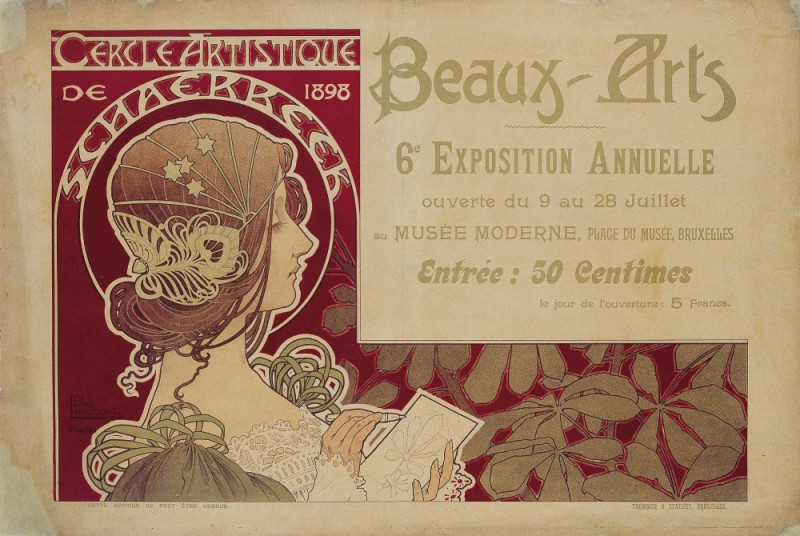
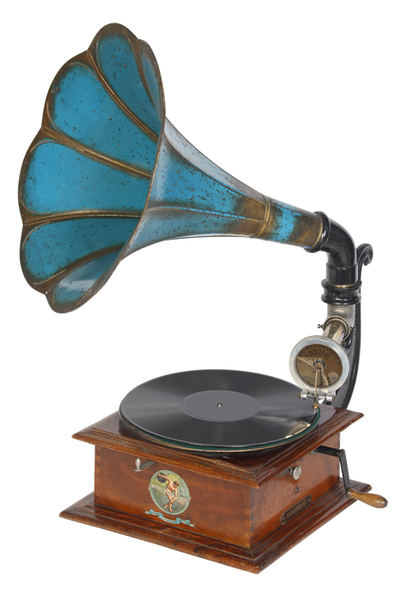
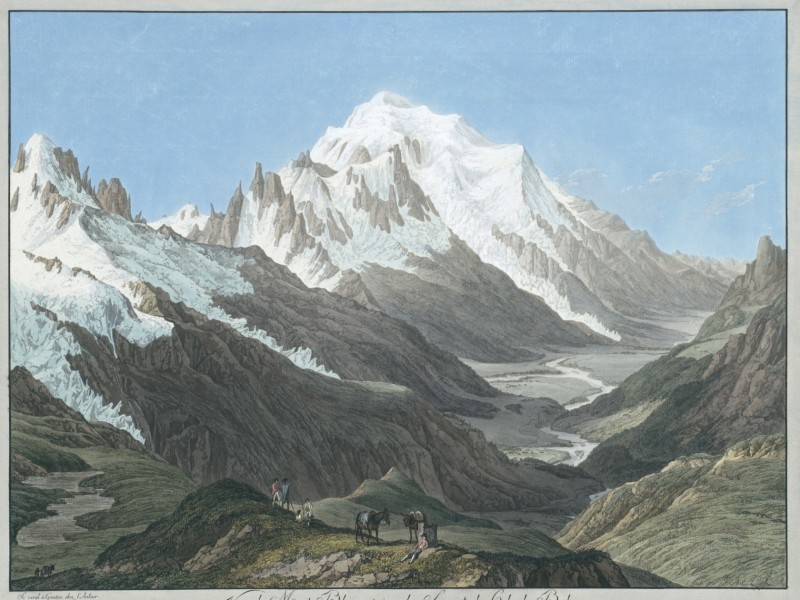
In such an enor­mous ware­house of cul­tur­al his­to­ry, one could begin any­where and in an instant come across some­thing of inter­est, such as the stun­ning col­lec­tion of Art Nou­veau posters like that fine exam­ple at the top, “Cer­cle Art­s­tique de Schaer­beek,” by Hen­ri Pri­vat-Live­mont (from the Plandiu­ra Col­lec­tion, cour­tesy of Museu Nacional d’Art de Catalynya, Barcelona). One might enter any one of the avail­able inter­ac­tive lessons and cours­es on the his­to­ry of World War I or vis­it some of the many exhibits on the peri­od, with let­ters, diaries, pho­tographs, films, offi­cial doc­u­ments, and war pro­pa­gan­da. One might stop by the vir­tu­al exhib­it, “Pho­tog­ra­phy on a Sil­ver Plate,” a fas­ci­nat­ing his­to­ry of the medi­um from 1839–1860, or “Record­ing and Play­ing Machines,” a his­to­ry of exact­ly what it sounds like, or a gallery of the work of Swiss painter Jean Antoine Linck. All of the arti­facts have source and licens­ing infor­ma­tion clear­ly indi­cat­ed.

Vue du Mont-Blanc, prise du Sommet du Col de Balme

The pos­si­bil­i­ties may lit­er­al­ly be end­less, as the col­lec­tion con­tin­ues to expand at a rate far beyond the abil­i­ty of any one per­son, or team of peo­ple, or entire research insti­tute of peo­ple to match. It is easy to feel adrift in such a data­base as this, which stretch­es on like a Bor­ge­sian library, offer­ing room after end­less room of visu­al splen­dor, doc­u­men­ta­tion, and inter­pre­ta­tion. It is also easy to make dis­cov­er­ies, to meet peo­ple, stum­ble upon art, hear music, see pho­tographs, learn his­to­ries you would nev­er have encoun­tered if you knew what you were look­ing for and knew exact­ly how to find it. Eliot warned us—and right­ly so—of the dan­gers of infor­ma­tion over­load. But he neglect­ed, in his puri­tan­i­cal way, to describe the plea­sures, the minor epipha­nies, the hap­py chance occur­rences afford­ed us by the ever-expand­ing sea of infor­ma­tion in which we swim. One can learn to nav­i­gate it, one can drift aim­less­ly, and one can, simul­ta­ne­ous­ly, feel immense­ly over­whelmed.

Relat­ed Con­tent:

New Archive Makes Avail­able 800,000 Pages Doc­u­ment­ing the His­to­ry of Film, Tele­vi­sion & Radio

Yale Launch­es an Archive of 170,000 Pho­tographs Doc­u­ment­ing the Great Depres­sion

The New York Pub­lic Library Lets You Down­load 180,000 Images in High Res­o­lu­tion: His­toric Pho­tographs, Maps, Let­ters & More

Josh Jones is a writer and musi­cian based in Durham, NC. Fol­low him at @jdmagness

The First Photo-Illustrated Book, Anna Atkins’ Austerely Beautiful Photographs of British Algae (1843)

algae cover (1)

Some of our favorite, and most pop­u­lar, posts at Open Cul­ture focus on book illus­tra­tion. From fine art to graph­ic design, from the sub­lime to the ridicu­lous to the pure­ly tech­ni­cal, the art used to visu­al­ize beloved works of lit­er­a­ture and sci­en­tif­ic texts cap­ti­vates us. Per­haps that’s in part because we encounter illus­tra­tion so rarely these days, what with the tri­umph of pho­tog­ra­phy and, now, the pro­lif­er­a­tion of dig­i­tal images, which are so easy to cre­ate and repro­duce that too few give suf­fi­cient con­sid­er­a­tion to aes­thet­ic essen­tials. Graph­ic nov­els and comics aside, the care­ful­ly hand-illus­trat­ed book or peri­od­i­cal has become some­thing of a nov­el­ty.

Atkins 2

But when we reach back to the mid-19th cen­tu­ry, it was pho­tog­ra­phy that was nov­el and graph­ic art the norm. So what was the sub­ject of the first book to use pho­to­graph­ic illus­tra­tion? Mon­u­ments? Land­scapes? Celebri­ties? No: algae.

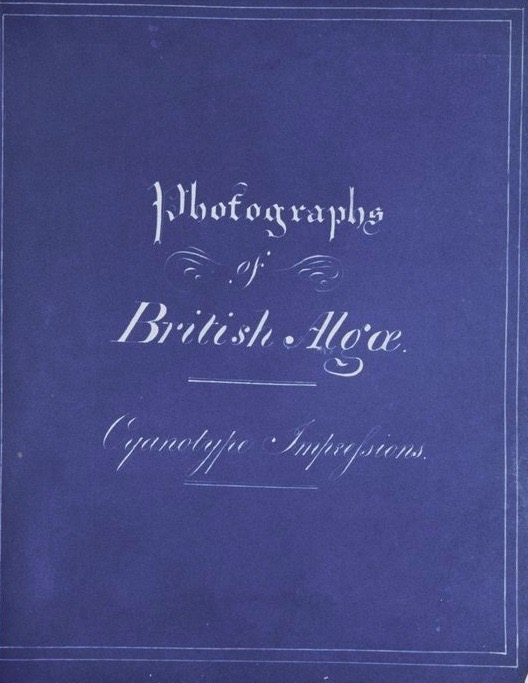
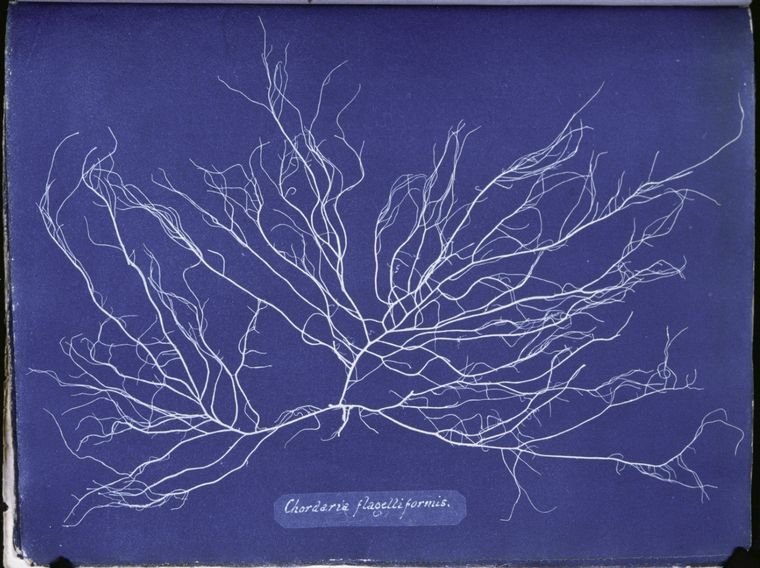
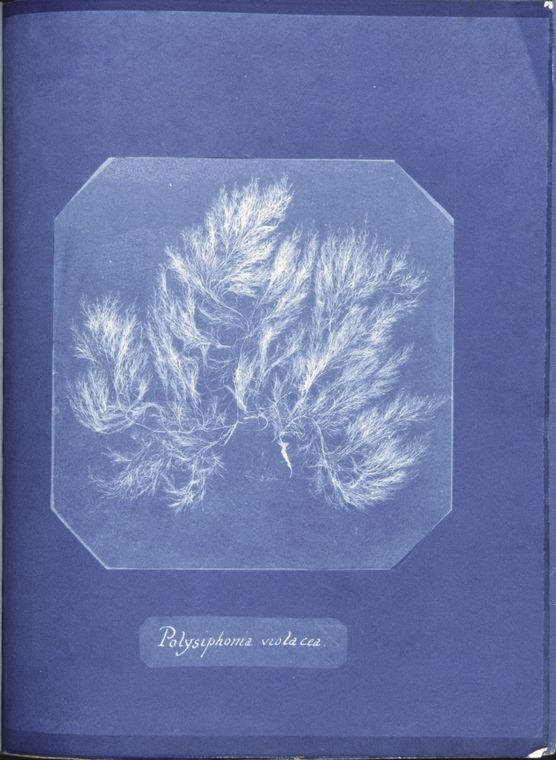
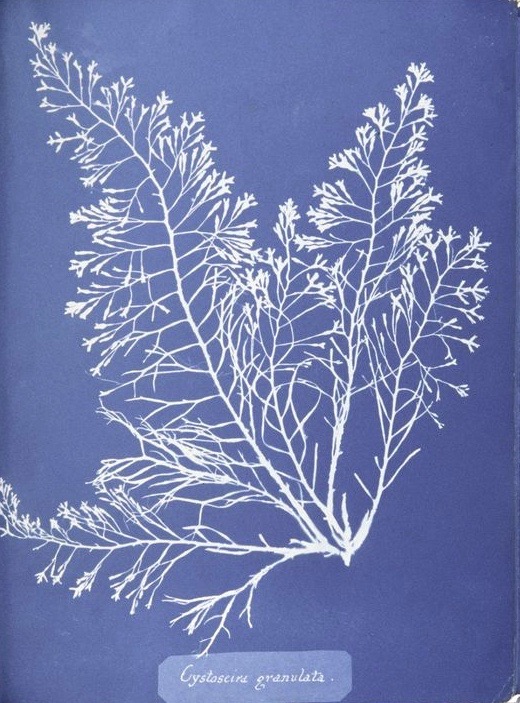
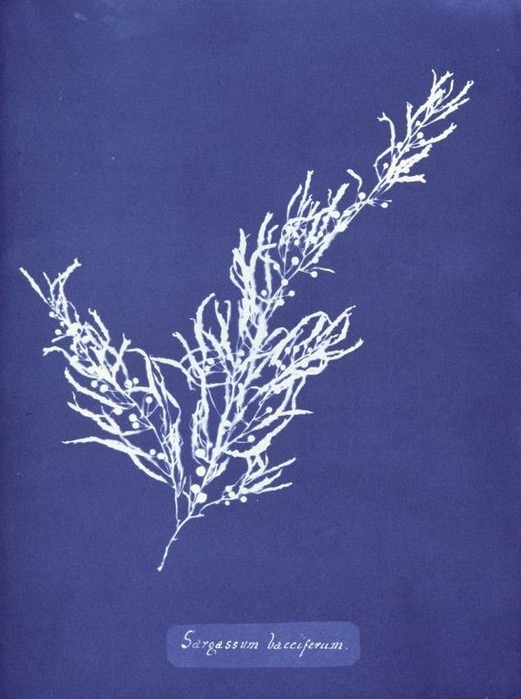
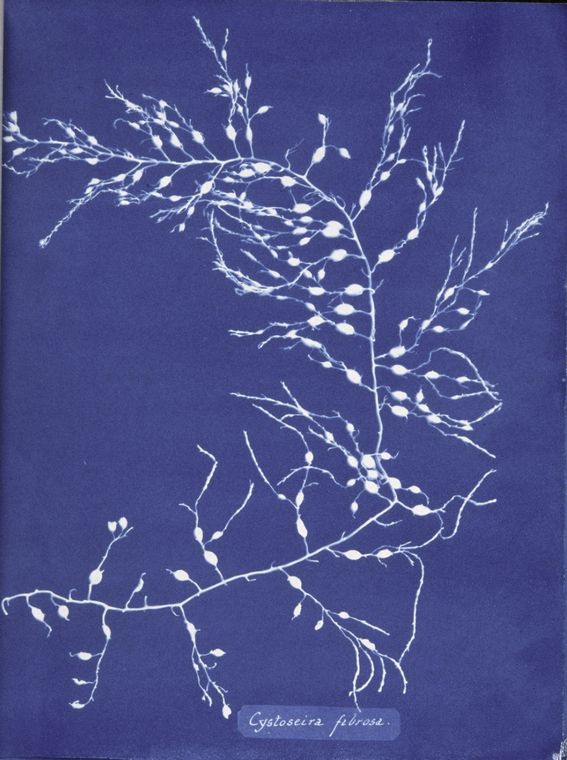
Eng­lish botanist Anna Atkins—who is not only cred­it­ed as the first per­son to make a book illus­trat­ed with pho­tographs, but as the first woman to make a photograph—created her hand­made Pho­tographs of British Algae: Cyan­otype Impres­sions in 1843. And though the sub­ject may be less than thrilling, the images them­selves are aus­tere­ly beau­ti­ful.

Atkins 3

The sub­ti­tle of the book refers to the process Atkins used to make the images, a tech­nique devel­oped by Sir John Her­schel. “Ear­ly pho­tog­ra­phers,” writes Phil Edwards at Vox, “couldn’t eas­i­ly devel­op their pic­tures.” The tech­niques avail­able proved expen­sive, dan­ger­ous, and unsta­ble. “Her­schel came up with a solu­tion,” Edwards tells us, “using an iron pig­ment called ‘Pruss­ian Blue,’ he laid objects of pho­to­graph­ic neg­a­tives onto chem­i­cal­ly treat­ed paper, exposed them to sun­light for around 15 min­utes, and then washed the paper. The remain­ing image revealed pale blue objects on a dark blue back­ground.” The process, Jonathan Gibbs informs us at The Inde­pen­dent, “had pre­vi­ous­ly been used to repro­duce archi­tec­tur­al draw­ings and designs,” and is, in fact, the ori­gin of the word “blue­print.”

Atkins-4 (1)

Though “a capa­ble artist,” Edwards writes, Atkins real­ized that Herschel’s cyan­otypes “were a bet­ter way to cap­ture the intri­ca­cies of plant life and avoid the tedium—and error—involved with draw­ing.” British Algae, the BBC tells us, was Atkins’ “most valu­able work” as a nat­u­ral­ist. As the daugh­ter of a sci­en­tist and Roy­al Soci­ety Fel­low, Atkins had fre­quent con­tact with the most well-respect­ed sci­en­tists of the day, includ­ing Her­shel and pho­to­graph­ic pio­neer William Hen­ry Fox Tal­bot. Her “first con­tri­bu­tion to sci­ence was her engrav­ings of shells, used to illus­trate her father’s trans­la­tion of Lamarck’s Gen­era of Shells” in 1823. After­ward, she became inter­est­ed in botany, and algae in par­tic­u­lar, and in the emerg­ing tech­nol­o­gy of pho­tog­ra­phy as a means of pre­serv­ing her obser­va­tions.

Atkins-5 (1)

Pho­tographs of British Algae was cir­cu­lat­ed pri­vate­ly, and Atkins “stopped pro­duc­ing it short­ly after her father died, though she con­tin­ued to make oth­er cyan­otype vol­umes, such as Cyan­otypes of British and For­eign Flow­er­ing Plants and Ferns in 1854. The first com­mer­cial­ly pub­lished book to use the cyan­otype tech­nique was Fox Tal­bot’s The Pen­cil of Nature in 1844. Yet, though Atkins may not have been well-known out­side her small cir­cle, nor her pub­li­ca­tion “regard­ed as a sem­i­nal work in botany,” she has received posthu­mous acclaim, includ­ing per­haps the ulti­mate mark of fame, a Google Doo­dle, in March of 2015 on her 216th birth­day. You can view and down­load in high res­o­lu­tion all of Atkins’ pio­neer­ing pho­to­graph­ic book at the New York Pub­lic Library’s exten­sive online archive — the same archive we fea­tured here yes­ter­day.

Atkins 6

Relat­ed Con­tent:

The New York Pub­lic Library Lets You Down­load 180,000 Images in High Res­o­lu­tion: His­toric Pho­tographs, Maps, Let­ters & More

See the First Known Pho­to­graph Ever Tak­en (1826)

Old Book Illus­tra­tions: Free Archive Lets You Down­load Beau­ti­ful Images From the Gold­en Age of Book Illus­tra­tion

Josh Jones is a writer and musi­cian based in Durham, NC. Fol­low him at @jdmagness

The New York Public Library Lets You Download 180,000 Images in High Resolution: Historic Photographs, Maps, Letters & More

NYPL 1

Most of us Open Cul­ture writ­ers and read­ers sure­ly grew up think­ing of the local pub­lic library as an end­less source of fas­ci­nat­ing things. But the New York Pub­lic Library’s col­lec­tions take that to a whole oth­er lev­el, and, so far, they’ve spent the age of the inter­net tak­ing it to a lev­el beyond that, dig­i­tiz­ing ever more of their fas­ci­nat­ing things and mak­ing them freely avail­able for all of our perusal (and even for use in our own work). Just in the past cou­ple of years, we’ve fea­tured their release of 20,000 high-res­o­lu­tion maps, 17,000 restau­rant menus, and lots of the­ater ephemera.

This week, The New York Pub­lic Library (NYPL) announced not only that their dig­i­tal col­lec­tion now con­tains over 180,000 items, but that they’ve made it pos­si­ble, “no per­mis­sion required, no hoops to jump through,” to down­load and use high-res­o­lu­tion images of all of them.

NYPL 2

You’ll find on their site “more promi­nent down­load links and fil­ters high­light­ing restric­tion-free con­tent,” and, if you have techi­er inter­ests, “updates to the Dig­i­tal Col­lec­tions API enabling bulk use and analy­sis, as well as data exports and util­i­ties post­ed to NYPL’s GitHub account.” You might also con­sid­er apply­ing for the NYPL’s Remix Res­i­den­cy pro­gram, designed to fos­ter “trans­for­ma­tive and cre­ative uses of dig­i­tal col­lec­tions and data, and the pub­lic domain assets in par­tic­u­lar.”

NYPL 3

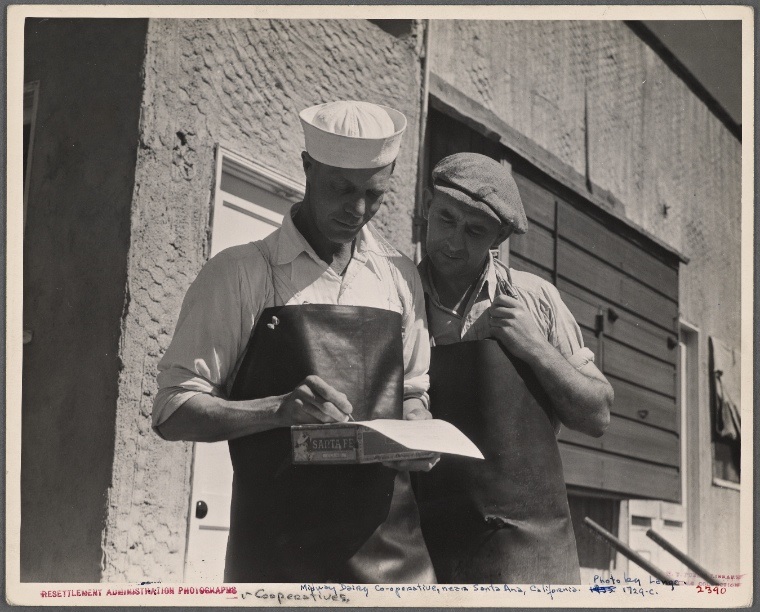
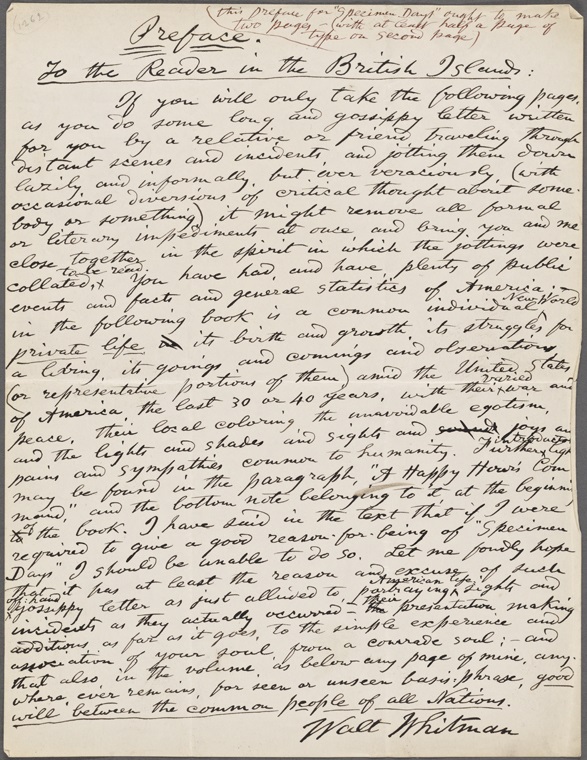
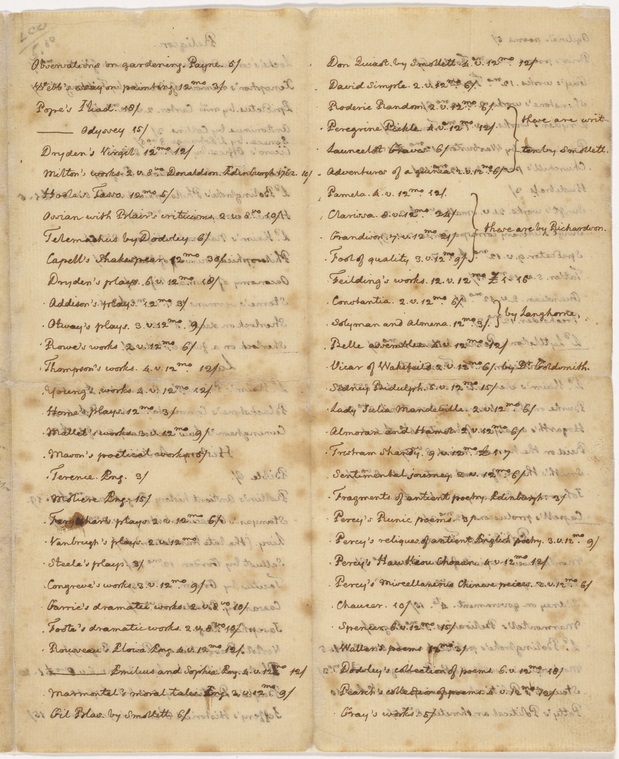
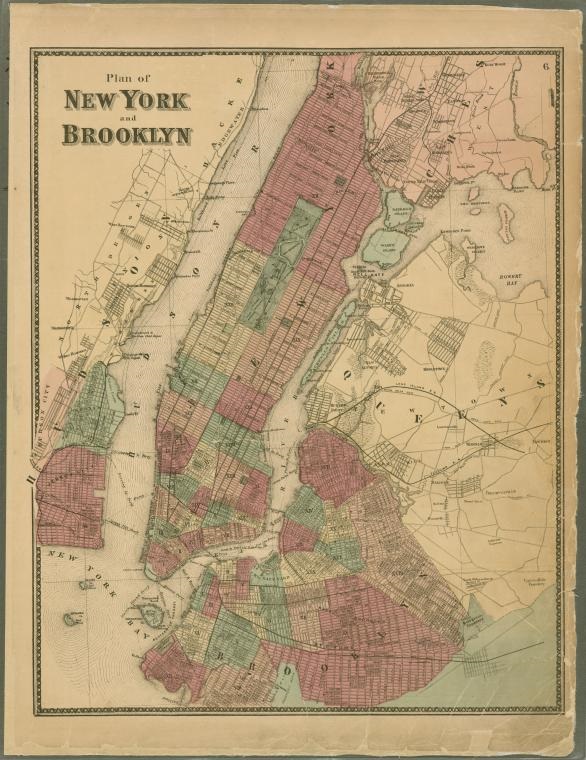
And what do those assets include? Endur­ing pieces of Amer­i­can doc­u­men­tary art like the Farm Secu­ri­ty Admin­is­tra­tion pho­tographs tak­en dur­ing the Great Depres­sion by Dorothea Lange, Walk­er Evans, and Gor­don Parks. Lange’s shot of the Mid­way Dairy Coop­er­a­tive near San­ta Ana, Cal­i­for­nia appears at the top of the post. Arti­facts from the cre­ative process­es of such icons of Amer­i­can lit­er­a­ture as Hen­ry David Thore­auNathaniel Hawthorne, and Walt Whit­man, whose hand­writ­ten pref­ace to Spec­i­men Days you’ll find sec­ond from the top. The let­ters and oth­er papers of the Found­ing Fathers, includ­ing Thomas Jef­fer­son­’s list of books for a pri­vate library just above. And, of course, all those maps, like the 1868 Plan of New York and Brook­lyn just below.

NYPL 4

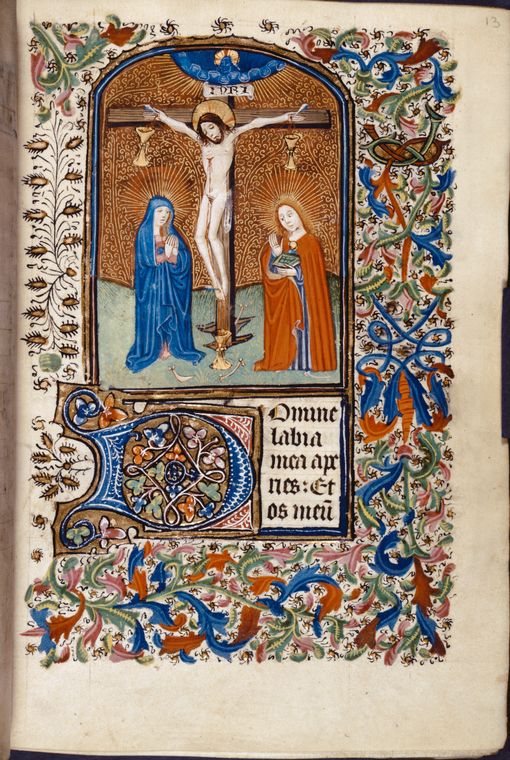
These selec­tions make the NYPL’s dig­i­tal col­lec­tion seem strong­ly Amer­i­ca-focused, and to an extent it is, but apart from host­ing a rich repos­i­to­ry of the his­to­ry, art, and let­ters of the Unit­ed States, it also con­tains such fas­ci­nat­ing inter­na­tion­al mate­ri­als as medieval Euro­pean illu­mi­nat­ed man­u­scripts16th-cen­tu­ry hand­scrolls illus­trat­ing The Tale of Gen­ji, the first nov­el; and 19th-cen­tu­ry cyan­otypes of British algae by botanist and pho­tog­ra­ph­er Anna Atkins, the first per­son to pub­lish a book illus­trat­ed with pho­tos. You can start your own brows­ing on the NYPL Dig­i­tal Col­lec­tions front page, and if you do, you’ll soon find that some­thing else we knew about the library grow­ing up — what good places they make in which to get lost — holds even truer on the inter­net.

nypl.digitalcollections.510d47da-ec3d-a3d9-e040-e00a18064a99.001.w

Relat­ed Con­tent:

100,000+ Won­der­ful Pieces of The­ater Ephemera Dig­i­tized by The New York Pub­lic Library

Food­ie Alert: New York Pub­lic Library Presents an Archive of 17,000 Restau­rant Menus (1851–2008)

New York Pub­lic Library Puts 20,000 Hi-Res Maps Online & Makes Them Free to Down­load and Use

The British Library Puts 1,000,000 Images into the Pub­lic Domain, Mak­ing Them Free to Reuse & Remix

Based in Seoul, Col­in Mar­shall writes and broad­casts on cities and cul­ture. He’s at work on a book about Los Ange­les, A Los Ange­les Primer, the video series The City in Cin­e­ma, the crowd­fund­ed jour­nal­ism project Where Is the City of the Future?, and the Los Ange­les Review of Books’ Korea Blog. Fol­low him on Twit­ter at @colinmarshall or on Face­book.

What Does Sound Look Like?: The Audible Rendered Visible Through Clever Technology

How can you make the invis­i­ble, vis­i­ble? One way to do it is through a nine­teenth cen­tu­ry pho­tog­ra­phy tech­nique called Schlieren Flow Visu­al­iza­tion. Bet­ter demon­strat­ed than explained, the NPR video above shows Schlieren Flow Visu­al­iza­tion in action, ren­der­ing vis­i­ble (after the 2:00 minute mark) the sounds of hands clap­ping, a tow­el snap­ping, a fire­crack­er crack­ing, and an AK-47 fir­ing off a round. The images, which cap­ture changes in air den­si­ty, were pro­vid­ed by Michael Har­gath­er, a pro­fes­sor who leads the Shock and Gas Dynam­ics Lab­o­ra­to­ry at New Mex­i­co Tech.

via NPR 

Fol­low Open Cul­ture on Face­book and Twit­ter and share intel­li­gent media with your friends. Or bet­ter yet, sign up for our dai­ly email and get a dai­ly dose of Open Cul­ture in your inbox. And if you want to make sure that our posts def­i­nite­ly appear in your Face­book news­feed, just fol­low these sim­ple steps.

Relat­ed Con­tent:

Visu­al­iz­ing WiFi Sig­nals with Light

George Mason Stu­dents Cre­ate Rev­o­lu­tion­ary Fire Extin­guish­er That Uses Sound Waves to Blow Out Fires

The Neu­ro­science of Bass: New Study Explains Why Bass Instru­ments Are Fun­da­men­tal to Music

The Dis­tor­tion of Sound: A Short Film on How We’ve Cre­at­ed “a McDonald’s Gen­er­a­tion of Music Con­sumers”

Vintage Footage Shows a Young, Unknown Patti Smith & Robert Mapplethorpe Living at the Famed Chelsea Hotel (1970)

Here at Open Cul­ture, we can’t get enough of the Chelsea Hotel, which means we can’t get enough of the Chelsea Hotel in a cer­tain era, at the height of a cer­tain cul­tur­al moment in New York his­to­ry. Though it strug­gled as a busi­ness for years after it first opened as an apart­ment build­ing in 1884 and changed hands left and right until the 1970s, it hit its stride as an icon when a cer­tain crit­i­cal mass of well-known (or soon to be well known) musi­cians, writ­ers, artists, film­mak­ers, and oth­er­wise col­or­ful per­son­al­i­ties had put in time there. One such musi­cian, writer, artist in oth­er media, and col­or­ful per­son­al­i­ty indeed has an espe­cial­ly strong asso­ci­a­tion with the Chelsea: Pat­ti Smith.

You may remem­ber our post back in 2012 fea­tur­ing Smith read­ing her final let­ter to Robert Map­plethor­pe, which she includ­ed in Just Kids, her acclaimed mem­oir of her friend­ship with the con­tro­ver­sial pho­tog­ra­ph­er.

For a time, Smith and Map­plethor­pe lived in the Chelsea togeth­er, and in the footage above, shot in 1970 by a Ger­man doc­u­men­tary film crew, you can see them there in their nat­ur­al habi­tat. “The Chelsea was like a doll’s house in The Twi­light Zone, with a hun­dred rooms, each a small uni­verse,” Smith writes in Just Kids. “Every­one had some­thing to offer and nobody seemed to have much mon­ey. Even the suc­cess­ful seemed to have just enough to live like extrav­a­gant bums.”

These fif­teen min­utes of film also includes glimpses into a vari­ety of oth­er lives lived at the Chelsea as the 1970s began. If you’d like to see more of the place at its cul­tur­al zenith — made pos­si­ble by the state of 70s New York itself, which had infa­mous­ly hit some­thing of a nadir — have a look at the clip we fea­tured in 2013 of the Vel­vet Under­ground’s Nico singing “Chelsea Girls” there. Just after the 70s had gone, BBC’s Are­na turned up to shoot a doc­u­men­tary of their own, which we fea­tured last year. Smith has long since left the Chelsea, and Map­plethor­pe has long since left this world, but even now, as the hotel under­goes exten­sive ren­o­va­tions that began in 2011, some of those “extrav­a­gant bums” remain.

via Please Kill Me

Relat­ed Con­tent:

New York’s Famous Chelsea Hotel and Its Cre­ative Res­i­dents Revis­it­ed in a 1981 Doc­u­men­tary

Nico Sings “Chelsea Girls” in the Famous Chelsea Hotel

Iggy Pop Con­ducts a Tour of New York’s Low­er East Side, Cir­ca 1993

Pat­ti Smith Reads Her Final Words to Her Dear Friend Robert Map­plethor­pe

The Life and Con­tro­ver­sial Work of Pho­tog­ra­ph­er Robert Map­plethor­pe Pro­filed in 1988 Doc­u­men­tary

Based in Seoul, Col­in Mar­shall writes and broad­casts on cities and cul­ture. He’s at work on a book about Los Ange­les, A Los Ange­les Primer, the video series The City in Cin­e­maand the crowd­fund­ed jour­nal­ism project Where Is the City of the Future? Fol­low him on Twit­ter at @colinmarshall or on Face­book.

The Interior of the Hindenburg Revealed in 1930s Color Photos: Inside the Ill-Fated Airship

Hindenburg 1

We’ve all seen the Hin­den­burg. Specif­i­cal­ly, we’ve all seen it explod­ing, an inci­dent cap­tured on film on that fate­ful day of May 6, 1937 — fate­ful for those aboard, of course, but also fate­ful for the pas­sen­ger air­ship indus­try, which nev­er recov­ered from this worst of all pos­si­ble press. The con­tem­po­rary rise of Pan Amer­i­can Air­lines did­n’t help, either, so now, when we want to go to a far­away land, we’ve usu­al­ly got to take a jet. I hap­pen to be mov­ing to Korea tomor­row, and to get there I sim­ply don’t have the choice of an air­ship (Hin­den­burg- class or oth­er­wise) nor have I ever had that choice. I’ve thus nev­er seen the inside of an air­ship — until today.

Hindenburg 2

These col­or images reveal the inte­ri­or of not just any old 1930s air­ship but the Hin­den­burg itself, look­ing as gen­teel and well-appoint­ed as you might expect, with accom­mo­da­tions up to and includ­ing, some­where below its hydro­gen-filled bal­loon, a smok­ing room. It brings to mind Sideshow Bob’s off­hand com­ment on one Simp­sons episode lament­ing the pas­sage of “the days when avi­a­tion was a gentleman’s pur­suit, back before every Joe Sweat­sock could wedge him­self behind a lunch tray and jet off to Raleigh-Durham.” But then, it also brings to mind anoth­er episode in which Bart gets a check­book print­ed with flip­book-style images of the famous Hin­den­burg dis­as­ter news­reel footage.

Hindenburg 3

That clip, often dubbed with Her­bert Mor­rison’s “Oh, the human­i­ty!” repor­to­r­i­al nar­ra­tion, has famil­iar­ized us with the last large pas­sen­ger air­ship’s exte­ri­or, but these images of its inte­ri­or have had less expo­sure. For more, have a look at Airships.net: a Diri­gi­ble and Zep­pelin His­to­ry Site, which offers a wealth of detail on the Hin­den­burg’s pas­sen­ger decks, con­trol car, flight instru­ment, flight con­trols, crew areas, and keel.

Passenger-Lounge1

The more you learn about air­ships, the more intrigu­ing a form of trav­el they seem — until you learn about all the oth­er dis­as­ters that pre­ced­ed the Hin­den­burg, any­way. And that aside, giv­en its top speed of 84 miles per hour, it would take a sim­i­lar­ly retro air­ship at least sev­en times longer to get me to Korea than a jet, so I guess I’ll have to stick with the air­lines for now.

Dining-Room-21

Relat­ed Con­tent:

Oh the Human­i­ty

An Ani­mat­ed His­to­ry Of Avi­a­tion: From da Vinci’s Sketch­es to Apol­lo 11

The Mir­a­cle of Flight, the Clas­sic Ear­ly Ani­ma­tion by Ter­ry Gilliam

Col­in Mar­shall writes else­where on cities, lan­guage, Asia, and men’s style. He’s at work on a book about Los Ange­les, A Los Ange­les Primer, the video series The City in Cin­e­maand the crowd­fund­ed jour­nal­ism project Where Is the City of the Future? Fol­low him on Twit­ter at @colinmarshall or on Face­book.

Poignant and Unsettling Post-Mortem Family Portraits from the 19th Century

victoriaanse-post-mortem-fotografie-op-de-foto-met-1

The 19th cen­tu­ry wit­nessed the birth of pho­tog­ra­phy. And, before too long, Vic­to­ri­an soci­ety found impor­tant appli­ca­tions for the new medi­um — like memo­ri­al­iz­ing the dead. A recent post on a Dutch ver­sion of Nation­al Geo­graph­ic notes that “Pho­tograph­ing deceased fam­i­ly mem­bers just before their bur­ial was enor­mous­ly pop­u­lar in cer­tain Vic­to­ri­an cir­cles in Europe and the Unit­ed States. Although adults were also pho­tographed, it was main­ly chil­dren who were com­mem­o­rat­ed in this way. In a peri­od plagued by unprece­dent­ed lev­els of infant mor­tal­i­ty, post-mortem pic­tures often pro­vid­ed the only tan­gi­ble mem­o­ry of the deceased child.”

victoriaanse-post-mortem-fotografie-op-de-foto-met

Though unusu­al by mod­ern stan­dards, the pic­tures played an impor­tant role in a fam­i­ly’s griev­ing process and often became one of its cher­ished pos­ses­sions — cher­ished because it was like­ly the only pho­to of the deceased child that fam­i­lies had. Dur­ing the ear­ly days of pho­tog­ra­phy, por­traits were expen­sive, which meant that most fam­i­lies did­n’t take pic­tures dur­ing the course of every­day life. It was only death that gave them a prompt.

post mortem pic 3

The prac­tice of tak­ing post mortem pic­tures peaked in the 19th cen­tu­ry, right around the time when “snap­shot” pho­tog­ra­phy became more preva­lent, allow­ing fam­i­lies to take por­traits at a low­er cost, when every­one was in the full swing of life. Hence obvi­at­ing the need for post-mortem pho­tos. You can learn more about this bygone prac­tice by vis­it­ing the Burns Archive or get­ting the book, Sleep­ing Beau­ty: Memo­r­i­al Pho­tog­ra­phy in Amer­i­ca.

via Dutch Nat Geo/ Sci­ence Dump

Fol­low Open Cul­ture on Face­book and Twit­ter and share intel­li­gent media with your friends. Or bet­ter yet, sign up for our dai­ly email and get a dai­ly dose of Open Cul­ture in your inbox. And if you want to make sure that our posts def­i­nite­ly appear in your Face­book news­feed, just fol­low these sim­ple steps.


by | Permalink | Make a Comment ( 2 ) |

Man Ray’s Portraits of Ernest Hemingway, Ezra Pound, Marcel Duchamp & Many Other 1920s Icons

Hemingway Man Ray

When pho­tog­ra­phers spe­cial­ize in por­traits of famous peo­ple, they often speak of find­ing a visu­al way to reveal their oft-pho­tographed sub­jec­t’s rarely exposed nature; to bring their depths, in oth­er words, to the sur­face. Man Ray (1890–1976), the Sur­re­al­ist pho­tog­ra­ph­er and artist, had his own way of doing most every­thing, and he cer­tain­ly had his own approach to celebri­ty por­trai­ture. Take, for exam­ple, his 1923 shot of Ernest Hem­ing­way above, tak­en just a cou­ple years after both the writer and pho­tog­ra­ph­er joined the move­able feast of Paris, which Man Ray would call home for most of his career.

Pound Man Ray

That same year and in that same urban bohemia, Man Ray pho­tographed anoth­er famed man of let­ters, the mod­ernist poet Ezra Pound. You can see the some­what more con­ven­tion­al-look­ing result of that encounter just above. Below, we have a far less con­ven­tion­al-look­ing por­trait from 1922, which takes as its sub­ject the dancer Bro­nisla­va Nijin­s­ka, who per­haps only counts as famous to you if you know the his­to­ry of 20th-cen­tu­ry bal­let — but I say any­one will­ing to appear in a por­trait look­ing that fright­en­ing has earned all the fame they can get.

Nijinska

Mar­cel Duchamp, who appears below, sat for Man Ray in 1921 look­ing less scary than sil­ly, but as one of the wit­ti­est and most artis­ti­cal­ly for­ward-think­ing fig­ures of the era, he sure­ly got the joke. These appear in the book Man Ray: Paris — Hol­ly­wood — Paris, which col­lects 500 of the por­traits Man Ray left in his archives when he died in 1976, all of “mem­bers of Dadaist and Sur­re­al­ist cir­cles, of artists and painters, of writ­ers and US emi­grants of the Lost Gen­er­a­tion, of aris­to­crats, and paragons of the worlds of fash­ion and the­ater.”

Duchamp Man ray

You can sam­ple more such works, which cap­ture as only Man Ray would the natures of such icons as André Bre­ton, Sal­vador Dalí, and Lee Miller, at Mon­do Blo­go. You can also find many more works, in gen­er­al, by Man Ray on the MoMA’s web­site.

via Fla­vor­wire

Relat­ed Con­tent:

Three Essen­tial Dadaist Films: Ground­break­ing Works by Hans Richter, Man Ray & Mar­cel Duchamp

Andy Warhol’s 85 Polaroid Por­traits: Mick Jag­ger, Yoko Ono, O.J. Simp­son & Many Oth­ers (1970–1987)

Philoso­pher Por­traits: Famous Philoso­phers Paint­ed in the Style of Influ­en­tial Artists

Por­traits of Vir­ginia Woolf, James Joyce, Wal­ter Ben­jamin & Oth­er Lit­er­ary Leg­ends by Gisèle Fre­und

Cof­fee Por­traits of John Lennon, Albert Ein­stein, Mar­i­lyn Mon­roe & Oth­er Icons

Col­in Mar­shall writes else­where on cities, lan­guage, Asia, and men’s style. He’s at work on a book about Los Ange­les, A Los Ange­les Primer, the video series The City in Cin­e­maand the crowd­fund­ed jour­nal­ism project Where Is the City of the Future? Fol­low him on Twit­ter at @colinmarshall or on Face­book.

« Go BackMore in this category... »
Quantcast