I was surprised there’s an actual, medical name for it: pareidolia, defined by Merriam-Webster as “the tendency to perceive a specific, often meaningful, image in a random or ambiguous visual pattern.”
Thomas Lamadieu, the artist whose work is showcased above, has a different, but not wholly unrelated condition.
Most of us prefer to contemplate the heavens in a bucolic setting. Lamadieu’s art compels him to look upwards from a more urban landscape. The tops of the buildings hemming him in supply with irregularly shaped frames, which he captures using a fish eye lens. Later, he fills them in with Microsoft Paint drawings, which frequently feature a bearded man whose t‑shirt is striped in sky blue. Negative space, not Crayola, supplies the color here.
Think of it as street art in the sky.
Not every day can be a brilliant azure, but it hardly matters when even Lamadieu’s grayest views exhibit a determined playfulness. It takes a very unique sort of eye to tease a pink nippled, stripe-limbed bunny from a steely UK sky.
Like many street artists, he takes a global approach, traveling the world in search of giant unclaimed canvases. His portfolio contains vistas originally captured in Hong Kong, South Korea, Germany, Spain, Austria, Canada, Belgium, and the United States, as well as his native France.
“The bearded man in my images stands for the sky itself,” he told The Independent, adding that his is a wholly secular vision.
His employer frequently sent him to cover the elite, but he had no interest in joining their ranks, despite his own growing celebrity. His “Evening Hours” column documented the dressed up doings on the “party circuit.” (This living New York landmark never shook his Boston accent, one of the chief delights of his weekly video series for the Times.) A recent installment suggests that shooting the likes of actress Nicole Kidman and Vogue Editor-in-Chief Anna Wintour during tony private functions at MoMA and the Metropolitan Museum of Art (“aht”) was far less exciting than encountering colorfully clad Himalayan dancers and a children’s craft table at an entirely free Sunday afternoon street fair sponsored by the Rubin Museum of Art.
…he didn’t give a fk about who was famous or not. I once met Bill Murray in the lobby of the old New York Times building. He’d shown up to see if he could track down a photo of him and his then-wife that Bill had shot. I brought one Bill to the other, but Bill (Cunningham) was out on the streets with his blue jacket, white bike and camera. When he returned, I explained how I’d come to take Bill Murray under my wing to help him track down this photo. Bill had no idea who Bill Murray was and not unkindly told me (that) none of his photos were digital, so it would involve him personally digging through old files and he didn’t have time. I admired that he knew his priorities and never strayed from his task. I had been eager to get Bill Murray the thing he’d wanted and would have combed though vast files myself… but I never looked. Bill Cunningham’s files were impenetrable to an outsider.
In fact, Murray strikes me as the perfect candidate to play Cunningham in a biopic covering the six decades spent living and working in a studio over Carnegie Hall. As far as I know, Bill Cunningham New York, a feature length documentary, is the only time his story has been captured on the silver screen. How can it be that no one has thought to make a movie centered on the lost bohemian period Cunningham recalls so fondly in the slideshow above? It sounds like an American spin on the Lost Generation—sneaking down to the unlocked stage for photographer Editta Sherman’s impromptu amateur performances of The Dying Swan, an elderly circus performer and her dog roaming the halls on a unicycle, someone always in a state of undress…
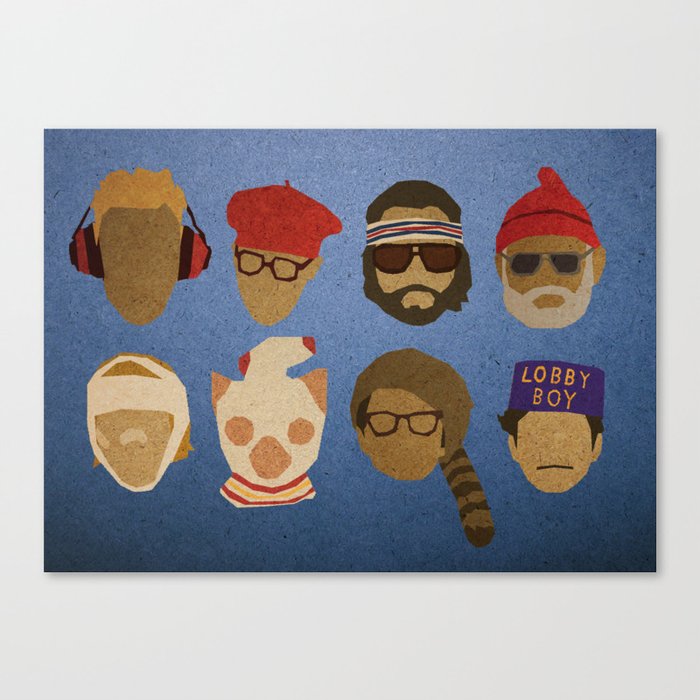
Perhaps Murray’s frequent collaborator, Wes Anderson, could be enlisted to set these wheels in motion. The colorful cast of characters seem tailor-made for this director, already a fashion world favorite.
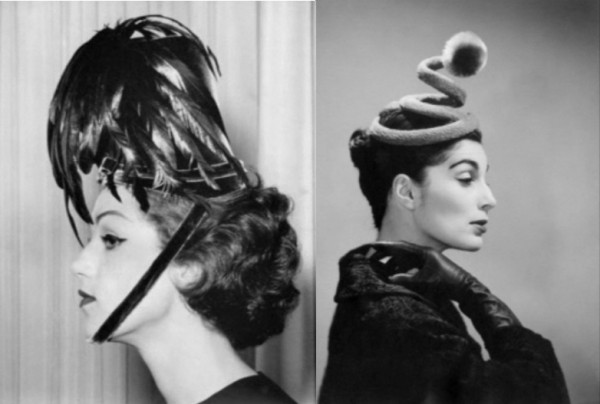
Prior to acquiring an Olympus Pen D half-frame camera from a friend in 1966, Cunningham worked as a milliner. Marilyn Monroe used to crack herself up, trying them on in between classes at the Actor’s Studio. The wife of a Carnegie Hall neighbor and Cunningham’s boss, fashion photographer Ray Solowinski, served as his model. After he was established as a fashion expert in his own right, Cunningham admitted that his designs were “a little too exotic – you know, for normal people”.
I think they’re wonderful, and hopefully, Bill Murray, Wes Anderson and you will agree. See below. I think they’re wonderful, and hopefully, Bill Murray, Wes Anderson and you will agree. Hats off to the inimitable Bill Cunningham, as much a fixture of New York as Carnegie Hall.
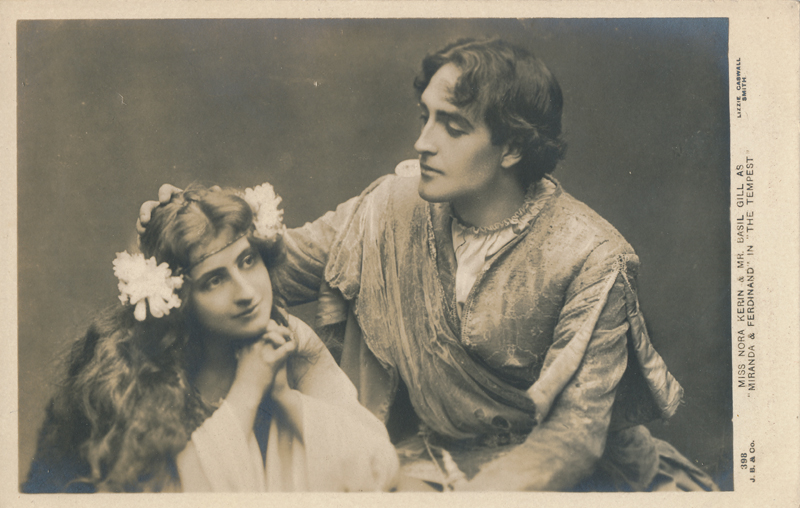
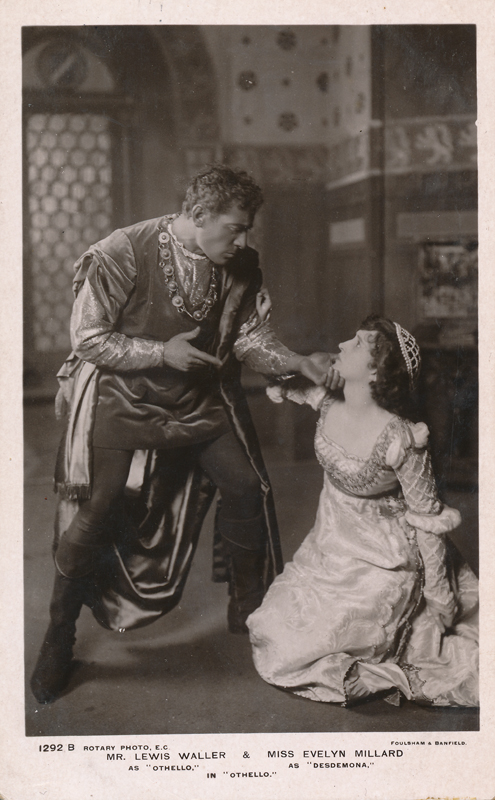
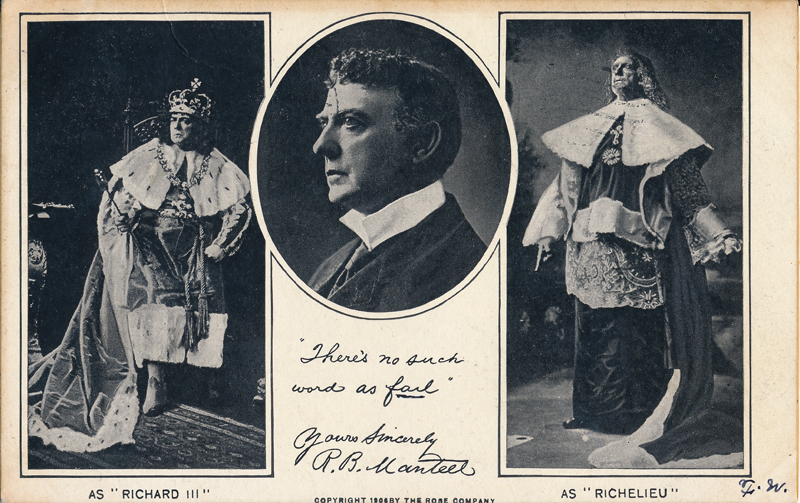
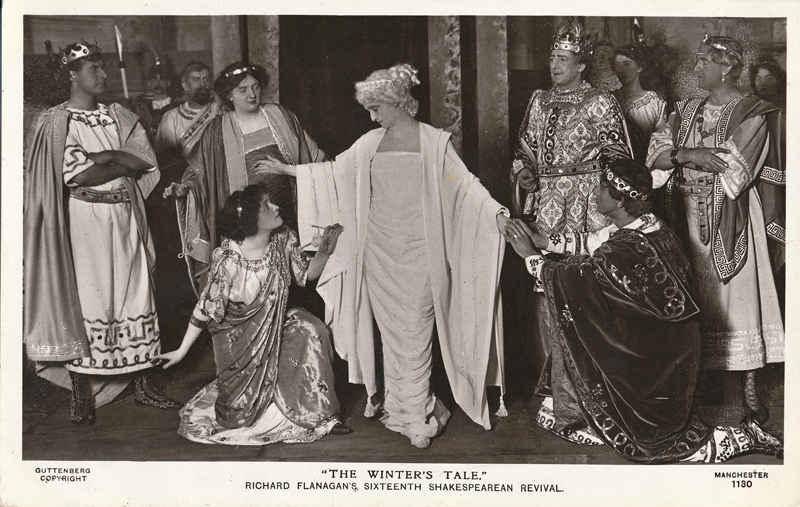
We’ll never fully know how anything looked in Shakespeare’s time, much less how the Bard’s own plays did when first performed on the stage of the Globe Theatre. Thorough scholarship of history in general and Shakespeare in particular has enabled us to imagine and reconstruct such a sight with reasonable credibility, but only so much direct accuracy, since the development of photography wouldn’t happen for a couple hundred years. But not long after humanity got its photographers did those photographers begin taking pictures of humanity’s best-known dramas, and a set of particularly vivid examples survives on Emory University’s relaunched web site Shakespeare and the Players.
The site describes itself as “an online exhibition of nearly 1,000 postcards featuring many famous English and American actors who performed Shakespeare’s plays for late Victorian and Edwardian audiences,” specificially from around 1880 to 1914. It “showcases postcards featuring the dominating actors of the time in roles from some of the more popular and oft-performed plays, like Hamlet and Romeo & Juliet, as well as those from plays not often performed, like Cymbelineand The Merry Wives of Windsor.”
Slate’s Rebecca Onion refers to scholar Lawrence W. Levine, who writes of how, in the 19th century, “many Americans, even if illiterate, knew and loved Shakespeare’s plays; they were the source material for endless parodies, skits, and songs on the American stage. Nor was Shakespeare fandom confined to the elite; in the first half of the 19th century, theater ‘played the role that movies played in the first half of the twentieth … a kaleidoscopic, democratic institution presenting a widely varying bill of fare to all classes and socioeconomic groups.’ ”
Shakespeare and the Players first went live back in the 1990s, a project of English professor Harry Rusche, who has written an informative preface for the site in its recently redesigned form (with its images completely re-digitized). “Postcards on Shakespeare appeared in a dizzying array of contexts,” he explains, “some humorous and some serious; these cards of actors were only a small part of Shakespeare and of the card-industry as a whole.” A “mania for collecting” swept up their contemporary buyers, not to mention an appreciation for the stars of the day: “handsome men and beautiful women are always popular in any medium.”
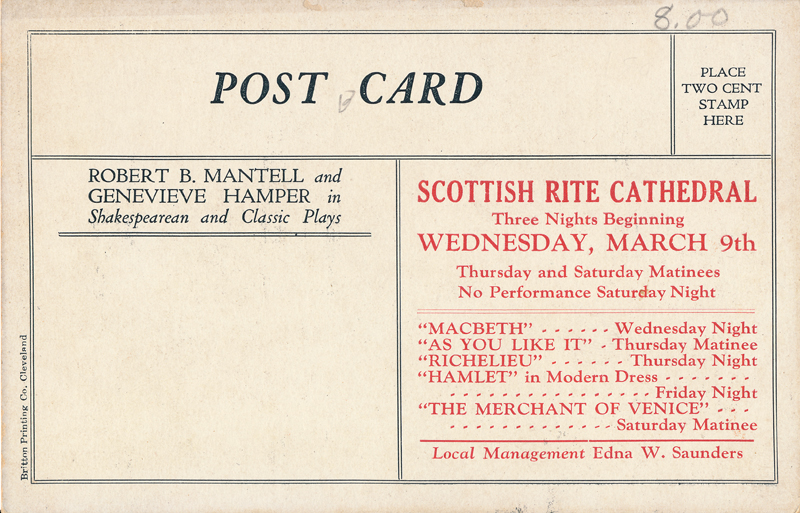
But plenty of them actually used these postcards for their intended purpose, about which you can learn more on the site’s postcard backs section. It notes that “the philosopher Jacques Derrida, in The Postcard, encourages us to read the two conflicting, yet resonating scenes — in our case, the Shakespeare image and the handwriting on the back — two sides of the postcards together,” an experience that may “be especially interesting to those of us born in the age of email, video conferences, Twitter, and text messaging,” those who will now wonder when a set of Shakespeare emoji will come along, providing us a means of continuing to incorporate these eternal characters into our correspondence today.
Inquiring minds want to know, immediately and without any egghead qualifications: Does King Tut’s tomb have hidden rooms or does it not have hidden rooms? Answer? Well, it depends who you ask….
That’s unsatisfying isn’t it? If real life were directed by Spielberg, there would be no question: of course there are hidden rooms, and they’re filled with ingenious, deadly booby traps and priceless magical objects.
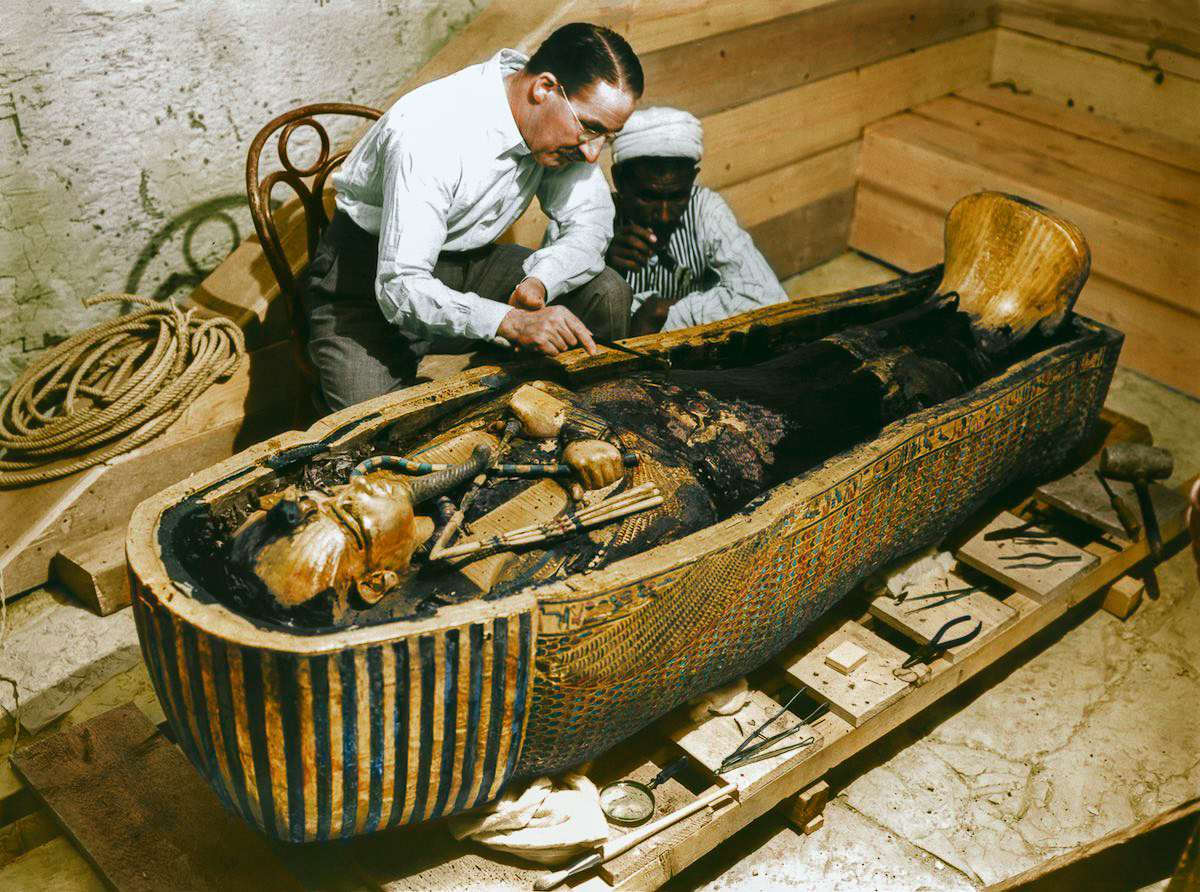
If you need some Tomb-Raider-style drama, however, you could do worse than to read the original accounts of Howard Carter (above, with anonymous worker), the English Egyptologist who originally opened Tut’s tomb in 1922 after five years of fruitless searching.
Slowly, desperately slowly it seemed to us as we watched, the remains of passage debris that encumbered the lower part of the doorway were removed, until at last we had the whole door clear before us. The decisive moment had arrived. With trembling hands I made a tiny breach in the upper left hand corner. Darkness and blank space… not filled like the passage we had just cleared.… For the moment —an eternity it must have seemed to the others standing by—I was struck dumb with amazement, and when Lord Carnarvon, unable to stand the suspense any longer, inquired anxiously, ‘Can you see anything?’ it was all I could do to get out the words, ‘Yes, wonderful things.’
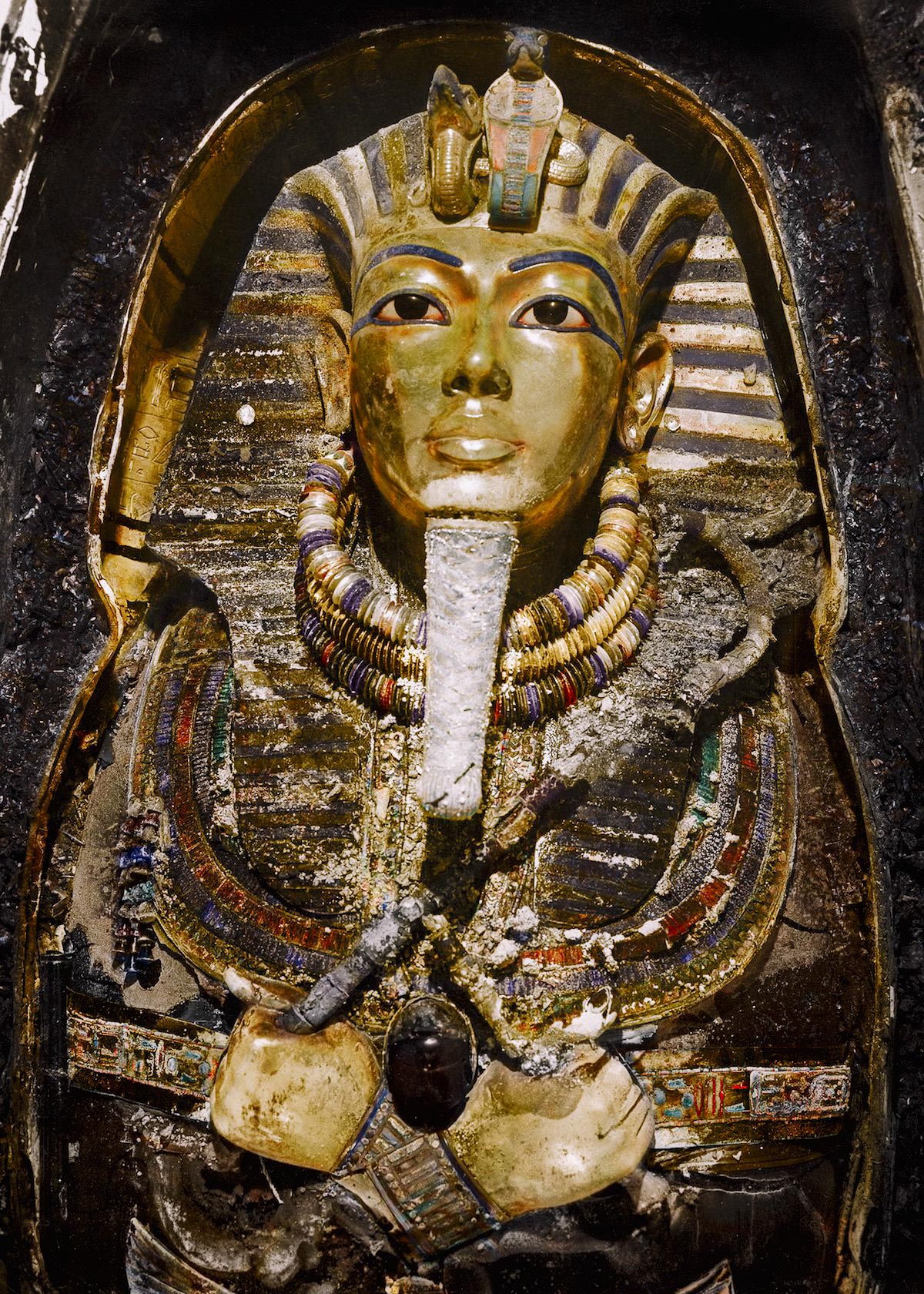
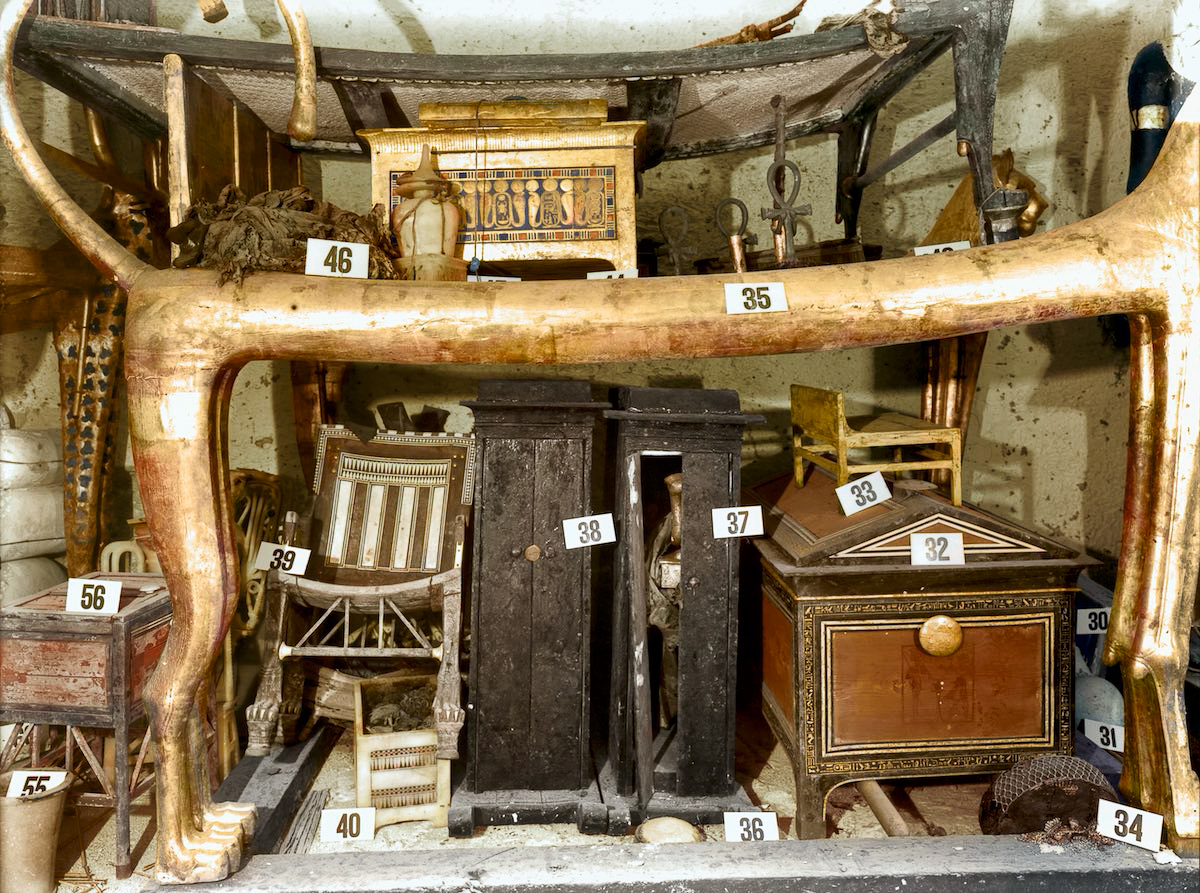
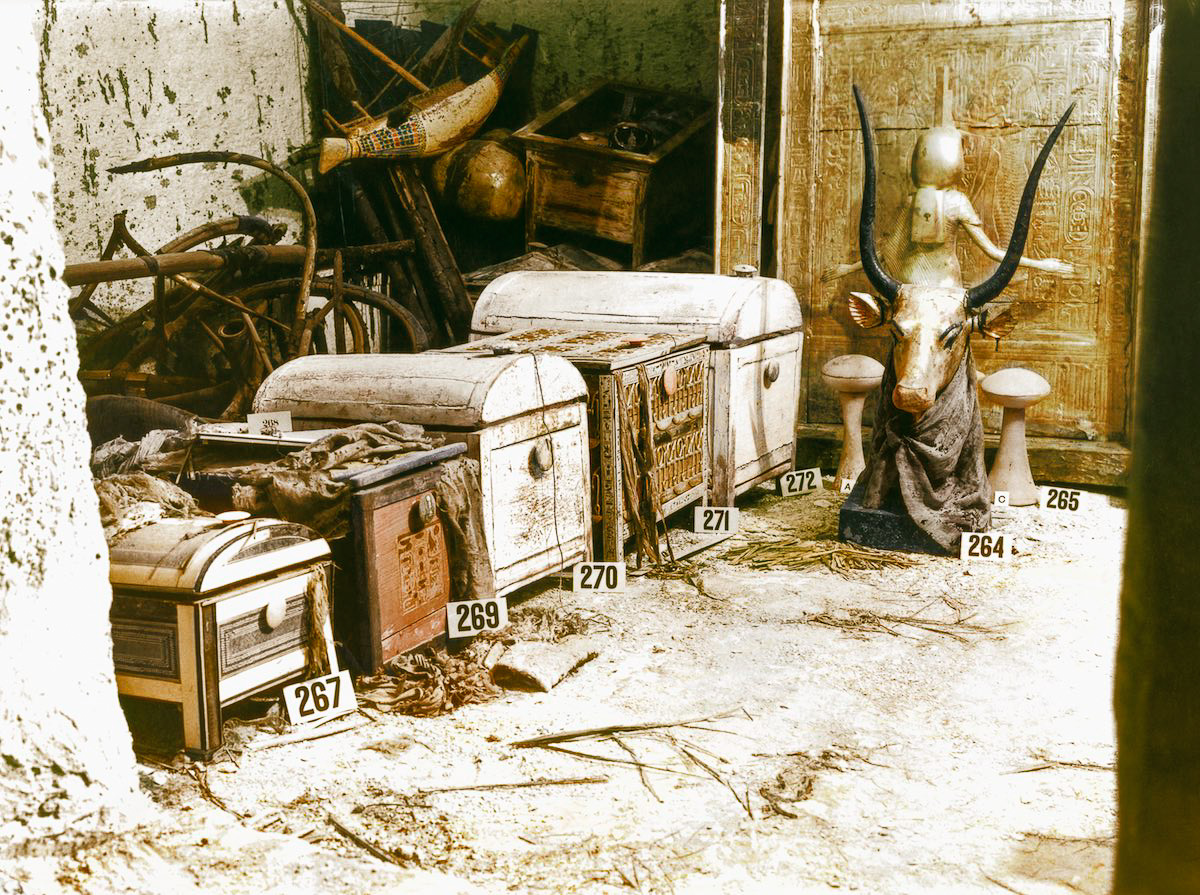
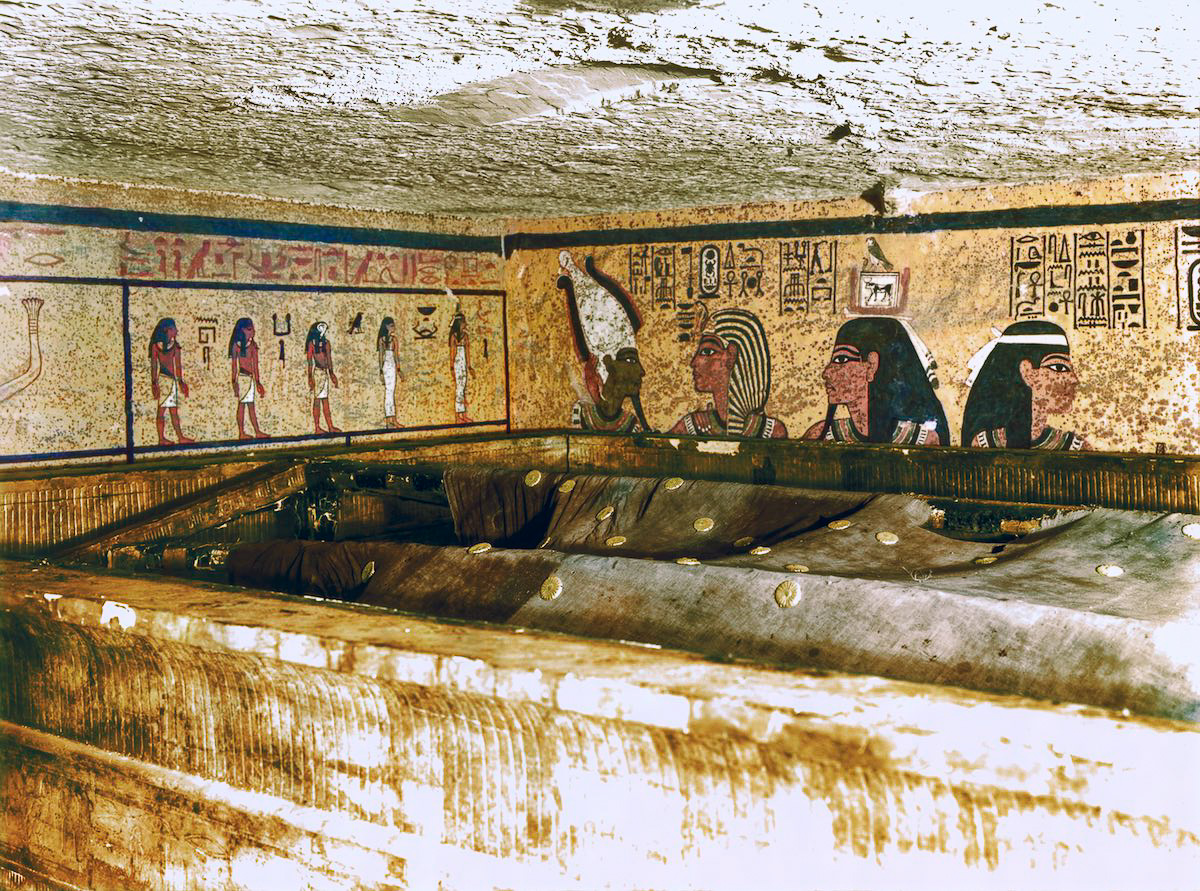
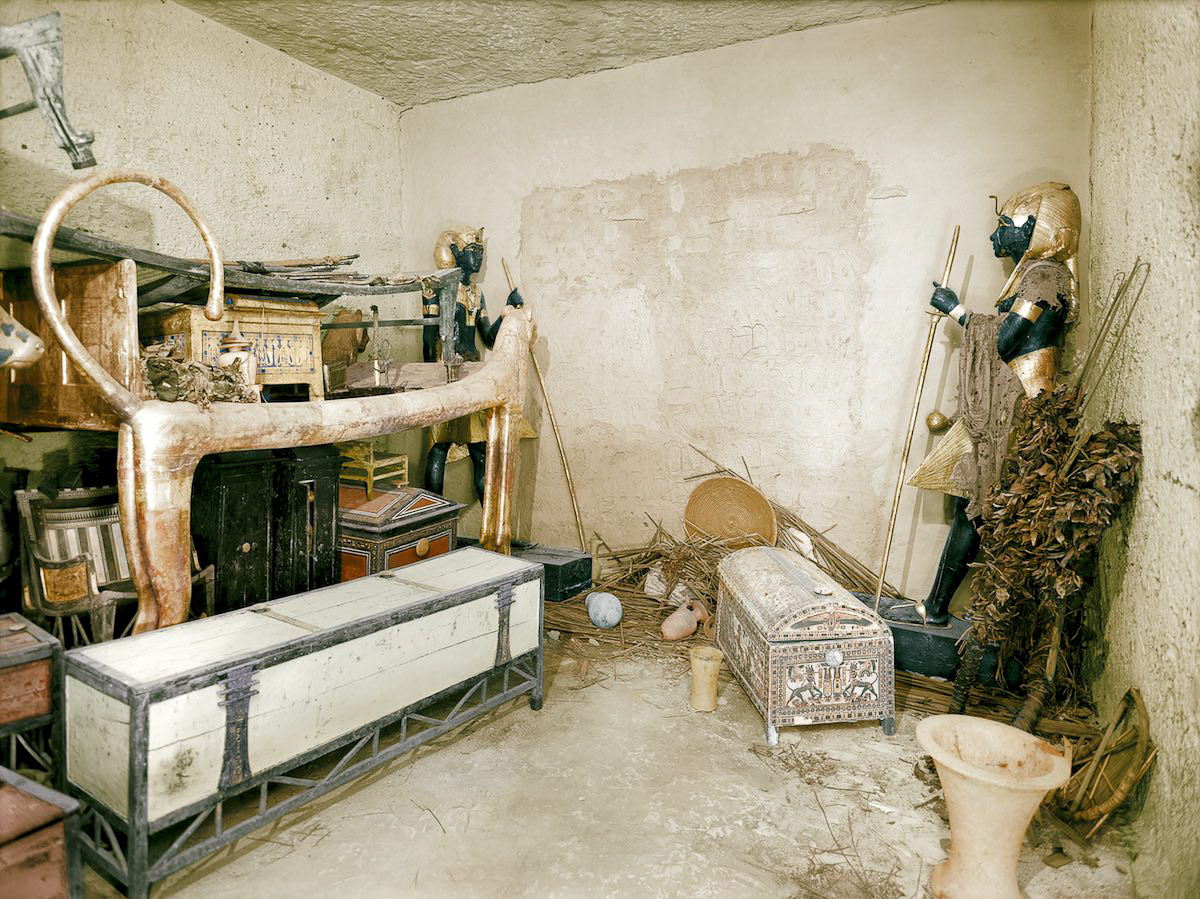
Pair this narrative with the photographs you see here of the treasure horde Carter and his aristocratic benefactors stole, er, discovered in the tomb, and you’ve got yourself one heck of a real-life-adventure. Taken between 1923–25, the photos document many of the 5,298 items that needed to be “recorded, sketched, and in some cases documented photographically,” the short video below tells us, the first in a 15-part mini video series created for a huge New York exhibition, The Discovery of King Tut, which just closed on May 15th.
You may have missed the big show—with its life-sized recreations of the tomb’s chambers— but you can still experience much of the grandeur at its website. And Mashable brings us these photographs, colorized for the event by a company called Dynamichrome. The photos were taken by Metropolitan Museum of Art photographer Harry Burton (aka The Pharaoh’s Photogarpher), the exhibition website informs us (“Only in Burton’s photographs did the young pharaoh achieve true immortality”!), and the story of their creation is integral to the opulent tomb’s excavation.
Acting as “Carter’s eyes and memory,” Burton “trekked between the discovery site, his laboratory (which he had set up in the tomb of King Seti II) and improvised darkroom in the neighboring tomb KV 55.”
The results of Burton’s labors are 2,800 large-format glass negatives, which document all of the finds, their location in the tomb and every single step of the excavators’ work with the utmost precision. Carter patiently and unconditionally encouraged him like no other member of his team and, thanks to his photos, Burton was the first and only archaeological photographer to achieve worldwide fame.
The entire process of removing the ancient treasures from Tut’s tomb took ten years, partly due to the difficulty of preserving organic artifacts like textiles, fragile wood furniture, and footwear.
Thankfully for us museumgoers and lovers of ancient history, the tomb’s discoverers treated the artifacts with great care. This has not always been the case. Throughout the nineteenth and twentieth centuries, actual tomb raiders, whose motives were less noble, took whatever they could find from ancient burial sites in order to make a quick sale, without regard for the careful cataloguing and conservation efforts Carter and his team observed. Theft and trafficking of artifacts is still rampant today.
In an interview with U.S. News & World Report, Hawass describes not only how the ravages of time and neglect have damaged some of Egypt’s precious history—including Tut’s burial mask—but also how “nearly two thirds of Egyptian antiquities were smuggled abroad in 2011, 2012, and 2013.” Such trafficking, he says, “is ongoing, but to a lesser degree.” Much of it was the result of “museum-looting” during the revolution. Hawass also disputes the hidden chambers theory, contending that “Nefertiti could not have been buried in the Valley of the Kings, as she used to worship King Tut. The High Priests of Amun would not have allowed it.”
Unfortunately, says Hawass, the only way to know for sure is to “dig through the northern wall” of the tomb, causing it to collapse. But we should not give up hope yet of Tut’s tomb yielding more secrets. Archaeologist Nicholas Reeves, who published a paper in 2015 on the existence of hidden chambers, has further validated his conclusions with scans that suggest metal and organic materials beyond the tomb’s north wall. Maybe Hawass is wrong, and we’ll soon be posting pictures of the treasures gathered from Nefertiti’s tomb. See many more of the colorized Tut photos at Mashable.
“This is what we did. How did it happen? How could we?” –Dorothea Lange
The idea sounds counterintuitive given the violence we read about daily, but it is perhaps possible that human societies are slowly outgrowing xenophobia and war, as Harvard psychologist and linguist Steven Pinker has argued extensively. It’s also possible that Pinker’s view is an “article of faith” rather than fact. In any case, we can at least be heartened by one thing: If we do become better at learning from the past than repeating it, the primary documents will not have disappeared into a memory hole. The very same technologies that spread fear, bigotry, and disinformation across the globe also enable us to unearth humanity’s long history of bad decision-making and preserve the evidence in widely-accessible online archives.
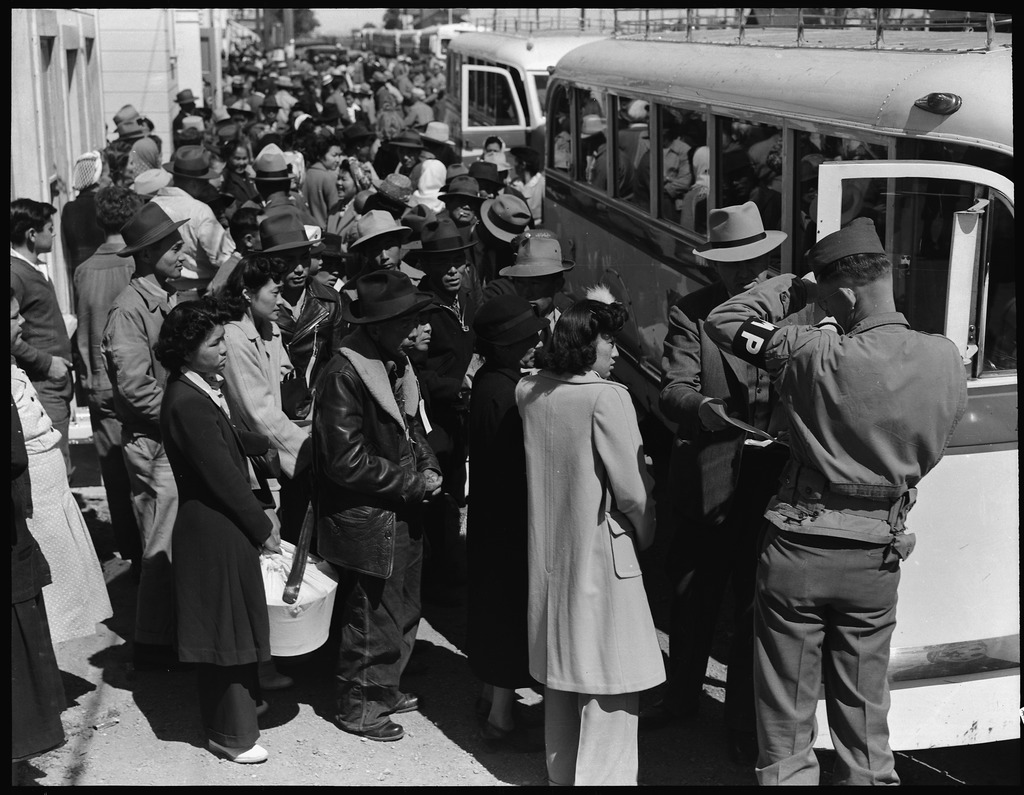
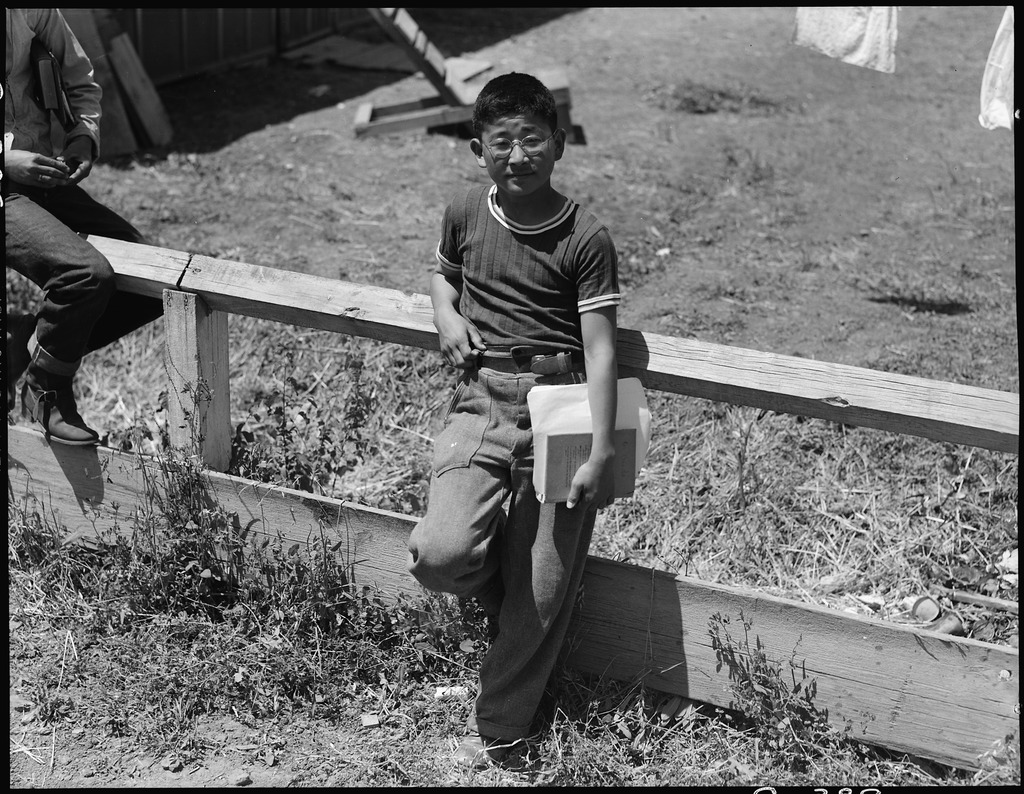
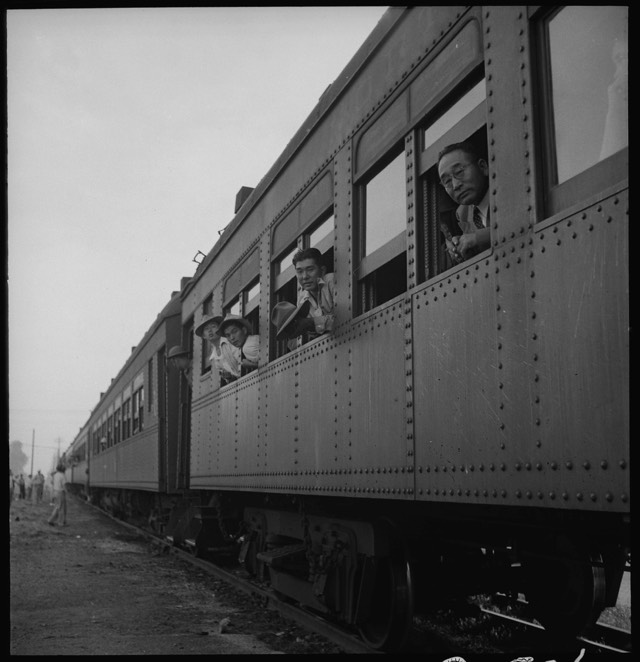
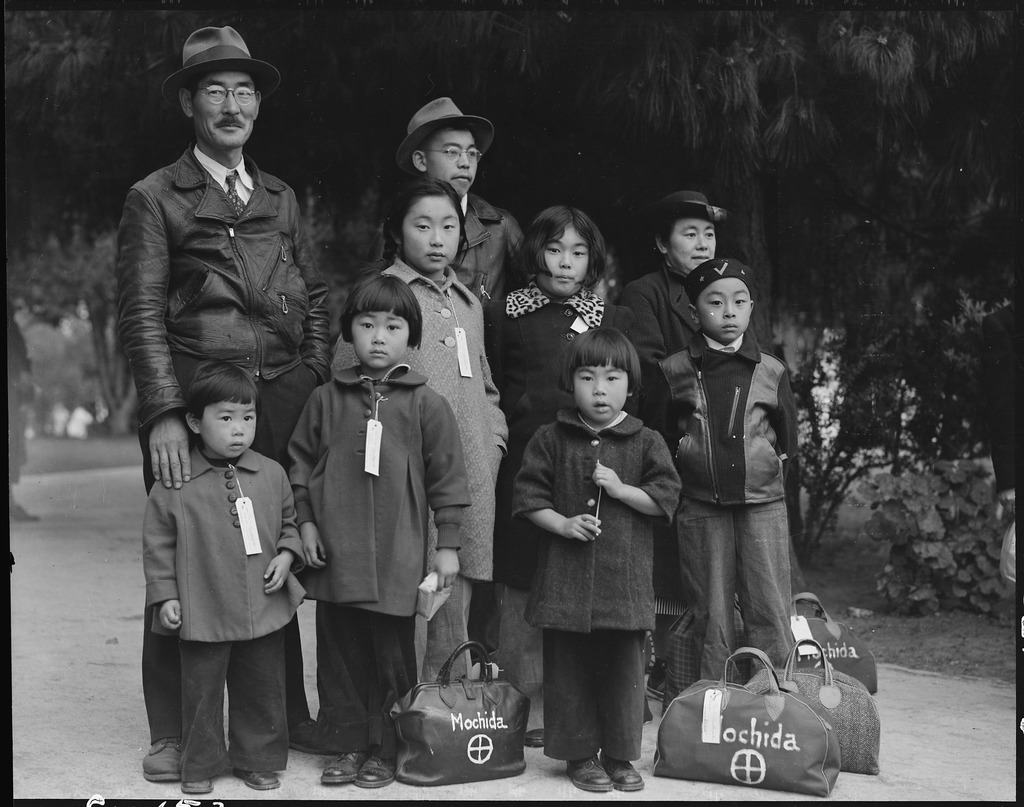
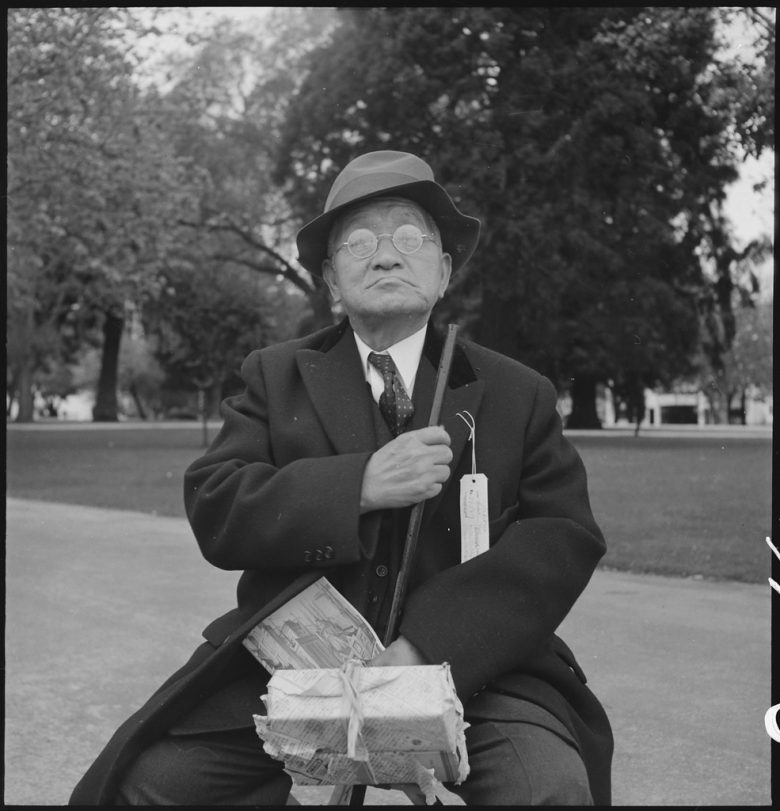
One such archive, the Densho Digital Repository, contains “historic photographs, documents, newspapers, letters and other primary source materials” from the history of the Japanese in America—including, of course, a particularly regrettable historical episode, the internment of Japanese Americans during WWII, a grim political expedient that offers lessons today to those who choose to learn them. Prominent among the archives’ many documents from the period is the Dorothea Lange Collection, almost 500 images taken by the famous photographer of “the many different stages of mass removal and incarceration” of Japanese Americans in California. The photographs (recently highlighted on Kottke.org) feature original captions written by Lange that contextualize the subjects and sometimes provide their names and a few biographical details.
The lives of Japanese internees were in fact documented by not one, but two famous American photographers, Lange and Ansel Adams. However, Adams—whose photographic series we featured in a previous post—gained access to an internment camp in the foothills of the Sierra Nevadas on his own, through a friendship with the camp’s warden. Lange, on the other hand, snapped several hundred photographs while on official assignment with the War Relocation Authority. In 1942, the government hired her to document the removal and imprisonment of over 100,000 Japanese Americans in camps across the state.
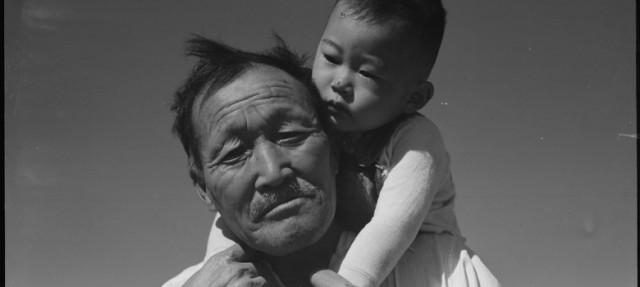
Lange’s photographs, writes Densho’s blog, have helped shape “the collective memory of Japanese American removal.” Despite the restrictions placed on her by the authorities—Lange could not shoot images of barbed wire, bayonets, or guard towers—“she managed to produce a body of work that at once captured the inhumane actions of the U.S. government and the humanity of the individuals being forced to leave their lives behind for the ‘crime’ of Japanese ancestry.”
Her photographs are “seemingly unstaged and unlighted,” writes Dinitia Smith in a New York Times review of Impounded, a book featuring many of the close to 800 photographs Lange took, most of which were only recently discovered at the National Archives, “where they had lain neglected for a half-century after having been impounded by the government.” Best known for her photos of Dust Bowl farm workers, Lange, writes scholar Megan Asaka at Densho, “was an odd choice, given her leftist politics and strong sympathy for victims of racial discrimination.” She was “appalled by the forced exile” and “confided to a Quaker protester that she was guilt stricken to be working for a federal government that could treat its citizens so unjustly.” She took on the assignment “to accurately record what the Japanese Americans were undergoing,” but apart from “a few photos that reached the public,” most of her work didn’t see the light of day for decades.
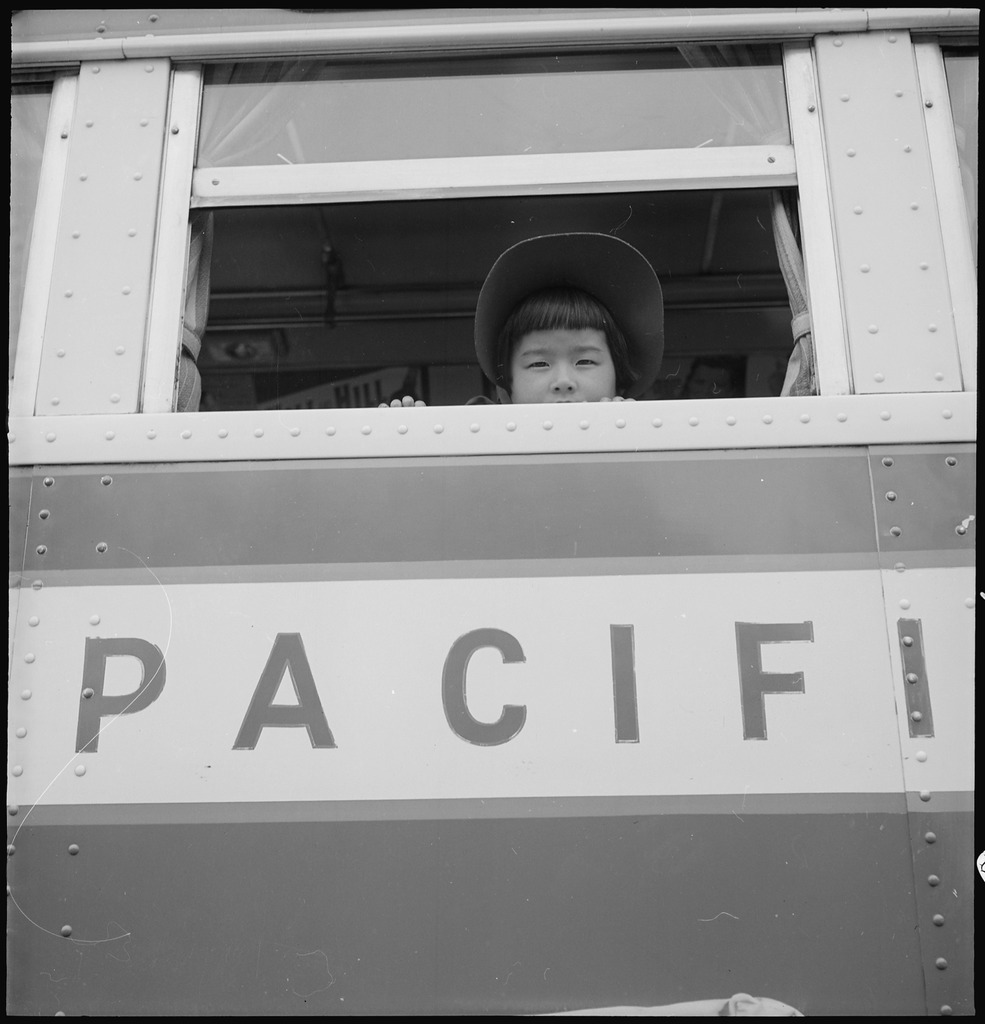
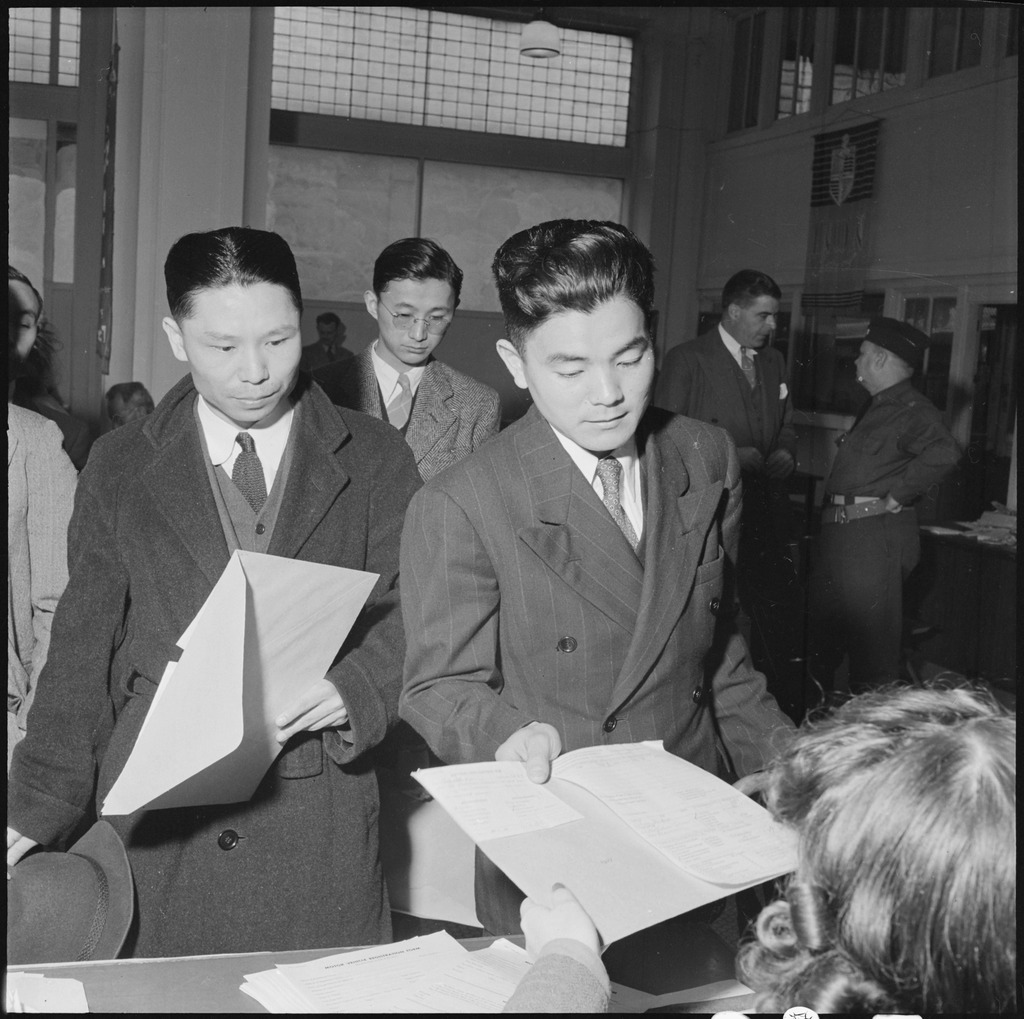
“What the military wanted from her,” explains historian Linda Gordon in a PBS documentary on Lange’s assignment, “was a set of photographs to illustrate that they weren’t persecuting or torturing these people who they evacuated.” Gordon, who co-edited Impounded, notes in the book that the photos “tell us that conditions in the camps were much worse than most people think.” It’s hard not to be reminded of another, more harrowing, forced removal happening a continent away as we see Lange’s images of Japanese American families forced to abandon their homes and stores, fill out registration paperwork, gather their belongings in suitcases, and board trains and buses en masse with numbered tags around their necks.
What awaited the internees at the camps were military-style barracks, libraries, rudimentary schools, and “tar-paper shacks where they endured brutal heat and bitter cold, filth, dust and open sewers,” writes Smith. Some internees were housed in former horse stalls and many endured cavity searches and other humiliating indignities, as well as daily fear and anxiety about their eventual fates. Lange’s photographs, however, “powerfully contest the government propaganda and hateful rhetoric aimed at vilifying Japanese Americans,” writes Densho: “Often shot from a low angle, Lange places her subjects on a visual pedestal. She restores some dignity in a moment when, many admit, they felt they had none.”
Unlike Ansel Adams’ fascinating photos, which are restricted to the confines of one camp, Lange’s document the internees entire journey from freedom to imprisonment, as well as the responses of many Japanese Americans to their new status as internal enemies of the state. One shop owner, “a University of California graduate of Japanese descent,” Lange noted, placed the sign you see above on his closed storefront.
All of the photographs in the Densho archive are now in the public domain and can be freely used for any purpose. Lange, I imagine, would hope they force us to reflect on the futile insanity of demonizing entire populations and turning on fellow citizens in times of war, xenophobic fervor and political opportunism.
From the figureheads of ships to cigar store statues to the caricature mascots of various sports teams…. Unfortunate or denigrating images of Native American peoples have persisted in popular culture, folk symbols of what Elisabeth W. Russell refers to in her history of the cigar store Indian as “The Vanishing American.” The phrase comes from the title of a Zane Grey novel, which then became a 1925 silent film dealing, wrote the New York Times that year, “with the passing of the American Indian.” Although both the novel and film attempt to protest the treatment of Native people by the U.S. government, both underwrite a common, troubling assumption—that Native Americans, like the Buffalo and the wild Mustang, were a threatened (and threatening) separate species, whose “vanishing” from the picaresque West (as they had “vanished” from the East) was a lamentable, but perhaps unavoidable, side effect of the march of Euro-American progress.
Each symbolic memorializing of Native Americans in U.S. iconography, however solemn or offensively cartoonish, gestures toward some meager recognition of a tragic loss, while erasing the circumstances that occasioned it. Of course Native Americans didn’t vanish, but were slowly killed or hounded into poverty and dispossession, and out of sight of white America—their dress, religions, and cultures made to disappear through forced assimilation, only to reappear in romanticized images of tragically conquered, but admirably warlike, primitives.
Those images proliferated during the mid-to-late 19th century, the period of intense Western settlement and expansion and the so-called Indian Wars. “It is a given today,” writes historian Brian Dipple, “that the idea of the American Indian has been historically significant. It shaped the attitudes of those in the nineteenth century who shaped Indian policy. Indian policy—be it removal of the Eastern tribes in the 1830s, reservation isolationism beginning in the 1850s, or allotment of reservation lands and assimilation in the 1880s—cannot be understood without an awareness of the ideas behind it. Literature and the visual arts provide revealing guides to nineteenth century assumptions about the Indian.”
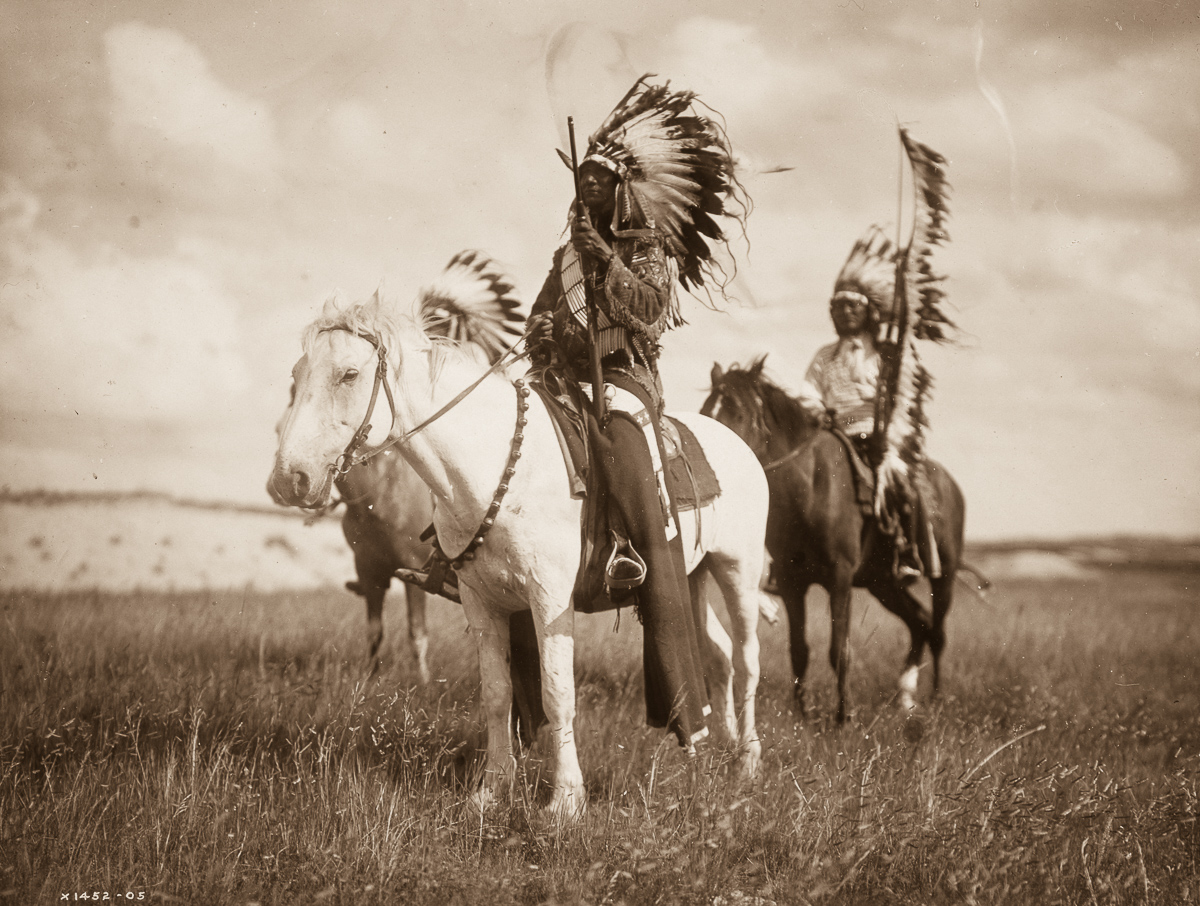
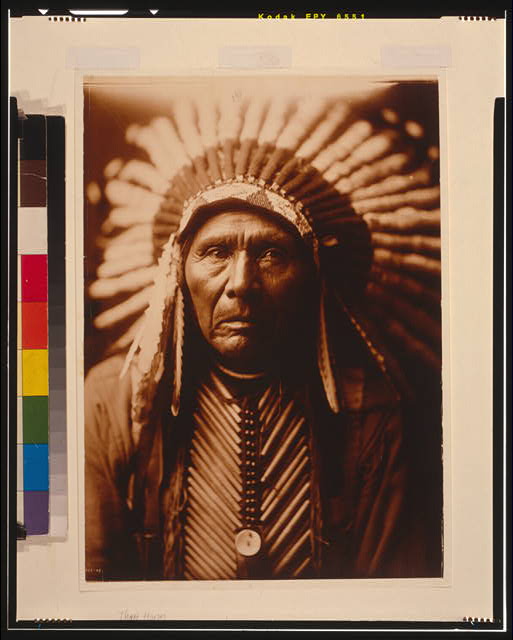
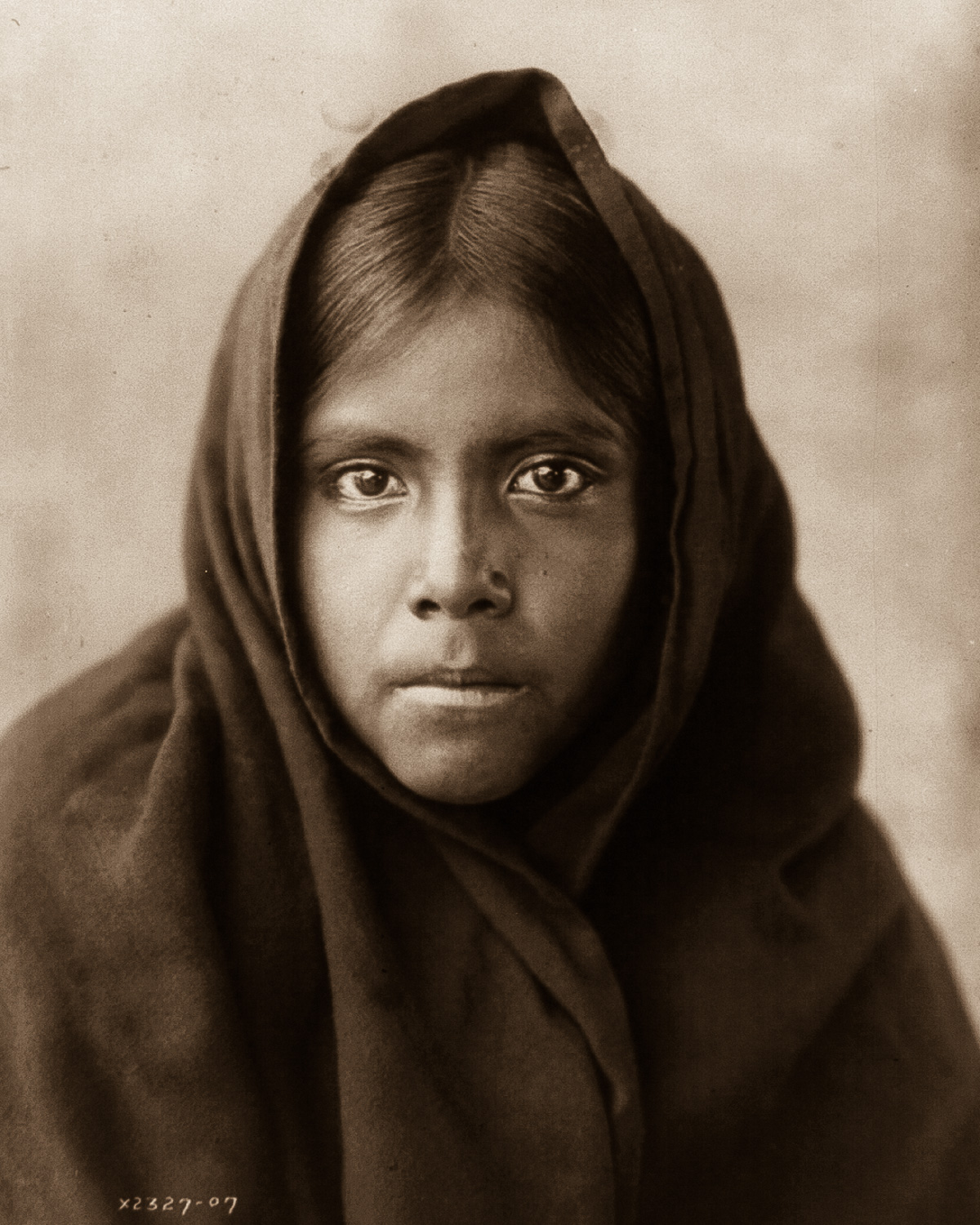
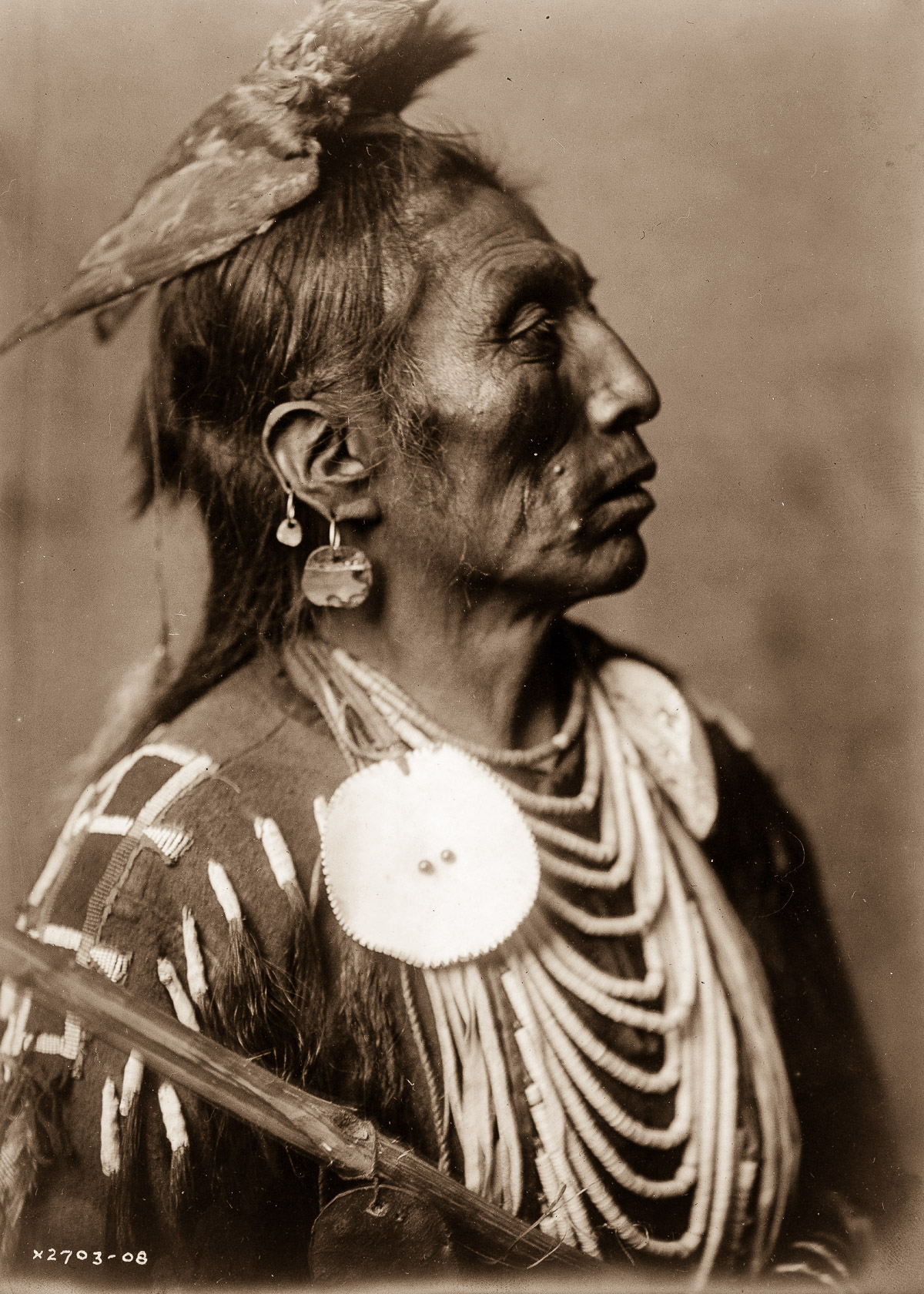
Native historian Vine Deloria describes the cultural situation with more incisive wit in his “Indian Manifesto,” Custer Died for Your Sins: “The American public feels most comfortable with the mythical Indians of stereotype-land who were always THERE. These Indians are fierce, they wear feathers and grunt. Most of us don’t fit this idealized figure since we grunt only when overeating, which is seldom.” By the early 20th century, “mythical Indians” had become firmly embedded in popular culture, thanks to art and entertainment like the presumably serious attempts of Zane Grey and Frederic Remington, and J.M. Barrie’s deeply unserious Peter Pan. It is in this cultural atmosphere that photographer Edward Sheriff Curtis’ huge, 20-volume ethnographic project, The North American Indian emerged.
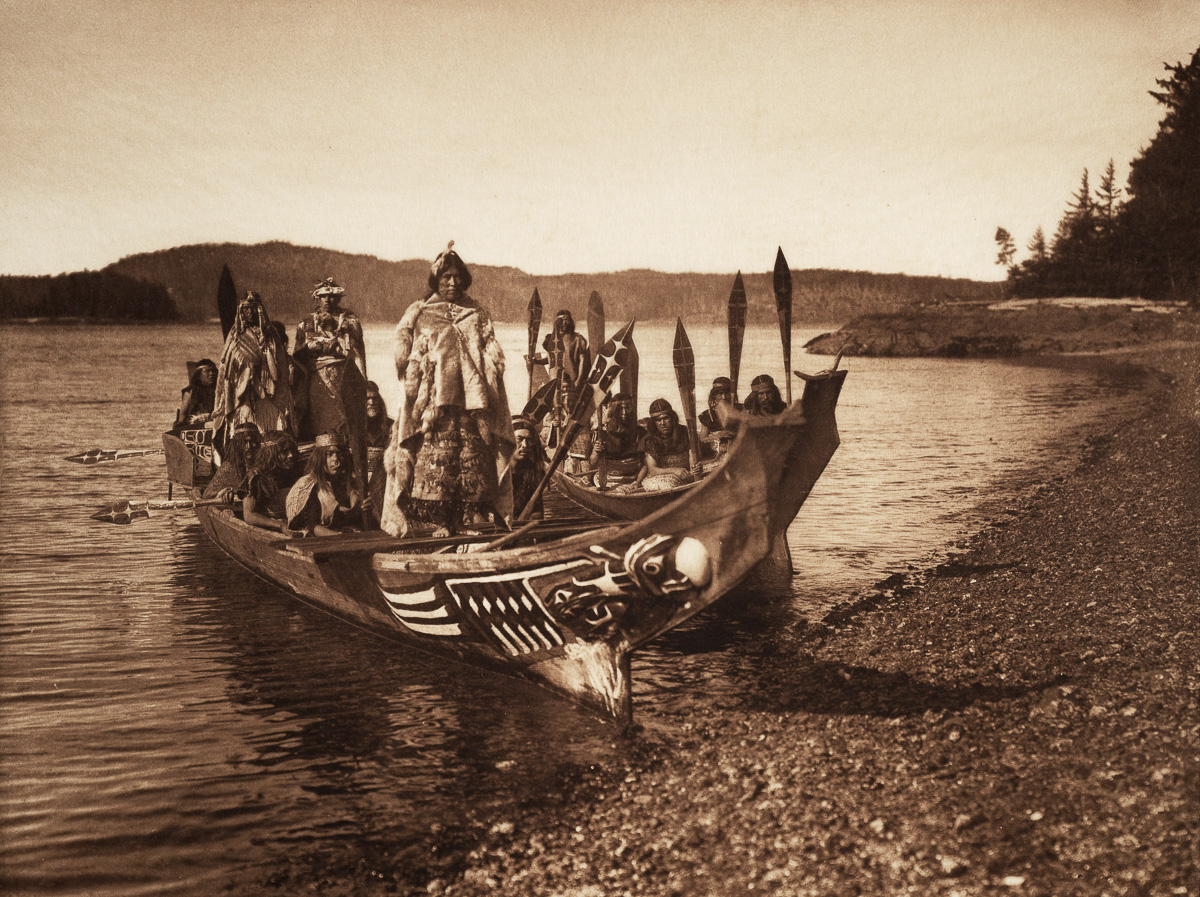
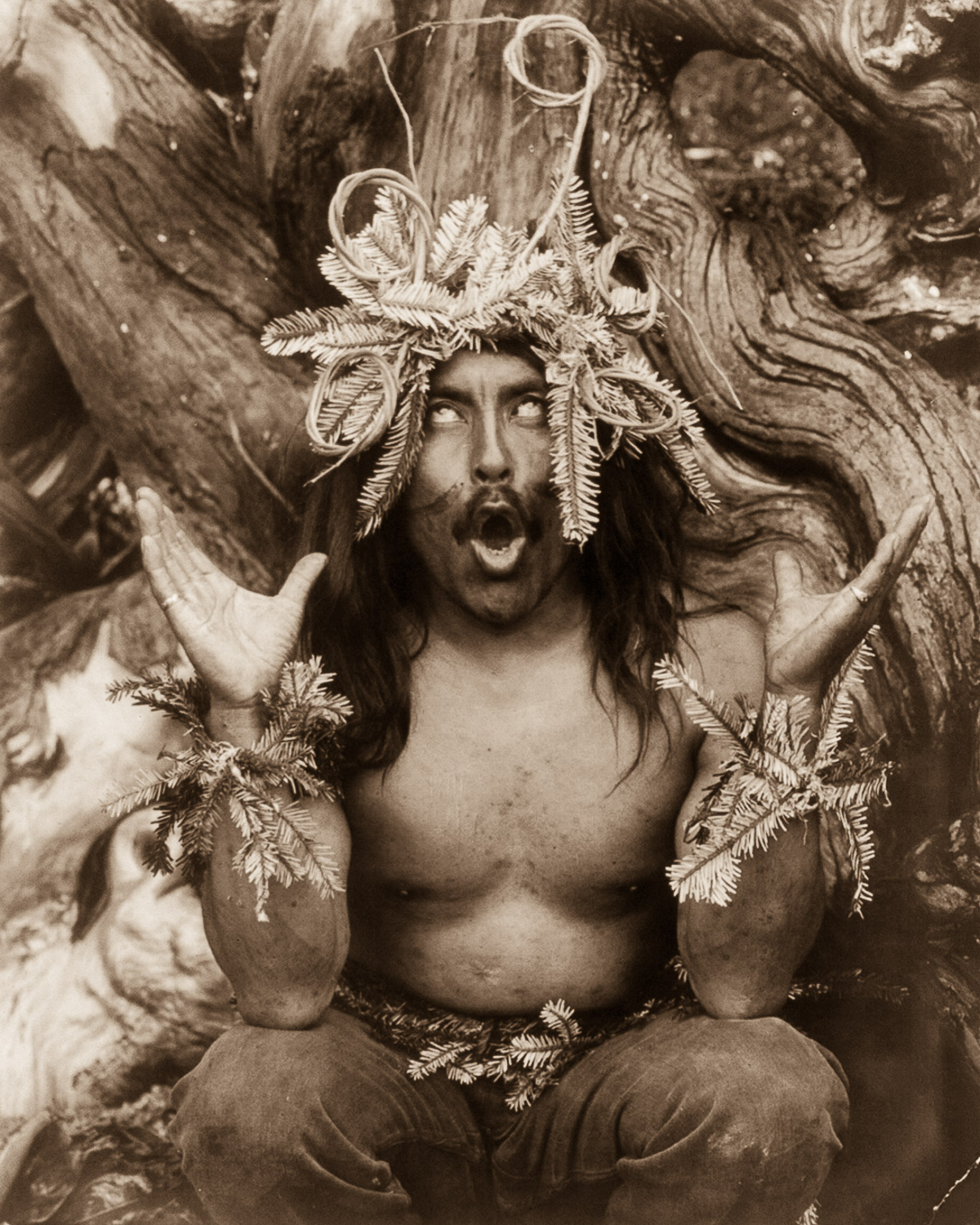
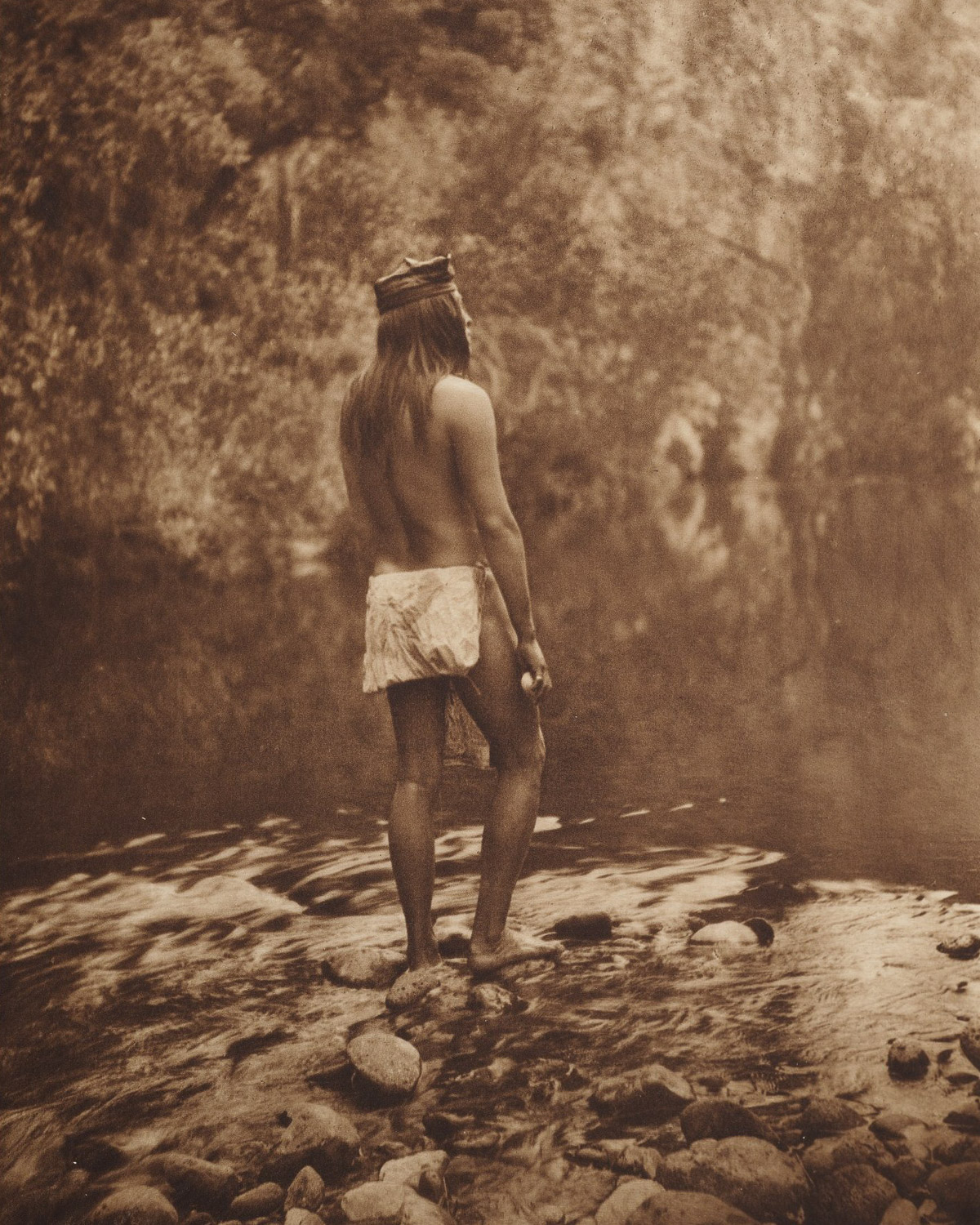
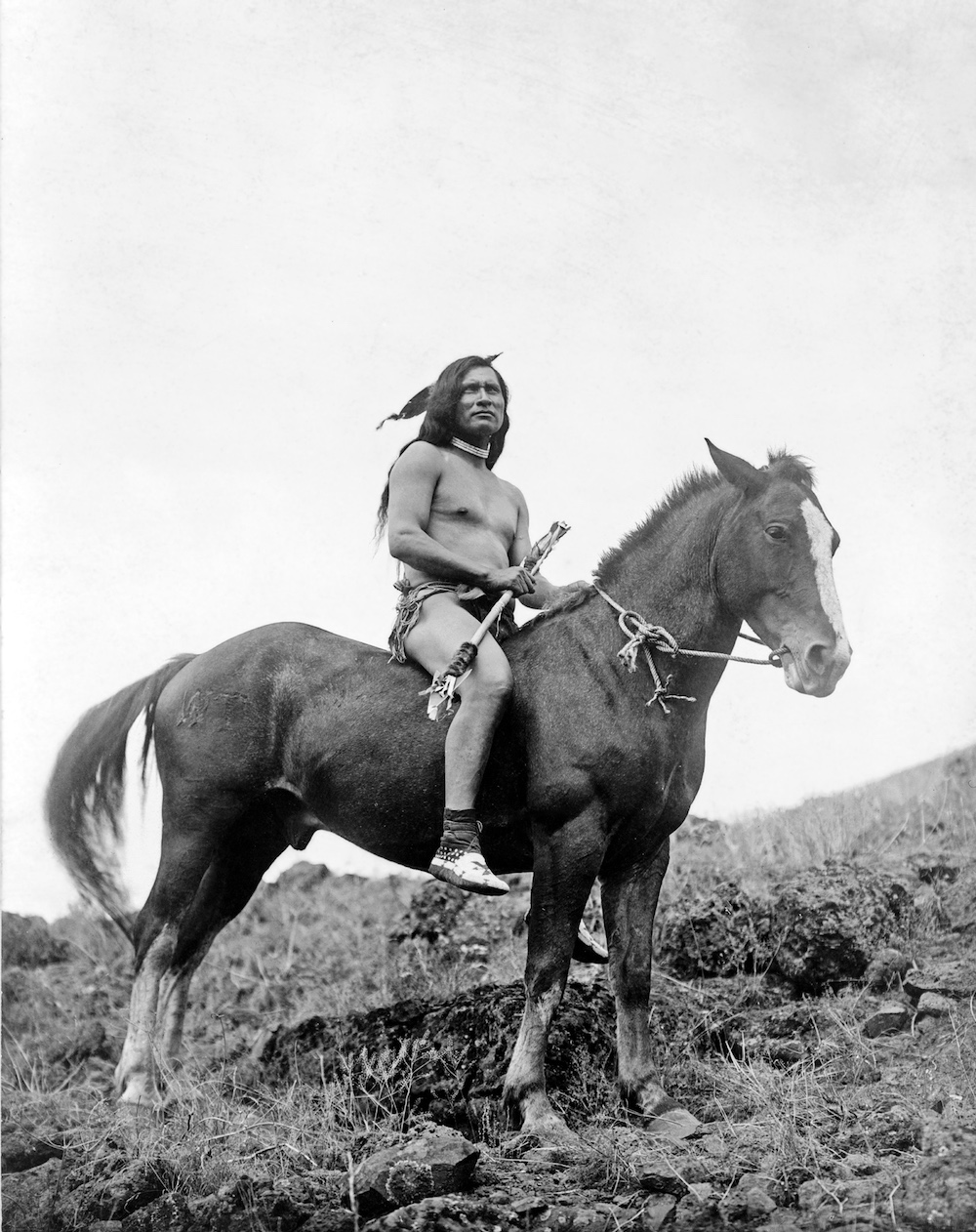
Beginning in 1904, and with the eventual backing of J.P. Morgan, writes Mashable, Curtis “spent more than 20 years crisscrossing North America, creating over 40,000 images of more than 80 different tribes. He made thousands of wax cylinder recordings of native songs and language, and wrote down oral histories, legends and biographies.” You can view and download more than 1,000 of these photographs at the Library of Congress. Curtis thought of his work as documenting “what he saw as a vanishing way of life.” Motivated by assumptions about Native people as semi-mythic remnants from the past, the photographer “sometimes meddled with the documentary authenticity of his images. He posed his subjects in romanticized settings stripped of Western civilization, more representative of an imagined pre-Colombian existence than the subjects’ actual lives in the present.”
The photographs are beautiful, their subjects ennobled by the dramatic lighting and stylized poses, and the breadth and scope of the entire project is nothing less than breathtaking. It set the stage for the significant work of later photographers and ethnographers like Walker Evans, Dorothea Lange, and the Lomaxes. Curtis has even been credited with producing the first documentary film. The images, histories, traditions, and biographies Curtis preserved constitute an invaluable historical record. That said, we should bear in mind that The North American Indian comes to us framed by Curtis’ assumptions about Native American cultures, formed by a climate in which myth vied with, and usually supplanted, fact. What do we see in these staged images, and what do we not see?
One of Curtis’ enthusiastic early backers, Theodore Roosevelt—who authored the introduction to Volume One—was, “like many of Curtis’ eventual supporters,” writes Valerie Daniels, “more interested in obtaining a record of vanishing Native American cultures as a testament to the superiority of his own civilization than out of any concern over their situation or recognition of his own role in the process.” Though Curtis did not necessarily share these views, and later became “radical in his admonition of government policies toward Native Americans,” he also had to please his financiers and his audience, most of whom would have felt the way Roosevelt did. We should bear this cultural context in mind as we take in Curtis’ work, and ask how it shaped the creation and reception of this truly impressive record of both American history and American myth. Enter the archive of images here.
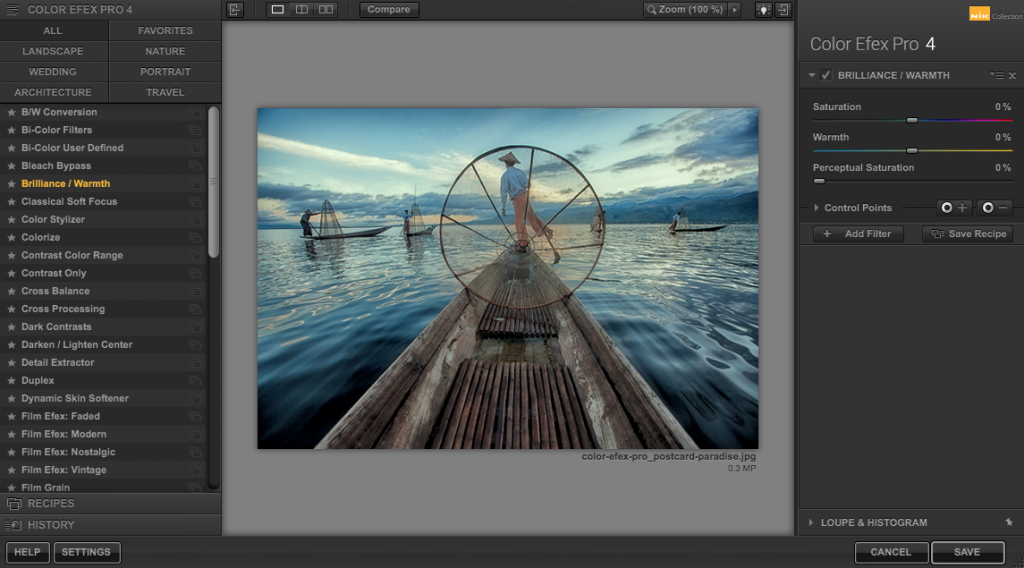
Google’s Nik Collection, a photo editing software package designed for professional photographers, once retailed for $149. Today it’s absolutely free to download, for both Windows and Mac users.
Here you can read Google’s announcement, which includes more information on the software package and its capabilities.
Today we’re making the Nik Collection available to everyone, for free.
Photo enthusiasts all over the world use the Nik Collection to get the best out of their images every day. As we continue to focus our long-term investments in building incredible photo editing tools for mobile, including Google Photos and Snapseed, we’ve decided to make the Nik Collection desktop suite available for free, so that now anyone can use it.
The Nik Collection is comprised of seven desktop plug-ins that provide a powerful range of photo editing capabilities — from filter applications that improve color correction, to retouching and creative effects, to image sharpening that brings out all the hidden details, to the ability to make adjustments to the color and tonality of images.
Starting March 24, 2016, the latest Nik Collection will be freely available to download: Analog Efex Pro, Color Efex Pro, Silver Efex Pro, Viveza, HDR Efex Pro, Sharpener Pro and Dfine. If you purchased the Nik Collection in 2016, you will receive a full refund, which we’ll automatically issue back to you in the coming days.
We’re excited to bring the powerful photo editing tools once only used by professionals to even more people now.
Once you’ve downloaded the software, head over to the Nik Collection channel on YouTube where you’ll find video tutorials, including the one below called “Introduction to the Nik Complete Collection.” It’s a good place to start.
PS: Some readers have asked whether this software can work as a standalone program, or whether it needs to run with a program like Photoshop. Here’s what PC Magazinehas to say about that: “Though you can run the seven different plugins in the collection as standalone products, they tend to work better when you integrate them into an existing image editing program, like Adobe’s PhotoShop. ‘(On Windows) You can make shortcuts to the individual .exe files on your desktop and then just drag stacks of images onto them,’ suggested one Google+ user.” In short, you have some options.
If you would like to support the mission of Open Culture, consider making a donation to our site. It’s hard to rely 100% on ads, and your contributions will help us continue providing the best free cultural and educational materials to learners everywhere. You can contribute through PayPal, Patreon, and Venmo (@openculture). Thanks!
So, imagine that you’re John Malkovich. I know, you’ve seen this movie before, but hear me out: you’re one of the most venerated actors of your generation. You are entering your sixth decade and could probably coast into your golden years on accolades and prestige parts. But do you rest on your laurels? Or do you become a model and collaborator with photographer Sandro Miller, appear in an Eminem video… read Plato’s “Allegory of the Cave” over an ambient piece of music called “Cryogenia X,” then have the results remixed by Yoko Ono and Sean Lennon, Ric Ocasek, new wave icons Orchestral Maneuvers in the Dark, and other musical legends?
The answer is all of the above. You’re John Malkovich. You can do whatever you want. “When I have an idea for something,” says Malkovich, “I expect my collaborators to collaborate on that idea and if someone else has an idea, then I’ll certainly collaborate with them.” It’s that kind of disciplined, yet genial flexibility that made Malkovich perfect for the role of himself in Spike Jonze’s surreal comedy. Now the last of the projects in that extracurricular list above brings more surreality into Malkovich’s repertoire, in the form of a double LP’s‑worth of dreamlike recitations of Plato’s classical myth, called Like a Puppet Show, released on Black Friday of last year.
Ono and Lennon’s version “Cryolife 7:14,” the second track above, is, oddly, the most conventional of the three digital uploads we get to hear for free. Malkovich reads a portion of the text straight through, over wordless moans from Yoko and psychedelic lounge music from Lennon. In OMD and Ric Ocasek’s renditions, however, Malkovich’s voice gets cut-up into a series of disjointed samples. Rather than tell a story—that ancient 2,500-year-old story from Plato’s Republic about ignorance and awakening—these pieces suggest painful poses, emotional shocks, repetitive conditions, and weird ontological angles. What does it all mean for Malkovich?
It’s hard to say. He’s more steeped in process than interpretation. “Music,” says Malkovich, “creates its own kind of dream state.” If there’s any political subtext, you’ll have to supply it yourself. Malkovich—who gamely dressed as Che Guevara in one of his Sandro Miller recreations of famous photographs—has also been described as “so Right-wing you have to wonder if he’s kidding.” We know, of course, how Yoko feels about things. It’s part of what makes the collaboration so fresh and compelling—it doesn’t feel like one of those “of course these people got together” projects that, while satisfying, can suffer the fate of the supergroup: too many cooks.
Here, each collaborator—the 2,000-years-dead philosopher, the celebrated actor and photographer, and the legendary musicians—comes from such a different realm of experience and talent that their meeting seems more like a mountaintop conference of wizards than a celebrity jam session. If you like what you hear (and see), Malkovich, Alexandrakis, and Miller promise more. They’ve founded a record label, Cryogenia, and plant to release more musical/photographic projects in the near future.
We're hoping to rely on loyal readers, rather than erratic ads. Please click the Donate button and support Open Culture. You can use Paypal, Venmo, Patreon, even Crypto! We thank you!
Open Culture scours the web for the best educational media. We find the free courses and audio books you need, the language lessons & educational videos you want, and plenty of enlightenment in between.