Download 100,000 Photos of 20 Great U.S. National Parks, Courtesy of the U.S. National Park Service

kimo_n11_0471

The sto­ry of the U.S.’s nation­al parks isn’t one sto­ry, but many. These have been told and retold since the found­ing of the Nation­al Park Ser­vice, a cen­tu­ry ago this past Thurs­day. And they stretch back even fur­ther, to the Civ­il War, the con­quer­ing and set­tling of the west, and the begin­nings of the Amer­i­can con­ser­va­tion move­ment. Near­ly every one of us who grew up with­in a cramped, con­tentious fam­i­ly car ride from one (or more) of those parks has our own sto­ry to tell. But our nos­tal­gic mem­o­ries can con­flict with the his­to­ry. Vir­ginia and North Carolina’s Blue Ridge Park­way, for example—the park clos­est to my child­hood home—offers vis­i­tors an idyl­lic vision of Appalachi­an life and land­scape. But the found­ing and con­struc­tion of the park in the 1930s and 40s was any­thing but.

oldfaithful

On the one hand, the build­ing of the gor­geous­ly scenic, 469-mile high­way pro­vid­ed jobs for out-of-work civil­ians and, lat­er, con­sci­en­tious objec­tors under FDR’s Works Progress Admin­is­tra­tion, Emer­gency Relief Admin­is­tra­tion, and Civil­ian Con­ser­va­tion Corps. On the oth­er hand, the fed­er­al government’s seizure of the land cre­at­ed hard­ships for exist­ing farm­ers and landown­ers, forced some­times to sell their prop­er­ty or to obtain per­mis­sion for build­ing and devel­op­ment. The Park Ser­vice project also engen­dered resent­ment among the East­ern Chero­kee, who fought the Park­way, and won some con­ces­sions. (In one sto­ry that rep­re­sents both of these hard­ships, a Chero­kee man Jer­ry Wolfe tells WRAL what it was like to work on the road, one that ran direct­ly through the cab­in he once shared with his par­ents.)

Planting Plan Blue Ridge

To cel­e­brate their 100 years of exis­tence, the Nation­al Park Ser­vice has launched what it calls its Open Parks Net­work, a por­tal to thou­sands of pho­tographs and doc­u­ments dat­ing from the very begin­nings of many of its parks—some of which, like Yosemite and Yel­low­stone, came under fed­er­al pro­tec­tion before the NPS exist­ed, and some, like New York’s Stonewall Inn, only giv­en pro­tect­ed mon­u­men­tal sta­tus this year. The Open Parks Net­work includes over 20 dif­fer­ent parks and sev­er­al dozen col­lec­tions that doc­u­ment spe­cif­ic peri­ods.

Great Smoky Mountains Shelton

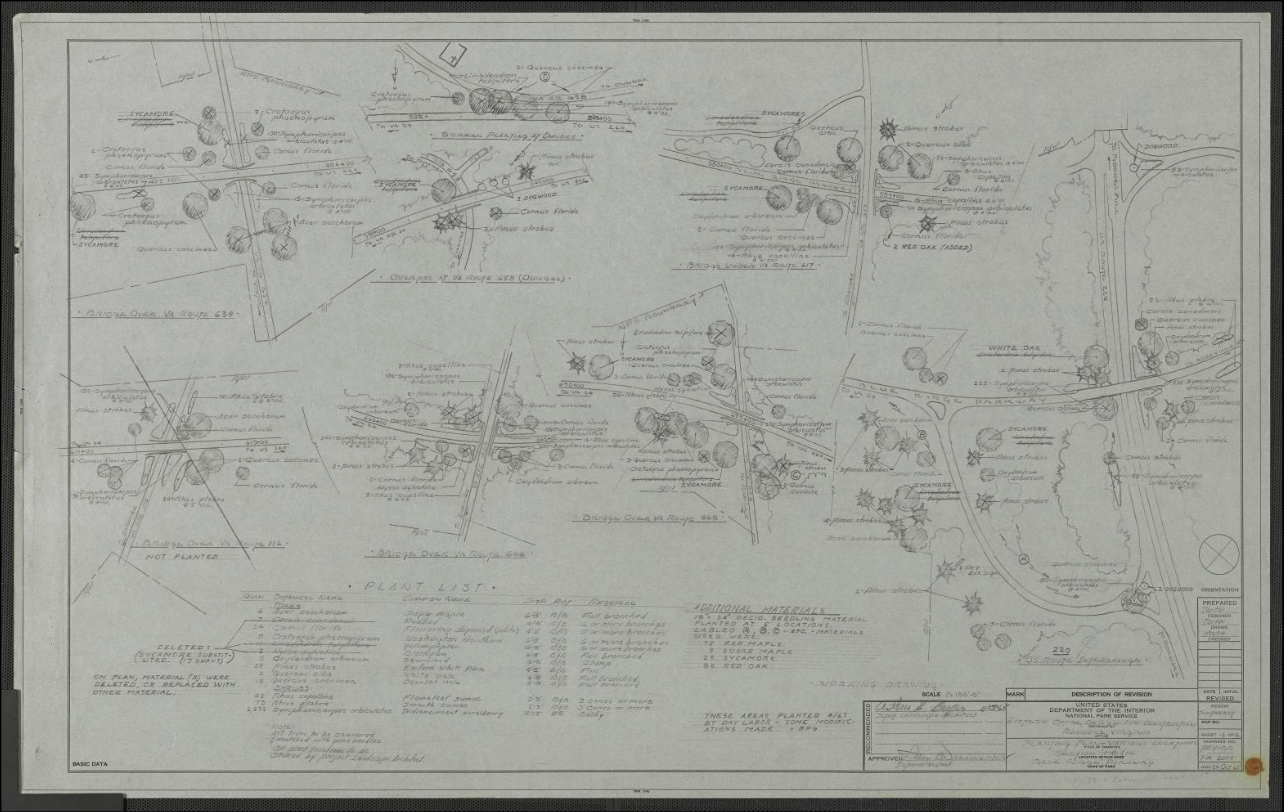
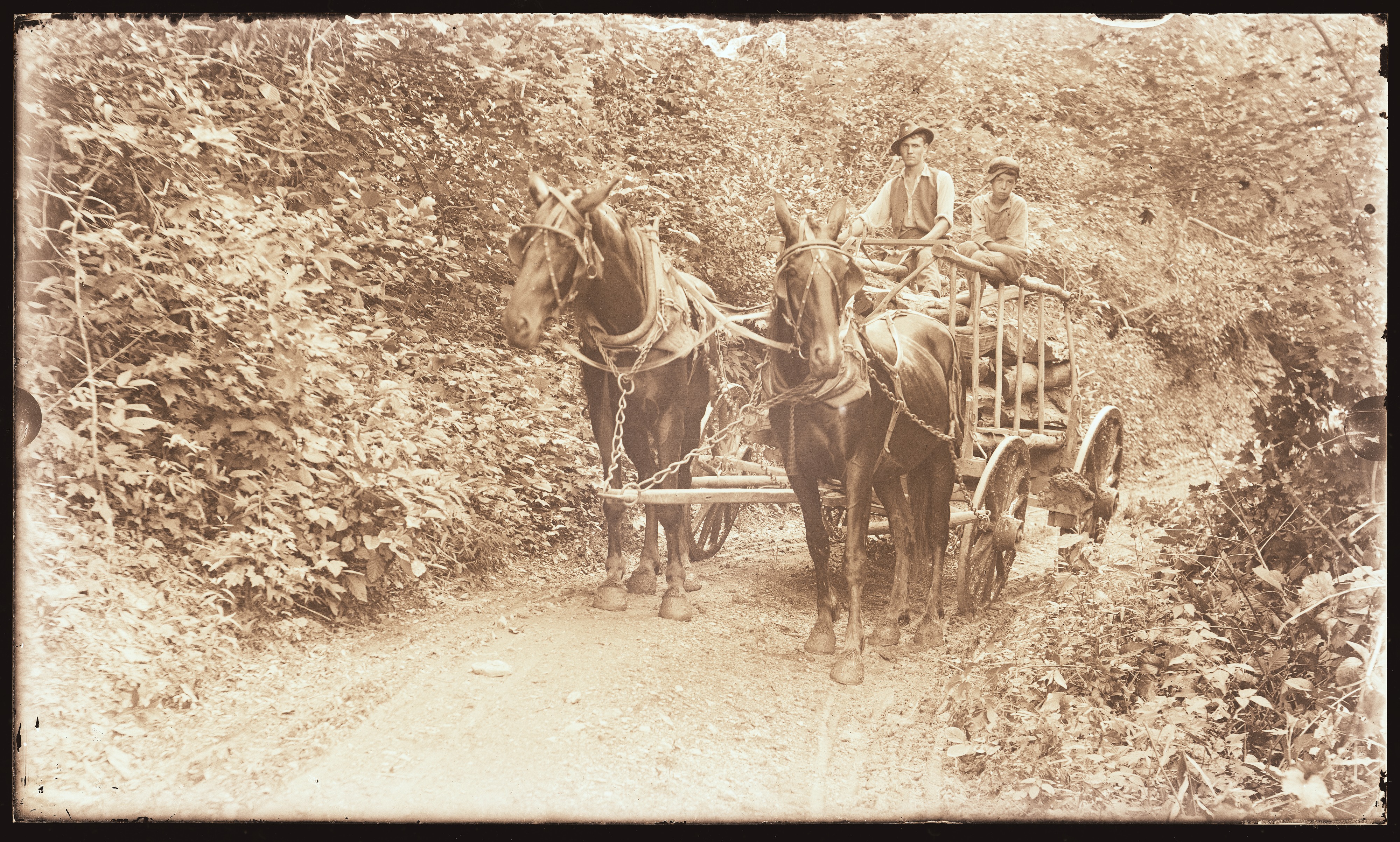
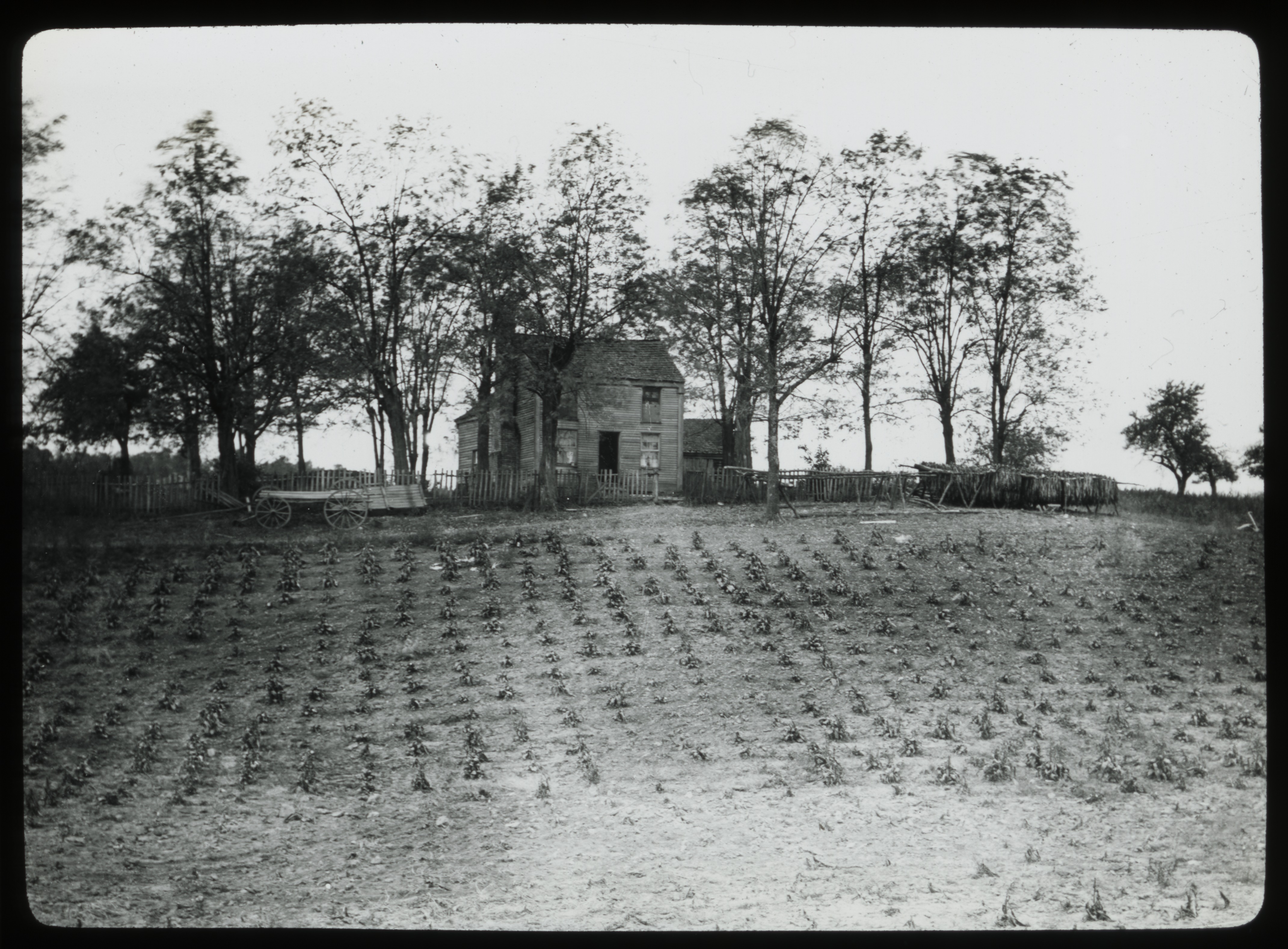
In the case of Blue Ridge Park­way, we have only one—a col­lec­tion of the park’s engi­neer­ing plans. One might hope for images of those toil­ing Depres­sion-era crews, or of the anx­ious faces of the region’s res­i­dents. But instead we can piece togeth­er the sto­ry of the park through fas­ci­nat­ing doc­u­ments like the “Plant­i­ng Plan” fur­ther up, from 1965, which reminds us how much the nat­ur­al beau­ty of the Park­way is achieved through human inter­ven­tion. And we can imag­ine what many of those ear­ly-20th cen­tu­ry Appalachi­an folks looked like in his­toric pho­tos like that above, from a col­lec­tion of Great Smokey Moun­tains pho­tographs tak­en in the teens and 20s by Jim Shel­ton.

Lincoln's Birthplace Nearby House

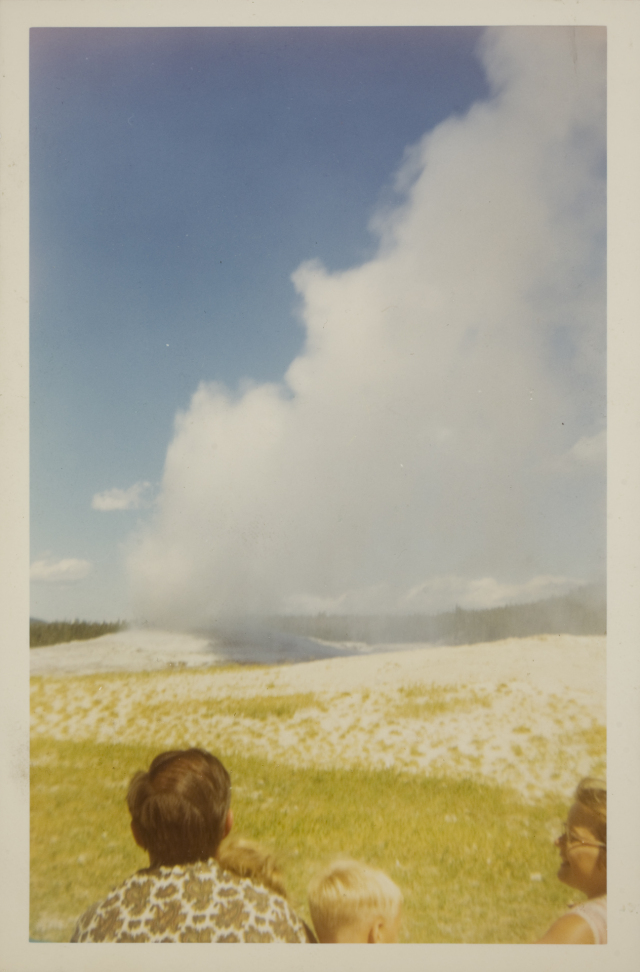
Regard­less of how much med­dling we have done to cre­ate the scenic over­looks and moun­tain and Red­wood under­pass­es that con­sti­tute the nation’s pro­tect­ed parks, there’s no deny­ing their appeal to us all, nature lovers and oth­er­wise, as sym­bols of the country’s rough grandeur. We can skip the hikes and long car rides, or plan for them in the future, sur­vey­ing the parks’ beau­ty through over 100,000 high-res­o­lu­tion dig­i­tal scans of pho­tographs and 200,000 images in all, includ­ing more gal­leries of build­ing plans, maps, and illus­tra­tions. Some of the gal­leries are quite unusual—like this col­lec­tion of aer­i­al infrared pho­tographs of the Great Smoky Moun­tains, or this one of “his­toric goats” of the Carl Sand­burg Home Nation­al His­toric Site. And many of the photos—like the fad­ed 1968 pho­to of Yellowstone’s Old Faith­ful geyser, fur­ther up, look just like your fam­i­ly vaca­tion pho­tos.

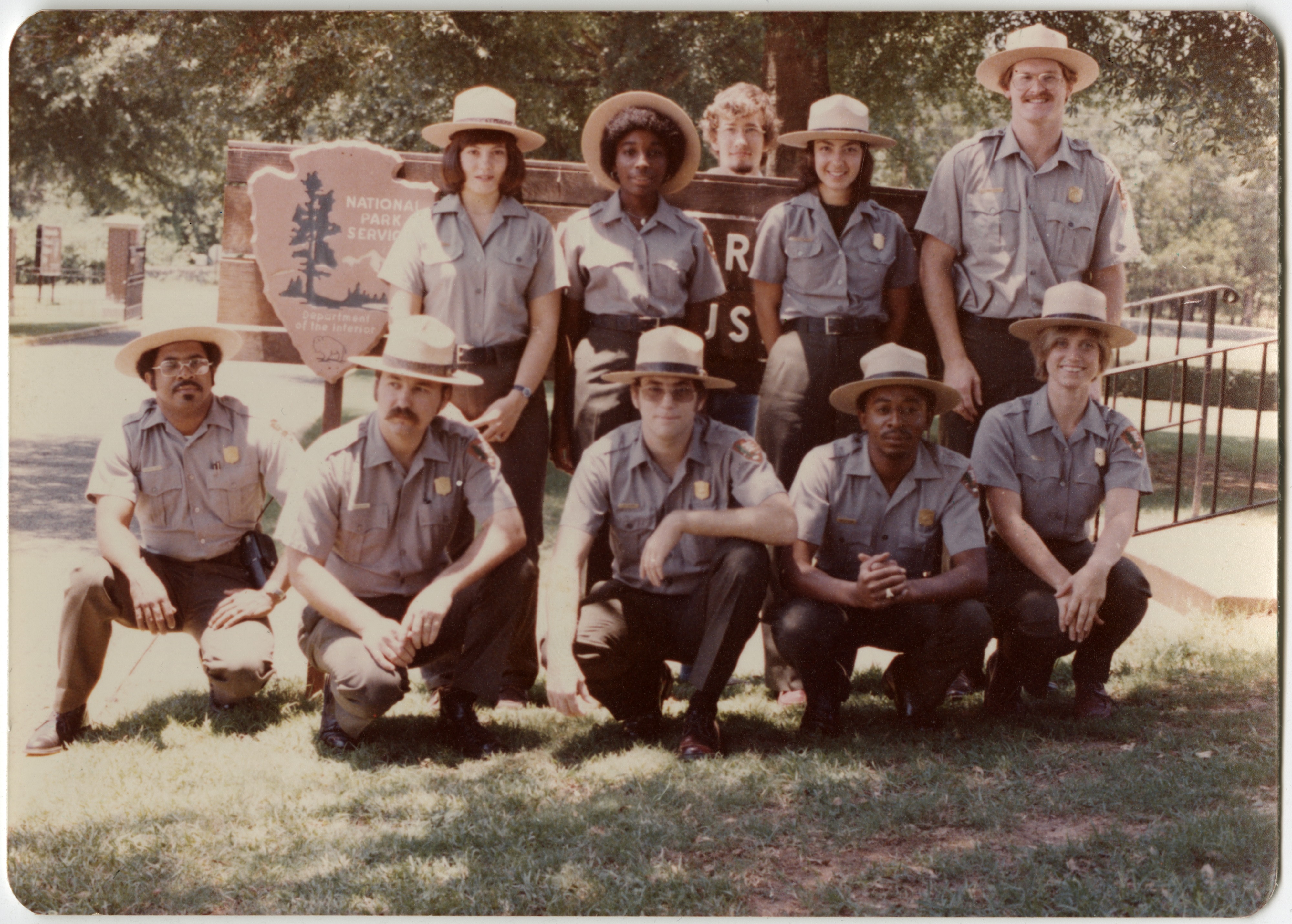
ande_book4_ps&v_096

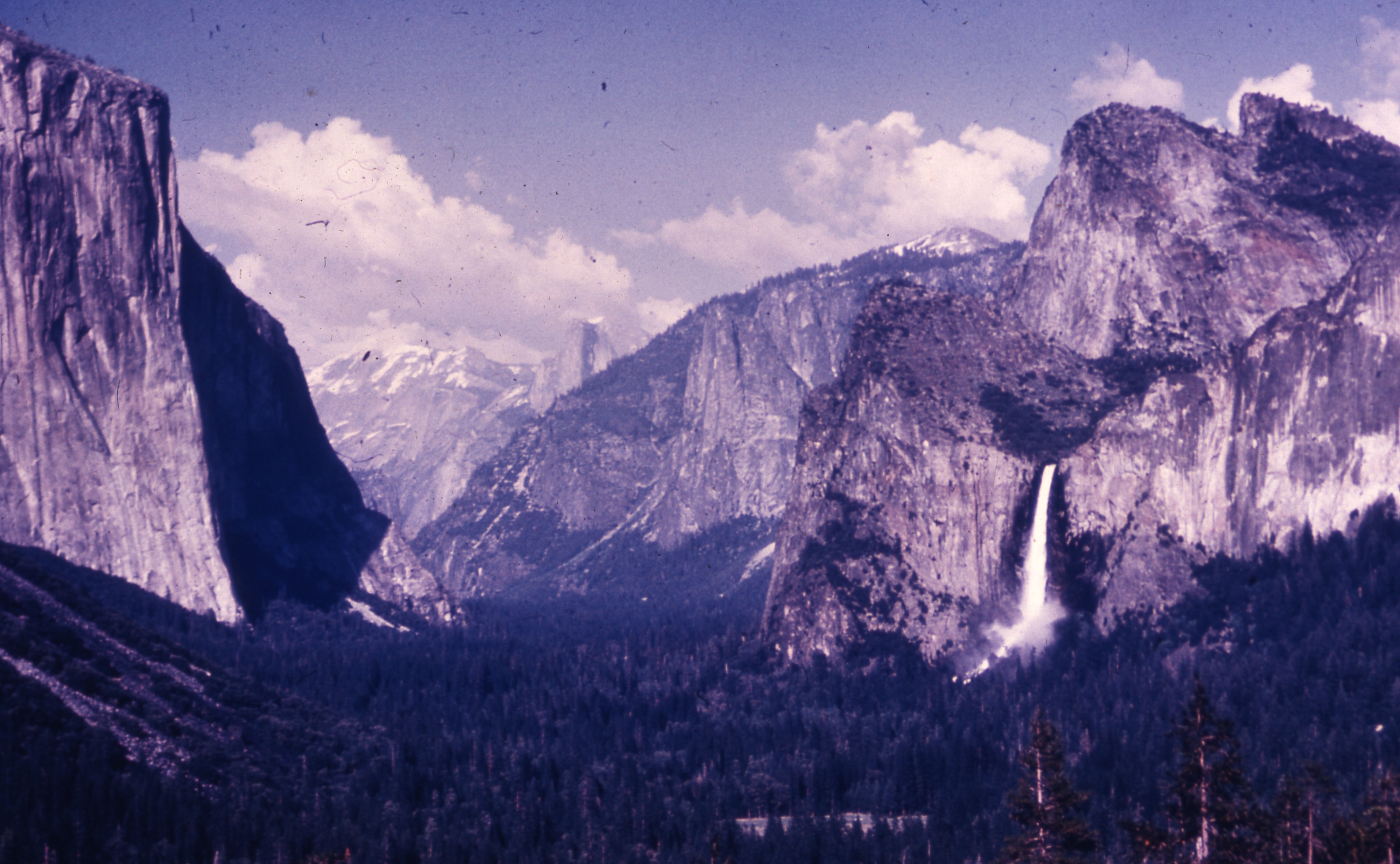
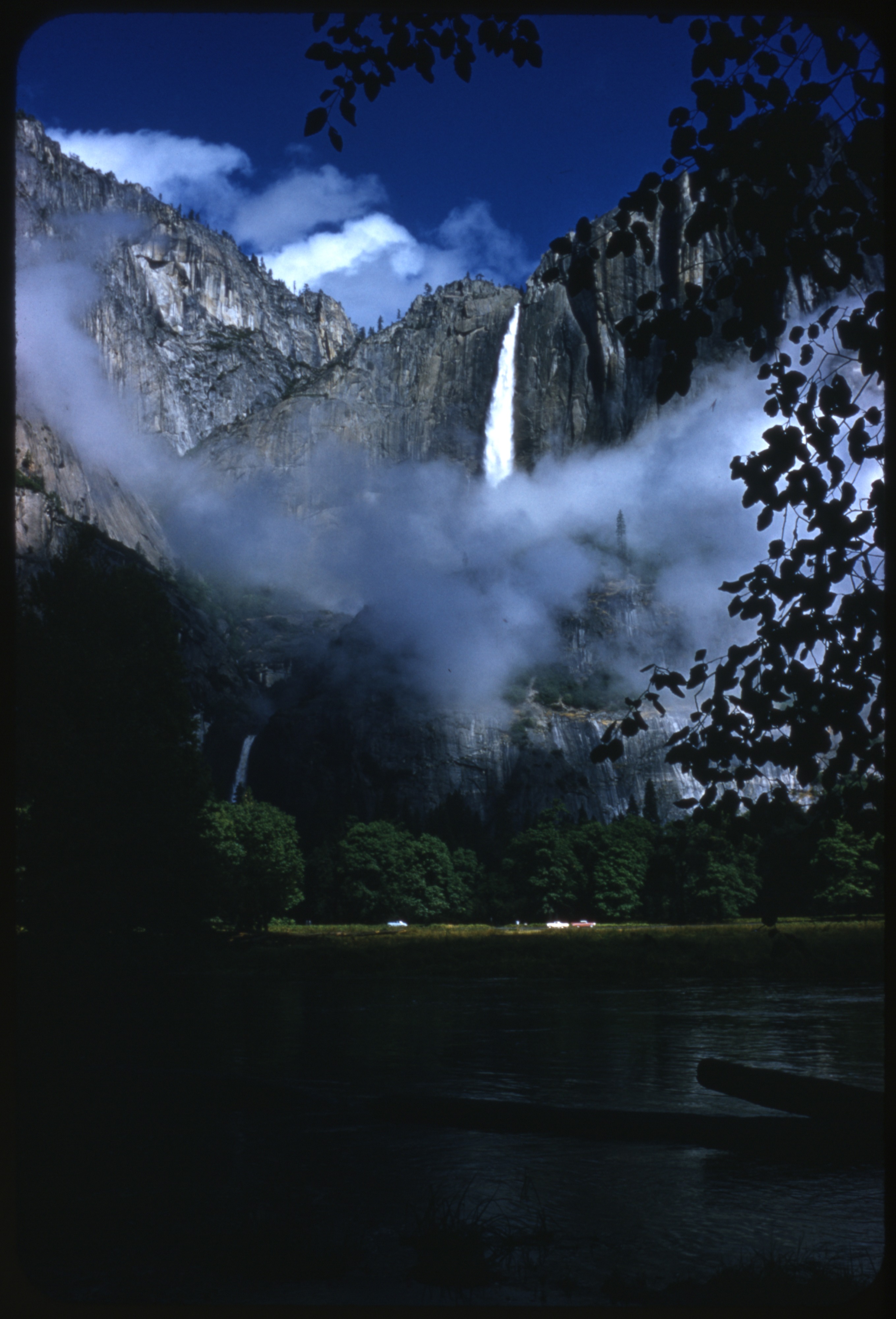
There are beau­ti­ful his­tor­i­cal images like that of a house near Hod­genville, Ken­tucky, site of the Abra­ham Lin­coln Birth­place Nation­al His­tor­i­cal Park, fur­ther up; images of park rangers and staff, like the charm­ing group pho­to above from Ander­son­ville Nation­al His­toric Site in Geor­gia; and sub­lime vis­tas like the pho­to at the top of the post from the Kings Moun­tain Nation­al Mil­i­tary Park in Yosemite Val­ley. The Open Parks Net­work, writes Joe Toneli at Digg, “is con­stant­ly being added to, and is an impor­tant tool in pre­serv­ing the his­to­ry of the NPS and the nation­al mon­u­ments it pro­tects.” Devel­oped in part­ner­ship with Clem­son Uni­ver­si­ty since 2010, Open Parks hosts all pub­lic domain images, free to explore and down­load. See this guide for a detailed expla­na­tion on how to best nav­i­gate the col­lec­tions, all of which are ful­ly search­able.

kimo_n11_0475-2

Each image, like that of Yosemite Falls, above, has options for view­ing full-screen and zoom­ing in and out. So absorb­ing are these archives, you may find your­self get­ting lost in them, and any one of these beau­ti­ful­ly-pre­served parks and their incred­i­ble his­to­ries offer wel­come places to get lost for sev­er­al hours, or sev­er­al days. For even more his­toric pho­tog­ra­phy from the nation’s many parks, see selec­tions online from the East­man Muse­um’s cur­rent exhib­it, Pho­tog­ra­phy and Amer­i­ca’s Nation­al Parks, “designed,” writes John­ny Simon at Quartz, “to inspire peo­ple to look at nation­al land­scape just as Ted­dy Roo­sevelt once did, a cen­tu­ry ago.”

Enter Open Parks here.

via Digg

Relat­ed Con­tent:

226 Ansel Adams Pho­tographs of Great Amer­i­can Nation­al Parks Are Now Online

The New York Pub­lic Library Lets You Down­load 180,000 Images in High Res­o­lu­tion: His­toric Pho­tographs, Maps, Let­ters & More

The Beau­ty of Space Pho­tog­ra­phy

Josh Jones is a writer and musi­cian based in Durham, NC. Fol­low him at @jdmagness
1850s Japan Comes to Life in 3D, Color Photos: See the Stereoscopic Photography of T. Enami

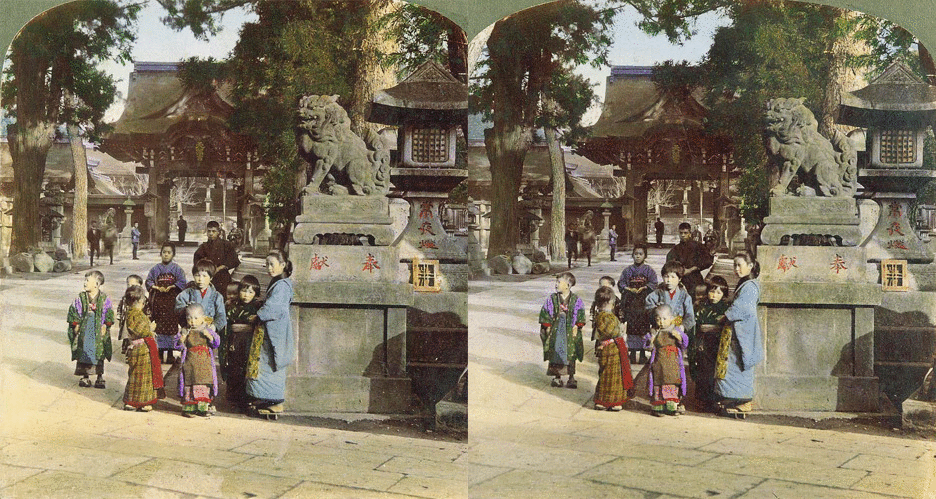
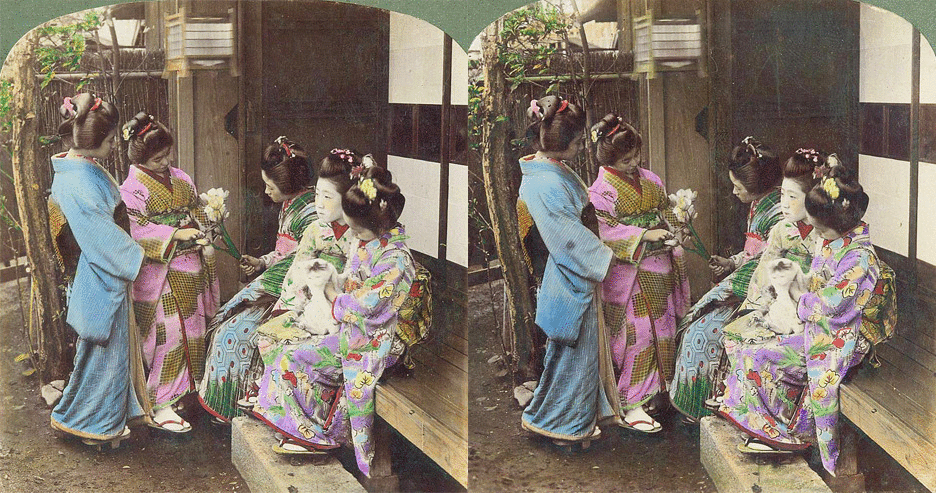
stereoview_10

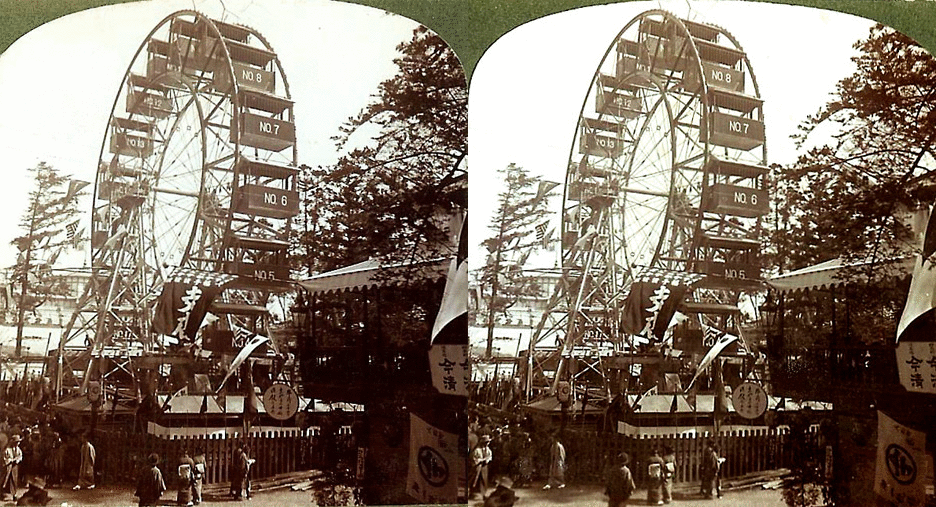
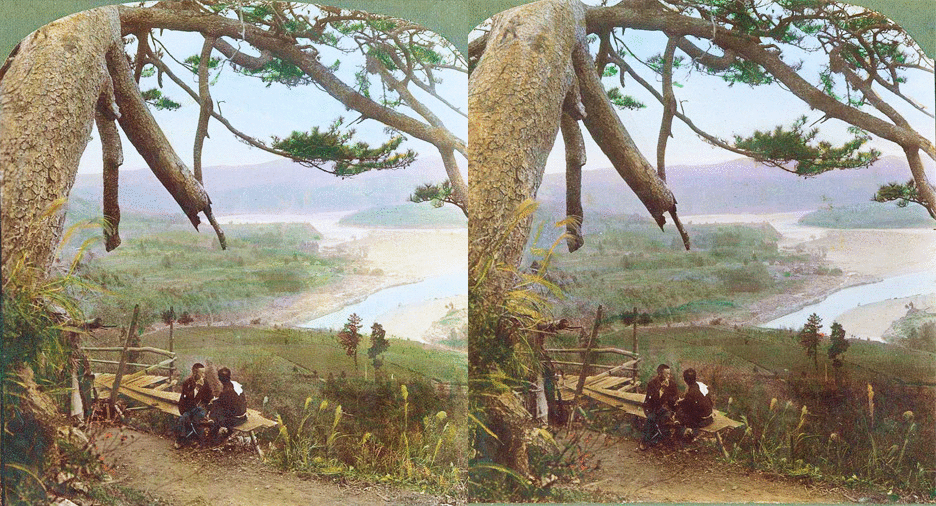
For about a quar­ter of a mil­len­ni­um, Japan had a pol­i­cy called sakoku, lit­er­al­ly mean­ing “closed coun­try,” which put to death for­eign­ers who dared enter to Japan, or Japan­ese who dared to leave it. It came to an end with the Mei­ji Restora­tion, the peri­od between 1868 to 1912, dur­ing which Japan put the Emper­or back in charge and, as his­to­ri­ans often say, began to “open up” to the out­side world, light­ing out on the path to its own kind of moder­ni­ty. For­eign­ers would still have had only a vague idea of Japan­ese life at the time — at least those with­out access to a stere­o­scope, and who thus could­n’t lay eyes on the vivid 3D pho­tog­ra­phy of Yoko­hama’s T. Ena­mi.

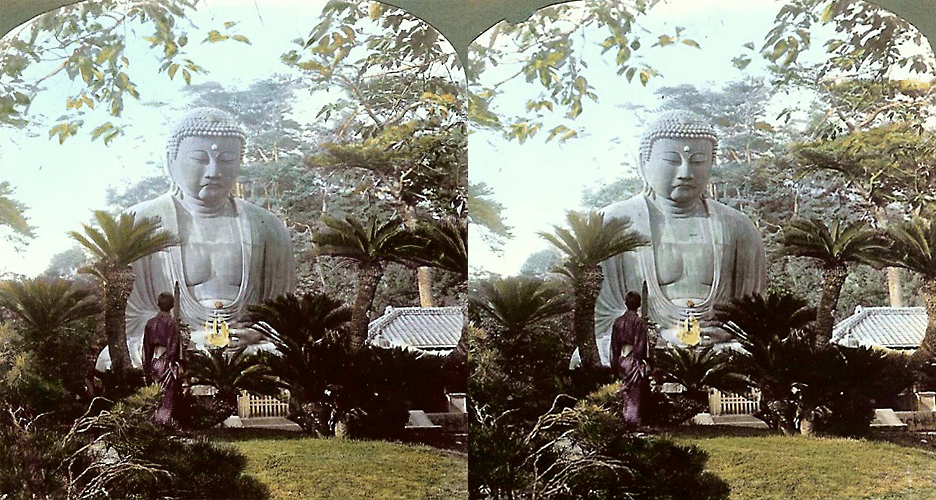
stereoview_19

“To many whose lives revolved around pho­tog­ra­phy — includ­ing both Japan­ese and for­eign pro­fes­sion­als, as well as seri­ous ama­teurs — Ena­mi was not just a pho­tog­ra­ph­er, but a ‘pho­tog­ra­pher’s pho­tog­ra­ph­er,’ ” writes Ena­mi enthu­si­ast Rob Oech­sle on his site t‑enami.org. He also dubs his pho­to­graph­ic hero (who was born Nobuku­ni Ena­mi in 1859 and lived until 1929, see­ing the end of the Mei­ji era but not the begin­ning of the sec­ond world war) “King of the Stere­oview, Mas­ter of the Lantern-Slide, Pro­lif­ic, Anony­mous Con­trib­u­tor To the World of Mei­ji-era Yoko­hama Album Views, Ded­i­cat­ed Street Pho­tog­ra­ph­er, and Hon­ored Alum­nus of Nation­al Geo­graph­ic Mag­a­zine.”

stereoview_16

That first title has grant­ed a por­tion of Enam­i’s large body of work a sur­pris­ing recent after­life. Fol­low­ing in his teacher’s foot­steps, Ena­mi refined the Japan­ese use of the stere­o­graph­ic cam­era, a device that pro­duced, writes the Vic­to­ria and Albert Muse­um’s Zoe Clay­ton, a stere­o­graph: “two pic­tures mount­ed next to each oth­er, viewed with a set of lens­es known as a stere­o­scope.  Tak­en around 7cm apart, rough­ly cor­re­spond­ing to the spac­ing of the eyes, the left pic­ture rep­re­sents what the left eye would see, and like­wise for the right, so when observ­ing the pic­tures through a stereo­scop­ic view­er, the pair of pho­tographs con­verge into a sin­gle three-dimen­sion­al image.”

stereoview_13

Adver­tised with slo­gans like “See the world from your par­lor!,” this “opti­cal mar­vel took the world by storm in the mid 19th cen­tu­ry, becom­ing the first ever mass-pro­duced pho­to­graph­ic images sold,” their pop­u­lar­i­ty such that “every Vic­to­ri­an home — regard­less of class — had a stere­o­scope and a col­lec­tion of views.” And though the years have made stere­o­scopes a lit­tle hard to come by, the inter­net has dis­cov­ered that you can enjoy some­thing like the same 3D effect Vic­to­ri­an view­ers did by look­ing at an ani­mat­ed GIF that oscil­lates quick­ly between the left pic­ture and the right one. Ena­mi hand-tint­ed many of his stere­o­graphs, result­ing in col­ored his­tor­i­cal images that look, even in two dimen­sions, star­tling­ly real­is­tic today.

stereoview_17

Here we present only a few of Enam­i’s stere­o­graphs, but you can see a much fuller col­lec­tion at Oeschle’s “Old Japan in 3D” Flickr page. He sur­vived 1923’s Great Kan­tō earth­quake, but his stu­dio did­n’t; he rebuilt it and lat­er passed it on to his son, who ran the place until it under­went a sec­ond destruc­tion in 1945 by Allied bombs. Though Enam­i’s name remains known pri­mar­i­ly to fans of Mei­ji-era pho­tog­ra­phy, his posthu­mous rep­u­ta­tion has slow­ly but steadi­ly grown: one of his pho­tos even appeared on the cov­er of the first edi­tion of Odyssey: the Art of Pho­tog­ra­phy at Nation­al Geo­graph­ic. These GIFs have already sparked an inter­est in Enam­i’s work among a new gen­er­a­tion. When 3D mon­i­tors catch on, per­haps he’ll rise to his true place in the pho­to­graph­ic pan­theon.

via Boing Boing

Relat­ed Con­tent:

Hand-Col­ored 1860s Pho­tographs Reveal the Last Days of Samu­rai Japan

Hand-Col­ored Pho­tographs of 19th Cen­tu­ry Japan

Adver­tise­ments from Japan’s Gold­en Age of Art Deco

Glo­ri­ous Ear­ly 20th-Cen­tu­ry Japan­ese Ads for Beer, Smokes & Sake (1902–1954)

Ear­ly Japan­ese Ani­ma­tions: The Ori­gins of Ani­me (1917–1931)

A Pho­to­graph­ic Tour of Haru­ki Murakami’s Tokyo, Where Dream, Mem­o­ry, and Real­i­ty Meet

Based in Seoul, Col­in Mar­shall writes and broad­casts on cities and cul­ture. He’s at work on a book about Los Ange­les, A Los Ange­les Primer, the video series The City in Cin­e­ma, the crowd­fund­ed jour­nal­ism project Where Is the City of the Future?, and the Los Ange­les Review of Books’ Korea Blog. Fol­low him on Twit­ter at @colinmarshall or on Face­book.

Rome Comes to Life in Photochrom Color Photos Taken in 1890: The Colosseum, Trevi Fountain & More

1890 Colosseum

For almost two hun­dred years, Eng­lish gen­tle­men could not con­sid­er their edu­ca­tion com­plete until they had tak­en the “Grand Tour” of Europe, usu­al­ly cul­mi­nat­ing in Naples, “raga­muf­fin cap­i­tal of the Ital­ian south,” writes Ian Thom­son at The Spec­ta­tor. Italy was usu­al­ly the pri­ma­ry focus, such that Samuel John­son remarked in 1776, per­haps with some irony, “a man who has not been to Italy is always con­scious of an infe­ri­or­i­ty.” The Roman­tic poets famous­ly wrote of their Euro­pean sojourns: Shel­ley, Byron, Wordsworth… each has his own “Grand Tour” sto­ry.

1890 Trevi Fountain

Shel­ley, who trav­eled with his wife Mary God­win and her step­sis­ter Claire Clair­mont, did not go to Italy, how­ev­er. And Byron sailed the Mediter­ranean on his Grand Tour, forced away from most of Europe by the Napoleon­ic wars. But in 1817, he jour­neyed to Rome, where he wrote the Fourth Can­to of Childe Harold’s Pil­grim­age:

Oh Rome! my coun­try! city of the soul!
The orphans of the heart must turn to thee,
Lone moth­er of dead empires! And con­trol
In their shut breasts their pet­ty mis­ery.

For the trav­el­ing artist and philoso­pher, “Italy,” Thom­son writes, “pre­sent­ed a civ­i­liza­tion in ruins,” and we can see in all Roman­tic writ­ing the tremen­dous influ­ence visions of Rome and Pom­peii had on gen­tle­men poets like Byron. The Grand Tour, and jour­neys like it, per­sist­ed until the 1840s, when rail­roads “spelled the end of soli­tary aris­to­crat­ic trav­el.” But even decades after­ward, we can see Rome (and Venice) the way Byron might have seen it—and almost, even, in full col­or. As we step into the vis­tas of these post­cards from 1890, we are far clos­er to Byron than we are to the Rome of our day, before Mussolini’s mon­u­ments, noto­ri­ous snarls of Roman traf­fic, and throngs of tourists.

1890 Trumphal Arch

“These post­cards of the ancient land­marks of Rome,” writes Mash­able, “were pro­duced… using the Pho­tochrom process, which adds pre­cise gra­da­tions of arti­fi­cial col­or to black and white pho­tos.” Invent­ed by Swiss print­er Orell Gess­ner Fus­sli, the process involved cre­at­ing lith­o­graph­ic stone from the negatives—“Up to 15 dif­fer­ent tint­ed stones could be involved in the pro­duc­tion of a sin­gle pic­ture, but the result was remark­ably life­like col­or at a time when true col­or pho­tog­ra­phy was still in its infan­cy.”

temple rome

The Library of Con­gress hosts forty two of these images in their online cat­a­log, all down­load­able as high qual­i­ty jpegs or tiffs, and many, like the stun­ning image of the Colos­se­um at the top (see the inte­ri­or here), fea­tur­ing a pre-Pho­tocrom black and white print as well.

1890 San Lorenzo

Aside from a rare street scene, with an urban milieu look­ing very much from the 1890s, the pho­tographs are void of crowds. In the fore­ground of the Tri­umphal Arch fur­ther up we see a soli­tary woman with a bas­ket of pro­duce on her head. In the image of San Loren­zo, above, a tiny fig­ure walks away from the cam­era.

forum rome 1890

In most of these images—with their dream­like coloration—we can imag­ine Rome the way it looked not only in 1890, but also how it might have looked to bored aris­to­crats in the 17th and 18th centuries—and to pas­sion­ate Roman­tic poets in the ear­ly 19th, a place of raw nat­ur­al grandeur and sub­lime man-made decay. See the Library of Con­gress online cat­a­log to view and down­load all forty-two of these post­cards. Also find a gallery at Mash­able.

1890 Great Cascade

Relat­ed Con­tent:

Venice in Beau­ti­ful Col­or Images 125 Years Ago: The Rial­to Bridge, St. Mark’s Basil­i­ca, Doge’s Palace & More

Beau­ti­ful, Col­or Pho­tographs of Paris Tak­en 100 Years Ago—at the Begin­ning of World War I & the End of La Belle Époque

Behold the Very First Col­or Pho­to­graph (1861): Tak­en by Scot­tish Physi­cist (and Poet!) James Clerk Maxwell

Josh Jones is a writer and musi­cian based in Durham, NC. Fol­low him at @jdmagness
The History of Photography in Five Animated Minutes: From Camera Obscura to Camera Phone

We find our­selves, still ear­ly in the 21st cen­tu­ry, in an unprece­dent­ed era in the his­to­ry of pho­tog­ra­phy. The con­sumers of the devel­oped world have, of course, had access to cam­eras of their own for decades and decades, but now almost each and every one of us walks around with a cam­era in our pock­et. When a par­tic­u­lar land­scape, build­ing, ani­mal, human being, or oth­er sight strikes our fan­cy, we cap­ture it with­out a momen­t’s hes­i­ta­tion — and, often, with­out hav­ing giv­en a momen­t’s thought to the tech­no­log­i­cal and artis­tic his­to­ry of the dis­ci­pline we are, if for lit­tle more than an instant, prac­tic­ing.

Most of us, know­ing our­selves to be no Ansel Adams, Hen­ri Carti­er-Bres­son, or Diane Arbus, would hes­i­tate to describe the snaps with which we doc­u­ment and share our dai­ly lives as “pho­tog­ra­phy.” But in tak­ing any pic­ture, no mat­ter how mun­dane or even sil­ly, we place our­selves in the stream of a tra­di­tion. But we can gain an under­stand­ing of that tra­di­tion, at least in broad strokes, from “The His­to­ry of Pho­tog­ra­phy in Five Min­utes,” the Coop­er­a­tive of Pho­tog­ra­phy video above which, in the words of its nar­ra­tor, offers an insight into — brace your­self for this and oth­er puns —  “how pho­tog­ra­phy has devel­oped.”

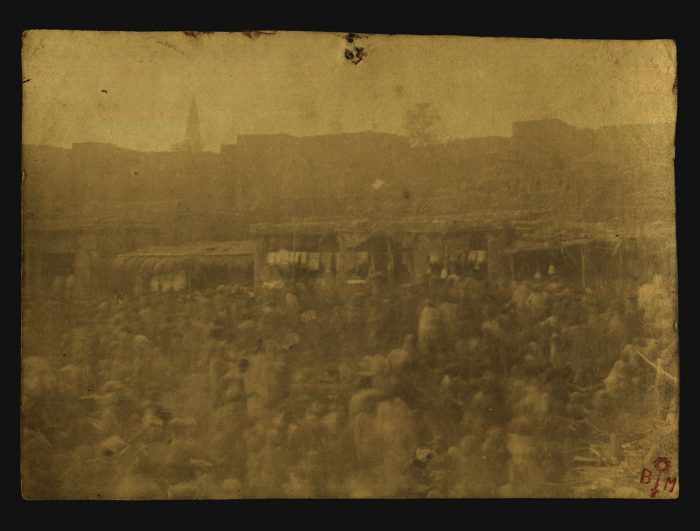
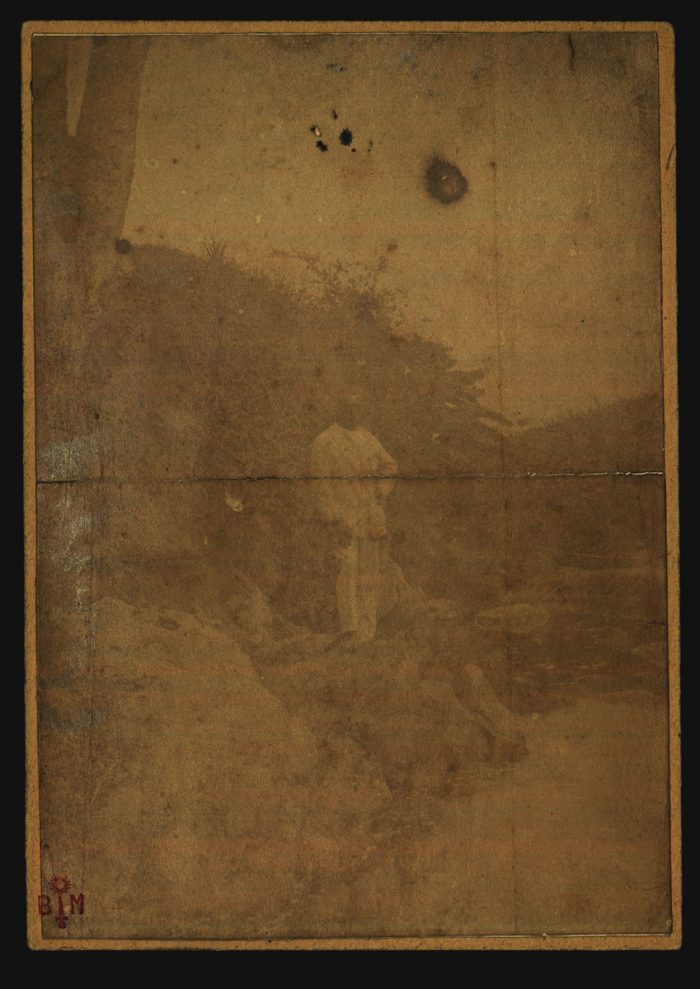
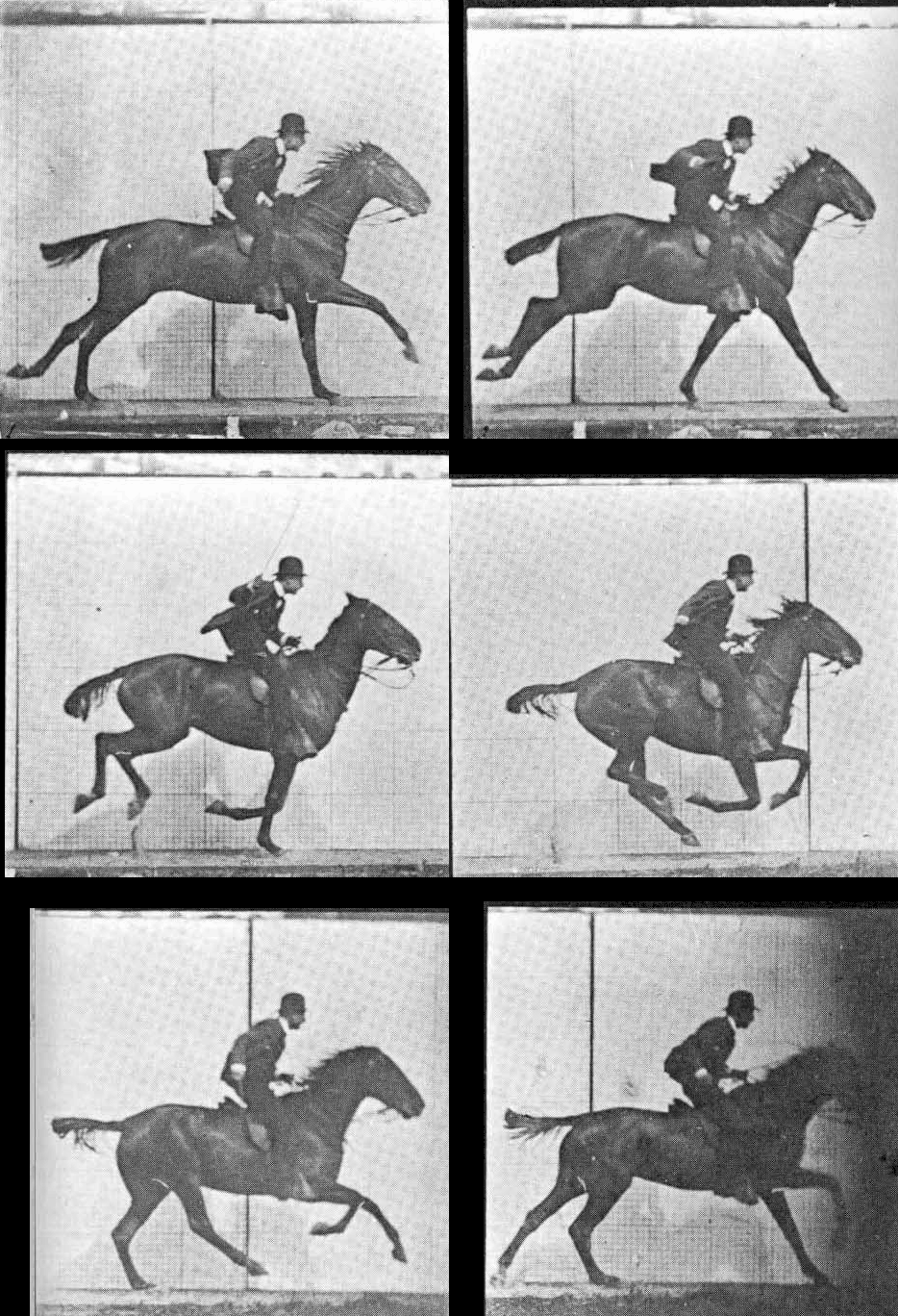
Begin­ning with the cam­era obscu­ra, the reflec­tion and trac­ing devices that date back to antiq­ui­ty (lat­er described and used by Leonar­do da Vin­ci), the video moves swift­ly from mile­stone to pho­to­graph­ic mile­stone, includ­ing the first pho­to­graph, a “heli­o­graph” tak­en in 1826; Louis Daguer­re’s inven­tion of “the first prac­ti­cal pho­to­graph­ic process” in 1833; the first self­ie, tak­en in 1839; the emer­gence of mobile pho­to stu­dios in the 1850s; Ead­weard Muy­bridge’s motion-pho­tog­ra­phy stud­ies of the 1870s; Kodak’s pro­duc­tion of the first roll-film con­sumer cam­era in 1888; the game-chang­ing Leica I hit­ting the mar­ket in 1925; the first sin­gle-lens reflex in 1949; the first dig­i­tal cam­era in 1975; and, open­ing our own era, the first cam­era phone in 2000.

And now our smart­phones and their “insane­ly pow­er­ful cam­eras” onboard have turned pho­tog­ra­phy into a “glob­al pas­sion” that “has tru­ly brought the world clos­er togeth­er.” The pro­lif­er­a­tion of hasti­ly tak­en, essen­tial­ly uncom­posed shots of our pur­chas­es, our food, and our­selves have giv­en old-school pho­tog­ra­phy enthu­si­asts plen­ty to com­plain about, but the era of acces­si­ble pho­tog­ra­phy has only just begun. Most of us are still, in some sense, tak­ing heli­ographs and daguerreo­types; just imag­ine how the next fif­teen years will, er, expose our true pho­to­graph­ic capa­bil­i­ties.

Relat­ed Con­tent:

Ansel Adams Reveals His Cre­ative Process in 1958 Doc­u­men­tary

How to Take Pho­tographs Like Ansel Adams: The Mas­ter Explains The Art of “Visu­al­iza­tion”

Hen­ri Carti­er-Bres­son and the Deci­sive Moment

Alfred Stieglitz: The Elo­quent Eye, a Reveal­ing Look at “The Father of Mod­ern Pho­tog­ra­phy”

1972 Diane Arbus Doc­u­men­tary Inter­views Those Who Knew the Amer­i­can Pho­tog­ra­ph­er Best

Get­ty Images Makes 35 Mil­lion Pho­tos Free to Use Online

Hunter S. Thompson’s Advice for Aspir­ing Pho­tog­ra­phers: Skip the Fan­cy Equip­ment & Just Shoot

Based in Seoul, Col­in Mar­shall writes and broad­casts on cities and cul­ture. He’s at work on a book about Los Ange­les, A Los Ange­les Primer, the video series The City in Cin­e­ma, the crowd­fund­ed jour­nal­ism project Where Is the City of the Future?, and the Los Ange­les Review of Books’ Korea Blog. Fol­low him on Twit­ter at @colinmarshall or on Face­book.

Portraits of Ellis Island Immigrants Arriving on America’s Welcoming Shores Circa 1907

Guadalupe Woman

The shib­bo­leths of our polit­i­cal cul­ture have trend­ed late­ly toward the loathe­some, crude, and com­plete­ly spe­cious to such a degree that at least one promi­nent colum­nist has summed up the ongo­ing spec­ta­cle in Cleve­land as “grotes­querie… on a lev­el unique in the his­to­ry of our repub­lic.” It’s impos­si­ble to quan­ti­fy such a thing, but the sen­ti­ment feels accu­rate in the fer­vor of the moment. We’ll hear a tor­rent of well-worn counter-clichés at the oth­er par­ty’s big con­ven­tion, and one of them that’s sure to come up again and again is the phrase “nation of immi­grants.” The U.S., we’re told over and over, is a “nation of immi­grants.” And it is. Or has become so, though the term “immi­grant” is not an uncom­pli­cat­ed one, as we’ve seen in the EU’s strug­gle to parse “refugees” from “eco­nom­ic migrants.”

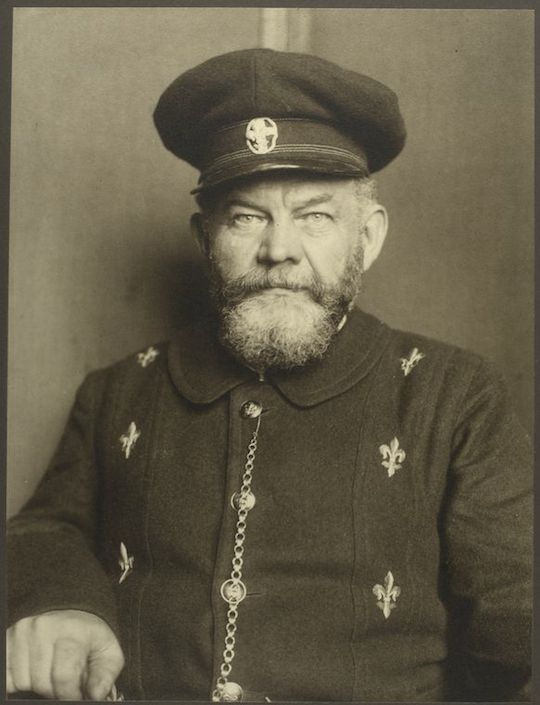
German Stowaway

The U.S. is also a nation of indige­nous peo­ple and for­mer slaves, inden­tured ser­vants, and set­tler colonists, all very dif­fer­ent histories—and aca­d­e­m­ic his­to­ri­ans are care­ful not to blur the cat­e­gories, even if politi­cians, ordi­nary cit­i­zens, and text­book pub­lish­ers often do. Yet rhetoric about who owns the coun­try, and who gets to “take it back,” clouds every issue—it belongs to every­one and no one, or as Wal­lace Stevens put it, “this is everybody’s world.”

Danish Man

But when we talk about the his­to­ry of immi­gra­tion, we usu­al­ly talk about a spe­cif­ic his­to­ry dat­ing from the mid-19th to ear­ly-20th cen­tu­ry, dur­ing which diverse groups of peo­ple arrived from all over the world, bring­ing with them their lan­guages, cus­toms, food, and cul­tures, and only slow­ly becom­ing “Amer­i­cans” as they nat­u­ral­ized and assim­i­lat­ed to var­i­ous degrees, forcibly or oth­er­wise. We also talk about a legal his­to­ry that pro­scribed cer­tain kinds of peo­ple and cre­at­ed hier­ar­chies of desir­able and unde­sir­able immi­grants with respect to eth­nic and nation­al ori­gin and eco­nom­ic sta­tus.

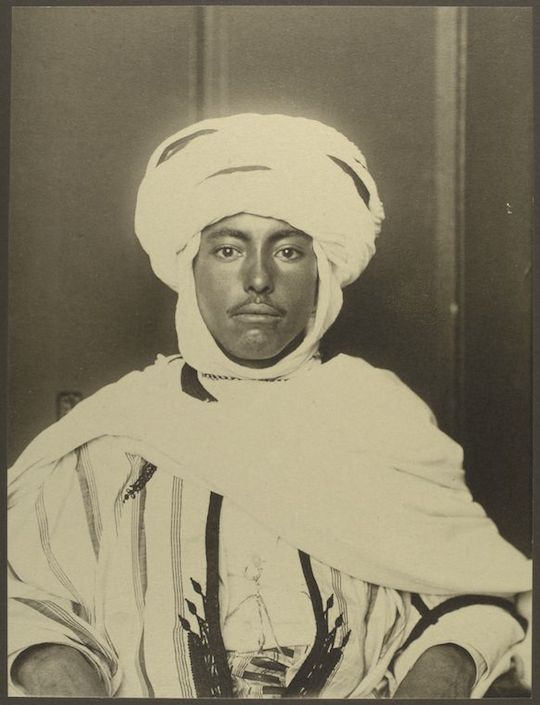
Algerian Man

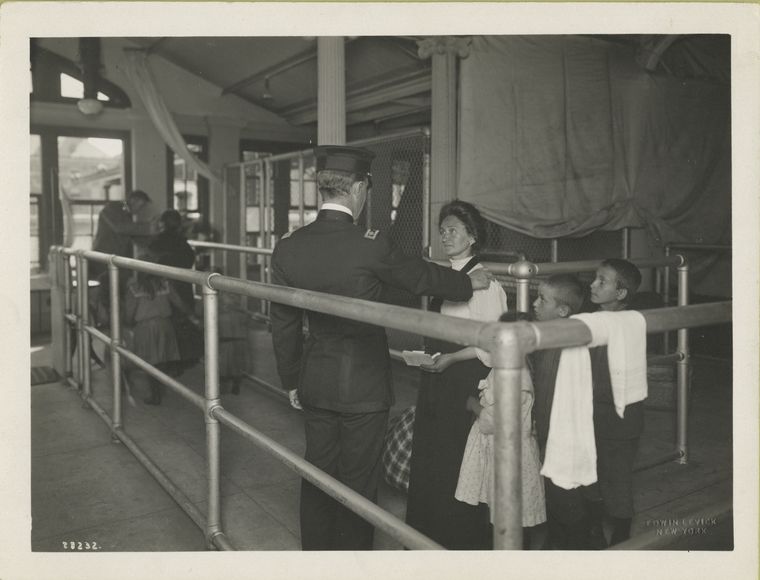
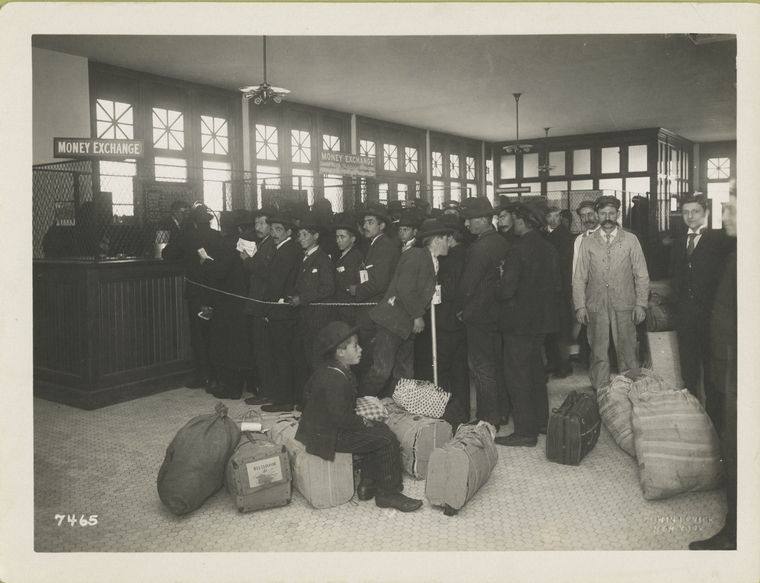
Mil­lions of the peo­ple who arrived dur­ing the peak of U.S. immi­gra­tion passed through the immi­gra­tion inspec­tion sta­tion at New York’s Ellis Island, which oper­at­ed between the years 1882 and 1954. The indi­vid­u­als and fam­i­lies who spent any time there were work­ing peo­ple and peas­ants. Among new arrivals, “the first and sec­ond class pas­sen­gers were con­sid­ered wealthy enough,” writes The Pub­lic Domain Review, “not to become a bur­den to the state and were exam­ined onboard the ships while the poor­er pas­sen­gers were sent to the island where they under­went med­ical exam­i­na­tions and legal inspec­tions.”

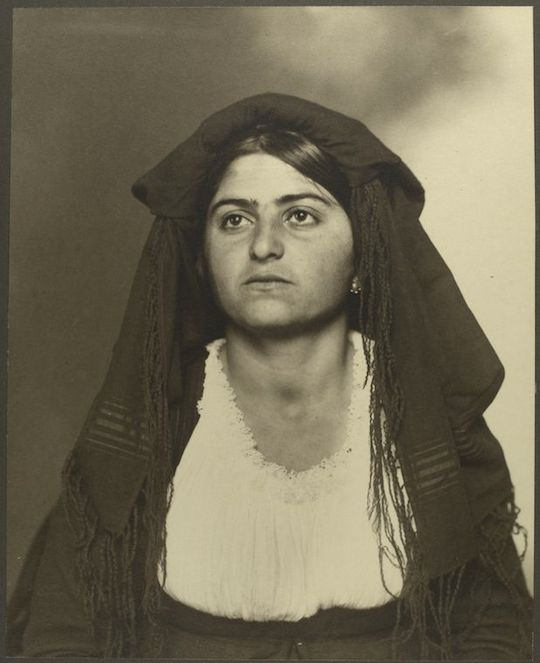
Italian Woman

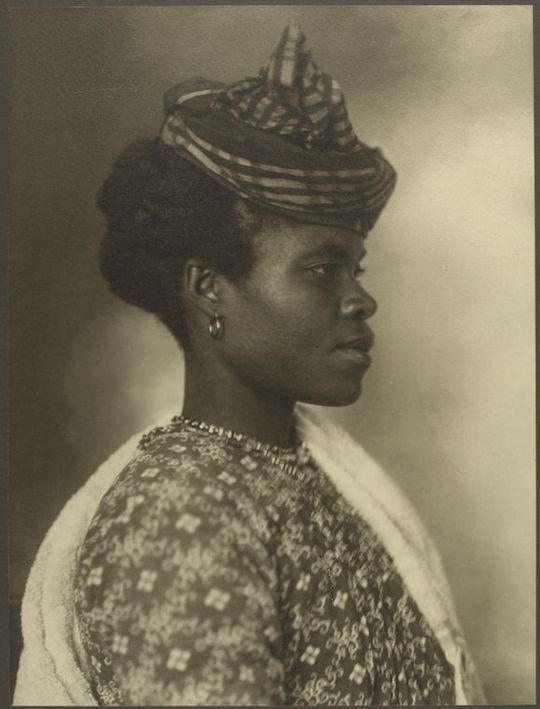
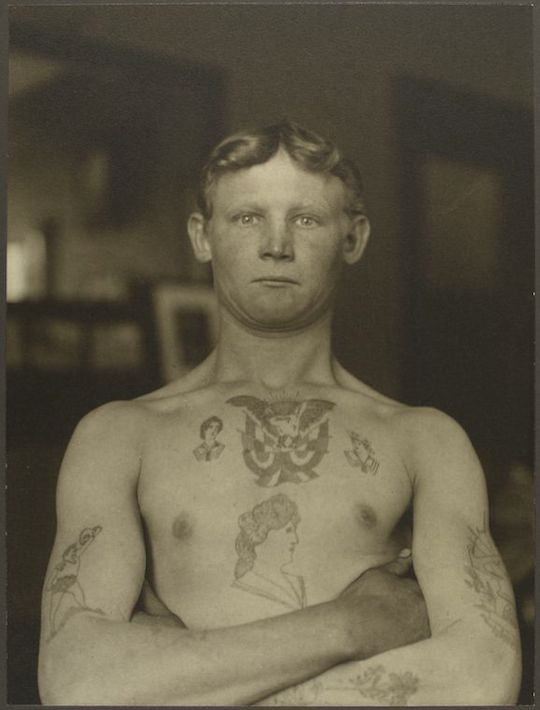
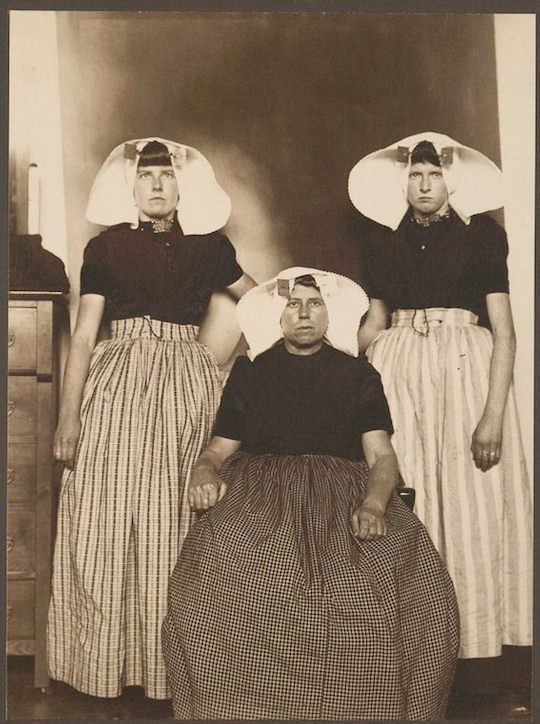
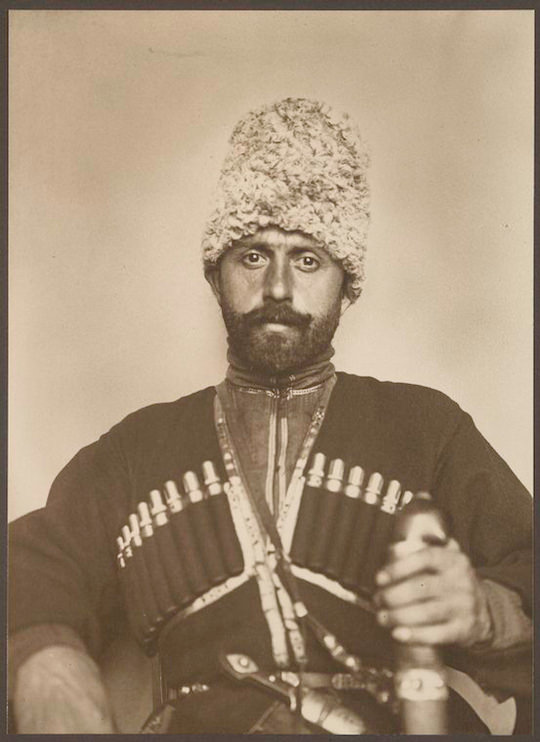
Many of these indi­vid­u­als also sat for por­traits tak­en by the Chief Reg­istry Clerk Augus­tus Sher­man while “wait­ing for mon­ey, trav­el tick­ets or some­one to come and col­lect them from the island.” Sherman’s cam­era cap­tured strik­ing images like the poised Guade­lou­pean woman in pro­file at the top, the defi­ant Ger­man stow­away below her, stern Dan­ish man fur­ther down, Alger­ian man and Ital­ian woman above, and severe-look­ing trio of Dutch women and Geor­gian man below.

Dutch Women

These pho­tographs date from before 1907, which was the busiest year for Ellis Island, “with an all-time high of 11,747 immi­grants arriv­ing in April.” About two per­cent of immi­grants at the time were denied entry because of dis­ease, insan­i­ty, or a crim­i­nal back­ground. That per­cent­age of peo­ple turned away rose in the fol­low­ing decade, and the diver­si­ty of peo­ple com­ing to the coun­try nar­rowed sig­nif­i­cant­ly in the 1920s, until the 1924 immi­gra­tion act imposed strict quo­tas, “as immi­grants from South­ern and East­ern Europe were seen as infe­ri­or to the ear­li­er immi­grants from North­ern and West­ern Europe” and those from out­side the Euro­pean con­ti­nent were lim­it­ed to a tiny frac­tion of the almost 165,000 allowed that year.

Russian Cossack

“Fol­low­ing the Red Scare of 1919,” writes the Den­sho Ency­clo­pe­dia, “wide­spread fear of rad­i­cal­ism fueled anti-for­eign sen­ti­ment and exclu­sion­ist demands. Sup­port­ers of immi­gra­tion leg­is­la­tion stressed recur­ring themes: Anglo-Sax­on supe­ri­or­i­ty and for­eign­ers as threats to jobs and wages.” Not coin­ci­den­tal­ly, dur­ing this time the coun­try also saw the resur­gence of the Klu Klux Klan, which—notes PBS—“moved in many states to dom­i­nate local and state pol­i­tics.” It was a time that very much resem­bled our own, sad­ly, as fanat­i­cal nativism and white suprema­cy became dom­i­nant strains in the polit­i­cal dis­course, accom­pa­nied by much fear­mon­ger­ing, dem­a­goguery, and vio­lence. (It was also in the teens and twen­ties that the idea of a supe­ri­or “West­ern Civ­i­liza­tion” was invent­ed.)

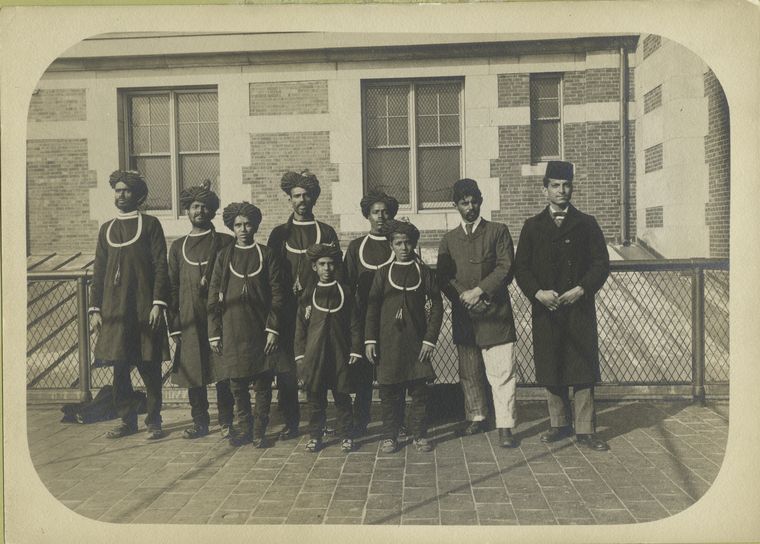
Group Portrait Ellis Island

The por­traits above were pub­lished in Nation­al Geo­graph­ic and “hung on the walls of the low­er Man­hat­tan head­quar­ters of the fed­er­al Immi­gra­tion Ser­vice” in 1907, before the hys­te­ria began. They show us the human face of an abstract phe­nom­e­non far too often used as an epi­thet or catch-all scare word rather than a fact of human exis­tence since humans have exist­ed. Becom­ing acquaint­ed with the his­to­ry of immi­gra­tion in the U.S. allows us to see how we have han­dled it well in the past, and how we have han­dled it bad­ly, and the pho­to­graph­ic evi­dence pre­serves the dig­ni­ty of the var­i­ous indi­vid­ual peo­ple from all over the world who were lumped togeth­er collectively—as they are today—with the loaded word “immi­grant.”

Ellis Island 2

These images come from the New York Pub­lic Library’s online archive of Ellis Island Pho­tographs, which con­tains 89 pho­tos in all, includ­ing sev­er­al exte­ri­or and inte­ri­or shots of the island’s facil­i­ties and many more por­traits of arriv­ing peo­ple. We’re grate­ful to the Pub­lic Domain Review (who have a fas­ci­nat­ing new book on Nitrous Oxide com­ing out) for bring­ing these to our atten­tion. For more of the NYPL’s huge repos­i­to­ry of his­tor­i­cal pho­tographs, see their Flickr gallery of over 2,500 pho­tos or full dig­i­tal pho­tog­ra­phy col­lec­tion of over 180,000 images.

Ellis Island 1

via The Pub­lic Domain Review

Relat­ed Con­tent:

1,000+ Haunt­ing & Beau­ti­ful Pho­tos of Native Amer­i­can Peo­ples, Shot by the Ethno­g­ra­ph­er Edward S. Cur­tis (Cir­ca 1905)

478 Dorothea Lange Pho­tographs Poignant­ly Doc­u­ment the Intern­ment of the Japan­ese Dur­ing WWII

The New York Pub­lic Library Lets You Down­load 180,000 Images in High Res­o­lu­tion: His­toric Pho­tographs, Maps, Let­ters & More

Josh Jones is a writer and musi­cian based in Durham, NC. Fol­low him at @jdmagness.

French Artist Creates Digital Street Art in the Sky

We humans are a quar­rel­some lot. But one thing that unites us is the time spent on our backs, gaz­ing at clouds for the plea­sure of iden­ti­fy­ing what­ev­er objects they may fleet­ing­ly resem­ble.

It’s a very relax­ing activ­i­ty.

I was sur­prised there’s an actu­al, med­ical name for it: parei­do­lia, defined by Mer­ri­am-Web­ster as “the ten­den­cy to per­ceive a spe­cif­ic, often mean­ing­ful, image in a ran­dom or ambigu­ous visu­al pat­tern.”

Thomas Lamadieu, the artist whose work is show­cased above, has a dif­fer­ent, but not whol­ly unre­lat­ed con­di­tion.

A pho­to post­ed by Art­zop® (@artzop) on

Most of us pre­fer to con­tem­plate the heav­ens in a bucol­ic set­ting. Lamadieu’s art com­pels him to look upwards from a more urban land­scape. The tops of the build­ings hem­ming him in sup­ply with irreg­u­lar­ly shaped frames, which he cap­tures using a fish eye lens. Lat­er, he fills them in with Microsoft Paint draw­ings, which fre­quent­ly fea­ture a beard­ed man whose t‑shirt is striped in sky blue. Neg­a­tive space, not Cray­ola, sup­plies the col­or here.

Think of it as street art in the sky.

Not every day can be a bril­liant azure, but it hard­ly mat­ters when even Lamadieu’s grayest views exhib­it a deter­mined play­ful­ness. It takes a very unique sort of eye to tease a pink nip­pled, stripe-limbed bun­ny from a steely UK sky.

Like many street artists, he takes a glob­al approach, trav­el­ing the world in search of giant unclaimed can­vas­es. His port­fo­lio con­tains vis­tas orig­i­nal­ly cap­tured in Hong Kong, South Korea, Ger­many, Spain, Aus­tria, Cana­da, Bel­gium, and the Unit­ed States, as well as his native France.

“The beard­ed man in my images stands for the sky itself,” he told The Inde­pen­dent, adding that his is a whol­ly sec­u­lar vision.

View a gallery of Lamadieu’s sky art here.

h/t to read­er Alan Gold­wass­er

Relat­ed Con­tent:

Google Puts Online 10,000 Works of Street Art from Across the Globe

The Cre­ativ­i­ty of Female Graf­fi­ti & Street Artists Will Be Cel­e­brat­ed in Street Hero­ines, a New Doc­u­men­tary

3D Street Art

Ayun Hal­l­i­day is an author, illus­tra­tor, and Chief Pri­ma­tol­o­gist of the East Vil­lage Inky zine. Fol­low her @AyunHalliday

Photographer Bill Cunningham (RIP) on Living La Vie Boheme Above Carnegie Hall

New York City lost some of its charm this week­end, with the news that Bill Cun­ning­ham, the Times’ beloved, on-the-street fash­ion pho­tog­ra­ph­er, had passed away at the age of 87.

Much has been made over the fact that he was des­ig­nat­ed a liv­ing land­mark by the New York Land­marks Con­ser­van­cy. It’s an hon­or he earned, hit­ting the streets dai­ly in his usu­al mufti of khakis, sneak­ers, and bleu de tra­vail cot­ton jack­et to hunt his quar­ry by bicy­cle, but one could nev­er accuse him of court­ing it.

His employ­er fre­quent­ly sent him to cov­er the elite, but he had no inter­est in join­ing their ranks, despite his own grow­ing celebri­ty. His “Evening Hours” col­umn doc­u­ment­ed the dressed up doings on the “par­ty cir­cuit.” (This liv­ing New York land­mark nev­er shook his Boston accent, one of the chief delights of his week­ly video series for the Times.) A recent install­ment sug­gests that shoot­ing the likes of actress Nicole Kid­man and Vogue Edi­tor-in-Chief Anna Win­tour dur­ing tony pri­vate func­tions at MoMA and the Met­ro­pol­i­tan Muse­um of Art (“aht”) was far less excit­ing than encoun­ter­ing col­or­ful­ly clad Himalayan dancers and a children’s craft table at an entire­ly free Sun­day after­noon street fair spon­sored by the Rubin Muse­um of Art.

Play­wright Win­ter Miller shared this anec­dote the morn­ing Cunningham’s death was announced:

…he did­n’t give a fk about who was famous or not. I once met Bill Mur­ray in the lob­by of the old New York Times build­ing. He’d shown up to see if he could track down a pho­to of him and his then-wife that Bill had shot. I brought one Bill to the oth­er, but Bill (Cun­ning­ham) was out on the streets with his blue jack­et, white bike and cam­era. When he returned, I explained how I’d come to take Bill Mur­ray under my wing to help him track down this pho­to. Bill had no idea who Bill Mur­ray was and not unkind­ly told me (that) none of his pho­tos were dig­i­tal, so it would involve him per­son­al­ly dig­ging through old files and he did­n’t have time. I admired that he knew his pri­or­i­ties and nev­er strayed from his task. I had been eager to get Bill Mur­ray the thing he’d want­ed and would have combed though vast files myself… but I nev­er looked. Bill Cun­ning­ham’s files were impen­e­tra­ble to an out­sider.

One likes to think that Mur­ray, who’s known for using his fame as his tick­et to hang with ordi­nary mor­tals, would find much to love about that.

In fact, Mur­ray strikes me as the per­fect can­di­date to play Cun­ning­ham in a biopic cov­er­ing the six decades spent liv­ing and work­ing in a stu­dio over Carnegie Hall. As far as I know, Bill Cun­ning­ham New York, a fea­ture length doc­u­men­tary, is the only time his sto­ry has been cap­tured on the sil­ver screen. How can it be that no one has thought to make a movie cen­tered on the lost bohemi­an peri­od Cun­ning­ham recalls so fond­ly in the slideshow above? It sounds like an Amer­i­can spin on the Lost Generation—sneaking down to the unlocked stage for pho­tog­ra­ph­er Edit­ta Sher­man’s impromp­tu ama­teur per­for­mances of The Dying Swan, an elder­ly cir­cus per­former and her dog roam­ing the halls on a uni­cy­cle, some­one always in a state of undress…

Per­haps Murray’s fre­quent col­lab­o­ra­tor, Wes Ander­son, could be enlist­ed to set these wheels in motion. The col­or­ful cast of char­ac­ters seem tai­lor-made for this direc­tor, already a fash­ion world favorite.

The hats alone!

Pri­or to acquir­ing an Olym­pus Pen D half-frame cam­era from a friend in 1966, Cun­ning­ham worked as a milliner. Mar­i­lyn Mon­roe used to crack her­self up, try­ing them on in between class­es at the Actor’s Stu­dio. The wife of a Carnegie Hall neigh­bor and Cunningham’s boss, fash­ion pho­tog­ra­ph­er Ray Solowin­s­ki, served as his mod­el. After he was estab­lished as a fash­ion expert in his own right, Cun­ning­ham admit­ted that his designs were “a lit­tle too exot­ic – you know, for nor­mal peo­ple”.

billhat6

I think they’re won­der­ful, and hope­ful­ly, Bill Mur­ray, Wes Ander­son and you will agree. See below. I think they’re won­der­ful, and hope­ful­ly, Bill Mur­ray, Wes Ander­son and you will agree. Hats off to the inim­itable Bill Cun­ning­ham, as much a fix­ture of New York as Carnegie Hall.

Relat­ed Con­tent:

Hunter S. Thompson’s Advice for Aspir­ing Pho­tog­ra­phers: Skip the Fan­cy Equip­ment & Just Shoot

Alfred Stieglitz: The Elo­quent Eye, a Reveal­ing Look at “The Father of Mod­ern Pho­tog­ra­phy”

Stan­ley Kubrick’s Jazz Pho­tog­ra­phy and The Film He Almost Made About Jazz Under Nazi Rule

Ayun Hal­l­i­day is an author, illus­tra­tor, and Chief Pri­ma­tol­o­gist of the East Vil­lage Inky zine. Fol­low her @AyunHalliday

1,000 Vintage Postcards Show Famous Actors Performing Shakespeare’s Plays from 1880 to 1914

TEMP_Kerin_Gill_01_front

We’ll nev­er ful­ly know how any­thing looked in Shake­speare’s time, much less how the Bard’s own plays did when first per­formed on the stage of the Globe The­atre. Thor­ough schol­ar­ship of his­to­ry in gen­er­al and Shake­speare in par­tic­u­lar has enabled us to imag­ine and recon­struct such a sight with rea­son­able cred­i­bil­i­ty, but only so much direct accu­ra­cy, since the devel­op­ment of pho­tog­ra­phy would­n’t hap­pen for a cou­ple hun­dred years. But not long after human­i­ty got its pho­tog­ra­phers did those pho­tog­ra­phers begin tak­ing pic­tures of human­i­ty’s best-known dra­mas, and a set of par­tic­u­lar­ly vivid exam­ples sur­vives on Emory Uni­ver­si­ty’s relaunched web site Shake­speare and the Play­ers.

OTH_Waller_Millard_01_front

The site describes itself as “an online exhi­bi­tion of near­ly 1,000 post­cards fea­tur­ing many famous Eng­lish and Amer­i­can actors who per­formed Shakespeare’s plays for late Vic­to­ri­an and Edwar­dian audi­ences,” speci­fi­cial­ly from around 1880 to 1914. It “show­cas­es post­cards fea­tur­ing the dom­i­nat­ing actors of the time in roles from some of the more pop­u­lar and oft-per­formed plays, like Ham­let and Romeo & Juli­et, as well as those from plays not often per­formed, like Cym­be­line and The Mer­ry Wives of Wind­sor.”

R3_Mantell_R_01_front

Slate’s Rebec­ca Onion refers to schol­ar Lawrence W. Levine, who writes of how, in the 19th cen­tu­ry, “many Amer­i­cans, even if illit­er­ate, knew and loved Shake­speare’s plays; they were the source mate­r­i­al for end­less par­o­dies, skits, and songs on the Amer­i­can stage. Nor was Shake­speare fan­dom con­fined to the elite; in the first half of the 19th cen­tu­ry, the­ater ‘played the role that movies played in the first half of the twen­ti­eth … a kalei­do­scop­ic, demo­c­ra­t­ic insti­tu­tion pre­sent­ing a wide­ly vary­ing bill of fare to all class­es and socioe­co­nom­ic groups.’ ”

WINTERS_cast_01_front

Shake­speare and the Play­ers first went live back in the 1990s, a project of Eng­lish pro­fes­sor Har­ry Rusche, who has writ­ten an infor­ma­tive pref­ace for the site in its recent­ly redesigned form (with its images com­plete­ly re-dig­i­tized). “Post­cards on Shake­speare appeared in a dizzy­ing array of con­texts,” he explains, “some humor­ous and some seri­ous; these cards of actors were only a small part of Shake­speare and of the card-indus­try as a whole.” A “mania for col­lect­ing” swept up their con­tem­po­rary buy­ers, not to men­tion an appre­ci­a­tion for the stars of the day: “hand­some men and beau­ti­ful women are always pop­u­lar in any medi­um.”

LEAR_Mantell_R_03_back

But plen­ty of them actu­al­ly used these post­cards for their intend­ed pur­pose, about which you can learn more on the site’s post­card backs sec­tion. It notes that “the philoso­pher Jacques Der­ri­da, in The Post­card, encour­ages us to read the two con­flict­ing, yet res­onat­ing scenes — in our case, the Shake­speare image and the hand­writ­ing on the back — two sides of the post­cards togeth­er,” an expe­ri­ence that may “be espe­cial­ly inter­est­ing to those of us born in the age of email, video con­fer­ences, Twit­ter, and text mes­sag­ing,” those who will now won­der when a set of Shake­speare emo­ji will come along, pro­vid­ing us a means of con­tin­u­ing to incor­po­rate these eter­nal char­ac­ters into our cor­re­spon­dence today.

via Slate

Relat­ed Con­tent:

Free Online Shake­speare Cours­es: Primers on the Bard from Oxford, Har­vard, Berke­ley & More

Read All of Shakespeare’s Plays Free Online, Cour­tesy of the Fol­ger Shake­speare Library

Shakespeare’s Rest­less World: A Por­trait of the Bard’s Era in 20 Pod­casts

Take a Vir­tu­al Tour of Shakespeare’s Globe The­atre

What Shake­speare Sound­ed Like to Shake­speare: Recon­struct­ing the Bard’s Orig­i­nal Pro­nun­ci­a­tion

Hear What Ham­let, Richard III & King Lear Sound­ed Like in Shakespeare’s Orig­i­nal Pro­nun­ci­a­tion

Drunk Shake­speare: The Trendy Way to Stage the Bard’s Plays in the US & the UK

Tol­stoy Calls Shake­speare an “Insignif­i­cant, Inartis­tic Writer”; 40 Years Lat­er, George Orwell Weighs in on the Debate

Based in Seoul, Col­in Mar­shall writes and broad­casts on cities, lan­guage, and style. He’s at work on a book about Los Ange­les, A Los Ange­les Primer, the video series The City in Cin­e­ma, the crowd­fund­ed jour­nal­ism project Where Is the City of the Future?, and the Los Ange­les Review of Books’ Korea Blog. Fol­low him on Twit­ter at @colinmarshall or on Face­book.

« Go BackMore in this category... »
Quantcast