Learn Digital Photography with Harvard University’s Free Online Course

Since the tak­ing of the very first pho­to­graph in 1826, pho­tog­ra­phy has devel­oped, as it were, in ways hard­ly imag­in­able to its first few gen­er­a­tions of prac­ti­tion­ers. The most thor­ough trans­for­ma­tion so far has, of course, come in the form of the dig­i­tal rev­o­lu­tion (and espe­cial­ly its lat­est fruit, the cam­era phone), which has in many real ways deliv­ered on its promise of mak­ing “every­one a pho­tog­ra­ph­er.” But the abil­i­ty to take a pic­ture is one thing, and the abil­i­ty to take a pic­ture worth look­ing at — let alone look­ing at more than once — quite anoth­er.

For­tu­nate­ly, high tech­nol­o­gy has democ­ra­tized not only the means of pro­duc­tion, but also the means of learn­ing with online cours­es like this free one on dig­i­tal pho­tog­ra­phy sourced from no less an insti­tu­tion than Har­vard Uni­ver­si­ty.

Its mate­ri­als come from Dan Armen­dariz’s Har­vard course DGMD E‑10: Expos­ing Dig­i­tal Pho­tog­ra­phy, and its twelve mod­ules “will take an aver­age stu­dent about 10 to 15 hours to com­plete, and they teach a wide range of top­ics in dig­i­tal pho­tog­ra­phy, includ­ing expo­sure set­tings, read­ing his­tograms, learn­ing about light, how sen­sors and lens­es work, and how to post-process pho­tos.” You can watch the lec­tures above, or find them on YouTube and iTunesand find relat­ed mate­ri­als on this course web­site.

Even a basic under­stand­ing of all those top­ics will put you far ahead of the aver­age social-media snap­per, but as with any pur­suit, gain­ing some knowl­edge cre­ates the desire for more. You thus might also con­sid­er tak­ing the dig­i­tal pho­tog­ra­phy course from Stan­ford pro­fes­sor and Google researcher Marc Lev­oy we fea­tured last year. (Also see this free mas­sive open online course, See­ing Through Pho­tographs. It’s from the MoMA, and it starts again on Jan­u­ary 23.) It would take a life­time to mas­ter all the gear and attain all the know-how out there, even if pho­tog­ra­phy stopped chang­ing today, but don’t let that intim­i­date you. Just bear in mind the wise words of Hunter S. Thomp­son: “Any man who can see what he wants to get on film will usu­al­ly find some way to get it; and a man who thinks his equip­ment is going to see for him is not going to get much of any­thing.”

Har­vard’s free dig­i­tal pho­tog­ra­phy course will be added to our col­lec­tion, 1,700 Free Online Cours­es from Top Uni­ver­si­ties.

If you would like to sign up for Open Culture’s free email newslet­ter, please find it here. It’s a great way to see our new posts, all bun­dled in one email, each day.

If you would like to sup­port the mis­sion of Open Cul­ture, con­sid­er mak­ing a dona­tion to our site. It’s hard to rely 100% on ads, and your con­tri­bu­tions will help us con­tin­ue pro­vid­ing the best free cul­tur­al and edu­ca­tion­al mate­ri­als to learn­ers every­where. You can con­tribute through Pay­Pal, Patre­on, and Ven­mo (@openculture). Thanks!

Relat­ed Con­tent:

Annie Lei­bovitz Teach­es Pho­tog­ra­phy in Her First Online Course

An Intro­duc­tion to Dig­i­tal Pho­tog­ra­phy: Take a Free Course from Stan­ford Prof/Google Researcher Marc Lev­oy

Muse­um of Mod­ern Art (MoMA) Launch­es Free Course on Look­ing at Pho­tographs as Art

The His­to­ry of Pho­tog­ra­phy in Five Ani­mat­ed Min­utes: From Cam­era Obscu­ra to Cam­era Phone

How to Take Pho­tographs Like Ansel Adams: The Mas­ter Explains The Art of “Visu­al­iza­tion”

Hen­ri Carti­er-Bres­son and the Deci­sive Moment

Alfred Stieglitz: The Elo­quent Eye, a Reveal­ing Look at “The Father of Mod­ern Pho­tog­ra­phy”

Hunter S. Thompson’s Advice for Aspir­ing Pho­tog­ra­phers: Skip the Fan­cy Equip­ment & Just Shoot

ALISON — A Trove of 750 Free Online Job Train­ing Cours­es

Based in Seoul, Col­in Mar­shall writes and broad­casts on cities and cul­ture. He’s at work on a book about Los Ange­les, A Los Ange­les Primer, the video series The City in Cin­e­ma, the crowd­fund­ed jour­nal­ism project Where Is the City of the Future?, and the Los Ange­les Review of Books’ Korea Blog. Fol­low him on Twit­ter at @colinmarshall or on Face­book.

200,000 Photos from the George Eastman Museum, the World’s Oldest Photography Collection, Now Available Online

stravinsky-1921

There was a time when any­one with even the remotest inter­est in pho­tog­ra­phy knew the name East­man, if not the life and work of George East­man him­self. East­man Kodak—the com­pa­ny found­ed in 1888 by that entre­pre­neur, phil­an­thropist, and Great Amer­i­can Suc­cess Story—once held a dom­i­nant share of the cam­era and film mar­ket. Gen­er­al­ly known in lat­er decades just by the name “Kodak,” Eastman’s com­pa­ny seems to have near­ly dis­ap­peared from the mar­ket in the dig­i­tal age (though it may be poised for a come­back).

first-kodak-manual

Yet many of the devices and mate­ri­als East­man’s com­pa­ny invent­ed saw dai­ly use in film and pho­tog­ra­phy through­out all of the pre­vi­ous cen­tu­ry. East­man bought the patents for and man­u­fac­tured the first roll film, indis­pens­able in both indus­tries until recent­ly. (He has two stars on the Hol­ly­wood walk of fame for his tech­ni­cal con­tri­bu­tions.) With the ease of roll film, Eastman’s com­pa­ny also cre­at­ed and sold the first cam­era for con­sumer use in 1888, sim­ply called the Kodak.

“The cam­era was a great suc­cess,” writes a Kodak his­to­ry, “and many peo­ple, among them a lot of women, start­ed tak­ing pho­tographs. When the 100 pic­tures of the film were shot, the pho­tog­ra­ph­er could mail the cam­era to East­man Kodak, where all the tech­ni­cal work would be done by skilled peo­ple.”

hauron-self-portrait

Eastman’s lega­cy lives on in anoth­er impor­tant capac­i­ty as well: since the 40s, his Rochester, NY man­sion housed one of the largest, the old­est, and per­haps the most impres­sive col­lec­tions of pho­tog­ra­phy in the world, the East­man Muse­um. “In 1989,” the muse­um tells us, it “com­plet­ed con­struc­tion of a 73,000-square-foot build­ing (more than 70 per­cent of which is below ground lev­el) that includ­ed cli­mate-con­trolled col­lec­tion vaults, exhi­bi­tion gal­leries, libraries, offices, and pho­to­graph­ic con­ser­va­tion and film preser­va­tions labs.” And now, over a quar­ter of a mil­lion of the East­man Museum’s hold­ings are avail­able online in search­able gal­leries of “thou­sands of pho­tographs that date back to the medium’s ear­li­est years,” notes Claire Voon at Hyper­al­ler­gic, “as well as “objects from its mas­sive library of arti­facts that togeth­er chron­i­cle the his­to­ry of image-mak­ing.”

no-soap

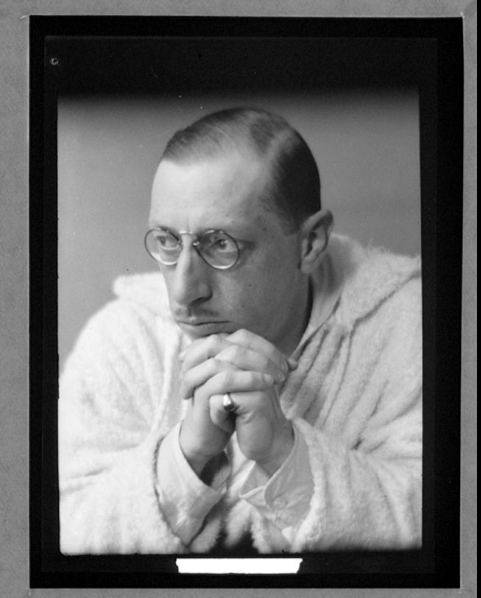
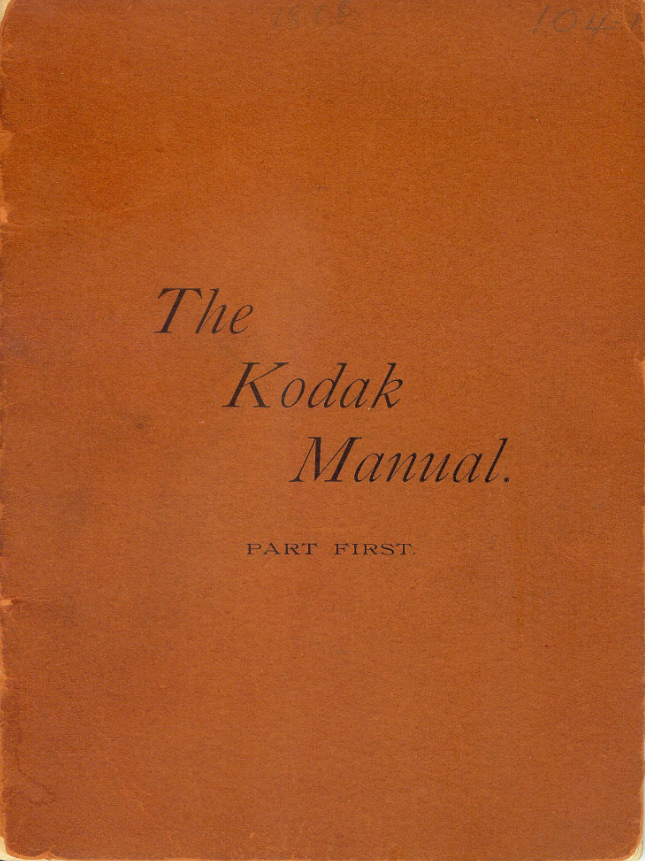
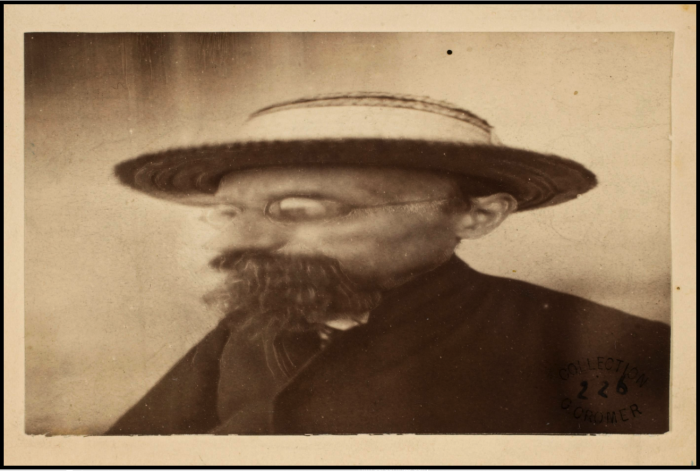
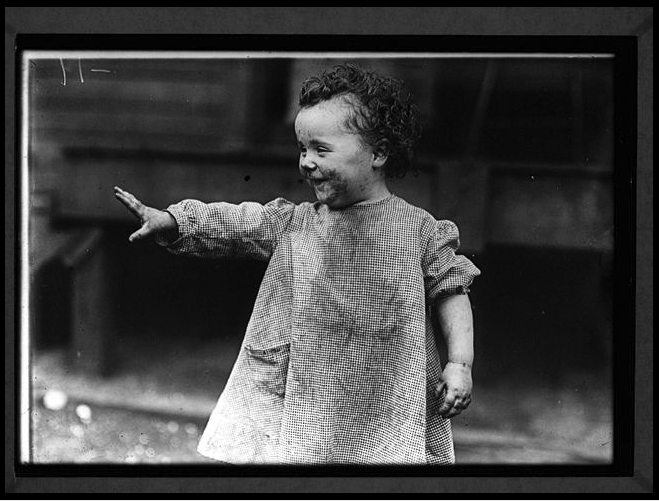
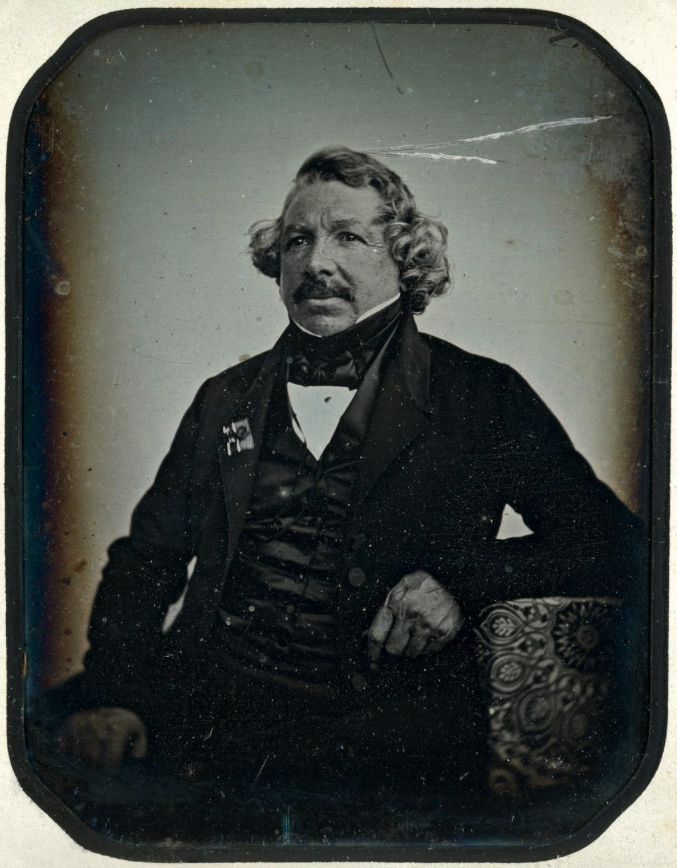
You’ll find the 1921 por­trait of Igor Stravin­sky, at the top, and the front cov­er of an 1888 Kodak man­u­al (“Part First”), below it. You’ll see exper­i­men­tal odd­i­ties like the 1889 “Self-Por­trait ‘Trans­for­ma­tion’” by Louis Docos du Hau­ron, fur­ther up; and strik­ing por­traits like Lewis W. Hine’s “No Soap, Pitts­burgh Steel Work­er Child 1909,” above. “The muse­um holds the col­lec­tions of Louis-Jacques-Mandé Daguerre,” writes Voon, “Lewis Hine, Alvin Lang­don Coburn, Nick­o­las Muray, and Edward Ste­ichen, so their works are avail­able here for you to eas­i­ly browse.” You’ll sure­ly rec­og­nize at least one of those names. Before East­man, Daguerre became one of the fathers of pho­tog­ra­phy in the ear­ly 19th cen­tu­ry. Just below, see an 1844 por­trait of the artist and inven­tor by a con­tem­po­rary, Jean Bap­tiste Sabati­er-Blot, “among the most famous por­traitists of the Parisian daguerreo­type of the 1840s,” as Mono­skop describes him.

daguerre-portrait

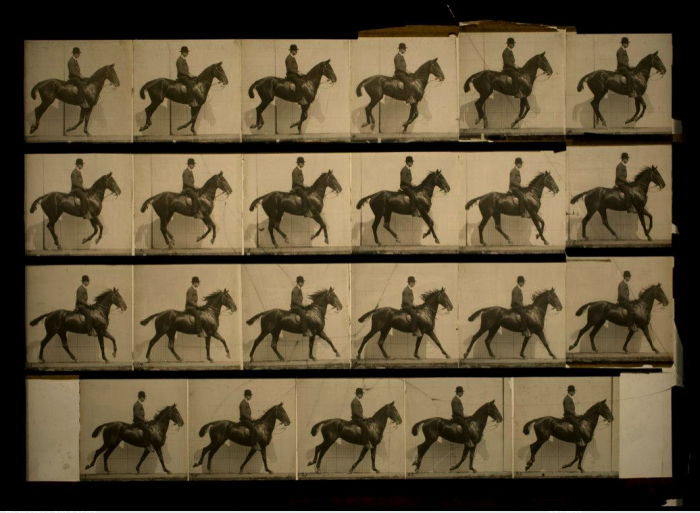
“Objects from the museum’s pho­tog­ra­phy, tech­nol­o­gy and George East­man Lega­cy col­lec­tions are now search­able,” the East­man Muse­um writes in its press release, “and more objects from the museum’s vast hold­ings are being added on an ongo­ing basis.” And, to hon­or Eastman’s con­sid­er­able lega­cy in motion pic­tures, “objects from the mov­ing image col­lec­tion will become acces­si­ble in the com­ing months.” For now, we can see work by pio­neer­ing Eng­lish pho­tog­ra­ph­er Ead­weard Muy­bridge, who began con­duct­ing motion stud­ies in the 1870s, which con­tributed to the devel­op­ment of Eastman’s film and Thomas Edison’s cam­eras. See Muy­bridge’s 1877 “Man in der­by rid­ing horse” below, and enter the online East­man Muse­um col­lec­tion here.

muybridge-man-in-derby

via Hyper­al­ler­gic

Relat­ed Con­tent:

Ead­weard Muybridge’s Motion Pho­tog­ra­phy Exper­i­ments from the 1870s Pre­sent­ed in 93 Ani­mat­ed Gifs

Behold the Very First Col­or Pho­to­graph (1861): Tak­en by Scot­tish Physi­cist (and Poet!) James Clerk Maxwell

See the First Known Pho­to­graph Ever Tak­en (1826)

Josh Jones is a writer and musi­cian based in Durham, NC. Fol­low him at @jdmagness
Ansel Adams, Photographer: 1958 Documentary Captures the Creative Process of the Iconic American Photographer

Amer­i­ca has spe­cial­ized in both the beau­ti­ful and the ter­ri­ble, inspir­ing awe of every pos­i­tive and neg­a­tive vari­ety. That goes for both the human achieve­ments that have hap­pened there as well of the nat­ur­al envi­ron­ments they’ve hap­pened in and around, both of which define Amer­i­ca equal­ly and have made it the kind of place the word sub­lime, mix­ing in as it does a tinge of fear with admi­ra­tion, was coined to describe. Ansel Adams, who ascend­ed to the top of the pho­to­graph­ic pan­theon with his career spent shoot­ing the 20th-cen­tu­ry Amer­i­can West, seemed born to cap­ture that sub­lim­i­ty.

How did he do it? The 1958 doc­u­men­tary Ansel Adams, Pho­tog­ra­ph­er (also avail­able on Archive.org) offers a twen­ty-minute look into the life and work of the man whose name has become a byword for the majes­tic black-and-white Amer­i­can land­scape. We also hear a few of his philo­soph­i­cal posi­tions on his work. “Per­haps music is the most expres­sive of the arts,” says Adams him­self after a few min­utes at the piano. “How­ev­er, as a pho­tog­ra­ph­er, I believe that cre­ative pho­tog­ra­phy, when prac­ticed in terms of its inher­ent qual­i­ties, may also reveal end­less hori­zons of mean­ing.”

We then see and hear about all the (high­ly pre-dig­i­tal) cam­eras and asso­ci­at­ed tools with which Adams engaged in that prac­tice before head­ing out to the coast to watch him in action. “Like every good pho­tog­ra­ph­er,” says the nar­ra­tor, Adams “pre-visu­al­izes his final print right there,” a tech­nique we’ve pre­vi­ous­ly cov­ered here on Open Cul­ture. Then out comes the light meter, in order to “esti­mate what expo­sure he needs now and what devel­op­ment he needs lat­er.” Every choice Adams made — about “film, lens, fil­ter, lens exten­sion, lens aper­ture, shut­ter set­ting,” and more — he metic­u­lous­ly record­ed in his note­book.

After devel­op­ing and exam­in­ing the neg­a­tive in his lab, he tries out a “test expo­sure,” which pleas­ing­ly turns out as a “quite well-bal­anced” image, but one that nev­er­the­less sug­gests improv­ing tweaks for the next one. (Col­or film’s rel­a­tive lack of flex­i­bil­i­ty in this part of the process kept black-and-white Adams’ pho­to­graph­ic form of choice.) “Once Adams has achieved the print he wants,” the nar­ra­tor tells us, “he is able, sim­ply by con­trol­ling expo­sure and pro­cess­ing, to make from one neg­a­tive hun­dreds of fine prints in a day. By this tech­nique, he can pro­duce port­fo­lios of orig­i­nal prints which are in them­selves works of art.”

Much has changed about pho­tog­ra­phy since Adams did it, of course, though most­ly in the tech­ni­cal sense. As the process of sim­ply mak­ing a pho­to­graph becomes ever faster and eas­i­er, the dis­ci­pline, con­cen­tra­tion, and appetite for rig­or of a pho­tog­ra­ph­er like Adams, whose “stan­dards are as high as those of an archi­tect or an engi­neer,” become ever rar­er and more valu­able. Like all of the most impor­tant artists, his process in com­bi­na­tion with his very nature tran­scend­ed the lim­i­ta­tions of his time, result­ing in images of Amer­i­ca that, to this day, still look not just as if we could step right into them, but real­er, some­how, than real­i­ty itself.

Ansel Adams, Pho­tog­ra­ph­er has been added to our col­lec­tion, 4,000+ Free Movies Online: Great Clas­sics, Indies, Noir, West­erns, Doc­u­men­taries & More.

Relat­ed Con­tent:

Dis­cov­er Ansel Adams’ 226 Pho­tos of U.S. Nation­al Parks (and Anoth­er Side of the Leg­endary Pho­tog­ra­ph­er)

How to Take Pho­tographs Like Ansel Adams: The Mas­ter Explains The Art of “Visu­al­iza­tion”

200 Ansel Adams Pho­tographs Expose the Rig­ors of Life in Japan­ese Intern­ment Camps Dur­ing WW II

Alfred Stieglitz: The Elo­quent Eye, a Reveal­ing Look at “The Father of Mod­ern Pho­tog­ra­phy”

1972 Diane Arbus Doc­u­men­tary Inter­views Those Who Knew the Amer­i­can Pho­tog­ra­ph­er Best

Hen­ri Carti­er-Bres­son and the Deci­sive Moment

Based in Seoul, Col­in Mar­shall writes and broad­casts on cities and cul­ture. He’s at work on a book about Los Ange­les, A Los Ange­les Primer, the video series The City in Cin­e­ma, the crowd­fund­ed jour­nal­ism project Where Is the City of the Future?, and the Los Ange­les Review of Books’ Korea Blog. Fol­low him on Twit­ter at @colinmarshall or on Face­book.

Man Ray Creates a “Surrealist Chessboard,” Featuring Portraits of Surrealist Icons: Dalí, Breton, Picasso, Magritte, Miró & Others (1934)

surrealist-chess-board-1

Like most artists, Emmanuel Rad­nitzky had more than one major inter­est in his life. We who know him as Man Ray usu­al­ly first encounter him through his pho­tog­ra­phy, such as the artist and writer por­traits fea­tured here at Open Cul­ture last year. But Man Ray him­self ulti­mate­ly con­sid­ered paint­ing his main cre­ative field. And, apart from his work, he had chess–or at least his friend and fel­low con­cep­tu­al artist Mar­cel Duchamp had chess. Duchamp seems to have turned Man Ray on to it as well, and they even appear play­ing togeth­er in Rene Clair’s 1924 film Entr’acte.

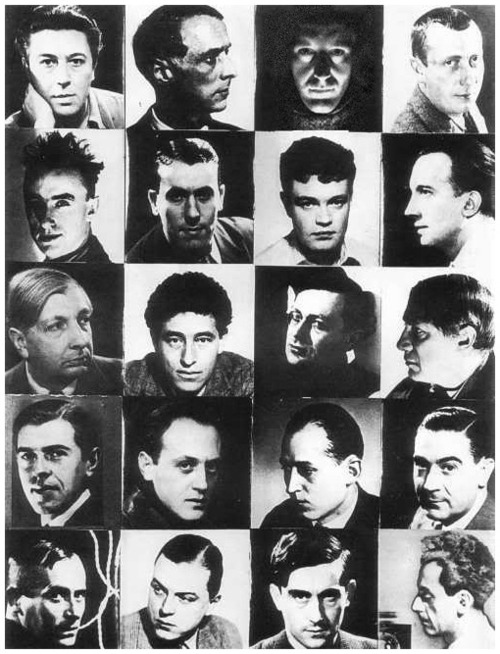
Ducham­p’s pas­sion for chess ran deep enough that, for a time, he all but aban­doned art to devote him­self to the game. Lat­er he came to the real­iza­tion that “chess was art; art was chess,” hav­ing pur­sued both of those inter­ests at once in the cre­ation of an art deco chess­board. Man Ray, for his part, brought art and chess togeth­er in 1934’s Sur­re­al­ist Chess­board, a mosa­ic of his por­traits of artists asso­ci­at­ed with the Sur­re­al­ist move­ment, includ­ing Sal­vador Dalí, Andre Bre­ton, Pablo Picas­so, René Magritte, Joan Miró, and of course him­self — but with the chess-lov­ing Duchamp nowhere to be seen.

“Sur­re­al­ist exhi­bi­tion group pho­tographs include the fre­quent par­tic­i­pa­tion of Man Ray but rarely Duchamp,” writes Lewis Kachur in aka Mar­cel Duchamp: Med­i­ta­tions on the Iden­ti­ties of an Artist, his non-appear­ance on the Sur­re­al­ist Chess­board being the “most aston­ish­ing” exam­ple. “The struc­ture is the demo­c­ra­t­ic grid for­mat of the chess­board, with each of twen­ty sur­re­al­ists or fel­low trav­el­ers as a head shot against a black or light-col­ored back­ground, alter­nat­ing to sug­gest the black and white squares of the board. Man Ray had a neg­a­tive of an appro­pri­ate pro­file bust of Duchamp (1930), strik­ing for its absence here.”

Kachur imag­ines that Duchamp “chose not to take part,” in keep­ing with his “some­what shad­owy” posi­tion in rela­tion to the Sur­re­al­ists, “on the mar­gins of the move­ment group’s iden­ti­ty.” Or he may sim­ply have want­ed to save his friend the trou­ble of fig­ur­ing out a shape in which to arrange 21 por­traits instead of 20. What­ev­er Duchamp thought of this project that used the chess­board only as visu­al struc­ture, he prob­a­bly pre­ferred the chess set Man Ray designed a decade ear­li­er using his­tor­i­cal­ly inspired pure geo­met­ric forms — and one that he could actu­al­ly play chess with. You can still pur­chase own copy of that chess set today.

Relat­ed Con­tent:

Man Ray Designs a Supreme­ly Ele­gant, Geo­met­ric Chess Set in 1920 (and It’s Now Re-Issued for the Rest of Us)

Man Ray’s Por­traits of Ernest Hem­ing­way, Ezra Pound, Mar­cel Duchamp & Many Oth­er 1920s Icons

Man Ray and the Ciné­ma Pur: Four Sur­re­al­ist Films From the 1920s

Watch Dreams That Mon­ey Can Buy, a Sur­re­al­ist Film by Man Ray, Mar­cel Duchamp, Alexan­der Calder, Fer­nand Léger & Hans Richter

Mar­cel Duchamp, Chess Enthu­si­ast, Cre­at­ed an Art Deco Chess Set That’s Now Avail­able via 3D Print­er

Based in Seoul, Col­in Mar­shall writes and broad­casts on cities and cul­ture. He’s at work on a book about Los Ange­les, A Los Ange­les Primer, the video series The City in Cin­e­ma, the crowd­fund­ed jour­nal­ism project Where Is the City of the Future?, and the Los Ange­les Review of Books’ Korea Blog. Fol­low him on Twit­ter at @colinmarshall or on Face­book.

The Photography of Poet Arthur Rimbaud (1883)

rimbaud_in_harar

Arthur Rim­baud, far-see­ing prodi­gy, “has been memo­ri­al­ized in song and sto­ry as few in his­to­ry,” writes Wyatt Mason in an intro­duc­tion to the poet’s com­plete works; “the thumb­nail of his leg­end has proved irre­sistible.” The poet, we often hear, end­ed his brief but bril­liant lit­er­ary career when he ran off to the Horn of Africa and became a gun­run­ner… or some oth­er sort of adven­tur­ous out­law char­ac­ter many miles removed, it seems, from the intense sym­bol­ist hero of Illu­mi­na­tions and A Sea­son in Hell.

rimbaud-pics-2

Rim­baud’s break with poet­ry was so deci­sive, so abrupt, that crit­ics have spent decades try­ing to account for what one “hyper­bol­ic assess­ment” deemed as hav­ing “caused more last­ing, wide­spread con­ster­na­tion than the break-up of the Bea­t­les.” What could have caused the young lib­er­tine, so drawn to urban voyeurism and the skew­er­ing of the local bour­geoisie, to dis­ap­pear from soci­ety for an anony­mous, root­less life?

rimbaud-pics-3

On the oth­er hand, in revis­it­ing the poet­ry we find—amidst the grotesque, hal­lu­cino­genic reveries—that “trav­el, adven­ture, and depar­ture on var­i­ous lev­els are the­mat­ic con­cerns that run through much of Rim­baud”: from 1871’s “The Drunk­en Boat” to A Sea­son in Hell’s “Farewell,” in which the poet writes, “The time has come to bury my imag­i­na­tion and my mem­o­ries! A fit­ting end for an artist and teller of tales.”

rimbaud-pics-4

He was only 18 then, in 1873, when he wrote his farewell. Two years lat­er, he would final­ly end his vio­lent tumul­tuous rela­tion­ship with Paul Ver­laine, and embark on a series of voy­ages, first by foot all over Europe, then to the Dutch East Indies, Cyprus, Yemen, and final­ly Abyssinia (mod­ern day Ethiopia), where he set­tled in Harar, struck up a friend­ship with the gov­er­nor (the father of future Emper­or Haile Selassie), and became a high­ly-regard­ed cof­fee trad­er, and yes, gun deal­er.

rimbaud-pics-5

Rim­baud may have left poet­ry behind, decid­ing he had real­ized all he could in lan­guage. But he had not giv­en up on approach­ing his expe­ri­ence aes­thet­i­cal­ly. Only, instead of try­ing “to invent new flow­ers, new stars, new flesh, new tongues,” as he wrote in “Farewell,” he had evi­dent­ly decid­ed to take the world in on its own terms. He doc­u­ment­ed his find­ings in essays on geog­ra­phy and trav­el accounts and, in 1883, sev­er­al pho­tographs, includ­ing two self-por­traits he sent to his moth­er in May, writ­ing, “Enclosed are two pho­tographs of me which I took.”

rimbaud-pics-6

You can see one of those por­traits at the top of the post, and the oth­er, in much worse shape, below it, and a third self-por­trait just below. The “cir­cum­stances in which the pho­tographs were tak­en are quite mys­te­ri­ous,” writes Lucille Pen­nel at The Eye of Pho­tog­ra­phy.

Start­ing in 1882, Rim­baud became fas­ci­nat­ed with the new tech­nol­o­gy. He ordered a cam­era in Lyon in order to illus­trate a book on “Harar and the Gal­las coun­try,” a cam­era he received only in ear­ly 1883. He also ordered spe­cial­ized books and pho­to pro­cess­ing equip­ment. The planned sci­en­tif­ic pub­li­ca­tion was nev­er real­ized, and the six pho­tographs are the only trace of Rimbaud’s activ­i­ty.

“I am not yet well estab­lished, nor aware of things,” Rim­baud wrote in the let­ter to his moth­er, “But I will be soon, and I will send you some inter­est­ing things.” It’s not exact­ly clear why Rim­baud aban­doned his pho­to­graph­ic endeav­ors. He had approached the pur­suit not only as hob­by, but also as a com­mer­cial ven­ture, writ­ing in his let­ter, “Here every­one wants to be pho­tographed. They even offer one guinea a pho­to­graph.”

The com­ment leads Pen­nel to con­clude “there must have been oth­er pho­tographs, but any trace of them is lost, rais­ing doubts about the degree of Rimbaud’s engage­ment with pho­tog­ra­phy.”

rimbaud-pics-7

Per­haps, how­ev­er, he’d sim­ply decid­ed that he’d done all he could do with the medi­um, and let it go with a grace­ful farewell. His­to­ry, pos­ter­i­ty, the cement­ing of a reputation—these are phe­nom­e­na that seemed of lit­tle inter­est to Rim­baud. “What will become of the world when you leave?” he had writ­ten in “Youth, IV”—“No mat­ter what hap­pens, no trace of now will remain.” In a his­tor­i­cal irony, Rimbaud’s pho­tographs “were devel­oped in ‘filthy water,’” notes Pen­nel, mean­ing they “will con­tin­ue to fade until the images are all gone. They are as fleet­ing as the man with the soles of wind.”

If we wish to see them in per­son, the time is short. The pho­to at the top of the post now resides at the Bib­lio­thèque Nationale de France. The oth­er six are housed at the Arthur Rim­baud Muse­um in Charleville-Méz­ières.

via Vin­tage Anchor/The Eye of Pho­tog­ra­phy.

Relat­ed Con­tent:

The Brief Won­drous Career of Arthur Rim­baud (1870–1874)

Great 19 Cen­tu­ry Poems Read in French: Baude­laire, Rim­baud, Ver­laine & More

Pat­ti Smith’s Polaroids of Arti­facts from Vir­ginia Woolf, Arthur Rim­baud, Rober­to Bolaño & More

Josh Jones is a writer and musi­cian based in Durham, NC. Fol­low him at @jdmagness
Take a Free Course on Digital Photography from Stanford Prof Marc Levoy

Pho­tog­ra­phy and video have advanced to such a degree that any one of us, for a mod­est invest­ment of cap­i­tal, can own the req­ui­site equip­ment to make pro­duc­tions at the same lev­el of qual­i­ty as the pros. And most of us already hold in our hands com­put­ers capa­ble of pro­duc­ing and edit­ing hun­dreds of rich still and mov­ing images. What we may lack, what most of us lack, are the skills and expe­ri­ence of the pro­fes­sion­als. No amount of fan­cy pho­to gear can make up the dif­fer­ence, but you can at least acquire the education—a very thor­ough, tech­ni­cal edu­ca­tion in dig­i­tal photography—online, and for free.

Taught by Stan­ford pro­fes­sor Emer­i­tus of Com­put­er Sci­ence Marc Lev­oy, the course above, sim­ply called “Lec­tures on Dig­i­tal Pho­tog­ra­phy,” cov­ers seem­ing­ly every­thing you might need to know and then some: from the parts of a dig­i­tal cam­era (“every screw”), to the for­mu­la for depth of field, the prin­ci­ples of high dynam­ic range, and the his­to­ry and art of pho­to­graph­ic com­po­si­tion.

Beware, this course may not suit the casu­al Instagrammer—it requires aspi­ra­tion and “a cell phone won’t suf­fice.” Addi­tion­al­ly, though Lev­oy says he assumes no pri­or knowl­edge, he does expect a few non-cam­era-relat­ed aca­d­e­m­ic skill sets:

The only knowl­edge I assume is enough facil­i­ty and com­fort with math­e­mat­ics that you’re not afraid to see the depth-of-field for­mu­la in all its glo­ry, and an inte­gral sign here or there won’t send you run­ning for the hills. Some top­ics will require con­cepts from ele­men­tary prob­a­bil­i­ty and sta­tis­tics (like mean and vari­ance), but I define these con­cepts in lec­ture. I also make use of matrix alge­bra, but only at the lev­el of matrix mul­ti­pli­ca­tion. Final­ly, an expo­sure to dig­i­tal sig­nal pro­cess­ing or Fouri­er analy­sis will give you a bet­ter intu­ition for some top­ics, but it is not required.

Sound a lit­tle daunt­ing? You will not need an expen­sive SLR cam­era (sin­gle lens reflex), though it would help you get the most out of com­plex dis­cus­sions of set­tings. The top­ics of some inter­ac­tive fea­tures may sound mystifying—“gamut-mapping,” “cylindrical-panoramas”—but Levoy’s lec­tures, all in well-shot video, move at a brisk pace, and he con­tex­tu­al­izes new sci­en­tif­ic terms and con­cepts with a facil­i­ty that will put you at ease. Lev­oy for­mer­ly taught the course at Stan­ford between 2009 and 2014. The ver­sion he teach­es online here comes from a Google class giv­en this year—eigh­teen lec­tures span­ning 11 weeks.

Find all of the course materials—including inter­ac­tive applets and assignments—at Levoy’s course site. As he notes, since the course has “gone viral,” many videos embed­ded on the site won’t play prop­er­ly. Lev­oy directs poten­tial stu­dents to his Youtube chan­nel. You can see the full playlist of lec­tures at the top of this post as well.  For more resources in pho­tog­ra­phy education—practical and the­o­ret­i­cal, begin­ner to advanced—see PetaPixel’s list of “the best free online pho­tog­ra­phy cours­es and tuto­ri­als.”

Lec­tures on Dig­i­tal Pho­tog­ra­phy” will be added to our col­lec­tion, 1,700 Free Online Cours­es from Top Uni­ver­si­ties.

via PetaPix­el

Relat­ed Con­tent:

Hunter S. Thompson’s Advice for Aspir­ing Pho­tog­ra­phers: Skip the Fan­cy Equip­ment & Just Shoot

The Pho­tog­ra­ph­er Reveals the Phi­los­o­phy, Tech­niques & Artistry of Edward West­on (1948)

See the First Known Pho­to­graph Ever Tak­en (1826)

Muse­um of Mod­ern Art (MoMA) Launch­es Free Course on Look­ing at Pho­tographs as Art

Josh Jones is a writer and musi­cian based in Durham, NC. Fol­low him at @jdmagness
Eadweard Muybridge’s Motion Photography Experiments from the 1870s Presented in 93 Animated Gifs

Muybridge_horse_gallop_animated

When a horse trots, do all four of its hooves ever leave the ground at once? At one time, we not only had no answer to that ques­tion, we had no way of find­ing out. But in 1872, when the mat­ter piqued the curios­i­ty of Leland Stan­ford, tycoon, for­mer gov­er­nor of Cal­i­for­nia, co-founder of Stan­ford Uni­ver­si­ty, and race-horse own­er, it did so at just the right time. Hav­ing made a bet on the answer, Stan­ford called on an Eng­lish pho­tog­ra­ph­er named Ead­weard Muy­bridge, known for his work in such then-cut­ting-edge sub­fields as time-lapse and stere­og­ra­phy, and tasked him with fig­ur­ing it out. Using a series of cam­eras acti­vat­ed by trip wires as the horse trot­ted past, Muy­bridge proved that all four of its hooves do indeed leave the ground, win­ning Stan­ford the wager.

480px-Phenakistoscope_3g07692a

But that only began his ground­break­ing work in motion pho­tog­ra­phy, which made it so, in the words of the Library of Con­gress, “view­ers of the late 19th cen­tu­ry were able to see in a sequence of pho­tos every step tak­en by a horse at full gal­lop, the sleek move­ments of a cat run­ning and each flap of the wings of a bird in flight.”

Cat_trotting,_changing_to_a_gallop

He lat­er devel­oped what he called the Zooprax­is­cope: “One insert­ed a disc with images around the edge into the device, which rotat­ed and pro­ject­ed the images onto a screen. The discs were usu­al­ly paint­ed glass based on Muybridge’s pho­tographs. The effect was to give the audi­ence an impres­sion of move­ment, bring­ing Muybridge’s work to life.” Imag­ine how that would have looked to some­one who’d nev­er seen — who’d nev­er even imag­ined — organ­ic-look­ing move­ment in man­made art?

You can see 93 of Muy­bridge’s mov­ing pho­tographs, zooprax­is­cope discs, and oth­er exper­i­ments in decod­ing the move­ment of liv­ing things and grant­i­ng it to images at Wiki­me­dia Com­mons. “Although Ead­weard Muy­bridge thought of him­self pri­mar­i­ly as an artist, he encour­aged the aura of sci­en­tif­ic inves­ti­ga­tion that sur­round­ed his project,” says the site of Freeze Frame, the Nation­al Muse­um of Amer­i­can His­to­ry’s exhi­bi­tion of his work. It makes sense that Muy­bridge, who qual­i­fied as an eccen­tric as well as a genius, would occu­py the space between art and sci­ence, inquiry and cre­ation, real­i­ty and illu­sion — and it makes sense to view the fruits of his labors as ani­mat­ed GIFs, their tech­no­log­i­cal descen­dants that also looked pret­ty impres­sive, so I recall, when first we laid eyes on them.

Relat­ed Con­tent:

Was a 32,000-Year-Old Cave Paint­ing the Ear­li­est Form of Cin­e­ma?

The His­to­ry of the Movie Cam­era in Four Min­utes: From the Lumiere Broth­ers to Google Glass

Watch the Films of the Lumière Broth­ers & the Birth of Cin­e­ma (1895)

One Tril­lion Frames Per Sec­ond: The Sci­ence of Cap­tur­ing Light in Motion

Thomas Edison’s Box­ing Cats (1894), or Where the LOL­Cats All Began

Based in Seoul, Col­in Mar­shall writes and broad­casts on cities and cul­ture. He’s at work on a book about Los Ange­les, A Los Ange­les Primer, the video series The City in Cin­e­ma, the crowd­fund­ed jour­nal­ism project Where Is the City of the Future?, and the Los Ange­les Review of Books’ Korea Blog. Fol­low him on Twit­ter at @colinmarshall or on Face­book.

The History of Russia in 70,000 Photos: New Photo Archive Presents Russian History from 1860 to 1999

1860 Rider

Back in col­lege, I took a sur­vey class on Russ­ian his­to­ry, taught by one of these peo­ple who take up the pro­fes­sion in their active retire­ment after a career spent work­ing in the field. This par­tic­u­lar pro­fes­sor had gone to work for the State Depart­ment after grad­u­ate school and served in var­i­ous posts in Sovi­et Rus­sia for sev­er­al decades. The for­mat of his class seemed unre­mark­able on paper. One stan­dard syl­labus, one bulky, expen­sive text­book. But the class­es them­selves con­sist­ed of long, fas­ci­nat­ing sto­ries about per­son­al encoun­ters with Brezh­nev and Gor­bachev, or jour­neys into ancient Kiev, or to the out­er reach­es of the Steppes.

1920 Red Square

All that was miss­ing from those vivid rec­ol­lec­tions was a com­pa­ra­ble pho­to essay to tell the sto­ry visu­al­ly. This has been reme­died and then some by the “The His­to­ry of Rus­sia,” an enor­mous joint archive project from Moscow’s Mul­ti­me­dia Art Muse­um and Yan­dex, Russia’s largest search engine. The archive con­tains over 70,000 pho­tos, gath­ered from “more than 40 insti­tu­tions and col­lec­tions,” writes Hyper­al­ler­gic, and rep­re­sent­ing “over 150 years of pho­tographs cap­tur­ing all sorts of scenes of Russ­ian life.”

August Putsch

Non-Russ­ian speak­ers can load the site in Google Chrome and have it trans­lat­ed into Eng­lish. Addi­tion­al­ly, “a time­line allows you to browse by date, a map enables loca­tion-based search­es, and pre­set cat­e­gories fil­ter the images by theme.” Russ­ian speak­ers can enter spe­cif­ic key­words into the site’s search engine. Cur­rent­ly, the archive fea­tures an exhi­bi­tion on the August Putsch, the 1991 coup attempt on the pres­i­den­cy of Mikhail Gor­bachev, staged by hard-line Com­mu­nist Par­ty Mem­bers opposed to reform. See one icon­ic pho­to of that his­tor­i­cal event above, and many more at the vir­tu­al exhi­bi­tion.

Christmas Tree in Luzhniki Stadium

The late 1980s and 90s may be a peri­od of par­tic­u­lar inter­est for stu­dents and writ­ers of Russ­ian his­to­ry, like David Rem­nick, and for good rea­son. But every decade in the archive holds its own fas­ci­na­tion. State­ly por­traits from the 1860s, like that at the top of the post, show us the soci­ety of Tol­stoy in the decade he seri­al­ized War and Peace. Pho­tos from the 20s, like the satir­i­cal dis­play in Red Square, fur­ther down, show us the days of Lenin’s rule and the ear­ly years of the Sovi­et Union. Images from the 50s give us unique insid­er views—often impos­si­ble at the time—of ordi­nary Sovi­et life at the height of the Cold War, such as the Christ­mas tree in the Luzh­ni­ki Sta­di­um, above, or the man lead­ing an ele­phant from the Red Army The­ater, below.

Elephant Red Army Theater

The 60s in par­tic­u­lar look like a Life mag­a­zine spread, with dra­mat­ic pho­tos of Olympic ath­letes in train­ing, states­men posed with wives and chil­dren, and hun­dreds of arrest­ing pic­tures from every­day life, like that of two boys box­ing below. The huge gal­leries can be a lit­tle cum­ber­some to nav­i­gate and require some patience on the part of the non-Russ­ian-speak­ing user. But that patience is rich­ly reward­ed with pho­to­graph after pho­to­graph of a coun­try we rarely hear spo­ken of in less than inflam­ma­to­ry terms. We encounter, of course, the odd por­trait of Stal­in and oth­er well-worn pro­pa­gan­da images, but for the most part, the pho­tos look and feel can­did, and for good rea­son.

1962 Boys Boxing

“Accord­ing to a release,” Hyper­al­ler­gic writes, “many of the pho­tographs are pub­lished here for the first time, part­ly because the por­tal invites users to upload, describe, and tag images from per­son­al archives. It has the feel of a muse­um collection”—and also of a fam­i­ly pho­to album stretch­ing back gen­er­a­tions. “The His­to­ry of Rus­sia” archive offers occa­sion­al con­text in addi­tion to the dates, names, and loca­tions of sub­jects. But infor­ma­tive text appears rarely, and in near­ly unread­able trans­la­tions for us non-speak­ers. Nonethe­less, a few hours lost in these gal­leries feel like a near total immer­sion in Russ­ian his­to­ry. You can enter the archive here.

Group Portrait 1900

via Hyper­al­ler­gic

Relat­ed Con­tent:

The First Col­or Por­trait of Leo Tol­stoy, and Oth­er Amaz­ing Col­or Pho­tos of Czarist Rus­sia (1908)

Beau­ti­ful, Col­or Pho­tographs of Paris Tak­en 100 Years Ago—at the Begin­ning of World War I & the End of La Belle Époque

Down­load 650 Sovi­et Book Cov­ers, Many Sport­ing Won­der­ful Avant-Garde Designs (1917–1942)

Josh Jones is a writer and musi­cian based in Durham, NC. Fol­low him at @jdmagness
« Go BackMore in this category... »
Quantcast