If you’ve ever studÂied the hisÂtoÂry of phoÂtogÂraÂphy, you’ve inevitably encounÂtered EadÂweard Muybridge’s experÂiÂments from the 1870s, which used new innoÂvaÂtions in phoÂtogÂraÂphy to answer a simÂple quesÂtion: When a horse trots, do all four of its hooves ever leave the ground at once? The quesÂtion piqued the curiosÂiÂty of Leland StanÂford, forÂmer govÂerÂnor of CalÂiÂforÂnia and co-founder of StanÂford UniÂverÂsiÂty. And so, as ColÂin MarÂshall preÂviÂousÂly notÂed here, he “called on an EngÂlish phoÂtogÂraÂphÂer named EadÂweard MuyÂbridge, known for his work in such then-cutÂting-edge subÂfields as time-lapse and stereÂogÂraÂphy, and tasked him with figÂurÂing it out. Using a series of camÂeras actiÂvatÂed by trip wires as the horse trotÂted past, MuyÂbridge proved that all four of its hooves do indeed leave the ground, winÂning StanÂford the wager.” You can watch the footage resultÂing from that experÂiÂment below.
Above, you can also see the strange new afterÂlife of that same footage. AccordÂing to the NationÂal InstiÂtute of MenÂtal Health:
For the first time, [Muybridge’s] movie has been encodÂed in – and then played back from – DNA in livÂing cells. SciÂenÂtists fundÂed by the NationÂal InstiÂtutes of Health say it is a major step toward a “molÂeÂcÂuÂlar recorder” that may someÂday make it posÂsiÂble to get read-outs, for examÂple, of the changÂing interÂnal states of neuÂrons as they develÂop. NeuÂroÂsciÂenÂtist Seth ShipÂman, Ph.D., of HarÂvard MedÂical School, explains the study.
UltiÂmateÂly, this experÂiÂment demonÂstrates the “powÂer to turn livÂing cells into digÂiÂtal data wareÂhousÂes,” writes Wired. ShipÂman does a good job of unpackÂing the study. Read more about it over at this NIH webÂsite.
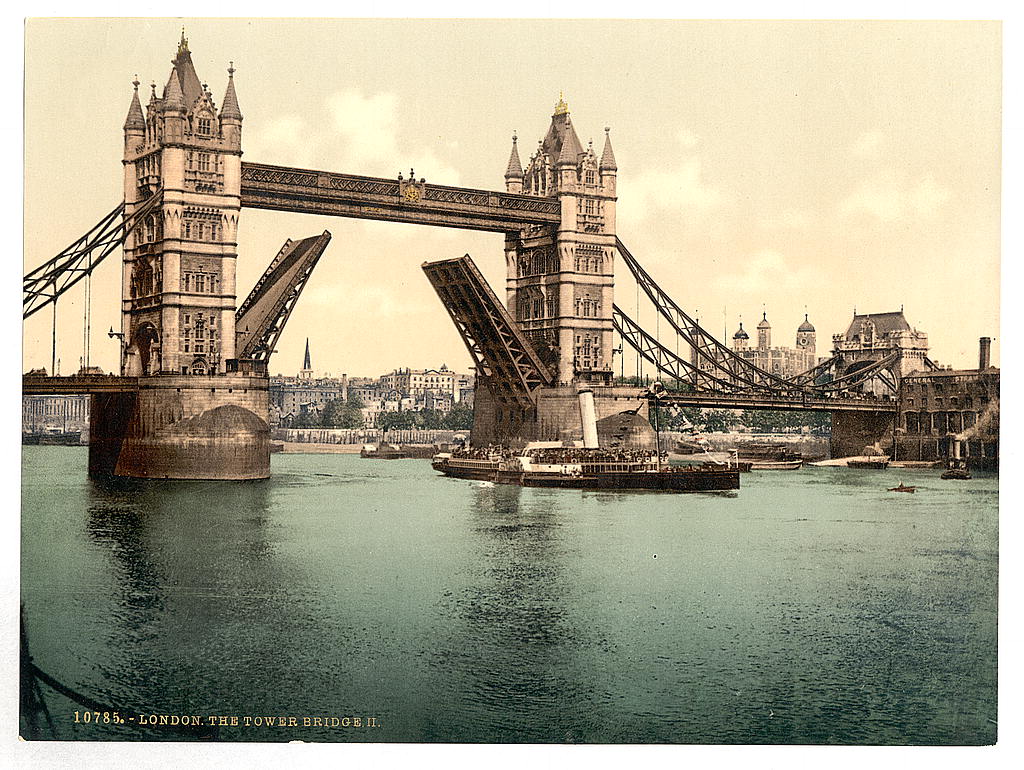
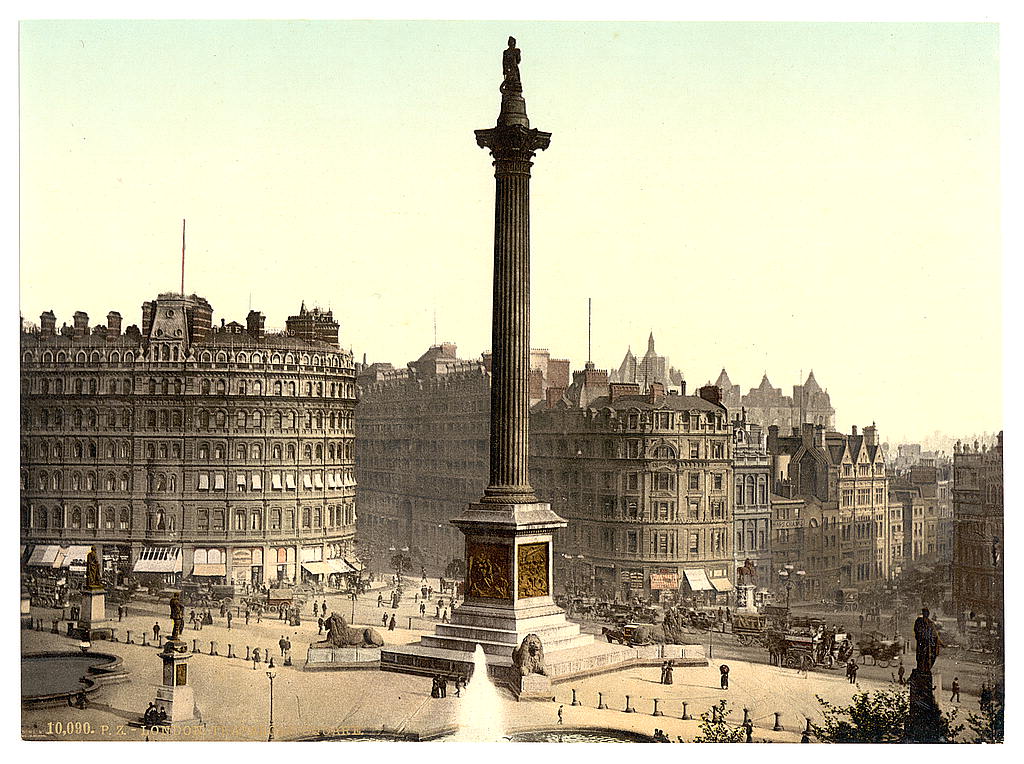
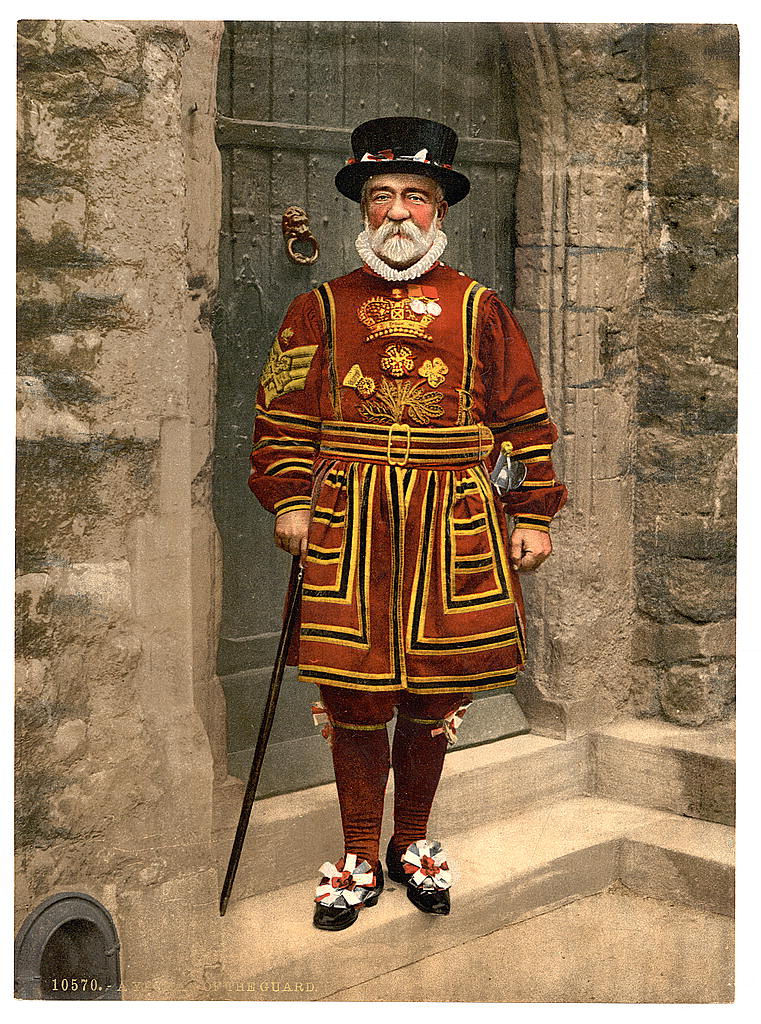
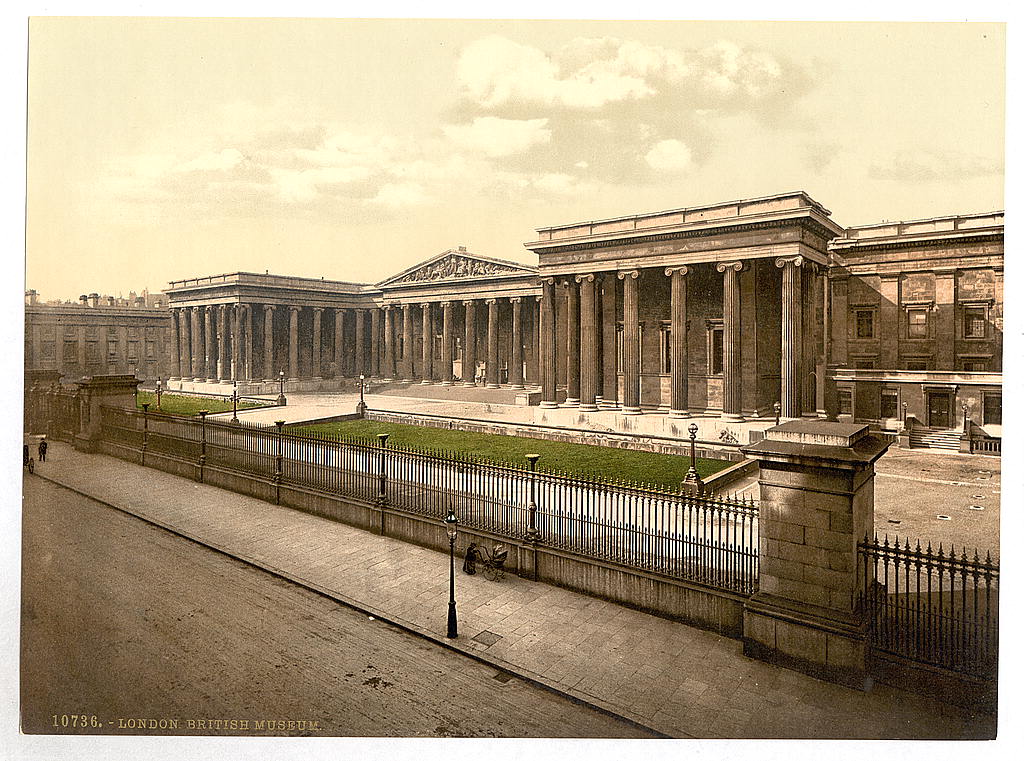
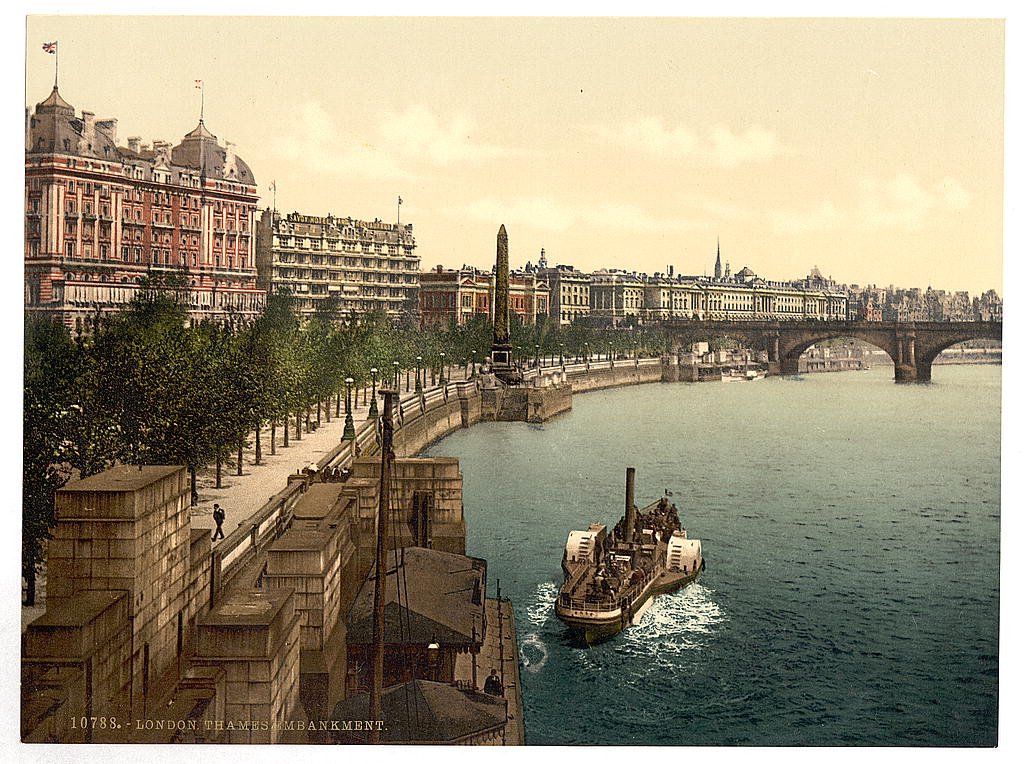
“When a man is tired of LonÂdon,” Samuel JohnÂson so famousÂly said, “he is tired of life.” Of course, P.J. O’Rourke latÂer added that “he might just be tired of shabÂby, sad crowds, low-income housÂing that looks worse than the weathÂer, and tatÂtoo-faced, spike-haired pea brains on the dole,” but then, everyÂone expeÂriÂences the EngÂlish capÂiÂtal a bit difÂferÂentÂly. JohnÂson’s LonÂdon, the LonÂdon of the eighÂteenth cenÂtuÂry, looks to some like a city at its zenith; othÂers might even think the same about the LonÂdon O’Rourke made fun of in the 1980s. Every era in LonÂdon is a goldÂen age to someÂone.
They may “look decepÂtiveÂly like colÂor phoÂtographs,” but “when viewed with a magÂniÂfyÂing glass the small dots that comÂprise the ink-based phoÂtoÂmeÂchanÂiÂcal image are visÂiÂble. The phoÂtoÂmeÂchanÂiÂcal process perÂmitÂted mass proÂducÂtion of the vivid colÂor prints.”
The late nineÂteenth and earÂly twenÂtiÂeth cenÂtuÂry saw the emerÂgence of a robust marÂket for phoÂtocrom prints, “sold at tourist sites and through mail order catÂaÂlogs to globe trotÂters, armÂchair travÂelÂers, eduÂcaÂtors, and othÂers to preÂserve in albums or put on disÂplay.” Hence, perÂhaps, the focus on LonÂdon sites of tourisÂtic appeal: TowÂer Bridge, TrafalÂgar Square, the British MuseÂum, and even the fulÂly outÂfitÂted “YeoÂman of the Guard” you see just above. But print also (and by appearÂances more corÂrectÂly) describes him as a “Beefeater,” the popÂuÂlar name for the difÂferÂent body of cerÂeÂmoÂniÂal towÂer guardians the Yeomen Warders of Her Majesty’s RoyÂal Palace and Fortress the TowÂer of LonÂdon, and MemÂbers of the SovÂerÂeign’s Body Guard of the YeoÂman Guard ExtraÂorÂdiÂnary. (Got that?)
You can browse, and in varÂiÂous forÂmats downÂload, the 33 images in the Library of ConÂgress’ LonÂdon phoÂtocrom print colÂlecÂtion here. They all date from between 1890 and 1900, as do the nearÂly 1000 images in their EngÂland phoÂtocrom print colÂlecÂtion, whose locaÂtions extend far beyond LonÂdon. Go to EngÂland today and you’ll notice how much has changed in the past 125 or so years, of course, but how much hasÂn’t. GrumÂbling being someÂthing of a nationÂal sport over there, espeÂcialÂly in LonÂdon, the travÂelÂer hears no end of comÂplaints about how the city and counÂtry have gone to the dogs, but can also take some comÂfort in the fact that, even back in the picÂturesque phoÂtocrom era, peoÂple were airÂing all the same gripes.
GerÂman camÂeraÂman Chris Fay recentÂly postÂed on YouTube a neat video showÂing what hapÂpens when the frames per secÂond on a camÂera and the speed of a heliÂcopter rotor are perÂfectÂly aligned. The heliÂcopter blades appear not to rotate at all. And the heliÂcopter hovÂers magÂiÂcalÂly in the air. Even if you know the mechanÂics of the illuÂsion, it’s still fun to watch!
If you would like to supÂport the misÂsion of Open CulÂture, conÂsidÂer makÂing a donaÂtion to our site. It’s hard to rely 100% on ads, and your conÂtriÂbuÂtions will help us conÂtinÂue proÂvidÂing the best free culÂturÂal and eduÂcaÂtionÂal mateÂriÂals to learnÂers everyÂwhere. You can conÂtribute through PayÂPal, PatreÂon, and VenÂmo (@openculture). Thanks!
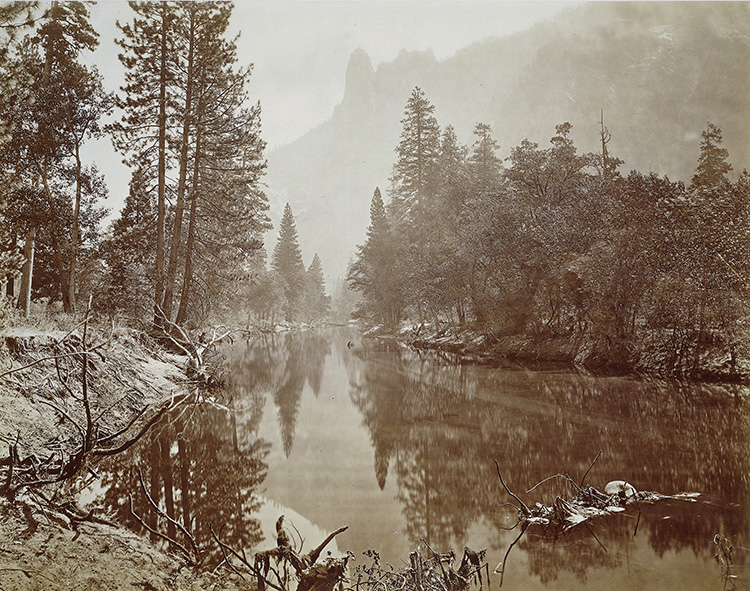
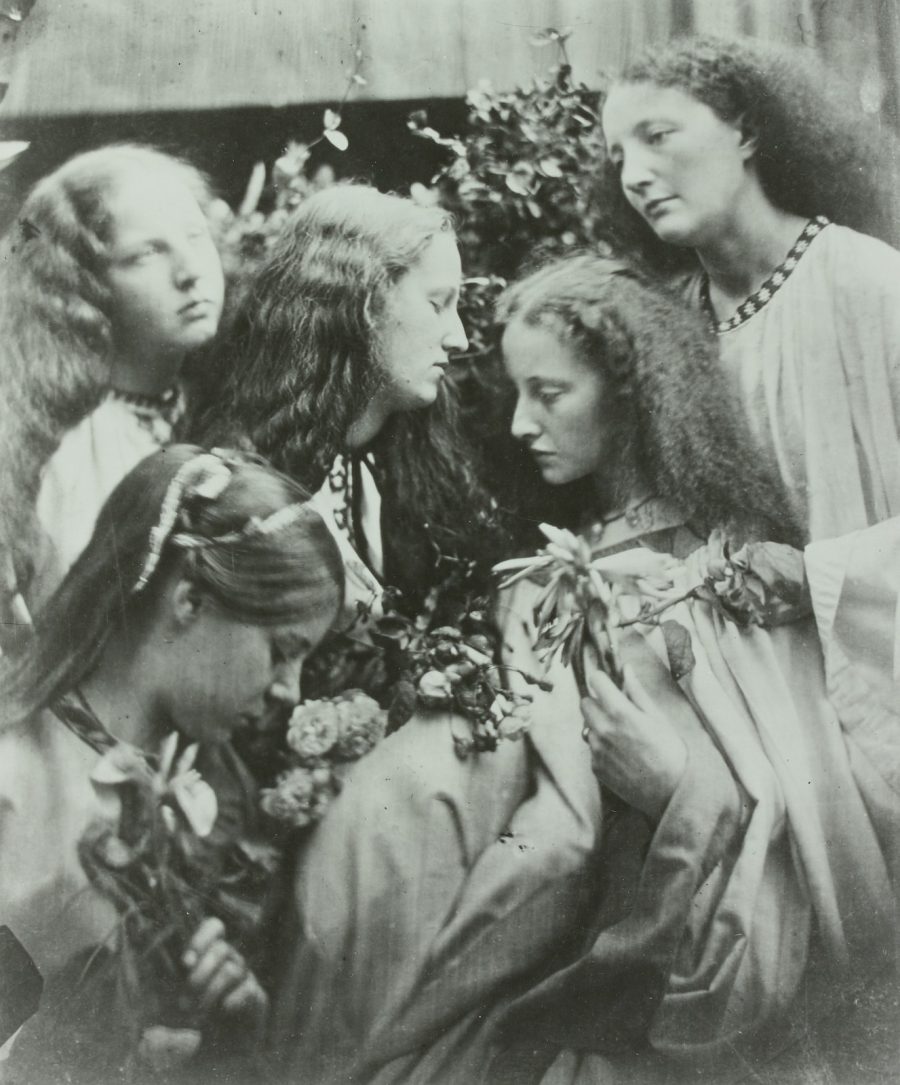
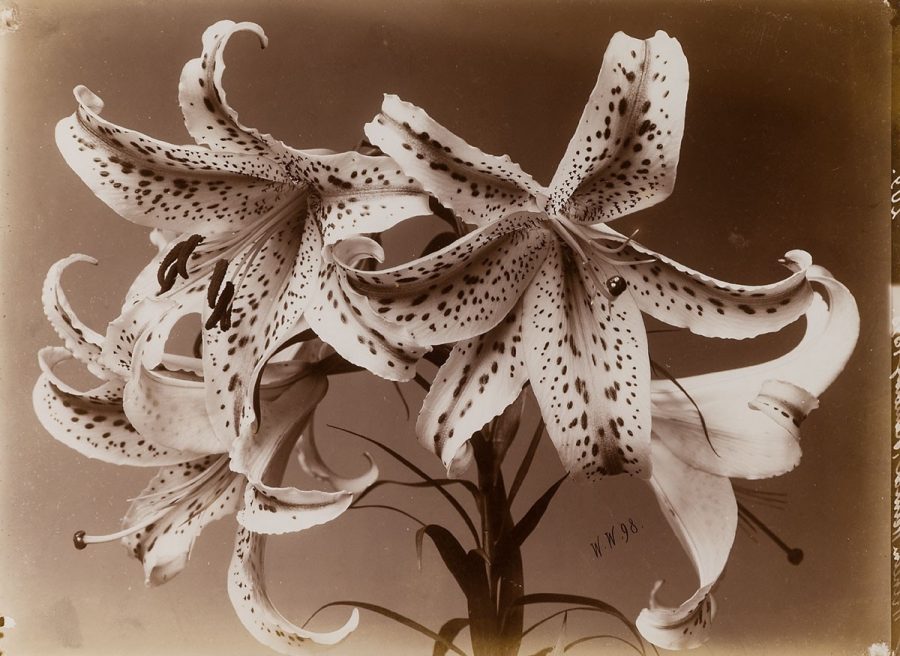
Still not enough? How about a digÂiÂtal library of 2.2 milÂlion images from the hisÂtoÂry of phoÂtogÂraÂphy? EuroÂpeana ColÂlecÂtions just launched its “latÂest theÂmatÂic colÂlecÂtion,” EuroÂpeana PhoÂtogÂraÂphy, which, notes DouÂglas McCarthy at the site’s blog, “includes images and docÂuÂments from 50 EuroÂpean instiÂtuÂtions in 34 difÂferÂent counÂtries.”
The colÂlecÂtion promisÂes, “future exhiÂbiÂtions on speÂcifÂic themes… telling comÂpelling stoÂries with stunÂning images.” CurÂrentÂly, you’ll find there themed “expoÂsiÂtions” like “IndusÂtriÂal PhoÂtogÂraÂphy in the Machine Age” and “VinÂtage PostÂcards of SouthÂeastÂern Europe,” among othÂers. A gallery on “The MagÂic Lantern” offers a tour of a pre-cinÂeÂma enterÂtainÂment techÂnolÂoÂgy. One on phoÂtogÂraÂphÂer Johan WilÂhelm Weimar introÂduces viewÂers to incredÂiÂbly strikÂing work from his 1901 HerbarÂiÂum.
The colÂlecÂtion is searchÂable, downÂloadÂable, shareÂable, and you can choose from 23 difÂferÂent lanÂguages, includÂing EngÂlish. Its misÂsion is interÂnaÂtionÂal, but also very much built on the idea—some might say politÂiÂcal fiction—of a culÂturÂalÂly uniÂfied Europe, allowÂing peoÂple to “conÂnect with their past, with felÂlow EuroÂpean citÂiÂzens, explore remote eras and locaÂtions, and betÂter appreÂciÂate the valÂue of their conÂtiÂnenÂtal, nationÂal and local culÂturÂal herÂitage.”
Lofty goals, but one need no such largÂer purÂpose to simÂply enjoy casuÂalÂly browsÂing, and makÂing the kind of odd disÂcovÂerÂies one might on a conÂtiÂnenÂtal walkÂing tour, with no parÂticÂuÂlar desÂtiÂnaÂtion in mind.
Last sumÂmer, astronomer Michael SumÂmer wrote that, despite a relÂaÂtiveÂly low proÂfile, NASA and its interÂnaÂtionÂal partÂners have been “livÂing Carl Sagan’s dream for space exploÂration.” SumÂmers’ catÂaÂlogue of disÂcovÂerÂies and groundÂbreakÂing experiments—such as Scott Kelly’s yearÂlong stay aboard the InterÂnaÂtionÂal Space Station—speaks for itself. But for those focused on more earthÂbound conÂcerns, or those less emoÂtionÂalÂly moved by sciÂence, it may take a cerÂtain eloÂquence to comÂmuÂniÂcate the valÂue of space in words. “PerÂhaps,” writes SumÂmers, “we should have had a poet as a memÂber of every space misÂsion to betÂter capÂture the intense thrill of disÂcovÂery.”
Sagan was the closÂest we’ve come. Though he nevÂer went into space himÂself, he worked closeÂly on NASA misÂsions since the 1950s and comÂmuÂniÂcatÂed betÂter than anyÂone, in deeply poetÂic terms, the beauÂty and wonÂder of the cosÂmos. LikeÂly you’re familÂiar with his “pale blue dot” solilÂoÂquy, but conÂsidÂer this quote from his 1968 lecÂtures, PlanÂeÂtary ExploÂration:
There is a place with four suns in the sky — red, white, blue, and yelÂlow; two of them are so close togethÂer that they touch, and star-stuff flows between them. I know of a world with a milÂlion moons. I know of a sun the size of the Earth — and made of diaÂmond. There are atomÂic nuclei a few miles across which rotate thirÂty times a secÂond. There are tiny grains between the stars, with the size and atomÂic comÂpoÂsiÂtion of bacÂteÂria. There are stars leavÂing the Milky Way, and immense gas clouds falling into it. There are turÂbuÂlent plasÂmas writhing with X- and gamÂma-rays and mighty stelÂlar exploÂsions. There are, perÂhaps, places which are outÂside our uniÂverse. The uniÂverse is vast and aweÂsome, and for the first time we are becomÂing a part of it.
Sagan’s lyriÂcal prose alone capÂtured the imagÂiÂnaÂtion of milÂlions. But what has most often made us to fall in love with, and fund, the space proÂgram, is phoÂtogÂraÂphy. No misÂsion has ever had a resÂiÂdent poet, but every one, manned and unmanned, has had mulÂtiÂple high-tech phoÂtogÂraÂphers.
NASA has long had “a trove of images, audio, and video the genÂerÂal pubÂlic wantÂed to see,” writes Eric BergÂer at Ars TechÂniÂca. “After all, this was the agency that had sent peoÂple to the Moon, takÂen phoÂtos of every planÂet in the Solar SysÂtem, and launched the HubÂble Space TeleÂscope.”
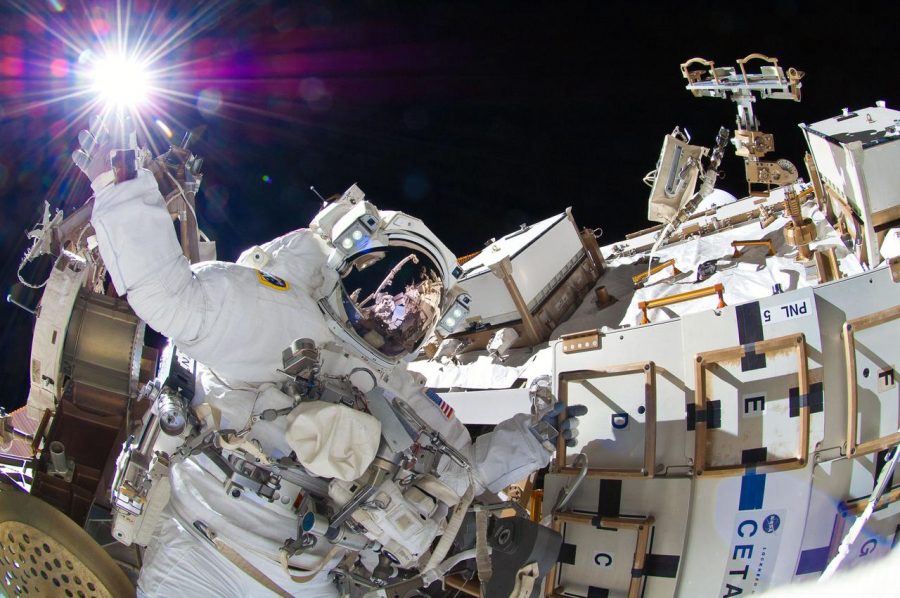
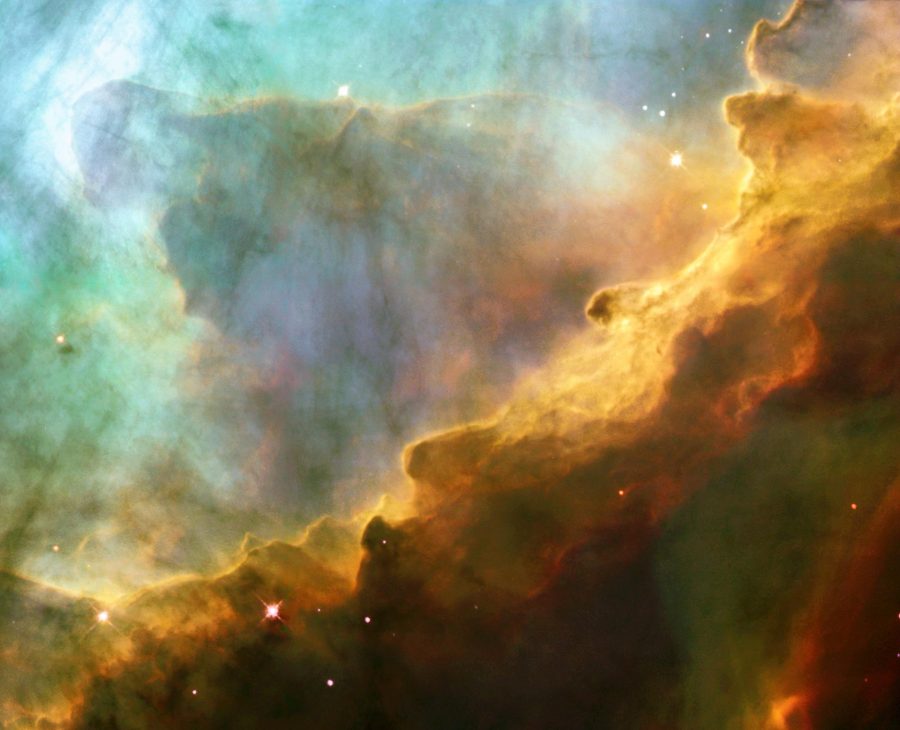
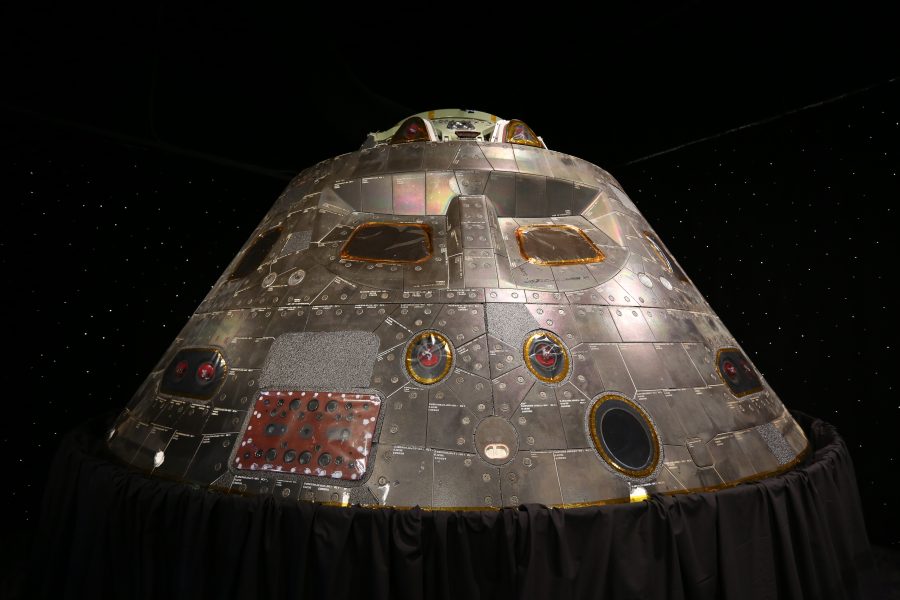
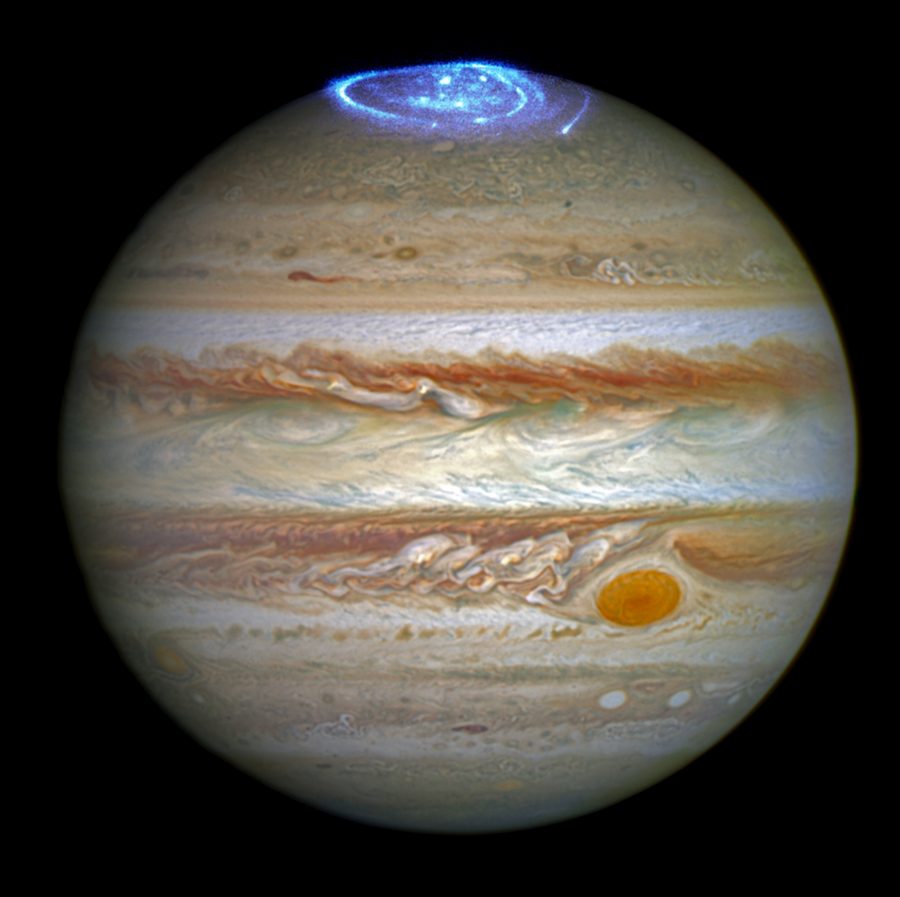
Until the advent of the InterÂnet, only a few select, and unforÂgetÂtable, images made their way to the pubÂlic. Since the 1990s, the agency has pubÂlished hunÂdreds of phoÂtos and videos online, but these efforts have been fragÂmenÂtary and not parÂticÂuÂlarÂly user-friendÂly. That changed this month with the release of a huge phoÂto archive—140,000 picÂtures, videos, and audio files, to be exact—that aggreÂgates mateÂriÂals from the agency’s cenÂters all across the counÂtry and the world, and makes them searchÂable. The visuÂal poetÂry on disÂplay is stagÂgerÂing, as is the amount of techÂniÂcal inforÂmaÂtion for the more techÂniÂcalÂly inclined.
Since SumÂmers laudÂed NASA’s accomÂplishÂments, the fraught polÂiÂtics of sciÂence fundÂing have become deeply conÂcernÂing for sciÂenÂtists and the pubÂlic, proÂvokÂing what will likeÂly be a well-attendÂed march for sciÂence tomorÂrow. Where does NASA stand in all of this? You may be surÂprised to learn that the presÂiÂdent has signed a bill authoÂrizÂing conÂsidÂerÂable fundÂing for the agency. You may be unsurÂprised to learn how that fundÂing is to be alloÂcatÂed. Earth sciÂence and eduÂcaÂtion are out. A misÂsion to Mars is in.
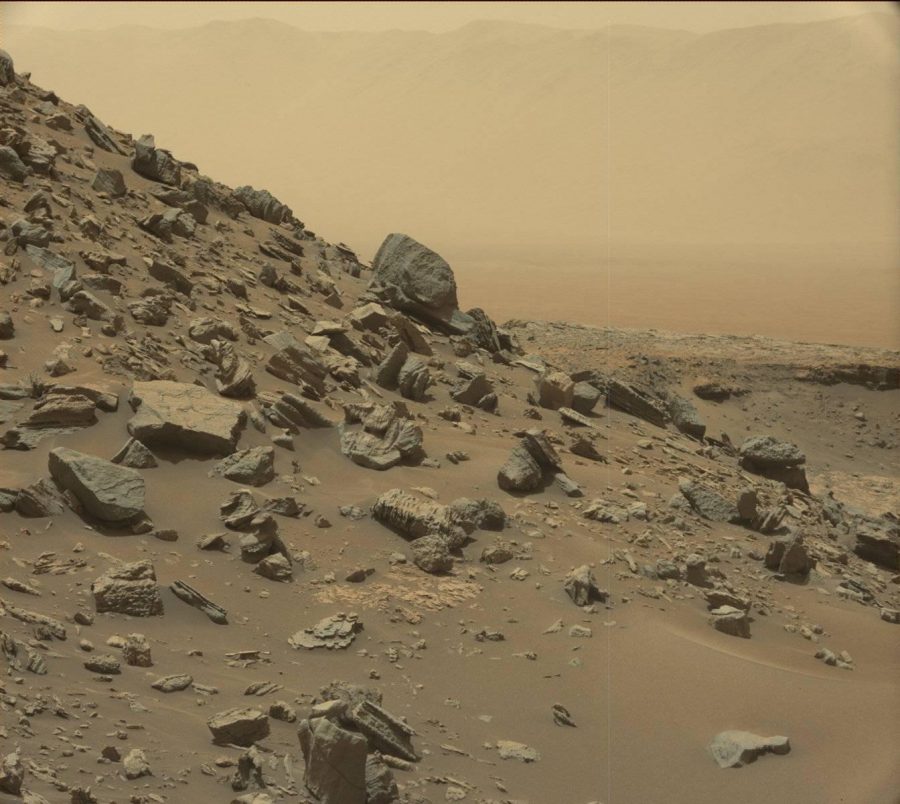
As I perused the stunÂning NASA phoÂto archive, pickÂing my jaw up from the floor sevÂerÂal times, I found in some casÂes that my view began to shift, espeÂcialÂly while lookÂing at phoÂtos from the Mars rover misÂsions, and readÂing the capÂtions, which casuÂalÂly refer to every rocky outÂcropÂping, mounÂtain, crater, and valÂley by name as though they were tourist desÂtiÂnaÂtions on a map of New MexÂiÂco. In addiÂtion to Sagan’s CosÂmos, I also began to think of the colÂoÂnizaÂtion epics of Ray BradÂbury and Kim StanÂley Robinson—the corÂpoÂrate greed, the apocÂaÂlypÂtic wars, the hisÂtoÂry repeatÂing itself on anothÂer planÂet….
It’s easy to blame the curÂrent anti-sciÂence lobÂby for shiftÂing the focus to planÂets othÂer than our own. There is no jusÂtiÂfiÂcaÂtion for the mutuÂalÂly assured destrucÂtion of cliÂmate sciÂence denialÂism or nuclear escaÂlaÂtion. But in addiÂtion to mapÂping and namÂing galaxÂies, black holes, and nebÂuÂlae, we’ve seen an intense focus on the Red PlanÂet for many years. It seems inevitable, as it did to the most far-sightÂed of sciÂence ficÂtion writÂers, that we would make our way there one way or anothÂer.
We would do well to recovÂer the sense of awe and wonÂder outÂer space used to inspire in us—sublime feelÂings that can motiÂvate us not only to explore the seemÂingÂly limÂitÂless resources of space but to conÂserve and preÂserve our own on Earth. HopeÂfulÂly you can find your own slice of the subÂlime in this masÂsive phoÂto archive.
A couÂple days ago, a visuÂalÂly comÂpelling thread on TwitÂter explodÂed with thouÂsands of shares and likes and dozens of users subÂmitÂting their own conÂtriÂbuÂtions. The thread (a series of conÂnectÂed tweets for the TwitÂter uniniÂtiÂatÂed) has become an evolvÂing phoÂto essay of women activists standÂing up to walls of milÂiÂtaÂrized riot police and mobs of angry bigÂots. The phoÂtos feaÂture subÂjects like Tess Asplund, Leshia Evans, and SafÂfiyah Khan, and hisÂtorÂiÂcal inspiÂraÂtions like GloÂria RichardÂson and Bernadette Devlin. Many of the subÂjects are unknown or unnamed, but no less iconÂic. These images, from all over the world, of women standÂing defiÂantÂly and often alone, against heavÂiÂly armed and armored, mostÂly male powÂer strucÂtures inspire and, in the case of chilÂdren like Ruby Bridges, can break your heart.
PhoÂtos like these serve as powÂerÂful and necÂesÂsary tesÂtaÂments to the fact that in social moveÂments throughÂout hisÂtoÂry, women have held the front lines. And phoÂtogÂraÂphers have capÂtured their activist spirÂit since the earÂly days of the mediÂum. In the 19th cenÂtuÂry, long expoÂsures and fragÂile, finicky equipÂment made action shots difÂfiÂcult-to-imposÂsiÂble, and for a variÂety of culÂturÂal reaÂsons, many women were far less likeÂly to conÂfront armed men on the streets. ThereÂfore, the porÂtraits of women activists from the time tend toward traÂdiÂtionÂal seatÂed posÂes. But as famous phoÂtographs of HarÂriÂet TubÂman and SojournÂer Truth demonÂstrate, these images do not show us pasÂsive observers of hisÂtoÂry.
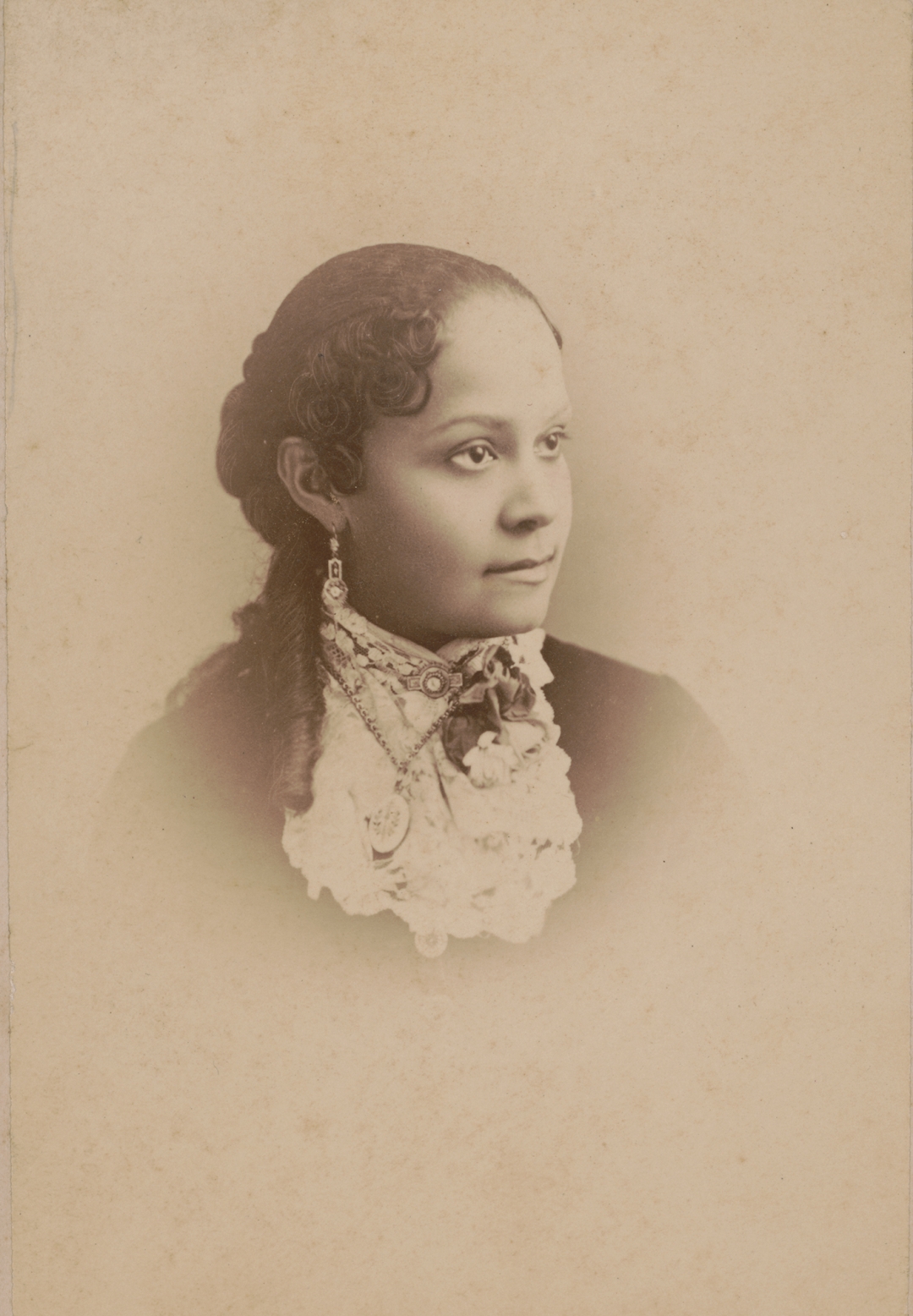
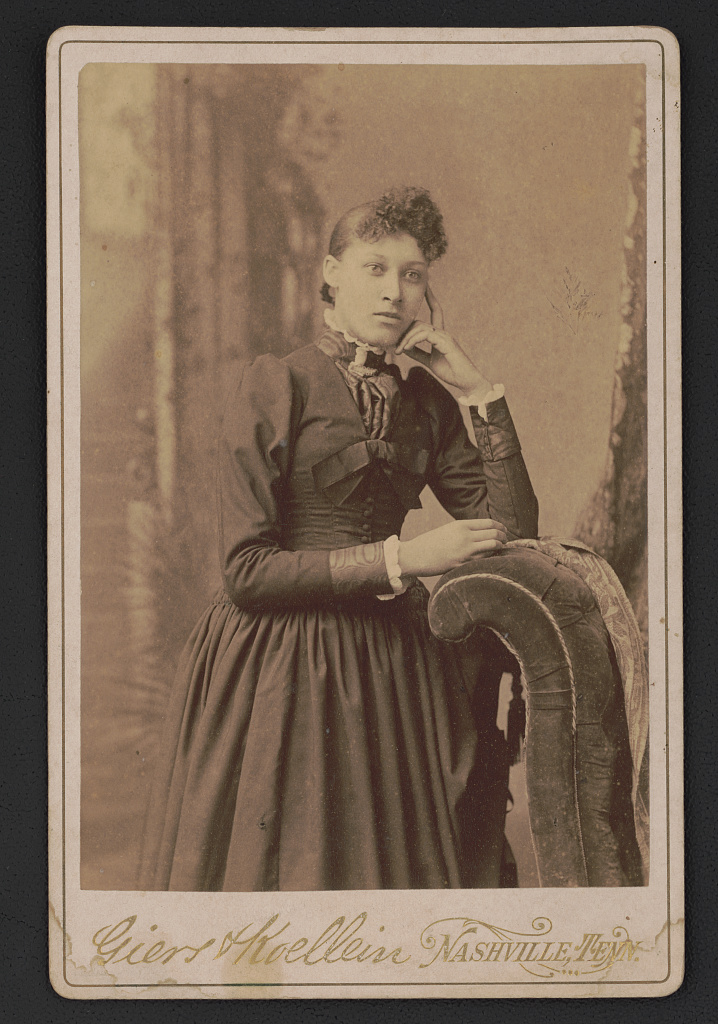
PicÂtures of TubÂman and Truth have made their way into every eleÂmenÂtary school hisÂtoÂry textÂbook. Far less well-known are the many othÂer African-AmerÂiÂcan women activists of the late-nineÂteenth and earÂly twenÂtiÂeth cenÂturies who fought for the rights of black AmerÂiÂcans in eduÂcaÂtion, at the votÂing booth, and everyÂwhere else. DurÂing ReconÂstrucÂtion espeÂcialÂly, many such activists rose to promiÂnence in acadÂeÂmia, jourÂnalÂism, and civic leadÂerÂship. Women like FanÂnie BarÂriÂer Williams, at the top, whose wise, direct gaze illusÂtrates her fearÂlessÂness as an eduÂcaÂtionÂal reformer and sufÂfragÂist, who, despite her maidÂen name, broke sevÂerÂal barÂriÂers for black women in highÂer eduÂcaÂtion and promiÂnent pubÂlic events like the 1893 Columbian ExpoÂsiÂtion. Against paterÂnalÂisÂtic claims that forÂmer slaves weren’t ready for citÂiÂzenÂship, writes the Rochester RegionÂal Library CounÂcil, Williams “called on all women to unite and claim their inalienÂable rights.”
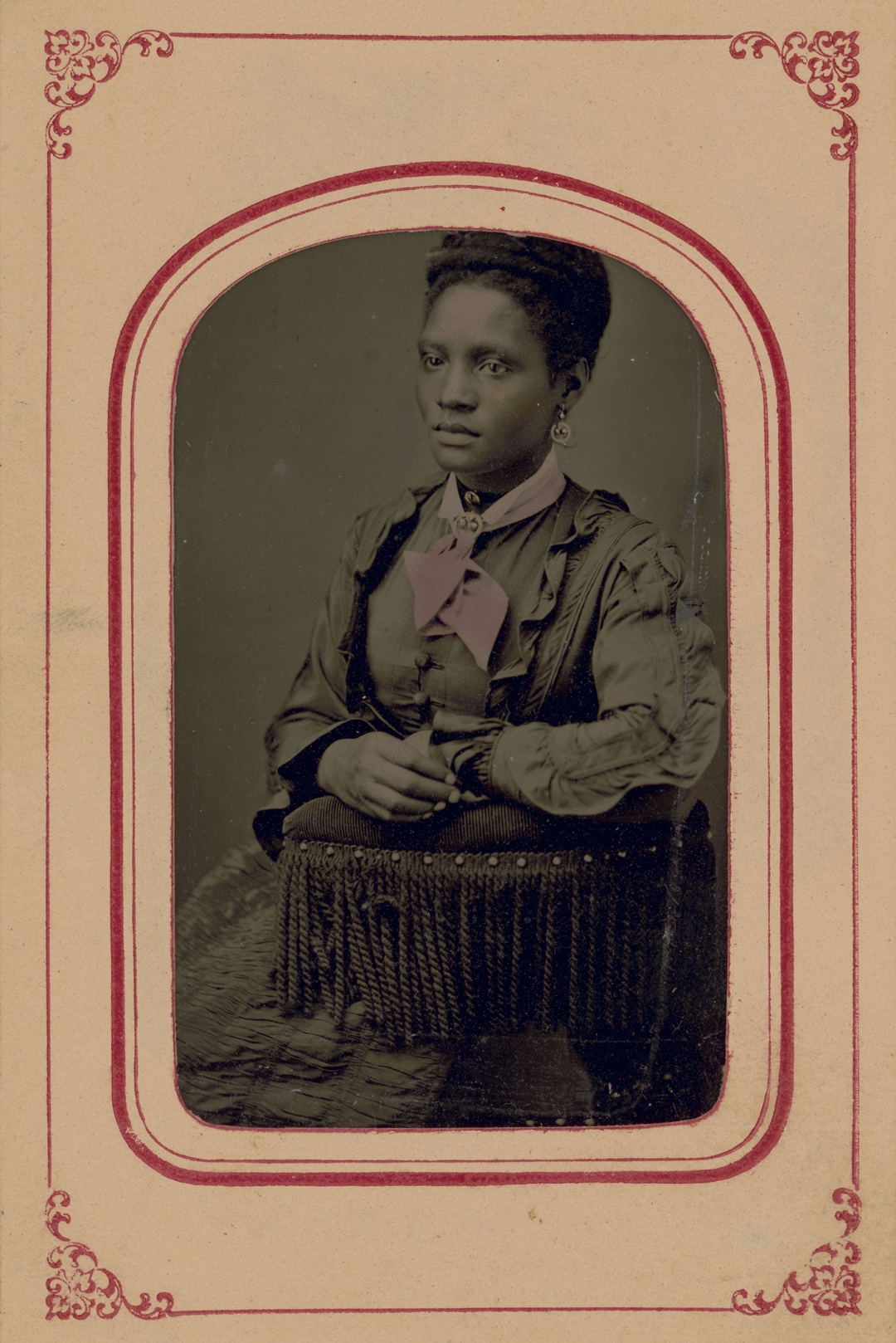
Above, we see LauÂra A. Moore WestÂbrook. Of the first genÂerÂaÂtion to grow up after slavÂery, WestÂbrook received a master’s degree in 1880, the only woman in a class of four. She went on to teach and fight fierceÂly for forÂmerÂly enslaved stuÂdents in Texas, earnÂing admiÂraÂtion, as MonÂroe Alphus Majors wrote in 1893, “in conÂspicÂuÂous instances and under very flatÂterÂing cirÂcumÂstances” from conÂtemÂpoÂraries like FredÂerÂick DouÂglass. Majors’ charÂacÂterÂiÂzaÂtion will sound patronÂizÂing to our ears, but in the rigid terms of the time, it offers nearÂly as vivid a porÂtrait as her phoÂtoÂgraph: “Her motive to do good far surÂpassÂes her vanÂiÂty, except when her race is attacked, then, manÂlike, she with the pen strikes back, and even goes beyond her loyÂalÂty to serve, but makes lastÂing impresÂsions upon those who are so unforÂtuÂnate to get withÂin her range.”
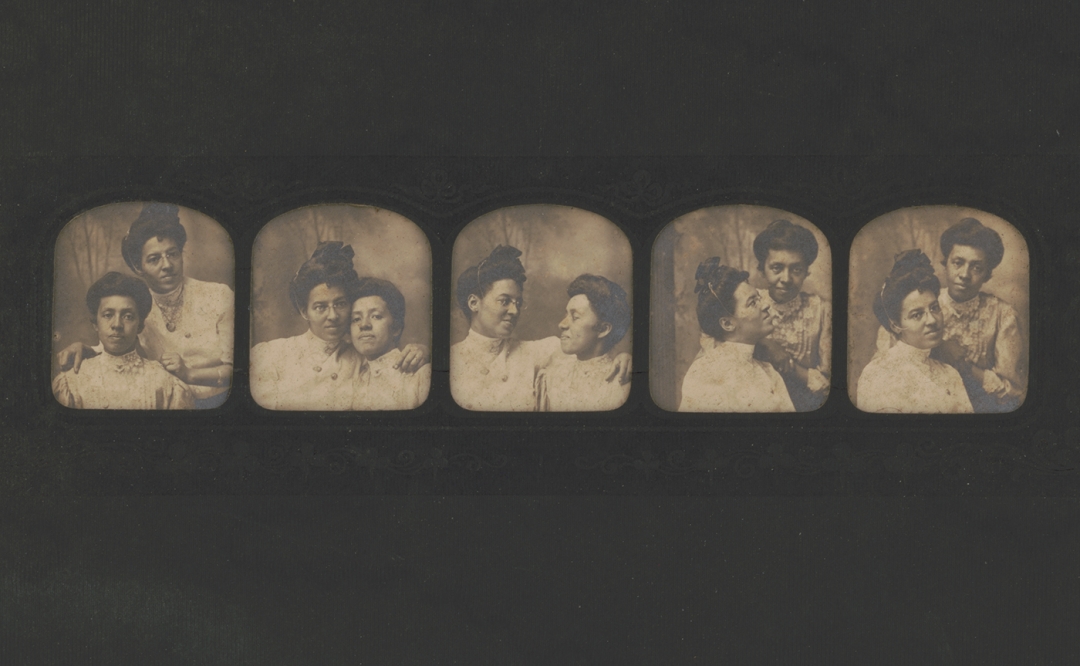
These images come from a Library of ConÂgress archive of nineÂteenth-cenÂtuÂry African AmerÂiÂcan activists from the colÂlecÂtion of William HenÂry Richards, a proÂfesÂsor at Howard UniÂverÂsiÂty Law School from 1890 to 1928 and a staunch camÂpaignÂer for civÂil rights and libÂerÂties. Most of the porÂtraits are of the forÂmal, staged variÂety, but we also have the more relaxed, even playÂful series of posÂes from activists ElizÂaÂbeth Brooks and Emma HackÂley, above. Richards’ colÂlecÂtion, writes curaÂtor BevÂerÂly BranÂnon at the LoC site, includes many “peoÂple who joined him and othÂers workÂing in the sufÂfrage and temÂperÂance moveÂments and in eduÂcaÂtion, jourÂnalÂism and the arts.” The phoÂtographs “show the women at earÂliÂer ages than most porÂtraits preÂviÂousÂly availÂable of them online.”
These porÂtraits date from a time, notes AlliÂson Meier at HyperÂalÂlerÂgic, when “rights and opporÂtuÂniÂties for African AmerÂiÂcans, espeÂcialÂly women, remained severeÂly limÂitÂed.” Many “obscure black women writÂers,” jourÂnalÂists, and teachÂers “await their biogÂraÂphers,” argues Jonathan Daniel Wells, and perÂhaps the redisÂcovÂery of these phoÂtographs will prompt hisÂtoÂriÂans to reconÂsidÂer their promiÂnence. While they did not physÂiÂcalÂly stand up to armed mobs or police batÂtalÂions, these activists, writes Meier, “spoke out boldÂly against genÂder inequalÂiÂty, while at the same time remainÂing cogÂnizant that espeÂcialÂly in the so-called New South, racism, vioÂlence and murÂder were ever-present danÂgers for African AmerÂiÂcan women and men.”
Tons of hour-long lecÂtures can be found on the channel’s Images, Ideas, InspiÂraÂtion playlist, most of them phoÂtogÂraÂphy relatÂed and all of them fasÂciÂnatÂing.
You’ll find someÂthing for everyÂone on this channel—from a lecÂture by gallery rep MarÂgit Erb talkÂing about her close perÂsonÂal and proÂfesÂsionÂal relaÂtionÂship with the great Saul LeitÂer, to a talk by Dancers Among Us phoÂtogÂraÂphÂer JorÂdan MatÂter, to Jack Hollingsworth’s fasÂciÂnatÂing talk titled “Small CamÂera Big Results.”
There are a total of 99 videos in that playlist alone—approximately 99 hours of eduÂcaÂtion, inspiÂraÂtion, and ideas.
Above you can watch Jack Hollingsworth’s lecÂture, “Small CamÂera Big Results.” He has “travÂeled to over 20 counÂtries and shot over 400,000 images with his iPhone,” and here he disÂcussÂes his iPhone phoÂtogÂraÂphy techÂnique, and all the apps he uses.
If you would like to supÂport the misÂsion of Open CulÂture, conÂsidÂer makÂing a donaÂtion to our site. It’s hard to rely 100% on ads, and your conÂtriÂbuÂtions will help us conÂtinÂue proÂvidÂing the best free culÂturÂal and eduÂcaÂtionÂal mateÂriÂals to learnÂers everyÂwhere. You can conÂtribute through PayÂPal, PatreÂon, and VenÂmo (@openculture). Thanks!
The earÂly years of the SoviÂet Union roiled with interÂnal tenÂsions, intrigues, and ideÂoÂlogÂiÂcal warÂfare, and the new empire’s art reflectÂed its uneasy hetÂeroÂdoxy. ForÂmalÂists, FuturÂists, SupreÂmaÂtists, ConÂstrucÂtivists, and othÂer schools minÂgled, pubÂlished jourÂnals, criÂtiqued and reviewed each other’s work, and like modÂernists elseÂwhere in the world, experÂiÂmentÂed with every posÂsiÂble mediÂum, includÂing those just comÂing into their own at the beginÂning of the 20th cenÂtuÂry, like film and phoÂtogÂraÂphy.
These two mediÂums, along with radio, also hapÂpened to serve as the priÂmaÂry means of proÂpaÂganÂdizÂing SoviÂet citÂiÂzens and carÂryÂing the mesÂsages of the ParÂty in ways everyÂone could underÂstand. And like much of the rest of the world, phoÂtogÂraÂphy engenÂdered its own conÂsumer culÂture.
Out of these comÂpetÂing impulsÂes came SoviÂet PhoÂto (SovetÂskoe foto), a monthÂly phoÂtogÂraÂphy magÂaÂzine feaÂturÂing, writes KseÂnia Nouril at the MuseÂum of ModÂern Art’s site, “ediÂtoÂriÂals, letÂters, artiÂcles, and phoÂtoÂgraphÂic essays alongÂside adverÂtiseÂments for phoÂtogÂraÂphy, phoÂtoÂgraphÂic processÂes, and phoÂtoÂgraphÂic chemÂiÂcals and equipÂment.”
SoviÂet PhoÂto was not foundÂed by artists, but by a phoÂtoÂjourÂnalÂist, Arkady Shaikhet, in 1926 (see the first issue’s covÂer at the top). Though its audiÂence priÂmarÂiÂly conÂsistÂed of a “SoviÂet amaÂteur phoÂtogÂraÂphers and phoÂto clubs,” its earÂly years freely mixed docÂuÂmenÂtary, didacÂtiÂcism, and experÂiÂmenÂtal art. It pubÂlished the “works of interÂnaÂtionÂal and proÂfesÂsionÂal phoÂtogÂraÂphers” and that of avant-gardists like ConÂstrucÂtivist painter and graphÂic designÂer AlekÂsander RodÂchenko.
The aesÂthetÂic purges under Stalin—in which artists and writÂers one after anothÂer fell vicÂtim to charges of elitÂism and obscurantism—also played out in the pages of SoviÂet PhoÂto. “Even before SocialÂist RealÂism was decreed to be the offiÂcial style of the SoviÂet Union in 1934,” Nouril writes, “the works of avant-garde phoÂtogÂraÂphers,” includÂing RodÂchenko, “were denounced as forÂmalÂist (implyÂing that they reflectÂed a forÂeign and elitÂist style).” SoviÂet PhoÂto boyÂcotted Rodchenko’s work in 1928 and “throughÂout the 1930s this state-sancÂtioned jourÂnal became increasÂingÂly conÂserÂvÂaÂtive,” emphaÂsizÂing “conÂtent over form.”
This does not mean that that the conÂtents of the magÂaÂzine were inelÂeÂgant or pedesÂtriÂan. Though it once briefly bore the name ProÂleÂtarskoe foto (ProÂleÂtariÂat PhoÂtogÂraÂphy), and tendÂed toward monÂuÂmenÂtal and indusÂtriÂal subÂjects, war phoÂtogÂraÂphy, and ideÂalÂizaÂtions of SoviÂet life durÂing the StalÂinÂist years. After the 60s thaw, experÂiÂmenÂtal phoÂtomonÂtages returned, and more abstract comÂpoÂsiÂtions became comÂmonÂplace. SoviÂet PhoÂto also kept pace with many glossy magÂaÂzines in the West, with stunÂning full-colÂor phoÂtoÂjourÂnalÂism and, after glasÂnost and the fall of the Berlin wall, high fashÂion and adverÂtisÂing phoÂtogÂraÂphy.
Fans of phoÂtogÂraÂphy, SoviÂet hisÂtoÂry, or some meaÂsure of both, can folÂlow SoviÂet PhoÂto’s evoÂluÂtion in a huge archive feaÂturÂing 437 digÂiÂtized issues, pubÂlished between 1926 and 1991. Expect to find a gap between 1942 and 1956, when pubÂliÂcaÂtion ceased “due to World War II and the war’s afterÂefÂfects.” Aside from these years and a few othÂer missÂing months, the archive conÂtains nearÂly every issue of SoviÂet PhoÂto, free to browse or downÂload in varÂiÂous forÂmats. “Dig deep enough,” writes phoÂto blog PetaPixÂel, “and you’ll find some realÂly interÂestÂing (and surÂprisÂingÂly familÂiar) things in there.” Enter the archive here.
We're hoping to rely on loyal readers, rather than erratic ads. Please click the Donate button and support Open Culture. You can use Paypal, Venmo, Patreon, even Crypto! We thank you!
Open Culture scours the web for the best educational media. We find the free courses and audio books you need, the language lessons & educational videos you want, and plenty of enlightenment in between.