Hand-Colored 1860s Photographs Reveal the Last Days of Samurai Japan

Samurai Japan 1

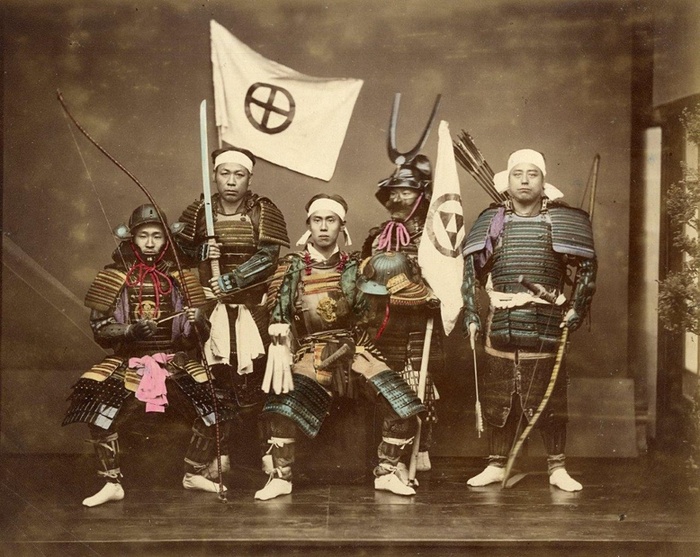
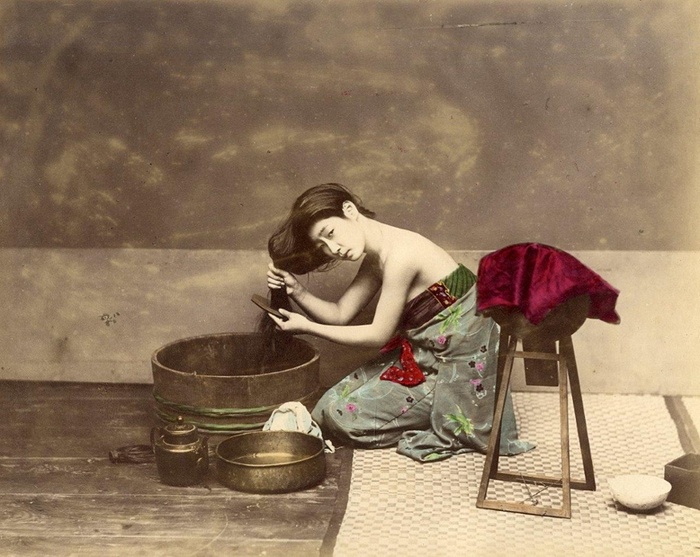
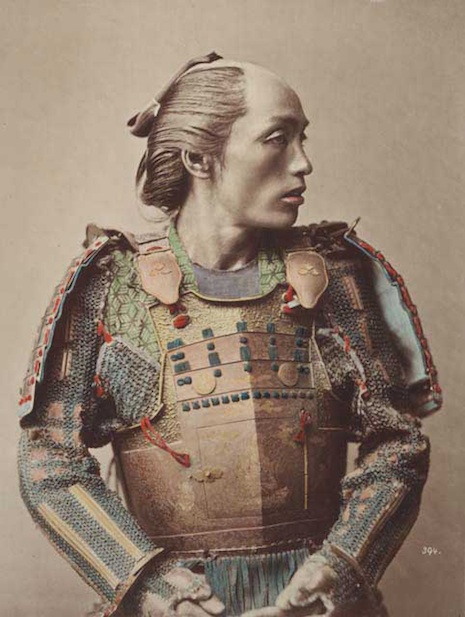
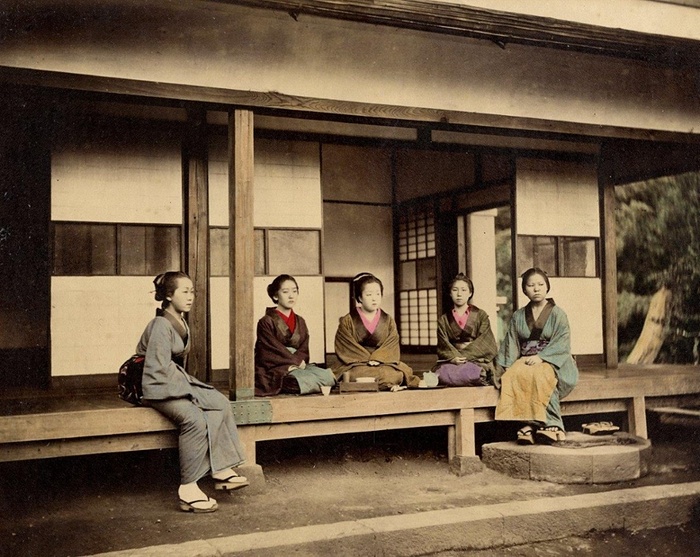
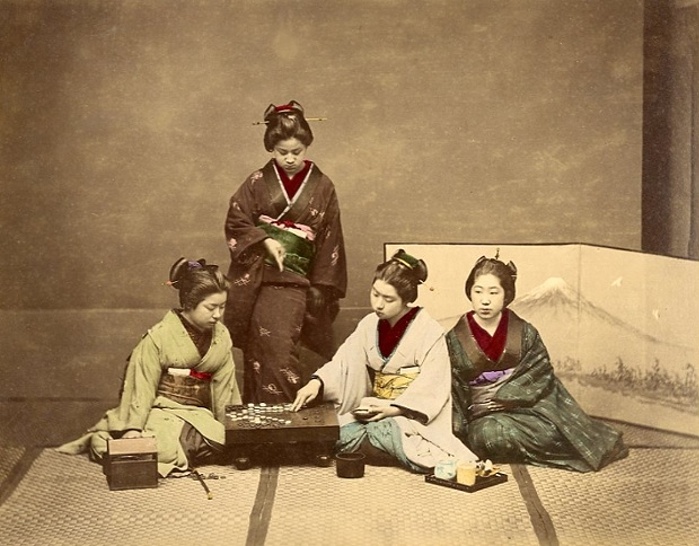
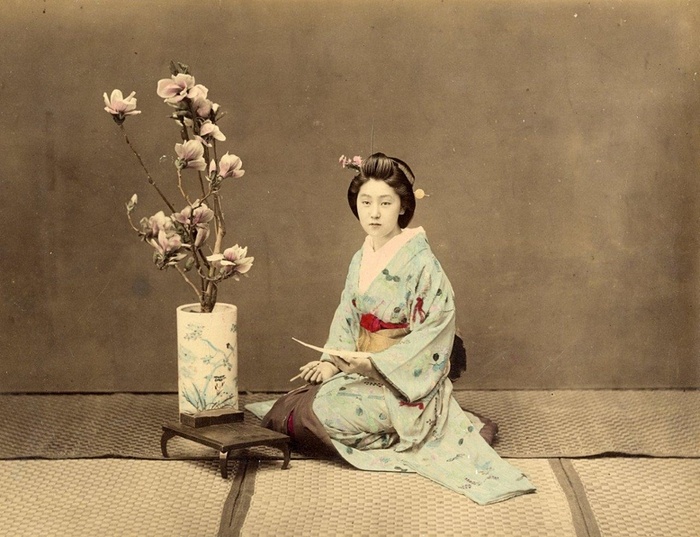
Any fan of samu­rai movies knows the elab­o­rate lengths some pro­duc­tions can go to in order to recre­ate the look and feel of old Japan, but glo­be­trot­ting Ital­ian-British pho­tog­ra­ph­er Felice Beato (1832 — 1909) actu­al­ly man­aged to cap­ture those days on cel­lu­loid first-hand. He arrived in Japan in 1863, at the very twi­light of the era of the samu­rai, a time he doc­u­ment­ed evoca­tive­ly with a series of hand-col­ored pho­tographs of sub­jects like “kimonos, para­sols, baby’s toys, bas­ket sell­ers, cour­te­sans at rest and a samu­rai gang ready for action,” as the Guardian lists them in their gallery of Beat­o’s Japan­ese work.

Samurai Japan 2

“After spend­ing over two hun­dred years in seclu­sion, Japan was being forced by the Amer­i­cans — under a mis­sion led by Com­modore Matthew C. Per­ry — to expand its trade with the west,” writes Dan­ger­ous Minds’ Paul Gal­lagher, describ­ing the unprece­dent­ed moment of Japan­ese his­to­ry in which Beato found him­self, one that pro­vid­ed the oppor­tu­ni­ty to pho­to­graph not just the last of the samu­rais but also the cour­te­sans they loved. But all this had its risks: “Trav­el was dan­ger­ous in Japan,” Gal­lagher adds, “with many of the Shogu­nate samu­rai war­riors killing west­ern­ers,” a fate Beato nar­row­ly avoid­ed at least once.

samurai in color

Hav­ing pho­tographed in Con­stan­tino­ple, India, and Chi­na before Japan, Beato moved on after it to oth­er parts of Asia, includ­ing Korea and Bur­ma, before return­ing to his native Italy at the very end of his life. But his pic­tures of Japan remain among the most strik­ing of his entire career, per­haps because of their artis­tic use of col­or, per­haps because of a his­tor­i­cal time and place that we think we’ve come to know through so many sword-and-sui­cide epics. Their char­ac­ters, from the hon­or-bound samu­rai to the sly cour­te­san to the sim­ple mer­chant, can seem to us a bit the­atri­cal as a result, but Beat­o’s pho­tographs remind us that they all began as very real peo­ple. Who might they inspire to make a film about their real lives?

Samurai Japan 4

Samurai Japan 5

Samurai Japan 6

via The Guardian/Dan­ger­ous Minds

Relat­ed Con­tent:

Hand-Col­ored Pho­tographs of 19th Cen­tu­ry Japan

Adver­tise­ments from Japan’s Gold­en Age of Art Deco

Glo­ri­ous Ear­ly 20th-Cen­tu­ry Japan­ese Ads for Beer, Smokes & Sake (1902–1954)

Ear­ly Japan­ese Ani­ma­tions: The Ori­gins of Ani­me (1917–1931)

A Pho­to­graph­ic Tour of Haru­ki Murakami’s Tokyo, Where Dream, Mem­o­ry, and Real­i­ty Meet

Col­in Mar­shall writes else­where on cities, lan­guage, Asia, and men’s style. He’s at work on a book about Los Ange­les, A Los Ange­les Primer, the video series The City in Cin­e­maand the crowd­fund­ed jour­nal­ism project Where Is the City of the Future? Fol­low him on Twit­ter at @colinmarshall or on Face­book.

The Artist as Artist’s Model: Au Naturel Portraits of Frida Kahlo Taken by Art Patron Julien Levy (1938)

Frida-2

Fri­da Kahlo’s lega­cy is def­i­nite­ly informed by her care­ful hus­bandry of own image. She under­stood its cur­ren­cy, and how to lever­age it. Even when caught out of uni­form or hav­ing a seem­ing­ly unaware laugh, she stayed true to what in mod­ern par­lance would be called her brand.

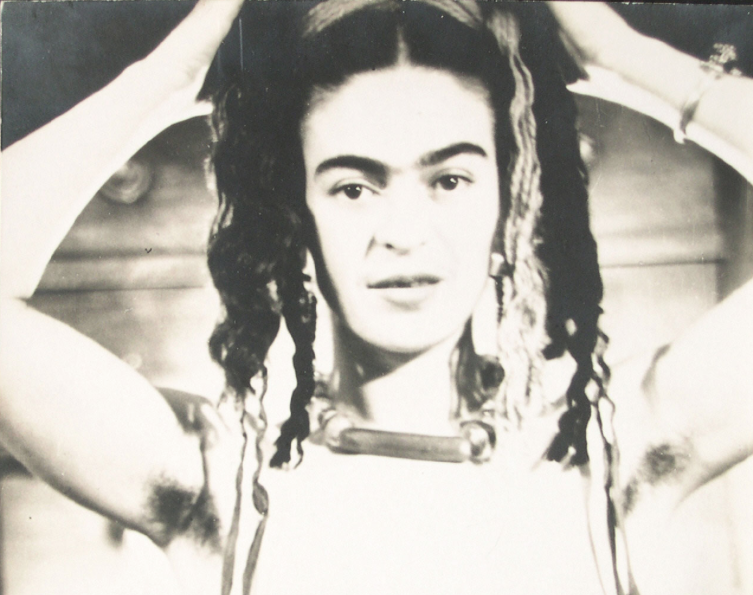
So it is with gallery own­er Julien Levy’s 1938 (tech­ni­cal­ly not-safe-for-work) pho­tographs of the artist, tak­en the year before he host­ed her first solo show, an event that caused Time mag­a­zine to rhap­sodize that “the flut­ter of the week in Man­hat­tan was caused by the first exhi­bi­tion of paint­ings by famed mural­ist Diego Rivera’s…wife, Fri­da Kahlo.”

Rivera’s wife was also Levy’s lover, as these art­ful­ly posed, semi-clad pho­tos sug­gest. They show a less pub­lic side of Kahlo, to be sure, but one that’s in keep­ing with the face she pre­sent­ed to the world.

Frankly, the rev­e­la­tion of her par­tial­ly loosed hair seems more inti­mate than her disha­bille.

Click here to see the Philadel­phia Muse­um of Art’s col­lec­tion of Levy’s Kahlo por­traits, both with and with­out rebo­zo.

To learn a lit­tle more about Julien Levy (“a gallery own­er who com­mit­ted his charis­ma, con­nec­tions, and per­son­al resources to estab­lish­ing photography’s impor­tance in the field of mod­ern art”) and the col­lec­tion bequeathed to the Philadel­phia Muse­um of Art, click here.

Relat­ed Con­tent:

1933 Arti­cle on Fri­da Kahlo: “Wife of the Mas­ter Mur­al Painter Glee­ful­ly Dab­bles in Works of Art”

Fri­da Kahlo’s Col­or­ful Clothes Revealed for the First Time & Pho­tographed by Ishi­uchi Miyako

Fri­da Kahlo and Diego Rivera Vis­it Leon Trot­sky in Mex­i­co, 1938

Ayun Hal­l­i­day is an author, illus­tra­tor, and Chief Pri­ma­tol­o­gist of the East Vil­lage Inky zine. Her play, Fawn­book, is now play­ing in New York City. Fol­low her @AyunHalliday

Browse Paintings, Photos, Papers & More in the Archive of Alfred Stieglitz and Georgia O’Keeffe, America’s Original Art Power Couple

O'Keeffe 1

Does any cou­ple loom larg­er in the world of twen­ti­eth-cen­tu­ry Amer­i­can art than Alfred Stieglitz and Geor­gia O’Ke­effe? Not if you believe the Alfred Stieglitz/Georgia O’Ke­effe Archive at Yale Uni­ver­si­ty’s Bei­necke Rare Book and Man­u­script Library. If you go there, you’ll find “thou­sands of let­ters and hun­dreds of pho­tographs in addi­tion to a col­lec­tion of lit­er­ary man­u­scripts, scrap­books, ephemera, fine art, and realia, pri­mar­i­ly dat­ing between 1880 and 1980, which doc­u­ment the lives and careers of the photographer/publisher/gallery own­er Alfred Stieglitz and the painter Geor­gia O’Ke­effe.” But you can even view some of its mate­r­i­al here on the inter­net, includ­ing pho­tos by and of “Stieglitz and his cir­cle of artists and writ­ers” and “a vari­ety of paint­ings and draw­ings, let­ters and ephemera, and medals and awards.”

Steiglitz O'Keeffe

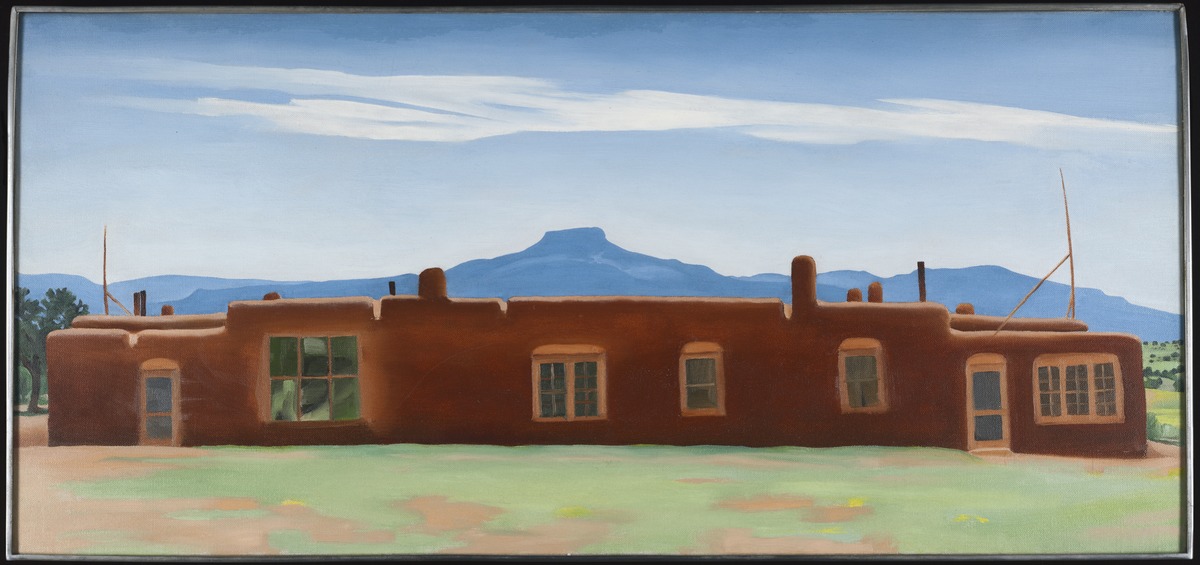
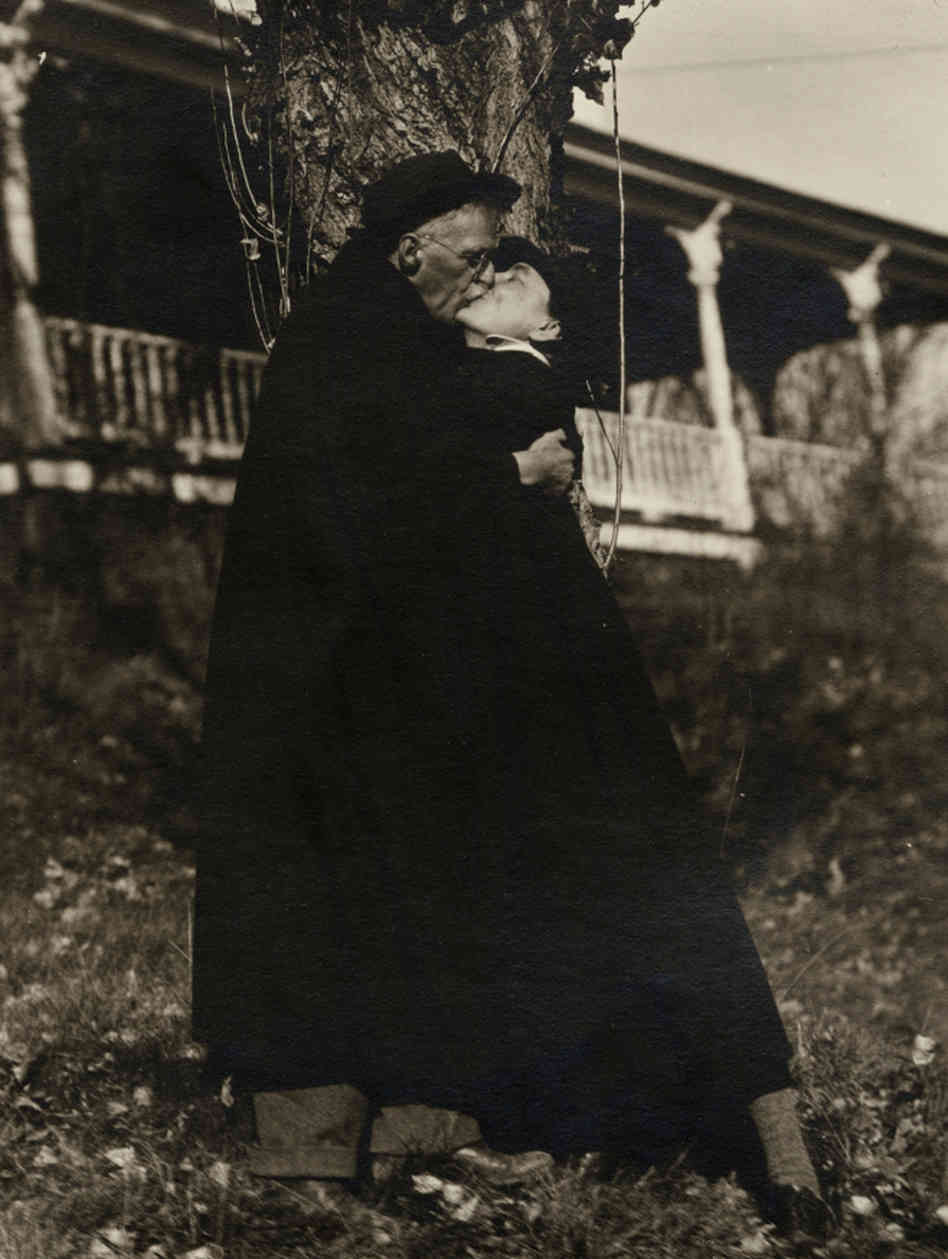
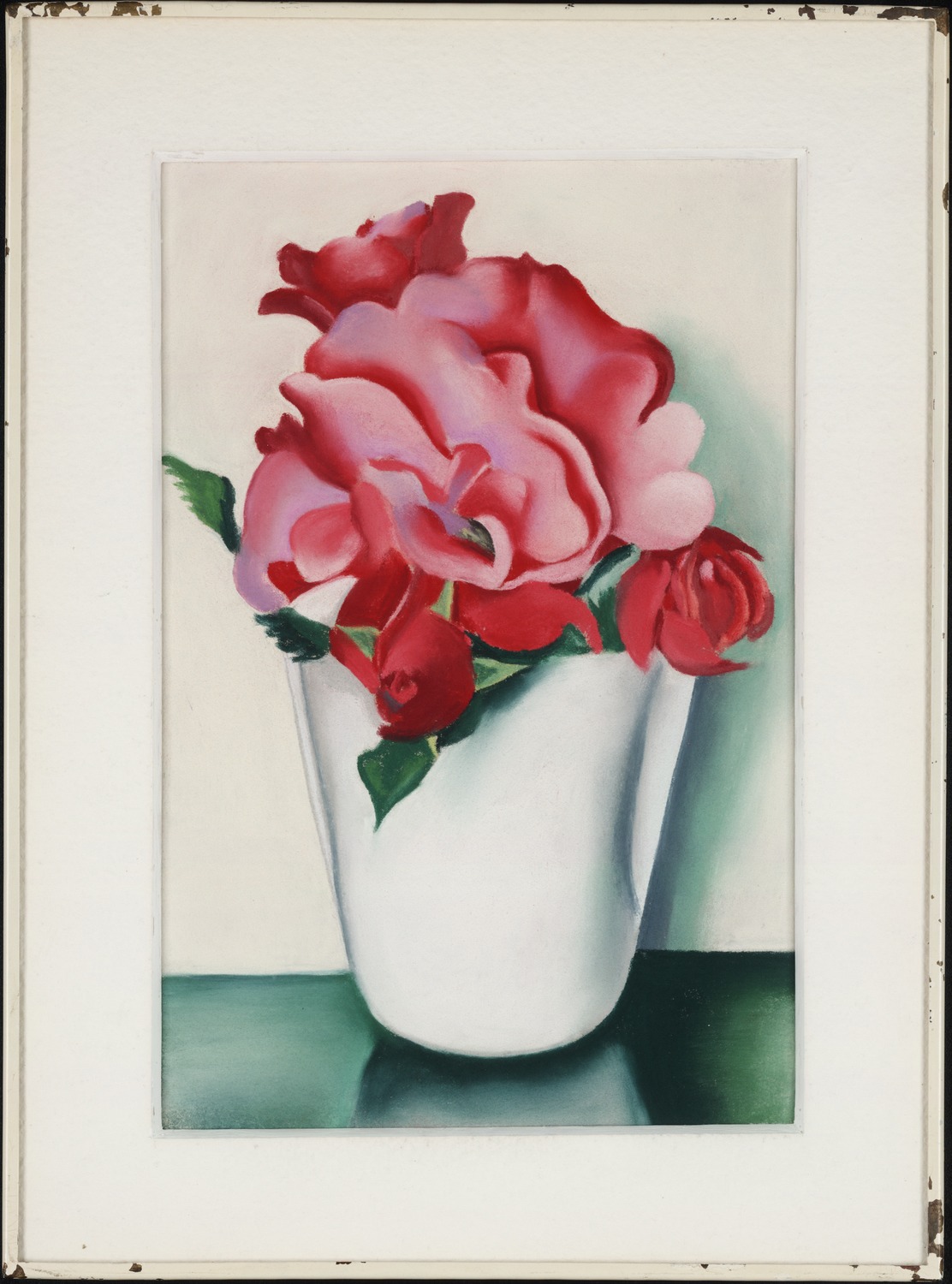
The online archive does, of course, con­tain some paint­ings from O’Ke­effe, such as House I Live in 1937 at the top of the post or, more in line with her famous­ly flo­ral focus, Pink Ros­es just below. But you’ll also find behind-the-work per­son­al arti­facts like the 1929 image of Stieglitz and O’Ke­effe togeth­er at Lake George, New York just above. You can browse through all the mate­r­i­al avail­able with this list, or you can fil­ter it down to the items per­tain­ing specif­i­cal­ly to O’Ke­effe or those per­tain­ing specif­i­cal­ly to Stieglitz, though in life the two had an “instant men­tal and phys­i­cal attrac­tion” that kept them on some lev­el insep­a­ra­ble dur­ing the course of their forty-year rela­tion­ship.

O'Keeffe 2

They even enjoyed a kind of artis­tic togeth­er­ness dur­ing the long-dis­tance stretch­es of that rela­tion­ship, when O’Ke­effe “dis­cov­ered her love for the land­scape of the Amer­i­can South­west and spent increas­ing amounts of time liv­ing and work­ing there.”

stieglitz flat iron

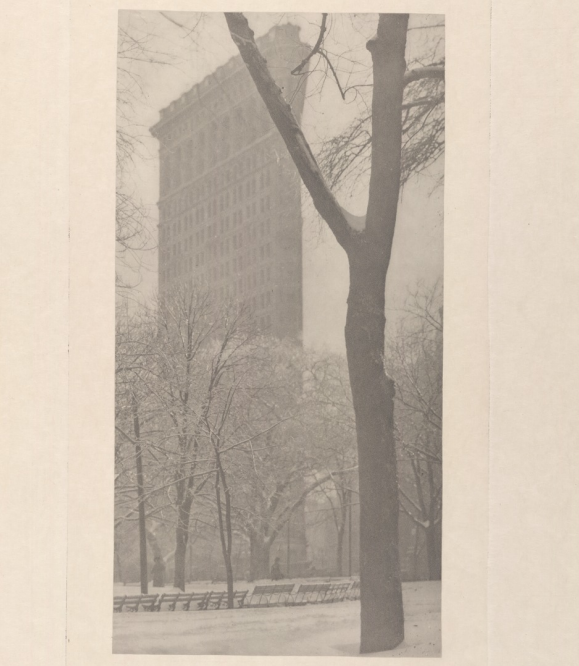
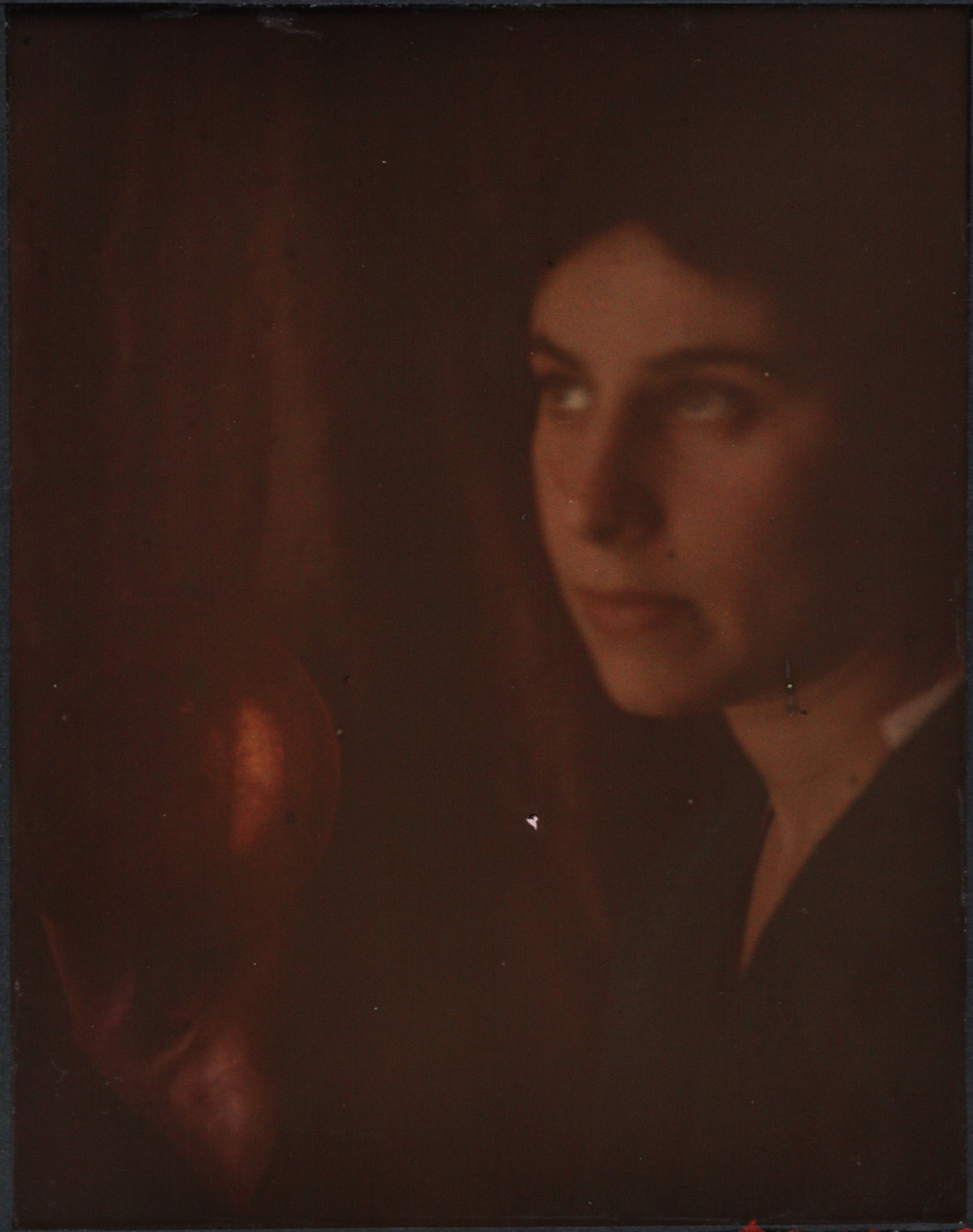
And while many of us already know about her favorite sub­jects and the ways in which she real­ized them on can­vas, few­er of us know about the efforts Stieglitz took to make pho­tog­ra­phy into not just a legit­i­mate but respect­ed art form. To get a sense of what that took, start with Stieglitz’s autochromes (below), some of the ear­li­est ven­tures made by an Amer­i­can artist into the realm of col­or pho­tog­ra­phy. Both Stieglitz and O’Ke­effe, each in there own medi­um, made us see things dif­fer­ent­ly. How many art-world pow­er cou­ples can say the same?

O'Keeffe 3

Relat­ed Con­tent:

The Real Geor­gia O’Keeffe: The Artist Reveals Her­self in Vin­tage Doc­u­men­tary Clips

Alfred Stieglitz: The Elo­quent Eye, a Reveal­ing Look at “The Father of Mod­ern Pho­tog­ra­phy”

Fri­da Kahlo Writes a Per­son­al Let­ter to Geor­gia O’Keeffe After O’Keeffe’s Ner­vous Break­down (1933)

Whit­ney Muse­um Puts Online 21,000 Works of Amer­i­can Art, By 3,000 Artists

Col­in Mar­shall writes else­where on cities, lan­guage, Asia, and men’s style. He’s at work on a book about Los Ange­les, A Los Ange­les Primer, the video series The City in Cin­e­maand the crowd­fund­ed jour­nal­ism project Where Is the City of the Future? Fol­low him on Twit­ter at @colinmarshall or on Face­book.

226 Ansel Adams Photographs of Great American National Parks Are Now Online

Adams Yellowstone

Like many Amer­i­can sto­ries, the sto­ry of the Nation­al Parks begins with pil­lage, death, deep cul­tur­al mis­un­der­stand­ing, and ven­ture cap­i­tal­ism. Accord­ing to Ken Burns’ film series The Nation­al Parks: America’s Best Idea, we can date the idea back to 1851, with the “dis­cov­ery” of Yosemite by a maraud­ing armed bat­tal­ion who entered the land “search­ing for Indi­ans, intent on dri­ving the natives from their home­lands and onto reser­va­tions.” The Mari­posa Bat­tal­ion, led by Cap­tain James D. Sav­age, set fire to the Indi­ans’ homes and store­hous­es after they had retreat­ed to the moun­tains, “in order to starve them into sub­mis­sion.”

One mem­ber of the bat­tal­ion, a doc­tor named Lafayette Bun­nell, found him­self entranced by the scenery amidst this destruc­tion. “As I looked, a pecu­liar exalt­ed sen­sa­tion seemed to fill my whole being,” he wrote in his lat­er accounts, “and I found myself in tears with emo­tion.” He named the place “Yosemite,” think­ing it was the name of the Indi­an tribe the sol­diers sought to force out or erad­i­cate. The word, it turned out “meant some­thing entire­ly dif­fer­ent,” refer­ring to peo­ple who should be feared: “It means, ‘they are killers.’”

Zion Adams

In 1855, a failed Eng­lish gold prospec­tor turned the place into a tourist attrac­tion, and peo­ple flood­ed West to see it, prompt­ing New York wor­thies like Horace Gree­ley and Fred­er­ick Law Olm­st­ed to lob­by for its fed­er­al pro­tec­tion. In 1864, Abra­ham Lin­coln deed­ed Yosemite Val­ley and the Mari­posa Grove, with its giant sequoias, to the state of Cal­i­for­nia. Ever since then, Nation­al Parks have been threatened—if not by the occa­sion­al polit­i­cal can­di­date and his bil­lion­aire back­ers hop­ing to pri­va­tize the land, then by oil and gas drilling, and by fire, ris­ing seas, or oth­er effects of cli­mate change. Though the U.S. emp­tied many of the parks of their inhab­i­tants, it is iron­i­cal­ly only the actions of the fed­er­al gov­ern­ment that pre­vents the process begun by the Mari­posa Bat­tal­ion from reach­ing its con­clu­sion in the total despo­li­a­tion of these land­scapes. It is these land­scapes that have most come to sym­bol­ize the nation­al char­ac­ter, whether as back­ground in Fred­er­ic Rem­ing­ton’s paint­ings of the Indi­an Wars or in the pho­tographs of Ansel Adams, who began and sus­tained his career in Yosemite Val­ley. “Yosemite Nation­al Park,” writes the Nation­al Park Service’s web­site,” was Adams’ chief inspi­ra­tion.”

Grand Canyon Adams

Adams first became inter­est­ed in vis­it­ing the Nation­al Park when he read In the Heart of the Sier­ras by James Hutchings—that failed Eng­lish gold prospec­tor. There­after, Adams pho­tographed Nation­al Parks almost rit­u­al­ly, and in 1941, the Nation­al Park Ser­vice com­mis­sioned Adams to cre­ate a pho­to mur­al for the Depart­ment of the Inte­ri­or Build­ing in DC. The theme, the Nation­al Archives tells us, was to be “nature as exem­pli­fied and pro­tect­ed in the U.S. Nation­al Parks. The project was halt­ed because of World War II and nev­er resumed.” It must have felt like an espe­cial­ly sacred duty for Adams, who trav­eled the coun­try pho­tograph­ing the Grand Canyon, Grand Teton, Kings Canyon, Mesa Verde, Rocky Moun­tain, Yel­low­stone, Yosemite, Carls­bad Cav­erns, Glac­i­er, and Zion Nation­al Parks; Death Val­ley, Saguro, and Canyon de Chelly Nation­al Mon­u­ments,” and oth­er loca­tions like the Boul­der (now Hoover) Dam and desert vis­tas in New Mex­i­co.

Mesa Verde Adams

The pho­tographs you see here are among the 226 tak­en by Adams for the project. They are now housed at the Nation­al Archives, and you can freely view them online or order prints at their site. At the top, we see a snow-cov­ered tree from an apple orchard in Half Dome, Yosemite, where Adams had his first pho­to­graph­ic “visu­al­iza­tion” in 1927. Below it, the “Court of the Patri­archs” in Zion Nation­al Park, Utah. Fur­ther down, we have a breath­tak­ing vision of the ser­pen­tine Grand Canyon, and just above, one of the few man­made struc­tures, “Cliff Palace” at Mesa Verde Nation­al Park in Col­orado. And here can you see a pho­to­graph of the Snake Riv­er in Grand Teton Nation­al Park.

adams grand teton

The mur­al project may have been aban­doned, but Adams nev­er stopped pho­tograph­ing the parks, nor advo­cat­ing for their pro­tec­tion and, in fact, the pro­tec­tion of “the entire envi­ron­ment,” as he told a Play­boy inter­view­er in 1983. “Only two and a half per­cent of the land in this coun­try is pro­tect­ed,” said Adams then: “Not only are we being fought in try­ing to extend that two and a half per­cent to include oth­er impor­tant or frag­ile areas but we are hav­ing to fight to pro­tect that small two and a half per­cent. It is hor­ri­fy­ing that we have to fight our own Gov­ern­ment to save our envi­ron­ment.”

You can peruse the col­lec­tion of Ansel Adams’ nation­al park pho­tos here.

Relat­ed Con­tent:

Ansel Adams Reveals His Cre­ative Process in 1958 Doc­u­men­tary

200 Ansel Adams Pho­tographs Expose the Rig­ors of Life in Japan­ese Intern­ment Camps Dur­ing WW II

How to Take Pho­tographs Like Ansel Adams: The Mas­ter Explains The Art of “Visu­al­iza­tion”

Josh Jones is a writer and musi­cian based in Durham, NC. Fol­low him at @jdmagness

1902 French Trading Cards Imagine “Women of the Future”

mayor

The lag time between our imag­in­ing of social equal­i­ty and its arrival can be sig­nif­i­cant­ly long indeed, or it least it can seem so, giv­en the lim­i­ta­tions of human mor­tal­i­ty. 113 years may not be an espe­cial­ly long time for a tree, say, or even a very healthy Gala­pa­gos tor­toise, but if you or I had been alive in 1902, chances are we’d nev­er know that in 2015 the pres­i­dent of Europe’s most pow­er­ful nation is a woman, as are two major pres­i­den­tial can­di­dates in the Unit­ed States. Giv­en the amount of inequal­i­ty we still see world­wide, this may not always feel like a tri­umph. In 1902, it might have seemed like “noth­ing but fan­ta­sy.”

women-future2

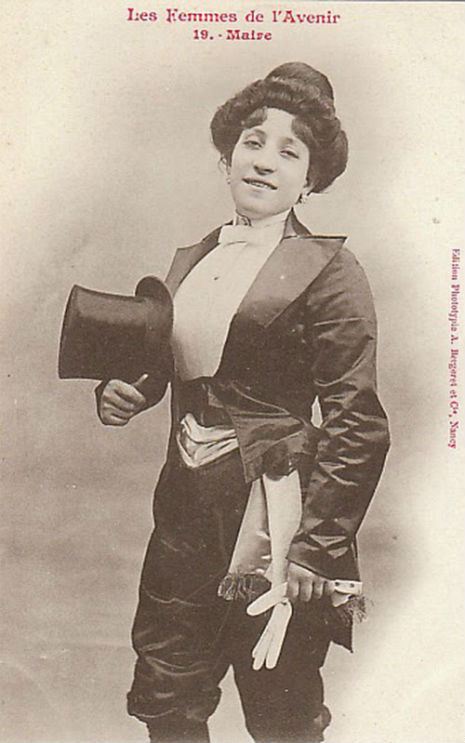
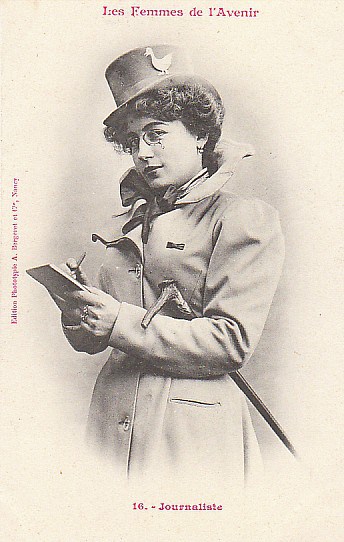
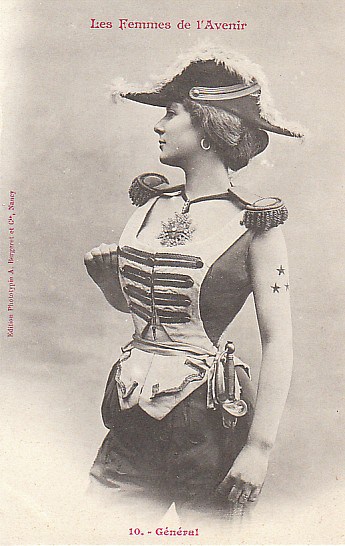
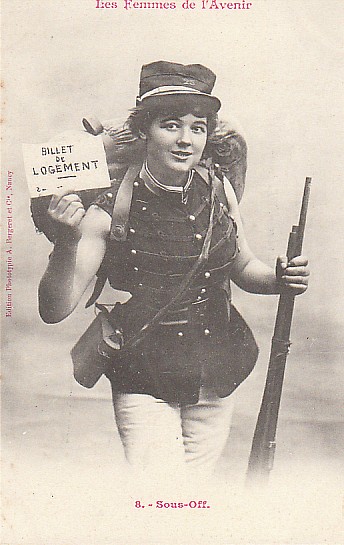
And yet even then, it was cer­tain­ly pos­si­ble to fore­see women occu­py­ing all the roles that men did, through the lens­es, writes Lau­ra Hud­son at Boing Boing, of “fan­ta­sy and sci­ence fic­tion,” which “can often help us open our minds behind the lim­i­ta­tions of the world we live in and imag­ine a bet­ter one instead.” In 1902, artist Albert Berg­eret was com­mis­sioned to cre­ate the trad­ing cards you see here—just a small selec­tion of twen­ty total pho­tographs called “Les Femmes de l’Avenir”—Women of the Future. Only one theme among many in a series of dif­fer­ent sets of cards, this “retro­fu­tur­is­tic attempt to expand the role of women in soci­ety” showed us a “small and fash­ion­able world” where “women were giv­en a more equal role in soci­ety, not to men­tion spec­tac­u­lar hats.”

women-future3

That may be so, but just as we can nev­er accu­rate­ly see the future, we can also nev­er reach con­sen­sus on the mean­ing of the past. The Dai­ly Mail’s Maysa Rawi agrees with Hud­son about the “pin-up qual­i­ty to many of the images,” which show “an awful lot of arm.”  And yet Rawi dis­par­ages the entire set as “meant to cap­ture men’s fan­tasies rather than be part of any fem­i­nist move­ment.” I’ll admit, I don’t see the cards this way at all, nor do I think the cat­e­gories are mutu­al­ly exclu­sive. Pin-up girls have also rep­re­sent­ed social pow­er, albeit main­ly sex­u­al pow­er. Scant­i­ly-clad female super­heroes like Won­der Woman, though craft­ed to appeal to the fan­tasies of teenage boys, are also pow­er­ful because… well, they have super­pow­ers.

women-future5

Per­haps that’s one way to look at Bergeret’s cards. He is not mock­ing his sub­jects, nor hyper-sex­u­al­iz­ing them, but pre­sent­ing, as each card indi­cates, advanced futur­is­tic beings who didn’t yet exist in his time. The Dai­ly Mail cap­tions sev­er­al of the pho­tos with fac­toids about women’s advances in French his­to­ry. In some cas­es, Berg­eret did not have to extrap­o­late far. Women could prac­tice law in 1900; women served in the army dur­ing the French Rev­o­lu­tion, but did not fight. Col­leges had been open to women since 1879. A few women worked as doc­tors and jour­nal­ists in Bergeret’s time. Marie Curie, you’ll recall, had dis­cov­ered polo­ni­um, coined the term “radioac­tiv­i­ty,”  and would win the Nobel Prize in 1903. Queen Vic­to­ria had ruled over half the world.

femmes_avenir_08_sous_off

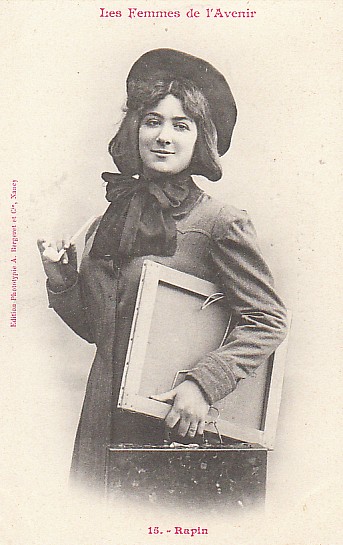
But French women would have to wait sev­er­al more decades to enter most of the pro­fes­sions rep­re­sent­ed. No mat­ter how sexy—and in some cas­es ridiculous—some of the cos­tumes in these pho­tos, Berg­eret shot the mod­els with poise, style, and dig­ni­ty. Per­haps he and many in his audi­ence could eas­i­ly imag­ine female gen­er­als, may­ors, fire­women, sol­diers, etc. Yet one par­tic­u­lar card stands out. It por­trays a self-sat­is­fied, Bohemi­an mod­el labeled “rapin”—which a read­er below informs us is “an argot word for (bad) painter.”

femmes_avenir_15_rapin

via Boing Boing

Relat­ed Con­tent:

In 1900, Ladies’ Home Jour­nal Pub­lish­es 28 Pre­dic­tions for the Year 2000

How French Artists in 1899 Envi­sioned Life in the Year 2000: Draw­ing the Future

Mark Twain Pre­dicts the Inter­net in 1898: Read His Sci-Fi Crime Sto­ry, “From The ‘Lon­don Times’ in 1904”

Josh Jones is a writer and musi­cian based in Durham, NC. Fol­low him at @jdmagness

8,400 Stunning High-Res Photos From the Apollo Moon Missions Are Now Online

21472223270_710757a21b_z

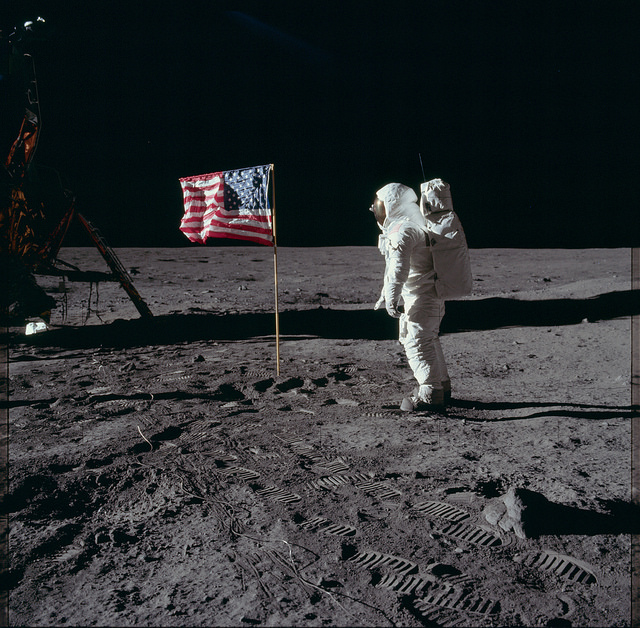
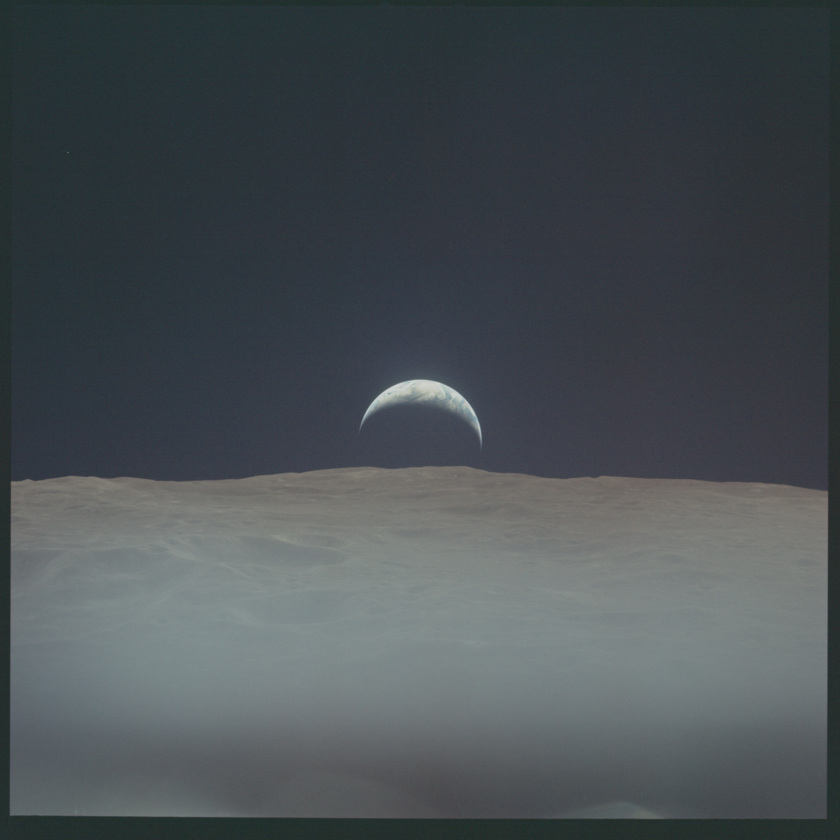
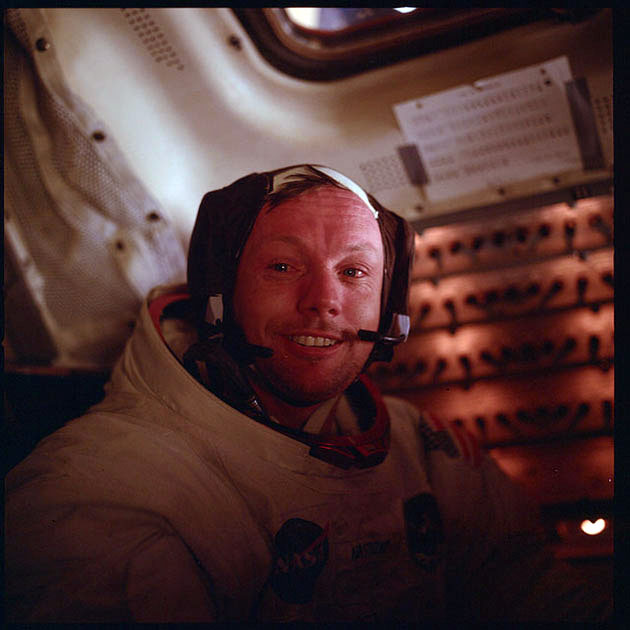
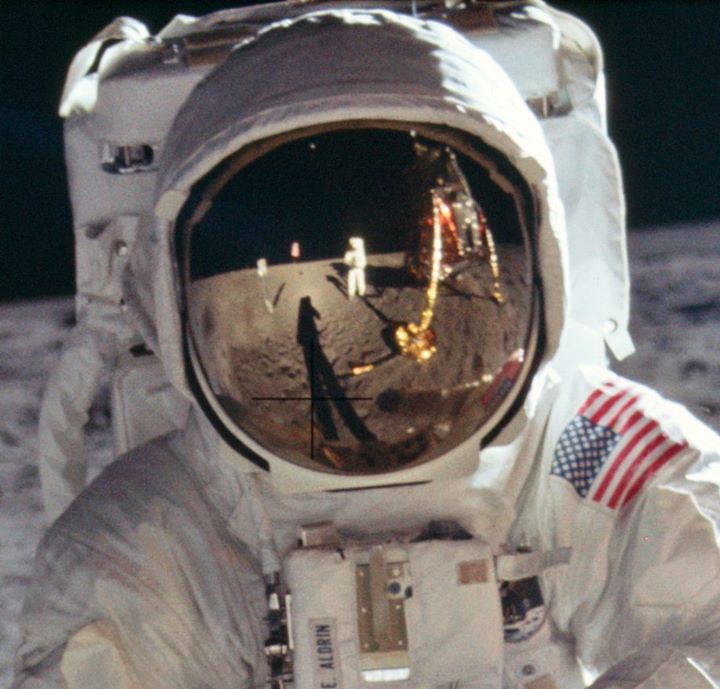
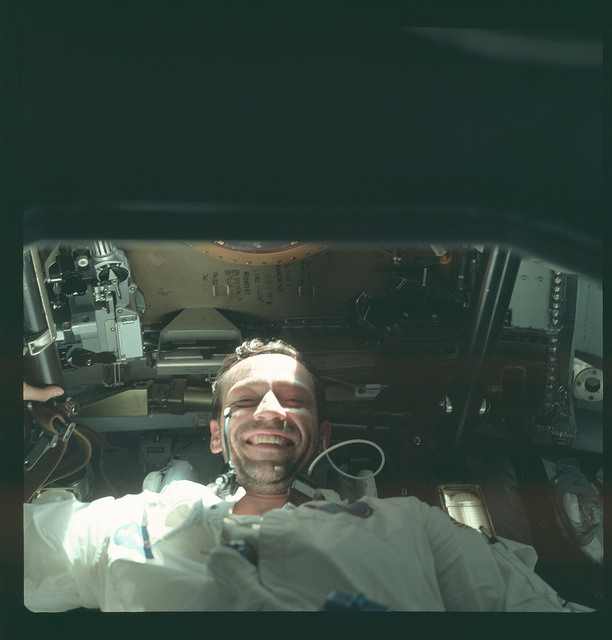
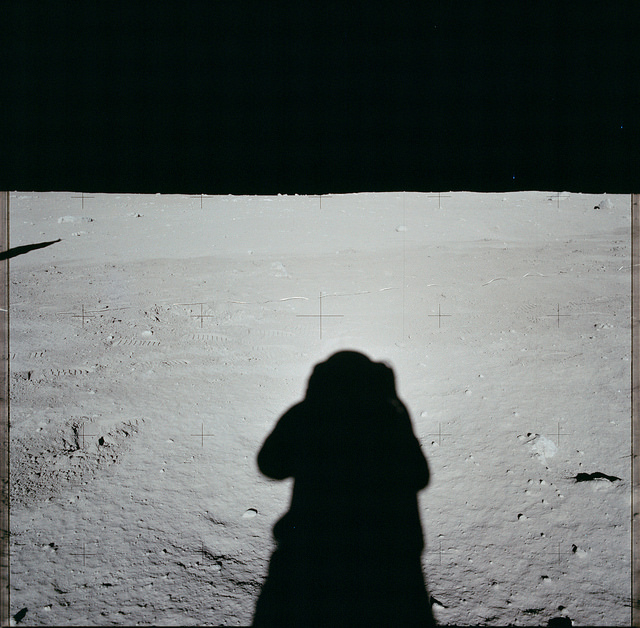
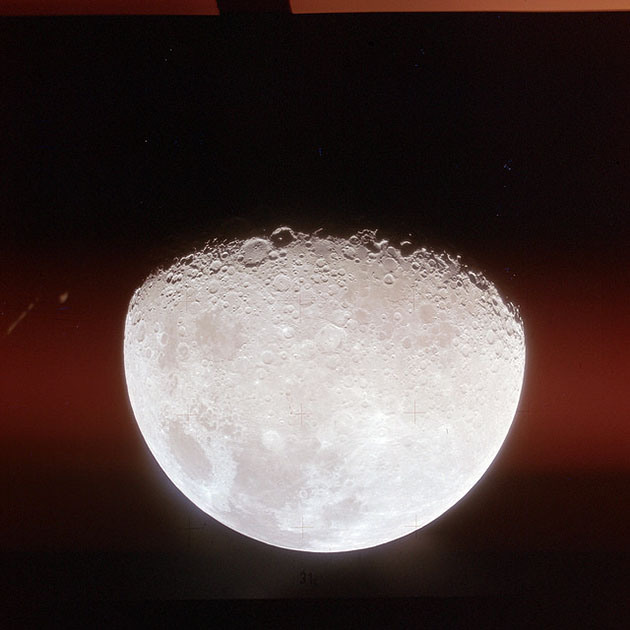
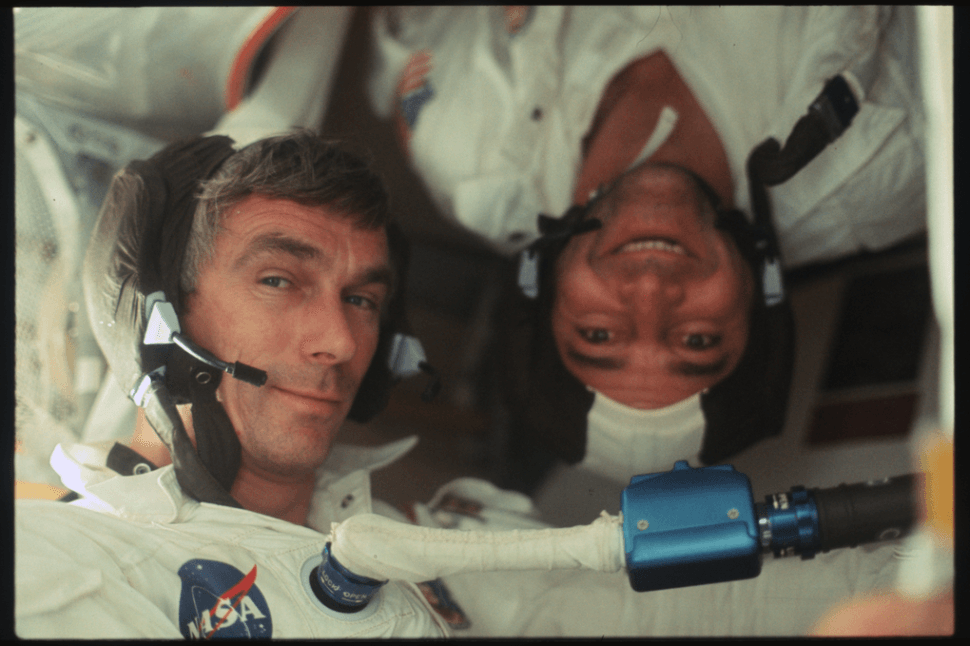
The Apol­lo pro­gram, launched in 1961 by John F. Kennedy, flew its first manned mis­sion in 1968, and the fol­low­ing sum­mer, Neil Arm­strong, Michael Collins, and Buzz Aldrin met the pro­gram’s man­date, mak­ing their his­toric Apol­lo 11 Moon Land­ing. In the ensu­ing few years, sev­er­al more space­craft and crews either orbit­ed or land­ed on the Moon, and for a brief moment, pop­u­lar mag­a­zines and news­pa­pers reg­u­lar­ly fea­tured pho­tographs of those expe­di­tions on their cov­ers and front pages. Look­ing every bit the authen­tic vin­tage Has­sel­blad pho­tos they are, the images you see here were tak­en by Apol­lo astro­nauts on their var­i­ous mis­sions and sent home in rolls of hun­dreds of sim­i­lar pic­tures.

Earthrise

These astro­nauts snapped pho­tos inside and out­side the space­craft, in orbit and on the moon’s sur­face, and in 2004 NASA began dig­i­tiz­ing the result­ing cache of film. Luck­i­ly for the pub­lic, devot­ed space enthu­si­ast and archivist, Kipp Teague—an IT direc­tor at Lynch­burg Col­lege in Virginia—has post­ed a huge num­ber of these pho­tos (8,400 to be exact) on his Project Apol­lo Archive Flickr account.

Apollo Archive 3

Teague ini­tial­ly began acquir­ing the pho­tos in col­lab­o­ra­tion with Eric Jones’ Apol­lo Lunar Sur­face Jour­nal, “a record of the lunar sur­face oper­a­tions con­duct­ed by the six pairs of astro­nauts who land­ed on the Moon from 1969 to 1972.” Under­stand­ably, so many peo­ple expressed inter­est in the pho­tographs that Teague refor­mat­ted them in high­er res­o­lu­tion and gave them their own home on the web. The Plan­e­tary Soci­ety informs us, “every pho­to tak­en on the lunar sur­face by astro­nauts with their chest-mount­ed Has­sel­blad cam­eras is includ­ed in the col­lec­tion.”

Apollo Archive 1

While Teague and Jones’ oth­er sites use pho­tos that have been processed to increase their clar­i­ty, light­ing, and col­or, the pho­tos on Project Apol­lo Archive remain in their orig­i­nal state. “Brows­ing the entire set,” writes the Plan­e­tary Soci­ety, “takes on the feel­ing of look­ing through an old fam­i­ly pho­to album.” Indeed, espe­cial­ly if you grew up in the late-six­ties/ear­ly-sev­en­ties at the height of the space pro­gram’s pop­u­lar­i­ty.

21943951215_7e855a8d8b_z

A good many of the pho­tos are rather pro­ce­dur­al shots of craters and clouds, espe­cial­ly those from ear­li­er mis­sions. But quite a few frame the breath­tak­ing vis­tas, tech­ni­cal details, and awestruck, if exhaust­ed, faces you see here. So many pho­tos were tak­en and uploaded in suc­ces­sion that click­ing rapid­ly through a pho­to­stream can pro­duce an almost flip­book effect. You can browse the archive by album, each one rep­re­sent­ing a reel from dif­fer­ent Apol­lo missions—including that famous 11th (top, and below)—though Teague has yet to post high res­o­lu­tion images from Apol­lo 8 and 13.

21634076726_e9aa434f3a_z

It seemed after Apollo’s demise in the mid-sev­en­ties that pho­tographs like these doc­u­ment­ed a lost age of NASA explo­ration, and that the once-great gov­ern­ment agency would cede its inno­v­a­tive role to pri­vate com­pa­nies like Elon Musk’s Space X, who have been much less forth­com­ing about releas­ing media to the pub­lic, mak­ing pro­pri­etary claims over their space pho­tog­ra­phy in par­tic­u­lar. But thanks in part to Space X and the coop­er­a­tion of Cana­di­an, Euro­pean, Russ­ian, and Japan­ese space pro­grams, NASA’s Inter­na­tion­al Space Sta­tion has raised the agency’s pub­lic pro­file con­sid­er­ably in the past sev­er­al years. Though still painful­ly under­fund­ed, NASA’s cool again.

Apollo Archive 4

Even more pro­file-rais­ing is the Mars Rover pro­gram, whose recent find­ing of water has refu­eled spec­u­la­tions about life on the Red Plan­et. As films like the recent, astro­naut-approved The Mar­t­ian and a raft of oth­ers show, our col­lec­tive imag­i­na­tion has long bent toward human explo­ration of Mars. Estab­lish­ing a base on Mars, after all, is Space X’s stat­ed mis­sion. Look­ing at these stun­ning vin­tage pho­tos of the Apol­lo Lunar mis­sions makes me long to see what the first astro­nauts to walk on Mars send back. We prob­a­bly won’t have to wait long once they’re up there. We’ll like­ly get Insta­gram uploads, maybe even some with fake vin­tage Has­sel­blad fil­ters. It won’t be quite the same; few cur­rent events can com­pete with nos­tal­gia. But I like to think we can look for­ward in the near future to a renais­sance of manned—and woman-ed—space explo­ration.

Apollo Archive 5

See many hun­dreds more Apol­lo Lunar Mis­sion pho­tos at Project Apol­lo Archive and fol­low the archive on Face­book for updates.

via The Plan­e­tary Soci­ety

Relat­ed Con­tent:

Land­ing on the Moon: July 20, 1969

Mankind’s First Steps on the Moon: The Ultra High Res Pho­tos

Neil Arm­strong, Buzz Aldrin & Michael Collins Go Through Cus­toms and Sign Immi­gra­tion Form After the First Moon Land­ing (1969)

Josh Jones is a writer and musi­cian based in Durham, NC. Fol­low him at @jdmagness

Hunter S. Thompson’s Advice for Aspiring Photographers: Skip the Fancy Equipment & Just Shoot

Image  via Wiki­me­dia Com­mons

Musi­cians can often become con­sumed by GAS—or “gear acqui­si­tion syn­drome”—obsess­ing over equip­ment for years instead of mak­ing music with what they have. This is dri­ven in part by the intim­i­dat­ing snob­bery of gear elit­ists, and in part by con­sumer mar­ket­ing seek­ing to con­vince us that we nev­er have enough. It seems that the pho­tog­ra­phy world also suf­fers from GAS, and, as a 1962 pitch let­ter to Pop Pho­to mag­a­zine by Hunter S. Thomp­son shows us—writes the pho­tog­ra­phy blog Peta Pix­el—“the land­scape of the pho­to world half a cen­tu­ry ago may not have been too dif­fer­ent from what we see today.”

In such a land­scape, gonzo jour­nal­ist, “exis­ten­tial­ist life coach,” and hob­by­ist pho­tog­ra­ph­er Thomp­son became a stren­u­ous advo­cate for the spar­tan art of snap­shot pho­tog­ra­phy. He wrote his pitch let­ter to Pop Pho­to in response to an arti­cle by Ralph Hat­ter­s­ley called “Good & Bad Pic­tures,” and to pro­pose his own essay on the sub­ject with the pos­si­ble title “The Case for the Chron­ic Snap­shoot­er.”

He first describes the feel­ing imposed on him by the New York pho­to world that “no man should ever punch a shut­ter release with­out many years of instruc­tion and at least $500 worth of the finest equip­ment.” In such an elit­ist envi­ron­ment, he became “embar­rassed to be seen on the street with my rat­ty equip­ment” and “stopped tak­ing pic­tures alto­geth­er.” Hattersley’s piece, however—which “cites Weegee and Cartier-Bresson”—convinced him that “snap­shoot­ing is not, by def­i­n­i­tion, a low and igno­rant art.” He revis­it­ed his prints, he writes, “and decid­ed that not all of them were worth­less. As a mat­ter of fact there were some that gave me great plea­sure.”

That’s my idea in a nut­shell. When pho­tog­ra­phy gets so tech­ni­cal as to intim­i­date peo­ple, the ele­ment of sim­ple enjoy­ment is bound to suf­fer. Any man who can see what he wants to get on film will usu­al­ly find some way to get it; and a man who thinks his equip­ment is going to see for him is not going to get much of any­thing.

The moral here is that any­one who wants to take pic­tures can afford ade­quate equip­ment and can, with very lit­tle effort, learn how to use it. Then, when the pic­tures he gets start resem­bling the ones he saw in his mind’s eye, he can start think­ing in terms of those added improve­ments that he may or may not need.

You can read Thompson’s full let­ter here. His advice to would-be pho­tog­ra­phers not only offers inspi­ra­tion to ama­teurs and hob­by­ists; it also gives us a phi­los­o­phy of pho­to­graph­ic art (and art more gen­er­al­ly) as an exten­sion of our nat­ur­al sen­si­tiv­i­ties, or “mind’s eye.” His “moral” might apply broad­ly to any cre­ative endeav­or like­ly to be stymied by GAS.

Thomp­son makes the case that what­ev­er we can afford can get us where we need to go: “Why give up because you can’t afford a cam­era with a 1.8 or 1.4 lens?” he writes, “First push 3.5 to its absolute lim­it, and if it still bugs you, you’ll find some way to buy that oth­er cam­era. If not, you don’t need it any­way.” He acknowl­edges that his the­sis “will rub some of your high-priced adver­tis­ers the wrong way,” but writes that shut­ter­bugs who can­not get results on low­er-priced gear will only be dis­ap­point­ed when they fail sim­i­lar­ly with the high-priced stuff.”

The push to shop instead of cre­ate com­pels us to obsess over what we don’t have—Thompson urges us to learn to make the very best with what we do.

You can see some of Thomp­son’s pho­tographs here.

via Peta Pix­el

Relat­ed Con­tent:

Hunter S. Thompson’s Ball­sy & Hilar­i­ous Job Appli­ca­tion Let­ter (1958)

John­ny Depp Reads Let­ters from Hunter S. Thomp­son

Read 11 Free Arti­cles by Hunter S. Thomp­son That Span His Gonzo Jour­nal­ist Career (1965–2005)

Josh Jones is a writer and musi­cian based in Durham, NC. Fol­low him at @jdmagness

48 Hours of Joseph Campbell Lectures Free Online: The Power of Myth & Storytelling

JosephCampbell_JonathanYoung

Pho­to by “Folk­sto­ry” fea­tures Joseph Camp­bell (left) with Jonathan Young, via Wiki­me­dia Com­mons.

You may not be inter­est­ed in pol­i­tics, they say, but pol­i­tics is inter­est­ed in you. The same, if you believe famed mythol­o­gist Joseph Camp­bell, goes for myth: far from explain­ing only the ori­gin of the world as believed by extinct soci­eties, it can explain the pow­er of sto­ries we enjoy today — up to and includ­ing Star Wars.

The man behind PBS’ well-known series The Pow­er of Myth left behind many words in many for­mats telling us pre­cise­ly why, and now you can hear a fair few of them — 48 hours worth — for free on this Spo­ti­fy playlist. (If you don’t have Spo­ti­fy’s soft­ware already, you can down­load it free here.)

“From the Star Wars tril­o­gy to the Grate­ful Dead,” says the Joseph Camp­bell Foun­da­tion, “Joseph Camp­bell has had a pro­found impact on our cul­ture, our beliefs, and the way we view our­selves and the world.” This col­lec­tion, The Lec­tures of Joseph Camp­bell, which comes from ear­ly in his career, offers “a glimpse into one of the great minds of our time, draw­ing togeth­er his most wide-rang­ing and insight­ful talks” in the role of both “a schol­ar and a mas­ter sto­ry­teller.” So not only can Camp­bell enrich our under­stand­ing of all the sto­ries we love, he can spin his life­time of mytho­log­i­cal research into teach­ings that, in the telling, weave into a pret­ty grip­ping yarn in and of them­selves.

If you would like to sign up for Open Culture’s free email newslet­ter, please find it here. It’s a great way to see our new posts, all bun­dled in one email, each day.

If you would like to sup­port the mis­sion of Open Cul­ture, con­sid­er mak­ing a dona­tion to our site. It’s hard to rely 100% on ads, and your con­tri­bu­tions will help us con­tin­ue pro­vid­ing the best free cul­tur­al and edu­ca­tion­al mate­ri­als to learn­ers every­where. You can con­tribute through Pay­Pal, Patre­on, and Ven­mo (@openculture). Thanks!

Relat­ed Con­tent:

Joseph Camp­bell and Bill Moy­ers Break Down Star Wars as an Epic, Uni­ver­sal Myth

The Zen Teach­ings of Alan Watts: A Free Audio Archive of His Enlight­en­ing Lec­tures

How Star Wars Bor­rowed From Aki­ra Kurosawa’s Great Samu­rai Films

Every­thing I Know: 42 Hours of Buck­min­ster Fuller’s Vision­ary Lec­tures Free Online (1975)


Col­in Mar­shall writes on cities, lan­guage, Asia, and men’s style. He’s at work on a book about Los Ange­les, A Los Ange­les Primer, and the video series The City in Cin­e­ma. Fol­low him on Twit­ter at @colinmarshall or on Face­book.

« Go BackMore in this category... »
Quantcast