Jean-Paul Sartre Reviews Orson Welles’ Masterwork (1945): “Citizen Kane Is Not Cinema”

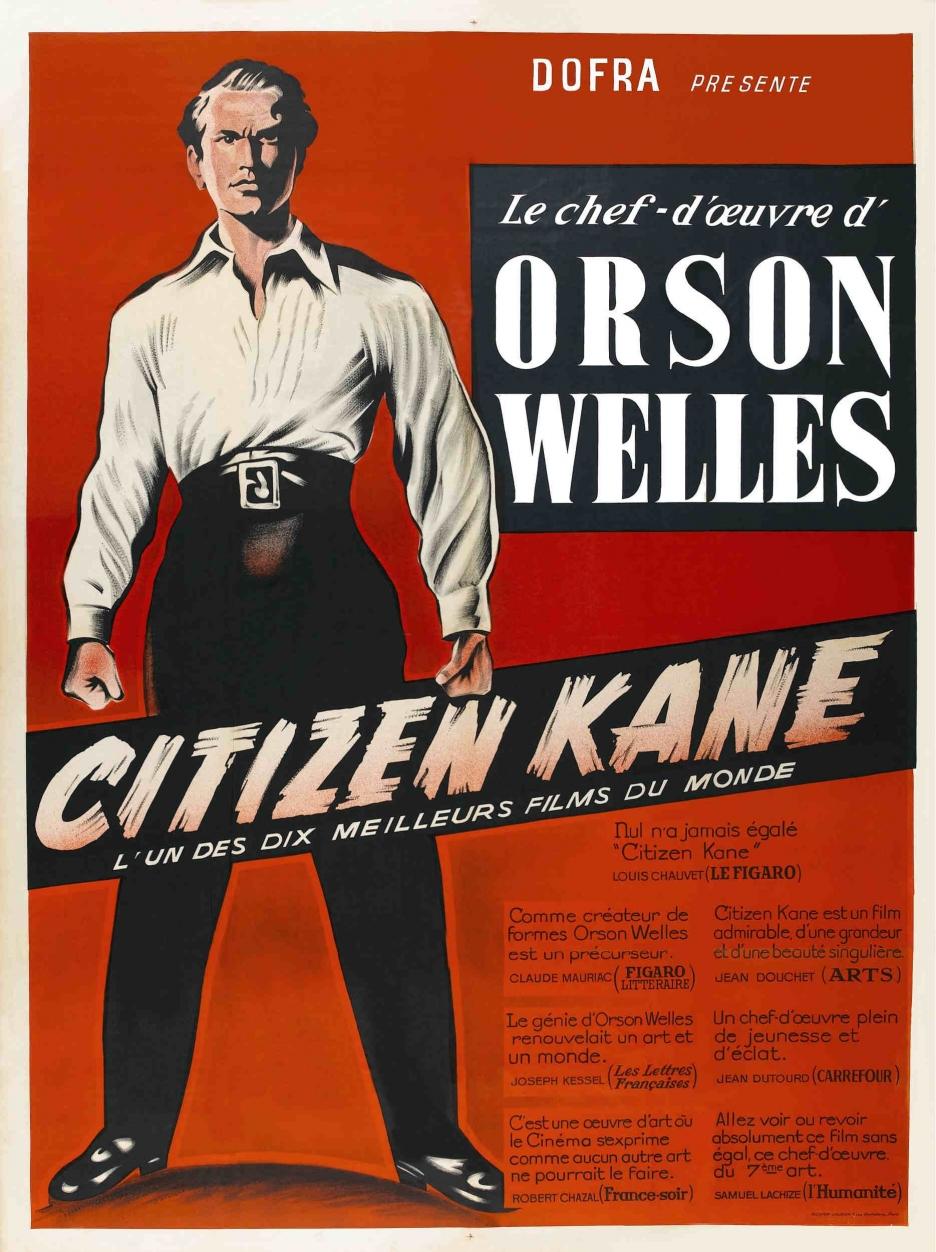
orson_welles_citizen_french_movie_poster_14a

You may recall our post­ing last year of Jorge Luis Borges’ review of Orson Welles’ Cit­i­zen Kane — sure­ly one of the most Open Cul­ture-wor­thy inter­sec­tions of 20th cen­tu­ry lumi­nar­ies ever to occur. Borges described Welles’ mas­ter­work as pos­sessed of one side that, “point­less­ly banal, attempts to milk applause from dimwits,” and anoth­er, a “kind of meta­phys­i­cal detec­tive sto­ry” whose “sub­ject (both psy­cho­log­i­cal and alle­gor­i­cal) is the inves­ti­ga­tion of a man’s inner self, through the works he has wrought, the words he has spo­ken, the many lives he has ruined.” On the whole, the author of Labyrinths called the pic­ture “not intel­li­gent, though it is the work of genius.”

Not long after our post, the Paris Review’s Dan Piepen­bring wrote one that also quot­ed anoth­er, lat­er review of Cit­i­zen Kane by none oth­er than Jean-Paul Sartre:

Kane might have been inter­est­ing for the Amer­i­cans, [but] it is com­plete­ly passé for us, because the whole film is based on a mis­con­cep­tion of what cin­e­ma is all about. The film is in the past tense, where­as we all know that cin­e­ma has got to be in the present tense. ‘I am the man who is kiss­ing, I am the girl who is being kissed, I am the Indi­an who is being pur­sued, I am the man pur­su­ing the Indi­an.’ And film in the past tense is the antithe­sis of cin­e­ma. There­fore Cit­i­zen Kane is not cin­e­ma.

The 1945 review orig­i­nal­ly ran in high-mind­ed film jour­nal L’Écran français under the head­line “Quand Hol­ly­wood veut faire penser … Cit­i­zen Kane d’Orson Welles,” or, “When Hol­ly­wood Wants to Make Us Think … Orson Welles’ Cit­i­zen Kane.” Accord­ing to The Writ­ings of Jean-Paul Sartre: A Bib­li­o­graph­i­cal Life, “in re-read­ing this [review], which he did not remem­ber at all, Sartre hard­ly rec­og­nized his style and expressed some doubt about the authen­tic­i­ty of his sig­na­ture. On the oth­er hand, he did find in it the ideas Cit­i­zen Kane sug­gest­ed to him when he first saw it in the Unit­ed States. After he saw the film again in France, Sartre had a slight­ly more favor­able opin­ion of it, but he still thinks it is undoubt­ed­ly no mas­ter­piece.”

But at the time, writes Simon Leys, “the impact of this con­dem­na­tion was dev­as­tat­ing. The Mag­nif­i­cent Amber­sons was shown soon after­wards in Paris but failed mis­er­ably. The cul­ti­vat­ed pub­lic always fol­lows the direc­tives of a few pro­pa­gan­da com­mis­sars: there is much more con­for­mi­ty among intel­lec­tu­als than among plumbers or car mechan­ics.” Or at least the cul­ti­vat­ed pub­lic did so in 1940s Paris; the mechan­ics of cul­ture have changed some­what since then, but as far as Cit­i­zen Kane goes, high-pro­file opin­ions about it have grown only more pos­i­tive over time. Sure, Ver­ti­go recent­ly knocked it down a peg in the Sight and Sound poll, but that just makes me won­der what Sartre thought of Hitch­cock­’s mas­ter­work — a film that might have had a res­o­nance or two in the mind of an exis­ten­tial­ist.

Relat­ed Con­tent:

Jorge Luis Borges, Film Crit­ic, Reviews Cit­i­zen Kane — and Gets a Response from Orson Welles

Orson Welles Explains Why Igno­rance Was His Major “Gift” to Cit­i­zen Kane

Jean-Paul Sartre Rejects the Nobel Prize in Lit­er­a­ture in 1964: “It Was Mon­strous!”

Jean-Paul Sartre Breaks Down the Bad Faith of Intel­lec­tu­als

Human, All Too Human: 3‑Part Doc­u­men­tary Pro­files Niet­zsche, Hei­deg­ger & Sartre

Niet­zsche, Wittgen­stein & Sartre Explained with Mon­ty Python-Style Ani­ma­tions by The School of Life

Down­load Wal­ter Kaufmann’s Lec­tures on Niet­zsche, Kierkegaard, Sartre & Mod­ern Thought (1960)

Col­in Mar­shall writes on cities, lan­guage, Asia, and men’s style. He’s at work on a book about Los Ange­les, A Los Ange­les Primer, and the video series The City in Cin­e­ma. Fol­low him on Twit­ter at @colinmarshall or on Face­book.

How to Take Photographs Like Ansel Adams: The Master Explains The Art of “Visualization”

How to take pho­tographs like Ansel Adams did? The ques­tion dogs many who’ve recent­ly picked up the cam­era, espe­cial­ly those direct­ly inspired to do so by he whose black-and-white land­scapes prac­ti­cal­ly defined the Amer­i­can West for the 20th cen­tu­ry. Con­ve­nient­ly, though, Adams left behind much to study, and not just his con­sid­er­able body of work; he also spoke with­out hes­i­ta­tion about the tech­niques he devel­oped and employed, and even fur­ther explained them in books like Mak­ing a Pho­to­graph; Cam­era and Lens: The Cre­ative Approach; and Exam­ples: The Mak­ing of 40 Pho­tographs, the clos­est thing we have to a mas­ter class with the man.

Adams got par­tic­u­lar results out of a pro­ce­dure he called “visu­al­iza­tion,” in which the pho­tog­ra­ph­er “sees” the final image as ful­ly as pos­si­ble in their imag­i­na­tion before attempt­ing to cap­ture that image on film in the real world. In the two clips fea­tured here, you can hear Adams him­self dis­cuss visu­al­iza­tion. “When you visu­al­ize a pho­to­graph, it is not only a mat­ter of see­ing it in the mind’s eye,” he says in the video from the Get­ty Muse­um, “but it’s also, and pri­mar­i­ly, a mat­ter of feel­ing it.” In the inter­view just above, he adds that “the pic­ture has to be there clear­ly and deci­sive­ly, and if you have enough craft in your own work and in your prac­tice, you can then make the pho­to­graph you desire.”

Here, Adams out­lines “the steps in mak­ing a pho­to­graph” in a bit more detail as fol­lows:

  1. Need, or desire, to pho­to­graph. This atti­tude is obvi­ous­ly essen­tial. Some­times just going out with a cam­era can excite per­cep­tive inter­est and the desire to work. An assignment—a purpose—can be the great­est stim­u­lus for func­tion­al or cre­ative work.
  2. Dis­cov­ery of the sub­ject, or recog­ni­tion of its essen­tial aspects, will evoke the con­cept of the image. This leads to the explo­ration of the sub­ject and the opti­mum point of view.
  3. Visu­al­iza­tion of the final pic­ture is essen­tial in what­ev­er medi­um is used. The term “see­ing” can be used for visu­al­iza­tion, but the lat­ter term is more pre­cise in that it relates to the final picture—its scale, com­po­si­tion, tonal and tex­tur­al val­ues, etc. Just as a musi­cian “hears” notes and chords in his mind’s eye, so can the trained pho­tog­ra­ph­er “see” cer­tain val­ues, tex­tures, and arrange­ments in his mind’s eye.

For more infor­ma­tion still on Adams’ artis­tic process, see also Ansel Adams, Pho­tog­ra­ph­er, the 1958 doc­u­men­tary we fea­tured here in 2013. None of this mate­r­i­al, of course, guar­an­tees you the abil­i­ty to take pho­tographs exact­ly like Ansel Adams, but you would­n’t nec­es­sar­i­ly want to: we do our best work, after all, not when we do exact­ly what our great­est pre­de­ces­sors did, but when we think how our great­est pre­de­ces­sors thought. Hence the impor­tance of visu­al­iza­tion, which you can do right now with­out buy­ing the exact mod­el of Zeiss Mil­liflex Adams used or going to the exact spots in Yosemite from which he shot — you only need to think.

Relat­ed Con­tent:

Ansel Adams Reveals His Cre­ative Process in 1958 Doc­u­men­tary

Dis­cov­er Ansel Adams’ 226 Pho­tos of U.S. Nation­al Parks (and Anoth­er Side of the Leg­endary Pho­tog­ra­ph­er)

Alfred Stieglitz: The Elo­quent Eye, a Reveal­ing Look at “The Father of Mod­ern Pho­tog­ra­phy”

1972 Diane Arbus Doc­u­men­tary Inter­views Those Who Knew the Amer­i­can Pho­tog­ra­ph­er Best

Hen­ri Carti­er-Bres­son and the Deci­sive Moment

Col­in Mar­shall writes on cities, lan­guage, Asia, and men’s style. He’s at work on a book about Los Ange­les, A Los Ange­les Primer, and the video series The City in Cin­e­ma. Fol­low him on Twit­ter at @colinmarshall or on Face­book.

Venice in Beautiful Color Images 125 Years Ago: The Rialto Bridge, St. Mark’s Basilica, Doge’s Palace & More

Venice 1

A few months ago, Men­tal Floss put up a post of “Fan­tas­tic 120-Year-Old Col­or Pic­tures of Ire­land.” Fan­tas­tic pic­tures indeed, although the nature of the tech­nol­o­gy that pro­duced them seems as inter­est­ing to me as the 19th-cen­tu­ry Irish life cap­tured in the images them­selves. They came from the Library of Con­gress’ geo­graph­i­cal­ly orga­nized archive of pho­tocrom prints, a method per­haps known only to die-hard his­tor­i­cal pho­tog­ra­phy enthu­si­asts. For the rest of us, the Library of Con­gress’ page on the pho­tocrom process explains it: “Pho­tochrom prints are ink-based images pro­duced through ‘the direct pho­to­graph­ic trans­fer of an orig­i­nal neg­a­tive onto litho and chro­mo­graph­ic print­ing plates.’ ”

Venice 2

Its inven­tor Hans Jakob Schmid came up with the tech­nique in the 1880s, a decade that began with col­or pho­tog­ra­phy con­signed to the realm of the­o­ry. While Pho­tocrom prints may look an awful lot like col­or pho­tographs, look at them through a mag­ni­fy­ing glass and “the small dots that com­prise the ink-based pho­to­me­chan­i­cal image are vis­i­ble.” “The pho­to­me­chan­i­cal process per­mit­ted mass pro­duc­tion of the vivid col­or prints,” each col­or requir­ing “a sep­a­rate asphalt-coat­ed lith­o­graph­ic stone, usu­al­ly a min­i­mum of six stones and often more than ten stones.”

But that unwieldy-sound­ing tech­nol­o­gy and labo­ri­ous-sound­ing process has giv­en us, among oth­er strik­ing pieces of visu­al his­to­ry, these lush images of fin de siè­cle Venice, which the writer of place Jan Mor­ris once described as “less a city than an expe­ri­ence.”

Venice 3

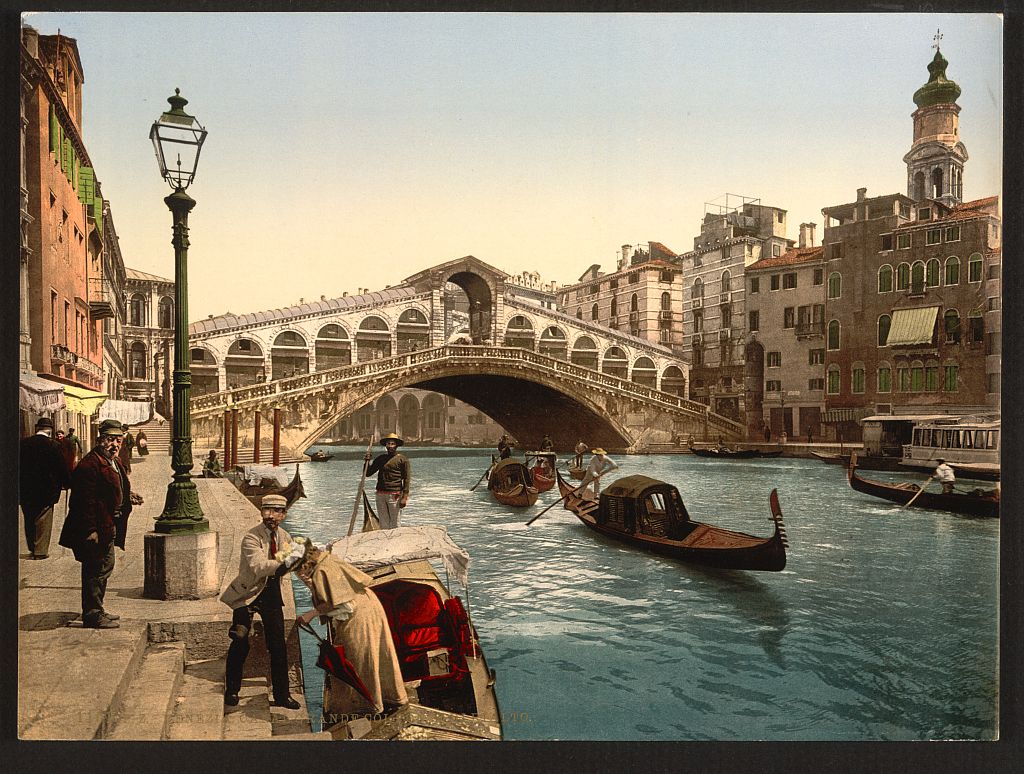
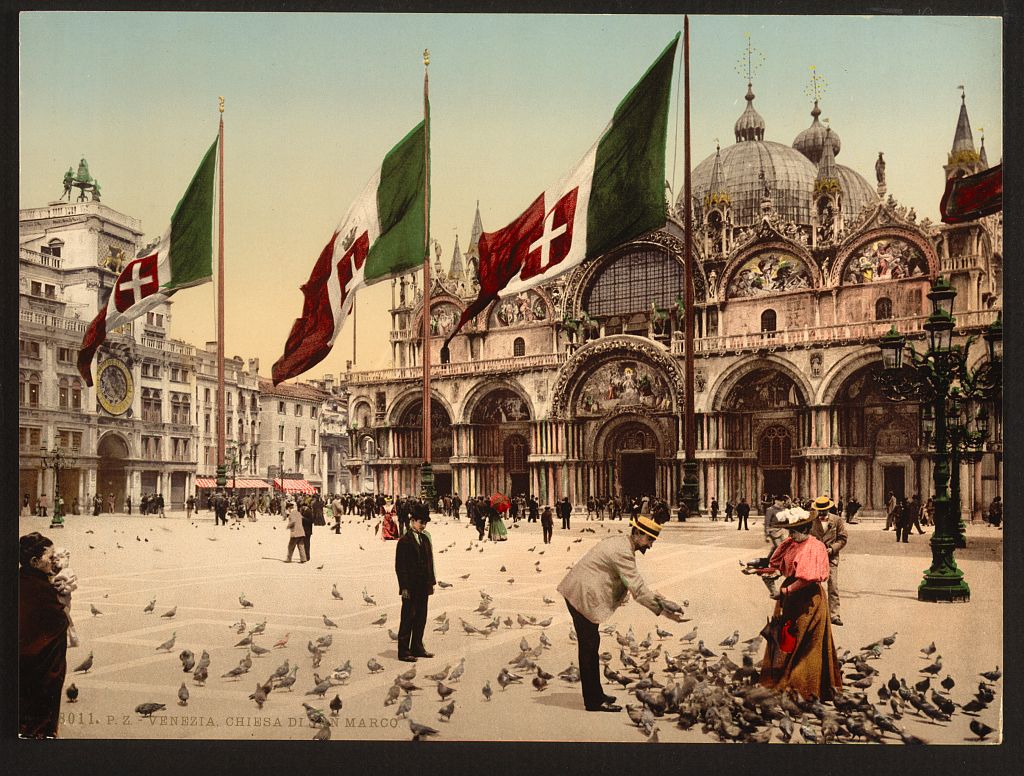
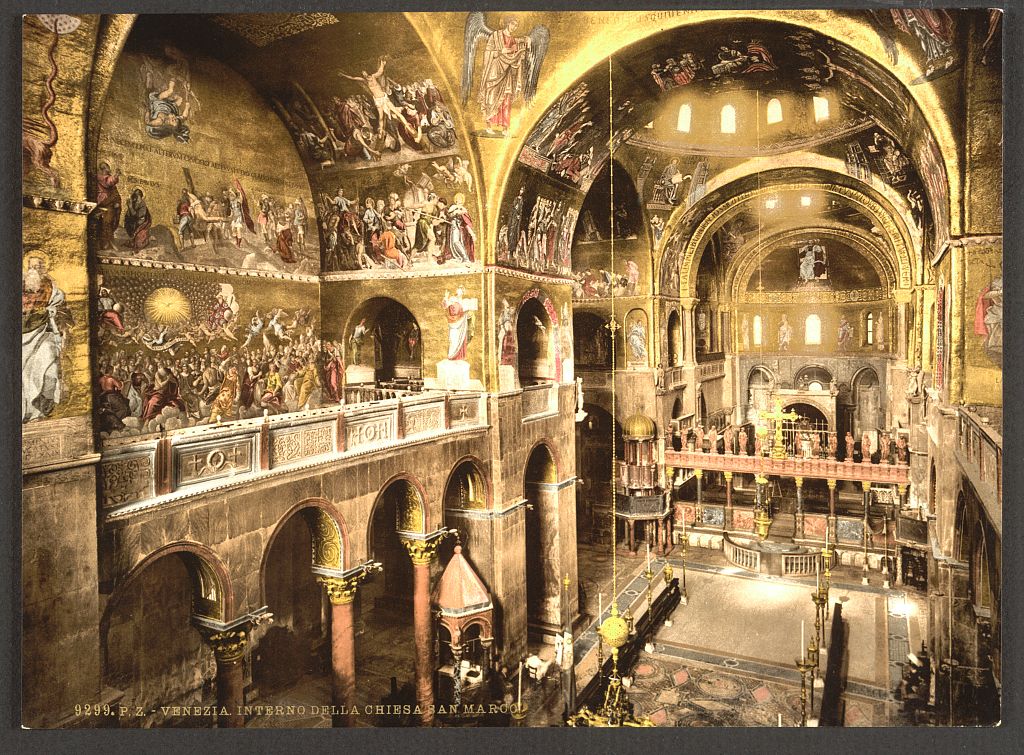
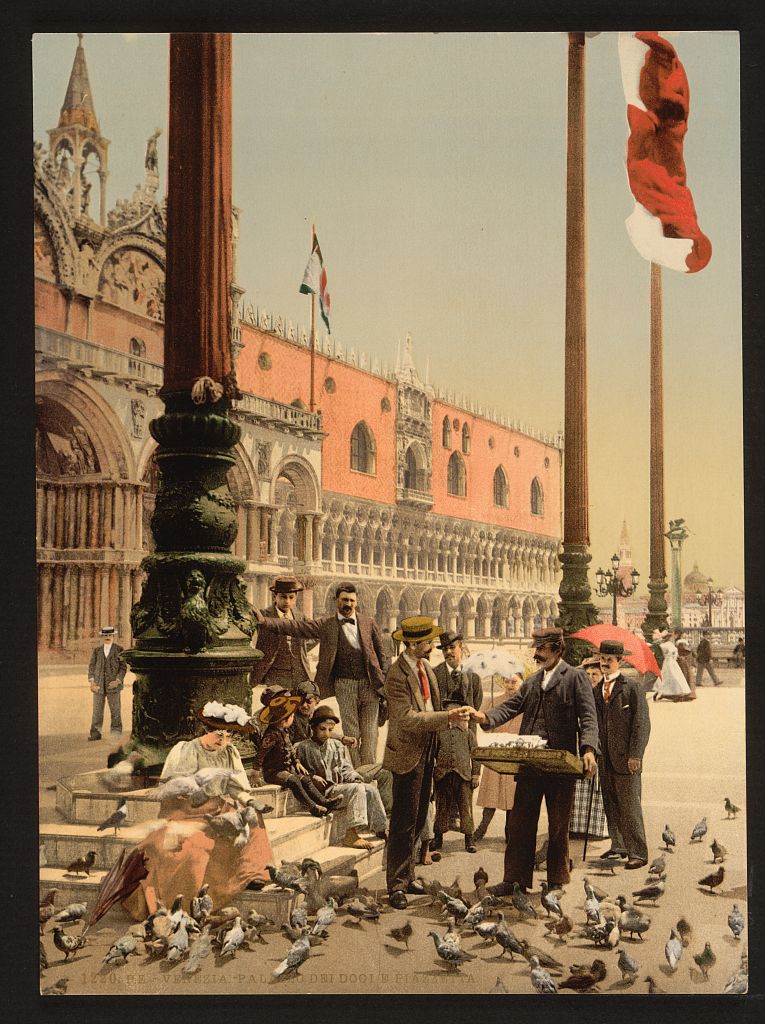
At the top of the post, we have a view of the Rial­to Bridge, which spans one of the city’s famous canals; below that a scene of pigeon-feed­ing in St. Mark’s Piaz­za; the image just above leaves the pigeons behind to view the inte­ri­or of St. Mark’s Basil­i­ca.

Venice 4

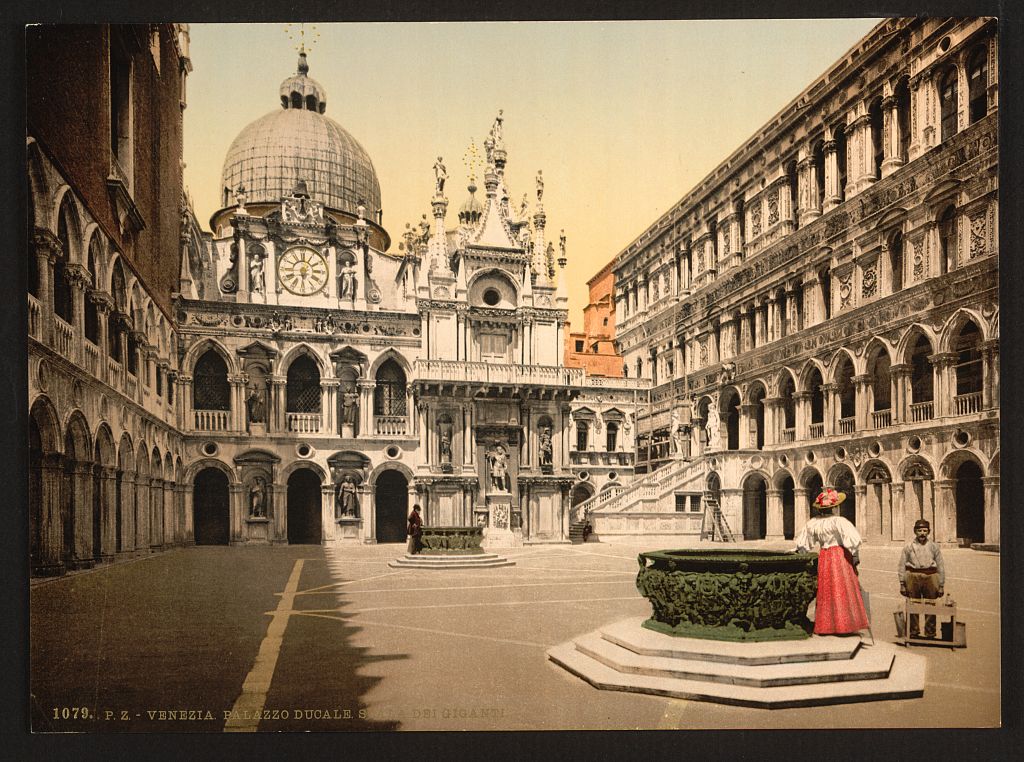
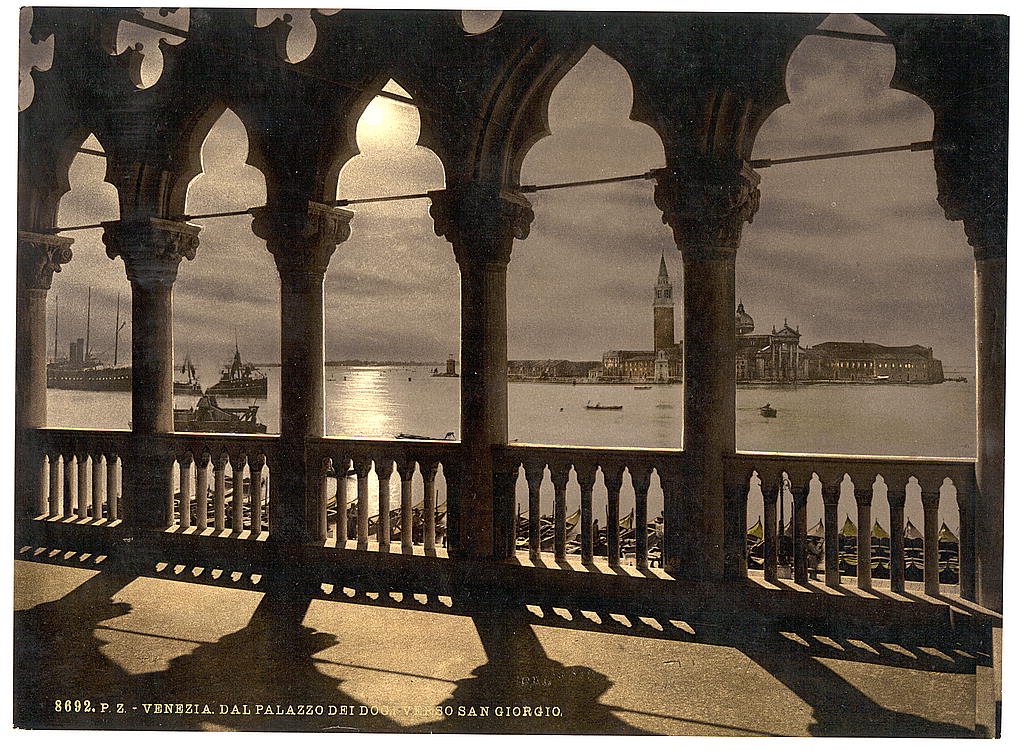
The pho­tos below, all also tak­en between 1890 and 1900, depict the exte­ri­or and inte­ri­or of the Doge’s Palace, as well as its view of San Gior­gio Island by moon­light.

Venice 5

We may not con­sid­er these “real” col­or pho­tographs, but the col­ors they present, vivid­ly applied in the print­ing process, some­how more accu­rate­ly rep­re­sent the spir­it of late 19th-cen­tu­ry Europe — one of his­to­ry’s tru­ly vivid peri­ods, in one of its endur­ing­ly vivid human envi­ron­ments. More col­or images of fin-de-siecle Venice can be viewed here.

Venice 6

via Men­tal Floss

Relat­ed Con­tent:

Take a Vir­tu­al Tour of Venice (Its Streets, Plazas & Canals) with Google Street View

How Venice Works: A Short Film

Venice in a Day: From Day­break to Sun­set in Time­lapse

Venice is Way Under Water…

Hand-Col­ored Pho­tographs of 19th Cen­tu­ry Japan

The First Col­or Pho­tos From World War I: The Ger­man Front

The Old­est Col­or Movies Bring Sun­flow­ers, Exot­ic Birds and Gold­fish Back to Life (1902)

Col­in Mar­shall writes on cities, lan­guage, Asia, and men’s style. He’s at work on a book about Los Ange­les, A Los Ange­les Primer, and the video series The City in Cin­e­ma. Fol­low him on Twit­ter at @colinmarshall or on Face­book.

Discovered: The Only Known Picture of Vincent Van Gogh as an Adult Artist? (Maybe, Maybe Not)

vangoghphoto3

Close your eyes for a moment and pic­ture the artist Vin­cent Van Gogh. What do you see?

Prob­a­bly one of the pro­lif­ic post-Impressionist’s self-por­traits. That’s all well and good, but who else did you see?

Kirk Dou­glas?

Indie dar­ling (and Incred­i­ble Hulk adver­sary) Tim Roth?

Direc­tor Mar­tin Scors­ese?

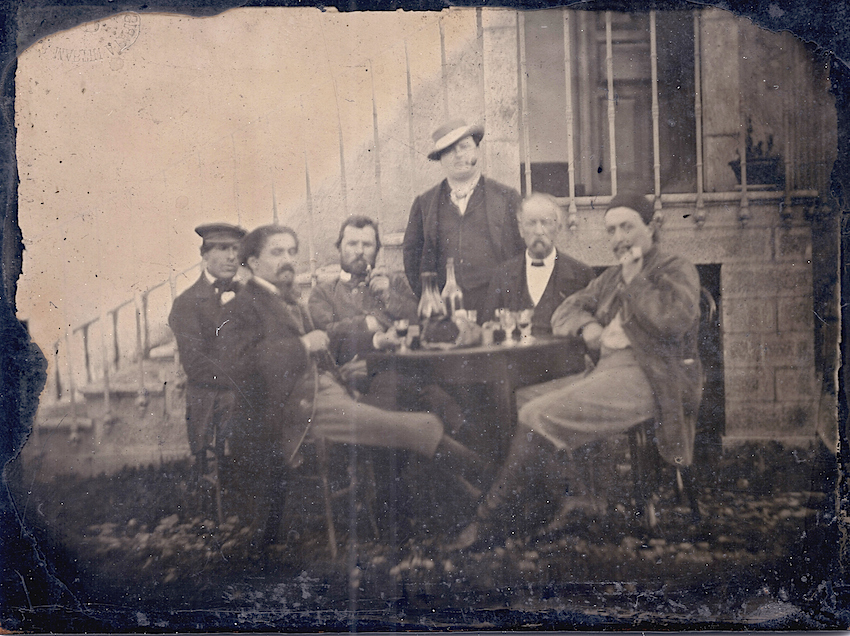
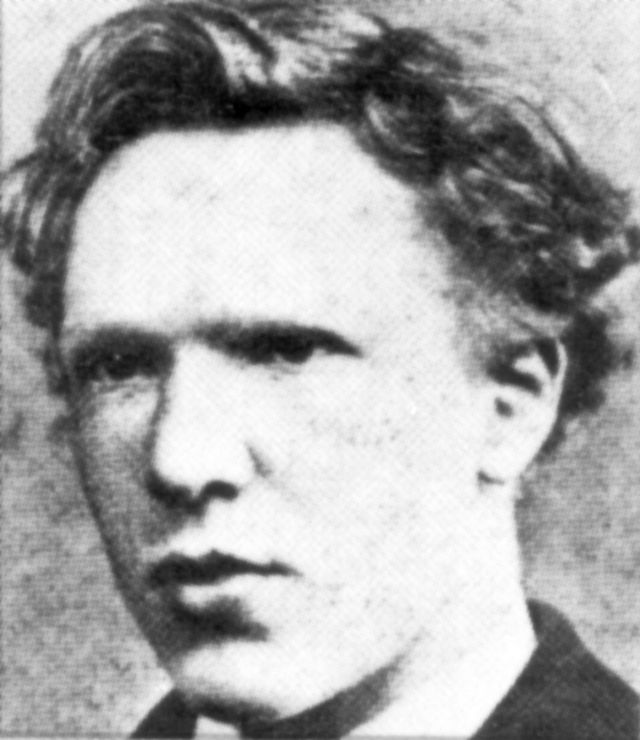
Thanks to the recent­ly dis­cov­ered pho­to­graph at the top of this arti­cle, we may soon have the option of pic­tur­ing the actu­al Vin­cent Van Gogh as an adult artist. As Petapix­el tells us, he sat for por­traits at age 13, and again as a 19-year-old gallery appren­tice (below), but beyond that no pho­to­graph­ic evi­dence of the cam­era-shy artist was known to exist.

640px-VincentVanGoghFoto

Excit­ing!

That’s Paul Gau­guin on the far right. Oth­ers at the table include Emile Bernard and Arnold Kon­ing, politi­cian Felix Duval and actor-direc­tor André Antoine. But who is the beard­ed man smok­ing the pipe?

Van Gogh?

So thought the two col­lec­tors who pur­chased the small 1887 pho­to at a house sale a cou­ple of years ago. Serge Plan­tureux, an anti­quar­i­an book­seller and pho­tog­ra­phy expert who exam­ined their find was opti­mistic enough to help them with fur­ther research, as he not­ed in the French mag­a­zine, L’Oeil de la Pho­togra­phie:

I didn’t want to start doing what Amer­i­cans call “wish­ful think­ing,” that trap into which col­lec­tors and researchers fall, where their rea­son­ing is gov­erned only by what they want to see.

Don’t ditch Dou­glas, Roth, and Scors­ese just yet, how­ev­er. Experts at Amsterdam’s Van Gogh Muse­um say the beard­ed fel­low can­not be the artist. Accord­ing to them, there’s not even much of a resem­blance. He wasn’t so much cam­era shy, as dead­ly opposed to the pho­to­graph­ic medi­um. His refusal to be pho­tographed was an act of resis­tance.

That kind of puts a damper on things…

So.. no go Van Gogh? Oh well…vive la pho­to nou­velle­ment décou­verte de Paul Gau­guin (and friends)!


Relat­ed Con­tent:

The Unex­pect­ed Math Behind Van Gogh’s “Star­ry Night”

Simon Schama Presents Van Gogh and the Begin­ning of Mod­ern Art

Van Gogh’s ‘Star­ry Night’ Re-Cre­at­ed by Astronomer with 100 Hub­ble Space Tele­scope Images

Ayun Hal­l­i­day is an author, illus­tra­tor, and Chief Pri­ma­tol­o­gist of the East Vil­lage Inky zine. Fol­low her @AyunHalliday

Frida Kahlo’s Colorful Clothes Revealed for the First Time & Photographed by Ishiuchi Miyako

Frida 1

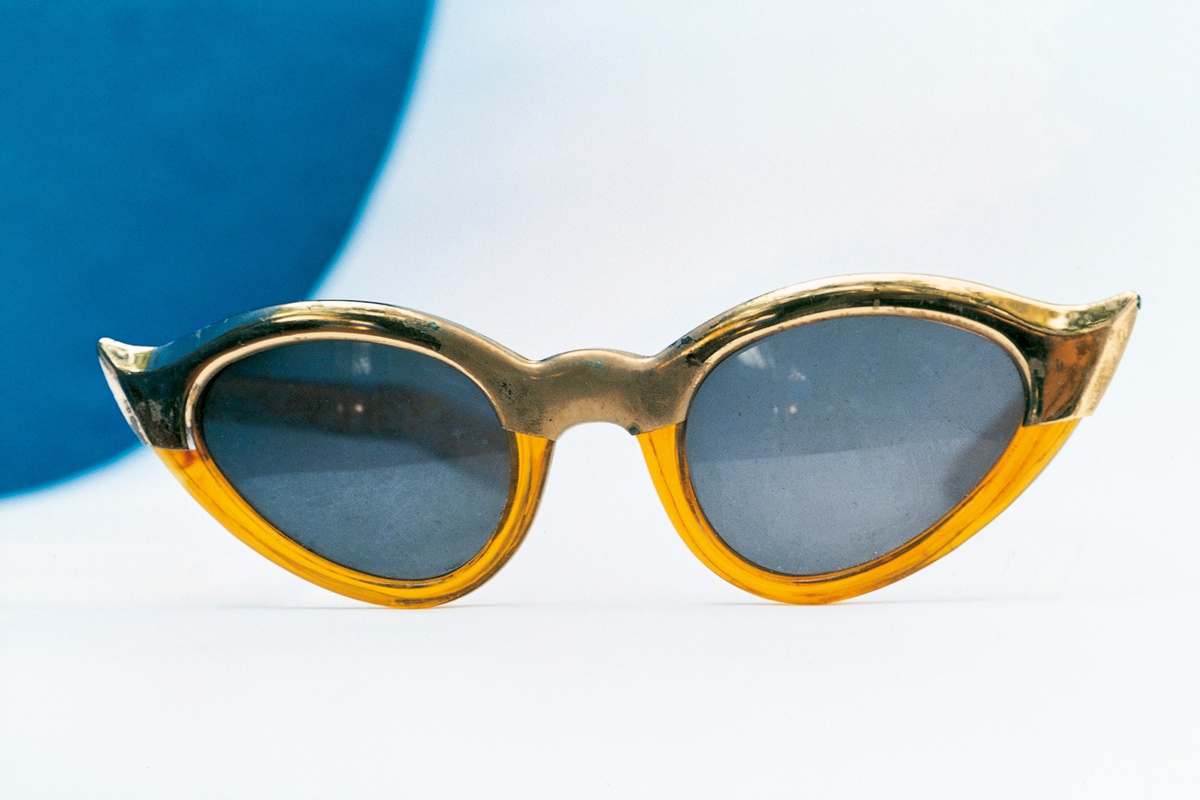
Imag­ine the dress up fun we could have in Grandma’s attic, if Grand­ma were Fri­da Kahlo (1907 – 1954) and the attic was a sealed off Mex­i­co City bath­room where Grand­pa — artist Diego Rivera, natch — had stashed all her stuff.

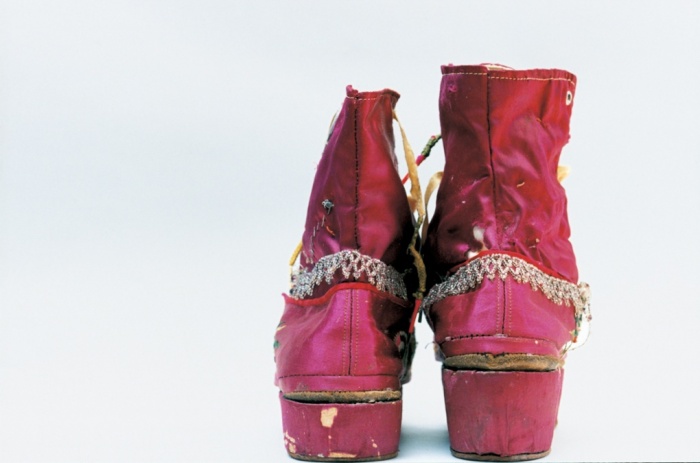
Yel­low-laced scar­let booties trimmed with beads!

02_FridaKahlo

A glam­orous, rot­ting swim­suit and an extreme­ly famil­iar-look­ing tra­di­tion­al Tehua­na head­dress!

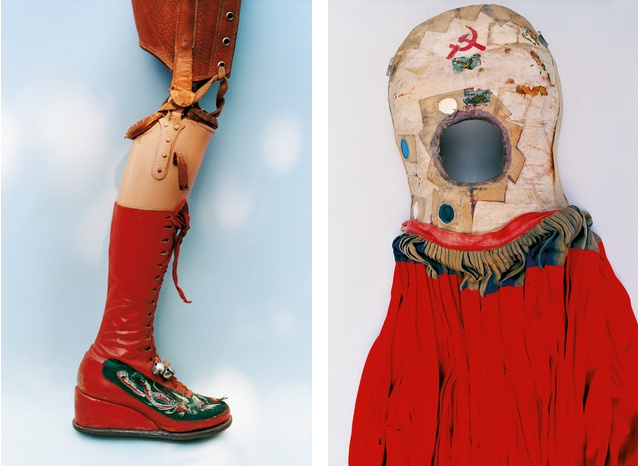
A saucy pros­thet­ic leg! A skirt­ed body cast embell­ished with hand-paint­ed ham­mer and sick­le.

Frida-Kahlo-galeria

Now let us take a minute to live vic­ar­i­ous­ly through pho­tog­ra­ph­er Ishi­uchi Miyako, whose pre­vi­ous sub­jects have includ­ed the cloth­ing of her late moth­er and vic­tims of the atom­ic bomb­ing of Hiroshi­ma. In 2004, the Museo Fri­da Kahlo’s staff start­ed orga­niz­ing Frida’s per­son­al effects. Rivera (1886–1957) had stored them in the afore­men­tioned Mex­i­co city bath­room, along with instruc­tions that the room should remain sealed for a peri­od of 15 years fol­low­ing his death. In 2011, the muse­um invit­ed Miyako in to doc­u­ment the far-from-mint con­di­tion relics, almost 300 in total.

frida glasses

“If I met her, I wouldn’t ask any ques­tions,” the pho­tog­ra­ph­er avowed in an inter­view with AnOth­er Mag­a­zine. “I would only want to stare at her and touch her body.”

There is an inti­ma­cy to her gaze that sug­gests this state­ment might be true. Rarely have a cou­ple of bot­tles of dried up nail pol­ish exud­ed such sen­su­al­i­ty.

Miyako’s Fri­da pho­tographs have been col­lect­ed in a book, and can be seen in the flesh in London’s Michael Hop­pen Gallery through mid-July.

via Patron of the Arts

Relat­ed Con­tent:

1933 Arti­cle on Fri­da Kahlo: “Wife of the Mas­ter Mur­al Painter Glee­ful­ly Dab­bles in Works of Art”

Fri­da Kahlo Writes a Per­son­al Let­ter to Geor­gia O’Keeffe After O’Keeffe’s Ner­vous Break­down (1933)

Pho­tos of a Very Young Fri­da Kahlo, Tak­en by Her Dad

Fri­da Kahlo and Diego Rivera Vis­it Leon Trot­sky in Mex­i­co, 1938

Ayun Hal­l­i­day is an author, illus­tra­tor, and Chief Pri­ma­tol­o­gist of the East Vil­lage Inky zine. Fol­low her @AyunHalliday

Patti Smith’s Polaroids of Artifacts from Virginia Woolf, Arthur Rimbaud, Roberto Bolaño & More

16well-smith-custom3-tmagArticle

Polaroid pho­tog­ra­phy has seen a new wave of inter­est over the past decade, in large part from young pho­tog­ra­phers look­ing to do some­thing dif­fer­ent from what they can with the dig­i­tal tech­nol­o­gy on which they grew up.

The oth­er mod­ern prac­ti­tion­ers include no less a cre­ator than Pat­ti Smith, who have per­son­al­ly wit­nessed the for­mat’s appear­ance, fade, and return. A few years ago, her Polaroid pho­tog­ra­phy reached the gal­leries, becom­ing shows and instal­la­tions in Con­necti­cut and Paris.

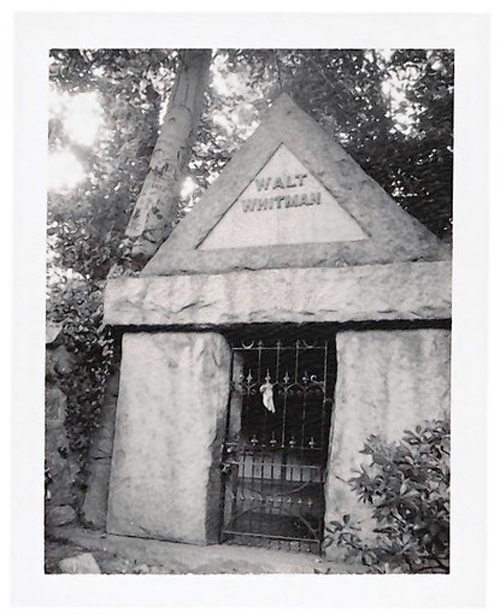
"Walt Whitman's Tomb, Camden, NJ"

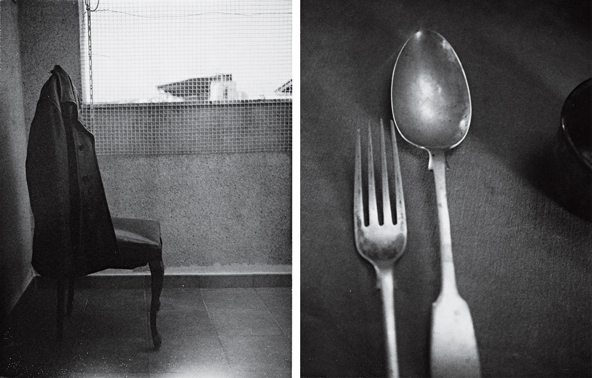
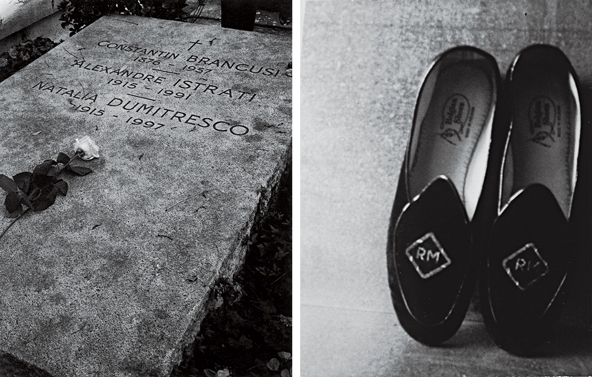
These “black-and-white sil­ver gelatin prints made from Polaroid neg­a­tives, small and square and in soft focus,” writes the New York Times’ A.O. Scott, “are culled from a col­lec­tion that doc­u­ments hun­dreds of encoun­ters with world­ly effects trans­formed into sacred relics. A fork and a spoon that belonged to Arthur Rim­baud, the French sym­bol­ist poet who has been one of Smith’s touch­stones for­ev­er. [Robert] Mapplethorpe’s bed­room slip­pers and the tam­bourine he made for Smith. A chair that belonged to the Chilean nov­el­ist Rober­to Bolaño. William S. Burroughs’s ban­dan­na. A repli­ca of a life mask cast from the fea­tures of William Blake.”

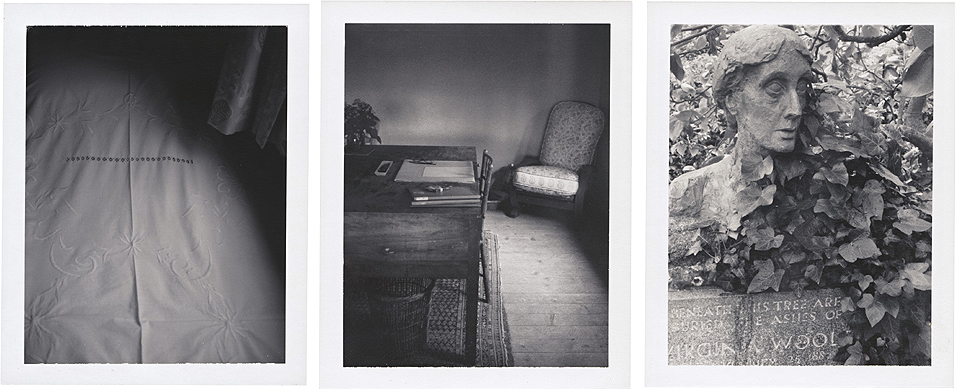
Virginia Woolf’s bed, writing desk, and gravestone

Smith’s “gor­geous, misty pho­tographs are inspired by arti­facts from some of Smith’s favorite artists, from muse­ums she has vis­it­ed around the world, and many are from her per­son­al life,” writes Fla­vor­wire’s Emi­ly Tem­ple on “Cam­era Solo,” the Hart­ford exhi­bi­tion which intro­duced these Polaroids to Amer­i­ca in 2011. If you did­n’t make it to the Wadsworth Atheneum for that show, you can still expe­ri­ence it through Pat­ti Smith: Cam­era Solo, its com­pan­ion book. Or have a look at her work on dis­play at the BBC’s site, the gallery that offers the pho­tos of Vir­ginia Woolf’s bed, writ­ing desk, and grave­stone just above.

16well-smith-custom4-tmagArticle

You can see even more at this post from Lens Cul­ture on “Land 250,” the exhi­bi­tion of Smith’s Polaroid pho­tog­ra­phy at Paris’ Fon­da­tion Cartier.“I first took Polaroids in the ear­ly 1970s as com­po­nents for col­lages,” it quotes Smith as say­ing. “In 1995, after the death of my hus­band, I was unable to cen­ter on the com­plex process of draw­ing, record­ing or writ­ing a poem. The need for imme­di­a­cy drew me again to the Polaroid. I chose a vin­tage Land 100.” In 2002, she set­tled on the Land 250, the ven­er­a­ble instant cam­era that gave the Paris show and its asso­ci­at­ed mono­graph their titles. It sure­ly counts as one of the most impor­tant arti­facts of Smith’s artis­tic life — and one with which she has cap­tured the arti­facts of so many oth­er artis­tic lives impor­tant to her.

Relat­ed Con­tent:

Watch Pat­ti Smith Read from Vir­ginia Woolf, and Hear the Only Sur­viv­ing Record­ing of Woolf’s Voice

Pat­ti Smith Reads Her Final Words to Robert Map­plethor­pe

Pat­ti Smith’s List of Favorite Books: From Rim­baud to Susan Son­tag

Andy Warhol’s 85 Polaroid Por­traits: Mick Jag­ger, Yoko Ono, O.J. Simp­son & Many Oth­ers (1970–1987)

The Mas­ter­ful Polaroid Pic­tures Tak­en by Film­mak­er Andrei Tarkovsky

Col­in Mar­shall writes on cities, lan­guage, Asia, and men’s style. He’s at work on a book about Los Ange­les, A Los Ange­les Primer, and the video series The City in Cin­e­ma. Fol­low him on Twit­ter at @colinmarshall or on Face­book.

Watch Björk’s 6 Favorite TED Talks, From the Mushroom Death Suit to the Virtual Choir

Björk_-_Hurricane_Festival

Image by Zach Klein

Singer-song­writer Björk, cur­rent­ly enjoy­ing a career ret­ro­spec­tive at the Muse­um of Mod­ern Art, cel­e­brat­ed TED’s bil­lionth video view with a playlist of six trea­sured TED Talks. What do her choic­es say about her?

In this talk, artist Jae Rhim Lee mod­els her Mush­room Death Suit, a kicky lit­tle snug­gy designed to decom­pose and reme­di­ate tox­ins from corpses before they leech back into the soil or sky. Despite Björk’s fond­ness for out­ré fash­ion, I’m pret­ty sure this choice goes beyond the mere­ly sar­to­r­i­al.

For more infor­ma­tion, or to get in line for a mush­room suit of your own, see the Infin­i­ty Bur­ial Project.

Con­tin­u­ing with the mush­room / fash­ion theme, Björk next turns to design­er Suzanne Lee, who demon­strates how she grows sus­tain­able tex­tiles from kom­bucha mush­rooms. The result­ing mate­r­i­al may var­i­ous­ly resem­ble paper or flex­i­ble veg­etable leather. It is extreme­ly recep­tive to nat­ur­al dyes, but not water repel­lent, so bring a non-kom­bucha-based change of clothes in case you get caught in the rain.

For more infor­ma­tion on Lee’s home­grown, super green fab­ric, vis­it Bio­Cou­ture.

Björk’s clear­ly got a soft spot for things that grow: mush­rooms, mush­room-based fab­ric, and now…building mate­ri­als? Pro­fes­sor of Exper­i­men­tal Archi­tec­ture Rachel Arm­strong’s plan for self-regen­er­at­ing build­ings involves pro­to­cols, or “lit­tle fat­ty bags” that behave like liv­ing things despite an absence of DNA. I’m still not sure how it works, but as long as the lit­tle fat­ty bags are not added to my own ever-grow­ing edi­fice, I’m down.

For more infor­ma­tion on what Dr. Arm­strong refers to as bot­tom up con­struc­tion (includ­ing a scheme to keep Venice from sink­ing) see Black Sky Think­ing.

Björk’s next choice takes a turn for the seri­ous… with games. Game Design­er Bren­da Romero began explor­ing the heavy duty emo­tion­al pos­si­bil­i­ties of the medi­um when her 9‑year-old daugh­ter returned from school with a less than nuanced under­stand­ing of the Mid­dle Pas­sage. The suc­cess of that exper­i­ment inspired her to cre­ate games that spur play­ers to engage on a deep­er lev­el with thorny his­tor­i­cal sub­jects. (The Trail of Tears required 50,000 indi­vid­ual red­dish-brown pieces).

Learn more about Romero’s ana­log games at The Mechan­ic is the Mes­sage.

Remem­ber those 50,000 indi­vid­ual pieces? As pho­tog­ra­ph­er Aaron Huey doc­u­ment­ed life on Pine Ridge Reser­va­tion, he was hum­bled by hear­ing him­self referred to as “wasichu,” a Lako­ta word that can be trans­lat­ed as “non-Indi­an.” Huey decid­ed not to shy away from its more point­ed trans­la­tion: “the one who takes the best meat for him­self.” His TED Talk is an impas­sioned his­to­ry les­son that begins in 1824 with the cre­ation of the Bureau of Indi­an Affairs and ends in an activist chal­lenge.

Proof that Björk is not entire­ly about the quirk.

See Huey’s pho­tos from the Nation­al Geo­graph­ic cov­er sto­ry, “In the Spir­it of Crazy Horse.”

Björk opts to close things on a musi­cal note with excerpts from com­pos­er Eric Whitacre’s “Lux Aurumque” and “Sleep” per­formed by a crowd­sourced vir­tu­al choir. Its members—they swell to 1999 for “Sleep”—record their parts alone at home, then upload them to be mixed into some­thing son­i­cal­ly and spir­i­tu­al­ly greater than the sum of its parts.

Lis­ten to “Sleep” in its entire­ty here.

Relat­ed Con­tent:

Hear the Album Björk Record­ed as an 11-Year-Old: Fea­tures Cov­er Art Pro­vid­ed By Her Mom (1977)

A Young Björk Decon­structs (Phys­i­cal­ly & The­o­ret­i­cal­ly) a Tele­vi­sion in a Delight­ful Retro Video

Björk and Sir David Atten­bor­ough Team Up in a New Doc­u­men­tary About Music and Tech­nol­o­gy

Ayun Hal­l­i­day is an author, illus­tra­tor, and Chief Pri­ma­tol­o­gist of the East Vil­lage Inky zine. Fol­low her @AyunHalliday

An Online Gallery of Over 900,000 Wonderful Photos of Historic New York City

Grand Central

What is any major Amer­i­can city if not an indus­tri­al gallery bustling with peo­ple and machines? Some­times the images are bleak, as with the pho­to essays that often cir­cu­late of Detroit’s beau­ti­ful ruin; some­times they are defi­ant­ly hope­ful, as with those of the ris­ing of New Orleans; and some­times they are almost unfath­omably mon­u­men­tal, as with the images here of New York City, cir­ca the 20th century—or a great good bit of it, any­way.

Queensboro Bridge

You can sur­vey almost a hun­dred years of New York’s indomitable grandeur by perus­ing over 900,000 images from the New York City Munic­i­pal Archives Online Gallery.

Pho­tos like the aston­ish­ing tableaux in a sun­light-flood­ed Grand Cen­tral Ter­mi­nal at the top (tak­en some­time between 1935 and 41) and like the breath­tak­ing scale on dis­play in the 1910 expo­sure of the Queens­boro Bridge, above.

Bathers

The online gallery fea­tures large-for­mat pho­tos of the human, like the sea of bathers above; of the human-made, like the vault­ed, cav­ernous City Hall sub­way sta­tion below; and of the meld­ing of the two, like the painters pos­ing on the cables of the Brook­lyn Bridge, fur­ther down.

City Hall Station

These images come from a selec­tion of pho­tos culled from the var­i­ous gal­leries by The Atlantic. For more, see the NYC Munic­i­pal Archives site, which you can search by key­word or oth­er cri­te­ria. “Vis­i­tors,” writes the site, “are encour­aged to return fre­quent­ly as new con­tent will be added on a reg­u­lar basis. Patrons may order repro­duc­tions in the form of prints or dig­i­tal files.”

Brooklyn Bridge

Many of the images have water­marks on them to pre­vent ille­gal use. Nonethe­less the gallery is a jaw-drop­ping col­lec­tion of pho­tos you can eas­i­ly get lost in for hours, as well as an impor­tant resource for his­to­ri­ans and schol­ars of 20th cen­tu­ry Amer­i­can urban­ism. See The Atlantic’s selec­tion of images for even more daz­zling pho­tos. Or bet­ter yet, start rum­mag­ing through the New York City Munic­i­pal Archives Online Gallery right here.

Relat­ed Con­tent:

New York Pub­lic Library Puts 20,000 Hi-Res Maps Online & Makes Them Free to Down­load and Use

Great New Archive Lets You Hear the Sounds of New York City Dur­ing the Roar­ing 20s

Vin­tage Video: A New York City Sub­way Train Trav­els From 14th St. to 42nd Street (1905)

Design­er Mas­si­mo Vignel­li Revis­its and Defends His Icon­ic 1972 New York City Sub­way Map

Josh Jones is a writer and musi­cian based in Durham, NC. Fol­low him at @jdmagness

« Go BackMore in this category... »
Quantcast