Has Technology Changed Us?: BBC Animations Answer the Question with the Help of Marshall McLuhan

In Jan­u­ary, we fea­tured series of short ani­ma­tions from BBC Radio 4 address­ing the ques­tion “How Did Every­thing Begin?” In Feb­ru­ary, we fea­tured its fol­low-up on an equal­ly eter­nal ques­tion, “What Makes Us Human?” Both came script­ed by Phi­los­o­phy Bites co-cre­ator Nigel War­bur­ton and nar­rat­ed by X‑Files co-star Gillian Ander­son (in full British mode). Now that March has come, so has the next install­ment of these brief, crisp, curios­i­ty-fueled pro­duc­tions: “Has Tech­nol­o­gy Changed Us?”

In a word: yes. But then, every­thing we do has always changed us, thanks to the prop­er­ty of the brain we now call “plas­tic­i­ty.” This we learn from the video, “Rewiring the Brain” (right below), which, bal­anc­ing its heart­en­ing neu­ro­sci­en­tif­ic evi­dence with the prover­bial old dog’s abil­i­ty to learn new tricks, also tells of the “atten­tion dis­or­ders, screen addic­tions, and poor social skills” that may have already begun plagu­ing the younger gen­er­a­tion.

Mar­shall McLuhan, of course, could have fore­seen all this. Hence his appear­ance in “The Medi­um is the Mes­sage” (top), a title tak­en from the Uni­ver­si­ty of Toron­to Eng­lish pro­fes­sor turned com­mu­ni­ca­tion-the­o­ry guru’s famous dic­tum.

The video actu­al­ly spells out McLuhan’s own expla­na­tion of that much-quot­ed line: “What has been com­mu­ni­cat­ed has been less impor­tant than the par­tic­u­lar medi­um through which peo­ple com­mu­ni­cate.” Whether you buy that notion or not, the whole range of procla­ma­tions McLuhan had on the sub­ject will cer­tain­ly get you think­ing — in his own words, “You don’t like these ideas? I got oth­ers.”

The oth­er two videos in this series, despite their short length, get into oth­er intrigu­ing relat­ed con­cepts: “The Fourth Rev­o­lu­tion” that comes as a result of life in a “mass age of infor­ma­tion and data,” and the work­ings of “The Antikythera Mech­a­nism,” the first com­put­er ever built. Our per­son­al tech­nol­o­gy has cer­tain­ly come a long way, but we should­n’t fall into com­pla­cen­cy about it, lest, as Ander­son says in this series, it all wrecks our atten­tion spans and “edu­ca­tion will all have to be deliv­ered in two-minute ani­ma­tions.”

Relat­ed Con­tent:

How Did Every­thing Begin?: Ani­ma­tions on the Ori­gins of the Uni­verse Nar­rat­ed by X‑Files Star Gillian Ander­son

What Makes Us Human?: Chom­sky, Locke & Marx Intro­duced by New Ani­mat­ed Videos from the BBC

McLuhan Said “The Medi­um Is The Mes­sage”; Two Pieces Of Media Decode the Famous Phrase

Mar­shall McLuhan: The World is a Glob­al Vil­lage

A His­to­ry of Ideas: Ani­mat­ed Videos Explain The­o­ries of Simone de Beau­voir, Edmund Burke & Oth­er Philoso­phers

Free Online Phi­los­o­phy Cours­es (130 in Total)

Col­in Mar­shall hosts and pro­duces Note­book on Cities and Cul­ture as well as the video series The City in Cin­e­ma and writes essays on cities, lan­guage, Asia, and men’s style. He’s at work on a book about Los Ange­les, A Los Ange­les Primer. Fol­low him on Twit­ter at @colinmarshall or on Face­book.

Take a Super Slow Motion Look at What Happens Inside a DSLR Camera

With the naked eye, it’s near­ly impos­si­ble to see what hap­pens inside a DSLR cam­era when the shut­ter acti­vates. But all of that changes when you use a high speed cam­era — the Phan­tom Flex — to slow things down to 10,000fps. Above, you can see The Slow Mo Guys do their thing. It’s fun to watch, and you’ll prob­a­bly learn a few things about how a cam­era works.

If you would like to sign up for Open Culture’s free email newslet­ter, please find it here. It’s a great way to see our new posts, all bun­dled in one email, each day.

If you would like to sup­port the mis­sion of Open Cul­ture, con­sid­er mak­ing a dona­tion to our site. It’s hard to rely 100% on ads, and your con­tri­bu­tions will help us con­tin­ue pro­vid­ing the best free cul­tur­al and edu­ca­tion­al mate­ri­als to learn­ers every­where. You can con­tribute through Pay­Pal, Patre­on, and Ven­mo (@openculture). Thanks!

The Public Domain Project Makes 10,000 Film Clips, 64,000 Images & 100s of Audio Files Free to Use

Sure, we love the inter­net for how it makes freely avail­able so many cul­tur­al arti­facts. And sure, we also love the inter­net for how it allows us to dis­sem­i­nate our own work. But the inter­net gets the most inter­est­ing, I would sub­mit, when it makes freely avail­able cul­tur­al arti­facts with the express pur­pose of let­ting cre­ators use them in their own work — which we then all get to expe­ri­ence through the inter­net. The new Pub­lic Domain Project will soon become an impor­tant resource for many such cre­ators, offer­ing as it does “thou­sands of his­toric media files for your cre­ative projects, com­plete­ly free and made avail­able by Pond5,” an enti­ty that brands itself as “the world’s most vibrant mar­ket­place for cre­ativ­i­ty.”

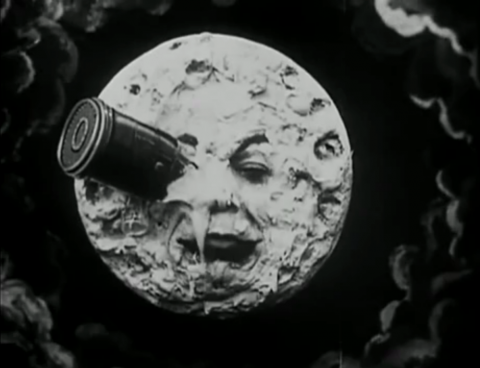
trip to the moon public domain

So what can you find to use in the Pub­lic Domain Project? As of this writ­ing, it offers 9715 pieces of footage, 473 audio files, 64,535 images, and 121 3D mod­els. “The project includes dig­i­tal mod­els of NASA tools and satel­lites, Georges Méliès’ 1902 film, A Trip To The Moon, speech­es by polit­i­cal fig­ures like Win­ston Churchill and Mar­tin Luther King, Jr., record­ings of per­for­mances from com­posers like Beethoven, and a laid-back pic­ture of Pres­i­dent Oba­ma play­ing pool,” says a post at The Cre­ators Project explain­ing the site’s back­ground.

In the Pub­lic Domain Pro­jec­t’s expand­ing archives you will also find clips of every­thing, from rock­et launch­es to film of old New York to very, very ear­ly cat videos, to, of course, mush­room clouds. I imag­ine that some future Chris Mark­er could make cre­ative use of this stuff indeed, and if they need a score, they could use a con­cer­to for pizzi­ca­to and ten instru­ments, Chopin’s “Noc­turne in E Flat Major,” or maybe “John­ny Get Your Gun.” Alter­na­tive­ly, they could part out the very first doc­u­men­tary and use the Pub­lic Domain Pro­jec­t’s bits and pieces of Dzi­ga Ver­tov’s Man With a Movie Cam­eraWhat­ev­er you want to cre­ate, the usable pub­lic domain can only grow more fruit­ful, so you might as well get mix­ing, remix­ing, and shar­ing, as Pond5 puts it, right away. Vis­it The Pub­lic Domain Project here.

via The Cre­ators Project

Relat­ed Con­tent:

Kandin­sky, Mon­dri­an, Munch & Flem­ing Entered Pub­lic Domain in 2015 — But Welles, Achebe, and “Pur­ple Peo­ple Eater” Didn’t

Sher­lock Holmes Is Now in the Pub­lic Domain, Declares US Judge

The British Library Puts 1,000,000 Images into the Pub­lic Domain, Mak­ing Them Free to Reuse & Remix

A Cab­i­net of Curiosi­ties: Dis­cov­er The Pub­lic Domain Review’s New Book of Essays

Col­in Mar­shall hosts and pro­duces Note­book on Cities and Cul­ture as well as the video series The City in Cin­e­ma and writes essays on cities, lan­guage, Asia, and men’s style. He’s at work on a book about Los Ange­les, A Los Ange­les Primer. Fol­low him on Twit­ter at @colinmarshall or on Face­book.

31 Rolls of Film Taken by a World War II Soldier Get Discovered & Developed Before Your Eyes

Levi Bet­twieser runs the Res­cued Film Project, which sal­vages unde­vel­oped rolls of film from around the world, all shot some­where between the 1930s and the late 1990s. They have the abil­i­ty “to process film from all eras. Even film that has been degrad­ed by heat, mois­ture, and age. Or is no longer man­u­fac­tured.” And why do they take on these projects? Because, at some point, every image was spe­cial for some­one. “Each frame cap­tured, reflects a moment that was intend­ed to be remem­bered.”

Above you can watch Bet­twieser pro­cess­ing 31 rolls of film shot by an Amer­i­can sol­dier dur­ing World War II. Accord­ing to Petapix­el, the rolls were found at an Ohio auc­tion in late 2014, and they “were labeled with var­i­ous loca­tion names (i.e. Boston Har­bor, Lucky Strike Beach, LaHavre Har­bor).” But oth­er than that, Bet­twieser knows noth­ing more about the vet who took these shots.

The res­cue oper­a­tion and the pho­tographs it yield­ed are all fea­tured in a nice­ly craft­ed, 10-minute video.

via Peter B. Kauf­man

Fol­low us on Face­book, Twit­ter and Google Plus and share intel­li­gent media with your friends. Or bet­ter yet, sign up for our dai­ly email and get a dai­ly dose of Open Cul­ture in your inbox.

by | Permalink | Make a Comment ( 2 ) |

Rare Footage of Allen Ginsberg, Jack Kerouac & Other Beats Hanging Out in the East Village (1959)

We don’t often think of the Beats as fam­i­ly men, and that’s because the most promi­nent of them weren’t, except William Bur­roughs for a time (a trag­ic sto­ry or two for anoth­er day). But friends of Gins­berg and Ker­ouac like Lucien and Francesca Carr and Robert and Mary Frank brought chil­dren into the poets’ lives, and you can see them all above, relax­ing at the Har­mo­ny Bar & Restau­rant in New York’s East Vil­lage in 1959.

This rare silent footage unites the three Carr and two Frank chil­dren in a rare appear­ance of the Beats togeth­er on film. The mus­ta­chioed Lucien Carr —a char­ac­ter with his own dark sto­ry—can be seen seat­ed next to Ker­ouac.  The Franks, père and mère, were both artists in their own right—London-born Mary a trained dancer, sculp­tor, and painter, and Robert an impor­tant Amer­i­can pho­tog­ra­ph­er and doc­u­men­tary film­mak­er.

Dan­ger­ous Minds spec­u­lates that it’s Robert Frank behind the cam­era, both because we don’t see him in front of it and because Frank would that same year direct the short film Pull My Daisy (above), fea­tur­ing both Gins­berg and Ker­ouac and adapt­ed from Kerouac’s play Beat Gen­er­a­tion. (Frank appar­ent­ly denies he shot the footage at the top). Pull My Daisy also includes famous Beats like Gre­go­ry Cor­so, musi­cian David Amram, and Ginsberg’s part­ner, poet Peter Orlovsky. In a pre­vi­ous post on that film, Open Culture’s Col­in Mar­shall described it as craft­ed with “great delib­er­ate­ness, albeit the kind of delib­er­ate­ness meant to cre­ate the impres­sion of thrown-togeth­er, ram­shackle spon­tane­ity.”

To learn more about the Beats’ appear­ances on film—as them­selves, in char­ac­ter, and through their adapt­ed work, see this excel­lent fil­mog­ra­phy. And just above, watch a mash-up of most of those var­i­ous cin­e­mat­ic appear­ances in a trail­er pro­duced by Cine­fam­i­ly for the IFC and Sun­dance series “Beats on Film.”

via The Wall Break­ers/Dan­ger­ous Minds

Relat­ed Con­tent:

Pull My Daisy: 1959 Beat­nik Film Stars Jack Ker­ouac and Allen Gins­berg, Shot by Robert Frank

William S. Burrough’s Avant-Garde Movie ‘The Cut Ups’ (1966)

Bob Dylan and Allen Gins­berg Vis­it the Grave of Jack Ker­ouac (1975)

Josh Jones is a writer and musi­cian based in Durham, NC. Fol­low him at @jdmagness

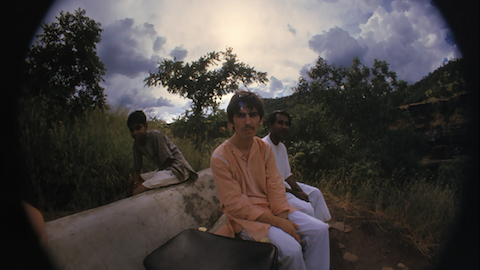
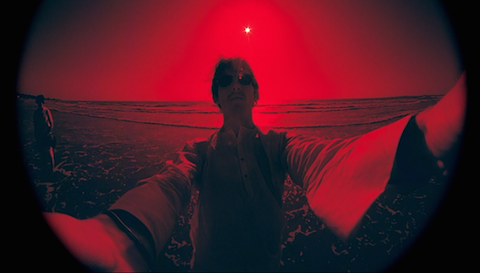
George Harrison’s Mystical, Fisheye Self-Portraits Taken in India (1966)

Harrison Fisheye1

The Bea­t­les’ sojourn in India can seem like a bit of a stunt, as much a rock n’ roll cliché as Led Zeppelin’s trashed hotel rooms or Fleet­wood Mac’s coke binges. Eas­i­ly par­o­died in, for exam­ple, Walk Hard: The Dewey Cox Sto­ry, the band’s turn East­ward looks in hind­sight like fad­dish spir­i­tu­al tourism. That impres­sion may not be so far off. As one writer puts it:

By the late 1960s, The Bea­t­les had engi­neered anoth­er pop cul­ture rev­o­lu­tion (at least in Europe and North Amer­i­ca) by wear­ing Indi­an-style cloth­ing, spout­ing reli­gious and philo­soph­i­cal apho­risms that seemed to bor­row from ‘East­ern’ thought, and lat­er even vis­it­ing India for a high­ly-pub­li­cized train­ing ses­sion to learn Tran­scen­den­tal Med­i­ta­tion with the fraud­u­lent ‘mys­tic’ Mahar­ishi Mahesh Yogi.

But while for John, Paul, and Ringo, “inter­est in Indian/Hindu cul­ture was rather fleet­ing and tem­po­ral […] for George, India com­plete­ly over­hauled and changed his life per­ma­nent­ly.” As Har­ri­son him­self would lat­er recount of his first jour­ney in 1966, “it was the first feel­ing I’d ever had of being lib­er­at­ed from being a Bea­t­le or a num­ber.” The rest of the band wouldn’t make the trip until two years lat­er.

Harrison Fisheye 2

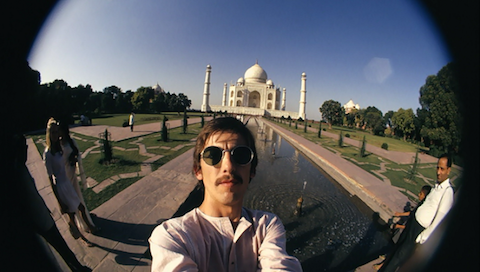
Har­ri­son had prin­ci­pal­ly embarked to study sitar under Ravi Shankar and learn yoga, but this was also a peri­od of self-dis­cov­ery and escape from, as he says, the “mania.” Trav­el­ing, as he always did, with a cam­era, he doc­u­ment­ed his jour­ney. His pic­tures are far from ordi­nary tourist images.

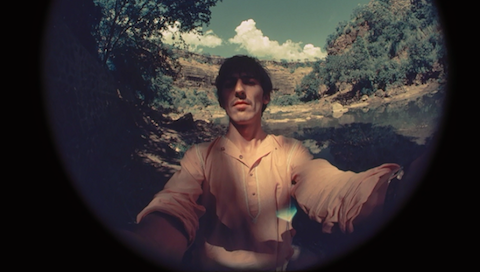
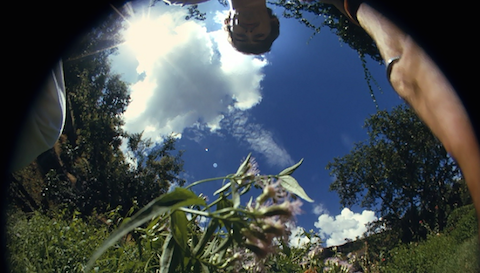
While he describes in writ­ing the “mix­ture of unbe­liev­able things” he saw, he just as often turned the cam­era on him­self, his pho­to­graph­ic intro­spec­tion made even more pro­nounced by his use of a fish­eye lens.

Harrison Fisheye 3

Inter­est­ing­ly, in his rec­ol­lec­tion of the trip, Har­ri­son ref­er­ences the sur­re­al cult, sci-fi show The Pris­on­er as a prime illus­tra­tion of life as “a num­ber.” One of the show’s most mem­o­rable devices involves a huge, mys­te­ri­ous white bub­ble that cap­tures or kills any­one try­ing to escape the sin­is­ter orga­ni­za­tion that holds the main char­ac­ter cap­tive. In Harrison’s pho­tos, the bub­ble becomes a para­dox­i­cal rep­re­sen­ta­tion of his way out of fame’s fish­bowl, of the prison of Beat­le­ma­nia and an iden­ti­ty that felt con­trived and alien­at­ing.

Harrison Fisheye 4

Behind his steady, seri­ous gaze open up vis­tas that presage the breadth and depth of his immer­sion in Indi­an spir­i­tu­al prac­tices. What­ev­er one thinks of his con­ver­sion, there’s no doubt it was sin­cere, and life­long. Not long after this first trip, at the age of 24, he wrote to his moth­er, “I want to be self-real­ized. I want to find God. I’m not inter­est­ed in mate­r­i­al things, this world, fame.” Har­ri­son expressed the very same mys­ti­cal aspi­ra­tions in his final, 1997 inter­view, still play­ing and singing with his men­tor Ravi Shankar.

Harrison Fisheye 5

via Shoot­ing Film/Dan­ger­ous Minds

Relat­ed Con­tent:

Ravi Shankar Gives George Har­ri­son a Sitar Les­son … and Oth­er Vin­tage Footage

Watch George Harrison’s Final Inter­view and Per­for­mance (1997)

Phil Spector’s Gen­tle Pro­duc­tion Notes to George Har­ri­son Dur­ing the Record­ing of All Things Must Pass

Josh Jones is a writer and musi­cian based in Durham, NC. Fol­low him at @jdmagness.

Behold a Beautiful Archive of 10,000 Vintage Cameras at Collection Appareils

Photosphere

Dig­i­tal pho­tog­ra­phy has bestowed many gifts, and some few hor­rors: self­ies, nat­u­ral­ly, as well as even less dig­ni­fied self-por­traits, of the sort cer­tain politi­cians send out; mass sur­veil­lance, as well as the abil­i­ty of aver­age cit­i­zens to pro­duce impor­tant pieces of evi­dence and to doc­u­ment his­to­ry; hard times for pro­fes­sion­al pho­tog­ra­phers, as well as the full democ­ra­ti­za­tion of the medi­um. What it has almost ren­dered obso­lete is the mech­a­nism that enabled pho­to­graph­ic images in the first place. In place of cam­eras, we have smart­phones, the hat­ed Glass… maybe some­time in the future no exter­nal device at all. Giv­en this tra­jec­to­ry, it’s entire­ly under­stand­able that all sorts of people—steampunks, anti­quar­i­ans, Lud­dites, ana­log fetishists, mid­dle-age hip­sters, etc.—would grow nos­tal­gic not only for the cracked, stri­at­ed mono­chrome pati­na of vin­tage pho­tographs, but also for the boxes—large and small, sim­ple and high­ly complicated—that pro­duced them.

Argus A

And what won­der­ful box­es they were! Before the onslaught of iden­ti­cal, cheap con­sumer point-and-shoots and (gasp!) dis­pos­ables, or the util­i­tar­i­an bricks of pro­fes­sion­al gear, the cam­era was very often a work of art in its own right. Today, we bring you a sam­pling of these objets—ele­gant, intri­cate, stream­lined, and down­right adorable. These are but a tiny frac­tion of the vin­tage cam­era trea­sures you’ll find rep­re­sent­ed at Col­lec­tion Appareils, an online ref­er­ence of 10,000 ana­log cam­eras run by Syl­vain Hal­gand, a French­man sore­ly afflict­ed with the “insid­i­ous dis­ease” of col­lect­ing.

Wit­ness at the top the Pho­to­s­phere No. 1, man­u­fac­tured by the Com­pag­nie Fran­caise de Pho­togra­phie in 1899—a tru­ly beau­ti­ful arti­fact. No less styl­ish, but far more cam­era-like to our eyes, see the Argus A above. Made in the U.S. between 1936 and 1941, this may have been the most pop­u­lar 35mm of all time. Though not as well known as the Leica A, “it’s a safe bet that Argus sold more cam­eras in their first twen­ty years than Leica has sold in their first 70 years.”

Gap Box

Above, we have the first “point and shoot,” the Gap Box 6x9, a curi­ous­ly attrac­tive device made in France in 1950. This cam­era “played a very impor­tant role by mak­ing pho­tog­ra­phy acces­si­ble to the gen­er­al pub­lic,” allow­ing “any­one to take pic­tures at the low­est price and in the most sim­ple way.”

The Compass

Then there are the styl­ized and the stream­lined. Just above, see a very fine machine called The Com­pass, man­u­fac­tured by Swiss watch­mak­er Le Coul­tre between 1937 and 1940. And below, gaze upon the grace­ful Haneel Tri-Vision, made in Los Ange­les in 1946.

Tri-Vision

Almost equal­ly appeal­ing in their design sim­plic­i­ty are the irre­sistibly cute minia­ture cam­eras, such as the “Mick­ey Mouse” below. Man­u­fac­tured in Ger­many in 1958, these tiny things—despite the “copy­right” notice on the lens—may have dis­ap­peared quick­ly “due to them not actu­al­ly being sanc­tioned by the Dis­ney Cor­po­ra­tion.” They were, how­ev­er, sold with a “large card­board Mick­ey Mouse that ‘held’ the cam­era.”

Mickey Mouse

See also the Coro­net Midget. Made in Eng­land in 1934, this 5‑shilling cam­era “must be one of the most pop­u­lar of all small cam­eras to col­lect.” The com­pa­ny mar­ket­ed its own 6‑exposure film for the Midget, which came in a choice of five col­ors.

Coronet Midget

Coronet Midget 2

From the cou­ture to the high-tech to the quirky and inven­tive (like the Lark “Sar­dine Can” below), the French vin­tage cam­era archive makes avail­able a visu­al his­to­ry of the cam­era that may exist nowhere else. It is the his­to­ry of an object that defined the 20th cen­tu­ry, and that may ful­ly dis­ap­pear some­time soon in the 21st. And while we can spend sev­er­al hours a day mar­veling over the prod­ucts of these fine devices, it’s a rare treat to see the things them­selves in such an aston­ish­ing vari­ety of shapes, sizes, col­ors, and degrees of design inge­nu­ity. Take some time to get acquaint­ed with the evo­lu­tion of the hand­held cam­era before dig­i­tal tech­nol­o­gy final­ly ren­ders it extinct.

Lark Sardine

Via Laugh­ing Squid/ Messy Nessy Chic/PetaPix­el

Images cour­tesy of Col­lec­tion Appareils.

Relat­ed Con­tent:

Yale Launch­es an Archive of 170,000 Pho­tographs Doc­u­ment­ing the Great Depres­sion

Design­ers Charles & Ray Eames Cre­ate a Pro­mo­tion­al Film for the Ground­break­ing Polaroid SX-70 Instant Cam­era (1972)

Alfred Stieglitz: The Elo­quent Eye, a Reveal­ing Look at “The Father of Mod­ern Pho­tog­ra­phy”

Josh Jones is a writer and musi­cian based in Durham, NC. Fol­low him at @jdmagness

Photos of a Very Young Frida Kahlo, Taken by Her Dad

 Young Frida Kahlo (4)

Ay que lin­da! 

Long before the tumul­tuous mar­riage to Diego Rivera and the mor­ti­fi­ca­tions of the flesh occa­sioned by a hor­rif­ic bus acci­dent, and longer still before the avalanche of Fri­da-cen­tric kitsch and tchotchkes and the Julie Tay­mor biopic star­ring Salma Hayek, there was a cheru­bic lit­tle girl named Mag­dale­na Car­men Frie­da Kahlo y Calderón.

Wit­ness these pho­tos of young Mag­dale­na Car­men Frie­da, tak­en by her Hun­gar­i­an Jew­ish father, Guiller­mo, over a peri­od of twen­ty years.

Young Frida Kahlo (1)

The 2‑year-old Fri­da is mer­ry, chub­by, and bare­ly rec­og­niz­able.

Young Frida Kahlo 2

The pierc­ing gaze starts com­ing into focus around age 5.  Kid looks like an artist already!

Young Frida Kahlo (6)

The famous eye­brows have filled in by 12, when she faces the cam­era in a sailor suit and giant hair bow.

Young Frida Kahlo (9)

The 18-year-old pre-med stu­dent adopt­ing an unsmil­ing pose in 1926—the year of the accident—is unapolo­getic, intense, and unmis­tak­ably Fri­da Kahlo.

Vis­it Vin­tage Every­day for more of Guiller­mo Kahlo’s images of his sec­ond-to-last daugh­ter.

Relat­ed Con­tent:

Fri­da Kahlo Writes a Per­son­al Let­ter to Geor­gia O’Keeffe After O’Keeffe’s Ner­vous Break­down (1933)

Fri­da Kahlo and Diego Rivera Vis­it Leon Trot­sky in Mex­i­co, 1938

A Quick Ani­ma­tion of Fri­da Kahlo’s Famous Self Por­trait

Ayun Hal­l­i­day is an author, home­school­er, and Chief Pri­ma­tol­o­gist of the East Vil­lage Inky zine. Fol­low her @AyunHalliday

« Go BackMore in this category... »
Quantcast