The Getty Adds Another 77,000 Images to its Open Content Archive

getty_church2

Last sum­mer we told you that the J. Paul Get­ty Muse­um launched its Open Con­tent Pro­gram by tak­ing 4600 high-res­o­lu­tion images from the Get­ty col­lec­tions, putting them into the pub­lic domain, and mak­ing them freely avail­able in dig­i­tal for­mat. We also made it clear — there would be more to come.

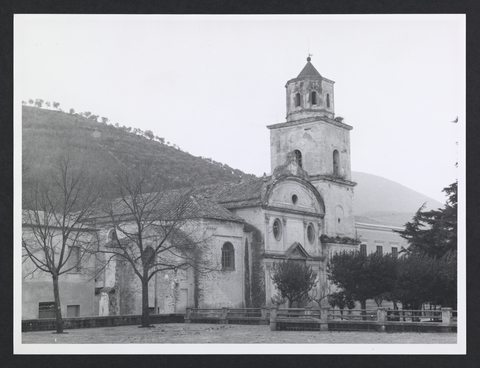
Yes­ter­day, the Get­ty made good on that promise, adding anoth­er 77,000 images to the Open Con­tent archive. Of those images, 72,000 come from the Foto Arte Minore col­lec­tion, a rich gallery of pho­tographs of Ital­ian art and archi­tec­ture, tak­en by the pho­tog­ra­ph­er and schol­ar Max Hutzel (1911–1988).

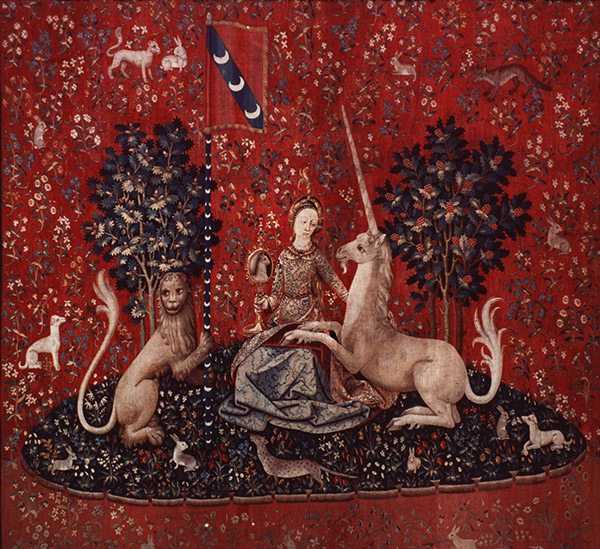
getty tapestryThe Get­ty also dropped into the archive anoth­er 4,930 images of Euro­pean and Amer­i­can tapes­tries dat­ing from the late 15th through the late 18th cen­turies.

All images in the Get­ty Open Con­tent pro­gram — now 87,000 in total — can be down­loaded and used with­out charge or per­mis­sion, regard­less of whether you’re a schol­ar, artist, art lover or entre­pre­neur. The Get­ty only asks that you give them attri­bu­tion.

You can start explor­ing the com­plete col­lec­tion by vis­it­ing the Get­ty Search Gate­way. Images can also be accessed via the Muse­um’s Col­lec­tion web­pages. Be sure to look for the “down­load” link near the images.

For more infor­ma­tion on the Open Con­tent pro­gram, please vis­it this page. For more open con­tent from muse­ums, see the links below.

Relat­ed Con­tent:

Down­load 35,000 Works of Art from the Nation­al Gallery, Includ­ing Mas­ter­pieces by Van Gogh, Gau­guin, Rem­brandt & More

Down­load Over 250 Free Art Books From the Get­ty Muse­um

40,000 Art­works from 250 Muse­ums, Now View­able for Free at the Redesigned Google Art Project

LA Coun­ty Muse­um Makes 20,000 Artis­tic Images Avail­able for Free Down­load

The Rijksmu­se­um Puts 125,000 Dutch Mas­ter­pieces Online, and Lets You Remix Its Art

by | Permalink | Make a Comment ( 2 ) |

Painter Paul Gauguin Plays the Harmonium with No Pants or Shoes (Circa 1895)

gauguin plays

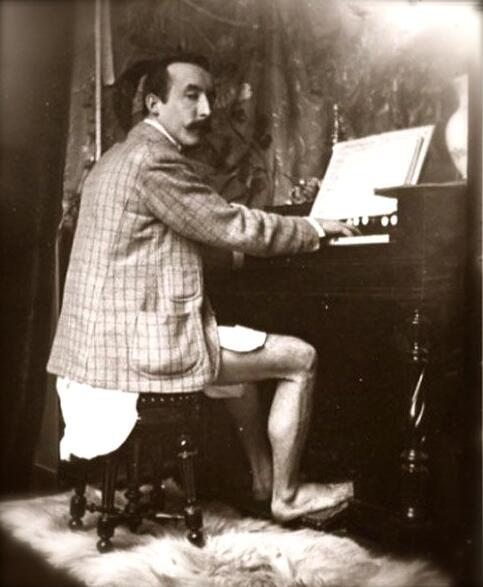
What do we have here? Painter Paul Gau­guin play­ing a har­mo­ni­um at the Paris stu­dio of Alphonse Mucha, a Czech Art Nou­veau painter, in or around 1895. How this came about — how Gau­guin decid­ed to strip off his pants and shoes and start play­ing that pump organ — we’ll prob­a­bly nev­er know. But we’re cer­tain­ly glad that this light moment was saved for pos­ter­i­ty.

If you would like to sign up for Open Culture’s free email newslet­ter, please find it here. It’s a great way to see our new posts, all bun­dled in one email, each day.

If you would like to sup­port the mis­sion of Open Cul­ture, con­sid­er mak­ing a dona­tion to our site. It’s hard to rely 100% on ads, and your con­tri­bu­tions will help us con­tin­ue pro­vid­ing the best free cul­tur­al and edu­ca­tion­al mate­ri­als to learn­ers every­where. You can con­tribute through Pay­Pal, Patre­on, and Ven­mo (@openculture). Thanks!

via @SteveSilberman

Relat­ed Con­tent:

Watch Icon­ic Artists at Work: Rare Videos of Picas­so, Matisse, Kandin­sky, Renoir, Mon­et, Pol­lock & More

Down­load 35,000 Works of Art from the Nation­al Gallery, Includ­ing Mas­ter­pieces by Van Gogh, Gau­guin, Rem­brandt & More

The Post­cards That Picas­so Illus­trat­ed and Sent to Jean Cocteau, Apol­li­naire & Gertrude Stein

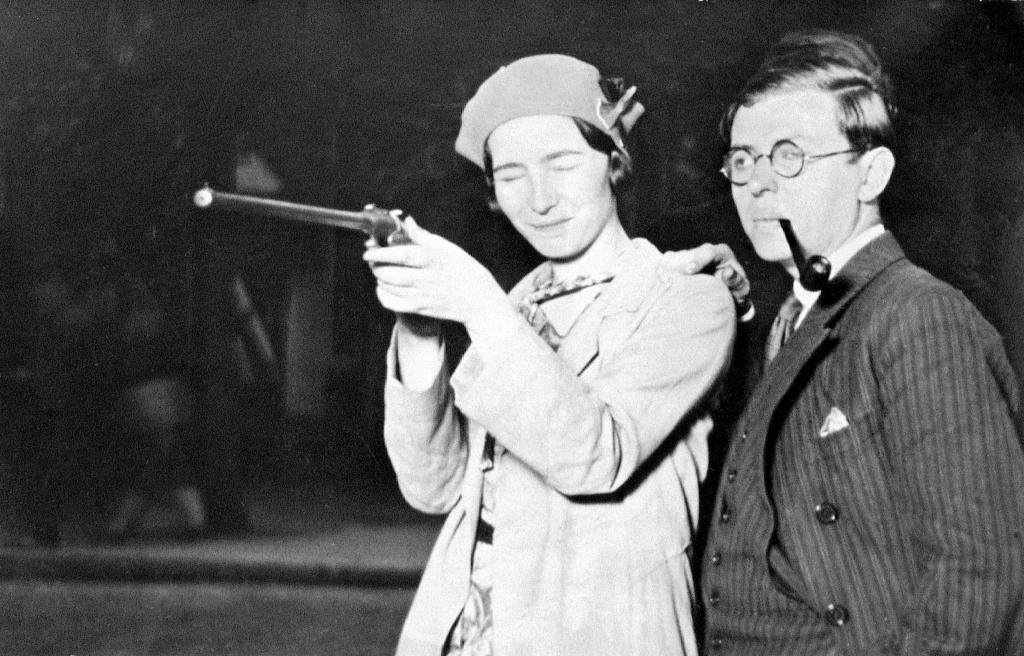
Simone de Beauvoir & Jean-Paul Sartre Shooting a Gun in Their First Photo Together (1929)

simone-de-beauvoir-jean-paul-sartre-fairground-at-porte-d_orlc3a9ans-1929

In late 2012, an exhi­bi­tion called Shoot! Exis­ten­tial Pho­tog­ra­phy was held in Lon­don. And it traced the his­to­ry of an unusu­al attrac­tion that start­ed appear­ing in Euro­pean fair­grounds after World War I — the pho­to­graph­ic shoot­ing gallery. It worked some­thing like this: A con­tes­tant paid a lit­tle mon­ey, and tried to hit the cen­ter of a tar­get with a gun. If he or she hit the tar­get, a cam­era took a pho­to, and instead of win­ning a lit­tle toy, the con­tes­tant received a snap­shot of him or her­self shoot­ing the gun. Accord­ing to the exhi­bi­tion, this side-show “fas­ci­nat­ed many artists and intel­lec­tu­als in its hey­day, includ­ing Simone de Beau­voir, Jean-Paul Sartre, Man Ray and Lee Miller.” You can see a gallery of pho­tos here. But above, we have a pic­ture of de Beau­voir and Sartre at the shoot­ing gallery togeth­er. Tak­en at the Porte d’Or­léans fair­ground in Paris in June, 1929 — the same year the young philoso­phers met — this pho­to­graph is, accord­ing to the blog Avec Beau­voir, the cou­ple’s first pic­ture togeth­er. Do note that de Beau­voir appar­ent­ly hit the tar­get with her eyes closed. You can click the image to see it in a larg­er for­mat.

Relat­ed Con­tent:

Lovers and Philoso­phers — Jean-Paul Sartre & Simone de Beau­voir Togeth­er in 1967

Simone de Beau­voir Explains “Why I’m a Fem­i­nist” in a Rare TV Inter­view (1975)

Philosophy’s Pow­er Cou­ple, Jean-Paul Sartre and Simone de Beau­voir, Fea­tured in 1967 TV Inter­view

Free Phi­los­o­phy Cours­es Online

by | Permalink | Make a Comment ( 5 ) |

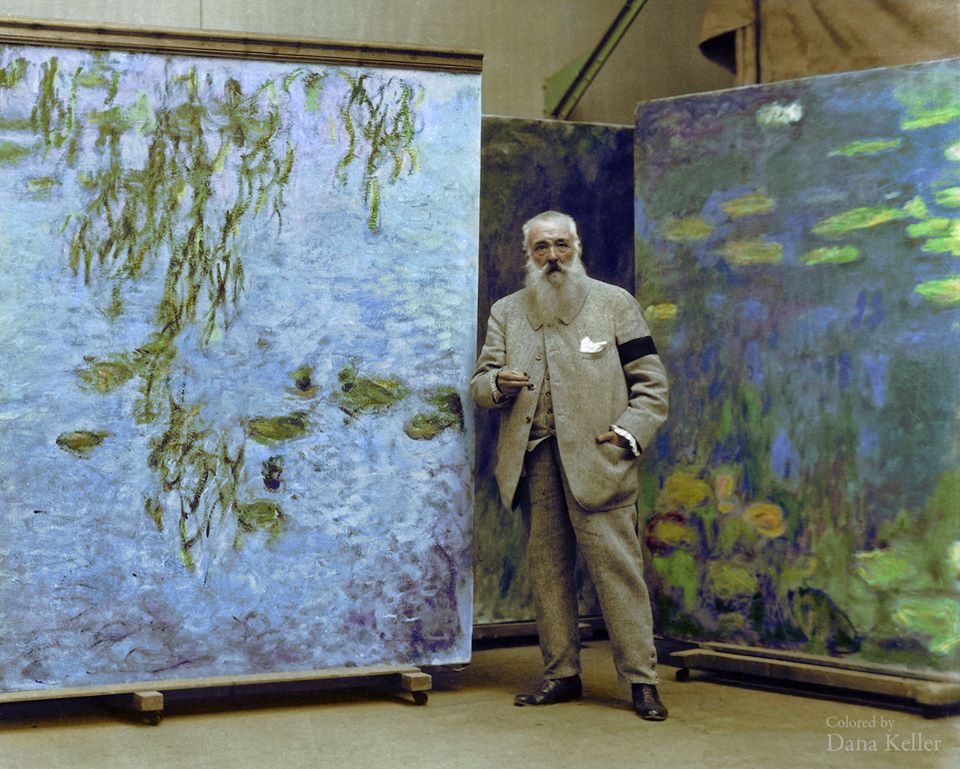
1923 Photo of Claude Monet Colorized: See the Painter in the Same Color as His Paintings

monet in color

On the His­to­ry in Col­or Face­book page, artist Dana Keller presents a series of col­orized his­tor­i­cal pho­tographs, help­ing to “remove that bar­ri­er between the past and our mod­ern eyes, draw­ing us a lit­tle bit clos­er to the real­i­ty in which the pho­to was tak­en.” In the exam­ple above, we see impres­sion­ist painter Claude Mon­et stand­ing next to paint­ings from his famous Water Lilies series. Giv­en what he did with col­or in his paint­ings, it seems only fit­ting that we should see the man him­self in col­or.

If you care to see Mon­et paint­ing in his gar­den in Giverny (cir­ca 1915) in some impres­sive grainy black and white video, click this link and take a lit­tle his­tor­i­cal jour­ney with us. More col­orized his­tor­i­cal pho­tos can be viewed here: Col­orized Pho­tos Bring Walt Whit­man, Char­lie Chap­lin, Helen Keller & Mark Twain Back to Life.

If you would like to sign up for Open Culture’s free email newslet­ter, please find it here. It’s a great way to see our new posts, all bun­dled in one email, each day.

If you would like to sup­port the mis­sion of Open Cul­ture, con­sid­er mak­ing a dona­tion to our site. It’s hard to rely 100% on ads, and your con­tri­bu­tions will help us con­tin­ue pro­vid­ing the best free cul­tur­al and edu­ca­tion­al mate­ri­als to learn­ers every­where. You can con­tribute through Pay­Pal, Patre­on, and Ven­mo (@openculture). Thanks!

Getty Images Makes 35 Million Photos Free to Use Online

Found­ed in 1997, Get­ty Images has made a busi­ness out of licens­ing stock pho­tog­ra­phy to web sites. But, in recent years, the com­pa­ny has strug­gled, fac­ing stiffer com­pe­ti­tion from oth­er com­pa­nies .… and from online pira­cy. Quot­ed in the British Jour­nal of Pho­tog­ra­phy, Craig Peters, a Senior VP at Get­ty Images, observes that Get­ty is “real­ly start­ing to see the extent of online infringe­ment. In essence, every­body today is a pub­lish­er thanks to social media and self-pub­lish­ing plat­forms. And it’s incred­i­bly easy to find con­tent online and sim­ply right-click to utilise it.” All of this becomes a prob­lem, for Get­ty, when cash-strapped “self pub­lish­ers, who typ­i­cal­ly don’t know any­thing about copy­right and licens­ing,” start right click­ing and using the com­pa­ny’s images with­out attri­bu­tion or pay­ment.

Fight­ing a los­ing bat­tle against infringers, Get­ty Images sur­prised con­sumers and com­peti­tors yes­ter­day when it announced that it would make 35 mil­lion images free for pub­lish­ers to use, with a few strings attached. Pub­lish­ers, broad­ly defined, are now allowed to add cer­tain Get­ty images to their sites, on the con­di­tion that they use embed code pro­vid­ed by the com­pa­ny.  That embed code (find instruc­tions here) will ensure that “there will be attri­bu­tion around that image,” that “images will link back to [Get­ty’s] site and direct­ly to the image’s details page,” and that Get­ty will receive infor­ma­tion on how the images are being used and viewed.

Not every Get­ty image can be embed­ded — only 35,000,000 of the 80,000,000 images in Get­ty’s archive. And, to be sure, many of those 35 mil­lion Get­ty images are stock pho­tos that will leave you unin­spired. But if you’re will­ing to sift patient­ly through the col­lec­tion, you can find some gems, like the shots fea­tured above of some great jazz leg­ends — Miles Davis, Bil­lie Hol­i­day and John Coltrane.

If you’re inter­est­ed in rum­mag­ing through free images from muse­ums and libraries, don’t miss our recent post: Where to Find Free Art Images & Books from Great Muse­ums, and Free Books from Uni­ver­si­ty Press­es.

via BJP

Relat­ed Con­tent:

The British Library Puts 1,000,000 Images into the Pub­lic Domain, Mak­ing Them Free to Reuse & Remix

14,000 Free Images from the French Rev­o­lu­tion Now Avail­able Online

The Get­ty Puts 4600 Art Images Into the Pub­lic Domain (and There’s More to Come)

Where to Find Free Art Images & Books from Great Muse­ums, and Free Books from Uni­ver­si­ty Press­es

by | Permalink | Make a Comment ( 6 ) |

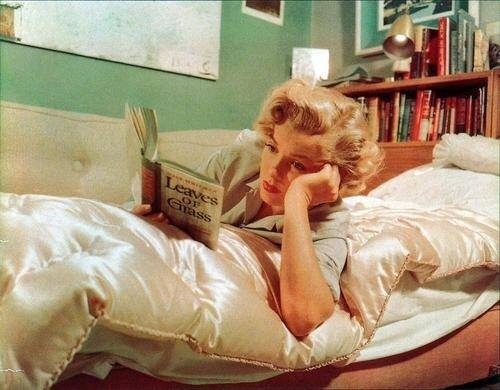
Marilyn Monroe Reads Walt Whitman’s Leaves of Grass (1952)

marilyn reads walt

We’ve tak­en you inside Mar­i­lyn Mon­roe’s per­son­al library, which includ­ed “no short­age of great lit­er­ary works – every­thing from Invis­i­ble Man by Ralph Elli­son, to Ulysses by James Joyce, to Crime And Pun­ish­ment by Fyo­dor Dos­to­evsky and The Plays Of Anton Chekhov.” And speak­ing of Ulysses, we’ve also revis­it­ed a 1955 pho­to­shoot where the pio­neer­ing pho­to­jour­nal­ist Eve Arnold cap­tured Mon­roe read­ing a worn copy of James Joyce’s mod­ernist clas­sic in a play­ground. By the looks of things, Mon­roe was mak­ing her way through the final chap­ter, some­times known as “Mol­ly Bloom’s Solil­o­quy.”

Today, we have Mon­roe read­ing Leaves of Grass by Walt Whit­man. In his biog­ra­phy The Return of Mar­i­lyn Mon­roe, Sam Stag­gs notes that “Walt Whit­man was [Mon­roe’s] favorite poet, even more than Carl Sand­burg. She loved him from the moment a New York friend gave her [Leaves of Grass] years ear­li­er.” Stag­gs con­tin­ues, “She often read Whit­man for relax­ation. The rhythm of his long free lines of verse lulled and stim­u­lat­ed her at the same time.” The pho­to above was seem­ing­ly tak­en by John Flo­rea at the Bev­er­ly Carl­ton Hotel cir­ca 1952. You can find a whole Pin­ter­est board ded­i­cat­ed to Mar­i­lyn Mon­roe read­ing here.

Feel free to down­load free copies of Leaves of Grass and Ulysses from our Free eBooks and Free Audio Books col­lec­tions.

If you would like to sign up for Open Culture’s free email newslet­ter, please find it here. It’s a great way to see our new posts, all bun­dled in one email, each day.

If you would like to sup­port the mis­sion of Open Cul­ture, con­sid­er mak­ing a dona­tion to our site. It’s hard to rely 100% on ads, and your con­tri­bu­tions will help us con­tin­ue pro­vid­ing the best free cul­tur­al and edu­ca­tion­al mate­ri­als to learn­ers every­where. You can con­tribute through Pay­Pal, Patre­on, and Ven­mo (@openculture). Thanks!

Relat­ed Con­tent:

Mar­i­lyn Mon­roe Reads Joyce’s Ulysses at the Play­ground (1955)

A Look Inside Mar­i­lyn Monroe’s Per­son­al Library

FBI’s “Vault” Web Site Reveals Declas­si­fied Files on Hem­ing­way, Ein­stein, Mar­i­lyn & Oth­er Icons

by | Permalink | Make a Comment ( 1 ) |

Patti Smith Documentary Dream of Life Beautifully Captures the Author’s Life and Long Career (2008)

My wife jokes that I’m pre­ten­tious for my love of what she calls “tiny awards” on the cov­ers of movies—little lau­rel leaf-bound seals of fresh­ness from the art film fes­ti­val cir­cuit. It’s true, I near­ly always bite when unknown films come to me preap­proved. Were I to encounter the cov­er of the 2008 Pat­ti Smith doc­u­men­tary Dream of Life I should be forced to watch it even if were I total­ly igno­rant of Pat­ti Smith. It won sev­er­al tiny awards—including a Sun­dance Prize for best cin­e­matog­ra­phy, a well-deserved hon­or that shows direc­tor Steven Sebring’s high regard for his sub­ject. Any worth­while film about Smith—singer, writer, poet, artist—must priv­i­lege the visu­al as well as the musi­cal and lit­er­ary. Smith’s world has always been one of high con­trast and dan­ger­ous pre­science, like the work of her child­hood friend, pho­tog­ra­ph­er Robert Map­plethor­pe, with whom she moved to the Chelsea Hotel in 1969 and who took the icon­ic pho­to on the cov­er of her first album, Hors­es. Her and Mapplethorpe’s sto­ried part­ner­ship helped both take New York City by storm. As a young Smith says above, “New York is the thing that seduced me; New York is the thing that formed me; New York is the thing that deformed me.”

Born in Chicago—“mainline of Amer­i­ca” she calls it—Smith’s fam­i­ly moved across the Mid­west to rur­al New Jer­sey. Her work also bespeaks of an expe­ri­ence of East­ern Migra­tion, with nos­tal­gic traces of long­ing for open spaces. The film opens with a gal­lop­ing herd of hors­es, nod­ding to Smith’s 1975 debut, a blast of punk poet­ry that still sounds men­ac­ing and raw. But the documentary’s title comes from a 1988 record that marked a sort of cesura for Smith, as one peri­od of her life end­ed and anoth­er wait­ed to begin. Pro­duced by her hus­band, Fred “Son­ic” Smith (for­mer­ly of the MC5), whom she met in 1976, it’s an album of “pol­ished love songs, lul­la­bies, and polit­i­cal state­ments” and it’s a very grown-up record, the some­times adult con­tem­po­rary sound saved from bland­ness by Smith’s com­pelling lyri­cism and beau­ti­ful voice.

Fred “Son­ic” Smith fell ill not long after the album, and Pat­ti retired, more or less, from music. She returned to per­form­ing and record­ing after her husband’s death in 1994, after the loss also of her broth­er and Map­plethor­pe. Always an intense­ly emo­tion­al writer and per­former, her lat­er peri­od is marked by memo­ri­als and med­i­ta­tions on loss—not unusu­al for an old­er poet and long­time sur­vivor of rock and roll, as well as the lit­er­ary and art worlds. All of Smith’s many changes occur before us above as she remem­bers and reflects in her poet’s voice over that Sun­dance-win­ning cin­e­matog­ra­phy. It’s hard to imag­ine anoth­er document—save her Nation­al Book Award-win­ning mem­oir Just Kids—doing more jus­tice to Smith’s vision than Dream of Life.

This comes to us via BrainPicking’s Maria Popo­va, who points us toward a cof­fee-table book of pho­tographs from the film. The select­ed few she fea­tures are stun­ning indeed.

Relat­ed Con­tent:

Pat­ti Smith Reads Her Final Words to Her Dear Friend Robert Map­plethor­pe

1976 Film Blank Gen­er­a­tion Doc­u­ments CBGB Scene with Pat­ti Smith, The Ramones, Talk­ing Heads, Blondie & More

Four Female Punk Bands That Changed Women’s Role in Rock

Josh Jones is a writer and musi­cian based in Durham, NC. Fol­low him at @jdmagness

Designers Charles & Ray Eames Create a Promotional Film for the Groundbreaking Polaroid SX-70 Instant Camera (1972)

For sev­er­al decades of its his­to­ry, the Polaroid was called a “Land Cam­era” after the company’s founder Edwin Land, and the prod­uct line includ­ed not only con­sumer devices but also high-end machines like the SX-70, a fold­ing SLR cam­era intro­duced in 1972. The SX-70 boast­ed a host of impres­sive fea­tures that allowed pho­tog­ra­phers to achieve the effects of non-instant SLRs such as “changes in depth of field, dou­ble expo­sure, fixed-point focus­ing, and close­up pho­tog­ra­phy.” The SX-70 made a con­sid­er­able impres­sion on famed hus­band and wife design team Charles and Ray Eames, so much so that they pro­duced the 11-minute adver­tise­ment above describ­ing in detail the SX-70’s high­ly com­plex oper­a­tions. In his intro­duc­tion, Charles Eames tells us that no less an author­i­ty than Alfred Stieglitz “favored any means that might free the photographer’s whole ener­gies so that they could be chan­neled in the direc­tion of the deci­sion, the pic­ture itself.” Thus, Edwin Land’s inven­tions are giv­en the impri­matur of the father of fine art pho­tog­ra­phy him­self, and in 1972, the SX-70 was Land’s high­est achieve­ment to date.

The Polaroid instant cam­era seems to have come full cir­cle from con­sumer toy to util­i­tar­i­an snap­shot-mak­er to artists’ exper­i­men­tal tool to instru­ment of retro-hip­ster­ism to con­sumer toy again. But the phys­i­cal, real-world Polaroid aes­thet­ic almost met its end in 2008 when the com­pa­ny dis­con­tin­ued pro­duc­tion of its instant film, prompt­ing the cre­ators of the Impos­si­ble Project to “[save] ana­log instant pho­tog­ra­phy from extinc­tion by releas­ing var­i­ous, brand new and unique instant films.” VP Dave Bias demon­strates the project’s device, which allows smart­phone pho­togs to print images on Polaroid-style film. Respond­ing to the mas­sive demands of 21st cen­tu­ry détourned nos­tal­gia, Polaroid has intro­duced new lines of instant cam­eras, and Fuji is also bridg­ing the Instagram/Polaroid divide with a portable print­er this spring. But what the Impos­si­ble Project highlights—as the Eames did in ‘72—is just how much the Polaroid became a means of mak­ing fine art as well as kitsch, a too often unre­marked upon appli­ca­tion of the famous instant cam­era and the visu­al aes­thet­ics it bequeathed the dig­i­tal age.

via Men­tal Floss

Relat­ed Con­tent:

Watch Lau­rence Olivi­er, Liv Ull­mann and Christo­pher Plummer’s Clas­sic Polaroid Ads

The Mas­ter­ful Polaroid Pic­tures Tak­en by Film­mak­er Andrei Tarkovsky

Ital­ian Pho­tog­ra­ph­er Mau­r­izio Gal­im­ber­ti Cre­ates Cubist Polaroid Col­lages of Artists & Celebri­ties

Josh Jones is a writer and musi­cian based in Durham, NC. Fol­low him at @jdmagness

« Go BackMore in this category... »
Quantcast