Watch Laurence Olivier, Liv Ullmann and Christopher Plummer’s Classic Polaroid Ads

Before Urban Out­fit­ters and Project Impos­si­ble, before the adorable bick­er­ing ubiq­ui­ty of spokes­peo­ple James Gar­ner and Mari­ette Hart­ley, Polaroid kept things classy by entrust­ing its rep­u­ta­tion to the most seri­ous of seri­ous actors.

Take Lau­rence Olivi­er. Who else could have made the phrase “Polaroid SX-70 Land Cam­era” sound like Shake­speare? Seri­ous­ly. He could’ve tacked the string of superla­tives he unleash­es against a black back­ground above onto the end of Hen­ry V’s St. Crispin’s Day speech and I would have been none the wis­er.

(And gen­tle­men in Eng­land now a‑bed

Shall think them­selves accursed they were not here,

And hold their man­hoods cheap whiles any speaks

That fought with us upon Saint Crispin’s day -

Pock­et sized, fold­ing, elec­tron­i­cal­ly con­trolled, motor dri­ven…)

Accord­ing to the late Peter Wens­berg, a for­mer Polaroid exec and author of Land’s Polaroid, A Com­pa­ny and the Man Who Invent­ed It, Sir Lau­rence agreed to the 1972 spot on the con­di­tion that it would­n’t be shown in Eng­land. (YouTube would­n’t be found­ed for anoth­er thir­ty years.)

Sir Lar­ry was fol­lowed in 1979 by actress Liv Ull­mann, solemn­ly prais­ing the  SX70 Sonar OneStep’s moment-cap­tur­ing abil­i­ties. Is there a Polaroid some­where in the Ing­mar Bergman Archive of his and Ull­man­n’s 12-year-old daugh­ter Linn, stand­ing at the sink, wash­ing dish­es? Or has YouTube become the sole reli­quary for these pre­cious moments?

Christo­pher Plum­mer’s 1980 spot seems down­right loose by con­trast, as he kicks back on a beach, aim­ing his SX70 Sonar OneStep at a Gold­en Retriev­er and a canoe’s worth of kids. (Sir Lar­ry’s sub­ject was a rather fussy porce­lain clock.)

Giv­en their his­to­ry, it’s easy to think of Polaroid’s instant cam­eras as a gim­mick or a fad, but such not­ed pho­tog­ra­phers as Ansel Adams, Andy Warhol, Hel­mut New­ton, and Walk­er Evans were fans of the SX-70.

Relat­ed Con­tent:

The Mas­ter­ful Polaroid Pic­tures Tak­en by Film­mak­er Andrei Tarkovsky

Amer­i­can Film­mak­ers in Japan­ese Ads: Quentin Taran­ti­no Sells Cell Phones, Orson Welles Hawks Whisky

Ing­mar Bergman’s Soap Com­mer­cials Wash Away the Exis­ten­tial Despair

Ayun Hal­l­i­day has the sort of vision that screams out for an unlim­it­ed sup­ply of free dig­i­tal shots. Fol­low her @AyunHalliday

How the Iconic 1968 “Earthrise” Photo Was Made: An Engrossing Visualization by NASA

Let’s let NASA paint the pic­ture for you:

In Decem­ber of 1968, the crew of Apol­lo 8 became the first peo­ple to leave our home plan­et and trav­el to anoth­er body in space. But as crew mem­bers Frank Bor­man, James Lovell, and William Anders all lat­er recalled, the most impor­tant thing they dis­cov­ered was Earth.

Using pho­to mosaics and ele­va­tion data from Lunar Recon­nais­sance Orbiter (LRO), this video com­mem­o­rates the 45th anniver­sary of Apol­lo 8’s his­toric flight by recre­at­ing the moment when the crew first saw and pho­tographed the Earth ris­ing from behind the Moon. [See the orig­i­nal pho­to here.] Nar­ra­tor Andrew Chaikin, author of A Man on the Moon, sets the scene for a three-minute visu­al­iza­tion of the view from both inside and out­side the space­craft accom­pa­nied by the onboard audio of the astro­nauts. The visu­al­iza­tion draws on numer­ous his­tor­i­cal sources, includ­ing the actu­al cloud pat­tern on Earth from the ESSA‑7 satel­lite and dozens of pho­tographs tak­en by Apol­lo 8, and it reveals new, his­tor­i­cal­ly sig­nif­i­cant infor­ma­tion about the Earth­rise pho­tographs. It has not been wide­ly known, for exam­ple, that the space­craft was rolling when the pho­tos were tak­en, and that it was this roll that brought the Earth into view.

The visu­al­iza­tion estab­lish­es the pre­cise tim­ing of the roll and, for the first time ever, iden­ti­fies which win­dow each pho­to­graph was tak­en from. The key to the new work is a set of ver­ti­cal stereo pho­tographs tak­en by a cam­era mount­ed in the Com­mand Mod­ule’s ren­dezvous win­dow and point­ing straight down onto the lunar sur­face. It auto­mat­i­cal­ly pho­tographed the sur­face every 20 sec­onds. By reg­is­ter­ing each pho­to­graph to a mod­el of the ter­rain based on LRO data, the ori­en­ta­tion of the space­craft can be pre­cise­ly deter­mined.

This video above is pub­lic domain and can be down­loaded here. In 1972, astro­nauts took anoth­er famous pic­ture of the Earth, known as The Big Blue Mar­ble. You can watch a film (“Overview”) that com­mem­o­rates that pho­to­graph and explores the whole con­cept of see­ing the Earth from afar. And, of course, you should always see the Carl Sagan-nar­rat­ed film, The Pale Blue Dot, too.

via Metafil­ter/Brain­Pick­ings

Relat­ed Con­tent:

The Won­der, Thrill & Mean­ing of See­ing Earth from Space. Astro­nauts Reflect on The Big Blue Mar­ble

Astro­naut Takes Amaz­ing Self Por­trait in Space

Astro­naut Chris Had­field Sings David Bowie’s “Space Odd­i­ty” On Board the Inter­na­tion­al Space Sta­tion

Hand-Colored Photographs of 19th Century Japan

hand colored japanese photos

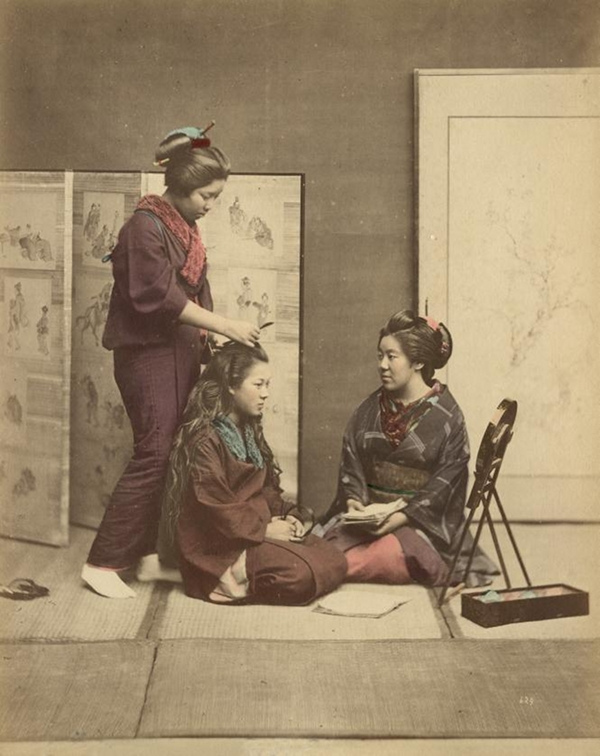
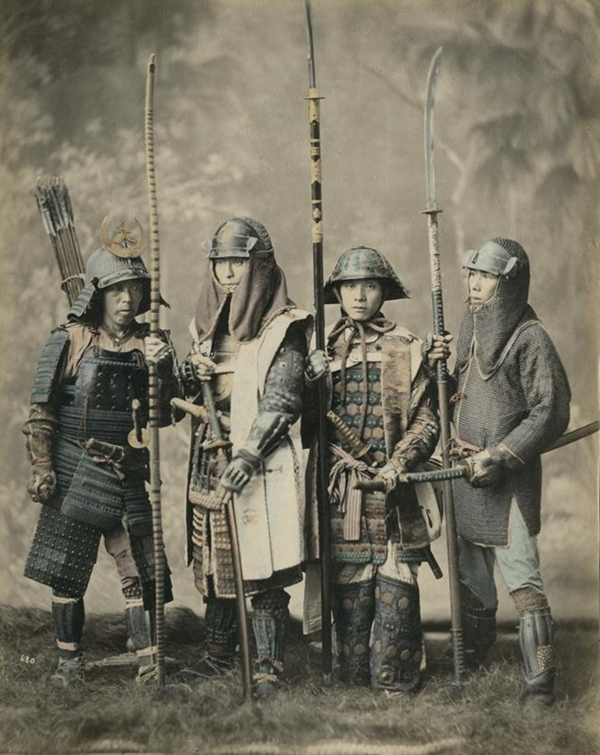
This week, The Pub­lic Domain Review (PDR) post­ed a series hand-col­ored albu­mine prints (“a process which used the albu­men found in egg whites to bind the pho­to­graph­ic chem­i­cals to the paper) from 19th cen­tu­ry Japan. They date back to 1880.

Some of the prints, like the one below, cer­tain­ly have a for­eign qual­i­ty to them. They feel far away in terms of time and place. But oth­ers (like the shot above) feel remark­ably close, some­thing we can all relate to today.

Hand coloured photographs of 19th century Japan

Accord­ing to the PDR, the pic­tures came to reside in the Dutch Nation­al Archive as a result of the cen­turies-long com­mer­cial rela­tion­ship between the Dutch and the Japan­ese. More vin­tage pix can be viewed here.

Relat­ed Con­tent:

The Old­est Col­or Movies Bring Sun­flow­ers, Exot­ic Birds and Gold­fish Back to Life (1902)

One of the Ear­li­est Known Pho­tos of Guys Sit­ting Around and Drink­ing Beer (Cir­ca 1845)

1922 Pho­to: Claude Mon­et Stands on the Japan­ese Foot­bridge He Paint­ed Through the Years

Errol Morris Meditates on the Meaning and History of Abraham Lincoln’s Last Photograph

LincolnRetouched

I believe it was Jacques Der­ri­da, though I don’t recall exact­ly where, who said that some of the most reveal­ing text of any work can be found in the foot­notes. In doc­u­men­tar­i­an Errol Mor­ris’ recent pho­to-essay series on Lin­coln for The New York Times, foot­notes, chronolo­gies, snip­pets of inter­view, and end­less­ly recur­sive ref­er­ences con­tin­u­ous­ly intrude on the sto­ries he tells. In this way, the series, called “The Inter­minable, Ever­last­ing Lin­colns,” enacts the ten­sion Mor­ris iden­ti­fies as “the push-pull of his­to­ry,” a con­test between sev­er­al ways of approach­ing the past: “Facts vs. beliefs. Our desire to know the ori­gins of things vs. our desire to rework, to recon­fig­ure the past to suit our own beliefs and predilec­tions. Per­haps noth­ing bet­ter illus­trates this than two rad­i­cal­ly dif­fer­ent pre­dis­po­si­tions to objects—the sto­ry­teller vs. the col­lec­tor.”

The way sto­ry after sto­ry inevitably nests with­in each his­tor­i­cal arti­fact seems to be Mor­ris’ over­ar­ch­ing theme as he charts the his­to­ry of Lin­coln iconog­ra­phy by ref­er­ence to a sin­gle image, a pho­to of Lin­coln by Alexan­der Gard­ner that exists in only one known orig­i­nal print, called O‑118 after col­lec­tor of Lin­coln pho­tog­ra­phy Lloyd Osten­dorf (see the retouched ver­sion above, the orig­i­nal print below). This print, along with 13 oth­ers, was made either four or five days before Lincoln’s assas­si­na­tion.

LincolnCracked

Mor­ris’ fas­ci­na­tion with this pho­to­graph is as var­i­ous­ly moti­vat­ed as the num­ber of dif­fer­ent views he adopts in exam­in­ing its prove­nance, its his­to­ry, and its mean­ing. For one thing, O‑118 is sup­pos­ed­ly the last pho­to­graph tak­en of Lin­coln alive. In 1922, The New York Times pub­lished the orig­i­nal print (above) with text by James Young, who wrote:

Prob­a­bly no oth­er pho­to­graph of Lin­coln con­veys more clear­ly the abid­ing sad­ness of the face. The lines of time and care are deeply etched, and he has the look of a man bor­der­ing upon old age, though he was only 56. Proof that the cam­era was but a few feet away may be found by scruti­ny of the pic­ture…. The print has been untouched, and this pic­ture is an exact like­ness of the Pres­i­dent as he looked in the week of his death.

The photo’s cap­tion also includ­ed infor­ma­tion that Mor­ris makes a great deal of: “The Cracked Neg­a­tive Caused it To Be Dis­card­ed. It Has Only Once Before Been Pub­lished, and Then in a Retouched Form.” For one thing, Mor­ris seems to asso­ciate the pho­to­graph with what Wal­ter Ben­jamin called “aura”; The print, it seems, was the only one Gard­ner was able to make before the cracked neg­a­tive became use­less and mass pro­duc­tion from the source impos­si­ble. Un-retouched, the print shows a “frac­ture cut­ting through the top of Lincoln’s head.” For the sto­ry­teller, writes Mor­ris, “the crack is the begin­ning of a legend—the leg­end of a death fore­told. The crack seems to antic­i­pate the bul­let fired into the back of Lincoln’s head at Ford’s The­ater on Good Fri­day, April 14, 1865.” Using the rhetor­i­cal term for “a fig­ure of antic­i­pa­tion,” a nar­ra­tive fea­ture that fore­shad­ows, fore­tells, or proph­e­sies, Mor­ris calls this “the pro­lep­tic crack.”

His wind­ing nar­ra­tive, replete with the anti­quar­i­an minu­ti­ae of col­lec­tors, moves from the day—February 5, 1865—that Lin­coln and his son Tad walked to Gardner’s stu­dio on 7th Street in Wash­ing­ton, DC for the pho­to ses­sion, through the use of pho­tog­ra­phy as an aid to Lin­coln painters and sculp­tors, to the mean­ing of Lin­coln for such diverse peo­ple as Leo Tol­stoy, Mar­i­lyn Mon­roe, and our cur­rent Pres­i­dent. Mor­ris’ series ranges far and wide, vis­it­ing with his­to­ri­ans and col­lec­tors along the way, and telling many a sto­ry, some freely spec­u­la­tive, some wist­ful, some trag­ic, and all some­how cir­cling back to O‑118. Like much of Mor­ris’ doc­u­men­tary work, it’s an exer­cise in collage—of the meth­ods of the schol­ar, the essay­ist, and the archivist—and like its sub­ject, it’s a frac­tured, but ever­last­ing­ly fas­ci­nat­ing med­i­ta­tion. Fol­low Mor­ris’ entire series below.

Pro­logue: Pre­mo­ni­tions

Part 1: Feb­ru­ary 5, 1865

Part 2: The Pro­lep­tic Crack

Part 3: In the Cau­ca­sus

Relat­ed Con­tent:

New Errol Mor­ris Film Asks Whether We Will Ever Know the Truth About the Kennedy Assas­si­na­tion

The Last Sur­viv­ing Wit­ness of the Lin­coln Assas­si­na­tion

Visu­al­iz­ing Slav­ery: The Map Abra­ham Lin­coln Spent Hours Study­ing Dur­ing the Civ­il War

The Poet­ry of Abra­ham Lin­coln

Josh Jones is a writer and musi­cian based in Durham, NC. Fol­low him at @jdmagness

Rocks Stars Who Died Before They Got Old: What They Would Look Like Today

aged rock stars

Live fast.

Die young.

Spare your­self the grim real­i­ties of the state fair reunion tour cir­cuit.

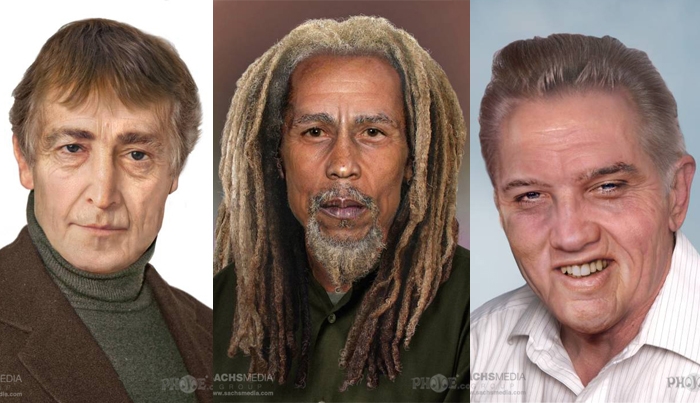
On the oth­er hand, it’s death­ly hard to con­trol one’s image from beyond the grave. Espe­cial­ly when you’ve got an award-win­ning PR Agency and a pho­to manip­u­la­tion com­pa­ny team­ing up to imag­ine how you might look had you sur­vived!

The twelve unlucky recip­i­ents of these posthu­mous makeovers remain house­hold names (see the gallery here), even though it’s near­ly twen­ty years since the last of their num­ber drew breath. Like Jim Mor­ri­son, Janis Joplin and Jimi Hen­drix, Kurt Cobain was but 27 when he passed, though at the time of his birth, the oth­er three were all old enough to be his mom­my or dad­dy. Fit­ting, then, that he appears to be the baby of the gold­en group.

Music writer Eli­jah Wald and pop­u­lar music schol­ar Reebee Garo­fa­lo offer insights below each por­trait in the gallery about where the sub­jects might now find them­selves in their careers. It’s all con­jec­ture, but their expe­ri­ence ensures that their opin­ions can be tak­en as edu­cat­ed guess­es, at least.

Less con­vinc­ing are the sar­to­r­i­al choic­es on dis­play. Den­nis Wil­son in a Hawai­ian shirt, okay, but were he alive, might not Kei­th Moon fol­low suit with for­mer-band­mates Pete Town­shend and Roger Dal­trey, both of whom have adopt­ed the sleek, mono­chro­mat­ic wardrobe favored by aging rock gods?

And who here thinks the 78-year-old Elvis would traipse around in the sort of short-sleeved poly-blend shirt my late grand­fa­ther wore to his week­ly men’s prayer break­fast?

For pity’s sake, age does not auto­mat­i­cal­ly imply drab­ness!

(Who’s that I see over there? Could it be Yoko Ono, look­ing great at 80, in a top hat and tap pants? Even if she were look­ing less-than-fit, it would still be a bold choice! I doubt she wears that get-up to the gro­cery store, but the pro­gres­sion of time has not robbed her of the abil­i­ty to make a delib­er­ate visu­al impres­sion.)

What is refreshing—though not nec­es­sar­i­ly believable—is how none of the res­ur­rect­ed icons in these por­traits seem to have gone in for plas­tic surgery.

Relat­ed Con­tent: 

Jimi Hendrix’s Final Inter­view on Sep­tem­ber 11, 1970: Lis­ten to the Com­plete Audio

Watch Janis Joplin’s Final Inter­view Reborn as an Ani­mat­ed Car­toon

Ani­mat­ed Video: Kurt Cobain on Teenage Angst, Sex­u­al­i­ty & Find­ing Sal­va­tion in Punk Music

Ayun Hal­l­i­day is the author of sev­en books, most recent­ly Peanut. Fol­low her @AyunHalliday.

November 22, 1963: Watch Errol Morris’ Short Documentary About the Kennedy Assassination

We live in a fine time for con­spir­a­cy the­o­rists, in at least a cou­ple of sens­es. First and more broad­ly, giv­en the pow­er of the inter­net, they’ve nev­er had clos­er at hand the semi-incrim­i­nat­ing, half-hid­den pieces of infor­ma­tion on which they build and with which they bol­ster their sus­pi­cions. Nor have they ever had a more effec­tive means of gath­er­ing and dis­cussing their find­ings. Sec­ond and more specif­i­cal­ly, the 50th anniver­sary of the assas­si­na­tion of Pres­i­dent John F. Kennedy has come upon us. This has set all those fas­ci­nat­ed by that grim his­tor­i­cal event, from the sober­est of skep­tics to the sheer­est para­noiacs, eval­u­at­ing and re-eval­u­at­ing it even more thor­ough­ly than usu­al. Above you’ll find the short Novem­ber 22, 1963 by Errol Mor­ris, a clear-eyed doc­u­men­tar­i­an and inter­view­er fas­ci­nat­ed not only with those who con­spire and those who the­o­rize about such con­spir­a­cies, but also with the grander implic­it ques­tions about what we know and what we don’t, what we can know and what we can’t, and whether we even know what we can and can’t know in the first place. (The title of his new fea­ture-length doc­u­men­tary about Don­ald Rums­feld: The Unknown Known.)

“The more you inves­ti­gate a crime, the more it becomes crys­tal-clear what hap­pened,” says Josi­ah “Tink” Thomp­son, schol­ar of Søren Kierkegaard, pri­vate detec­tive, and author of Six Sec­onds in Dal­las: A Micro-Study of the Kennedy Assas­si­na­tion (a book with which any­one who has seen Richard Lin­klater’s Slack­er will already feel some famil­iar­i­ty). “I don’t think any oth­er crime I know of in his­to­ry has been inves­ti­gat­ed with the kind of inten­si­ty that this has. And yet I don’t think we get any clos­er to know­ing what hap­pened now than we were 40, 45 years ago.” This opens a dis­cus­sion of how all the pho­to­graph­ic evi­dence of 11/22/63, up to and includ­ing the awe­some­ly scru­ti­nized Zaprud­er film, bears on the mat­ter. “Is there a les­son to be learned?” Mor­ris asks. “Yes, to nev­er give up try­ing to uncov­er the truth. Despite all the dif­fi­cul­ties, what hap­pened in Dal­las hap­pened in one way rather than anoth­er. It may have been hope­less­ly obscured, but it was not oblit­er­at­ed.” And just as Novem­ber 22, 1963 fol­lows up The Umbrel­la Man, Mor­ris’ pre­vi­ous piece with Thomp­son, Thomp­son has a sequel of his own in the works: a book called Last Sec­onds in Dal­las. JFK assas­si­na­tion nuts — and I mean that in the nicest way — have their read­ing ahead of them.

Novem­ber 22, 1963 will be added to the Doc­u­men­tary sec­tion of our col­lec­tion of 600 Free Movies Online.

Relat­ed con­tent:

Revis­it­ing JFK on YouTube

Who Killed JFK? Two New Stud­ies

Film­mak­er Errol Mor­ris Gives Us “11 Excel­lent Rea­sons Not to Vote?”

Col­in Mar­shall hosts and pro­duces Note­book on Cities and Cul­ture and writes essays on lit­er­a­ture, film, cities, Asia, and aes­thet­ics. He’s at work on a book about Los Ange­lesA Los Ange­les Primer. Fol­low him on Twit­ter at @colinmarshall.

Take a Virtual Tour of Venice (Its Streets, Plazas & Canals) with Google Street View

There’s some­thing inher­ent­ly ridicu­lous about Google’s Street View cars.

Their roof-mount­ed 15-lens Trekker cam­eras con­stant­ly blun­der across less-than-dig­ni­fied scenes whilst trawl­ing the roads on behalf of Google Maps (a ser­vice that is for­ev­er linked in my mind to Lazy Sun­day, the pre­pos­ter­ous rap video star­ring come­di­ans Andy Sam­berg and Chris Par­nell.)

The cars them­selves are total­ly goofy-look­ing. I would imag­ine that spot­ting one in real life is some­thing akin to a Wein­er­mo­bile sight­ing. No won­der the pro­duc­ers of Arrest­ed Devel­op­ment arranged for George Michael Bluth, the hap­less inno­cent played by Michael Cera, to dri­ve one in the series’ fourth sea­son.

gondolier

I have a hunch that the Street View Trekker’s back­pack mod­el will ulti­mate­ly prove less mock­able than its four-wheeled coun­ter­part. It can go where cars can’t, con­fer­ring an extreme sports vibe despite the big, ball-shaped cam­era appa­ra­tus stick­ing up. A lim­it­ed pilot pro­gram has been recruit­ing vol­un­teers to wear the back­pack in such locales as Bul­gar­ia, Indone­sia, and South Africa. The Philip­pines is anoth­er des­ti­na­tion where vol­un­teers are sought, and all kid­ding aside, it would be riv­et­ing to see how this tech­nol­o­gy might doc­u­ment the dev­as­ta­tion in Tacloban.

For now, the non-auto­mo­tive Street View’s great­est tri­umph lies in record­ing the canals and cob­bled walk­ways of Venice, Italy, a feat impos­si­ble to pull off in a car. To accom­plish this, a team of back­pack­ers logged over 375 miles on foot and by boat. Their efforts pro­vide tourists with prac­ti­cal infor­ma­tion in a for­mat to which they’ve no doubt grown accus­tomed, as well as pre­sent­ing arm­chair trav­el­ers with plen­ty of non-dis­ap­point­ing eye can­dy.

Cyber vis­i­tors can choose to tra­verse the Float­ing City much as actu­al vis­i­tors can — on foot, by vaporet­ta or by gon­do­la. (I’d advise mak­ing a trip to the bath­room even if you’re not actu­al­ly leav­ing home. At the very least turn the sound down — the pad­dling nois­es accom­pa­ny­ing the last option could cause a Pavlov­ian blad­der response.)

In addi­tion to the Street View and stan­dard map, you can explore using a sepia-toned map from the David Rum­sey His­tor­i­cal Map Col­lec­tion, that dates back to 1838.

A love­ly escape, all in all. Let us hope it nev­er opens to traf­fic.

You can start your tour here.

Relat­ed Con­tent:

How Venice Works: A Short Film

Google Street View Opens Up a Look at Shackleton’s Antarc­tic

A Vir­tu­al Tour of the Sis­tine Chapel

Google Street View Takes You on a Panoram­ic Tour of the Grand Canyon

Ayun Hal­l­i­day is the author of No Touch Mon­key! And Oth­er Trav­el Lessons Learned Too Late, The Zinesters Guide to NYC and sev­er­al oth­er books. Fol­low her @AyunHalliday

James Joyce’s Dublin Captured in Vintage Photos from 1897 to 1904

dublin 1902

The Google Cul­tur­al Insti­tute has drawn our atten­tion before, with its vir­tu­al exhi­bi­tions on the rise of the Eif­fel Tow­er, the fall of the Iron Cur­tain, and many oth­er notable chap­ters of human his­to­ry. Today, take a look at a Google Cul­tur­al Insti­tute gallery that has a foot in lit­er­a­ture as well as in his­to­ry, Dublin­ers: the Pho­tographs of J.J. Clarke from the Nation­al Library of Ire­land. Sub­ti­tled “a glimpse of James Joyce’s Dublin,” the online show presents pic­tures tak­en by this fel­low Clarke at the turn of the 20th cen­tu­ry, when he came to the Irish cap­i­tal to study med­i­cine. His “pho­to­jour­nal­is­tic approach to his sub­jects allowed him to cap­ture vivid scenes from the dai­ly lives of Dublin’s men, women and chil­dren.”

CLAR_071

This made Clarke a con­tem­po­rary of Joyce, and so his “images also show us how the city looked” to the writer “whose best known works — the short sto­ry col­lec­tion Dublin­ers, and the nov­els A Por­trait of the Artist as a Young Man and Ulysses — are all set around that time, when Joyce too was a young stu­dent fas­ci­nat­ed by the world around him.”

Both the pho­tog­ra­ph­er and the nov­el­ist, in their sep­a­rate forms, set about cap­tur­ing the city, the era, and the cul­ture around them, and the pic­tures of Clarke’s fea­tured at the Google Cul­tur­al Insti­tute could eas­i­ly illus­trate any of Joyce’s books.

CLAR_008

I’ve long enjoyed repeat­ing the obser­va­tion that, had the real Dublin crum­bled, we could rebuild it from the details giv­en in Ulysses — or at least we could rebuild the Dublin of 1904. But I now accept that hav­ing on hand Clarke’s pho­tographs, about which you can learn much more at the Nation­al Library of Ire­land’s site, they would great­ly speed the recon­struc­tion process as well. All of the Joycean texts men­tioned above can be found in our col­lec­tion of Free Audio Books and Free eBooks.

Relat­ed Con­tent:

Vladimir Nabokov Cre­ates a Hand-Drawn Map of James Joyce’s Ulysses

James Joyce, With His Eye­sight Fail­ing, Draws a Sketch of Leopold Bloom (1926)

James Joyce Reads ‘Anna Livia Plura­belle’ from Finnegans Wake

Col­in Mar­shall hosts and pro­duces Note­book on Cities and Cul­ture and writes essays on lit­er­a­ture, film, cities, Asia, and aes­thet­ics. He’s at work on a book about Los Ange­lesA Los Ange­les Primer. Fol­low him on Twit­ter at @colinmarshall.

« Go BackMore in this category... »
Quantcast